View Article

  • Extraction, Isolation of Diosgenin from Dioscorea Alata Tuber and Development of a Polyherbal Syrup for Ovarian Disorder (PCOD)

  • PG Research Scholar*, Dean Professor, Associate Professor, SPS, Shri Guru Ram Rai University, Dehradun, Uttarakhand, India

Abstract

Endocrine disorder is a condition related to hormones, and Polycystic Ovarian Disorder is one of them. This condition predominantly affects women. In females, it disrupts hormonal balance, compromises ovarian function, and causes metabolic irregularities, frequently leading to infertility. In recent years, herbal therapies have gained interest due to their multi-targeted mechanisms and fewer side effects than conventional treatments. This research work aims to extract and isolate diosgenin, which is a steroidal sapogenin, from the tubers of Dioscorea alata, and develop a polyherbal syrup formulation for the treatment of PCOD. Diosgenin was extracted using the soxhlet extraction method, followed by acid hydrolysis of saponin glycosides, and further purified with suitable organic solvents. Its identification and purity were confirmed through the UV spectroscopy technique and chromatographic technique. Diosgenin is an important precursor for steroidal hormone synthesis and shows estrogenic, anti-inflammatory, and modulatory effects on ovarian activity. A polyherbal syrup was formulated by combining diosgenin and amla extract distinguish for their role in maintaining hormonal balance and promoting reproductive health. This formulation was assessed for its possible therapeutic effectiveness. The synergistic effects of Dioscorea alata and Amla phytoconstituents improve hormonal balance, reduce oxidative stress and support the regulation of menstrual cycles. Overall, this study shows the potential of diosgenin obtained from Dioscorea alata tuber and also Amla. It supports the formulation of an effective polyherbal syrup for PCOD treatment. Further pharmacological and clinical studies are required to confirm its safety and effectiveness.

Keywords

Hormonal imbalance, Diosgenin, Steroidal sapogenin, Anti-inflammatory, Ovarian disorder, Anti-oxidant activity, Polyherbal formulation

Introduction

× Popup Image

Dioscorea alata is an edible tuberous plant that is a member of the Dioscoreaceae family. It is also known as purple yam, winged yam, greater yam or water yam. It is widely cultivated around the world in tropical and subtropical regions [1], especially in Asia, Africa, and the Pacific Islands. The plant is prized for its starchy tubers, which are an important food source and rich in carbohydrates. Dioscorea alata is well known for its therapeutic qualities, such as anti-inflammatory, antioxidant, and antidiabetic qualities, in addition to its culinary uses. The plant has been shown to have a wide range of bioactive chemicals that add to its many medicinal benefits. Additionally, because it is used in traditional medicine and rituals, the plant has cultural significance in many communities [2][3][4].

Diosgenin: Diosgenin is a natural bioactive steroidal sapogenin and it extracted from the tuber of Dioscorea species.  It is a member of the triterpene group. Many pharmaceutical industries are showing interest in the manufacturing of diosgenin [5][8]. It is the aglycone that is produced when saponin dioscin, a substance present in Dioscorea species, is hydrolysed [6][8]. After the acidic hydrolysis of glycosides diosgenin is obtained in the form of white precipitate. Then, washed with a suitable organic solvent, obtain pure diosgenin in the form of white or off-white powder. It is a primary and important precursor for the synthesis of oral contraceptives, corticosteroids, sexual hormones, and other steroidal medications [7][8].
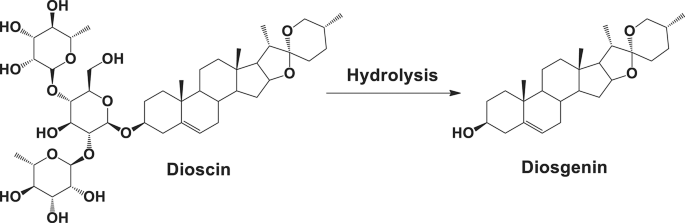
 

Figure: 1 Chemical structure of Diosgenin (C27H42O3) [9]

Polycystic ovarian disorder: Polycystic means many cysts. Polycystic ovarian disorder is a complex disorder of chronic oligoanovulation or oligomenorrhoea and clinical or biochemical hyperandrogenism [10][11]. The condition known as polycystic ovarian disorder is characterised by an imbalance of hormones in women. This condition can cause irregular menstrual cycles, fertility issues, and difficulty in conceiving. Diabetes and heart disease are two major health issues that can develop if proper treatment is not provided. In this condition, many small cysts grow on women ovaries. That’s why this condition known as Polycystic ovarian disorder. The cysts cause hormone abnormalities, although they are not dangerous. Long-term issues can be avoided, and symptoms can be managed with early diagnosis and treatment [12][13].

Symptoms: Symptoms may include irregular menstrual cycle, obesity, change in blood pressure, Body mass index, increase androgen level in blood, high glucose in blood, enlarge breasts, and hyperinsulinemia. Ultrasound may show polycysts. PCOS women may have unwanted body or facial hair growth, thinning hair on the scalp, Skin problems like skin darkening and acne. Hyperandrogenism and anovulation interact with insulin resistance in the PCOD. Ovarian hyperandrogenism is mainly caused by inherent steroidogenic defect of theca cells. Increase level of Lutenising hormone (LH) and insulin amplify the intrinsic abnormality of theca steroidogenesis. Decrease ratio of Follicle-stimulating hormone (FSH)/ Lutenising hormone (LH) are involved [11][14][15].

Figure: 2 Polycystic ovary disorder [16]

Polyherbal Syrup: Polyherbal formulations, which integrate various medicinal herbs, are recognized for their ability to produce synergistic therapeutic benefits while reducing toxicity. Conventional treatments sometimes give side effects, resulting in a growing interest in herbal treatment or medicines [17][18]. Herbal medications like Dioscorea alata (Purple yum) and Emblica officinalis (Amla) exhibit notable pharmacological effects, including hormonal regulation, antioxidant activity, and anti-inflammatory properties [19][20][21][22]. Consequently, this study aims to develop a polyherbal syrup formulation for the treatment of Polycystic Ovary Disorder (PCOD) [23][24]. The syrup formulation chosen ease administration and enhances patient compliance.

Taxonomy of Herbs:

Dioscorea alata: Common name- Water yam, Winged yam, Purple yam

Family: Dioscoreaceae

Genus: Dioscorea

Species: Dioscorea alata L. [25][26]

Phytoconstituents: Flavonoids, Glycosides, Tannins, Anthraquinones

Major Phytoconstituent: Steroidal compound (Diosgenin).

Uses: Anti-inflammatory, Antioxidant, Anti-diabetic, Anti-hypertensive, Anti-cancer [27][28][29][30], Aphrodisiac activity, Anthelmintic and Diuretic activity [31].
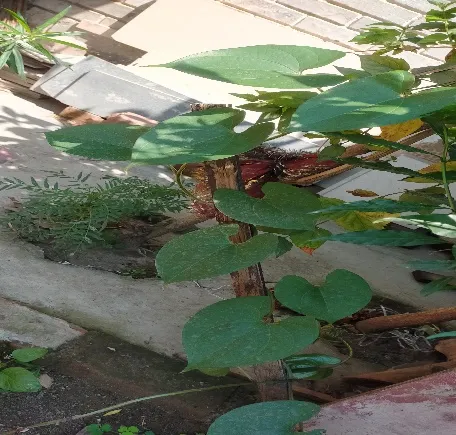
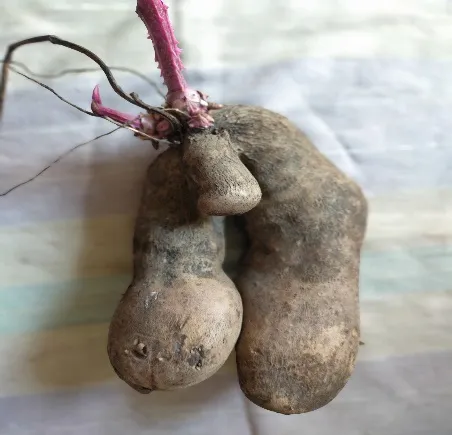


Figure: 3 Dioscorea alata (A) Plant (B) Tuber

Phyllanthus emblica: Common name- Amla or Indian gooseberry

 Family: Phyllanthaceae

Genus: Phyllanthu

Species: Phyllanthus emblica L.

Phytoconstituents: Tannins (emblicanin A&B), Polyphenols (gallic acid, ellagic acid), Flavonoids (quercetin, rutin), Vitamin C [32][33].

Uses: Antioxidant, Anti-inflammatory, Diuretic, Anti-aging, Anti-diabetic, Anti-microbial, Hepatoprotective, Gastroprotective, Chemo preventive properties [33][34][35][36]
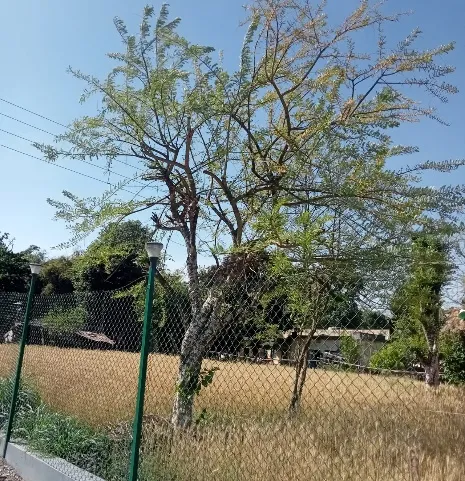
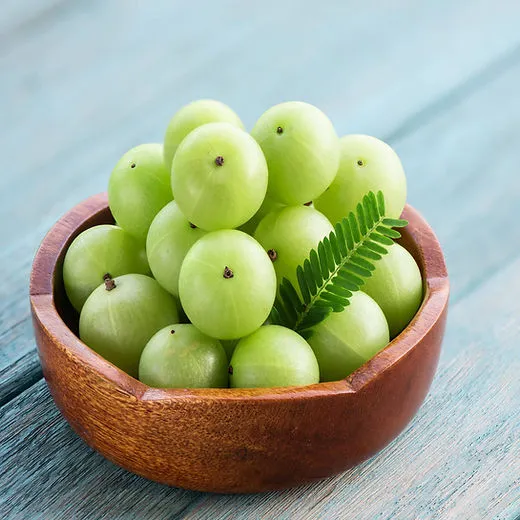


Figure: 4 Phyllanthus emblica (A) Tree                 (B) Amla fruit [37]

Materials And Method: Polyherbal syrup was prepared by decoction method [38]. Dioscorea alata (Purple yam) Tuber and Phyllanthus emblica (Amla) fruit was obtained from local market of Rishikesh, Dehradun, Uttarakhand. Both plants specimens have been detected, approved, and authenticated by Botanical Survey of India (BSI), Northern Regional Centre, Kaulagarh Road, Dehradun. Phyllanthus emblica was extracted by cold maceration with hydroalcoholic solvent. Then, extract was filtered and concentrated. After that, use this concentrated extract in polyherbal syrup. Phyllanthus emblica extract safe and effective amount is 500-1000 mg/day [39]. Dioscorea alata was extracted by Soxhlet apparatus with suitable organic solvents and after the acid hydrolysis process obtained pure form of diosgenin [40][38]. Which is use for Polyherbal syrup formulation. Diosgenin safe and effective amount is 8-50 mg/day [41]. An inverted sugar syrup base is used in the formulation due to its high  performance, stability, and sweetness [42][43][44].

Extraction method of Diosgenin from Dioscorea alata Tuber: Extraction process was done by using Soxhlet apparatus.

Collection and Preparation of Sample
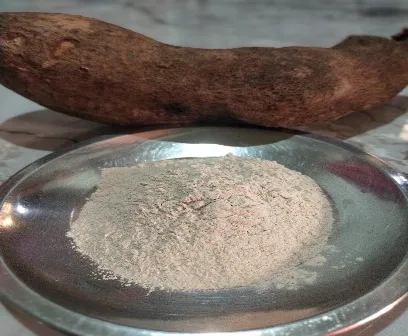
  • The Dioscorea alata tubers were collected, washed and dried in the shaded condition.
  • After that, dried tubers were ground into coarse powder using a mechanical grinder.


Figure: 4 (A) Tuber                          (B) Powder Drug

Defatting of Sample (Removal of Fats from Sample)                                   
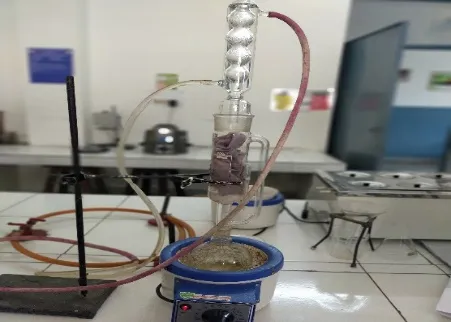
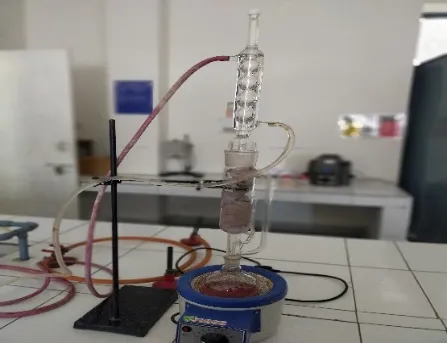
  • 300 g powdered drug was weighed and packed into a soxhlet apparatus.
  • The powdered drug was extracted with petroleum ether for 6-8 hours at 60 -70º C. 
  • After that, the marc (residue) was removed from the Soxhlet apparatus and dried.              


Figure:5 (A) Defatting                 (B) Defatted extract

Extraction with methanol or ethanol
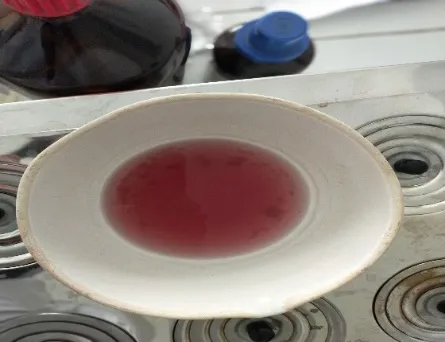
  • The defatted marc (residue) was placed in a Soxhlet apparatus.
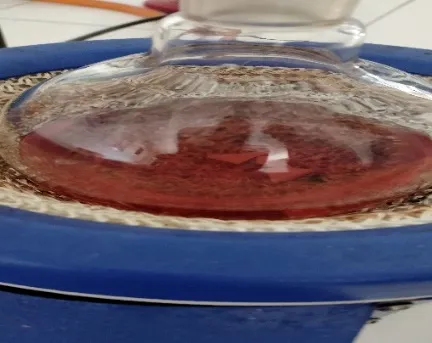
  • Then, extraction of the marc (residue) was performed using 95% methanol or ethanol for 6-8 hour at a temperature 60-70° C.
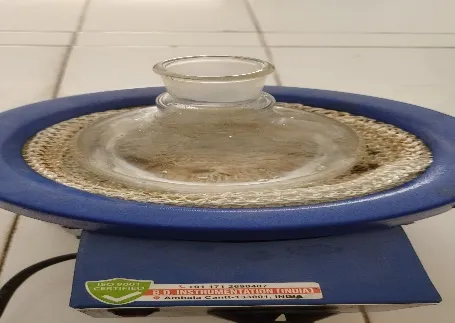
  • After that, extract was collected and evaporated on water bath at medium temperature.


Figure: 6 (A) Extraction                           (B) Extract                                   (C) Evaporation                                                                                                                                                                         

Acid Hydrolysis of glycosides (remove sugar moiety)

  • The concentrated extract was treated with 2N HCL in a 1:1 ratio.
  • Then, the mixture was filtered to obtain the residue.
  • The residue was washed with distilled water.
  • This step removed the sugar moiety of diosgenin [45].

Figure 7: Acid Hydrolysis

Isolation of Diosgenin

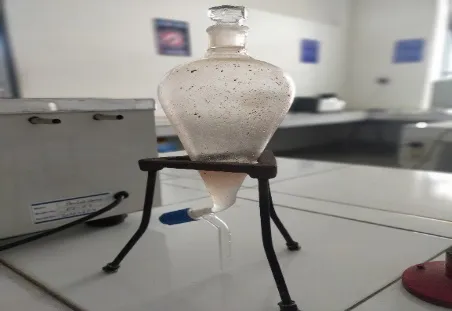
  • The Hydrolysed mixture was transferred into a separating funnel.
  • Then, 25 ml of chloroform was added into the separating funnel and shaken properly with venting.
  • The mixture was allowed to stand for phase separation. The lower layer was chloroform layer contained diosgenin and upper layer was aq. layer.
  • The lower layer was collected, and this same procedure was repeated twice with aqueous layer.
  • Then, all the chloroform layers were mixed and evaporated on a water bath.
  • Residue was collected and recrystallized with methanol.
  • After the recrystallization, pure diosgenin crystals were obtained.
  • White or off-white crystals of diosgenin were obtained [40][46][47].

Weight of Diosgenin / Weight of powdered drug x 100

2.4 / 300 × 100= 0.8%
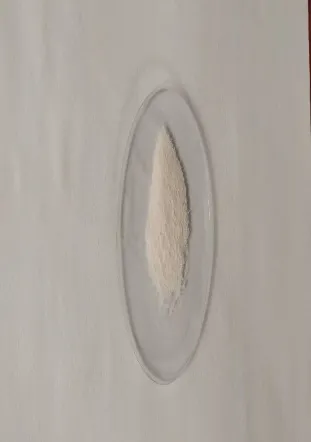


Figure:8   (A) Separation                           (B) Diosgenin

Extraction method of Phyllanthus emblica: Extraction of Phyllanthus emblica (amla) was done by using the cold maceration method.

  • 60 g of amla powder was weighed and the powder was transferred into a clean, dry beaker.
  • Then, 250 ml hydroalcoholic solvent (70% ethanol) was added into the beaker and the drug was soaked properly.
  • The beaker was covered and kept for 3-7 days at room temperature.
  • The mixture was stirred 2-3 times daily for better extraction.
  • After, 3-7 days, the mixture was filtered, and the filtrate was evaporated on a water bath at low temp.
  • A thick extract was obtained after evaporation.
  • The obtained extract was stored in an air tight container for further use [48][49].

% Yield= Weight of amla extract/ Weight of powdered drug x 100

18 /60 × 100 = 30%


Figure 9: (A) Amla Powder                     (B) Cold maceration                           (C) Evaporation

Identification Test for both Drug:

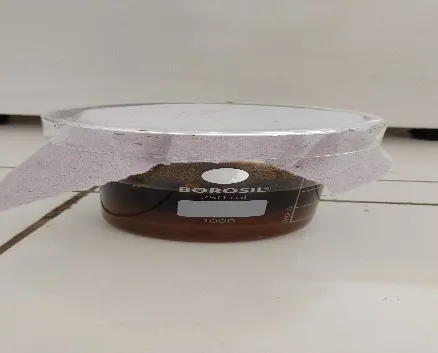
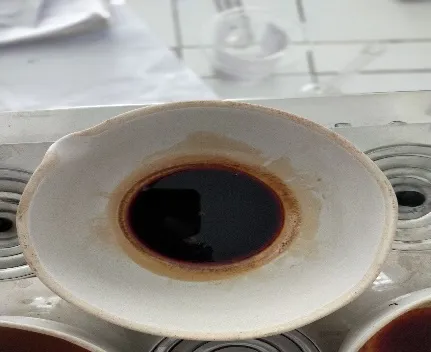
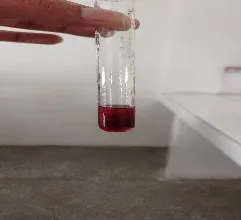
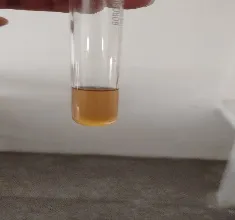
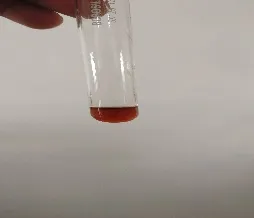
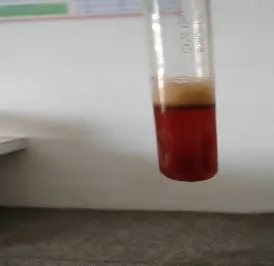
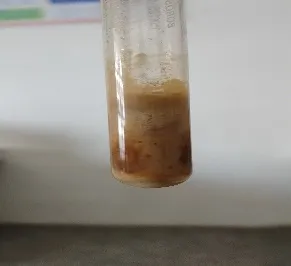
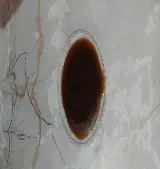
Table 1: Test for Diosgenin [50][52][53]

S.no.

Test

Procedure

Observation

Result

1.

Salkowski Test

Dissolve extract in chloroform. Add conc. Sulfuric acid.

Reddish-brown color

Steroidal compound Present

2.

Keller-Killani Test

Dissolve extract in glacial acetic acid + add few drops of FeCl3 + add H2SO4

Brown ring at interface

Glycosides present

3.

Vanillin-Sulfuric acid Test

Add vanillin reagent in extract + conc. H2SO4, Heat gently.

Pink /Red color

Steroidal sapogenin present

4.

Foam Test

Extract + water, Shake thoroughly.

Foam produce

Saponin present


Figure:10 (1)                                                   (2)                             (3)                            (4)

Thin Layer Chromatography (TLC):

Stationary phase- Silica gel G

Mobile phase- Hexane: Ethyl acetate (7:3)

Rf value =   Distance travelled by compound

                     Distance travelled by solvent

Rf value = 3.1/5 = 0.6

Mobile phase- Toluene: Ethyl acetate (7:3) [51]

Rf value = 2.8/5 = 0.5

Table 2: Test for Phyllanthus emblica (Amla) [52][53]

S.NO.

TEST

PROCEDURE

OBSERVATION

RESULT

1.

Test for Tannins

Add few drops of Fecl3 solution + amla extract

blue/black color

Tannins present

2.

Test for Phenols

Add lead acetate solution + extract

White precipitate

Phenolic compound present

3.

Test for Saponins

Extract + water, Shake thoroughly.

Foam produce

Saponins present


Figure: 11 (1)                              (2)                                  (3)

Thin Layer Chromatography (TLC):  For the separation of Tannins, Phenols, Flavonoids Stationary phase- silica gel G

Mobile phase- Toluene: Ethyl acetate: Acetic acid:

Formic aid (2.3: 4.7: 2.3: 0.6)  [54]       

Rf value = 2.8/7.0 = 0.4

  • For Glycosides, Mobile phase- Chloroform: Methanol (9:1)   [55]

Rf value = 3.9/7.0 = 0.5

Formulation of Polyherbal Syrup: The Polyherbal syrup was prepared using the following composition for a 200 ml batch.

Table 3: Composition of Polyherbal Syrup for 200 ml [4][56][57][58][59][60][61][62][64]

S.no.

Ingredient

Quantity

Function

1.

Diosgenin

0.8 g

Improve hormonal regulation, Anti-androgenic

effect, Anti-inflammatory action, Improve

insulin resistance, Anti-oxidant activity,

Improve ovulation or Fertility enhancement.

2,

Amla extract

10 g

Anti-oxidant activity, Hormonal balance

Support, Anti-inflammatory activity, Improve

lipid profile, Improve menstrual cycle

regulation, Improve liver function.

3.

Citric acid

0.3 g

Inversion of sugar, Prevent crystallization,

Maintain pH of syrup.

4.

Glycerin

10 ml

Co-solvent, Viscosity enhancer, Stability

enhancer, Preservative support, Sweetening

agent.

5.

Sodium benzoate

0.2 g

Preservative

6.

Ethanol

10 ml

Co-solvent

7.

Sucrose 66.7% w/w

(Inverted base)

133.4 g

Syrup base

8.

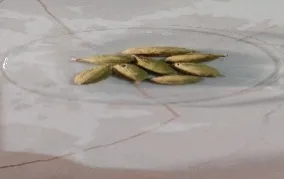
Cardamom extract

2 ml

Flavouring agent

9.

Distilled water

q.s up to

200 ml

Vehicle or solvent

Preparation method of Polyherbal Syrup:
  • 133.4 g of sucrose was weighed and transferred into a beaker.
  • Then, 60 ml of distilled water was added into the beaker and the mixture was boiled at a temperature 60-70° C with continuous stirring until the sucrose was dissolved [61].
  • After that, 0.3 g citric acid was added to the solution for the inversion of sucrose and solution was heated for 20 min at a temperature 40º C [63].
  • Simple syrup (solution) was cooled at room temperature and then filtered
  • 0.8 g of diosgenin was weighed and dissolved in 10 ml of ethanol with continuous stirring.
  • Then, 10 ml of glycerine was added to the ethanol solution and mixed well.
  • 10 g of amla extract was weighed and dissolved in distilled water.
  • After that, both solutions were added to the simple syrup with the continuous stirring.
  • For flavour, 2 ml cardamom extract was added to the formulation with stirring.
  • The final volume made up with distilled water and stored in suitable container.


(A) Diosgenin                                              (B) Amla extract                                     (C) Citric acid


(D) Glycerin                                                            (G) Simple syrup (Base)                                                   (E) Ethanol
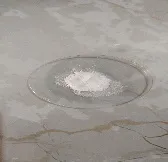


(F) Sodium benzoate                                                          (H) Cardamom

Figure 12: Composition of Polyherbal Syrup

Evaluation Parameters of Polyherbal Syrup: The evaluation of polyherbal syrup was evaluated for various parameter [64][65].

  • Organoleptic properties: The organoleptic properties of the syrup, including appearance, color, odor, and taste, were evaluated.
  • pH Determination: The pH of formulation was evaluated using a digital pH meter at room temperature. The pH of polyherbal syrup typically ranges from 4.0-6.5 [66]


Figure 13: pH meter

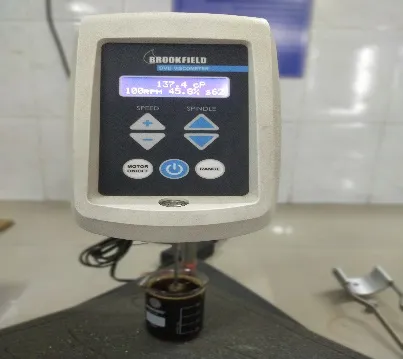
  • Viscosity measurement: Viscosity of the formulation was determined at room temperature using a Brookfield viscometer with spindle no.62 and 100 rpm, with readings taken in triplicate, and the mean value recorded. The viscosity of polyherbal syrup typically ranges from 100-800 cP [64][67].


Figure 14: Brookfield Viscometer

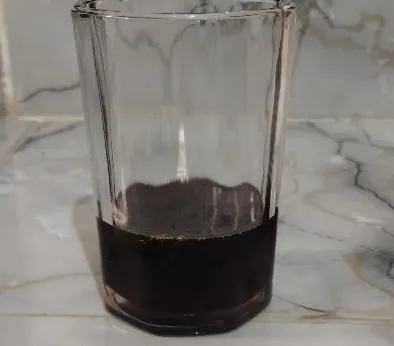
  • Clarity test: Homogeneity of the syrup was measured by visual examination in terms of uniform distribution, absence of phase separation, and lack of particle matter [68].


Figure 15: Clarity test

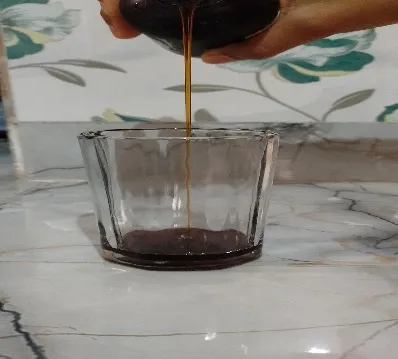
  • Pourability test: The ease of flow was visually assessed by pouring the syrup from a container at a fixed angle. The formulation was examined to ensure uninterrupted, smooth flow of syrup [69].


Figure 16: Pourability test

Table 4: Evaluation Parameter

S.NO.

PARAMETER

RESULT

1.

Color

Brown

2.

Odour

Pleasant aromatic

3.

Taste

Sweet with slight bitterness

4.

Appearance

Clear, brown liquid without turbidity

5.

pH

5.2

6.

Viscosity

137cP

7.

Clarity Test

No visible particulate matter

8.

Pourability

Smooth flow

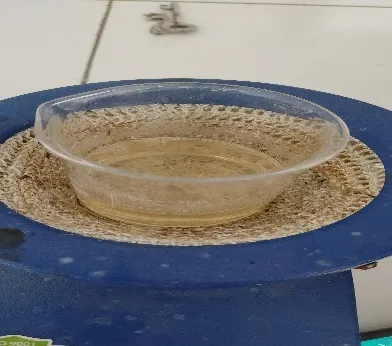
In Vitro study of Polyherbal Syrup

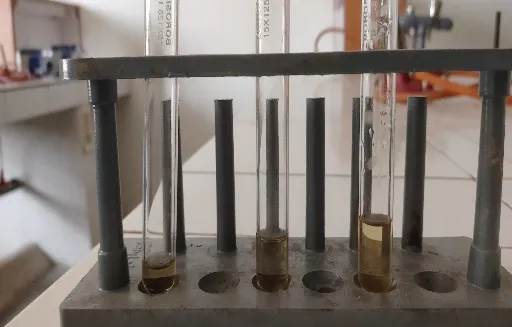
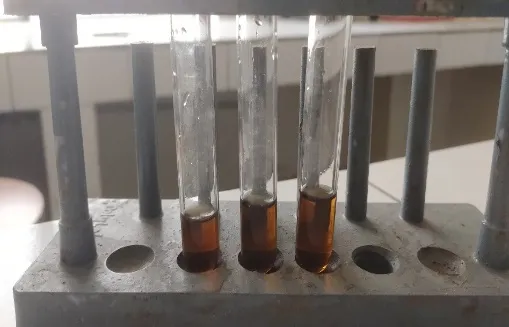
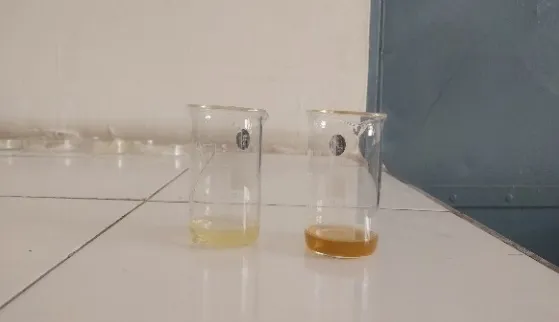
  • KMnO4 Test for Anti-oxidant activity: Potassium permanganate (KMnO4) is a strong oxidizing agent. Anti-oxidants reduce potassium permanganate, resulting in decolorization of its purple color and it indicates anti-oxidant activity.

Procedure:

  1. 1ml of sample and 9 ml of distilled water was taken in a beaker.
  2. The solution was mixed well to obtain the stock solution.
  3. Then, different volumes of the stock solution (1ml, 2ml, 3ml) were taken in separate test
  1. Tubes.
  1. 1ml of KMnO4 solution was added to each test tube.
  2. The mixture were gently shaken and observed.
  3. The purple color of KMnO4 was decolorized to light brown/yellowish brown solution,  showed antioxidant activity [70][71].  


         Figure 17: (A) Before                 B) After decolorization of KMnO4 color

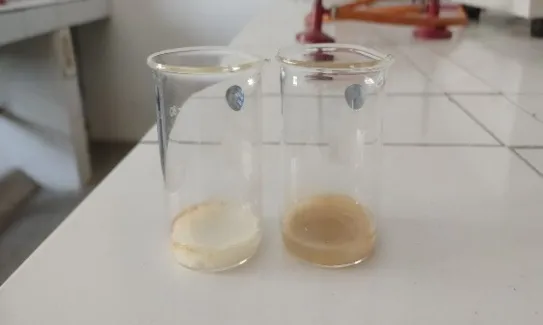
  • Anti-inflammatory Activity by Egg Albumin Denaturation method: Protein denaturation is a well- established model for studying inflammation. Egg albumin undergoes denaturation when heated, leading to its coagulation. The ability of the formulation to reduce heat-induced denaturation demonstrates its anti-inflammatory effects.

Procedure:

  1. 1ml egg white (albumin) was taken in a test tube, and 1ml of distilled water was added.
  2. 1ml of egg white (albumin) was taken in another test tube, and 1ml of the sample (syrup) was added.
  3. Both test tube mixtures were mixed well and heated in a water bath at 60-70º C for 10-15 minutes.
  4. The mixtures was observed after 10-15 minutes.
  5. The sample mixture did not coagulate and remained slightly cloudy.
  6. The control (egg + water) mixture showed coagulation [72].


Figure 18: (A) Before heat                                            (B) After heat
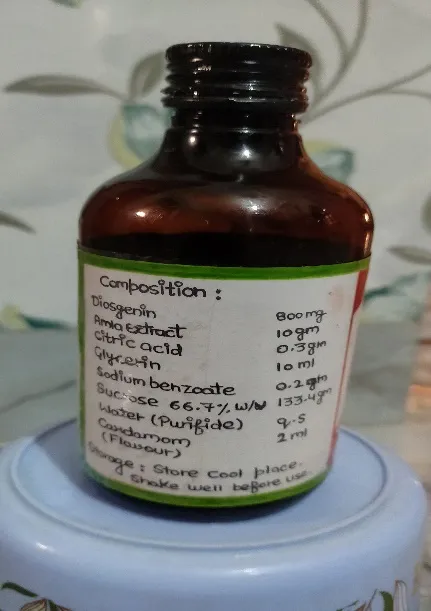


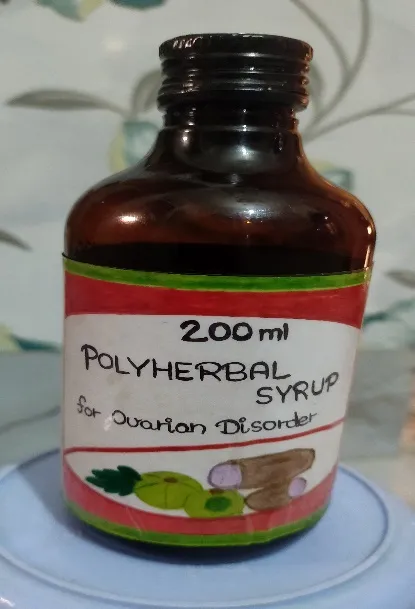
Figure 19: Final formulation- Polyherbal Syrup for Ovarian Disorder

RESULT:

In this study, Diosgenin was extracted from tubers of Dioscorea alata, and extract of Phyllanthus emblica (amla) was prepared. Subsequently, a polyherbal syrup was formulated using a suitable method. Various physicochemical parameters were performed for polyherbal syrup. Such as color, odor, taste, viscosity, clarity, and pourability test were evaluated. The formulation was found to be pleasant appearance, uniform consistency, and suitable viscosity range with good pourability. The formulation was found to be pharmaceutically acceptable. The potassium permanganate (KMnO4) antioxidant test was performed for polyherbal syrup to determine the antioxidant activity. In this test, purple color of KMnO4 solution was decolorized when the syrup was present. It indicates strong antioxidant activity of polyherbal syrup. The egg albumin denaturation method was performed to evaluated anti-inflammatory activity. In this test, the control sample coagulated upon heating. The syrup treated sample showed less coagulation and turbidity compared to the control. This indicates inhibition of protein denaturation. These results demonstrates that the polyherbal syrup has significant anti-inflammatory and anti-oxidant properties.

DISCUSSION: PCOD is characterized by inflammation, hormonal imbalance and oxidative stress. In this study, Amla extract (which is rich source of vitamin C and phenolic compounds) and diosgenin (a steroidal saponin) were utilized due to their established medicinal or therapeutic effects. The biological activity of the formulation was enhanced by the successful extraction of diosgenin and amla constituents. The polyherbal syrup stability and suitability for oral administration were validated by the physicochemical analysis. The KMnO4 test showed antioxidant activity, and it demonstrated the formulation’s capacity to counteract free radicals. The presence of phenolics and vitamin C in amla may be responsible for this activity. Similarly, the egg albumin denaturation method demonstrated that the polyherbal syrup prevented protein denaturation, an important mechanism in inflammation. This signifies that diosgenin and other phytoconstituents may be responsible for the formulation’s possible anti-inflammatory activity.

Therefore, the synergistic action of amla and diosgenin may help in minimizing the oxidative stress and inflammation. Which are major factors involved in PCOD. 

CONCLUSION:

In this study, a polyherbal syrup with amla extract and diosgenin was successfully developed. In vitro, the formulation showed significant antioxidant and anti-inflammatory properties along with acceptable physicochemical characteristics. These results suggest that the developed polyherbal syrup may have therapeutic benefits in PCOD treatment. However, further in vivo and clinical studies are required to confirm its efficacy and safety.

ACKNOWLEDGEMENT: I would like to sincerely thank my department head and guide for their unwavering support, helpful advice, and perceptive recommendations during this research project on the extraction of diosgenin from Dioscorea alata and the creation of a herbal syrup for PCOD treatment. Their support was crucial to the accomplishment of this research project

REFERENCES

  1. Bakayoko, L., Pokou, D. N., Kouassi, A. B., Agre, P. A., Kouakou, A. M., Dibi, K. E. B., Nzue, B., Mondo, J. M., Adebola, P., Akintayo, O. T., Asfaw, A., & N'Guetta, A. S. P., Diversity of Water Yam (Dioscorea alata L.) Accessions from Côte d'Ivoire Based on SNP Markers and Agronomic Traits. Plants (Basel, Switzerland), (2021), Vol. 10(12), 2562.
  2.  Ganesan, K., “A Review of Phytochemical and Pharmacological Properties of Dioscorea alata.” International Journal of Pharmacognosy and Phytochemical Research, (2019), Vol. 11(3), P.no.62-68.
  3.  Mabry, T. J., & Markham, K. R., The Systematic Identification of Flavonoids. Springer Science & Business Media. (2007).
  4. Bhaumik.A. A., Vikram K., Das.l., S.Md. Shahil Abedin, Shome.P., Dey.B., “Review on Dioscorea Alata: Phytoconstituents, Pharmacological potential, and future therapeutic benefits. Journal of Neonatal surgery. (2015); Vol. 14, issue 9s, P.no. 852-857.
  5. Oncina R, Botia JM, Del Rio JA, Ortuno A , Bioproduction of diosgenin in callus cultures of Trigonella foenum-graecum L. Food Chemistry (2000),70: P.no. 489-492.
  6. Olayemi JO, Ajaiyeoba EO, “Anti-inflammatory studies of yam (Dioscorea esculenta) extract on wistar rats.” African Journal of Biotechnology. (2007),Vol.6: P.no.1913-1915.
  7. Burkill IH , The organography and the evolution of Dioscoreaceae, the family of the Yams. J Linn Soc (Bot) , (1960),56: P.no.319-412.
  8. Shah HJ, Lele, S.S., “Extraction of Diosgenin, a Bioactive Compound from Natural Source Dioscorea alata Var purpurae.” Journal of Analytical Bioanalytical Techniques. (2012); Vol.3, P.no.141-147.
  9. Sánchez-López, G.C., Carranza-Ojeda, D., Pérez-Picaso, L. et al. “Establishment of in vitro root cultures and hairy roots of Dioscorea composita for diosgenin production.” Plant Cell Tissue Organ Culture 161, 24 (2025).
  10.  Ehrmann, D. A, Medical progress: Polycystic Ovary syndrome, New England Journal of Medicine. (2005),Vol.352 no.12; P.no.1223-1236.
  11. Wardhan.R., “Polycystic ovarian cysts disorder (PCOD): Causes and control”. International Journal of Biotechnology and Biomedical Sciences. 2016, Volume 2, Number 1; January-June, , P.no. 32-33.
  12. Nina A, Zeib K et al. “Polycystic ovary syndrome (PCOS) and genetic predisposition: A review article.” European Journal of Obstetrics and Gynaecology and Reproductive Biology, 2019; Vol.3, P.no.1-6.
  13. Anjali C.S., George.M., Das.P., Soji.S., “PCOD in Female Reproductive Age - A Review” World Journal of Pharmaceutical Research. (2019) ,Vol.9, Issue.1, P.No. 677-684.
  14. Legro, R.S et al “Evidence for a genetic basis for hyperandrogenaemia in polycystic ovary syndrome.”, PNAS, USA; (1998),  95:14956-14960.
  15. Madnani N., Khan K., Chauhan P., Parmar G., “Polycystic ovarian syndrome.” Indian Journal Dermatology Venereology and Leprology. (2013); Vol.79, P.no. 310-321. https://www.pacehospital.com/pcod-polycystic-ovary-disease-cause-symptoms-and-treatment.
  16. Wagner H., “Synergy research: Approaching a new generation of phytopharmaceuticals.” Fitoterapia. (2011); Vol.82(1): P.no. 34-37.
  17. Williamson EM., “Synergy and other interactions in phytomedicines.” Phytomedicine.2001; Vol.8(5): P.no. 401-409.
  18. Sundkar S.U., Wankhede S., Kumar Sen A., Uppalwar S.V., “Pharmacological Properties and Therapeutic Applications of Dioscorea alata: Review Article.” Journal of Pharma Insights and Research, (2024) ,Vol.2(6) P.no. 149-157.
  19. Lebot V., Lawac F., Legendre L., “The greater yam (Dioscorea alata L.): A review of its phytochemical content and potential for processed products and biofortification.” Journal of food composition and Analysis. (2023), P.no.115.
  20. Saleh A. Almatroodi, Mohammed A. Alsahli, Almatroudi A., Dev K., Rafat S., Verma A.K., “Amla (Emblica officinalis): Role in health management via controlling various biological activities.” ScienceDirect. (2020) ,Vol. 21, 100820.
  21. Khurana S.K., Tiwari R., Sharun K., Mohd. Iqbal Y., Gugjoo M.B., Dhama K., “Emblica officinalis (Amla) with a Particular Focus on Its Antimicrobial Potentials: A Review.” Journal of Pure and Applied Microbiology. (2019), 13(4).
  22. Azziz R., “Polycystic ovary syndrome.” Nature Reviews Disease Primers. 2016; vol. 2:16057
  23. Franks S., “Polycystic ovary syndrome.” New England Journal of Medicine. 1995; 333: P.no. 853-861.
  24. K.R.M. Swamy, “Origin, Distribution, Taxonomy, Botanical, Description, Genetics, and Cytogenetics, Genetic, Diversity and Breeding of Yams (Dioscoreaceae spp.).” International Journal of Development Research. (2024), Vol. 14, issue:07 pp.66114-66132.
  25. Pati K., Jena B., V.B.S. Chauhan, Gowda H., R. Arutselven, “Greater Yam: An overview of its phytochemical profile and potential for ensuring food security.” Journal of Root Crops. (2022), 48(1&2), P.no. 13-20.
  26.  Wagh P., Shrirao A V., Chandewar A.V., “Review on Dioscorea alata and its Pharmacological application.” Research & Reviews: A Journal of Pharmacognosy. (2025): 12(02): P. no. 80-86.
  27. Wang Z., Zhao S., Tao S., Hou G., Zhao F., Tan S., Meng Q., “Dioscorea spp.: Bioactive Compound and Potential for the Treatment of inflammatory and Metabolic Diseases.” MDPI Journal molecules, (2023), vol. 28: issue. 6: 2878.
  28. Padhan, B, Panda, D, “Potential of Neglected and Underutilized Yams (Dioscorea spp.) for
  29. improving Nutritional Security and Health Benefits.” Front. Pharmacol. (2020), Vol.11, P.no. 496.
  30.  Induar S., Dubey D., Rath S., Meher R.K., Swain S.K., Tripathy S.K., “Evaluation of the Antioxidant and Antimicrobial Activity of the Nutritionally Rich Plant.” Biomedical and Pharmacology Journal. (2024):17(2).
  31. Maithili V., Dhanabal SP., Mahendran S., Vadivelan R., “Antidiabetic activity of ethanolic extract of tubers of Dioscorea alata in alloxan induced diabetic rats.” Indian Journal of Pharmacology. (2011), 43(4): P. no. 455-459.
  32. Kaswan P., “Natural resources as cancer- treating material.” (2023); Vol. 158, P.no. 369-392.
  33. Ahmad B., Hafeez N., Rauf A., Bashir S., Linfang H., Rehman S., Mohd. S. Mubarak, Bawazeer S., Mohd. Shariati A., Daglia M., Wan C., Rengasamy K.RR., “Phyllanthus emblica: A comprehensive review of its therapeutic benefits.” South African Journal of Botany. (2021); Vol.138, P. no. 278-310.
  34. Alkefai N H., Altaf A., Altaf Z., Khanam M., Khan A., “Medicinal and Therapeutic Potential of Phyllanthus emblica (Amla-Indian Gooseberry): A Review.” Journal of Nutrition and Food Sciences. (2023), Vol. 13, issue 3.
  35. Mirunalini K., Krishnaveni M., “Therapeutic potential of Phyllanthus emblica (amla): The ayurvedic wonder. Journal of Basic Clinical Physiology and Pharmacology. (2010); Vol.21 issue 1, P. no. 93-105.
  36. Bhandari PR, Kamdod MA., “Emblica officinalis (amla): A review of potential therapeutic applications.” International Journal of Green Pharmacy. (2012); Vol.6 (4), P.no.78-89.

https://www.nammafruits.com/product-page/gooseberry-amla

  1. Nerkar A.G., Ghadge S., “Formulation and Evaluation of Herbal Syrup of Ginger Extract.” Current Trends in pharmacy and pharmaceutical chemistry. (2023), 5(1): P.no. 30-33.
  2. Chen S.Y., Chiang I.C., Chen Y.Y., Hsu Y. H., Yen G.C., “Recent advances in the potential of Phyllanthus emblica L. and its related foods for combating metabolic diseases through methylglyoxal trapping.” Food Research International. (2024); Vol.194.
  3. Nazir R., Pandey D.K., Pandey B., Kumar V., Dwivedi P., Khampariya A., Dey A., Malik T., “Optimization of diosgenin extraction from Dioscorea deltoidea tubers using response surface methodology and artificial neural network modelling.” National Library of Medicine. (2021), Vol. 16(7).
  4. Darwin Nutrition, “Diosgenin: benefits, dosage, contraindications.” (2025). https://www.darwin-nutrition.fr (8. Nov .2025)
  5. Upadhyay L.S.B., Verma N., “Highly efficient production of inverted syrup in an analytical column with immobilized invertase.” Journal of Food Science and Technology. (2013), Vol.51(12): P.no. 4120-4125.
  6. Nerkar A.G., Dumbre R.K., Badar S., “Formulation and evaluation of herbal syrup of Arjuna extract.” Current Trends in Pharmacy and Pharmaceutical Chemistry. (2023), Vol.5(2); P.no. 75-78.
  7. Nerkar A.G., Gade P., “Formulation and evaluation of herbal syrup of Indian mulberry.” Current Trends in Pharmacy and Pharmaceutical Chemistry. (2023), Vol. 5(1); P.no. 42-44.
  8. Cynthia H., Rufina K., Dsouza M.R., “Diosgenin from Dioscorea alata: Extraction and potential effects on enzymes related to metabolic syndrome.” International Journal of Pharmacy and Biological Sciences. (2019), Vol.9(1); P.no. 177-185. https://www.scribd.com/document/418348163/Isolation-technic
  9. Radha Devi GM., “Extraction, Isolation, Identification and Estimation of Diosgenin by TLC Profiling and UHPLC-LC-SRM Analysis in Three Costus Species.” Journal of Drug Delivery and Therapeutics.” (2024), Vol.14 (11); P.no. 120-127.
  10. Raaf A., Mulana F., Syamsuddin Y., Suriaini N., Supardan M.D., “Effect of drying pre-treatment methods on Amla (Emblica officinalis) extract obtained through maceration using ethanol as solvent.” International Journal of Technology. (2024), Vol.15(4), P.no. 917-926.
  11.  Raaf A., Mulana F., Syamsuddin Y., Arpi N., Supardan M.D., “Effect of particle size on the
  12. phenolic and flavonoid contents of Amla (Indian gooseberry) extract.” IOP Conference
  13. Series Earth and Environmental Science. (2023), Vol. 1266(1): 012065.
  14. Kokate C.K., (1994)., Practical Pharmacognosy. Vallabh Prakashan, New Delhi.
  15. Syahputra H., Masfria M., Amana M R., Rivai M., “Isolation and identification of diosgenin and flavonoids compound from ethanol extract of Dioscorea hispida Dennst. Tuber.” Indonesian Journal of Pharmaceutical and Clinical Research. (2024), Vol. 7(1): P.no. 7-15.
  16. Srinivasa U., “Identification of Phytoconstituents.” College of Pharmacy, Mangalore. (2021).
  17. Patil.D., Rasve V.R., Ahemad S.S., Shirsat M.K., “Phytochemical analysis of methanolic extract of emblica Officinalis leaves.” World Journal of Pharmacy and Pharmaceutical Sciences. (2018), Vol. 7(11); P.no. 971-978.
  18. Alam P., Gupta J., Firdouse S., Sultana A., Sultana S., “A HPTLC Method for Qualitative and Quantitatie Estimation of Gallic Acid from Emblica officinalis Gaertn in Polyherbal Formulation.” Research Journal of Pharmaceutical, Biological and Chemical Sciences. (2012), Vol. 3(4); P.no. 1218-1223.
  19. Bhand A.D., Abhang A.K., Khutal T.D., Hinge P.S., Padwal P.N., “Extraction and Separation of Phytochemicals from Amla Powder Phyllanthus Emblica (Amla).” International Journal of Advanced Research in Science, Communication and Technology. (2024), Vol. 4(4); P.no. 24-30.
  20. Kaviraj M., Kirti K.A., Hindlekar S., Lyngdoh A., Pradhan I., Kumar S., “Food and medicinal values of Dioscorea alata L.” Journal of Biodiversity and Conservation. (2022); P.no. 55-62.
  21. Isakhani M., Yousefsani B., Masroor M.J., Bashiri M., Dabaghian F.H., Bioos S., “Evaluation of the Effects of Jawarish Amla Concoction on Controlling Stress in Women Candidate Intracytoplasmic Sperm Injection or In Vitro Fertilization: A Randomized Clinical Trial.” Advanced Biomedical Research. (2025); Vol.14(84), P.no. 45-56.
  22. Dasaroju S., Gottumukkala K.M., “Current Trends in the Research of Emblica officinalis (Amla): A Pharmacological Perspective.” International Journal of Pharmaceutical Sciences Review and Research. (2014), Vol. 24(2); P. no. 150-159.
  23. Giri N., Maske U., Jadhav S., Katode M., “Formulation and Evaluation of a Polyherbal Cough Syrup Containing Vasaka (Adhatoda vasica), Tulsi (Ocimum sanctum), Ginger (Zingiber officinale), and Honey: A Phyto therapeutic Approach.” Journal of Research and Reviews in Homeopathy, Siddha and Unani. (2025); Vol.2, issue 2, P.no.29-46.
  24. Sivakumar B., “Formulation of Polyherbal Syrup for Anti-Urolithiatic Activity.” World Journal of Pharmaceutical and Medical Research. (2024); Vol.10(11), P.no. 280-286.
  25. Bhairat A., Bhoir A., Bhoir M., Bhoir M., Chamwad R., “Formulation and Evalution of Herbal Syrup.” International Journal of Pharmaceutical Research and Applications. (2024); Vol.9, issue.3; P.no. 936-943.
  26. Sahu D., Shah R., Mistry A., Maisuriya K., Patel S., “Formulating and assessing polyherbal Syrup.” International Journal of Research in Pharmacy and Allied Sciences. (2023); Vol.2(3), P.no 1-7.
  27. Bage V.R., Halake G.B., Bhosale V.A., Sahoo A.K., “Preparation of Invert Syrup from Jaggery.” The Indian Journal of Technical Education. (2025); Vol.48(1), P.no. 144-149.
  28. Alule T.R., Dusane G.V., Mohan R.S., Munde A.A., “Formulation and Evaluation of Polyherbal Syrup for Respiratory Health.” International Journal of Pharmaceutical Sciences. (2025); Vol.3, issue.6, P.no. 1617-1627. 
  29. Kumar S.P., Prasan N.D., “Design, Development and Evaluation of a Poly herbal Syrup from some herbs used as Energy booster.” International Journal of Ayurvedic Medicine. (2013); Vol.4(4), P.no. 374-378.
  30. Parajuli, G.P., Paudel, P., and Bhandari, A., “Physicochemical, Phytochemical and Stability Evaluation of a Polyherbal syrup Formulated from Moringa oleifera, Phyllanthus emblica, and Curcumin longa.” Crimson Journal of Science and Technology. (2025), Vol. 1(1), P.no. 82-96.
  31. Madan S., Kashyap S., Mathur G., “Efficacy of Emblica officinalis (Amla) Extract in the Management of Periodontitis: A Clinical Investigation,” International Journal of Trend in Scientific Research and Development. (2026); Vol.10(1), P.no.888-898.
  32. Vaishnavi P. Patil., Pornima A. Sontakke, Manswi R. Deore, Gunjansing D. Rajput, Pavan Kumar P. Wankhade, Devendra S. Shirode, “Formulation, Evaluation and Acute Oral Toxicity Study of Polyherbal Syrup TCZoAP.” Research Journal Pharmacy and Technology. (2025); Vol.18(8), P.no. 3715-3722.
  33. Lachman, L., Lieberman, H.A., and Kanig, J.L., “The Theory and Practice of Industrial Pharmacy.” (2009); P.no. 350-380.
  34. Horborne, J.B., “Phytochemical methods: A guide to modern technique of plant analysis (3rd edition).” Chapman & Hall, London. (1998).
  35. Prior R.L., Wu X., & Schaich K., “Standardized methods for the determination of antioxidant capacity and phenolics in foods and dietary supplements.” Journal of agricultural and food chemistry. (2005), ,Vol. 53(10), P.no. 4290-4302.
  36. Saste V., Mapari R., Bobade R., Mante A., Magar S., Lodhe N., et al., “In Vitro Screening of Anti- Inflammatory Activity of Ficus racemose L. Bark via Protein Denaturation Method.” International Journal of Drug Delivery Technology. (2026); Vol. 16, issue. 34s, P.no. 217-223

Reference

  1. Bakayoko, L., Pokou, D. N., Kouassi, A. B., Agre, P. A., Kouakou, A. M., Dibi, K. E. B., Nzue, B., Mondo, J. M., Adebola, P., Akintayo, O. T., Asfaw, A., & N'Guetta, A. S. P., Diversity of Water Yam (Dioscorea alata L.) Accessions from Côte d'Ivoire Based on SNP Markers and Agronomic Traits. Plants (Basel, Switzerland), (2021), Vol. 10(12), 2562.
  2.  Ganesan, K., “A Review of Phytochemical and Pharmacological Properties of Dioscorea alata.” International Journal of Pharmacognosy and Phytochemical Research, (2019), Vol. 11(3), P.no.62-68.
  3.  Mabry, T. J., & Markham, K. R., The Systematic Identification of Flavonoids. Springer Science & Business Media. (2007).
  4. Bhaumik.A. A., Vikram K., Das.l., S.Md. Shahil Abedin, Shome.P., Dey.B., “Review on Dioscorea Alata: Phytoconstituents, Pharmacological potential, and future therapeutic benefits. Journal of Neonatal surgery. (2015); Vol. 14, issue 9s, P.no. 852-857.
  5. Oncina R, Botia JM, Del Rio JA, Ortuno A , Bioproduction of diosgenin in callus cultures of Trigonella foenum-graecum L. Food Chemistry (2000),70: P.no. 489-492.
  6. Olayemi JO, Ajaiyeoba EO, “Anti-inflammatory studies of yam (Dioscorea esculenta) extract on wistar rats.” African Journal of Biotechnology. (2007),Vol.6: P.no.1913-1915.
  7. Burkill IH , The organography and the evolution of Dioscoreaceae, the family of the Yams. J Linn Soc (Bot) , (1960),56: P.no.319-412.
  8. Shah HJ, Lele, S.S., “Extraction of Diosgenin, a Bioactive Compound from Natural Source Dioscorea alata Var purpurae.” Journal of Analytical Bioanalytical Techniques. (2012); Vol.3, P.no.141-147.
  9. Sánchez-López, G.C., Carranza-Ojeda, D., Pérez-Picaso, L. et al. “Establishment of in vitro root cultures and hairy roots of Dioscorea composita for diosgenin production.” Plant Cell Tissue Organ Culture 161, 24 (2025).
  10.  Ehrmann, D. A, Medical progress: Polycystic Ovary syndrome, New England Journal of Medicine. (2005),Vol.352 no.12; P.no.1223-1236.
  11. Wardhan.R., “Polycystic ovarian cysts disorder (PCOD): Causes and control”. International Journal of Biotechnology and Biomedical Sciences. 2016, Volume 2, Number 1; January-June, , P.no. 32-33.
  12. Nina A, Zeib K et al. “Polycystic ovary syndrome (PCOS) and genetic predisposition: A review article.” European Journal of Obstetrics and Gynaecology and Reproductive Biology, 2019; Vol.3, P.no.1-6.
  13. Anjali C.S., George.M., Das.P., Soji.S., “PCOD in Female Reproductive Age - A Review” World Journal of Pharmaceutical Research. (2019) ,Vol.9, Issue.1, P.No. 677-684.
  14. Legro, R.S et al “Evidence for a genetic basis for hyperandrogenaemia in polycystic ovary syndrome.”, PNAS, USA; (1998),  95:14956-14960.
  15. Madnani N., Khan K., Chauhan P., Parmar G., “Polycystic ovarian syndrome.” Indian Journal Dermatology Venereology and Leprology. (2013); Vol.79, P.no. 310-321. https://www.pacehospital.com/pcod-polycystic-ovary-disease-cause-symptoms-and-treatment.
  16. Wagner H., “Synergy research: Approaching a new generation of phytopharmaceuticals.” Fitoterapia. (2011); Vol.82(1): P.no. 34-37.
  17. Williamson EM., “Synergy and other interactions in phytomedicines.” Phytomedicine.2001; Vol.8(5): P.no. 401-409.
  18. Sundkar S.U., Wankhede S., Kumar Sen A., Uppalwar S.V., “Pharmacological Properties and Therapeutic Applications of Dioscorea alata: Review Article.” Journal of Pharma Insights and Research, (2024) ,Vol.2(6) P.no. 149-157.
  19. Lebot V., Lawac F., Legendre L., “The greater yam (Dioscorea alata L.): A review of its phytochemical content and potential for processed products and biofortification.” Journal of food composition and Analysis. (2023), P.no.115.
  20. Saleh A. Almatroodi, Mohammed A. Alsahli, Almatroudi A., Dev K., Rafat S., Verma A.K., “Amla (Emblica officinalis): Role in health management via controlling various biological activities.” ScienceDirect. (2020) ,Vol. 21, 100820.
  21. Khurana S.K., Tiwari R., Sharun K., Mohd. Iqbal Y., Gugjoo M.B., Dhama K., “Emblica officinalis (Amla) with a Particular Focus on Its Antimicrobial Potentials: A Review.” Journal of Pure and Applied Microbiology. (2019), 13(4).
  22. Azziz R., “Polycystic ovary syndrome.” Nature Reviews Disease Primers. 2016; vol. 2:16057
  23. Franks S., “Polycystic ovary syndrome.” New England Journal of Medicine. 1995; 333: P.no. 853-861.
  24. K.R.M. Swamy, “Origin, Distribution, Taxonomy, Botanical, Description, Genetics, and Cytogenetics, Genetic, Diversity and Breeding of Yams (Dioscoreaceae spp.).” International Journal of Development Research. (2024), Vol. 14, issue:07 pp.66114-66132.
  25. Pati K., Jena B., V.B.S. Chauhan, Gowda H., R. Arutselven, “Greater Yam: An overview of its phytochemical profile and potential for ensuring food security.” Journal of Root Crops. (2022), 48(1&2), P.no. 13-20.
  26.  Wagh P., Shrirao A V., Chandewar A.V., “Review on Dioscorea alata and its Pharmacological application.” Research & Reviews: A Journal of Pharmacognosy. (2025): 12(02): P. no. 80-86.
  27. Wang Z., Zhao S., Tao S., Hou G., Zhao F., Tan S., Meng Q., “Dioscorea spp.: Bioactive Compound and Potential for the Treatment of inflammatory and Metabolic Diseases.” MDPI Journal molecules, (2023), vol. 28: issue. 6: 2878.
  28. Padhan, B, Panda, D, “Potential of Neglected and Underutilized Yams (Dioscorea spp.) for
  29. improving Nutritional Security and Health Benefits.” Front. Pharmacol. (2020), Vol.11, P.no. 496.
  30.  Induar S., Dubey D., Rath S., Meher R.K., Swain S.K., Tripathy S.K., “Evaluation of the Antioxidant and Antimicrobial Activity of the Nutritionally Rich Plant.” Biomedical and Pharmacology Journal. (2024):17(2).
  31. Maithili V., Dhanabal SP., Mahendran S., Vadivelan R., “Antidiabetic activity of ethanolic extract of tubers of Dioscorea alata in alloxan induced diabetic rats.” Indian Journal of Pharmacology. (2011), 43(4): P. no. 455-459.
  32. Kaswan P., “Natural resources as cancer- treating material.” (2023); Vol. 158, P.no. 369-392.
  33. Ahmad B., Hafeez N., Rauf A., Bashir S., Linfang H., Rehman S., Mohd. S. Mubarak, Bawazeer S., Mohd. Shariati A., Daglia M., Wan C., Rengasamy K.RR., “Phyllanthus emblica: A comprehensive review of its therapeutic benefits.” South African Journal of Botany. (2021); Vol.138, P. no. 278-310.
  34. Alkefai N H., Altaf A., Altaf Z., Khanam M., Khan A., “Medicinal and Therapeutic Potential of Phyllanthus emblica (Amla-Indian Gooseberry): A Review.” Journal of Nutrition and Food Sciences. (2023), Vol. 13, issue 3.
  35. Mirunalini K., Krishnaveni M., “Therapeutic potential of Phyllanthus emblica (amla): The ayurvedic wonder. Journal of Basic Clinical Physiology and Pharmacology. (2010); Vol.21 issue 1, P. no. 93-105.
  36. Bhandari PR, Kamdod MA., “Emblica officinalis (amla): A review of potential therapeutic applications.” International Journal of Green Pharmacy. (2012); Vol.6 (4), P.no.78-89.

https://www.nammafruits.com/product-page/gooseberry-amla

  1. Nerkar A.G., Ghadge S., “Formulation and Evaluation of Herbal Syrup of Ginger Extract.” Current Trends in pharmacy and pharmaceutical chemistry. (2023), 5(1): P.no. 30-33.
  2. Chen S.Y., Chiang I.C., Chen Y.Y., Hsu Y. H., Yen G.C., “Recent advances in the potential of Phyllanthus emblica L. and its related foods for combating metabolic diseases through methylglyoxal trapping.” Food Research International. (2024); Vol.194.
  3. Nazir R., Pandey D.K., Pandey B., Kumar V., Dwivedi P., Khampariya A., Dey A., Malik T., “Optimization of diosgenin extraction from Dioscorea deltoidea tubers using response surface methodology and artificial neural network modelling.” National Library of Medicine. (2021), Vol. 16(7).
  4. Darwin Nutrition, “Diosgenin: benefits, dosage, contraindications.” (2025). https://www.darwin-nutrition.fr (8. Nov .2025)
  5. Upadhyay L.S.B., Verma N., “Highly efficient production of inverted syrup in an analytical column with immobilized invertase.” Journal of Food Science and Technology. (2013), Vol.51(12): P.no. 4120-4125.
  6. Nerkar A.G., Dumbre R.K., Badar S., “Formulation and evaluation of herbal syrup of Arjuna extract.” Current Trends in Pharmacy and Pharmaceutical Chemistry. (2023), Vol.5(2); P.no. 75-78.
  7. Nerkar A.G., Gade P., “Formulation and evaluation of herbal syrup of Indian mulberry.” Current Trends in Pharmacy and Pharmaceutical Chemistry. (2023), Vol. 5(1); P.no. 42-44.
  8. Cynthia H., Rufina K., Dsouza M.R., “Diosgenin from Dioscorea alata: Extraction and potential effects on enzymes related to metabolic syndrome.” International Journal of Pharmacy and Biological Sciences. (2019), Vol.9(1); P.no. 177-185. https://www.scribd.com/document/418348163/Isolation-technic
  9. Radha Devi GM., “Extraction, Isolation, Identification and Estimation of Diosgenin by TLC Profiling and UHPLC-LC-SRM Analysis in Three Costus Species.” Journal of Drug Delivery and Therapeutics.” (2024), Vol.14 (11); P.no. 120-127.
  10. Raaf A., Mulana F., Syamsuddin Y., Suriaini N., Supardan M.D., “Effect of drying pre-treatment methods on Amla (Emblica officinalis) extract obtained through maceration using ethanol as solvent.” International Journal of Technology. (2024), Vol.15(4), P.no. 917-926.
  11.  Raaf A., Mulana F., Syamsuddin Y., Arpi N., Supardan M.D., “Effect of particle size on the
  12. phenolic and flavonoid contents of Amla (Indian gooseberry) extract.” IOP Conference
  13. Series Earth and Environmental Science. (2023), Vol. 1266(1): 012065.
  14. Kokate C.K., (1994)., Practical Pharmacognosy. Vallabh Prakashan, New Delhi.
  15. Syahputra H., Masfria M., Amana M R., Rivai M., “Isolation and identification of diosgenin and flavonoids compound from ethanol extract of Dioscorea hispida Dennst. Tuber.” Indonesian Journal of Pharmaceutical and Clinical Research. (2024), Vol. 7(1): P.no. 7-15.
  16. Srinivasa U., “Identification of Phytoconstituents.” College of Pharmacy, Mangalore. (2021).
  17. Patil.D., Rasve V.R., Ahemad S.S., Shirsat M.K., “Phytochemical analysis of methanolic extract of emblica Officinalis leaves.” World Journal of Pharmacy and Pharmaceutical Sciences. (2018), Vol. 7(11); P.no. 971-978.
  18. Alam P., Gupta J., Firdouse S., Sultana A., Sultana S., “A HPTLC Method for Qualitative and Quantitatie Estimation of Gallic Acid from Emblica officinalis Gaertn in Polyherbal Formulation.” Research Journal of Pharmaceutical, Biological and Chemical Sciences. (2012), Vol. 3(4); P.no. 1218-1223.
  19. Bhand A.D., Abhang A.K., Khutal T.D., Hinge P.S., Padwal P.N., “Extraction and Separation of Phytochemicals from Amla Powder Phyllanthus Emblica (Amla).” International Journal of Advanced Research in Science, Communication and Technology. (2024), Vol. 4(4); P.no. 24-30.
  20. Kaviraj M., Kirti K.A., Hindlekar S., Lyngdoh A., Pradhan I., Kumar S., “Food and medicinal values of Dioscorea alata L.” Journal of Biodiversity and Conservation. (2022); P.no. 55-62.
  21. Isakhani M., Yousefsani B., Masroor M.J., Bashiri M., Dabaghian F.H., Bioos S., “Evaluation of the Effects of Jawarish Amla Concoction on Controlling Stress in Women Candidate Intracytoplasmic Sperm Injection or In Vitro Fertilization: A Randomized Clinical Trial.” Advanced Biomedical Research. (2025); Vol.14(84), P.no. 45-56.
  22. Dasaroju S., Gottumukkala K.M., “Current Trends in the Research of Emblica officinalis (Amla): A Pharmacological Perspective.” International Journal of Pharmaceutical Sciences Review and Research. (2014), Vol. 24(2); P. no. 150-159.
  23. Giri N., Maske U., Jadhav S., Katode M., “Formulation and Evaluation of a Polyherbal Cough Syrup Containing Vasaka (Adhatoda vasica), Tulsi (Ocimum sanctum), Ginger (Zingiber officinale), and Honey: A Phyto therapeutic Approach.” Journal of Research and Reviews in Homeopathy, Siddha and Unani. (2025); Vol.2, issue 2, P.no.29-46.
  24. Sivakumar B., “Formulation of Polyherbal Syrup for Anti-Urolithiatic Activity.” World Journal of Pharmaceutical and Medical Research. (2024); Vol.10(11), P.no. 280-286.
  25. Bhairat A., Bhoir A., Bhoir M., Bhoir M., Chamwad R., “Formulation and Evalution of Herbal Syrup.” International Journal of Pharmaceutical Research and Applications. (2024); Vol.9, issue.3; P.no. 936-943.
  26. Sahu D., Shah R., Mistry A., Maisuriya K., Patel S., “Formulating and assessing polyherbal Syrup.” International Journal of Research in Pharmacy and Allied Sciences. (2023); Vol.2(3), P.no 1-7.
  27. Bage V.R., Halake G.B., Bhosale V.A., Sahoo A.K., “Preparation of Invert Syrup from Jaggery.” The Indian Journal of Technical Education. (2025); Vol.48(1), P.no. 144-149.
  28. Alule T.R., Dusane G.V., Mohan R.S., Munde A.A., “Formulation and Evaluation of Polyherbal Syrup for Respiratory Health.” International Journal of Pharmaceutical Sciences. (2025); Vol.3, issue.6, P.no. 1617-1627. 
  29. Kumar S.P., Prasan N.D., “Design, Development and Evaluation of a Poly herbal Syrup from some herbs used as Energy booster.” International Journal of Ayurvedic Medicine. (2013); Vol.4(4), P.no. 374-378.
  30. Parajuli, G.P., Paudel, P., and Bhandari, A., “Physicochemical, Phytochemical and Stability Evaluation of a Polyherbal syrup Formulated from Moringa oleifera, Phyllanthus emblica, and Curcumin longa.” Crimson Journal of Science and Technology. (2025), Vol. 1(1), P.no. 82-96.
  31. Madan S., Kashyap S., Mathur G., “Efficacy of Emblica officinalis (Amla) Extract in the Management of Periodontitis: A Clinical Investigation,” International Journal of Trend in Scientific Research and Development. (2026); Vol.10(1), P.no.888-898.
  32. Vaishnavi P. Patil., Pornima A. Sontakke, Manswi R. Deore, Gunjansing D. Rajput, Pavan Kumar P. Wankhade, Devendra S. Shirode, “Formulation, Evaluation and Acute Oral Toxicity Study of Polyherbal Syrup TCZoAP.” Research Journal Pharmacy and Technology. (2025); Vol.18(8), P.no. 3715-3722.
  33. Lachman, L., Lieberman, H.A., and Kanig, J.L., “The Theory and Practice of Industrial Pharmacy.” (2009); P.no. 350-380.
  34. Horborne, J.B., “Phytochemical methods: A guide to modern technique of plant analysis (3rd edition).” Chapman & Hall, London. (1998).
  35. Prior R.L., Wu X., & Schaich K., “Standardized methods for the determination of antioxidant capacity and phenolics in foods and dietary supplements.” Journal of agricultural and food chemistry. (2005), ,Vol. 53(10), P.no. 4290-4302.
  36. Saste V., Mapari R., Bobade R., Mante A., Magar S., Lodhe N., et al., “In Vitro Screening of Anti- Inflammatory Activity of Ficus racemose L. Bark via Protein Denaturation Method.” International Journal of Drug Delivery Technology. (2026); Vol. 16, issue. 34s, P.no. 217-223

Photo
Katiyar S.
Corresponding author

Shri Guru Ram Rai University, Dehradun, Uttarakhand, India

Photo
Juyal D.
Co-author

Shri Guru Ram Rai University, Dehradun, Uttarakhand, India

Photo
Tailor C.S
Co-author

Shri Guru Ram Rai University, Dehradun, Uttarakhand, India

Katiyar S.*, Juyal D., Tailor C.S., Extraction, Isolation of Diosgenin from Dioscorea Alata Tuber and Development of a Polyherbal Syrup for Ovarian Disorder (PCOD), Int. J. of Pharm. Sci., 2026, Vol 4, Issue 6, 3295-3314. https://doi.org/10.5281/zenodo.20676130

More related articles
Emerging Trends in Curcumin -Loaded SNEDDS for Bra...
Shreya Pawar, Malsheete R.B., Karbhari Vaishnavi , Kapale Maheshw...
Formulation And Evaluation of Poly-Herbal Medicate...
Bhorakade S.B, Ingole R.D., Shrikhande B.V., Pabale P.V., Dipake ...
Method Development and Validation of Metformin Hydrochloride and Canagliflozin i...
Chandra Sekhar Naik, M. Ramakrishna Reddy, Kantubothu Karuna...
Evaluation of Synergistic In Vitro Anti-inflammatory, Antioxidant, Antimicrobial...
Rohini Chaudhari , Jayshree Shejul, Akshay Dhokane, Varsha Jadhav, Vilas Ghawate...
Related Articles
Development and Characterization of Lipid Nanocapsule-Based Ocular Drug Delivery...
Gitanjali Sarvade, Mr. Nishinandan Shinde, Dr. Ravi Kurhade, Dr. Mahesh Patil...
Formulation and Evaluation of Polyherbal Neuro-Calming Preparation Using Mimosa ...
Monali Shinde, Dr. Kiran Shinde, Kalyani Sawant, Sheetal Sanap, Dattatray Bhawar, Anushka Ayyar...
Comprehensive Review of Pharmaceutical Granulation: Modern Paradigms, Process Me...
Navnath Shinde, Dr. Sushil Kumar Shinde, Snehal Gandhat, Pratiksha Sarode, Taufik Shaikh, Ajay Wa...
Role of CDSCO in Drug Approval in India...
Nidhi Mahato, Gulfsha Parveen...
Emerging Trends in Curcumin -Loaded SNEDDS for Brain Disorder from Nanoformulati...
Shreya Pawar, Malsheete R.B., Karbhari Vaishnavi , Kapale Maheshwari, Ankita Bardapure, VijayendraSw...
More related articles
Emerging Trends in Curcumin -Loaded SNEDDS for Brain Disorder from Nanoformulati...
Shreya Pawar, Malsheete R.B., Karbhari Vaishnavi , Kapale Maheshwari, Ankita Bardapure, VijayendraSw...
Formulation And Evaluation of Poly-Herbal Medicated Baby Shampoo...
Bhorakade S.B, Ingole R.D., Shrikhande B.V., Pabale P.V., Dipake A.c., Gaikwad V.S....
Emerging Trends in Curcumin -Loaded SNEDDS for Brain Disorder from Nanoformulati...
Shreya Pawar, Malsheete R.B., Karbhari Vaishnavi , Kapale Maheshwari, Ankita Bardapure, VijayendraSw...
Formulation And Evaluation of Poly-Herbal Medicated Baby Shampoo...
Bhorakade S.B, Ingole R.D., Shrikhande B.V., Pabale P.V., Dipake A.c., Gaikwad V.S....