

We use cookies to ensure our website works properly and to personalise your experience. Cookies policy
1 Pharmacy Academy, Faculty of Pharmacy, IFTM University, Moaradabad, UP, India
2 Institute of Pharmaceutical Sciences, Shri Ramswaroop Memori University, Barabanki. Lucknow, UP, India
3 Radha Govind Pharmacy college, Radha Govind University, Sambhal . UP, India
Ocular drug delivery remains a challenge due to the eye’s unique anatomy and protective barriers that limit drug residence time and bioavailability. Thermo sensitive in situ gels have emerged as promising systems, transitioning from sol to gel at ocular surface temperature, enhancing precorneal retention, and providing sustained drug release. This review comprehensively summarizes recent advancements in polymer-based thermo sensitive in situ gels for ocular therapy, discusses mechanisms of gelation, key polymers used, formulation strategies, evaluation methods, applications in disease management, clinical translation challenges, and future directions. Recent innovations incorporating nanotechnology and stimuli-responsive designs are also highlighted
Ocular drug delivery is inherently challenging due to the unique anatomical and physiological barriers of the eye. Conventional ophthalmic dosage forms, such as eye drops and suspensions, are rapidly eliminated from the precorneal area because of blinking, tear dilution, nasolacrimal drainage, and reflex lacrimation. These protective mechanisms result in rapid drug loss from the ocular surface and extremely low ocular bioavailability, typically less than 5%, thereby necessitating frequent dosing and increasing the risk of side effects and poor patient compliance [1]. This rapid precorneal clearance associated with conventional eye drops is illustrated in Figure 1.
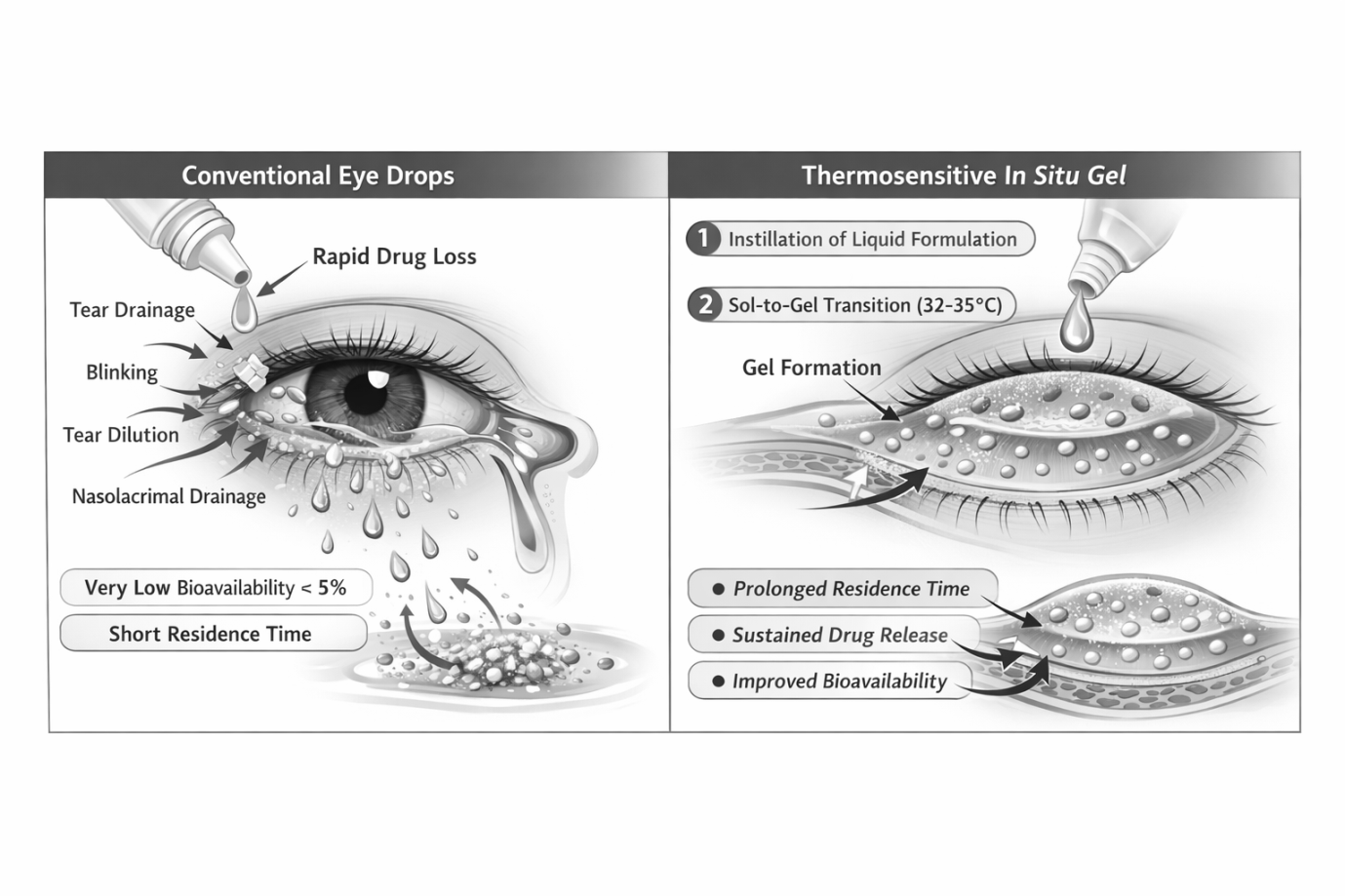
Figure 1. Comparison of Conventional Eye Drops and Thermosensitive In Situ Gels
To overcome these limitations, in situ gelling systems have emerged as an effective strategy for improving ocular drug retention. These formulations are administered as low-viscosity liquids at room temperature, allowing easy instillation into the eye. Upon exposure to physiological conditions—particularly the ocular surface temperature of approximately 32–35°C—they undergo a sol-to-gel phase transition, forming a semi-solid gel layer over the cornea. As shown in Figure 1, this gel formation significantly prolongs precorneal residence time, minimizes drug drainage, and enhances intimate contact with the corneal and conjunctival surfaces, thereby improving drug absorption [2]. Among various in situ gelling approaches, thermosensitive in situ gels have gained considerable attention due to their simplicity and reliability. These systems utilize thermoresponsive polymers that gel in response to temperature changes without the need for external stimuli or complex activation mechanisms. The gel matrix formed on the ocular surface acts as a drug reservoir, enabling controlled and sustained drug release over an extended period. This sustained delivery reduces dosing frequency, improves therapeutic efficacy, and enhances patient adherence to treatment, particularly in chronic ocular conditions [3].
This review critically examines recent advancements in thermosensitive polymer-based in situ gels for ocular drug delivery over the past decade. Emphasis is placed on polymer selection, formulation strategies, mechanisms of gelation, evaluation parameters, and therapeutic applications. Additionally, current challenges and future perspectives related to clinical translation and commercialization are discussed to provide a comprehensive understanding of this promising ocular drug delivery approach [4].
2. Concept and Mechanism of Thermosensitive In Situ Gels
Thermosensitive in situ gels represent a smart and efficient drug delivery platform for ocular administration. These systems overcome the rapid precorneal clearance associated with conventional eye drops by undergoing a temperature-triggered transformation from low-viscosity liquids into viscous gels upon contact with the ocular surface [5]. The fundamental mechanism of this sol–gel transition, driven by polymer chain entanglement at physiological temperature, is illustrated in Figure 2. [5].
2.1 Core Concept
Thermosensitive in situ gelling systems are typically formulated as polymeric solutions that can be comfortably instilled as eye drops at room temperature (below 25°C), ensuring ease of administration and accurate dosing. Upon exposure to the ocular surface temperature (approximately 32–35°C), these formulations rapidly undergo a sol-to-gel phase transition within 1–5 minutes, forming a semi-solid hydrogel layer that adheres closely to the corneal and conjunctival surfaces. [6]. As depicted in Figure 2, this temperature-induced gelation occurs due to polymer chain entanglement and network formation, which significantly enhances formulation retention on the ocular surface. Consequently, precorneal residence time may be prolonged up to 12 hours compared with only 2–5 minutes for conventional drops. This extended residence enables sustained drug release, improves ocular bioavailability (typically increasing it to 10–30%), and reduces dosing frequency to once or twice daily. Such systems are particularly beneficial for anterior segment disorders such as glaucoma, infections, and inflammation, while maintaining tear-compatible properties (pH 7.2–7.6 and osmolality ~300 mOsm/kg) [6].
2.2 Mechanism of Gelation
The gelation process arises from temperature-induced physicochemical changes in thermoresponsive polymers, particularly those exhibiting lower critical solution temperature (LCST) behavior. When the formulation reaches ocular surface temperature, polymer chains undergo dehydration and increased hydrophobic interactions, leading to chain entanglement and formation of a three-dimensional gel network. This sol–gel transition mechanism is central to the sustained drug reservoir function of thermosensitive in situ gels, as demonstrated in Figure 2.
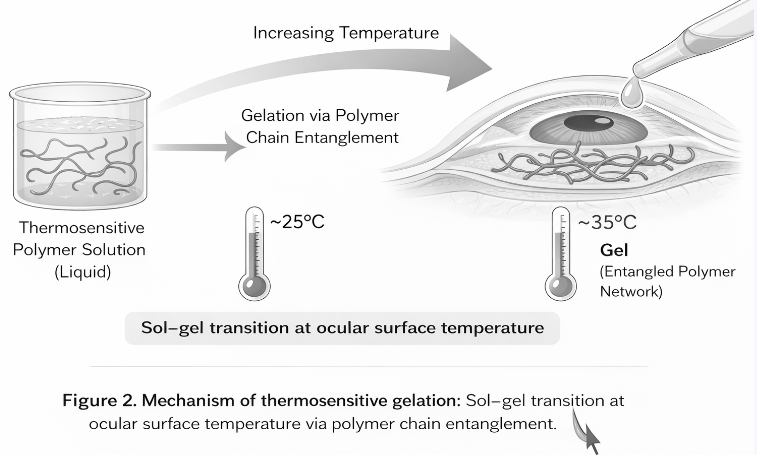
Figure 2. Mechanism of thermosensitive gelation. Sol–gel transition at ocular surface temperature via polymer chain entanglement.
2.2.1 Poloxamer (Pluronic® F127/F127):
Triblock copolymer (PEO-PPO-PEO). At low temperatures, hydrated hydrophilic PEO chains keep it soluble. Above LCST (~25-30°C, tuned to 32-35°C via concentration 15-25% w/v), PPO cores dehydrate and aggregate into micelles; packing of these micelles forms a 3D network via hydrophobic interactions and hydrogen bonding, yielding >1000 cP viscosity [7].
2.2.2 Cellulose Derivatives (e.g., Methylcellulose - MC, Hydroxypropylmethylcellulose - HPMC): Cellulose-based polymers such as methylcellulose (MC) and hydroxypropylmethylcellulose (HPMC) are also frequently used in thermosensitive ocular gels. MC alone typically gels at higher temperatures (~50–60°C), which is unsuitable for ocular use. However, the addition of salts (e.g., oral rehydration salts, ~6%) can significantly lower the gelation temperature into the physiological ocular range by inducing a salting-out effect. This reduces polymer hydration and promotes chain entanglement, enabling gel formation at 32–35°C [8]. HPMC is commonly incorporated as a viscosity enhancer and stabilizer, contributing to improved rheological behavior and formulation integrity. Rheological parameters such as dominance of storage modulus (G′ > G″) at ocular temperature are critical for ensuring sufficient gel strength and structural stability after gelation (Table 1).
2.2.3 Hybrid and nanoparticle integrated Systems:
To further optimize ocular drug delivery, hybrid thermosensitive systems have been developed by combining poloxamers with additional functional polymers. For instance, poloxamer–chitosan formulations provide dual benefits: temperature-triggered gelation from poloxamer and enhanced mucoadhesion from chitosan. Since chitosan becomes protonated at tear fluid pH (~7.4), it increases adhesion to the ocular mucosa, thereby prolonging residence time against blinking and tear turnover [9]. More advanced systems incorporate nanoparticles within the thermosensitive gel matrix. As illustrated in Figure 4, drug-loaded nanoparticles (e.g., PLGA-based carriers) can be embedded into the gel network to enhance drug loading, particularly for poorly water-soluble hydrophobic drugs. This nanoparticle-in-gel approach provides an additional level of sustained delivery by combining controlled diffusion from the gel with nanoparticle-mediated release kinetics [9].
Drug release follows diffusion through the gel matrix (Fickian) or erosion (surface degradation), often zero-order for steady kinetics.
Table 1: Critical Evaluation Parameters for Thermoresponsive In Situ Ocular Gel Systems
|
Factor |
Role/Optimal Range |
Impact |
|
Gelation Temperature |
32-35°C |
Matches eye; tested via tube inversion/inverted vial method. |
|
Gelation Time |
1-3 min |
Quick retention post-instillation. |
|
Rheology |
G' > G'' at 35°C (storage modulus dominant) |
Ensures structural integrity. |
|
Mucoadhesion |
High (e.g., via chitosan) |
Prolongs contact against blinking. |
This mechanism directly counters tear turnover and nasolacrimal drainage, linking to prior bioavailability challenges while enabling controlled delivery for better compliance.
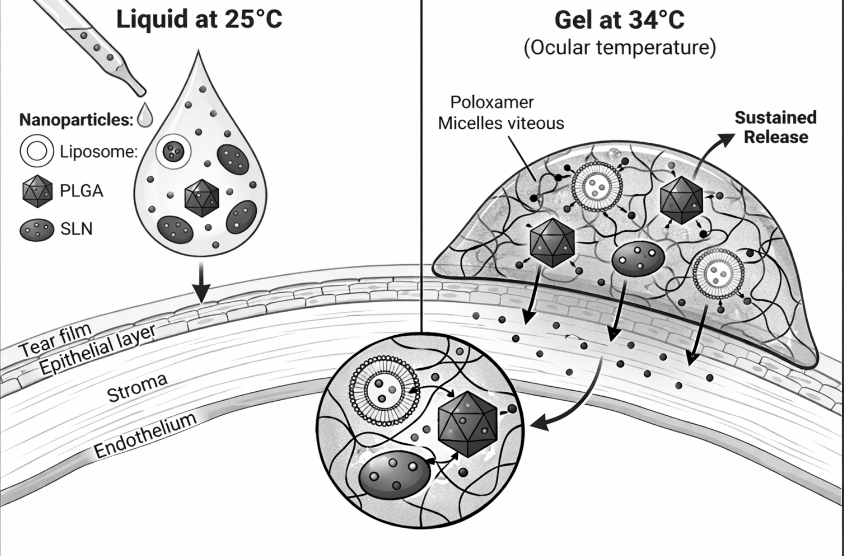
Figure 3. Integration of nanoparticle systems in thermosensitive gels.
3. Polymers Used in Thermosensitive Ocular Gels
3.1 Synthetic Polymers
Synthetic polymers dominate thermosensitive ocular gels due to their tunable phase transitions, biocompatibility, and precise control over gelation at physiological temperatures (32-35°C). They enable liquid-to-gel shifts via micellization or hydrophobic collapse, ideal for overcoming tear clearance [10].
3.1.1 Primary Synthetic Polymers
Poloxamers lead as FDA-approved triblock copolymers (PEO-PPO-PEO), with Pluronic F127 (16-25% w/v) most common for its LCST ~25°C, rising to gel at eye temp through micelle packing. Pluronic F127 boosts viscosity >1000 cP, sustains release 6-12h for drugs like timolol. F68/P188 blends adjust gel strength and clarity. Cellulose Derivatives like methylcellulose (MC, 1-2%) and hydroxypropylmethylcellulose (HPMC, 0.5-1%) gel via thermal salting-out (add NaCl/ORS lowers to 32°C); MC alone gels ~50°C but hybrids with poloxamers prevent syneresis and improve spreadability [11].
3.1.2 Advanced Synthetic Systems
Advanced synthetic polymers have gained significant attention in ocular in situ gelling systems due to their tunable thermoresponsive behavior, enhanced drug retention, and potential for multi-stimuli responsiveness.
Table 2: Polymer Selection Criteria for Thermoresponsive Ocular In Situ Gels
|
Polymer |
Gelation Temp (°C) |
Concentration (% w/v) |
Strengths |
Limitations |
|
Poloxamer F127 |
30-34 |
15-25 |
Fast gelation, biocompatible |
High conc. blurry |
|
MC/HPMC |
32-40 |
1-3 |
Low cost, clear |
Weaker structure |
|
PNIPAAm |
31-33 |
5-10 |
Sharp transition |
Potential toxicity |
|
PEG-PCL |
33-35 |
10-20 |
Degradable, mucoadhesive |
Complex synthesis |
These polymers prioritize non-irritancy (osmolality 290-310 mOsm/kg), often blended for synergy, as in poloxamer-HA for dry eye or anti-infectives, building on prior mechanisms for sustained corneal delivery.pubmed.
3.2 Natural and Semi-Synthetic Polymers
Natural and semi-synthetic polymers enhance thermosensitive ocular gels with superior biocompatibility, mucoadhesion, and biodegradability compared to fully synthetic options, often blended with poloxamers for thermo-responsiveness. They minimize irritation while prolonging corneal contact in tear-rich environments [15].
3.2.1 Natural Polymers
Natural polymer-based systems, derived directly from biological sources, form gels in response to physiological triggers such as pH changes, ionic interactions, or temperature enhancement, and they are especially valued for their excellent mucoadhesive properties. Chitosan, a cationic polysaccharide obtained from crustacean chitin, is pH-sensitive and can gel at the tear pH of about 7.4. When combined with β-glycerophosphate (β-GP), it also forms thermoresponsive gels around 34°C through hydrogen bonding and hydrophobic interactions. Due to its strong interaction with corneal mucin, chitosan exhibits high mucoadhesion along with antimicrobial activity, making it suitable for formulations such as timolol or vancomycin-loaded gels that provide sustained drug release for 8–12 hours [16]. Gellan gum, an anionic microbial polysaccharide, undergoes ion-activated gelation in the presence of tear fluid cations such as Na? and Ca²?, producing rigid gel structures. Low-acyl gellan formulations gel near 35°C and have been shown to sustain pilocarpine delivery while remaining non-irritant [17]. Xanthan gum, another bacterial polysaccharide, demonstrates thermo-rheological behavior and has been explored in combination with tamarind seed derivatives for timolol delivery, resulting in high ocular tissue uptake with low systemic absorption [18]. Alginate, a seaweed-derived polymer, forms gels through ionic crosslinking and is often combined with chitosan in hybrid systems, which enhances erosion resistance and improves the overall stability of ocular in situ gels [19].
3.2.2 Semi-Synthetic Polymers
Semi-synthetic polymers play a crucial role in the development of thermosensitive in situ gelling systems for ocular drug delivery. These polymers are chemically modified derivatives of natural polymers, designed to combine the biocompatibility and biodegradability of natural materials with the improved reproducibility, stability, and functional performance of synthetic systems. Among the most commonly employed semi-synthetic polymers are cellulose derivatives such as methylcellulose (MC), hydroxypropyl methylcellulose (HPMC), hydroxyethyl cellulose (HEC), and carboxymethyl cellulose (CMC). These polymers are particularly valued for their excellent safety profile, non-irritant nature, and ability to improve the rheological behavior of ocular gels.
Cellulose derivatives are widely used in ocular in situ gel formulations because they improve viscosity, enhance mucoadhesion, and support controlled gelation at physiological conditions. Hydroxypropylmethylcellulose (HPMC, 0.5–1%) is an etherified cellulose polymer that provides a thermoviscous boost to poloxamer-based gels, lowering the gelation temperature to around 34°C while maintaining clarity and avoiding blurred vision after administration [20]. Similarly, methylcellulose (MC, 1–2%) acts as a supportive viscosity enhancer, and in the presence of salts such as those found in ocular rehydration solutions, it can enable gelation near 32°C through dehydration and polymer chain entanglement. MC-based ketorolac gels also exhibit desirable pseudoplastic flow behavior, improving ocular retention and comfort [21]. Hyaluronic acid (HA), a naturally occurring glycosaminoglycan, is highly mucoadhesive and is often blended with poloxamer F127/F68 (16–18%) to develop effective dry eye gel systems. These formulations display viscoelastic gelation at approximately 34.5°C with rapid gel formation within about 13 seconds, while also enhancing lubrication and promoting corneal healing [22]. Carbopol (carbomer), a cross-linked acrylic acid polymer, is frequently employed in pH- and thermo-responsive hybrid systems; at low concentrations (0.1–0.3%) combined with around 14% poloxamer, it produces strong gels suitable for pilocarpine delivery, particularly under physiological ionic strength conditions [23].
Table3: Classification of Natural and Semi-Synthetic Polymers Used in Thermosensitive Ocular In Situ Gel Systems
|
Type |
Examples |
Gelation Trigger |
Key Benefit |
|
Natural |
Chitosan, Gellan |
pH/Ion/Thermo |
Biodegradable, anti-microbial |
|
Semi-Synthetic |
HPMC, MC, HA |
Thermo/Salt-enhanced |
Mucoadhesive, tear-mimetic |
Hybrids like PEG-g-chitosan or poloxamer-HA-chitosan yield optimal 32-35°C gelation, >24h retention in rabbits, ideal for glaucoma/infections, complementing synthetic polymers' precision with natural safety.
3.3 Polymer Blends and Copolymers
Polymer blends and copolymers play a pivotal role in advancing thermosensitive ocular in situ gels by synergistically tuning gelation, retention, and release for superior drug delivery. Blends like poloxamer F127 (18-20%) with F188 (5-10%) reduce micelle formation temperature while enhancing clarity, achieving 2-minute gelation at 34°C for 24-hour antibiotic release. Poloxamer 407 (14%) combined with methylcellulose (1%) and oral rehydration salts gels precisely at 32°C through salting-out, delivering NSAIDs with tear-mimicking flow over 6-12 hours. Mucoadhesive carbopol 934P (0.1-0.3%) or chitosan (2%) added to poloxamer bases create dual-responsive systems, tripling pilocarpine bioavailability via ionic interactions and 8-hour corneal residence [24]. Copolymers provide chemically precise alternatives: PEG-grafted chitosan forms robust 35°C thermo-gels for vancomycin, while PNIPAAm-co-hyaluronic acid copolymers exhibit sharp 32°C transitions supporting self-healing networks for >400-day dexamethasone delivery. Pluronic-hyaluronic acid grafts offer viscoelastic dry eye therapy at 34.5°C. Blends favor formulation simplicity; copolymers ensure structural longevity, achieving 3-10x bioavailability gains across glaucoma, infections, and posterior segment disorders [25].
4. Formulation Strategies
Successful thermosensitive gels require careful selection of polymer type and concentration to achieve desired gelation temperature and rheology.17 Optimization often involves adding mucoadhesive agents (e.g., carbopol) to enhance retention and isotonic agents to ensure ocular comfort. Sterility, pH, and preservative systems are critical for clinical safety [26].
5. Evaluation of Thermosensitive In Situ Ocular Gels
Comprehensive characterization of thermosensitive in situ gels is essential to ensure their suitability, safety, and effectiveness for ocular drug delivery. Each evaluation parameter provides critical information regarding the formulation’s performance under physiological conditions.
5.1 Gelation temperature (CGT) and gelation time are among the most important characteristics, as they determine whether the formulation will remain in liquid form during administration and rapidly transform into a gel upon contact with the ocular surface. These parameters are commonly measured using rheological techniques, where changes in viscosity or storage modulus with increasing temperature are recorded, or by the vial inversion method, in which the formulation is visually assessed for flow behavior. An optimal CGT close to ocular surface temperature (32–35°C) with a short gelation time ensures ease of instillation and rapid gel formation in situ [27].
5.2 Viscosity and rheological behavior are evaluated across a range of temperatures to predict in vivo performance. At room temperature, the formulation should exhibit low viscosity to allow easy administration, while at ocular temperature it should form a gel with sufficient viscosity to resist rapid drainage. Rheological studies also help determine whether the gel exhibits pseudoplastic or shear-thinning behavior, which is desirable for ocular comfort during blinking [28].
5.3 Drug content and content uniformity are crucial quality control parameters that ensure accurate dosing and consistency between batches. These are typically analyzed using high-performance liquid chromatography (HPLC), which provides precise and reproducible quantification of the drug within the formulation. Uniform drug distribution throughout the gel is essential to maintain consistent therapeutic outcomes [29].
5.4 In vitro drug release studies are performed to evaluate the release profile of the drug from the gel matrix. These studies are commonly conducted using dialysis membranes or diffusion cells with simulated tear fluid as the release medium. The data obtained help in understanding the release mechanism, duration of action, and suitability of the formulation for sustained ocular delivery [30].
5.5 Mucoadhesive strength assessment provides insight into the ability of the formulation to adhere to the ocular mucosa, which directly influences residence time and bioavailability. This can be measured using texture analyzers that quantify the force required to detach the gel from mucosal tissue, or through mucin interaction studies that evaluate polymer–mucin binding. Enhanced mucoadhesion contributes to prolonged drug retention on the ocular surface [31].
5.6 Ocular irritation and safety studies are essential to ensure biocompatibility. In vitro methods such as the hen’s egg test–chorioallantoic membrane (HET-CAM) are widely used for preliminary irritation screening, as they reduce the need for animal testing. For advanced evaluation, in vivo studies using rabbit models are conducted to assess signs of redness, tearing, corneal damage, or inflammation. These tests confirm the formulation’s safety for ophthalmic use [32].
6. Drug Release Mechanisms
Drug release from thermosensitive in situ gels occurs through one or more mechanisms depending on the formulation. In diffusion-controlled release, drug molecules migrate through the hydrated gel network into the surrounding tear fluid. Polymer erosion or relaxation contributes to release when the gel matrix gradually breaks down or rearranges, allowing the drug to escape. In swelling-controlled release, the gel absorbs tear fluid, expands, and facilitates drug diffusion through the enlarged polymer network. In most formulations, drug release is governed by a combination of these mechanisms, enabling sustained and controlled ocular drug delivery. Mathematical models (Higuchi, Korsmeyer–Peppas) help quantify release kinetics [33].

Figure 4. Drug release from thermosensitive in situ gels. Illustration of sustained diffusion from gel matrix into ocular tissues.
7. Therapeutic Applications in Ocular Diseases
Recent research has demonstrated the clinical efficacy of thermosensitive ocular gel systems across a range of ophthalmic indications. In the management of glaucoma, incorporation of antiglaucoma agents such as timolol and brimonidine into thermosensitive gels has been shown to provide sustained reduction in intraocular pressure, thereby improving therapeutic outcomes and patient compliance [34]. For ocular infections, fluoroquinolone antibiotics, including ciprofloxacin, formulated in in situ gelling systems have been reported to reduce dosing frequency while maintaining effective antimicrobial activity [35]. In inflammatory conditions, non-steroidal anti-inflammatory drugs such as ketorolac, as well as corticosteroids, exhibit prolonged anti-inflammatory effects when delivered via thermoresponsive gels, resulting in enhanced ocular residence time [36]. Similarly, in dry eye disease, gel-based formulations of lubricating agents have been shown to improve tear film stability and provide longer-lasting symptomatic relief [37]. Furthermore, in post-surgical ocular therapy, controlled release of anti-fibrotic agents from in situ gel systems has been reported to reduce postoperative complications and improve healing outcomes [37].
CONCLUSION
Thermosensitive in situ gels offer a promising approach for ocular drug delivery by increasing precorneal residence time, enabling sustained drug release, and improving patient compliance. Advances in polymer design and the development of multifunctional systems, including polymer blends and nanocarrier-integrated gels, have enhanced formulation performance and therapeutic efficacy. Continued innovation and optimization are expected to overcome existing challenges and support the clinical translation of these systems into effective ophthalmic therapies.
REFERENCES

Vijay Sharma, Amit Kumar, Shivangi Singh, Polymer-Based Thermo sensitive In Situ Gels for Ocular Drug Delivery, Int. J. of Pharm. Sci., 2026, Vol 4, Issue 2, 4081-4092. https://doi.org/10.5281/zenodo.19149038
 10.5281/zenodo.19149038