

We use cookies to ensure our website works properly and to personalise your experience. Cookies policy
B.K. Patil Institute of Pharmacy, Taloja Phase 2, Navi Mumbai, Maharashtra.
The present study aimed to formulate and evaluate a novel probiotic medicated chocolate containing Albendazole as an anthelmintic drug and Lactobacillus acidophilus as a probiotic. Chocolate was selected as a drug delivery system due to its anhydrous nature, effective taste-masking ability, and high patient acceptability, particularly in pediatric patients. The formulation was prepared using a suitable chocolate base, with probiotic incorporation at a controlled temperature to maintain its viability. The prepared formulation was evaluated for physicochemical parameters including appearance, texture, weight variation, and thickness, along with drug content uniformity, in-vitro drug release, and probiotic viability. The results demonstrated satisfactory organoleptic properties, uniform drug distribution, and efficient drug release, while the probiotic exhibited good survival under optimized formulation conditions. Stability studies confirmed that the formulation remained stable under appropriate storage conditions. Overall, the developed probiotic medicated chocolate represents a promising, palatable, and patient-friendly alternative to conventional dosage forms, with potential to enhance therapeutic efficacy and patient compliance.
Helminth infections are among the most prevalent parasitic diseases worldwide and represent a major public health concern, particularly in developing countries with inadequate sanitation and hygiene. These infections are caused by parasitic worms such as roundworms, hookworms, whipworms, and tapeworms that inhabit the gastrointestinal tract. Children are especially vulnerable due to increased exposure to contaminated environments, and such infections can lead to malnutrition, anemia, abdominal discomfort, diarrhea, and impaired physical and cognitive development.
Albendazole is a widely used broad-spectrum anthelmintic drug belonging to the benzimidazole class. It acts by inhibiting microtubule formation in parasites, thereby disrupting glucose uptake and leading to parasite death. However, conventional dosage forms such as tablets and suspensions often result in poor patient compliance in pediatric populations due to unpleasant taste and difficulty in swallowing.
CHOCOLATE AS A DRUG DELIVERY SYSTEM
Chocolate has emerged as a novel and promising drug delivery system due to its unique physicochemical, organoleptic, and technological properties. It acts as an anhydrous carrier matrix, enhancing drug stability by preventing hydrolytic degradation. The lipid-rich composition of chocolate, primarily cocoa butter, provides a protective environment for active pharmaceutical ingredients.
Chocolate effectively masks the bitter taste of drugs, thereby improving palatability and patient compliance, particularly in pediatric patients. Its smooth texture and ability to melt at body temperature facilitate ease of administration without the need for water.
From a formulation perspective, chocolate allows the incorporation of both hydrophilic and lipophilic drugs and can also accommodate functional ingredients such as probiotics. However, challenges such as achieving uniform drug distribution, maintaining temperature control during processing, and preserving probiotic viability must be carefully addressed during formulation development.
Probiotics are beneficial microorganisms that help maintain intestinal microflora and improve gastrointestinal health. Lactobacillus acidophilus is one of the most widely used probiotic strains due to its ability to survive in acidic environments and support digestive health. The incorporation of probiotics along with anthelmintic therapy may help restore intestinal microbial balance disrupted during parasitic infections.
RESEARCH GAP
Although chocolate-based drug delivery systems and probiotic therapies have been studied individually, there is limited research on integrating both into a single dosage form. Parasitic infections and their treatment can disrupt intestinal microflora. Therefore, combining an anthelmintic drug with probiotics in a chocolate-based formulation represents a novel and promising approach to simultaneously treat infections and restore gut health.
AIM
To formulate and evaluate a probiotic medicated chocolate containing Albendazole and Lactobacillus acidophilus for improved pediatric drug delivery and gastrointestinal health.
OBJECTIVES
1. To develop a palatable pediatric-friendly chocolate formulation.
2. To incorporate Albendazole as an effective anthelmintic agent.
3. To include Lactobacillus acidophilus for probiotic benefits.
4. To evaluate physicochemical properties such as appearance, thickness, weight variation, and texture.
5. To determine drug content uniformity of the prepared formulation.
6. To study the in-vitro drug release profile of Albendazole.
7. To assess stability under suitable storage conditions.
NEED OF THE STUDY
Helminth infections are common in developing countries and are commonly treated with anthelmintic drugs such as Albendazole. However, conventional dosage forms like tablets and suspensions often lead to poor patient compliance, especially in children, due to unpleasant taste and difficulty in swallowing. Chocolate-based drug delivery systems provide an effective approach for taste masking and improved acceptability, while probiotics such as Lactobacillus acidophilus help maintain gut microbiota balance and support gastrointestinal health. Therefore, this formulation represents an innovative approach to combine therapeutic treatment with probiotic supplementation in a convenient and patient-friendly dosage form.
LITERATURE REVIEW
Aulton¹ reported that the selection of an appropriate dosage form significantly influences drug stability and patient compliance. He emphasized that novel drug delivery systems, such as chocolate-based formulations, can improve palatability and patient acceptability.
Allen² stated that lipid-based drug delivery systems enhance the bioavailability of poorly water-soluble drugs and are particularly beneficial for drugs such as Albendazole.
Shah³ reported that probiotic cultures such as Lactobacillus acidophilus provide significant health benefits, including improved gut health and immune function.
Ranadheera et al.⁴ demonstrated that the efficacy of probiotics depends on the type of food carrier used and emphasized that fat-rich matrices improve probiotic survival and stability.
Beckett⁵ described chocolate as a suitable carrier for bioactive compounds due to its physicochemical stability and excellent taste-masking properties.
Patel and Velikov⁶ reported that colloidal delivery systems in food enhance the stability and controlled release of active ingredients.
Tripathi⁷ stated that Albendazole has poor aqueous solubility, which limits its bioavailability, and suggested that lipid-based formulations can improve its therapeutic effectiveness.
MATERIAL AND METHOD
DRUG DESCRIPTION:
Albendazole:
Introduction:
Albendazole is a widely used anti-parasitic medicine. It is effective against many intestinal worms and tissue parasites like roundworms, hookworms, and tapeworms. It is also used in public health programs to control worm infections
Mechanism of Action:
Albendazole works by damaging the internal structure of parasites. It stops them from
absorbing glucose (energy source), which leads to energy loss and eventually causes their death. It also affects their growth and reproduction.
Adverse effect:
• Nausea , vomiting and abdominal pain.
• Diarrhea ,headache and dizziness
• Elevated liver enzymes (liver irritation)
• Temporary hair loss (reversible)
• Allergic reactions (rash, itching)
Structure:
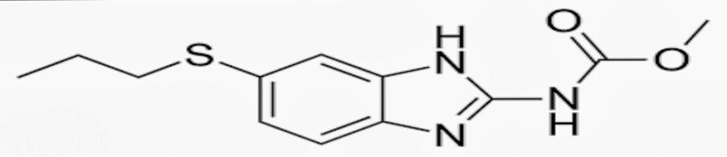
FIG NO.1
IUPAC Name: Methyl 5-(propylsulfanyl)-1H-benzimidazol-2-ylcarbamate Molecular Formula:C₁₂H₁₅N₃O₂S
Molecular Weight:265.33 g/mol Structural features:
• Benzimidazole ring: Core structure responsible for anti-parasitic activity
• Carbamate group (-OCOOCH₃): Important for drug binding and activity
• Propylthio side chain (-S–C₃H₇): Increases lipophilicity and enhances absorption
• Heterocyclic compound: Contains nitrogen atoms in the ring
• Poor water solubility: Helps in localized action in intestine
• Metabolized to active form: Converted in liver to albendazole sulfoxide (active metabolite)
Appearance of Albendazole:
• White to off-white crystalline powder
• Odorless or nearly odorless
• Slightly bitter taste
• Poorly soluble in water
• More soluble in organic solvents like alcohol
Lactobacillus Acidophilus
Introduction:
Lactobacillus acidophilus is a beneficial bacterium found in the human gut, mouth, and vagina. It is a probiotic that helps maintain a healthy balance of microorganisms in the body. It is commonly present in yogurt and fermented foods.
Mechanism of Action:
Lactobacillus acidophilus works by converting sugars into lactic acid, which makes the intestine slightly acidic and prevents harmful bacteria from growing, it also competes with harmful germs for space and food, produces natural substances that kill bad bacteria, helps maintain a healthy balance of good bacteria in the gut, and supports the immune system to keep the body protected.
Structure
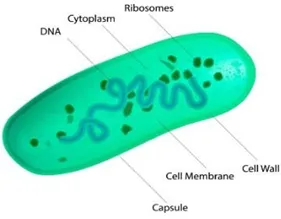
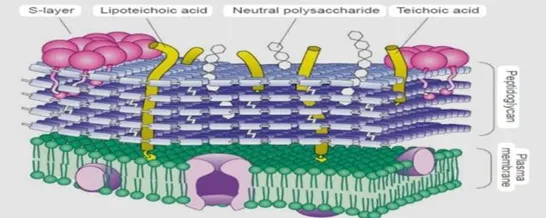
FIG NO.2
Structure and Characteristics:
• Rod-shaped bacteria and thick cell wall.
• Gram-positive (appears purple in staining)
• Non-motile (cannot move)
• Non-spore forming
Uses:
• Maintain gut health
• Improves digestion
• Prevents harmful bacteria growth
• Supports vaginal health
• Reduces diarrhea caused by antibiotics
• Used in probiotic foods
Side Effects:
• Gas and bloating
• Mild diarrhea or constipation
• Increased thirst (rare)
|
Treatment Group |
A.lumbricoides Reduction (%) |
Hookworm Reduction (%) |
|
Albendazole Alone |
Studies have reported up to 96.2 |
Studies have reported up to 93.8 |
|
Combination(Drug + Probiotic) |
Studies have reported up to 98.5* |
Studies have reported up to 95.1* |
COMBINATION THERAPY OF ALBENDAZOLE AND LACTOBACILLUS ACIDOPHILUS IN PEDIATRIC PATIENTS:
The combination of Albendazole and Lactobacillus acidophilus represents a therapeutic approach integrating an anthelmintic drug with probiotic support to improve treatment outcomes in children suffering from intestinal parasitic infections. Albendazole eliminates parasites by disrupting microtubule formation, while L. acidophilus restores microbiota and enhances mucosal immunity.
Experimental data suggests a synergistic effect, with some models reporting a 92.5% reduction in parasite larvae .Clinical relevance is highlighted by high egg reduction rates, specifically 96.2% for Ascaris lumbricoides, and the probiotic's role in reducing gastrointestinal side effects and inflammation .
Probiotics maintain gut integrity, counteracting potential changes in intestinal permeability caused by drug treatment .This combination offers a promising strategy for enhancing recovery and maintaining gut health in pediatric deworming programs
MATERIALS AND METHODS
The formulation of probiotic medicated chocolate containing Albendazole was developed to ensure a precise balance between the active pharmaceutical ingredient, the chocolate vehicle, and the probiotic culture. The following materials and methodologies were employed to ensure therapeutic efficacy and pharmaceutical stability
TABLE 1: FORMULATION COMPOSITION OF MEDICATED PROBIOTIC CHOCOLATE (BATCH OF 10 UNITS
|
Sr. No. |
Ingredient |
Quantity (10 Units) |
Role |
|
1 |
Albendazole |
4 g (400 mg/unit) |
Active pharmaceutical ingredient |
|
2 |
Dark Chocolate Compound |
34.9 g |
Base/vehicle |
|
3 |
Milk Powder |
6 g |
Texture/solidifying agent |
|
4 |
Icing Sugar |
4 g |
Sweetener/bulking agent |
|
5 |
Methylparaben |
0.1 g |
Antimicrobial preservative |
|
6 |
Lecithin |
0.5 g |
Emulsifier |
|
7 |
Vanilla Flavor |
0.5 g |
Taste-masking agent |
|
8 |
Lactobacillus acidophilus |
10⁶ CFU/g (~1 g) |
Therapeutic supplement |
Preparation Methodology: Double Boiler Technique
The medicated chocolates were prepared using the double boiler technique, which is the standard laboratory procedure to prevent the overheating of the chocolate base and ensure the stability of the active components.
Step 1: Preparation of Chocolate Base: The dark chocolate compound was cut into small pieces to ensure uniform melting. These pieces were placed in a porcelain disc over a glass beaker half-filled with water and heated at a controlled temperature range of 45–50°C.
Step 2: Drug and Preservative Processing: Albendazole and Methylparaben were accurately weighed and finely powdered together using a mortar and pestle. The resulting blend was passed through Sieve No. 60 to ensure a uniform particle size and a smooth texture in the final product.
Step 3: Incorporation of Excipients: Once the chocolate base reached a molten state, milk powder, icing sugar, and lecithin were added. The mass was mixed thoroughly to ensure complete distribution of the solidifying and sweetening agents.
Step 4: Drug and Preservative Incorporation: The sieved Albendazole and Methylparaben blend was added to the molten chocolate mass. The mixture was stirred continuously for 5–10 minutes using a magnetic stirrer to achieve a homogeneous drug distribution.
Step 5: Probiotic Inoculation: Critical temperature control was maintained during this stage. The mixture was allowed to cool until it reached 36–37°C. The probiotic culture (Lactobacillus acidophilus) in freeze-dried powder form was then incorporated into the mass to maintain bacterial viability.
Step 6: Flavoring and Molding: Vanilla flavor was added and mixed gently. The molten mass was then poured into pre-lubricated molds, using liquid paraffin as the lubricant to facilitate demolding.
Step 7: Solidification and Storage: The molds were stored in a refrigerator at 10–15°C for 45–60 minutes until the contents solidified. The chocolates were then removed, wrapped in aluminum foil, and stored in airtight containers.
Critical Formulation Controls
During the preparation, several critical parameters were monitored to ensure product quality. Moisture control was strictly maintained for all equipment and powders to prevent "seizing" of the chocolate. Thermal sensitivity was addressed by ensuring the probiotic inoculation occurred only below 40°C. Additionally, constant storage temperatures were recommended to prevent fat or sugar bloom.
EVALUATION PARAMETERS
The assessment of Albendazole medicated confectionery systems is essential to verify therapeutic efficacy and pediatric compliance. This involves a comprehensive analysis of organoleptic, physical, and chemical characteristics to ensure the dosage form meets standard pharmacopoeial requirements.
TABLE 1: EVALUATION PARAMETERS MATRIX FOR MEDICATED CONFECTIONERY
|
Category |
Test Name |
Purpose |
Method |
Result |
|
Organoleptic |
Sensory Evaluation |
To assess taste and acceptability |
Sensory scoring (numerical scale) |
Pleasant taste and acceptable |
|
Physical |
Weight Variation |
To ensure uniformity of dosage |
Weighing of 20 units |
5.02 ± 0.9 g |
|
Physical |
Hardness |
To determine mechanical strength |
Monsanto hardness tester |
3.5 ± 0.4 kg/cm² |
|
Physical |
Friability |
To assess resistance to breakage |
Roche friabilator |
0.42% |
|
Physical |
Thickness |
To measure uniformity |
Vernier caliper |
5.1 ± 0.2 mm |
|
Chemical |
Drug Content |
To determine drug uniformity |
UV spectrophotometry |
98.7 ± 1.1% |
|
Performance |
Disintegration Time |
To evaluate melting/disintegration |
Disintegration test apparatus |
5.8 ± 0.6 min |
|
Performance |
In Vitro Drug Release |
To assess drug release profile |
Dissolution apparatus |
90.2 ± 2.3% (30 min) |
|
Microbial |
Probiotic Viability |
To confirm survival of probiotic |
Plate count method |
1.2 × 10⁶ CFU/g |
Values are expressed as mean ± SD (n = 3).
RESULT
The probiotic medicated chocolate containing Albendazole and Lactobacillus acidophilus showed satisfactory organoleptic properties with smooth texture, uniform appearance, and effective taste masking.
The average weight was 5.02 ± 0.9 g, hardness was 3.5 ± 0.4 kg/cm², friability was 0.42%, and thickness was 5.1 ± 0.2 mm. Drug content was found to be 98.7 ± 1.1%.
The formulation exhibited a disintegration time of 5.8 ± 0.6 min and released 90.2 ± 2.3% of the drug within 30 min. Probiotic viability was maintained at 1.2 × 10⁶ CFU/g.
Stability studies showed no significant changes in physical characteristics or drug content, with no evidence of fat or sugar bloom.
DISCUSSION
The present study successfully developed a probiotic medicated chocolate containing Albendazole and Lactobacillus acidophilus, designed to improve pediatric compliance and therapeutic efficacy. The chocolate-based delivery system provided effective taste masking and a stable lipid matrix, supporting uniform drug distribution and formulation stability.
Physicochemical parameters such as weight variation, hardness, friability, and thickness were within acceptable limits, confirming uniformity and mechanical strength. The in-vitro drug release showed efficient release of Albendazole, likely due to the melting property of chocolate at body temperature, which enhances drug availability, especially for poorly soluble drugs.
The probiotic component maintained good viability when incorporated below 40°C, indicating that the formulation process preserved microbial stability. This supports the role of lipid-based matrices in protecting probiotics during processing and storage.
The combination of Albendazole with Lactobacillus acidophilus offers a dual benefit by treating parasitic infections while supporting gut microbiota. Stability studies showed no significant changes, confirming the suitability of chocolate as a delivery system.
Overall, the formulation demonstrates potential as a palatable and effective alternative to conventional dosage forms. Further in-vivo studies are recommended to confirm clinical efficacy.
CONCLUSION
The present study successfully developed and evaluated a probiotic medicated chocolate formulation containing albendazole and Lactobacillus acidophilus. The formulation exhibited satisfactory physicochemical properties, including uniform weight, adequate mechanical strength, and acceptable organoleptic characteristics. The in vitro drug release profile indicated efficient drug release within the specified time, while the probiotic component maintained satisfactory viability under optimized conditions.
The combination of albendazole with a probiotic in a chocolate-based delivery system may improve patient compliance, particularly in pediatric populations, by providing effective taste masking and ease of administration. Overall, the developed formulation represents a promising alternative to conventional dosage forms and indicates potential for improved therapeutic performance.
However, further in vivo studies and clinical evaluations are recommended to confirm the efficacy, safety, and long-term stability of the formulation
REFERENCES


Akshay Nemade, Shraddha Pawar, Vanita Pawar, Shruti Pinglaskar, Rushikesh Sakhare, Suchismita Sahoo, To Formulate and Evaluate a Probiotic Medicated Chocolate Containing Albendazole and Lactobacillus Acidophillus for Improved Pediatric Drug Delivery and Gastrointestinal Health, Int. J. of Pharm. Sci., 2026, Vol 4, Issue 5, 8137-8144, https://doi.org/10.5281/zenodo.20465716
 10.5281/zenodo.20465716