

We use cookies to ensure our website works properly and to personalise your experience. Cookies policy
1Assistant Professor, Department of Pharmacology, NGSPM’ S institute Of pharmacy , L.V.H. Marg, M.S.G. College Campus Malegaon Camp, Malegaon, Maharashtra, India.
2Assistant Professor, Department of Pharmacognosy, Ravindra Vidya Prasarak Mandal institute of Pharmacy, Dwarka, Nashik, Maharashtra, India.
Protection reactions against tissue injury, infection and some pathological conditions is a common feature of pain and inflammation. Non-steroidal anti-inflammatory drugs and corticosteroids and opioids are commonly used for the management of these, but are known to cause gastric irritation and renal toxicity, immunosuppression, and tolerance and dependence. Thus, plant-based drugs could offer more natural and safe treatment options. The present study aimed at the evaluation of the analgesic and anti-inflammatory activity of ethanolic bark extract of Azadirachta indica and ethanolic seed extract of Holarrhena antidysenterica on the experimental animal models. The plants were harvested, identified, shade dried, dried powdered and extracted with ethanol by cold maceration. Phytochemical screening tests showed the presence of alkaloids, flavonoids, glycosides, saponins, tannins, terpenoids and phenolic compounds in both extracts. Acute oral toxicity testing (OECD guidelines) did not result in deaths or significant toxic effects and dosages of 200 mg/kg and 400 mg/kg were chosen for pharmacological evaluation. Analgesic activity was evaluated by hot plate, tail immersion, acetic acid induced writhing models and formalin induced paw licking model in rats, and anti-inflammatory activity was evaluated in carrageenan induced paw edema model in rats. The two extracts exhibited dose dependent analgesic and anti inflammatory activity. The neem bark extract exhibited relatively high activity compared to kutaj seed extract especially at 400mg/kg concentration.
The biological processes of pain and inflammation are closely related and occur following tissue damage, infection or exposure to harmful stimuli. Pain is a warning signal, inflammation is a process in removing the injurious agent and starts the process of tissue repair. Inflammation, on the other hand, can cause excess or persistent inflammation and lead to chronic diseases and chronic pain. Prostaglandins, histamine, serotonin, bradykinin, cytokines and other inflammatory mediators are common mediators associated with pain and inflammation.
Conventional drugs such as non-steroidal anti-inflammatory drugs, corticosteroids, and opioids are effective in controlling pain and inflammation. Their use is however restricted by their long term side effects including gastric ulceration, renal toxicity, cardiovascular risk, immunosuppression, respiratory depression, tolerance and dependence. This has made medicinal plants more appealing for their possible use as sources of safer and effective analgesic and anti-inflammatory agents.
Neem (Azadirachta indica A. Juss.) is a member of the family Meliaceae. The bark has been traditionally used in Ayurvedic medicine and folk medicine for treating fever, inflammation, wounds, ulcers, skin problems and pain. Bio-active constituents in the bark include limonoids, flavonoids, tannins, saponins, alkaloids, glycosides and phenolic compounds.
Kutaj (Holarrhena antidysenterica Wall.) is a member of the Apocynaceae family. The seeds have been utilized traditionally for dysentery, intestinal problems, fever, pain, swelling and inflammatory issues. The seeds contain steroidal alkaloids (conessine and holarrhenine) and tannins, flavonoids, glycosides, saponins, phenolics and steroidal compounds.
Both the plants are used traditionally but both have not been comparatively evaluated by using standardized anti-inflammatory and analgesic models. Hence, the present study was aimed to evaluate and comparison the anti-inflammatory and analgesic activity of ethanolic extract of bark of Azadirachta indica and ethanolic extract of seeds of Holarrhena antidysenterica.
MATERIALS AND METHODS
2.1 Collection and Identification of Plant Materials
The bark of Azadirachta indica and seeds of Holarrhena antidysenterica were collected from the local areas and forest/deciduous regions of Maharashtra, India. Soils and foreign materials were washed off the plant materials using tap water followed by distilled water. A qualified botanist authenticated the plants and voucher specimens were deposited for future reference.
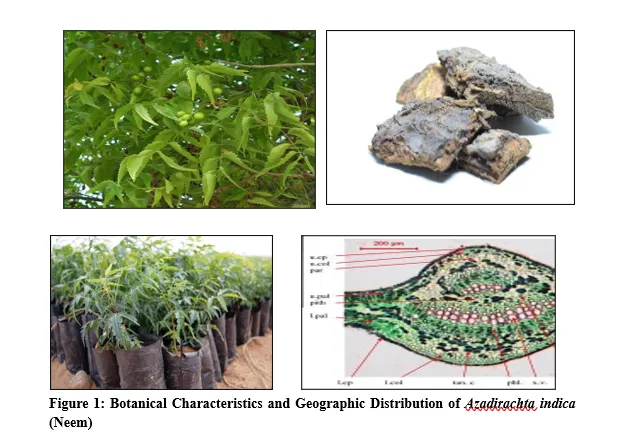
Figure 1: Botanical Characteristics and Geographic Distribution of Azadirachta indica (Neem)
2.2 Preparation of Extracts
All the collected plant material was shade dried at room temperature for 10-15 days and ground with mechanical grinding machine. The powdered materials were extracted by cold maceration method for 7 days using ethanol with occasional shaking. The extracts were then filtered, concentrated and stored in airtight glass bottles in refrigerated conditions for further use.
2.3 Percentage Yield
The percentage yield of the ethanolic extracts was calculated after drying the extracts.
| Plant extract | Weight of powder | Weight of extract | Percentage yield |
|---|---|---|---|
| Azadirachta indica bark extract | 500 g | 68 g | 13.6% |
| Holarrhena antidysenterica seed extract | 500 g | 74 g | 14.8% |
The Kutaj seed extract showed a slightly higher percentage yield than Neem bark extract, suggesting the presence of more ethanol-soluble constituents in the seed material.
[Figure - see the formatted PDF]
Graph 1: Percentage Yield of Ethanolic Extracts of Azadirachta indica Bark and Holarrhena antidysenterica Seeds
The comparative percentage yield of ethanolic extracts of the bark of Azadirachta indica and seeds of Holarrhena antidysenterica is shown in the pie chart. The yield of seed extract of Holarrhena antidysenterica was slightly more (14.8%) than the bark extract of Azadirachta indica (13.6%). The difference could be explained from their different ethanol soluble constituent content in both seeds and bark. The findings give an initial idea of the efficiency of extraction and the possible increment of bioactive phytochemicals in the different parts of the plant.
2.4 Phytochemical Screening
Preliminary phytochemical screening was performed using standard qualitative tests for alkaloids, flavonoids, glycosides, saponins, tannins, terpenoids, and phenolic compounds.
| Phytoconstituent | Neem bark extract | Kutaj seed extract |
|---|---|---|
| Alkaloids | Present | Present |
| Flavonoids | Present | Present |
| Glycosides | Present | Present |
| Saponins | Present | Present |
| Tannins | Present | Present |
| Terpenoids | Present | Present |
| Phenolics | Present | Present |
2.5 Experimental Animals
Swiss albino mice weighing 20–30 g were used for analgesic activity studies, while Wistar rats weighing 150–250 g were used for anti-inflammatory activity studies. Animals were maintained under standard laboratory conditions with controlled temperature, humidity, 12-hour light/dark cycle, standard pellet diet, and water ad libitum. All experimental procedures were performed according to CPCSEA guidelines after approval from the Institutional Animal Ethics Committee.
2.6 Acute Oral Toxicity Study
Acute oral toxicity testing was performed according to OECD guideline 423/425. The extracts were administered orally to animals at selected doses, and animals were observed for mortality, behavioral changes, neurological symptoms, autonomic changes, food and water intake, and delayed toxicity for 14 days. No mortality or serious toxic effects were observed. Therefore, 200 mg/kg and 400 mg/kg were selected as low and high doses for pharmacological evaluation.
2.7 Evaluation of Analgesic Activity
Analgesic activity was evaluated using the following experimental models:
2.7.1 Hot Plate Method
Swiss albino mice were placed on a hot plate maintained at 55 ± 1°C. The reaction time, indicated by paw licking or jumping response, was recorded at 0, 30, 60, 90, and 120 minutes after treatment.
2.7.2 Tail Immersion Method
The lower portion of the mouse tail was immersed in warm water maintained at 50–55°C. Tail withdrawal latency was recorded at different time intervals. Increased latency indicated central analgesic activity.
2.7.3 Acetic Acid-Induced Writhing Test
Acetic acid was injected intraperitoneally to induce abdominal writhing. The number of writhes was counted during the observation period. A reduction in writhing response indicated peripheral analgesic activity.
2.7.4 Formalin-Induced Paw Licking Test
Dilute formalin was injected into the hind paw, and the licking time was recorded during the early phase and late phase. Reduction in licking time indicated analgesic activity against neurogenic and inflammatory pain.
2.8 Evaluation of Anti-inflammatory Activity
Anti-inflammatory activity was evaluated using the carrageenan-induced paw edema model in Wistar rats. Carrageenan was injected into the sub-plantar region of the hind paw to induce acute inflammation. Paw volume was measured at 0, 1, 2, 3, and 4 hours using a plethysmometer. Reduction in paw edema volume indicated anti-inflammatory activity.
2.9 Statistical Analysis
The results were expressed as mean ± standard deviation. Data were analyzed using one-way ANOVA followed by Dunnett’s post-hoc test. A value of p < 0.05 was considered statistically significant.
RESULTS
3.1 Acute Toxicity Study
No mortality, behavioral abnormality, neurological change, or serious toxic symptom was observed during the acute oral toxicity study. Food and water intake remained normal throughout the observation period. These findings indicated that the extracts were safe at the tested doses.
3.2 Hot Plate Method
Both low and high doses increased reaction time in the hot plate method. The high dose produced a greater increase in latency than the low dose.
| Treatment dose | 0 min | 30 min | 60 min | 90 min | 120 min |
|---|---|---|---|---|---|
| Low dose extract | 3.50 ± 0.30 | 4.63 ± 0.38 | 6.53 ± 0.25 | 7.37 ± 0.40 | 6.67 ± 0.15 |
| High dose extract | 3.77 ± 0.72 | 5.70 ± 0.20 | 7.27 ± 0.31 | 7.83 ± 0.15 | 6.90 ± 0.10 |
The increase in reaction time suggests central analgesic activity of the extracts.
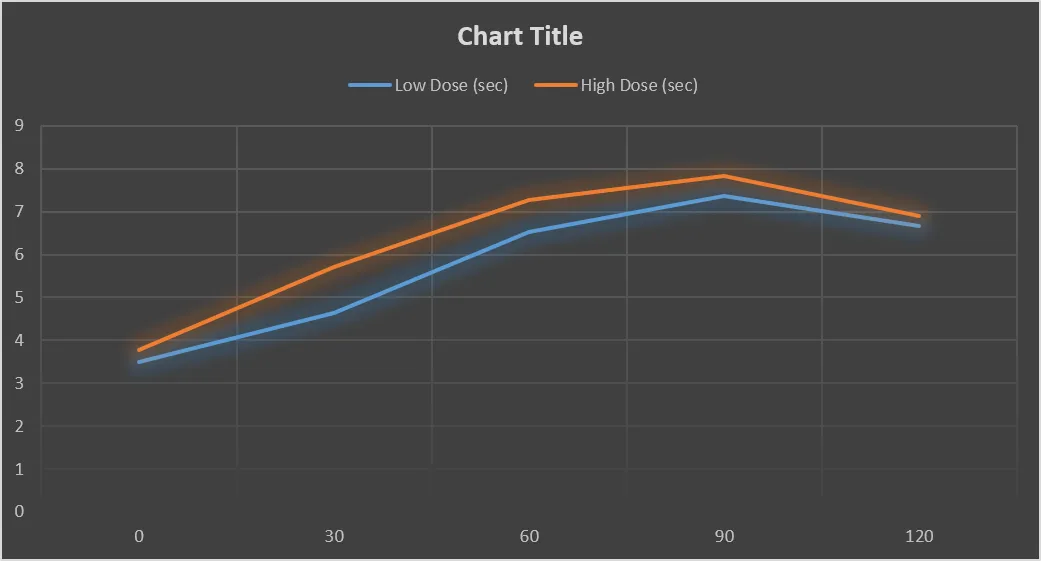
Graph 1: Dose-Dependent Analgesic Activity of Ethanolic Plant Extracts in Hot Plate Method
The graph shows the effect of the different extracts from the plant in reducing pain as evaluated by hot plate method over a period of 120 minutes. Both doses had the same trend of reaction time: Significantly lower over time (increase in pain threshold). The high dose extract showed a significantly higher increase in reaction time in relation to low dose, thus indicating a higher central analgesic effect. The highest activity occurred at 90 minutes, and a slight decrease was seen at 120 minutes.
3.3 Tail Immersion Method
The extracts increased tail withdrawal latency in a dose-dependent manner.
| Treatment dose | 0 min | 30 min | 60 min | 90 min | 120 min |
|---|---|---|---|---|---|
| Low dose extract | 3.00 ± 0.10 | 4.57 ± 0.25 | 5.63 ± 0.40 | 6.23 ± 0.15 | 6.10 ± 0.10 |
| High dose extract | 3.20 ± 0.50 | 4.83 ± 0.21 | 5.97 ± 0.21 | 7.00 ± 0.20 | 6.57 ± 0.32 |
The higher dose showed a stronger effect, indicating possible central antinociceptive activity.
[Figure - see the formatted PDF]
Graph 2: Dose-Dependent Analgesic Activity of Plant Extracts in Tail Immersion Test
The graph shows the effect of low and high doses of plant extracts on the analgesic effect as measured using the tail immersion method for 120 minutes. There was a gradual improvement in tail withdrawal latency, reflecting the ability to inhibit pain, for both treatments. The maximum analgesic activity was seen with high dose extract at 90 minutes, when compared to low dose extract at all time points. If it was a little flat at 120 minutes, it indicates that the drug may lose its effect over time.
3.4 Acetic Acid-Induced Writhing Test
Both extracts reduced acetic acid-induced writhing in mice.
| Group | Treatment | Number of writhes | Percentage inhibition |
|---|---|---|---|
| I | Control | 58.4 ± 3.6 | — |
| II | Diclofenac sodium 10 mg/kg | 18.2 ± 2.1 | 68.8% |
| III | Neem bark extract 200 mg/kg | 38.6 ± 2.8 | 33.9% |
| IV | Neem bark extract 400 mg/kg | 26.4 ± 2.4 | 54.8% |
| V | Kutaj seed extract 200 mg/kg | 41.2 ± 3.0 | 29.5% |
| VI | Kutaj seed extract 400 mg/kg | 29.8 ± 2.6 | 49.0% |
Neem bark extract at 400 mg/kg showed greater inhibition of writhing than Kutaj seed extract at the same dose. However, diclofenac sodium showed the highest inhibition.
[Figure - see the formatted PDF]
Graph 3: Distributions of Acetic Acid Induced Writhing Among Treatment Groups
The pie chart is for the percentage contribution of the various experimental groups in the acetic acid induced writhing test. The control group (I) has the maximum percentage of writhes and the standard drug group (II) has the minimum percentage of writhes. Neem bark extract and Kutaj seed extract showed a dose dependent decrease in the writhing response, higher doses (IV and VI) were more effective in inhibiting the writhing response when compared with their corresponding low doses (III and V) which suggests the presence of significant periphery analgesic activity.
3.5 Formalin-Induced Paw Licking Test
Both extracts reduced paw licking time in early and late phases.
| Group | Treatment | Early phase 0–5 min | Late phase 15–30 min |
|---|---|---|---|
| I | Control | 72.5 ± 4.2 | 138.6 ± 6.5 |
| II | Diclofenac sodium 10 mg/kg | 64.8 ± 3.9 | 52.4 ± 4.1 |
| III | Neem bark extract 200 mg/kg | 60.2 ± 3.6 | 92.4 ± 5.2 |
| IV | Neem bark extract 400 mg/kg | 52.4 ± 3.1 | 70.8 ± 4.6 |
| V | Kutaj seed extract 200 mg/kg | 63.5 ± 3.8 | 98.6 ± 5.5 |
| VI | Kutaj seed extract 400 mg/kg | 55.6 ± 3.4 | 78.2 ± 4.8 |
The extracts showed more pronounced activity in the late inflammatory phase, suggesting an anti-inflammatory component in their analgesic effect.
[Figure - see the formatted PDF]
Graph 4: Formalin-induced Paw Licking Test (Early and Late Phase)
The analgesic activity of Neem bark and Kutaj seed extracts is represented in the graph in both early (0 – 5 min) and late (15 – 30 min) phases of the formalin induced paw licking test. Both extracts dose-dependently reduced the paw licking time compared to control, the higher dose (400 mg/kg) had more activity. The most pronounced inhibition was observed with the standard drug (diclofenac sodium) particularly in the late inflammatory phase. The outcomes demonstrated that both plant extracts have notable central and peripheral analgesic properties, with higher effect in late stage of inflammation.
3.6 Carrageenan-Induced Paw Edema
The extracts reduced paw edema volume in rats. The high dose produced greater inhibition of paw edema than the low dose.
| Treatment dose | 0 hr | 1 hr | 2 hr | 3 hr | 4 hr |
|---|---|---|---|---|---|
| Low dose extract | 0.45 ± 0.03 | 0.60 ± 0.02 | 0.66 ± 0.02 | 0.75 ± 0.03 | 0.66 ± 0.03 |
| High dose extract | 0.43 ± 0.02 | 0.57 ± 0.02 | 0.62 ± 0.03 | 0.71 ± 0.02 | 0.62 ± 0.03 |
The reduction in paw edema volume indicates anti-inflammatory activity of the ethanolic extracts.
[Figure - see the formatted PDF]
Graph 5: Anti-inflammatory Activity Was Dose-Dependent in the Carrageenan-Induced Paw Edema Model
The anti-inflammatory activity of the extracts from both plants at low and high concentrations was determined by the volume of paw edema at different time intervals in carrageenan-induced inflammation model; the results are shown in the graph. Both doses resulted in a gradual rise then decrease in paw volume, reflecting an inhibitory effect on inflammatory response. The high dose extract was observed to have better anti-inflammatory activity as it consistently showed a greater reduction in edema when compared to low dose extract. The findings indicate that there is a dose-response relationship between the doses administered and the protective effect against inflammation induced by carrageenan.
DISCUSSION
The present study revealed that the ethanolic bark extract of Azadirachta indica and ethanolic seed extract of Holarrhena antidysenterica possess the analgesic and anti-inflammatory actions in experimental animal models. Alkaloids, flavonoids, tannins, terpenoids, saponins, glycosides and phenolic compounds are the possible phytochemicals responsible for these pharmacological effects.
The hot plate and tail immersion models showed that both extracts resulted in higher reaction latencies. The central mediation is assessed with these models. The latency increase indicates that the extracts may have a modulatory effect on central pain pathways and/or increase the threshold of pain.
The extracts also decreased the writhes in a dose dependent manner in the acetic acid induced writhing test. The role of acetic acid in causing pain is by its ability to increase the release of prostaglandins and other inflammatory substances into the peritoneal cavity. Thus, the decrease in writhing response indicates peripheral analgesic effects, presumably related to prostaglandin synthesis inhibition, of the compounds.
There were two stages of the pain response observed in the formalin induced paw licking test. Early phase - neurogenic pain, Late phase - release of inflammatory mediators. Both extracts decreased paw licking time particularly in the late phase, suggesting that extracts might have a greater effect on inflammatory pain.
Both extracts were able to inhibit paw swelling in carrageenan-induced Paw Edema. Inflammation induced by carrageenan is caused by the release of histamine, serotonin, bradykinin and prostaglandins. The decrease in paw edema observed indicates that these extracts might be able to inhibit release of inflammatory mediators or the formation of prostaglandin.
Both extracts had analgesic and anti-inflammatory activity but Neem bark extract was slightly more potent than Kutaj seed extract. The presence of limonoids, flavonoids, phenolics and tannins in the Neem bark may be responsible for this. But, Kutaj seed extract proved to be very active, probably due to its alkaloids, steroidal compounds, flavonoids and phenolics.
From the above results, it can be concluded that overall, A. indica and H. antidysenterica have shown their traditional applications as pain management and inflammatory condition are effective.
CONCLUSION
Ethanolic bark extract of Azadirachta indica and Holarrhena antidysenterica (ethanolic seed extract) exhibited dose dependent anti-inflammatory activity with analgesic activity in experimental animal models. In the tested doses, both extracts were shown to be safe in the acute oral toxicity test. The extracts were able to enhance reaction times in both hot plate and tail immersion tests, lower the number of writhing in acetic acid-induced test and also the number of licking of paw during formalin-induced test and the paw edema in carrageenan-induced test.
The Neem bark extract was found to be comparatively more active than Kutaj seed extract particularly at 400 mg/kg. The pharmacological activities could be due to the presence of flavonoids, phenolics, alkaloids, tannins, terpenoids and other bioactive compounds. The study offers scientists scientific backing in the use of these traditional medicinal plants in the treatment of pain and inflammation. It is necessary to continue research to isolate active compounds, determine molecular mechanisms, evaluate chronic toxicity and create appropriate herbal preparations.
6. Limitations
There are some limitations of the study. None of the active compound (s) responsible for the observed effects could be isolated. The chromatographic characterization was advanced to a smaller extent. The mechanism of action of the molecule was not completely investigated. No long-term toxicity studies and clinical trials were conducted in humans. Thus, the extracts should undergo additional study to be able to be developed into standardized therapeutic formulations.
7. Future Scope
Future studies should aim for the isolation and characterization of active phytoconstituents both in the extracts. In-depth biochemical and molecular investigations need to be conducted to confirm their effect on inflammatory mediators like prostaglandins, cytokines, COX enzymes, tumour necrosis factor (TNF- α) and interleukins (IL-6). There should also be long term toxicity studies and clinical evaluations performed. The extracts can be used for the formulation of dosage forms like tablet, capsule, gel/ointment and nanoformulations for pain and inflammatory disorders.
REFERENCES

Gautami Kulkarni, Utkarsh Mandage, Comparative Evaluation of Analgesic and Anti-inflammatory Activity of Ethanolic Bark Extract of Azadirachta Indica and Seed Extract of Holarrhena Antidysenterica in Experimental Animal Models, Int. J. of Pharm. Sci., 2026, Vol 4, Issue 11, 1869-1878. https://doi.org/10.5281/zenodo.24155113
 10.5281/zenodo.24155113