

We use cookies to ensure our website works properly and to personalise your experience. Cookies policy
Maharajah's College of Pharmacy, Vizianagaram, AndhraPradesh, India.
By comparing the structural and detection capability of the spectroscopic and the mass spectroscopic techniques with the separation capabilities of the chromatographic or electrophoretic methods, hyphenated analytical technique have becomes the potent and the essential tools in the pharmaceutical analysis. Effective component separation, identification, characterization and the quantitative determination in intricate pharmaceutical and biological matrices are made possible by this integrated approach. For impurity profiling in metabolite identification,drug characterization, quality control and degradation studies, methods like a Gas Chromatography-Mass Spectroscopy (GC-MS),Liquid Chromatography-nuclear magnetic resources (LC-NMR),Capillary Electrophoresis-Mass Spectroscopy (CE-MS),liquid chromatography-fourier transfer infrared (LC-FTIR)Spectroscopy. offers the improved sensitivity selectivity and the structural information. Hyphenated analysis has recently been extracted extended to multi dimensional and the multi hyphenated systems, Ambient Ionization, highresolution mass spectroscopy, microfluidic and the miniaturized platforms, automation and the data interpretation aided by artificial intelligence. These development has made it easier to investigate increasingly complex pharmaceutical samples, decreasing the need for the sample and the solvent, and increasing the analytical efficiency.Despite their benefits, there are still issue with the high instrumentation costs, complicated system, specialized knowledge, dataprocessingneeds, and the interface optimization.
A hyphenated technique is the direct online coupling of the one or more spectroscopic detection systems (like Mass Spectroscopy, Nuclear Magnetic Resources, Infrared Spectroscopy) with a separation modules (like a Gas Chromatography, Liquid Chromatography or Capillary Electrophoresis) via a specialized interface. The phrase which was first used by Hirschfeld in 1980, refers to combining two or more analytical techniques in a single run in order to take advantages of their synergistic benefits. Spectroscopic detectors offers the higher-specificity identification, where as structural characterization, and the qualification where as separation techniques breakdown Complex mixtures into their constituent parts based on the physiochemical characteristics.
The limitations of the individual analytical techniques in term of the sensitivity, selectivity, matrix interference are overcome by their integrated approach. As a result, hyphenated platforms reduce the risk of contamination while enabling quick, highly auto aged and the repeatable sample analysis. Double hyphenated systems (GC-MS, LC-MS, LC-NMR) and the multi-hyphenated setups (SPE-LC-MS, HPLC-IPC-MS) are examples of the contemporary configurations. Hyphenated techniques which are essential tools in the drug discovery, pharmaceutical quality control, impurity profiling, and natural products metabolomics, have revolutionized modern analytical chemistry thanks to developments in interfaces design, miniaturization, green chemistry ,and computational chemometrics.
TYPES OF HYPHENATED TECHNIQUES:
1. Double hyphenated technique: it is a single separation technique with a single spectrometric or spectrometric detector
Examples:
• HPLC-DAD
2. Triple and Multi hyphenated techniques : It involves coupling of multiple detectors or tandem analytical stages to enhances sensitivity ,specificity, and structural throughput
Examples:
3. Modern and Emerging hyphenated techniques
2D-LC-MS
Ambient Ionization –MS
Microfluidic /chip –based LC-MS
1.Double hyphenated techniques:
GC-IR:
Principle:
GC-IRis a hyphenated analytical method that combines the separation capabilities of gas chromatography with the molecular identification capabilities of infrared spectroscopy.
By separating the components of a volatile sample according to how they interact with the carrier gas and stationary phases,GC creates distinct components at various retention times. A suitable heat interface is then used to transfer the separated components to the IR spectrometer.The functional group of analyte molecules are represented by distinctive absorption bands that are produced when the analyte molecules interact with the infrared radiation.
Working:
Vaporization and injection of samples:
An inert carrier gas vaporizes and transports a liquid or gaseous sample into the column after it is injected into a heated gas chromatography inlet.
Chromatographic separation: The components elute independently based on their boiling point and affinities for the stationary phase as the sample passes through the oven’s temperature programmed capillary column.
Interface transfer: To keep the separated compounds in vaporized states and prevent band broadening, they leave the gas chromatography column and enter an IR fiow cell via a heated transfer line.
Spectroscopic detection:
As each fraction elutes into the cell, infrared light from an interferometer modulated at a specific frequency passes through the sample.For every chromatographic peak, the detector continously capture absorption spectra, the producing real-time IR spectra.
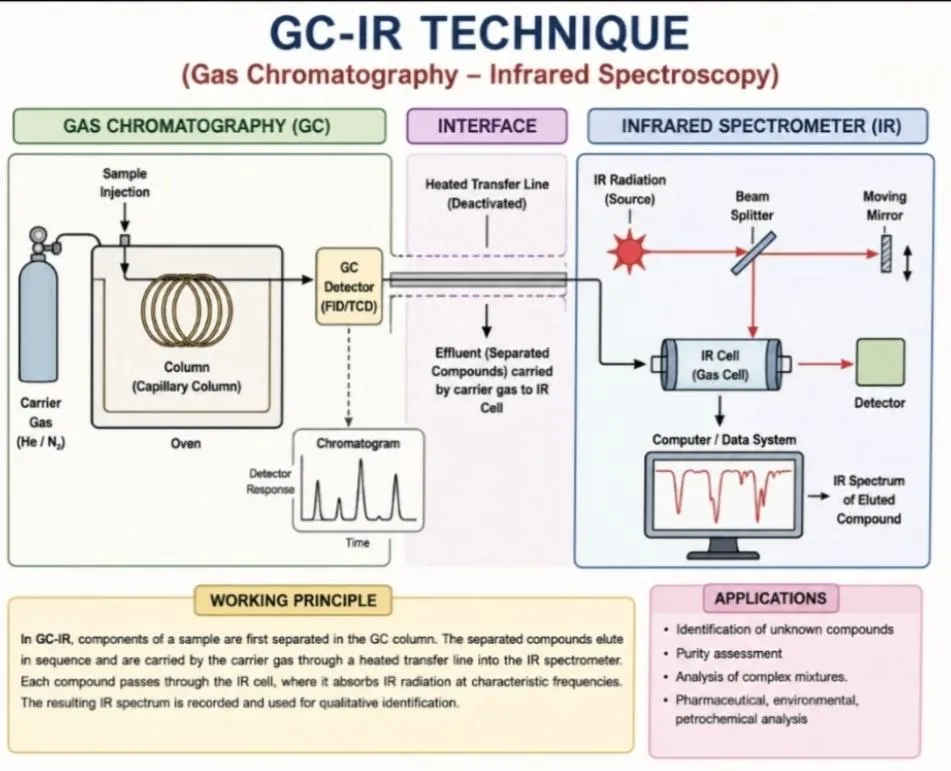
Figure 1: Schematic Representation of Gc-Ir
Applications & Examples:
1.Isomer and Stereoisomer Differentiation:
Application: GC-MS often fails to distinguish structural isomers because they yield identical mass fragmentation patterns. GC-IR resolves isomers based on differences in their characteristic bond vibrational frequencies.
Example: Distinguishing structural isomers of synthetic cannabinoids, amphetamines, or substituted positional isomers in forensic drug screening.
2.Pharmaceutical & Impurity Profiling:
Application: Evaluates raw materials, volatile active components, synthetic intermediates, and residual degradation products.
Example: Identifying unexpected volatile organic degradation impurities or residual manufacturing solvents in small-molecule drug substance
LC-NMR:.
Principle :Liquid chromatography-nuclear magnetic resonance is a hyphenated method that blends liquid chromatography capacity for separation with the structural elucidation capacity using nuclear magnetic resonance spectroscopy. At first, the complex sample is separated by HPLC based on the components interactions and chemical characteristics with phases that are mobile and stationary after that, the separated parts are passed through an recording their NMR spectra using an appropriate interface to the NMR flow cell. The spectrum provides comprehensive details about the chemical surroundings of nuclei, so the isolated compounds molecular structure.LC-NMR can be used in on-flow , stopped-flow. As a result, the technique is especially helpful for complex mixtures and unknown compounds because NMR provides detailed structural identification while, LC provides separation.
Working:
Separation:
After the sample mixture is injected into an HPLC system, individual compounds separated inside the column based on chemical affinity.
Detection and interfacing:
UV/Vis or photodiode array (PDA) detectors are used to observe eluting components prior to their passage through specialized, shielded micro-flow probes inside the NMR magnet.
On-flow mode:
As anaiytes pass through the NMR flow-cell, spectra are continuously obtained.
Stopped-flow/peak-parking mode:
When a peak enters the flow cell, the LC flow is momentarily stopped, enabling longer 1D or 2D-NMR spectral acquisition for samples with low concentrations.
LC-SPE-NMR Mode:
To achieve the highest signal-to-noise sensitivity, separated fractions are trapped onto Solid-Phase Extraction cartridges, dried to remove protonated solvents, and then eluted into the NMR spectrometer using deuterated solvents.
Solvent Suppression:
Wet or presaturation methods remove background proton signals from LC solvents that aren’t deuterated, like Acetonitrile.
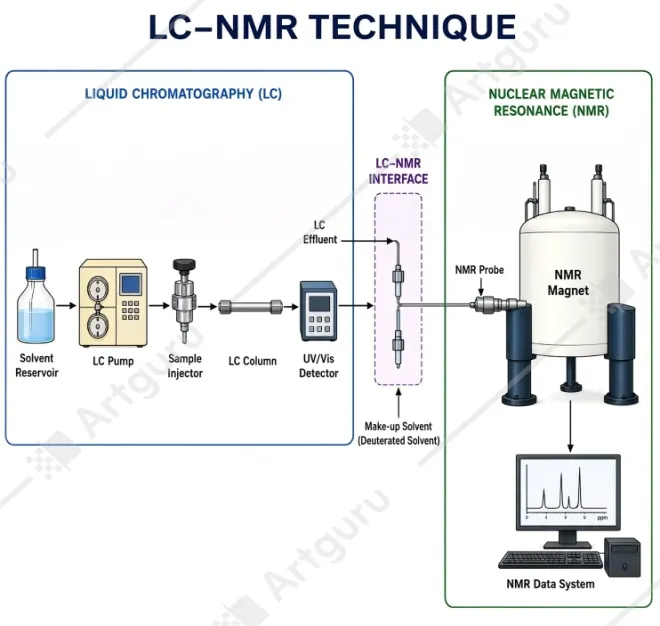
Figure 2: Schematic Representation of Lc-Nmr
Applications & Examples:
1.Natural Product Screening &Dereplication:
Application: Directly identifies novel phytochemicals and bioactive compounds in crude plant or marine extracts without manual column fractionation.
Example: Elucidation of complex marine alkaloid structures (such as aaptamine from Aaptos sponges) or profiling anti-plasmodial herbal extracts.
2.Pharmaceutical Drug Impurity & Degradation Profiling:
Application: Characterizes low-level degradation products, process impurities, and stereoisomers in bulk drug substances during stability testing.
Example: Identifying unknown oxidative breakdown impurities in active pharmaceutical ingredients (APIs) present at concentrations under 0.1%.
TLC-MS:
Principle: The Thin-layer chromatography-mass spectrometry is to combine the identification and separation capabilities of thin-layer chromatography. A suitable mobile phase is used to develop the sample mixture after it has been applied to a TLC plate. Due to their different rates, causing them to separated into distinct spots. An appropriate sampling or ionization interface is then used to introduce the separated spot containing the target analyte into the mass spectrometer. The analyte is transformed into ions, which are then separated and detected based on their mass-to-charge ratio (m/z).Molecular mass and, in the case of fragmentation, structural information for identifying the separated component are provided by the obtained mass spectrum.
Working:
Planar Chromatographic Separation: To create discrete chromatographic zones,the sample mixture is spotted into a TLC plate and developed in a chamber using the proper solvent system.
Zone Visualization & Targeting: To identify target zones, analyte spots are seen using fluorescent indicators, UV light or non-destrutivederivatization reagents.
Elution or Surface Desorption Interface: one of two main interfacing technique is used to transfer or sample the target spot into MS source:
Mass Analysis:The mass spectrometer filters the generated gas-phase ions and records m/z spectra to determine exact molecular mass and stuctural fragment patterns.
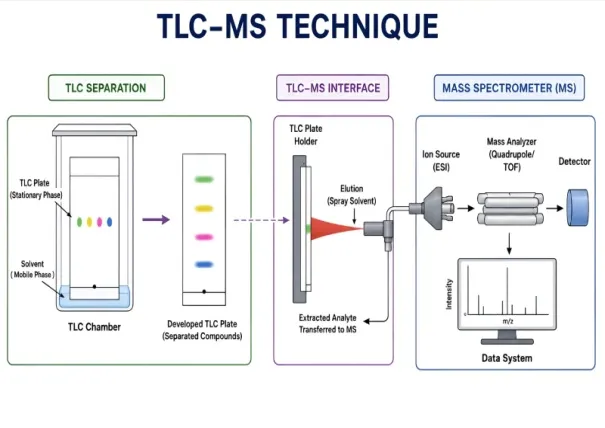
Figure 3: Schemaic Representation of TLC- ms
Applications:
Natural Product Screening &Phytochemistry:
Application: Rapid identification of bioactive secondary metabolites in complex plant or herbal extracts without laborious column purification steps.
Example: Screening crude botanical extracts to rapidly identify active phenolic compounds, alkaloids, or anti-plasmodial components directly from TLC bioautography spots.
Pharmaceutical Degradation& Impurity Profiling:
Application: Verifying drug purity and identifying trace synthesis side-products or degradation impurities during formulation stability testing.
Example: Characterizing trace degradation products in active pharmaceutical ingredients (APIs) like sertraline or synthetic reaction mixtures to confirm process completion.
HPLC-DAD:
Principle: High-performance liquid chromatography-diode array detection (HPLC-DAD) combines the high-resolution separation capability of HPLC with the UV-visible spectral detection capability of a diodearray detector. After the sample is injected into the HPLC system, the mobile phase moves it through the chromatographic column. After being separated according to their different interactions with the stationaryphase and mobile phase, individual components elute from the column at different retention times. The analytes in the column effluent then absorb visible or ultraviolet light as it passes through the DAD flow cell. The diode array detector simultaneously records absorbance across a range of wavelengths and produces chromatograms at particular wavelengths and complete UV-visible spectra for the separated components.
Working:
Sample Injection and Separation: A liquid sample is injected into the HPLC flow stream. High-pressure pumps push the mobile phase through the column, resolving individual analytes into distinct elution bands based on polarity or molecular weight.
SpectralIllumination:Aseachseparated fraction elutes from the column into the DAD flow cell, it is illuminated by polychromatic light emitted from deuterium (UV range) and tungsten/halogen (Visible range) lamps.
Dispersive Optics &Diode Array: Light passing through the sample flow cell is directed onto a diffraction grating or prism, which spatially disperses the light into individual wavelengths across an array of hundreds of individual photodiodes.
3D Data Acquisition: Each photodiode simultaneously monitors a specific wavelength, generating a complete UV-Vis absorption spectrum for every chromatographic peak. Advanced software then analyzes spectral matches against digital reference libraries to assess peak purity.
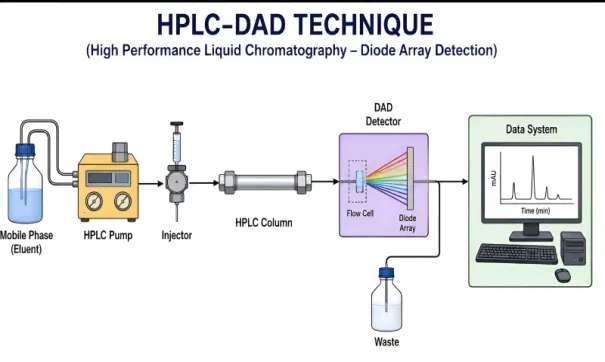
Figure 4: Schematic Representation of Hplc-Dad
Applications & Examples:
1.Pharmaceutical QualityControl and Peak Purity Analysis:
Application: Evaluates active pharmaceutical ingredients (APIs), validates dissolution profiles, and ensures degradation products or co-eluting impurities are not hidden underneath the main active peak.
Example: Verifying the chemical purity and quantifying low-level oxidative degradation impurities in bulk paracetamol or ibuprofen formulations.
2.Food Safety, Additives & Contaminant Screening:
Application:Quantifies food preservatives, artificial colorants, vitamins, and natural toxins in complex food matrices.
Example: Simultaneous determination of benzoic acid, sorbic acid preservatives, and synthetic dyes in commercial juices or soft drinks.
2.Triple and Multi hyphenated techniques:
LC-PDA-MS:
Principle:
Liquid Chromatography– photodiode array- Mass spectroscopy is an analytical technique which is used to combining liquid chromatography photodiode array detection and mass spectroscopy
This method is used to separate sample components based on their interaction with LC system phases like: stationary and mobile phases
The photodiode array is a detector which records the UV visible absorption spectra as which provides the information such as compound elute , providing retention time , and spectral information for identifying similar chemical classes. The compounds are ionized using (ESI) elecro spray ionization and detected by mass to charge ratio in mass spectrometer.
Working:
High-Resolution Separation: The sample is passes through a Reverse phase column with the influence of high pressure to resolve fractions.
Non-Destructive Optical Profiling: The eluent moves through a PDA flow cell which captures the full 3D spectra which includes retention time, wavelength, absorbance, with continous broad spectrum illumination .
Ionization and Fragmentation: The eluents enters into aionoization source directly from the PDA flow cell .The analytes which are used in this process are vapourised , dissolved and ionized in the gas phase
Tandem Mass Analysis:The generated ions enters the mass spectrometer the parent ions are isolated ,fragmented, are scanned to determine the precise chemical structure.
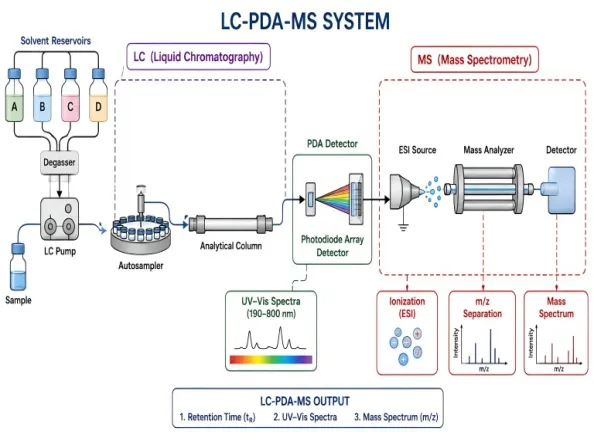
Figure 5: Schematic Representation of Lc-Pda-Ms
Applications & Examples:
1.Natural Product Identification & Phytochemical Profiling:
Application: Comprehensive de-replication of secondary metabolites in crude plant or marine extracts without manual isolation.
Example: Profiling polyphenols and anthocyanins in berry extracts, where PDA spectra identify core flavonoid skeletons and tandem MS resolves specific sugar conjugation sites.
2.Herbal Medicine & Traditional Formulation Standardization:
Application: Quality control and authenticity testing of complex multi-herb formulations to detect batch variations or synthetic adulterants.
Example: Screening traditional herbal remedies for undeclared synthetic anti-inflammatory drugs using matching UV spectral libraries alongside exact mass confirmation.
SPE-LC-MS:
Principle:
Solid phase extraction uses short, high capacity solvent microcartridges to selectively extract and concentrate targeted analysis while eliminating interfering Matrix components like a protein salt and lipids ,after pre cleaning liquid Cryptography uses differentiate in the partitions between a liquid mobile phase and the stationery phases to separate the analyte. By ionizing eluting molecules and measuring the mass to the charge and fragmentation pattern mass Spectroscopy provides the precious structure identification of the targets.Direct online coupling maximum analytical reproductive and the sensitivity while significantly reduces the analysis times, solvent consumption and the sample losses by doing away with the needs for manual offline sample extraction.
Working:
Automated Sample Loading & Extraction: An online SPE module is directly injected with raw liquid samples. The sample is directed onto a short SPE micro-cartridge by high-pressure valves, where target analytesattach to the sorbent and proteins, salts, and matrix interferents are eliminated.
Elution and Valve Switching: The analytical mobile phase is redirected to flow backflush through the SPE cartridge by a fast-switching multi-port valve. Direct desorption of the trapped analytes onto the analytical LC column occurs.
Chromatographic Separation: An optimized gradient elution profile is used to resolve analytes on the analytical column.
Ionization and Mass Detection: Eluting compounds enter a tandem mass spectrometer via an ionization interface.
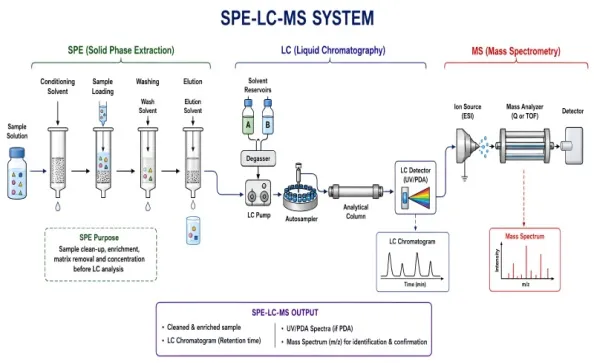
Figure 6: Schematic Representation of Spe-Lc-Ms
Applications & Examples:
1.High-Throughput Clinical & Bioanalytical Screening:
Application: Direct analysis of therapeutic drugs, steroids, and biomarker metabolites in untreated human biofluids without prior manual protein precipitation.
Example: High-throughput monitoring of immunosuppressant’s (e.g., tacrolimus, cyclosporine A) or steroid hormone panels directly from whole blood and plasma samples.
2.Environmental &Micropollutant Monitoring:
Application: Rapid determination of ultra-trace pharmaceuticals, personal care products, and industrial chemicals in complex environmental water bodies.
Example: Direct injection and ppt-level (parts-per-trillion) quantification of endocrine disruptors, per- and polyfluoroalkyl substances (PFAS), and antibiotic residues in raw municipal wastewater and surface runoff.
HPLC-IPC-MS:
Principle:
Inductively coupled plasma mass and thehigh- performance liquid chramatogaphy spectrometry of (HPLC-ICP-MS) Integrates that are effectively chromatographic separation capacity of HPLC with ICP-MS’s extremely sensitive element was added to the HPLC , where its constituent parts were divided based upon their interactions between the mobile phase and stationary phase . Different arsenic species are necessary for arsenic speciation . Dimethyl arsenic acid (DMA), monomethyl arsonic acid (MMA), as (III),and AS (V) can be separated using the appropriate mobile – phase modifier or an ion – separation technique and a reversed – phase chromatographic system combining reagents .
Working:
Species Separation: The HPLC system is fed a liquid sample the mobile phase is elute various chemical formula of a target metal or the metalloid from the column at the varying retention Times.
Nebulization and Sample Introduction:An ICP neutralizer and the spray chamber are used to transfer the continuous flow of the LC elute from the column into a fine aerosol.
Plasma Atomisation and Ionization :An extremely hot organ plasma is used to transport the aerosol. the molecules undergoes total desolvation ,vaporization, atomization transformation into a positive charged elemental ions.
Collision/ Reaction cells and Mass Filtering: the ICP MS high vacuum interfaces is reached by the collision /retention cell and the mass filtering ions.In a collision/ reaction cells with Helium or hydrogen gases poly atomic interfaces are eliminated. The detector then recorded time resolved elemental chromatograms after the quadrupole mass filter choses that target m/z values.
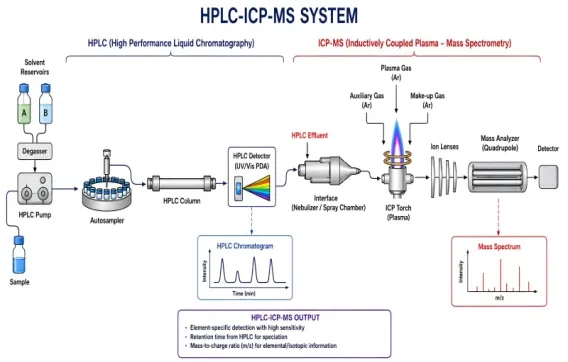
Figure 7: Schematic Representation of Hplc-Icp-Ms
Applications & Examples:
1..Metallomics & Bio-Inorganic Chemistry:
Application: Tracking metal-containing biomolecules, metalloproteins, and essential micro-minerals in biological fluids and tissue extracts.
Example: Quantifying trace selenoproteins and distinct selenium metabolites (e.g., selenomethionine, selenocysteine) in human serum for nutritional and biomarker studies.
2.Pharmaceutical & Toxicological Evaluation:
Application: Monitoring heavy metal impurities and characterizing organometallic drug candidates or counterions in active pharmaceutical ingredients (APIs).
Example: Speciation of platinum-based chemotherapy agents (e.g., cisplatin, carboplatin) and their bio-transformation products in blood plasma during pharmacokinetic studies.
3.Modern and Emerging hyphenated techniques:
2D-LC-MS:.
Principle:
A complex sample is subjected to two chromatography separation stages using distinct, separation mechanisms in a 2D- liquid chromatography-mass Spectroscopy is a multi dimensional separation technique. The initial separation and sample complexity reduction are carried out by the 1-dimension. The second dimensional, where a different stationary phase or separation mechanism offers more resolution, can be used to transfer the specific fractions or analyte-containing regions form the first dimension. Analytes were first separated using an achiral Phenyl-hexyl reversed phase column in the reported heart cutting 2D-LC-MS method. After being gathered in the loops, The Chosen fractions were moved to a second column that was based on the chiral teicoplanin complementary separation was offered by the second dimension,which includes enantiomer discrimination that the first dimension was unable to sufficiently resolve.
Working:
First Dimension Separation: one physiochemical properties is used to separate the components by the injecting the sample into the primary column.
Heart Cutting or Comprehensive Interfacing:
Heart Cutting: Certain target peak fractions are selectively isolated and transferred into a storage loops by multi port switching values. Comprehensive: The eluent stream is sequentially in injected into the second column after being continuously captured in the two alternating storage loops.
Second Dimension Separation: To resolve co-eluting species in a matter of the seconds, the stored fractions are quickly injected into am ultra-fast column using an Orthogonal mechanism.
Active Solvent Modulation and MS detection: To avoid the peak broadening, solvent modulators modify solvent strength between the dimensions. For high-resolution mass scanning, the eluent enter as ESI-MS interface directly.
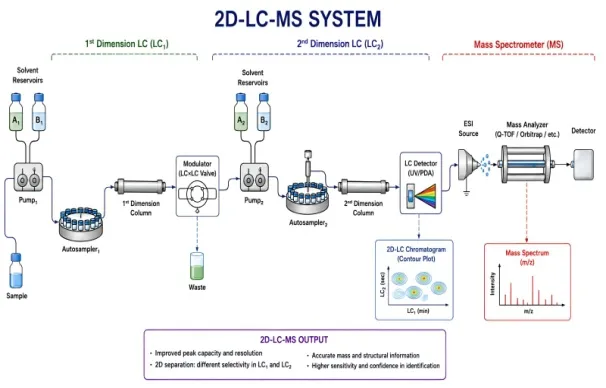
Figure 8: Schematic Representation of 2D-Lc-Ms
Applications & Examples:
1.Complex Proteomics & Bio-Macro Analysis:
Application: Deep profiling of cellular proteomes and complex peptide digests without extensive manual fraction collection.
Example: Bottom-up shotgun proteomics using strong cation exchange (SCX) nano-LC combined with reverse-phase nano-LC-MS/MS to identify low-abundance proteins in complex cell lysates.
2.Natural Products & Herbal Medicine Quality Control:
Application:Untargeted fingerprinting and structure identification of saponins, flavonoids, and isomers in plant extracts.
Example: Resolving closely eluting triterpenoidsaponin isomers in herbal extract remedies (e.g., Yupingfeng formulations) using HILIC \times RP-Orbitrap-MS.
Ambient Ionization-Mass Spectroscopy:
.
Principle:
Ambient Ionization-mass spectroscopy is generates gas-phase ions directly from samples under atmospheric pressure with minimal or no prior sample handling. The technique operates by decoupling the desorption of analyte molecules from their subsequent ionizatio. Sample extraction or desorption is typically driven by liquid solvents,lasers,or plasma discharges. The released neutral or press-ionized species are then ionized-most commonly via electrospray ionization or Atmospheric-Pressure Chemical Ionization (APCI) mechanisms before being drawn into mass spectrometer.
Working:
Sample preparation and loading:Rawsamples are analyzed directly or deposited on to the subtractes like filter paper or glass slides without lengthy chromatographic separations or liquid-liquid extractions. Hydrophobic coating or surface and energy traps may be used to spatially confine liquid micro- droplets on the surface.
Desorption and Ionization: Depending on the specific technique,theanalyte is extracted from the matrix using one of three primary Pathways:
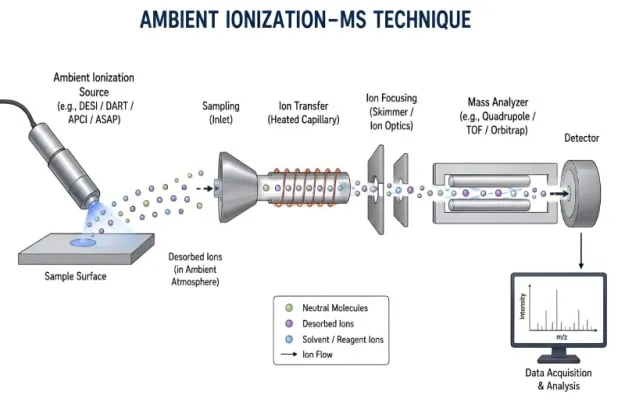
Figure 9: Schematic Representation of Ambient Ionization –ms Technique .
Applications & Examples:
1.Intraoperative Surgical Diagnostics & Tissue Imaging:
Application: Rapid point-of-care spatial mapping of tumor margins directly from human tissue during surgery.
Example: Using Desorption Electrospray Ionization (DESI-MS) or the “MasSpec Pen” for real-time molecular lipid profiling to distinguish cancerous brain or breast tissue from healthy tissue in real time.
2.Forensic Screening & Anti-Counterfeiting:
Application: Instantaneous non-destructive testing of illicit drugs, explosives, and counterfeit pharmaceuticals.
Example: Screening currency, luggage, or intact pharmaceutical tablets using Direct Analysis in Real Time (DART-MS) to detect trace opioids, explosives (TNT, RDX), or altered drug formulations.
Microfluidic/Chip-Based-LC-MS:.
Principle:
Microfluids/chip - based LC-MS is based on the miniaturization and integration of liquid chromatographic separation within micro- or nano-scale channels of a microchip, followed by mass-spectrometric detection of the separated analytes.The sample is introduced into the microfluildic channel, where analytes interact differently with the immobilized stationary phase and are separated according to their physicochemical properties, such as hydrophobicity , affinity,size,or charge.
Working:
Sampleloading and online trapping: The micro-fluidic chip is injected with the nanoliter volume samples. The sample is guided by the integrated micro-valves through a micro-enrichment column, Whereanalytes are concentrated and matrix interferences and salt are eliminated.
On chips separation: In order to reach resolve components at the nanolated permanent flow rates,valve switching reroutes the nanoflow f solvent gradient to backflush and analytes off the enrichment zone and on to the micro- analytical column.
Integrated Nano ESI: separated components flows straight into a micro fabricated integrated spray tip on the chips edges as they leave the analytical channel.Without post column connections, is stable Nano-electrospray is produced by an applied voltage.
Mass analaysis: For spectral identification, the resultantgasphase ions are fed into the high-vacuum analyzer of a tandem or high-resolution mass spectrometer
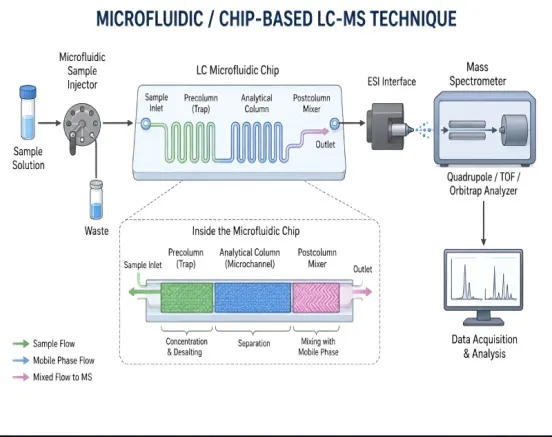
Figure 10: Schematic Representation of Microfluids/Chip- Based LC-MS
Applications & Examples:
1.Single-Cell Omics & Low-Abundance Proteomics:
Application: Deep proteomic profiling of sample-limited biological specimens, such as single-cell lysates or micro-biopsies, where traditional sample loss is prohibitive.
Example: Identifying and quantifying low-abundance proteins and post-translational modifications (PTMs) in single tumor cells using nanoflow polyimide Chip-LC-MS/MS.
2.Biopharmaceutical Profiling & Monoclonal Antibodies:
Application:High-throughput, reproducible monitoring of therapeutic antibody digest fragments and intact protein micro-heterogeneity.
Example: Rapid mapping of glycosylation patterns and sequence variants in monoclonal antibody biotherapeutics using ceramic microfluidic iKey-MS chips.
Challenges and limitations
Despite their advantages, hyphenated techniques have a number of disadvantages, including high instrumental complexity and cost, which limit accessibility and require specialized knowledge for operation and maintenance. Several analytical dimensions are integrated to create large and complex databases; these datasets present substantial challenges for data processing, interpretation, and management, frequently necessitating the use of advanced bioinformatics tools .
1. Complexity of Technology
Hyphenated instruments add complexity to the system by combining two or more analytical techniques. Operation, maintenance, troubleshooting, method development, and validation all require skilled workers.
2. Interface Problems
The detection and separation systems need to be connected correctly. To guaranty effective analyte transfer between the two systems, mobile-phase composition, flow rate, and operating conditions must be carefully optimized.
3Diminished Sensitivity
Dilution, analyte loss at interfaces, and sample splitting between detectors can all occasionally cause sensitivity to drop. Consequently, obtaining good detection limits requires careful optimization.
4. Managing Complex Data
Large and complex datasets are produced by methods like multidimensional systems and high-resolution MS. Advanced software, computing power, and skilled analysts are needed to process and interpret these data.
5. Expensive
In addition to requiring a large initial investment, the instruments may also have significant maintenance, consumable, infrastructure, and technical support costs.
6. The Need for Skilled Workers
These complex systems require specialized knowledge to operate and maintain. It can take a lot of time and money to train analysts.
7. Development and Validation of Methods
It can be costly and time-consuming to develop and validate hyphenated methods. Pharmaceutical techniques must exhibit robustness, sensitivity, specificity, accuracy, and precision.
8. Problems with Regulation and Standardization
Standardized protocols are still being developed for some hyphenated techniques. Regulatory acceptance, method transfer, and validation across various labs and instruments may become challenging as a result.
Current trends and innovations
Miniaturization:Miniaturization represents a significant development in hyphenated technique , primarily because of the growing demand for compact instruments and ,lower sample requirements, recent developments have focused on reducing size and power requirements of LC-MS systems while maintaining adequate analytical performance. such compact system useful for rapid screening , and point of care applications
Green analytical Approaches : Green analytical approaches are mainly aimed to reduce the use of hazardous solvents , minimize waste generation, and improve overall environmental conditions of analytical procedure
Supercritical fluid chromatography coupled with mass spectrometry is an example of an approach that can reduce the use of conventional organic solvents while providing useful separation capabilities for pharmaceutical compounds
AI- Driven Data Analytics :It involves incorporation of artificial intelligence and machine learning used to generate large and complex datasets , mainly in high- resolution mass spectrometry and multidimensional analytical systems .
Automation and Online Coupling : Automation has become increasingly significant in hyphenated technique because of the need for rapid , reproducible , and high throughput analysis .Automated sample preparation involves combination of extraction, purification, concentration processes and injected into coordinated work flow. This reduces manual intervention , minimizes handling errors ,and improves the reproducibility of analytical procedures
CONCLUSION :
Hyphenated analytical techniques have become essential tools in modern pharmaceutical analysis by combining the separation efficiency of chromatographic or electrophoretic methods with the powerful identification and structural characterization capabilities of spectroscopic and mass spectrometric techniques. Their ability to provide sensitive, selective, rapid, and reliable analysis makes them highly valuable for drug characterization, impurity profiling, metabolite identification, quality control, and degradation studies.
Recent developments in high-resolution mass spectrometry, multidimensional and multi-hyphenated systems, ambient ionization, microfluidic and miniaturized platforms, automation, and artificial intelligence-assisted data interpretation have further enhanced the capabilities of these techniques. These innovations have contributed to improved analytical performance while reducing sample consumption, solvent requirements, and analysis time.
Despite these advantages, challenges such as high instrumentation costs, complex system integration, interface optimization, specialized technical expertise, and advanced data-processing requirements continue to limit their widespread application. Continued technological advancement and improved accessibility are therefore important for overcoming these limitations. Overall, hyphenated techniques represent a significant advancement in pharmaceutical analytical science and are expected to play an increasingly important role in pharmaceutical research, quality assurance, impurity characterization, and regulatory assessment.
REFERENCES



Polaki Reshma, Mullu Bhanu, Pappula Niranjani, Mutyala Vasantha, Kandhi Vanitha, Kotyada Sunitha, Varri Srinivasarao, Maddi Ramaiah, A Comprehensive Review of Hyphenated Techniques in Pharmaceutical Analysis:Basic Principles,Emerging Trends and Applications, Int. J. of Pharm. Sci., 2026, Vol 4, Issue 11, 2732-2748. https://doi.org/10.5281/zenodo.24308724
 10.5281/zenodo.24308724