

We use cookies to ensure our website works properly and to personalise your experience. Cookies policy
Department of Pharmaceutics, Indira Gandhi Institute of Pharmaceutical Science, Perumbavoor (Affliated to Kerala Univesity of Health Sciences, Thrissur).
Body wash is a liquid cleansing preparation designed to remove dirt, sweat and other impurities from the skin while providing a pleasant cleansing experience. The incorporation of plant-based ingredients such as guava leaves, hibiscus leaves and Aloe vera provides additional cosmetic benefits due to their naturally occurring bioactive constituents. Guava leaves are known for their antibacterial properties, while hibiscus leaves possess antioxidant potential, and Aloe vera is widely recognized for its moisturizing and soothing properties. The present study focuses on the extraction, formulation and evaluation of a body wash containing guava leaf, hibiscus leaf and Aloe vera extracts with antibacterial and antioxidant potential. Guava and hibiscus leaves were extracted using 70% ethanol, while Aloe vera gel was obtained from fresh leaves. Three formulations (F1, F2 and F3) were prepared using different concentrations of Sodium Lauryl Sulphate (SLS) and Cocamidopropyl Betaine (CAPB), along with xanthan gum, glycerin, citric acid, Geogard ECT, rose water and purified water. The prepared formulations were evaluated for physical appearance, washability, pH, foam height, antibacterial activity and antioxidant activity. All formulations showed a dark green colour, pleasant odour and opaque appearance. The pH values of F1, F2 and F3 were 5.70, 5.36 and 5.83, respectively. F2 showed easy washability and a foam height of 5 cm. Antibacterial activity was evaluated against Staphylococcus aureus. Antioxidant activity was evaluated by the DPPH free radical scavenging method, and the IC50 value of the prepared body wash was found to be 16 ppm, indicating very strong antioxidant activity according to the study classification. Based on the overall evaluation parameters, F2 was considered the suitable formulation among the three formulations.
COSMETICS
Cosmetics are products designed for external application to the human body through methods such as rubbing, spraying, sprinkling, or other similar means. Their primary purpose is to cleanse, beautify, enhance attractiveness, or improve the overall appearance of the skin, hair, nails, lips, and other external body parts. In addition to enhancing appearance, cosmetics also help maintain the health and normal condition of the skin and hair, provided that their effects are gentle and do not alter the body's physiological functions [1].
The term cosmetic originates from the Greek word Kosmos, meaning "order, “harmony," or "adornment." his origin reflects the role of cosmetics in preserving and improving the appearance and condition of external body surfaces. Cosmetic products not only enhance physical appearance but also protect the skin and hair, maintain their integrity, reduce unpleasant odors through deodorizing or perfuming, and support personal hygiene [2].
In several countries, certain products with both cosmetic and mild therapeutic properties are classified as quasi-drugs. These products are intended to relieve minor physical conditions or support skin and hair care without changing the structure or function of the human body. Unlike pharmaceutical drugs, which are formulated to diagnose, prevent, or treat diseases, cosmetics and quasi-drugs are primarily intended for external care and aesthetic enhancement [3].
As cosmetic products are often applied daily and for prolonged periods, ensuring their safety is essential. They should be formulated to minimize the risk of irritation, toxicity, or other adverse effects under normal conditions of use. Consequently, cosmetics are subject to rigorous safety evaluations to ensure they are suitable for long-term consumer use while fulfilling their intended purpose of maintaining appearance and personal care [3].
INTRODUCTION TO LIQUID DOSAGE FORM
Pharmaceutical liquid dosage forms are preparations in which active drug substance is combined with suitable excipients – such as emulsifying, dispersing, solubilising, stabilizing, suspending, wetting, thickening, preserving, flavouring, sweetening, and colouring agents – and dissolved or dispersed in an appropriate solvent. These formulations are among the simplest dosage forms and are known for their rapid absorption and quick onset of action.
A liquid dosage form mainly consists of two components: the solute (the substance being dissolved) and the solvent (the medium that dissolves the solute).
Liquid preparation can be administered through various routes. Parenteral formulations are sterile, while most oral liquids are non-sterile. In addition to oral use, liquid dosage form can also be designed for injectables, inhalation, otic (ear), topic, nasal, ophthalmic (eye) administration. Examples: Syrup, Elixir, Mouthwash, Lotion, etc.… [4]
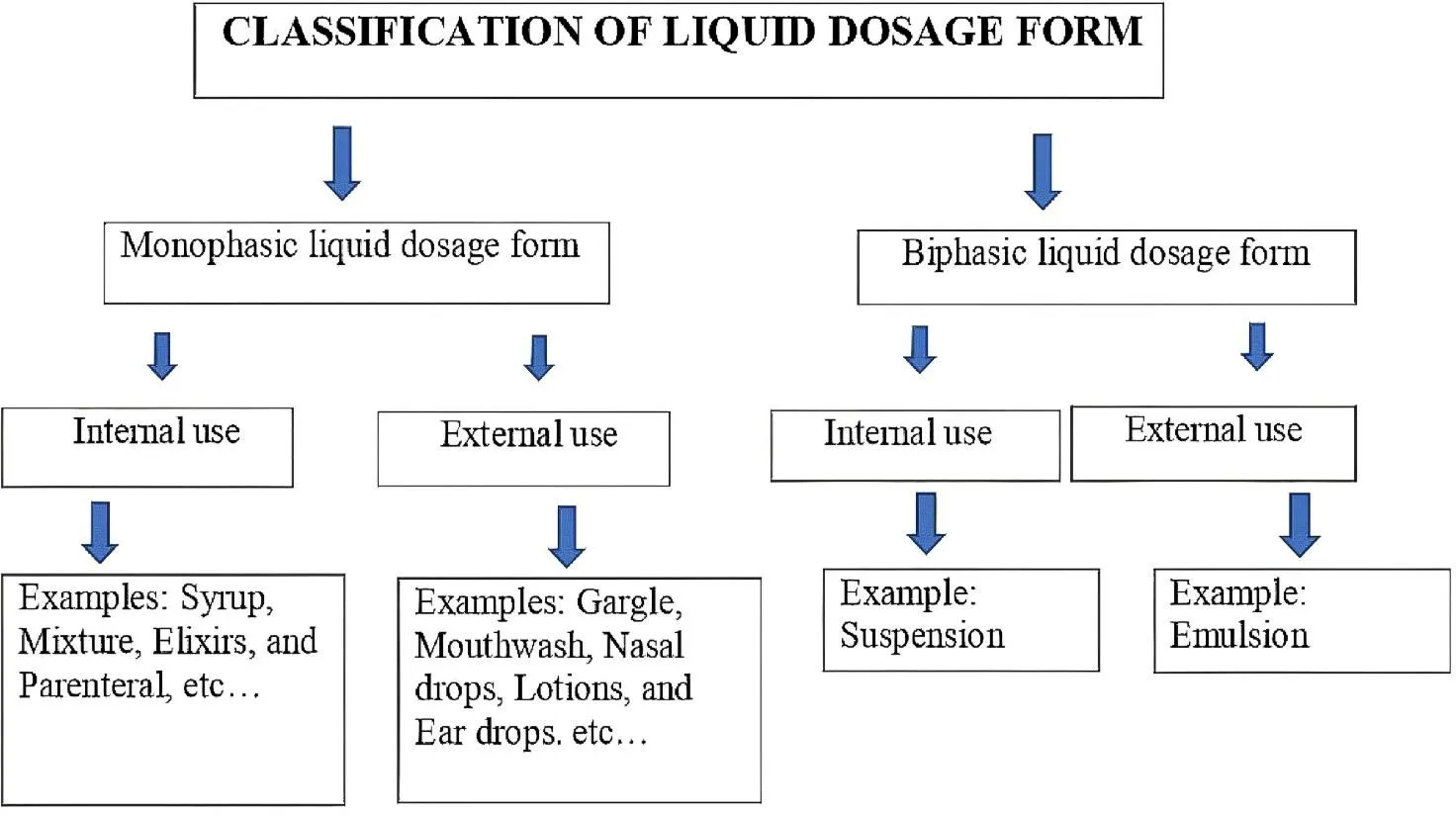
Monophasic liquid dosage form
Monophasic liquid dosage forms are homogenous solutions in which two or more components are completely dissolved, forming a single uniform phase.
E.g.: Syrup, gargles, Lotions, Elixirs, etc.… [5]
Biphasic liquid dosage form
Biphasic liquid dosage forms are heterogeneous systems that contain two distinct phases. They consist of a drug dispersed within a suitable liquid vehicle rather than being completely dissolved. There are two types of biphasic liquid dosage forms. [6]
1. Faster absorption
2. Flexible dosing
3. Easy to swallow
4. Uniform distribution of drug in the liquid
5. Suitable for large dose of drugs
1. Less stable than solid dosage forms
2. Risk of microbial contamination
3. Require preservatives
4. Bulky and difficult to transport
5. Threat like spillage
TYPES OF LIQUID DOSAGE FORMS IN COSMETICS
1. Solutions: Solutions are homogeneous liquids in which all ingredients dissolved. They are clear and uniform in appearance. Solutions are easy to apply and provide quick delivery of active ingredients to the skin or hair. Examples: Face toners, Liquid facial cleansers, Hair Serum.
2. Suspensions: Suspensions are liquid formulations in which insoluble particles are dispersed throughout the liquid medium. These particles do not dissolve and tend to settle over time, so the product requires shaking before use. Suspensions are commonly used to provide gentle mechanical cleansing. Examples: Herbal face washes, Liquid body scrubs.
3. Emulsion: Emulsions are mixtures of two immiscible liquids (Oil and Water) stabilized using emulsifying agents. They are commonly used for moisturizing and delivering active ingredients. Emulsions can be of two types:
4. Shampoo: Shampoos are designed for cleaning hair while providing a pleasant sensory experience.
5. Lotions: Lotions are light liquid emulsions intended for topical application. They are generally less viscous than creams and provide hydration and protection to the skin without leaving a heavy residue. Example: Body lotions, after-sun cooling lotion [9,6,4].
BODYWASH
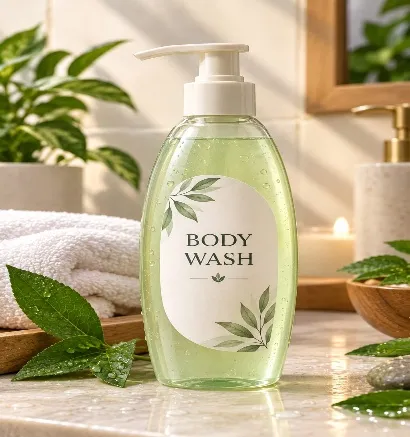
Figure 1: Body Wash
Body wash is a liquid cleansing product designed specifically for use on the body. It effectively removes dirt, sweat, and other impurities, leaving the skin feeling clean and fresh. These products are available in a wide range of fragrances and formulations to suit different skin types and individual preferences. The cosmetics play an important role in maintaining the health and appearance of the skin, especially in today’s environment where the pollution and harmful UV radiation can damage the skin. Natural ingredients such as aloe Vera are widely used in cosmetic formulations due to their soothing and healing properties, helping in the treatment of burns, acne, psoriasis, and other skin conditions. Body wash preparations can also offer therapeutic benefits, including antibacterial and antifungal effects that promote skin health. The raw materials used in their formulation are carefully selected for their beneficial properties, making body wash not only a cleansing product but also a valuable cosmetic and skin-care aid [10].
1.2.1. TYPES OF BODY WASH
ADVANTAGES
1. Gentle cleansing: Body wash tends to be milder and more soothing than bar soap.
2. Hygienic: Body washes are considered more hygienic than bar soaps because they are packaged in sealed containers, which helps prevent the growth of bacteria and germs on the product.
3. Exfoliation: Body washes help gently exfoliate the skin by removing dead cells and clearing clogged pores, making them especially beneficial for acne-prone skin.
4. Aromatherapy benefits: Many body washes come in a variety of fragrances and may include soothing essential oils, offering a relaxing aromatherapy experience during use.
5. Moisturizing properties: Body washes frequently include moisturizing ingredients that help keep the skin hydrated, making them especially suitable for dry or sensitive skin.
6. Travel-friendly: Body washes are travel-friendly since they are often sold in small, portable bottles that are easy to pack and carry
LITERATURE REVIEW
1. Nandini Shinde et al. (2026) Studies have reported that Aloe Vera is an effective natural ingredient for topical formulations due to its moisturizing, soothing, wound-healing, and antimicrobial properties. Their findings showed that the combination of Aloe Vera with natural additives significantly improved skin hydration while providing protection against microbial growth. The study concluded that Aloe Vera herbal gel is a safe and promising herbal formulation for maintaining skin health and supporting topical therapeutic applications.
2. Zhu et al. (2024) reviewed the applications of Aloe Vera in cosmetology and the clinical treatment of skin diseases, highlighting its wide range of therapeutic and cosmetic benefits. The authors reported that Aloe Vera exhibits whitening, sun-protective, antioxidant, anti-aging, and moisturizing properties, making it a valuable ingredient in skincare formulations. Clinical evidence also demonstrated its antibacterial activity, ability to reduce skin damage, and effectiveness in promoting wound healing. The review concluded that Aloe Vera has significant potential for the development of novel skincare products and therapeutic agents for various dermatological conditions.
3. Gutierrez-Montiel et al. investigated the antimicrobial activity of Psidium guajava (guava) leaf extract against extensively drug-resistant (XDR) Acinetobacter baumannii. The study demonstrated that the extract exhibited significant antimicrobial activity against all tested clinical isolates, with enhanced efficacy after polyphenol purification and when combined with gentamicin. The researchers also observed morphological changes in A549 lung cells following exposure to the extract, indicating the need for further safety evaluation. The study concluded that guava leaf extract is a promising natural antimicrobial agent for combating multidrug-resistant bacterial infections.
4. Agada (2024) evaluated the phytochemical constituents and antimicrobial efficacy of Psidium guajava leaf extracts against selected bacterial isolates. The study identified flavonoids, tannins, saponins, and phenols as the major bioactive compounds responsible for the antibacterial activity of the extracts. Methanol and n-hexane leaf extracts showed significant inhibitory effects against Klebsiella spp. and Staphylococcus aureus, with antimicrobial activity varying according to extract concentration.
5. Abhinay Kumar Dwivedi and Anshul Jain (2023) investigated the antioxidant and anti-bacterial activities of Hibiscus rosa-sinensis leaf extract. Their study demonstrated that ethanolic leaf extract possesses significant antioxidant potential and exhibits antibacterial activity against both Staphylococcus aureus and Escherichia coli. The antibacterial effect was more pronounced at a 2% extract concentration, with greater activity observed against the Gram-negative E. coli. The findings suggest that Hibiscus rosa-sinensis leaves are a valuable source of natural antioxidant and antimicrobial compounds with potential therapeutic applications.
6. Srivastava et al. conducted a phytochemical analysis of Hibiscus rosa-sinensis leaves to establish their pharmacognostic characteristics and therapeutic potential. The study identified several bioactive constituents, including glycosides, alkaloids, tannins, flavonoids, saponins, and carbohydrates, through qualitative analysis of different solvent extracts. These phytochemicals support the traditional use of Hibiscus rosa-sinensis in the treatment of various ailments, such as ulcers, diabetes, and inflammatory disorders. The authors concluded that the findings provide a scientific basis for further isolation and development of bioactive compounds from the plant.
Ingredients table:
| SI.NO. | Ingredients | Category |
|---|---|---|
| 1 | Psidium guajava leaves extract | Antibacterial activity |
| 2 | Hibiscus rosa-sinensis leaves extract | Antioxidant |
| 3 | Aloe baradensis extract | Soothing and moisturizing activity |
| 4 | Cocamidopropyl betaine | Secondary surfactant |
| 5 | Sodium lauryl sulphate | Primary surfactant |
| 6 | Xanthan gum | Thickening agent |
| 7 | Citric acid | Ph adjuster |
| 8 | Glycerin | Humectant |
| 9 | Geogard ECT | Preservative |
| 10 | Rose water | Perfuming agent |
| 11 | Purified water | Solvent |
Table no. 1 ingredients table
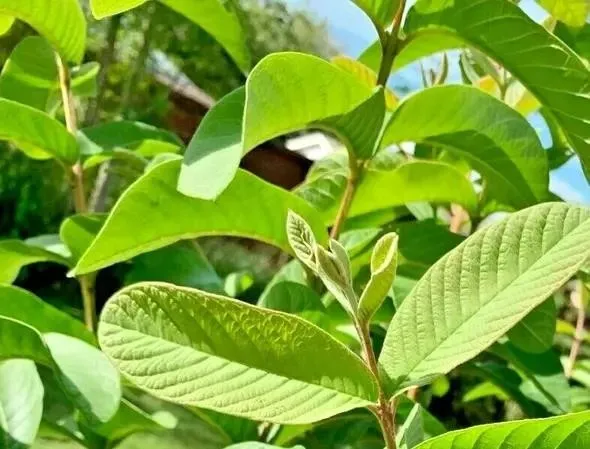
Figure 2: Psidium guajava Leaves
PLANT PROFILES AND OTHER EXCIPIENTS
Psidium guajava leaves
Morphology:
Guava (Psidium guajava L.) leaves are simple, opposite, and oblong to elliptic or oval in shape, with short petioles. They have a dark green, leathery, slightly rough surface with prominent pinnate venation and entire margins. The leaves produce a characteristic aromatic odour when crushed due to the presence of volatile constituents [12].
Distribution:
Guava (Psidium guajava L.) belongs to the Myrtaceae family and is a tropical evergreen tree native to Mexico, Central America, and the Caribbean. Due to its adaptability to various environmental conditions, it is widely cultivated in tropical and subtropical regions. Major cultivating countries include India, Brazil, China, Nigeria, Mexico, and the Philippines [13].
Phytoconstituents: Guava leaves contain several nutrients and bioactive phytochemicals, including moisture, ash, proteins, carbohydrates, ascorbic acid, and phenolic compounds. They are particularly rich in phenolic compounds, which contribute to their antioxidant, antimicrobial, and anti-inflammatory properties. These bioactive constituents support the medicinal value of guava leaves and their potential use in herbal and cosmetic formulations [14].
Uses:
Guava leaves possess antimicrobial, antioxidant, and anti-inflammatory properties, making them useful ingredients in herbal skincare formulations. Their bioactive constituents help control acne-causing microorganisms, reduce skin inflammation, and protect against oxidative stress. Guava leaf extracts may also help manage acne, reduce scars and pigmentation, and promote an even skin tone, supporting their use in natural cosmetic and dermatological products [15].
Hibiscus rosa-sinensis leaves
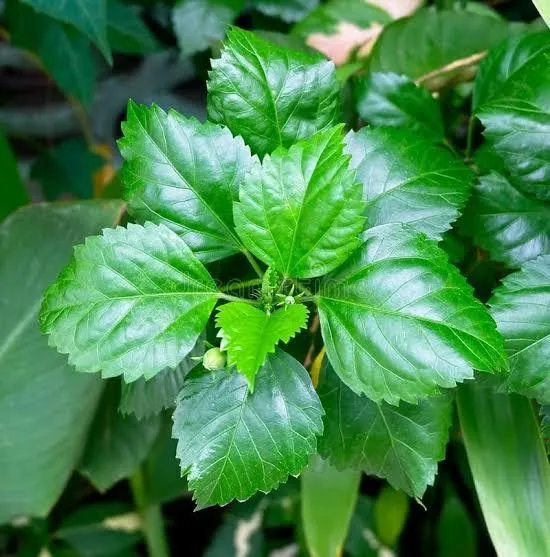
Figure 3: Hibiscus rosa-sinensis Leaves
Morphology:
The leaves are simple and alternately arranged in a spiral pattern along the stem, with ovate, deltoid, or lanceolate shapes. They have an acute or acuminate apex, variable leaf bases, serrated margins, and prominent reticulate venation. The leaf surface is generally smooth and glossy, with a bright green upper surface and a lighter green lower surface [16].
Distribution:
Hibiscus rosa-sinensis is believed to have originated in tropical Asia, particularly southern China. It has been cultivated for centuries in China, Japan, and the Pacific Islands. The plant is well known for its attractive deep-red flowers, and its scientific name reflects its association with China [16].
Phytoconstituents:
Hibiscus rosa-sinensis contains various bioactive phytochemicals, including phenolic acids, polyphenols, and flavonoids such as quercetin and kaempferol. It also contains organic acids like malic, citric, and tartaric acids. Other constituents include alkaloids, tannins, saponins, reducing sugars, sterols such as β-sitosterol, and mucilage [17].
Uses:
Traditionally, the leaves of Hibiscus rosa-sinensis have been used to manage dysentery and diarrhoea. They have also been applied to promote abscess drainage and relieve pain. Additionally, traditional medicinal practices report their use for inducing abortion and assisting placental expulsion after childbirth [16,17].
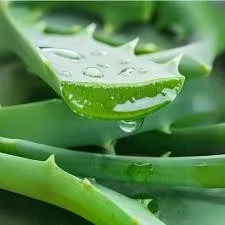
Figure 4: Aloe barbadensis Leaves
Morphology:
Aloe barbadensis Miller, commonly known as Aloe vera, belongs to the family Liliaceae and is widely used for its medicinal and cosmetic properties. Its leaves contain two distinct components: clear aloe gel found in the parenchymal tissues and yellowish latex secreted by specialized cells near the vascular bundles. Both components contain bioactive constituents that contribute to the therapeutic and cosmetic value of the plant [18].
Distribution:
The genus Aloe L. is mainly distributed in sub-Saharan Africa, Madagascar, the Arabian Peninsula, and islands of the Indian Ocean, including Socotra. South Africa is considered the major centre of diversity, with approximately 120 recognized taxa. Eastern Africa and Madagascar are also important regions of Aloe diversity, as reported by Newton (2004a) [18].
Phytoconstituents:
Aloe vera contains more than 75 bioactive constituents, including vitamins, enzymes, minerals, sugars, anthraquinones, fatty compounds, and plant hormones. Important components such as aloin, emodin, glucomannans, lupeol, salicylic acid, lignin, and saponins contribute to its various therapeutic and cosmetic properties [19].
Uses:
Other excipients:
1. SODIUM LAURYL SULPHATE
Sodium Lauryl Sulfate (SLS) is an anionic surfactant commonly used in body wash formulations for its cleansing and foaming properties. It helps remove excess sebum, dirt, and impurities from the skin while producing adequate lather. It may also be combined with milder surfactants to improve skin feel and overall formulation performance [20].
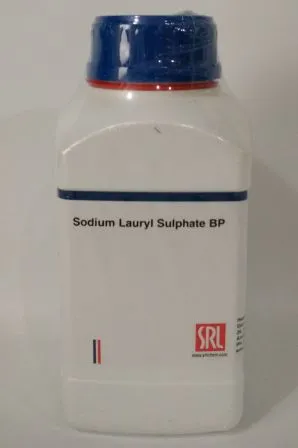
Figure None: 5: Sodium Lauryl Sulphate
GLYCERIN
Glycerin is commonly used in body wash formulations for its moisturizing and skin-conditioning properties. As a humectant, it attracts and retains moisture, helping to maintain skin hydration during and after cleansing. It also improves skin softness and smoothness, making it suitable for rinse-off products [21].
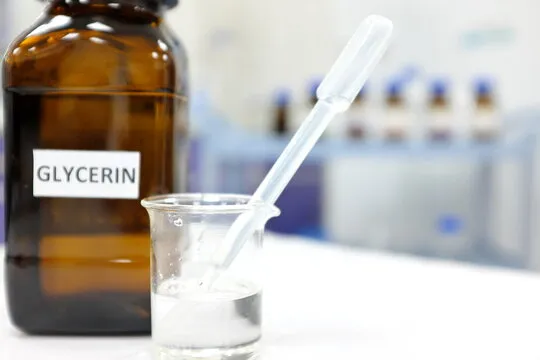
Figure 6: Glycerin
COCAMIDOPROPYL BETAINE
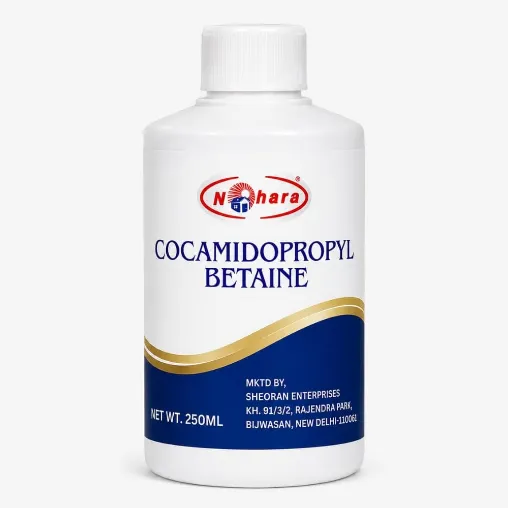
Figure 7: Cocamidopropyl Betaine
Cocamidopropyl Betaine (CAPB) is a mild amphoteric surfactant commonly used as a secondary surfactant in body wash formulations. It enhances cleansing and foaming properties while improving the overall sensory characteristics of the product. Its mild nature helps provide a better skin feel, making it suitable for rinse-off products [22].
XANTHAN GUM
Xanthan gum is a naturally derived polymer widely used in cosmetic formulations as a thickening agent. In body wash formulations, it increases viscosity and provides suitable thickness and consistency. It also improves the physical stability and handling properties of the finished product [23].
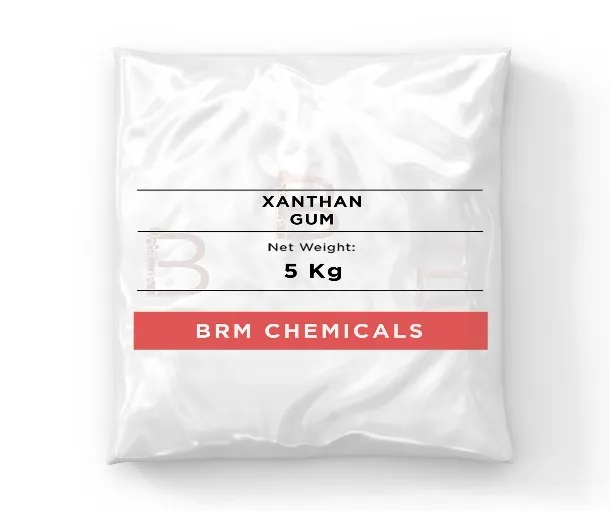
Figure 8: Xanthan Gum
CITRIC ACID
Citric acid is commonly used in cosmetic formulations as a pH-adjusting and buffering agent. In body wash formulations, it helps regulate the pH of the product to a suitable level for skin application. Maintaining an appropriate pH can contribute to the skin compatibility and overall stability of the formulation [24].
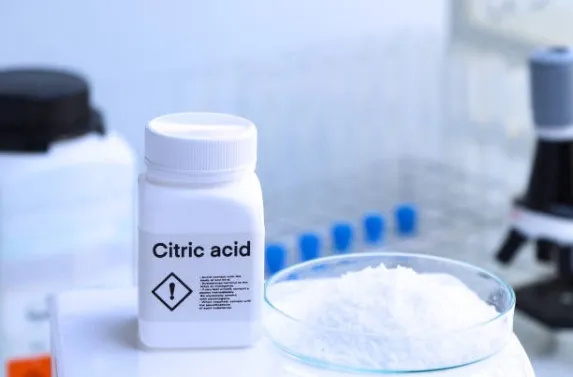
Figure 9: Citric Acid
GEOGARD ECT
Geogard ECT is a broad-spectrum preservative system used in cosmetic formulations to help protect products from microbial contamination.
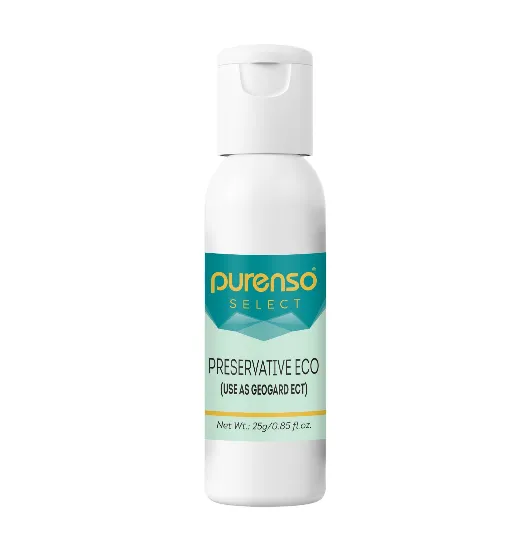
Figure 10: Geogard ECT
ROSE WATER
Rose water is a commonly used ingredient in cosmetic formulations and can contribute to the pleasant sensory characteristics of a product. In the present body wash formulation, rose water is incorporated as a fragrance-related ingredient to provide a pleasant rose-like aroma and enhance the overall sensory acceptability of the formulation [25].
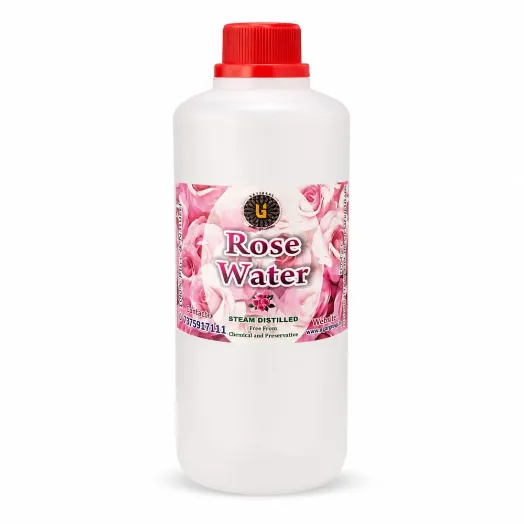
Figure 11: Rose Water
METHODOLOGY
Plan of work:
a. Physical evaluation
b. washability
c. formability
d. pH measurement
e. Antioxidant property
f. Antibacterial property
MATERIALS AND METHODS
COLLECTION AND AUTHENTICATION OF PLANT MATERIALS
Fresh, healthy plant materials of Hibiscus rosa-sinensis, Psidium guajava, and Aloe barbadensis was collected from Cherukunnam and Ernakulam on 07 July 2026. Formal authentication was completed on 08 July 2026 by Dr.Justin R. Nayagam professor and Head of Department of botany, Union Christian college, Aluva, Ernakulam, Kerala.
PREPARATION OF PLANT EXTRACT
GUAVA LEAVES
The dried guava leaves were powdered and macerated with 70% ethanol for 6-7 days and filtered using muslin cloth. The filtrate is then concentrated [26].
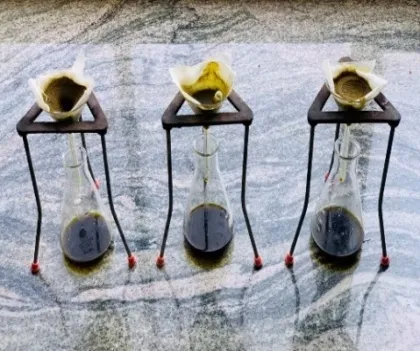
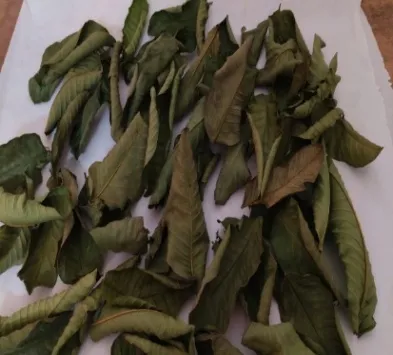
Figure 12: Dried Guava Leaves Fig No. 13: Filtration of Guava Leaves
HIBISCUS LEAVES
The dried hibiscus leaves were ground into a coarse powder and extracted by soaking in 70% ethanol for 7days. The filtrate is then concentrated [27].
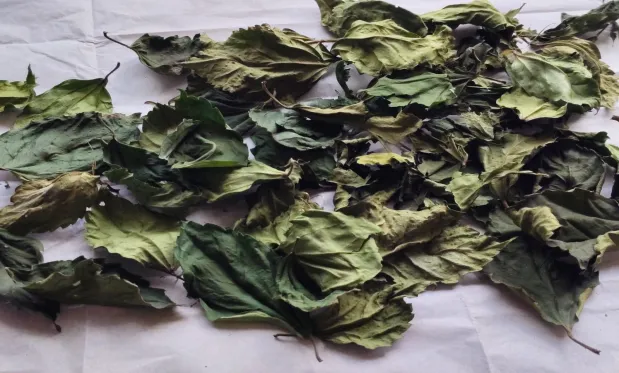
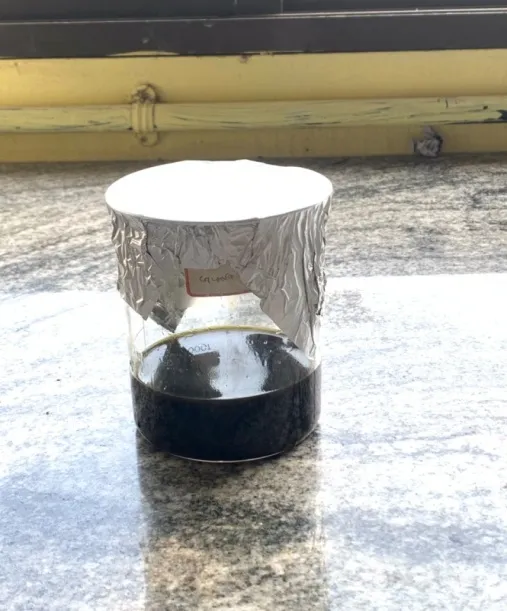
Figure 14: Dried Hibiscus Leaves Fig No. 15: Maceration of Hibiscus Leaves Extract
ALOE VERA GEL
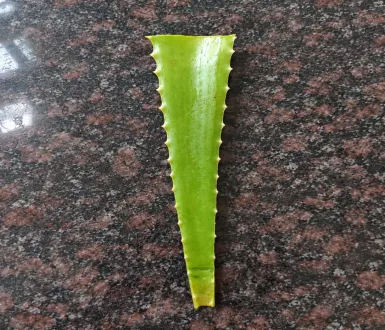
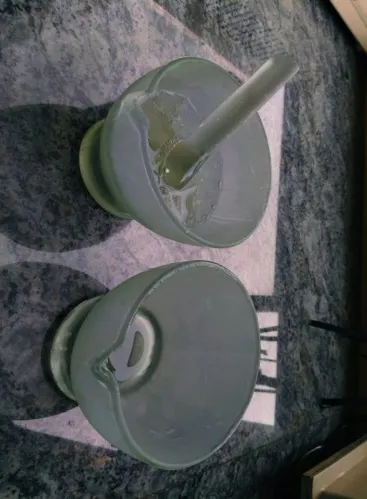
Figure 17: Gel Extract
Aloe Vera leaves were collected, washed thoroughly and filtered to obtain the inner gel. The gel was ground and subjected to heat treatment at 70ºc.It was then purified to obtain clear Aloe Vera gel juice [28].
Fig no. 16 aloe vera leaf
FORMULATION OF BODY WASH
| SL NO. | INGREDIENTS | F1 | F2 | F3 |
|---|---|---|---|---|
| 1 | Psidium guajava leaves extract | 2ml | 2ml | 2ml |
| 2 | Hibiscus rosa-sinensis leaves extract | 0.6ml | 0.6ml | 0.6ml |
| 3 | Aloe baradensis extract | 0.4ml | 0.4ml | 0.4ml |
| 4 | Cocamidopropyl betaine | 4ml | 5ml | 6ml |
| 5 | Sodium lauryl sulphate | 4ml | 5ml | 6ml |
| 6 | Xanthan gum | 0.1ml | 0.1ml | 0.1ml |
| 7 | Citric acid | 0.3ml | 0.3ml | 0.3ml |
| 8 | Glycerin | 0.5ml | 0.5ml | 0.5ml |
| 9 | Geogard ECT | 0.1ml | 0.1ml | 0.1ml |
| 10 | Rose water | qs | qs | qs |
| 11 | Purified water | qs | qs | qs |
A clean and dry beaker was taken, and the required quantity of purified water was added. Glycerin was incorporated into the water and mixed thoroughly. Xanthan gum was then gradually dispersed into the mixture with continuous stirring to obtain a uniform base and avoid lump formation. SLS was added slowly, followed by cocamidopropyl betaine (CAPB), with gentle stirring to avoid excessive foam formation. Rose water and Geogard ECT were then incorporated and mixed thoroughly. The PH was adjusted to 5.0 to 5.5 using citric acid solution, and the final volume was made up with purified water [29].
Table no. 2 formulation table
EVALUATION OF BODY WASH
PHYSICAL EVALUATION [29]
Physical appearance was visually checked for the colour, odour, and overall aesthetic consistency of the body wash.
Colour
Formulated body wash was evaluated for its colour. Visual colour was checked by placing the formulation in white background.
Odour
Odour was found by smelling the three formulations (F1, F2 &F3)
Consistency
Consistency of the body wash was visually checked
WASHABILITY [29]
A Small amount of body wash was applied to a grease-coated slide and gently rubbed for 1-2 minutes. It was then washed with tap water, and the ease of removal was observed.
pH MEASUREMENT [30]
The pH meter was calibrated using a standard buffer solution. Nearly 1ml of body wash was dissolved in 50 ml distilled water and finally its pH was calculated. The pH of the body wash should be in range 5.0-6.0.
FOAM HEIGHT [29]
Foam height was evaluated by agitating the sample in water and measuring the foam volume. The foam height was recorded immediately after agitation.
ANTI-BACTERIAL ASSAY [30]
Antibacterial activity was evaluated against Escherichia coli (E. coli) and Staphylococcus aureus using a standardized microbial suspension. The test sample was inoculated with the microorganisms and incubated under suitable conditions, followed by assessment of microbial growth using colony forming units (CFU/mL).
DPPH FREE RADICAL SCAVENGING ACTIVITY (DETERMINATION OF ANTIOXIDANT ACTIVITY) [31]
This method was used to assess the free radical scavenging activity of body wash formulation. The body wash was prepared in ethanol at different concentration ranging from 10-50 µg/mL, and each sample was mixed with DPPH solution. The mixtures were incubated at room temperature in the dark for 30 minutes. The absorbance was measured at 517 nm using a UV-Visible spectrophotometer. Appropriate control was included along with the test samples. The percentage of radical scavenging activity was calculated using the following formula:
% Scavenging = [(A517 Control – A517 Sample) A517 Sample – A517 Control] × 100
RESULT AND DISCUSSION:
The prepared body wash formulations (F1, F2, and F3) were evaluated to determine their physicochemical properties, physical characteristics, and functional performance through various tests, including pH, foamability, washability, antioxidant activity, and antibacterial activity
PHYSICAL APPEARANCE
Physical appearance of the three formulations (F1, F2&F3) was performed by determining the colour, odour, appearance and consistency.
Table 3: Physical Appearance
| Si. No | PARAMETERS | F1 | F2 | F3 |
|---|---|---|---|---|
| 1 | COLOUR | Dark green | Dark green | Dark green |
| 2 | ODOUR | Pleasant | Pleasant | Pleasant |
| 3 | APPEARENCE | Opaque | Opaque | Opaque |
| 4 | CONSISTENCY | Liquid consistency | Liquid consistency | Slightly-thick |
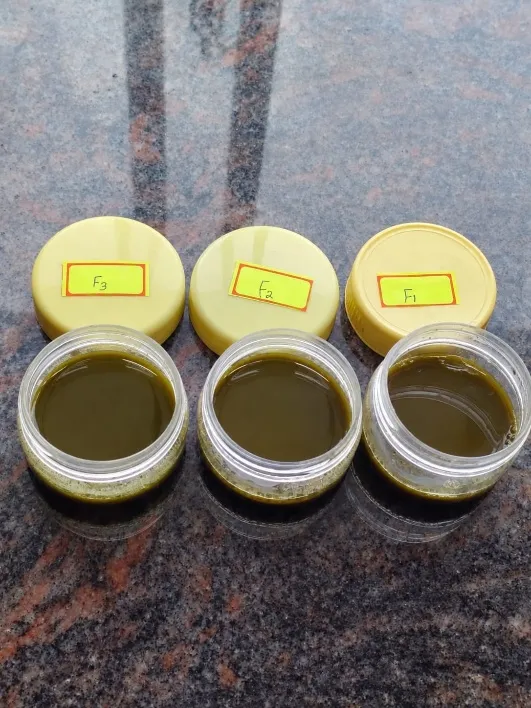
Figure 18: F1, F2, F3
The result of organoleptic parameters like colour, odour, appearance revealed that F1, F2 & F3 was dark green, pleasant, opaque. Hence according to consistency, the F1 & F2 is considered as the good formulation.
WASHABILITY
Formulation was applied on grease-coated slide & then ease and extent of washing with water were checked manually.
| Si. no | FORMULATIONS | WASHABILITY |
|---|---|---|
| 1 | F1 | Washable |
| 2 | F2 | Easily Washable |
| 3 | F3 | Slightly washable |
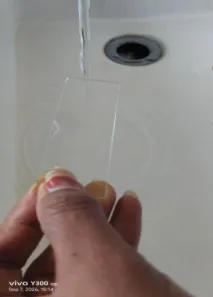
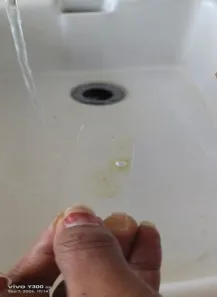
Figure 19: Washability of F2
Table 4: Washability
The Washability studies were done in all formulation (F1, F2 & F3). And F2 was found to be easily washable.
MEASUREMENT OF pH
The determination of pH was conducted for the three formulations (F1, F2&F3).
Table 5: Measurement of pH
| Si. No | FORMULATIONS | pH |
|---|---|---|
| 1 | F1 | 5.70 |
| 2 | F2 | 5.36 |
| 3 | F3 | 5.83 |
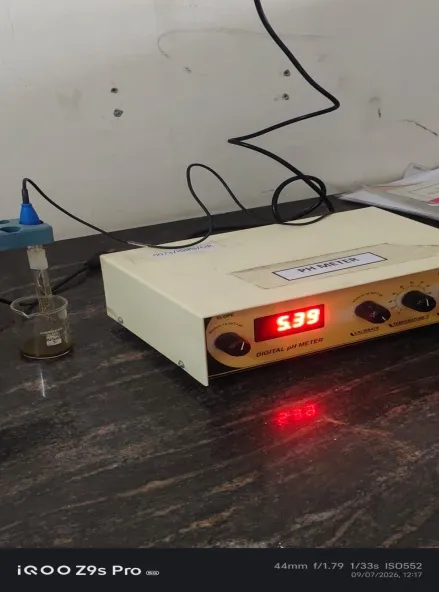
Figure 20: pH Measurement of F2
According to the results, the pH of the F2 was found to be nearer to the skin pH. So, it can be safely used on skin.
FOAM HEIGHT
Determined by agitating the sample with water and measuring foam volume.
Table 6: Foam Height
| Si. No | FORMULATIONS | FOAM HEIGHT |
|---|---|---|
| 1 | F1 | 5.5 |
| 2 | F2 | 5 |
| 3 | F3 | 4.5 |
Among these three formulations (F1, F2 & F3) F2 is considered as best formulation based on foam height.
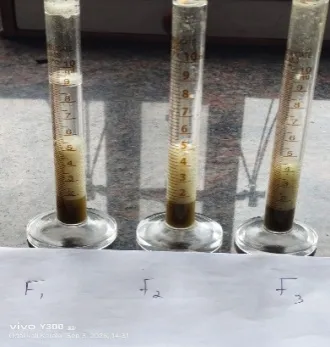
Figure 21: Foam Height
DPPH FREE RADICAL SCAVENGING ACTIVITY (DETERMINATION OF ANTIOXIDANT ACTIVITY)
Table 7: Antioxidant Activity Category
| Si no. | IC50 value (ppm) | Category Antioxidant activity |
|---|---|---|
| 1 | <50 | Very strong |
| 2 | 50-100 | Strong |
| 3 | 100-150 | Moderate |
| 4 | 150-200 | Weak |
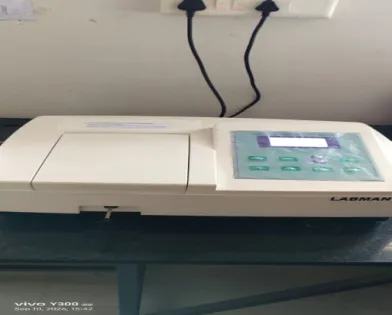
Figure 22: Antioxidant Activity of F2
The antioxidant activity of body wash was found to be 16 ppm.
Result: The antioxidant activity of the prepared body wash was found to be very strong.
ANTIBACTERIAL ASSAY
Antibacterial activity by disc diffusion method
The antibacterial efficiency of F2 was investigated against clinical bacterial pathogens, Staphylococcus aureus, using the disc diffusion method. Bacterial lawn was prepared by evenly spreading the test organism across the solidified Muller-Hinton agar media (MHA) in sterile petri dishes using a sterile cotton swab. F2 sample was placed on the culture inoculated MHA plates. The plates were then incubated in an upright position at 37°c for 24 h. Following incubation, the inhibition of bacterial growth was observed. Each sample was analysed in quadruplicate.
The zone of inhibition shown by body wash was 25 mm +|- 1.26 against S aureus
Table 8: Antibacterial Activity Category
| Zone of inhibition of F2 against s. aureus (mm) |
|---|
| 25mm +\-1.26 |
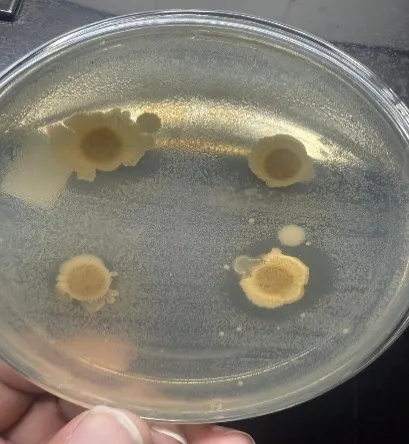
Figure 23: Zone of Inhibition of F2 Against s. aureus (mm)
CONCLUSION
The present study was carried out to formulate and evaluate a liquid body wash containing Psidium guajava leaves, Hibiscus rosa-sinensis leaves and Aloe barbadensis gel. Guava leaves were selected mainly for their antibacterial property, hibiscus leaves for their antioxidant property, and Aloe vera for its moisturizing and soothing effects. The plant materials were collected, authenticated and extracted by suitable methods. Guava and hibiscus leaves were extracted using 70% ethanol, whereas Aloe vera gel was obtained from fresh leaves. Preliminary phytochemical screening of the extracts showed the presence of different phytoconstituents. Three formulations, F1, F2 and F3, were prepared with different concentrations of SLS and CAPB and were evaluated for physical appearance, washability, pH, foam height, antibacterial activity and antioxidant activity. All the formulations showed dark green colour, pleasant odour and opaque appearance. The pH values of F1, F2 and F3 were found to be 5.70, 5.36 and 5.83, respectively. F2 was found to be easily washable and showed a foam height of 5 cm. The antioxidant activity of the body wash was determined by the DPPH method, and the IC50 value was found to be 16 ppm, indicating very strong antioxidant activity according to the study classification. The formulated body wash also showed antibacterial activity against Staphylococcus aureus.
The study successfully developed a cosmetic body wash containing guava leaf, hibiscus leaf and Aloe vera extracts. Among the three formulations, F2 showed suitable overall characteristics, particularly in terms of washability, pH and foam height. The results also showed the antioxidant potential of the formulation and its antibacterial activity against Staphylococcus aureus. Thus, the formulated body wash has potential as a cosmetic cleansing preparation with antibacterial and antioxidant properties.
REFERENCES








Asif. N., Swetha. S., Varun. K., Arya Chullikkal, Athira Krishnan, Dr. J. Nandhakumar, Dr. Sreekanth Kaithavalappil, Usman Afeeja, Formulation and Evaluation of BODY WASH USING Psidium Guajava, Hibiscus Rosa-Sinensis Leaves and Aloe Barbadensis Gel, Int. J. of Pharm. Sci., 2026, Vol 4, Issue 11, 2684-2700. https://doi.org/10.5281/zenodo.24306614
 10.5281/zenodo.24306614