

We use cookies to ensure our website works properly and to personalise your experience. Cookies policy
Department of Pharmacology, Sarojini Naidu Vanita Pharmacy Maha Vidyalaya (Co-Ed), Tarnaka, Hyderabad, Telangana, India-500017, Number of text papers: 22, Number of figures: 5, Number of words in Abstract: 232, Number of words in Introduction: 222, Number of References: 26, Number of words in Conclusion: 203, Associate professor, Department of Pharmacology, Sarojini Naidu Vanita Pharmacy Maha Vidyalaya (Co-Ed), Tarnaka, Hyderabad, Telangana, India-500017.
Diabetes mellitus represents a chronic metabolic condition defined by sustained hyperglycemia, which stems from defective insulin secretion, compromised insulin action, or a combination of both. Extending beyond its established vascular and metabolic sequelae, an accumulating body of evidence indicates that diabetes plays a substantial role in the pathogenesis of cognitive decline. Persons afflicted with diabetes face an elevated susceptibility to memory deterioration, diminished learning capacity, disrupted executive function, and neurodegenerative pathologies, including Alzheimer's disease. The etiology of these neurological consequences is multifactorial, encompassing insulin resistance, chronic hyperglycemia, oxidative stress, neuroinflammation, mitochondrial dysfunction, vascular irregularities, and compromised neuronal signaling. Existing therapeutic approaches to diabetes-associated cognitive impairment are chiefly predicated on enhancing cognitive performance and decelerating the trajectory of the disease. While conventional pharmacological interventions, specifically donepezil and memantine, have yielded only marginal improvements, emerging antidiabetic therapies, particularly GLP-1 receptor agonists, have exhibited considerable promise in terms of neuroprotection. Furthermore, a range of phytochemicals, notably curcumin, resveratrol, and berberine, have garnered significant interest due to their robust antioxidant and anti-inflammatory properties.
Diabetes mellitus constitutes a chronic metabolic condition defined by sustained hyperglycemia, a state arising from defective insulin secretion, compromised insulin action, or a combination of both. While the disorder is traditionally associated with vascular and metabolic sequelae, an expanding body of evidence indicates that it plays a substantial role in the pathogenesis of cognitive decline. Affected individuals face an elevated susceptibility to memory deterioration, diminished learning capacity, compromised executive function, and neurodegenerative pathologies, including Alzheimer's disease. The etiologies driving this association are multifactorial, encompassing insulin resistance, persistent hyperglycemia, oxidative stress, neuroinflammation, mitochondrial dysfunction, vascular irregularities, and disrupted neuronal signaling.
Present therapeutic paradigms targeting diabetes-associated cognitive impairment are predominantly directed toward ameliorating cognitive deficits and retarding the trajectory of the underlying pathology. While conventional pharmacotherapeutics, notably donepezil and memantine, have yielded only marginal efficacy, emerging antidiabetic agents such as GLP-1 receptor agonists exhibit auspicious neuroprotective properties. Furthermore, a spectrum of phytochemicals—including curcumin, resveratrol, and berberine—has attracted significant scholarly interest due to their potent antioxidant and anti-inflammatory capabilities. Within this cohort of natural constituents, usnic acid, a dibenzofuran derivative sourced from lichens, has recently ascended as a promising candidate for neuroprotection. Consequently, delving deeper into the efficacy of usnic acid within experimental frameworks simulating diabetes-induced cognitive impairment could yield profound insights into formulating cost-effective, secure, and potent therapeutic strategies to mitigate or counteract cognitive deterioration linked to diabetic pathology.
1.1. SYMPTOMS
Symptoms of diabetes can emerge abruptly; however, in type 2 diabetes, they often manifest as subtle indicators that may go unrecognized for numerous years.
Symptoms of diabetes include:
• feeling very thirsty
• needing to urinate more often than usual
• blurred vision
• feeling tired
• losing weight unintentionally
Prolonged diabetes progressively compromises the integrity of blood vessels throughout the cardiovascular system, ocular structures, renal organs, and peripheral nervous system. Individuals afflicted with diabetes face an elevated susceptibility to severe health complications, including myocardial infarction, cerebrovascular accidents, and renal failure. Furthermore, the disease can precipitate irreversible blindness through the damage of ocular blood vessels.A significant number of patients also experience lower-extremity issues stemming from neuropathy and compromised circulation, which frequently result in the formation of foot ulcers and may ultimately necessitate amputation.

Figure 1: Symptoms of Diabetes
1.2. TYPE 1 DIABETES
Type 1 diabetes, formerly designated as insulin-dependent, juvenile, or childhood-onset diabetes, is defined by a critical deficiency in endogenous insulin production, necessitating the daily administration of exogenous insulin. As of 2017, the global prevalence of this condition affected approximately nine million individuals, with the vast majority residing in high-income nations. Despite extensive research, the precise etiology of the disease remains elusive, and no proven methods for prevention currently exist.
1.3. TYPE 2 DIABETES
Type 2 diabetes impairs the body's ability to metabolize glucose for energy by disrupting insulin function, thereby precipitating hyperglycemia if left unmanaged. Over time, this condition inflicts severe systemic damage, particularly upon the nervous and vascular systems. Fortunately, type 2 diabetes is frequently preventable; its onset is driven by a confluence of factors including obesity, physical inactivity, and hereditary predisposition. Prompt diagnosis is paramount to mitigating the most deleterious consequences of the disease, with regular clinical examinations and laboratory blood tests serving as the most effective means of early detection. While the clinical manifestations of type 2 diabetes may be subtle, their identification remains critical for effective intervention. Manifestations of the disease may not become apparent for several years, presenting with symptoms that, while analogous to those of type 1 diabetes, are frequently more insidious. Consequently, diagnosis is often delayed by years following onset, by which time pathological complications have already manifested. Epidemiological data indicate that over 95% of individuals affected by diabetes suffer from type 2 diabetes, historically designated as non-insulin-dependent or adult-onset diabetes. Although this condition was formerly confined to the adult population, it is now increasingly prevalent among pediatric patients.
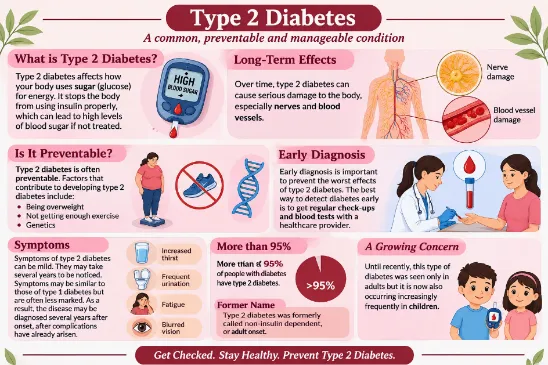
Figure 2: T2DM
1.4. WHAT CAUSES DIABETES?
Elevated glucose concentrations within the bloodstream constitute the defining characteristic of diabetes, irrespective of its specific classification. Nevertheless, the etiological mechanisms driving this hyperglycemia vary distinctly according to the type of diabetes present. Causes of diabetes include:
1.4.1. Insulin Resistance: Type 2 diabetes is predominantly precipitated by the development of insulin resistance, a physiological state wherein cells within the muscle, adipose, and hepatic tissues fail to respond appropriately to insulin. The etiology of this condition is multifactorial, with the degree of resistance modulated by a confluence of influences, including obesity, sedentary behavior, dietary composition, hormonal dysregulation, genetic predisposition, and the administration of specific pharmacological agents.
1.4.2. Autoimmune disorders: specifically Type 1 diabetes and LADA, arise when the immune system mounts an attack against the insulin-secreting cells within the pancreas.
1.4.3. Addresses hormonal imbalances: throughout gestation, the placenta secretes hormones that induce insulin resistance. Consequently, gestational diabetes may arise if the pancreas fails to generate sufficient insulin to counteract this resistance. Furthermore, other endocrine disorders, specifically acromegaly and Cushing syndrome, are also implicated in the etiology of Type 2 diabetes. 1.4.4. Pancreatic Injury: Physical compromise of the pancreas, whether stemming from underlying disease, surgical intervention, or trauma, can impair its capacity to synthesize insulin, thereby precipitating Type 3c diabetes. Specific genetic mutations are responsible for the development of MODY and neonatal diabetes (2).
2. PREVALENCE
Prevalence serves as a critical metric for quantifying disease frequency, defined as the proportion of a specific population afflicted with a particular condition at a designated moment. The calculation follows the formula: Prevalence (p) = Number of cases / Total population. Within this equation, the numerator denotes the count of individuals exhibiting the condition—such as diabetes—within the specified timeframe, while the denominator represents the total size of the underlying population at that same instant. Consequently, the output yields a proportion ranging from zero to one, conventionally articulated as a percentage. Crucially, this measure must be distinguished from a rate, as it lacks a temporal component in its denominator, thereby failing to account for the passage of time (3). Type 2 diabetes (T2D), which constitutes approximately ninety percent of all cases, is experiencing a surge driven primarily by demographic ageing, accelerated urbanisation, and the proliferation of obesogenic environments. Concurrently, incidence rates for Type 1 diabetes (T1D) are climbing, thereby augmenting the overall prevalence of the disease, though the specific etiology behind this upward trajectory remains elusive. Furthermore, enhanced survival rates—particularly within certain populations—serve as a significant factor in this prevalence increase, a phenomenon facilitated by earlier diagnosis, more effective disease management, and the resultant decline in premature mortality. Finally, the recent emergence of a growing cohort of younger adults affected by T2D is exacerbating the overall prevalence figures, as these individuals benefit from extended lifespans due to improved care.
Establishing periodic prevalence estimates and forecasting future trends for diabetes, a cornerstone practice cultivated through successive iterations of the IDF Diabetes Atlas, remains paramount for advancing Type 2 diabetes (T2D) prevention strategies and enhancing care for the global diabetes community. Moreover, the Atlas systematically exposes deficiencies within the current epidemiological dataset, thereby underscoring the imperative to rectify these lacunae to forge a more comprehensive understanding of diabetes's multifaceted impact. This analysis delineates 2019 estimates encompassing diabetes prevalence, undiagnosed diabetes, and impaired glucose tolerance (IGT), alongside prospective projections for the years 2030 and 2045. These figures are derived from the most recent, high-caliber epidemiological data currently available. Comprehensive estimates and projections concerning hyperglycaemia in pregnancy (HIP), a condition that includes gestational diabetes mellitus (GDM), are set to be presented in an upcoming publication by Simmons et al. Concurrently, another manuscript currently in preparation addresses the complex and pivotal aspects of diabetes within the elderly population.
3. EPIDEMIOLOGY
The escalating global burden of diabetes, driven by a worldwide surge in obesity and detrimental lifestyle patterns, is intensifying across every nation. Recent epidemiological projections indicate that while 382 million individuals were living with diabetes in 2013, this figure is anticipated to climb to 592 million by 2035. The aetiological taxonomy of the disease has achieved broad consensus, distinguishing primarily between Type 1 and Type 2 diabetes, with Type 2 accounting for the vast majority—exceeding 85%—of all diagnosed cases. Regardless of the specific classification, both forms precipitate severe multisystem complications affecting microvascular endpoints, such as retinopathy, nephropathy, and neuropathy, as well as macrovascular sequelae including ischaemic heart disease, stroke, and peripheral vascular disease. Diabetes constitutes a critical public health concern due to its precipitous impact on morbidity and mortality, its capacity to curtail life expectancy, and the substantial financial and ancillary costs it imposes (5).
4. REASONS FOR DEVELOPMENT OF DISEASE
The likelihood of developing diabetes mellitus is contingent upon a complex array of determinants that extend well beyond the mere genetic distribution within a population. Concurrently, there is a discernible upward trajectory in the global prevalence of type 2 diabetes. This surge is driven by a confluence of demographic and socioeconomic shifts, including population aging, the rapid ascent of the middle class, and the accelerating pace of urbanization, all of which serve as potent catalysts for obesity. Crucially, the onset of the disease may be postponed through strategic modifications to diet and lifestyle. Notably, within three of the world's most populous regions—North Africa and the Middle East, Latin America and the Caribbean, and Central, Eastern, and Central Europe—high body mass index (BMI) emerged as the predominant contributor to disability-adjusted life years attributable to type 2 diabetes. Obesity stands as the primary etiology of Type 2 diabetes, responsible for nearly sixty percent of all cases. Beyond this predominant factor, other substantial contributors include a high body mass index (affecting 52.2 percent), dietary choices (25.7 percent), environmental or occupational stressors (19.6 percent), tobacco consumption (12.1 percent), inadequate physical activity (7.4 percent), and alcohol usage (1.8 percent). Furthermore, the chronic complications arising from diabetes—specifically cardiovascular and renal disorders, which serve as critical risk factors for mortality among hospitalized patients—likely explain a portion of the heightened probability of severe adverse outcomes associated with the condition (6).
5. COGNITIVE IMPAIRMENT RELATED TO DIABETES
Both type 1 diabetes mellitus (T1DM) and type 2 diabetes mellitus (T2DM) are linked to diminished performance across various domains of cognitive function, alongside compelling evidence of structural and functional abnormalities in the brain as revealed by magnetic resonance imaging (MRI). Cognitive deficits can emerge at the nascent stages of the disease and are subsequently intensified by the presence of metabolic syndrome. While the duration of the disease and the degree of glycemic control appear to influence the nature and severity of cognitive impairment, it remains currently impossible to forecast which individuals are most susceptible to developing such deficits. Although the pathophysiology underpinning cognitive impairment is multifactorial, dysfunction within each interconnecting pathway ultimately results in a discordance of metabolic signaling. The pathophysiological landscape encompasses impairments in insulin signaling, autonomic regulation, neuroinflammatory cascades, mitochondrial metabolism, the sirtuin-peroxisome proliferator-activated receptor-gamma co-activator 1α (SIRT-PGC-1α) axis, and Tau protein signaling. While pre-clinical investigations have yielded several promising therapeutic candidates, their efficacy and safety await rigorous validation through human clinical trials (7).
6. INSULIN RESISTANCE
Traditionally, insulin resistance is characterized by the concurrent presence of hyperglycemia and hyperinsulinemia. The conceptual framework has since expanded to encompass impairments in insulin signaling across various organs and tissues, specifically marked by diminished activation of downstream pathways; consequently, progressively escalating concentrations of the ligand are required to elicit normal physiological responses. Paradoxically, the persistence of such elevated insulin levels can themselves precipitate or exacerbate resistance, potentially extending the scope of tissue involvement. Moreover, hyperinsulinemia adversely affects insulin secretion within the pancreatic islet β-cells, resulting in a complex hybrid state that integrates features of both insulin resistance and insulin deficiency. The enduring repercussions of insulin resistance manifest as cellular energy depletion, dyslipidemia characterized by elevated plasma lipids, and the development of hypertension. Furthermore, the persistence of chronic hyperinsulinemia alongside normoglycemia serves as a prognostic indicator for the subsequent onset of diabetes mellitus.
As an independent risk factor, insulin resistance precipitates a spectrum of severe pathologies, encompassing cerebrovascular and cardiovascular disorders, malignant neoplasms, and sustained high blood pressure. Currently, this condition occupies a pivotal position in medical discourse due to its profound associations with the epidemics of obesity, type 2 diabetes mellitus, non-alcoholic fatty liver disease, metabolic syndrome, polycystic ovarian disease, age-related macular degeneration, and Alzheimer's disease.
7. OBESITY AND COGNITIVE IMPAIRMENT
Obesity substantially heightens the probability of cognitive deterioration and precipitates cerebral insulin resistance by compromising homeostatic regulatory mechanisms. This apprehension regarding the neurologic consequences of obesity stems from empirical evidence linking it to an elevated susceptibility to mild cognitive impairment (MCI) or Alzheimer's disease (AD)-like dementia among populations exhibiting glucose intolerance, impaired insulin secretion, type 2 diabetes mellitus, obesity accompanied by dyslipidemia, or non-alcoholic steatohepatitis (NASH).Further investigations have established a correlation between obesity and deficits in executive functioning, ultimately contributing to the progression of Alzheimer's disease. These hypotheses have been substantiated within experimental animal models featuring diet-induced obesity concurrent with type 2 diabetes mellitus. The most compelling evidence linking obesity to cognitive decline stems from research demonstrating that alleviating insulin resistance through weight loss enhances both cognitive performance and neuropsychiatric function, while strict adherence to Mediterranean dietary patterns effectively mitigates metabolic risks associated with Alzheimer's disease.
8. T2DM
Epidemiologic and longitudinal investigations have consistently established an elevated risk for mild cognitive impairment (MCI) and Alzheimer's disease (AD) among individuals exhibiting glucose intolerance, type 2 diabetes mellitus (T2DM), obesity or dyslipidemia, and impaired insulin secretion. These molecular and biochemical derangements in AD mirror the pathological impacts observed in T2DM affecting skeletal muscle and in nonalcoholic steatohepatitis (NASH) affecting the liver. Furthermore, recent inquiries have correlated higher incidences of cognitive dysfunction with chronic hyperglycemia, a condition that often precedes the clinical diagnosis of T2DM. Complementing these findings, postmortem analyses indicate that peripheral insulin resistance serves as a contributor to both cognitive decline and the progression of AD. Conversely, experimental models demonstrate that diet-induced obesity concurrent with T2DM results in spatial learning and memory deficits, alongside brain atrophy characterized by cerebral insulin resistance, neuroinflammation, oxidative stress, and compromised cholinergic function (8).
9. DIABETES-RELATED FACTORS (DURATION, GLYCEMIC CONTROL, COMPLICATIONS)
The prolonged presence of diabetes is inextricably associated with a markedly elevated susceptibility to cognitive impairment. The cumulative toll of chronic hyperglycemia, oxidative stress, and metabolic dysregulation precipitates progressive neuronal injury, culminating in a steady decline in cognitive function. Elevated glycated hemoglobin levels, which serve as a critical indicator of suboptimal glycemic control, demonstrate a robust correlation with more severe cognitive deficits. Sustained hyperglycemia exacerbates oxidative stress, inflammation, and vascular dysfunction, thereby accelerating cognitive deterioration. Moreover, concomitant diabetic complications—encompassing retinopathy, nephropathy, and cardiovascular disease—significantly augment the likelihood of cognitive impairment. These comorbidities converge upon shared pathophysiological mechanisms, specifically microvascular and macrovascular damage, which ultimately lead to neuronal injury and profound cognitive deficits. Therefore, the rigorous orchestration of disease trajectory, glycemic regulation, and concomitant complications stands as an imperative strategy for attenuating diabetes' detrimental effects on cognitive integrity (9).
Top of Form
Bottom of Form
Top of Form
Bottom of Form
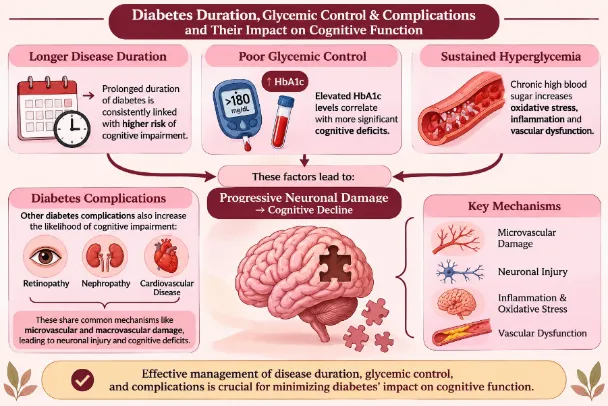
Figure 3: Glycemic Control and Complications
10. DIABETES AND COGNITIVE IMPAIRMENT- DIAGNOSTIC EVALUATION
Comprehensive diagnostic evaluation of cognitive dysfunction holds particular urgency for individuals with diabetes, distinguishing this condition from other medical challenges.Unlike many other disorders, the management of diabetes relies heavily on patient-centric protocols, necessitating rigorous self-monitoring of glucose levels, the autonomous administration of pharmacological agents—including insulin injections—and active participation in dietary modifications and physical exertion. Indeed, no other human pathology demands such profound personal engagement regarding metabolic surveillance, medication adherence, nutritional planning, and lifestyle regulation. Consequently, any deterioration in cognitive faculties can precipitate significant disruptions in glycemic control, potentially engendering a self-perpetuating cycle that further compromises cognitive equilibrium.
10.2. BIOCHEMICAL EVALUATION
The routine assessment of glycated hemoglobin (HbA1c) serves as the primary biochemical metric for evaluating long-term glycemic control in individuals with stable glucose profiles and minimal day-to-day fluctuations. Since HbA1c levels integrate average glycemia over an approximate 120-day window, they may fail to accurately capture therapeutic efficacy in patients exhibiting significant glycemic variability, such as those experiencing recurrent oscillations between hypoglycemia and hyperglycemia. Furthermore, HbA1c concentrations can be substantially distorted by various clinical conditions, including hemoglobinopathies, chronic kidney disease (CKD), anemia, and the administration of specific pharmacological agents. A comprehensive understanding of these limitations regarding HbA1c monitoring is essential; when applied judiciously, this metric facilitates a reasonable estimation of optimal diabetes management even in patients presenting with cognitive impairment. When HbA1c is unreliable in these scenarios, alternative biochemical assessments, such as the fructosamine test, may serve as valuable substitutes. However, where feasible, frequent capillary blood glucose (CBG) monitoring constitutes the most effective strategy for managing glycemia in patients suffering from memory impairment; furthermore, this rigorous surveillance facilitates the optimization of glycemic control.
Additionally, contemporary glucose monitoring systems offer the capacity to estimate predicted HbA1c levels, allowing for a comparative analysis against measured values to assess the validity of the HbA1c test. Both initial assessment and ongoing care require systematically excluding alternative causes of cognitive impairment, including thyroid pathology, vitamin insufficiencies, and hepatic disorders, through rigorous biochemical and hormonal profiling. Given the high propensity for these conditions to co-occur in patients with diabetes, expedited diagnostic testing facilitates early identification and ensures the prompt implementation of targeted therapeutic interventions.
10.1. TABLE 1: DIAGNOSTIC EVALUATION OF COGNITIVE DYSFUNCTION IN DIABETES
| Domain | Keypoints | Notes |
|---|---|---|
| Biochemical Evaluation | HbA1c: reflects average glycemia over ~120 days. - Limitations: unreliable in hemoglobinopathies, CKD, anemia, certain medications. - Alternatives: fructosamine test, frequent capillary blood glucose (CBG) monitoring. - Newer devices: predicted HbA1c comparison with measured HbA1c. | HbA1c may not capture glycemic variability (hypoglycemia ↔ hyperglycemia). Daily CBG is especially useful in memory-impaired patients. |
| Exclusion of Other Causes | - Thyroid disease - Vitamin deficiencies - Liver disorders | Mandatory to rule out co-existing conditions that can worsen cognitive dysfunction. |
| Neuroimaging | - Indicated in initial evaluation and unexplained rapid decline. - CT scan: first-line, cost-effective, detects stroke, tumors, hematomas. - MRI/PET: for detailed evaluation and follow-up. - Urgent imaging: intracranial bleeds (trauma, amyloid angiopathy). | Imaging helps exclude structural brain abnormalities and co-existing dementias (AD, LBD, VaD). |
10.3. NEUROIMAGING
Neuroimaging constitutes an indispensable component of the standard initial assessment for cognitive impairment, serving primarily to rule out structural cerebral anomalies. Furthermore, in patients with established dementia who experience a precipitous, unexplained deterioration of cognitive function absent an identifiable etiology, neuroimaging is indicated to exclude such structural pathology. Even seemingly trivial, unperceived trauma in the geriatric population can precipitate intracranial hemorrhage, a condition that may manifest as a rapid decline in memory capacity and necessitate urgent neuroimaging. Additionally, cerebral amyloid angiopathy represents another disorder predisposing individuals to spontaneous intracerebral hemorrhage, which often presents with comparable clinical features and similarly mandates prompt diagnostic imaging. Computed tomography (CT) remains the standard initial imaging modality in the majority of clinical settings, owing to its cost-effectiveness, widespread availability, and adequate sensitivity for the preliminary assessment of significant structural pathologies, including stroke, neoplasms, and hematomas. Conversely, magnetic resonance imaging (MRI) and positron emission tomography (PET) are frequently requisite for the refined evaluation of patients presenting with cognitive dysfunction, facilitating precise identification of the underlying pathological entity and informing subsequent management strategies. Furthermore, in the context of patients with diabetes and cognitive impairment, imaging is indicated to rule out the emergence of the aforementioned structural abnormalities or to detect the coexistence of other distinct disease entities, such as Alzheimer's disease (AD), Lewy body dementia (LBD), or vascular dementia (VaD) (10).
11. TREATMENT OF DIABETES-ASSOCIATED COGNITIVE IMPAIRMENT
A diverse array of therapeutic modalities has been scrutinized for the management of diabetes-associated cognitive impairment (DACI), encompassing both established pharmacological interventions and naturally derived bioactive constituents. Present therapeutic paradigms prioritize the enhancement of cognitive function, the mitigation of neuronal injury, and the deceleration of pathological progression. Among established therapeutic modalities, donepezil has been extensively investigated for its capacity to augment cholinergic neurotransmission. By inhibiting acetylcholinesterase, this agent elevates the availability of acetylcholine within the central nervous system, thereby ameliorating memory, attention, and learning capabilities. Both clinical and preclinical research has indicated that donepezil administration yields modest enhancements in cognitive performance (11). In parallel, memantine, which functions as an N-methyl-D-aspartate (NMDA) receptor antagonist, has exhibited therapeutic efficacy by mitigating glutamate-mediated excitotoxicity and safeguarding neuronal integrity, with particular relevance in cases of moderate to severe cognitive impairment (12). In recent years, antidiabetic pharmacotherapies have garnered significant interest for their potential neuroprotective capabilities. Specifically, GLP-1 receptor agonists, such as liraglutide and semaglutide, have demonstrated efficacy in ameliorating cerebral insulin signaling, attenuating neuroinflammation, and bolstering neuronal survival. Accumulating evidence indicates that these agents may confer cognitive benefits that extend well beyond their primary glucose-lowering actions (13,14). Beyond synthetic pharmacological agents, a diverse array of plant-derived compounds has exhibited substantial therapeutic promise. Curcumin, extracted from *Curcuma longa*, is renowned for its potent antioxidant and anti-inflammatory capabilities. Research indicates that curcumin enhances cognitive performance by mitigating oxidative stress, inhibiting neuroinflammation, and fostering neuronal survival (15). Similarly, resveratrol, a polyphenol abundant in grapes and berries, has been documented to augment cerebral perfusion, optimize mitochondrial function, and shield against neurodegenerative alterations linked to diabetes (16). Furthermore, berberine, an alkaloid isolated from species such as *Berberis vulgaris*, has demonstrated neuroprotective efficacy through the modulation of glucose metabolism, the attenuation of oxidative stress, and the enhancement of synaptic plasticity (17). Another compelling candidate is usnic acid, a secondary metabolite derived from lichens. Empirical investigations indicate that usnic acid enhances learning and memory capabilities while safeguarding hippocampal neurons by mitigating neuronal injury through potent antioxidant and neuroprotective mechanisms (18).Nevertheless, its efficacy in counteracting cognitive impairment precipitated by diabetes has yet to be adequately elucidated, underscoring the imperative for subsequent research.
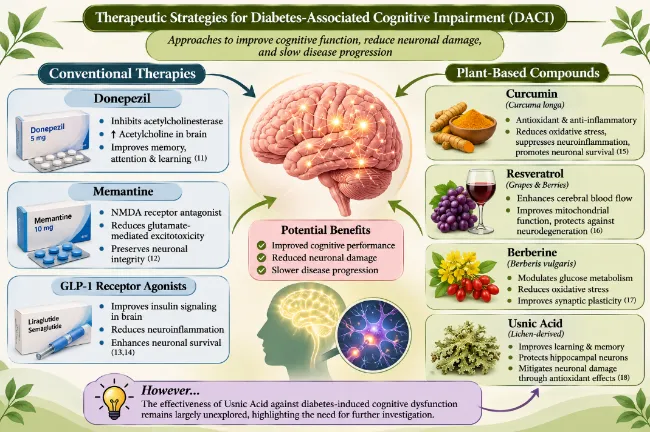
Figure 4: Different Treatments
12. USNIC ACID AS A POTENTIAL TREATMENT FOR COGNITIVE IMPAIRMENT
Naturally occurring dibenzofuran derivatives isolated from lichens, usnic acid (UA) has garnered recent scholarly attention due to its demonstrated neuroprotective capabilities. While UA has historically been investigated primarily for its antimicrobial and anti-inflammatory effects, accumulating evidence indicates that it may also exert a beneficial influence in the mitigation of cognitive impairment. This therapeutic promise is principally derived from its capacity to intercept a multitude of pathological pathways implicated in neurodegeneration, rather than relying on the modulation of a singular mechanism. Zhang and colleagues established that usnic acid enantiomers effectively ameliorate learning and memory impairments precipitated by amyloid-β (Aβ1-42) in murine models. The therapeutic administration of these compounds yielded marked enhancements in behavioral outcomes, suggesting that usnic acid facilitates the restoration of cognitive faculties by safeguarding neuronal signaling integrity and preserving neurotransmitter homeostasis (19). Consequently, these observations constitute the inaugural evidence confirming that usnic acid exhibits intrinsic cognition-boosting capabilities within the context of neurodegenerative pathology. Significant progress was documented by Al Rihani and colleagues, who engineered novel usnic acid derivatives to function as multitarget therapeutic agents for Alzheimer's disease. Their research demonstrated that these derivatives possess both cholinesterase inhibitory activity and neuroprotective properties, indicating a promising capacity to safeguard memory and decelerate neuronal degeneration (20). Given that cholinergic dysfunction constitutes a primary driver of cognitive impairment, these observations substantiate the therapeutic utility of compounds derived from usnic acid. In a separate investigation, Al Rihani et al. examined a usnic acid analogue, 4-FPBUA, demonstrating its capacity to reinforce blood-brain barrier integrity and induce autophagy within Alzheimer's disease models (21). The preservation of blood-brain barrier function is critical for shielding neurons against toxic insults, whereas augmented autophagy promotes the elimination of compromised cellular constituents. Collectively, these mechanisms may underpin enhanced neuronal survival and improved cognitive function.

Figure 5: Usnic Acid
13. FUTURE ASPECTS OF USNIC ACID IN DIABETES-ASSOCIATED COGNITIVE IMPAIRMENT
Usnic acid has emerged as a compelling natural agent for addressing diabetes-related cognitive dysfunction, owing to its robust antioxidant, anti-inflammatory, and neuroprotective capabilities. Although existing data remain largely confined to experimental neurodegeneration models, these findings provide a strong foundation for future investigations into diabetic cognitive disorders. A critical avenue for future inquiry is to assess the efficacy of usnic acid in longitudinal models of diabetic cognitive impairment, particularly those designed to replicate the progressive neurodegenerative trajectories characteristic of Type 2 diabetes. Rigorous investigation in this domain is essential to determine whether usnic acid merely ameliorates cognitive deficits or, more significantly, mitigates the progression of the underlying pathology while safeguarding hippocampal integrity over extended periods (22).
A particularly promising avenue of investigation centers on developing novel usnic acid derivatives and advanced nanoformulations. Contemporary research indicates that chemically modified usnic acid variants display superior neuroprotective efficacy, facilitate enhanced translocation across the blood-brain barrier, and exert multitargeted effects against neurodegenerative mechanisms (23, 24). Subsequent developments in formulation strategies are poised to surmount existing constraints related to bioavailability and potential toxicity, thereby substantially augmenting their therapeutic potential. Subsequent research must prioritize elucidating the molecular mechanisms governing usnic acid's impact on diabetes-associated cognitive deterioration. Specifically, empirical investigations into its modulation of insulin signaling cascades, neuroinflammatory responses, mitochondrial impairment, synaptic plasticity, and hippocampal neurogenesis would significantly advance our understanding of its physiological mode of action (25).
Acquiring such mechanistic clarity could ultimately pave the way for the design of targeted therapeutic interventions aimed at mitigating neurological sequelae stemming from diabetes. Combination therapy emerges as a compelling avenue for further investigation, in which usnic acid could be strategically administered in concert with established cognitive enhancers, such as donepezil, or antidiabetic agents, including GLP-1 receptor agonists. Delving into these synergistic interactions holds the potential to yield more efficacious therapeutic regimens capable of concurrently ameliorating metabolic derangements and cognitive impairment (26). Prior to advancing toward clinical translation, rigorous toxicological and pharmacokinetic investigations remain indispensable. Although preclinical data indicate promising therapeutic benefits, additional research is essential to delineate safe dosing protocols and assess long-term safety profiles. Should these subsequent evaluations confirm both efficacy and safety, usnic acid could emerge as a cost-efficient, naturally derived therapeutic strategy for the prevention and management of cognitive impairment associated with diabetes.
CONCLUSION
Diabetes-associated cognitive impairment has emerged as a progressively acknowledged complication of Type 2 diabetes, exerting a profound impact on learning capacities, memory retention, and comprehensive cognitive function. An expanding body of evidence indicates that a confluence of metabolic derangements, oxidative stress, neuroinflammation, and neuronal degeneration collectively drives the onset and advancement of cognitive decline. While existing therapeutic interventions offer symptomatic relief, their efficacy in preventing or reversing the underlying neuronal pathology remains constrained. Emerging as a compelling therapeutic prospect, usnic acid—a naturally occurring metabolite derived from lichens—exhibits a diverse array of pharmacological attributes. Its capacity to exert antioxidant, anti-inflammatory, and neuroprotective actions suggests a significant potential to mitigate various pathological mechanisms underlying cognitive dysfunction. Furthermore, empirical data obtained from neurodegenerative models substantiate its efficacy in safeguarding neuronal integrity and enhancing cognitive performance. Consequently, examining the impact of usnic acid on Type 2 diabetic rats rendered diabetic via the STZ–nicotinamide protocol offers a promising avenue for elucidating its therapeutic efficacy against cognitive dysfunction associated with diabetes. The findings derived from such investigations could significantly advance the formulation of secure, cost-effective, and potent therapeutic interventions designed to ameliorate cognitive integrity and enhance the quality of life for patients suffering from diabetes-related neurological sequelae.
REFERENCES

Syeda Sumaiya, Nomula Pavani, Dr. M. Sreekanth, Management of Diabetes-Associated Cognitive Impairment: Emerging Therapeutic Approaches, Int. J. of Pharm. Sci., 2026, Vol 4, Issue 11, 2665-2677. https://doi.org/10.5281/zenodo.24306095
 10.5281/zenodo.24306095