

We use cookies to ensure our website works properly and to personalise your experience. Cookies policy
Institute of Pharmacy, Harish Chandra Post Graduate College, Bawan beegha, Varanasi.
Murraya paniculata (L.) Jack, commonly known as orange jasmine or kemuning, is a medicinal plant belonging to the family Rutaceae and is traditionally used in various systems of medicine. The plant has attracted scientific interest because of its diverse phytochemical constituents and potential pharmacological properties. This review aims to provide a comprehensive overview of the phytochemical composition, pharmacological activities, and potential anti-inflammatory effects of M. paniculata, with particular emphasis on its possible application in topical ointment formulations. The major classes of phytoconstituents reported in the plant include flavonoids, coumarins, carbazole alkaloids, terpenoids, and essential oil constituents. These compounds may contribute to various biological activities, including antioxidant, antimicrobial, and anti-inflammatory effects. The anti-inflammatory potential of plant-derived compounds is generally associated with the modulation of inflammatory mediators, oxidative stress, and signaling pathways such as nuclear factor-kappa B (NF-?B) and cyclooxygenase-related pathways. However, the extent to which these mechanisms have been directly demonstrated for M. paniculata requires further investigation. The review also discusses the principles of topical drug delivery, the role of ointment bases and pharmaceutical excipients, and important formulation parameters influencing drug release, skin penetration, stability, and product quality. Furthermore, suitable physicochemical evaluation methods and experimental approaches for assessing anti-inflammatory activity are highlighted. Despite its traditional medicinal relevance and promising phytochemical profile, substantial research gaps remain concerning standardized extracts, active constituent identification, dermal safety, dose optimization, and controlled pharmacological evaluation. Overall, M. paniculata represents a potential candidate for further investigation in herbal topical formulations. Nevertheless, well-designed experimental studies are necessary to establish its efficacy, safety, reproducibility, and suitability for developing a standardized anti-inflammatory ointment.
1.1 Overview of Inflammation
Inflammation is a complex biological response initiated by vascularized tissues in response to harmful stimuli, including microbial infections, physical injury, chemical irritants, and tissue damage. It represents an essential component of innate immunity and contributes to the elimination of harmful agents, removal of damaged cellular components, and initiation of tissue repair. The inflammatory response involves coordinated interactions among immune cells, vascular endothelial cells, soluble mediators, and components of the extracellular matrix. Although inflammation is generally protective, excessive or persistent activation may contribute to tissue injury and the development or progression of chronic inflammatory disorders [1,2].
The inflammatory process is regulated by several mediators, including histamine, prostaglandins, leukotrienes, nitric oxide, cytokines, and chemokines. These mediators influence vascular permeability, leukocyte recruitment, pain sensitivity, and the activation of local immune responses. Pro-inflammatory cytokines, particularly tumour necrosis factor-alpha (TNF-α), interleukin-1 beta (IL-1β), and interleukin-6 (IL-6), play important roles in regulating inflammatory signaling. The intensity and duration of inflammation depend on the nature of the initiating stimulus and the balance between pro-inflammatory and inflammation-resolving mechanisms [1,2].
In pharmacological research, the identification of substances capable of regulating inflammatory mediators has become an important strategy for developing therapeutic agents. Medicinal plants are of interest in this context because they contain structurally diverse secondary metabolites that may exhibit antioxidant, immunomodulatory, and anti-inflammatory properties. Murraya paniculata (L.) Jack, a member of the family Rutaceae, has attracted scientific interest because of its diverse phytochemical composition and reported pharmacological activities. Nevertheless, the therapeutic potential of its extracts and individual constituents requires evaluation through appropriately designed experimental studies [3,4].
1.2 Acute and Chronic Inflammation
Inflammation is broadly classified into acute and chronic forms according to its duration, predominant cellular responses, and pathological characteristics. Acute inflammation is a rapid and relatively short-lived response that usually develops following tissue injury or infection. It is characterized by changes in local blood flow, increased vascular permeability, and the migration of leukocytes, particularly neutrophils, into the affected tissue. Clinical manifestations may include redness, warmth, swelling, pain, and temporary loss of function. When the initiating stimulus is eliminated, endogenous mechanisms promote the resolution of inflammation and the restoration of tissue homeostasis [1,2].
Chronic inflammation develops when the inflammatory stimulus persists or when the mechanisms responsible for resolution are insufficient. It is commonly associated with the accumulation of macrophages, lymphocytes, and other immune cells, prolonged production of inflammatory mediators, tissue destruction, and attempts at tissue repair. Depending on the underlying cause, chronic inflammation may contribute to fibrosis, persistent pain, impaired tissue function, and progressive structural changes. Examples include rheumatoid arthritis, inflammatory bowel disease, and certain chronic dermatological disorders [1,2].
1.3 Pathophysiology of Inflammation
The pathophysiology of inflammation involves a series of interconnected events initiated by the recognition of tissue injury or harmful stimuli. Pattern-recognition receptors expressed by immune and tissue-resident cells detect microbial components and damage-associated molecular patterns. Their activation initiates intracellular signaling pathways that regulate the expression of inflammatory genes and the production of cytokines, chemokines, and lipid mediators [1,2].
One of the major regulatory pathways is the nuclear factor-kappa B (NF-κB) signaling pathway, which controls the expression of numerous genes involved in inflammation and immune responses. Activation of NF-κB can increase the production of mediators such as TNF-α, IL-1β, IL-6, and cyclooxygenase-2 (COX-2). COX-2 participates in the biosynthesis of prostaglandins, which contribute to pain, fever, and inflammatory vascular responses. The lipoxygenase pathway generates leukotrienes and other lipid mediators that influence leukocyte recruitment and inflammatory responses [1,2].
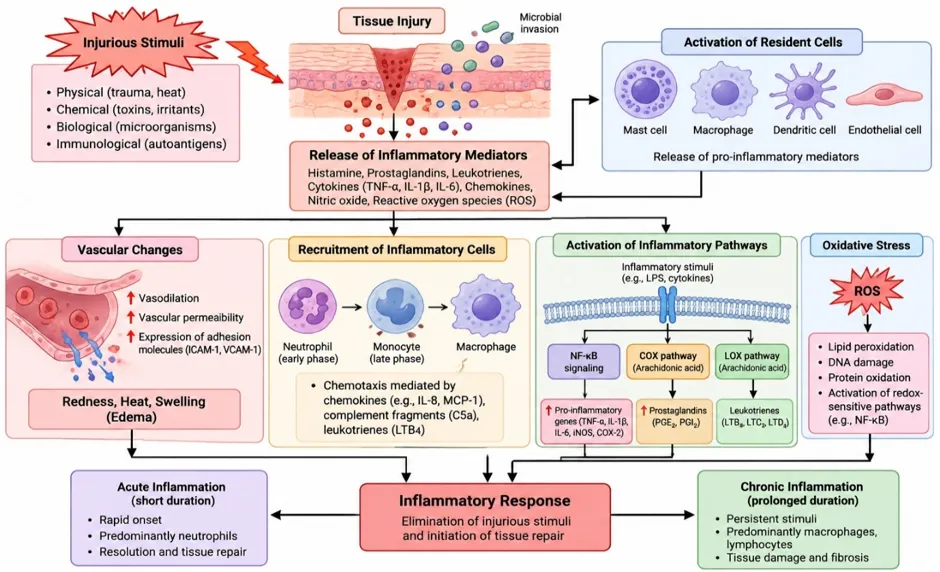
Figure 1. Schematic Representation of the Pathophysiological Mechanisms Involved in Inflammation.
1.4 Limitations of Conventional Anti-Inflammatory Drugs
Conventional anti-inflammatory drugs are widely used to manage pain, swelling, and inflammatory symptoms. Non-steroidal anti-inflammatory drugs (NSAIDs), including ibuprofen, diclofenac, and naproxen, primarily reduce prostaglandin synthesis through inhibition of cyclooxygenase enzymes. Selective COX-2 inhibitors provide another therapeutic approach, whereas corticosteroids regulate inflammation through broader effects on inflammatory gene expression and immune activity [1,2].
Despite their clinical usefulness, these drugs have limitations associated with their pharmacological mechanisms, dosage, duration of treatment, and route of administration. Systemic NSAID use may increase the risk of gastrointestinal irritation, ulceration, bleeding, renal impairment, and cardiovascular complications in susceptible individuals. Corticosteroids may produce adverse effects such as skin atrophy following inappropriate or prolonged topical use, while systemic administration can cause metabolic, endocrine, and immunological complications. The incidence and severity of these effects depend on the drug, dose, duration of exposure, route of administration, and individual patient characteristics.
1.5 Importance of Medicinal Plants in Anti-Inflammatory Therapy
Medicinal plants have a long history of traditional use and remain important sources of pharmacologically active compounds. Their therapeutic relevance is partly attributable to the diversity of secondary metabolites they produce, including flavonoids, phenolic compounds, alkaloids, coumarins, terpenoids, and other specialized metabolites. Depending on their chemical structures and biological properties, some of these compounds may influence oxidative stress, inflammatory mediator production, cellular signaling, and immune responses [3,4].
Plant-derived compounds are investigated using different approaches, including preliminary phytochemical screening, chromatographic separation, spectroscopic characterization, antioxidant assays, cell-based inflammatory models, and animal studies where scientifically justified. Such investigations help identify candidate bioactive constituents and provide information about their possible mechanisms of action. Nevertheless, findings from isolated compounds cannot automatically be extrapolated to crude plant extracts because the composition, concentration, solubility, bioavailability, and interactions of constituents may differ substantially.
1.6 Rationale for Exploring Murraya paniculata
Murraya paniculata (L.) Jack, commonly known as orange jasmine, is an evergreen shrub or small tree belonging to the family Rutaceae. It is cultivated widely in tropical and subtropical regions and has been investigated for its chemical constituents and diverse pharmacological properties. Published reviews describe several classes of compounds in this species, including flavonoids, coumarins, phenolic compounds, alkaloids, and volatile constituents. Research on Murraya species has also identified compounds of potential pharmacological interest, although evidence must be interpreted according to the species, plant part, extract, and experimental model studied [3,4].
The reported chemical diversity of M. paniculata provides a rationale for investigating its potential as a source of bioactive constituents. Certain isolated flavonoids and plant extracts have been examined in experimental systems related to inflammatory responses. However, the presence of a phytochemical class does not demonstrate that every extract containing that class will exhibit a clinically meaningful anti-inflammatory effect. Differences in extraction procedures, chemical composition, concentration, and biological availability may influence experimental outcomes.
2. Botanical Profile of Murraya paniculata
2.1 Taxonomy and Botanical Classification
Murraya paniculata (L.) Jack is a flowering plant belonging to the family Rutaceae, which includes numerous aromatic and economically important species. The plant is commonly referred to as orange jasmine because of its glossy foliage and fragrant white flowers. Botanical identification is an essential preliminary step in medicinal plant research because closely related species may share morphological characteristics while differing in their chemical composition and pharmacological properties.
Table 1. Botanical Classification of Murraya paniculata
|
Taxonomic rank |
Classification |
|
Kingdom |
Plantae |
|
Clade |
Angiosperms |
|
Clade |
Eudicots |
|
Order |
Sapindales |
|
Family |
Rutaceae |
|
Genus |
Murraya |
|
Species |
Murraya paniculata (L.) Jack |
|
Common name |
Orange jasmine |
2.2 Botanical Description and Morphological Characteristics
Murraya paniculata is generally described as an evergreen shrub or small tree with a compact growth habit and dense branching. Its leaves are alternate and pinnately compound, usually consisting of several glossy, green leaflets. The leaflets are commonly ovate to elliptic, with smooth margins and a characteristic aromatic quality when crushed. The plant produces small, white, fragrant flowers, typically arranged in terminal or axillary clusters. Its fruits are fleshy, berry-like structures that develop a reddish to orange-red coloration when mature [4,5].
The morphological characteristics of M. paniculata are useful for preliminary identification; however, they should not be regarded as a substitute for formal botanical authentication. Plant appearance may vary according to environmental conditions, geographical origin, developmental stage, and cultivation practices. Furthermore, morphological similarities among members of the Rutaceae family may complicate identification when only dried or powdered material is available.
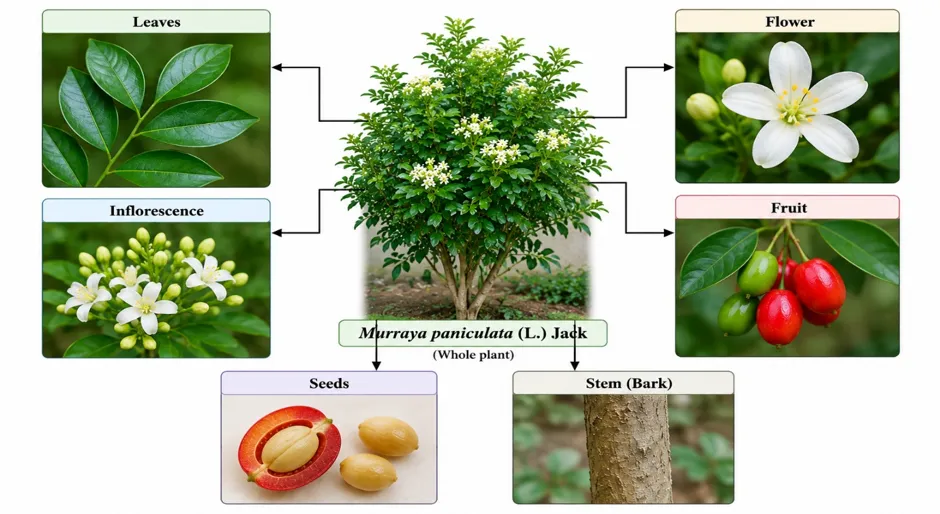
Figure 2. Botanical Characteristics and Morphological Features of Murraya paniculata.
2.3 Geographical Distribution and Habitat
Murraya paniculata is distributed across tropical and subtropical regions of Asia and is cultivated in many other warm-climate regions as an ornamental plant. Its popularity is associated with its evergreen foliage, compact growth, and fragrant flowers. It is commonly planted in gardens, hedges, landscaped areas, and residential environments.
The plant generally grows in warm climates and can be cultivated under a range of soil conditions when adequate drainage and suitable environmental conditions are available. Its growth and phytochemical composition may be influenced by temperature, sunlight, water availability, soil characteristics, seasonal variation, and plant maturity. Such factors are relevant to medicinal plant research because environmental and geographical differences may contribute to variation in the concentration and distribution of secondary metabolites.
2.4 Traditional and Ethnomedicinal Uses
Traditional medicinal literature describes the use of Murraya paniculata and related botanical materials for a variety of complaints. Reported applications include the management of pain, rheumatic complaints, stomach discomfort, toothache, and swelling in certain traditional systems of medicine [3,4]. Leaves and twigs are among the plant parts described in ethnomedicinal records, although the specific preparation, route of administration, and intended use may vary across regions and traditions.
These historical uses provide a basis for selecting research questions and identifying potential pharmacological applications. In particular, reports involving pain and swelling may support further investigation of the plant's possible relationship with inflammatory processes. Nevertheless, ethnomedicinal reports do not establish that a particular extract, dosage form, or concentration has demonstrated anti-inflammatory efficacy.
2.5 Plant Parts Used in Pharmacological Research
Table 2. Plant Parts of Murraya paniculata Investigated in Phytochemical Research
|
Plant part |
Research interest |
Important consideration |
|
Leaves |
Phytochemical profiling, extract preparation, and evaluation of biological activities |
Composition may vary with extraction solvent and collection conditions |
|
Roots |
Investigation of specialized metabolites, including reported alkaloids and coumarins |
Root-derived findings cannot automatically be applied to leaf extracts |
|
Bark and stem tissues |
Investigation of secondary metabolites and traditional medicinal applications |
Plant-part identity and preparation method must be verified |
|
Flowers |
Volatile constituents and aromatic properties |
Essential-oil findings may not represent the composition of non-volatile extracts |
|
Fruits and other tissues |
Potential chemical and biological characterization |
Evidence and intended use should be evaluated separately for each plant part |
3. Phytochemical Constituents of Murraya paniculata
3.1 Overview of Phytochemical Composition
Phytochemicals are naturally occurring chemical constituents produced by plants and are commonly classified according to their chemical structures, biosynthetic origins, and biological functions. Research on Murraya paniculata has reported a diverse chemical profile that includes flavonoids, coumarins, phenolic compounds, alkaloids, terpenoids, and volatile constituents [3–5]. These compounds may contribute to the plant's characteristic chemical properties and provide a basis for investigating its reported biological activities.
The phytochemical composition of a plant extract is influenced by several factors, including the plant part, geographical origin, developmental stage, drying conditions, extraction solvent, extraction temperature, and analytical technique. Consequently, extracts prepared using different procedures may not contain identical constituents or exhibit equivalent biological activity. The presence of a compound in one preparation should not be assumed in another preparation unless supported by appropriate analytical evidence.
3.2 Alkaloids
Alkaloids are a diverse group of nitrogen-containing natural products that exhibit a broad range of biological activities. Phytochemical studies of the genus Murraya have identified numerous alkaloids, including carbazole-type compounds, which have attracted interest because of their structural diversity and potential pharmacological properties [3,4]. Some investigations have examined individual Murraya-derived compounds in biological models relevant to inflammation and other pathological processes.
The presence and abundance of alkaloids may vary considerably among plant species, plant parts, and extraction procedures. Therefore, findings involving alkaloids isolated from related Murraya species or from root-derived material should not automatically be attributed to M. paniculata leaf extracts. Species-specific identification and analytical confirmation are necessary before an individual alkaloid can be reported as a constituent of the extract used in a particular formulation.
3.3 Flavonoids and Phenolic Compounds
Flavonoids and other phenolic compounds constitute important groups of plant secondary metabolites. Flavonoids possess characteristic polyphenolic structures and may occur as aglycones or glycosides, whereas other phenolic compounds include structurally diverse molecules containing one or more phenolic groups. Research on M. paniculata has reported flavonoids and phenolic constituents in different extracts, with variation depending on the plant material and analytical method [4,5].
Several flavonoids have been investigated for antioxidant and anti-inflammatory properties in experimental models. Depending on their structures and concentrations, selected compounds may influence oxidative processes, inflammatory mediator production, or intracellular signaling. Nevertheless, the biological properties of one flavonoid cannot be generalized to all flavonoids, and results obtained with isolated compounds do not necessarily predict the activity of a crude plant extract.
3.4 Coumarins and Related Compounds
Coumarins are naturally occurring compounds characterized by a benzopyrone-related structural framework. They have been reported in Murraya species and constitute an important area of phytochemical investigation within this genus [3–5]. Differences in substitution patterns and chemical structure can influence the physicochemical and biological properties of individual coumarins.
Certain coumarin derivatives from various natural sources have been investigated for antioxidant, antimicrobial, anti-inflammatory, and other pharmacological effects. However, these activities are compound-specific and cannot be attributed uniformly to all coumarins. Furthermore, the detection of coumarins in a plant extract does not establish that they are present at concentrations sufficient to produce a measurable therapeutic effect.
3.5 Terpenoids and Other Secondary Metabolites
Terpenoids are a structurally diverse group of natural products formed through isoprenoid biosynthetic pathways. They include volatile constituents found in essential oils as well as less volatile compounds present in plant tissues and extracts. Phytochemical studies of M. paniculata have reported volatile and terpenoid constituents, although their composition may vary according to the plant part, extraction method, and analytical conditions [4,5].
Volatile constituents may contribute to the characteristic aroma of the flowers and foliage. Some terpenoids from different plant sources have also been investigated for their potential antioxidant, antimicrobial, or anti-inflammatory properties. Such observations provide a basis for further research but do not establish that every terpenoid in M. paniculata possesses anti-inflammatory activity.
3.6 Methods for Phytochemical Screening and Characterization
Table 3. Analytical Methods for Phytochemical Screening and Characterization of Murraya paniculata
|
Analytical method |
Principal application |
Main limitation |
|
Preliminary qualitative screening |
Detection of broad classes of phytochemicals |
Does not reliably identify individual compounds or determine exact concentrations |
|
TLC/HPTLC |
Separation and fingerprint comparison of extract constituents |
Identification may require reference standards or additional analytical evidence |
|
UV–visible spectroscopy |
Quantification of suitable absorbing compounds using an appropriate method |
Limited specificity in complex extracts without adequate separation or validation |
|
HPLC |
Separation and quantification of selected compounds or marker constituents |
Requires suitable chromatographic conditions and, for quantitative identification, appropriate standards |
|
GC–MS |
Profiling of volatile and suitable semi-volatile compounds |
Not suitable for all non-volatile or thermally unstable constituents |
|
LC–MS |
Detection and characterization of compounds based on chromatographic and mass-spectrometric data |
Structural identification may require reference standards, diagnostic fragmentation, or complementary techniques |
|
NMR spectroscopy |
Structural elucidation of isolated compounds |
May require purified material in sufficient quantity |
3.7 Relationship Between Phytochemicals and Potential Anti-Inflammatory Activity
The potential anti-inflammatory properties of plant extracts may arise from the actions of individual constituents or from the combined effects of multiple compounds. In medicinal plants, secondary metabolites can differ in their capacity to influence oxidative stress, inflammatory mediator production, enzyme activity, and intracellular signaling. These properties have generated interest in phytochemical classes such as flavonoids, phenolic compounds, coumarins, alkaloids, and terpenoids as sources of candidate anti-inflammatory agents [3,4].
Oxidative stress and inflammation are interconnected biological processes. Certain phenolic compounds and flavonoids have been investigated for their ability to modulate oxidative reactions and influence inflammatory responses in experimental systems. Selected natural compounds have also been studied for effects on signaling pathways such as NF-κB and on mediators associated with COX-2 expression. However, these mechanisms are not universal properties of every member of a phytochemical class and should not be assigned to M. paniculata extracts without supporting evidence.
The relationship between phytochemical composition and biological activity can be investigated by combining chemical characterization with appropriate in vitro assays and, where justified, further preclinical studies. For example, a characterized extract may be evaluated using a validated anti-inflammatory screening method, with suitable positive and negative controls. More specific mechanistic conclusions require experiments that directly
4. Pharmacological Activities of Murraya paniculata
4.1 Anti-Inflammatory Potential
The anti-inflammatory potential of Murraya paniculata has been investigated in the context of its phytochemical composition and reported biological activities. A review by Joshi and Gohil describes studies involving leaf extracts and isolated flavonoids, including investigations of nitric oxide inhibition and experimental models of inflammation. The authors also discuss findings involving total flavonoid fractions in high-glucose-induced H9c2 cells [1]. These observations provide a scientific basis for further investigating the plant's possible anti-inflammatory properties.
Nitric oxide (NO) is an important signaling molecule involved in vascular regulation, immune responses, and inflammatory processes. Under certain inflammatory conditions, inducible nitric oxide synthase (iNOS) can increase NO production, which may contribute to oxidative and nitrosative stress. Inhibition of excessive NO production is therefore frequently investigated as an indicator of potential anti-inflammatory activity. However, NO inhibition in an experimental system does not, by itself, establish clinical efficacy or identify the precise molecular mechanism responsible for the observed response.
The reported activity of M. paniculata preparations should be interpreted according to the specific plant part, extract type, test concentration, and experimental model used. Findings obtained with isolated flavonoids cannot automatically be attributed to a crude extract, and results from cell-based models cannot directly establish the effectiveness of a topical ointment. Additional research is needed to determine the reproducibility, potency, safety, and mechanism of action of chemically characterized preparations.
4.2 Antioxidant Activity
Oxidative stress occurs when the production of reactive oxygen species (ROS) exceeds the capacity of cellular antioxidant defense systems. Excessive ROS can damage cellular components and influence signaling pathways associated with inflammation. Conversely, activated inflammatory cells can generate ROS, creating an interaction between oxidative stress and inflammatory responses. Consequently, antioxidant activity is frequently investigated alongside anti-inflammatory activity in medicinal plant research.
Murraya paniculata has been examined for antioxidant activity using assays that measure radical-scavenging capacity and related chemical properties. Joshi and Gohil summarize findings from studies involving methanolic leaf extracts assessed using the 2,2-diphenyl-1-picrylhydrazyl (DPPH) assay and other antioxidant methods [1]. Such studies provide preliminary information about the ability of an extract to react with selected radicals under defined laboratory conditions.
4.3 Antimicrobial Activity
Antimicrobial activity is another pharmacological property investigated in Murraya paniculata. Published reviews describe antibacterial activity associated with certain extracts and plant-derived constituents [1,2]. Such observations are relevant to the broader pharmacological profile of the plant, although the activity depends on the microorganisms tested, the composition of the extract, the concentration used, and the experimental method.
Plant extracts may exhibit antimicrobial effects through different mechanisms, including interference with microbial membranes, inhibition of enzymes, or disruption of other cellular functions. However, the mechanism of action must be demonstrated for the specific extract or isolated compound under investigation. Results obtained against one microbial species cannot be generalized to all bacteria or fungi.
4.4 Analgesic and Other Relevant Pharmacological Activities
In addition to its reported anti-inflammatory and antioxidant properties, Murraya paniculata has been investigated for several other biological activities. Reviews of the species describe antinociceptive, analgesic, anxiolytic, antidepressant, antibacterial, and antidiabetic effects reported in different experimental settings [1,2]. These findings suggest that the plant has a diverse pharmacological profile, although the quality and extent of supporting evidence may differ among activities.
Analgesic and antinociceptive effects are particularly relevant to inflammation research because inflammatory mediators can sensitize peripheral nociceptors and contribute to pain. However, an analgesic response does not necessarily demonstrate inhibition of the inflammatory process. Similarly, an antinociceptive effect observed in an experimental model may arise from mechanisms that are distinct from those responsible for reducing inflammation.
5. Mechanisms of Anti-Inflammatory Action
5.1 Role of Inflammatory Mediators
Inflammatory mediators are chemical substances that initiate, amplify, regulate, or resolve inflammatory responses. They include cytokines, chemokines, lipid mediators, vasoactive amines, reactive oxygen and nitrogen species, and other signaling molecules. These mediators are produced by immune cells, vascular endothelial cells, fibroblasts, keratinocytes, and other tissue-resident cells following exposure to inflammatory stimuli [3,4].
Histamine can increase vascular permeability, whereas prostaglandins contribute to pain, fever, and vascular responses. Leukotrienes participate in leukocyte recruitment and other inflammatory processes. Cytokines such as TNF-α, IL-1β, and IL-6 regulate the activation and recruitment of immune cells and influence the expression of additional inflammatory mediators. Chemokines direct the migration of leukocytes toward sites of injury or infection.
The activity of these mediators is regulated by intracellular signaling pathways and feedback mechanisms that coordinate the progression and resolution of inflammation. Excessive or prolonged mediator production may contribute to tissue damage, whereas insufficient activation may compromise host defense and tissue repair. Consequently, anti-inflammatory research frequently examines whether a candidate substance alters mediator production, signaling, or downstream cellular responses.
5.2 Cyclooxygenase (COX) and Prostaglandin Pathways
Cyclooxygenase enzymes catalyze key steps in the conversion of arachidonic acid into prostaglandin precursors. The two major isoforms, COX-1 and COX-2, differ in their patterns of expression and physiological roles. COX-1 contributes to several homeostatic functions, including gastrointestinal mucosal protection and platelet activity, whereas COX-2 is frequently induced or upregulated during inflammatory responses. Nevertheless, COX-2 also performs physiological functions in certain tissues.
Prostaglandins produced through the cyclooxygenase pathway participate in inflammatory pain, fever, vascular responses, and other biological processes. NSAIDs reduce the formation of these mediators through inhibition of cyclooxygenase activity. The extent of inhibition and its clinical consequences depend on the drug's selectivity, dose, route of administration, and pharmacological properties [3,4].
5.3 Lipoxygenase (LOX) Pathway
Lipoxygenases are enzymes involved in the metabolism of polyunsaturated fatty acids, including arachidonic acid. Certain lipoxygenase pathways generate leukotrienes and other lipid mediators that contribute to inflammatory signaling, leukocyte recruitment, and immune responses. The biological effects vary according to the enzyme isoform, the tissue, and the lipid products generated.
The 5-lipoxygenase pathway is particularly important in the biosynthesis of leukotrienes. Leukotriene B4 contributes to leukocyte recruitment, while cysteinyl leukotrienes have important roles in bronchoconstriction, vascular permeability, and inflammatory responses in selected tissues. Because of these functions, lipoxygenase-related pathways are investigated in the search for compounds that may modulate inflammation.
5.4 Nuclear Factor-Kappa B (NF-κB) Signaling
Nuclear factor-kappa B (NF-κB) is a family of transcription factors that regulates genes involved in inflammation, immunity, cell survival, and stress responses. In resting cells, NF-κB proteins are commonly retained in the cytoplasm through association with inhibitory proteins known as inhibitors of κB (IκBs). Following activation by inflammatory stimuli, the IκB kinase complex promotes IκB phosphorylation and degradation, enabling NF-κB to translocate into the nucleus and regulate gene transcription [3,4].
Activated NF-κB can promote the expression of several inflammatory mediators, including TNF-α, IL-1β, IL-6, COX-2, and certain chemokines. The pathway integrates signals from multiple receptors and intracellular processes, making it an important regulatory component of inflammatory responses. However, NF-κB also contributes to normal immune defense and other physiological functions; therefore, its modulation must be interpreted within the context of the experimental model.
5.5 Pro-Inflammatory Cytokines: TNF-α, IL-1β, and IL-6
Pro-inflammatory cytokines are signaling proteins that coordinate immune-cell activation, inflammatory responses, and communication between immune and non-immune tissues. TNF-α, IL-1β, and IL-6 are among the most extensively studied cytokines in inflammatory research. They can influence vascular activation, leukocyte recruitment, acute-phase responses, and the expression of additional inflammatory mediators [3,4].
TNF-α is produced by several immune-cell populations and can activate intracellular signaling pathways that regulate inflammation and cell survival. IL-1β contributes to the amplification of inflammatory responses and may promote the expression of other mediators. IL-6 has multiple biological roles, including regulation of immune responses and acute-phase protein production; its effects depend on the signaling context and the tissue involved.
5.6 Oxidative Stress and Antioxidant Defense
Oxidative stress results from an imbalance between the production of reactive oxygen species and the capacity of antioxidant systems to control them. ROS are generated during normal cellular metabolism and can also be produced by activated immune cells. At controlled levels, ROS participate in cellular signaling; at excessive levels, they can damage lipids, proteins, and nucleic acids and contribute to tissue injury.
Cells possess several antioxidant defense mechanisms, including enzymatic systems such as superoxide dismutase, catalase, and glutathione peroxidases, together with non-enzymatic antioxidant molecules. These systems help maintain redox balance and limit oxidative damage. Inflammatory signaling and oxidative stress may reinforce each other, as inflammatory activation can increase ROS production, while oxidative changes can affect redox-sensitive signaling pathways.
5.7 Potential Mechanistic Contributions of Murraya paniculata Phytochemicals
The chemical diversity reported in Murraya paniculata provides a basis for investigating whether selected constituents influence inflammatory and oxidative processes. Published reviews describe flavonoids, coumarins, phenolic compounds, alkaloids, and volatile constituents in preparations of the species. Experimental reports summarized by Joshi and Gohil include investigations of selected flavonoids and leaf extracts in inflammation-related models [1,2]. These findings support further research but do not establish a single, comprehensive mechanism for the plant.
The potential contributions of individual phytochemicals may differ according to their chemical structure, concentration, solubility, cellular availability, and interactions with other constituents. Some natural compounds have been investigated for effects on NO production, oxidative stress, cytokine responses, or inflammatory signaling pathways. However, general evidence about these compounds or their chemical classes must not be interpreted as direct proof that M. paniculata extract inhibits COX, LOX, NF-κB, TNF-α, IL-1β, or IL-6.
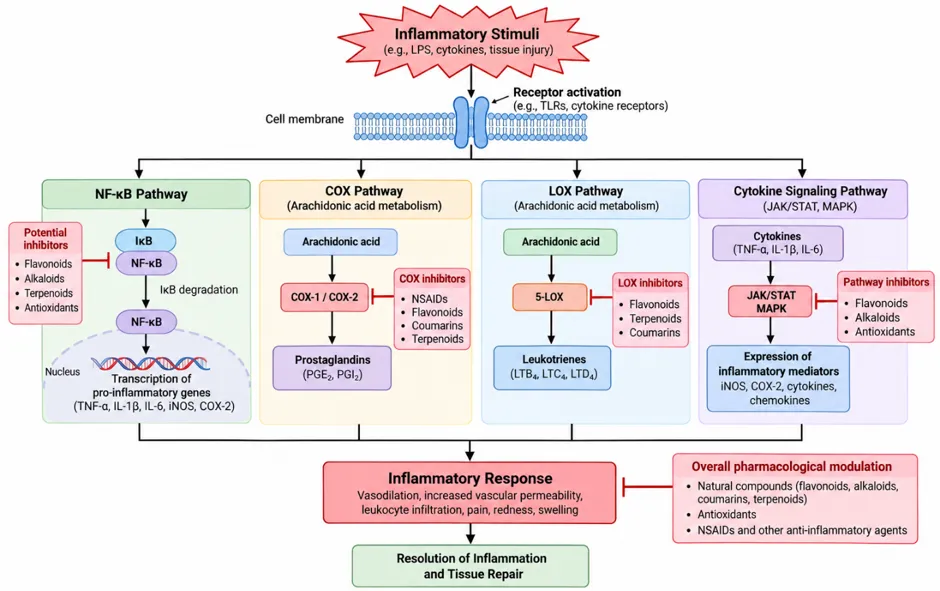
Figure 3. Major Inflammatory Signaling Pathways and Potential Points of Pharmacological Modulation.
6. Topical Drug Delivery for Anti-Inflammatory Therapy
6.1 Rationale for Topical Drug Delivery
Topical drug delivery involves the application of a pharmaceutical preparation to the skin or another accessible body surface to produce a localized therapeutic effect. It is widely used in dermatology for managing inflammatory skin conditions, localized pain, infections, and other disorders requiring treatment at or near the application site. The therapeutic performance of a topical preparation depends on the physicochemical properties of the active substance, the formulation vehicle, the condition of the skin, and the intended site of action [5,6].
Compared with oral administration, topical delivery may reduce systemic exposure when the drug acts locally and penetrates the skin in an appropriate manner. It can also avoid gastrointestinal exposure and hepatic first-pass metabolism associated with orally administered drugs. However, the extent of these advantages depends on the drug and formulation, and systemic absorption may still occur.
6.2 Advantages and Limitations of Topical Administration
Table 5. Advantages and Limitations of Topical Drug Delivery
|
Aspect |
Potential advantage |
Limitation or consideration |
|
Local application |
Direct application to the intended skin area |
Adequate local availability must be established |
|
Systemic exposure |
May reduce systemic exposure for suitable drugs |
Percutaneous absorption may still occur |
|
Patient convenience |
Non-invasive and generally easy to apply |
Application frequency and adherence may affect use |
|
Formulation flexibility |
Allows use of ointments, creams, gels, and other vehicles |
Each dosage form has different performance characteristics |
|
Skin residence |
Certain semisolid vehicles prolong contact with the application site |
Excessive greasiness or poor spreadability may reduce acceptability |
|
Herbal extracts |
Enables incorporation of selected plant-derived materials |
Extract variability, stability, irritation, and quality control require attention |
6.3 Overview of Semisolid Dosage Forms
Table 6. Comparison of Common Topical Semisolid Dosage Forms
|
Dosage form |
General characteristics |
Important formulation consideration |
|
Ointment |
Semisolid preparation commonly containing an oily or structured base |
Occlusiveness, greasiness, drug solubility, and release |
|
Cream |
Semisolid emulsion containing aqueous and oily phases |
Emulsion stability, phase compatibility, and preservative requirements |
|
Gel |
Liquid phase structured by a suitable gelling agent |
Gel strength, viscosity, spreadability, and compatibility |
|
Paste |
Semisolid preparation containing a relatively high proportion of dispersed solids |
Consistency, uniform distribution of solids, and ease of application |
6.4 Herbal Ointments as Topical Therapeutic Systems
Herbal ointments are semisolid preparations in which plant-derived extracts, fractions, or other botanical materials are incorporated into a suitable base. They provide a pharmaceutical approach for delivering selected natural products to the skin and may be designed to support local retention, protect the application site, or improve the handling of the active material. Their performance depends on the nature of the extract, its concentration, the ointment base, and the interactions among the formulation components [5,6].
The development of a herbal ointment begins with the selection and authentication of plant material. Extraction and subsequent concentration should be performed using documented procedures that preserve the relevant chemical constituents as far as practicable. The resulting extract should be characterized sufficiently to support formulation development and batch consistency. Depending on the research objectives, this may include extraction yield, preliminary phytochemical screening, chromatographic profiling, and quantitative estimation of selected markers.
6.5 Excipients Used in Herbal Ointment Formulations
Table 7. Common Excipients Used in Ointment Formulations and Their Functions
|
Excipient or excipient class |
General function |
Formulation consideration |
|
White soft paraffin |
Hydrocarbon ointment base; provides emollient and occlusive properties |
May be greasy and may influence release of constituents |
|
Liquid paraffin |
Emollient and oil-phase component |
Must be compatible with the base and extract |
|
Beeswax or suitable stiffening agents |
Adjust consistency and structural properties |
Excessive amounts may reduce spreadability |
|
Propylene glycol |
Solvent or humectant in suitable formulations; may influence skin penetration |
Concentration, irritation potential, and compatibility require evaluation |
|
Antioxidants |
Help limit oxidation of susceptible ingredients |
Selection depends on the degradation pathway and formulation |
|
Preservatives |
Control microbial growth where required |
Suitability and effectiveness must be assessed in the finished formulation |
6.6 Factors Affecting Drug Release and Skin Permeation
Drug release and skin permeation are important determinants of the performance of topical formulations. Drug release describes the movement of the active substance from the formulation into the surrounding medium, whereas skin permeation describes its movement into or through the skin. These processes are related but distinct, and results from an in vitro release test should not be interpreted as direct evidence of skin penetration or therapeutic effectiveness [5,6].
The physicochemical properties of the active constituent, including molecular size, solubility, lipophilicity, ionization, and affinity for the vehicle, can influence its release and penetration. The formulation base also affects drug mobility, thermodynamic activity, viscosity, and contact with the skin. An ingredient that is strongly retained within the base may be released slowly, while a formulation that improves apparent solubility may alter the fraction of compound available for partitioning into the skin.
Skin-related factors include the thickness and integrity of the stratum corneum, hydration, anatomical site, and presence of inflammation or damage. Application conditions, including the quantity applied, duration of contact, and degree of occlusion, can also affect the observed response. In addition, formulation changes during use, such as evaporation of volatile components or crystallization of dissolved material, may alter drug availability and release characteristics [5,6].
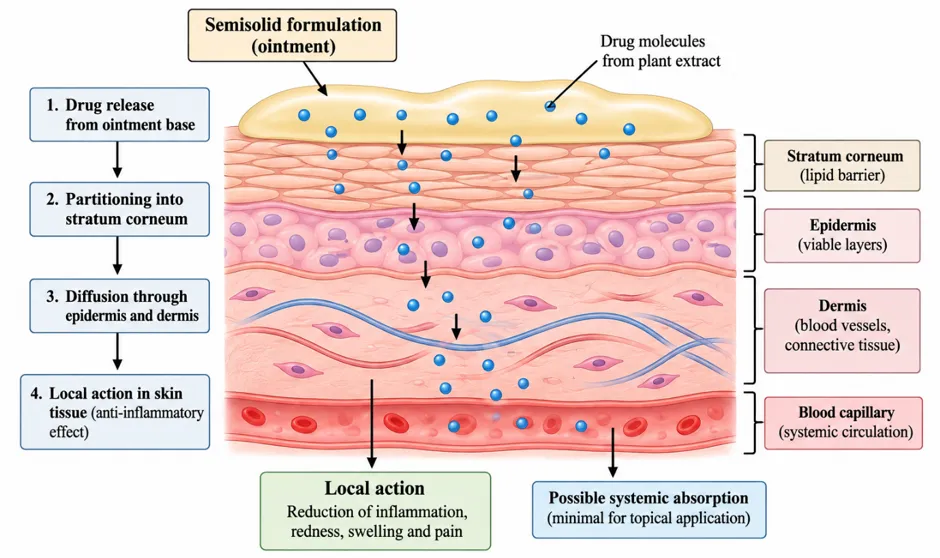
Figure 4. Schematic Representation of Topical Drug Release and Skin Penetration from a Semisolid Formulation.
7. Formulation Development of Murraya paniculata Ointment
7.1 Selection and Authentication of Plant Material
The selection and authentication of plant material are fundamental steps in the development of a herbal ointment. Botanical identity, plant part, collection location, collection period, developmental stage, and handling conditions can influence the chemical composition and quality of the resulting extract. Accurate documentation is therefore essential for reproducibility and traceability.
For Murraya paniculata ointment, the selected plant material should be authenticated by a qualified botanist or an appropriate recognized institution. The accepted botanical name and relevant taxonomic details should be recorded, and a voucher specimen should be preserved where feasible. The identity of the plant should be established before extraction to minimize the risk of using an incorrectly identified or substituted species.
7.2 Extraction and Preparation of Plant Extract
Extraction is a critical step in the preparation of a herbal formulation because it determines which constituents are transferred from the plant material into the extract. The extraction method and solvent should be selected according to the chemical characteristics of the target constituents, the intended application, and the requirements of the subsequent formulation. Common methods include maceration, percolation, reflux extraction, and Soxhlet extraction, each of which has different operational characteristics.
The solvent influences the range and relative abundance of compounds extracted from the plant. Aqueous and hydroalcoholic solvents may recover different polar constituents from those obtained using less polar organic solvents. Extraction time, temperature, solvent-to-material ratio, particle size, and repeated extraction may also affect extraction efficiency and chemical composition. Consequently, extraction yield alone is insufficient to establish the quality or biological potency of an extract.
After extraction, filtration and solvent removal may be required, depending on the selected procedure. Concentration and drying conditions should be controlled to reduce residual solvent and minimize degradation of sensitive constituents. The dried or concentrated extract should be stored under suitable conditions before formulation. Extract yield, physical appearance, and relevant phytochemical characteristics may be recorded to support batch comparison.
7.3 Selection of Ointment Base
The ointment base is a major determinant of the physical properties and performance of a topical formulation. It provides the medium in which the extract is incorporated and influences consistency, spreadability, skin contact, occlusiveness, and the release of extract constituents. Base selection should therefore consider both the physicochemical characteristics of the plant extract and the intended use of the final product [5,6].
Hydrocarbon bases, such as white soft paraffin, generally provide an occlusive and emollient layer. They may be suitable for extracts that can be incorporated uniformly into an oily base, but the release of certain constituents may be limited by their affinity for the vehicle. Absorption bases may accommodate selected aqueous components, while water-removable or water-soluble bases offer different washing and handling properties. The suitability of each base depends on the extract's solubility, dispersibility, stability, and compatibility with the excipients.
7.4 Formulation Components and Their Functions
Table 8. Principal Components of a Herbal Ointment and Their Formulation Functions
|
Component |
Primary function |
Key consideration |
|
Murraya paniculata extract |
Source of plant-derived constituents under investigation |
Chemical composition, concentration, and batch consistency |
|
Ointment base |
Provides the semisolid vehicle and influences skin contact |
Compatibility, consistency, and release characteristics |
|
Consistency-adjusting agent, if required |
Modifies viscosity or structural properties |
Must not compromise spreadability or uniformity |
|
Solvent or wetting agent, if required |
Facilitates incorporation of suitable constituents |
Solubility, compatibility, and skin tolerability |
|
Antioxidant, if required |
Helps reduce oxidation of susceptible constituents |
Must be suitable for the formulation and intended use |
|
Preservative, if required |
Helps control microbial growth |
Need and effectiveness depend on the formulation's composition and risk assessment |
7.5 Formulation Development Considerations
Formulation development involves identifying a suitable combination of extract concentration, base, excipients, and processing conditions to produce a consistent and acceptable product. Initial studies should assess the physical compatibility of the extract with the selected base and identify factors that may influence the uniformity and stability of the preparation.
The method of incorporation depends on the properties of the extract and base. A dry extract may require appropriate levigation or another validated dispersion procedure to reduce visible aggregates and improve uniformity. A concentrated liquid extract may require adjustment for its solvent content and compatibility with the base. Where heat is used to soften or prepare the base, the processing temperature should be controlled to avoid unnecessary exposure of sensitive constituents to elevated temperatures.
7.6 Compatibility and Stability Considerations
Compatibility and stability are essential considerations in the development of herbal ointments. The extract contains multiple constituents that may interact with one another or with the excipients in the base. Such interactions may influence chemical stability, appearance, odour, consistency, or the availability of individual constituents. Potential incompatibilities should therefore be investigated during formulation development.
Physical instability may be indicated by changes in colour, odour, consistency, homogeneity, or the appearance of aggregates, exudation, or phase separation. Chemical instability may involve oxidation, hydrolysis, or other degradation processes that reduce the concentration of selected constituents or produce undesirable degradation products. The likelihood and extent of these changes depend on the chemical composition of the extract and the environmental conditions to which the formulation is exposed.
Storage conditions, including temperature, light, moisture, and contact with air, may affect the stability of the extract and the finished ointment. Suitable packaging can help limit exposure to environmental factors and reduce contamination during use. The packaging system should be compatible with the formulation and should maintain product quality throughout the intended storage period.
8. Evaluation of Herbal Ointment Formulations
The evaluation of herbal ointments is essential for establishing their physicochemical quality, uniformity, stability, and suitability for topical application. The evaluation strategy should be selected according to the composition of the formulation, the properties of the plant extract, and the intended use of the finished product. For Murraya paniculata ointment, these tests may help determine whether the extract is uniformly incorporated into the base and whether the preparation maintains acceptable characteristics during storage.
8.1 Physical Appearance, Colour, and Odour
Physical appearance is a preliminary quality attribute used to assess the overall acceptability of an ointment. The formulation may be examined visually for colour, consistency, texture, visible particles, phase separation, and other abnormalities. The colour and odour of a herbal ointment may be influenced by the plant extract, extraction solvent, base, and processing conditions.
Changes in colour or odour during storage may indicate oxidation, degradation, contamination, or interactions among formulation components. However, such changes are not specific indicators of chemical degradation and should be investigated using suitable analytical methods when necessary. Observations should be recorded under consistent conditions and compared with the initial characteristics of the formulation.
8.2 Homogeneity and Grittiness
Homogeneity refers to the uniform distribution of the extract and other components throughout the ointment. A formulation with inadequate mixing may contain visible aggregates, unevenly distributed material, or regions with different consistency. Such non-uniformity can affect product appearance, application characteristics, and the reproducibility of delivered quantities.
Homogeneity may be assessed by visual examination and, where appropriate, by examining samples taken from different portions of the batch. Grittiness can be evaluated by carefully examining the texture for perceptible particles, while microscopy may be useful when particle distribution requires more detailed assessment. These observations should be performed using a consistent procedure because subjective assessments may vary among evaluators.
8.3 pH Determination
pH is an important quality attribute for aqueous and water-containing topical formulations. However, conventional pH measurement is not directly applicable to an anhydrous hydrocarbon ointment because pH describes hydrogen-ion activity in an aqueous phase. Where an ointment contains a suitable aqueous phase or an appropriately defined dispersion can be prepared, pH may be measured using a suitable method.
The procedure should specify whether the measurement is performed directly in an aqueous phase or after preparing a defined dispersion of the ointment in a suitable medium. The preparation method, temperature, instrument calibration, and measurement conditions should be documented. Results obtained using different dispersion procedures may not be directly comparable.
8.4 Viscosity and Rheological Properties
Viscosity describes resistance to flow, whereas rheology encompasses the broader flow and deformation behaviour of a material. These properties influence the handling, application, spreadability, and physical stability of semisolid formulations. Ointments may exhibit non-Newtonian behaviour, including shear-thinning or time-dependent flow, depending on their composition and internal structure.
Viscosity or rheological properties may be evaluated using a suitable viscometer or rheometer under defined conditions. The spindle or geometry, rotational speed or shear rate, temperature, sample preparation, and equilibration time should be recorded where relevant. Because semisolid formulations may respond differently to shear, measurements obtained under different test conditions should not be compared without considering the method.
8.5 Spreadability
Spreadability describes the ease with which an ointment can be distributed over a surface under specified conditions. It is an important practical property because it influences application, surface coverage, and user acceptability. Spreadability may be assessed using a suitable validated or consistently applied method, such as a parallel-plate technique or another method appropriate for the formulation.
In a plate-based method, a defined quantity of ointment is placed between suitable surfaces and spread under a specified load. The spread area, time required for movement, or another predefined endpoint may be recorded, depending on the selected method. The amount of sample, plate dimensions, applied load, temperature, and measurement procedure should remain consistent across formulations.
8.6 Extrudability, Where Applicable
Extrudability describes the ease with which a semisolid formulation can be expelled from its container or packaging under a defined force. It is relevant when the ointment is intended to be supplied in a collapsible tube or another dispensing container. The observed result depends on the formulation's rheological properties, container design, nozzle dimensions, temperature, and testing procedure.
A suitable method may involve applying a defined force to the container and recording the quantity of ointment discharged over a specified period. Alternatively, another validated method may be used if it is appropriate for the packaging system. The method and endpoint should be clearly described to allow reproducible comparisons.
8.7 Drug Content or Marker-Compound Estimation
Content estimation is used to determine the quantity of a selected active ingredient or marker compound in a formulation. In herbal products, a single defined active pharmaceutical ingredient may not be available; consequently, a suitably justified chemical marker or analytical fingerprint may be used to assess consistency. The marker should be selected based on its confirmed presence, analytical suitability, and relevance to the quality assessment objective.
8.8 In Vitro Drug Release Studies
In vitro release testing is used to investigate the release of an active substance or suitable marker from a topical formulation into a defined receiving medium under controlled conditions. It can help compare formulations and assess the influence of the base, extract incorporation, and processing conditions on release behaviour. Such testing is distinct from skin permeation testing because it does not, by itself, determine how much material enters or crosses the skin.
Depending on the formulation and analytical requirements, release testing may employ an appropriate diffusion-cell system with a synthetic membrane or another validated arrangement. The receiving medium, temperature, sampling schedule, membrane characteristics, sample quantity, and analytical procedure should be selected and justified for the test substance. The receiving medium should maintain suitable conditions for measuring release without introducing avoidable analytical interference.
8.9 Skin Permeation Studies, Where Appropriate
Skin permeation studies investigate the movement of a compound from a topical formulation into or through the skin. These studies can provide information about the potential availability of selected constituents at or beyond the skin barrier. They are particularly relevant when the intended therapeutic objective requires penetration into specific skin layers or passage across the skin.
Depending on the research question, permeation studies may use validated diffusion-cell systems with suitable biological membranes. The membrane source, integrity, preparation, receiving medium, temperature, sampling conditions, and analytical procedure should be specified. Human skin, animal skin, reconstructed skin models, and synthetic membranes differ in their properties and cannot be assumed to provide equivalent results.
8.10 Stability Studies
Stability studies assess whether a formulation maintains its relevant quality attributes over time under defined storage conditions. Physical changes may include alterations in colour, odour, consistency, homogeneity, or phase behaviour, whereas chemical changes may involve degradation or changes in the content of selected marker compounds. Microbiological quality may also require assessment, depending on the formulation and its composition.
A stability protocol should define the storage conditions, packaging, sampling intervals, analytical methods, and acceptance criteria before testing begins. The selection of conditions should reflect the purpose of the study and applicable guidance. Where accelerated conditions are used, results should not automatically be treated as equivalent to real-time stability data.
8.11 Microbial Quality and Safety Assessment
Microbial quality is important for topical preparations because contamination may affect product quality and create risks for the user. The need for specific microbiological tests depends on the formulation, water content, manufacturing conditions, packaging, intended application site, and applicable quality requirements. An anhydrous ointment may present a different microbial risk from a water-containing preparation, but it should not automatically be considered free from microbial contamination.
Depending on the product and applicable standards, testing may include microbial enumeration, assessment for specified microorganisms, and evaluation of preservative effectiveness where relevant. The selection of tests and acceptance criteria should follow appropriate pharmacopoeial requirements or other applicable guidance. Preservatives, when needed, should be selected and assessed for compatibility, safety, and effectiveness in the finished product.
Table 9. Evaluation Parameters for Herbal Ointment Formulations
|
Evaluation parameter |
Purpose |
Important consideration |
|
Appearance, colour, and odour |
Assess general physical acceptability |
Changes may require further investigation |
|
Homogeneity and grittiness |
Assess uniformity and texture |
Visual assessment does not prove marker-content uniformity |
|
pH, where applicable |
Assess the aqueous phase or a defined dispersion |
Not an intrinsic measurement for an anhydrous hydrocarbon base |
|
Viscosity and rheology |
Characterize flow and consistency |
Test conditions must be standardized |
|
Spreadability |
Assess ease of application |
Does not directly indicate therapeutic efficacy |
|
Extrudability, where applicable |
Assess dispensing from selected packaging |
Depends on both formulation and container |
|
Marker-compound content |
Assess chemical content and consistency |
Requires a suitable analytical method |
|
In vitro release |
Assess release into a defined medium |
Does not establish skin penetration |
|
Skin permeation, where appropriate |
Assess movement into or through a skin model |
Depends on membrane and test conditions |
|
Stability |
Assess maintenance of quality during storage |
Shelf life requires adequate supporting data |
|
Microbial quality and safety |
Assess contamination-related quality and selected safety concerns |
Testing must be appropriate to the formulation and intended us |
9. Experimental Approaches for Assessing Anti-Inflammatory Activity
Experimental assessment of anti-inflammatory activity is necessary to determine whether a plant extract or finished formulation produces measurable effects on inflammatory processes. Different methods investigate different biological endpoints, and their findings should be interpreted according to the limitations of each model. For Murraya paniculata, the selection of an appropriate method should be guided by the research objective, the chemical characteristics of the extract, and the intended topical application.
9.1 In Vitro Anti-Inflammatory Assays
In vitro assays are commonly used as preliminary methods for investigating the anti-inflammatory potential of plant extracts and isolated compounds. They offer controlled experimental conditions and can help compare samples, identify concentration-dependent effects, and select candidates for further investigation. The methods may include biochemical assays, cell-based inflammatory models, and measurement of selected inflammatory mediators.
Biochemical assays can provide information about particular chemical or protein-related responses, whereas cell-based methods can investigate biological responses within a cellular system. Depending on the research question, endpoints may include cytokine production, NO levels, expression of inflammatory enzymes, or changes in selected signaling pathways. Suitable positive controls, negative controls, concentration ranges, and assessment of cell viability are important for reliable interpretation.
9.2 Protein Denaturation Inhibition Assay
Protein denaturation involves changes in the structure of a protein that may alter its biological properties. Laboratory assays investigating inhibition of heat- or chemically induced protein denaturation have been used as preliminary screening methods for substances with potential anti-inflammatory activity. These assays are relatively simple and can help compare selected samples under defined conditions.
The principle generally involves exposing a protein preparation to conditions that promote structural alteration and measuring an endpoint associated with the resulting changes. A test sample is compared with an appropriate control, and the response is calculated according to the validated procedure used. The interpretation depends on the protein system, induction conditions, analytical endpoint, and potential interference from the test substance.
9.3 Inhibition of Inflammatory Mediators
Measurement of inflammatory mediators provides a more targeted approach to investigating potential anti-inflammatory activity. Depending on the research question, selected endpoints may include NO production, prostaglandin synthesis, cytokine concentrations, or expression of inflammatory enzymes. The selection should be guided by the biological model and the proposed mechanism under investigation.
NO-related assays may be used to investigate changes in NO accumulation or associated cellular responses. Cytokines such as TNF-α, IL-1β, and IL-6 can be quantified using suitable immunoassays, while gene-expression methods may provide information about transcriptional changes. Enzyme activity assays and other analytical approaches may be used to investigate selected pathways when suitable methods are available.
9.4 In Vivo Models of Inflammation
In vivo models can provide information about inflammatory responses within an intact biological system, including interactions among tissues, immune cells, vascular responses, and systemic processes. Different models are used to investigate acute or chronic inflammation, depending on the intended research question. The choice of model should reflect the proposed therapeutic application and the biological processes that need to be examined.
In vivo studies may assess endpoints such as swelling, tissue changes, inflammatory mediator levels, histopathological findings, or other predefined measures. When investigating a topical preparation, the route of administration and the selected model should be appropriate for the intended site of action. Results from systemic administration cannot automatically be applied to a topical formulation.
9.5 Selection of Appropriate Controls and Reference Drugs
Appropriate controls are essential for determining whether observed effects can reasonably be attributed to the test material. The control strategy depends on the experimental system and the endpoint being measured. In biochemical and cell-based assays, controls may include untreated controls, vehicle controls, sample blanks, and a suitable positive control. In formulation studies, the ointment base without the plant extract may be important for distinguishing the contribution of the extract from that of the vehicle.
A reference anti-inflammatory drug may be included when appropriate for the experimental model. Its selection should be justified by the endpoint, route of administration, and purpose of the comparison. A reference drug should not be selected merely because it is commonly used in other studies, and the chosen concentration or dose should be supported by the relevant experimental protocol.
9.6 Ethical and Safety Considerations
Ethical and safety considerations are integral to research involving plant extracts, topical formulations, cell cultures, and animal models. Experimental work should be designed to minimize unnecessary exposure, use appropriate methods, and generate scientifically interpretable results. The relevant requirements depend on the type of study and the applicable institutional and regulatory framework.
Cell-based studies require appropriate laboratory practices, validated or qualified methods, and careful monitoring for contamination and cytotoxicity. Animal studies require prior approval from the relevant ethics committee where applicable, appropriate housing and handling, scientifically justified sample sizes, and measures to minimize pain or distress. Researchers should follow the principles of replacement, reduction, and refinement when animal experimentation is considered.
10. Safety, Toxicity, and Quality Considerations
10.1 Preliminary Safety Assessment of Plant Extracts
The safety of a plant extract depends on its chemical composition, concentration, route of exposure, intended duration of use, and the characteristics of the exposed population. A plant may contain both potentially useful and undesirable constituents, and the composition can vary with the source material and extraction procedure. Therefore, botanical identity and chemical characterization are important foundations of safety assessment.
Preliminary assessment may include examination of the available toxicological literature, identification of potentially concerning constituents, evaluation of extract quality, and consideration of the intended topical exposure. Where appropriate, further testing may include suitable in vitro cytotoxicity methods, skin-compatibility studies, or other toxicological evaluations selected according to the research objective and applicable guidance.
10.2 Skin Irritation and Sensitization
Skin irritation and skin sensitization are distinct adverse responses that are relevant to topical formulation development. Irritation generally involves a localized inflammatory response following exposure to a substance, whereas sensitization is an immune-mediated process that may result in allergic contact dermatitis after subsequent exposure. Both may depend on the substance, concentration, exposure conditions, and characteristics of the individual.
Assessment methods should be selected according to the research question and applicable guidance. Validated in vitro or other accepted methods may be appropriate in place of animal testing when suitable for the substance and regulatory context. Any test should use appropriate controls and a scientifically justified protocol.
10.3 Extract Standardization and Batch-to-Batch Consistency
Standardization is important for reducing variability in herbal preparations and improving the reproducibility of pharmaceutical development. Differences in botanical source, plant maturity, environmental conditions, drying, storage, and extraction can influence the chemical composition and yield of an extract. These differences may affect both formulation properties and biological responses.
Standardization may involve authentication of the plant material, documentation of extraction conditions, determination of extraction yield, preliminary phytochemical screening, and chemical fingerprinting. Where suitable marker compounds have been identified, their qualitative or quantitative assessment can support comparison between batches. The selection of a marker should be justified, and the limitations of using a single constituent to represent a complex extract should be acknowledged.
10.4 Contamination and Microbial Quality
Contamination can occur during plant collection, handling, drying, storage, extraction, formulation, or packaging. Potential contaminants include microorganisms, foreign matter, pesticide residues, heavy metals, and residual solvents, depending on the source material and manufacturing process. The relevant risks should be assessed according to the plant source, extraction method, and intended product.
Good handling practices, appropriate storage, suitable equipment, and documented manufacturing procedures can help reduce contamination risks. Testing should be selected according to the formulation and applicable quality requirements. Microbial testing may be necessary for the finished ointment, while chemical or elemental testing may be warranted when the source material or manufacturing process presents relevant risks.
10.5 Limitations in Translating Preclinical Findings to Clinical Use
Preclinical findings provide an important foundation for investigating candidate anti-inflammatory agents, but their translation into clinical use is limited by differences between experimental models and human disease. Chemical assays may not reflect biological responses in living tissues, while cell-based studies may not reproduce the complex interactions among the immune system, skin barrier, metabolism, and other physiological processes.
Animal models can provide additional information about biological activity and exposure, but they do not fully reproduce human skin characteristics or clinical responses. Moreover, the concentration of an extract used in an experimental assay may not be achievable or appropriate in a topical formulation. The effects of formulation components, skin penetration, chemical stability, and local tolerability must also be considered.
11. Research Gaps and Future Perspectives
11.1 Need for Direct Experimental Evidence on Murraya paniculata
Although Murraya paniculata has been investigated for various pharmacological activities, the strength and relevance of evidence may differ across extracts, plant parts, and experimental models. In particular, findings about the species' general phytochemical composition do not establish that a specific leaf extract has anti-inflammatory activity when incorporated into an ointment.
11.2 Identification of Bioactive Constituents
The chemical complexity of plant extracts can make it difficult to identify which constituents contribute to a biological response. Although phytochemical screening may indicate the presence of broad compound classes, it generally cannot establish the identity, concentration, or activity of individual molecules. More specific analytical approaches may therefore be required.
11.3 Standardization of Plant Extracts
Standardization is a major requirement for improving the consistency and reproducibility of herbal pharmaceutical preparations. Differences in plant source, collection conditions, processing, extraction solvent, and storage can alter the chemical profile of the final extract. These variations may complicate the comparison of biological findings and formulation performance.
11.4 Optimization of Topical Ointment Formulations
Formulation optimization is necessary to obtain an ointment with suitable consistency, homogeneity, spreadability, stability, and release characteristics. The extract concentration, base composition, excipient selection, and processing conditions may affect these properties. An increase in extract concentration may improve the quantity of plant material incorporated but can also alter the physical characteristics or stability of the product.
11.5 Mechanistic and Comparative Studies
Mechanistic studies can help determine whether an observed anti-inflammatory response is associated with a specific biological process. Depending on the preliminary evidence, future work may investigate inflammatory mediator production, oxidative stress, selected enzyme activities, or intracellular signaling pathways. The choice of endpoint should be justified by the properties of the extract and the results of earlier experiments.
11.6 Future Opportunities for Translational Research
The development of a plant-derived topical product requires a progression from botanical authentication and chemical characterization to formulation development, quality assessment, and biological evaluation. Further work may investigate reproducibility between extract batches, the stability of selected chemical markers, skin compatibility, and the relationship between formulation properties and biological responses.
Where preliminary evidence is adequate, additional studies may be required to assess exposure, local tolerability, and the relevance of experimental findings to the intended clinical application. The design of later-stage studies should follow appropriate scientific, ethical, and regulatory requirements. Clinical effectiveness should not be inferred from chemical assays or preliminary laboratory observations alone.
CONCLUSION
Murraya paniculata is a medicinally investigated plant with a diverse reported phytochemical composition that includes several classes of secondary metabolites. Published literature describes antioxidant, antimicrobial, and other pharmacological activities, providing a rationale for further investigation of its potential anti-inflammatory properties. However, the strength of the evidence depends on the plant part, extraction method, chemical composition, and experimental model used.
The development of M. paniculata ointment requires a systematic pharmaceutical approach encompassing botanical authentication, controlled extraction, chemical characterization, suitable base selection, formulation development, and evaluation of physicochemical quality and stability. Appropriate assessment of skin compatibility and anti-inflammatory activity is also necessary to determine the suitability of the finished product for further investigation.
Although established inflammatory pathways and the reported phytochemical diversity of the plant provide useful directions for research, specific molecular mechanisms should not be attributed to the extract without direct experimental evidence. Similarly, the biological activity of an unformulated extract cannot automatically be extended to the finished ointment.
REFERENCES

Pradumn Pratap Singh, Pradeep Kumar, A Comprehensive Review on the Phytochemical Constituents and Anti-Inflammatory Potential of Murraya paniculata, Int. J. of Pharm. Sci., 2026, Vol 4, Issue 10, 3305-3331. https://doi.org/10.5281/zenodo.23573166
 10.5281/zenodo.23573166