View Article

Abstract

Diabetes mellitus had become a growing global health problem and the limitations of synthetic therapy for a long time related to cost, side effects and adherence challenges have maintained the interest in plant-derived adjuvants. Clerodendrum inerme (L.) Gaertn is a shrub used in Ayurveda, Siddha and folk medicine. Pre-clinical investigations show antioxidant, ?-amylase and ?-glucosidase inhibitory and hypoglycaemic activity. Traditional syrups contain 66% sucrose and are not suitable for diabetics. Stevia (Stevia rebaudiana Bertoni) has non-caloric sweetness obtained from steviol glycosides. Stevia has been shown to have antihyperglycemic effects in animal studies. Human studies have reported mixed results. This review integrates the botanical, phytochemical and antidiabetic pharmacological information of C. inerme, properties and safety of stevia, and principles of formulation and evaluation of sugar free herbal syrups. Since there has been no published study on a syrup incorporating both C. inerme and stevia, the formulation framework here is drawn from adjacent literature, and is advanced as a proposal, rather than a proven product.

Keywords

Stevia Rebaudiana, Sugar Free Syrup, Steviol Glycosides, Diabetes Mellitus, Herbal Formulation, Clerodendrum Inerme

Introduction

× Popup Image

Diabetes has become one of the most common chronic metabolic disorders. The IDF Diabetes Atlas (10th edition) forecast 537 million diabetic individuals aged 20 to 79 in 2021, with the figure expected to rise to 643 million by 2030 and 783 million by 2045. India carries much of this burden and the rate of increase in Southeast Asia has been more than expected.

Oral hypoglycaemic agents, such as biguanides, sulphonylureas, thiazolidinediones, DPP-4 inhibitors and SGLT2 inhibitors, each have their own risks, including hypoglycaemia, weight gain and gastrointestinal or genitourinary adverse effects. WHO has advocated integration of evidence based traditional medicine in the treatment of diabetes, for which a lot of plants are traditionally used. Liquid dosage forms like syrups are appropriate for elderly patients and those who have problems with swallowing. A syrup incorporating sucrose, however, defeats the purpose in a diabetic patient. Thus, replacing sucrose with a natural non-caloric sweetener with its own antidiabetic profile is an attractive formulation strategy.

The ICMR-INDIAB survey of 113,043 adults aged 20 years and above (2008-2020) in India estimated 101 million people (11.4%) affected by diabetes and a further 136 million (15.3%) with prediabetes. The prevalence ranged from 26.4% in Goa to 4.8% in Uttar Pradesh. The prediabetic pool is so vast that the demand for safe, long-standing, adherence-friendly dietary and herbal adjuncts is likely to continue to grow.

Type 2 diabetes is characterized by insulin resistance with progressive β-cell dysfunction and postprandial hyperglycaemia is an early and modifiable aspect. The therapeutic targets are two intestinal enzymes . α-amylase hydrolyzes starch to oligosaccharides and α-glucosidase releases absorbable glucose at the brush border . Inhibited, these enzymes slow the absorption of glucose, which is the mechanism of the drug acarbose. Table 1 summarizes the major drug classes and reasons for patients seeking alternatives or adjuncts.

Table 1: Principal Classes of Oral Antidiabetic Drugs and Their Limitations

Class Principal action Common limitations
Biguanides (metformin) Decreased hepatic glucose production; Improved insulin sensitivity Gastrointestinal upset; rarely lactic acidosis
Sulfonylureas Stimulate β-cells insulin release Hypoglycaemia; weight gain
Thiazolidinediones PPAR-γ agonists; increase insulin sensitivity Weight gain; fluid retention
DPP-4 inhibitors Prolong incretin hormone action Cost; variable tolerability
SGLT2 inhibitors Increase urinary glucose excretion Genitourinary infections; volume loss
α-Glucosidase inhibitors
(eg, acarbose)
Slowing down the digestion of carbohydrates in the intestine Flatulence; abdominal pain

The reason for the proposed syrup is therefore two-fold: a plant whose extracts inhibit carbohydrate-digesting enzymes and reduce oxidative stress delivered in a vehicle adding no sugar load.

2. Clerodendrum inerme: The Herbal Component
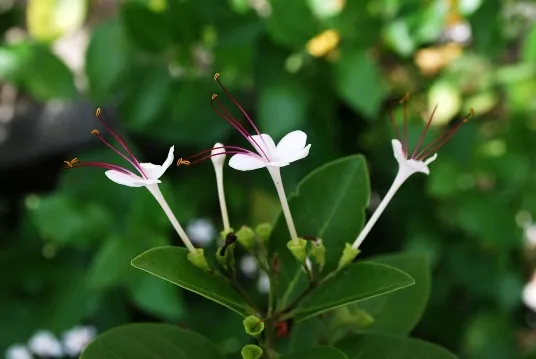
figure

Figure 2.1: Clerodendrum inerme

2.1 Taxonomy and use traditionally

C. inerme (commonly 'garden quinine', 'wild jasmine') is from the Lamiaceae (formerly Verbenaceae). Traditionally used for rheumatic pain, arthritis, skin diseases, wounds, fever, cough and dysentery. Clerodendrum is a genus with some 500 species (one estimate) to some 580 species (another estimate) first described by Linnaeus in 1753. The leaf is used in Ayurvedic and Siddha medicines and complete pharmacognostic and physicochemical standards for the leaf have been developed.

2.2 Phytochemistry

C. inerme has over 95 components, including diterpenoids, triterpenoids, steroids, flavonoids, phenolic glycosides, lignans, as well as iridoid and megastigmane glycosides. Of note are

  • Neo-clerodane diterpenoids such as 3-epicaryoptin
  • Megastigmane glucosides and iridoid glycosides (inerminosides).
  • Verbascoside (acteoside), a phenylethanoid glycoside
  • The flavone hispidulin, which is quantified alongside total phenolics in leaf extract
  • Stigmasterol, studied for antioxidant activity
  • Ursolic acid, proposed as a marker compound by HPTLC

A genus-wide review lists 283 compounds and reports anti-inflammatory, antioxidant, antihypertensive, anticancer, antimicrobial, hepatoprotective, hypoglycaemic and hypolipidaemic activities across Clerodendrum species. A 2022 review of genus diterpenoids and a recent review of C. trichotomum gives useful context on extraction and structure activity relationships.
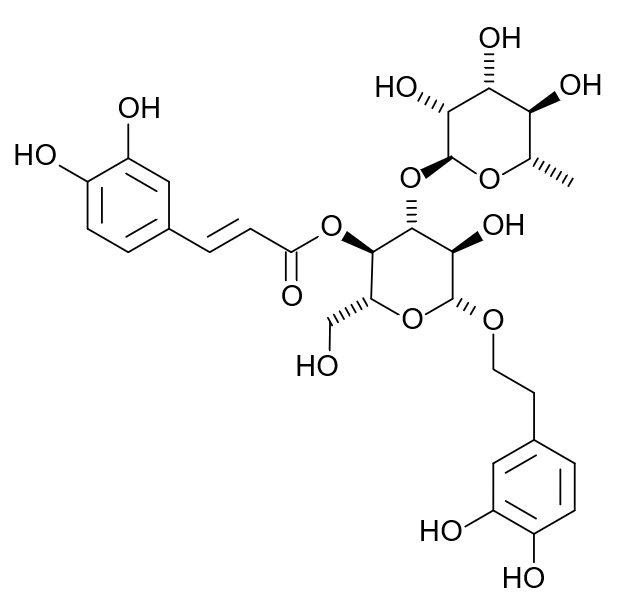
figure

Figure 2.2: Acteoside

figure

Figure 2.3: Stigmasterol

Table 2 groups the reported constituents by class.

Table 2: Reported Phytoconstituents of C. inerme by Class

Class Examples
Neo-Clerodane diterpenoids 3-Epicaryoptin, cleroinermin and other neo-clerodane diterpenes
Iridoid and megastigmane glycosides Inerminosides A1, C and D; megastigmane glucosides
Phenylethanoid / phenolic glycosides Verbascoside (acteoside); a further phenylethanoid glycoside
Flavonoids Hispidulin; chalcones from the flowers
Triterpenoids and steroids Lupene-type triterpenic glucoside; 4α-methylsterols; stigmasterol; ursolic acid
Lignans Lignans from the stems

2.3 General pharmacology

In addition to antidiabetic properties, C. inerme extracts have demonstrated antioxidant activity, hepatoprotective activity against CCl4 injury in rats and anti-inflammatory activity by bioassay-guided isolation. The 2024 critical review also lists antimicrobial, anticancer, insecticidal and neuroprotective activities of C. inerme.

2.4 Antidiabetic evidence

The evidence supporting antidiabetic activity of C. inerme is presented in Table 3.

Table 3: Preclinical Antidiabetic and Related Evidence for C. inerme

Study / model Key finding
Nicotinamide–streptozotocin type 2 diabetic rats, 28 days Among three plants compared, only the ethanolic extract of C. inerme at 400 mg/kg p.o. showed a potent antidiabetic effect
Streptozotocin-induced diabetic mice (343 and 686 mg/kg) Leaf extract contained flavonoids, alkaloids, tannins, triterpenes and saponins; total phenolics 120.458 mg GAE/g and antioxidant IC₅₀ 25.28 µg/mL; authors concluded potent antidiabetic and antioxidant activity
In vitro enzyme inhibition α-Amylase and α-glucosidase inhibition reported for leaf and root extracts
In vivo / in vitro studies Antidiabetic activity reported
Network pharmacology (KNApSAcK) 24 compounds identified, with potential activity relevant to diabetes; this is computational and hypothesis-generating

These findings suggest two probable mechanisms: inhibiting carbohydrate digesting enzymes like α-amylase and α-glucosidase, and reducing oxidative stress. Data from additional Clerodendrum species support this concept, although they are outside the scope of this review.

The quantitative enzyme-inhibition results for isolated compounds and extracts from related species of Clerodendrum illustrate the extent of activity observed and provide support for the proposed mechanism for C. inerme (Table 4). Several of these species share glycoside and phenylpropanoid chemistry with C. inerme, but the values below are for other species and should not be mistaken for values for C. inerme.

Table 4: In Vitro Carbohydrate-Enzyme Inhibition by Other Clerodendrum Species

Species / part Enzyme Result (versus acarbose where reported)
C. infortunatum leaf (isolated compounds) α-Amylase, α-glucosidase Jionoside D: α-amylase IC₅₀ 3.4 ± 0.2 µM versus acarbose 5.9 ± 0.1 µM. Four compounds: α-glucosidase IC₅₀ 24.6–96.0 µM versus acarbose 665 ± 42 µM
C. phlomidis root (isolated glycosides) α-Glucosidase IC₅₀ 1.52 ± 0.14 and 0.78 ± 0.02 mg/mL versus acarbose 0.55 ± 0.03 mg/mL
C. glandulosum leaf (hydromethanolic extract) α-Glucosidase IC₅₀ 104.11 ± 0.36 µg/mL versus acarbose 232.57 ± 3.28 µg/mL; leaf had the highest phenolic (282.02 mg GAE/g) and flavonoid (276.74 mg QCE/g) content of the parts tested
C. multiflorum stem (methanol and ethyl acetate extracts) α-Amylase IC₅₀ values of 25.33 and 36.86 reported (units as given in the source)

Across these species, levels of activity were associated with phenolic rich fractions either phenylpropanoid or flavonoid glycosides. This is in line with the high total phenolic content and high DPPH activity reported for C. inerme leaf extract. This is also favorable for standardization to the total phenolics or flavonoids of the syrup extract.

2.5 Safety and toxicity

Toxicity of C. inerme is reported in some reports and toxicological, preclinical and clinical studies are called for to establish its safety and efficacy. An acute and sub-acute toxicity study has been performed, but lack of human data, and herb–drug interactions with antidiabetic drugs being essentially unstudied, mean for the syrup, that the extract dose would need to be justified via toxicity data and standardised against a marker compound.

3. Stevia as the Sweetener
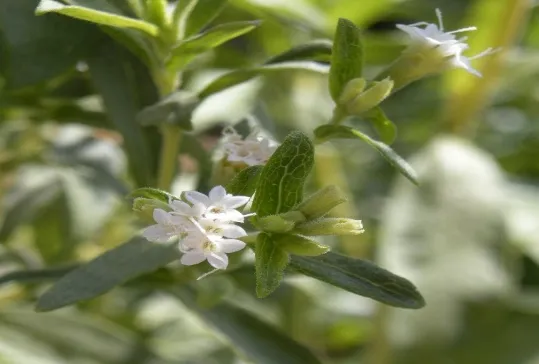
figure

Figure 3.1: Stevia rebaudiana Flower

3.1 Chemistry and sweetness

S. rebaudiana (Asteraceae) generates diterpene glycosides, the most common of which are stevioside and rebaudioside A. Stevioside is 200-300 times sweeter than sucrose, whereas steviol glycosides are 40-300 times sweeter. Rebaudioside A has more appealing taste qualities, while stevioside is associated with bitter aftertaste. This is relevant to a syrup containing a bitter herb, and reviews of stevia as a bio-sweetener have been published. On ingestion, steviol glycosides are hydrolysed to steviol, and the absorption of the intact glycosides is assumed to be very low.

3.2 Antidiabetic and metabolic effects

Reviews on the effects of stevia describe antihyperglycaemic, insulin-mimetic, insulinotropic and glucagonostatic effects, but with few proper randomised controlled trials. Specific findings include:

  • Stevioside acts directly on pancreatic β-cells, stimulating insulin production.
  • In a test-meal study in type 2 diabetic patients, stevioside reduced the incremental glucose area by 18% and increased the insulinogenic index by about 40% as compared to control.
  • A review of the studies in diabetic patients concluded that stevia appears to be safe for diabetics and may have therapeutic effects at pharmacological doses, although few human studies have been carried out.
  • The majority of antidiabetic evidence is from in vitro and animal investigations, with few human trials.

Mechanistic and therapeutic reviews have been published.

Human evidence has been summarised in Table 5, and is more mixed than the animal evidence. Long term trials have been performed using 200–1500 mg/day stevioside or 500–1000 mg/day rebaudioside A for periods of 3 days to 2 years.

Table 5: Selected Human Studies of Stevia and Steviol Glycosides in Relation to Glycaemia

Study Design Main finding
Gregersen et al. 2004 Acute paired crossover; 12 type 2 diabetic patients; stevioside with a test meal Incremental glucose AUC reduced by 18% (P = .013); insulinogenic index up about 40% (P < .001); glucagon tended to decrease
Maki et al. 2008 Placebo-controlled RCT of rebaudioside A in adults with type 2 diabetes (16 weeks, n = 122 per a secondary summary) No effect on blood glucose reported
Stevia vs sucralose as tea sweeteners RCT in type 2 diabetes patients No effect on blood glucose, HbA1c, insulin or lipids; stevia a may be an alternative to sucralose
Meta-analysis of RCTs (Nutrients 2019) Steviol glycosides versus placebo Significant systolic blood pressure reduction (MD −6.32 mm Hg)
Rebaudioside A crossover trial in T2DM Placebo-controlled; pharmacokinetics and glucose homeostasis Authors note chronic-exposure trials showed no glucose lowering and a meta-analysis found non-significant falls in fasting glucose and HbA1c
Roselle–stevia RTD Healthy volunteers; ISO 26642:2010 glycaemic method, readings every 30 min for 90 min Stevia version did not raise blood glucose (p > 0.05); the sugar version did (p < 0.05)

Taken together, the strongest and most consistent human conclusion is that stevia consumption does not raise postprandial glucose, and clinically meaningful glucose-lowering benefits have yet to be proven. For the present purpose, therefore, the sweetener should primarily be advocated as a non-glycaemic agent, with the antidiabetic property being an extra.

3.3 Safety and regulatory status

The EFSA's ANS panel determined that steviol glycosides were neither genotoxic nor carcinogenic and defined an acceptable daily dose (ADI) of 4 mg/kg body weight/day, which was consistent with that of JECFA (expressed as steviol equivalents). However, the panel advised that using sweeteners at the maximum recommended doses would result in exceeding the ADI. For the present syrup, which is intended to be taken multiple times a day, the amount of stevia that would be present in a single dose should be calculated according to the ADI.

3.4 Stevia in diabetic formulations

The sweetener has been incorporated into several diabetes-friendly formulations, including

  • A comparative study of syrups showed that 1% w/w stevia extract and 5-10% w/w monk fruit extract could be used to make simple syrups comparable to 66.7% w/w sucrose syrups in terms of physicochemical properties.
  • A herbal lollipop containing Costus igneus and a stevioside jelly.
  • A roselle-stevia ready-to-drink formulation in which 0.3% w/v leaves of Stevia did not increase blood glucose in healthy volunteers, unlike the sucrose variant.

4. Syrup as a dosage form for diabetics

4.1 Why to use syrup without sugar?

Most of the syrups contain high concentration of sucrose to obtain the desired consistency and stability due to the combination of osmotic pressure, sweetness and preservation effects. The sucrose is eliminated by substituting three functions: an intense sweetener, a polyol or polymer for viscosity, and a preservative. Sugar-free syrups have been successfully used in traditional medicine. As an example, the Jushanda-Nazla decoction was prepared as sugar and sugar-free syrups and assessed for its physicochemical properties, antimicrobial activity and microbial contamination. The results showed that the preparations met the specifications of ash value, viscosity and specific gravity. However, further studies on stability and the clinical efficacy of sugar-free syrups were recommended.

4.2 Typical formulation components

Table 6: Components of a Sugar-Free Herbal Syrup and Their Roles

Component Role Notes from literature
C. inerme leaf extract Active Active Extraction with aqueous or hydroalcoholic solvents; standardize to total phenolics/flavonoids or marker
Stevia (Reb A–rich extract preferred) Sweetener Keep within ADI; flavour issues from stevioside
Cellulose derivatives (HPMC, CMC) / xanthan gum Viscosity Cellulose derivatives have a viscosity similar to that of sucrose syrup
Glycerin / sorbitol Co-solvent, body Use cautiously; polyols have some caloric value
Sodium benzoate, parabens Preservative Sodium benzoate 0.2% with citric acid used in a sugar-free syrup; 0.05% in a kashaya; benzoate, methyl- and propylparaben compared in a polyherbal syrup
Citric acid / buffer pH adjustment Syrup pH commonly kept slightly acidic
Flavour, colour Palatability Needed to mask bitterness

Three points follow from the literature. First, the absence of about 66% sucrose allows loss of osmotic preservation, so that the preservative system and the pH are more important and the study of a sugar-free syrup used sodium benzoate at 0.2% plus citric acid. Second, stevia at about 1% w/w was used to produce a stable syrup in a comparative study, but the aftertaste of stevioside means that a Reb A–rich extract, together with flavour and possibly a little polyol, should be screened. Third, aqueous extracts rich in polyphenols can darken or lose phenolics on storage and so amber glass, control of headspace and the addition of an antioxidant such as ascorbic acid should be tested; this is a general formulation point and has not been specifically shown by the studies cited.

4.3 Dose considerations

Stevia. The ADI of 4 mg/kg body weight/day (as steviol equivalents) equates to approximately 240 mg of steviol equivalents per day for a 60 kg adult. This would be approximately 600 mg stevioside or 730 mg rebaudioside A daily, taking into account the molecular weights (approximately 0.40 stevioside and 0.33 rebaudioside A). A 1% w/w syrup would contain roughly 100 mg of glycosides per 10 mL, or about 300 mg per day at three doses, allowing for other dietary intake of stevia. This is an illustrative calculation, dependent upon the purity of the extract and the patient’s other intake and the EFSA themselves noted that the ADI could be exceeded at maximum proposed food uses.

Extract. Doses from animals can be converted to an approximate human equivalent dose (HED) by body surface area scaling using Km factors of 3 for mouse, 6 for rat and 37 for human. Table 7 applies this to the two key C. inerme antidiabetic studies. These are only starting points for dose-ranging, depending on extraction method and yield, and must be tested against toxicity data.

Table 7: Illustrative Human Equivalent Doses from Animal Studies of C. inerme

Source study Animal dose (mg/kg) Km ratio HED (mg/kg) Per 60 kg adult per day
Ly et al. 2019, mice (low dose) [25] 343 3/37 27.8 about 1.7 g
Ly et al. 2019, mice (high dose) [25] 686 3/37 55.6 about 3.3 g
Bhushan et al. 2015, rats [24] 400 6/37 64.9 about 3.9 g

Grams of dry extract per day is a huge amount to be delivered in a syrup (for instance, 3 doses of 10 mL would require over 50 mg/mL of extract), so extract concentration, dose volume and palatability will probably limit the practical dose. This is thus one of the principal design constraints for the project.

4.4 Preparation outline

The usual procedure is to dry and grind the leaf, make an aqueous extract by maceration or decoction, filter and concentrate, prepare the polymer in hot water and cool, add stevia and

preservative, blend in the extract, adjust pH and volume and fill into amber bottles. More detailed descriptions of the preparation of the syrup are to be found in standard texts.

4.5 Evaluation parameters

Typical quality control tests for herbal syrups are tabulated in Table 8.

Table 8: Suggested Evaluation Parameters for the Finished Syrup

Parameter Method / instrument Purpose and reference
Organoleptic Visual and sensory assessment Colour, odour, clarity, taste and bitterness masking
pH Calibrated digital pH meter Stability and microbial control
Viscosity Ostwald or Brookfield viscometer Body and pourability without sucrose
Specific gravity Specific gravity bottle Batch consistency
Total phenolics and flavonoids Folin–Ciocalteu (GAE); aluminium chloride colorimetry (QE) Standardisation of extract content
Chromatographic fingerprint TLC / HPTLC against a marker such as ursolic acid Identity and batch comparison
Microbial limits Total plate count; yeast and mould Safety of an aqueous, sugar-free base
Accelerated stability 40 ± 2 °C / 75 ± 5% RH for three months Shelf-life estimate
Retained bioactivity In vitro α-amylase / α-glucosidase and DPPH assays Confirms the syrup still shows the extract’s activity

5.Challenges and Gaps

1. No direct precedent: No published study of the C. inerme–stevia syrup was found and claims are extrapolated.

2. Standardisation: C. inerme chemistry varies with plant part, season and habitat and a marker such as ursolic acid or total phenolics should be tied to each batch.

3. Taste: Both the leaf and stevioside can be bitter and so taste-masking will likely drive formulation optimisation.

4. Safety: Reported toxicity of the plant and the stevia ADI both restrict the dose

5. Deliverable dose: Doses extrapolated from animal studies are in the gram range per-day which may be greater than what a palatable syrup can deliver (Table 7)

6. Evidence quality: Most of the antidiabetic data are from rodent models and assay and clinical trials are required.

7.Clinical importance of stevia: Human studies do not consistently indicate glucose reduction, hence the role of stevia should be described as a non-glycemic sweetener.

8. Drug interaction: Prescribed antidiabetics can additively cause hypoglycaemia, plausible for both ingredients and unstudied for this combination

6. Future Perspectives

The priorities are standard extracts with validated HPTLC/HPLC methods, dose finding and sub chronic toxicity of the final syrup, head to head comparison with a sucrose based control, enzyme inhibition and in vivo glycaemic studies on the finished formulation and eventually a small clinical study. Network-pharmacology and docking approaches could be helpful to identify the constituents responsible for the activity.

CONCLUSION

C. inerme has pre-clinical evidence of antioxidant, enzyme inhibition and hypoglycaemic activity. Stevia provides non-caloric sweetness which has not been shown to raise blood glucose in the trials reviewed. Glucose modulating effects seen in mostly animal studies, mixed clinical evidence and an established regulatory safety limit. Using established excipients and evaluation methods it is scientifically sound and technically possible to make a sugar free syrup with them. Its therapeutic efficacy, safety and shelf stability remain to be demonstrated experimentally.

REFERENCES

  1. Magliano DJ, Boyko EJ; IDF Diabetes Atlas 10th edition scientific committee. IDF Diabetes Atlas. 10th ed. Brussels: International Diabetes Federation; 2021. https://www.ncbi.nlm.nih.gov/books/NBK581940/
  2. Sun H, Saeedi P, Karuranga S, et al. IDF Diabetes Atlas: global, regional and country-level diabetes prevalence estimates for 2021 and projections for 2045. Diabetes Res Clin Pract.2022;183:109119.
  3. Kumar A, Gangwar R, Ahmad Zargar A, Kumar R, Sharma A. Prevalence of diabetes in India: a review of IDF Diabetes Atlas 10th edition. Curr Diabetes Rev. 2024;20 (1).
  4. Anjana RM, Unnikrishnan R, Mohan D, et al. Metabolic non-communicable disease health report of India: the ICMR-INDIAB cross-sectional study. Lancet Diabetes Endocrinol. 2023;11 (7):474–489.
  5. Chaudhury A, Duvoor C, Reddy Dendi VS, et al. Clinical review of antidiabetic drugs: implications for type 2 diabetes mellitus management. Front Endocrinol.2017;8:6.
  6. Bailey CJ, Day C. Traditional plant medicines as treatments for diabetes. Diabetes Care. 1989;12 (8):553–564.
  7. Modak M, Dixit P, Londhe J, Ghaskadbi S, Devasagayam TPA. Indian herbs and herbal drugs used for the treatment of diabetes. J Clin Biochem Nutr. 2007;40 (3):163–173.
  8. World Health Organization. WHO Traditional Medicine Strategy 2014–2023. Geneva: WHO; 2013.
  9. Barman M, Barman A, Ray S. Clerodendrum inerme (L.) Gaertn.: a critical review on current progress in traditional uses, phytochemistry, pharmacological aspects and toxicity. Phytochem Rev. 2024. doi:10.1007/s11101-024-09934-y
  10. Al-Snafi AE. Chemical constituents and pharmacological effects of Clerodendrum inerme: a review. SMU Med J. 2016;3 (1):129–153.
  11. Chethana GS, Hari Venkatesh KR, Gopinath SM. Review on Clerodendrum inerme. J Pharm Sci Innov. 2013;2 (2):38–40.
  12. Wang JH, Luan F, He XD, Wang Y, Li MX. Traditional uses and pharmacological properties of Clerodendrum phytochemicals. J Tradit Complement Med. 2018;8 (1):24–38. PMC5755984.
  13. Khan SA, Shahid S, Ahmad W, Ullah S. Pharmacological importance of Clerodendrum genus: a current review. Int J Pharm Sci Res. 2017;2 (2):22–30.
  14. Shrivastava N, Patel T. Clerodendrum and healthcare: an overview. Med Aromat Plant Sci Biotechnol. 2007;1 (1):142–150.
  15. Siddik ASNU, Alam S, Borgohain R, Chutia P. Antioxidant properties of Clerodendrum species found in north east India: a review. J Pharmacogn Phytochem. 2021;10 (4):390–394.
  16. Biologically active diterpenoids in the Clerodendrum genus: a review. Int J Mol Sci. 2022;23 (19):11001. doi:10.3390/ijms231911001
  17. Review of Clerodendrum trichotomum phytochemistry and pharmacology. Molecules. 2024;29 (14):3272.
  18. Gayathri Devi V, Vijayan C, John A, Gopakumar K. Pharmacognostic and antioxidant studies on Clerodendrum inerme and identification of ursolic acid as marker compound. Int J Pharm Pharm Sci. (Vol. 4, Issue 2).
  19. Chourasiya RK, Jain PK, Jain SK, Nayak SS, Agrawal RK. In-vitro antioxidant activity of Clerodendron inerme (L.) Gaertn leaves. Res J Pharm Biol Chem Sci. 2010;1 (1):119–123.
  20. Shanthakumar B, Sathish M, Suresh AJ. In vitro antioxidant activity of extracts and stigmasterol from leaves of Clerodendrum inerme Linn. Res J Pharm Biol Chem Sci. 2013;4 (4):1411–1418.
  21. Gopal N, Sengottuvelu S. Hepatoprotective activity of Clerodendrum inerme against CCl₄ induced hepatic injury in rats. Fitoterapia. 2008;79 (1):24–26.
  22. Srisook K, Srisook E, Nachaiyo W, et al. Bioassay-guided isolation and mechanistic action of anti-inflammatory agents from Clerodendrum inerme leaves. J Ethnopharmacol.2015;165:94–102.
  23. Bhushan B, Sardana S, Bansal G. Acute and sub-acute toxicity study of Clerodendrum inerme, Jasminum mesnyi Hance and Callistemon citrinus. J Acute Dis. 2014;3 (4):324–327.
  24. Bhushan B, Sardana S, Bansal G. Anti-diabetic potentials of Clerodendrum inerme, Jasminum mesnyi Hance and Callistemon citrinus on nicotinamide-streptozotocin induced type 2 diabetic rats. Int J Phytomed. 2015;7 (2):136–141.
  25. Ly HT, Nguyen TTH, Tran TTL, Lam BT, Phung TTH. Hypoglycemic and antioxidant activities of Clerodendrum inerme leaf extract on streptozotocin-induced diabetic models in mice. Chin Herb Med. 2019;11 (4):387–393.
  26. Thirumal M, Muthusamy P. In vitro studies on inhibition of α-amylase and α-glucosidase by leaves and root ethanolic extract of Clerodendrum inerme Gaertn. Pharm Sci Monit. 2016;4 (2):3947–3963.
  27. Trieu LH, Minh LV, Huong NTT. In vitro α-amylase and α-glucosidase inhibitory activities of crude and fractionated extracts of Clerodendrum inerme leaves collected from Phu Quoc Island. J Med Mater. 2018;5 (23):283–289.
  28. Gurudeeban S, Satyavani K, Ramanathan T. Alpha-glucosidase inhibitory effect and enzyme kinetics of coastal medicinal plants. Bangladesh J Pharmacol. 2012;7 (3):186–191.
  29. Rajeev P, Kumar YS, Gupta SK. Anti-diabetic activity of Clerodendrum (or Clerodendron) inerme using in vivo and in vitro studies. Novel Sci Int J Pharm Sci. 2012;1 (6):298–302.
  30. Panigrahi BK, Mishra SK, Sahu SK. Antidiabetic effects of Clerodendrum inerme (L) Gaertn. IJPPR Human. 2015;4 (2):248–256.
  31. Jamil AS, Hilmy F. Analysis of Clerodendrum inerme plant compounds as anti diabetes mellitus through network pharmacology approach. J Biomed Transl Res. 2023;9 (3).
  32. Chemical constituents and bioactive properties in some parts of Clerodendrum. Trop J Nat Prod Res. 2026;10 (1):6597–6603.
  33. Kurek JM, Krejpcio Z. The functional and health-promoting properties of Stevia rebaudiana Bertoni and its glycosides with special focus on the antidiabetic potential: a review. J Funct Foods. 2019;61.
  34. Jan SA, Habib N, Shinwari ZK, Ali M, Ali N. The anti-diabetic activities of natural sweetener plant stevia: an updated review. SN Appl Sci. 2021;3 (4). doi:10.1007/s42452-021-04519-2
  35. Patel S, Navale A. The natural sweetener stevia: an updated review on its phytochemistry, health benefits, and anti-diabetic study. Curr Diabetes Rev. 2024;20 (2). doi:10.2174/1573399819666230501210803
  36. Effect of stevia leaves (Stevia rebaudiana Bertoni) on diabetes: a systematic review and meta-analysis of preclinical studies. Food Sci Nutr. 2022. PMC9469865.
  37. Goyal SK, Samsher, Goyal RK. Stevia (Stevia rebaudiana) a bio-sweetener: a review. Int J Food Sci Nutr. 2010;61 (1):1–10.
  38. Lemus-Mondaca R, Vega-Gálvez A, Zura-Bravo L, Ah-Hen K. Stevia rebaudiana Bertoni, source of a high-potency natural sweetener: a comprehensive review. Food Chem. 2012;132 (3):1121–1132.
  39. Chatsudthipong V, Muanprasat C. Stevioside and related compounds: therapeutic benefits beyond sweetness. Pharmacol Ther. 2009;121 (1):41–54.
  40. Gregersen S, Jeppesen PB, Holst JJ, Hermansen K. Antihyperglycemic effects of stevioside in type 2 diabetic subjects. Metabolism. 2004;53 (1):73–76.
  41. Jeppesen PB, Gregersen S, Poulsen CR, Hermansen K. Stevioside acts directly on pancreatic beta cells to secrete insulin. Metabolism. 2000;49 (2):208–214.
  42. EFSA Panel on Food Additives and Nutrient Sources. Scientific opinion on safety of steviol glycosides for the proposed uses as a food additive. EFSA J. 2010;8 (4):1537. (News release: https://www.efsa.europa.eu/en/press/news/ans100414)
  43. Carakostas MC, Curry LL, Boileau AC, Brusick DJ. Overview: the history, technical function and safety of rebaudioside A. Food Chem Toxicol. 2008;46 (Suppl 7):S1–S10.
  44. The effectiveness of stevia in diabetes mellitus: a review. Int J Nutr Sci (Shiraz University of Medical Sciences). https://ijns.sums.ac.ir/article_46546.html
  45. Formulation development, characterization and antimicrobial activity evaluation of sugar-based and sugar-free syrup prepared with the ingredients of Jushanda-Nazla. J Tradit Integr Med. 2022;7 (1).
  46. Comparative study of development and formulation of syrups (stevia, monk fruit, sucrose, fructose, cane sugar, honey). Iraqi Academic Scientific Journals. 2025.
  47. Formulation of ready to drink made from roselle tea and stevia leaf safe for diabetics. Indonesian J Appl Res. 2020;1 (1).
  48. Saidatri A, Lakshmana Rao A, et al. Formulation and evaluation of Costus igneus herbal lollipops for diabetes management. Prospects Pharm Sci. 23 (2):10–18.
  49. Stevioside-based edible jelly formulations as hypoglycemic aids. Inventi Rapid: Nutraceuticals. 2017; (2).
  50. Allen LV, Popovich NG, Ansel HC. Ansel's Pharmaceutical Dosage Forms and Drug Delivery Systems. Philadelphia: Lippincott Williams & Wilkins.
  51. Standardization and preservative effect study of Patolamuladi Kashaya. J Pharmacogn Phytochem. 2018;7 (4):3056–3060.
  52. Formulation and stability evaluation of polyherbal syrup (Moringa oleifera, Curcuma longa, Zingiber officinale) with sodium benzoate, methylparaben and propylparaben. J Hasba Edukasi (JURMIE).
  53. Lachman L, Lieberman HA, Kanig JL. The Theory and Practice of Industrial Pharmacy. 3rd ed. Mumbai: Varghese Publishing House.
  54. Indian Pharmacopoeia 2018. Ghaziabad: Indian Pharmacopoeia Commission.
  55. Kokate CK. Practical Pharmacognosy. New Delhi: Vallabh Prakashan.
  56. Harborne JB. Phytochemical Methods: A Guide to Modern Techniques of Plant Analysis. London: Chapman & Hall.
  57. ICH Harmonised Tripartite Guideline Q1A (R2): Stability testing of new drug substances and products. 2003.
  58. Uddin MJ, Russo D, Haque MA, et al. Bioactive abietane-type diterpenoid glycosides from leaves of Clerodendrum infortunatum (Lamiaceae). Molecules. 2021;26 (14):4121. doi:10.3390/molecules26144121
  59. Extraction of α-glucosidase inhibitory glycoside from the roots of Clerodendrum phlomidis L. J Pharmacogn Phytochem. 2024;13 (3):226–235.
  60. Deb PK, Khound P, Bhattacharjee S, et al. Variation in chemical constituents, in-vitro bioactivity and toxicity profile among different parts of Clerodendrum glandulosum Lindl. (C. colebrookianum Walp.).
  61. Alpha-amylase inhibitory and hypoglycemic activity of clerodendrone (Clerodendrum multiflorum stems). Asian J Pharm Clin Res. (Vol. 4, Issue 2).
  62. Effect of steviol glycosides on human health with emphasis on type 2 diabetic biomarkers: a systematic review and meta-analysis of randomized controlled trials. Nutrients. 2019;11 (8):1965. PMC6770957.
  63. Pharmacokinetics of oral rebaudioside A in patients with type 2 diabetes mellitus and its effects on glucose homeostasis: a placebo-controlled crossover trial. PMC9440320.
  64. Maki KC, Curry LL, Reeves MS, et al. Chronic consumption of rebaudioside A, a steviol glycoside, in men and women with type 2 diabetes mellitus. Food Chem Toxicol. 2008;46 (Suppl 7):S47–S53.
  65. Effects of stevia on glycemic and lipid profile of type 2 diabetic patients: a randomized controlled trial. Avicenna J Phytomed.
  66. Nair AB, Jacob S. A simple practice guide for dose conversion between animals and human. J Basic Clin Pharm. 2016;7 (2):27–31.
  67. US Food and Drug Administration. Guidance for Industry: Estimating the Maximum Safe Starting Dose in Initial Clinical Trials for Therapeutics in Adult Healthy Volunteers. Rockville, MD: FDA; 2005.
  68. Pandey R, Verma RK, Gupta MM. Neo-clerodane diterpenoids from Clerodendrum inerme. Phytochemistry. 2005;66 (6):643–648.
  69. Calis I, Hosny M, Yürüker A. Inerminosides A1, C and D, three iridoid glycosides from Clerodendrum inerme. Phytochemistry. 1994;37 (4):1083–1085.
  70. Fauvel MT, Gleye J, Andary C. Verbascoside: a constituent of Clerodendrum inerme. Planta Med. 1989;55 (6):577.
  71. Huang WJ, Lee HJ, Chen HL, et al. Hispidulin, a constituent of Clerodendrum inerme that remitted motor tics, alleviated methamphetamine-induced hyperlocomotion without motor impairment in mice. J Ethnopharmacol. 2015;166:18–22.
  72. Kanchanapoom T, Kasai R, Chumsri P, Hiraga Y, Yamasaki K. Megastigmane and iridoid glucosides from Clerodendrum inerme. Phytochemistry. 2001;58 (2):333–336.
  73. Parveen M, Khanam Z, Ali M, Rahman SZ. A novel lupene-type triterpenic glucoside from the leaves of Clerodendrum inerme. Nat Prod Res. 2010;24 (2):167–176.
  74. Pandey R, Verma RK, Singh SC, Gupta MM. 4α-Methyl-24β-ethyl-5α-cholesta-14,25-dien-3β-ol and 24β-ethylcholesta-5,9 (11),22E-trien-3β-ol, sterols from Clerodendrum inerme. Phytochemistry. 2003;63 (4):415–420.
  75. Shahabuddin SK, Munikishore R, Trimurtulu G, Gunasekar D, Deville A, Bodo B. Two new chalcones from the flowers of Clerodendrum inerme. Nat Prod Commun. 2013;8 (4).
  76. Nan HH, Wu J, Zhang S. A new phenylethanoid glycoside from Clerodendrum inerme. Pharmazie. 2005;60 (10):798–799.
  77. Minh TT, Thuong NTM. Lignans from the stems of Clerodendrum inerme Gaertn. Viet J Chem. 2021;59 (2):187–191.
  78. Raha P, Das AK, Adityachaudhuri N, Majumder PL. Cleroinermin, a neo-clerodane diterpenoid from Clerodendron inerme. Phytochemistry. 1991;30 (11):3812–3814.

Reference

  1. Magliano DJ, Boyko EJ; IDF Diabetes Atlas 10th edition scientific committee. IDF Diabetes Atlas. 10th ed. Brussels: International Diabetes Federation; 2021. https://www.ncbi.nlm.nih.gov/books/NBK581940/
  2. Sun H, Saeedi P, Karuranga S, et al. IDF Diabetes Atlas: global, regional and country-level diabetes prevalence estimates for 2021 and projections for 2045. Diabetes Res Clin Pract.2022;183:109119.
  3. Kumar A, Gangwar R, Ahmad Zargar A, Kumar R, Sharma A. Prevalence of diabetes in India: a review of IDF Diabetes Atlas 10th edition. Curr Diabetes Rev. 2024;20 (1).
  4. Anjana RM, Unnikrishnan R, Mohan D, et al. Metabolic non-communicable disease health report of India: the ICMR-INDIAB cross-sectional study. Lancet Diabetes Endocrinol. 2023;11 (7):474–489.
  5. Chaudhury A, Duvoor C, Reddy Dendi VS, et al. Clinical review of antidiabetic drugs: implications for type 2 diabetes mellitus management. Front Endocrinol.2017;8:6.
  6. Bailey CJ, Day C. Traditional plant medicines as treatments for diabetes. Diabetes Care. 1989;12 (8):553–564.
  7. Modak M, Dixit P, Londhe J, Ghaskadbi S, Devasagayam TPA. Indian herbs and herbal drugs used for the treatment of diabetes. J Clin Biochem Nutr. 2007;40 (3):163–173.
  8. World Health Organization. WHO Traditional Medicine Strategy 2014–2023. Geneva: WHO; 2013.
  9. Barman M, Barman A, Ray S. Clerodendrum inerme (L.) Gaertn.: a critical review on current progress in traditional uses, phytochemistry, pharmacological aspects and toxicity. Phytochem Rev. 2024. doi:10.1007/s11101-024-09934-y
  10. Al-Snafi AE. Chemical constituents and pharmacological effects of Clerodendrum inerme: a review. SMU Med J. 2016;3 (1):129–153.
  11. Chethana GS, Hari Venkatesh KR, Gopinath SM. Review on Clerodendrum inerme. J Pharm Sci Innov. 2013;2 (2):38–40.
  12. Wang JH, Luan F, He XD, Wang Y, Li MX. Traditional uses and pharmacological properties of Clerodendrum phytochemicals. J Tradit Complement Med. 2018;8 (1):24–38. PMC5755984.
  13. Khan SA, Shahid S, Ahmad W, Ullah S. Pharmacological importance of Clerodendrum genus: a current review. Int J Pharm Sci Res. 2017;2 (2):22–30.
  14. Shrivastava N, Patel T. Clerodendrum and healthcare: an overview. Med Aromat Plant Sci Biotechnol. 2007;1 (1):142–150.
  15. Siddik ASNU, Alam S, Borgohain R, Chutia P. Antioxidant properties of Clerodendrum species found in north east India: a review. J Pharmacogn Phytochem. 2021;10 (4):390–394.
  16. Biologically active diterpenoids in the Clerodendrum genus: a review. Int J Mol Sci. 2022;23 (19):11001. doi:10.3390/ijms231911001
  17. Review of Clerodendrum trichotomum phytochemistry and pharmacology. Molecules. 2024;29 (14):3272.
  18. Gayathri Devi V, Vijayan C, John A, Gopakumar K. Pharmacognostic and antioxidant studies on Clerodendrum inerme and identification of ursolic acid as marker compound. Int J Pharm Pharm Sci. (Vol. 4, Issue 2).
  19. Chourasiya RK, Jain PK, Jain SK, Nayak SS, Agrawal RK. In-vitro antioxidant activity of Clerodendron inerme (L.) Gaertn leaves. Res J Pharm Biol Chem Sci. 2010;1 (1):119–123.
  20. Shanthakumar B, Sathish M, Suresh AJ. In vitro antioxidant activity of extracts and stigmasterol from leaves of Clerodendrum inerme Linn. Res J Pharm Biol Chem Sci. 2013;4 (4):1411–1418.
  21. Gopal N, Sengottuvelu S. Hepatoprotective activity of Clerodendrum inerme against CCl? induced hepatic injury in rats. Fitoterapia. 2008;79 (1):24–26.
  22. Srisook K, Srisook E, Nachaiyo W, et al. Bioassay-guided isolation and mechanistic action of anti-inflammatory agents from Clerodendrum inerme leaves. J Ethnopharmacol.2015;165:94–102.
  23. Bhushan B, Sardana S, Bansal G. Acute and sub-acute toxicity study of Clerodendrum inerme, Jasminum mesnyi Hance and Callistemon citrinus. J Acute Dis. 2014;3 (4):324–327.
  24. Bhushan B, Sardana S, Bansal G. Anti-diabetic potentials of Clerodendrum inerme, Jasminum mesnyi Hance and Callistemon citrinus on nicotinamide-streptozotocin induced type 2 diabetic rats. Int J Phytomed. 2015;7 (2):136–141.
  25. Ly HT, Nguyen TTH, Tran TTL, Lam BT, Phung TTH. Hypoglycemic and antioxidant activities of Clerodendrum inerme leaf extract on streptozotocin-induced diabetic models in mice. Chin Herb Med. 2019;11 (4):387–393.
  26. Thirumal M, Muthusamy P. In vitro studies on inhibition of α-amylase and α-glucosidase by leaves and root ethanolic extract of Clerodendrum inerme Gaertn. Pharm Sci Monit. 2016;4 (2):3947–3963.
  27. Trieu LH, Minh LV, Huong NTT. In vitro α-amylase and α-glucosidase inhibitory activities of crude and fractionated extracts of Clerodendrum inerme leaves collected from Phu Quoc Island. J Med Mater. 2018;5 (23):283–289.
  28. Gurudeeban S, Satyavani K, Ramanathan T. Alpha-glucosidase inhibitory effect and enzyme kinetics of coastal medicinal plants. Bangladesh J Pharmacol. 2012;7 (3):186–191.
  29. Rajeev P, Kumar YS, Gupta SK. Anti-diabetic activity of Clerodendrum (or Clerodendron) inerme using in vivo and in vitro studies. Novel Sci Int J Pharm Sci. 2012;1 (6):298–302.
  30. Panigrahi BK, Mishra SK, Sahu SK. Antidiabetic effects of Clerodendrum inerme (L) Gaertn. IJPPR Human. 2015;4 (2):248–256.
  31. Jamil AS, Hilmy F. Analysis of Clerodendrum inerme plant compounds as anti diabetes mellitus through network pharmacology approach. J Biomed Transl Res. 2023;9 (3).
  32. Chemical constituents and bioactive properties in some parts of Clerodendrum. Trop J Nat Prod Res. 2026;10 (1):6597–6603.
  33. Kurek JM, Krejpcio Z. The functional and health-promoting properties of Stevia rebaudiana Bertoni and its glycosides with special focus on the antidiabetic potential: a review. J Funct Foods. 2019;61.
  34. Jan SA, Habib N, Shinwari ZK, Ali M, Ali N. The anti-diabetic activities of natural sweetener plant stevia: an updated review. SN Appl Sci. 2021;3 (4). doi:10.1007/s42452-021-04519-2
  35. Patel S, Navale A. The natural sweetener stevia: an updated review on its phytochemistry, health benefits, and anti-diabetic study. Curr Diabetes Rev. 2024;20 (2). doi:10.2174/1573399819666230501210803
  36. Effect of stevia leaves (Stevia rebaudiana Bertoni) on diabetes: a systematic review and meta-analysis of preclinical studies. Food Sci Nutr. 2022. PMC9469865.
  37. Goyal SK, Samsher, Goyal RK. Stevia (Stevia rebaudiana) a bio-sweetener: a review. Int J Food Sci Nutr. 2010;61 (1):1–10.
  38. Lemus-Mondaca R, Vega-Gálvez A, Zura-Bravo L, Ah-Hen K. Stevia rebaudiana Bertoni, source of a high-potency natural sweetener: a comprehensive review. Food Chem. 2012;132 (3):1121–1132.
  39. Chatsudthipong V, Muanprasat C. Stevioside and related compounds: therapeutic benefits beyond sweetness. Pharmacol Ther. 2009;121 (1):41–54.
  40. Gregersen S, Jeppesen PB, Holst JJ, Hermansen K. Antihyperglycemic effects of stevioside in type 2 diabetic subjects. Metabolism. 2004;53 (1):73–76.
  41. Jeppesen PB, Gregersen S, Poulsen CR, Hermansen K. Stevioside acts directly on pancreatic beta cells to secrete insulin. Metabolism. 2000;49 (2):208–214.
  42. EFSA Panel on Food Additives and Nutrient Sources. Scientific opinion on safety of steviol glycosides for the proposed uses as a food additive. EFSA J. 2010;8 (4):1537. (News release: https://www.efsa.europa.eu/en/press/news/ans100414)
  43. Carakostas MC, Curry LL, Boileau AC, Brusick DJ. Overview: the history, technical function and safety of rebaudioside A. Food Chem Toxicol. 2008;46 (Suppl 7):S1–S10.
  44. The effectiveness of stevia in diabetes mellitus: a review. Int J Nutr Sci (Shiraz University of Medical Sciences). https://ijns.sums.ac.ir/article_46546.html
  45. Formulation development, characterization and antimicrobial activity evaluation of sugar-based and sugar-free syrup prepared with the ingredients of Jushanda-Nazla. J Tradit Integr Med. 2022;7 (1).
  46. Comparative study of development and formulation of syrups (stevia, monk fruit, sucrose, fructose, cane sugar, honey). Iraqi Academic Scientific Journals. 2025.
  47. Formulation of ready to drink made from roselle tea and stevia leaf safe for diabetics. Indonesian J Appl Res. 2020;1 (1).
  48. Saidatri A, Lakshmana Rao A, et al. Formulation and evaluation of Costus igneus herbal lollipops for diabetes management. Prospects Pharm Sci. 23 (2):10–18.
  49. Stevioside-based edible jelly formulations as hypoglycemic aids. Inventi Rapid: Nutraceuticals. 2017; (2).
  50. Allen LV, Popovich NG, Ansel HC. Ansel's Pharmaceutical Dosage Forms and Drug Delivery Systems. Philadelphia: Lippincott Williams & Wilkins.
  51. Standardization and preservative effect study of Patolamuladi Kashaya. J Pharmacogn Phytochem. 2018;7 (4):3056–3060.
  52. Formulation and stability evaluation of polyherbal syrup (Moringa oleifera, Curcuma longa, Zingiber officinale) with sodium benzoate, methylparaben and propylparaben. J Hasba Edukasi (JURMIE).
  53. Lachman L, Lieberman HA, Kanig JL. The Theory and Practice of Industrial Pharmacy. 3rd ed. Mumbai: Varghese Publishing House.
  54. Indian Pharmacopoeia 2018. Ghaziabad: Indian Pharmacopoeia Commission.
  55. Kokate CK. Practical Pharmacognosy. New Delhi: Vallabh Prakashan.
  56. Harborne JB. Phytochemical Methods: A Guide to Modern Techniques of Plant Analysis. London: Chapman & Hall.
  57. ICH Harmonised Tripartite Guideline Q1A (R2): Stability testing of new drug substances and products. 2003.
  58. Uddin MJ, Russo D, Haque MA, et al. Bioactive abietane-type diterpenoid glycosides from leaves of Clerodendrum infortunatum (Lamiaceae). Molecules. 2021;26 (14):4121. doi:10.3390/molecules26144121
  59. Extraction of α-glucosidase inhibitory glycoside from the roots of Clerodendrum phlomidis L. J Pharmacogn Phytochem. 2024;13 (3):226–235.
  60. Deb PK, Khound P, Bhattacharjee S, et al. Variation in chemical constituents, in-vitro bioactivity and toxicity profile among different parts of Clerodendrum glandulosum Lindl. (C. colebrookianum Walp.).
  61. Alpha-amylase inhibitory and hypoglycemic activity of clerodendrone (Clerodendrum multiflorum stems). Asian J Pharm Clin Res. (Vol. 4, Issue 2).
  62. Effect of steviol glycosides on human health with emphasis on type 2 diabetic biomarkers: a systematic review and meta-analysis of randomized controlled trials. Nutrients. 2019;11 (8):1965. PMC6770957.
  63. Pharmacokinetics of oral rebaudioside A in patients with type 2 diabetes mellitus and its effects on glucose homeostasis: a placebo-controlled crossover trial. PMC9440320.
  64. Maki KC, Curry LL, Reeves MS, et al. Chronic consumption of rebaudioside A, a steviol glycoside, in men and women with type 2 diabetes mellitus. Food Chem Toxicol. 2008;46 (Suppl 7):S47–S53.
  65. Effects of stevia on glycemic and lipid profile of type 2 diabetic patients: a randomized controlled trial. Avicenna J Phytomed.
  66. Nair AB, Jacob S. A simple practice guide for dose conversion between animals and human. J Basic Clin Pharm. 2016;7 (2):27–31.
  67. US Food and Drug Administration. Guidance for Industry: Estimating the Maximum Safe Starting Dose in Initial Clinical Trials for Therapeutics in Adult Healthy Volunteers. Rockville, MD: FDA; 2005.
  68. Pandey R, Verma RK, Gupta MM. Neo-clerodane diterpenoids from Clerodendrum inerme. Phytochemistry. 2005;66 (6):643–648.
  69. Calis I, Hosny M, Yürüker A. Inerminosides A1, C and D, three iridoid glycosides from Clerodendrum inerme. Phytochemistry. 1994;37 (4):1083–1085.
  70. Fauvel MT, Gleye J, Andary C. Verbascoside: a constituent of Clerodendrum inerme. Planta Med. 1989;55 (6):577.
  71. Huang WJ, Lee HJ, Chen HL, et al. Hispidulin, a constituent of Clerodendrum inerme that remitted motor tics, alleviated methamphetamine-induced hyperlocomotion without motor impairment in mice. J Ethnopharmacol. 2015;166:18–22.
  72. Kanchanapoom T, Kasai R, Chumsri P, Hiraga Y, Yamasaki K. Megastigmane and iridoid glucosides from Clerodendrum inerme. Phytochemistry. 2001;58 (2):333–336.
  73. Parveen M, Khanam Z, Ali M, Rahman SZ. A novel lupene-type triterpenic glucoside from the leaves of Clerodendrum inerme. Nat Prod Res. 2010;24 (2):167–176.
  74. Pandey R, Verma RK, Singh SC, Gupta MM. 4α-Methyl-24β-ethyl-5α-cholesta-14,25-dien-3β-ol and 24β-ethylcholesta-5,9 (11),22E-trien-3β-ol, sterols from Clerodendrum inerme. Phytochemistry. 2003;63 (4):415–420.
  75. Shahabuddin SK, Munikishore R, Trimurtulu G, Gunasekar D, Deville A, Bodo B. Two new chalcones from the flowers of Clerodendrum inerme. Nat Prod Commun. 2013;8 (4).
  76. Nan HH, Wu J, Zhang S. A new phenylethanoid glycoside from Clerodendrum inerme. Pharmazie. 2005;60 (10):798–799.
  77. Minh TT, Thuong NTM. Lignans from the stems of Clerodendrum inerme Gaertn. Viet J Chem. 2021;59 (2):187–191.
  78. Raha P, Das AK, Adityachaudhuri N, Majumder PL. Cleroinermin, a neo-clerodane diterpenoid from Clerodendron inerme. Phytochemistry. 1991;30 (11):3812–3814.

Photo
Sarthak Nehe
Corresponding author

JES SND institute of pharmacy Babhulgaon Yeola Nashik -423401.

Photo
Gaurav Phapale
Co-author

JES SND institute of pharmacy Babhulgaon Yeola Nashik -423401.

Photo
Manas Vyavahare
Co-author

JES SND institute of pharmacy Babhulgaon Yeola Nashik -423401.

Photo
Manish Ahire
Co-author

JES SND institute of pharmacy Babhulgaon Yeola Nashik -423401.

Photo
Nikita Jadhav
Co-author

JES SND institute of pharmacy Babhulgaon Yeola Nashik -423401.

Photo
Sagar Vaidya
Co-author

JES SND institute of pharmacy Babhulgaon Yeola Nashik -423401.

Photo
Samiksha Bichave
Co-author

JES SND institute of pharmacy Babhulgaon Yeola Nashik -423401.

Sarthak Nehe, Nikita Jadhav, Gaurav Phapale, Manas Vyavahare, Samiksha Bichave, Manish Ahire, Sagar Vaidya, Development of Sugar-Free Herbal Syrup of Clerodendrum Inerme Using Stevia for Diabetic Patients, Int. J. of Pharm. Sci., 2026, Vol 4, Issue 11, 1496-1507. https://doi.org/10.5281/zenodo.24033981

More related articles
A Review on Particle Size Reduction of Active Phar...
Saurabh Patara, Snehal Jadhav, Sneha Jankar, Shreya Tondlikar, Pr...
High-Fat Diet-Induced Obesity in Rodents: Dietary ...
Hajera Begum, Dr. Koppala R. V. S. Chaitanya, Mahadev Anitha, Bom...
Biosurfactants as Pharmaceutical Excipients: Emerg...
Shahil Ghadage, Tushar Shelke, Priya Daingade...
Related Articles
DNA Barcoding and Molecular Techniques for Authentication of Aloe vera – Revie...
Sumit Kor, Shreyash Pardeshi, Aditya Jamghare, Sahil Shirose, Avadhoot Partole, Raj Dohole, Yash Mul...
Emerging Herbal Strategies for the Management of Hyperpigmentation : Comprehensi...
Shubhangi Kasture, Shrutika Patil, Dnyaneshwar Sutar, Divesh Gavit, Ancy Keerthika, Akash Jambhale...
Clitoria ternatea Flower and ITS Bioactive Compounds;Potential Use as Microencap...
Snehal Jadhav, Sneha Jankar, Shreya Tondlikar, Saurabh Patara, Aditi Bangar, Pratiksha Pandit...
Phytosomes: A NOVEL Approach for HERBAL Drug Delivery – Review Article...
Sahil Shirose, Suyog Vishe, Monika Vinchu, Harshali Shelar, Aditya Jamghare, Avadhoot Partole...
A Review on Particle Size Reduction of Active Pharmaceutical Ingredients (APIs) ...
Saurabh Patara, Snehal Jadhav, Sneha Jankar, Shreya Tondlikar, Pratiksha Pandit, Aditi Bangar...
More related articles
A Review on Particle Size Reduction of Active Pharmaceutical Ingredients (APIs) ...
Saurabh Patara, Snehal Jadhav, Sneha Jankar, Shreya Tondlikar, Pratiksha Pandit, Aditi Bangar...
High-Fat Diet-Induced Obesity in Rodents: Dietary Composition, Adipose Remodelin...
Hajera Begum, Dr. Koppala R. V. S. Chaitanya, Mahadev Anitha, Bommu Vaishnavi...
Biosurfactants as Pharmaceutical Excipients: Emerging Applications...
Shahil Ghadage, Tushar Shelke, Priya Daingade...
A Review on Particle Size Reduction of Active Pharmaceutical Ingredients (APIs) ...
Saurabh Patara, Snehal Jadhav, Sneha Jankar, Shreya Tondlikar, Pratiksha Pandit, Aditi Bangar...
High-Fat Diet-Induced Obesity in Rodents: Dietary Composition, Adipose Remodelin...
Hajera Begum, Dr. Koppala R. V. S. Chaitanya, Mahadev Anitha, Bommu Vaishnavi...
Biosurfactants as Pharmaceutical Excipients: Emerging Applications...
Shahil Ghadage, Tushar Shelke, Priya Daingade...