

We use cookies to ensure our website works properly and to personalise your experience. Cookies policy
Samarth College Of Pharmacy, Belhe, Pune, Maharashtra India.
Imidazole derivatives form a significant group of heterocyclic compounds that are widely used in medicinal chemistry because of their diverse natural properties. This study focuses on the synthesis, identification, and antimicrobial testing of substituted imidazole derivatives produced through the Debus–Radziszewski reaction using benzil, ammonium acetate, and substituted aromatic aldehydes. The synthesized compounds include derivatives substituted with p-nitro benzaldehyde, p-chlorobenzaldehyde, and p-anisaldehyde. To confirm the structure of these imidazole compounds, various analytical techniques such as Fourier Transform Infrared Spectroscopy (FT-IR), Thin Layer Chromatography (TLC), and melting point analysis were used. The antimicrobial potential of these synthesized compounds was evaluated by comparing their effects against microbial strains like *Escherichia coli* using agar well diffusion and minimum inhibitory concentration (MIC) methods. The study emphasizes the importance of imidazole derivatives as potential antimicrobial agents with promising applications in pharmaceutical research and drug development
Imidazole is a five-membered ring compound that contains two nitrogen atoms, which are not next to each other. The name "imidazole" was first used in 1887 by the German chemist Arthur Rudolf Hantzsch. Since then, this compound has been of great interest in medicinal chemistry because of its special chemical features and many biological effects. The presence of two nitrogen atoms in the ring makes it highly polar, rich in electrons, and capable of forming hydrogen bonds, which helps it interact with various biological targets like enzymes, receptors, and DNA. Imidazole-related compounds are a very important group of heterocyclic molecules because they have a wide range of medical uses. These compounds show strong antimicrobial, antifungal, antiviral, anti-inflammatory, anticancer, pain-relieving, antitubercular, and antiparasitic effects. The flexible structure of the imidazole ring allows scientists to make changes that can increase the strength, selectivity, and how the drugs work in the body, making it a key part of modern drug development. Many drugs used in medicine contain the imidazole structure, showing how important it is for treatment. Examples include Ketoconazole, Clotrimazole, Miconazole, and Metronidazole, which are commonly used as antimicrobial and antifungal medicines. These drugs work by different ways, such as stopping the formation of microbial cell walls, disrupting nucleic acid production, and interfering with essential processes in microorganisms. Their successful use in medicine shows the great importance of imidazole-based drugs. In recent years, antimicrobial resistance has become a major global health problem. The fast development of bacteria and fungi that are resistant to many standard antibiotics has made these treatments less effective, leading to more illness, death, and increased costs in healthcare. Factors like improper use of antibiotics, self-medicating, not finishing treatments, and overuse of antimicrobial medicines have helped spread these resistant microbes. Because of this, there is a pressing need to discover and develop new antimicrobial drugs that are more effective and use new ways to fight infections.
Imidazole derivatives have attracted significant attention due to their strong antimicrobial properties and the versatility in their synthesis. The imidazole ring can be modified by adding various groups, leading to compounds that show improved biological effects and lower toxicity. Many imidazole derivatives with different substitutions have proven effective against both Gram-positive and Gram-negative bacteria, as well as harmful fungi. Their capacity to interact with enzymes and parts of microbial cells makes them valuable for addressing resistance to antibiotics. Because of this, the development and testing of new imidazole derivatives remain a key focus in pharmaceutical research.
LITERATURE REVIEW
Recent studies have demonstrated that substituted imidazole derivatives possess considerable antimicrobial properties against a variety of microorganisms, such as Gram-positive bacteria, Gram-negative bacteria, and fungal infections. Due to their broad range of biological activities and varied structural features, compounds based on imidazole have become a major area of focus in medicinal and pharmaceutical chemistry. Researchers are actively developing new substituted imidazole derivatives that are more effective, less toxic, and have improved pharmacological properties to tackle the growing problem of antibiotic resistance. Multicomponent one-pot reactions are commonly used in the synthesis of triphenyl imidazole derivatives because they offer several advantages, including high yields, shorter reaction times, simpler procedures, and easier purification. These methods are considered efficient and cost-effective as they allow multiple chemicals to react together in a single container, reducing the need for solvents and decreasing energy consumption. As a result, one-pot synthesis has gained importance in the field of green and sustainable chemistry. In recent years, environmentally friendly methods such as ultrasound-assisted synthesis, microwave-assisted reactions, and solvent-free techniques have also been widely reported for the preparation of substituted imidazole derivatives. These modern approaches enhance reaction efficiency, reduce environmental impact, and increase product formation while using fewer toxic solvents and harsh reaction conditions. These eco-friendly techniques are gaining popularity in pharmaceutical research due to their sustainability and suitability for industrial applications. Metal-catalyzed N-arylation and heterocyclic coupling reactions have further expanded the potential for creating biologically active imidazole analogues with diverse structural variations. These advanced methods enable the introduction of different functional groups into the imidazole ring, leading to compounds with improved biological activity and specificity. Modifying the structure of the imidazole ring is crucial for determining the pharmacological and antimicrobial properties of the synthesized derivatives. Several studies have found that the presence of electron-withdrawing and electron-donating groups on aromatic aldehydes significantly influences the antimicrobial activity of imidazole derivatives. Groups such as nitro (-NO?), chloro (-Cl), and methoxy (-OCH?) have been shown to have good biological effects because they increase lipophilicity, affect the distribution of electrons, and aid in interactions with microbial enzymes and cell membranes.
MATERIALS AND METHODS
General Synthesis of Imidazole Derivatives
Debus–Radziszewski Reaction
The Debus–Radziszewski imidazole synthesis is a well-established and commonly used technique for making substituted imidazole compounds. This process involves combining a 1,2-dicarbonyl compound, an aldehyde, and ammonia or ammonium salts in a single reaction step to produce substituted imidazole
Principle of the Reaction:
The reaction is a multicomponent condensation process in which three main components come together in one step to form an imidazole ring. General Reaction: A 1,2-dicarbonyl compound, an aldehyde, and ammonia or ammonium acetate react to produce a substituted imidazole.
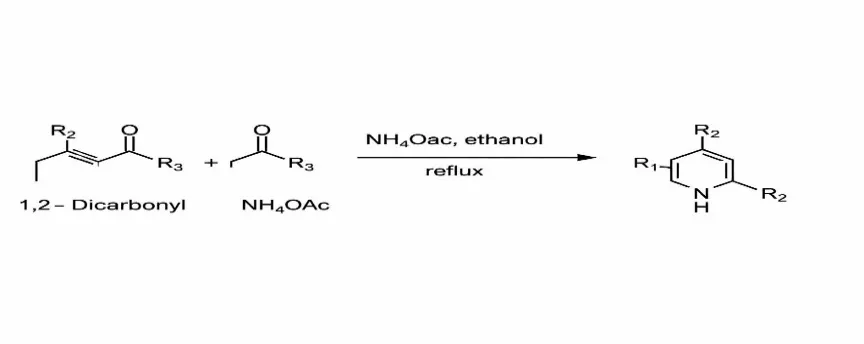
This reaction is frequently used to produce 2,4,5-trisubstituted imidazole.
Reaction Conditions:
Standard laboratory settings typically involve the following: Solvent: Ethanol, acetic acid, or occasionally no solvent is used. Temperature: Reflux conditions, which range from 70 to 120 degrees Celsius. Catalysts (optional): Acetic acid, ammonium acetate, or Lewis acids. Reaction time: Varies between 2 to 8 hours, depending on the specific reactants used.
Mechanism of the Reaction:
The reaction takes place through multiple steps:
Materials and Methods Procedure for Debus–Radziszewski Imidazole Synthesis
The substituted imidazole derivatives were synthesized using the Debus–Radziszewski imidazole synthesis method. Benzil (1 mmol), an aromatic aldehyde (1 mmol), and ammonium acetate (2–3 mmol) were combined in a clean round-bottom flask containing 10–15 mL of ethanol or glacial acetic acid as the solvent. The reaction mixture was heated under reflux at a temperature between 80 and 100 degrees Celsius for 2 to 4 hours with constant stirring. The progress of the reaction was checked using Thin Layer Chromatography (TLC) with an appropriate solvent system. Once the reaction was complete, the mixture was cooled to room temperature and then added to ice-cold water to cause the crude imidazole derivative to precipitate. The precipitated product was collected using vacuum filtration, washed with cold water to remove any impurities, and purified by recrystallization from hot ethanol. The purified crystals were dried in a desiccator and further analyzed using TLC, UV spectroscopy, and IR spectroscopy.
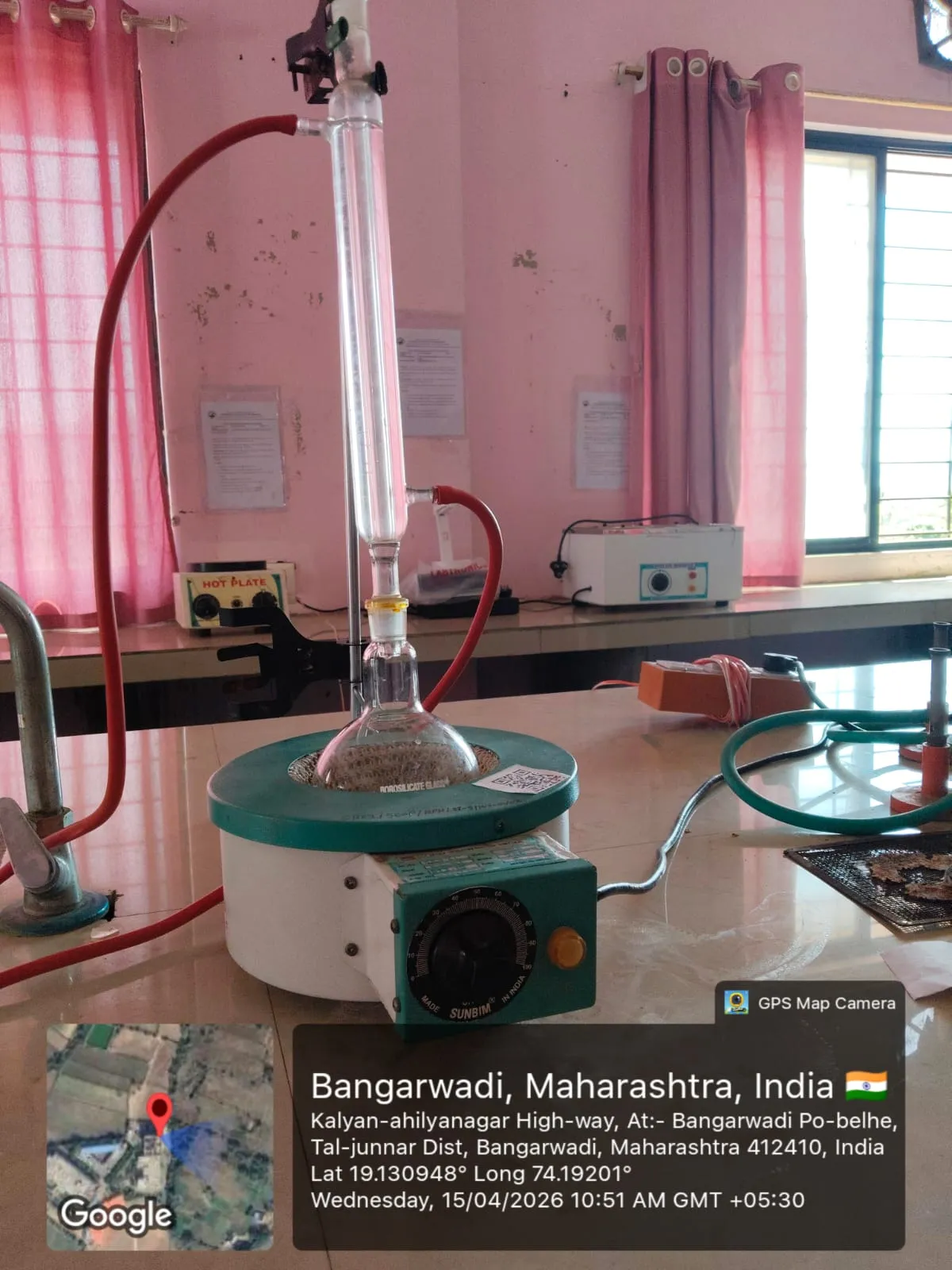
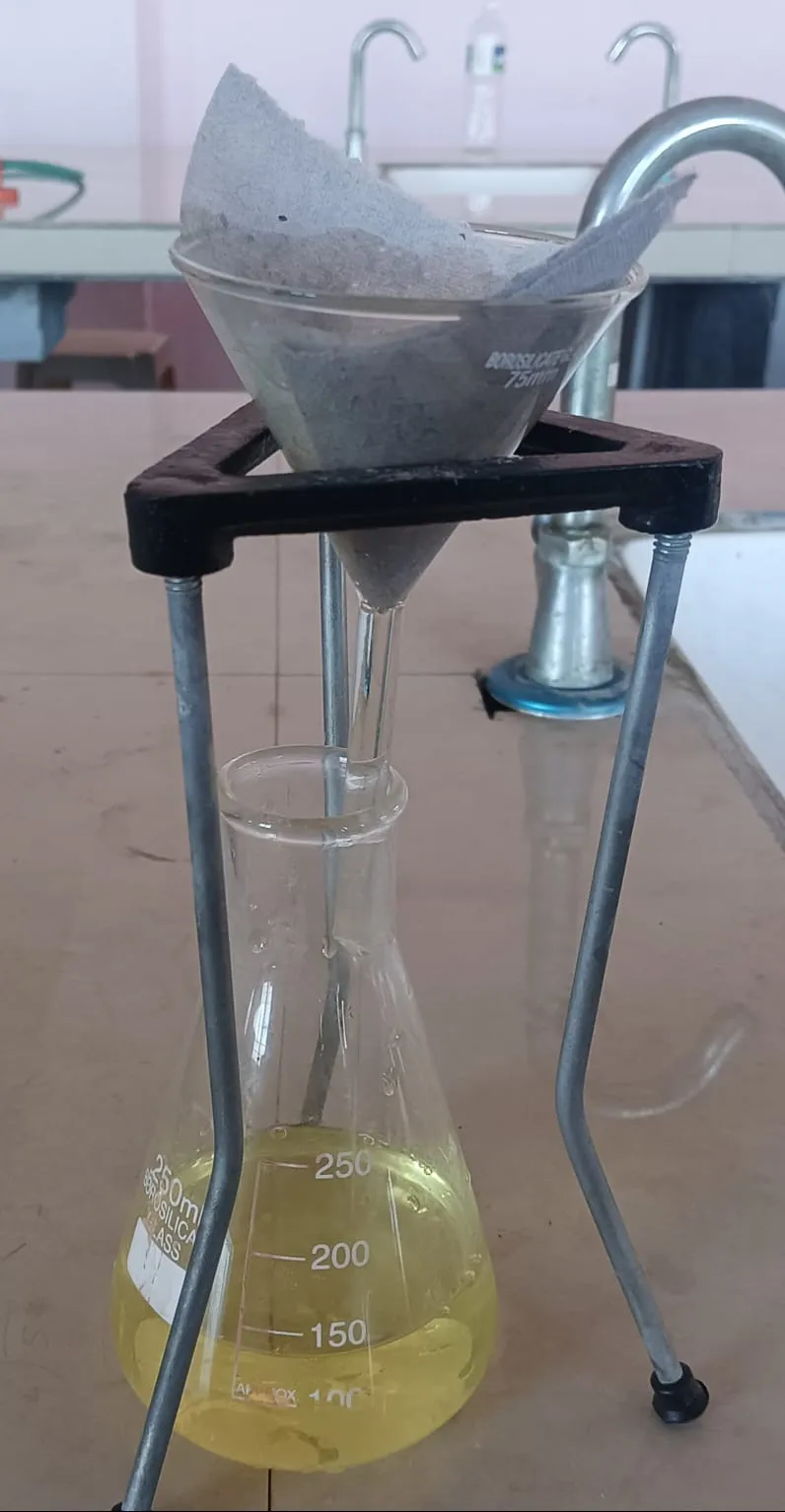
Recrystallization: After completing the Debus–Radziszewski synthesis, the crude imidazole derivative was purified through recrystallization using ethanol as the solvent. The crude material was placed into a clean conical flask and dissolved in a small amount of hot ethanol, with gentle heating applied. If needed, the hot solution was filtered to eliminate any insoluble impurities. The clear liquid was then cooled gradually to room temperature and further cooled in an ice bath to encourage crystal formation. The pure imidazole crystals were separated and collected by vacuum filtration. The crystals were rinsed with small amounts of cold ethanol to remove any remaining impurities and dried in a desiccator or hot air oven until they reached a constant weight. The purified compound was then stored for further analysis, including determination of its melting point, thin-layer chromatography (TLC), ultraviolet (UV) spectroscopy, and infrared (IR) spectroscopy.
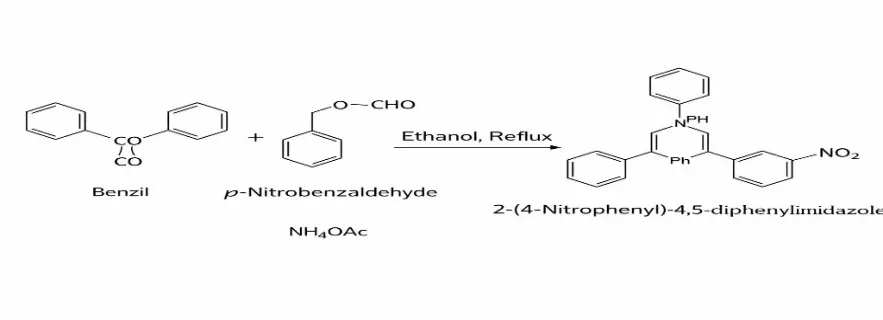
Synthetic Scheme 1:P-Nitrobenzaldehyde:
Chemical Reaction
Materials Required
Benzil – 1 mmol
p-Nitrobenzaldehyde – 1 mmol
Ammonium acetate (NH?OAc) – 2–3 mmol
Ethanol – 10–15 mL
General Procedure for Synthesis of 2-(4-Nitrophenyl)-4,5-diphenylimidazole
2-(4-Nitrophenyl)-4,5-diphenylimidazole was made through the Debus–Radziszewski imidazole condensation reaction. The reaction used benzil, p-nitrobenzaldehyde, and ammonium acetate in ethanol. A clean and dry 100 mL round-bottom flask was used. Benzil (1 mmol) and p-nitrobenzaldehyde (1 mmol) were mixed first, and then ammonium acetate (2–3 mmol) was added as the nitrogen source for forming the imidazole ring. About 10–15 mL of ethanol was added as the solvent, and the mixture was stirred well to make it uniform. The flask was connected to a reflux condenser and heated under reflux at around 80 °C for 2–4 hours with constant magnetic stirring. During this time, condensation and cyclization took place, leading to the formation of the substituted nitro imidazole compound. The electron-withdrawing nitro group made the aldehyde more electrophilic, which helped in the efficient formation of the ring. The reaction progress was checked regularly using Thin Layer Chromatography (TLC) with a suitable solvent system like ethyl acetate:hexane. The reaction was considered complete when the spots from the starting materials disappeared and a new product spot appeared. Once the reaction was done, the mixture was cooled slowly to room temperature, causing the formation of a yellow crystalline solid. To ensure complete precipitation, the mixture was poured into ice-cold water while stirring continuously. The solid was collected by vacuum filtration using a Buchner funnel and washed several times with cold ethanol or distilled water to remove impurities and leftover ammonium acetate. The crude product was purified by recrystallization from hot ethanol to get pure yellow crystals of 2-(4-nitrophenyl)-4,5-diphenylimidazole. The purified crystals were dried under vacuum or in a desiccator until they reached a constant weight and were stored for further testing. The compound was analyzed using melting point determination, TLC, UV-Visible spectroscopy, and Infrared (IR) spectroscopy. The percentage yield and Rf value were also noted to assess the purity and effectiveness of the synthesis.
Synthetic Scheme 2:P-Chlorobenzaldehyde:
Chemical Reaction:
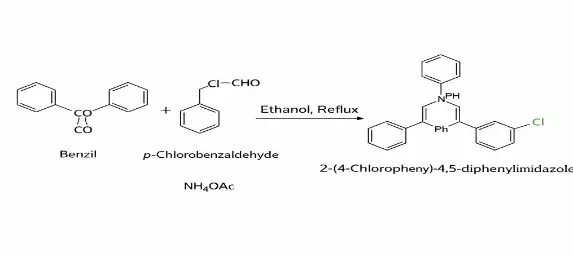
Synthesis of 2-(4-Chlorophenyl)-4,5-diphenylimidazole
Chemical Reaction
The preparation of 2-(4-chlorophenyl)-4,5-diphenylimidazole was performed through the Debus–Radziszewski imidazole condensation reaction, employing benzil, p-chlorobenzaldehyde, and ammonium acetate as the reactants in an ethanol-based solution.
Materials Required
Benzil – 1 mmol
p-Chlorobenzaldehyde – 1 mmol
Ammonium acetate (NH?OAc) – 2–3 mmol
Ethanol – 10–15 mL
Synthetic Scheme 3:
P-Anisaldehyde
Chemical Reaction
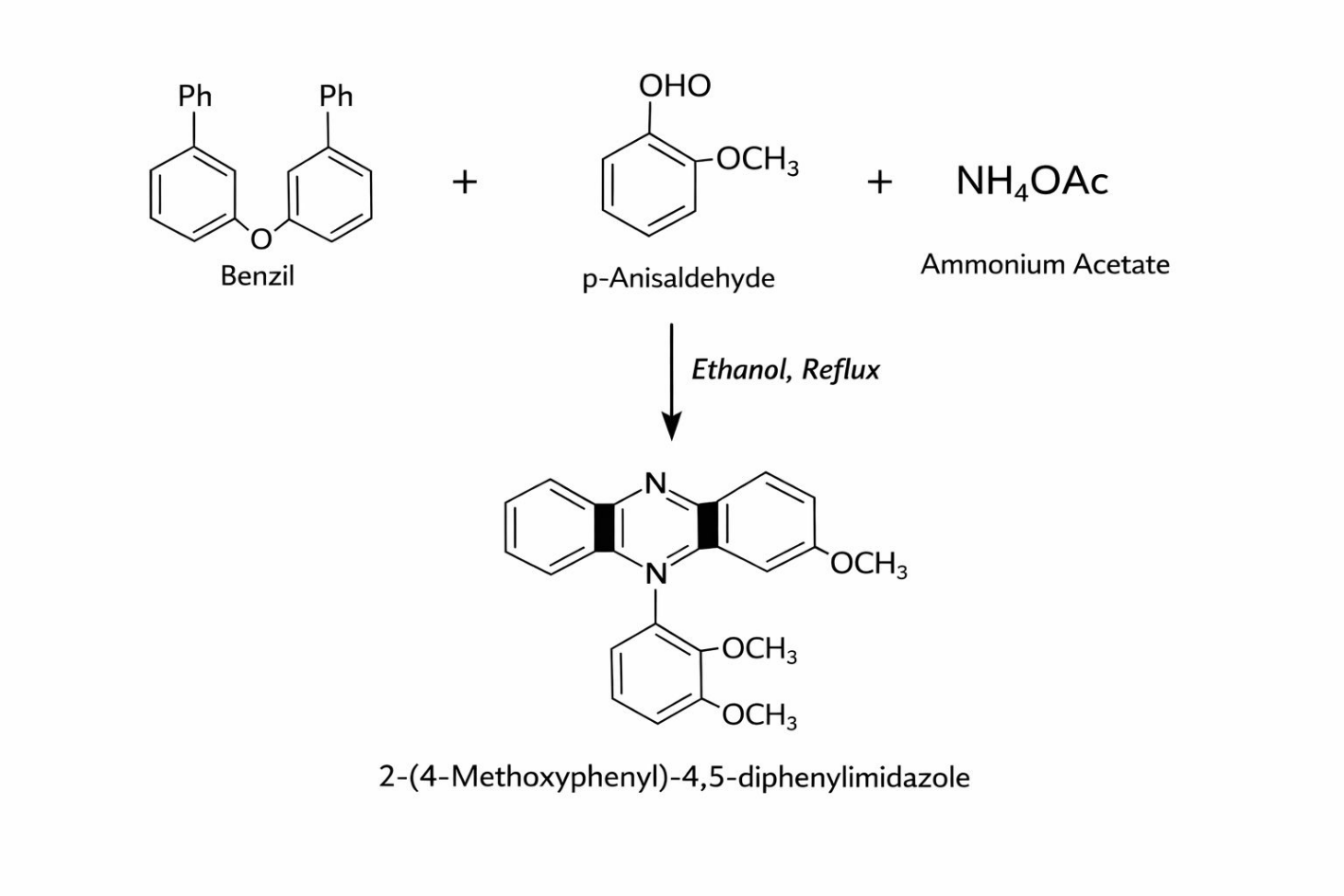
Synthesis of 2-(4-Methoxyphenyl)-4,5-diphenylimidazole
Materials Required
Benzil – 1 mmol
p-Anisaldehyde – 1 mmol
Ammonium acetate (NH?OAc) – 3–4 mmol
Ethanol – 10–15 mL
Characterization Techniques
FT–IR Spectroscopic Analysis
FT–IR spectroscopy was performed to analyze the synthesized imidazole derivatives using the potassium bromide (KBr) pellet technique. The sample was combined with dry KBr in a 1:100 ratio and ground into a fine powder. The mixture was then pressed under hydraulic pressure to form a transparent salt plate (pellet). This pellet was subsequently examined using an FT–IR spectrophotometer across the necessary wavelength range. The resulting spectra showed the presence of substituted imidazole derivatives, as indicated by the appearance of specific absorption peaks associated with various functional groups.
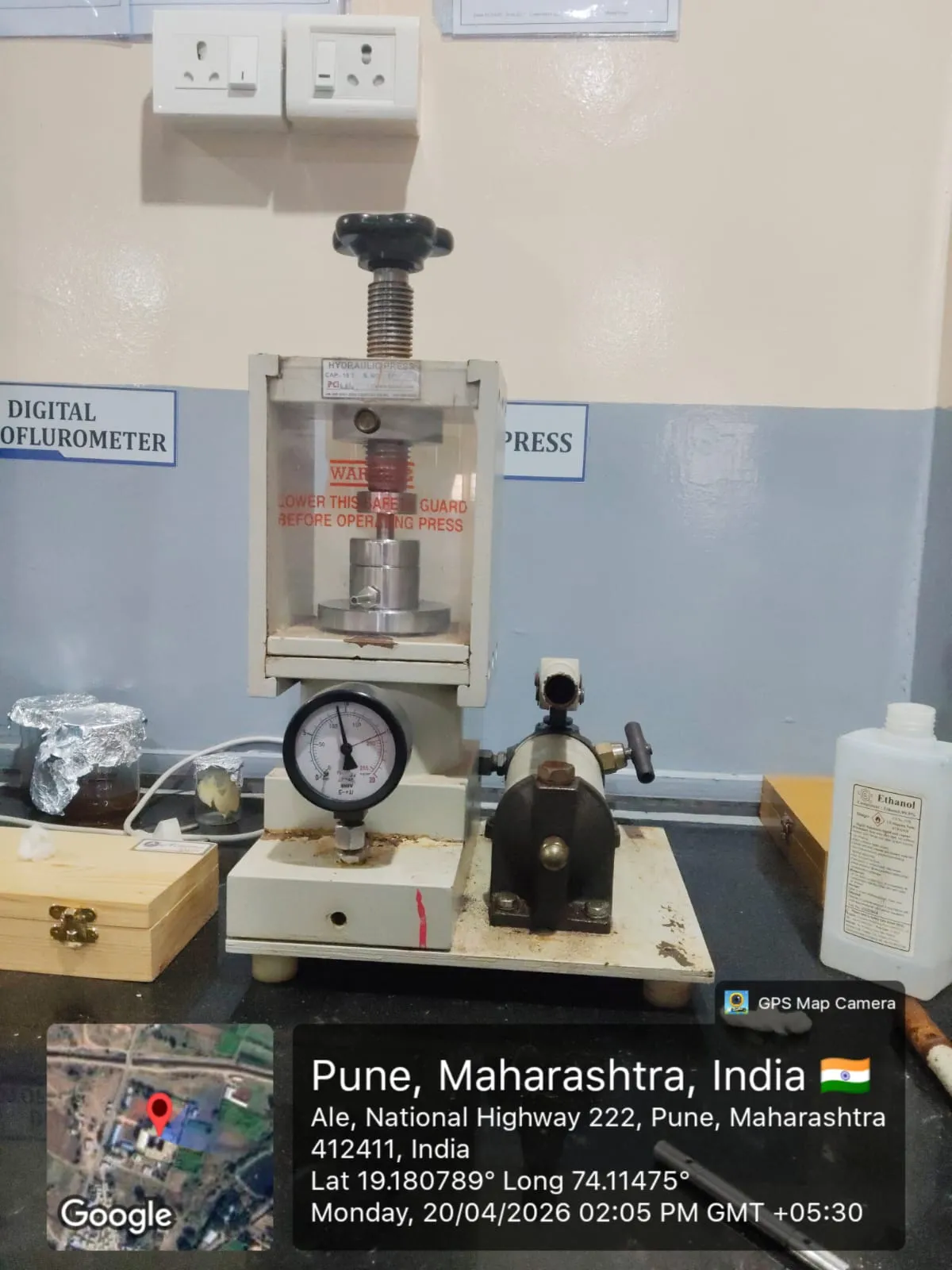
Characteristic FT–IR Absorption Peaks
N–H stretching: 3300–3500 cm?¹ Shows the presence of the imidazole N–H group. C=N stretching: 1580–1615 cm?¹ Shows the formation of the imidazole ring system. Aromatic C–H stretching: 3030–3060 cm?¹ Indicates vibrations from an aromatic phenyl ring. C–N stretching: 1330–1365 cm?¹ Supports the presence of the imidazole nucleus. C–Br stretching: 690–515 cm?¹ Confirms the presence of bromine-substituted aromatic derivatives. C–Cl stretching: 850–550 cm?¹ Indicates the presence of chloro-substituted compounds. Aldehydic/Carbonyl (C=O) stretching: 1680–1700 cm?¹ Is observed in anisaldehyde-related intermediates or substituted aromatic systems. Methoxy (C–O–C) stretching: 1200–1000 cm?¹ Confirms the presence of methoxy-substituted aromatic derivatives.
Readings:
Imidazole (2,4,5-Triphenylimidazole)


Thin Layer Chromatography
Thin Layer Chromatography (TLC) Analysis
Procedure
Thin Layer Chromatography (TLC) was conducted to track the progress of the reaction and assess the purity of the synthesized imidazole derivatives. Glass-backed silica gel plates served as the stationary phase. The mobile phase was composed of Toluene, Methanol, and Triethylamine in a ratio of 4:1:0.5, which allowed for efficient separation of the synthesized compounds. A 1% aqueous solution of the synthesized imidazole derivative was used as the sample. After the TLC plate was developed, the spots were observed under UV light, and the Rf values were determined using the following formula:
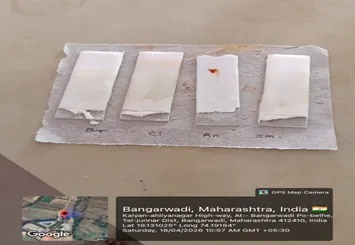
Observed Rf Values
|
Imidazole derivative |
0.30 |
|
p-Bromobenzaldehyde derivative |
0.50 |
|
p-Chlorobenzaldehyde derivative |
0.45 |
|
p-Anisaldehyde derivative |
0.47 |
The Rf values obtained showed that the synthesized substituted imidazole derivatives were successfully formed and separated. The differences in Rf values were due to variations in polarity, which resulted from the presence of different substituent groups like bromo, chloro, and methoxy groups on the aromatic ring.
Melting Point
The melting point of the synthesized imidazole derivatives was determined to assess the purity and identity of the compounds. A small quantity of the dried and purified imidazole derivative was finely powdered and filled into a clean, dry capillary tube sealed at one end. The capillary tube containing the sample was placed in a digital melting point apparatus and heated gradually at a controlled rate. The temperature at which the compound started melting and the temperature at which it melted completely were carefully recorded as the melting point range. Pure compounds generally showed a sharp and narrow melting point range, whereas impurities caused broadening or lowering of the melting point. The observed melting points were compared with reported literature values to confirm successfully

Antimicrobial Activity Against Escherichia coli
Agar Well Diffusion Assay Against Escherichia coli
Principle
The antimicrobial effect of the synthesized imidazole compounds was tested against Escherichia coli using the agar well diffusion technique. The presence of a transparent area around the well showed that bacterial growth was being prevented.
Materials Required
Escherichia coli culture
Mueller–Hinton agar medium
Sterile Petri plates
Sterile cork borer
DMSO/Ethanol
Standard antibiotic: Ciprofloxacin
Synthesized imidazole derivatives
Procedure



Minimum Inhibitory Concentration (MIC)
|
Compound |
MIC Against E. coli |
|
p-Nitrobenzaldehyde derivative |
25 µg/mL |
|
p-Chlorobenzaldehyde derivative |
50 µg/mL |
|
p-Anisaldehyde derivative |
75 µg/mL |
RESULT AND DISCUSSION
The synthesized substituted imidazole derivatives demonstrated considerable antimicrobial activity against *Escherichia coli*. Among all the compounds synthesized, the p-nitrobenzaldehyde derivative showed the strongest antibacterial effect, as evidenced by the largest zone of inhibition and the lowest minimum inhibitory concentration (MIC) value. This increased activity is likely due to the strong electron-withdrawing nature of the nitro group, which enhances the molecule's ability to interact with bacterial cell components. The p-chlorobenzaldehyde derivative displayed moderate antibacterial activity, while the p-anisaldehyde derivative had relatively lower activity, possibly because the methoxy group, which donates electrons, reduces the compound's effectiveness. These findings suggest that the type of substituent on the imidazole ring plays a crucial role in determining the antibacterial strength against *Escherichia coli*. Here are 27 suitable references for your research paper titled “Synthesis, Characterization and Comparative Study of Imidazole Derivative as Antimicrobial Agent” based on the content provided in your uploaded manuscript.
CONCLUSION
The current research effectively showed how substituted imidazole derivatives were made, studied, and compared for their antimicrobial properties through the Debus–Radziszewski condensation process. The compounds were created using various aromatic aldehydes, including p-nitrobenzaldehyde, p-chlorobenzaldehyde, and p-anisaldehyde, and were purified through recrystallization. The analysis using techniques like FT–IR spectroscopy, Thin Layer Chromatography (TLC), measuring the melting point, and UV analysis confirmed that the imidazole ring was successfully formed and that the different substituent groups were properly incorporated. When tested against Escherichia coli, all the synthesized derivatives showed good antibacterial effects, but the level of effectiveness varied based on the type of substituent on the aromatic ring. Among the tested compounds, the one made from p-nitrobenzaldehyde had the strongest antimicrobial effect, as seen by the biggest zone of inhibition and the lowest minimal inhibitory concentration (MIC) value, showing it was the most effective against bacteria. The p-chlorobenzaldehyde compound showed moderate activity, and the p-anisaldehyde compound had relatively lower antibacterial effects. These results clearly indicate that electron-withdrawing groups like nitro and chloro increase antimicrobial activity, while electron-donating groups like methoxy lower antibacterial effectiveness. In general, the study shows how changing the structure of the imidazole ring can improve biological activity and suggests that substituted imidazole derivatives have great potential as antimicrobial agents. The results from this research could help in developing new imidazole-based treatments to fight microbial resistance. More research is needed, including better spectral analysis, checking for toxicity, molecular docking studies, and testing against more types of microbes, to fully explore the pharmaceutical potential of these compounds.
REFERENCES





Pravin Ambhore,Vaishnavi Auti, Trupti Mate, Koushal Patil, Tanvi Sarode, A Research on Synthesis Characterization and Comparative Study of Imidazole Derivative as Anti-Microbial Agent, Int. J. of Pharm. Sci., 2026, Vol 4, Issue 6, 584-595, https://doi.org/10.5281/zenodo.20508873
 10.5281/zenodo.20508873