

We use cookies to ensure our website works properly and to personalise your experience. Cookies policy
Krishnarao Bhegade Institute of Pharmaceutical Education & Research, Talegaon Dabhade, Pune, Maharashtra, India 410507
Antimicrobial resistance (AMR) has emerged as a major and rapidly growing global public health concern, threatening the effectiveness of antimicrobial chemotherapy and reversing decades of medical progress. The rising incidence of multidrug-resistant (MDR) pathogens is further intensified by the extensive use of chemotherapeutic agents in cancer management, which suppress immune function and alter the normal host microbiota. Together, these effects increase the risk of infections while facilitating the emergence and spread of resistant microorganisms. This review presents a comprehensive overview of the mechanisms underlying AMR, the pharmacological foundations of antimicrobial chemotherapy, and the complex two-way interaction between cancer chemotherapy and antimicrobial resistance. It also critically examines emerging therapeutic strategies, such as phage therapy, nanotechnology-based approaches, and CRISPR-mediated interventions. Furthermore, the review highlights the pressing need for integrated solutions that incorporate antimicrobial stewardship, precision medicine, and the development of novel therapeutic agents to effectively combat this complex and evolving challenge.
Antimicrobial agents have transformed modern healthcare by providing effective treatment for infectious diseases, significantly lowering mortality rates, and supporting advanced medical interventions such as organ transplantation and cancer chemotherapy. Despite these achievements, their therapeutic efficacy is increasingly threatened by antimicrobial resistance (AMR), a phenomenon in which microorganisms develop the ability to survive and multiply even in the presence of antimicrobial drugs.
Chemotherapeutic agents, especially those used in cancer treatment, are essential for controlling malignant diseases but often cause significant immunosuppression. This weakened immune state increases patients' susceptibility to opportunistic infections, leading to the frequent administration of antibiotics. As a result, a complex interaction develops between antimicrobial therapy and cancer chemotherapy, contributing to the emergence and spread of antimicrobial-resistant microorganisms.
The intersection of infectious disease pharmacotherapy and cancer treatment highlights the need for a thorough understanding of their interconnected mechanisms, interactions, and clinical consequences. Such knowledge is essential for improving therapeutic outcomes while minimizing the growing challenge of antimicrobial resistance.
2. Overview of Antimicrobial Resistance:
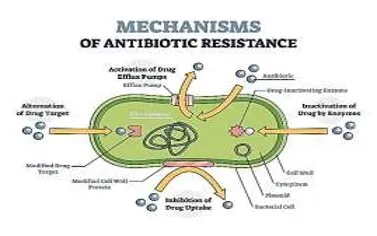
Figure No. 1: Mechanisms of Antimicrobial Resistance
Antimicrobial resistance is a naturally occurring evolutionary process; however, its rapid progression is largely influenced by human activities. It is generally classified into two main types: intrinsic resistance, in which microorganisms are inherently insusceptible to specific antimicrobial agents, and acquired resistance, which develops through genetic mutations or the horizontal transfer of resistance genes.
2.1 Drivers of AMR
The accelerated spread of antimicrobial resistance (AMR) is driven by several interrelated factors:
2.2 Clinical and Economic Impact
Antimicrobial resistance (AMR) is associated with extended hospitalizations, increased healthcare expenditures, and elevated mortality rates. Infections caused by resistant pathogens frequently necessitate the use of second- or third-line antimicrobial therapies, which are often more costly and may be associated with a higher risk of adverse effects and toxicity.
3. Mechanisms of Antimicrobial Resistance (AMR):
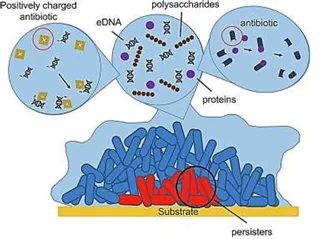
Figure No .2: Mechanism of Action of Antibiotics & Spectrum
Antimicrobial resistance develops through a range of complex genetic and biochemical adaptations that allow microorganisms to withstand exposure to antimicrobial agents that would normally be lethal. These resistance mechanisms often act in combination rather than independently, enabling pathogens to acquire multidrug-resistant (MDR) characteristics. The rapid emergence and spread of AMR are primarily driven by genetic mutations, horizontal gene transfer, and the selective pressure exerted by extensive antimicrobial use, particularly in healthcare and clinical settings.
Mechanisms:
Enzymatic inactivation of antibiotics (e.g., β-lactamases, carbapenemases)
Detailed Insights:
4. Principles of Antimicrobial Chemotherapy:
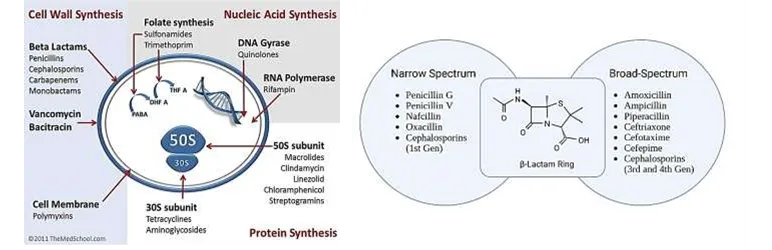
Figure No. 3: Mechanism of Action and Spectrum of Antimicrobial agents
Antimicrobial chemotherapy is founded on the principle of selective toxicity, in which drugs specifically target microbial structures or metabolic pathways that are either absent or substantially different in host cells. The success of antimicrobial therapy depends not only on the drug’s mechanism of action but also on its pharmacokinetic and pharmacodynamic characteristics.
Principles:
Classification (Mechanism-Based):
PK/PD Considerations: PK (ADME) determines the drug concentration at the site of infection, while PD determines the rate of microbial killing.
Key indices:
5. Cancer Chemotherapy and Its Impact on AMR:
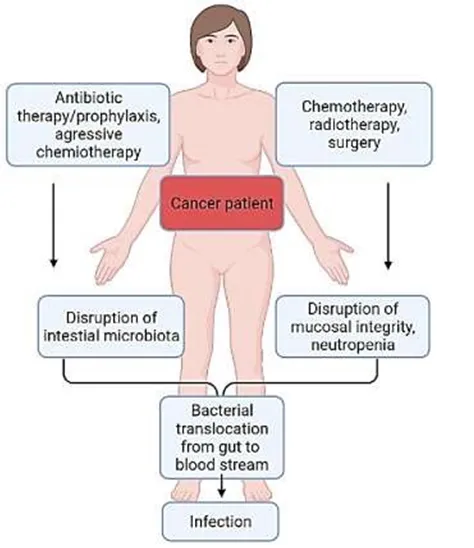
Figure No. 4: Impact of Cancer Chemotherapy on Infection Risk
Cancer chemotherapy significantly alters host physiology, indirectly contributing to accelerated antimicrobial resistance. The cytotoxic effects of chemotherapeutic agents extend beyond malignant cells, also affecting immune defenses and disrupting microbial ecosystems.
Major Effects:
Reduced neutrophil count impairs innate immune response
Increased susceptibility to opportunistic infections
Loss of beneficial gut flora
Overgrowth of resistant pathogens
Altered metabolic and immune signalling
Prophylactic antibiotic use in cancer patients
Repeated exposure → strong selective pressure
Clinical Implications:
6. Interaction Between Antibiotics and Chemotherapeutic Agents:
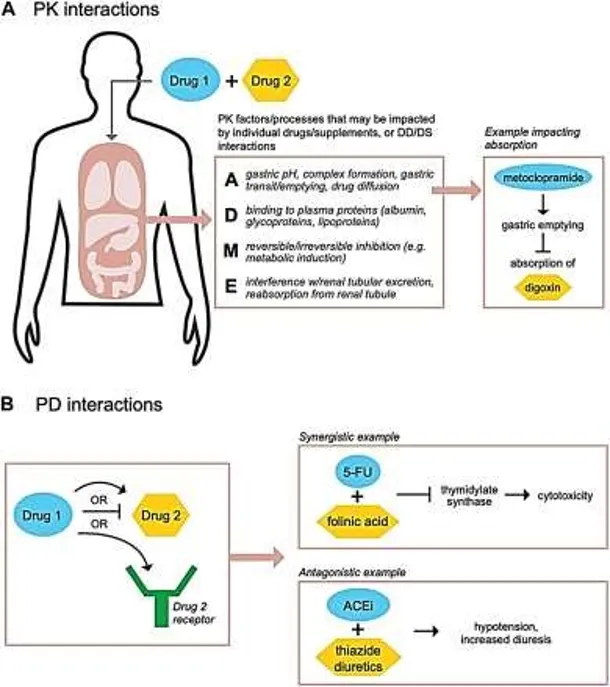
Figure No. 5: Drug Interaction (PK & PD) Mechanisms
The interaction between antimicrobial agents and chemotherapeutic drugs is highly complex, involving both pharmacokinetic and pharmacodynamic mechanisms. These interactions can significantly affect therapeutic outcomes as well as toxicity profiles.
Pharmacokinetic Interactions:
Pharmacodynamic Interactions:
Toxicity Concerns:
7. AMR in Immunocompromised Patients:
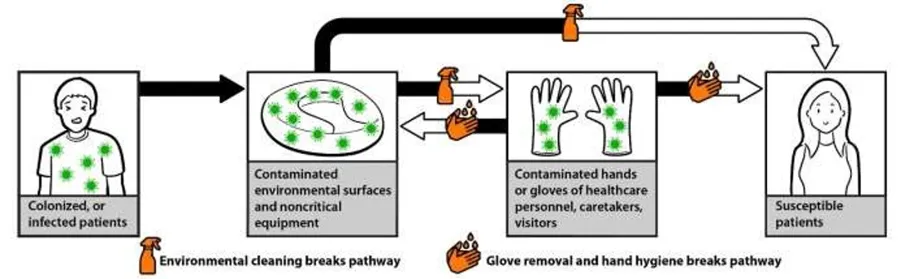
Figure No. 6: Transmission of Infection in Immunocompromised Patients
Immunocompromised individuals, especially cancer patients, face a significantly increased risk of infections caused by resistant pathogens. This risk is further amplified in hospital settings due to high levels of antibiotic exposure and increased pathogen density.
Common Pathogens:
Clinical Impact:
Risk Factors:
8. Role of Microbiome in AMR and Chemotherapy:
The human microbiome functions both as a protective barrier and as a reservoir of resistance genes. Disruption of this system plays a central role in the development and spread of antimicrobial resistance (AMR).
Functional Roles:
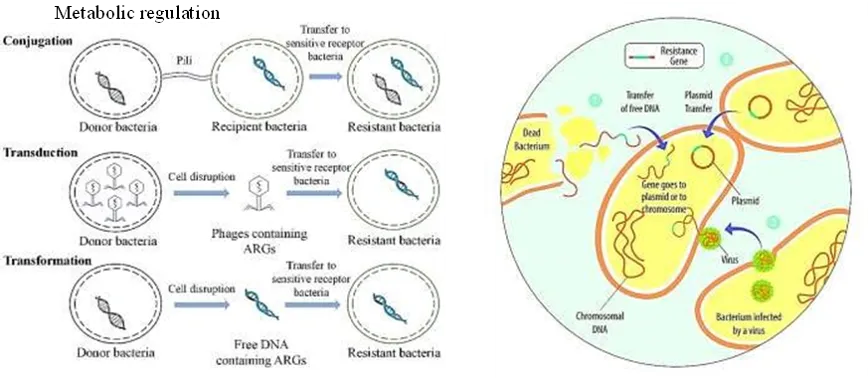
Figure No. 7: Horizontal Gene Transfer Mechanisms
Effects of Chemotherapy:
9. Current Therapeutic Strategies to Combat AMR:
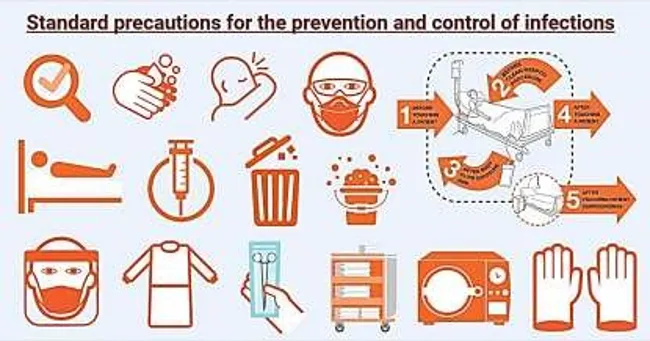
Figure No. 8: Infection Prevention and Control Measures
Combating AMR requires a multifaceted approach integrating clinical practice, policy, and research.
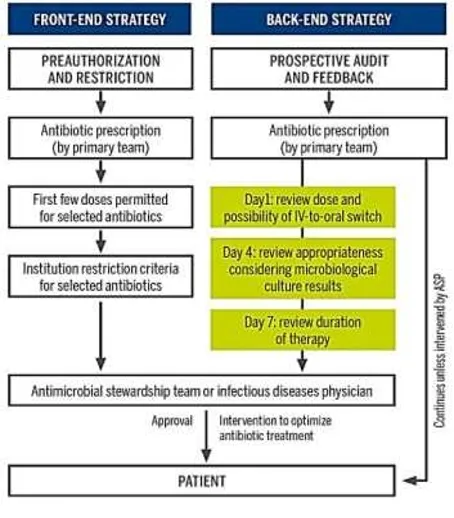
Figure No 9: Antibiotic Stewardship Program Workflow
Strategies:
Optimize antibiotic use
Reduce unnecessary prescriptions
Hand hygiene
Isolation protocols
Sterilization procedures
10. Emerging Therapeutic Approaches:
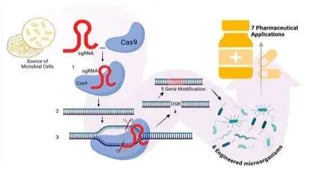
Figure No. 10: Antibiotic Stewardship Program Workflow
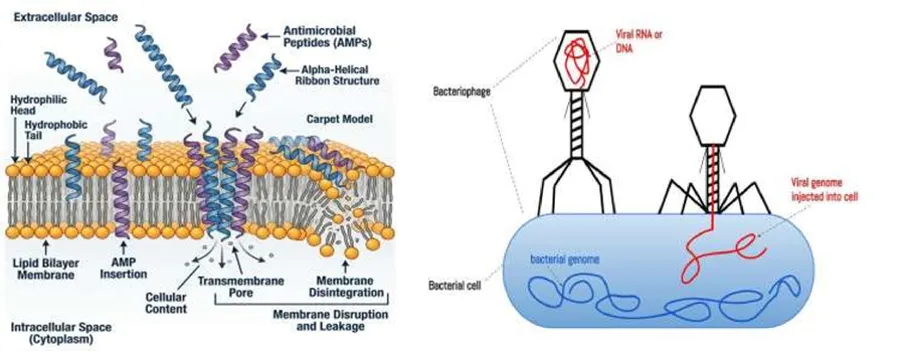
Figure No. 11: Emerging Therapies (CRISPER, Phage, AMPs)
Innovative strategies are being developed to overcome the limitations of traditional antibiotics.
Advanced Approaches:
Highly specific bacterial targeting
Minimal impact on microbiota
Target and eliminate resistance genes
Precision antimicrobial approach
Targeted drug delivery
Improved bioavailability
Broad-spectrum activity
Disrupt microbial membranes
11. Challenges in Managing AMR During Chemotherapy:
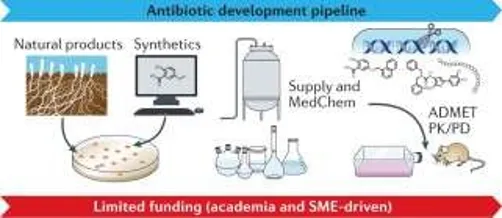
Figure No. 12: Antibiotic Development Pipeline Challenges
Despite advances, several challenges persist in managing AMR.
Major Challenges:
12. Future Perspectives:
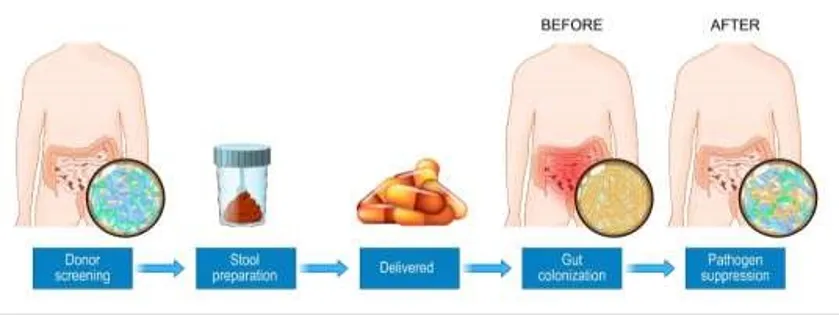
Figure No. 13: Microbiome Restoration (FMT Process)
The future management of antimicrobial resistance (AMR), particularly in relation to chemotherapeutic interventions, requires the integration of advanced technologies, systems biology, and global health governance. Traditional strategies based solely on antibiotic discovery are no longer adequate due to the rapid evolution of resistance. Instead, future approaches must focus on precision therapeutics, maintaining microbiome ecological balance, computational drug discovery, and coordinated international policy frameworks.
A clear paradigm shift is occurring from broad-spectrum empirical therapy toward targeted, data-driven interventions, in which treatments are customized based on individual patient profiles, pathogen genomics, and real-time resistance patterns. This integrated approach aims not only to effectively treat infections but also to reduce the emergence and spread of antimicrobial resistance.
12.1 Microbiome Engineering and Restoration
The human microbiome is increasingly recognized as a key regulator of immune function and resistance ecology. Future strategies aim to restore and modulate microbial communities to prevent colonization by resistant pathogens.
Emerging approaches include:
Chemotherapy-induced dysbiosis can be mitigated by:
Clinical Significance:
Limitations:
Strategic Implications:
To effectively address antimicrobial resistance (AMR) in the context of chemotherapeutics, a multidisciplinary and integrated strategy is required:
Clinical Level:
Research Level:
Policy Level:
CONCLUSION
Antimicrobial resistance (AMR) is one of the most urgent challenges in modern medicine, with major consequences for infectious disease control and the efficacy of chemotherapeutic interventions. This review emphasizes that AMR is not only a microbiological issue but also a complex, system-level problem shaped by the interaction of microbial evolution, clinical practices, and pharmacological pressures. The combination of antimicrobial chemotherapy with cancer treatment further intensifies this problem, as chemotherapy-induced immunosuppression, disruption of the microbiome, and increased antibiotic exposure collectively promote the emergence and spread of resistant pathogens.
From a mechanistic standpoint, microorganisms utilize diverse strategies such as enzymatic drug inactivation, efflux pump activation, target modification, and biofilm formation to evade antimicrobial agents. These resistance mechanisms are frequently carried on mobile genetic elements, enabling their rapid spread across bacterial populations and environments. At the same time, the principles of antimicrobial chemotherapy—especially pharmacokinetics and pharmacodynamics—are essential in determining treatment outcomes, highlighting the need for rational and optimized drug use.
The clinical burden of AMR is especially severe in immunocompromised individuals, including cancer patients, where infections caused by multidrug-resistant organisms lead to increased morbidity, mortality, and healthcare costs. In addition, chemotherapy-associated disruption of the microbiome creates ecological conditions that favor resistant organisms and enhance horizontal gene transfer, further accelerating the AMR cycle.
FINAL PERSPECTIVE:
The future of antimicrobial therapy relies on transitioning from a reactive treatment model to a proactive, precision-based approach that integrates microbiology, pharmacology, and systems biology. Managing AMR in the era of advanced chemotherapeutics requires not only scientific innovation but also coordinated global action, sustainable healthcare practices, and ongoing monitoring of resistance patterns.
Ultimately, preserving the effectiveness of antimicrobial agents is essential for the success of modern medical procedures, including cancer chemotherapy, surgical interventions, and intensive care treatments. Without decisive and integrated efforts, there is a risk of entering a post-antibiotic era in which even minor infections may become life-threatening.
LIST OF ABBREVIATIONS
REFERENCES






Prajwal Kapse, Priya Kale, Shivram Kedar, Shreyash Kadam, Aarti Kangude, Sharda Kulkarni, A Review Article on Antimicrobial Resistance and Chemotherapeutics: Mechanisms, Clinical Interactions, and Emerging Therapeutic Strategies, Int. J. of Pharm. Sci., 2026, Vol 4, Issue 7, 1795-1807. https://doi.org/10.5281/zenodo.21267165
 10.5281/zenodo.21267165