

We use cookies to ensure our website works properly and to personalise your experience. Cookies policy
Rungta Institute of Pharmaceutical Sciences, Bhilai.
Diabetes mellitus (DM), which includes both both non-insulin-dependent diabetes (NIDDM) and insulin-dependent diabetes mellitus (IDDM), is a prevalent and dangerous metabolic disease. Diabetes mellitus has been treated with traditional plant remedies all throughout the world. Numerous drugs and polyherbal plants have been shown to treat and manage diabetes; they also have no negative side effects. Diabetes mellitus is a condition that condition It poses a serious threat to human health and impacts people globally. Elevated blood sugar (glucose) levels caused by anomalies in insulin secretion, action, or both characterise a class of metabolic illnesses known as diabetes mellitus. Over 800 plants may contain anti-diabetic properties, according to ethnobotanical knowledge, suggesting that plants could be a source of anti-diabetic drugs. The traditional treatment for diabetes is insulin and artificial oral hypoglycemic medications, which are effective in lowering hyperglycemia but have significant side impacts and have little effect on how diabetic complications develop. This is the primary cause of the growing number of people discovering alternative treatments that might have fewer or no side effects.This article reviews some plant-based, commercially available polyherbal herbal formulations and documented antidiabetic medicinal herbs, including their botanical name, common name, constituent, and mechanism of action.
The metabolic disease diabetes mellitus (DM) condition brought on by either insufficient insulin synthesis by the pancreas or other factors, is characterised by chronic hyperglycemia or by peripheral target tissues' inability to react to normal insulin concentrations [1, 2]. It is the fastest-growing disease in the world and a significant contributor to morbidity and mortality [3, 4]. According to WHO estimates, there are Every year, 4.6 million people die from diabetes and 347 million individuals have the disease [5]. The prevalence is expected to quadruple by 2030, including low- to middle-income countries in South America, Asia, and Africa. accounting for a larger share of this growth. [6,7] Type 2 diabetes is the most prevalent kind, making up more than 90–95% of cases. This type was once referred to as "adult-onset diabetesor NIDDM, or non-insulin-dependent diabetic mellitus. After the age of the thirty, type 2 diabetes frequently between the ages of 40 and 60 [8]. However, the proportion of younger people some of whom are under 20has steadily increased in recent years [9.10]. Insulin injections and oral antidiabetic medications are the mainstays of modern diabetes treatment methods [11–15]. As long as they are taken on a regular basis, modern medications used to treat type 2 diabetes regulate blood glucose and lipid profiles [16,17].
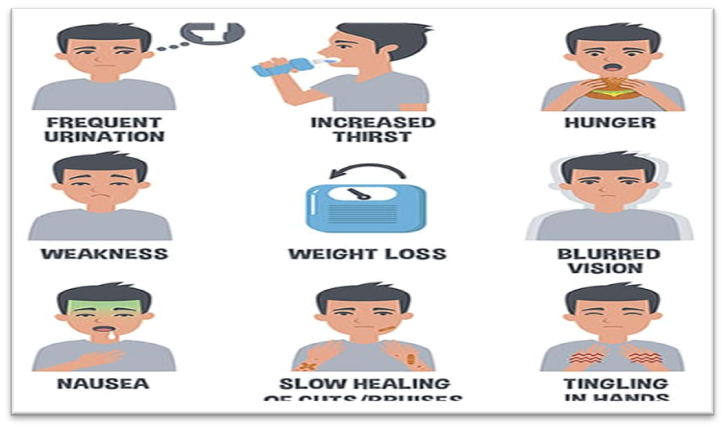
figure.1 Symptoms of Diabetes Mellitus
ETIOLOGIC CLASSIFICATION OF DIABETES MELLITUS
The problems that were present at the time of diagnosis usually determine a person's type of diabetes, and many diabetics are difficult to categorise. Nonetheless, a number of literary works recognise four main types of diabetes, which are as follows: 1) Type 1 diabetes (autoimmune loss of pancreatic beta cells) 2) Type 2 diabetes mellitus, which is typified by a chronic reduction of pancreatic b-cell insulin secretion, frequently in conjunction with insulin resistance; 3) gestational diabetes mellitus, which was previously undiagnosed and identified during the pregnancy's second or third trimester; 4) Other particular forms of diabetes, such as diabetes in newborns and young people with diabetes that develops with age, are brought on by a number of circumstances, including monogenic diabetic syndromes. The clinical phases and etiological categories of diabetes. (18,19).
DIABETES MELLITUS PATHOPHYSIOLOGY:
Diabetes Mellitus Type 1 (T1DM):
Due to its frequency in children, Type 1 Diabetes mellitus (DM) was historically known as diabetes in children however, it can afflict people of all ages, including adults and children [20]. Younger persons typically have a quicker rate and changing risk of diabetic ketoacidosis due to their insulin openia, whereas adults frequently retain adequate insulin production to prevent ketoacidosis for many years. All individuals with type 1 diabetes will eventually require insulin therapy to maintain normoglycemia. See the chapters that go deeply for further details on the pathophysiology of type 1 diabetes[21].
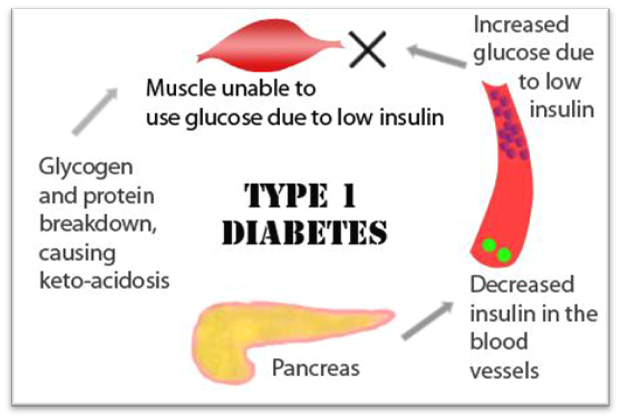
figure.2 Type 1 Diabetes Mellitus
Diabetes Mellitus Type 2(T1DM)
Often referred to as non-insulin dependent diabetes, this kind of the disease is the most common, making up between 90 and 95 percent of all cases. This kind of diabetes may frequently be controlled with dietary modifications and consistent exercise, and it is mostly driven by lifestyle factors and genetic predisposition [22]. Postprandial hyperglycemia, or an abnormal rise in blood sugar levels following a meal, is a common indicator of type 2 diabetes. Type II diabetes can be brought on by preventing α-glucosidase and α-amylase from hydrolysing carbohydrates, which delays the absorption of glucose via the digestive system. Additionally Inhibiting α-glucosidase and α-amylase from breaking down carbs can cause type II diabetes by slowing the digestive system's absorption of glucose. [23]
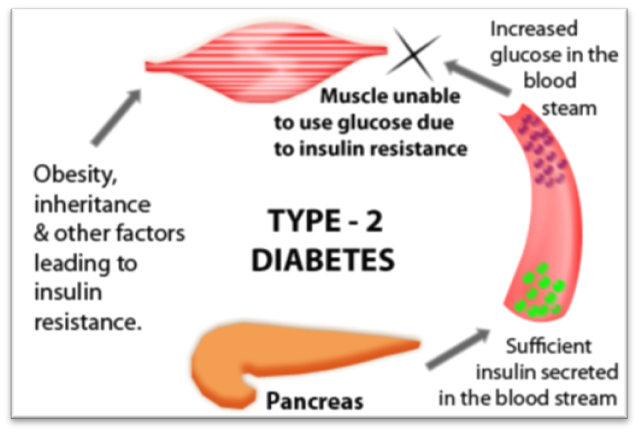
figure.3 Diabetes Mellitus Type 2
Gestational Diabetes Mellitus:
Given that almost half of pregnancies globally are unexpected, diabetes is the most common medical problem during pregnancy. Uncontrolled high blood sugar in women with gestational diabetes can have detrimental effects on both the mother and the unborn child, raising the risk of birth abnormalities, pregnancy loss, early labour, pregnancy-related hypertension, difficult deliveries, death, and birth-related injuriesThe proportion of pregnant women with diabetes has sharply increased, with gestational diabetes and pre-existing type 1 or type 2 diabetes affecting almost 10% of women under 30. Specifically, pregnancies associated to type 1 diabetes have grown by 33–44%, while pregnancies related to type 2 diabetes have increased by a startling 90–111%. [24].
ANTI-DIABETES:
Antidiabetic medications assist individuals with diabetes mellitus in managing and lowering elevated blood glucose (sugar) levels. These medications function by either increasing insulin secretion, enhancing insulin action, or reducing the synthesis and absorption of glucose.
HERBAL TREATMENT OF DIABETES:
Due to their cost-effectiveness, safety, and environmental friendliness, plant-based medications have become more widely accepted in recent decades. Increased research in traditional medicine has been the driving force behind this change. Approximately 21,000 plants are used medicinally globally, as stated by the World Health Organization (WHO). Just in India, there are 2,500 species, 150 of which are commonly utilised. for commercial purposes India is sometimes referred to as the "botanical garden of the world" since it produces more medicinal herbs than any other nation. Because medicinal plants have a long-lasting, safe, and effective mode of action, researchers from all over the world are interested in using them to treat diabetes. Chemicals found in these medicinal plants are physiologically active and have substantial therapeutic benefits [25].
MEDICAL PLANTS' ANTI-DIABETIC ACTIVITY:
The antidiabetic qualities of medicinal plants have long been utilised. They have bioactive components that assist regulate blood glucose levels by enhancing insulin production, raising insulin sensitivity, and reducing glucose absorption. These herbs are commonly used to treat diabetes mellitus, especially Type 2 diabetes.
Moringa Oleifera
The Moringa oleifera, also known the "miracle tree," which grows in nearly every Both tropical and subtropical region of the planet, although It's believed to be native to Pakistan, Bangladesh, Afghanistan and India. The Moringa family has thirteen species: M. oleifera, M. arborea, M. rivae, M. ruspoliana, M. drouhardii, M. hildebrandtii, M. concanensis, M. borziana, M. longituba, M. pygmaea, M. ovalifolia, M. peregrina, and M. stenopetala. M. oleifera is especially renowned for using it in fertiliser, nutrition, and production of biogas. One special quality of moringa is its ability to withstand drought. According to studies, M. oleifera is one of the most affordable and dependable substitutes for a healthy diet. [26].
In India, moringa leaves have long been used as medication to treat conjunctivitis and eradicate intestinal worms from the abdomen. Additionally, Fresh moringa leaves are applied to anaemia and produce more milk supply in expectant as well as nursing ladies. Moringa leaf juice can also help Diabetics control their blood sugar and blood pressure. The bioaccessibility of moringa nutrients and polyphenols may occasionally change as a result of processing. Therefore, while processing and storing moringa leaves, new methods are required to improve polyphenol retention.[27]
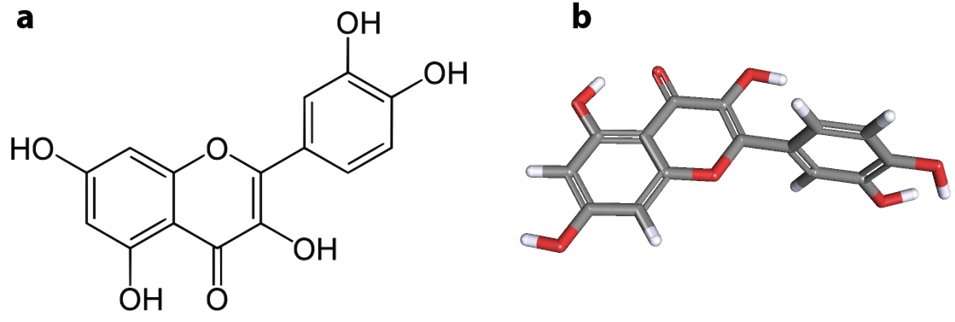
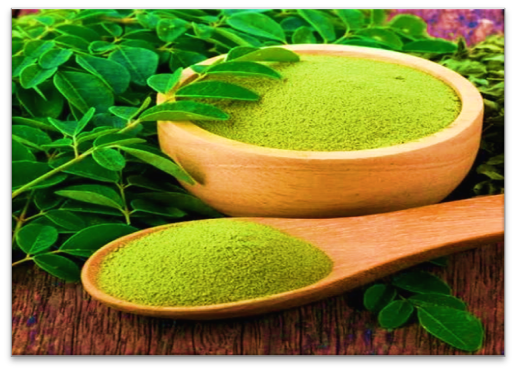
Figure.4 Moringa oleifera leave powder
Table 1: Toxanomic Classification of Moringa oleifera. [28]
|
S.N. |
kingdom |
Plantae |
|
|
Sub-kingdom |
Tracheobionta |
|
|
Super division |
Spermatophyta |
|
|
division |
Magnoliophyta |
|
|
Class |
Magnoliopsida |
|
|
Subclass |
Dilleniidae |
|
|
order |
Capparales |
|
|
Family |
Moringaceae |
|
|
Genus |
Moringa |
|
|
Species |
Oleifera |
PHYTOCONSTITUENTS:
Tannins, vitamins, rhamnose, carotenoids, phytates, phenolic acids, flavonoids, alkaloids, isothiocyanates, saponins, oxalates, polyphenol, and simple sugar, glucosinolates, and triterpenoids are all present in Moringa oleifera leaves.
PHARMACOLOGICAL USES
Different extracts of M. oleifera have been demonstrated to display a range of pharmacological actions, such as wound healing [35], fertility [34], antimicrobial [29], antifungal [30], anti-inflammatory [31], antioxidant [32], anticancer [33], cardiovascular [36], anti-ulcer/gastroprotective activity [37], diuretic activity [38], and other pharmacological activities listed below.
ANTI-DIABETIC ACTIVITY
Moringa leaves Wistar and Goto-Kakizaki rats exhibited improved glucose tolerance and reduced blood glucose levels. Through blood control sugar, protein, glucose, and haemoglobin levels in rats, the aqueous extract demonstrated an antidiabetic effect. Within three hours of consumption, the plant's leaves were found to reduce blood glucose levels, although not more than glibenclamide, a common medication. When taken orally, moringa seeds have antihyperglycemic properties and include proteins that resemble insulin and have antigenic epitopes like insulin. The plant's leaf extracts have antidiabetic properties as well because they decreased FPG, haemoglobin, LDL-C and VLDL-C in those with type 2 diabetes, higher CAT and MDA levels, and—above all—higher insulin levels in healthy people. The plant's seed extract enhanced the antioxidant effect and reduced LPO levels in mice administered streptozotocin. Additionally, it reduced pancreatic _-cell activity and IgG, IgA, and IL-6 characteristics. It was proposed that the bioactive substances causing These included isothiocyanates, glucomoringin, kaempferol, quercetin, and chlorogenic acid. [39].
Zingiber officinale
The rhizome of ginger (Zingiber officinale), a Zingiberaceae family member, is widely used as a cooking spice for a variety of foods and drinks worldwide, particularly in Southern Eastern Asian nations, Central Africa, South Africaand the United States of America. Depending on the kind, the meat of ginger rhizomes can be red, yellow, or white. Depending on when it was harvested as a young or mature plant, its brown skin could be thick or thin. Fresh ginger is used as a flavouring in drinks and the preparation of meat and vegetable products in China and India. [40]
Ginger (Zingiber officinalehas) long been used as a traditional remedy in Southeast Asia to treat sore throats, fevers, coughs, and digestive issues. Both volatile and non-volatile components are what give ginger its biological activity. Sesquiterpenes and monoterpenoids are among the ginger's volatile constituents, which contain distinctively scented essential oils. The non-volatile components that give ginger its potent, spicy flavour include gingerol, shogaol, zingerone, and paradol. The primary constituent of fresh ginger is gingerol, which in ginger-based products is transformed into shogaol, zingerone, and paradol. (41).
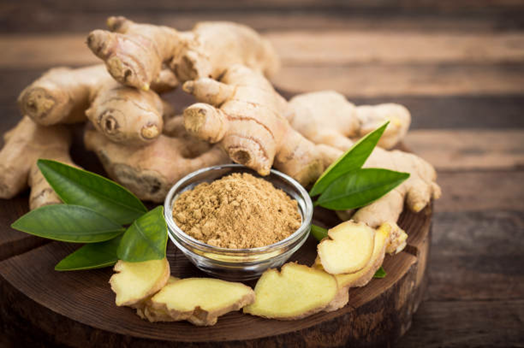
figure.5 Zingiber officinale
Table 2: Taxonomic classification of Zingiber officinale. [42-45]
|
S.N. |
kingdom |
Plantae |
|
|
Sub-kingdom |
Tracheobionta |
|
|
Division |
Magnoliophyta |
|
|
Class |
Liliopsida |
|
|
Subclass |
Zingiberidae |
|
|
order |
Zingiberales |
|
|
Family |
Zingiberaceae |
|
|
Genus |
Zingiber |
|
|
Species |
officinale |
PHYTOCONSTITUENTS:
Total phenolic, total flavonoid, 6-gingerol, 6-shogaol, individual phenolics (Tannic acid, ferulic acid, gallic acid, and cinnamic acid), and individual flavonoids (kaempferol, catechin, epicatechin, rutin, and quercetin) are all present in Zingiber officinale.
PHARMACOLOGICAL USES
Different extracts of Zingiber officinale have been shown to have special pharmacological characteristics, like antioxidant [46], neuroprotection [47], antimicrobial [48], anti-obesity [49], anti-inflammation [50], antinausea and antiemetic activities [51], and cardiovascular protection. [52]
ANTI-DIABETIC ACTIVITY
Diabetes mellitus is a serious metabolic disease caused by insufficient or resistant insulin that causes an uncontrolled rise in blood glucose levels. Protein glycation and the generation of advanced glycation end products (AGEs) may be accelerated by prolonged hyperglycemia [53]. In an in vitro investigation Both 6-shogaol and 6-gingerol inhibited the production of AGEs and delayed the start of diabetes issues by absorbing methylglyoxal (MGO), the precursor of AGEs. Moreover, 6-gingerol reduced plasma glucose and insulin levels in obese rats fed a high-fat diet. By activating Nrf2, 6-gingerol decreased N"-carboxymethyl-lysine (CML), an AGE-specific featureIn myotubes C2C12 and adipocytes 3T3-L1, 6-paradol and 6-shogaol enhanced glucose utilisation via raising AMPK phosphorylation. Furthermore, in a rat model fed a high-fat diet, 6-paradol dramatically lowered blood glucose levels. [54]
Turmeric is a species of the genus Curcuma (Curcuma L.), which is a member of the Zingiberaceae family. Other names for turmeric (Curcuma longa L.) are Indian turmeric, Indian saffron, Zohara turmeric, and turmeric long. Many nations with tropical climates that are conducive to the growth of this plant cultivate it. In Indonesia, Southeast Asia, and India, turmeric grows wild [55]. It is distinguished by its many uses; in addition to being a medicinal herbaceous plant, It is also used as a decorative, cosmetic, spice, and dye.Similar to chilli, turmeric is frequently used as a preservative and to give food a yellow hue and flavour in Asian cooking. the purpose of this study was to describe the characteristics, benefits, and drawbacks of curcumin, the primary ingredient in turmeric. [56]
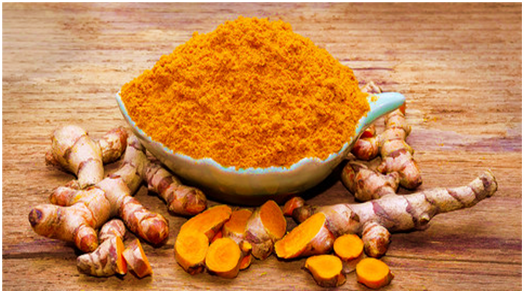
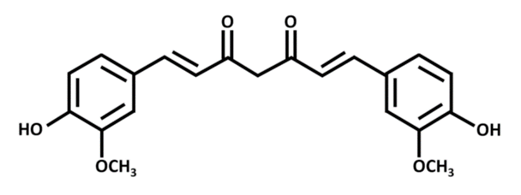
figure.6 Curcuma Longa powde r
Table 3: Taxonomic Classification of Curcuma longa.[57]
|
S.N. |
kingdom |
Plantae |
|
|
Sub-kingdom |
The Tracheobionta |
|
|
Division |
Magnoliophyta |
|
|
Class |
Liliopsida |
|
|
Subclass |
Zingiberidae |
|
|
order |
The Zingiberales |
|
|
Family |
The Zingiberaceae |
|
|
Genus |
Curcuma |
|
|
Species |
Longa |
PHYTOCONSTITUENTS:
Minerals (3.5%), protein (6.3%), fat (5.1%), and carbs (69.4%), and moisture (13.1%) make up the phytochemistry of turmeric Sesquiterpines (53%), zingiberene (25%), borneol (0.5%), a-phellandrene (1%), cineol (1%), and sabinene (0.6%) are among the many compounds discovered in the essential oil made by steam-distilling the rhizome of turmeric. Differuloylmethane, or curcumin (3–4%).
PHARMACOLOGICAL ACTIVITY
Different Curcuma longa extracts have been shown to have distinct pharmacological activities in rheumatoid arthritis [58], cancer [59], liver diseases [60], gastrointestinal disorders, urinary tract infections [61], skin disorders [62], antibacterial effects [63], and Alzheimer's disease[64].anti-inflammatory and antiviral.[65]
ANTI-DIABETIC ACTIVITY
One of curcumin's numerous pharmacological and biological benefits is its capacity to prevent diabetes. Curcumin's therapeutic benefits seem to be primarily caused by the active methylene hydrogen and the enol ketone as a functional group. [66,67].
Thymol (THY) is another substance that resembles curcumin. Plants belonging to the Lamiaceae and Zingiberaceae families naturally produce this Essential oil of vegetables. Numerous biological effects, such as antioxidant, anti-inflammatory, and anti-hyperlipidemic qualities, have been found for THY, a kind of monoterpene. Additionally, it is frequently utilised in cosmetics as a preservation agent [68].
Many powerful and potent medications are derived from plants, which are utilised medicinally in various countries. This herb is beneficial in reducing body fat and obesity. The plant known as Trigonella foenum-graecum L., or fenugreek is found all over the world and is a member of the Fabacecae family. When cultivation, irrigation, and harvesting are managed properly, yields can be significantly increased in both quantity and quality. In this regard, the annual legume Foenum graecum L. Trigonella. is widely grown for its therapeutic properties in most parts of the world. Many medicinal plants must be grown commercially in order to satisfy the ever-growing demand for them from both the pharmaceutical industry and indigenous medical systems. However, plant production is seriously threatened by soil salinity and other types of contamination.[69]Fenugreek leaves and seeds are used for a variety of medicinal (anti-diabetic, lowering blood sugar and cholesterol, anti-cancer, antimicrobial, etc.), food preparation (flavour cheese in Switzerland, syrup and bitter run in Germany, mixed seed powder with flour for flat bread in Egypt, curries, dyes, young seedlings eaten as vegetables, etc.), roasted grain as a coffee substitute in Africa, insect control in grain storage, the perfume industry, and more.Fenugreek can be a very useful crop for legume rotation in the short term. Hay and silage for animal feed, improving soil fertility and fixing nitrogen, and other applications. [70]
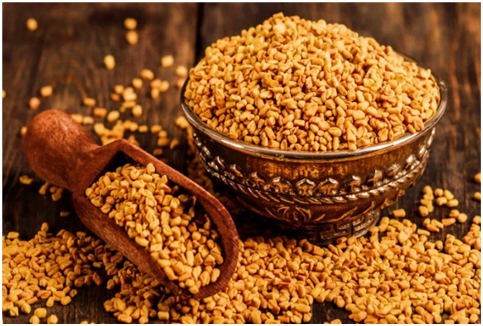
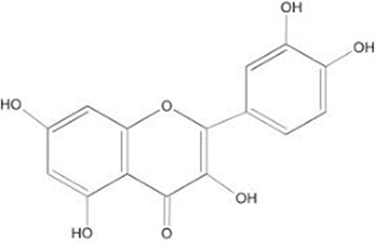
Figure 7 Trigonella Foenum Graecum seed powder
Table 4: Taxonomic classification of Trigonella Foenum Graecum[71]
|
S.N. |
kingdom |
Plantae |
|
|
Sub kingdom |
Tracheobionta (Vascular Plants) |
|
|
Division |
Magnoliophyt (Flowering plants) |
|
|
Class |
Magnoliopsida, or (Dicotyledons) |
|
|
Subclass |
Rosidae |
|
|
Order |
Fabales |
|
|
Family |
Fabaceae |
|
|
Genus |
Trigonella |
|
|
Species |
Foenum-graecum |
PHYTOCHEMICAL:
Flavonoids, alkaloids (0.36%), Mucilage (28%), lipids, proteins (22–25%), unsaturated fatty acids (6–10%), fibre (20% insoluble and 30% soluble), amino acids, and vitamins A, B1, and C, steroidal saponins (0.1–2.2%), and minerals (10). Additionally, it includes iron, calcium, and 45–60% carbs. [72]
Table 5: Phytochemical present in Trigonella Foenum Graecum [73]
|
Phytochemicals |
Chemical components |
|
Alkaloids |
Gentianine, Carpaine, Trigonelline, and Choline |
|
Saponins |
Yamogenin, fenugreekine, graecunins, and fenugrin B |
|
Flavonoids |
Rutin, isovitexin, vitexin, and quercetin |
|
amino acids |
Aspartic acid, 4-hydroxyisoleucine, and isoleucine |
|
Fibres |
Gum and neutral detergent fibre |
|
Lipids |
Free fatty acids, diacylglycerols, triacylglycerols, and monoacylglycerols |
|
Others
|
Vitamin A, folic acid, minerals, mucilage, nicotonic acid, proteins, lenoleic acid |
PHARMACOLOGICAL ACTIVE
Because distinct phytoconstituents are present in varied amounts, fenugreek demonstrates a range of pharmacological actions. These activities can be summed up as follows: anti-inflammatory activity [76], anti-carcinogenic activity/chemopreventive activity [75], and anti-oxidant activity [74]. Antimicrobial action[77], hypocholesterolemic activity [78], and gastroprotective effect [79]
ANTI-DIABETIC ACTIVITY
Patients with type II diabetes demonstrated discernible improvements in lipid metabolism after using a powdered solution of Trigonella Foenum graecum seeds. Therefore, Trigonella Foenum graecum seed may offer fresh methods for treating type II diabetes clinically. Rats with alloxan-induced diabetes and Fenugreek seed ethanol extract's impact on blood glucose levels were examined. The extract's hypoglycemic effect was contrasted with that of a single 4 mg/kg dose of the antidiabetic medication glimepiride. Significant effectiveness against the alloxan-induced diabetes condition was demonstrated by the extract. [80] Although 1g/kg was found to be the most effective amount, it is still less than the typical antidiabetic medication. Fenugreek seed supplementation's impact on insulin levels in the blood, cholesterol, and plasma glucose in Diabetes caused by alloxan was investigated in rabbits without diabetes as well. Supplementing with fenugreek considerably lowered the glucose levels in the rabbits with diabetes while having little effect on the rabbits without diabetes. [81]
CONCLUSION
The hypoglycemic effect of polyherbal powder is established in this investigation. Numerous chemical compounds found in the plant's leaves have the ability to produce a variety of pharmacological effects through a variety of pathways. These plants have historically been used to treat diabetes, and their polyherbal powder has the potential to be an effective polyherbal antidiabetic powder formulation. The combination can help those who have diabetes. Compared to commercial Type 2 diabetes medications, the formulation is less likely to have negative side effects because it is derived from a plant source. The product is economically feasible because all of the herbs utilised in this preparation are readily available at any time of year and are reasonably priced.
REFREANCES

A Review on Synergistic Anti-Diabetic Activity of Moringa oleifera Leaves, Zingiber officinale, Curcuma longa and Trigonella foenum graecum Seeds. ., Laxmi sahu, Shweta Ram, Dr. Gyanesh Kumar Sahu, Suchita Wamankar., Int. J. of Pharm. Sci., 2026, Vol 4, Issue 3, 4091-4105, https://doi.org/10.5281/zenodo.19354829
 10.5281/zenodo.19354829