

We use cookies to ensure our website works properly and to personalise your experience. Cookies policy
Department of Pharmacy, Lokmanya Tilak Institute of Pharmacy, Kharghar, Navi Mumbai.
Acmella oleracea (L.) R.K. Jansen commonly known as paracress is an herbal drug belonging to Asteraceae family. Its constituents like spilanthol (an N-alkylamide) are responsible for various biological activities. Acmella oleracea also contains other phytoconstituents like phenolic compounds, flavonoids, terpenoids which might add on additional skin benefiting properties. Antioxidant, anti-inflammatory, anti-wrinkle, skin-firming, and antimicrobial activities are reported so far. Neuro- relaxing effects of spilanthol might play a major role in the diminishing of expression lines and other bioactive compounds might help in handling the oxidative stress and inflammatory responses generated on the skin. Creams, emulsions, serums, emulgels, nanoemulsions and nanoemulsion based hydrogels are few topical delivery approaches studied to date for enhanced stability of the plant extract formulation. Standardization, quality control, safety assessment and clinical evidence so far, are also considered prior to its cosmetic application. There is a need for further controlled clinical studies to ensure long term safety and efficacy of this botanical. Purpose of this review article is to discuss the botanical and phytochemical characteristics of Acmella oleracea, skin benefiting mechanisms of action, cosmetical usage, standardization approaches, topical delivery systems studied, marketed products, safety concerns and recent patents.
The rising demand for natural and herbal ingredients across the globe is one of the key factors propelling the market for Acmella oleracea extract. With consumers becoming more aware about clean-label products, plant-based extracts are gaining traction across cosmetics, nutraceuticals, and functional food applications. Bioactive compounds extracted from plants have garnered significant attention owing to their potential antioxidant, anti-inflammatory, antimicrobial and other desirable characteristics for skin health. Consequently, a wide range of medicinal and traditionally used plants are being investigated as potential sources of active ingredients for cosmetic and cosmeceutical applications.[1][2]
Acmella oleracea (L.) R.K. Jansen, belonging to the family Asteraceae, is a tropical herb commonly known as paracress or jambu. The plant has a long history of traditional use, particularly in applications associated with oral discomfort and pain. In recent years, Acmella oleracea has received increasing scientific attention because of its diverse phytochemical composition and reported biological activities. Several classes of bioactive constituents have been identified in the plant, including N-alkylamides, phenolic compounds, flavonoids, terpenoids, and other secondary metabolites. Among these constituents, N-alkylamides, particularly spilanthol, have received substantial research interest.[3][4]
Spilanthol is one of the characteristic bioactive alkylamides reported from Acmella oleracea. It has been identified in several species of the genus Acmella and has been investigated with respect to its occurrence, chemical characteristics, extraction, and biological activities. Studies have reported various biological properties associated with spilanthol and Acmella oleracea extracts, including antioxidant and anti-inflammatory activities, which are of particular interest when considering their potential application in skin-care formulations.[4] The presence of a relatively high amount of spilanthol in Acmella oleracea has therefore contributed to the growing interest in the plant as a source of naturally derived cosmetic ingredients [5].
The development of Acmella oleracea as an herbal cosmeceutical ingredient requires an integrated understanding of its phytochemical composition, cosmetic and dermatological potential, mechanisms associated with its reported biological effects, and approaches for standardization and quality control. Formulation strategies are also important because the stability, concentration, and delivery of plant-derived bioactive compounds can influence their practical application in topical products. Recent literature has further demonstrated growing interest in the use of Acmella oleracea and spilanthol in cosmetic products, while quantitative investigations have emphasized the importance of controlling the content of bioactive constituents in plant materials and extracts [3][4][9].
Botanical profile:
Acmella oleracea (L.) R.K. Jansen is an herbaceous plant belonging to the family Asteraceae. It is widely known by common names such as paracress, toothache plant, and buzz buttons. The plant has been traditionally used for its medicinal and cosmetic properties, particularly due to the presence of bioactive compounds such as spilanthol. Its botanical classification and important taxonomic characteristics are summarized in (Table 1).
Table 1: Botanical profile of Acmella oleracea [6][8][3]
| Parameter | Details | Reference |
|---|---|---|
| Botanical Name | Acmella oleracea (L.) R.K. Jansen | [6] |
| Family | Asteraceae | [8] |
| Genus | Acmella | [8] |
| Common Names | Jambu, Paracress, Toothache plant, Spilanthes, Buzz buttons | [3] |
| Kingdom | Plantae | [8] |
| Clade | Tracheophytes, Angiosperms, Eudicots, Asterids | [3]. |
Plant description
Acmella oleracea is an annual herb characterized by specific morphological features across its plant organs, including opposite simple leaves, erect-to-decumbent green or reddish stems, and distinctive solitary, elongated-conical, and discoid yellow-to-yellow-orange flower heads (capitula) without ray florets[6][8].The details description is provided in (Table 2)(Figure 1).
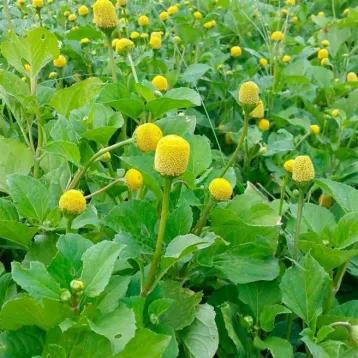
Figure 1: Morphological Characteristics of Acmella Oleracea.[3]
Table 2: Botanical profile of Acmella Oleracea[6][8]
| Plant Parts | Morphological Description | Images | References |
|---|---|---|---|
| Leaves | Opposite, simple and petiolate; leaf blades broadly ovate to deltate, approximately 5–11 cm long and 4–8 cm wide, with a truncate or shortly attenuate base, dentate margins and acute apex. The leaf surface is generally glabrous.[8] | [8] | |
| Stems | Herbaceous, glabrous, erect to decumbent, commonly green to reddish, with reported plants generally reaching about 40–60 cm in height. Stem diameter has been reported in the range of approximately 2.5–7.5 mm. [8] | [8] | |
| Flowers / Capitulum | Capitula are solitary, elongated-conical and discoid, approximately 10.5–23.5 mm long and 11–17 mm in diameter. They contain numerous yellow to yellow-orange tubular disc florets, with ray florets absent. Phyllaries are arranged in approximately three series.[6][8] | [6][8] |
Flower Microscopy:
Acmella oleracea flowers have a hypanthium with floral vascular bundles when examined under a microscope. Involucral bracts, sepals, anthers, and pollen grains are visible in the transverse slice, whilst the hypanthium and related floral vascular bundles are visible in the longitudinal section. For identifying Acmella oleracea, several anatomical traits serve as helpful diagnostic markers.[7][2] (Figure 2).
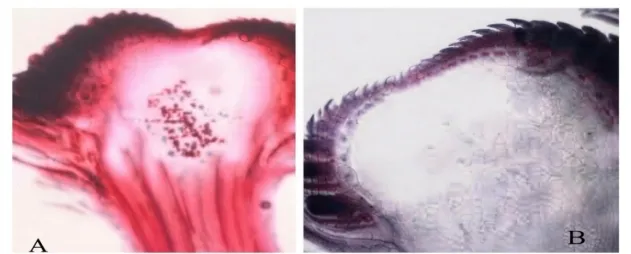
Figure 2: A and B- Photomicrograph of Acmella Oleracea Flower [2]
A: Longitudinal section of young capitulum highlighting the common structure of flowers of the same family, with SP-Sepals, HP-Hypanthium and FV-vascular bundles.
B: Longitudinal Section of mature capitulum highlighting the distinct features, with BI- Involucral bracts- Palea, AT-Anthers; Stained with safranin and Methylene blue.40x Magnification
Geographical Distribution:
Acmella oleracea (L.) R.K.Jansen is regarded as having its native habitat linked to southeastern Brazil, where it mainly appears as a cultivated species (cultigen). The plant's geographical origins have long been uncertain, with various sources indicating a South American origin. This species has since been introduced and grown in numerous tropical and subtropical areas, including regions of South America such as Bolivia, Colombia, Ecuador, and Peru, along with countries like India, Bangladesh, Sri Lanka, Myanmar, Vietnam, Taiwan, as well as various locations in Africa and the Indian Ocean [8].
The species is an annual herb that is mostly found in tropical regions that experience seasonal dryness. Due to its lengthy history of cultivation and occurrence as an escape from agriculture, its exact native environment is unclear. The species may survive in suitably damp or seasonally wet conditions, and records from several countries show that it occurs in disturbed and cultivated habitats [6][8]
PHYTOCHEMICAL PROFILE
The biological and cosmetic potential of Acmella oleracea is enhanced by a wide variety of secondary metabolites. N-alkylamides, phenolic compounds, flavonoids, terpenoids, steroids, and other lipophilic components are the main phytochemical groups found in the plant. Among these, spilanthol and other N-alkylamides are thought to be distinctive components of Acmella oleracea. The plant component, growth conditions, geographic origin, and extraction technique can all affect the phytochemical makeup [11][12]
1. Alkylamides and Spilanthol
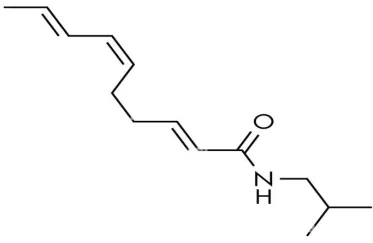
Figure 3: Chemical Structure of Spilanthol
One of the most significant classes of bioactive components in Acmella oleraceais N-alkylamides. A significant alkylamide, spilanthol (affiffin) is primarily found in flower heads and aerial portions. N-isobutylamides and related compounds are among the other N-alkylamides that have been discovered. Because of its documented biological actions and its exploration as a functional ingredient in cosmetic formulations, especially anti-wrinkle and skin-firming products, spilanthol has garnered significant study interest [10] (Figure 3).
Plant sections can have significantly different spilanthol concentrations. Spilanthol was shown to be more prevalent in the aerial portions of plants produced in vitro, whereas the roots had significantly higher total phenolic content [11][12]
1. Phenolic Compounds and Flavonoids
Another significant class of components in Acmella oleracea are flavonoids and phenolic compounds. Glycosylated flavonoids and derivatives of caffeic acid have been found as significant phenolic components. These substances are intriguing due to their antioxidant qualities and potential role in the total biological activity of plant extracts [10]. Compared to alkylamides, these molecules may have a different distribution. For instance, in one study, spilanthol was more common in the aerial material, although roots had about double the total phenolic content of the aerial sections.[10]
2. Terpenoids and Other Constituents
Several terpenoid and lipophilic components are also present in Acmella oleracea. Monoterpenes, sesquiterpenes, diterpenes, triterpenes, steroids, and hydrocarbon derivatives are among the substances that have been reported. Monoterpenoid and sesquiterpenoid substances have been found in essential oils, whereas phytol, amyrins, and lupeol have been reported in another study [14]
These substances add to the plant's chemical complexity and could influence its biological characteristics. However, depending on the plant material and extraction method, their concentration and content can change.[14][15]
EFFECT OF EXTRACTION METHOD
The phytochemical profile of Acmella oleraceais significantly influenced by the extraction technique. Alkylamides and other components have been recovered using a variety of solvents, such as ethanol, methanol, n-hexane, and ethyl acetate. To increase spilanthol recovery and uniformity, contemporary extraction methods have also been researched [9]
Chromatographic methods like HPLC and HPLC-MS/MS have been employed in analytical research to identify and quantify spilanthol. These techniques are crucial for producing repeatable extracts and managing the quality of both raw materials and final cosmetic compositions [27][33](Figure 4) (Table no 3)
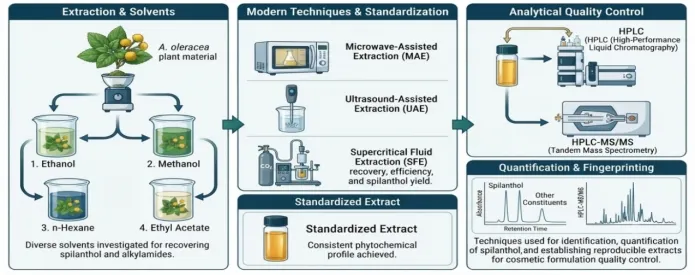
Figure 4: Schematic Workflow for the Extraction, Modern Processing Techniques, and Analytical Quality Control of Acmella oleracea for Standardization of Spilanthol and Active Phytoconstituents.
Table 3: Major Phytochemical groups of Acmella Oleracea [4,9,10,11,26]
| Phytochemical group | Examples | Relevance | Reference |
|---|---|---|---|
| Alkylamides | Spilanthol and related N-alkylamides | Major characteristic constituents | [4] |
| Phenolic compounds | Caffeic-acid derivatives | Antioxidant potential | [11] |
| Flavonoids | Glycosylated flavonoids | Antioxidant potential | [10] |
| Terpenoids | Mono-, sesqui-, di- and triterpenoids | Biological and volatile constituents | [26] |
| Steroids | Phytol and related compounds | Lipophilic constituents | [4] |
| Triterpenes | α-Amyrin, β-amyrin, lupeol | Other bioactive lipophilic constituents | [9] |
COSMETIC AND DERMATOLOGICAL POTENTIAL
1. Anti-aging: Acmella oleracea's high concentration of the N-alkylamide spilanthol has drawn interest as a possible botanical component for anti-aging cosmeceutical formulations. According to reports, spilanthol inhibits facial muscle contractions, which suggests that it could be used in anti-aging and anti-wrinkle cosmetics. The increasing interest in Acmella oleracea extracts and spilanthol-rich preparations as plant-derived cosmetic actives can be attributed to this action [18].
1. Anti-wrinkle: As a botanical anti-wrinkle component in topical cosmetic formulations, Acmella oleracea has shown promise. Savić et al. created a natural-origin emulsion serum with Acmella oleracea extract and assessed how well it worked on human volunteers' skin. After two weeks of topical administration, silicone skin-replica analysis showed significant improvements in assessed wrinkle parameters in the periorbital and perioral regions. The potential use of Acmella oleracea extract in natural anti-wrinkle cosmeceutical formulations is supported by these findings [18].
2. Skin-firming: Acmella oleracea extract's possible skin-firming properties have been studied in topical cosmetic compositions. A formulation including Acmella oleracea extract and supramolecular retinol was administered for six weeks to 33 women between the ages of 20 and 45 in a clinical evaluation. A substantial 13.0% rise in the R2 parameter, which was interpreted as an improvement in skin firmness, was found through instrumental testing utilizing a Cutometer. These results imply that formulations including Acmella oleracea may help reduce indications of skin aging and enhance skin firmness [19].
3. Antioxidant and oxidative-stress protection: The antioxidant capacity of Acmella oleracea has been shown, which may be relevant to its use in dermato-cosmetic formulations. Polyphenols, flavonoids, and N-alkylamides are among the bioactive components found in plant extracts that may enhance antioxidant activity. Acmella oleracea extracts have been shown to exhibit radical-scavenging action in vitro utilizing DPPH and ABTS tests. Additionally, adding Acmella oleracea extract to dermato-cosmetic serums based on hyaluronic acid boosted the compositions' antioxidant activity. Additionally, spilanthol has been shown to increase catalase activity while decreasing the production of nitric oxide and superoxide anion radicals, indicating a possible role in shielding skin from oxidative stress [20][21]
4. Anti-inflammatory and skin-soothing: Due to its proven anti-inflammatory properties, Acmella oleracea may find use in skin care and cosmetic products. Both in-vitro and in-vivo models were used to study ethanolic extracts from the leaves and flowers as well as the isolated N-alkylamide spilanthol. While treatment in an experimental inflammatory model decreased edema development, nitric oxide generation, and tissue infiltration, the extracts and spilanthol inhibited inflammatory responses, including nitric oxide production and chymase activity. According to these results, Acmella oleracea, especially its spilanthol-rich fraction, may be useful as a calming botanical component in products that target irritated and inflammatory skin [22][15]
5. Antimicrobial potential: Acmella oleracea has shown promise as an in vitro antibacterial, especially against bacterial growth and biofilm formation. Peretti et al. used UHPLC-ESI-QToF-MS/MS to analyze the spilanthol concentration of aqueous and hydroethanolic extracts of Acmella oleracea. The chosen extracts showed a minimum bactericidal concentration (MBC) and minimum inhibitory concentration (MIC) of 125 µg/mL against Streptococcus mutans. Additionally, at 500 µg/mL, a leaf extract rich in spilanthol inhibited around 50.89% of a pre-formed S. mutans biofilm. These results suggest that Acmella oleraceahas antibacterial and antibiofilm properties, especially in extracts rich in spilanthol[22][23]
6. Possible anti-acne applications: Acmella oleracea's antibacterial and anti-inflammatory qualities point to possible uses in cosmetic formulas meant for skin prone to acne. In vitro, spilanthol-rich extracts have shown bactericidal and antibiofilm action, and other research has also shown that spilanthol and Acmella oleracea extracts have anti-inflammatory properties. Nevertheless, there is still a dearth of clinical research particularly assessing Acmella oleraceaas an anti-acne active and direct proof against Cutibacterium acnes. As a result, its anti-acne use should now be viewed as a possibility rather than a proven therapeutic effect [21][23].
7. Skin Rejuvenation: By enhancing skin hydration, smoothness, and surface microrelief, Acmella oleracea also exhibits potential for skin rejuvenation. After two weeks of topical treatment, a glycolipid emulsion serum filled with Acmella oleracea extract significantly improved the skin condition of the face in recent in vivo research. Roughness, scaliness, and wrinkle characteristics dropped by roughly 20–30%, 30%, and 15%, respectively, while skin hydration rose by about 10–40% and smoothness by about 15% [18]. According to these results, topical formulations including Acmella oleracea may help produce skin that is smoother, more moisturized, and clearly refreshed. Nonetheless, these results ought to be seen as proof of the developed product. However, these findings should be interpreted as evidence for the formulated product rather than definitive proof of rejuvenating activity attributable solely to Acmella oleracea extract [18][19]
MECHANISM OF ACTION
The skin-protective properties of Acmella oleracea are mainly due to its bioactive compounds, especially the N-alkylamide spilanthol. This compound has been linked to neuro-relaxing effects and to the inhibition of contractions of the facial muscles, which provides a possible explanation for its supposed ability to reduce wrinkles. More recent studies based on network pharmacology and experimental research have also indicated that cosmetic products containing Acmella oleracea may affect a number of processes associated with skin ageing, such as the maintenance of the epidermal barrier, the production of dermal collagen and elastin, and the regulation of oxidative stress. Experimental results showed that collagen I, collagen III and elastic fibre expression were stimulated while reactive oxygen species were suppressed in dermal fibroblasts. Moreover, spilanthol found in the Acmella oleracea extract exhibited neuro-relaxing activity, which supports its possible role in reducing expression lines. Hence, the cosmetic effects of Acmella oleracea might result from a combination of neuro-relaxing, antioxidant, anti-inflammatory and skin-structural mechanisms [18][20][21][22]
1. Antioxidant Mechanism and Oxidative-Stress Protection
The overproduction of Reactive Oxygen Species (ROS) and reactive nitrogen species can result in oxidative stress, which is a primary reason for early skin ageing. The antioxidant properties of Acmella oleracea could be one of the reasons for its dermato-cosmetic effects. In vitro studies have shown that spilanthol can increase catalase activity and at the same time reduce the formation of nitric oxide and superoxide anion radicals. Moreover, extracts of Acmella oleracea and cosmetic formulations containing these extracts have demonstrated measurable antioxidant activity [32]. Acmella oleracea may help to prevent oxidative damage to cellular components and protect against skin ageing related to oxidative stress by reducing the levels of reactive species and enhancing the body's own antioxidant defence mechanisms. Yet, these results are mainly derived from in vitro and formulation studies and so cannot be regarded as conclusive proof of the ability to prevent skin ageing clinically [20][21]
1. Anti-inflammatory Mechanism
The plant Acmella oleracea shows anti-inflammatory properties because its N-alkylamides which include spilanthol work to reduce body inflammation. Research shows that Acmella oleracea extracts and spilanthol which scientists extracted from the plant help reduce inflammation through their ability to control nitric oxide levels and stop chymase enzymes from working and being produced. Research shows that spilanthol reduces the production of Inducible Nitric Oxide Synthase (iNOS) through its ability to block NF-κB-mediated inflammatory pathways which results in lower levels of pro-inflammatory substances [33]. The suggested application of Acmella oleracea in the topical beauty products for the calming and anti-inflammatory skincare seems to be partially supported by the evidence of reducing the tissue oxidative damage and decreasing the inflammation presented in source [21].
2. Collagen, Elastin and Skin-Firming Mechanism
The skin depends on the dermal collagen and elastic fibers to perform their functions which include providing the firmness and elasticity and maintaining its structural integrity. The research study about human dermal fibroblast cells demonstrated that the topical bioactive composition which contained Acmella oleracea extract triggered the production of collagen I and collagen III and elastic fibers while also stimulating the fibroblast cell growth. The research findings demonstrate that the skin products which contain Acmella oleracea extract support the dermal components which maintain skin elasticity and firmness. The research findings showed an unclear connection between Acmella oleracea and spilanthol effects on collagen and elastin because the experimental formula included multiple active substances. Researchers need to perform additional studies which will analyze specific Acmella oleracea components to understand their particular effects on skin matrix structure changes [22][38]
4. Epidermal Barrier Support
The epidermal barrier protects skin integrity while it controls the amount of water which escapes through the skin surface. The research demonstrated that a topical bioactive composition containing Acmella oleracea extract supports skin barrier restoration which scientists believe leads to its anti-aging effects through in vitro testing. The research findings revealed that skin barrier function related genes showed increased expression during the experimental phase. The research demonstrates that cosmetic products which contain Acmella oleracea extract protect the skin barrier function to deliver better skin health benefits. The research team needs to establish how Acmella oleracea extract functions independently because the tested formula contains several active components [35][36].
STANDARDIZATION AND QUALITY CONTROL
1. Macroscopic and Microscopic Evaluation
The first step in Acmella oleracea quality control requires evaluation of botanical raw material. The growth pattern of the plant needs full observation together with its leaf structure and flower cluster features and complete sensory evaluation of color and smell and taste. The process requires trained taxonomists to confirm botanical identification while they should also deposit voucher specimens at accredited herbaria because Acmella oleracea shares physical characteristics with other Asteraceae family plants [7].
Scientists need to see herbal materials in powdered form to observe their physical traits because they lose their initial shape during the manufacturing process. The study of transverse sections together with powder microscopy enables scientists to identify epidermal cells and stomatal distribution and trichomes and vascular tissues and secretory structures and other anatomical features. The specified criteria function to minimize product counterfeiting and substitution which organizations should include in their internal standards and official pharmacopoeial-style monographs [8].
The biological effects of Acmella oleracea preparations depend on which plant part they come from and their place of growth and their collection period and their drying process and their extraction method so authentication becomes vital for cosmeceutical products [24].
1. Moisture, Ash and Extractive Values
Simple yet significant signs of the stability and quality of Acmella oleracea raw materials are provided by physicochemical characteristics. Because too much moisture might encourage microbiological growth, enzymatic breakdown, and chemical deterioration of bioactive components during storage, loss on drying and moisture content should be regulated [24]
The analysis of acid-insoluble ash shows how much sand and soil contamination exists in a material while total ash measures the complete amount of inorganic residue which remains after combustion. Water-soluble ash may also be measured when necessary [24].
The first indication of solvent-soluble components in crude medication appears through extractive values when scientists use appropriate solvents. The extractive values alone do not prove chemical or biological stability, yet scientists can use aqueous- and hydroalcoholic-soluble extractive values to create standards for raw materials. The standard characteristics of Acmella oleracea need to include chromatographic fingerprinting and quantitative identification of distinctive alkylamides for proper evaluation[24].
2. Preliminary Phytochemical Screening
A basic qualitative assessment of main secondary metabolite groups becomes possible through initial phytochemical screening methods. The testing of alkylamides/alkamides and phenolic compounds and flavonoids and tannins, terpenoids and steroids, saponins and glycosides and other relevant phytochemical groups depends on the type of plant material and the extraction solvent used [24]. The established colour reactions together with precipitation tests lack enough selectivity to verify the presence or absence of particular substances. The initial screening process functions as an auxiliary characterization step which modern standardization programs use before they perform spectrometric analysis and chromatographic testing to identify chemical substances and their concentrations [26].
3. TLC and HPTLC Fingerprinting
The affordable laboratory technique of thin-layer chromatography (TLC) allows scientists to identify Acmella oleracea extracts while they perform comparative evaluations. The TLC fingerprinting method enables scientists to detect major sample differences by revealing unique band patterns which match essential components of the samples [24].
High-performance thin-layer chromatography (HPTLC) provides better separation results and produces consistent results which scientists can measure through densitometric quantification. The standard quality-control method for Acmella oleracea needs HPTLC fingerprinting to study different batches and suppliers and geographic sources and extraction methods [27].
A standardized HPTLC method should contain information about plant material and extraction methods and sample concentration and stationary phase and mobile phase and development settings and detection wavelength and derivatization process. The method will achieve increased strength through the measurement of spilanthol or any other certified chemical indicator [36].
The marker-based quantification method provides data about specific components but chromatographic fingerprinting shows the complete chemical composition of a sample. The two methods work better together than when you use them separately as single analytical tools [37][38].
4. LC–MS/MS Profiling
The LC-MS/MS system operates as an advanced analytical tool which performs complete characterization of Acmella oleracea plants. The method enables researchers to find structurally similar substances through their chromatographic separation and mass-to-charge data and fragmentation patterns[39].
Because Acmella oleracea comprises a chemically diverse group of alkylamides, with spilanthol being one of the most well-known and pharmacologically studied constituents, this method is especially pertinent. The LC-MS/MS technique enables scientists to study alkylamide profiles through better characterization and identification of minor components and degradation substances and extraction differences between compounds that appear similar in TLC and HPLC analysis [39].
High-resolution LC-MS technology enables scientists to perform metabolomic fingerprinting while chemometric methods help them determine sample differences based on their geographical origins and their plant tissues and cultivation environments and their extraction methods. The techniques will help scientists develop a distinct chemical profile which belongs to Acmella oleracea extracts used in cosmetic products [37].
5. Spilanthol as a Marker Compound
The plant contains Alkylamides which serve as its unique chemical elements while spilanthol (affinin) has become a popular subject because of its medical and beauty-related value which makes it a promising candidate for Acmella oleracea standardization [34].
The practice of standardization through spilanthol measurement only provides limited value to stakeholders. The amount of spilanthol in plants depends on their genetic makeup and their natural habitat and the specific plant section and the stage of growth and the time of collection and the drying process and storage conditions and the extraction methods used. The biological effects of botanical extracts develop through chemical component interactions instead of originating from a single chemical substance [35].
A quality-control strategy needs to combine marker-based identification with fingerprint analysis for effective operation. The model uses spilanthol as a chemical marker which researchers measure quantitatively. The model uses chromatographic fingerprinting and LC–MS/MS profiling together with proper assessment to identify the complete phytochemical composition [37].For finished cosmeceutical products, the marker should ideally be monitored at several stages:
Authenticated plant material → standardized extract → formulated bulk → finished product → stability/storage testing [38]
This approach can help determine whether processing and formulation alter the concentration or chemical integrity of the marker.
6. Batch-to-Batch Consistency
Batch-to-batch consistency represents one of the most important challenges in the development of botanical cosmeceuticals. Unlike synthetic active ingredients, plant-derived materials naturally exhibit chemical variability. Consequently, reproducibility cannot be achieved simply by controlling the final concentration of one compound.[40]
A comprehensive quality specification for Acmella oleracea should integrate:[41-45]
TOPICAL FORMULATION STRATEGIES FOR ACMELLA OLERACEA
Acmella oleracea shows promise as a topical treatment because its bioactive components provide local anesthetic effects along with myorelaxant and anti-inflammatory and analgesic and antifungal properties. The development of new formulations needs to continue because scientists have only made a few topical products that contain Acmella oleracea. The research that exists today supports the study of both conventional and modern topical delivery systems to improve Acmella oleracea bioactive compound stability and skin penetration, and controlled distribution.
1. Creams
Creams function as a practical delivery system which enables users to apply Acmella oleracea extract through their skin in upcoming times. The skin needs a suitable cream foundation to allow the extract to stay on the skin for longer periods while providing easy application. The extract contains water-hating elements which need special treatment to stay stable and spread uniformly through the formulation [32].
2. Emulsions
One more possible approach to using Acmella oleracea components in topical formulations is based on the use of emulsion systems. As can be seen from the literature cited in the study, spilanthol emulsions display transdermal properties. Hence, it would be reasonable to test water-in-oil and oil-in-water emulsions in order to improve the distribution of the extract. It is necessary to optimize such parameters as stability, viscosity, oil phase, and surfactant content [40][44].
3. Emulsion Serums
The use of Acmella oleracea in an emulsion serum as a natural anti-wrinkle cosmetic product has been documented before. In the present study, the rheological properties and skin evaluation in vivo was conducted using a design-of-experiment approach. This means that there is room to explore the use of Acmella oleracea in lighter serum formulations for cosmetic purposes [18].
4. Emulgels
There are instances when dermatitis might have been effectively managed with the help of an emulgel containing an aqueous extract of Acmella oleracea. Considering that where the presence of hydrophobic materials and applicability are significant factors, then it might be best to employ emulgels considering their ability to incorporate the features of both gels and emulsions. There is a lot of research that can be conducted regarding the said topic [27]
5. Hydrogels
The fact that the plant extract is compatible with a hydrated polymeric matrix makes hydrogels a good semi-solid base for topical application of this drug. Indeed, according to the 2025 study, a hydrogel was used which was made on the basis of xanthan gum, but it also contained a nanoemulsion of the Acmella oleracea extract. After adding the nanoemulsion to the hydrogel, it showed good rheological behaviour and physical stability during the entire period of the study[35].
6. Nanoemulsions
Nanoemulsion technology appears to be one of the most promising approaches for Acmella oleracea extract encapsulation. While hydrophobic substances were not soluble in the microemulsion technology, the Acmella oleracea extract was easily incorporated into nanoemulsions with nanometer droplets in the study conducted in 2025. Nanoemulsions with Acmella oleracea extracts were found to be physically stable and had an average Z-value of around 120-218 nm with PDI ranging from 0.2 to 0.3.[35]
7. Nanoemulsion-Based Hydrogels
As they merge the properties of a hydrogel that is semisolid and the properties of a nanoemulsion that has the nanoparticles dispersed in it, the nanoemulsion hydrogels or nanoemulgels emerge as one of the most promising strategies for the future. In the experiment conducted, Acmella oleracea nanoemulsion was incorporated into the hydrogel of xanthan gum. The result obtained was that of sustained release of spilanthol through the artificial membrane while preserving physical stability. Therefore, the nanoemulsion hydrogels could provide a suitable medium for the application of Acmella oleracea extract.[35] (Figure5)
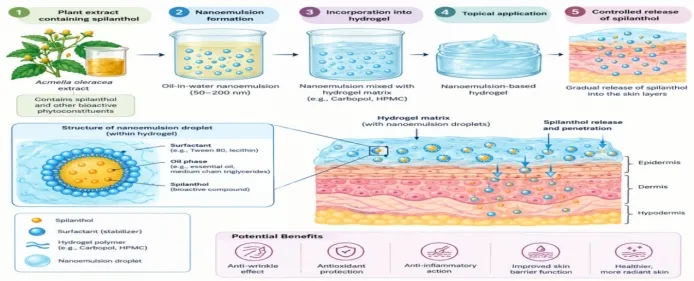
Figure 5: Nanoemulsion-based Hydrogel Methods
7. Other Advanced Topical Delivery Systems
For Acmella oleracea, an alternative method of administration could be considered. Acmella oleracea extract is already used in nanostructured lipid carriers (NLCs) for some cosmetic products. It means that lipid nanocarriers can be used for medicine and cosmetics in the future. Moreover, there is an opportunity to consider sprayable topically administered systems since there are some reports on spray formulation containing ethanolic extract of Acmella oleracea inflorescence. Stability, deposition of the extract, controlled release, and the quality of the formulation could become the main points of further development of lipid nanocarriers and other innovative methods of administration [39][40].
MARKETED PRODUCTS AND COMMERCIAL APPLICATIONS OF ACMELLA OLERACEA
Table 4: Product/ Formulation of Acmella Oleracea
| Product / Application | Company / Source | Formulation | Claimed / Intended Use | References |
|---|---|---|---|---|
| Acmella oleraceaanti-wrinkle emulsion serum | Savic et al. | Emulsion serum | Anti-ageing; reduction/improvement of facial fine lines and wrinkles | [18] |
| Acmella oleracea extract cosmetic products | Commercial products cited by Spinozzi et al. | Nanostructured lipid carriers (NLCs) | Cosmetic application | [35] |
| Acmella oleraceaemulgel | Literature-reported formulation | Emulsion-based hydrogel (emulgel) | Topical application for dermatitis | [37] |
| Acmella oleracea spray[47][48][50] | Literature-reported formulation | Spray containing ethanolic inflorescence extract | Topical/local application for premature ejaculation | [47][48][50] |
| Spilanthol / Acmella oleraceaanti-wrinkle cosmetic composition | Patent literature | Cosmetic cream/composition | Reduction of facial expression lines and wrinkles | [50] |
| Spilanthol-based cosmetic raw material | Commercial development | Standardized spilanthol extract/raw material | Anti-wrinkle cosmetic applications | [35] |
PRECLINICAL, CLINICAL AND COSMETIC EVIDENCE
The available literature on Acmella oleracea consists of in-vitro research, pre-clinical research, topical formulation research and human clinical cosmetic studies. Literature on this subject is limited; however, recent literature suggests the use of Acmella oleraceaa extract and spilanthol in topical pharmaceutical and cosmetic formulations [18,35,38,39]
1. In-vitro Studies
Human keratinocyte cytotoxicity study
Type of study: In-vitro cytotoxicity test [35]
Animal model: HaCat human keratinocyte cells [35]
Intervention: Extract of Acmella oleracea, nanoemulsion (NE) of Acmella oleracea, and NE control [35]
Outcome: The extract was moderately toxic and had IC₅₀ around 64.48 µg/mL. However, the Acmella oleracea NNE had a higher IC₅₀ of around 3.25 mg/mL due to the low concentration of extract used in the formula (1% w/w). This study therefore generated preliminary data on the cellular toxicity of the topical formula.[35]
Evidence level: Moderate for preliminary in-vitro formulation/safety study, but insufficient for clinical safety [35].
In-vitro permeation/release study
- Type of study: In vitro membrane permeability experiment [44].
- Model used: Artificial cellulose dialysis membrane with Franz diffusion cells [44]
- Intervention: Acmella oleracea NE and NE-xanthan gum hydrogel with spilanthol [44]
- Effect: Hydrogel exhibited sustained and controlled release of spilanthol in almost zero-order release kinetic mechanism [44]
- Strength of evidence: Moderate on the performance of formulation; not comparable to human skin permeability [44]
Animal/Preclinical Studies
2. Formulation Studies
Nanoemulsion-based hydrogel
- Type of study: Formulation & physicochemical assessment [42]
- Treatment: Acmella oleracea extract rich in n-alkylamides was formulated in nanoemulsions which were further used to formulate hydrogels using xanthan gum [42]
- Result: Droplets of nanoemulsions had average size 120–218 nm with PDI ranging from 0.2 to 0.3. Optimized hydrogel based on NEs proved to be physically stable up to 6 months. Microemulsions failed due to precipitation of hydrophobic solid particles. Hydrogel exhibited sustained release of spilanthol[42].
- Evidence level: Good preclinical/formulation evidence, efficacy clinically unproven [41][42]
Human/In-vivo Cosmetic Studies
One key cosmetic study mentioned in the 2025 paper examined the effects of an "all-natural" anti-wrinkle emulsion serum with Acmella oleracea extract. This study was based on a design of experiments concept and looked into the formulation characteristics, rheology, and skin performance/efficacy of the formulation. Therefore, it presents moderate human cosmetic evidence regarding the anti-wrinkle use of Acmella oleracea.
- Type of study: In-vivo cosmetic/formulation study [40]
- Model: Human skin/subjects [40]
- Intervention: Anti-wrinkle emulsion serum with Acmella oleracea extract
[40]
- Outcome: Skin performance/efficacy and formulation/rheological characteristics were assessed [40].
- Strength of evidence: Moderate human cosmetic evidence; more independent clinical studies are needed [40].
SAFETY AND TOXICOLOGICAL CONSIDERATIONS
The safety of Acmella oleracea in cosmeceuticals cannot be inferred from its culinary and folk-medicine use alone. Cosmetic extracts are applied repeatedly to skin, often under occlusion, in vehicles and at concentrations chosen for efficacy [46].
1. Topical safety
A.oleracea (jambu, paracress, toothache plant) is used as leaf vegetable and flavoring agent in South America and Asia and the major alkylamide of this plant, spilanthol, was considered as the flavoring substance. Joint FAO/WHO Expert Committee on Food Additives has stated that flavoring use of spilanthol is safe for human health, EFSA made the same conclusion for general and high intake population, while FEMA declared jambu oleoresin as Generally Recognized as Safe [47]. It is related to the ingestion of the substance. But it does not cover the data on dermal safety of cosmetic extracts.
Dermal exposure can be expected. Permeability and transport through skin of spilanthol have been studied using commercial Spilanthes extract, mouth gels and spilanthol dissolved in PG water mixture, with permeability across human skin described [48]. In the following work the possibility of spilanthol to serve as skin penetration enhancer for other agents has been demonstrated [48]. Thus, spilanthol should be considered as an active ingredient and as penetration enhancer in a case of the combination of several actives [49][50]
Acmella oleracea extract: for the finished product, the dermatologist-controlled 24-hour occlusive patch test performed on 30 volunteers on a commercial serum with isolated spilanthol, Acmella oleracea extract and hyaluronan did not show any irritative reactions [50].
2. Irritation and sensitization
Spilanthol is a sensory agent from a pharmaceutical perspective. Chewing the flower results in pungent sensation, tingling/numbing, salivation, and cool sensation [52]. The mild tingle that may be anticipated as part of the product's performance on skin should be distinguished from irritant contact dermatitis.
Acmella oleracea belongs to the Asteraceae (Compositae) plant family. Individuals who are sensitive to this family may be sensitive to it, and natural health products in Canada, which contain spilanthol, have contraindications for those with an Asteraceae allergy [51]. Irritation or cross-reaction in individuals who are atopic or Asteraceae-sensitive individuals is thus a possibility for leave-on products and "sensitive skin" claims [52][53].
Sensitization potential can be evaluated using step peat-insult patch test (HRIPT) on the final product formulation with the intended level of spilanthol. Standard battery: in vitro or in chemico skin sensitization tests, followed by human reactivity evaluation. [54].
3. Cytotoxicity
In-vitro information suggests a concentration- and formulation-related cytotoxic pattern. In a study involving the delivery of the nanoemulsion hydrogel containing the extract of Acmella oleracean-hexane via Franz diffusion cells, there was sustained release of spilanthol across the membrane. There was also moderate cytotoxicity of the system in HaCaT keratinocytes, and it was deemed appropriate for topical application by the authors [55]. Non-mammalian in-vivo studies indicate that high exposure levels are not neutral. Histopathological alterations occurred in the gills, liver, intestines, and kidneys of adult zebrafish following immersion and oral exposure to a hydroethanolic flower extract [56]. Zebrafish and cell-line information represent screening-level information and cannot be used to estimate human dermal exposure risk. However, it indicates the need to limit the exposure to the extract and spilanthol and to determine the safety factor [57]
PATENT LANDSCAPE (2017–2026)
Table 5: Patent Granted from Year 2017-2026 on Acmella Oleracea [56][57][58][59][60]
| Patent publication no. | Year | Applicant | Application | Description | References |
|---|---|---|---|---|---|
| EP3148559A1 / B1 (with CN106573025, CA2949971C, BR112016027926B1) | Published 2017; EP granted 2019 (priority 2014)2 Nov 2026 | Johnson & Johnson Consumer Inc. (now Kenvue Brands LLC) | Topical analgesia, anti-neurogenic inflammation, itch and sting relief | Acmella oleracea extract plus Cistus ladanifer and/or Cupressus sempervirens oil; 0.1–19% w/w each | [56] |
| WO2019049142A1; US10512614B2; US12023306B2 | Filed 2018–2021 | SciCann Therapeutics | Pharmaceutical, cosmeceutical, nutricosmetic and food uses | Fixed-dose combination of cannabinoid (THC/CBD) and spilanthol with claimed synergy | [57][58] |
| WO2020009937A1; US2020009209A1; EP3817755A1; US11547734B2; US12048724B2 | 2020–2023 | Mary Kay Inc | Facial muscle relaxation, fine-line and wrinkle reduction | Rosemary eutectic extract + Lavandula stoechas CO₂ extract + Acmella oleracea extract (Gatuline Expression AF); EMG-based clinical data | [59] |
| US11400043B2; US11684566B2; US12059491; US12661313 | Granted from 2022 | Mary Kay Inc | Skin barrier function, firmness, tone, lines | Multi-active serum: tetrahexyldecyl ascorbate + Acmella oleracea extract + retinol and other botanicals | [60] |
CONCLUSION
The inclusion of Acmella oleracea as a plant component in herbal cosmeceuticals is attractive based on its special bioactive compound called spilanthol and other components. According to existing research, it may be helpful in diminishing the appearance of wrinkles, enhancing skin elasticity and offering antioxidant and anti-inflammatory activity. The latest advancements in technologies of topical delivery systems such as nanoemulsions and nanoemulsion-based hydrogels might assist in stabilizing and delivering the active compounds. Nevertheless, the variability of raw materials, extraction techniques and phytochemicals requires special attention concerning standardization. At the moment, there is only lab research, preclinical testing, evaluation of topical preparations and a small number of human cosmetic studies. Currently, existing data cannot prove the safety and efficacy of Acmella oleracea in skin care. Additional research is required to demonstrate its safety and effectiveness on human skin. The further studies of Acmella oleracea in skin-care preparations are likely to show promising results. With continued scientific investigation, Acmella oleracea may have valuable applications in the development of herbal skin-care products.
REFERENCES






Aakanksha Bhawal, Roshani Shah, Janhavi Patil, Prince Yadav, Sahil Mishra, Shrutika Patil, Acmella Oleracea in Herbal Cosmeceuticals: A Comprehensive Review, Int. J. of Pharm. Sci., 2026, Vol 4, Issue 11, 80-97. https://doi.org/10.5281/zenodo.23876773
 10.5281/zenodo.23876773