

We use cookies to ensure our website works properly and to personalise your experience. Cookies policy
East Point College of Pharmacy, Karnataka 560049, Affiliated to Rajiv Gandhi University of health sciences, Bengaluru, Karnataka- 560041.
Purpose: Neurological disorders remain a major global health challenge, while effective central nervous system (CNS) drug delivery is hindered by the blood–brain barrier (BBB) and the poor aqueous solubility of many therapeutic agents. This review aims to evaluate current solubility enhancement strategies that improve drug bioavailability and therapeutic efficacy in nose-to-brain drug delivery systems.Methods:A comprehensive literature review was conducted to examine conventional and advanced solubility enhancement approaches, including pH adjustment, cyclodextrin complexation, co-solvents, Self-Emulsifying Drug Delivery Systems (SEDDS), and lipid- and polymer-based nanocarriers such as solid lipid nanoparticles (SLNs), nanostructured lipid carriers (NLCs), nanoemulsions, microemulsions, and dendrimers. Drug selection was discussed using the Biopharmaceutics Classification System (BCS) Class II framework, together with key formulation and evaluation parameters.Results:The reviewed evidence indicates that appropriate solubility enhancement strategies significantly improve drug dissolution, nasal permeation, brain targeting, and overall bioavailability. Parameters including particle size, zeta potential, in vitro drug release, , Drug Targeting Efficiency (DTE%), are critical indicators of formulation performance.Conclusion:Selecting an appropriate solubility enhancement strategy based on drug physicochemical properties is essential for successful nose-to-brain delivery. Emerging technologies, including AI-assisted formulation optimization and biomimetic nanocarriers, offer promising opportunities to overcome translational barriers and advance next-generation therapies for neurological and neurodegenerative disorders.
The health of the nervous system is fundamental to overall human well-being. Optimal functioning of the brain, spinal cord, and peripheral nerves supports productive employment, fosters healthy interpersonal relationships, and significantly enhances quality of life. Neurological disorders occur across all stages of life, with different conditions predominating at different ages. During the perinatal period, neurological insults can adversely affect infant brain development. In childhood, adolescence, and early adulthood, neurodevelopmental disorders, epilepsy, migraine, and tension-type headaches contribute substantially to disease burden and functional impairment. In later life, stroke and neurodegenerative diseases become increasingly prevalent, while systemic conditions such as diabetes are also associated with significant neurological complications (1,2)
Neurological disorders affect more than one-third of the global population and accounted for approximately 443 million disability-adjusted life years (DALYs) in 2021, highlighting their substantial contribution to the worldwide disease burden. The increasing prevalence of these conditions since 1990 has been driven largely by population growth and an aging demographic. Despite this rising burden, most population-based assessments of nervous system health in the United States have primarily focused on age-related neurological disorders, often overlooking the significant impact of congenital, neonatal, neurodevelopmental, and systemic conditions that influence neurological health throughout the lifespan. To address this gap, the present analysis provides an updated and comprehensive overview of the burden associated with neurological disorders in the United States using data from the Global Burden of Disease (GBD) 2021 study. Conducted under the Global Burden of Disease, Injuries, and Risk Factors framework, the GBD study is an ongoing international collaborative initiative that systematically evaluates health loss across different age groups, sexes, geographic regions, and time periods. By integrating available epidemiological evidence with advanced statistical modeling and predictive approaches, the GBD generates robust estimates even in settings where direct data are limited.(3)
Challenges in treating CNS diseases
Table 01 : Strategies for brain drug delivery(4)
|
Strategy |
Advantages |
Limitations |
|
Viral vectors |
Efficient gene transfer with high transfection efficiency in target cells |
Safety concerns, limited BBB penetration, often require direct intracerebral administration or high intravenous doses |
|
Nanoparticles |
Protect therapeutic agents, enable controlled drug release, and improve brain-targeted delivery |
Limited BBB penetration, possible toxicity, and formulation complexity |
|
Exosomes |
Natural nanocarriers with potential for efficient brain-targeted gene and drug delivery across the BBB |
Challenges in donor cell selection, cargo loading, large-scale production, and uncertain in vivo pharmacokinetics and safety |
|
Active transporter-mediated BBB delivery |
Facilitates transport of therapeutics across the BBB via endogenous carrier or receptor systems following intravenous administration |
Primarily applicable to small molecules or ligands with specific transporter affinity |
|
Brain permeability enhancers |
Temporarily increase BBB permeability to improve drug uptake into the brain |
Risk of non-specific BBB disruption and poor translation of preclinical findings to humans |
|
Non-invasive BBB modulation techniques |
Enhance brain drug uptake by transient BBB opening and reducing efflux transporter activity |
Potential toxicity and limited long-term safety data |
|
Alternative administration routes (Intranasal delivery) |
Bypasses the BBB through olfactory and trigeminal pathways, enabling direct nose-to-brain drug transport |
Restricted to low-dose formulations and influenced by nasal physiology and mucociliary clearance |
Anatomy of Blood brain barrier
The blood–brain barrier (BBB) is a highly specialized and indispensable protective interface that preserves the normal physiological function of the central nervous system (CNS). A critical structural component of the BBB is the network of tight junctions (TJs), which forms the primary physical barrier responsible for maintaining CNS homeostasis and restricting the uncontrolled movement of substances between the bloodstream and brain tissue. These intricate protein complexes seal the spaces between adjacent cerebral endothelial cells, thereby regulating the transport of ions, nutrients, signaling molecules, and immune cells while preventing the passage of potentially harmful agents the BBB consists of brain microvascular endothelial cells connected by tight junctions that limit paracellular permeability. The endothelial layer is further supported by pericytes, which provide structural stability and regulate vascular function, while astrocytic end-feet envelop the cerebral micro vessels, playing a crucial role in preserving BBB integrity and maintaining the brain's protective microenvironment (5,)
Conventional brain targeting strategies
|
Invasive Strategies |
PhysiologicBased Strategies |
Pharmacologic Strategies |
|
BBB disruption |
Pseudo nutrients |
Prodrug |
|
Intra-cerebral implants |
Cationic proteins |
Liposomes |
|
Intra-ventricular infusion Intra-thecal delivery |
Chimeric peptides |
Nanoparticles |
Advantages and limitations
Limitations of Nose to brain drug delivery
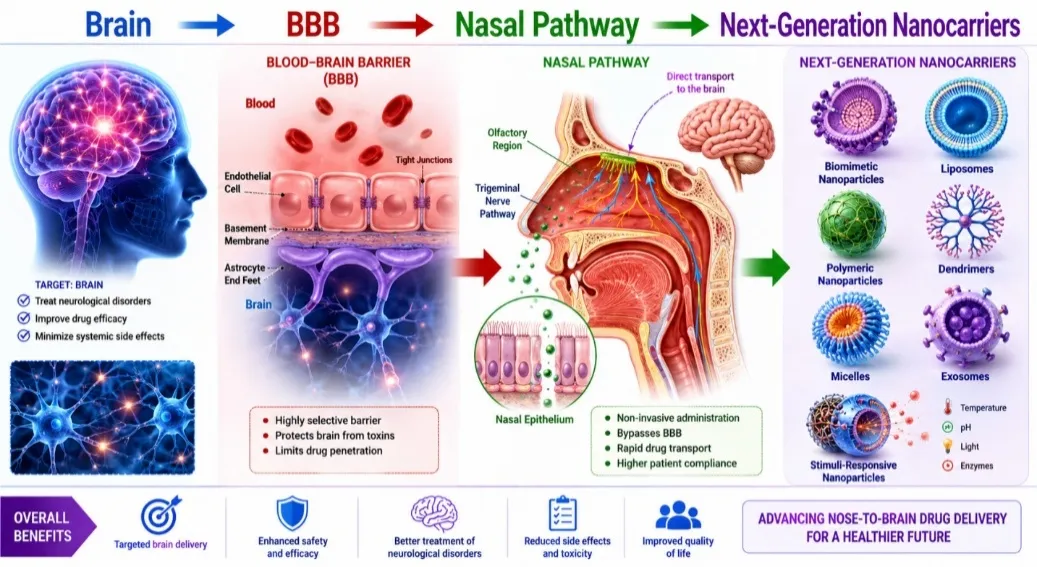
Figure: 01 brain to BBB-nasal pathway and next generation nano- carriers (8)
Nose-to-brain pathway and barriers
Olfactory and Trigeminal Pathways
The olfactory and trigeminal pathways serve as the primary routes for direct nose-to-brain drug transport. The olfactory pathway involves transport through the olfactory epithelium located in the upper nasal cavity. Drugs may reach the olfactory bulb via intracellular or extracellular mechanisms. The trigeminal nerve pathway provides access to deeper brain regions and the brainstem. Together, these pathways facilitate rapid delivery of therapeutic agents while bypassing systemic circulation. Transport efficiency depends on molecular characteristics, formulation design, and nasal residence time. Nano-carrier systems can significantly improve deposition and permeation through these pathways. Enhanced understanding of these mechanisms has supported the development of targeted intranasal formulations. These pathways form the scientific basis for modern nose-to-brain drug delivery technologies (9)
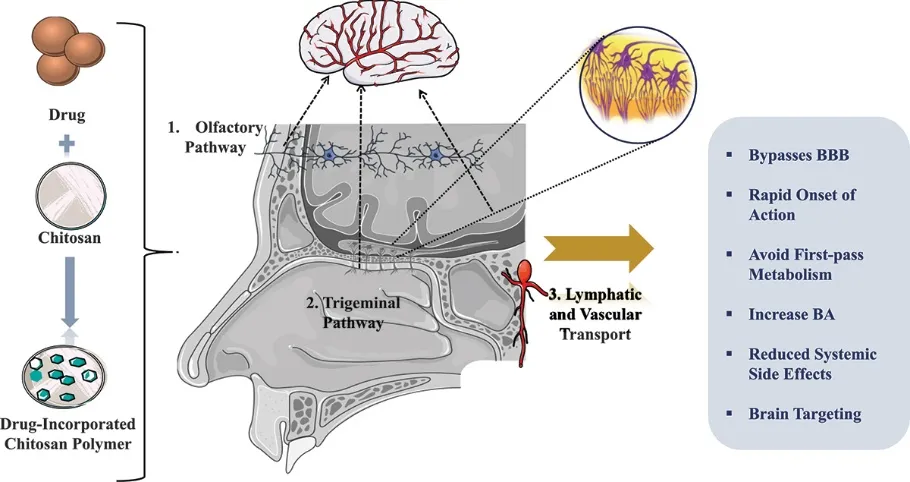
Figure 02: Olfactory and Trigeminal Pathways(9)
Trigeminovascular Pathway and CGRP Release (10)
The trigemino-vascular system is considered the principal pathway involved in migraine pathogenesis. Activation of trigeminal sensory fibers innervating meningeal blood vessels results in the release of several neuropeptides, including calcitonin gene-related peptide (CGRP), substance P, and neurokinin. Among these, CGRP is recognized as the most important mediator due to its potent vasodilatory and pro-inflammatory properties. Elevated CGRP levels have been observed during migraine attacks and decrease following effective treatment. CGRP contributes to vasodilation, neurogenic inflammation, and sensitization of pain pathways. Persistent activation of this pathway may lead to chronic migraine and central sensitization. Consequently, CGRP has emerged as a major therapeutic target in migraine treatment. The development of CGRP antagonists and monoclonal antibodies has significantly advanced migraine management. Understanding the trigemino-vascular pathway is essential for designing targeted delivery systems capable of improving treatment efficacy.(10,11)
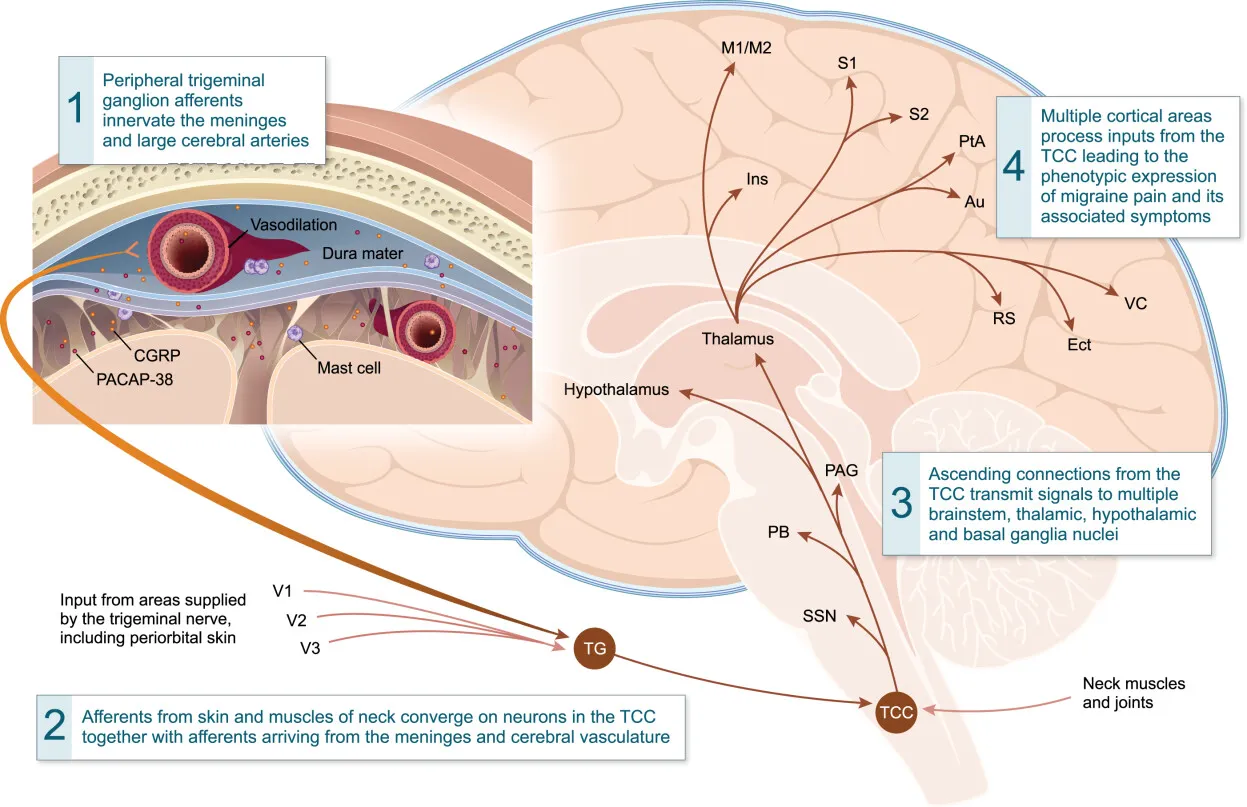
Fig 3: The triggering of pain via the trigeminovascular pathway (12)
Drug properties affecting nose-to-brain delivery
Molecular weight: Smaller molecules — generally under about 1000 Da — pass more easily through the tight junctions of nasal epithelial cells, making them better suited for nose-to-brain delivery. Larger molecules like peptides, proteins, and other biologics struggle to cross the epithelium simply because of their size, which limits how well they work when given intranasally. Getting around this usually means turning to permeation enhancers, carrier systems (emulsions, liposomes, nanoparticles), or mucoadhesive agents to help ferry the larger molecules across.(13)
Lipophilicity: Drugs that are lipid-loving move across the nasal mucosa relatively easily by dissolving into and passing through the lipid bilayers of cell membranes — this transcellular route makes them good candidates for brain delivery. Hydrophilic drugs, by contrast, don't mix well with the lipid-rich membrane and are absorbed less efficiently. Formulators typically address this by adding lipophilic excipients or packaging the hydrophilic drug inside lipid-based nanoparticles.(13,14)
Solubility: A drug has to actually dissolve in nasal secretions to be absorbed — if it doesn't dissolve well, the concentration available for uptake stays too low and therapeutic effect suffers. This is usually managed with solubilizing agents or purpose-built delivery systems; co-solvents and surfactants are common tools for pushing more of the drug into solution so enough reaches the target site, brain or bloodstream.(13,14)
Stability: A formulation only works if the drug survives intact until it reaches its target — enzymatic activity, pH shifts, or oxidation in the nasal environment can all degrade it first. Peptide drugs like insulin are especially vulnerable to enzymatic breakdown, which is why enzyme inhibitors or stabilizing excipients are often built into these formulations. Protective encapsulation is one common way to keep the active ingredient functional all the way through delivery.(15)
pH: Nasal tissue sits at a mildly acidic pH, roughly 4.5–6.5, so formulations are generally designed to match that range — both to avoid irritating the mucosa and to keep absorption efficient. Straying too far outside this window risks either drug instability (like hydrolysis) or physical damage to the mucosal lining — too acidic can sting or inflame, too alkaline can break down the barrier itself. Buffers are typically added to keep the formulation within the tolerable range.(16)
Formulation-related factors
Particle size: For nanoparticle-based formulations, staying under roughly 200 nm helps particles slip through lipid membranes and tight junctions rather than getting stuck. Bigger particles tend to get trapped near the front of the nasal cavity or swept away by mucociliary clearance before they can do much good, and even when they do reach the mucosa, they have to release their drug payload for slower, less efficient passive diffusion. This is why particle size is a key design target for polymeric nanoparticles, SLNs, NLCs, and liposomes.(17)
Permeation enhancers: Additives like polysorbate 80, dodecyl or tetradecyl maltoside, methyl-β-cyclodextrin, and chitosan are used to temporarily loosen the mucosal barrier — chitosan, for instance, interacts with the negatively charged mucosal surface to pry open tight junctions and boost paracellular transport. These need careful handling, though, since pushing too hard on the barrier can cause irritation or lasting damage, so there's always a tradeoff between better absorption and mucosal safety.(18)
Viscosity: Thicker formulations — often built using polymers like carboxymethylcellulose or carbopol — stay in contact with the mucosa longer, giving the drug more time to diffuse in. But go too thick and you risk slowing drug release or making the product unpleasant to use (gels can feel sticky or obstructive), which hurts compliance. The goal is a viscosity that's neither too thin nor too heavy.(19)
Delivery device: How the drug is dispensed — spray, pump, or nebulizer — shapes where it actually lands in the nasal cavity. Devices producing fine, even droplets cover the mucosa (especially the olfactory region) much better than coarse sprays, which tend to dump most of the dose near the front of the nose and miss the deeper absorptive areas. Newer precision olfactory delivery devices are built specifically to target the right region.(20)
Osmolarity: Formulations close to isotonic (roughly 280–310 mOsm/kg) are best tolerated and keep the mucosa functioning normally. Hypertonic formulations can dry out the mucosa and cause discomfort (a hypertonic saline spray, for example, can sting or burn), while hypotonic ones risk over-hydrating the tissue and diluting the drug enough to hinder uptake. Salts or sugars are typically used to fine-tune osmolarity into the tolerable range.(21)
Nasal cavity conditions
Mucosal condition: Healthy, undamaged mucosa gives the drug the best surface to be absorbed through. Conditions like chronic rhinitis, sinusitis, or physical trauma can disrupt that surface, alter permeability, or trigger excess mucus that traps or dilutes the drug. Mucociliary clearance itself is a constant complication, cutting down how long the drug actually stays in contact with the tissue. Mucoadhesive agents (chitosan, hydroxypropyl methylcellulose) are commonly added to buy more contact time, and environmental humidity plays a role too — dry air thickens mucus and blocks penetration, while humid air can shift drug solubility or stability. In cases of excess mucus (allergies, infections), mucolytics may be needed just to keep the formulation from being physically blocked.(22)
Nasal temperature: The nasal cavity normally sits around 32–34°C, and shifts in that temperature can change a formulation's solubility, viscosity, and how well it's absorbed. Cold conditions can thicken gel formulations and slow drug release, while warmer conditions might help solubility but risk degrading the drug faster. External weather (cold, dry air, for instance) can dry out the mucosa and reduce dissolution. Thermoresponsive polymers are one way formulators try to keep performance consistent despite these swings.(21,22)
Nasal blood flow: More blood flow to the nasal mucosa (from vasodilation) gives a bigger vascular surface for absorption, while vasoconstriction shrinks that supply and reduces uptake. Things like exercise, stress, or drugs that constrict or dilate blood vessels (phenylephrine is a common vasoconstrictor example) can shift nasal blood flow and, with it, how efficiently the drug gets absorbed.(23)
Solubility enhancement techniques for nose to brain drug delivery system
Lipid particulate system
Lipid-based particulate systems are widely used for nose-to-brain drug delivery because their amphiphilic nature enables the transport of both hydrophilic and lipophilic drugs. Formulated with biodegradable and biocompatible lipids such as DSPC, cholesterol, PEG, poloxamers, lecithin, Capmul MCM, Precirol®, and Compritol® 888 ATO, these carriers offer enhanced safety and compatibility. Their brain-targeting efficiency is influenced by particle size and surface charge. Cationic lipid nanocarriers generally provide superior intranasal delivery by improving mucoadhesion and promoting electrostatic interaction with the negatively charged nasal epithelium, while neutral and anionic carriers can also facilitate brain delivery through endocytic and transcellular transport mechanisms.(24)
Solid lipid nanoparticles (SLNs)
Solid lipid nanoparticles (SLNs) are promising colloidal carriers for brain-targeted drug delivery due to their ability to enhance drug transport across the blood–brain barrier (BBB). They offer several advantages, including high stability, biocompatibility, low toxicity, improved drug loading, and scalability. SLNs have been widely investigated to overcome BBB-associated limitations and improve the therapeutic efficacy of neuroactive drugs For example, polysorbate-80-coated piperine-loaded SLNs enhanced brain delivery, reduced oxidative stress, and decreased amyloid plaque formation in Alzheimer's disease models Similarly, quercetin-loaded SLNs improved antioxidant activity and reduced neurodegeneration in experimental Alzheimer's disease, demonstrating their potential for effective CNS drug delivery.(25)
Microemulsions (MEs)
Microemulsions (MEs) are thermodynamically stable, isotropic nano-carrier systems with droplet sizes typically ranging from 10–140 nm. Their small droplet size enables efficient encapsulation of both hydrophilic and lipophilic drugs, making them attractive for nose-to-brain drug delivery. The oil, surfactant, and co-surfactant components not only enhance drug solubility but also improve nasal absorption, inhibit P-glycoprotein, and facilitate transport across the blood–brain barrier. For instance, an ibuprofen-loaded oil-in-water microemulsion containing oleic acid, Tween 20, ethanol, and propylene glycol demonstrated enhanced brain targeting following intranasal administration compared with oral and intravenous delivery by improving nasal permeation and reducing enzymatic degradation.(26)
Exosomes
Exosomes are nano-sized extracellular vesicles naturally released by most cell types and are widely distributed in biological fluids and central nervous system (CNS) tissues. They play a dual role in neurological disorders by facilitating the spread of pathological proteins, such as amyloid-β and hyperphosphorylated tau, while also promoting the clearance of amyloid-β through microglial uptake and transporting neuroprotective molecules. Owing to these unique properties, exosomes have emerged as promising carriers for CNS drug delivery and as potential biomarkers for the early diagnosis.(27)
Nanoemulsions (NEs)
Nanoemulsions (NEs) are nanoscale drug delivery systems that offer high stability, improved drug solubility, and efficient transport of therapeutic agents across the blood–brain barrier (BBB). With particle sizes typically ranging from 50–500 nm, NEs enable uniform drug distribution and enhanced brain targeting through the intranasal route. Memantine-loaded NEs demonstrated improved drug release, antioxidant activity, and cellular uptake, while donepezil-loaded oil-in-water NEs exhibited enhanced brain absorption, dose-dependent safety, and promising neuroprotective effects in Alzheimer's disease models, highlighting their potential for effective nose-to-brain drug delivery.(28)
Dendrimers
Dendrimers are highly branched, nanosized carriers capable of encapsulating both hydrophilic and hydrophobic drugs for brain-targeted delivery via multiple administration routes, particularly the intranasal route. Their cationic surface enhances mucoadhesion, facilitating efficient nose-to-brain transport. Polyamidoamine (PAMAM) dendrimers have shown improved brain delivery of haloperidol, achieving higher drug accumulation in the striatum following intranasal administration at significantly lower doses than intraperitoneal delivery. These findings suggest that dendrimers can enhance therapeutic efficacy while reducing systemic exposure and CNS-related adverse effects, making them promising carriers for Alzheimer's disease therapy.(28)
Co-solvents
Co-solvents increase the drug solubility and hence, increase the drug absorption. They are pharmaceutically acceptable, non-toxic and nonirritant to the olfactory mucosa. Commonly used co-solvents in nasal formulations are propylene glycol, polyethylene glycol, glycerol and ethanol.(28)
Polymeric Nanocarriers
Biodegradable polymeric nanocarriers are among the most promising systems for nose-to-brain (NtB) drug delivery due to their excellent biocompatibility, biodegradability, and ability to form nanosized particles (1–1000 nm). Both natural polymers, such as chitosan, and synthetic polymers, including PLGA, PEG, and polyethyleneimine, have been widely investigated for delivering macromolecules while protecting sensitive drugs from enzymatic degradation. Notably, bevacizumab-loaded PLGA nanoparticles developed by Sousa et al. achieved nearly threefold higher brain drug concentrations following intranasal administration compared with the free drug, highlighting their potential for targeted glioblastoma therapy(28)
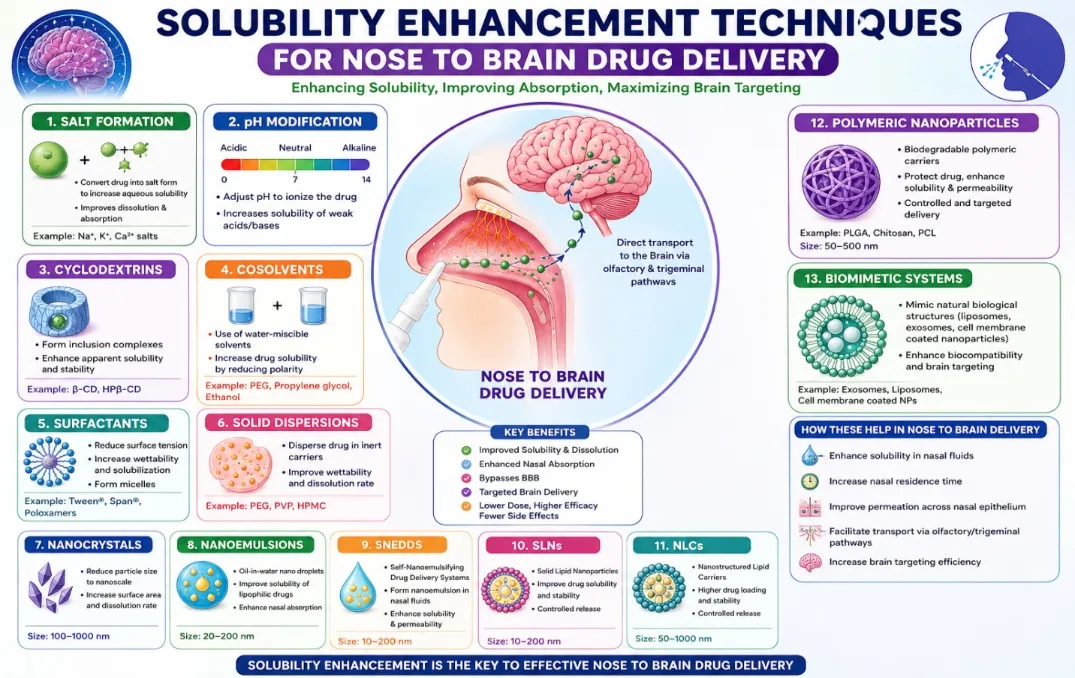
Figure 04: Solubility enhancement techniques(29)
Evaluation of intra nasal formulations for nose to brain drug delivery
The efficiency, safety, and brain-targeting potential of intranasal (IN) formulations are evaluated through comprehensive physicochemical characterization. Key parameters, including particle size, polydispersity index (PDI), and zeta potential (ZP), influence formulation stability and nasal permeation.(37) The pH and osmolality are optimized to ensure compatibility with the nasal mucosa and minimise irritation, while viscosity and gelation properties are assessed to enhance mucoadhesion and prolong nasal residence time. Collectively, these parameters play a critical role in improving drug absorption and effective nose-to-brain delivery.(30)
In vitro drug release studies are performed to evaluate drug release kinetics using techniques such as dialysis membranes or Franz diffusion cells. Drug permeability is commonly assessed using nasal epithelial cell models, particularly RPMI 2650 cells, which closely mimic the human nasal epithelium due to their tight junctions and mucus-producing characteristics. Primary olfactory epithelial cells offer greater physiological relevance but are less reproducible, whereas Calu-3 and Caco-2 cell lines are occasionally employed for permeability studies. Additionally, cytotoxicity assays, including MTT and LDH tests, are used to assess formulation safety, while mucoadhesion studies based on mucin-binding or rheological methods evaluate the formulation's ability to adhere to the nasal mucosa and prolong residence time.(39) Deposition studies are essential for evaluating the efficiency of intranasal formulations in delivering drugs to the olfactory region for direct brain targeting. Spray characteristics, including plume geometry, droplet size, spray velocity, and dose uniformity, are assessed alongside nasal cast models to optimize drug deposition within the nasal cavity. Ex vivo studies using excised nasal tissues from animals such as sheep, pigs, or goats evaluate drug permeation and tissue compatibility through Franz diffusion cells, Using chambers, and histological analysis.(31) In vivo studies in rodents and larger animal models assess pharmacokinetics, biodistribution, therapeutic efficacy, and safety using imaging techniques, histopathology, cytokine analysis, and nasal irritation tests. Although rodent models are widely employed, their anatomical differences from humans necessitate validation in larger animal models or advanced human-relevant in vitro systems to improve the translational potential of nose-to-brain drug delivery.(32)
Pharmacokinetic evaluation of intranasal (IN) nanocarriers involves parameters such as brain area under the concentration–time curve (AUC<sub>brain</sub>), maximum brain concentration (C<sub>max</sub>), time to reach maximum concentration (T<sub>max</sub>), mean residence time (MRT), drug targeting efficiency (DTE%), and drug transport percentage (DTP%)(42). Among these, DTE% is a key indicator of brain-targeting performance, reflecting the extent of drug accumulation in the brain after intranasal administration relative to intravenous delivery. A higher DTE% indicates more efficient direct nose-to-brain transport, improved brain targeting, and reduced systemic exposure.(33)
Drug transport percentage (DTP%) is an important pharmacokinetic parameter used to estimate the fraction of drug delivered directly to the brain through the nose-to-brain pathway while bypassing systemic circulation. It is calculated using brain and blood exposure data following intranasal and intravenous administration. A higher DTP% indicates more efficient direct transport via the olfactory and trigeminal pathways, demonstrating the formulation's enhanced ability to achieve targeted brain delivery with reduced systemic distribution.(34)
Drug property –based selection frame work
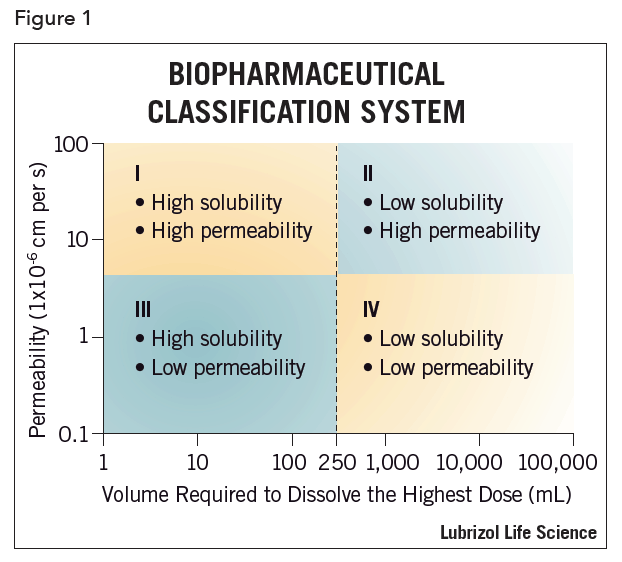
Figure 05: BCS classification
BCS Class II drugs are characterised by low aqueous solubility and high membrane permeability. Although these drugs readily permeate biological membranes, their poor solubility limits dissolution in gastrointestinal (GI) fluids, making dissolution the rate-limiting step for oral absorption. Most Class II drugs are highly lipophilic (log P >3), possess poor wettability, and commonly exist in a crystalline form, all of which contribute to slow dissolution. While amorphous forms exhibit higher solubility, they are often physically unstable and susceptible to recrystallisation. (35) Drug solubility is also influenced by GI pH, with weak acids dissolving more readily in the intestine and weak bases in the stomach. However, changes in pH during GI transit may induce drug precipitation, reducing the dissolved drug available for absorption and ultimately affecting bioavailability.
Self-Emulsifying Drug Delivery Systems (SEDDS)
Self-emulsifying drug delivery systems (SEDDS) are isotropic mixtures of oils, surfactants, and optional co-surfactants that spontaneously form fine oil-in-water emulsions upon contact with gastrointestinal (GI) fluids under gentle agitation. This self-emulsification produces nanosized droplets that significantly improve the solubility and dissolution of poorly water-soluble drugs, particularly BCS Class II compounds.(47,48) By maintaining the drug in a solubilised state and increasing the interfacial surface area for absorption, SEDDS enhance oral bioavailability. In addition, certain SEDDS promote lymphatic drug transport, thereby reducing hepatic first-pass metabolism and further improving systemic drug exposure.(35)
Formulation Components of SEDDS
The performance of a Self-Emulsifying Drug Delivery System (SEDDS) largely depends on the appropriate selection of its key formulation components, including the lipid phase (oils), surfactants, and co-surfactants. Each component plays a vital role in enhancing drug solubility, promoting spontaneous emulsification, and maintaining formulation stability. Moreover, the compatibility between the drug and lipid excipients is essential for ensuring efficient drug encapsulation, stability, and improved oral bioavailability. The major formulation components and their functions are discussed below.(34,35)
Lipid Phase (Oils)
The lipid phase is the primary component of a Self-Emulsifying Drug Delivery System (SEDDS), serving as the solvent for lipophilic drugs and playing a key role in drug solubilisation and absorption. The choice of oil, such as long-chain triglycerides (LCTs) or medium-chain triglycerides (MCTs), influences droplet size, emulsification efficiency, digestion, and lymphatic transport. LCTs, including soybean oil, corn oil, and oleic acid, enhance lymphatic uptake but generally produce larger emulsion droplets, whereas MCTs, such as caprylic/capric triglycerides, provide rapid emulsification and smaller droplet sizes. Modified lipids, including Labrafac™ Lipophile WL 1349, further improve drug solubility and emulsification, leading to enhanced dissolution and oral bioavailability of poorly soluble drugs such as itraconazole.(36)
Surfactants and Co-surfactants
Surfactants and co-surfactants are critical components of SEDDS, facilitating spontaneous emulsification by reducing the interfacial tension between the oil and aqueous phases while stabilising the resulting emulsion droplets High hydrophilic–lipophilic balance (HLB) surfactants, such as Tween 80 and Cremophor RH 40, are commonly employed to produce stable oil-in-water emulsions. Co-surfactants, including Transcutol P and PEG 400, further improve interfacial film flexibility, enhance drug solubilisation, and promote uniform droplet formation. The optimal surfactant-to-co-surfactant (Smix) ratio is typically determined using pseudo-ternary phase diagrams to achieve efficient self-emulsification and formulation stability(36)
Intranasal Formulation Strategies for Drugs with Low Aqueous Solubility
Poorly water-soluble drugs can be delivered intranasally as dry powder formulations; however, their clinical performance is frequently limited by slow dissolution in the limited volume of nasal fluids. A similar limitation exists for liquid suspensions, which are commonly employed for the intranasal administration of poorly soluble drugs, particularly for local therapeutic applications. Lipophilic corticosteroids such as budesonide and fluticasone propionate are typical examples of drugs formulated as nasal suspensions. However, a substantial fraction of the administered dose is removed from the nasal cavity through mucociliary clearance and subsequently swallowed, resulting in reduced drug retention at the target site and a delayed therapeutic response. Consequently, these formulations often require several days before achieving their full clinical effect(37)
Enhancing the aqueous solubility of these drugs has proven to be an effective approach to improve intranasal drug delivery. Budesonide, for instance, has been successfully formulated with sulfobutylether-β-cyclodextrin a cyclodextrin derivative that increases its aqueous solubility. Similarly, Marinosolv®, a solubilization platform based on naturally derived saponins, forms micellar systems that facilitate drug solubilization and improve formulation performance.(36,37)
Another promising strategy involves the preparation of solid dispersions to overcome dissolution-related limitations associated with dry powders and suspensions. Freeze-dried solid dispersions of budesonide prepared using Soluplus® have demonstrated enhanced dissolution rates and superior permeation across nasal epithelial cell models compared with conventional aqueous suspensions and marketed dry powder products Furthermore, cyclodextrin derivatives may be combined to produce inclusion complexes that further enhance the solubility and dissolution characteristics of poorly water-soluble drugs.
Although solid dispersions and inclusion complexes have shown considerable potential in improving intranasal drug delivery, the present review primarily emphasizes liquid-based formulation approaches for enhancing the solubility and bioavailability of poorly water-soluble drugs intended for nose-to-brain drug delivery (38)
Use of Excipients for Enhanced Aqueous Solubility
Adjustment of the pH
The nasal cavity has a slightly acidic physiological pH (approximately 5.0–6.5), which is generally well tolerated. However, many poorly water-soluble drugs require more acidic conditions for adequate solubilization. Although lowering the formulation pH can significantly improve drug solubility, formulations with a pH below 4 may cause nasal irritation and compromise mucosal integrity (38)
For example, the ACAT-1 inhibitor K-604 exhibited a 216-fold increase in solubility when formulated with hydroxycarboxylic acids (pH 3.0–3.8), resulting in significantly enhanced brain delivery after intranasal administration in mice. However, repeated dosing caused mild damage to the nasal epithelium, highlighting potential safety concerns associated with acidic formulations.(38,39)
Similarly, midazolam, a poorly water-soluble benzodiazepine, is formulated in acidic saline (pH 3–4) to improve its solubility. While this approach enhances drug absorption and therapeutic efficacy, intranasal administration is often associated with nasal burning, throat irritation, and discomfort, emphasizing the need for safer solubilization strategies
Cyclodextrins
Cyclodextrins are cyclic oligosaccharides that enhance the aqueous solubility of poorly water-soluble drugs by forming inclusion complexes within their hydrophobic cavity while maintaining water compatibility through their hydrophilic outer surface. They have been extensively explored for intranasal nose-to-brain drug delivery to improve drug solubility, stability, and brain bioavailability. For example, sulfobutylether-β-cyclodextrin significantly increased the solubility of allopregnanolone, enabling effective intranasal delivery and rapid seizure protection. Similarly, hydroxypropyl-β-cyclodextrin (HP-β-CD) markedly enhanced the solubility and stability of curcumin, resulting in improved brain delivery and higher brain drug concentrations following intranasal administration. Overall, cyclodextrins are considered safe pharmaceutical excipients, although their safety depends on the cyclodextrin type, concentration, and route of administration, with concentrations below 10% generally well tolerated for intranasal use.(39)
Advanced Formulation Strategies: Nanotechnology and Peptide Engineering
To overcome challenges such as rapid mucociliary clearance and enzymatic degradation, intranasal drug delivery has evolved from conventional formulations to advanced nanotechnology-based systems and peptide-engineered carriers. These innovative approaches are designed to protect therapeutic agents, prolong nasal residence through enhanced mucoadhesion, and improve penetration across the nasal epithelium, thereby increasing drug delivery efficiency to the brain.(39)
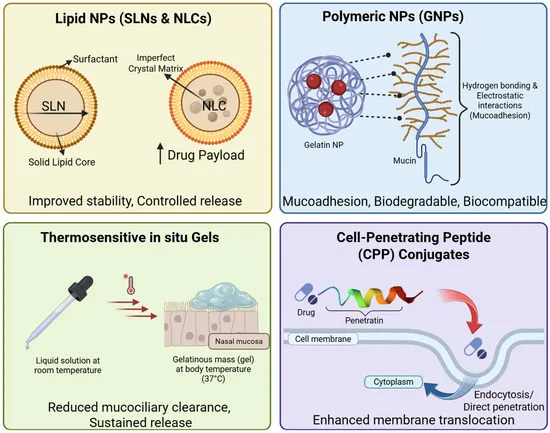
Figure no: 06 Nanotechnology and Peptide Engineering
Lipid-based nanoparticles have become one of the most promising platforms for nose-to-brain drug delivery owing to their excellent biocompatibility and ability to encapsulate both hydrophilic and lipophilic therapeutic agents. Solid Lipid Nanoparticles (SLNs) possess a solid lipid core stabilized by surfactants, providing enhanced physicochemical stability, protection against chemical and enzymatic degradation, and sustained drug release. However, their limited drug loading capacity and the possibility of drug expulsion during storage have led to the development of Nanostructured Lipid Carriers (NLCs). By combining solid and liquid lipids, NLCs form an imperfect lipid matrix that accommodates greater drug loading and improves formulation stability. Recent studies have highlighted the growing application of NLCs in the treatment of neurological disorders, including Alzheimer's disease, stroke, and gliomas. Furthermore, lipid nanoparticles enhance brain delivery by improving mucoadhesion, facilitating drug transport across the nasal epithelium, and minimizing mucociliary clearance. Surface functionalization with ligands such as polyethylene glycol (PEG) or lectins can further improve brain targeting efficiency and prolong nasal residence time
Translational Perspective of Nose-to-Brain Drug Delivery Systems
Nose-to-brain drug delivery has emerged as a promising non-invasive strategy to overcome the limitations imposed by the blood-brain barrier (BBB), enabling direct transport of therapeutic agents to the central nervous system (CNS). Although numerous preclinical studies have demonstrated enhanced brain targeting, improved bioavailability, and superior therapeutic efficacy using nanocarrier-based intranasal formulations, successful clinical translation remains limited. The transition from laboratory research to clinical application requires addressing several critical challenges. These include variability in nasal anatomy and physiology among patients, rapid mucociliary clearance, enzymatic degradation within the nasal cavity, limited drug residence time, and the need for reproducible large-scale manufacturing. Furthermore, ensuring long-term safety of repeated intranasal administration, minimizing local irritation, and maintaining formulation stability are essential for regulatory approval.(40)
Advances in nanotechnology have significantly improved the translational potential of intranasal formulations. Lipid nanoparticles, polymeric nanoparticles, nanoemulsions, nanocrystals, dendrimers, and biomimetic carriers have demonstrated enhanced drugpermeation, prolonged nasal residence time, controlled drug release, and targeted delivery through the olfactory and trigeminal pathways. Surface modification with mucoadhesive polymers, cell-penetrating peptides, receptor-targeting ligands, and stimuli-responsive materials further enhances therapeutic efficiency while reducing systemic exposure .(41)
Future clinical translation will benefit from Quality-by-Design (QbD)-based formulation development, scalable manufacturing processes, advanced in vitro and ex vivo nasal models, physiologically relevant animal models, and standardized methods for evaluating brain targeting efficiency. Regulatory harmonization and comprehensive pharmacokinetic, pharmacodynamic, and toxicological studies are also necessary to establish the safety and efficacy of these systems
Recent advances in personalized medicine, artificial intelligence-assisted formulation optimization, and biomimetic nanocarriers are expected to accelerate the development of clinically viable nose-to-brain drug delivery systems. With continued interdisciplinary collaboration among pharmaceutical scientists, clinicians, biomedical engineers, and regulatory agencies, intranasal nanomedicines hold significant promise for improving the treatment of neurological disorders such as Alzheimer's disease, Parkinson's disease, epilepsy, brain tumours, depression, and glioblastoma. Consequently, nose-to-brain drug delivery is poised to become an important platform for next-generation CNS therapeutics, bridging the gap between experimental research and clinical practice.(41,42)
FUTURE PROSPECTIVE
The treatment of neurological disorders through non-invasive approaches remains a major challenge because of the presence of highly selective physiological barriers, particularly the blood–brain barrier (BBB) and the blood–cerebrospinal fluid barrier (BCSFB). These barriers effectively restrict the entry of many therapeutic agents, including antibiotics, anticancer drugs, neuropeptides, and other central nervous system (CNS)-active compounds, thereby limiting their therapeutic efficacy. As a result, achieving adequate drug concentrations within the brain continues to be one of the most significant obstacles in the management of CNS disorders.(42) Overcoming the BBB requires a multidisciplinary approach that integrates expertise from pharmaceutical sciences, pharmacology, physiology, biological chemistry, and related fields to develop effective brain-targeted delivery systems. In recent years, nanotechnology has emerged as a promising strategy for addressing these challenges by facilitating improved drug transport across biological barriers and enhancing brain-specific delivery. Various nanoscale drug delivery systems, including polymeric nanoparticles, solid lipid nanoparticles, liposomes, polymeric micelles, dendrimers, nanogels, nanoemulsions, and nanosuspensions, have demonstrated considerable potential for delivering therapeutics to the CNS. Furthermore, the growing success of intranasal nanocarrier-based formulations suggests that an increasing number of nose-to-brain drug delivery products for neurological disorders are likely to advance toward clinical application and commercial availability in the coming years.(43)
CONCLUSION
Poor aqueous solubility, low bioavailability, enzymatic degradation, and the blood–brain barrier (BBB) remain major obstacles in the effective treatment of central nervous system (CNS) disorders. Intranasal drug delivery provides a promising non-invasive route by bypassing the BBB through the olfactory and trigeminal pathways, enabling direct brain targeting while reducing systemic side effects. Solubility enhancement strategies—including pH modification, cyclodextrins, co-solvents, surfactants, solid dispersions, nanocrystals, and lipid- and polymer-based nanocarriers—significantly improve drug solubility, dissolution, nasal absorption, and brain bioavailability. However, no single strategy is universally applicable, and the selection of an appropriate approach should be based on the drug's physicochemical properties and therapeutic requirements. With continued advances in nanotechnology, biomimetic carriers, and formulation optimization, nose-to-brain drug delivery has strong potential to improve the clinical management of neurological disorders and facilitate the translation of next-generation CNS therapeutics..
REFERENCES


B. Vasundhara, Jyothi. M, Advanced Solubility Enhancement Strategies for Improving Bioavailability in Nose-to-Brain Drug Delivery: Comparative Evaluation, Selection Framework, and Future Perspectives, Int. J. of Pharm. Sci., 2026, Vol 4, Issue 10, 831-448, https://doi.org/10.5281/zenodo.23186451
 10.5281/zenodo.23186451