

We use cookies to ensure our website works properly and to personalise your experience. Cookies policy
PDEA'S College Of Pharmacy Hadapsar Pune.
Fast-dissolving oral film (FDOF) is an advanced oral drug delivery system specifically designed to improve compliance in pediatric, elderly, dysphagic, and bedridden patients who have difficulty swallowing traditional tablets and capsules.This study aimed to design, develop, and evaluate a child-friendly bilayer orally dissolvable film containing paracetamol and ibuprofen using a combination of synthetic and natural excipients for synergistic analgesic and antipyretic therapy.The films were fabricated by solvent casting using hydroxypropyl methylcellulose (HPMC) as the film-forming polymer and propylene glycol as the plasticizer.Contains sodium lauryl sulfate, saccharin, peppermint oil, and beet juice to improve drug release, palatability, and patient acceptance. The prepared bilayer films were evaluated for thickness, weight change, folding resistance, surface pH, water content, disintegration time, drug content, in vitro release, and stability.
Oral drug delivery is still considered to be the most preferred routes of administration due to the advantage of easy handling, administration, patient compliance, safety, and economy. The existing dosage forms of tablet and capsule may give difficulty in swallowing in case of pediatric, geriatric, bedridden, dysphasia patients. To overcome this, fast dissolving oral films (FDOFs) is the advanced drug delivery system that undergoes rapid disintegration and disintegration within the mouth without the use of water. This form has advantages such as rapid onset of action, increased bioavailability, precise dosing and ease of administration.[1]
Fast dissolving oral films are thin polymeric strips that disintegrate and dissolve rapidly on the tongue when exposed to the saliva and release the drug in oral cavity. The vascular oral mucosa helps to absorption of the drug at a faster rate and may also permit bypass of the hepatic first-pass metabolism. Owing to the above merits, the oral films are preferred as efficient carriers for delivering analgesic, antipyretic, antiemetic, antihistaminic drugs.[2]
The bilayer fast dissolving oral films are innovative systems of oral drug delivery that contain two discrete layers of film integrated in a single dosage unit, enabling delivery of two drugs having poor compatibility together with an enhanced therapeutic effect and modified release characteristics and thereby it leads to an improvement in patient compliance and synergistic pharmacological activity.[3]
Paracetamol is a popular analgesic and antipyretic and works by inhibiting the prostaglandin synthesis in the central nervous system. It is an effective drug to treat the pain and fever. It is generally safe at the therapeutic dose range. But, it possesses poor anti-inflammatory property. Ibuprofen is a nonsteroidal anti-inflammatory drug, which provides analgesic, antipyretic and anti-inflammatory activity by inhibiting cyclooxygenase enzymes, which produce the prostaglandins. However the combined action of the paracetamol and ibuprofen exhibits synergism and provides an improved therapeutic benefit over monotherapy in treatment of pain and fever.[4]
In the present work, design, formulation and evaluation of a novel bilayer fast dissolving oral film of paracetamol and ibuprofen are developed using hybrid synthetic and natural excipients which enhance film properties, patient acceptability, safety, stability, therapeutic benefit, which leads to increased solubility, enhanced drug release, improved mouth feel and patient compliance.[1]
Hydroxypropyl methylcellulose (HPMC) was used as film-forming polymer, because it has excellent film forming property, non-toxicity and biocompatibility, hydration behavior etc., this will make the oral films mechanically stronger and gives flexibility and uniform distribution of drugs. Propylene glycol was used as a plasticizer to decrease the brittleness and to improve elasticity.[1]
Sodium lauryl sulfate (SLS) was used as surfactant. The surfactants increases the wetting of the poorly soluble drug and thereby enhancing the solubility.Saccharine were used as sweetening agents. These sweetening agents enhance palatability and mask the bitter taste of drug. [1]
Peppermint oil was added as a natural flavoring agent to increase patient compliance by making the film acceptable among pediatric patients, beet juice as a natural coloring agent and to minimize the risk of side effect from synthetic colorants. water was added as a solvent as it possesses an enhanced solubilization power and fast evaporation rate which makes oral films well formulated.[5]
The prepared bilayer fast dissolving oral films were evaluated for various physiochemical and mechanical properties such as, film thickness, weight variation, folding endurance, surface pH, moisture content, disintegration time, were conducted. Moreover, stability study was also performed.[4]
? Concept of Bilayer Films
Bilayer formulations, either in the form of tablets or oral films (buccal or fast dissolving oral films), are advanced drug delivery systems developed to provide immediate as well as modified drug release. These systems contain two separate layers, which help in delivering one or two drugs effectively. Bilayer formulations are useful for separating incompatible drugs physically and for achieving different drug release patterns in a single dosage form.[5]
? Objectives of Bilayer Formulations
• To separate incompatible active pharmaceutical ingredients (APIs) and prevent interaction between them.
• To control the release of one or more drugs by using different functional layers.
• To provide immediate release and sustained release of drugs in a single dosage form.
• To improve drug delivery by modifying the surface area and release characteristics of the formulation.
• To develop fixed-dose combinations containing two different drugs.
• To enhance patient compliance and therapeutic effectiveness.
• To prepare novel drug delivery systems such as fast dissolving films, buccal films, mucoadhesive systems, and gastro-retentive dosage forms.
• To achieve rapid disintegration or controlled swelling and erosion depending on the therapeutic requirement.[6]
Difference between Fast Dissolving Oral Films and Oral Dispersible Tablets for Pediatric Use [11]
Table 1. Difference between Fast Dissolving Oral Films and Oral Dispersible Tablets for Pediatric Use
|
Parameter |
Fast Dissolving Oral Films (FDOFs) |
Oral Dispersible Tablets (ODTs) |
|
Dosage Form |
Thin polymeric strip |
Solid tablet dosage form |
|
Administration |
Placed directly on tongue and dissolves rapidly |
Tablet disperses in mouth with saliva |
|
Water Requirement |
No water required |
Usually no water required, but some patients may need water |
|
Pediatric Compliance |
Highly suitable for pediatric patients due to easy administration and pleasant mouthfeel |
Less acceptable in very young children due to tablet texture |
|
Disintegration Time |
Very rapid disintegration within seconds |
Comparatively slower than oral films |
|
Mouth Feel |
Smooth and thin film provides better mouthfeel |
Tablets may feel gritty after dispersion |
|
Risk of Choking |
Very low due to thin flexible structure |
Slight risk of choking in pediatric patients |
|
Dose Accuracy |
Precise and uniform dosing |
Precise dosing possible but depends on tablet integrity |
|
Drug Release
|
Rapid drug release and faster onset of action |
Rapid release but comparatively slower than films |
|
Bioavailability |
Enhanced due to absorption through oral mucosa and possible bypass of first-pass metabolism |
Mostly absorbed after swallowing |
|
Patient Acceptance |
Better acceptance because of flavor, color, and flexibility |
Moderate acceptance |
|
Portability |
Easy to carry and handle |
Portable but comparatively bulky |
|
Mechanical Properties |
Flexible and non-brittle |
Hard compressed dosage form |
|
Suitability for Combination Therapy |
Bilayer films can accommodate two drugs with different release patterns |
Difficult to prepare bilayer systems with flexible release |
|
Pediatric Safety |
Safer and more convenient for bedridden and pediatric patients |
Less convenient compared to films |
Table 2. Drug profile of Paracetamol
|
Parameter |
Description |
|
Drug Name |
Paracetamol |
|
Synonym |
Acetaminophen |
|
Category |
Analgesic and Antipyretic |
|
Molecular Formula |
C?H?NO? |
|
Molecular Weight |
151.16 g/mol |
|
Chemical Name |
N-(4-hydroxyphenyl)acetamide |
|
Appearance |
White crystalline powder |
|
Melting Point |
168–172°C |
|
Solubility |
Slightly soluble in water; freely soluble in alcohol |
|
Mechanism of Action |
Inhibits prostaglandin synthesis in the central nervous system, producing analgesic and antipyretic effects |
|
Biological Half-life |
2–3 hours |
|
Route of Administration |
Oral |
|
Uses |
Treatment of fever and mild to moderate pain |
|
Advantages |
Safe, effective, rapid onset of action, good patient tolerance |
|
Side Effects |
Hepatotoxicity at high doses, nausea, allergic reactions |
? Drug Profile of Ibuprofen [7][8]
Table 3. Drug profile of Ibuprofen
|
Parameter |
Description |
|
Drug Name |
Ibuprofen |
|
Category |
Non-Steroidal Anti-Inflammatory Drug (NSAID) |
|
Molecular Formula |
C??H??O? |
|
Molecular Weight |
206.28 g/mol |
|
Chemical Name |
2-(4-isobutylphenyl) propionic acid |
|
Appearance |
White crystalline powder |
|
Melting Point |
75–78°C |
|
Solubility |
Practically insoluble in water; soluble in alcohol |
|
Mechanism of Action |
Inhibits cyclooxygenase (COX) enzymes, reducing prostaglandin synthesis and inflammation |
|
Biological Half-life |
2 hours |
|
Route of Administration |
Oral |
|
Uses |
Treatment of pain, fever, and inflammation |
|
Advantages |
Analgesic, antipyretic, and anti-inflammatory action |
|
Side Effects |
Gastric irritation, nausea, dizziness, gastrointestinal discomfort |
Advantages of Bilayer Oral Films
Better Patient Compliance
Bilayer fast dissolving oral films provide improved patient compliance, especially in pediatric, geriatric, and dysphagic patients who experience difficulty in swallowing conventional tablets and capsules. The films dissolve rapidly in the oral cavity without the need for chewing or swallowing large dosage forms.[10]dr
Dual Drug Release
Bilayer oral films contain two separate layers that allow delivery of two drugs in a single dosage form. This system can provide immediate release as well as sustained or modified release of drugs, thereby improving therapeutic effectiveness and reducing dosing frequency. [11]
Rapid Onset of Action
The films rapidly disintegrate and dissolve in saliva after administration. Due to the large surface area and absorption through oral mucosa, the drug is released quickly, resulting in faster onset of therapeutic action.[12]
No Water Requirement
Bilayer oral films can be administered without water, making them highly convenient for pediatric patients, bedridden patients, and during traveling or emergency conditions. [13]
Easy Administration
The films are thin, flexible, and easy to handle. They can be placed directly on the tongue or oral cavity without difficulty, improving ease of administration and patient acceptability. [14]
Improved Bioavailability
Absorption of drug through oral mucosa may partially bypass hepatic first-pass metabolism, leading to enhanced bioavailability and improved therapeutic efficacy. [16]
Accurate Dose Delivery
Each oral film contains a precise amount of drug uniformly distributed throughout the film matrix, ensuring accurate and reproducible dosing. [17]
Improved Mouth Feel and Palatability
Use of sweetening agents and flavoring agents improves taste masking and mouth feel, which is highly beneficial for pediatric patients. [18]
Reduced Risk of Choking
Unlike conventional tablets, oral films possess very low risk of choking due to their thin and rapidly dissolving nature. [19]
Strong Interlayer Separation Control
Bilayer films allow physical separation of incompatible drugs into different layers, thereby preventing drug-drug interaction and improving formulation stability. [20]
AIM
To design, formulate, and evaluate a novel pediatric-friendly bilayer fast dissolving oral film of Paracetamol and Ibuprofen using hybrid (synthetic + natural) excipients for enhanced synergistic analgesic and antipyretic therapy with improved palatability, rapid disintegration, and better patient compliance.
OBJECTIVES
Primary Objectives
• To formulate a bilayer fast dissolving oral film containing Paracetamol and Ibuprofen for pediatric use.
• To develop an oral film using the solvent casting method.
• To utilize Hydroxypropyl Methylcellulose (HPMC) as the film-forming polymer for obtaining suitable mechanical strength and rapid disintegration.
• To incorporate Propylene Glycol as a plasticizer for improving flexibility and elasticity of the film.
• To use Sodium Lauryl Sulphate (SLS) as a surfactant for enhancing solubility and drug release.
Secondary Objectives
• To improve the palatability of the formulation using Saccharin as sweetening agents.
• To incorporate Peppermint oil as a natural flavoring agent for better taste masking and patient acceptability.
• To use Beet Juice as a natural coloring agent to provide an attractive appearance and reduce synthetic color usage.
• To prepare bilayer films using water as the solvent during solvent casting.
• To achieve rapid disintegration and faster onset of analgesic and antipyretic action.
• To study the compatibility of drugs and excipients using suitable analytical techniques.
Evaluation Objectives
To evaluate the prepared films for:
• Physical appearance
• Thickness
• Weight variation
• Folding endurance
• Surface pH
• Moisture content
• Disintegration time
? Materials ,Chemicals and Equipment-
In the present study the following raw materials, Active pharmaceutical ingredients and excipients were used for the design, formulation and evaluation of a novel bilayer fast dissolving oral film of Paracetamol and Ibuprofen by hybrid (synthetic + natural) excipients for synergistic analgesic and antipyretic therapy in pediatric use. All chemicals and excipients were of pharmaceutical grade and were used without further purification:
Materials and Chemicals
Hydroxypropyl Methylcellulose (HPMC) - Polymer:
Hydroxypropyl Methylcellulose (HPMC) is a semi-synthetic, non-ionic cellulose ether used commonly as a film-forming polymer in the design of oral thin films. HPMC provides a good film-forming ability, transparency, flexibility and mechanical strength and it ensures a uniform dispersion of the drug as well as rapid hydration and quick disintegration of oral thin film in saliva. It is also non-toxic and biocompatible which makes it the desired polymer in case of the oral drug delivery system and pediatric use.[1]
Propylene Glycol- Plasticizer:
Propylene glycol is widely used as an inexpensive, low toxicity, readily available pharmaceutical plasticizer which increases flexibility and elasticity of the polymer films. This would increase the smooth feel of oral film and make it suitable for handling by oral administration. The solubility of many drugs is also increased in the presence of this excipient. It will not also irritate the oral mucosa and will make the oral film suitable for pediatric administration.[1]
Sodium Lauryl Sulphate (SLS)- Surfactant:
Sodium lauryl sulphate, anionic surfactant, was included to enhance the wetting, solubility, and disintegration time of less soluble drug (ibuprofen). This increases the wettability which leads to the fast penetration of saliva into the film and thereby enhancing dissolution and absorption. It is also used in oral films to promote their fast disintegration and thereby improving the bio-availability of Active Pharmaceutical ingredients.[1]
Saccharin - Sweetening agent:
Saccharin, an artificial, high-intensity sweetener is used in small amounts to provide additional sweetening capacity in formulations of oral drugs, and particularly for masking a bitter or unpleasant taste. It is about 300-500 times sweeter than sucrose. It will make the dosage form tasty so it would make the oral film acceptable to children and increase the patient compliance in fast dissolving oral film dosage form.[4]
Peppermint oil - Flavoring agent:
Peppermint oil is a natural flavoring agent that provides a pleasant cooling sensation along with a refreshing mint aroma and taste. It is used in the formulated oral films to improve palatability, especially for pediatric patients, and to effectively mask the bitter taste of the drugs. Peppermint oil also enhances patient acceptability and complements the “hybrid excipient” approach used in the formulation.[4]
Beet juice - Coloring agent:
Beet juice is the aqueous extract from the root of the beetroot, this natural coloring agent is used to produce pink to reddish color which would be highly acceptable to the children in pediatric dose form. This ensures that it is harmless when ingested by children in recommended dose, making it an alternative to synthetic dyes and hence acceptable for oral drug delivery and pediatric use.[4]
Water - Solvent:
Water is used as a solvent in the preparation of oral films by the solvent casting method. It helps in the preparation of a homogeneous mixture of all the constituents of the oral film, ensuring uniform distribution of the drugs within the film matrix. Water also aids in proper film formation and evaporates during the drying process. [1]
Paracetamol - Active pharmaceutical ingredient (Analgesic & Antipyretic):
Paracetamol is widely used for its analgesic and antipyretic property. Paracetamol is effective for pain and fever in dose range suitable for children of all age group with mild to moderate pain. Prostaglandins inhibitors acting as analgesic and antipyretic are preferred in such kind of drug formulation.[1]
Ibuprofen - Active pharmaceutical ingredient (NSAID):
Table 5 : Formulation Components and Their Functions in Bilayer Oral Film Preparation
|
Component |
Full Name / Description |
Category |
Common Function in Formulation / Study |
|
PCM |
Paracetamol |
Active Pharmaceutical Ingredient (API) |
Analgesic and antipyretic agent used for pain and fever relief |
|
Ibuprofen |
Ibuprofen |
Active Pharmaceutical Ingredient (API) |
Non-steroidal anti-inflammatory drug (NSAID) used for pain, inflammation, and fever management |
|
HPMC |
Hydroxypropyl Methylcellulose |
Polymer / Excipient |
Film-forming agent, binder, viscosity enhancer, and controlled-release polymer |
|
Propylene Glycol |
Propylene Glycol |
Plasticizer / Solvent |
Improves flexibility of films and enhances solubility of formulation components |
|
SLS |
Sodium Lauryl Sulfate |
Surfactant / Wetting Agent |
Enhances wetting, dispersion, and dissolution of poorly soluble drugs |
|
Peppermint oil |
Peppermint oil |
Natural Flavoring / Medium |
Used as flavoring agent, masking agent, or natural acidic medium in formulations |
|
Beet Juice |
Beetroot Juice |
Natural Colorant / Additive |
Provides natural color and may contribute antioxidant properties |
|
Water |
Water |
Solvent |
Used as solvent |
Apparatus and glassware
The following apparatus and glassware were used for the design, formulation and evaluation of a novel bilayer fast dissolving oral film of Paracetamol and Ibuprofen by hybrid (synthetic + natural) excipients for synergistic analgesic and antipyretic therapy in pediatric use.
Analytical balance: - Analytical balance was used for precise weighing of active pharmaceutical ingredients (Paracetamol and Ibuprofen) as well as polymers, plasticizers, surfactants and sweetening agents so that optimum concentration of each formulation component can be added for making oral films with desired quality characteristics.
Magnetic stirrer:- Magnetic stirrer was used for uniform dissolution of all polymers and active pharmaceutical ingredients in solvent and to enhance the mixing process by rotating magnetic bar with consistent speed for increasing the solubility.
Beakers (50 ml, 100 ml, 250 ml, 500 ml): - Beakers of different capacity were used for mixing, preparing solutions of the polymers and drug dispersions. Heating of the mixture was also carried out by placing it over a hot plate.
Measuring cylinders: -Measuring cylinders were used for the accurate measurement of volume of solvent (water), plasticizer (propylene glycol), flavor (Peppermint oil) and coloring agent (beet juice).
Glass rod: -Glass rod was used for stirring of solutions when the mixture was not placed on magnetic stirrer and it was also used for spreading of liquid film onto casting plate.
Petri dish: Petri dish were used for preparing the films by casting the polymer solution on them using the solvent evaporation technique.
Digital Vernier Caliper: It was used to measure the thickness and diameter of the oral films which should be almost uniform.
Disintegration apparatus: The disintegration time was determined using the disintegration apparatus which provides an acceptable end point (film disappeared completely).
Hot air oven -It was used for drying of formulated films at appropriate temperature to eliminate any volatile solvent.
Weighing boats and Spatulas: -Weighing boats and spatula were used for handling and transfer of drugs and other solid excipients.
Film Cutter / Scissors: -Films were cut with the help of a film cutter or sharp scissors to obtain the dosage units of definite dimension.
Stopwatch: -Stopwatch was used for measurement of disintegration time.[1][2][3][4][5]
Preformulation Studies [7]
Table 6. Preformulation Studies
|
Sr. No. |
Preformulation Study |
Observation / Result |
|
1 |
Identification and Characterization |
Paracetamol and Ibuprofen were identified and confirmed by their characteristic physicochemical properties. |
|
2 |
Organoleptic Evaluation |
Paracetamol was observed as a white crystalline powder with slightly bitter taste, while ibuprofen appeared as a white powder with characteristic odor. Peppermint oil and beet juice improved taste and appearance of the films. |
|
3 |
Solubility Study |
Paracetamol was freely soluble in water and slightly soluble in water. Ibuprofen showed poor water solubility but improved solubility in presence of SLS and water. HPMC was soluble in water, producing a clear viscous solution. |
|
4 |
Melting Point Determination |
Paracetamol showed melting point in the range of 168–172°C, and ibuprofen showed melting point in the range of 75–78°C, indicating purity of drugs. |
|
5 |
Drug–Excipient Compatibility Study |
No significant interaction was observed between drugs and excipients, indicating compatibility and stability of formulation components. |
|
6 |
Viscosity Study |
HPMC solution showed suitable viscosity for uniform casting and smooth film formation. |
|
7 |
Surface pH Study |
Surface pH of prepared oral films was found near neutral (6.5–7.0), indicating compatibility with oral mucosa. |
? Experimental work-
Procedure for Preparation of Bilayer Oral Films (Three Batches: F1, F2, and F3) ,Batch Composition:
Table7: Composition of Different Bilayer Oral Film Formulations (F1–F3)
|
Ingredient |
F1 |
F2 |
F3 |
|
Paracetamol |
125 mg |
150 mg |
175 mg |
|
Ibuprofen |
100 mg |
150 mg |
200 mg |
|
HPMC |
225 mg |
250 mg |
275 mg |
|
Propylene Glycol |
0.4 mL |
0.5 mL |
0.6 mL |
|
SLS |
25 mg |
30 mg |
35 mg |
|
Saccharin |
q.s. |
q.s. |
q.s. |
|
Peppermint oil |
q.s. |
q.s. |
q.s. |
|
Beet Juice |
q.s. |
q.s. |
q.s. |
|
Water |
20 mL |
25 mL |
30 mL |
Method of Preparation
STEP 1: Weighing of Materials [1][2][3][4]
• Three batches of bilayer oral films (F1, F2, and F3) were prepared using different concentrations of drugs and excipients.
• All solid ingredients including paracetamol, ibuprofen, HPMC, SLS, Saccharin were accurately weighed using a calibrated digital balance.
• Liquid ingredients including propylene glycol, Peppermint oil, beet juice, and water were measured using a graduated measuring cylinder or pipette.
• Accurate weighing ensured dose uniformity and reproducibility among all batches.
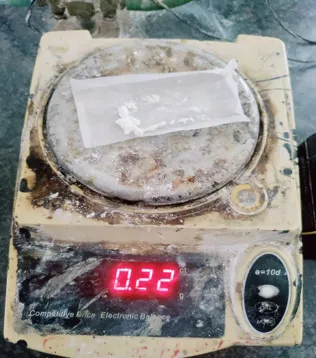
Fig 2 Weighing of material
Preparation of Film A (Paracetamol Layer) [2][3][5][6]
STEP 2: Polymer Dispersion
• Required quantity of HPMC for each batch was slowly dispersed in a portion of water with continuous stirring at 200–500 RPM using a magnetic stirrer.
• The polymer solution was allowed to hydrate completely to obtain a clear viscous solution.
HPMC Quantity Used
• F1 = 225 mg
• F2 = 250 mg
• F3 = 275 mgSTEP 3: Drug Solubilization
• Paracetamol was separately dissolved in a small quantity of water and added slowly into the hydrated polymeric solution under continuous stirring.
Paracetamol Quantity Used
• F1 = 125 mg
• F2 = 150 mg
• F3 = 175 mg
STEP 4: Addition of Excipients [2][3][5][6]
• Propylene glycol was added dropwise as plasticizer.
• SLS was incorporated to improve wetting and dissolution.
• Saccharin were added for taste masking.
• Peppermint oil and beet juice were added as flavoring and coloring agents.
Excipients Quantity
Table 8 Excipients Quantity
|
Excipient |
F1 |
F2 |
F3 |
|
Propylene Glycol |
0.4 mL |
0.5 mL |
0.6 mL |
|
SLS |
25 mg |
30 mg |
35 mg |
STEP 5: Mixing
• Continuous stirring was maintained until a homogeneous, clear, and bubble-free solution was obtained.
• The prepared solution was allowed to stabilize before casting.
STEP 6: Casting and Semisolid Drying of Film A[2][3][5][6]
• The prepared Film A solution of each batch was poured into a leveled Petri dish or glass casting plate.
• The solution was spread uniformly to obtain consistent film thickness.
• The cast films were dried in a hot air oven at 40–45°C until a semisolid tacky stage was achieved.
Purpose of Semisolid Drying
• To ensure strong interlayer adhesion
• To prevent delamination
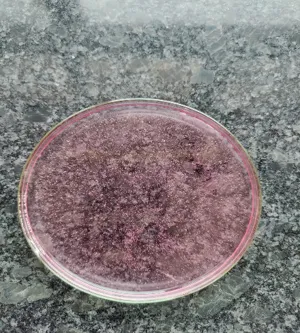
Fig 3 Drying of film A
• To provide stable base for bilayer formation
Preparation of Film B (Ibuprofen Layer) [2][3][5][6]
STEP 7: Polymer Preparation
• Required quantity of HPMC for each batch was dispersed in water with continuous stirring to prepare the polymeric base.
STEP 8: Drug Solubilization
• Ibuprofen was dissolved separately in water and slowly incorporated into the polymeric solution under stirring.
Ibuprofen Quantity Used
• F1 = 100 mg
• F2 = 150 mg
• F3 = 200 mg
STEP 9: Addition of Excipients
• Propylene glycol, SLS, sweeteners, Peppermint oil, and beet juice were added similarly as used in Film A preparation.
STEP 10: Final Mixing
• Stirring was continued until a clear and homogeneous bubble-free solution was obtained.
STEP 11: Formation of Bilayer Film
• The prepared Film B solution was carefully poured over the semisolid Film A layer of respective batches.
• Gentle spreading and leveling were performed to maintain uniformity and avoid mixing of layers.
Mechanism of Bilayer Formation
• Partial dryness of Film A allowed interpenetration of polymer chains, producing strong adhesion between both layers.
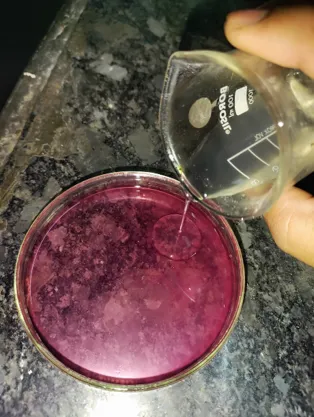
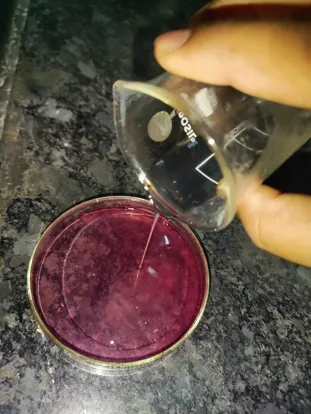
Fig 4 Formation of Bilayer Film Fig 5 Formation of Bilayer Film
STEP 12: Final Drying
• The bilayer films of all batches were dried in a hot air oven at 40–45°C for 10–12 hours.
• Controlled drying ensured complete solvent evaporation and smooth film formation.
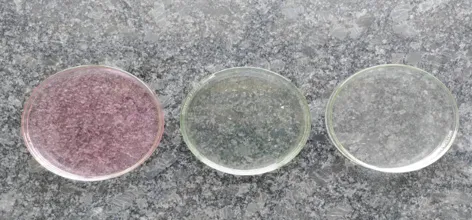
Fig 6 final drying of film A,B,C
STEP 13: Removal and Stabilization
• Dried films were carefully peeled from the casting surface.
• Films were examined for:
o Uniformity
o Integrity
o Absence of cracks and air bubbles
• The films were stored in a desiccator to minimize residual moisture and improve stability.
STEP 14: Cutting of Films
• The prepared bilayer films were cut into uniform strips of size 2 × 2 cm.
STEP 15: Packaging and Storage [1]
• The film strips of all batches were individually packed in aluminum foil sachets or airtight containers.
Purpose of Packaging
• Protection from moisture and humidity
• Prevention of mechanical damage
• Maintenance of drug stability
• Improvement of shelf life
Evaluation Tests for Bilayer Oral Films [7][2][3][5][6]
? Introduction
Evaluation tests are performed to determine the quality, stability, strength, appearance, and performance of the prepared bilayer oral films containing Paracetamol and Ibuprofen. These tests help in confirming whether the prepared films are suitable for oral administration and provide satisfactory drug delivery performance.
1. Physical Appearance [21]
Introduction
Physical appearance evaluation is performed to examine the visual quality and surface characteristics of the prepared oral films. This test helps in determining patient acceptability and uniformity of formulation.
Observation
The prepared films were visually inspected for:
• Color
• Transparency
• Smoothness
• Presence of cracks
• Presence of air bubbles
Result
The prepared bilayer oral films were pink and white in color and transparent in appearance. The films showed smooth surface texture without formation of cracks or air bubbles. The films were found to be flexible and uniform.
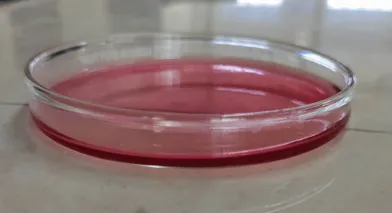
Fig 7 Physical Appearance
2. Thickness Test[21]
Introduction
Thickness measurement is performed to ensure uniformity of the film. Uniform thickness helps in maintaining accurate drug distribution and consistent drug release.
Observation
The thickness of films was measured at different positions using a vernier caliper
Result
The prepared films showed uniform thickness throughout the surface. The average thickness of the films was found to be 0.1 mm.
3. Weight Variation Test [21]
Table 9 weight variation table
|
Film No. |
Weight (gm) |
|
F1 |
0.328 |
|
F2 |
0.332 |
|
F3 |
0.337 |
|
F4 |
0.341 |
|
F5 |
0.330 |
|
F6 |
0.336 |
|
F7 |
0.343 |
|
F8 |
0.334 |
|
F9 |
0.339 |
|
F10 |
0.330 |
Introduction
Weight variation test is performed to determine uniformity in weight
among different film strips. Uniform weight indicates proper distribution
of drug and excipients within the formulation.
Observation
Individual films were weighed separately and compared with the average weight
Result
Number of films- 10
Mean weight- 335 mg
Minimum weight- 328 mg
Maximum weight- 343 mg
4. Folding Endurance [22]
Introduction
Folding endurance test is used to evaluate the mechanical strength and flexibility of oral films. It determines the ability of the film to withstand repeated folding during handling and packaging.
Observation
The film was repeatedly folded at the same place until breakage occurred.
Result
The prepared films withstood more than 100 folds without breaking, indicating good flexibility and satisfactory mechanical strength.
5. Surface pH [23]
Introduction
Surface pH evaluation is performed to determine the compatibility of the oral film with oral mucosa. Films with neutral pH minimize the chances of irritation inside the oral cavity.
Observation
The film surface was moistened with distilled water and the pH was measured using pH paper or pH meter.
Result
The surface pH of the prepared films was found to be 7, indicating neutrality and compatibility with oral mucosal tissues.
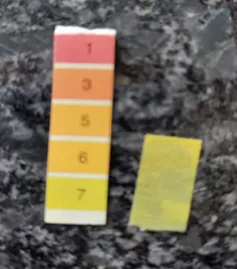
Fig 8 PH of film
6. Disintegration Time [2][3][5][6]
Introduction
Disintegration time is an important evaluation parameter for fast dissolving oral films as it determines the time required for the film to break down after administration in the oral cavity. Rapid disintegration ensures faster drug release, quick onset of action, and improved patient compliance, especially in pediatric patients. In the present study, artificial saliva solution was prepared to simulate the conditions of the oral cavity during the disintegration study.
Preparation of Artificial Saliva Solution (500 mL)
Table 10 Composition of Artificial Saliva
|
Ingredient |
Quantity |
|
Sodium chloride (NaCl) |
0.63 g |
|
Potassium chloride (KCl) |
0.48 g |
|
Calcium chloride dihydrate (CaCl?·2H?O) |
0.11 g |
|
Sodium dihydrogen phosphate (NaH?PO?) |
0.17 g |
|
Sodium sulfide (Na?S·9H?O) |
0.005 g |
|
Urea |
0.10 g |
|
Distilled water |
q.s. to 500 mL |
Procedure for Preparation of Artificial Saliva [24]
• Accurately weighed quantities of sodium chloride, potassium chloride, calcium chloride dihydrate, sodium dihydrogen phosphate, sodium sulfide, and urea were taken.
• All ingredients were dissolved in a small quantity of distilled water with continuous stirring.
• The final volume was adjusted to 500 mL using distilled water.
• The prepared artificial saliva solution was mixed thoroughly until a clear solution was obtained
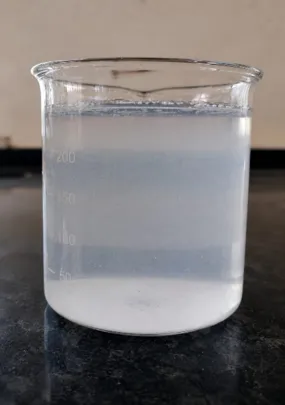
Fig 9 : Preparation of Artificial Saliva
Procedure for Disintegration Study
Observation
• The prepared artificial saliva solution was maintained at 37°C ± 0.5°C to simulate oral cavity conditions.
• The bilayer oral film was placed in the artificial saliva solution.
• The time required for complete disintegration of the film was recorded visually.
Result
The prepared bilayer oral films containing Paracetamol and Ibuprofen showed rapid disintegration in artificial saliva with an average disintegration time of 58 seconds, indicating suitability for fast dissolving pediatric oral drug delivery.
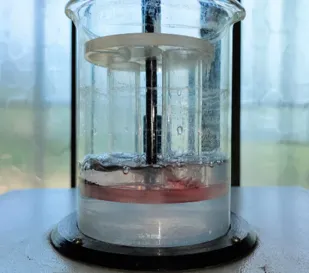
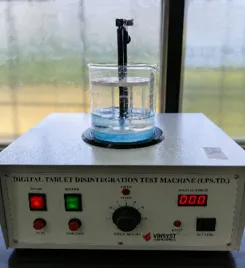
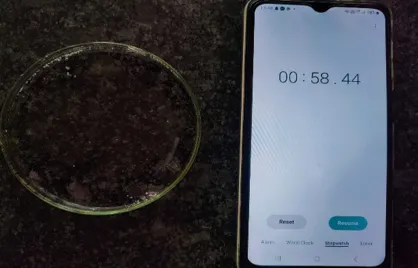
Fig 10: Disintegration study
7. Layer Separation Test [25][26]
Introduction
Layer separation test is specifically performed for bilayer films to evaluate the adhesion between both layers and to ensure stability during handling and administration.
Observation
The films were examined during folding, handling, and evaluation for any separation between the layers.
Result
No layer separation was observed in the prepared bilayer oral films, indicating strong adhesion and proper bonding between both layers.
8. Dissolution Study
The dissolution study of the prepared bilayer oral films was performed using USP Dissolution Apparatus Type II (Paddle method). The study was carried out in 900 mL phosphate buffer pH 6.8 maintained at 37 ± 0.5°C with a paddle rotation speed of 50 rpm.A film strip of size 2 cm × 2 cm was placed in the dissolution medium. Samples of 5 mL were withdrawn at predetermined time intervals and replaced with an equal volume of fresh phosphate buffer to maintain sink conditions. From the withdrawn sample, 1 mL was diluted to 10 mL with phosphate buffer before UV spectrophotometric analysis.
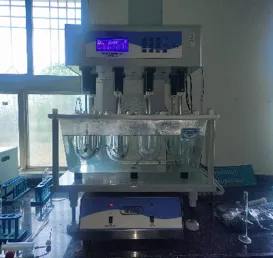
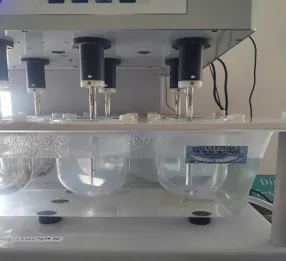
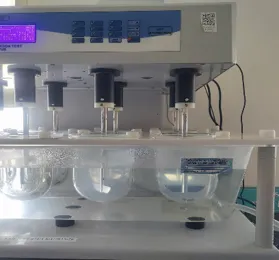
Fig 11 Dissolution study
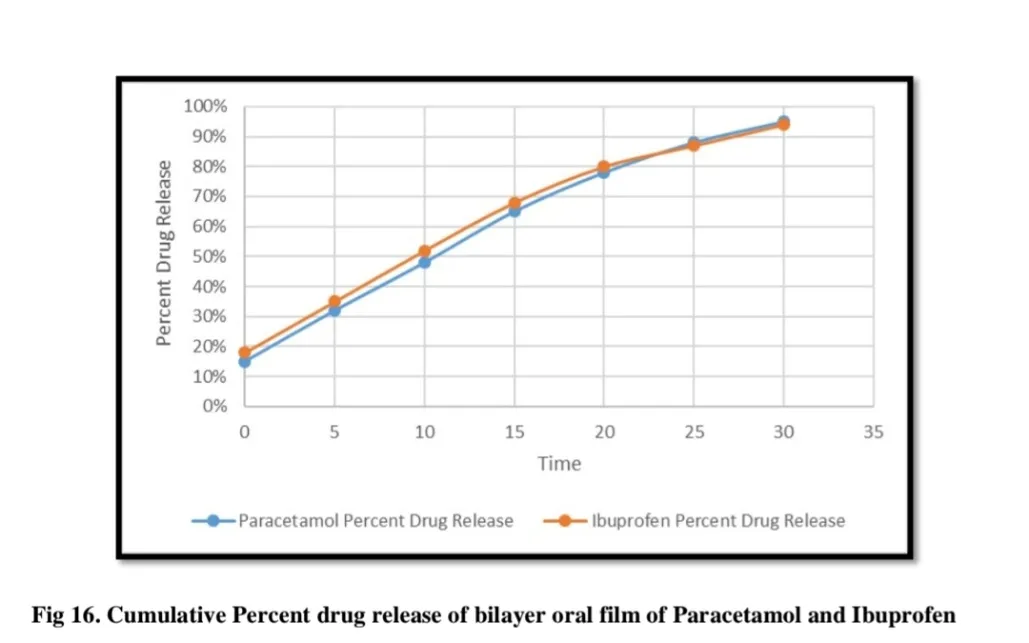
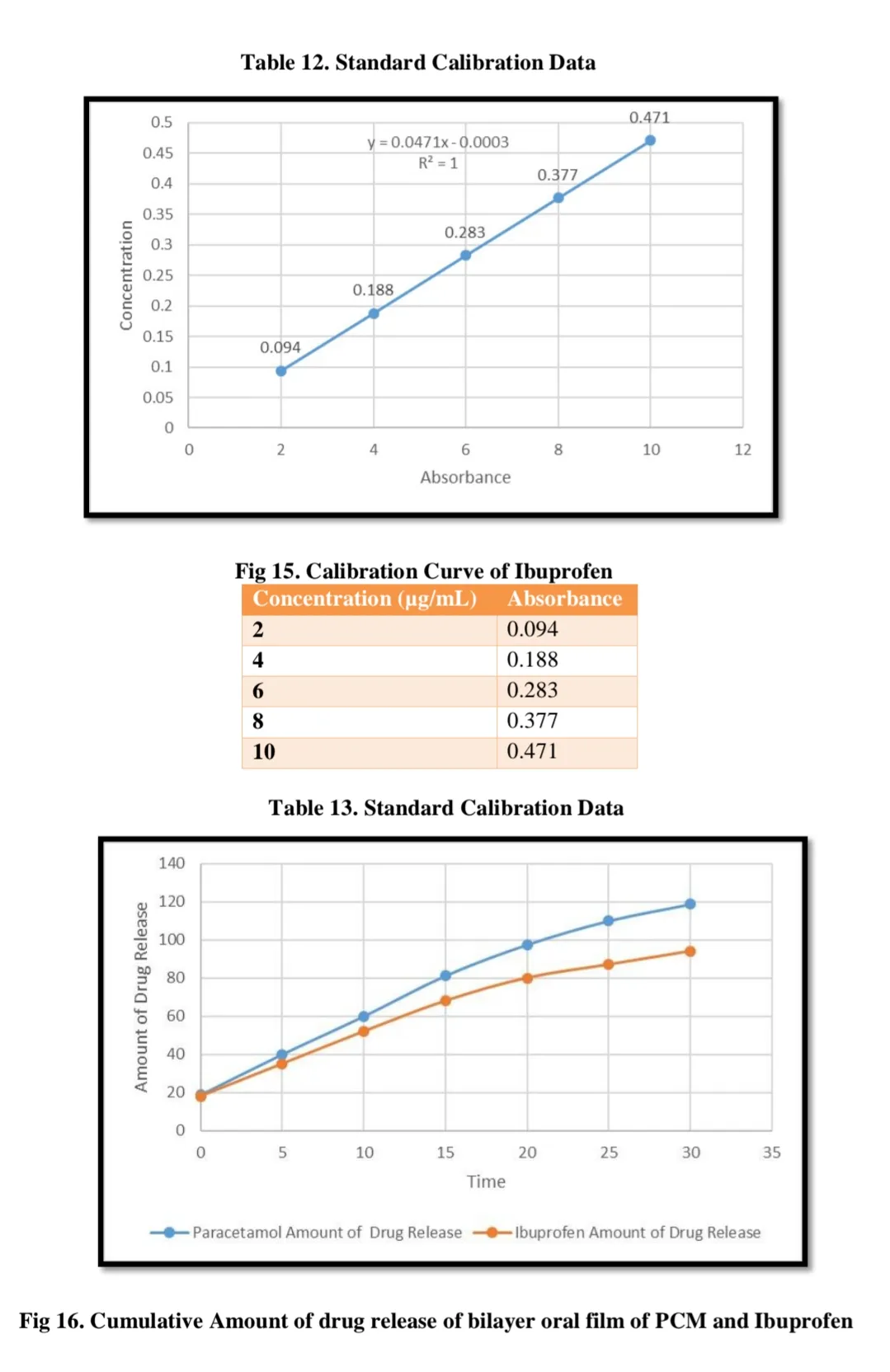
Table 11. Dissolution Profile of Paracetamol and Ibuprofen
|
Time (min) |
Paracetamol Amount Released (mg) |
Paracetamol % Release |
Paracetamol Absorbance |
Ibuprofen Amount Released (mg) |
Ibuprofen % Release |
Ibuprofen Absorbance |
|
0 |
18.75 |
15 % |
0.1230 |
18 |
18 % |
0.0944 |
|
5 |
40.00 |
32 % |
0.2618 |
35 |
35 % |
0.1834 |
|
10 |
60.00 |
48 % |
0.3925 |
52 |
52 % |
0.2723 |
|
15 |
81.25 |
65 % |
0.5325 |
68 |
68 % |
0.3561 |
|
20 |
97.50 |
78 % |
0.6374 |
80 |
80 % |
0.4189 |
|
25 |
110.00 |
88 % |
0.7192 |
87 |
87 % |
0.4555 |
|
30 |
118.75 |
95 % |
0.7764 |
94 |
94 % |
0.4921 |
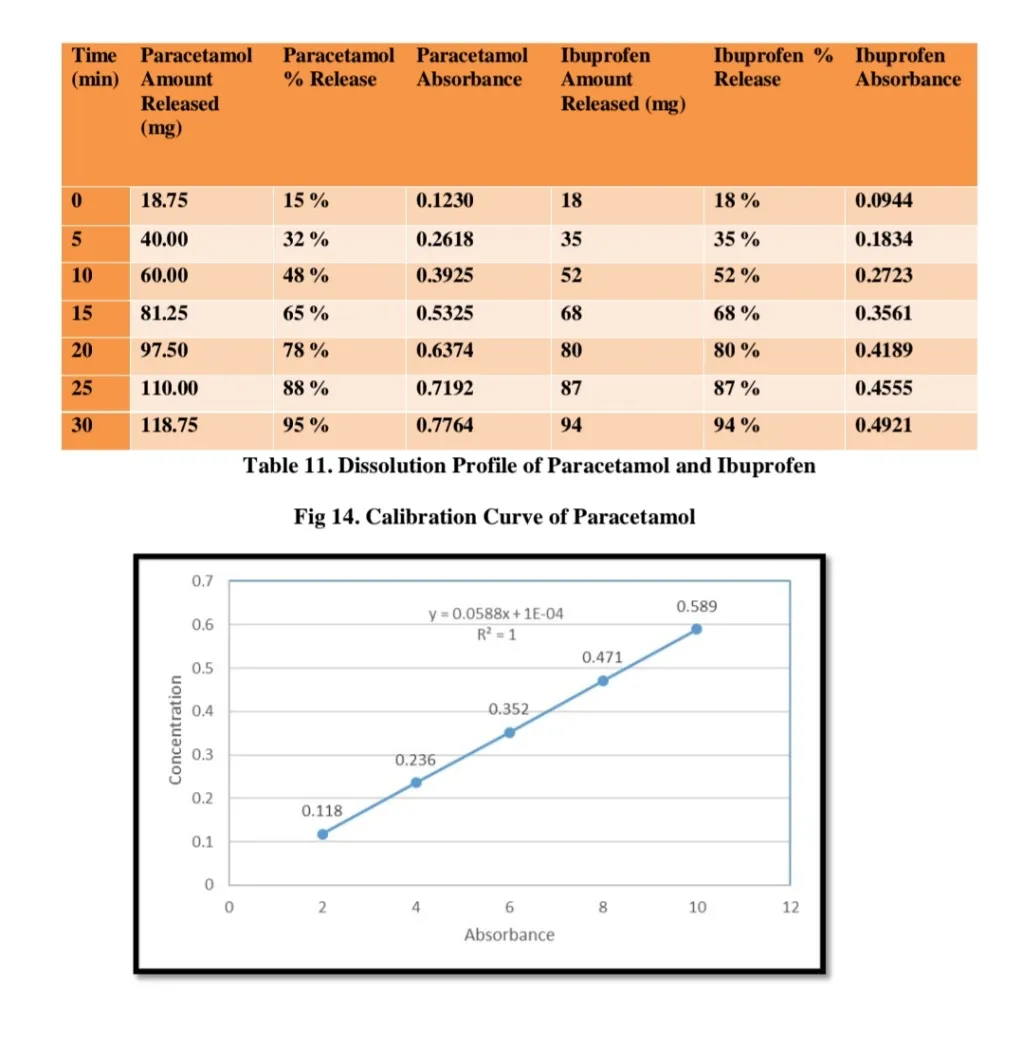
Interpretation of Dissolution Study
The dissolution study demonstrated rapid and efficient release of both Paracetamol and Ibuprofen from the bilayer oral films. The percentage drug release increased progressively with time for both drugs.
Paracetamol exhibited 95% drug release within 30 minutes, while Ibuprofen showed 94% release during the same period. The gradual increase in absorbance values with time confirmed continuous drug dissolution into the phosphate buffer medium.
The results indicate satisfactory dissolution characteristics of the prepared bilayer oral films and suggest that the formulation is suitable for fast drug release and oral delivery applications.
Result
The dissolution study of the prepared bilayer oral films containing Paracetamol and Ibuprofen demonstrated satisfactory drug release characteristics in phosphate buffer pH 6.8 using USP Dissolution Apparatus Type II (Paddle method).The dissolution profile revealed a gradual and continuous increase in drug release with increasing time intervals. Paracetamol showed 15% drug release at the initial stage and reached 95% release within 30 minutes. Similarly, Ibuprofen exhibited 18% initial release and achieved 94% drug release at the end of 30 minutes.
The absorbance values obtained during UV spectrophotometric analysis increased proportionally with drug release, confirming the accuracy of the calibration curves and uniform dissolution behavior of the films.The rapid dissolution behavior observed for both drugs indicates efficient hydration and disintegration of the bilayer oral films in the dissolution medium. The results further suggest uniform distribution of active pharmaceutical ingredients within the film matrix and satisfactory formulation performance.
“Evaluation Parameters and Results of Prepared Bilayer Oral Films”[27]
Table 12 Evaluation Parameters and Results of Prepared Bilayer Oral Films
|
No. |
Evaluation Test |
Observation / Result |
|
1 |
Physical Appearance |
The prepared bilayer oral films were found to be pink and white in color, transparent, smooth, and flexible. No cracks or air bubbles were observed on the film surface. |
|
2 |
Thickness Test |
The films showed uniform thickness throughout the surface. Average thickness was found to be 0.1 mm. |
|
3 |
Weight Variation Test |
The prepared films showed minimal weight variation, indicating uniform distribution of formulation components. |
|
4 |
Folding Endurance |
The films withstood more than 100 folds at the same place without breaking, indicating good flexibility and mechanical strength. |
|
5 |
Surface pH |
Surface pH of the prepared films was found to be 7, indicating compatibility with oral mucosa and absence of irritation potential. |
|
6 |
Disintegration Time |
The prepared bilayer oral films showed rapid disintegration with an average disintegration time of 58 seconds. |
|
7 |
Layer Separation Test |
No layer separation was observed during handling and evaluation, indicating strong interfacial adhesion between both layers. |
|
8 |
Dissolution study |
The dissolution study of the bilayer oral films showed rapid and satisfactory drug release for both Paracetamol and Ibuprofen. Paracetamol exhibited 95% drug release, while Ibuprofen showed 94% release within 30 minutes. The results indicate good dissolution behavior, uniform drug distribution, and suitability of the films for fast oral drug delivery. |
Storage Conditions of Bilayer Oral Films
To evaluate the stability of the prepared bilayer oral films containing Paracetamol and Ibuprofen, the films were stored under different storage conditions for a period of 2–3 weeks. The films were periodically observed for any changes in physical appearance, texture, flexibility, and stability.
1. Butter Paper Storage[27]
One set of bilayer oral films was wrapped in butter paper and stored at room temperature. The films remained stable during the storage period without any visible changes in color, texture, or flexibility. No cracking, brittleness, or stickiness was observed. Butter paper provided suitable protection from dust and moderate environmental exposure while maintaining film integrity.
Observation
• No change in color
• Films remained smooth and flexible
• No cracking or deformation observed
Result
The oral films were found to be stable in butter paper packaging.
2. Aluminum Foil Storage[28]
Another set of films was packed in aluminum foil and stored at room temperature. The films remained highly stable throughout the study period. Aluminum foil protected the films from moisture, air, and light exposure, thereby preserving their physical characteristics and stability.
Observation
• Films remained intact and flexible
• No moisture absorption observed
• No changes in appearance or texture
Result
The bilayer oral films showed maximum stability when stored in aluminum foil packaging.
3. Refrigerator Storage (2–8°C)[29]
A portion of the bilayer oral films was stored in a refrigerator at 2–8°C. After storage, the films became hard and less flexible in nature. The low temperature affected the physical properties of the films and reduced their elasticity. Although no major degradation was observed, the films lost their smooth flexible texture.
Observation
• Films became hard and rigid
• Flexibility decreased
• Slight brittleness observed
Result
The bilayer oral films were found to be unstable under refrigerated conditions due to hardening and loss of flexibility.
Table 13. Storage Conditions of Bilayer Oral Film
|
Sr. No. |
Storage Condition |
Evaluation Parameters Observed |
Observation / Result |
|
1 |
Butter Paper |
Color, flexibility, texture, cracking |
Films remained stable, smooth, and flexible with no cracks or deformation observed. |
|
2 |
Aluminum Foil |
Appearance, moisture protection, flexibility, stability |
Films remained highly stable with no moisture absorption or physical changes observed. |
|
3 |
Refrigerator (2–8°C) |
Texture, flexibility, brittleness |
Films became hard, rigid, and less flexible after storage under refrigerated conditions. |
RESULT
The prepared bilayer fast dissolving oral films showed satisfactory physicochemical, mechanical, and dissolution properties. The films were pink, transparent, smooth, and free from cracks and air bubbles. Uniform thickness of 0.1 mm and good flexibility with more than 100 folding endurance were observed. The films exhibited a neutral surface pH of 7, indicating compatibility with the oral mucosa. Rapid disintegration was achieved within 58 seconds in artificial saliva solution. No layer separation occurred, demonstrating strong adhesion between both layers.
The dissolution study carried out using USP Dissolution Apparatus Type II (Paddle method) in phosphate buffer pH 6.8 demonstrated rapid and efficient drug release from the bilayer oral films. Paracetamol showed 15% initial release and reached 95% drug release within 30 minutes, whereas Ibuprofen exhibited 18% initial release and achieved 94% release during the same period. The absorbance values increased progressively with time, confirming continuous and uniform drug dissolution from the film matrix. The rapid dissolution behavior indicated efficient hydration and disintegration of the films, suggesting their suitability for fast onset of therapeutic action and oral drug delivery applications.
DISCUSSION
The present study successfully demonstrated the formulation of bilayer fast dissolving oral films containing Paracetamol and Ibuprofen using hybrid synthetic and natural excipients. The solvent casting method produced smooth, flexible, and uniform films suitable for pediatric administration. HPMC provided excellent film-forming ability and mechanical strength, while propylene glycol improved flexibility and reduced brittleness. SLS enhanced drug wetting and solubility, whereas Saccharin improved palatability. Natural excipients such as peppermint oil and beet juice improved flavor and appearance, thereby increasing pediatric acceptability.
The prepared films showed rapid disintegration due to the hydrophilic nature of HPMC and the thin film structure. The bilayer design enabled proper integration of both drugs while preventing layer separation. The dissolution study demonstrated rapid and efficient drug release from the prepared films in phosphate buffer pH 6.8 using USP Dissolution Apparatus Type II. Paracetamol exhibited 95% drug release within 30 minutes, while Ibuprofen showed 94% release during the same period. The progressive increase in absorbance values confirmed continuous and uniform dissolution of both drugs from the film matrix. The rapid dissolution behavior may be attributed to the fast hydration and swelling of the hydrophilic polymer along with the large surface area of the thin films, which facilitated quicker drug diffusion and release.
CONCLUSION
The present work concluded that bilayer fast dissolving oral films containing Paracetamol and Ibuprofen were successfully formulated and evaluated using the solvent casting method. The prepared films exhibited satisfactory physical appearance, flexibility, rapid disintegration, neutral surface pH, strong interlayer adhesion, and rapid dissolution behavior.
The dissolution study demonstrated efficient drug release of both active pharmaceutical ingredients, with Paracetamol showing 95% release and Ibuprofen showing 94% release within 30 minutes in phosphate buffer pH 6.8 using USP Dissolution Apparatus Type II. This confirms the ability of the formulation to provide rapid and complete drug release suitable for fast therapeutic action.
The use of hybrid synthetic and natural excipients improved film properties, stability, mouthfeel, and patient acceptability. The formulation showed excellent suitability for pediatric patients due to ease of administration and rapid disintegration and dissolution without the need for water. Stability studies confirmed that aluminum foil and butter paper packaging were suitable storage conditions for maintaining film stability, whereas refrigerated storage adversely affected flexibility due to polymer hardening.
Therefore, the developed bilayer fast dissolving oral film can be considered a promising and effective pediatric oral drug delivery system for improved analgesic and antipyretic therapy with enhanced patient compliance and therapeutic efficacy.
REFERENCES


Ganesh Vitukade, Shraddha Zarekar, Sakshi Walunj, Bhagyshree Jagtap, Design, Formulation and Evaluation of a Pediatric-Friendly Bilayer Fast Dissolving Oral Film of Paracetamol and Ibuprofen Using Hybrid (Synthetic+ Natural) Excipients for Synergistic Analgesic and Antipyretic Therapy, Int. J. of Pharm. Sci., 2026, Vol 4, Issue 10, 744-764, https://doi.org/10.5281/zenodo.23185720
 10.5281/zenodo.23185720