

We use cookies to ensure our website works properly and to personalise your experience. Cookies policy
Sree Abirami college of pharmacy, Machegoundanpalayam, seerapalayam village, Echanari (po), Coimbatore 641-021.
Solanum nigrum Linn. (Black Nightshade), a member of the Solanaceae family, is one of the most extensively used medicinal plants in traditional medicine systems across Asia, Africa, and Europe. This plant has been employed for centuries to treat conditions ranging from inflammation and fever to hepatic disorders and skin ailments. Modern pharmacological investigations have substantiated many of these traditional uses by identifying a rich phytochemical arsenal including steroidal alkaloids (solanine, solasonine), flavonoids, saponins, tannins, and various glycoalkaloids. The present review consolidates current scientific evidence on the botanical characterization, ethnopharmacological significance, phytochemical constituents, and broad spectrum of pharmacological activities attributed to S. nigrum encompassing anticancer, hepatoprotective, anti-inflammatory, analgesic, antidiabetic, antimicrobial, antioxidant, and neuroprotective effects. Toxicological considerations and prospects for future drug discovery from this plant are also discussed
The plant kingdom has served as the cornerstone of medicine since the dawn of civilization. Among the numerous medicinal plants documented in traditional systems, Solanum nigrum Linn. commonly known as Black Nightshade occupies a prominent place owing to its widespread distribution and multifaceted therapeutic applications. Belonging to the family Solanaceae, this annual or perennial herbaceous plant is distributed globally in tropical and subtropical regions and is found abundantly throughout the Indian subcontinent, Southeast Asia, Africa, and Europe.
In Ayurveda, S. nigrum is referred to as 'Kakamachi' and is listed among the ten herbs of the Dashapushpam group. Traditional healers across cultures have employed its leaves, berries, stem, and roots to manage a wide range of ailments including liver diseases, fever, inflammation, skin disorders, and even cancer-like conditions. The Unani system recognizes it as 'Mako,' using it as a hepatic tonic and antipyretic. In African traditional medicine, decoctions of S. nigrum are administered for the treatment of gonorrhoea, epilepsy, and eye diseases.
Despite its long-standing traditional use, S. nigrum has also attracted controversy due to the presence of toxic steroidal alkaloids, particularly solanine and chaconine, that render certain parts of the plant potentially hazardous if consumed in large quantities. This dual nature of therapeutic potential and toxicity has made S. nigrum a subject of intense scientific investigation. Modern pharmacological and phytochemical studies have confirmed a broad spectrum of biological activities that align closely with its traditional applications, creating a strong scientific basis for its continued investigation as a source of novel therapeutic agents.
The present review aims to comprehensively consolidate the available scientific literature on the botanical description, taxonomic classification, ethnopharmacological uses, phytochemical composition, pharmacological activities, toxicological profile, and prospects of Solanum nigrum as a medicinal plant.
PLANT PROFILE:
2. BOTANICAL DESCRIPTION AND TAXONOMIC CLASSIFICATION:
2.1 Taxonomical Classification:
|
Taxonomic Rank |
Classification |
|
Kingdom |
Plantae |
|
Division |
Magnoliophyta |
|
Class |
Magnoliopsida |
|
Order |
Solanales |
|
Family |
Solanaceae |
|
Genus |
Solanum |
|
Species |
S. nigrum Linn. |
2.2 Vernacular Names:
S. nigrum is known by numerous vernacular names across different languages and regions:
2.3 Morphological Features:
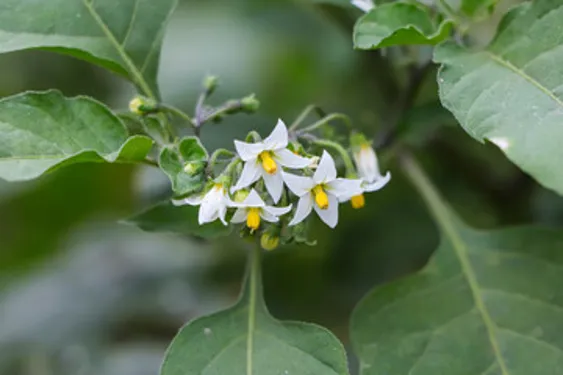
S. nigrum is an erect, annual or short-lived perennial herb growing to a height of 30–120 cm. The stem is angular, branched, and often covered with short, fine pubescence. Leaves are simple, alternate, ovate to ovate-lanceolate, 3–8 cm long and 2–6 cm wide, with entire to slightly sinuate margins, petiolate, and somewhat succulent. Flowers are small, white, 5-petaled, hermaphrodite, and occur in lateral, extra-axillary cymes of 4–8 flowers. The anthers are bright yellow, forming a characteristic cone around the style. Fruits are small, globose berries, 5–8 mm in diameter, green when young and turning glossy black at maturity. Seeds are small, flattened, pale yellowish, and numerous.
2.4 Geographic Distribution and Ecology:
S. nigrum is cosmopolitan in distribution and is considered a weed in many agricultural ecosystems. It thrives in disturbed habitats including roadsides, agricultural fields, waste lands, and forest edges from sea level to altitudes of approximately 2,400 meters. In India, the plant is common throughout the country, particularly in peninsular India and the Himalayan foothills. It favors moist, fertile, well-drained soils with good nitrogen content and is often found alongside crops.
3. ETHNOPHARMACOLOGICAL USES:
The ethnopharmacological documentation of S. nigrum is extensive. The following table summarizes traditional uses across different cultures:
|
Region/System |
Plant Part Used |
Traditional Use |
|
Ayurveda (India) |
Whole plant, leaves, berries |
Liver disorders, fever, skin diseases, eye ailments, ulcers, diuretic |
|
Unani (India/Middle East) |
Leaves, fruit |
Hepatic tonic, antipyretic, anti-inflammatory, aphrodisiac |
|
Siddha (South India) |
Leaves, berries |
Jaundice, oedema, gonorrhoea, ulcers, wound healing |
|
Traditional Chinese Medicine |
Whole plant |
Hepatoprotection, anti-tumor, diuretic, anti-inflammatory |
|
African Traditional Medicine |
Leaves, berries, roots |
Gonorrhoea, epilepsy, ophthalmic disorders, skin infections |
|
European Folk Medicine |
Leaves |
Narcotic, sedative, antispasmodic, externally for inflammation |
|
South American Ethnomedicine |
Leaves, stem |
Fever, abdominal pain, menstrual disorders, wound healing |
In Ayurveda, the entire plant is classified under 'Tridoshaghna' — balancing all three doshas (Vata, Pitta, Kapha). The ripe berries are considered non-toxic and nutritious in South Indian cooking, where Manathakkali Keerai (leaves) is widely consumed as a vegetable to treat mouth ulcers, gastric ulcers, and liver complaints. The plant's juice is applied topically for skin diseases, burns, and wounds across multiple traditions.
4. PHYTOCHEMICAL CONSTITUENTS:
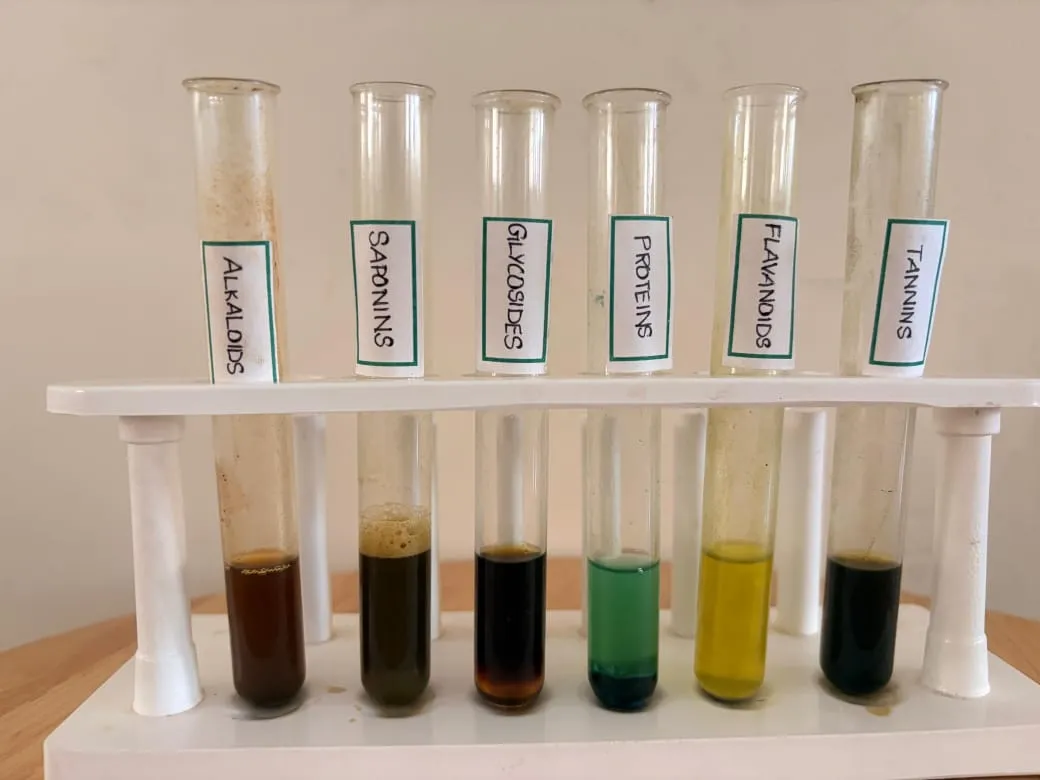
Phytochemical investigations of S. nigrum have revealed an impressive array of biologically active secondary metabolites. The chemical composition varies with the plant part, geographic origin, growth stage, and extraction method.
4.1 Steroidal Alkaloids and Glycoalkaloids:
The most pharmacologically significant constituents of S. nigrum are the steroidal glycoalkaloids. Solanine (α-solanine) is the predominant alkaloid, formed by the attachment of the trisaccharide solatriose to the aglycone solanidine. Solasonine and solamargine are other major glycoalkaloids where the aglycone is solasodine, connected to chacotriosyl and lycotetraosyl moieties respectively. Additional alkaloids include solanocapsine, demissidine, tomatidine, and solasodamine. These compounds are found in higher concentrations in green berries and decrease upon ripening.
4.2 Flavonoids and Polyphenols:
S. nigrum is rich in flavonoids including quercetin, kaempferol, rutin, myricetin, and luteolin. These compounds are primarily responsible for the plant's potent antioxidant activity. Phenolic acids such as caffeic acid, chlorogenic acid, p-coumaric acid, gallic acid, and protocatechuic acid have also been identified. The total phenolic content varies significantly between plant parts, with leaves generally showing higher concentrations than fruits.
4.3 Saponins and Tannins:
Steroidal saponins are abundantly present in S. nigrum and contribute to its hemolytic, cytotoxic, and anti-inflammatory properties. Diosgenin and solasodine serve as major aglycone units. Tannins, both condensed (proanthocyanidins) and hydrolyzable (gallotannins and ellagitannins), are present in significant quantities and contribute to the plant's antimicrobial and astringent properties.
4.4 Other Phytoconstituents:
5. PHARMACOLOGICAL ACTIVITIES:
5.1 Anticancer Activity:
The anticancer potential of S. nigrum represents its most extensively studied and scientifically validated pharmacological property. Multiple mechanisms underlie its cytotoxic effects against cancer cells:
Solamargine and solasonine have demonstrated potent cytotoxicity against human cancer cell lines including MCF-7 (breast), HepG2 (hepatocellular carcinoma), A549 (lung), HeLa (cervical), and Caco-2 (colon) cells. The glycoalkaloids induce apoptosis through both intrinsic (mitochondrial) and extrinsic pathways. Studies have shown upregulation of pro-apoptotic proteins (Bax, cytochrome c, caspase-3, caspase-9) and downregulation of anti-apoptotic proteins (Bcl-2, Bcl-xL) upon treatment with S. nigrum extracts. Cell cycle arrest at G2/M and S phases has been reported in multiple cancer cell lines.
A polysaccharide isolated from S. nigrum (SNPF) demonstrated significant tumor inhibition in S180 sarcoma-bearing mice. Antiangiogenic properties have been attributed to inhibition of VEGF (vascular endothelial growth factor) expression, thus restricting tumor vascularization. Recent proteomics studies have identified modulation of key oncogenic signaling pathways including PI3K/Akt/mTOR, MAPK/ERK, and NF-κB as part of S. nigrum's anticancer mechanism.
5.2 Hepatoprotective Activity:
Hepatoprotection is one of the classical uses of S. nigrum in Ayurvedic and Chinese medicine. Aqueous and ethanolic leaf extracts have shown significant hepatoprotective effects in CCl4 (carbon tetrachloride)-, paracetamol-, and D-galactosamine-induced hepatotoxicity models in rats and mice.
The mechanism of hepatoprotection involves multiple pathways: (i) enhancement of antioxidant enzyme activity (SOD, CAT, GPx, GR) and elevation of hepatic glutathione levels; (ii) stabilization of hepatocyte cell membranes, reflected by reduced serum levels of liver enzymes (ALT, AST, ALP, LDH); (iii) suppression of hepatic lipid peroxidation (evidenced by reduced MDA levels); (iv) attenuation of inflammatory cytokine production (TNF-α, IL-6, IL-1β) in the liver; and (v) preservation of hepatic histoarchitecture and reduction of necrosis.
Solasodine has been identified as a key active principle for hepatoprotection. Clinical surveys in South India have reported regular consumption of Manathakkali leaves as a folk remedy to prevent jaundice, and preliminary clinical observations support reduced incidence of hepatic dysfunction in regular consumers.
5.3 Anti-inflammatory and Analgesic Activity:
Ethanolic and aqueous extracts of S. nigrum have demonstrated significant anti-inflammatory activity in acute (carrageenan-induced paw edema), sub-acute (cotton pellet granuloma), and chronic (adjuvant-induced arthritis) models of inflammation in rodents. The mechanism involves inhibition of cyclooxygenase (COX-1 and COX-2) enzymes, reduction of prostaglandin E2 synthesis, and suppression of pro-inflammatory cytokines (TNF-α, IL-1β, IL-6) through NF-κB pathway inhibition.
Analgesic effects have been demonstrated in the acetic acid-induced writhing test (peripheral analgesia) and hot-plate/tail-flick tests (central analgesia) in mice. Steroidal saponins and flavonoids are primarily responsible for these activities. The analgesic potency of S. nigrum extract (400 mg/kg) has been reported to be comparable to standard drugs like aspirin (100 mg/kg) in some studies.
5.4 Antioxidant Activity:
S. nigrum exhibits powerful in vitro and in vivo antioxidant activity. DPPH (2,2-diphenyl-1-picrylhydrazyl) free radical scavenging, ABTS radical cation decolorization, FRAP (ferric reducing antioxidant power), and metal chelating assays have all confirmed strong antioxidant potential, attributed primarily to the high phenolic and flavonoid content. The IC50 values of S. nigrum leaf extracts in DPPH assays often range from 20–80 μg/mL, comparable to standard antioxidants. In vivo, the plant significantly restores depleted antioxidant enzymes in oxidative stress models.
5.5 Antimicrobial Activity
S. nigrum extracts have demonstrated broad-spectrum antimicrobial activity against both Gram-positive bacteria (Staphylococcus aureus, Bacillus cereus, Enterococcus faecalis) and Gram-negative bacteria (Escherichia coli, Pseudomonas aeruginosa, Klebsiella pneumoniae, Salmonella typhi). Minimum inhibitory concentrations (MICs) typically range from 0.5 to 8 mg/mL for various bacterial species.
Antifungal activity against Candida albicans, Aspergillus niger, and dermatophytes (Trichophyton rubrum, Microsporum canis) has also been reported. Alkaloids, tannins, and essential oils are considered the primary antimicrobial principles. Some studies have shown synergism between S. nigrum extracts and conventional antibiotics (ampicillin, tetracycline), suggesting potential for combination therapy.
5.6 Antidiabetic Activity:
Aqueous and ethanolic extracts of S. nigrum berries and leaves have demonstrated significant antihyperglycemic effects in streptozotocin (STZ)- and alloxan-induced diabetic rodent models. The mechanisms include: (i) pancreatic β-cell regeneration or protection; (ii) enhancement of insulin secretion; (iii) inhibition of α-glucosidase and α-amylase enzymes, thereby reducing post-prandial glucose absorption; (iv) increased glucose uptake in peripheral tissues via GLUT4 translocation; and (v) inhibition of gluconeogenesis through suppression of key hepatic enzymes.
Chlorogenic acid and other polyphenols are significant contributors to the antidiabetic effect. Standard oral dosing of S. nigrum extract (200–400 mg/kg) has shown fasting blood glucose reduction of 40–60% in diabetic animal models, with concurrent improvement in lipid profiles (reduced triglycerides, LDL; elevated HDL).
5.7 Neuroprotective Activity:
Emerging research has shown that S.nigrum has neuroprotective properties, which are especially important for conditions that affect the nervous system.Studies in animal models of Parkinson's disease, Alzheimer's disease, and ischemia-reperfusion injury have found that S.nigrum extracts can: (i) slow the loss of dopamine-producing neurons; (ii) lower acetylcholinesterase activity, which helps improve the transmission of signals in the nervous system; (iii) reduce the buildup of amyloid-beta proteins; (iv) lower inflammation in the brain by limiting the activation of microglia; and (v) shield neurons from damage caused by harmful free radicals.
5.8 Diuretic and Nephroprotective Activity:
S.nigrum extracts have been shown to increase urine production and the excretion of sodium and chloride in rats, and this effect increases with higher doses.The plant also helps protect the kidneys from damage caused by certain toxins, such as gentamicin, cisplatin, and oxalate.This is seen through improved kidney function markers like blood urea nitrogen (BUN) and creatinine, and a decrease in oxidative stress in kidney tissue.
5.9 Antipyretic Activity:
In models of fever caused by Brewer's yeast and lipopolysaccharide (LPS), S.nigrum extracts have significantly reduced body temperature in a dose-dependent manner.The activity is mainly due to the flavonoid and alkaloid components, which work by reducing the production of prostaglandins and influencing the brain's temperature regulation centers.
5.10 Wound Healing Activity:
When applied directly to wounds, S.nigrum leaf extracts and gels have helped speed up the healing process in different wound models.The accelerated healing is believed to result from increased production and accumulation of collagen (shown by higher levels of hydroxyproline), protection against infection, reduced inflammation and swelling, and antioxidant protection for the wounded area.These results support the traditional use of S.nigrum as a healing herb.
5.11 Immunomodulatory Activity:
Polysaccharides and alkaloid fractions from S.nigrum have been found to influence the immune system.In studies using immunosuppressed mice, these components helped restore both humoral and cell-mediated immunity, improved the ability of macrophages to engulf harmful substances, increased the activity of natural killer (NK) cells, and altered the production of certain interleukins.These findings suggest that S.nigrum could be useful as a supportive treatment alongside immunosuppressive chemotherapy.
6. TOXICOLOGICAL CONSIDERATIONS:
Although S.nigrum has many beneficial uses, it is important to be aware of its potential toxicity. The plant contains steroidal glycoalkaloids, especially solanine, which can be harmful when taken in large amounts.The primary toxicological concerns include:
6.1 Acute Toxicity:
The LD50 value of the aqueous extract of S.nigrum in mice has been reported to range between 3.4 and 5.0 grams per kilogram of body weight when administered orally, indicating a relatively wide margin between toxic and therapeutic doses. The LD50 of solanine in rats is approximately 590 milligrams per kilogram (oral route). Symptoms of acute toxicity include increased salivation, nausea, vomiting, stomach pain, diarrhoea, increased heart rate, and in more severe cases, hallucinations and slowed breathing. Green berries contain higher levels of alkaloids and present the greatest risk, whereas ripe black berries have much lower solanine content and are considered safe for consumption in normal amounts.
6.2 Subacute and Chronic Toxicity:
Studies on subacute toxicity (28 days) at doses up to 1000 mg/kg did not show significant changes in blood test results, organ weight, or tissue structure in experimental animals, suggesting that the substance is safe at therapeutic levels.
Data on chronic toxicity are limited, and longer-term studies are needed to fully understand its safety. Special care should be taken during pregnancy, as some animal studies suggest that high doses may have harmful effects on the developing fetus.
6.3 Contraindications and Drug Interactions:
S.nigrum should be used with caution in: (i) pregnant and breastfeeding women; (ii) individuals taking sedative or anti-seizure medications (due to possible additive effects on the central nervous system); (iii) individuals on diabetes medications (because of the risk of low blood sugar); and (iv) individuals with known allergies to plants in the Solanaceae family. Potential interactions with cholinesterase inhibitors (which could increase the effect of acetylcholinesterase inhibition) and anticoagulant drugs have been suggested in theory but have not been confirmed in clinical studies.
7. FUTURE PERSPECTIVES:
Interest in the plant Solanum nigrum has increased significantly in the last ten years.
There are several main areas of current scientific investigation, including:
1.Nano-formulations: The use of extracts from S.nigrum to create silver and gold nanoparticles that have better antibacterial and anticancer properties, along with improved absorption in the body.
2.Discovery of new anticancer substances: Separating and studying new compounds with harmful effects on cancer cells, going beyond solamargine to include other glycoalkaloid derivatives.
3.Virtual screening and computer modelling: Using computer simulations to find how compounds from S.nigrum might work against disease targets (like EGFR, HER2, VEGFR2, COX-2, and AChE) to guide the development of new medicines.
4.Clinical testing: Moving from laboratory and animal studies to human trials that are carefully planned for liver protection and cancer treatment.
5.Farming and biotech methods: Improving how S.nigrum is grown, using tissue culture and genetic modifications to produce more of the active compounds.
6.Mixed treatment studies: Testing how combining S.nigrum extracts with standard chemotherapy drugs (like cisplatin, 5-FU, and doxorubicin) could lead to better treatment outcomes and fewer side effects.
7.Quality control: Creating standard methods using high-performance liquid chromatography (HPLC) to identify and ensure consistency in the chemical makeup of S.nigrum extracts used in health products.
RESULT AND DISCUSSION
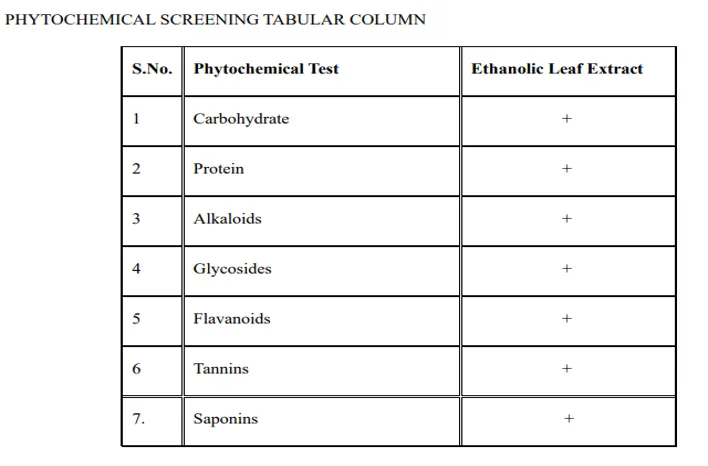
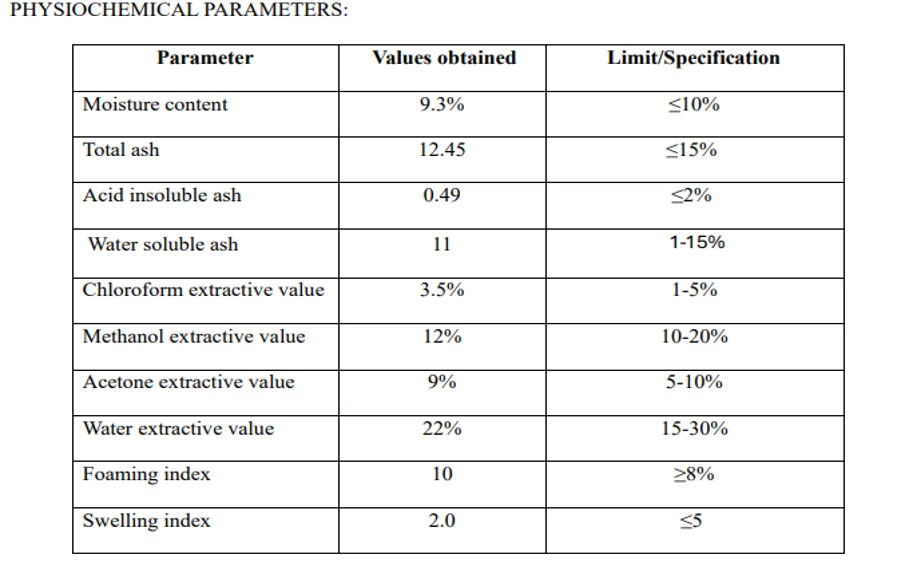
The present study on pharmacognostical and physicochemical standardization of Solanum nigrum leaf powder provides important information for the identification, authentication, and quality control of the crude drug. Macroscopic and microscopic characters of the leaf were examined and found to be distinctive, which helps in the correct identification of the plant material and prevention of adulteration. Physicochemical parameters such as moisture content, total ash value, acid-insoluble ash, water-soluble ash, and extractive values in different solvents (chloroform, methanol, acetone, ethanol, and water) were determined. These parameters serve as standard reference values for evaluating the purity, quality, and consistency of the crude drug.
CONCLUSION
Solanum nigrum is a valuable medicinal plant used in various traditional systems for thousands of years.
Recent scientific studies have shown that it has strong health benefits, including protecting the liver, reducing inflammation, fighting free radicals, killing bacteria, controlling diabetes, and preventing cancer. The plant contains many important chemical compounds, especially steroidal glycoalkaloids, flavonoids, and polyphenols, which support these health effects.
However, the journey from traditional use to evidence-based medicine is not yet complete.
Although many studies have been done in lab and animal models, there is still a lack of well-designed clinical trials proving the effectiveness and safety of S.nigrum for humans. There are also concerns about the toxicity of solanine, possible harm to unborn babies, and interactions with other medications that need more research. Making consistent extracts and improving how the compounds are absorbed into the body still pose practical difficulties.
Given the wide range of health benefits and the rich chemical content, S.nigrum deserves more attention and high-quality research. It shows great potential as a source for new cancer and liver-protection drugs. With progress in plant medicine, nanotechnology, and clinical research methods, S.nigrum could become an important part of modern pharmacology and a source of new medicines in the era of evidence-based herbal treatment.
REFERENCES

Bharadhan Boss, Dr. A. Kavidha, Mohamed Shamnad K, Keerthikaran. D, Pooja Exploring The Therapeutic Potential of Solanum Nigrum, Int. J. of Pharm. Sci., 2026, Vol 4, Issue 10, 783-792, https://doi.org/10.5281/zenodo.23186072
 10.5281/zenodo.23186072