

We use cookies to ensure our website works properly and to personalise your experience. Cookies policy
Barkatullah University Bhopal Madhya Pradesh.
Lurasidone Hydrochloride is a second-generation atypical antipsychotic drug used in the management of schizophrenia and bipolar depression. Despite its therapeutic efficacy, its poor aqueous solubility, food-dependent absorption, extensive first-pass metabolism, and variable oral absorption may limit its therapeutic performance. The present study was undertaken to develop a Lurasidone Hydrochloride-loaded nanoemulgel as an alternative transdermal drug delivery system capable of improving drug solubilization and providing prolonged drug release. Lurasidone Hydrochloride-loaded nanoemulsions were prepared using olive oil as the oil phase, Tween 80 as surfactant, PEG 400 as co-surfactant, and distilled water as the aqueous phase. Six nanoemulsion formulations (LNE1–LNE6) were prepared by varying the concentrations of olive oil and Tween 80 while maintaining the drug and PEG 400 concentrations constant. The prepared formulations were evaluated for physical appearance, drug content, entrapment efficiency, particle size, polydispersity index, and zeta potential. The optimized nanoemulsion was subsequently incorporated into a Carbopol-based gel to prepare nanoemulsion-loaded gel formulations (LNG1–LNG3). The optimized nanoemulsion formulation LNE6 exhibited a drug content of 99.71 ± 0.29% and an entrapment efficiency of 92.14 ± 0.28%. The optimized formulation showed a mean particle size of 195.65 nm and a zeta potential of ?36.22 mV, indicating suitable nanoscale characteristics and good colloidal stability. Among the nanoemulsion-loaded gel formulations, LNG2 was selected as the optimized formulation based on its physicochemical characteristics. In vitro drug release studies demonstrated sustained release of Lurasidone Hydrochloride from LNG2, with cumulative drug release increasing from 18.46 ± 0.82% at 0.5 h to 98.27 ± 0.72% at 12 h. Kinetic analysis showed the highest correlation with the first-order model (R² = 0.9928), suggesting concentration-dependent drug release. The findings demonstrate that the developed Lurasidone Hydrochloride nanoemulgel possesses favorable physicochemical characteristics and sustained in vitro drug release and may represent a promising approach for further investigation as a transdermal drug delivery system.
Schizophrenia is a chronic and severe neuropsychiatric disorder characterized by disturbances in perception, thought processes, emotions, cognition, and behavior. The disorder commonly requires prolonged pharmacological treatment to control symptoms, prevent relapse, and improve the patient's functional status. Antipsychotic medications constitute the major pharmacological approach for schizophrenia management, with second-generation antipsychotics being widely used because of their efficacy against positive symptoms and their variable benefits against negative, affective, and cognitive symptoms.
Lurasidone Hydrochloride is a second-generation atypical antipsychotic belonging to the benzisothiazole derivative class. It is used in the treatment of schizophrenia and bipolar depression and exerts its pharmacological activity mainly through antagonism of dopamine D2 and serotonin 5-HT2A receptors, with additional activity at serotonin 5-HT7 receptors. Its pharmacological profile makes it an important therapeutic option for the long-term management of psychiatric disorders.
However, the therapeutic use of Lurasidone Hydrochloride is associated with several biopharmaceutical limitations. The drug exhibits poor aqueous solubility and is classified as a Biopharmaceutics Classification System (BCS) Class II drug. Its absorption is influenced by food intake and its oral administration is associated with extensive hepatic first-pass metabolism. These characteristics may contribute to variability in drug exposure and may affect the consistency of therapeutic outcomes during long-term treatment.
The development of alternative drug delivery approaches may help address some of the limitations associated with conventional oral administration. Transdermal drug delivery offers several potential advantages, including avoidance of gastrointestinal absorption, reduction of hepatic first-pass metabolism, prolonged drug delivery, and maintenance of more consistent drug concentrations. Nevertheless, the stratum corneum represents a major barrier to transdermal drug transport and therefore requires appropriate formulation strategies to enhance drug penetration.
Nanotechnology-based delivery systems have attracted considerable interest for improving the delivery of poorly water-soluble drugs. Nanoemulsions are particularly attractive because of their ability to incorporate lipophilic drugs, increase the interfacial surface area, improve drug solubilization, and potentially enhance drug transport across biological barriers. However, the relatively low viscosity of nanoemulsions may result in limited residence time following topical application. Incorporation of a nanoemulsion into a suitable gel matrix can overcome this limitation by increasing viscosity, improving spreadability, and prolonging residence at the site of application.
Nanoemulgels therefore represent a hybrid delivery platform combining the drug-solubilizing and permeation-enhancing properties of nanoemulsions with the handling and retention advantages of hydrogels. Recent literature has demonstrated the potential of nanoemulgel systems for improving the delivery of poorly water-soluble drugs through the skin. The 2026 review by Jacob and Nair also emphasizes that nanoemulgels combine nanoscale drug carriers with a gel matrix to improve drug penetration, residence time, and formulation performance.
The skin, particularly the stratum corneum, remains the principal barrier to cutaneous drug delivery. Drug transport across the skin is influenced by physicochemical properties such as molecular size, lipophilicity, solubility, melting point, and partition coefficient. Nanoemulsion systems may improve cutaneous delivery by increasing drug solubilization, providing a large interfacial area, and facilitating interaction between the formulation and the skin barrier.
Although several formulation approaches have been investigated to improve the solubility and oral delivery of Lurasidone Hydrochloride, including nanocrystals, nanosuspensions, self-microemulsifying systems, solid dispersions, and fast-dissolving formulations, limited information is available regarding the development of a Lurasidone Hydrochloride-loaded nanoemulgel specifically designed for transdermal delivery.
Therefore, the present study was designed to formulate and evaluate Lurasidone Hydrochloride-loaded nanoemulsions and subsequently incorporate the optimized nanoemulsion into a Carbopol-based gel. The developed formulations were evaluated for their physicochemical characteristics, drug content, entrapment efficiency, particle size, polydispersity index, zeta potential, pH, viscosity, spreadability, and in vitro drug release behavior. The overall objective was to develop a stable nanoemulsion-loaded gel capable of providing prolonged release of Lurasidone Hydrochloride and to investigate its potential as a transdermal drug delivery system.
MATERIALS AND METHODS
2.1 Materials
Lurasidone Hydrochloride was obtained from S. M. Pharmaceutical, Gujarat, India. Olive oil, Tween 80, PEG 400, Carbopol 940, triethanolamine, propylene glycol, methylparaben, propylparaben, methanol, ethanol, chloroform, disodium hydrogen phosphate, potassium dihydrogen phosphate, and sodium chloride were procured from Central Drug Laboratory (CDH), Delhi, India. All chemicals and reagents used in the present study were of analytical grade and were used without further purification.
2.2 Instruments
The formulation and evaluation studies were carried out using a UV–visible spectrophotometer (Labindia 3000+, Mumbai, India), Fourier-transform infrared (FTIR) spectrophotometer (Bruker, Germany), mechanical stirrer (Jyoti Scientific Industries, Gwalior, India), microcentrifuge (REMI Laboratory, Mumbai, India), Franz diffusion cell (Electro Lab, Mumbai, India), pH meter (Elite), Brookfield viscometer (Precision Electro Instrumentation India Pvt. Ltd., Thane, India), transmission electron microscope (Hitachi, Tokyo, Japan), Zetasizer (Malvern Instruments, UK), sonicator (Athena Technology, Thane, India), and other laboratory instruments required for formulation and characterization.
2.3 Preformulation Studies
Preformulation studies were performed to characterize the physicochemical properties of Lurasidone Hydrochloride and to assess its suitability for incorporation into the proposed nanoemulsion-based transdermal delivery system. Preformulation investigations included organoleptic evaluation, solubility study, melting point determination, and Fourier-transform infrared spectroscopy.
2.3.1 Organoleptic Properties
Lurasidone Hydrochloride was evaluated visually for colour, odour, taste, and physical appearance. The drug was found to be a white to off-white, odorless, bitter, fine powder.
2.3.2 Solubility Study
The solubility of Lurasidone Hydrochloride was qualitatively investigated in different solvents, including water, ethanol, methanol, chloroform, and phosphate buffer pH 7.4. The drug was found to be soluble in methanol, sparingly soluble in chloroform, and slightly soluble in water, ethanol, and phosphate buffer pH 7.4. The poor aqueous solubility of the drug supported the selection of a lipid-based nanoemulsion system for improving drug solubilization.
2.3.3 Melting Point Determination
The melting point of Lurasidone Hydrochloride was determined using a capillary melting-point apparatus. The observed melting point was found to be 270–272°C, which was close to the reported melting point of approximately 267°C. The observed value supported the identity and purity of the drug sample.
2.3.4 Fourier-Transform Infrared Spectroscopy
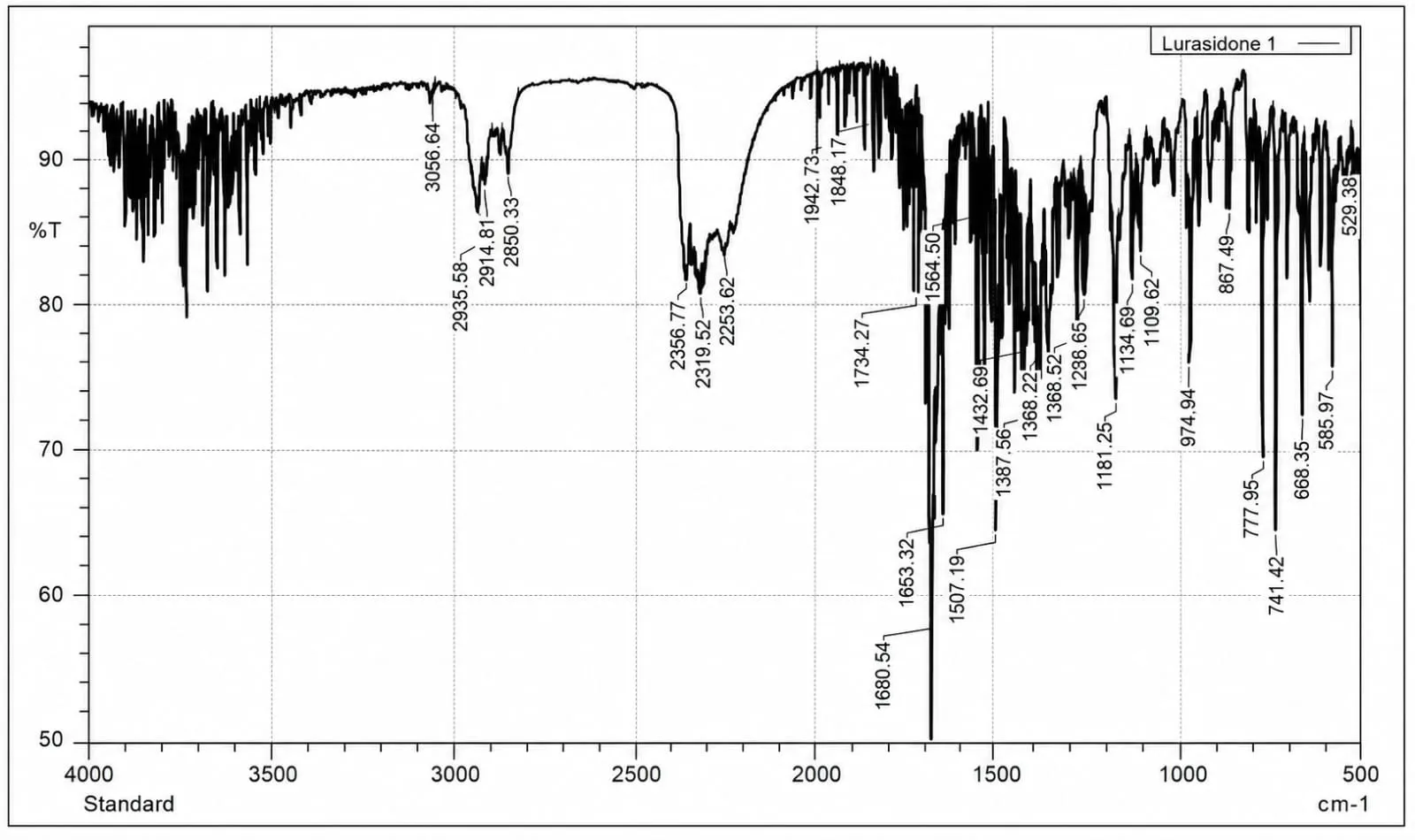
FTIR spectroscopy was performed to identify the characteristic functional groups present in Lurasidone Hydrochloride and to confirm the identity of the drug. The characteristic absorption bands observed in the spectrum included 3056.64 cm⁻¹ corresponding to aromatic C–H stretching, 2850.33 cm⁻¹ corresponding to aliphatic C–H stretching, 1680.54 cm⁻¹ corresponding to amide carbonyl stretching, 1564.50 cm⁻¹ corresponding to aromatic C=C stretching, and 1368.22 and 1181.25 cm⁻¹ corresponding to asymmetric and symmetric S=O stretching vibrations of the sulfonamide group, respectively.
2.4 Preparation of Lurasidone Hydrochloride-Loaded Nanoemulsion
Lurasidone Hydrochloride-loaded nanoemulsions were prepared using olive oil as the oil phase, Tween 80 as the surfactant, PEG 400 as the co-surfactant, and distilled water as the aqueous phase. Six nanoemulsion formulations, designated LNE1–LNE6, were prepared by varying the concentrations of olive oil and Tween 80 while maintaining the concentration of Lurasidone Hydrochloride and PEG 400 constant.
The required quantity of Lurasidone Hydrochloride was incorporated into the oil phase. The aqueous phase was prepared separately. The oil phase was then added gradually to the aqueous phase under continuous mechanical stirring. The mixture was initially stirred at 1200 rpm for 8–10 min, followed by stirring at 1800 rpm for another 8–10 min. The speed was subsequently reduced to 1200 rpm and maintained for an additional 8–10 min to obtain a homogeneous coarse emulsion. The resulting emulsion was allowed to equilibrate to room temperature and was subsequently subjected to high-shear homogenization at 18,000 rpm for 10 min to obtain the nanoemulsion
Table 1. Composition of Lurasidone Hydrochloride-Loaded Nanoemulsion Formulations
|
Ingredient (% w/w) |
LNE1 |
LNE2 |
LNE3 |
LNE4 |
LNE5 |
LNE6 |
|
Lurasidone Hydrochloride |
1.0 |
1.0 |
1.0 |
1.0 |
1.0 |
1.0 |
|
Olive Oil |
5.0 |
7.5 |
10.0 |
12.5 |
15.0 |
17.5 |
|
Tween 80 |
20.0 |
22.5 |
25.0 |
27.5 |
30.0 |
32.5 |
|
PEG 400 |
10.0 |
10.0 |
10.0 |
10.0 |
10.0 |
10.0 |
|
Purified Water |
64.0 |
59.0 |
54.0 |
49.0 |
44.0 |
39.0 |
|
Total |
100 |
100 |
100 |
100 |
100 |
100 |
2.5 Characterization of Nanoemulsion
The prepared nanoemulsion formulations were evaluated for physical appearance, drug content, entrapment efficiency, particle size, polydispersity index (PDI), and zeta potential.
2.5.1 Physical Appearance
The prepared nanoemulsions were visually examined for colour, homogeneity, transparency, creaming, flocculation, precipitation, and phase separation. The formulations were considered physically acceptable when they exhibited uniform appearance without visible signs of instability.
2.5.2 Determination of Drug Content
The drug content of the prepared nanoemulsion formulations was determined by accurately measuring a suitable quantity of formulation and appropriately diluting it with the selected solvent. The drug concentration was determined using a UV–visible spectrophotometer at the λmax of Lurasidone Hydrochloride (275 nm). The percentage drug content was calculated with respect to the theoretical drug concentration.
2.5.3 Determination of Entrapment Efficiency
Entrapment efficiency was determined by the centrifugation method. Approximately 1 mL of the nanoemulsion was centrifuged at 15,000 rpm for 40 min. The supernatant containing the unentrapped drug was collected and suitably diluted with ethanol. The concentration of free Lurasidone Hydrochloride was determined spectrophotometrically at 275 nm. The percentage entrapment efficiency was calculated using the following equation:
% Entrapment Efficiency (%EE) = [(Total amount of drug − Amount of free drug) / Total amount of drug] × 100
2.5.4 Determination of Particle Size, PDI and Zeta Potential
The particle size, polydispersity index, and zeta potential of the optimized nanoemulsion formulation were determined using a Zetasizer Nano ZS (Malvern Instruments, UK). Approximately 2 mL of the formulation was transferred into a disposable cuvette, and the measurements were performed at 25 ± 1°C.
2.6 Preparation of Nanoemulsion-Loaded Gel
The optimized nanoemulsion formulation (LNE6) was incorporated into Carbopol 940 gel bases to prepare three nanoemulsion-loaded gel formulations, designated LNG1, LNG2, and LNG3. Different concentrations of Carbopol 940 were used to obtain gels with different viscosities and application characteristics. The prepared nanoemulsion-loaded gels were subsequently evaluated for physical appearance, pH, viscosity, spreadability, drug content, and in vitro drug release.
2.7 Evaluation of Nanoemulsion-Loaded Gel
The prepared nanoemulsion-loaded gel formulations were evaluated for physical appearance, homogeneity, pH, viscosity, spreadability, and drug content. The formulation exhibiting the most suitable combination of physicochemical properties was selected as the optimized nanoemulgel formulation.
2.8 In Vitro Drug Release Study
The in vitro drug release study of the optimized Lurasidone Hydrochloride nanoemulsion-loaded gel (LNG2) was performed using a Franz diffusion cell fitted with a prehydrated cellophane membrane. The study was carried out to investigate the release behavior of Lurasidone Hydrochloride from the nanoemulsion-loaded gel formulation. Samples were withdrawn at predetermined time intervals and analyzed spectrophotometrically for drug content.
The optimized LNG2 formulation exhibited a gradual and sustained drug-release pattern throughout the study period.
2.9 Drug Release Kinetic Analysis
The drug-release data obtained from the optimized LNG2 formulation were fitted to different mathematical models, including zero-order, first-order, Higuchi, and Korsmeyer–Peppas models, to determine the kinetics and mechanism of drug release.
The regression coefficients obtained for zero-order, first-order, Higuchi, and Korsmeyer–Peppas models were 0.9048, 0.9928, 0.9578, and 0.9708, respectively. The first-order model showed the highest regression coefficient, indicating that the release of Lurasidone Hydrochloride from the optimized nanoemulgel was predominantly concentration dependent.
RESULTS AND DISCUSSION
3.1 Preformulation Studies
The preformulation studies were performed to establish the physicochemical characteristics of Lurasidone Hydrochloride before formulation development. The drug was obtained as a white to off-white, odorless, bitter, fine powder. The solubility study demonstrated that Lurasidone Hydrochloride was soluble in methanol, sparingly soluble in chloroform, and slightly soluble in water, ethanol, and phosphate buffer pH 7.4. The observed melting point was 270–272°C, which was close to the reported value of approximately 267°C, supporting the identity and purity of the drug.
3.1.1 FTIR Spectral Analysis
The FTIR spectrum of Lurasidone Hydrochloride exhibited characteristic absorption bands corresponding to its major functional groups. The peak observed at 3056.64 cm⁻¹ was assigned to aromatic C–H stretching, while the band at 2850.33 cm⁻¹ corresponded to aliphatic C–H stretching. The absorption band at 1680.54 cm⁻¹ was attributed to amide carbonyl (C=O) stretching. The peak at 1564.50 cm⁻¹ corresponded to aromatic C=C stretching, whereas the bands at 1368.22 and 1181.25 cm⁻¹ were assigned to asymmetric and symmetric S=O stretching vibrations of the sulfonamide group, respectively. These characteristic peaks confirmed the presence of the expected functional groups in Lurasidone Hydrochloride.
Table 1. FT-IR Spectral Interpretation of Lurasidone Hydrochloride
|
Wavenumber (cm⁻¹) |
Assignment |
Functional Group |
|
3056.64 |
C–H stretching |
Aromatic ring |
|
2850.33 |
C–H stretching |
Aliphatic CH₂, CH₃ |
|
1680.54 |
C=O stretching |
Amide carbonyl |
|
1564.50 |
C=C stretching |
Aromatic ring |
|
1507.19 |
N–H bending |
Amide II band |
|
1368.22 |
S=O asymmetric stretching |
Sulfonamide |
|
1181.25 |
S=O symmetric stretching |
Sulfonamide |
|
1134.69 |
C–N stretching |
Tertiary/heterocyclic amine |
|
741.42 |
C–H bending |
Aromatic substitution |
|
668.35 |
C–Cl stretching / salt interaction |
Hydrochloride form |
|
Wavenumber (cm⁻¹)
|
|
|
|
|
3.2 Evaluation of Lurasidone Hydrochloride-Loaded Nanoemulsions
Six Lurasidone Hydrochloride-loaded nanoemulsion formulations (LNE1–LNE6) were successfully prepared using different concentrations of olive oil and Tween 80. The formulations were evaluated for physical appearance, drug content, entrapment efficiency, particle size, PDI, and zeta potential.
3.2.1 Physical Appearance
All prepared nanoemulsion formulations exhibited a white to off-white colour and homogeneous appearance, with no visible phase separation or creaming. LNE1, LNE2, and LNE3 appeared transparent, whereas LNE4 and LNE5 exhibited slightly translucent and translucent appearances, respectively. LNE6 appeared slightly opaque. The gradual reduction in transparency with increasing oil concentration may be associated with an increase in the concentration of dispersed droplets and enhanced light scattering. Despite these differences in appearance, all formulations remained homogeneous and showed no visible signs of physical instability.
Table 2. Physical Appearance of Lurasidone Hydrochloride-Loaded Nanoemulsion
|
F.Code |
Color |
Appearance |
Homogeneity |
Phase Separation |
Creaming |
|
LNE1 |
White to off white |
Transparent |
Homogeneous |
Absent |
Absent |
|
LNE2 |
White to off white |
Transparent |
Homogeneous |
Absent |
Absent |
|
LNE3 |
White to off white |
Transparent |
Homogeneous |
Absent |
Absent |
|
LNE4 |
White to off white |
Slightly translucent |
Homogeneous |
Absent |
Absent |
|
LNE5 |
White to off white |
Translucent |
Homogeneous |
Absent |
Absent |
|
LNE6 |
White to off white |
Slightly opaque |
Homogeneous |
Absent |
Absent |
3.2.2 Drug Content and Entrapment Efficiency
The drug content and entrapment efficiency of the prepared nanoemulsions are presented in Table 3. The drug content ranged from 97.46 ± 0.41% to 99.71 ± 0.29%, indicating good drug incorporation and uniform distribution throughout the formulations. The entrapment efficiency ranged from 81.65 ± 0.52% to 92.14 ± 0.28%.
A progressive increase in entrapment efficiency was observed from LNE1 to LNE6. The increase may be attributed to the higher concentrations of olive oil and Tween 80 in the later formulations. The increased oil concentration provided a larger internal phase for solubilization of the lipophilic drug, while the higher surfactant concentration enhanced droplet stabilization and reduced drug leakage from the internal phase. Similar formulation-dependent effects of oil and surfactant concentrations on nanoemulsion characteristics have been reported in nanoemulsion and nanoemulgel systems (Jacob and Nair, 2026).
LNE6 exhibited the highest entrapment efficiency (92.14 ± 0.28%) and drug content (99.71 ± 0.29%), whereas LNE1 showed the lowest entrapment efficiency (81.65 ± 0.52%). The consistently high drug content observed across all formulations further indicated minimal drug loss during the formulation process.
Table 3. Drug Content and Entrapment Efficiency of Lurasidone Hydrochloride-Loaded Nanoemulsion Formulations
|
Formulation Code |
Drug Content (%) |
Entrapment Efficiency (%) |
|
LNE1 |
99.12 ± 0.45 |
81.65 ± 0.52 |
|
LNE2 |
98.28 ± 0.39 |
84.18 ± 0.48 |
|
LNE3 |
97.46 ± 0.41 |
87.26 ± 0.43 |
|
LNE4 |
98.58 ± 0.36 |
89.32 ± 0.37 |
|
LNE5 |
98.63 ± 0.33 |
91.06 ± 0.31 |
|
LNE6 |
99.71 ± 0.29 |
92.14 ± 0.28 |
Based on the highest drug content and entrapment efficiency, LNE6 was selected as the optimized nanoemulsion formulation.
3.2.3 Particle Size, PDI and Zeta Potential of Optimized Nanoemulsion
The optimized LNE6 formulation was further characterized for particle size and zeta potential. The mean particle size was found to be 195.65 nm, confirming the formation of a nano-sized dispersion. The nanoscale droplet size provides a relatively large interfacial surface area, which may favor drug dissolution and diffusion. The obtained particle size also indicated that the combined high-speed stirring and high-shear homogenization process was effective in producing finely dispersed droplets.
The zeta potential of LNE6 was found to be −36.22 mV. The magnitude of the zeta potential indicates adequate electrostatic repulsion between droplets and therefore a reduced tendency toward aggregation, flocculation, and coalescence. The favorable zeta potential was consistent with the absence of visible phase separation and creaming observed during physical evaluation.
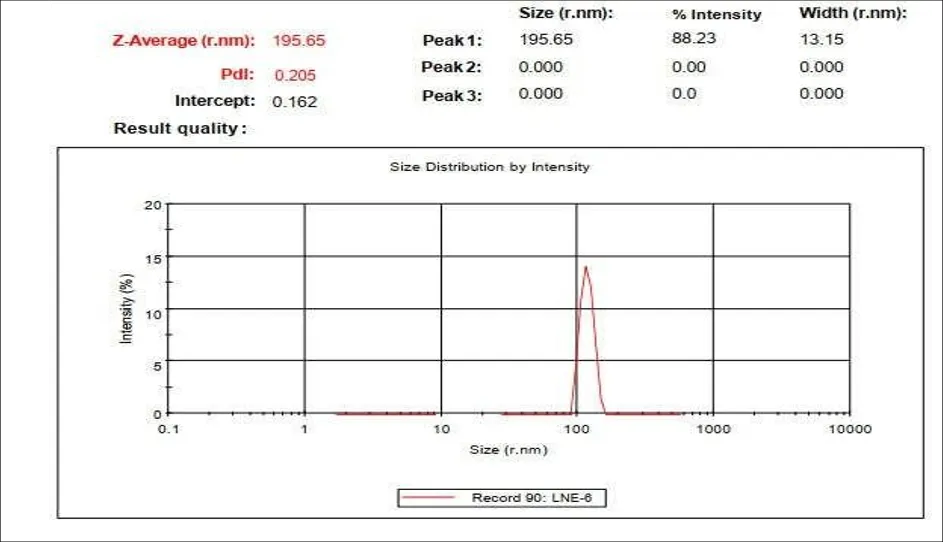
Figure 2: Graph of Particle size of Optimized Formulation LNE6
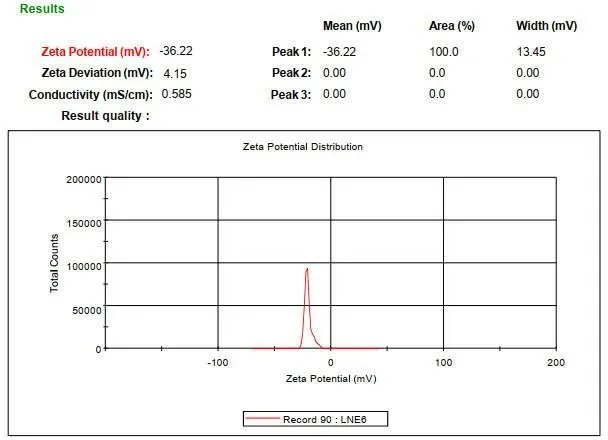
Figure 3: Graph of Zeta Potential Optimized Formulation LNE6
3.3 Evaluation of Lurasidone Hydrochloride Nanoemulsion-Loaded Gel Formulations
The optimized Lurasidone Hydrochloride-loaded nanoemulsion (LNE6) was incorporated into Carbopol 940 gel bases to develop three nanoemulsion-loaded gel formulations (LNG1–LNG3). The concentration of Carbopol 940 was varied from 0.5% to 1.5% w/w, while the concentrations of the other formulation components were maintained constant. The prepared formulations were evaluated for physical appearance, viscosity, pH, spreadability, and drug content.
3.3.1 Physical Appearance
All three nanoemulsion-loaded gel formulations exhibited a white, translucent appearance and were homogeneous, free from clogging, and smooth in texture. LNG1 showed a smooth and soft consistency, whereas LNG2 exhibited a smooth and moderately viscous texture. LNG3 showed a smooth and highly viscous consistency. The progressive increase in viscosity with increasing Carbopol 940 concentration resulted in differences in gel consistency. LNG2 provided an appropriate balance between consistency and ease of application and was therefore considered suitable for further evaluation.
Table 4. Physical Appearance of Lurasidone Hydrochloride Nanoemulsion-Loaded Gel Formulations
|
Formulation |
Colour |
Clogging |
Homogeneity |
Texture |
|
LNG1 |
White, translucent |
Absent |
Homogeneous |
Smooth and soft |
|
LNG2 |
White, translucent |
Absent |
Homogeneous |
Smooth and moderately viscous |
|
LNG3 |
White, translucent |
Absent |
Homogeneous |
Smooth and highly viscous |
3.3.2 Viscosity
The viscosity of the nanoemulsion-loaded gel formulations increased progressively with increasing Carbopol 940 concentration. The viscosity ranged from 18,540 ± 210 cP for LNG1 to 41,720 ± 285 cP for LNG3. This increase can be attributed to the formation of a denser three-dimensional polymeric network at higher Carbopol 940 concentrations, resulting in greater resistance to flow.
LNG1 exhibited the lowest viscosity because of its lower polymer concentration, whereas LNG3 exhibited the highest viscosity. LNG2, containing 1.0% w/w Carbopol 940, showed an intermediate viscosity of 29,860 ± 245 cP, providing a suitable balance between gel consistency and ease of application.
Table 5. Viscosity of Lurasidone Hydrochloride Nanoemulsion-Loaded Gel Formulations
|
Formulation |
Carbopol 940 (% w/w) |
Viscosity (CP)* |
|
LNG1 |
0.5 |
18,540 ± 210 |
|
LNG2 |
1.0 |
29,860 ± 245 |
|
LNG3 |
1.5 |
41,720 ± 285 |
3.3.3 pH
The pH of a topical formulation is an important parameter because it influences skin compatibility, formulation stability, and patient acceptability. The pH values of the prepared nanoemulsion-loaded gel formulations ranged from 6.80 ± 0.03 to 7.16 ± 0.04. All formulations exhibited pH values close to the physiological range of the skin, indicating their suitability for topical application.
A slight increase in pH was observed with increasing Carbopol 940 concentration. LNG1 showed the lowest pH (6.80 ± 0.03), while LNG3 exhibited the highest pH (7.16 ± 0.04). LNG2 showed an intermediate pH of 6.92 ± 0.02, which was considered favorable for topical application.
Table 6. pH of Lurasidone Hydrochloride Nanoemulsion-Loaded Gel Formulations
|
Formulation |
Carbopol 940 (% w/w) |
pH (Mean ± SD, n = 3) |
|
LNG1 |
0.5 |
6.80 ± 0.03 |
|
LNG2 |
1.0 |
6.92 ± 0.02 |
|
LNG3 |
1.5 |
7.16 ± 0.04 |
3.3.4 Spreadability
Spreadability is an important characteristic of topical gel formulations because it determines the ease of application and uniform distribution of the formulation over the skin surface. The spreadability values ranged from 11.36 ± 0.26 to 16.85 ± 0.42 g·cm/s. An inverse relationship was observed between viscosity and spreadability.
LNG1 exhibited the highest spreadability (16.85 ± 0.42 g·cm/s) with the shortest spreading time (7.12 ± 0.18 s), which was attributed to its lower viscosity. In contrast, LNG3 showed the lowest spreadability (11.36 ± 0.26 g·cm/s) and the longest spreading time (10.56 ± 0.24 s) because of its higher Carbopol 940 concentration and viscosity. LNG2 demonstrated intermediate spreadability (14.23 ± 0.35 g·cm/s) with a spreading time of 8.43 ± 0.21 s, indicating a desirable balance between viscosity and ease of application.
Table 7. Spreadability of Lurasidone Hydrochloride Nanoemulsion-Loaded Gel Formulations
|
Formulation |
Carbopol 940 (% w/w) |
Time (s)* |
Spreadability (g·cm/s)* |
|
LNG1 |
0.5 |
7.12 ± 0.18 |
16.85 ± 0.42 |
|
LNG2 |
1.0 |
8.43 ± 0.21 |
14.23 ± 0.35 |
|
LNG3 |
1.5 |
10.56 ± 0.24 |
11.36 ± 0.26 |
3.3.5 Drug Content
The drug content of the nanoemulsion-loaded gel formulations ranged from 97.84 ± 0.62% to 99.18 ± 0.45%, indicating efficient incorporation of Lurasidone Hydrochloride and minimal drug loss during formulation. LNG2 exhibited the highest drug content (99.18 ± 0.45%), followed by LNG3 (98.56 ± 0.53%) and LNG1 (97.84 ± 0.62%). The high drug content values observed for all formulations indicated good content uniformity and reproducibility of the formulation process.
Table 8. Drug Content of Lurasidone Hydrochloride Nanoemulsion-Loaded Gel Formulations
|
Formulation |
Drug Content (%)* |
|
LNG1 |
97.84 ± 0.62 |
|
LNG2 |
99.18 ± 0.45 |
|
LNG3 |
98.56 ± 0.53 |
Based on the combined results of physical appearance, viscosity, pH, spreadability, and drug content, LNG2 was selected as the optimized nanoemulsion-loaded gel formulation for further in vitro drug release studies.
3.4 In Vitro Drug Release Study
The in vitro drug release study of the optimized Lurasidone Hydrochloride nanoemulsion-loaded gel formulation (LNG2) was performed using a Franz diffusion cell fitted with a prehydrated cellophane membrane. The study was conducted to evaluate the release behavior of Lurasidone Hydrochloride from the nanoemulsion-loaded gel and to determine its ability to provide prolonged drug release.
The optimized LNG2 formulation exhibited a gradual and controlled release pattern throughout the study period. The cumulative drug release increased from 18.46 ± 0.82% at 0.5 h to 98.27 ± 0.72% at 12 h. The gradual release profile indicated that the Carbopol 940 gel matrix effectively regulated drug diffusion, while the nanoemulsion droplets acted as drug reservoirs within the gel system.
The absence of a pronounced initial burst release suggested relatively uniform distribution and efficient incorporation of Lurasidone Hydrochloride within the nanoemulsion droplets and gel matrix. The sustained release behavior may be attributed to the combined effect of the nanosized droplets and the hydrated polymeric network formed by Carbopol 940, which provided resistance to drug diffusion and prolonged the release of the drug.
Table 9. In-Vitro Drug Release Profile of Optimized LNG2 Nanoemulgel
|
Time (h) |
Cumulative Drug Release (%)* |
|
0 |
0.00 ± 0.00 |
|
0.5 |
18.46 ± 0.82 |
|
1 |
31.72 ± 1.05 |
|
2 |
47.85 ± 1.18 |
|
3 |
59.43 ± 1.26 |
|
4 |
68.97 ± 1.34 |
|
5 |
77.54 ± 1.28 |
|
6 |
84.12 ± 1.15 |
|
8 |
91.86 ± 0.96 |
|
10 |
95.34 ± 0.84 |
|
12 |
98.27 ± 0.72 |
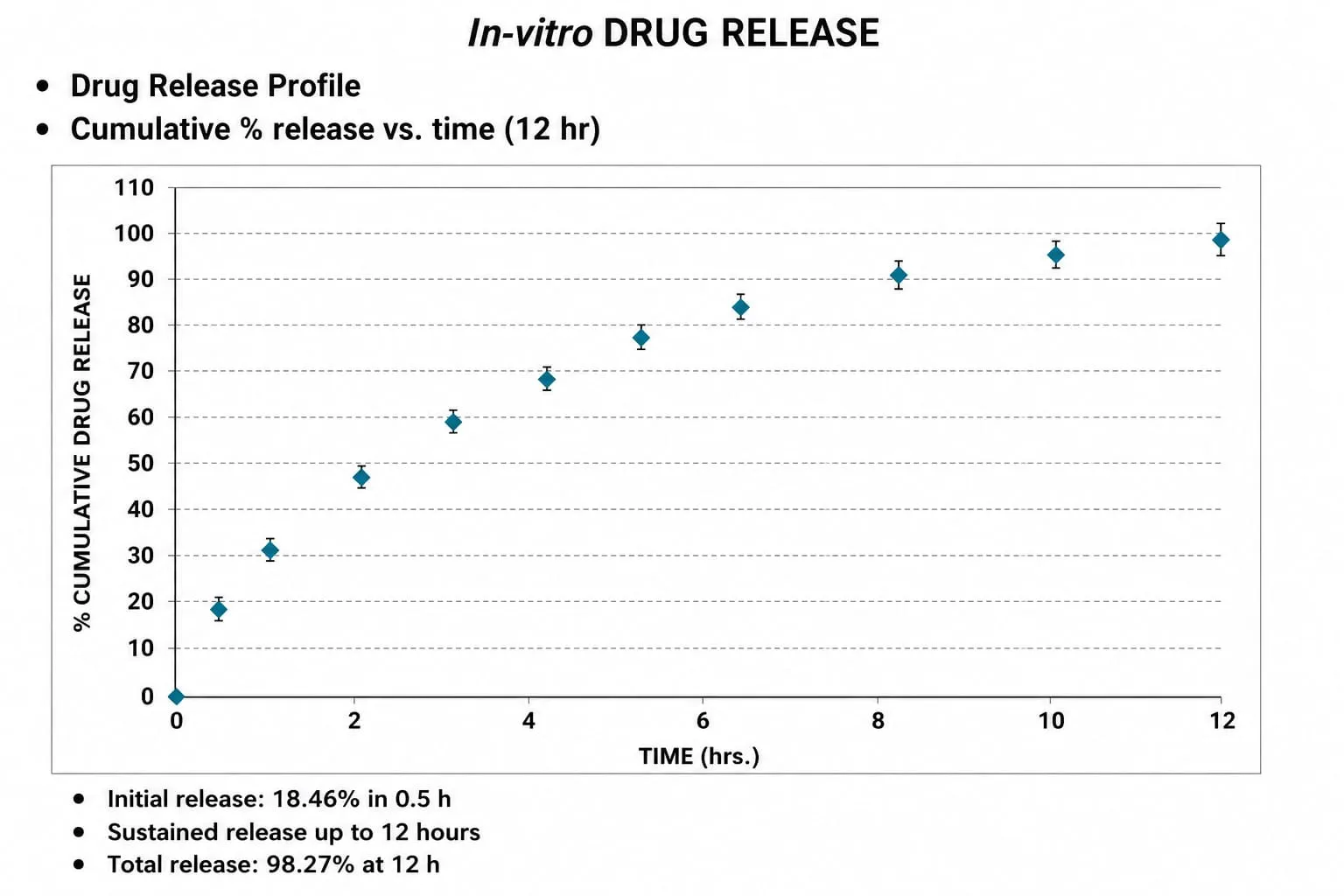
Figure 3. In vitro drug release profile of optimized LNG2 nanoemulgel.
The progressive increase in drug release over 12 h demonstrated the ability of LNG2 to maintain prolonged drug release. Such sustained release may be advantageous for reducing the frequency of administration and maintaining drug availability over an extended period. However, further ex vivo permeation, skin retention, irritation, stability, and in vivo studies would be required to establish the actual transdermal performance of the formulation.
3.5 Drug Release Kinetic Analysis
To investigate the mechanism and kinetics of Lurasidone Hydrochloride release from the optimized LNG2 formulation, the in vitro drug release data were fitted to different mathematical models, including zero-order, first-order, Higuchi, and Korsmeyer–Peppas models.
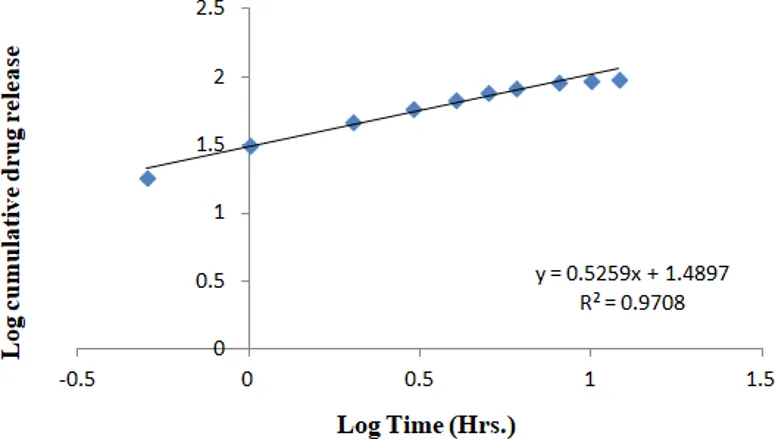
The first-order model exhibited the highest correlation coefficient (R² = 0.9928), followed by the Korsmeyer–Peppas model (R² = 0.9708), Higuchi model (R² = 0.9578), and zero-order model (R² = 0.9048). The higher correlation coefficient of the first-order model indicated that the release rate was dependent on the amount of drug remaining in the formulation.
Table 10. Regression Coefficients of Different Drug Release Kinetic Models for Optimized LNG2
|
Kinetic Model |
Regression Equation |
Regression Coefficient (R²) |
|
Zero-order |
y = 6.5803x + 33.467 |
0.9048 |
|
First-order |
y = -0.1403x + 2.0155 |
0.9928 |
|
Higuchi |
y = 29.684x + 5.0427 |
0.9578 |
|
Korsmeyer–Peppas |
y = 0.5259x + 1.4897 |
0.9708 |
The relatively high correlation obtained with the Higuchi and Korsmeyer–Peppas models further suggested that diffusion through the hydrated Carbopol 940 matrix contributed substantially to drug release. The lower correlation coefficient obtained for the zero-order model indicated that the formulation did not release the drug at a constant rate.
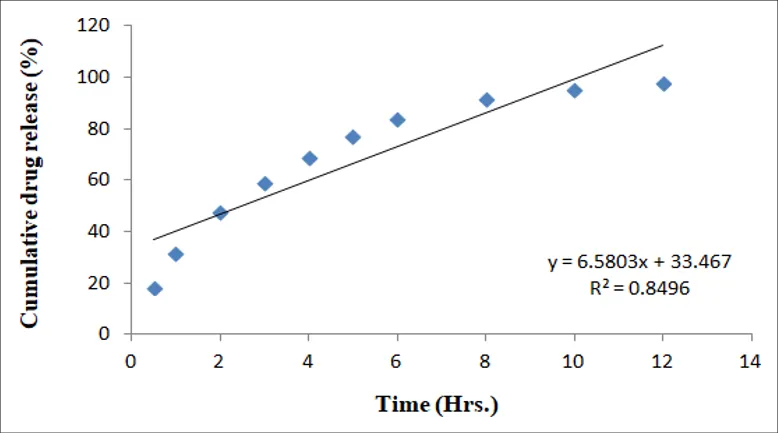
Figure 4. Zero-order release kinetic plot of optimized LNG2.
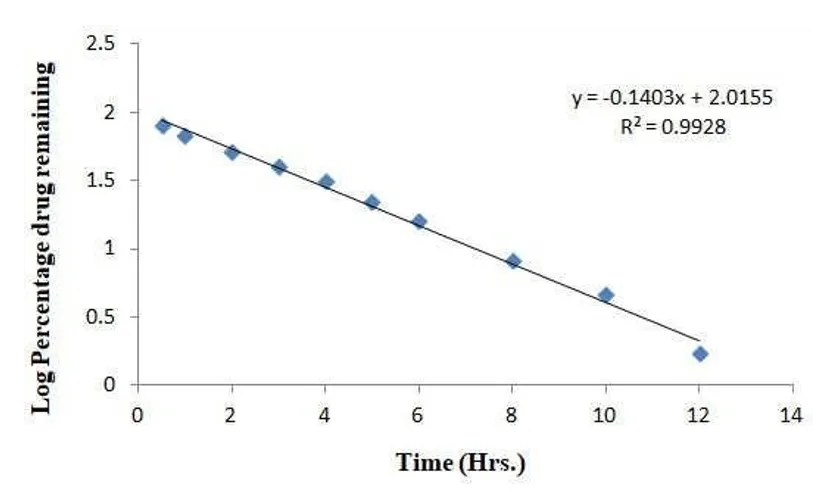
Figure 5. First-order release kinetic plot of optimized LNG2.
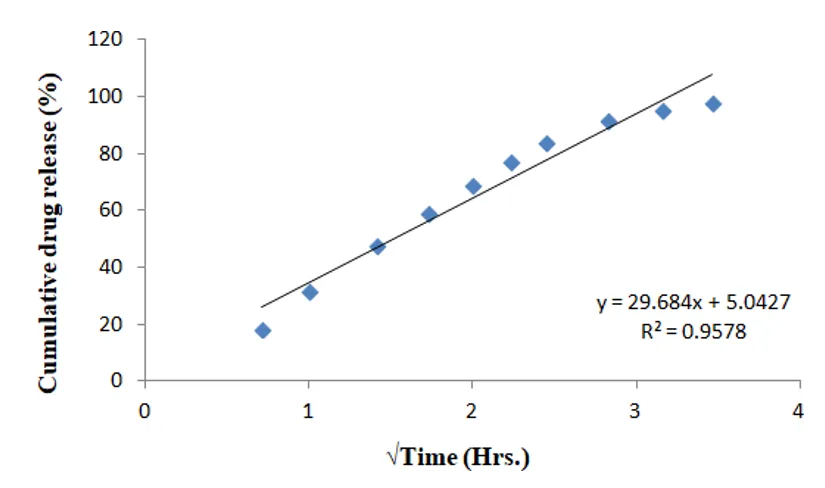
Figure 6. Higuchi release kinetic plot of optimized LNG2.
CONCLUSION
The present study was undertaken to develop, optimize, and evaluate a Lurasidone Hydrochloride -loaded nanoemulsion and its incorporation into a nanoemulsion-loaded gel for enhanced topical drug delivery. Initially, preformulation studies were carried out to establish the physicochemical characteristics of the drug. Lurasidone Hydrochloride was obtained as a white to off-white, odorless, bitter, fine powder. Solubility studies revealed that the drug was soluble in methanol, sparingly soluble in chloroform, and slightly soluble in water, ethanol, phosphate buffer pH 7.4, 0.1 N HCl, and 0.1 N NaOH, confirming its poor aqueous solubility and the need for a suitable carrier system. The observed melting point (270–272°C) was in close agreement with the reported standard value (267–272°C), confirming the purity and identity of the drug. FT-IR spectral analysis further verified the characteristic functional groups of Lurasidone Hydrochloride without any structural alterations. The calibration curve in phosphate buffer pH 7.4 showed excellent linearity over the concentration range of 5–25 µg/mL with a correlation coefficient (R²) of 0.999 and the regression equation y = 0.031x – 0.001, indicating the suitability of the analytical method for quantitative estimation.
Lurasidone Hydrochloride -loaded nanoemulsions were successfully prepared using high-speed stirring followed by high-shear homogenization. Six formulations (LNE1–LNE6) with varying concentrations of olive oil and Tween 80 were developed and evaluated. All formulations exhibited acceptable physical characteristics, including a white to off-white appearance, good homogeneity, and the absence of creaming or phase separation, demonstrating satisfactory physical stability. The transparency of the formulations gradually decreased with increasing oil concentration, indicating an increase in droplet concentration while maintaining nanoemulsion characteristics.
The prepared nanoemulsions showed high drug incorporation efficiency. Drug content ranged from 97.46 ± 0.41% to 99.71 ± 0.29%, while entrapment efficiency increased progressively from 81.65 ± 0.52% in LNE1 to 92.14 ± 0.28% in LNE6. The increase in entrapment efficiency was attributed to the higher oil and surfactant concentrations, which enhanced the solubilization and retention of the lipophilic drug within the internal oil phase. Based on these findings, formulation LNE6 was selected as the optimized nanoemulsion.
The optimized nanoemulsion was further characterized for particle size and zeta potential. The mean particle size of 195.65 nm confirmed the successful preparation of a nanoemulsion within the nanometer range, providing a large surface area for improved drug dissolution and absorption. The zeta potential of −36.22 mV indicated excellent electrostatic stability, suggesting that the formulation possessed sufficient repulsive forces to prevent aggregation and maintain long-term physical stability.
The optimized nanoemulsion was subsequently incorporated into Carbopol 940 gel bases to prepare three nanoemulsion-loaded gel formulations (LNG1–LNG3). The prepared gels were white, translucent, homogeneous, free from clogging, and exhibited smooth textures. Increasing the Carbopol concentration produced gels with progressively higher viscosity. LNG1 exhibited a soft consistency, LNG2 showed moderate viscosity, and LNG3 formed a highly viscous gel.
The viscosity of the nanoemulsion-loaded gels increased from 18,540 ± 210 cP (LNG1) to 41,720 ± 285 cP (LNG3), demonstrating the direct influence of Carbopol concentration on gel consistency. The pH values ranged from 6.80 ± 0.03 to 7.16 ± 0.04, remaining close to the physiological pH of the skin and indicating good compatibility for topical application. Spreadability studies revealed an inverse relationship with viscosity. LNG1 exhibited the highest spreadability (16.85 ± 0.42 g·cm/s), while LNG3 showed the lowest (11.36 ± 0.26 g·cm/s). LNG2 displayed intermediate spreadability (14.23 ± 0.35 g·cm/s) and was considered to provide the best balance between viscosity and ease of application. Drug content analysis further demonstrated excellent content uniformity, with values ranging from 97.84 ± 0.62% to 99.18 ± 0.45%, confirming uniform incorporation of the nanoemulsion within the gel matrix.
Based on the physicochemical evaluation, LNG2 was selected as the optimized nanoemulsion-loaded gel formulation and subjected to in vitro drug release studies using a prehydrated cellophane membrane. The formulation exhibited a sustained release profile, with cumulative drug release increasing from 18.46 ± 0.82% after 0.5 h to 98.27 ± 0.72% after 12 h. The gradual release pattern suggested that the Carbopol gel matrix effectively controlled the diffusion of Lurasidone Hydrochloride while the nanoemulsion droplets acted as drug reservoirs, providing prolonged drug release.
To understand the release mechanism, the dissolution data were fitted to different kinetic models. The first-order kinetic model showed the highest regression coefficient (R² = 0.9928), indicating that drug release was concentration dependent. The Higuchi model (R² = 0.9578) and Korsmeyer–Peppas model (R² = 0.9708) also demonstrated good correlation, suggesting that diffusion through the hydrated polymer matrix played a significant role in drug release. In comparison, the zero-order model exhibited the lowest correlation coefficient (R² = 0.9048), indicating that the release did not occur at a constant rate.
The study successfully developed a stable Lurasidone Hydrochloride nanoemulsion and incorporated it into a Carbopol-based gel system. The optimized nanoemulsion (LNE6) exhibited excellent physicochemical stability, high entrapment efficiency, suitable particle size, and favorable zeta potential. The optimized nanoemulsion-loaded gel (LNG2) demonstrated appropriate viscosity, pH, spreadability, high drug content, and sustained drug release characteristics. These findings indicate that the developed nanoemulsion-loaded gel is a promising topical drug delivery system for Lurasidone Hydrochloride and may provide improved therapeutic performance, enhanced drug availability, and prolonged drug release. Further ex vivo permeation, skin irritation, stability, and in vivo pharmacodynamic studies are recommended to establish its clinical applicability.
REFERENCES

Dr. Rachana Giri, Rohit Chourasiya, Development and In-Vitro Evaluation of Lurasidone Hydrochloride Nanoemulgel for Transdermal Drug Delivery, Int. J. of Pharm. Sci., 2026, Vol 4, Issue 10, 1783-1804, https://doi.org/10.5281/zenodo.23337357
 10.5281/zenodo.23337357