

We use cookies to ensure our website works properly and to personalise your experience. Cookies policy
Department of Pharmaceutics, Shree Pushpasen Sawant College of Pharmacy.
Ultraviolet (UV) radiation, comprising UVA, UVB, and UVC, is a major cause of erythema, photoaging, hyperpigmentation, inflammation, and photocarcinogenesis, with UVA penetrating the dermis and UVB primarily damaging the epidermis. Sunscreens protect skin through chemical UV-absorbing filters (e.g., avobenzone, oxybenzone, octinoxate), physical mineral reflectors (e.g., zinc oxide, titanium dioxide), or combination systems, with formulation choice guided by Fitzpatrick skin phototype and skin condition. However, rising concerns over irritation, endocrine disruption, ecological toxicity, and long-term safety of synthetic filters have driven interest in plant-derived UV-protective agents. This review examines the phyto-photoprotective potential of natural bioactives—including antioxidants, flavonoids, terpenoids, glycosides, amino acid derivatives, and lipids—found in plants such as amla, grapes, lemon, almond, sesame, turmeric, jasmine, and tea tree, which exhibit measurable SPF activity alongside antioxidant, anti-inflammatory, antimicrobial, and skin-repairing properties. Global regulatory frameworks governing sunscreen approval across India, Australia, the UK, South Korea, and Canada are discussed, along with standardized evaluation methods such as SPF determination via minimal erythema dose, radiometric monitoring, and assessment of photostability, water resistance, and film thickness. Findings indicate that herbal sunscreen agents offer multifunctional benefits—UV absorption, free-radical neutralization, collagen preservation, and barrier repair—positioning them as biocompatible, sustainable, and effective alternatives to synthetic UV filters. This review supports the continued development of herbal-based sunscreen formulations as safe and holistic options for broad-spectrum photoprotection
Sunscreens are topical formulations which are developed to protect human skin from erythema, photo aging and photo carcinogenesis “Exposure to UV rays can cause erythema (sunburn) premature aging, hyperpigmentation increases the risk of skin cancer. Sunscreens works by absorbing, reflecting or scattering ultra- violet rays, utilizing either chemical UV filter (such as avobenzone, oxybenzone) or physical blockers (like zinc oxide and titanium oxide) to reduce UV penetration. Exposure to sunlight can be both helpful and harmful depending on how long and how often a person is exposed. This effects also depends on skin sensitivity. On the other Hand, sunlight is essential for producing vitamin D and maintaining healthy body functions. too much exposure can lead to skin damage. When the skin is exposed to sun’s rays, one of the first visible effect is redness, also known as erythema. This is caused by ultra violet (UV) portion of sunlight. The skin reacts by producing inflammation and redness as a protective response. Erythema usually starts to appear of few hours after exposure (typically 2 – 3 hours) and reaches its maximum intensity after about 10 – 24 hours. This is the body’s war of signaling that the skin has absorbed too much UV energy. [1]
Ultraviolet radiation (UVR) is a component of sunlight – UVA, UVB and UVC based on the wavelength and energy. UVC rays, which range from 200 – 280 nm, are the most energetic and highly dangerous, but they are completely blocked by ozone layer before reaching the earth surface. UVB rays, with wavelengths between 280 – 320 nm, are partly absorbed by ozone layer and mainly responsible for tanning, sunburn and skin inflammation. Prolonged exposure to UVB can also damage cellular DNA and can contribute to the development of skin cancer. UVA radiation, spanning 320 – 400 nm, has lower energy but greater penetrating power, reaching the deeper layers of the skin. continues exposure to UVA leads to skin ageing, pigmentation and reduces elasticity over time. Since both UVA and UVB reach the ground, effective sun protection measures such as broad – spectrum sunscreen are essential to safeguard the skin from their harmful effects.
Skin Physiology:[3]
The skin is the largest organ of the human body, serving as the protective barrier against external physical, chemical and microbial threats. It plays essential roles in thermoregulation, sensation, metabolism and immune difference structurally the skin is composed of three primary layers.
Layers of Skin:
The skin consists of Primary Three Layers
Epidermis: The outermost layer, providing a barrier function and protection from environmental factors, including ultraviolet (UV radiation).
Dermis: The middle layer, rich in connective tissue, blood vessels, nerves and appendages such as hair follicles and sweat gland, contributing to structural support and sensory function.
Hypodermis: The innermost layer, responsible for insulation, cushioning and energy storage.
Mechanism of Sunscreen:
1. Chemical (Organic) Sunscreens:
These agents absorb UV radiation and convert it into harmless low-energy heat. They contain aromatic structures with conjugated double bonds that undergo photoexcitation upon UV exposure and subsequently dissipate the absorbed energy when returning to the ground state.
Examples: Avobenzone, Octinoxate, Oxybenzon
2. Physical (Inorganic) Sunscreens:
These agents reflect and scatter UV radiation away from the skin surface. They are composed of inert mineral particles that act as UV shields. Modern micronized and nanoparticle forms provide better transparency and cosmetic elegance
3.Combination Sunscreen:
These formulations Corporate both physical and chemical filters to provide broad-spectrum protection with improved photo stability, longer duration of action and enhanced coverage.
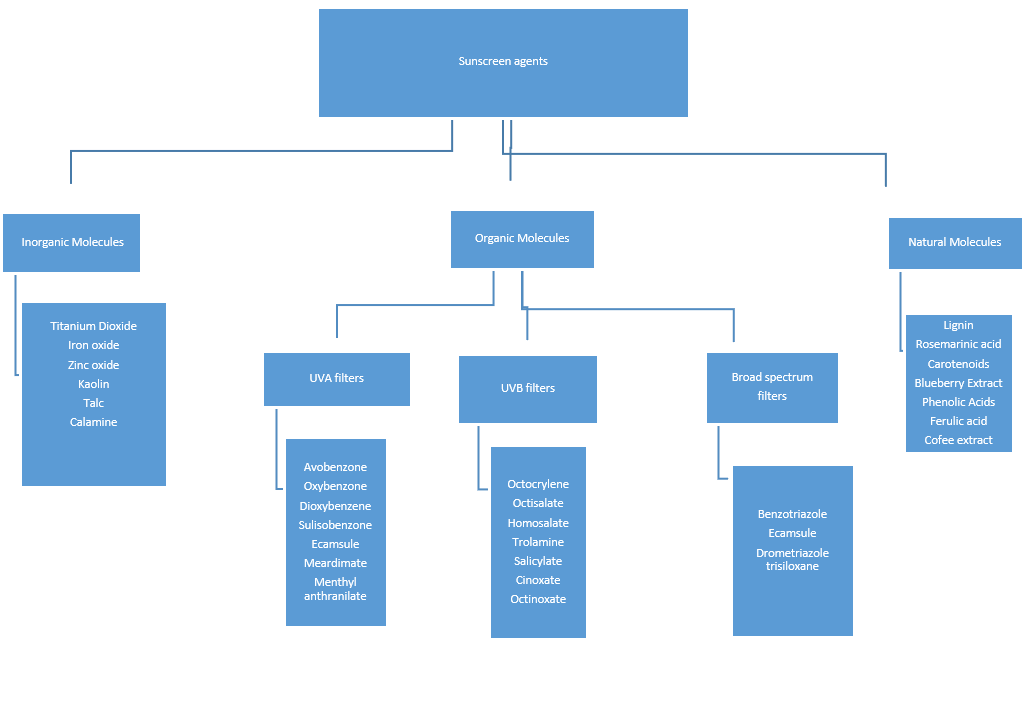
Table1. Classification of sunscreen agents
Mechanism of Phyto-Photoprotection:
Phyto- photoprotection refers to the use of plant-derived bioactive compounds that protect the skin from the harmful effects of ultraviolet (UV) radiation.[5] When skin is exposed to UV rays, it generates reactive oxygen species (ROS), which accelerates photoaging, triggers inflammation, and may contribute to skin carcinogenesis[6]. Plants naturally synthesize secondary metabolites such as flavonoids, terpenoids, phenolic acids, glycosides, and carotenoids to defend themselves against sunlight [7]. These phytochemicals exhibit UV-absorbing, antioxidant, anti-inflammatory, and free-radical scavenging activities, making them valuable in sunscreen formulations. Flavonoids and polyphenols absorb UV-A and UV-B wavelengths, thereby reducing erythema and DNA damage [8]. Terpenoids and carotenoids help stabilize cell membranes, prevent collagen degradation, and reduce oxidative stress in the dermis. Due to their biodegradability, biocompatibility, and low toxicity, plant-based sunscreen agents are considered safer alternatives to purely synthetic UV filters [9]. Hence, herbal or phyto-enhanced sunscreens are being widely studied for their potential to provide broad-spectrum, antioxidant-rich sun protection with minimal side effects [10] .
1. Antioxidants:
Antioxidants are one of the most important classes of phytochemicals used in sunscreen formulations because they directly counteract the oxidative damage caused by ultraviolet radiation. When the skin is exposed to UV-A (320–400 nm) and UV-B (280–320 nm) rays, it leads to the formation of reactive oxygen species (ROS), such as superoxide radicals, singlet oxygen, and hydroxyl radicals [11]. These ROS attack structural proteins like collagen and elastin, damage cellular lipids, and break DNA strands, resulting in premature aging, inflammation, pigmentation, and sometimes carcinogenesis. Plant-derived antioxidants including Vitamin C (ascorbic acid), Vitamin E (tocopherols), phenolic acids, polyphenols, carotenoids, and green tea catechins help neutralize these radicals by donating hydrogen atoms or electrons to stabilize them [12].
2. Flavonoids:
Flavonoids are a large class of polyphenolic secondary metabolites widely distributed in fruits, vegetables, teas, and medicinal plants. Their chemical structure contains conjugated aromatic rings, enabling them to absorb UV light, particularly in the UV-B region, thereby functioning as natural UV filters. Examples include quercetin, rutin, kaempferol, catechins (in green tea), naringenin (in citrus), and apigenin (in chamomile).In addition to UV absorption, flavonoids show strong antioxidant and anti-inflammatory activities. They inhibit the activation of matrix metalloproteinases (MMPs), enzymes responsible for breaking down collagen and elastin, thus preventing wrinkles and loss of skin elasticity [13]
3. Terpenoids:
Terpenoids (also known as isoprenoids) represent another major class of phytochemicals with photoprotective benefits. These compounds are derived from isoprene (C5H8) units and are commonly found in essential oils, resins, citrus peels, neem, turmeric, and many herbal plants. Common photoprotective terpenoids include lutein, β-carotene, limonene, menthol, and α-pinene [14].Terpenoids exhibit membrane-stabilizing and antioxidant activities, protecting skin cells from ROS-mediated oxidative damage. Carotenoids like lutein and β-carotene accumulate in the epidermis and dermis, reducing the intensity of erythema after UV exposure, essentially acting as internal sunscreen agents. They also prevent collagen degradation, reduce inflammation, and promote tissue repair by enhancing fibroblast activity. Therefore, terpenoids not only protect the skin from oxidative damage but also help maintain structural integrity and smooth texture [15].
4. Amino Acid Derivatives
Amino acids and their derivatives are natural components of the Natural Moisturizing Factor (NMF) present in the skin. Examples include histidine, cysteine, glycine, proline, and tyrosine. These molecules play key roles in hydration, protein synthesis, and tissue repair. During UV exposure, protein structures undergo denaturation and generate acidity in the skin environment (16). Amino acids help restore pH balance, improve barrier function, and support the regeneration of structural proteins like collagen and keratin.Some amino acids (e.g., histidine and cysteine) have antioxidant potential because they can chelate metal ions and neutralize ROS. Tyrosine acts as a precursor in melanin synthesis, providing natural photoprotection by enabling controlled tanning and reducing sunburn sensitivity [17]. Thus, amino acid derivatives contribute not only to skin hydration but also to recovery and repair following UV damage.
5. Glycosides
Glycosides consist of a bioactive aglycone component bound to a sugar moiety. This structure enhances their stability, solubility, and skin penetration, making them valuable in dermatological formulations. Many flavonoids exist naturally in glycosylated forms, such as rutin, which shows anti-inflammatory, vasoprotective, and antioxidant activities [17]. Salicin, a glycoside from Salix alba (willow bark), exhibits anti-inflammatory and soothing properties, reducing erythema and irritation caused by sun exposure. Glycosides reduce UV-mediated inflammation by inhibiting COX-2 and NF-κB pathways, which are responsible for inflammatory signaling. They also help maintain collagen and elastin structure, preventing wrinkle formation and loss of elasticity. Due to these mechanisms, glycosides are increasingly being incorporated into herbal sunscreen and anti-aging formulations [18].
Natural Alternatives:
Table No.2. Examples of plants containing Antioxidants and its role in skin protection
|
Name Of Plant |
Part Used |
Major Antioxidant |
SPF Value |
Role In Skin Protection |
|
Amla
|
Fruit extract |
Vitamin C, Gallic Acid |
5-8 |
Reduces Skin-Induces Damage and supports Skin Healing |
|
Lemon |
Fruit and seed |
Vitamin C ,Flavonoids |
2-4 |
Helps Prevent Tanning and Protects the skin cells from light damage |
|
Orange |
Peels |
Hespridin , Vitamin C |
3-5 |
Lowers redness and irritation after UV exposure |
|
Mango |
Fruit |
Mangiferin, Beta-Crotene |
4-6 |
Slows early aging and protects skin from oxidation |
|
Red Grapes |
Fruit |
Resveratrol, Anthocyanins |
7-10 |
Guards DNA against UV injury and slows wrinkle formation |
|
Broccoli |
Fruit |
Sulforaphane,Vitamin C |
5-7 |
Increases skin's natural defense enzymes against UV rays |
|
Cantaloupe |
Rhizomes And Leaves |
Beta Carotene |
3-5 |
Reduces dryness and slows appearance of fine lines |
Table No.3. Examples of plants containing Flavonoids and its role in skin protection
|
Name Of Plant |
Part Used |
Major Flavonoids |
SPF Value |
Role In Skin Protection |
|
Black Carrot |
Root |
Anthocyaanins
|
(1-3) In Lotions |
Anthocyanins Acts as powerful antioxidants. They helps in maintaining skin elasticity. |
|
Mari Gold |
Flowers |
Apigenin and Lutein |
7-15 |
Lutein Helps to filter High –energy blue light. Reduces sunburn and erythema . |
|
Cumin |
Fruit |
Apigenin , Luteolin |
- |
UV absorption due to flavone skeleton Anti inflammatory , antioxidant . Reduces UV –induced pigmentation . |
|
Peppermint |
Herbs |
Menthol , Rosmarinic acid |
6-8 |
Cooling effect reduces erythema . Antioxidant activity protects skin lipids . Rosmarinic acid shows UVB absorption . |
|
Green And Black Tea |
Leaves Extract |
EGCG ,Catechins |
12-27 |
Prevents DNA damage and Photoaging . Reduces oxidative stress after sun exposure . EGCG strongly absorbs UVB . |
|
Grape Seed |
Seed Extract |
Proanthocyanidin |
9-27 |
High antioxidant capacity . Inhibits UV- induced free radicals . Helps maintain elasticity and prevents UV collagen damage . |
|
Milk Thistle |
Seed |
Silymarin |
- |
Strong antioxidant – blocks lipid peroxidation . |
Table No. 4 .Examples of plants containing Glycosides and its role in skin protection
|
Name Of Plant |
Part Used |
Major Glycoside |
SPF Value |
Role In Skin Protection |
|
Licorise |
Root Extract |
Liquidity (Flavonoid Glycoside), Glabridin |
6-8 |
Inhibits Melanin Synthesis, Prevents Tanning, Reduces UV Induced Pigmentation |
|
Resin Turmeric |
Rhizomes |
Curcumin Glycosides (Curcuminoid Glycoside) |
16-15 |
Reduces UV Damage, Prevents Skin Inflammation |
|
Other Jasmine |
Flower |
Jasminin (Iridoid Glycoside) |
4-6 |
Soothing Effect, Reduces Redness And Irritation After Sun Exposure |
|
Saffron |
Powder |
Crosin (Caretenoid Glycoside) |
6-8 |
Natural UV absorbing Agent, Prevents photoaging ,Gives Skin Brightening |
Table No. 5. Examples of plants containing Terpenoids and its role in skin protection.
|
Name Of Plant |
Part Used |
Major Terpenoids |
SPF Value |
Role in Skin Protection |
|
Camphor |
Wood And Bark |
Camphor (a bicyclic monoterpene) |
3-5 |
Acts as an Anti-inflammatory and soothing agent and reduces rednes ,itching and irritation caused by UV exposure and Accelerates skin healing |
|
Tobat Barrito |
Leaves |
Solaesol (a high-molecular weightterpenoid alcohol) |
2-4 |
Acts As an antioxidant and protective cells from oxidative stress, and is precursor for the synthesis of Coenzyme Q10 and Vitamin K |
|
White Wintergreen Leaves |
Root Extract |
Methyl Salicylate (a natural terpenoid ester) |
5-7 |
Helps Soothe and protects skin. Acts as an anti-inflammatory and analgesic agent |
|
Tea Tree |
Leaves |
Cineole |
6-8 |
Provides strong Antimicrobial and Anti-inflammatory action ;Controls skin irritationand protects the skin from oxidative stress. |
|
Walnut |
Green Shell |
Juglone ,Favonoids and Polyphenols and Ellagic Acid |
7-9 |
Acts as strong antioxidant; reduces inflammationaand helps maintain skin elasticity, protects skin from UV –induced oxidative damage. |
Sunscreen Regulations and Their Governing Acts: [19]
In India, cosmetic products are regulated under the Drugs and Cosmetics Act, 1940, which provides the legal framework for defining cosmetics, regulating their manufacture and sale, and preventing misbranding and adulteration. The Cosmetics Rules, 2020, consisting of 72 rules and 13 schedules, prescribe requirements for the manufacture, testing, labeling, import, registration, sale, and distribution of cosmetics. These rules were further revised through the Cosmetics (Amendment) Rules, 2025, to clarify various provisions and improve regulatory compliance across the supply chain. The Legal Metrology (Packaged Commodities) Rules, 2011, with the latest amendments effective from 1 January 2024, specify mandatory labeling and packaging requirements for cosmetic products. In addition, the Bureau of Indian Standards (BIS) has issued IS 4707 (Part 1): 2020, which lists colorants generally recognized as safe (GRAS) for cosmetic use; IS 4707 (Part 2): 2017, which classifies ingredients not generally recognized as safe (GNRAS), restricted substances, permitted preservatives, and UV filters with specified conditions; and IS 4707 (Part 4): 2022, which provides the updated list of permitted UV filters with restrictions. This standard incorporates the UV filter list previously included in Annex D of IS 4707 (Part 2): 2017 and aligns Indian regulations with EC Regulation 1223/2009.
Australian Cosmetic and Sunscreen Regulation: In Australia, cosmetic sunscreens are regulated under the Industrial Chemicals Act 2019 through the Australian Industrial Chemicals Introduction Scheme (AICIS), while ingredient labeling is governed by the Consumer Goods (Cosmetics) Information Standard 2020 and the Poisons Standard (SUSMP). Therapeutic sunscreens are regulated by the Therapeutic Goods Act 1989, supported by the Therapeutic Goods Regulations 1990, and administered by the Therapeutic Goods Administration (TGA). The Therapeutic Goods (Excluded Goods) Determination 2018 excludes secondary sunscreens, whereas the Australian Regulatory Guidelines for Sunscreens (ARGS) provide regulatory guidance. The Australian/New Zealand Sunscreen Standard AS/NZS 2604:2021, mandatory for new products listed in the Australian Register of Therapeutic Goods (ARTG) since 1 July 2024, specifies performance testing and labeling requirements. In addition, the Therapeutic Goods (Permissible Ingredients) Determination (No. 2) 2024, Therapeutic Goods Order No. 92, Therapeutic Goods (Permissible Indications) Determination (No. 1) 2021, and the Therapeutic Goods Advertising Code 2021 regulate permitted ingredients, labeling, indications, and advertising, while manufacturing must comply with the PIC/S Guide to Good Manufacturing Practice (PE009-16)
The Guidance on the Safety Assessment of Nanomaterials in Cosmetics specifies the information required in the safety dossier for nanomaterials. The SCCS Notes of Guidance for the Testing of Cosmetic Ingredients and Their Safety Evaluation outline the safety assessment requirements for cosmetic ingredients other than nanomaterials. In addition, the Checklists for Applicants Submitting Dossiers on Cosmetic Ingredients to be Evaluated by the SCCS provide a checklist of the information and documents required for submission of safety dossiers.
The Cosmetics Act provides the legal framework for the comprehensive regulation of cosmetic products. Its implementation is supported by the Enforcement Decree of the Cosmetics Act, which guides government supervision and enforcement. In addition, the Regulation on Safety Standards for Cosmetics establishes safety requirements for cosmetic ingredients and other safety management measures applicable to the manufacture, import, and distribution of cosmetic products.
The Cosmetic Regulations (CR), established under the Food and Drugs Act, set out requirements for the notification, inspection, importation, sampling, sale, labeling, packaging, and safety of cosmetic products. The Guidelines for the Nonprescription and Cosmetic Industry Regarding Non-therapeutic Advertising and Labelling Claims help distinguish cosmetic claims from therapeutic claims and are used by Advertising Standards Canada for the preclearance of cosmetic advertising. The Classification of Products at the Cosmetic–Drug Interface provides guidance for classifying products that fall between cosmetic and drug categories.
Many heavy metals are not acceptable as ingredients in cosmetic products sold in Canada as they may cause injury to the health of the user. Yet they may still be found in cosmetics as impurities because they are widely persistent in the natural environment. The purpose of this Guidance is to determine and communicate appropriate limits of impurities in cosmetic products, with the focus on heavy metal with known significant toxicological properties: lead, arsenic, cadmium, mercury and antimony.
COMPOSITION AND FORMULATION OF SUNSCREEN: [20],[21],[22],[23],[24],[25],[26],[27],[28],[29]
|
Sr.no. |
Ingredients Category |
Functions |
Examples |
|
1. |
Active UV filters |
Absorbs scatter, or reflect UV radiation ( UVA and UVB ) |
Chemical: Avobenzone, Octinoxate , Octocrylene, Homosalate. Physical: Zinc oxide, Titanium dioxide. |
|
2. |
Solvent / Vehicle |
Dissolves or disperses the active ingredients and facilitates spray applications |
Ethanol, Isopropyl alcohol, water, various oils (e.g., C12-15 Alkyl Benzoate). |
|
3. |
Emulsifiers |
Helps mix oil and water phases to form a stable emulsion ( if the formula is an emulsion ). |
Polyglyceryl-3-ricinoleate, PEG-100 stearate, various surfactants. |
|
4. |
Film-Formers |
Creates a uniform, water-resistant film on the skin for even coverage and durabililyty. |
Acrylates copolymers, PVP/hexadecene copolymer, silicone derivatives. |
|
5. |
Stabilizers and Preservatives |
Ensures product stability, prevents degradation of UV filters (especially Avobenzone), and inhibits microbial growth. |
Antioxidants (e.g., Vitamin E), specific UV filter combinations, parabens , benzyl alcohol, ethylhexylglycerin. |
|
6. |
Aesthetic Modifiers |
Improves the feel, spreadability, and scent of the product . |
Emollients (e.g.,Dicaprylyl ether, Cocoglycerides), glycerin, fragrances. |
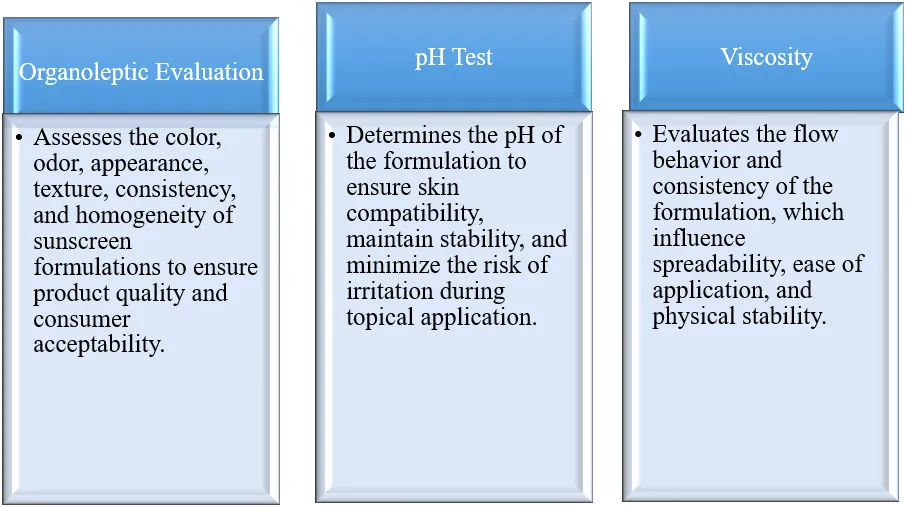
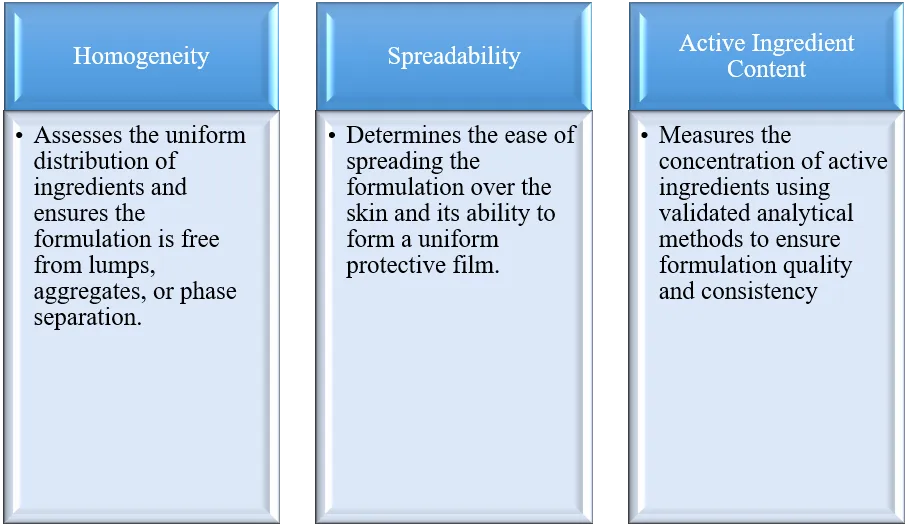
QUALITY CONTROL EVALUATION PARAMETER FOR SUNSCREEN: [30],[33],[34]
1.In vitro tests
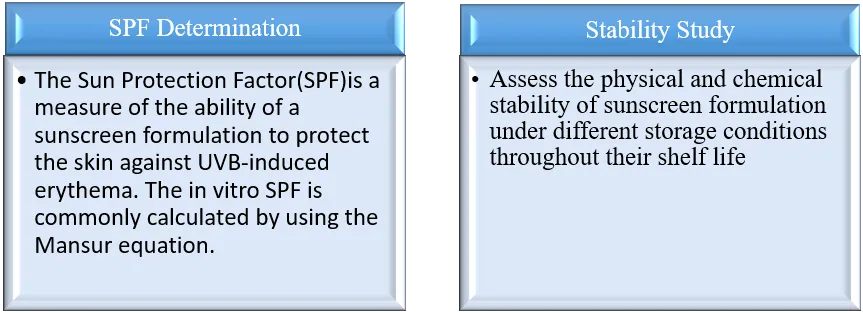

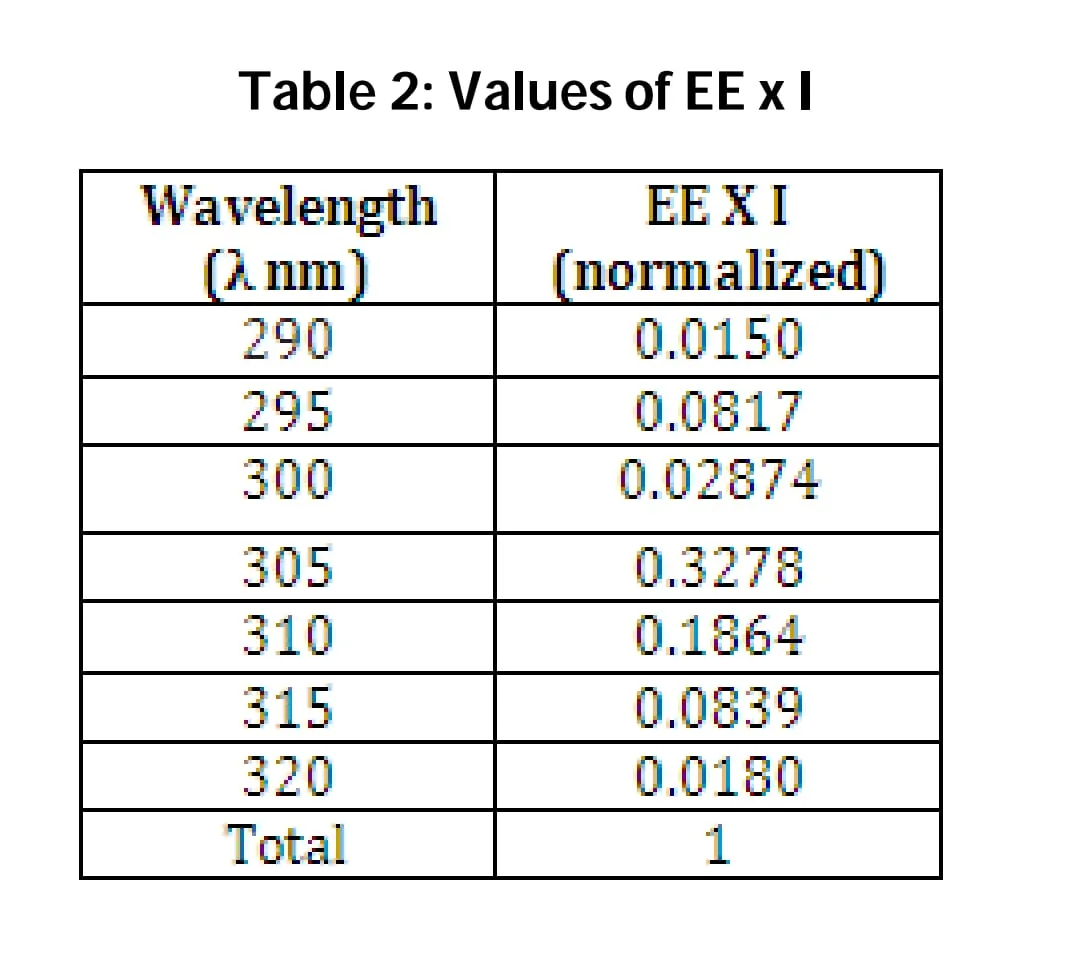
Where EE (I) - erythemal effect spectrum; I(I)-solar intensity spectrum
2.In Vivo Test
CONCLUSION
The study conducted on the sunscreen formulation clearly demonstrates that properly designed sunscreens are essential for preventing UV-induced skin damage such as sunburn, pigmentation, premature aging, and cellular DNA injury, as highlighted in the introduction. The sunscreen evaluated in this project showed effective photoprotection and met scientific expectations for modern sun-care products.The inclusion of phyto-protection principles further enhanced the formulation’s relevance. Plant-based antioxidants such as flavonoids, polyphenols, carotenoids, and vitamins help neutralize free radicals generated by UV radiation, reduce inflammation, improve skin barrier function, and support photostability of chemical UV filters. These natural compounds contribute an additional layer of protection and make the sunscreen safer, more skin-friendly, and beneficial for long-term use.The entire evaluation was carried out according to internationally accepted guidelines such as ISO 24444 for in-vivo SPF assessment, ISO 16217 and ISO 18861 for water-resistance testing, and standard dermatological procedures for irritation and sensitization testing. Following these guidelines ensured accuracy, scientific reliability, ethical compliance, and global acceptance of the results.
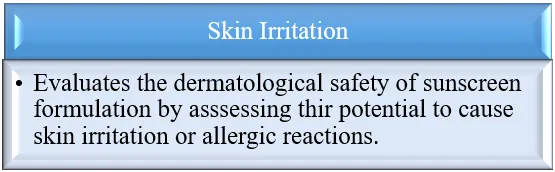
To ensure formulation consistency and safety, several Quality Control (QC) tests were performed. These included organoleptic evaluation, pH determination, viscosity measurement, microbial limit testing, and specific spray-related tests such as spray pattern, dose uniformity, delivery rate, and weight per actuation. Additional QC tests related to sunscreen performance such as in-vitro and in-vivo SPF evaluation, photostability testing, and water-resistance studies confirmed that the product performs effectively under normal usage conditions.Overall, the sunscreen formulation demonstrated good efficacy, safety, photostability, and consistent spray performance. The integrated use of phyto-protective ingredients, adherence to global sunscreen guidelines, and successful completion of QC tests confirm that the product offers reliable broad-spectrum protection when used correctly. Based on all findings, the sunscreen formulation can be considered effective and suitable for regular consumer use, with proper instructions for reapplication and coverage to ensure maximum photoprotection.
REFERENCES






Tanvi Kothawale, Samita Kadam, Manasi Kalsekar, Vaishnavi Kalingan, Kshitij Kamble, Radhesham Yadav, A Comprehensive Review on Sunscreen: Guidelines and Natural Alternatives, Int. J. of Pharm. Sci., 2026, Vol 4, Issue 10, 1805-1816, https://doi.org/10.5281/zenodo.23337638
 10.5281/zenodo.23337638