

We use cookies to ensure our website works properly and to personalise your experience. Cookies policy
PRES’s College of Pharmacy (for women), Chincholi, Nashik, MH India 422103.
Pain is a complex sensory and emotional experience that is mediated by peripheral nociceptors, spinal and central pathways, inflammatory mediators and neuronal signaling. While conventional analgesics are largely used, the prolonged use of these drugs may produce adverse side effects and other limitations, and in this context, the use of natural products as potential drugs for the treatment of pain becomes of interest. In the present review, we have summarised the traditional uses, experimental evidence, bioactive constituents, mechanisms and clinical and translational aspects of natural products that have been used for pain management. Plant and animal and marine-derived products contain a variety of compounds such as alkaloids, flavonoids, phenolics, terpenoids, cannabinoids, polysaccharides and steroids. These compounds are known to have modulatory effects on pain at both peripheral and central levels, including interactions with transient receptor potential channels, modulation of opioid signaling, effects on inflammatory pathways, modulation of oxidative stress, and effects on neuronal excitability, among others. Some of the selected natural products such as capsaicin, Boswellia, ginger, curcumin and cannabinoids exhibited varying mode of action and therapeutic efficacy. Capsaicin (CAP) principally acts by desensitizing the nociceptors through TRPV1, while other products might produce an analgesic effect through anti-inflammatory, antioxidant, opioid or cannabinoid related mechanisms. Chemical composition, however, can vary, there is a lack of standardization, there is a potential for toxicity, low bioavailability, formulation differences, and inconsistent clinical evidence are, however, all significant challenges. Future studies should combine traditional knowledge with modern pharmacology, analytical chemistry, and well-designed clinical trials as well as advanced drug delivery and computational approaches. In summary, natural products are important sources of bioactive compounds and could serve as the basis for novel mechanisms and complementary, potentially effective, approaches to pain treatment.
Pain is an integrated sensory, emotional experience, and serves as a protective mechanism when tissue is, or is likely to be, damaged. It is characterized by the interplay between peripheral nerves, spinal cord, supraspinal pathways, inflammatory mediators, neurotransmitters and psychological factors. Pain can be nociceptive, inflammatory, neuropathic or nociplastic, and can be either acute or chronic depending on its underlying mechanisms and duration. Chronic pain can have a profound impact on various aspects of life such as mobility, sleep, emotional function, productivity, and quality of life, and effective pain management is critical for patients' health[1].
Common pain medications are non-steroidal anti-inflammatory drugs (NSAIDs), acetaminophen, antidepressants, anti-convulsants, local anaesthetic and opioids. However, chronic NSAID use can also result in gastrointestinal, renal and cardiovascular complications and opioids can result in tolerance, dependence, sedative effect, constipation and respiratory depression. These restrictions have spurred a greater interest in alternative and complementary pain relief medications[2].
Natural products derived from plant, animal, microorganisms, fungi, and marine organisms are a significant source of structurally diverse bioactive compounds that are important in drug discovery [3]. In fact, their usage in pain management is rooted in traditional medicine practices, where plants, essential oils, resins, seeds, roots, leaves, fruits, and animal products are utilized to alleviate pain. Several herbs and animal products traditionally used for their potential analgesic effects have been reported in a systematic review [4].
These traditional applications have been investigated with modern research employing experimental models of nociception, inflammation, thermal sensitivity and mechanical pain. In several preclinical studies, medicinal plants have shown an analgesic effect and the isolation of some of their compounds has aided in understanding potential mechanisms [5]. Alkaloids like mitragynine and compounds from Picralima nitida are of interest due to their interactions with opioids related pathways [6]. The structural characteristics of these compounds impact their biological activity, and flavonoids and phenolic compounds could interact with inflammatory signaling and oxidative stress [7].
Terpenoids and essential-oil components are also promising natural analgesics. Monoterpenes have been shown to interact with sensory and pain transient receptor potential (TRP) channels, and some compounds like limonene and myrcene have been studied for their biological activity. Natural products can work on several lines including modulation of nociception, as well as anti-inflammatory and antioxidant activities. It is worth mentioning that Cucumbita maxima, Eucalyptus camaldulensis, Ocimum kilimandscharicum, Plinia cauliflora, Sonneratia caseolaris and Ziziphus mauritiana are examples of various natural sources studied for their analgesic activity [8].
Natural products have great potential for developing standardized medicine for analgesia, but there are a number of challenges for this process to become a reality. Variations in species, geographical origin, cultivation, harvesting, extraction, and storage methods may lead to variations in chemical composition and biological activity, emphasizing the need for standardization and quality control [9]. Additionally, therapeutic efficacy can be limited due to poor solubility, absorption, rapid metabolism, and restricted tissue distribution, prompting the need for the development of advanced drug delivery systems like nanocarriers [10].
Cannabinoids also illustrate the complexity of natural-product research for analgesics. Cannabidiol (CBD) and other compounds found in cannabis have been studied for their ability to modulate pain; however, results have been inconsistent depending on the type of pain, its formulation, dosage, and the design of the study [11].
Hence, natural products offer a potential and chemically rich source for the discovery of analgesics. This review covers their traditional applications, experimental and molecular mechanisms, key bioactive constituents, representative clinically relevant products, as well as their safety, standardization and translational challenges in the context of their use as analgesics[12].
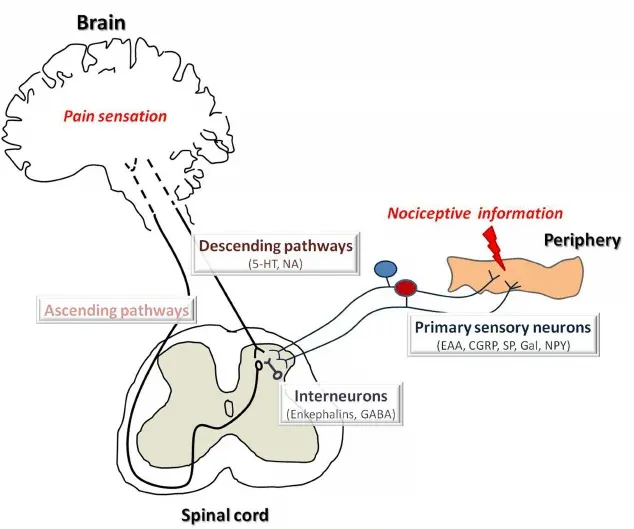
Figure 1: Schematic Representation of Pain Pathways Involved in Nociceptive Transmission and Pain Modulation.
This figure depicts the mechanism by which painful information travels from the location of tissue damage to the periphery via the sensory neurons of the peripheral nervous system, and then to the spinal cord and finally to higher brain areas. It also illustrates the involvement of ascending pathways in relaying nociceptive information to the brain, and descending pathways in regulating pain transmission. These pathways are the physiological explanation for the way in which different analgesic agents could act to decrease the intensity of pain via peripheral nerve, spinal mechanisms, or central nervous system pathways.
METHODOLOGY
A structured methodology was used to investigate the analgesic activity of naturally occurring products and their use in pain management. Traditional medicine, experimental pharmacology, phytochemistry, molecular mechanism, clinical studies, and safety studies were taken into account in the review. The literature available was categorised thematically to give an integrated view on natural products as analgesics in terms of their therapeutic potential and limitations.
2.1 Search Strategy
A scientific literature search was performed and organised to find scientific evidence concerning natural products with analgesic properties. It was done in relation to traditional uses of medicines, experimental studies of biological pharmacology, molecular mechanisms, bioactive compounds, clinical studies, safety issues, and translation issues[13].
The multidisciplinary scientific databases and publisher platforms that were explored were considered relevant for Pharmacology, Medicinal chemistry, Natural products, Complementary medicine, Neuroscience and Clinical research. The keywords were combined to create search terms: natural products and pain, medicinal plants and pain, analgesic activity, antinociceptive activity, pain management, pain modulation, phytochemicals and pain, opioid signaling and pain, inflammation and pain, oxidative stress and pain, capsaicin and pain, Boswellia and pain, ginger and pain, curcumin and pain, and cannabinoids and pain.
Other terms were added to the individual natural products which included "analgesic,""pain,""inflammation,""clinical trial,""mechanism," and "safety". Also reference lists of relevant review articles were scanned for additional studies.
The literature comprised of systematic & narrative reviews, mechanistic studies, phytochemical investigations, animal experiments, computational studies, and clinical research. Peer-reviewed publications directly related to analgesic activity and/or pain-related mechanisms were selected for preference[14].
2.2 Eligibility Criteria
Studies were included if they contained information relevant to the aims of the review. The inclusion criteria included studies that evaluated natural products or naturally derived compounds that have been reported to have analgesic or antinociceptive effects, such as medicinal plants, plant extracts, essential oils, phytochemicals, animal products, and naturally occurring bioactive compounds. Studies that considered peripheral, central, anti-inflammatory or antioxidant mechanisms were also included.
Relevant clinical studies and systematic reviews, as well as reviews on pharmacology, chemistry, traditional use, safety, or therapeutic development of natural analgesic products were considered. Only peer-reviewed publications that provided adequate information on the natural product, biological activity, mechanism, or therapeutic use were considered.
Studies that did not have meaningful analgesic or pain-modulating activity, that lacked adequate information, or that had a purely unrelated focus, were excluded. Preclinical and clinical evidence were considered; however, experimental results were not given the same weight as proven clinical effectiveness as results found in cellular or animal models are not always clinically relevant for pain relief.
2.3 Study Selection
The choice of studies was determined by the relevance of the publication to the key themes of the review. Firstly the Title and abstract has been evaluated to find out whether the papers deal with natural products, analgesic activity, pain mechanisms or related pharmacological properties.
Potentially relevant studies were then explored in more detail regarding the biological source, the type of natural preparation used, the compound (s) used, experimental model, proposed mechanism, dose/concentration and the key findings. The selected literature was then categorized based on traditional use, experimental evidence on analgesics, peripheral and central mechanisms, anti-inflammatory and antioxidant activities, bioactive compounds, clinical evidence, safety, standardization and translational development.
This thematic organization permitted the inclusion of results of various research methods as well as a differentiation between preliminary experimental evidence and more advanced therapeutic evidence.
2.4 Data Extraction
Selected literature were used to extract the name of the natural product, major bioactive compounds, type of study, model of experimental or clinical study, pain condition studied, proposed mechanism, major analgesic findings, safety observations, and study limitations.
Regarding experimental studies, a focus was on the nature of the nociception model and whether inflammatory, peripheral, central, opioid, TRP-channel, antioxidant, or other pathways were involved. In the clinical studies, details related to the pain condition, intervention, formulation, and treatment context were taken into account along with major outcomes.
The obtained information was classified according to the themes for the easy comparison between the natural products. Those compounds for which mechanistic evidence and therapeutic relevance were available were the subject of particular attention. This strategy enabled the separation of natural products with only preliminary experimental information from those which have advanced to the clinical investigation stage.
3. Traditional Uses of Natural Products for Pain Management
Natural products have been used to manage pain even before the advent of modern pharmacology. In traditional medical systems, traditional remedies including preparations of plants, resin, root, leaf, seed, fruit, essential oil and animal materials have been applied in the management of headache, musculoskeletal pain, inflammatory conditions, toothache, wounds, abdominal discomfort and other painful disorders [15]. The relevance of TK to pharmacology research has been that it can give important clues for the direction of research – if the same biological material has been used repeatedly over time, then it deserves to be investigated systematically.
It should be interpreted as a starting point, however, and not as proof of analgesic efficacy with regard to traditional use. Traditional practices may vary significantly with regard to methods of preparation, dosage, method of administration, plant identification, and combinations of ingredients. Modern research is thus needed to determine pharmacological activity, active constituents, proper dosage, safety and clinical efficacy[16].
Table 1: Examples of Natural Products Investigated for Analgesic Activity
| Natural product/source | Major constituents or chemical features | Reported analgesic relevance | Evidence type |
|---|---|---|---|
| Capsicum spp. | Capsaicinoids | TRP-channel modulation and nociceptive desensitization | Experimental/clinical |
| Boswellia spp. | Boswellic acids and related constituents | Anti-inflammatory activity | Experimental/clinical |
| Ginger (Zingiber spp.) | Gingerols, shogaols and related compounds | Anti-inflammatory and analgesic effects | Experimental/clinical |
| Curcumin/turmeric | Curcuminoids | Anti-inflammatory and antioxidant pathways | Experimental/clinical |
| Cannabis spp. | Cannabinoids and terpenoids | Pain modulation through cannabinoid and related pathways | Experimental/clinical |
| Corydalis yanhusuo | Alkaloids | Central and opioid-related analgesic mechanisms | Experimental |
| Eucalyptus spp. | Essential-oil constituents including terpenes | Analgesic and anti-inflammatory effects | Experimental |
| Ocimum kilimandscharicum | Essential oil/camphor | Articular analgesic and anti-inflammatory activity | Experimental |
| Ziziphus mauritiana | Diverse phytochemicals | Analgesic and anti-inflammatory activity | Experimental |
| Calophyllum inophyllum | Phenolic and other secondary metabolites | Analgesic and anti-inflammatory effects | Experimental |
3.1 Plant-Derived Remedies
The natural sources of analgesic agents are the most studied ones because of their diversity, traditional uses and accessibility, and plants are the most studied natural source. They have been found to present alkaloids, flavonoids, phenolics, terpenoids, essential oil, steroids, polysaccharides, etc., which may be involved in modulation of pain related pathways.
Traditional herbs are reported to have a wide variety of those which have potential analgesic activity and medicinal plants are important sources of pain-modulating agents. Plants like Cucurbitata maxima, Cucumis sativus and Imperata cylindrica have been shown to have anti-inflammatory and analgesic properties in experimental studies [17].
Essential oils have shown to be analgesic as well. In experimental studies, Eucalyptus camaldulensis leaf essential oil was found to exhibit analgesic and anti-inflammatory activity, and Ocimum kilimandscharicum essential oil and its identified camphor compound were found to possess anti-inflammatory and analgesic activities in the model of articular pain [18].
The effects of various plants can be different depending on the composition of their chemicals. For instance, the components of essential oils can interact with sensory ion channels, while alkaloids might impact the neurotransmitter and opioid systems. Corydalis yanhusuo is a significant plant with alkaloids content that has been studied on their traditional and pharmacological effect of anti-nociceptive activity [19].
Individual plant-derived compounds have also shown analgesic potential. The compound lupeol extracted from Crateva adansonii exhibited analgesic and anti-inflammatory properties, and phillygenin from Forsythia suspensa exhibited similar effects in experimental inflammatory-pain models [20]. Additionally, the use of modern techniques, including extraction, purification, chemical analysis, and computational methods, continues to aid in the identification of active compounds and potential pain-related targets [21].
3.2 Animal-Derived Products
Animals also have traditionally been used for pain and inflammation, although plants are the focus of natural-product research. In addition, [22] conducted a review on both animal-based and plant-based products for pain relief, thus highlighting the wide range of traditional pain remedies.
Another source of bioactive compounds of animal origin is marine organisms. For instance, the black tunicate Phallusia nigra has been studied in animal models for analgesic, anti-inflammatory and antipyretic activity and its toxicity profile [23]. This kind of results indicates the possible use of marine-derived materials as sources of pharmacologically active compounds.
Animal-derived products can contain peptides, proteins, lipids, alkaloids, steroids and other specialized metabolites that can interact with receptors, ion channels, enzymes or inflammatory pathways[24]. But, there are safety, biological variability, contamination, source identification and ethics issues that need to be considered when developing them. They can also vary in their chemical composition depending on the species, environment, diet, developmental state and processing before standardization when developing therapy in a reproducible manner[25].
4. Experimental Evidence for Analgesic Activity
Experimental studies are an important link between the traditional use and clinical investigation. The use of animal models, cellular assays, biochemical experiments, receptor studies, molecular docking and other methods have been employed to assess the ability of natural products to modulate pain related responses and to explore potential mechanisms.
One of the benefits of experimental studies is that they allow for the study of a single compound or standardized extracts. It can be used to compare treated and control groups, examine dose-response relationships, assess specific pain models and examine biochemical markers. However, care must be taken in interpreting the experimental results as pain is a complex human experience and animal behavioural responses are not a full representation of human pain.
The analgesic activity of natural products has been demonstrated in models based on thermal nociception, chemical irritation, inflammatory edema, mechanical sensitivity and arthritis-like conditions. For instance, seed extract of Cucumbita maxima and Cucumis sativus have demonstrated anti-inflammatory and analgesic properties in experimental models [26]. The leaves of Ziziphus mauritiana also showed an analgesic, anti-inflammatory and antipyretic activity in animal models [27].
Likewise, the fruit of Sonneratia caseolaris has been assessed for its analgesic, anti-inflammatory, and antipyretic effects, suggesting that the phytochemicals in the fruit might act on various physiological processes involved in pain and inflammation [28]. Besides metabolic activities, the analgesic and anti-inflammatory properties of Plinia cauliflora epicarp have also been studied [29].
Complex extracts can be replaced by individual compounds that can give more information about the mechanism. One of the constituents of Dendrobium scabrilingue, batatasin III, has been studied for its effect on murine pain-like behavior, specifically its central nervous system safety profile [30]. In the spinal cord, daphnetin has been found to have effects on microglial responses and glycerophospholipid metabolism that help reduce neuropathic pain [31].
Some new natural compounds with an analgesic effect have also been recently identified. The two clerodane diterpenoids isolated from Paratinospora sagittata showed analgesic activity, highlighting the ongoing value of natural-product isolation programs for the discovery of new molecules [32].
Table 2: Representative Experimental Evidence for Natural Products with Analgesic Activity
| Natural product | Experimental evidence | Major proposed mechanism/association |
|---|---|---|
| Corydalis yanhusuo | Antinociceptive activity | Alkaloid-associated modulation of pain-related neuronal pathways |
| Eucalyptus camaldulensis essential oil | In vivo analgesic activity | Anti-inflammatory and possible sensory pathway modulation |
| Ocimum kilimandscharicum essential oil/camphor | Articular analgesic effects | Anti-inflammatory and sensory mechanisms |
| Plinia cauliflora epicarp | Analgesic and anti-inflammatory effects | Multi-pathway phytochemical activity |
| Sonneratia caseolaris fruits | Analgesic/anti-inflammatory activity | Reduction of inflammatory mediators |
| Ziziphus mauritiana leaves | Analgesic activity | Anti-inflammatory and antinociceptive effects |
| Lupeol | In vivo/in silico analgesic activity | Anti-inflammatory and molecular target interactions |
| Phillygenin | Carrageenan-induced inflammatory model | Anti-inflammatory and analgesic activity |
| Batatasin III | Reduced murine pain-like behavior | CNS-related analgesic mechanisms |
| Daphnetin | Neuropathic pain model | Microglial and metabolic regulation |
| Cedrol | Arthritis model | Antinociceptive and antiarthritic mechanisms |
| Peshawaraquinone | In vivo antinociceptive activity | Analgesic and CNS-related activity |
4.1 Peripheral Analgesic Mechanisms
Peripheral sensitization is an important component of inflammatory and tissue-injury-related pain. After tissue damage, mediators (prostaglandins, bradykinin, histamine, cytokines, and chemokines) make peripheral nociceptors more sensitive to painful stimuli, leading to greater pain responses.
Natural products can inhibit and/or block inflammatory mediators, ion channels, oxidative stress, and/or signaling pathways that lead to nociceptor sensitization to reduce peripheral pain[33].
The transient receptor potential (TRP) channels play a key role in sensing temperature, chemical irritants, mechanical stimuli and tissue derived signals. A number of natural molecules have the ability to interact with the TRP-channels and therefore these channels are of great interest in the field of natural-product-based analgesics [34].
Perhaps the best known example of a natural compound that affects peripheral sensory pathways is capsaicin. It is an activator of TRPV1 channels and upon repeated exposure can induce functional desensitization of nociceptive fibers. The property has helped to develop topical use of capsaicin for some pain disorders.
The other components of essential oils, such as monoterpenes, might also act on sensory ion channels. Their analgesic activity has been explored in the context of TRP channels and other molecular targets [35]. Moreover, Eucalyptus, Ocimum, Plinia and Sonneratia have been studied for their anti-inflammatory and analgesic properties, for which a correlation has been found [36].
4.2 Central Analgesic Mechanisms
In addition to peripheral sensory neurons, the spinal cord, brainstem, thalamus, cortical regions, and endogenous systems are all involved in pain perception. Natural products can thus act on mechanisms located in the central nervous system on pain.
One of the main central analgesic pathways is the opioid pathway. Nociceptive transmission is regulated at peripheral, spinal and supraspinal level by endogenous opioid peptides and opioid receptors. Several natural alkaloids have been found to be of interest due to their properties of binding to opioid receptors and of modifying related signaling pathways [37].
Mitragynine is a prominent alkaloid found in Mitragyna speciosa which has been studied for its pharmacological effects and the connection to opioid signaling. It has been extensively reviewed in terms of its chemistry and pharmacology along with its related diastereomers [38].
The alkaloids of Picralima nitida have also been identified as opioid active. Natural-product research can be used to uncover compounds that interact with opioid-related systems, such as the six opioidergic alkaloids reported. Likewise, traditional Chinese medicine (TCM) alkaloids with analgesic properties have been studied for their various mechanisms of action and therapeutic applications [39].
However, care must be taken to assess the safety of opioid-related natural products as opioid pathways may also affect reward, respiration, gastrointestinal function and dependence-related processes. Therefore, central analgesizing activity should be considered in conjunction with toxicity and behavioral safety [40].
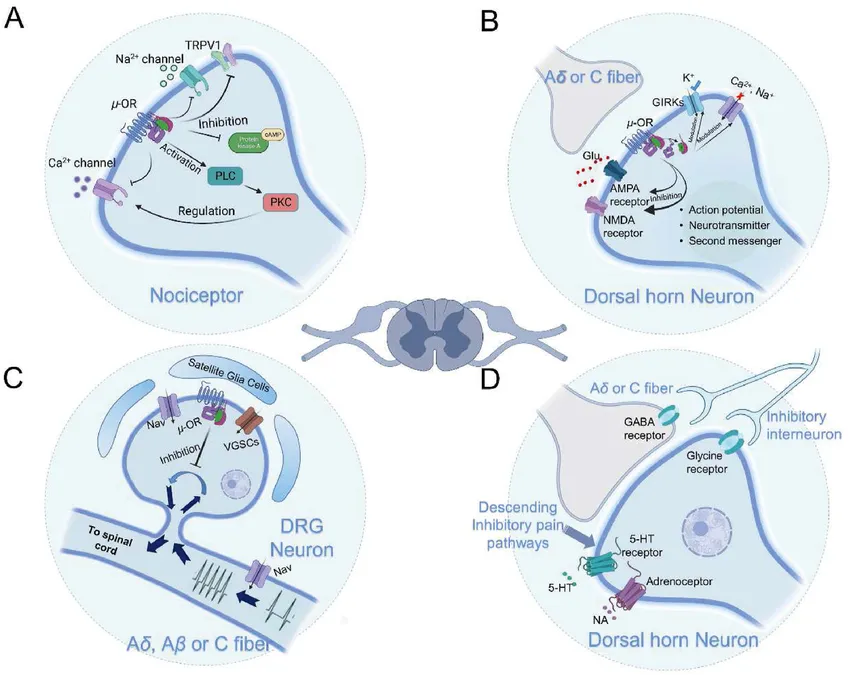
Figure 2: Mechanisms of Analgesic Action of Μ-Opioid Receptors in the Peripheral and Central Nervous Systems.
The figure depicts the mechanisms of action of μ-opioid receptor activation in the peripheral and central nervous system. The μ-opioid receptor can decrease the release of nociceptive mediators and decrease the excitability of peripheral sensory neurons. Opioid receptor signaling in the dorsal root ganglion and spinal dorsal horn can be inhibitory for the transmission of nociceptive information, by affecting voltage gated ion channels and potassium channels. At the central level, μ-opioid receptors also modulate the activity of neurotransmitter systems that are important for descending inhibitory regulation of pain, which decreases the transmission and perception of painful stimuli. These mechanisms give a glimpse of the relevance of opioid related natural alkaloids as important leads for analgesic drug discovery.
4.3 Anti-Inflammatory and Antioxidant Mechanisms
Oxidative stress and inflammation are involved in various types of pain. Tissue damage can result in generating an excess of Reactive Oxygen Species (ROS) potentially leading to nociceptor sensitization and inflammatory signaling. Continued inflammation can also help to perpetuate the pain by releasing cytokines, lipid mediators and other signalling molecules.
Reduction of inflammation is an important indirect mechanism of pain control as many natural products exhibit both analgesic and anti-inflammatory properties.
Flavonoids are significant examples since they possess antioxidant and anti-inflammatory activity which could include oxidative pathways, inflammatory enzymes, cytokine production, and cellular signaling. The structural features of flavonoids have the potential to impact on their antioxidant, anti-inflammatory and analgesic effects [41].
Phenolic compounds are also able to influence oxidative and inflammatory pathways. Eugenol is one of the major constituents of clove and other natural sources and has been shown to have antioxidant, anti-inflammatory and analgesic properties [42]. The bioactive compounds and the pharmacological potential of clove have also been explored.
The correlation between antioxidant and analgesic activities is exemplified by the aerial-part extracts of Imperata cylindrica which have shown antioxidant, analgesic, anti-inflammatory, and antipyretic activities [43].
In general, the analgesic effect of numerous natural products could be due to dual effects on the nociceptive pathways and indirect effects by reducing inflammatory and oxidative sensitization.
5. Bioactive Constituents and Their Mechanisms
Natural products are usually highly influenced by their chemical composition when it comes to their biological activity. Many medicinal plants contain hundreds of compounds, of which only a small number may play a significant role in the pharmacological activity. It is important to identify these constituents for several reasons, such as understanding mechanism, development of quality-control markers, optimizing dosage and development of standardized preparations.
The main chemical classes linked to the research of analgesics are alkaloids, flavonoids, phenolic compounds, terpenoids, cannabinoids, essential-oil constituents, polysaccharides, steroids and other specialized metabolites.
5.1 Alkaloids
Alkaloids are naturally occurring compounds that contain nitrogen and exhibit significant structural and pharmacological variability. Some of the alkaloids have been studied for their pain-relieving properties, as they may modulate opioid receptors, ion channels, neurotransmitter pathways, and inflammatory processes [44].
The role of mitragynine in opioid signaling has been studied in detail, and studies have also been conducted on the pharmacological properties and stereochemical variants [45]. Another significant source is Picralima nitida, a plant which has 6 alkaloids identified as opioidergic [46].
Berberine has also been studied for its ability to relieve pain and affects multiple biological pathways related to pain [47]. Norditerpenoid alkaloids, on the other hand, are found in Aconitum and Delphinium, and while they are effective in many aspects of these plants' pharmacology, they can also be quite lethal [48].
5.2 Flavonoids
Flavonoids, a group of polyphenols, are widely available in fruits and vegetables, leaves, flowers and medicinal plants. They have the potential to act as analgesics through antioxidant activity, modulation of enzymes involved in the production of mediators, and regulation of cellular pathways.[49]
emphasized the significance of functional groups and their positions in the antioxidant, anti-inflammatory, and analgesic activities of natural flavonoids. Hence, there might be significant differences in biological activity between structurally related flavonoids.
Extracts are also known to have analgesic potential due to the presence of flavonoids. Optimized extraction and purification of total flavonoids from Daphne species demonstrated their antioxidant, anti-inflammatory, and analgesic properties [50].
5.3 Phenolic Compounds
Another notable class of bioactive molecules derived from plants is phenolic compounds, whose biological effects are often related to antioxidant and anti-inflammatory properties.
Eugenol is a natural phenolic compound well known in the aromatic plants of the clove. It has been studied for its antioxidant, anti-inflammatory, antimicrobial and analgesic properties [51].
The antioxidant properties of phenolic compounds could be related to their ability to interact with ROS and their pathways, and anti-inflammatory properties could be related to mediators involved in peripheral sensitization of nociceptors [52]. The activity of phenolic-rich extracts should however be interpreted based on the chemical composition as extraction methods can affect the amount of active compounds in the extract [53].
5.4 Terpenoids
Terpenoids are one of the largest group of natural products consisting of monoterpenes, sesquiterpenes, diterpenes and triterpenes. Volatile terpenoids are especially abundant in essential oils, and some of them are able to impact on sensory pathways via TRP channels [54].
Limonene is a widely found monoterpene in citrus and other plants and has been studied for various biological properties. Myrcene is also investigated regarding its biological and health-related effects [55].
Other sources of analgesics are diterpenoids and triterpenoids. Clerodane diterpenoids with analgesic activity have been recently identified [56], and lupeol has been found to have analgesic and anti-inflammatory effects in experimental studies [57].
5.5 Other Bioactive Constituents
Apart from the alkaloids, flavonoids, phenolics and terpenoids, other natural compounds like polysaccharides, cannabinoids, steroids, peptides and essential-oil constituents could be involved in this analgesic activity. These compounds may affect inflammation signals, neuronal activity, oxidative stress, and pain receptors.
Polysaccharides from Coix lacryma-jobi have also shown anti-inflammatory and analgesic effects, indicating that the analgesic activity is not limited to small molecules [58].
Likewise, the use of steroidal lactones derived from Datura stramonium have been reported to have anti-inflammatory and analgesic properties in experimental models [59].
The analgesic effect of essential oils might be caused by the action of the single compound or the combination of several volatile compounds. Some of the eucalyptus oils have been studied for their anti-inflammatory and analgesic effect [60].
Cannabinoids, especially phytocannabinoids of Cannabis sativa, may modulate molecular and cannabinoid targets of pain and inflammation. Cannabidiol (CBD) is a compound that has garnered significant interest for its potential therapeutic uses [61].
The latter can be further optimized for potency, selectivity, stability, and pharmacokinetic properties by natural-product medicinal chemistry. In general, all these compounds illustrate the wide chemical spectrum of natural-product analgesia, and the importance of correlating chemical structure with mechanism and therapeutic response [62].
6. Clinical Evidence for Selected Natural Products
The level of evidence is also highly variable among natural products, and evidence from preclinical studies is different from evidence from controlled clinical studies.
While preclinical data is important, clinical data is needed to see if an intervention will offer clinically relevant pain relief to humans. The move from the laboratory to the clinic is complicated by the fact that variations in formulation, dosage, metabolism, disease characteristics and duration of treatment can significantly impact clinical results [63].
Capsaicin, Boswellia, ginger, curcumin, and cannabinoids are some of the natural products that have garnered significant interest in pain. These products vary greatly in chemical makeup and mechanism from direct sensory neuron modulation to anti-inflammatory and endocannabinoid-related [64].
There is also variability in the clinical evidence. Randomized controlled trials and systematic reviews have been conducted on some of the natural products, while others are still based mainly on experimental evidence. Hence, evidence should be interpreted based on the quality and consistency of clinical studies available and not just traditional popularity.
Table 3: Clinical and Translational Evidence for Selected Natural Products
| Natural product | Major bioactive constituents | Main proposed mechanism | Clinical/research relevance | Important limitation |
|---|---|---|---|---|
| Capsaicin | Capsaicin and related capsaicinoids | TRPV1 activation followed by nociceptor desensitization | Topical analgesic applications | Local irritation and burning sensation |
| Boswellia | Boswellic acids and related constituents | Anti-inflammatory signaling modulation | Investigated in inflammatory and musculoskeletal conditions | Variable preparations and standardization |
| Ginger | Gingerols, shogaols and related compounds | Anti-inflammatory and antioxidant mechanisms | Investigated for musculoskeletal and other pain | Dose and formulation differences |
| Curcumin | Curcuminoids | Anti-inflammatory and antioxidant pathways | Investigated in inflammatory and joint-related pain | Poor bioavailability |
| Cannabinoids | CBD, THC and other phytocannabinoids | Cannabinoid and related receptor/signaling pathways | Investigated for several chronic pain conditions | Heterogeneous formulations and safety concerns |
6.1 Capsaicin
Capsaicin is a naturally occurring capsaicinoid mainly found in Capsicum species. One of the more widely known natural compounds used in pain management and a model of a natural product advancing from traditional use to a mechanistically characterized analgesic therapy.
It is primarily a TRPV1 channel receptor antagonist, TRPV1 is primarily expressed on sensory neurons and is activated by protons, noxious heat and chemical stimuli. Capsaicin first stimulates TRPV1-expressing nociceptors, resulting in a burning sensation and a sensation of heat. However, if these sensory neurons are repeatedly stimulated, they become less responsive [65].
This functional desensitization can result in a more durable decrease of nociceptive signaling, and hence TRPV1 is a key target in natural-product pain research [66].
Thus, capsaicin shows that a chemical can not only excite a pain pathway but diminish nociceptive transmission. Topical usage may be used to focus where pain is felt and to reduce systemic exposure, but burning, irritation and erythema may occur at the topical application site.
In sum, capsaicin can be considered as a good illustration of a natural compound having a well-defined molecular target and a therapeutic application. It is effective only depending on the pain condition, formulation, concentration and treatment schedule and patient response.
6.2 Boswellia
The Boswellia genus produces oleogum resin with aromatic properties that have been used traditionally for inflammatory and pain-related diseases. Their resins have biologically active components such as boswellic acids and other triterpenoid related components [67].
Most of the analgesic activity of Boswellia is related to its anti-inflammatory properties. Tissue damage leads to an increase in inflammatory mediators that sensitise peripheral nociceptors and amplify pain. Thus, reducing inflammation signaling could be a second-line effect in terms of analgesia and in inflammation-related pain.
Natural products can work in a number of inter-related ways instead of one target. The anti-inflammatory and antinociceptive activity are well correlated in the studies of medicinal plants [68].
One of the big problems in clinical evaluation is the different preparations of boswellia. The chemical composition and therapeutic effects may vary among different species, extraction techniques, concentration of boswellic acid, formulation, and dosage.
Standardization is thus an absolute must. The various “Boswellia extract” preparations may not be chemically identical, and the use of appropriate chemical markers and quality-control procedures are necessary for reproducible clinical development [69].
6.3 Ginger
The ginger, especially those belonging to the genus Zingiber, have been traditionally used for gastrointestinal, inflammatory and pain related conditions. It is believed to be active due to compounds like gingerols, shogaols, and related phenolics.[70].
highlighted the diverse medicinal benefits of ginger-related plants by summarizing their traditional applications, phytochemical composition, and therapeutic effects.
Ginger's analgesic activity is primarily associated with its anti-inflammatory and antioxidant activities. Prolonged pain can be caused by increased nociceptor sensitization due to inflammatory mediators and oxidative stress. The constituents of ginger can affect multiple such pathways.
The clinical interpretation is dependent on the preparation and dose as that will differ in the amount and type of chemicals present in fresh ginger, dried ginger powder, ginger extracts, essential oils and purified constituents. The findings of one preparation should not thus be automatically assumed to apply to all ginger preparations as well.
Ginger is a natural product with a great potential based on both traditional and experimental evidence as well as phytochemical information, and there is an increasing study of its clinical applications [71].
6.4 Curcumin
There has been much interest in the anti-inflammatory, antioxidant and possible analgesic properties of curcumin, the major curcuminoid studied in turmeric.
Oxidative stress and inflammation are involved in a number of pain conditions. Curcumin could act as a modulator of inflammatory signaling and oxidative balance, especially within the context of inflammatory and musculoskeletal pain research, to decrease processes of peripheral nociceptor sensitization.
But, aqueous solubility and bioavailability continue to be key issues. A number of formulation approaches have thus been explored in order to enhance the delivery of natural compounds. Nanocarriers have the potential to enhance the solubility, stability, absorption and controlled delivery of poorly bioavailable compounds [72].
Clinical comparisons may be difficult because conventional extracts may not be of the same therapeutic value as advanced formulations. Standardized formulations, pharmacokinetic studies, dose optimization and good quality clinical trials are thus required to determine the therapeutic role of curcumin [73].
6.5 Cannabinoids
Cannabinoids are a large family of chemical compounds, primarily found in Cannabis sativa. The main phytocannabinoids are tetrahydrocannabinol (THC), cannabidiol (CBD), and others.
Cannabinoids interact with cannabinoid receptors and other molecular targets affecting neuronal excitability, neurotransmitter release, inflammation and central pain processing. These properties give a biological explanation to explore the use of cannabinoids in chronic and neuropathic pain [74].
CBD has been the subject of specific interest due to its pharmacological profile that differs from THC and its lack of classical psychoactive properties. [75] conducted a review of preclinical and clinical data regarding CBD and pain, emphasizing the potential benefits and the current state of evidence.
There is still considerable heterogeneity based on the clinical findings due to the variability in composition of the cannabinoids, ratio of CBD to THC, route, dose, formulation, duration of treatment, and patient characteristics. So, the results of one preparation may not apply to other cannabis-derived products.
The entourage effect has sparked interest in whole-plant or multi-component formulations, as interactions between the various components of the plant, including cannabinoids, terpenes, and other compounds, could potentially enhance its pharmacological effects. But controlled trials with standardized preparations will be required to demonstrate clinical effects that can be reproduced.
Safety is also a factor. These side effects can include central nervous system effects and drug interactions, depending on the type of cannabinoid and formulation. Psychoactive and functional effects should also be taken into account for products with THC [76].
In conclusion, studies on cannabinoids show the difference between their natural origin, pharmacological activity and clinical suitability. While a natural compound with high biological activity might be suitable for therapeutic use, it does not necessarily mean that it is suitable for unrestricted therapeutic use.
7. Safety, Standardization, and Translational Challenges
Beyond proving biological activity, there are certain challenges that natural products have to overcome in order to become analgesic drugs. Factors affecting the reliability of a promising natural product as a therapeutic intervention include safety, chemical standardization, pharmacokinetics, formulation, reproducibility, regulatory requirements, and clinical evidence.
7.1 Safety Considerations
It is scientifically wrong to think that natural products are safe. Natural compounds can have pharmacological effects, and sometimes these mechanisms can be the same as those responsible for therapeutic activity, which can lead to adverse effects.
Various factors such as dose, duration, route of administration, chemical composition and individual susceptibility can affect toxicity. Some plants that contain alkaloids are highly toxic and with a wide pharmacological range, for instance. An example of medicinal potential and toxicity is the norditerpenoid alkaloids of Aconitum and Delphinium.
Acute or subacute toxicity studies are routinely conducted and, in some cases, long term safety might not be adequately described. Natural products for chronic pain management should be considered with special regard to chronic dose toxicity, organ effects, drug interactions, reproductive safety (if applicable), and nervous and cardiovascular system effects [77].
There are potential concerns with animal products such as contamination, species identification, biological variability and infectious risks. All these questions reflect the importance of strict quality-control.
7.2 Chemical Standardization
Reproducible medicines from nature requires amongst other important things, chemical standardization.
The amount of active compounds in medicinal plants can be different due to:
Therefore, two products with the same botanical name can be significantly different in terms of the chemicals present in them.
Studies regarding quality requirements for natural oils have highlighted the important aspects of suitable characterization, authentication, purity testing and standardization [78]. The same applies to natural analgesics products.
Ideally, standardization should include both botanical authentication and chemical fingerprint and quantitative measurement of relevant marker compounds. Major constituents can be identified and quantified by using analytical techniques such as chromatography and mass spectrometry.
7.3 Bioavailability and Pharmacokinetics
Numerous natural compounds exhibit potent activity in vitro that are not readily available systemically upon oral administration. Poor solubility, inadequate absorption, swift metabolism and elimination may decrease the concentration at the desired target site.
One such example is curcumin. Many other natural products are subject to similar pharmacokinetic problems.
Solutions might lie in drug-delivery technologies. Nanocarriers have been explored to enhance the delivery of natural products, including improved solubility, protection of unstable compounds and enhanced tissue distribution [79].
Another new delivery system is electrospun nanofibers. The use of natural products in electrospun materials has been explored for wound healing and localized applications [80]. These technologies could potentially help with localised delivery of analgesics and decrease systemic exposure.
7.4 Translational Gap
There may be a significant difference between efficacy in the experiment and effectiveness in the clinic. Animal models give valuable information about nociception, but are unable to mimic the biological, psychological, and social aspects of human pain.
The dose in experimental studies may also be hard to attain safely in humans. Also, extracts that are used on animals might be higher in concentration of the chemicals than the extracted commercially available products.
Clinical trials should, therefore, assess clinically realistic doses of standardized preparations. There must be validated pain outcome measures, adequate sample size, appropriate control groups, and adequate follow-up.
7.5 Regulatory Challenges
Natural products are regulated differently in different countries. The classification of a preparation as a traditional medicine, a dietary supplement, a herbal medicinal product, a pharmaceutical or any other category depends on the composition of the product and its intended use.
This can impact evidence requirements, manufacturing, labeling, quality control and safety monitoring.
The shift from natural product to modern therapeutic agent thus needs to be coordinated between Pharmacognosy, Pharmacology, Medicinal Chemistry, Toxicology, Pharmaceutical Technology and Clinical Research.
8. Future Perspectives
Due to their remarkable chemical diversity and traditional use in medicine, natural products continue to play a significant role in the field of analgesic discovery. But more studies are needed to go beyond identification of plants that are active in the pain response.
One crucial way is the identification of specific active constituents and molecular targets. To identify the compounds responsible for observed activity, modern analytical chemistry can be used in conjunction with pharmacological screening.
In the case of complex extracts with several compounds, network pharmacology and systems biology could be very handy. Instead of the one compound to one target model, these can explore the interactions between compounds, pathways, receptors, enzymes and cellular processes.
The discovery of natural products can also be accelerated by computational methods. The approaches employed for prioritizing the compounds for experimental testing are molecular docking, molecular dynamics, quantitative structure–activity relationships and machine-learning approaches. But it should be computational predictions that remain coupled with a laboratory validation.
Structure based medicinal chemistry is another key area. Natural compounds with potential activity, but sub-optimal pharmacokinetic properties may be chemically manipulated to generate derivatives that are more potent, selective, stable or have improved bioavailability. The use of natural products as a tool in medicinal chemistry is now seen as an effective approach to identify and optimize therapeutic scaffolds.
Also advanced drug delivery systems have very great potentials. To enhance poorly soluble or unstable compounds, nanocarriers, lipid-based systems, polymeric formulations, hydrogels, and electrospun materials can offer benefits.
Standardized clinical research should be another priority. In future trials, it is necessary to specify the botanical species, plant part, extraction method, chemical indicator compounds, dose, dosage form, and duration of treatment. It would be helpful to be able to more easily compare results from various studies if they were reported at this level.
The types of pain should also be different when studied. An effective natural product for inflammatory pain does not necessarily work for neuropathic and/or nociplastic pain. Mechanism-informed patient selection should be used in future clinical investigations.
A fusion of traditional knowledge and modern pharmacology could potentially enhance discovery. Traditional-use evidence can assist in prioritizing those sites that show greatest promise for biological sources, and modern experimental methods can ascertain if any observed activity can be repeated and is scientifically defensible.
Finally, safety should be 'baked in' to the development of natural products and not just an afterthought once efficacy has been proven. The ideal natural analgesic should be biologically active, consistently formulated, have acceptable toxicity, predictable pharmacokinetics, and clinically significant efficacy.
CONCLUSION
Natural products offer a good source in the diversity of compounds that can be exploited for their analgesic properties. This is supported by centuries of use in traditional medicine, and by a growing body of experimental evidence of their actions on nociceptive, inflammatory, oxidative and neuronal pathways.
Although the plant-derived products are the most studied, animal-derived and marine natural products represent chemically diverse sources of candidates for analgesics. Alkaloids, flavonoids, phenolic compounds, terpenoids, cannabinoids, polysaccharides, steroids and other constituents may affect pain in various and even overlapping ways.
Natural-product analgesia mechanisms include peripheral modulation of nociceptors, TRP channels, opioid signaling, modulation of inflammatory pathways, oxidative stress, immune responses and central modulation of pain processing systems. This activity could be beneficial in complex pain states, but can also complicate pharmacological characterization.
Capsaicin is a good model for a naturally occurring (extremely) potent peripheral-acting analgesic. Boswellia, ginger, curcumin and cannabinoids have also been the subject of significant research efforts, though there is varying quality in the evidence for these products.
Natural products are not necessarily safer or more effective than conventional medicines. Key challenges for translation include the variability in chemical composition, inadequate standardization, low bioavailability, incomplete toxicity data, formulation differences and variable clinical evidence.
Development should thus be undertaken in conjunction with modern pharmacognosy, analytical chemistry, molecular pharmacology, computational science, advanced drug delivery and well-designed clinical trials, with traditional knowledge. Chemically standardized products and well-defined mechanisms will be crucial in the translation of potential natural compounds into effective analgesics.
In conclusion, natural products should not only be considered as a substitute of conventional analgesics but also as a valuable source of new chemical structures, therapeutic mechanisms and alternative approaches to the treatment of pain. For their successful translation to clinical practice, they will need to be scientifically validated, reproducible, adequately safety evaluated, and have high quality clinical evidence.
REFERENCES

Jyoti More, Vikas Kunde, Nikita Avhad, Priyanka Hire, Gayatri Yadav, Analgesic Activities of Natural Products, Int. J. of Pharm. Sci., 2026, Vol 4, Issue 10, 4957-4976. https://doi.org/10.5281/zenodo.23830644
 10.5281/zenodo.23830644