The development and regulatory approval of biosimilars fundamentally depend on demonstrating highly accurate analytical similarity to a reference biologic. Due to the inherent structural complexity and microheterogeneity of therapeutic proteins, no single analytical technique can comprehensively define all Critical Quality Attributes (CQAs). This review critically examines the role of orthogonal analytical platforms—pairing complementary physicochemical and biological methods—to establish structural, functional, and conformational parity. A risk-based, tiered statistical framework is explored to evaluate CQAs ranging from primary amino acid sequences to higher-order structures (HOS), size heterogeneity, charge variants, and glycosylation profiles. Furthermore, we analyse the integration of functional assays (such as Surface Plasmon Resonance and cell-based potency) to bridge the gap between physicochemical structural data and clinical efficacy. Highlighting recent regulatory case studies of trastuzumab and infliximab, this manuscript underscores the practical challenges of formulation, container-closure compatibility, and stability-indicating stress testing. Finally, the review addresses emerging analytical frontiers, emphasizing the transformative potential of High-Resolution Mass Spectrometry (HR-MS), the Multi-Attribute Method (MAM), and Artificial Intelligence (AI) in streamlining multidimensional data integration. By front-loading risk assessment through rigorous orthogonal characterization, developers can confidently justify abbreviated clinical trials, thereby accelerating the delivery of safe, effective, and affordable biotherapeutics to global healthcare systems.
Biosimilars, Analytical Similarity, Orthogonal Characterization, Critical Quality Attributes (CQAs), Multi-Attribute Method (MAM), High-Resolution Mass Spectrometry (HR-MS), Artificial Intelligence in Biopharmaceuticals, Monoclonal Antibodies (mAbs)
Biosimilar products are complex biological drugs that are highly similar to an existing approved reference medication, exhibiting no clinically meaningful differences regarding efficacy, purity, and safety. Because they are manufactured using living systems like mammalian or microbial cell lines, these biologics naturally display intrinsic microheterogeneity [1, 2]. This structural variation stems from post-translational modifications during cellular biosynthesis, including glycosylation, oxidation, and deamidation [1]. Because these structural attributes directly influence protein folding, stability, and immunogenicity, biosimilarity cannot be established solely through basic molecular identification [1, 8].
This inherent biological complexity necessitates a distinctly different regulatory approach compared to conventional medications:
- Small-Molecule Generics: Synthesized chemically in a laboratory, these compounds feature simple, clear-cut structures [2]. Regulatory approval depends heavily on strict molecular identification, demonstrating that the generic is identical to the reference drug at the molecular level, alongside pharmaceutical and bioequivalence testing [2, 3].
- Biosimilars: The massive size and process-dependent microheterogeneity of biological entities make complete molecular identity impossible [2]. Consequently, regulatory approval requires an exhaustive comparability exercise [2, 3].
To satisfy modern quality assurance standards, regulators require a stepwise "totality-of-the-evidence" approach [4]. This framework depends on a comprehensive, head-to-head evaluation utilizing sensitive, orthogonal analytical techniques to assess critical quality attributes—such as primary structure, higher-order structure, aggregation, charge variants, and glycosylation. This rigorous analytical foundation proves that any minor acceptable differences will not affect clinical performance [4, 8].
2. Regulatory Framework for Analytical Similarity
Global regulatory authorities, including the FDA, EMA, WHO, and ICH, have harmonized their evaluation guidelines for biosimilars by adopting a sequential, evidence-based paradigm. Under this framework, exhaustive analytical comparability serves as the primary determinant for regulatory progression. This strategy is scientifically anchored in established ICH comparability guidelines, which are traditionally utilized to justify manufacturing process changes for existing biopharmaceuticals. Despite minor regional procedural differences, all major agencies converge on the principle that establishing robust analytical similarity is the most critical starting point for biosimilar approval [3, 4].
The Totality-of-the-Evidence Concept
The "totality-of-the-evidence" approach operates as a stepwise regulatory pyramid where analytical comparability forms the foundational base [4, 7, 34]. This concept strategically shifts the regulatory burden from in vivo testing to in vitro characterization:
- Defining Residual Uncertainty: Sensitive, head-to-head analytical studies comparing the proposed biosimilar and the reference product determine the exact extent of residual uncertainty. This analytical baseline explicitly dictates the scope and scale of any required nonclinical and clinical investigations [4, 7, 34].
- Reducing Clinical Burden: Regulators acknowledge that modern, high-resolution analytical techniques are often more sensitive in detecting clinically relevant structural differences than broad human clinical trials. When a comprehensive orthogonal analytical toolbox demonstrates high similarity across all relevant structural and functional Critical Quality Attributes (CQAs), the requirement for extensive clinical testing is significantly diminished [4, 8].
- Targeted Clinical Development: A robust analytical foundation allows developers to design shorter, highly focused clinical programs [4, 7, 34]. Consequently, regulatory agencies frequently waive large-scale, repetitive comparative efficacy trials. Instead, developers are permitted to rely on targeted pharmacokinetic/pharmacodynamic (PK/PD) assessments and comparative immunogenicity studies to resolve any remaining functional uncertainties [3, 7, 35].
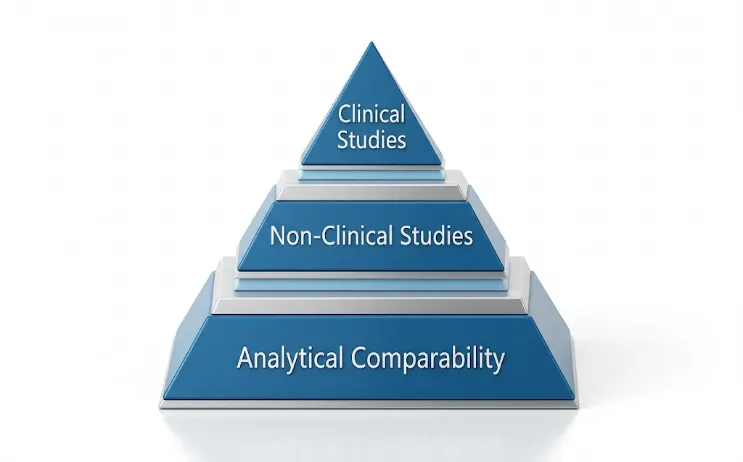
Figure 1: The Totality of Evidence Pyramid
3. The Concept and Rationale of Orthogonal Characterization
Orthogonal characterization is defined as the utilization of multiple independent analytical methods, grounded in distinct physical principles, to evaluate the same critical quality attribute (CQA) [5]. This multidimensional framework provides independent confirmation of structural characteristics, ensuring biosimilarity is not incorrectly inferred from a single dataset [5, 6, 38].
Minimizing Bias and Preventing False Equivalence
- Elimination of Single-Method Bias: Relying on a single technique risks missing subtle structural variants or method-specific interference; orthogonal methods remove this bias by interrogating the same attribute through completely different physical dimensions [5].
- Corroboration of Genuine Similarity: Agreement across multiple, complementary methods provides rigorous assurance that the observed biosimilarity is genuine [5, 9, 39]. This allows developers to distinguish true product differences from routine batch variability or assay-specific limitations [5].
- Closing Analytical Gaps: A single assay rarely captures all structural nuances [5, 9, 12, 25]. For example, while Size-Exclusion Chromatography (SEC) effectively estimates monomers and soluble aggregates, it may struggle with column interference or shearing-induced dissociation of reversible aggregates [5, 51]. Coupling SEC with orthogonal techniques like Asymmetrical Flow Field-Flow Fractionation (AF4) or Analytical Ultracentrifugation (AUC) bridges this gap, decreasing the risk of false equivalence [5, 10, 52].
Risk-Based Method Selection Method selection must transcend convenience and adhere to a strict risk-based strategy dictated by the molecule’s structural background and mechanism of action [5, 10, 40]:
- Quality Target Product Profile (QTPP): The analytical blueprint begins by defining the QTPP, which serves as the starting point for the risk-based approach [5, 10].
- Prioritization of CQAs: Possible CQAs are systematically catalogued and prioritized based on their potential impact on activity, pharmacokinetics/pharmacodynamics (PK/PD), safety, efficacy, and immunogenicity [5, 10, 40].
- Strategic Assay Deployment: Appropriate techniques are selected based on relevance, specificity, sensitivity, precision, and discriminating power. High-risk CQAs demand these highly detailed techniques, whereas attributes presenting a lower risk profile may be evaluated using standard methodologies [5, 10, 40].
4. Assessment of Critical Quality Attributes (CQAs)
Primary Structure and Sequence Confirmation The primary structure establishes the foundational molecular framework that dictates all higher-order folding, stability, and biological activity [5, 12, 30, 41].
- Sequence Validation: Peptide mapping via LC-MS/MS provides essential residue-level confirmation. This technique acts as a gatekeeper, detecting sequence modifications, amino acid substitutions, deletions, and post-translational modifications [5, 12, 30, 41].
- Truncations and Clipping: Intact mass analysis utilizing high-resolution mass spectrometry (e.g., ESI-TOF or Orbitrap) evaluates molecular weight homogeneity [12, 47]. It rapidly identifies critical product isoforms, truncations, clipping, or incomplete processing events [5, 12, 42].
Higher-Order Structure (HOS) HOS encompasses the secondary, tertiary, and quaternary organization of a protein, which directly regulates the biologic's activity, structural stability, and immunogenic profile [5, 43]. Because no single technique completely maps the 3D conformation of complex proteins, orthogonal pairing is mandatory [5, 44].
- Secondary Structure: Elements such as $\alpha$-helices, $\beta$-sheets, and random coils are quantified using far-UV circular dichroism (CD) and Fourier-transform infrared (FTIR) spectroscopy [5, 43].
- Tertiary Structure: The 3D folding and asymmetric environments of aromatic residues are probed via near-UV CD, intrinsic fluorescence, and Raman spectroscopy [5, 43].
- Quaternary Structure: Subunit assembly and conformational dynamics are assessed using analytical ultracentrifugation (AUC), SEC-MALS, and native mass spectrometry [5, 43].
Size Heterogeneity and Aggregates Evaluating the relative proportions of monomers, soluble aggregates, and fragments is crucial, as improper folding or intermolecular association influences pharmacokinetics, product purity, and immunogenicity [5, 11, 45].
- Monomers and Fragments: Size-exclusion chromatography (SEC) is the standard tool for quantifying the desired intact monomer and detecting degradation fragments [5, 51].
- Soluble Aggregates: To overcome SEC limitations—such as column interference or shearing-induced dissociation of reversible aggregates—orthogonal tools like asymmetric-flow field-flow fractionation (AF4), dynamic light scattering (DLS), and multi-angle light scattering (MALS) are deployed to accurately profile aggregate size and molecular mass [5, 10, 52].
Charge Variants and Glycosylation Product-related modifications profoundly impact receptor interaction, stability, and safety [5, 11, 45].
- Charge Heterogeneity: Modifications such as deamidation, sialylation, and glycation generate acidic variants, whereas oxidation and C-terminal lysine retention produce basic variants [5, 11, 45]. These are comprehensively profiled using cation-exchange chromatography (CEX-HPLC) for separation based on net charge, orthogonally paired with high-resolution imaging capillary isoelectric focusing (iCIEF) to separate species by isoelectric point [13, 14, 53].
- Glycosylation Profiles: For monoclonal antibodies, glycan composition dictates effector functions (e.g., ADCC) and serum stability [5, 11, 46]. Released N-glycan analysis via HILIC-UHPLC quantitatively assesses overall glycoforms (fucosylated, high-mannose, sialylated) [5]. This is orthogonally verified using site-specific LC-MS/MS glycopeptide mapping to confirm the exact glycan location, site occupancy, and domain-specific microheterogeneity [5, 10].
5. Advanced Analytical Platforms for Biosimilarity
Advanced analytical platforms provide the vital, complementary evidence necessary for comparing a biosimilar with its reference product. By pairing orthogonal methods that examine specific Critical Quality Attributes (CQAs) through different physicochemical principles, developers reduce method-specific uncertainty and drastically strengthen the analytical similarity dossier [5].
Primary Structure: Intact Mass (LC-MS) and Peptide Mapping (LC-MS/MS)
- Intact Mass (LC-MS): High-resolution instruments such as ESI-TOF or Orbitrap quickly determine whole-molecule and subunit molecular weight [12, 47]. This platform detects major isoforms, truncations, and incomplete terminal processing [5, 12].
- Peptide Mapping (LC-MS/MS): Because intact mass lacks residue-level specificity, it is orthogonally paired with LC-MS/MS peptide mapping [5, 12]. Enzymatic digestion (e.g., with trypsin) allows for the exact detection of amino acid substitutions, deletions, clipping, deamidation, and oxidation at the individual residue level [12, 48].
Higher-Order Structure (HOS): Circular Dichroism (CD) and HDX-MS
- Circular Dichroism (CD): CD provides a rapid, global assessment of folding. Far-UV CD quantifies secondary structures like $\alpha$-helices and $\beta$-sheets, while near-UV CD maps tertiary folding environments around aromatic residues and disulfide bonds [5, 43, 49].
- Hydrogen-Deuterium Exchange Mass Spectrometry (HDX-MS): Because CD cannot pinpoint regional structural deviations, HDX-MS is utilized. By measuring how backbone amide protons exchange with deuterium, HDX-MS provides a highly localized "difference map" of conformational dynamics, solvent accessibility, and epitope alterations at the peptide scale [5, 50].
Size Heterogeneity: Size Exclusion Chromatography (SEC) paired with AF4
- SEC: This is the standard platform for estimating monomers, soluble aggregates, and fragments based on hydrodynamic size through a porous stationary bed [5, 51].
- Asymmetrical Flow Field-Flow Fractionation (AF4): SEC can struggle with column interference and shear-induced dissociation of reversible aggregates [5, 51]. AF4 resolves this by utilizing an open-channel cross-flow field, providing superior recovery and resolution for large antibody aggregates without a stationary phase [5, 10, 52].
Charge Variants: Ion-Exchange Chromatography (IEX) and iCIEF
- IEX: Cation-exchange chromatography separates molecular species based on net surface charge [11, 45, 53]. Its primary advantage is preparative fractionation, allowing developers to isolate specific acidic or basic variants for downstream mass-spectrometric analysis [5, 11, 53].
- Imaging Capillary Isoelectric Focusing (iCIEF): iCIEF provides exceptionally high-resolution separation based on isoelectric point (pI) [13, 14]. While not preparative like IEX, iCIEF is the superior platform for establishing accurate, routine batch-to-batch consistency and determining precise pI distributions [13, 14].
Glycosylation: Released N-glycan LC-MS and Site-Specific LC-MS/MS
- Released N-glycan LC-MS: Following enzymatic cleavage (e.g., utilizing PNGase F), HILIC-UHPLC or LC-MS is used to quantify the overall relative abundance of major glycoforms (fucosylated, high-mannose, sialylated) across the entire molecule [5].
- Site-Specific LC-MS/MS: Because released analysis destroys the original attachment location, site-specific glycopeptide mapping is required [5, 10]. This orthogonal method preserves the glycan-peptide linkage, verifying site occupancy and microheterogeneity specifically within crucial domains (e.g., Fc vs. Fab) [5, 10].
Functional Assays: SPR and Cell-Based Potency
- Surface Plasmon Resonance (SPR): This label-free, real-time biosensor measures the exact binding kinetics, affinity, and specificity between the biologic and target antigens or Fc receptors like Fc$\gamma$RIIIa and FcRn [15, 16].
- Cell-Based Potency: Binding affinity does not guarantee equivalent biological efficacy [15, 16]. Therefore, SPR is paired with cell-based bioassays to confirm that receptor binding translates into the correct downstream biological response, such as signal transduction, ADCC, or CDC [15, 16].
6. Stability, Forced Degradation, and Shelf-Life Assessment
• Forced Degradation and Stress Testing
Forced degradation studies are an essential regulatory requirement designed to identify intrinsic degradation pathways and definitively prove that the orthogonal analytical methods utilized are "stability-indicating". To achieve this, the biosimilar and the reference product are simultaneously subjected to severe environmental stress conditions [17, 18]:
- Thermal Stress: Exposure to elevated temperatures ranging from 40–80 °C to accelerate unfolding, aggregation, and fragmentation [17, 18].
- Hydrolytic Stress: Exposure to extreme pH environments, specifically acidic (pH 2–4) and basic (pH 8–10) conditions, to induce deamidation and isomerization [17, 18].
- Oxidative Stress: Controlled exposure to 0.03–3% hydrogen peroxide to evaluate the oxidation of susceptible residues, such as methionine, tryptophan, and histidine [17, 18].
- Photolytic Stress: Subjection to ICH-defined light exposure parameters to assess photochemical changes [17, 18].
The fundamental objective of applying these conditions is to deliberately induce 5–20% degradation of the primary molecular species. Targeting this specific 5–20% window is critical; it generates a sufficient concentration of degradation products to validate the analytical method's specificity and sensitivity without completely destroying the protein molecule. If orthogonal platforms (like SEC, IEX, and LC-MS/MS) can successfully separate and quantify these newly formed variants from the main intact peak, the methods are officially validated as stability-indicating [17, 18].
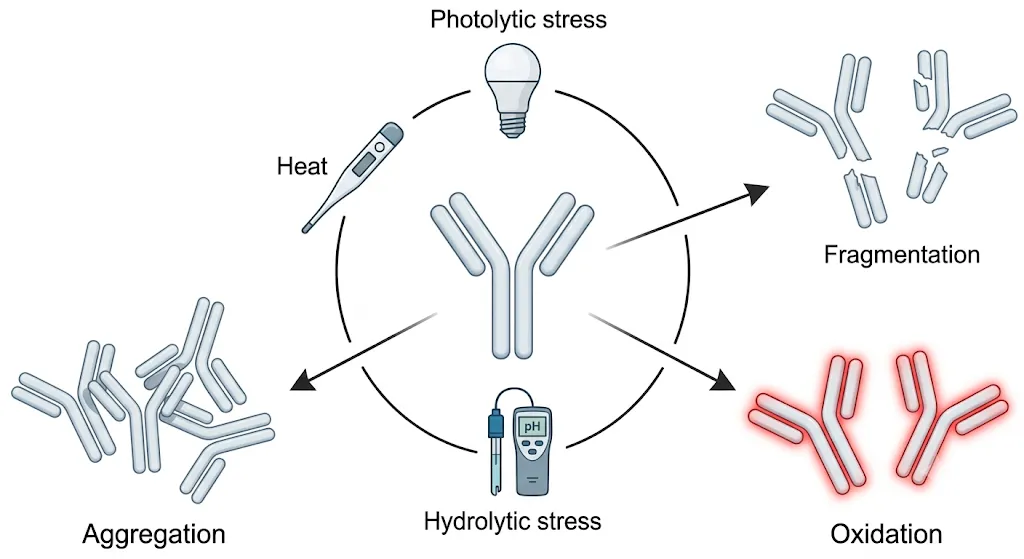
Figure 2: Forced degradation pathways and stress testing in biosimilar development. Subjecting the drug substance to elevated temperatures, pH extremes, oxidative conditions, and light exposure induces specific degradation pathways (aggregation, fragmentation)
• Real-Time and Accelerated Stability Programs
To establish shelf-life and monitor long-term CQA drift, comprehensive stability programs must be executed in strict accordance with ICH Q5C (for biotechnological products) and ICH Q1A (R2) guidelines [4, 8, 20].
- Real-Time Stability Studies: These are conducted at the targeted long-term storage condition (e.g., 2–8 °C for refrigerated monoclonal antibodies) over a period of 12–24 months [4, 8, 20]. Periodic sampling of multiple batches evaluates the actual degradation kinetics of CQAs (such as aggregation, charge heterogeneity, and potency) to prove they drift at a rate comparable to the reference product [19, 20].
- Accelerated Stability Studies: To provide early predictive data on formulation performance, products are exposed to elevated temperatures and humidity (e.g., 25 °C/60% RH or 40 °C/75% RH) for up to six months. Additional physical stress tests—including freeze-thaw cycling, agitation, and transportation simulation—are also integrated to ensure structural robustness during distribution [4, 8, 19, 20].
By integrating forced degradation with real-time and accelerated data, developers build a comprehensive stability dossier that justifies the proposed shelf-life and guarantees the biosimilar's sustained safety and efficacy [4, 8, 19, 20]
7. Data Integration and Statistical Evaluation
Defining exact equivalency margins is essential to establish the objective boundaries for analytical similarity between a biosimilar and its reference drug [23, 24]. Because each Critical Quality Attribute (CQA) possesses a different potential impact on biological activity and safety, regulatory agencies mandate a risk-based, tiered statistical framework rather than applying a universal rule [4, 7].
Table 1: Tiered Statistical Assessment Framework
| Risk Tier |
CQA Risk Level |
Statistical Methodology & Acceptance Criteria |
| Tier 1 |
High-Risk CQAs |
Evaluated via rigorous statistical equivalence testing [4, 7]. The equivalence margin ($\delta$) is typically predefined at $1.5 \times \sigma_R$ (where $\sigma_R$ is the reference standard deviation) [23, 24]. Similarity is proven if the 90% confidence interval for the mean difference falls strictly within $(-1.5\sigma_R, +1.5\sigma_R)$ [23, 24]. |
| Tier 2 |
Moderate-Risk CQAs |
Assessed using quality ranges derived from the reference product's historical distribution (e.g., mean $\pm 3\text{ SD}$) [23, 24]. Similarity is established if at least 90% of the biosimilar's data points fall within this predefined reference range [23, 24]. |
| Tier 3 |
Low-Risk CQAs |
Evaluated using a purely descriptive approach, relying on visual inspections and descriptive comparisons without formal statistical equivalence margins [4, 7]. |
Multivariate Data Integration (PCA and PLS-DA)
Integrating the massive, high-dimensional datasets generated by orthogonal analytical platforms (e.g., SEC, IEX, HILIC, CD, DSC, and LC-MS/MS) requires advanced chemometric and bioinformatics tools [25, 27]. Multivariate analysis minimizes subjectivity by translating complex spectral or chromatographic fingerprints into objective, quantitative similarity scores [25, 26]:
- Principal Component Analysis (PCA): PCA is an unsupervised dimensionality reduction technique. It maps the covariance among correlated analytical variables onto a smaller set of principal components that account for the majority of the variance. In biosimilarity evaluation, PCA acts as a critical exploratory tool to demonstrate the clustering of biosimilar and reference lots, identify analytical outliers, and utilize loading plots to determine which specific CQAs contribute most to overall product variation [22].
- Partial Least Squares-Discriminant Analysis (PLS-DA): PLS-DA is a supervised classification methodology. It utilizes maximum covariance between latent variables to link predictor variables (analytical measurements) with categorical responses (biosimilar vs. reference). It efficiently discriminates between lots exhibiting minor CQA differences and is deployed alongside Tier 1-3 statistical testing to generate comprehensive, data-driven similarity scores [21, 22].
Applying unsupervised and supervised multivariate algorithms alongside tiered statistical equivalence testing provides an objective, highly robust mechanism to prevent false equivalency [21, 22, 27].
8. Case Studies in Biosimilar Approval
The successful regulatory approval of trastuzumab and infliximab biosimilars perfectly illustrates the practical application of a structured, orthogonal, and risk-based analytical program.
• Trastuzumab Biosimilars
Trastuzumab is a humanized IgG1 monoclonal antibody targeting the HER2 receptor, utilized in treating specific breast and gastric cancers. Several biosimilars (e.g., HLX02, CT-P6, ABP 980) successfully demonstrated structural and functional similarities to EU and US-sourced Herceptin® through rigorous orthogonal testing [5, 29].
- Structural Similarity: Intact mass (LC-MS) and peptide mapping confirmed amino acid sequence parity, while a suite of biophysical tools—including Circular Dichroism (CD), Fourier Transform Infrared Spectroscopy (FTIR), Differential Scanning Calorimetry (DSC), and Nuclear Magnetic Resonance (NMR)—verified identical higher-order folding [5, 29].
- Product-Related Variants: Size-Exclusion Chromatography (SEC) paired with Dynamic Light Scattering (DLS) confirmed matching aggregation profiles, while capillary isoelectric focusing (cIEF) demonstrated highly similar charge heterogeneity [5, 29].
- Functional Parity: Because structural similarity alone cannot guarantee biological performance, developers utilized Surface Plasmon Resonance (SPR) to confirm HER2 binding affinity [5, 29]. Crucially, cell-based assays confirmed equivalent antibody-dependent cellular cytotoxicity (ADCC), proving the mechanism of action was preserved [5, 29].
- Outcome: The glycosimilarity indices for these biosimilars consistently registered above 95%, allowing developers to successfully justify the extrapolation of clinical indications [28].
• Infliximab Biosimilars
Infliximab is a chimeric IgG1 monoclonal antibody targeting TNF-$\alpha$. The approval of its biosimilars (e.g., CT-P13 and ABP 710) highlights how the "totality-of-the-evidence" framework handles minor analytical discrepancies [5].
- Orthogonal Strategy: Developers utilized SEC-ESI-QTOF-MS for intact mass and glycosylation profiling, alongside peptide mapping for sequence confirmation and IEX/HIC for charge variants [5].
- Resolving Differences: Comparative studies revealed slight, numerical differences in the levels of specific charge variants and core fucose content [5, 28]. However, because the overarching orthogonal data—supported by functional TNF-$\alpha$ neutralization assays—proved these variations fell within pre-set quality specifications, regulators deemed the differences clinically insignificant [5].
Table 2: Key Analytical Assessment Parameters for Trastuzumab and Infliximab Biosimilars
| Assessment Area |
Trastuzumab Biosimilars |
Infliximab Biosimilars |
| Reference Molecule |
Herceptin® (trastuzumab) |
Remicade® (infliximab) |
| Main Target |
Human epidermal growth factor receptor 2 (HER2) |
Soluble and transmembrane Tumor Necrosis Factor-alpha (TNF-$\alpha$) |
| Primary Structure |
Intact mass (LC-MS) and peptide mapping (LC-MS/MS) |
Intact mass (LC-MS) and peptide mapping (LC-MS/MS) |
| Higher-Order Structure (HOS) |
CD, FTIR, DSC, NMR, and HDX-MS |
Complementary spectroscopy and calorimetry methods |
| Size and Purity |
SEC, DLS, and subvisible particle analysis |
SEC and related purity/variant methodologies |
| Charge and Glycan Analysis |
IEX, iCIEF, and glycan LC-MS / HILIC |
IEX, Hydrophobic Interaction Chromatography (HIC), and glycan analysis |
| Functional Assays |
HER2 binding, proliferation inhibition, Fc-receptor binding, and ADCC |
TNF-$\alpha$ binding/neutralization, reverse signaling, apoptosis, Fc-receptor binding, and ADCC |
| Key Regulatory Lesson |
Strong structural and mechanism-of-action similarity supported the extrapolation of clinical indications. |
A localized functional difference was successfully interpreted and resolved within the "totality-of-the-evidence" framework. |
Formulation and Container-Closure Regulatory Pitfalls
A biosimilar does not legally require an identical formulation to its reference product, but altering excipients or container-closure systems introduces significant regulatory risks [33].
- Formulation Pitfalls: Developers occasionally alter buffer systems (e.g., switching from a citrate buffer to histidine or acetate) to reduce patient injection pain. However, these changes can inadvertently alter protein behaviour, accelerating aggregation, oxidation, or deamidation. If a novel excipient is introduced, regulators will demand extensive toxicological data to prove the new formulation does not alter the degradation pathway or increase immunogenic risk [33].
- Container-Closure Compatibility: The container-closure system—comprising vials, stoppers, seals, prefilled syringes, cartridges, and administration devices—is a critical quality parameter [7, 33]. Compatibility must be conclusively demonstrated with the final formulation, as the primary packaging can profoundly influence protein adsorption, aggregation, oxidation, and the generation of subvisible particles [33]. FDA guidance permits differences in container-closure or delivery systems only when comprehensive extractables and leachables (E&L) testing and stability studies prove they do not introduce clinically meaningful differences [7, 33].
Key Container-Closure Risks:
- Protein Adsorption: The loss of the active biologic onto glass, elastomer, silicone, or polymer surfaces [33].
- Silicone Oil Migration: In prefilled syringes, silicone oil droplets can act as nucleation sites, triggering subvisible particle formation and severe protein aggregation [33].
- Extractables and Leachables (E&L): The migration of chemical entities from elastomeric closures, adhesives, plastics, or device components can degrade product quality and introduce patient safety risks [7, 33].
- Particulate Contamination: The presence of glass delamination flakes, rubber fragments, or silicone droplets significantly heightens immunogenicity concerns [33].
- Permeation and Integrity: Oxygen or moisture ingress accelerates oxidation and hydrolysis, while deficient closure integrity risks microbial contamination during the product's shelf-life [7, 33].
- Device Interaction: Variations in syringe geometry, needle characteristics, dead volume, or injection force can negatively alter dose delivery and administration performance [7].
- Photolytic Exposure: A difference in vial or device opacity may expose the product to light levels that fundamentally change its degradation profile [33].
To mitigate these risks, the final container-closure system must be strictly integrated into the real-time, accelerated, photostability, shipping, and mechanical stress (e.g., agitation, freeze-thaw) stability programs. The final product must be evaluated for potency, purity, aggregation, and charge variants directly after contact with the proposed packaging materials [7, 33]
- Best Practices: To mitigate these risks, developers must conduct rigorous Extractables and Leachables (E&L) testing, execute comprehensive drug-device compatibility profiling, and integrate the final container-closure system directly into the real-time and forced degradation stability programs [33].
9. Emerging Trends and Future Perspectives
9.1 Introduction
Biosimilar development is increasingly augmented by high-resolution analytical platforms and data-driven process technologies. High-resolution mass spectrometry (HR-MS), the Multi-Attribute Method (MAM), artificial intelligence (AI), and machine learning (ML) drastically improve the detection, quantification, and interpretation of subtle microheterogeneity in critical quality attributes (CQAs) [5, 48]. These advanced technologies complement—rather than replace—established orthogonal biophysical and chromatographic methods, reducing residual uncertainty prior to clinical evaluation [5, 48].
9.2 High-Resolution Mass Spectrometry (HR-MS)
9.2.1 Principle and Major Applications
HR-MS utilizes advanced mass analyzers, such as Orbitrap or Quadrupole Time-of-Flight (Q-TOF), to achieve exceptional mass accuracy and resolving power [12, 30]. This allows for the precise separation of complex biomolecular spectra containing overlapping charge states, isotopic distributions, and isobaric post-translational modifications (PTMs) [12, 30].
9.2.2 Major Applications
HR-MS is deployed across multiple structural dimensions [12, 47, 50]:
- Intact and Subunit Analysis: Rapidly maps global molecular weight, significant isoforms, and terminal clipping [12]
- Native MS: Interrogates non-covalent oligomeric states and molecular stoichiometry under non-denaturing conditions [47].
- HDX-MS and Ion-Mobility MS: Investigates regional conformational dynamics, solvent accessibility, and distinct conformational populations by separating ions through a gas phase [47, 50].
9.2.3 CQA Assessment
HR-MS supports the simultaneous or closely integrated assessment of multiple CQAs. However, HR-MS findings must be interpreted alongside orthogonal biophysical and functional assays to determine if a detected modification actually alters receptor binding, stability, or immunogenicity [5].
Table 3: Applications of HR-MS in Critical Quality Attribute (CQA) Assessment
| Critical Quality Attribute (CQA) |
HR-MS Contribution |
| Primary Structure |
Sequence confirmation, molecular mass, substitutions, truncations, and clipping. |
| Oxidation |
Site-specific detection and quantification of oxidized residues. |
| Deamidation |
Localization and measurement of deamidated peptides. |
| Glycosylation |
Glycan composition, site occupancy, and glycoform distribution. |
| Terminal Processing |
Detection of N- or C-terminal variants. |
| Aggregation-Related Species |
Intact or native-MS investigation of selected molecular assemblies. |
| Higher-Order Structure (HOS) |
HDX-MS and ion-mobility information on regional dynamics and conformational states. |
9.3 The Multi-Attribute Method (MAM)
9.3.1 Concept and Workflow MAM is an advanced, LC-MS/MS-based peptide mapping workflow designed to simultaneously assess several molecular attributes within a single analytical procedure [48].
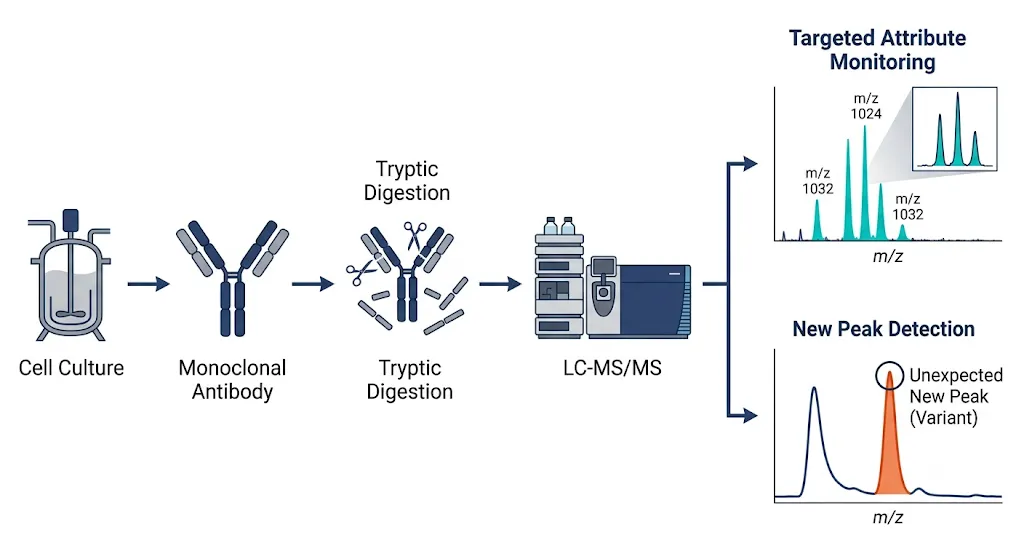
Figure 3: LC-MS/MS Multi-Attribute Method (MAM) workflow for biopharmaceutical characterization.
As illustrated in Figure 3, the MAM workflow conceptually transitions the analytical burden from multiple disparate assays into a streamlined LC-MS/MS framework. Following enzymatic digestion (e.g., using trypsin), the resultant peptides are analyzed using a dual-action approach [48]:
1. Targeted Attribute Monitoring: Directly quantifying predefined PTMs (e.g., methionine oxidation, asparagine deamidation, and lysine glycation).
2. New Peak Detection (NPD): Automatically identifying unexpected chromatographic or mass-spectrometric signals by overlaying the biosimilar profile against a reference standard [48].
9.3.2 Advantages in Biosimilar Development
By identifying modifications at the specific residue level, MAM offers unparalleled molecular specificity [48]. It reduces the need for developing and validating dozens of individual, single-attribute assays. This drastically reduces sample consumption and analytical cycle time while providing early detection of process-related degradation during stability or forced degradation studies [48].
9.4 Artificial Intelligence and Machine Learning in Data Processing
Modern biosimilar dossiers generate terabytes of raw analytical data across orthogonal platforms [54]. AI and ML algorithms (such as Convolutional Neural Networks and Random Forests) optimize baseline subtraction, distinguishing true low-abundance variant signals from background noise, detector drift, and solvent effects far more reliably than manual polynomial fitting [54, 55]. ML models can intelligently pick and classify chromatographic peaks across changing signal-to-noise environments, drastically reducing analyst-to-analyst variability in complex SEC or IEX readouts [54, 55].
Furthermore, AI algorithms aggregate inputs from HR-MS, CD, SEC, and SPR into comprehensive multidimensional models [22, 54]. Unsupervised algorithms like t-Distributed Stochastic Neighbour Embedding (t-SNE) map subtle lot-to-lot relationships, while supervised neural networks isolate the specific analytical features driving separation between reference and biosimilar classes [22, 54].
9.5 Process Analytical Technology (PAT) and Real-Time Monitoring
Within the Process Analytical Technology (PAT) framework, ML algorithms fuse real-time data from Raman spectroscopy, pH sensors, and capacitance probes to create predictive "soft sensors" [56]. These models estimate unmeasured CQAs before an out-of-specification event occurs, enabling adaptive, real-time control of the bioreactor environment [56].
Table 4: AI/ML Integration in Biopharmaceutical Process Analytical Technology (PAT)
| Manufacturing Stage |
Critical Process Parameters (CPPs) Monitored |
AI/ML Predictive Output (Soft Sensors) |
| Upstream Processing |
pH, Dissolved Oxygen, Temperature, Feed Rate, Osmolality |
Prediction of viable cell density, metabolic state, and expected glycosylation drift. |
| Chromatographic Purification |
Loading time, Residence time, Buffer conductivity |
Prediction of column breakthrough, aggregate removal efficiency, and HCP clearance. |
| Ultrafiltration / Diafiltration |
Pressure, Filtration flux, Membrane fouling |
Prediction of final concentration, viscosity, and shear-induced aggregation risk. |
9.6 Regulatory and Practical Challenges
While transformative, AI and MAM face significant regulatory hurdles [48, 54]. AI models are fundamentally constrained by the quality of their training data; process transfers or new cell banks can cause "data drift," rendering predictive models inaccurate [54]. Regulators mandate that AI models cannot function as "black boxes." Implementation requires version-controlled algorithms, robust audit trails, and independent validation sets, ensuring that machine-generated similarity scores support—rather than replace—scientific judgment and predefined acceptance criteria [48, 54].
CONCLUSION
Orthogonal characterization forms the scientific bedrock for demonstrating that a biosimilar is highly similar to its reference biologic, devoid of clinically meaningful differences [4, 5]. Because therapeutic proteins inherently exhibit microheterogeneity—driven by post-translational modifications, aggregation, and degradation—relying on a single analytical platform is insufficient [5, 12]. Deploying independent methods governed by diverse physicochemical and biological principles is mandatory to resolve the complete quality profile, evaluate Critical Quality Attributes (CQAs), and minimize residual uncertainty within the regulatory "totality-of-the-evidence" framework [4, 7].
Ensuring Clinical Safety Orthogonal analysis mitigates safety risks by pinpointing product-related variants that could precipitate immunogenicity or alter pharmacokinetics [7, 19]. Complementary platforms—ranging from SEC for high-molecular-weight aggregates to LC-MS/MS for deamidation—ensure that the biosimilar's degradation pathways precisely align with the reference product under both real-time storage and forced-stress conditions [17, 18]. This risk-based interpretation distinguishes acceptable manufacturing variation from deviations requiring immediate clinical investigation [7].
Guaranteeing Therapeutic Efficacy By rigorously linking molecular structure to biological function, this analytical framework guarantees clinical efficacy [15]. While biophysical tools (e.g., CD, HR-MS) verify conformational and structural parity, Surface Plasmon Resonance (SPR) and cell-based bioassays confirm that these structural attributes successfully translate into equivalent mechanisms of action, such as target binding, ADCC, and CDC [5, 15, 16].
Driving Global Affordability High-resolution analytical similarity studies front-load the biosimilar risk assessment process [4]. By robustly proving similarity at the molecular level, developers can scientifically justify highly targeted, abbreviated clinical programs [4, 19]. This analytical efficiency drastically reduces development timelines and financial overhead, directly translating into more affordable and accessible therapeutics for global healthcare systems [19].
Future Perspectives
The integration of next-generation technologies—specifically High-Resolution Mass Spectrometry (HR-MS), the Multi-Attribute Method (MAM), and AI-driven Process Analytical Technology (PAT)—will continue to elevate the precision of biosimilar characterization [48, 54]. Ultimately, orthogonal characterization translates extreme molecular complexity into actionable, reliable evidence, ensuring that biosimilars remain safe, effective, and broadly accessible to patients worldwide [5, 31, 48].
REFERENCES
- Farhat F, Torres A, Park W, et al. The concept of biosimilars: From characterization to evolution—A narrative review. The Oncologist. 2018;23 (3):346-352.
- U.S. Food and Drug Administration. Biosimilars info sheet: Level 1—Foundational concepts: Generics and biosimilars. U.S. Department of Health and Human Services; 2024.
- European Medicines Agency, European Commission. Biosimilars in the EU: Information guide for healthcare professionals. European Medicines Agency; 2017.
- World Health Organization. Guidelines on evaluation of biosimilars. In: WHO Expert Committee on Biological Standardization: Seventy-fifth report (WHO Technical Report Series, No. 1043, Annex 3). World Health Organization; 2022. p. 117-188.
- Nupur N, Joshi S, Guillarme D, Rathore AS. Analytical similarity assessment of biosimilars: Global regulatory landscape, recent studies and major advancements in orthogonal platforms. Front Bioeng Biotechnol. 2022; 10:832059.
- Rathore AS, Suryanarayanan R, Nejadnik R, et al. Best practices for performing analytical and functional biosimilarity assessment of recombinant monoclonal antibody biosimilars. AAPS J. 2026;28 (2):62.
- U.S. Food and Drug Administration. Development of therapeutic protein biosimilars: Comparative analytical assessment and other quality-related considerations—Guidance for industry. U.S. Department of Health and Human Services; 2019.
- U.S. Food and Drug Administration. Biosimilars info sheet: Level 2—Regulatory and scientific concepts: Evaluating quality attributes and performing the comparative analytical assessment. U.S. Department of Health and Human Services; 2024.
- Simon CG, Borgos SE, Calzolai L, et al. Orthogonal and complementary measurements of properties of drug products containing nanomaterials. J Control Release. 2023; 354:120-127.
- Wu K, Pan H, Li C, et al. An evaluation roadmap for critical quality attributes from tier 1 in analytical similarity assessment. PLoS One. 2018;13 (12): e0208354.
- Cymer F, Beck H, Reusch D. Therapeutic monoclonal antibody N-glycosylation - Structure, function and therapeutic potential. Biologicals. 2018; 52:1-11.
- Castel J, Delaux S, Hernandez-Alba O, Cianférani S. Recent advances in structural mass spectrometry methods in the context of biosimilarity assessment: From sequence heterogeneities to higher order structures. J Pharm Biomed Anal. 2023; 236:115696.
- Cao J, Sun W, Gong F, Liu W. Charge profiling and stability testing of biosimilar by capillary isoelectric focusing. Electrophoresis. 2014;35 (10):1461-1468.
- Wu G, Yu C, Wang W, et al. Mass spectrometry-based charge heterogeneity characterization of therapeutic mAbs with imaged capillary isoelectric focusing and ion-exchange chromatography as separation techniques. Anal Chem. 2023; 95:2548-2560.
- Cytiva. Defining similarity: The role of surface plasmon resonance in biosimilar development and validation. Cytiva Insights; 2026.
- Karlsson R, Fridh V, Frostell Å. Surrogate potency assays: Comparison of binding profiles complements dose response curves for unambiguous assessment of relative potencies. J Pharm Anal. 2018;8 (2):138-146.
- Blessy M, Patel RD, Prajapati PN, Agrawal YK. Development of forced degradation and stability indicating studies of drugs—A review. J Pharm Anal. 2014; 4:159-165.
- Dyck YFK, Rehm D, Joseph JF, et al. Forced Degradation Testing as Complementary Tool for Biosimilarity Assessment. Bioengineering. 2019; 6:62.
- Aithal R, Majedi OM, McCarthy D, et al. Review of quality attributes and analytical methods used for comparative analytical assessment of monoclonal antibodies as part of successful biosimilar approvals in the United States and European Union. BioDrugs. 2026;40 (4):713-732.
- International Council for Harmonisation (ICH). Stability testing of new drug substances and products Q1A (R2). ICH Harmonised Tripartite Guideline; 2003.
- Burdick RK, Coffey T, Gutka H, et al. Statistical approaches to assess biosimilarity from analytical data. AAPS J. 2017;19 (1):4-14.
- Rathore AS, Singh S, Ramani M. Use of multivariate data analysis in bioprocessing. BioPharm Int. 2015;28 (4):26-31.
- Chow SC, Song F, Bai H. Analytical similarity assessment in biosimilar studies. AAPS J. 2016;18 (3):670-677.
- Yang H, Novick S, Burdick RK. On statistical approaches for demonstrating analytical similarity in the presence of correlation. PDA J Pharm Sci Technol. 2016;70 (6):547-559.
- Ghasriani H, Hodgson DJ, Brinson RG, et al. Biosimilar structural comparability assessment by NMR: From small proteins to monoclonal antibodies. Sci Rep. 2016; 6:32201.
- JASCO. qHOS - Higher order structure similarity evaluation software. JASCO Global.
- Rathore AS, Joshi S, Nupur N, et al. Taking the individual bias out of examining comparability of biosimilars: A case study on monoclonal antibody therapeutics. Int J Biol Macromol. 2023; 227:124-133.
- Shrivastava A, Patil SS, Shah R, Rathore AS. An automated tool for glycosimilarity assessment of mAb therapeutic biosimilars: Trastuzumab and bevacizumab as case studies. BioDrugs. 2025;39 (2):333-345.
- Xie L, Zhang E, Xu Y, et al. Demonstrating analytical similarity of trastuzumab biosimilar HLX02 to Herceptin® with a panel of sensitive and orthogonal methods including a novel FcγRIIIa affinity chromatography technology. BioDrugs. 2020;34 (3):363-379.
- Beck A, Debaene F, Diemer H, et al. Cutting-edge mass spectrometry characterization of originator, biosimilar and biobetter antibodies. J Mass Spectrom. 2015;50 (2):285-297.
- Niazi SK. Molecular biosimilarity—An AI-driven paradigm shift. Int J Mol Sci. 2022;23 (18):10690.
- Shatat SM, Al-Ghobashy MA, Fathalla FA, et al. Coupling of Trastuzumab chromatographic profiling with machine learning tools: A complementary approach for biosimilarity and stability assessment. J Chromatogr B. 2021; 1184:122976.
- Kirchhoff CF, Wang XM, Conlon HD, et al. Biosimilars: Key regulatory considerations and similarity assessment tools. Biotechnol Bioeng. 2017;114 (12):2696-2705.
- Markus R, Fell PB, Anderson T, et al. Evaluating the totality of evidence in biosimilar development. BioDrugs. 2017;31 (3):175-187.
- Bielsky MC, Cook A, Wallington A, et al. Streamlined approval of biosimilars: moving on from the confirmatory efficacy trial. Drug Discov Today. 2020;25 (11):1910-1918.
- Alt N, Zhang TY, Motchnik P, et al. Determination of critical quality attributes for monoclonal antibodies using quality by design principles. Biologicals. 2016;44 (5):291-305.
- Webster CJ, Woollett GR. A 'whole of evidence' approach for the evaluation of biosimilars: target approval without confirmatory clinical trials. BioDrugs. 2017;31 (4):275-278.
- Fekete S, Guillarme D, Sandra P, Sandra K. Chromatographic, electrophoretic, and mass spectrometric methods for the analytical characterization of protein biopharmaceuticals. Anal Chem. 2016;88 (1):480-507.
- Berkowitz SA, Engen JR, Mazur MT, Amster IJ. Analytical tools for characterizing biopharmaceuticals and the implications for biosimilars. Nat Rev Drug Discov. 2012;11 (7):527-540.
- Vanderlaan M, Bussiere JL, Rahman A, et al. Experience with targeted risk-based testing in biologic drug development. BioDrugs. 2018;32 (4):353-364.
- Rogstad S, Faustino A, Pang E, et al. A retrospective evaluation of the use of mass spectrometry in FDA biologics license applications. J Am Soc Mass Spectrom. 2017;28 (5):786-794.
- Planinc A, Bones J, Dejaegher B, et al. Analytical methodology for the quality assessment of monoclonal antibody therapeutics. Anal Chim Acta. 2016; 921:13-27.
- Arthur KK, Dinh N, Tetreault H, et al. Analytical technologies for mapping higher-order structure in biotherapeutics. Bioanalysis. 2015;7 (12):1531-1550.
- Nowak C, Cheung JK, Dellatore SM, et al. Forced degradation of recombinant monoclonal antibodies: a practical guide. MAbs. 2017;9 (8):1217-1230.
- Du Y, Walsh A, Ehrick R, et al. Chromatographic analysis of the acidic and basic species of recombinant monoclonal antibodies. MAbs. 2012;4 (5):578-585.
- Reusch D, Tejada ML. Fc glycans of therapeutic antibodies as critical quality attributes. Glycobiology. 2015;25 (12):1325-1334.
- Terral G, Beck A, Cianférani S. Insights from native mass spectrometry and ion mobility-mass spectrometry for antibody and antibody-drug conjugate characterization. J Chromatogr B. 2016; 1032:79-90.
- Rogers RS, Nightlinger NS, Livingston B, et al. Development of a quantitative mass spectrometry multi-attribute method for characterization, quality control testing and disposition of biologics. MAbs. 2015;7 (5):881-890.
- Houde D, Berkowitz SA, Engen JR. The utility of hydrogen/deuterium exchange mass spectrometry in biopharmaceutical comparability studies. J Pharm Sci. 2011;100 (6):2071-2086.
- Kadek A, Tretyachenko V, Mrazek H, et al. Mass spectrometry and hydrogen/deuterium exchange in biopharmaceutical analysis. J Pharm Biomed Anal. 2014; 89:47-59.
- Wagner M, Holz M, Mathias S, et al. Asymmetrical flow field-flow fractionation in the biopharmaceutical industry. Anal Chem. 2014;86 (11):5201-5210.
- Liu J, Andya JD, Shire SJ. A critical review of analytical ultracentrifugation and field flow fractionation methods for measuring protein aggregation. AAPS J. 2006; 8 (3): E580-E589.
- Farnan D, Moreno GT. Multiproduct high-resolution monoclonal antibody charge variant separations by pH gradient ion-exchange chromatography. Anal Chem. 2009;81 (21):8846-8857.
- Sha S, Zhang S, Dong X, et al. Artificial intelligence in biopharmaceutical manufacturing. Biotechnol Adv. 2023; 67:108198.
- Melnikov SM, Borysova AV, Melnikova EN. Machine learning for peak detection in liquid chromatography-mass spectrometry. Anal Chem. 2022;94 (1):234-245.
- Kirdar AO, Chen G, Weidner J, Rathore AS. Application of near-infrared (NIR) spectroscopy for screening of raw materials used in the cell culture medium for the production of a recombinant therapeutic protein. Biotechnol Prog. 2010;26 (2):527-531.




 10.5281/zenodo.23465589