

We use cookies to ensure our website works properly and to personalise your experience. Cookies policy
Shiva Institute of Pharmacy, Luhnoo Kanatain, Chandpur, Bilaspur, Himachal Pradesh, India, 174004
Anogeissus latifolia (Roxb. ex DC.) Wall. ex Guill. & Perr. is a member of the Combretaceae family. As a widely distributed tree across the Indian subcontinent, this tree is important to medicine. It is utilized in the Ayurveda and folk/traditional medicine and treats gastrointestinal issues, wounds, infections, inflammation, diabetes, and fever. From A. latifolia’s traditional use and the modern scientific interest, it is apparent that A. latifolia contains bioactive, therapeutic compounds. The aim of this review is to highlight the ethnobotanical importance and the taxonomy, phytochemistry, and the pharmacology of A. latifolia. A. latifolia has many phytochemicals: phenolic compounds, flavonoids, tannins, terpenoids, saponins, and alkaloids. Some of the bioactive compounds of A. latifolia are gallic acid, ellagic acid, quercetin, rutin, catechin, and tannic acid. The pharmacological effects are very diverse as the compounds exhibit antioxidant, antimicrobial, and anti-inflammatory effects, along with being antidiabetic and antiulcer. A. latifolia also has a diverse therapeutic range in that it aids in wound-healing and is hepatoprotective, nephroprotective, anticancer, analgesic, antipyretic, anthelmintic, and has neuroprotective and anticonvulsant effects. This species also has a large economic benefit because it produces timber, tannins, and fodder, as well as the commercially important gum, ghatti. Based on the research conducted from preclinical studies on A. latifolia, there is a need for further research to isolate the phytochemicals, conduct mechanistic studies, toxicity studies, and clinical trials to support the therapeutic use of A. latifolia and to ensure it is safe for use. In general, the tree shows industrial and ecological significance, enhancing its valuation for future drug development.
Since the origin of human societies, plants have provided for the most fundamental of needs, health care. Plant extracts have historically been the first line of defense for people needing to treat illness. This dependency on plants for health care is part of the legacy of many cultures, and it is also part of the basis for systems of traditional medicine such as Ayurveda, Siddha, Unani, Traditional Chinese Medicine and other styles of native healing [1]. Even today, in developing nations especially, plants are often the primary medicine. While modern medicine continues to develop and become more readily available, plants are being recognized once again for their healing properties. Medicinal plants have the potential to be vital resources for discovering innovative and effective treatments. Estimates from the World Health Organization (WHO) have revealed that a large part of the world relies on traditional and herbal medicines. This is probably because herbal medicines are generally less expensive and integrated in the culture, as well as easier to access. Furthermore, patients think that herbal medicine is less likely to produce side effects. Herbal medicine is safer when compared to synthetic medicine. Some of the herbal constituents have bioactive elements, such as, alkaloids, flavonoids, saponins, tannins, terpenoids, and glycosides among others. These biochemicals are responsible for the therapeutic actions of the plants, and they also play a role in modern medicine. Some of the popular and commonly used medicines like, Aspirin, Morphine, Quinine, Digoxin, and Paclitaxel, support the significance of plant-based resources in the development of newer therapies for modern medicine [2].
The increasing focus on the chronic illnesses caused by metabolism and cancer, as well as antimicrobial resistance, have intensified these efforts. There is a growing interest in the scientific community to study the medicinal plants and discover the active constituents that possess the desired Antioxidant, Anti-Inflammatory, Anti-Microbial, Anti-Diabetic, Hepato-Protective, Cardio-Protective, Neuro-Protective, and Anti-Cancer constituents and drugs. The advancements in Phytochemistry, Molecular Biology, and Pharmacology have contributed to a better understanding of the mechanisms that underlie scientific medicine [3]. Today, many of the plants that have historically been used in traditional medicine are being evaluated scientifically to confirm the therapeutic actions of these plants and are being integrated into the modern healthcare system. India is one of the most biodiverse places on the planet, which is also remarkable for the number and variety of its herbal medicines. It has thousands of types of medicinal plants, which grow in all sorts of ecosystems, from the tropical forests to the alpine environments. Many of these have been used for a great many years in both Ayurveda and folk medicine, and many of them are the subjects of scientific studies to discover their medicinal properties. Anogeissus latifolia is one of these many important herbal resources and has great ethnomedicine and pharmacology potential [4-6].
1.1 Botanical Introduction to Anogeissus latifolia
Anogeissus latifolia (Roxb. ex DC.) Wall. ex Guill. & Perr., known by many regional names including Axlewood Tree, is a Combretaceae family member. The genus Anogeissus includes species found in Africa, and in the tropics and subtropics of Asia, with A. latifolia being among the most economically valuable and dispersed species of the Indian subcontinent. It is a medium to large sized deciduous tree with a large crown. The continued distribution of this species from the Indian subcontinent extends to Nepal, Sri Lanka, and Southeast Asia. The tree is found in dry deciduous forests and in woodlands that are mixed [7].
A. latifolia generally has a height of 15 - 25 m. and has a long, straight, cylindrical trunk. The bark of older trees is rough, and fissured, while the younger trees have a smooth bark. The broad, pale green, elliptical, and ovate leaves are somewhat simple, and are opposite. The small, greenish-yellow, and flowering heads are globose and are the flowering heads of the tree. These flowering heads develop into winged fruit that are used for the dispersal of seed. This species is highly variable and easily adapted to a range of environments including those that are seasonal and experience drought and high temperatures. These adaptations make A. latifolia and resilient species of the dry tropical forests. In traditional medicine and rural livelihoods, Anogeissus latifolia has been prominent. The plant’s bark, leaves, gum, roots, and fruits have been used for the treatment of many ailments. The bark decoctions have been used by traditional healers for the management of diarrhea, dysentery, and wounds as well as for skin infections and inflammatory process. Leaf preparations have been used as antimicrobial and wound healing agents. The gum exudate has been used in some pharmaceutical preparations as well as in preparations of food and has been used in some traditions of therapy. Anogeissus latifolia gum exudate is considered an important ethnomedicinal resource in many tribal communities and is still used in the management of gastrointestinal disorders and fever as well as for the treatment of ulcers and some other common health problems. The medicinal value of A. latifolia is associated with the rich phytochemistry of the plant. There are many bioactive constituents in A. latifolia, including tannins, flavonoids, phenolic acids, triterpenoids, glycosides, among other secondary metabolites. Tannins are some of the most abundant constituents of A. latifolia, and are believed to impart its antimicrobial, antioxidant, and anti-inflammatory properties. The therapeutic effects of A. latifolia documented in many experimental studies can also be attributed to the presence of some of the phenolic compounds such as gallic acid, ellagic acid, quercetin, and rutin [8-10].
During the last few decades there has been an increasing focus of research on the pharmacological potential of A. latifolia. A number of studies have experimentally confirmed the presence of antioxidant capacity by scavenging free radicals and decreasing the level of oxidative stress in extracts of different parts of the plant. In the antimicrobial tests, extracts inhibited the growth of several clinically relevant bacterial and fungal pathogens. The results support the use of these extracts in traditional medicine for the treatment of infectious diseases. Extensive research shows the presence of anti-inflammatory, antidiabetic, hepatoprotective, wound-healing, antiulcer, nephroprotective, and anticancer potential in the extracts. This research not only bolsters the evidence of the traditional applications of A. latifolia, but it also underscores its importance as a resource of pharmacological compounds [11].
2. Taxonomy and Botanical Description
For the responsible application, conservation, and study of medicinal plants, taxonomic identification and characterization are essential. Plant classification, or taxonomy, structures classifications of plants according to their relationships and helps people of different discourse fields communicate. This is especially useful for the medicinal community and practitioners who utilize traditional remedies. For Anogeissus latifolia (Roxb. ex DC.) Wall. ex Guill. & Perr. to understand taxonomy, nomenclature, and distribution as well as ecology, morphology, and the impact of each of these on the phytochemistry and ecological of A. latifolia is essential. As a member of Combretaceae, A. latifolia is important to the Indian subcontinent and is ethnomedicinal, industrial, and ecological important as it has a widespread distribution and has extensive applications [12].
2.1 Taxonomic Classification
Anogeissus latifolia is a member of the family Combretaceae. This family has about 20 genera and over 600 species that are primarily found in the tropics and subtropics. This family has medicinally important and ecologically valuable members, many of which have significant pharmacological properties. This genus has a small number of trees and shrubs that are adapted to arid and semi-arid environments. Of this genus, A. latifolia is one of the most widespread and economically significant taxa of South Asia [13]. The taxonomic classification of Anogeissus latifolia is as follows:
Table 1: Taxonomic classification of Anogeissus latifolia
|
Kingdom |
Plantae |
|
Subkingdom: |
Tracheobionta |
|
Division |
Magnoliophyta |
|
Class |
Magnoliopsida |
|
Order |
Myrtales |
|
Family |
Combretaceae |
|
Genus |
Anogeissus |
|
Species |
Anogeissus latifolia (Roxb. ex DC.) Wall. ex Guill. & Perr. |
The original description was provided by William Roxburgh, followed by a formal taxonomy. The remaining botanists are acknowledged in the plant's nomenclature. Anogeissus, as part of the Combretaceae family, shows similarity to the other two genera, Terminalia and Combretum, by having simple leaves, small flowers, and special fruit. Although, A. latifolia shows distinct vegetative and reproductive structures and differentiates itself from the family. Further studies of the species' molecular and phylogenetic placement supported the family. When the taxon is a medicinal plant, it is crucial to determine the exact species because the wrong identification may produce very different phytochemicals and change the medicinal properties [14].
2.2 Vernacular Names
The wide distribution of Anogeissus latifolia has resulted in many common names due to the variety of languages and cultures across its range. The names reflect the culturally embedded nature of the species in household healthcare, livelihoods, and local networks of knowledge. In the northern and central regions of India where Hindi is spoken, the tree is referred to as “Dhaura” and “Dhawa.” In Sanskrit, it is designated “Dhava,” an appellation seen throughout Ayurvedic texts. In Marathi, it is referred to as “Dhawda;” in Telugu, “Dindiga;” in Kannada, “Dindal;” and in the Tamil language, “Vekkali” and their cognates. Certain tribal communities may have other names based on dialect and geography. The many names show how well known and important the species is to local communities. When identifying plants, healers will often use common names rather than the scientific names. Because of this, it is critical to include these names in ethnobotanical research. These names reflect the species’ historical and cultural relevance. Often, communities will recognize the species as not just a medicinal plant, but also a provider of fodder, timber, fuelwood, tannins, dyes, and gum. Because of this, the plant is an important component to a community’s customs and their systems of resource management [15-17].
2.3 Geographical Distribution
Anogeissus latifolia is mainly found in South Asia and in small parts of Southeast Asia. South Asia is where most of the distribution occurs, and particularly in India, where the species exists in several ecological zones and forest types. Because of the forest types and ecological zones, the distribution exists from the foothills of the northern Himalayas in India to the southern peninsular India. In central India, and particularly, the dry deciduous forests, Anogeissus latifolia is found abundantly in Madhya Pradesh, Maharashtra, Chhattisgarh, Rajasthan, Jharkhand, Gujarat, Uttar Pradesh, Odisha, Andhra Pradesh, Telangana, Karnataka, and Tamil Nadu. Outside of India Anogeissus latifolia is found in Sri Lanka and Nepal, while it has also been reported in some parts of Myanmar and other neighboring countries. The species has the ability to survive and grow in changing climatic conditions and in different ecological zones and forests. This is further proven as the species can survive in the plains as well as in the highlands, of over 1000 meters above sea level. Anogeissus latifolia has thus, gained the potentiality of growing in large geographic regions [18].
2.4 Habitat and Ecology
The ecological flexibility of Anogeissus latifolia is impressive. As a dominant and frequent component of tropical dry deciduous forests, it appears in mixed forest communities. It prefers dry, high-temperature, and low moisture conditions. These conditions are present in central and southern India where the species is most abundant. Anogeissus latifolia has good drought resistance and water scarcity tolerance due to its ability to conserve and utilize water efficiently, as well as morphological and physiological characteristics. Its deciduous nature is an adaptation for conserving moisture. Like other A. latifolia, it is leafless during the dry season, and, unlike other less drought resistant species, it is productive during long-season drought [19].
The species is quite versatile and resists aridity. Its resistance to dry, sandy, and gravely soils makes it useful for afforestation and land restoration because most of its preferred habitats are low to moderate in soil fertility. It provides many of the Troopers: mammals, birds, and insects, as well as micro-fauna and -flora, with food and shelter. It also helps improve the soil and maintains moisture content. It increases the biodiversity of the area and helps the ecosystem recover. In most species, flowering occurs in the warmer months, while fruiting takes places afterwards, and is typically associated with seed dispersal. Pollination, in this species, is mainly carried out by insects, which are attracted to the small, but abundant flowers. The lightly winged fruits of this species assist in wind dispersal, which is an efficient trait for colonizing new habitats. Useful features such as these enhance the regeneration and the persistence of the species in the wild [20].
2.5 Morphological Characteristics
Anogeissus latifolia is a deciduous medium- to large-sized tree with several distinct morphological features. Normally, the height of the tree is from 15 m to 25 m, but some lucky trees may have the potential to grow to a greater height. The trunk has a robust straight and cylindrical trunk. The bark is a smooth grayish-brown to dark brown in younger trees, but in older trees the bark becomes rough, fissured and irregularly cracked to protect the tree from physical and environmental stress. Older trees can have a widespread and rounded crown, and a large and extensive shade and habitat providing canopy. The leaves of Anogeissus latifolia are simple, opposite, and broadly elliptic or ovate, measuring between 2 and 8 cm in length. They can have smooth surfaced, entire, or dark green, upper and light lower surfaces; the leaves are shed during the dry season. The flowers are small and, greenish-yellow, appearing in the leaf axils as compact spheres. Even though the individual flowers of A. latifolia are small, the large number of flowers contribute to the flower's success, and the structure encourages a variety of insect pollinators. The fruits are small, dry, winged structures that allow for wind dispersal. Each fruit bears a single seed, which is protected by the fruit. This species' unique winged structure aids in the efficiency of dispersal and contributes to the spp. widespread distribution. The root system is highly developed and able to access deep soil structures, allowing for access to water during dry spells. The extensive root architecture aids in drought resistance and soil stabilization. The combined morphological features of Anogeissus latifolia and its unique taxonomic structure help to display its adaptability to ecosystems of tropical dry forests and its ecological success, economic significance, and its medicinal properties [21].
3. Ethnobotanical Significance
Anogeissus latifolia (Roxb. ex DC.) Wall. ex Guill. & Perr. (Dhava, Dhauara, Axlewood tree), are widely celebrated among the tree species indigenous to the Indian sub-continent and enjoyed popularity in the Indian sub-continent’s traditional economy, medicine, and ethnoveterinary practices. The ethnobotanical history of A. latifolia is also rich because a variety of communities along the Indian, Nepalese, and Sri Lankan borders have used different parts of the tree, including exuded gum, to satisfy a variety of socioeconomic needs. Its longstanding and growing popularity are a testament to traditional Indian systems of medicine, especially the Ayurveda system, where the tree was documented, among other things, for its medicinal properties. The tree is covered in a sacred scripture of Ayurveda literature, “Dhava,” where it is ascribed generous properties of healing, and cooling. The bark of A. latifolia is an excellent source of tannins and polyphenols and finds its way to many Ayurvedic formulations for the treatment of dysentery, bleeding, ulcers, and other inflammatory conditions. As an Indian system of medicine, Ayurveda, bark extracts have been used for the healing of wounds. The leaves are said to aid in the healing of skin diseases. Recommended traditional formulations incorporating A. latifolia suggest their addition for improving oral hygiene, reducing inflammation, and supporting overall health. These also illustrate the wide range of potential therapeutic uses for the plant in classical Indian medicine [22-24].
In both informal and traditional medical settings, A. latifolia is very important beyond the official confines of Ayurveda. Communities in central, western, and southern India, especially those that are forest dwelling, have a wealth of knowledge in preserving the medicinal uses of these plants. Tribal healers utilize barks to form a decoction to help with digestive problems such as diarrhea, dysentery, and stomach pain. They also use it to treat intestinal infections and fever as well as inflammation. A lot of the rural communities grind the bark into powder and apply it to wounds and ulcers. The powder helps with the healing and also prevents infection. A lot of healers use pastes of the leaves to treat cuts, burns, and boils and to help with skin eruptions. They use the leaf casts to help with pain and inflammation that are local and not systemic. Some use the roots to help urinary problems and also to address issues with the reproductive system, but these are not as well documented as the bark and leaves. Of note in traditional medicine, the gum exudates are a restorative to help strengthen and heal a person after an illness. The gum is also used to help with digestive problems. A. latifolia is also used for treating a cough, respiratory infections, diabetes, and rheumatism. The continuation of these traditions through the ages demonstrates the faith local communities have placed in the plant's medicinal qualities, as well as its vital role in providing low-cost, convenient health care [25].
The ethnobotanical significance of A. latifolia includes ethnoveterinary medicine. Ethnoveterinary medicine focuses on the use of natural medicines for the treatment of animal diseases and is therefore equally important for the healthcare of rural communities. Because livestock are integral to the sustenance and financial means of rural communities, the lack of available or affordable modern veterinary services means that medicinal plants have traditionally been relied upon for the maintenance of animal health. The ethnoveterinary literature states that diarrhea, dysentery, and gastrointestinal problems of cattle, buffaloes, goats, and sheep can all be treated using the bark of A. latifolia. Bark decoctions can be given to the animals to drink and to improve animal health. The leaves of the plants can be extracted and prepared to be used to treat wounds, cuts, and skin infections. The leaves and bark of A. latifolia have been used by traditional livestock owners to treat cases of inflammation and injuries of low severity. The gum that has been exuded from the tree can be made into a feed supplement to increase the health of livestock that have been sick or weakened by illness. The gum can also be given to livestock as a tonic. The antimicrobial and astringent properties of A. latifolia are used for treatment in rural livestock medicine. Apart from the medicinal value that Anogeissus latifolia offers, it provides other economic benefits as it has a high multipurpose value. From a commercial perspective, extraction of ghatti gum from the bark is a significant form of trade. Ghatti gum is a product of natural exudate. Ghatti gum is in high demand due to its natural properties of binding, stabilizing, thickening and gum. These properties make it an important component in the textile, printing, and cosmetic industry. In the food industry, ghatti gum is a thickening agent and in the pharmaceutical industry, it is a stabilizing and binding agent. A positive side to the high demand for ghatti gum and natural polymers is the economic growth of the forest communities. This is further supported by the wood of A. latifolia. It is a hard and durable timber that is used in making tool handles, furniture, building materials, and carts. Due to A. latifolia’s timber being very strong and very durable, it is also used to make vehicle axles. Rural communities use the timber as a source of fuel and charcoal as it has a high calorific value [26-28].
4. Phytochemistry
The ability to provide therapy and the ethnomedical value of Anogeissus latifolia are because of the plant's rich variety of phytochemicals. Phytochemical studies of the various plant parts (bark, leaves, roots, fruits, and gum exudates) have shown that these segments have primary and secondary metabolites that are responsible for its biological activity. Primary metabolites have an essential role in the plant's growth, development and metabolism. In A. latifolia these can be seen in its carbohydrates, proteins, amino acids, and lipids, which support its physiological functions and are precursors for the secondary metabolites of its physiological processes. Carbohydrates are the large constituents in the plant's tissue and gum exudates, and give it structural and energy reserve. Amino acids and proteins are constituents of cellular metabolism and lipids are constituents of cell membranes. While primary metabolites have little to no role in pharmacological activity, they are important for the plant's vitality and help in the synthesis of medicinally important species. The secondary metabolites, which are important in pharmacology, are also synthesized by the plant as a defense mechanism of the environment, stresses, and herbivores. These are a basis of many of the phytochemicals, are highly biologically active, and are the source of many therapies that A. latifolia can provide [29].
Phenolic Compounds are Secondary Metabolites in A. latifolia. While there are many classes of secondary metabolites in A. latifolia, one of the most abundant and important groups are the phenolic compounds. Phenolic compounds contain one or more hydroxyl groups and one or more aromatic rings. They are known to have antioxidant activity. Studies have shown the presence of phenolic acids, such as gallic and ellagic acids, in the bark and leaves of A. latifolia. These compounds are also known to have wonderful free radical scavenging activity and provide the plant with the ability to decrease oxidative stress. In addition to their free radical scavenging activity, phenolic compounds exhibit antimicrobial, anti-inflammatory, hepatoprotective, cardioprotective, and anticancer activity. The extracts of A. latifolia show a plethora of activity based on the high levels of phenolics. In addition to phenolics, flavonoids are also an important class of bioactive constituents present in the plant. Flavonoids are also polyphenolic compounds and are known to have a wide distribution in nature and a wide range of biological activities. Studies have shown the presence of the flavonoids quercetin and rutin and their derivatives in A. latifolia. These compounds, among other activities, have potent antioxidant activity due to their ability to target and destroy reactive oxygen species, which, in turn, puts cellular components at great risk of oxidative damage. Flavonoids also have anti-inflammatory, antimicrobial, antidiabetic, and neuroprotective and anticancer activities and are important due to the many biochemical pathways they have the ability to influence. These properties also contribute to the overall important therapeutic activity of A. latifolia Fig.1 [30].
Tannins, another prominent class of secondary metabolites found in Anogeissus latifolia, are recognized as some of the most characteristic phytochemicals for the species. The bark of the tree contains high amounts of hydrolysable and condensed tannins and is responsible for the significant astringent characteristic of the bark. Tannins cause the precipitation of proteins and the formation of a protective barrier over damaged tissues, which is also responsible for their use in healing wounds and in the treatment of some diseases like diarrhea and dysentery. Tannins also have antimicrobial activity toward a number of pathogenic microorganisms and have been described as having antioxidant and anti-inflammatory activities. The tanning industry also provides a source of income for A. latifolia because of its high tannin content. Another important phytochemical constituent of the species is terpenoids, a class of phytochemicals which are made of units of isoprene. Terpenoids are known to defend plants and also have multiple pharmacological activities and, in an early investigation of the phytochemistry of A. latifolia, the presence of triterpenoids and terpenoids was reported. These compounds are linked to anti-inflammatory, antimicrobial, hepatoprotective, anticancer, and immunomodulatory activities. They may also protect against tissue damage caused by oxidative stress [31-34].
Saponins have been identified in A. latifolia extracts. Saponins are glycosidic compounds that yield stable foam in solution. They are also recognized for their diverse biological properties. Saponins exhibit multiple activities (e.g., antimicrobial, anti-inflammatory, hypocholesterolemic, and immunomodulatory) and possess antioxidant properties. In medicinal plants, they support nutrient absorption and help to modulate physiological activities. Research into A. latifolia saponins is not yet extensive, but the available literature confirms their presence and suggests they may contribute to the plant’s pharmacological activities. Alkaloids, another important class of secondary metabolites, are also reported in some A. latifolia extracts. Alkaloids are also nitrogen-based compounds, but unlike saponins and other secondary metabolites, these compounds are characterized by their marked physiological and pharmacological effects. Alkaloids are known to exhibit analgesic, antimicrobial, anti-inflammatory, antimalarial, and anticancer activities in diverse medicinal plants. Although A. latifolia appears to contain alkaloids in lower concentrations than other secondary metabolites (tannins and phenolics), their presence may be synergistic to the overall therapeutic potential of the plant. Other phytochemical groups that have been identified include glycosides, steroids, reducing sugars, and fixed oils. These and other minor constituents contribute to the species’ active and complex chemical profile [35].
The notable bioactive constituents from A. latifolia are quercetin, rutin, catechin, tannic acid, and various polyphenolic compounds. A few examples of each are gallic acid and ellagic acid. Gallic acid contains remarkable antioxidative, antimicrobial, and anticancer activities, while ellagic acid has been shown to possess antioxidative and chemopreventive activities. Quercetin is a studied flavonoid that has been said to have numerous activities including free-radical scavenging, inflammation, diabetes, and heart and nerve protection. Rutin displays protection of blood vessels, antioxidant and anti-inflammatory activities. Catechin and other polyphenols provide further antioxidative activity and may be implicated in antimicrobial and heart protective activities as well [36]. Antimicrobial, antioxidant, wound-healing, antiulcer, hepatoprotective, nephroprotective, and antidiabetic activities of A. latifolia can also be attributed to the cooperation of the bioactive compounds. This variety of activity demonstrates the importance of this species in the field of pharmacology and emphasizes the species’ use in traditional medicine.
Various phytochemical analysis techniques have aided in the characterization and identification of phytochemicals in A. latifolia. Preliminary phytochemical screening aims to detect the presence of major compound classes, such as alkaloids, flavonoids, tannins, terpenoids, saponins, and glycosides, through qualitative chemical tests [37]. Quantitative estimation methods are then applied to estimate the concentration of phytochemical groups, such as the total phenolic content and total flavonoid content. The separation and identification of bioactive constituents are achieved using advanced chromatographic techniques. For the early profiling of plant extracts, thin-layer chromatography (TLC) is widely used; however, high-performance thin-layer chromatography (HPTLC) offers greater resolution and the ability to perform quantitative analyses. High-performance liquid chromatography (HPLC) is the method of choice for the accurate identification and quantification of phenolic acids, flavonoids, and other bioactive constituents. For the analysis of volatile and semi-volatile constituents, gas chromatography-mass spectrometry (GC-MS) is favored, while liquid chromatography-mass spectrometry (LC-MS) offers the capability to thoroughly characterize phytochemical mixtures of high complexity. Structural elucidation of the isolated compounds is carried out using spectroscopy. These techniques have greatly improved the knowledge of the phytochemical constituents of Anogeissus latifolia, as well as the bioactive constituents that may possess novel therapeutic properties [38-40].
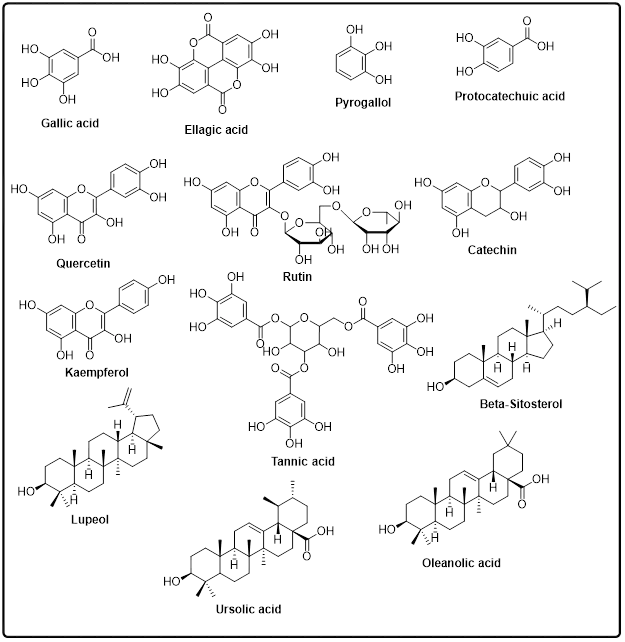
Fig.1: Phytochemistry of Anogeissus latifolia
5. Pharmacological Activities
Indigenous healthcare systems have incorporated Anogeissus latifolia for decades. This has driven significant scientific research toward its pharmacological properties. Experimental studies on the biological activities of A. latifolia have been commonplace over the last several decades. This research has focused on plant extracts from the bark, leaves, roots, fruits, and gum exudates. A. latifolia has a broad range of pharmacological activities owing to its high levels of phenolic compounds, flavonoids and tannins, terpenoids, and other constituents with considerable bioactivity. This plant has significant therapeutic potential. Several studies, both in vitro and in vivo, have validated traditional medicine uses of A. latifolia and have indicated it is a potential source of new therapies Fig.2 [41].
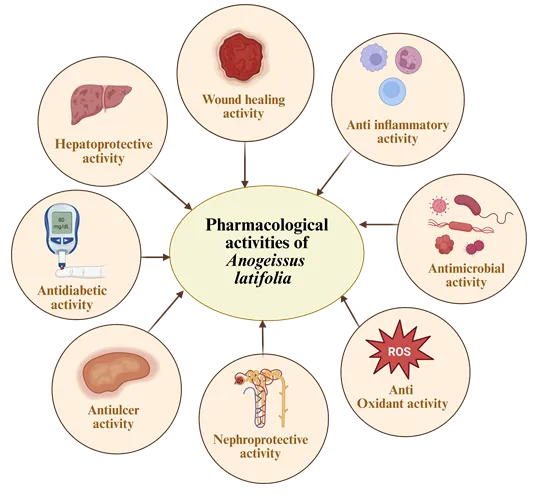
Fig.2: Pharmacological activities of Anogeissus latifolia
5.1 Antioxidant Activity
Numerous chronic diseases, including many cardiac and neurodegenerative diseases, diabetes, cancer, and aging-related diseases, are linked to oxidative stress. Reactive oxygen species (ROS) are a product of normal cellular metabolism, but when produced excessively can damage proteins, lipids, and nucleic acids. Reactive species are also produced in normal metabolism and contribute to cell damage. Research indicates that A. latifolia is a potent antioxidant due to its high concentration of phenolic compounds, flavonoids, and tannins. Several assays demonstrate the free radical scavenging effects of A. latifolia bark and leaf extracts including methanolic, ethanolic, and aqueous extracts in DPPH, ABTS, nitric oxide scavenging, and reducing power assays. Gallic acid, ellagic acid, quercetin, rutin, and catechin are among the bioactive constituents that significantly impact antioxidant activity. The potential of A. latifolia in the management and control of diseases that are linked to oxidative damage to cells and its antioxidant activity to prevent cellular damage is evident [42].
5.2 Antimicrobial Activity
The use of antimicrobial resistance has increased the significance of sourcing alternative agents from nature. To this end, Anogeissus latifolia has been shown to possess a great deal of antimicrobial activity against many pathogenic microorganisms. Staphylococcus aureus, Bacillus subtilis, Escherichia coli, Pseudomonas aeruginosa, and Klebsiella pneumoniae have all been shown to have their growth inhibitory by bark and leaf extracts. The extracts also have antifungal activity against Candida and Aspergillus species. Antimicrobials of the extracts also include tannins, flavonoids and phenolic compounds which also damage microbial membranes, inhibit microbial metabolism and damage their membranes. These results support the claims that there is significant traditional use of this species to treat a variety of microbial infections, especially those that are skin and gastrointestinal in nature [43].
5.3 Anti-inflammatory Activity
Inflammation is a protective physiological response to tissue injury and infection; however, chronic inflammation contributes to the development of various pathological conditions, including arthritis, cardiovascular disease, diabetes, and cancer. Experimental investigations have revealed that extracts of A. latifolia exhibit significant anti-inflammatory activity in both acute and chronic models of inflammation. The plant's polyphenolic compounds and flavonoids are capable of suppressing the production of inflammatory mediators such as prostaglandins, cytokines, and nitric oxide. Several studies have reported reductions in edema formation and inflammatory tissue damage following administration of bark and leaf extracts. These observations provide scientific support for the traditional use of the plant in managing inflammatory disorders, pain, swelling, and wound-associated inflammation [44].
5.4 Antidiabetic Activity
Diabetes mellitus is a chronic metabolic disorder characterized by elevated blood glucose levels resulting from impaired insulin secretion, insulin resistance, or both. Traditional healers have long employed A. latifolia in the management of diabetes, and scientific investigations have provided evidence supporting this practice. Experimental studies involving diabetic animal models have shown that plant extracts can significantly reduce blood glucose levels and improve glucose tolerance. The antidiabetic effects are believed to result from multiple mechanisms, including enhancement of insulin secretion, improvement of peripheral glucose utilization, inhibition of carbohydrate-digesting enzymes, and protection of pancreatic β-cells from oxidative damage. Phenolic compounds and flavonoids present in the plant are thought to play key roles in mediating these effects. Additionally, the antioxidant properties of the plant may help reduce diabetes-associated oxidative stress and complications [45].
5.5 Antiulcer Activity
Peptic ulcers are the result of an excess of aggressive factors (like gastric acid) and a deficiency of protective factors in the gastrointestinal mucosa. A. latifolia and other medicinal plants with anti-inflammatory and antioxidant properties have the potential of ulcer therapy, and are studied in this context. Bark extracts have been found to significantly decrease the incidence of ulcers in animal models. Stress, ethanol, and other ulcerogenic chemicals have been employed to create such models. The antiulcer effect can result from a variety of mechanisms, mucosal repair, protection against gastric acid and various oxidants, and the increased rate of repair of damaged tissues. It is possible that the tannins in the bark form protective coverings over damaged mucosa. These layers would prevent further damage from occurring and promote the healing of the mucosa. These results support the use of this plant in traditional medicine for gastrointestinal diseases and ulcerative pathologies [46].
5.6 Wound Healing Activity
Healing of wounds is one of the more frequently cited traditional uses of Anogeissus latifolia. Healing wounds is the complex, multistage process involving inflammation and the formation of new tissue, and the synthesis and remodeling of collagen and blood vessels. Studies show that both the bark and leaf extracts, when applied to the surface of a wound, promote contraction of the wound, expedite epithelialization, and increase the amount of collagen in the wound. The plant's antimicrobial activity prevents infection of the wound, and together with its anti-inflammatory and antioxidant activities, minimizes damage to the tissues and promotes regeneration. The astringent properties of the tannins in the bark promote contraction of the damaged tissues as well as the formation of a barrier of protective tissue, thereby accelerating the process of healing [47-50].
5.7 Hepatoprotective Activity
The liver is instrumental to many central metabolic function and manages the body's response to internal and external stressors. The introduction of toxins either via prescription and recreational drugs, or through exposure to infectious agents, can damage the liver and create a pro-oxidative and inflamed environment [51]. A. latifolia extracts have shown to be hepatoprotective in various studies and provide a potential remedy to the damage caused by the aforementioned agents. These extracts help restore the normal structure of the liver and help reduce the levels of serum hepatic enzymes. The protective nature of the liver is influenced by the antioxidants present in the extracts, but is primarily due to the phenolic compounds and flavonoids. The radical scavenging and oxidative stress decreasing characteristics of these compounds help reinforce the liver's structure and improve the inflammatory environment. From the studies presented, A. latifolia extracts may provide a remedy through its therapeutic nature and would be beneficial for patients with liver damage and disorders [52].
5.8 Nephroprotective Activity
Kidney damage from toxic agents and oxidative stress and inflammatory conditions is a global health issue. A. latifolia may possess nephroprotective properties. Plant extracts have been shown to improve kidney function and reduce damage seen in histopathology. The protective effects may be due to the antioxidant and anti-inflammatory properties of A. latifolia. The active constituents may have the potential to preserve the normal function of the kidneys by decreasing oxidative stress and cellular damage in the renal tissues. The limited evidence available shows potential for the activity of the plant's extracts and deserves further research [53].
5.9 Anticancer and Cytotoxic Activity
Cancer is one of the leading causes of death in the world and the search for new cancer treatments continues to rely on natural products. The extracts of A. latifolia exhibit cytotoxicity and antiproliferative properties to a number of cancer cell lines. Gallic acid, ellagic acid, quercetin, and tannins are polyphenolic compounds that can cause apoptosis, inhibit cell proliferation, angiogenesis, and other processes related to the tumor. The cancer preventive properties may be due to the antioxidant effects of A. latifolia and the reductions in oxidative damage to DNA. Although the majority of the studies are preclinical, the need for further research to understand the potency of the compounds and their effects is evident [54].
5.10 Analgesic and Antipyretic Activity
Pain and fever are common manifestations of infection, inflammation, and tissue injury. Traditional medicinal systems have employed A. latifolia for the management of painful conditions and febrile illnesses. Experimental studies have demonstrated that plant extracts possess significant analgesic and antipyretic activities in animal models. The analgesic effects are likely associated with inhibition of inflammatory mediators involved in pain perception, whereas antipyretic activity may result from modulation of prostaglandin synthesis within the hypothalamus. Flavonoids, tannins, and other polyphenolic compounds are believed to contribute to these effects. The combined analgesic and anti-inflammatory properties of the plant support its traditional use in alleviating pain, swelling, and fever [55].
5.11 Anthelmintic Activity
Helminth infections continue to affect both humans and livestock, particularly in developing countries. Traditional communities have long utilized A. latifolia as a remedy for intestinal worm infestations. Scientific studies evaluating the anthelmintic activity of plant extracts have demonstrated effectiveness against various parasitic worms. Tannins and related polyphenolic compounds are believed to interfere with parasite metabolism, damage structural proteins, and disrupt physiological processes essential for survival. In experimental settings, extracts have produced paralysis and death of helminths in a dose-dependent manner. These observations provide pharmacological evidence supporting the traditional use of the plant as a natural antiparasitic agent [56-58].
5.12 Neuroprotective and Anticonvulsant Activity
Oxidative stress, inflammation, and neuronal damage are typically associated with neurodegenerative diseases, including, but not limited to, Parkinson's, Alzheimer's, and epilepsy. Recent studies have proposed that A. latifolia may potentially be neuroprotective and have anticonvulsant properties. Animal studies show that the plant extract delays onset and reduces the severity of seizures [59]. These results may be due to changes in neurotansmitters, enhancement of the body's antioxidants, and inflammation suppression. The plant is rich in flavonoids and phenolic compounds, and can protect neuronal cells from oxidative damage. Even with the limited research on this subject, the current studies on A. latifolia are a good foundation for future neuroprotective therapy development. The numerous pharmacological functions of Anogeissus latifolia that we currently understand, support its long-standing traditional use. Reports of the plants antioxidant, antimicrobial, anti-inflammatory, and many other properties are due to the phytochemical constituents and their synergistic actions. The studies we do have about this plant are primarily from animal studies and in vitro studies, but even still the studies suggest that the species holds great potential for use in medicine. They must focus on medicinal safety and phytochemical integrity in order to create medical products to aid in the health of the population [60].
CONCLUSION
Anogeissus latifolia (Roxb. ex DC.) Wall. ex Guill. & Perr. is a tree species with historical and current value for traditional medicine and worthy of scholarly inquiry for its therapeutic diversity. This review considers the value of the species from the ethnobotany, phytochemistry, pharmacology, ecology, and economies. Located across the Indian subcontinent, Anogeissus latifolia has a large presence in Ayurveda and other folk and tribal medicines with numerous applications for gastrointestinal issues, wounds, infections, inflammation, diabetes, and fevers. The indigenous populations’ continued use of Anogeissus latifolia demonstrates its value and continued presence as a natural resource for healthcare. Phytochemical studies of Anogeissus latifolia show that the species is a great source of phenolic and many other classes of plant secondary and bioactive compounds. Among these are gallic, ellagic, and tannic acid among many others. These compounds have notable biological activities and strong antioxidant properties. The wide variety of plant secondary compounds that this species can produce supports its use for traditional medicines and its potential as a resource for new therapeutic agents.
Pharmacological studies have shown that A. latifolia has several activities, including antioxidant, antimicrobial, antidiabetic, antiulcer, and others. These activities support several claims of traditional medicine and indicate that this plant has prospective therapeutic benefits. However, despite several positive indications from in vitro and animal studies, there is a deficit of clinical studies in this area. Further studies involving isolation of constituents, studies of the clinical and toxicological aspects, and well-planned clinical studies will be necessary to investigate the potential therapeutic benefits and to determine the possible risks of using A. latifolia for human therapy. In addition to the previously mentioned benefits, A. latifolia positively impacts rural communities as a source of timber, tannins, fodder, fuelwood, and ghatti gum. Its utility in soil conservation and its role in afforestation and sustaining biodiversity further enhance its benefits. Anogeissus latifolia is a plant with valuable medicinal properties and is of great potential to the pharmaceutical and the industrial sectors. Multidisciplinary research combining the sciences of medicine, ethnobotany, phytochemistry, and pharmacology is of great need in the future to determine the therapeutic potential of this species and develop new medicines using A. latifolia sustainably.
REFERENCES

Gobind Singh, Neha Gupta, Harsimran Singh, Isha Rani, Anogeissus latifolia: A Comprehensive Review of its Ethnobotany, Phytochemistry, and Pharmacological Activities, Int. J. of Pharm. Sci., 2026, Vol 4, Issue 6, 6159-6177. https://doi.org/10.5281/zenodo.20835626
 10.5281/zenodo.20835626