View Article

Abstract

Although inflammation is a basic physiological reaction to damaging stimuli, many non-communicable diseases are caused by its chronic manifestation. Even though traditional medications like corticosteroids and NSAIDs work well, their long-term usage is frequently limited by serious side effects, which calls for the investigation of safer phytochemical substitutes. The Konkan region, which is located in the Western Ghats of India, a hotspot for biodiversity, has a rich history of ethnomedicinal plants that are used to treat inflammatory diseases. By combining the pharmacological and ethnobotanical profiles of 45 local medicinal plants in this area, this review fills the current knowledge gap. This work integrates traditional indigenous knowledge with contemporary scientific validation by investigating the functions of bioactive chemicals, specifically flavonoids, alkaloids, and terpenoids, in influencing important pathways like NF-?B and COX/LOX inhibition. Ultimately, this review highlights the therapeutic potential of Konkan flora as a sustainable resource for drug discovery and emphasizes the importance of conserving these species for future clinical applications.

Keywords

Inflammation, NSAID, Medicinal plants, Anti-inflammatory

Introduction

× Popup Image

Inflammation is a natural protective response of the body that helps defend tissues against infections, injuries, and other harmful stimuli. It occurs through the coordinated action of immune cells and the release of cytokines and other chemical mediators, which work together to remove the cause of injury and promote tissue repair. Acute inflammation is usually a short-term and beneficial process that plays an important role in healing. However, when inflammation continues for a prolonged period or becomes uncontrolled, it may lead to tissue damage and contribute to the onset and progression of several chronic diseases. Conditions such as rheumatoid arthritis, asthma, cardiovascular diseases, neurodegenerative disorders, diabetes, and cancer have all been associated with persistent or dysregulated inflammation.[1] The World Health Organization (WHO) recognizes inflammatory and immune-mediated disorders as an important contributor to the global burden of non-communicable diseases. The occurrence of these disorders has been increasing steadily in both developed and developing countries, highlighting the growing need for effective strategies to prevent and manage inflammation-related conditions.[2]

Conventional treatments, including non-steroidal anti-inflammatory drugs (NSAIDs), corticosteroids, and immunosuppressive agents, are widely used for the management of inflammatory disorders. These medications help control inflammation by inhibiting cyclooxygenase (COX) enzymes, reducing excessive immune responses, and regulating various pro-inflammatory signalling pathways. Although these drugs are generally effective in relieving inflammation and associated symptoms, their prolonged use may lead to several unwanted effects, such as gastrointestinal irritation, kidney and liver toxicity, and an increased risk of cardiovascular complications.[3]. These limitations highlight the need for alternative therapeutic approaches that can provide effective control of inflammation while offering greater safety and suitability for long-term use.

In view of these limitations, medicinal plants and their naturally occurring bioactive compounds have gained considerable interest as potential sources of anti-inflammatory agents. Various phytochemicals, including flavonoids, alkaloids, terpenoids, tannins, and saponins, have been reported to possess anti-inflammatory properties. These compounds may act through several pathways, such as inhibiting COX and lipoxygenase (LOX enzymes), reducing the production of pro-inflammatory cytokines such as TNF-α, IL-1β, and IL-6, suppressing the NF-κB signaling pathway, and regulating oxidative stress by controlling reactive oxygen species (ROS). [4-5] Among these phytochemicals, flavonoids have received considerable attention because of their potential to reduce inflammation associated with oxidative stress. Studies suggest that flavonoids may help regulate the activation of dendritic cells and inhibit the NF-κB signaling pathway, thereby reducing the release of inflammatory mediators..[6] Importantly, the development of several widely used medicines has been inspired by compounds obtained from medicinal plants. For example, aspirin has its roots in plant-derived salicylates, while colchicine was obtained from (Colchicum autumnale). These examples demonstrate the valuable potential of plant-derived compounds in the discovery and development of modern therapeutic agents.[7]

India is well known for its rich plant diversity and long-standing tradition of using medicinal plants for healthcare. The Western Ghats, a UNESCO World Heritage Site and one of the world’s important biodiversity regions, contains a wide variety of plant species with significant ethnomedicinal value. Within this region, the Konkan belt, covering the coastal areas of Maharashtra, Goa, and Karnataka, is particularly notable for its diverse medicinal flora. The region’s lateritic soils, heavy monsoon rainfall, tropical climate, and high humidity create favourable conditions for the growth of numerous medicinal plants. Ethnobotanical studies carried out in areas such as Ratnagiri and Palghar have also highlighted the traditional use of indigenous plants for managing conditions associated with inflammation, wounds, and joint pain.[8] Likewise, ethnobotanical studies of mangrove ecosystems in the southern Konkan region have documented the traditional use of several plant species for managing health problems such as ulcers, rheumatism, and other inflammatory conditions.[9]

Despite the extensive traditional knowledge associated with medicinal plants of the Konkan region, scientific evidence supporting their anti-inflammatory properties is still scattered and incomplete. Available information comes from a combination of pharmacological studies, phytochemical investigations, and ethnobotanical reports. Although some plant species have been evaluated through in vitro and in vivo studies for mechanisms such as COX and LOX inhibition and suppression of the NF-κB pathway, several others have received little scientific attention beyond their traditional medicinal use. Moreover, a comprehensive review focusing specifically on the anti-inflammatory potential of plants found in the Konkan region is currently limited. This gap in knowledge may hinder the further development, clinical evaluation, and conservation of these valuable medicinal resources.

The present review aims to address this gap by compiling information on 45 medicinal plants from the Konkan region with reported anti-inflammatory potential. A detailed tabular presentation is provided for each plant, covering its botanical family, scientific name, vernacular name, and traditional medicinal uses. The review further discusses their reported anti-inflammatory activities, major phytochemical constituents, possible mechanisms of action, and available pharmacological evidence. By bringing together traditional ethnomedicinal knowledge and findings from modern scientific studies, this review aims to highlight the therapeutic potential of Konkan medicinal plants, identify promising species for future drug-development research, and encourage further investigation into safe and effective plant-based approaches for managing inflammation.

Development of drugs incorporating medicinal plants

Traditional medicine continues to play an important role in healthcare systems around the world, with many communities relying on medicinal plants for the prevention and management of various health conditions. Ethnobotanical research has helped connect the traditional use of diverse plant species with their potential biological activities through systematic observation, documentation, and experimental investigation. This knowledge has contributed significantly to the identification and development of natural products with therapeutic potential. In recent years, plant-derived compounds have gained increasing attention in clinical and pharmacological research as potential sources for the treatment of several diseases. Among these natural compounds, polyphenols have attracted particular interest because of their ability to influence inflammatory processes and modulate different pathways involved in inflammation. [10]

Plants have long served as an important source of compounds for the discovery and development of new medicines, and many drugs currently used in healthcare are derived directly or indirectly from plant sources. Their rich diversity of secondary metabolites provides a valuable pool of biologically active compounds with potential therapeutic applications. This has increased interest in exploring plants for novel drug candidates, particularly because a large proportion of plant species remain insufficiently investigated for their chemical composition and biological activities. Consequently, medicinal plants continue to offer considerable opportunities for the identification of new and effective therapeutic agents.[11]

Table 1: Pharmacognostic Detailing of Plants with Anti-Inflammatory Potential

Common name Botanical name Family Part used Anti-inflammatory constituent Uses
Nirgundi Vitex
Negundo
Lamiaceae Leaves, roots, whole
areal part
Iridoid glycosides, flavonoids,
phenolic acids (e.g., negundo side)
Traditional use for arthritis, rheumatism, topical inflammation; extracts reduce edema and inflammatory markers in models.[12]
Behead Terminalia bellirica Combretaceae Fruit, bark Tannins, gallic acid, ellagic acid, flavonoids Used in Ayurvedic formulations (astringent/anti-inflammatory);
extracts show anti-inflammatory and antioxidant effects in reviews.[13]
Hirda Terminalia chebula Combretaceae Fruit Hydrolysable tannins (chebulinic acid, chebulagic acid, flavonoids Broad traditional use for inflammation, evidence for antioxidant and anti-inflammatory activities summarized in
reviews.[14]
Purnanava Boerhavia diffusa Nyctaginaceae Roots, whole plant Alkaloids,
flavonoids, lignans (boeravinones)
Anti-inflammatory,
hepatoprotective and immunomodulatory uses; reviews summarize in-vivo and in-vitro
evidence.[15]
Gulvel Tinospora cordifolia Menispermaceae Stems, leaves, roots Alkaloids, diterpenoid lactones
(tinosporaside),
glycosides, steroids
Widely used as immunomodulator; many reviews highlight anti-inflammatory actions and cytokine modulation.[16]
Rui Calotropis procera Apocynaceae Latex,
leaves, root bark
Cardiac glycosides, flavonoids,
triterpenoids
Latex/extracts show strong anti-inflammatory activity in animal models; systematic reviews summarize pharmacology and
toxicology.[17]
Adulsa Adhatoda vasica Acanthacaeae leaves Alkaloids (vasicine, vasicinone) Traditional remedy for respiratory inflammation; studies and reviews report anti-inflammatory and
antioxidant actions.[18]
Bharangi Clerodendru m serratum Lamiaceae Roots, leaves Flavonoids,
phenolics, sterols, terpenes
Used for pain and inflammation; review articles summarize anti-inflammatory and anti-arthritic evidence.[19]
Ashwa-gandha Withania somnifera Solanaceae Roots Withanolides
(withaferin A,
withanolide A), alkaloids
Strong body of reviews: anti-inflammatory, immunomodulatory and cytokine-modulating effects described.[20]
Ashoka Saraca asoca Fabaceae Bark, Flower, seed Flavonoids, tannins, glycosides Traditional gynecological and anti-inflammatory uses; recent reviews summarize phytochemistry and anti-inflammatory studies.[21]
Bel Aegle marmelos Rutaceae Leaves,
fruit, root bark
Coumarins, marmelosin,
furano-coumarins, tannins
Review reports anti-inflammatory, analgesics and antioxidant effects in traditional and experimental studies.[22]
Dhatura Datura spp. Solanaceae Leaves, seeds, roots ropane alkaloids (hyoscyamine,
scopolamine), withanolide-like
compounds in some spp
Some experimental evidence for anti-inflammatory/
analgesic effects but safety/toxicity is a major concern; reviews cover both activity and toxicity.[23]
Shatawari Asparagus racemosus Asparagaceae Roots Steroidal saponins (shatavarins),
flavonoids
Reviews show anti-inflammatory and adaptogenic actions; root extracts reported to reduce inflammatory cytokines in models.[24]
Tridax Tridax
procumbens
Asteraceae Leaves Flavonoids, glycosides, triterpenoids Traditionally used for wound healing and inflammation; reviews summarize anti-inflammatory and wound-healing evidence.[25]
Kokam Garcinia indica Clusiaceae (Guttiferae) Fruit rind Benzo-phenones (garcinol),
xanthones, anthocyanins
Garcinol and other constituents have anti-inflammatory effects; pharmacological reviews cover antioxidant/anti-inflammatory potential.[26]
Durva Cynodon dactylon Poaceae Whole plant, roots Flavonoids,
phenolics, steroids
Reviews and studies report anti-inflammatory, wound-healing and antioxidant activities; used traditionally for inflammation.[27]
Tulsi Ocimum sanctum Lamiaceae Leaves Eugenol, ursolic acid, rosmarinic acid, flavonoids Multiple systematic reviews: clinical and preclinical evidence for anti-inflammatory,
immunomodulatory effects.[28]
Aloe vera Aloe vera Asphodelaceae Gel, latex Poly-saccharides
(acemannan), C-glucosyl chromone, anthra-
quinones
Reviews document inhibition of COX/PGE2, LOX and promotion of wound healing — clear anti-inflammatory activity summarized.[29]
Turmeric Curcuma longa Zingiberaceae Rhizo-me Curcuminoids (curcumin,
dimethoxy-curcumin)
Extensive reviews/meta-analyses: curcumin reduces inflammatory mediators (NF-κB, cytokines) — widely studied as anti-inflammatory.[30]
Neem Azadirachta indica Meliaceae Leaves,
seeds, oil
Triterpenoids (nimbolide,
nimbin), limonoids
Large body of reviews: anti-inflammatory, anti-microbial
,immune modulatory actions nimbolide often cited.[31]
Karonda Carissa carandas Apocynaceae Fruits, leaves Flavonoids, phenolic acids,
anthocyanins, tannins
Anti-inflammatory, antioxidant; used in folk medicine for inflammation. Methanolic fruit extracts reduce edema in animal models.[32]
Eranda Ricinus communis Euphorbiaceae Leaves, roots, seed oil (note: toxicity in seeds) Ricinoleic acid, phenolics,
flavonoids
Leaves and oil show anti-inflammatory, analgesic, wound-healing effects. Seeds have toxic ricin—care required.[33]
Jaswand Hibiscus
rosa-sinensis
Malvaceae Flowers, leaves, roots Anthocyanins, flavonoids,
phenolic acids, saponins
Used for skin inflammation, wounds, general anti-inflammatory and analgesic activity; extracts reduce inflammatory markers in
trials.[34]
Dhane Coriandrum sativum Apiaceae Seeds, leaves Linalool,
flavonoids, phenolic compounds
Anti-inflammatory, digestive, antioxidant; seed and leaf extracts reduce swelling and inflammatory markers in animal/in-vitro studies.[35]
Nagkesar Mesua ferrea L Clusiaceae Flowers,
bark, seeds
Coumarins, xanthones, phenolics,
diterpenoids
Traditional use for pain, arthritis and inflammatory conditions; studies show flower/bark extracts reduce inflammatory markers and edema.[36]
Karanj Pongamia pinnata Fabaceae Seed (oil), leaves,
bark
Flavonoids, rotenoids, pongamol,
karanjin, phenolics
Seed oil/leaf extracts used topically/ orally for inflammation; multiple reviews document anti-inflammatory and antioxidant activity (mechanisms: COX/LOX
inhibition, antioxidant scavenging)[37]
Kantola Momordica dioica Roxb Cucurbitaceae Fruit, leaves Saponins, flavonoids,
triterpenoids, phenolics
Ethnobotanical and pharmacological reviews report analgesic and anti-inflammatory effects of fruit/leaf extracts and antioxidant activity. Ethnobotanical and pharmacological reviews report analgesic and anti-inflammatory effects of fruit/leaf extracts and antioxidant activity.[38]
Apta Bauhinia racemosa Lam Fabaceae Bark,
leaves, stem
Triterpenoids (β-amyrin), sterols (β-sitosterol),
flavonoids, tannins
Used in Ayurveda for
pain/inflammation; contemporary reviews and COX-inhibition
studies.[39]
Parijat Nyctanthes arbor-tristis L Oleaceae Leaves, flowers, bark Iridoid glycosides, phenolics,
flavonoids,
nyctanthic acid
Traditional remedy for rheumatism/arthritis.[40]
Aamla Amla (Indian gooseberry) | Phyllanthus emblica L. (Emblica
officinalis)
Phyllanthaceae Fruit, leaves High vitamin C, tannins,
gallic/ellagic acids, flavonoids, poly-saccharides
used in arthritis, inflammatory disorders and as a rasayana in Ayurveda.[41]
Henna Lawsonia i nermis L Lythraceae Leaves tannins, flavonoids Traditional topical uses (wound healing, dermatitis); reviews
document in-vitro and in-vivo anti-inflammatory effects[42]
Mango Mangifera indica L Anacardiaceae Leaves Mangiferin,
quercetin, gallic
acid, other
polyphenols
used traditionally for inflammatory and gastric disorders.[43]
Lavang Syzygium aromaticum Myrtaceae Dried flower buds Eugenol (major), eugenyl acetate, β-caryophyllene, other phenolics Eugenol shows potent anti-inflammatory and analgesic effects (COX/LOX inhibition, cytokine suppression).[44]
Ginger Zingiber Officinale Roscoe Zingiberaceae Rhizome Gingerols (6-gingerol), shogaols, zingerone, paradols used clinically for arthritic pain and inflammation
adjunctively.[45]
Suran Amorph-ophallus
paeoniifolius (Dennst.
) Nicolson
Araceae Tuber Betulinic acid, β-sitosterol,
glucomannan, tannins
Traditional use for inflammatory bowel complaints, haemorrhoids and pain; tuber extracts show anti-inflammatory and antioxidant
activity in animal. [46]
Jambul / Jamun Syzygium
cumini (L.) Skeels
Myrtaceae Seeds, fruit,
leaves, bark
Anthocyanins,
ellagic acid, quercetin,
kaempferol, other phenolics
Traditional use for anti-inflammatory, antioxidant and antidiabetic effects. [47]
Shevga (Drumstic k) Moringa oleifera Lam Moringaceae Leaves, pods, seeds Quercetin, kaempferol,
isothiocyanates, niazimicin
Powerful antioxidant and anti-inflammatory activity; leaf extracts reduce cytokines and oxidative stress in many studies.[48]
Kurdu
(Shitivar)
Celosia argentea Amaranthaceae Bark, seeds Alkaloids
(conessine), steroidal compounds
Traditional use for gastrointestinal and inflammatory disorder; alkaloids show biological activity including anti-inflammatory effect.[49]
Pipal Ficus
religiosa L.
Moraceae Leaves,
latex, bark
Flavonoids, tannins, sterols, saponins, phenolics Leaf extracts show analgesic and anti-inflammatory activity in animal models
and in vitro fractions; traditional use for inflammatory conditions.[50]
Takla Cassia
Obtusifolia
Leguminasoea Leaves, seeds Anthra quinones flavonoids, glycosides, phenolics Leaves/seeds show antioxidant and anti-inflammatory activity in in-vitro assays; ethnomedicinal use as anti-inflammatory/skin remedy.[51]
Alu Colocasia
esculenta (L.) Schott
Araceae Leaves, corms Flavonoids,
triterpenoids, poly-saccharides,
phenolics
Multiple reports/reviews describe antioxidant and anti
-inflammatory effects (in vitro and some in vivo), traditional use for arthritis and inflammatory complaints.[52]
Somvel Sarcostemma acidum Apocynaceae Whole plant (resins) Flavonoids, saponins,
glycosides, steroids, triterpenoids
Ethnomedicinally used for inflammatory complaints; in-vitro and membrane-stabilization (HRBC) and other assays report anti-inflammatory activity.[53]
Bhalvand Cassia fistula L. Fabaceae Pods (pulp), bark,
leaves, flowers
Anthraquinones, glycosides,
flavonoids, tannins, phenolics
Well-documented antioxidant and anti-inflammatory activity in multiple studies (bark and pulp extracts); widely used traditionally for inflammatory and wound conditions.[54]
Kukrda Sterculia/ “kukar” Sterculiaceae Seeds
/flowers
/leaves
(depends on species)
fatty oils, sterols; Celosia: flavonoids, saponins, phenolics Where identified as Celosia argentea, experimental studies report anti-inflammatory and antioxidant activity.[55]
Sharphunk ha Tephrosia purpurea (L.)
Pers.
Fabaceae Leaves, roots, whole plant Flavonoids (e.g., tephrosin),
rotenoids, phenolics,
saponins, alkaloids
extracts (root/leaf) show significant anti-inflammatory and wound-healing effects in animal models.[56]

Phytoconstituents found in Kokan region plants having anti-inflammatory potential and their mechanism of action:

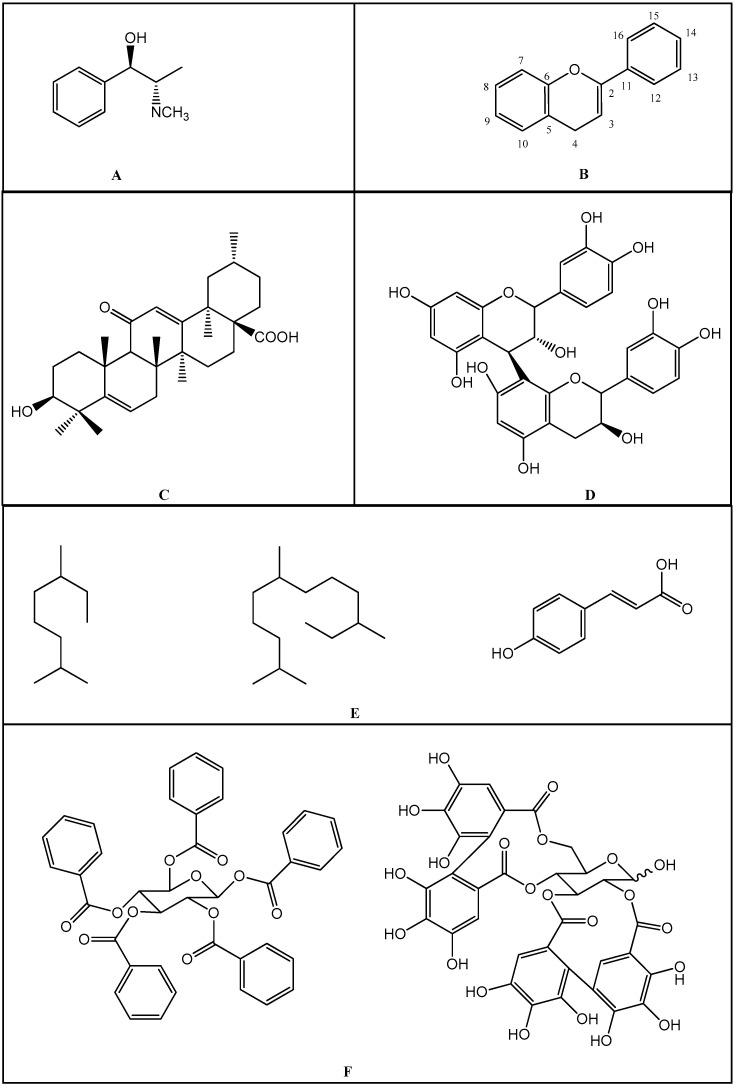
Substances of plant origin, belonging to the most diverse chemical classes, have already demonstrated proven anti-inflammatory activity. Among them, alkaloids, terpenes, and phenolic compounds such as tannins, lignans, coumarins, saponins, and especially the flavonoids stand out.[57]The structural variation in ring C subdivides flavonoids into six main subclasses: flavanols (e.g., quercetin, kaempferol, myricetin), flavones (e.g., luteolin, apigenin), flavanols (e.g., catechin), flavanones (e.g., hesperidin), anthocyanidins (e.g., cyanidin, pelargonidin), and isoflavones (e.g., genistein, daidzein) [59]

Flavonoids have an anti-inflammatory capacity since they inhibit the production of inflammatory mediators by modulating the arachidonic acid pathway, inhibiting several enzymes such as ATPase, prostaglandin, cyclooxygenase, lipoxygenase, NADH oxidase, protein kinase, hydrolases, peroxidases, metallopeptidases, tyrosinases, and phospholipases. Thus, flavonoids have been the target of increasing interest as a potential therapeutic drug in inhibiting or even decreasing inflammatory activity[60]
figure

Figure 1: Plant Constituents a: Alkaloids: Ephedrine. B: Basic Flavonoid C: Saponins: Glycyrrhizin, D: Condensed Tannin, E: Terpenoids and Phenylpropanoids, F: Hydrolysable Tannins: Galo Tannins and Ellagitannins[58]

Although an expressive number of flavonoids are present in plants in the form of glycosides, consignments about the biological activities of flavonoids have been made mainly for aglycones. Some research on the structure-activity relationship and the inhibition of inflammatory mediators can also be found in the scientific literature. It has been reported that the presence of hydroxylation at the 3′ and 4′ positions of the B ring of the flavonoid structure enhances the modulatory action on the inhibitory activity of TNF-α, while the presence of only one hydroxyl minimizes inhibition and the absence of this group overrides the inhibitory effect. To inhibit iNOS or nitric oxide (NO) production, the presence of at least three hydroxyls is required. This is the case of luteolin and its derivatives that have a catecholic pattern of oxygenation in ring B and also oxygenations in ring A. Oxygenation at position 5 of ring A contributes significantly to anti-inflammatory activity.[61]

The anti-inflammatory potential of 9 flavonoid aglycones was evaluated: kaempferol, quercetin, apigenin, chrysin, diosmetin, luteolin, daidzein, genistein, and hesperidin. Among them, luteolin was the most active in the inhibition of NO and TNF-α.[62]

Impact of plant composition on anti-inflammatory response - Plant composition varies depending on various factors like:

1. Genetic differences — Many medicinal species exist as multiple chemotypes (different dominant secondary-metabolite profiles) even within a species; chemotypes can show markedly different bioactivities, including anti-inflammatory potency. Studies of essential-oil-bearing and other medicinal plants repeatedly document chemo typic variation and its functional consequences.[63]

2. Geographic /climatic effects on plant composition — Soil type, altitude, rainfall and microclimate (all relevant across distinct Konkan microhabitats) influence secondary-metabolite levels and proportions, producing population-level differences in activity. Several recent case studies show geographic variation driving differences in anti-inflammatory and antioxidant outcomes.

3. Season and phenological stage can change both yield and potency in anti-inflammatory assays. Concentrations of flavonoids, phenolics, terpenes and other actives fluctuate with season and with plant developmental stage (pre-flowering vs. flowering vs. fruiting). Harvest timing is very important. [64]

4. Plant part and ontogeny — Leaves, stems, roots, bark and flowers often have different metabolite profiles; activity measured from one part cannot be extrapolated to another. Within Konkan plants, traditional uses often specify parts —for modern assays.[65]

5. Post-harvest handling & drying — Drying method, temperature, and storage alter labile compounds (volatile terpenes, some phenolics), affecting extract composition and in vitro/in vivo effects. Proper documentation of post-harvest steps are essential. [66]

6. Extraction method and solvent polarity — Solvent choice, extraction time/temperature, and concentration method strongly determine which classes of compounds are extracted (polar phenolics vs. lipophilic terpenoids) — and thus the anti-inflammatory profile also varies. Comparative reviews show the same plant can produce extracts with different mechanisms and potencies depending on method.[67]

7. Genotype and environment interactions — Genetic background interacts with environment; cultivation (fertilizer, irrigation) vs wild collection often yields predictable shifts in metabolite content. This matters when recommending sustainable sourcing or cultivation for standardization.[68]

A comparison between traditional vs. modern use of medicinal plants in therapy - can be seen as evolution from empirical observation to precision execution.

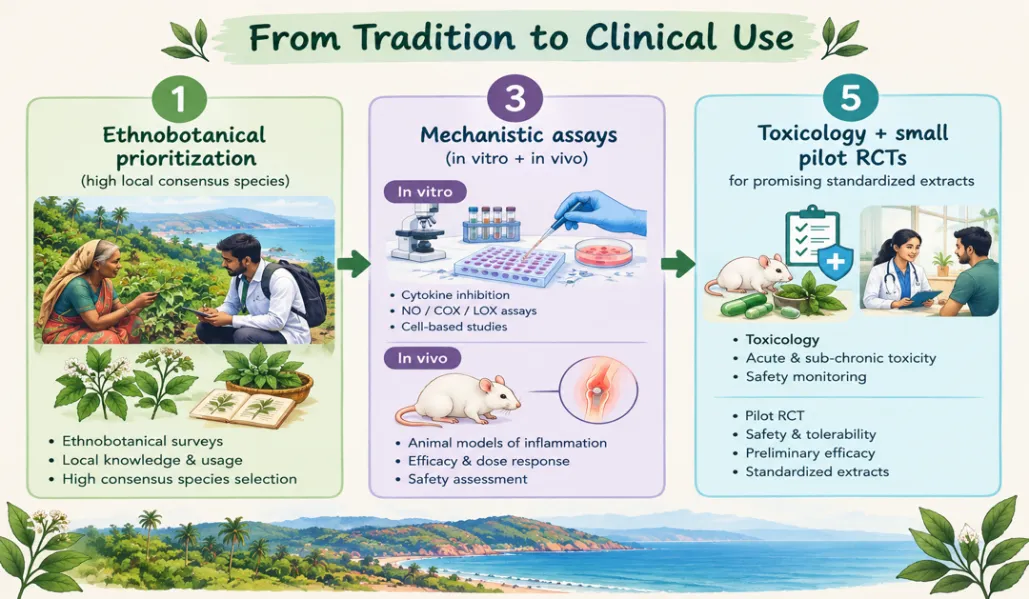
  • Traditional / ethnomedicinal use — uses whole plant parts or simple preparations (decoctions, poultices, oils, pastes) chosen by symptom and local knowledge; multi-constituent mixtures are applied systemically or topically and selected empirically over generations. (local names, uses, preparations).[65] Whereas, modern scientific approaches range from bioassay-guided fractionation and isolation of single active molecules, to untargeted metabolomics, mechanism-focused cellular/animal models, formulation science (including nano formulations), and tightly controlled clinical trials. Modern work aims to identify molecular targets, ADME/tox profiles, and scalable, standardized preparations.[66]
  • Multi-component vs Target-focused mechanisms - Traditional preparations often act through multiple mechanisms (antioxidant, cytokine modulation, enzyme inhibition) because they contain multiple components that act additively or synergistically. This polypharmacology can be therapeutically useful but complicates mechanistic attribution.[65] Modern techniques isolate specific phytochemicals (flavonoids, terpenoids, alkaloids) and test them on defined molecular pathways (NF-κB, MAPK, COX/LOX, iNOS). This clarifies mechanism but may miss beneficial mixture effects.[65]

Reproducibility & standardization - Traditional methods suffer from variability (chemotype, season, harvest/processing), so efficacy is often inconsistent across locations and studies. Modern pipelines emphasize chemotyping (HPTLC/UPLC/GC-MS), marker compounds, and standardized extraction — improving reproducibility and enabling regulatory pathways.[67]

  • Delivery & bioavailability - Traditional delivery (oral decoction, topical) sometimes limits systemic exposure as many plant actives are poorly soluble or unstable. Modern formulation science (phytosomes, nanoemulsions, metal/biopolymer nanoparticles) improves solubility, protects labile compounds, and can increase efficacy and reduce dose-related toxicity. Several recent reports show nanotechnology markedly improves anti-inflammatory performance in preclinical studies.
  • Safety and toxicology - Traditional long-term use suggests safety for many species but does not replace systematic toxicology. Adverse effects, herb–drug interactions, and batch-to-batch contaminations require modern ADME/tox testing. Modern research increasingly pairs efficacy work with OECD-style toxicity screens and genotoxicity/interaction studies.[65]
  • Strengths of plant-based (traditional)- include culturally accepted, low cost, multi-target action, local availability, whereas the limitations are variability, uncertain dosing, limited clinical-grade safety data.[69] Strengths of modern approaches involve reproducible chemistry, clear mechanism, scalable formulation, regulatory path but they do have certain limitations like isolating single molecules may lose mixture benefits, higher development cost and time, potential IP and other regulatory complexity.[66]

Many plant medicines have preclinical support (in vitro, animal models) but have not undergone high-quality clinical trials. However, systematic analysis increasingly find benefit for certain botanicals (examples: chamomile and some topical/herbal agents in oral mucositis/gingivitis and other inflammatory conditions), supporting potential clinical roles as adjuncts or alternatives in selected indications. Overall, plant-based treatments are widely used worldwide—both in traditional systems and as complementary therapies in modern practice—but high-quality Randomized Controlled Trial evidence remains limited for most species.[68]

Global surveys and reviews show extensive use of herbal therapies as primary or complementary anti-inflammatory treatments in many regions; use ranges from topical traditional therapies in rural settings to standardized botanical products used as over-the-counter nutraceuticals. Clinical evidence is growing but still concentrated on a handful of well-studied herbs; most taxa remain at the preclinical stage. Systematic reviews (recent examples) show positive signals for selected botanicals in specific conditions (e.g., chamomile for mucositis/gingivitis), but call for larger, better-designed Randomized led Trials. [68]
figure

Figure 2: From Traditional to Clinical Use of Plants

CONCLUSION

The Konkan region of India, with its unique geographic and climatic conditions, is a hotspot of plant biodiversity, particularly rich in species with medicinal properties. This review has explored the taxonomy of various anti-inflammatory plants native to this region, highlighting their traditional uses, scientific classifications, and potential for therapeutic applications. Many of these species, such as (Curcuma longa), (Zingiber officinale), (Ocimum sanctum), and (Terminalia chebula,) have been used for centuries by indigenous communities to treat inflammation and related ailments.

Taxonomic study plays a crucial role in accurately identifying and classifying these plants, which is fundamental for ensuring consistency in research, pharmacological evaluation, and conservation efforts. Through taxonomic clarity, researchers and healthcare professionals can better understand the bioactive compounds responsible for anti-inflammatory effects and develop standardized herbal formulations. Additionally, documenting the traditional knowledge associated with these plants is vital for cultural preservation and for guiding scientific inquiry. However, with increasing threats from deforestation, urbanization, and climate change, there is an urgent need to implement strategies for the conservation and sustainable use of these medicinal plant resources.

In conclusion, the Konkan region represents a valuable repository of anti-inflammatory medicinal plants. Future efforts should focus on integrating traditional knowledge with modern scientific methods, promoting in-depth pharmacological studies, and supporting conservation initiatives to ensure that this rich botanical heritage continues to benefit both local communities and global healthcare.

REFERENCES

  1. Luo H. Global burden and cross-country inequalities in six major immune-mediated inflammatory diseases from ​1990 to 2021 A systematic analysis of the Global Burden of Disease Study 2021 Autoimmunity Reviews.2024; ​23 (10): 103639
  2. Park J, Jeong GH, Song M, Yon DK, Lee SW, Koyanagi A, Jacob L, Kostev K, Dragioti E, Radua J, Cheon Jhan JI Smith L. The global, regional, and national burden of inflammatory bowel diseases, 1990–2019: A systematic analysis for the Global Burden of Disease Study Digestive and Liver Disease.2023; 55 (10): 1352–1359.
  3. Choy KW, Murugan D, Leong XF, Abas R, Alias A, Mustafa MR., Flavonoids as natural anti-inflammatory agents targeting nuclear factor-kappa B (NF-κB) signaling in cardiovascular diseases: A mini review. Molecules. 2019; 24 (24): 4350.
  4. Ginwala R, Bhavsar R, Chigbu DG, Jain P, Khan ZK. Potential role of flavonoids in treating chronic inflammatory diseases with a special focus on the anti-inflammatory activity of apigenin. Antioxidants. 2019; 8 (2): 35
  5. Al-Khayri JM, Sahana GR, Nagella P, Joseph BV, Alessa FM, Al-Mssallem MQ. Flavonoids as potential anti-​inflammatory molecules: A review. Molecules. 2022; 27 (9): 2901.
  6. Sathe SS, Lavate RA, Patil SB. Ethnobotanical and medicinal aspects of mangroves from Southern Konkan ​(Maharashtra). International Journal of Emerging Trends in Pharmaceutical Sciences. 2014; 3 (4): 1–7.
  7. Owona BA, Abia WA, Moundipa PF. Natural compounds flavonoids​as modulators of inflammasomes in chronic diseases.International Immunopharmacology. 2020; 84: 106498.
  8. Shah BN, Maheshwari KM, Seth AK. A review on medicinal plants as a source of anti-inflammatory agents. ​International Journal of Pharmaceutical Sciences Review and Research.2011; 7 (1): 1–7.
  9. Chattopadhyay P, Hazarika S, Dhiman S, Upadhyay A, Pandey A, Karmakar S, Singh L. Vitex negundo inhibits cyclooxygenase-2 inflammatory cytokine-mediated inflammation on carrageenan-induced rat hind paw edema. Pharmacognosy Research. 2012; 4 (3): 134–137.
  10. Tanaka M, Kishimoto Y, Saita E, Suzuki-Sugihara N, Kamiya T, Taguchi C, Iida K, Kondo K. Terminalia bellirica Extract Inhibits Low-Density Lipoprotein Oxidation and Macrophage Inflammatory Response in vitro. Antioxidants (Basel). 2016; 5 (2):20.
  11. Wang C, Zhang H, Wang X, Wang X, Li X, Li C, Wang Y, Zhang M. Comprehensive Review on Fruit of Terminalia chebula: Traditional Uses, Phytochemistry, Pharmacology, Toxicity, and Pharmacokinetics. Molecules. 2024; 29 (23):5547.
  12. Das S, Singh PK, Ameeruddin S, Bindhani BK, Obaidullah WJ, Obaidullah AJ, Mishra S, Mohapatra RK. Ethnomedicinal Values of Boerhaavia diffusa L. as a Panacea Against Multiple Human Ailments: A State-of-the-Art Review, Vol-11,2023.
  13. Chetna Yashwant Gavit, Tejashri R Dugaje, Priyanka B Jadhav, Kadambari S Wagh A comprehensive review on ​Gulvel (Tinospora Cordifolia) January 2025 Journal of Pharmacognosy and Phytochemistry 14 (2):449-456.
  14. Seyed MA, Siddiqua A. Calotropis—A Multi-Potential Plant to Humankind: Special Focus on Its Wound Healing Efficacy. Biocatalysis and Agricultural Biotechnology. 2020; 28:101725.
  15. U P Claeson 1, T Malmfors, G Wikman, J G Bruhn Adhatoda vasica: a critical ​review of ethnopharmacological and toxicological data,2000 Sep, 72 (1-2):1-20.
  16. Anuradha Pailwan*, Sakshi Mhetre, Manorama Khumbar, Shrirang Kharmate A Comprehensive Review on Clerodendrum Serratum: Phytochemistry, b Pharmacological Activities and Therapeutic Potential, Int. J. of Pharm. Sci., 2025, Vol 3, Issue 11, 1528-1536.
  17. Girdhari Lal Gupta, A.C. Rana: Withania somnifera (Ashwagandha): A Review January 2007 Pharmacognosy Reviews 1 (1):129-136.
  18. Salvi S, Varghese R, Digholkar G, Deshpande A. Saraca asoca: A Scoping Review on the Phytoconstituents, Bioactives and Their Therapeutic Effects. German Journal of Pharmaceuticals and Biomaterials. 2022; 1 (3):3–13.
  19. Dev Prakash Dahiya, Richa Kumari, Anchal Sankhyan, Anchal Sharma and Sachin Thakur ​Aegle marmelos a review of its phytochemical profile and pharmacological application ​Journal of Medicinal Plants Studies 2025; 13 (2): 260-264.
  20. Ali Esmail Al-Snafi (Thi Qar University) Medical importance of Datura fastuosa (syn: Datura metel) and Datura ​stramonium -A review, 2017, 7 (2):43-58.
  21. Pooja Singh and Diksha Singh. Ethno-pharmacological review on Asparagus racemosus, 2025,14 (2):533-538.
  22. Vinoth Prabhu V, Nalini G, Chidambaranathan N, Kisan SS. Evaluation of Anti-Inflammatory and Analgesic Activity of Tridax procumbens Linn. Against Formalin-, Acetic Acid- and CFA-Induced Pain Models. International Journal of Pharmacy and Pharmaceutical Sciences. 2011; 3 (2).
  23. Basha NJ. Anticancer and Anti-Inflammatory Activities of Garcinol and Its Analogs. Polycyclic Aromatic Compounds. 2024; 44 (9):6354–6368.
  24. Waghela P, Ahirrao RA, Urdukhe SD, Sonawane PB. Durva (Cynodon dactylon): A Systematic Review on Pharmacological Aspects and Its Therapeutic Activities. International Journal of Pharmaceutical Research and Applications. 2022; 7 (6):1490–1499.
  25. Priyabrata Pattanayak, Pritishova Behera, Debajyoti Das, Sangram K Panda. Ocimum sanctum Linn. A reservoir ​plant for therapeutic applications: An overview. Pharmacognosy Rev.2010 Jan;4 (7):95-105.
  26. Josias H Hamman. Composition and applications of Aloe vera leaf gel. PMID: 18794775 PMCID: PMC6245421,2008 Aug 8;13 (8):1599-616.
  27. Bharat B Aggarwal, Kuzhuvelil B Harikumar Potential therapeutic effects of curcumin, the anti-inflammatory agent, ​against neurodegenerative, cardiovascular, pulmonary, metabolic, autoimmune and neoplastic diseases, 2009 Jan; 41 (1);40-59.
  28. R Subapriya, S Nagini. Medicinal properties of neem leaves: a review Curr Med Chem Anticancer Agents ​2005 Mar;5 (2):149-6.
  29. Saurabh Vilas Bhosale, Rajkumar V. Shete, Vishal Sudam Adak, Krishna Murthy A Review on carissa carandas: ​Traditional Use, Phytochemical Constituents, and Pharmacological properties December 2020 Journal of Drug ​Delivery and ​Therapeutics 10 (6-s):145-150.
  30. A Scarpa, A Guerci Various uses of the castor oil plant (Ricinus communis L.)1982 Mar;5 (2):117-37.
  31. Nitin Mahale, Santosh Ghule, Vaishnavi Santosh Chavan, Suraj Sudhakar Ujgare, Ronit Santosh Bhoir, A review on hibiscus rosa-sinensis: phytochemistry and medicinal uses,2025 4 (6);490-498.
  32. Bochra Laribi, Karima Kouki, Mahmoud M'Hamdi, Taoufik Bettaieb Coriander (Coriandrum sativum L.) and its ​bioactive constituents2015 Jun; 103;9-26.
  33. Chahar MK, Sanjaya Kumar DS, Geetha L, Lokesh T, Manohara KP. Mesua ferrea L.: A Review of the Medical Evidence for Its Phytochemistry and Pharmacological Actions. African Journal of Pharmacy and Pharmacology. 2013; 7 (6):211–219.
  34. Muhammad Akram, Saurabh Nimesh, Muhammad Amjad Chishti, Md. Iftekhar Ahmad, Shikha Dhama, Manohar ​Pongamia pinnata: an updated review on​ its phytochemistry, & pharmacological​uses, eISSN:2379-6367.
  35. Tejaswini S. Madane, Omkar A. Devade and Vivekkumar K. Redasani A comprehensive review on the ​taxonomy, ​phytoconstituents, and pharmacological aspects of momordica dioica,2025, 12 (6); 447-456.
  36. S.Prabhu, S.Vijayakumar, Raju Ramasubbu, P. K. Praseetha, K. Karthikeyan, G. Thiyagarajan, J. ​Sureshkumar ​& N. ​Prakash Traditional uses, phytochemistry and pharmacology of Bauhinia racemosa ​Lam.: a comprehensive review, 2021 May: Vol-7, article no.101.
  37. Tina W. Pandel, Shailju G. Gurunani, Aditya R. Kaikade Comprehensive Review on Parijat (Nyctanthesarbor-tristis),2023 Jun: Vol-8 (3); 1215-1224.
  38. Maryam Gul, Zhi-Wei Liu, Iahtisham-U-Haq, Roshina Rabail, Fatima Faheem, Noman Walayat, Asad ​Nawaz, ​Muhammad Asimhabbir, Paulo E S Munekata, José M Lorenzo, Rana Muhammad Aadil Functional and​Nutraceutical​Significance of Amla (Phyllanthus emblica L.): A Review, 2022 Apr; 11 (5);816.
  39. Hina Khan, Mahfoozur Rahman, Intezar Ahmad, Sauliha and Sadaf Naaz, Scientific basis for the innovative ​uses of henna (Lawsonia inermis L.), 2024;8 (3):169-172.
  40. Shah K. A., Patel M. B., Patel R. J., Parmar P. K. Mangifera Indica (Mango),2010; 4 (7):42-8.
  41. Ayushi, Urooj A Khan, Syed Mohammad Danish, Mohammad, Uzma Parveen, A review on biological and therapeutic uses of Syzygium aromaticum Linn. (Clove): Based on phyto-chemistry and pharmacological evidences. 2020 Jul;5 (4):33-39.
  42. Fitriyono Ayustaningwarn, Gemala Anjani, Azzahra Mutiara Ayu and Vincenzo Fogliano. A critical review of Ginger's (Zingiber officinale) antioxidant, anti-inflammatory, and immunomodulatory ​​activities, 2024 Jun 6:11:1364836.
  43. Yadu Nandan Dey, Sarada Ota, N. Srikanth, Mahvish Jamal, Manish Wanjari A phytopharmacological ​review on an important medicinal plant - Amorphophallus paeoniifolius, 2012 Jan;33 (1):27-32.
  44. Maryam Khalid Rizvi, Roshina Rabail, Seemal Munir, Muhammad Inam-Ur-Raheem, Mir Muhammad Nasir ​Qayyum, Marek Kieliszek, Abdo Hassoun, and Rana Muhammad Aadil. Astounding ​Health ​Benefits ​of​ Jamun ​(Syzygium​cumini) ​toward ​Metabolic ​​​Syndrome, 2022 Oct;27 (21):7184.
  45. Fikile T Mthiyane, Phiwayinkosi V Dludla, Khanyisani Ziqubu, Sinenhlanhla X H Mthembu, Ndivhuwo ​Muvhulawa, Nokulunga Hlengwa, Bongani B Nkambule, Sithandiwe E Mazibuko-Mbeje . A Review on the Antidiabetic Properties of Moringa oleifera Extracts: Focusing on Oxidative Stress and ​​Inflammation as Main Therapeutic Targets, 2022 Jul;13:940572.
  46. Chauhan Varsha, Mishra H. S. and Agarwal Ajay Kumar t al. Therapeutic potential of Shitivar Celosia ​argentea l.) World Journal of Pharmaceutical Research SJIF Impact Factor 8.084 Volume 12, Issue 19, 606-616. Research ​Article ISSN 2277– 7105 volume-12, -november, issue19_23495.pdf.
  47. Riddhi Maheshwari1, Darshana Mehta, Anamika Jain, B. K. Mehta. A Systematic Review of Phytochemistry and Pharmacology Study of Ficus religiosa (Pipal), 2023 Jul;11 (4).
  48. Mohd Rakib, Vaseem A. Ansari, Mohammad Arif and Ahtesham Ahmad. A review of Phytochemical and Biological Studies on Cassia obtusifolia linn, in Folklore Medicine of Eastern Uttar, 2022 Jul;13:940572.
  49. Jyothi R., Srinivasa Murthy K.M., Prithiviraj Nagarajan, Premalatha S.J., Mohan Kumar B.S., Sadashiv S.O., Lokeshwari J., Sharangouda J. Patil Colocasia esculenta - An Important Medicinal Plant of India, 2024 Oct;27 (3s):3687-3692.
  50. Atchaya M, Vadivu R, Tanamani Jenifer T, Radha R. A Review of Physicochemical and Pharmacological Activities of the Plant. International Journal of Pharmacy and Pharmaceutical Research (IJPPR). 2025 Feb;31 (2). ISSN: 2349-7203.
  51. Cassia fistula Linn: Potential candidate in the health management Arshad H. Rahmani. Department of Medical Laboratories, College of Applied Medical Sciences, Qassim University, Buraydah, Saudi Arabia Submitted: 31-01-2015 Revised: 09-02-2015 Published: 02-06-2015, 2015;7 (3):217-24.
  52. Prastiwi R, Elya B, Hanafi M, Dewanti E, Sauriasari R. The Effect of Antioxidant Activity, Total Phenols and Total Flavonoids on Arginase Inhibitory Activity on Plants of Genus Sterculia. Pharmacognosy Journal. 2022;14 (2):322–328.
  53. Dalwadi PP, Patel JL, Patani PV. Tephrosia purpurea Linn. (Sharpunkha, Wild Indigo): A Review on Phytochemistry and Pharmacological Studies. Indian Journal of Pharmaceutical and Biological Research (IJPBR). ISSN: 2320-9267. 2014 Mar;2 (01):108-121.
  54. RA Hussein, AA El-Anssary Plants secondary metabolites: the key drivers of the pharmacological actions of medicinal plants, 2019 Nov;1 (3):11-30.
  55. M Saxena, J Saxena, R Nema, D Singh, A Gupta Journal of pharmacognosy and phytochemistry, Phytochemistry of medicinal plants, 2013;1 (6):168-182.
  56. Toshiaki Ara, Sachie Nakatani, Kenji Kobata, Norio Sogawa, Chiharu Sogawa. The Biological Efficacy of Natural Products against Acute and Chronic Inflammatory Diseases in the Oral Region, 2018 Nov;5 (4):122.
  57. S Nakatani, K Kobata, N Sogawa, C Sogawa. The biological efficacy of natural products against acute and chronic inflammatory diseases in the oral region, 2018;5 (4):122.
  58. Kandan Aravindaram, Anti-inflammatory plant natural products for cancer therapy. Anti-inflammatory plant natural products for cancer therapy, 2010 Aug;76 (11):1103-17.
  59. Andrea L Medina-Holguín, F Omar Holguín, Sandra Micheletto, Sondra Goehle, Julian A Simon, Mary A O’Connell Chemotypic Variation of Essential Oils in the Medicinal Plant,2008 Jan 4;69 (4):919-927.
  60. Da-Hye Ryu, Jwa-Yeong Cho, Seung-Hoon Yang, Ho-Youn Kim. Effects of Harvest Timing on Phytochemical Composition in Lamiaceae Plants under an Environment-Controlled System,2023 Oct 25;12 (11);1909.
  61. Oluwafemi O Oguntibeju, Medicinal plants with anti-inflammatory activities from selected countries and regions of Africa, 2018 Aug:307-317
  62. Nan Xiang, Tianxiang Wen, Binglin Yu, Gaoke Li, Chunyan Li, Wu Li, Wenjia Lu.Dynamic effects of post-harvest preservation on phytochemical profiles and antioxidant activities in sweet corn kernels, 2020 Apr;55 (9):3111-3122.
  63. Gabriela Castañeda-Corral Mayra Cedillo-Cortezano and Vera L. Petricevich . Parallel in vitro and in silico Studies of the Anti-Inflammatory Activity of Bioactive Compounds Found in Different Ethanolic Extracts of Bracts from B. x buttiana (var. Rose): A Comparative Analysis,2025;18 (6);821.
  64. Hampus Petrén, Redouan Adam Anaia, Kruthika Sen Aragam, Andrea Bräutigam, Silvia Eckert, Robin Heinen, Ruth Jakobs, Lina Ojeda-Prieto, Moritz Popp, Understanding the chemodiversity of plants:Quantification, variation and ecological function, 2025;18 (6):821.
  65. Seong Ah Shin, Byeong Jun Joo, Jun Seob Lee, Gyoungah Ryu, Minjoo Han, Woe Yeon Kim, Jun HyuckLee , Phytochemicals as Anti-Inflammatory Agents in Animal Models of Prevalent Inflammatory Diseases, 2020 Dec;25 (24):5932.
  66. Haidan Yuan, The Traditional Medicine and Modern Medicine from Natural Product, 2016 Apr;21 (5):559.
  67. Yilma Hunde Gonfa Anti-inflammatory activity of phytochemicals from medicinal plants and their ​nanoparticles, 2023; Article:100152, Vol-6.
  68. Jason Valmy Anti-inflammatory effect of chamomile from randomized clinical trials: a systematic review and meta-analysis, 2025;63 (1):490-502.

Reference

  1. Luo H. Global burden and cross-country inequalities in six major immune-mediated inflammatory diseases from ?1990 to 2021 A systematic analysis of the Global Burden of Disease Study 2021 Autoimmunity Reviews.2024; ?23 (10): 103639
  2. Park J, Jeong GH, Song M, Yon DK, Lee SW, Koyanagi A, Jacob L, Kostev K, Dragioti E, Radua J, Cheon Jhan JI Smith L. The global, regional, and national burden of inflammatory bowel diseases, 1990–2019: A systematic analysis for the Global Burden of Disease Study Digestive and Liver Disease.2023; 55 (10): 1352–1359.
  3. Choy KW, Murugan D, Leong XF, Abas R, Alias A, Mustafa MR., Flavonoids as natural anti-inflammatory agents targeting nuclear factor-kappa B (NF-κB) signaling in cardiovascular diseases: A mini review. Molecules. 2019; 24 (24): 4350.
  4. Ginwala R, Bhavsar R, Chigbu DG, Jain P, Khan ZK. Potential role of flavonoids in treating chronic inflammatory diseases with a special focus on the anti-inflammatory activity of apigenin. Antioxidants. 2019; 8 (2): 35
  5. Al-Khayri JM, Sahana GR, Nagella P, Joseph BV, Alessa FM, Al-Mssallem MQ. Flavonoids as potential anti-?inflammatory molecules: A review. Molecules. 2022; 27 (9): 2901.
  6. Sathe SS, Lavate RA, Patil SB. Ethnobotanical and medicinal aspects of mangroves from Southern Konkan ?(Maharashtra). International Journal of Emerging Trends in Pharmaceutical Sciences. 2014; 3 (4): 1–7.
  7. Owona BA, Abia WA, Moundipa PF. Natural compounds flavonoids?as modulators of inflammasomes in chronic diseases.International Immunopharmacology. 2020; 84: 106498.
  8. Shah BN, Maheshwari KM, Seth AK. A review on medicinal plants as a source of anti-inflammatory agents. ?International Journal of Pharmaceutical Sciences Review and Research.2011; 7 (1): 1–7.
  9. Chattopadhyay P, Hazarika S, Dhiman S, Upadhyay A, Pandey A, Karmakar S, Singh L. Vitex negundo inhibits cyclooxygenase-2 inflammatory cytokine-mediated inflammation on carrageenan-induced rat hind paw edema. Pharmacognosy Research. 2012; 4 (3): 134–137.
  10. Tanaka M, Kishimoto Y, Saita E, Suzuki-Sugihara N, Kamiya T, Taguchi C, Iida K, Kondo K. Terminalia bellirica Extract Inhibits Low-Density Lipoprotein Oxidation and Macrophage Inflammatory Response in vitro. Antioxidants (Basel). 2016; 5 (2):20.
  11. Wang C, Zhang H, Wang X, Wang X, Li X, Li C, Wang Y, Zhang M. Comprehensive Review on Fruit of Terminalia chebula: Traditional Uses, Phytochemistry, Pharmacology, Toxicity, and Pharmacokinetics. Molecules. 2024; 29 (23):5547.
  12. Das S, Singh PK, Ameeruddin S, Bindhani BK, Obaidullah WJ, Obaidullah AJ, Mishra S, Mohapatra RK. Ethnomedicinal Values of Boerhaavia diffusa L. as a Panacea Against Multiple Human Ailments: A State-of-the-Art Review, Vol-11,2023.
  13. Chetna Yashwant Gavit, Tejashri R Dugaje, Priyanka B Jadhav, Kadambari S Wagh A comprehensive review on ?Gulvel (Tinospora Cordifolia) January 2025 Journal of Pharmacognosy and Phytochemistry 14 (2):449-456.
  14. Seyed MA, Siddiqua A. Calotropis—A Multi-Potential Plant to Humankind: Special Focus on Its Wound Healing Efficacy. Biocatalysis and Agricultural Biotechnology. 2020; 28:101725.
  15. U P Claeson 1, T Malmfors, G Wikman, J G Bruhn Adhatoda vasica: a critical ?review of ethnopharmacological and toxicological data,2000 Sep, 72 (1-2):1-20.
  16. Anuradha Pailwan*, Sakshi Mhetre, Manorama Khumbar, Shrirang Kharmate A Comprehensive Review on Clerodendrum Serratum: Phytochemistry, b Pharmacological Activities and Therapeutic Potential, Int. J. of Pharm. Sci., 2025, Vol 3, Issue 11, 1528-1536.
  17. Girdhari Lal Gupta, A.C. Rana: Withania somnifera (Ashwagandha): A Review January 2007 Pharmacognosy Reviews 1 (1):129-136.
  18. Salvi S, Varghese R, Digholkar G, Deshpande A. Saraca asoca: A Scoping Review on the Phytoconstituents, Bioactives and Their Therapeutic Effects. German Journal of Pharmaceuticals and Biomaterials. 2022; 1 (3):3–13.
  19. Dev Prakash Dahiya, Richa Kumari, Anchal Sankhyan, Anchal Sharma and Sachin Thakur ?Aegle marmelos a review of its phytochemical profile and pharmacological application ?Journal of Medicinal Plants Studies 2025; 13 (2): 260-264.
  20. Ali Esmail Al-Snafi (Thi Qar University) Medical importance of Datura fastuosa (syn: Datura metel) and Datura ?stramonium -A review, 2017, 7 (2):43-58.
  21. Pooja Singh and Diksha Singh. Ethno-pharmacological review on Asparagus racemosus, 2025,14 (2):533-538.
  22. Vinoth Prabhu V, Nalini G, Chidambaranathan N, Kisan SS. Evaluation of Anti-Inflammatory and Analgesic Activity of Tridax procumbens Linn. Against Formalin-, Acetic Acid- and CFA-Induced Pain Models. International Journal of Pharmacy and Pharmaceutical Sciences. 2011; 3 (2).
  23. Basha NJ. Anticancer and Anti-Inflammatory Activities of Garcinol and Its Analogs. Polycyclic Aromatic Compounds. 2024; 44 (9):6354–6368.
  24. Waghela P, Ahirrao RA, Urdukhe SD, Sonawane PB. Durva (Cynodon dactylon): A Systematic Review on Pharmacological Aspects and Its Therapeutic Activities. International Journal of Pharmaceutical Research and Applications. 2022; 7 (6):1490–1499.
  25. Priyabrata Pattanayak, Pritishova Behera, Debajyoti Das, Sangram K Panda. Ocimum sanctum Linn. A reservoir ?plant for therapeutic applications: An overview. Pharmacognosy Rev.2010 Jan;4 (7):95-105.
  26. Josias H Hamman. Composition and applications of Aloe vera leaf gel. PMID: 18794775 PMCID: PMC6245421,2008 Aug 8;13 (8):1599-616.
  27. Bharat B Aggarwal, Kuzhuvelil B Harikumar Potential therapeutic effects of curcumin, the anti-inflammatory agent, ?against neurodegenerative, cardiovascular, pulmonary, metabolic, autoimmune and neoplastic diseases, 2009 Jan; 41 (1);40-59.
  28. R Subapriya, S Nagini. Medicinal properties of neem leaves: a review Curr Med Chem Anticancer Agents ?2005 Mar;5 (2):149-6.
  29. Saurabh Vilas Bhosale, Rajkumar V. Shete, Vishal Sudam Adak, Krishna Murthy A Review on carissa carandas: ?Traditional Use, Phytochemical Constituents, and Pharmacological properties December 2020 Journal of Drug ?Delivery and ?Therapeutics 10 (6-s):145-150.
  30. A Scarpa, A Guerci Various uses of the castor oil plant (Ricinus communis L.)1982 Mar;5 (2):117-37.
  31. Nitin Mahale, Santosh Ghule, Vaishnavi Santosh Chavan, Suraj Sudhakar Ujgare, Ronit Santosh Bhoir, A review on hibiscus rosa-sinensis: phytochemistry and medicinal uses,2025 4 (6);490-498.
  32. Bochra Laribi, Karima Kouki, Mahmoud M'Hamdi, Taoufik Bettaieb Coriander (Coriandrum sativum L.) and its ?bioactive constituents2015 Jun; 103;9-26.
  33. Chahar MK, Sanjaya Kumar DS, Geetha L, Lokesh T, Manohara KP. Mesua ferrea L.: A Review of the Medical Evidence for Its Phytochemistry and Pharmacological Actions. African Journal of Pharmacy and Pharmacology. 2013; 7 (6):211–219.
  34. Muhammad Akram, Saurabh Nimesh, Muhammad Amjad Chishti, Md. Iftekhar Ahmad, Shikha Dhama, Manohar ?Pongamia pinnata: an updated review on? its phytochemistry, & pharmacological?uses, eISSN:2379-6367.
  35. Tejaswini S. Madane, Omkar A. Devade and Vivekkumar K. Redasani A comprehensive review on the ?taxonomy, ?phytoconstituents, and pharmacological aspects of momordica dioica,2025, 12 (6); 447-456.
  36. S.Prabhu, S.Vijayakumar, Raju Ramasubbu, P. K. Praseetha, K. Karthikeyan, G. Thiyagarajan, J. ?Sureshkumar ?& N. ?Prakash Traditional uses, phytochemistry and pharmacology of Bauhinia racemosa ?Lam.: a comprehensive review, 2021 May: Vol-7, article no.101.
  37. Tina W. Pandel, Shailju G. Gurunani, Aditya R. Kaikade Comprehensive Review on Parijat (Nyctanthesarbor-tristis),2023 Jun: Vol-8 (3); 1215-1224.
  38. Maryam Gul, Zhi-Wei Liu, Iahtisham-U-Haq, Roshina Rabail, Fatima Faheem, Noman Walayat, Asad ?Nawaz, ?Muhammad Asimhabbir, Paulo E S Munekata, José M Lorenzo, Rana Muhammad Aadil Functional and?Nutraceutical?Significance of Amla (Phyllanthus emblica L.): A Review, 2022 Apr; 11 (5);816.
  39. Hina Khan, Mahfoozur Rahman, Intezar Ahmad, Sauliha and Sadaf Naaz, Scientific basis for the innovative ?uses of henna (Lawsonia inermis L.), 2024;8 (3):169-172.
  40. Shah K. A., Patel M. B., Patel R. J., Parmar P. K. Mangifera Indica (Mango),2010; 4 (7):42-8.
  41. Ayushi, Urooj A Khan, Syed Mohammad Danish, Mohammad, Uzma Parveen, A review on biological and therapeutic uses of Syzygium aromaticum Linn. (Clove): Based on phyto-chemistry and pharmacological evidences. 2020 Jul;5 (4):33-39.
  42. Fitriyono Ayustaningwarn, Gemala Anjani, Azzahra Mutiara Ayu and Vincenzo Fogliano. A critical review of Ginger's (Zingiber officinale) antioxidant, anti-inflammatory, and immunomodulatory ??activities, 2024 Jun 6:11:1364836.
  43. Yadu Nandan Dey, Sarada Ota, N. Srikanth, Mahvish Jamal, Manish Wanjari A phytopharmacological ?review on an important medicinal plant - Amorphophallus paeoniifolius, 2012 Jan;33 (1):27-32.
  44. Maryam Khalid Rizvi, Roshina Rabail, Seemal Munir, Muhammad Inam-Ur-Raheem, Mir Muhammad Nasir ?Qayyum, Marek Kieliszek, Abdo Hassoun, and Rana Muhammad Aadil. Astounding ?Health ?Benefits ?of? Jamun ?(Syzygium?cumini) ?toward ?Metabolic ???Syndrome, 2022 Oct;27 (21):7184.
  45. Fikile T Mthiyane, Phiwayinkosi V Dludla, Khanyisani Ziqubu, Sinenhlanhla X H Mthembu, Ndivhuwo ?Muvhulawa, Nokulunga Hlengwa, Bongani B Nkambule, Sithandiwe E Mazibuko-Mbeje . A Review on the Antidiabetic Properties of Moringa oleifera Extracts: Focusing on Oxidative Stress and ??Inflammation as Main Therapeutic Targets, 2022 Jul;13:940572.
  46. Chauhan Varsha, Mishra H. S. and Agarwal Ajay Kumar t al. Therapeutic potential of Shitivar Celosia ?argentea l.) World Journal of Pharmaceutical Research SJIF Impact Factor 8.084 Volume 12, Issue 19, 606-616. Research ?Article ISSN 2277– 7105 volume-12, -november, issue19_23495.pdf.
  47. Riddhi Maheshwari1, Darshana Mehta, Anamika Jain, B. K. Mehta. A Systematic Review of Phytochemistry and Pharmacology Study of Ficus religiosa (Pipal), 2023 Jul;11 (4).
  48. Mohd Rakib, Vaseem A. Ansari, Mohammad Arif and Ahtesham Ahmad. A review of Phytochemical and Biological Studies on Cassia obtusifolia linn, in Folklore Medicine of Eastern Uttar, 2022 Jul;13:940572.
  49. Jyothi R., Srinivasa Murthy K.M., Prithiviraj Nagarajan, Premalatha S.J., Mohan Kumar B.S., Sadashiv S.O., Lokeshwari J., Sharangouda J. Patil Colocasia esculenta - An Important Medicinal Plant of India, 2024 Oct;27 (3s):3687-3692.
  50. Atchaya M, Vadivu R, Tanamani Jenifer T, Radha R. A Review of Physicochemical and Pharmacological Activities of the Plant. International Journal of Pharmacy and Pharmaceutical Research (IJPPR). 2025 Feb;31 (2). ISSN: 2349-7203.
  51. Cassia fistula Linn: Potential candidate in the health management Arshad H. Rahmani. Department of Medical Laboratories, College of Applied Medical Sciences, Qassim University, Buraydah, Saudi Arabia Submitted: 31-01-2015 Revised: 09-02-2015 Published: 02-06-2015, 2015;7 (3):217-24.
  52. Prastiwi R, Elya B, Hanafi M, Dewanti E, Sauriasari R. The Effect of Antioxidant Activity, Total Phenols and Total Flavonoids on Arginase Inhibitory Activity on Plants of Genus Sterculia. Pharmacognosy Journal. 2022;14 (2):322–328.
  53. Dalwadi PP, Patel JL, Patani PV. Tephrosia purpurea Linn. (Sharpunkha, Wild Indigo): A Review on Phytochemistry and Pharmacological Studies. Indian Journal of Pharmaceutical and Biological Research (IJPBR). ISSN: 2320-9267. 2014 Mar;2 (01):108-121.
  54. RA Hussein, AA El-Anssary Plants secondary metabolites: the key drivers of the pharmacological actions of medicinal plants, 2019 Nov;1 (3):11-30.
  55. M Saxena, J Saxena, R Nema, D Singh, A Gupta Journal of pharmacognosy and phytochemistry, Phytochemistry of medicinal plants, 2013;1 (6):168-182.
  56. Toshiaki Ara, Sachie Nakatani, Kenji Kobata, Norio Sogawa, Chiharu Sogawa. The Biological Efficacy of Natural Products against Acute and Chronic Inflammatory Diseases in the Oral Region, 2018 Nov;5 (4):122.
  57. S Nakatani, K Kobata, N Sogawa, C Sogawa. The biological efficacy of natural products against acute and chronic inflammatory diseases in the oral region, 2018;5 (4):122.
  58. Kandan Aravindaram, Anti-inflammatory plant natural products for cancer therapy. Anti-inflammatory plant natural products for cancer therapy, 2010 Aug;76 (11):1103-17.
  59. Andrea L Medina-Holguín, F Omar Holguín, Sandra Micheletto, Sondra Goehle, Julian A Simon, Mary A O’Connell Chemotypic Variation of Essential Oils in the Medicinal Plant,2008 Jan 4;69 (4):919-927.
  60. Da-Hye Ryu, Jwa-Yeong Cho, Seung-Hoon Yang, Ho-Youn Kim. Effects of Harvest Timing on Phytochemical Composition in Lamiaceae Plants under an Environment-Controlled System,2023 Oct 25;12 (11);1909.
  61. Oluwafemi O Oguntibeju, Medicinal plants with anti-inflammatory activities from selected countries and regions of Africa, 2018 Aug:307-317
  62. Nan Xiang, Tianxiang Wen, Binglin Yu, Gaoke Li, Chunyan Li, Wu Li, Wenjia Lu.Dynamic effects of post-harvest preservation on phytochemical profiles and antioxidant activities in sweet corn kernels, 2020 Apr;55 (9):3111-3122.
  63. Gabriela Castañeda-Corral Mayra Cedillo-Cortezano and Vera L. Petricevich . Parallel in vitro and in silico Studies of the Anti-Inflammatory Activity of Bioactive Compounds Found in Different Ethanolic Extracts of Bracts from B. x buttiana (var. Rose): A Comparative Analysis,2025;18 (6);821.
  64. Hampus Petrén, Redouan Adam Anaia, Kruthika Sen Aragam, Andrea Bräutigam, Silvia Eckert, Robin Heinen, Ruth Jakobs, Lina Ojeda-Prieto, Moritz Popp, Understanding the chemodiversity of plants:Quantification, variation and ecological function, 2025;18 (6):821.
  65. Seong Ah Shin, Byeong Jun Joo, Jun Seob Lee, Gyoungah Ryu, Minjoo Han, Woe Yeon Kim, Jun HyuckLee , Phytochemicals as Anti-Inflammatory Agents in Animal Models of Prevalent Inflammatory Diseases, 2020 Dec;25 (24):5932.
  66. Haidan Yuan, The Traditional Medicine and Modern Medicine from Natural Product, 2016 Apr;21 (5):559.
  67. Yilma Hunde Gonfa Anti-inflammatory activity of phytochemicals from medicinal plants and their ?nanoparticles, 2023; Article:100152, Vol-6.
  68. Jason Valmy Anti-inflammatory effect of chamomile from randomized clinical trials: a systematic review and meta-analysis, 2025;63 (1):490-502.

Photo
Dr. Ashwini Patil
Corresponding author

Govindrao Nikam College of Pharmacy, Sawarde.

Photo
Madan Pomaje
Co-author

Govindrao Nikam College of Pharmacy, Sawarde.

Photo
Shoyab Shaikh
Co-author

Govindrao Nikam College of Pharmacy, Sawarde.

Photo
Aishwarya Desai
Co-author

Govindrao Nikam College of Pharmacy, Sawarde.

Photo
Atharv Devkar
Co-author

Govindrao Nikam College of Pharmacy, Sawarde.

Photo
Diksha Devalekar
Co-author

Govindrao Nikam College of Pharmacy, Sawarde.

Photo
Pranshu Devalekar
Co-author

Govindrao Nikam College of Pharmacy, Sawarde.

Photo
Shruti Desai
Co-author

Govindrao Nikam College of Pharmacy, Sawarde.

Dr. Ashwini Patil, Shoyab Shaikh, Madan Pomaje, Atharv Devkar, Pranshu Devalekar, Diksha Devalekar, Aishwarya Desai, Shruti Desai, Anti-Inflammatory Potential of Plants Found in Konkan Region: A Review, Int. J. of Pharm. Sci., 2026, Vol 4, Issue 11, 2581-2595. https://doi.org/10.5281/zenodo.24300997

More related articles
Regulatory Compliance and Quality Assurance in Con...
Kalpesh Sonwane, Shikhar Rathore, Rajesh Nagar...
A Review on Literature Review of Imidazole Derivat...
Shubhangi Pohakar, Vanita Katore, Tejaswini Shelkar, Shubham Dohl...
Formulation of a Gastroretentive in Situ Gelling S...
Konda Shravan Kumar, Salma Sulthana...
Alternative Medicine Biomolecules in the Management of Gastrointestinal Tract In...
Chakresh Madhav Mishra, Sujeet Pratap Singh, Pramod Kumar Mishra, Dr. Tarkeshwar Prasad Shukla...
Structure-Guided Design, Synthesis, Molecular Docking and In-Vitro Evaluation of...
Sreena K., Fathimathul Rifa Rasheed, Fathimath Sana A., Ashique P....
More related articles
A Review on Literature Review of Imidazole Derivatives...
Shubhangi Pohakar, Vanita Katore, Tejaswini Shelkar, Shubham Dohle...