

We use cookies to ensure our website works properly and to personalise your experience. Cookies policy
1 Associate Professor and Head, Department of Botany, Shikshan Maharshi Guruvarya R. G. Shinde Mahavidyalaya, Paranda Dist. Dharashiv Osmanabad, 413502, (M.S.) India.
2 Assistant Professor, Department of Botany, Shriman Bhausaheb Zadbuke Mahavidyalaya, Barshi Tal. Barshi, Dist- Solapur 413401 Maharashtra, India.
3 K.K college of Pharmacy, KRA Campus, 1/161, Sankaralinganar Road, Gerugambakkam Main Rd, Chennai, Tamil Nadu 600128, India.
4 Department of Pharmaceutical Sciences, Gurugram University, Gurugram, India.
5 Department of Pharmaceutical Chemistry, CT Group of Institutions, Shahpur, Jalandhar, Punjab, India
Scutellaria baicalensis Georgi, commonly known as Chinese skullcap, is a traditional medicinal plant widely used in East Asian medicine for the treatment of inflammation, infections, fever, liver disorders, and other chronic conditions. In recent years, it has attracted significant scientific interest due to its rich phytochemical profile and broad pharmacological activities. The roots of S. baicalensis contain several bioactive constituents, particularly flavonoids such as baicalin, baicalein, wogonin, and wogonoside, which are mainly responsible for its therapeutic effects. These compounds exhibit strong antioxidant activity by scavenging free radicals, reducing reactive oxygen species, inhibiting lipid peroxidation, enhancing endogenous antioxidant enzymes, and regulating oxidative stress-related pathways such as Nrf2. In addition to its antioxidant potential, S. baicalensis has demonstrated promising antineoplastic activity in various experimental studies. Its bioactive flavonoids can inhibit cancer cell proliferation, induce apoptosis, regulate cell-cycle progression, suppress metastasis, and reduce angiogenesis. These anticancer effects are associated with modulation of important molecular signaling pathways, including NF-?B, MAPK, PI3K/Akt, and mitochondrial apoptotic pathways. The plant’s multitarget actions suggest its potential role as a natural therapeutic agent for preventing oxidative stress-related disorders and supporting cancer treatment strategies. However, despite encouraging preclinical evidence, further clinical studies are required to confirm its safety, efficacy, optimal dosage, bioavailability, and possible herb-drug interactions. Overall, Scutellaria baicalensis represents a valuable medicinal plant with significant antioxidant and anticancer potential, supporting its continued investigation for future pharmaceutical and clinical applications.
Cancer remains one of the leading causes of morbidity and mortality worldwide, posing a significant challenge to public health despite substantial advances in diagnosis and treatment. The development and progression of cancer are influenced by multiple factors, including genetic mutations, environmental exposures, chronic inflammation, and oxidative stress [1]. Among these, oxidative stress plays a critical role in cellular damage by generating excessive reactive oxygen species (ROS), which can disrupt normal cellular functions and promote carcinogenesis. Consequently, the search for natural compounds with potent antioxidant and anticancer properties has gained considerable attention in recent decades. Medicinal plants have emerged as valuable sources of bioactive compounds capable of modulating oxidative stress and inhibiting cancer development, offering promising alternatives or complementary approaches to conventional therapies [2]. Scutellaria baicalensis Georgi, commonly known as Chinese skullcap, is a perennial flowering plant belonging to the family Lamiaceae. It has been widely used in traditional Chinese medicine for more than two thousand years and is recognized as one of the most important medicinal herbs in East Asia. The dried roots of S. baicalensis, referred to as Huang Qin in traditional Chinese medicine, have traditionally been prescribed for the treatment of inflammatory disorders, respiratory infections, fever, hypertension, gastrointestinal diseases, and various other ailments. The growing interest in this plant stems from increasing scientific evidence supporting its diverse pharmacological activities, including antioxidant, anti-inflammatory, antiviral, antimicrobial, neuroprotective, hepatoprotective, and antineoplastic effects [3].
The therapeutic potential of S. baicalensis is primarily attributed to its rich phytochemical composition. The plant contains a variety of biologically active constituents, including flavonoids, phenolic acids, terpenoids, sterols, and essential oils. Among these compounds, flavonoids represent the most extensively studied group and are considered responsible for many of the plant’s pharmacological properties. Major flavonoids isolated from S. baicalensis include baicalin, baicalein, wogonin, wogonoside, and oroxylin A [4]. These compounds exhibit remarkable antioxidant capabilities by scavenging free radicals, enhancing endogenous antioxidant defense systems, and regulating cellular signaling pathways involved in oxidative stress. Furthermore, numerous studies have demonstrated their ability to suppress tumor growth, induce apoptosis, inhibit metastasis, and enhance the efficacy of conventional chemotherapeutic agents. Oxidative stress arises when the production of reactive oxygen species exceeds the capacity of antioxidant defense mechanisms to neutralize them [5]. Excessive ROS generation can damage cellular macromolecules such as DNA, proteins, and lipids, leading to genomic instability and cellular dysfunction. Persistent oxidative stress contributes to the initiation and progression of various chronic diseases, including cancer, cardiovascular disorders, diabetes, and neurodegenerative conditions. Antioxidants play a crucial role in maintaining redox homeostasis by neutralizing free radicals and preventing oxidative damage. Natural antioxidants derived from medicinal plants have attracted significant interest due to their safety, efficacy, and potential for long-term use. Research has shown that extracts and purified compounds from S. baicalensis possess strong antioxidant activities, making them promising candidates for the prevention and management of oxidative stress-related diseases [6-8].
In addition to its antioxidant properties, S. baicalensis has demonstrated significant antineoplastic activity against a wide range of human cancers, including breast, lung, liver, colorectal, prostate, pancreatic, ovarian, and hematological malignancies. Experimental studies have revealed that the plant’s bioactive flavonoids can regulate multiple molecular targets involved in cancer development and progression [9]. These compounds have been shown to induce programmed cell death through both intrinsic and extrinsic apoptotic pathways, arrest cell cycle progression, suppress angiogenesis, and inhibit tumor invasion and metastasis. Moreover, they modulate key signaling pathways such as nuclear factor-kappa B (NF-κB), phosphoinositide 3-kinase/protein kinase B (PI3K/Akt), mitogen-activated protein kinase (MAPK), and signal transducer and activator of transcription 3 (STAT3), which are frequently dysregulated in cancer cells. The increasing prevalence of drug resistance and adverse effects associated with conventional anticancer therapies has further stimulated interest in plant-derived compounds as potential therapeutic agents. Natural products offer unique structural diversity and multitarget mechanisms of action, making them valuable resources for drug discovery and development. Several studies have suggested that flavonoids from S. baicalensis can enhance the sensitivity of cancer cells to chemotherapy and radiotherapy while reducing treatment-related toxicity. These findings highlight the potential role of the plant as an adjunctive therapy in cancer management. Furthermore, advances in phytochemical analysis, molecular biology, and pharmacological research have facilitated a deeper understanding of the mechanisms underlying the therapeutic effects of S. baicalensis and its constituents [10].
Despite promising preclinical findings, the clinical translation of S. baicalensis remains a subject of ongoing investigation. Factors such as bioavailability, pharmacokinetics, dosage optimization, safety, and potential herb-drug interactions require careful evaluation. Nevertheless, accumulating evidence from laboratory and clinical studies continues to support the therapeutic relevance of this medicinal plant [11]. Therefore, a comprehensive understanding of its phytochemistry, antioxidant properties, antineoplastic mechanisms, and clinical applications is essential for the development of effective evidence-based interventions. This review aims to provide an overview of the phytochemical constituents of Scutellaria baicalensis and critically examine its antioxidant and antineoplastic activities. Particular emphasis is placed on the molecular mechanisms responsible for these effects and the available evidence supporting its clinical relevance. By integrating findings from phytochemical, pharmacological, and clinical studies, this review seeks to highlight the therapeutic potential of S. baicalensis as a valuable natural resource for the prevention and treatment of oxidative stress-related disorders and cancer [12].
Botanical Description and Traditional Uses of Scutellaria baicalensis
Scutellaria baicalensis Georgi, commonly known as Chinese skullcap or Baikal skullcap, is a perennial herbaceous plant belonging to the family Lamiaceae (mint family). The species is native to East Asia and is widely distributed in regions of China, Mongolia, Russia, Korea, and parts of Japan. It thrives in well-drained sandy soils and is commonly found on grassy slopes, mountain meadows, and open fields. The plant typically grows to a height of 30–60 cm and is characterized by its erect, branched stems and narrow lanceolate leaves arranged oppositely along the stem. The leaves are simple, smooth-edged, and dark green in color, contributing to the plant’s distinctive appearance. During the flowering season, which usually occurs from June to August, S. baicalensis produces attractive blue-violet tubular flowers arranged in one-sided racemes. The flowers possess a unique helmet-like structure resembling a skullcap, which inspired the common name “skullcap.” The fruit is a small nutlet containing seeds that facilitate propagation. Although the aerial parts of the plant have some medicinal value, the dried root, known as Huang Qin in traditional Chinese medicine (TCM), is the primary medicinal component and is highly valued for its therapeutic properties [13].
The roots of S. baicalensis are thick, cylindrical, and yellowish-brown in color, containing a rich array of bioactive compounds, particularly flavonoids such as baicalin, baicalein, wogonin, and wogonoside. These phytochemicals are largely responsible for the plant’s diverse pharmacological activities. Due to its long history of medicinal use and well-documented therapeutic benefits, S. baicalensis has become one of the most important herbs in traditional Chinese medicine and is included in numerous herbal formulations prescribed for various health conditions. Historically, S. baicalensis has been used for more than 2,000 years in traditional medical systems throughout East Asia. In traditional Chinese medicine, Huang Qin is classified as a bitter and cold herb and is believed to clear heat, eliminate toxins, dry dampness, and calm excessive internal fire. Ancient medical texts describe its use in treating fever, respiratory infections, diarrhea, dysentery, jaundice, hypertension, insomnia, and inflammatory diseases. It has also been widely prescribed for conditions associated with excessive heat and inflammation, including sore throat, cough, bronchitis, and pneumonia. In addition, the herb has traditionally been used to manage liver and gallbladder disorders, gastrointestinal disturbances, and urinary tract infections [14].
Beyond its anti-inflammatory applications, S. baicalensis has been valued for its ability to promote overall health and strengthen the body’s resistance to disease. Traditional practitioners often incorporated the herb into formulations designed to prevent infections and support immune function. In Korean and Japanese traditional medicine, similar therapeutic uses have been documented, emphasizing its effectiveness in treating allergic reactions, skin disorders, and inflammatory conditions. Modern scientific investigations have provided substantial evidence supporting many of these traditional applications, demonstrating antimicrobial, antiviral, antioxidant, hepatoprotective, neuroprotective, and anticancer activities. The convergence of traditional knowledge and contemporary pharmacological research highlights the enduring significance of Scutellaria baicalensis as a medicinal plant and underscores its potential for the development of novel therapeutic agents for a variety of chronic and infectious diseases [15-17].
Phytochemical Constituents
The therapeutic potential of Scutellaria baicalensis is largely attributed to its rich and diverse phytochemical composition. Extensive phytochemical investigations have identified more than 100 bioactive compounds from different parts of the plant, particularly the roots, which are the primary medicinal component. These constituents include flavonoids, phenolic compounds, terpenoids, sterols, essential oils, polysaccharides, and other secondary metabolites. Among these, flavonoids represent the most abundant and pharmacologically significant group, contributing substantially to the antioxidant, anti-inflammatory, antimicrobial, neuroprotective, and antineoplastic properties of the plant. The presence of these bioactive molecules has made S. baicalensis an important subject of pharmacological and medicinal research [18].
Flavonoids (Baicalin, Baicalein, Wogonin, and Wogonoside)
Flavonoids are the principal active constituents of Scutellaria baicalensis and are responsible for many of its therapeutic effects. Baicalin, baicalein, wogonin, and wogonoside are considered the major flavonoids isolated from the roots of the plant. These compounds belong to the flavone subclass and possess unique structural characteristics that contribute to their biological activities. Baicalin is a flavone glycoside and one of the most abundant compounds found in S. baicalensis. It is recognized for its potent antioxidant, anti-inflammatory, antiviral, and anticancer activities. Baicalin exerts strong free-radical scavenging effects and protects cells against oxidative damage by enhancing endogenous antioxidant enzymes such as superoxide dismutase, catalase, and glutathione peroxidase. Furthermore, studies have shown that baicalin can suppress tumor growth by inducing apoptosis, inhibiting angiogenesis, and regulating various signaling pathways involved in cancer progression. Baicalein, the aglycone form of baicalin, is another major flavonoid with significant pharmacological importance. Due to its higher lipophilicity, baicalein often exhibits greater cellular uptake and bioavailability than baicalin. It demonstrates strong antioxidant activity by neutralizing reactive oxygen species and preventing lipid peroxidation. In cancer research, baicalein has been shown to inhibit the proliferation of various cancer cell lines, including breast, lung, liver, colorectal, and prostate cancers. It promotes programmed cell death, arrests cell-cycle progression, and interferes with molecular pathways such as PI3K/Akt, MAPK, and NF-κB signaling [19].
Wogonin is a naturally occurring O-methylated flavone known for its diverse biological activities. It exhibits anti-inflammatory, antioxidant, neuroprotective, and anticancer effects. Wogonin has attracted considerable attention because of its selective cytotoxicity toward cancer cells while exhibiting relatively low toxicity toward normal cells. Research indicates that wogonin can induce apoptosis through mitochondrial pathways, inhibit tumor metastasis, and suppress inflammatory mediators that contribute to cancer development. Additionally, its ability to modulate immune responses makes it a promising candidate for cancer therapy and immune-related disorders. Wogonoside, the glucuronide form of wogonin, is another important flavonoid present in S. baicalensis. It possesses antioxidant and anti-inflammatory properties and contributes to the overall pharmacological profile of the plant. Wogonoside has been reported to reduce oxidative stress, inhibit inflammatory cytokine production, and exert protective effects against tissue injury. Emerging evidence also suggests potential anticancer activities through the regulation of apoptosis and cell proliferation pathways [20].
Phenolic Compounds
In addition to flavonoids, Scutellaria baicalensis contains a variety of phenolic compounds that contribute significantly to its antioxidant capacity. Phenolic compounds are characterized by the presence of one or more hydroxyl groups attached to aromatic rings, enabling them to donate hydrogen atoms and neutralize free radicals effectively. These compounds play an essential role in protecting plant tissues from environmental stress and similarly provide health benefits in humans. Several phenolic acids and related compounds have been identified in S. baicalensis, including caffeic acid, ferulic acid, vanillic acid, syringic acid, and protocatechuic acid. These molecules exhibit strong antioxidant activity by scavenging reactive oxygen species, chelating metal ions, and preventing oxidative degradation of cellular components. Phenolic compounds also contribute to anti-inflammatory and antimicrobial effects by modulating inflammatory mediators and inhibiting the growth of pathogenic microorganisms. The synergistic interaction between flavonoids and phenolic compounds enhances the overall antioxidant potential of S. baicalensis. This combined activity is particularly important in preventing oxidative stress-related cellular damage, which is closely associated with aging, cardiovascular diseases, neurodegenerative disorders, and cancer. Consequently, phenolic constituents play a supportive yet significant role in the medicinal value of the plant [21].
Other Bioactive Constituents
Apart from flavonoids and phenolic compounds, Scutellaria baicalensis contains several other bioactive constituents that contribute to its pharmacological effects. These include terpenoids, phytosterols, polysaccharides, amino acids, volatile oils, and trace minerals. Terpenoids are known for their anti-inflammatory, antimicrobial, and anticancer activities. Certain diterpenes and triterpenes isolated from the plant have demonstrated the ability to inhibit inflammatory responses and suppress tumor cell growth. Phytosterols such as β-sitosterol and stigmasterol are also present in the roots and contribute to anti-inflammatory and cholesterol-lowering effects. These compounds may support cardiovascular health and help regulate immune function. Polysaccharides isolated from S. baicalensis have attracted interest due to their immunomodulatory properties. Studies suggest that these macromolecules can enhance immune responses, stimulate macrophage activity, and provide protective effects against oxidative stress [22].
Volatile oils and minor aromatic compounds contribute to the antimicrobial and therapeutic properties of the plant. Although present in relatively small amounts compared to flavonoids, these constituents may enhance the overall efficacy of herbal preparations through synergistic interactions. The combined action of all these phytochemicals creates a complex pharmacological profile that underlies the broad spectrum of biological activities exhibited by Scutellaria baicalensis. In summary, the phytochemical richness of Scutellaria baicalensis forms the foundation of its medicinal value. Flavonoids such as baicalin, baicalein, wogonin, and wogonoside are the principal active constituents, while phenolic compounds and other secondary metabolites contribute synergistically to antioxidant, anti-inflammatory, and antineoplastic activities. This diverse phytochemical composition continues to support the growing interest in S. baicalensis as a promising source of therapeutic agents for the prevention and treatment of various diseases [23].

Fig.1: Phytochemistry of Scutellaria baicalensis
Antioxidant Activities
Scutellaria baicalensis is widely recognized for its strong antioxidant potential, which is mainly attributed to its rich content of flavonoids and phenolic compounds. Oxidative stress occurs when the production of reactive oxygen species (ROS) and reactive nitrogen species (RNS) exceeds the ability of the body’s antioxidant defense system to neutralize them. These reactive molecules include superoxide anion, hydroxyl radical, hydrogen peroxide, nitric oxide, and peroxynitrite. When present in excess, they can damage cellular components such as lipids, proteins, enzymes, and DNA. This damage contributes to the development of many chronic diseases, including cancer, cardiovascular disorders, neurodegenerative diseases, diabetes, and inflammatory conditions. Therefore, natural antioxidants from medicinal plants have attracted great interest because they may help reduce oxidative damage and protect cells from disease progression [24]. Among such plants, Scutellaria baicalensis has shown remarkable antioxidant activity in several experimental studies. The antioxidant effects of Scutellaria baicalensis are primarily linked to its major flavonoids, including baicalin, baicalein, wogonin, and wogonoside. These compounds possess chemical structures that allow them to donate hydrogen atoms or electrons to unstable free radicals, thereby converting them into more stable and less harmful molecules. The hydroxyl groups present in flavonoids are especially important for their antioxidant action. Baicalein, for example, contains multiple hydroxyl groups that enable it to directly neutralize reactive oxygen species. Baicalin, although present as a glycoside, also exhibits significant antioxidant activity and may be converted into baicalein in the body, enhancing its biological effects. Wogonin and wogonoside also contribute to antioxidant defense, although their mechanisms may involve both direct radical scavenging and regulation of cellular signaling pathways [25].
One of the major mechanisms of free-radical scavenging by Scutellaria baicalensis is direct neutralization of reactive oxygen species. Free radicals are highly unstable because they contain unpaired electrons. They seek stability by reacting with nearby cellular molecules, causing oxidative injury. Antioxidant compounds from S. baicalensis can donate electrons or hydrogen atoms to these radicals, stabilizing them before they damage cellular structures. This process helps prevent lipid peroxidation, protein oxidation, and DNA strand breaks. Lipid peroxidation is particularly harmful because it affects cell membranes and produces toxic secondary products such as malondialdehyde. By inhibiting lipid peroxidation, S. baicalensis helps maintain membrane integrity and cellular function. Another important antioxidant mechanism involves metal ion chelation. Transition metals such as iron and copper can promote the generation of highly reactive hydroxyl radicals through reactions such as the Fenton reaction. Certain phenolic compounds and flavonoids in S. baicalensis can bind these metal ions and reduce their ability to participate in radical-forming reactions. This chelating effect lowers the production of harmful radicals and provides additional protection against oxidative stress. In this way, the plant’s antioxidant activity is not limited to direct radical scavenging but also includes prevention of radical formation [26].
Scutellaria baicalensis also supports antioxidant defense by regulating endogenous antioxidant enzymes. In normal cells, enzymes such as superoxide dismutase, catalase, glutathione peroxidase, and glutathione reductase help maintain redox balance. Superoxide dismutase converts superoxide radicals into hydrogen peroxide, while catalase and glutathione peroxidase further convert hydrogen peroxide into water and oxygen. Flavonoids from S. baicalensis have been reported to enhance the activity of these enzymes, thereby strengthening the natural defense system of cells. Additionally, these compounds may increase levels of reduced glutathione, an important intracellular antioxidant that protects cells against oxidative injury. Through these effects, S. baicalensis helps restore balance between oxidant production and antioxidant protection [27].
The antioxidant action of S. baicalensis is also associated with modulation of cellular signaling pathways. One of the most important pathways involved in antioxidant defense is the nuclear factor erythroid 2-related factor 2 (Nrf2) pathway. Nrf2 regulates the expression of several antioxidant and detoxifying enzymes. Under oxidative stress, activation of Nrf2 leads to increased production of protective enzymes such as heme oxygenase-1, NAD(P)H quinone oxidoreductase-1, and glutathione-related enzymes. Bioactive compounds from S. baicalensis, especially baicalein and baicalin, may activate this pathway and enhance cellular resistance to oxidative stress. At the same time, these compounds can suppress inflammatory signaling pathways such as NF-κB, which are often activated by oxidative damage. This dual antioxidant and anti-inflammatory action contributes to the plant’s therapeutic relevance [28-30].
In vitro studies have provided strong evidence for the antioxidant properties of Scutellaria baicalensis. Laboratory assays such as DPPH radical scavenging, ABTS radical cation decolorization, ferric reducing antioxidant power, hydroxyl radical scavenging, and superoxide radical scavenging tests have shown that extracts of S. baicalensis possess significant antioxidant capacity. These tests measure the ability of plant extracts or isolated compounds to neutralize free radicals or reduce oxidized molecules. Methanolic, ethanolic, and aqueous extracts of the roots have generally shown strong radical-scavenging activity, largely due to their high flavonoid and phenolic content. Among isolated compounds, baicalein often demonstrates stronger antioxidant activity than baicalin because of its aglycone structure and higher availability of hydroxyl groups [31].
Cell-based in vitro studies further support the protective role of S. baicalensis against oxidative stress. In cultured cells exposed to oxidative agents such as hydrogen peroxide, treatment with baicalin or baicalein has been shown to reduce ROS accumulation, prevent mitochondrial dysfunction, and improve cell viability. These compounds can protect cells from oxidative injury by decreasing intracellular ROS levels and reducing markers of lipid peroxidation. In neuronal cell models, S. baicalensis constituents have demonstrated protective effects against oxidative damage, suggesting possible relevance in neurodegenerative diseases. Similarly, in liver and kidney cell models, the plant’s flavonoids have shown cytoprotective effects by enhancing antioxidant enzyme activity and reducing oxidative stress markers. In cancer-related in vitro studies, the antioxidant activity of S. baicalensis is particularly important because oxidative stress contributes to DNA damage, mutation, and tumor progression. By reducing excessive ROS and protecting normal cells from oxidative injury, the plant may help prevent early stages of carcinogenesis. However, in cancer cells, some flavonoids may also exert pro-oxidant effects at higher concentrations, increasing ROS generation selectively within tumor cells and triggering apoptosis. This dual behavior is significant because it suggests that S. baicalensis compounds may protect normal cells while promoting death in abnormal cancer cells under certain conditions [32].
Overall, the antioxidant activities of Scutellaria baicalensis are mediated through multiple mechanisms, including direct free-radical scavenging, inhibition of lipid peroxidation, metal ion chelation, enhancement of endogenous antioxidant enzymes, and regulation of redox-sensitive signaling pathways. In vitro studies strongly support the ability of its extracts and major flavonoids to reduce oxidative stress and protect cells from damage. These findings provide a scientific basis for the traditional use of S. baicalensis and highlight its potential role in preventing oxidative stress-related diseases, including cancer and chronic inflammatory disorders [33].
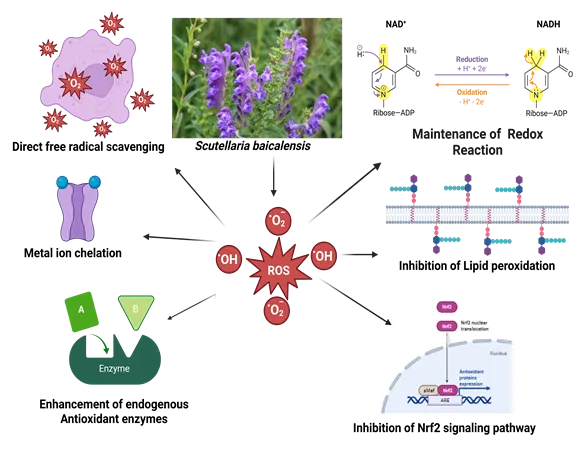
Fig.2: Antioxidant Activity of Scutellaria baicalensis
Antineoplastic (Anticancer) Activities
Scutellaria baicalensis has gained considerable scientific attention for its antineoplastic, or anticancer, potential. Cancer is a complex disease characterized by uncontrolled cell growth, resistance to cell death, abnormal cell-cycle progression, invasion of surrounding tissues, metastasis to distant organs, and formation of new blood vessels to support tumor growth. Conventional cancer treatments such as chemotherapy, radiotherapy, surgery, immunotherapy, and targeted therapy have improved survival rates in many cancers; however, limitations such as drug resistance, toxicity, recurrence, and adverse effects continue to create a need for safer and more effective therapeutic agents. Natural products have become an important source of anticancer compounds because they often act on multiple molecular targets. S. baicalensis, particularly its root, contains several bioactive flavonoids such as baicalin, baicalein, wogonin, wogonoside, and oroxylin A, which have shown promising anticancer effects in experimental studies. These compounds influence cancer development through several mechanisms, including inhibition of cancer cell proliferation, induction of apoptosis, regulation of the cell cycle, suppression of metastasis, and inhibition of angiogenesis [34].
One of the major anticancer effects of Scutellaria baicalensis is its ability to inhibit cancer cell proliferation. Uncontrolled proliferation is a fundamental feature of cancer cells and occurs when normal regulatory mechanisms that control cell growth are disrupted. Bioactive compounds from S. baicalensis can suppress the growth of various cancer cell types, including breast, lung, liver, colorectal, prostate, ovarian, pancreatic, gastric, and leukemia cells. Baicalein and wogonin are among the most studied compounds in this regard. These flavonoids interfere with signaling pathways that promote cell survival and growth, such as PI3K/Akt, MAPK, NF-κB, STAT3, and Wnt/β-catenin pathways. By inhibiting these pathways, the compounds reduce the expression of proteins involved in cancer cell multiplication and survival. For example, suppression of Akt signaling can reduce cell survival, while inhibition of NF-κB can decrease inflammation-related tumor promotion. Similarly, blocking STAT3 activity can reduce the expression of genes that support tumor growth. As a result, cancer cells become less capable of continuous division and expansion [35].
The antiproliferative effects of S. baicalensis are also linked to its ability to interfere with oxidative stress and inflammatory processes. Chronic inflammation and excessive reactive oxygen species can contribute to tumor initiation and progression by damaging DNA and promoting abnormal cell signaling. Flavonoids from S. baicalensis exhibit antioxidant and anti-inflammatory activities that may help reduce the cellular environment favorable for cancer growth. However, in established cancer cells, these compounds may sometimes act as pro-oxidant agents at higher concentrations, increasing intracellular reactive oxygen species to levels that are toxic to tumor cells. This dual effect is important because it suggests that the plant’s compounds may protect normal cells from oxidative injury while selectively damaging cancer cells under certain conditions. Another important anticancer mechanism of Scutellaria baicalensis is apoptosis induction. Apoptosis, also known as programmed cell death, is a natural process by which damaged, abnormal, or unnecessary cells are eliminated from the body. Cancer cells often develop the ability to avoid apoptosis, allowing them to survive and multiply despite genetic damage. Compounds such as baicalein, baicalin, wogonin, and oroxylin A can restore apoptotic signaling in cancer cells. These compounds commonly activate the intrinsic mitochondrial pathway of apoptosis. In this pathway, mitochondrial membrane potential is disrupted, leading to the release of cytochrome c into the cytoplasm. This activates caspase enzymes, especially caspase-9 and caspase-3, which execute the apoptotic process by breaking down cellular proteins and DNA [36-38].
The regulation of Bcl-2 family proteins is a major part of apoptosis induction by S. baicalensis. Bcl-2 is an anti-apoptotic protein that helps cancer cells survive, while Bax is a pro-apoptotic protein that promotes cell death. Many studies suggest that flavonoids from S. baicalensis can decrease Bcl-2 expression and increase Bax expression, shifting the balance toward apoptosis. Wogonin, in particular, has been noted for its ability to induce apoptosis in cancer cells while showing relatively lower toxicity toward normal cells. Baicalein has also been reported to trigger apoptosis by increasing caspase activation, promoting mitochondrial dysfunction, and regulating apoptosis-related proteins. In addition to the intrinsic pathway, some compounds may influence the extrinsic pathway of apoptosis, which involves death receptors on the cell surface. Through these mechanisms, S. baicalensis helps eliminate abnormal cells and suppress tumor development [39].
Cell-cycle regulation is another significant aspect of the anticancer activity of Scutellaria baicalensis. The cell cycle is a carefully controlled process through which cells grow, replicate their DNA, and divide. It consists of several phases, including G0/G1, S, G2, and M phases. In cancer, cell-cycle checkpoints often become defective, allowing damaged cells to divide uncontrollably. Bioactive compounds from S. baicalensis can arrest cancer cells at specific stages of the cell cycle, preventing further division. Baicalein has been shown in several experimental models to induce G1 or G2/M phase arrest depending on the cancer cell type and concentration used. Wogonin and oroxylin A also regulate cell-cycle progression by influencing cyclins, cyclin-dependent kinases, and checkpoint proteins [40].
Cyclins and cyclin-dependent kinases are essential proteins that control movement through the cell cycle. Cancer cells often overexpress cyclins such as cyclin D1, cyclin E, and cyclin B1, which support rapid cell division. Compounds from S. baicalensis may reduce the levels of these cyclins and inhibit cyclin-dependent kinase activity. At the same time, they may increase the expression of cell-cycle inhibitory proteins such as p21 and p27. These changes slow down or stop the progression of cancer cells through the cell cycle. For example, arrest at the G1 phase prevents cells from entering the DNA synthesis phase, while arrest at the G2/M phase prevents cells from completing mitosis. By blocking cell-cycle progression, S. baicalensis compounds limit tumor cell proliferation and may enhance the effectiveness of chemotherapy drugs that target dividing cells [41].
In addition to inhibiting proliferation and promoting apoptosis, Scutellaria baicalensis also demonstrates anti-metastatic activity. Metastasis is the process by which cancer cells detach from the primary tumor, invade surrounding tissues, enter the bloodstream or lymphatic system, and establish secondary tumors in distant organs. It is one of the main causes of cancer-related death. Metastasis involves several steps, including degradation of the extracellular matrix, epithelial-mesenchymal transition, migration, invasion, and colonization of new tissue sites. Flavonoids from S. baicalensis can interfere with these processes by regulating proteins and enzymes involved in tumor invasion.
Matrix metalloproteinases, especially MMP-2 and MMP-9, play an important role in metastasis by breaking down extracellular matrix components and allowing cancer cells to invade surrounding tissues. Baicalein, baicalin, and wogonin have been reported to reduce the expression or activity of these enzymes in cancer cell models. By suppressing matrix metalloproteinases, these compounds reduce the invasive ability of cancer cells. They may also regulate epithelial-mesenchymal transition, a process in which cancer cells lose epithelial characteristics and acquire more mobile and invasive properties. During this process, proteins such as E-cadherin decrease, while N-cadherin and vimentin increase. Compounds from S. baicalensis may reverse or inhibit these changes, thereby reducing migration and invasion [42].
The anti-metastatic effects of S. baicalensis are also associated with inhibition of inflammatory and survival pathways. NF-κB, MAPK, and PI3K/Akt signaling pathways contribute to cancer cell movement, invasion, and survival during metastasis. By suppressing these pathways, S. baicalensis flavonoids reduce the ability of tumor cells to spread. In addition, their antioxidant and anti-inflammatory properties may help alter the tumor microenvironment, making it less favorable for invasion and metastatic colonization. This is important because metastasis is not controlled only by cancer cells themselves but also by surrounding stromal cells, immune cells, inflammatory mediators, and extracellular matrix components [43].
Angiogenesis inhibition is another important anticancer mechanism of Scutellaria baicalensis. Angiogenesis refers to the formation of new blood vessels from existing ones. Tumors require new blood vessels to obtain oxygen and nutrients needed for continued growth and survival. Without angiogenesis, tumors are generally unable to grow beyond a small size. Vascular endothelial growth factor, commonly known as VEGF, is one of the most important molecules involved in tumor angiogenesis. Cancer cells often produce high levels of VEGF, which stimulates the growth of blood vessels into the tumor mass. Bioactive compounds from S. baicalensis may suppress angiogenesis by reducing VEGF expression and interfering with VEGF-related signaling pathways [44]. Baicalein and wogonin have shown anti-angiogenic effects in experimental studies by inhibiting endothelial cell proliferation, migration, and tube formation, which are essential steps in new blood vessel formation. These compounds may also reduce the expression of hypoxia-inducible factor-1 alpha, a protein that increases VEGF production under low-oxygen conditions commonly found inside tumors. By suppressing HIF-1α and VEGF signaling, S. baicalensis compounds may limit blood vessel formation and starve tumors of essential nutrients. Anti-angiogenic activity also helps reduce the possibility of metastasis, since tumor blood vessels can provide a pathway for cancer cells to enter circulation [45].
The anticancer potential of Scutellaria baicalensis is particularly valuable because its compounds act on multiple targets rather than a single pathway. Cancer is driven by numerous molecular abnormalities, so multitarget agents may be more effective in controlling tumor progression. In addition, some studies suggest that baicalin, baicalein, and wogonin may enhance the sensitivity of cancer cells to conventional chemotherapy and radiotherapy. They may help overcome drug resistance by regulating apoptosis pathways, reducing survival signaling, and inhibiting drug-resistance proteins. This suggests that S. baicalensis may have potential as an adjuvant therapy when used alongside standard cancer treatments [46].
Overall, Scutellaria baicalensis exhibits promising antineoplastic activities through several interconnected mechanisms. Its major flavonoids inhibit cancer cell proliferation, induce apoptosis, regulate cell-cycle progression, suppress invasion and metastasis, and inhibit tumor angiogenesis. These effects are mediated through modulation of key molecular pathways such as PI3K/Akt, MAPK, NF-κB, STAT3, VEGF, and mitochondrial apoptotic signaling. Although most evidence comes from in vitro and preclinical studies, the findings provide strong scientific support for the anticancer potential of this medicinal plant. Further clinical studies are required to determine appropriate dosage, safety, bioavailability, and therapeutic effectiveness in humans. Nevertheless, S. baicalensis remains a valuable natural source of bioactive compounds with significant promise for cancer prevention and supportive cancer therapy [47].
Molecular Mechanisms of Action
The biological activities of Scutellaria baicalensis are closely related to its ability to regulate multiple molecular mechanisms involved in oxidative stress, inflammation, cell survival, apoptosis, and cancer progression. The major active compounds of this plant, especially baicalin, baicalein, wogonin, wogonoside, and oroxylin A, act on several intracellular signaling pathways rather than targeting only one mechanism. This multitarget nature is important because chronic diseases such as cancer are usually caused by complex interactions among oxidative damage, inflammation, abnormal cell proliferation, immune dysregulation, and resistance to cell death. The molecular mechanisms of S. baicalensis are therefore best understood through its effects on oxidative stress pathways, inflammatory signaling such as NF-κB, growth and survival pathways such as MAPK and PI3K/Akt, and antioxidant defense systems regulated by Nrf2 [48].
Oxidative stress pathways play a central role in both the protective and anticancer effects of Scutellaria baicalensis. Oxidative stress occurs when reactive oxygen species (ROS) are produced in excess and overwhelm the antioxidant defense system of the cell. ROS such as superoxide anion, hydroxyl radical, hydrogen peroxide, and peroxynitrite can damage DNA, proteins, lipids, and mitochondria. This damage contributes to mutation, genomic instability, inflammation, and tumor development. The flavonoids present in S. baicalensis can reduce oxidative stress by directly scavenging free radicals and by improving cellular antioxidant defenses. Baicalein and baicalin, for example, contain phenolic hydroxyl groups that allow them to donate hydrogen atoms or electrons to unstable free radicals, converting them into less reactive molecules. This direct antioxidant action helps protect normal cells from oxidative injury [49].
In addition to direct free-radical scavenging, S. baicalensis compounds can reduce oxidative damage by inhibiting lipid peroxidation and protecting mitochondrial function. Lipid peroxidation damages cell membranes and generates harmful products such as malondialdehyde, which can further injure cells. By decreasing lipid peroxidation, the plant’s flavonoids help maintain membrane stability and cellular integrity. Mitochondria are major sources of ROS, and mitochondrial dysfunction can increase oxidative stress and trigger cell death. In normal cells, baicalin and baicalein may protect mitochondria by maintaining mitochondrial membrane potential and reducing ROS accumulation. However, in cancer cells, these compounds can sometimes increase ROS beyond a toxic threshold, leading to mitochondrial damage and apoptosis. This dual effect is significant because it suggests that S. baicalensis may protect healthy cells while promoting selective death of cancer cells under certain conditions [50].
The NF-κB signaling pathway is another important molecular target of Scutellaria baicalensis. NF-κB, or nuclear factor-kappa B, is a transcription factor that regulates genes involved in inflammation, immune response, cell survival, proliferation, angiogenesis, and metastasis. Under normal conditions, NF-κB remains inactive in the cytoplasm, but it becomes activated in response to oxidative stress, inflammatory cytokines, infections, and cellular injury. Once activated, NF-κB enters the nucleus and stimulates the expression of inflammatory mediators such as TNF-α, IL-1β, IL-6, COX-2, and iNOS. Persistent activation of NF-κB is commonly associated with chronic inflammation and cancer progression because it helps cancer cells survive, resist apoptosis, and invade surrounding tissues.
Bioactive compounds of S. baicalensis can suppress NF-κB activation and thereby reduce inflammation-driven tumor promotion. Baicalein, baicalin, and wogonin have been shown to inhibit the phosphorylation and degradation of IκB, the inhibitory protein that normally keeps NF-κB inactive. By preventing IκB degradation, these compounds reduce the nuclear translocation of NF-κB and decrease the expression of pro-inflammatory and anti-apoptotic genes. As a result, cancer cells may become more sensitive to apoptosis, and inflammatory damage in tissues may be reduced. This mechanism also explains the traditional use of S. baicalensis in inflammatory disorders and supports its potential role in cancer prevention, since chronic inflammation is a major contributor to carcinogenesis [51-53].
The MAPK signaling pathway is also involved in the pharmacological effects of Scutellaria baicalensis. MAPKs, or mitogen-activated protein kinases, are a family of signaling molecules that transmit signals from the cell surface to the nucleus. The main MAPK pathways include ERK, JNK, and p38 MAPK. These pathways regulate cell proliferation, differentiation, apoptosis, inflammation, and stress responses. In cancer cells, abnormal activation of MAPK signaling can promote uncontrolled growth and survival. However, activation of certain MAPK components, such as JNK and p38, can also promote apoptosis under stress conditions. Therefore, the effect of S. baicalensis on MAPK signaling may vary depending on the compound, cancer type, dose, and cellular environment [54].
Baicalein and wogonin may inhibit ERK signaling in cancer cells, reducing proliferation and survival. Suppression of ERK activity can decrease the expression of growth-promoting genes and slow tumor progression. At the same time, these compounds may activate stress-related MAPKs such as JNK and p38, which can contribute to apoptosis. Through regulation of MAPK signaling, S. baicalensis can influence whether a cell continues to divide or undergoes programmed cell death. This mechanism is particularly relevant in cancer therapy because many tumors depend on MAPK signaling for growth and resistance to treatment [55].
Another major pathway affected by Scutellaria baicalensis is the PI3K/Akt signaling pathway. This pathway is one of the most important regulators of cell survival, metabolism, proliferation, and resistance to apoptosis. In many cancers, PI3K/Akt signaling is overactivated, allowing tumor cells to survive under stressful conditions and resist chemotherapy. Akt activation promotes the expression of anti-apoptotic proteins such as Bcl-2 and inhibits pro-apoptotic factors such as Bax and caspases. It also supports cell-cycle progression and contributes to angiogenesis and metastasis [56].
Flavonoids from S. baicalensis can inhibit PI3K/Akt signaling and restore apoptotic sensitivity in cancer cells. Baicalein, wogonin, and oroxylin A have been associated with reduced Akt phosphorylation, which leads to decreased survival signaling. When Akt activity is suppressed, cancer cells become more vulnerable to mitochondrial apoptosis. This is often accompanied by increased Bax expression, decreased Bcl-2 expression, cytochrome c release, and activation of caspase-9 and caspase-3. Inhibition of PI3K/Akt may also reduce the expression of proteins involved in cell-cycle progression, invasion, and angiogenesis. Therefore, this pathway represents a key molecular target through which S. baicalensis exerts anticancer activity [57].
The Nrf2-related pathway is another essential mechanism in the antioxidant and cytoprotective effects of Scutellaria baicalensis. Nrf2, or nuclear factor erythroid 2-related factor 2, is a transcription factor that regulates the expression of antioxidant and detoxifying enzymes. Under normal conditions, Nrf2 is bound to Keap1 in the cytoplasm and is degraded. During oxidative stress, Nrf2 is released from Keap1 and moves into the nucleus, where it binds to antioxidant response elements and activates protective genes. These genes encode enzymes such as heme oxygenase-1, NAD(P)H quinone oxidoreductase-1, glutathione S-transferase, superoxide dismutase, catalase, and glutathione peroxidase [58].
Compounds such as baicalin and baicalein can activate the Nrf2 pathway, enhancing the cell’s ability to neutralize ROS and detoxify harmful substances. This activation helps increase antioxidant enzyme activity, maintain glutathione levels, and protect cells from oxidative injury. In normal tissues, Nrf2 activation may contribute to hepatoprotective, neuroprotective, cardioprotective, and anti-inflammatory effects. However, the role of Nrf2 in cancer is complex. While Nrf2 activation can help prevent cancer initiation by reducing DNA damage and oxidative stress, persistent Nrf2 activation in established tumors may sometimes help cancer cells survive oxidative stress and resist therapy. Therefore, the effect of S. baicalensis on Nrf2 must be interpreted carefully and may depend on disease stage and cellular context [59].
Overall, the molecular mechanisms of Scutellaria baicalensis involve a balanced interaction between antioxidant protection and anticancer signaling. Its flavonoids reduce oxidative stress, suppress inflammation through NF-κB inhibition, regulate MAPK signaling, block PI3K/Akt-mediated survival pathways, and activate Nrf2-dependent antioxidant defenses. These mechanisms explain many of the plant’s reported antioxidant, anti-inflammatory, and antineoplastic activities. Because these pathways are interconnected, the therapeutic effects of S. baicalensis are likely due to combined modulation of multiple molecular targets rather than a single isolated action. This multitarget activity supports its potential as a natural agent for preventing oxidative stress-related disorders and as a complementary approach in cancer research [60].
FUTURE PERSPECTIVES
Scutellaria baicalensis has shown strong potential as a medicinal plant with antioxidant, anti-inflammatory, and antineoplastic properties. However, most available evidence is based on in vitro and animal studies, and more well-designed clinical trials are needed to confirm its therapeutic effectiveness in humans. Future research should focus on identifying the safest and most effective doses of its major bioactive compounds, especially baicalin, baicalein, wogonin, and wogonoside. Since these flavonoids may have limited bioavailability, advanced drug delivery systems such as nanoparticles, liposomes, and phytosomes could improve absorption, stability, and targeted delivery. Another important area of research is the evaluation of herb-drug interactions, particularly when S. baicalensis is used alongside chemotherapy, radiotherapy, or other conventional medicines. Standardization of plant extracts is also essential to ensure consistent quality, safety, and pharmacological activity. In addition, more studies are required to understand how its compounds act on molecular pathways such as NF-κB, MAPK, PI3K/Akt, and Nrf2 in different disease conditions. With further scientific validation, S. baicalensis may become a valuable natural source for developing complementary therapies for oxidative stress-related disorders and cancer prevention.
CONCLUSION
Scutellaria baicalensis is an important medicinal plant with a long history of use in traditional medicine and increasing relevance in modern pharmacological research. Its therapeutic value is mainly linked to its rich phytochemical composition, especially flavonoids such as baicalin, baicalein, wogonin, and wogonoside. These compounds contribute to strong antioxidant activity by scavenging free radicals, reducing oxidative stress, enhancing endogenous antioxidant enzymes, and regulating redox-related pathways. In addition, S. baicalensis demonstrates promising antineoplastic effects by inhibiting cancer cell proliferation, inducing apoptosis, regulating the cell cycle, suppressing metastasis, and reducing angiogenesis. Its molecular actions involve several important signaling pathways, including oxidative stress pathways, NF-κB, MAPK, PI3K/Akt, and Nrf2-related mechanisms. Although preclinical findings are highly encouraging, further clinical studies are necessary to confirm its safety, efficacy, dosage, and therapeutic applications in humans. Overall, Scutellaria baicalensis represents a promising natural resource with significant potential for future development in antioxidant and anticancer therapy.
REFERENCES

Prakash Pralhad Sarwade, Kavita Narayan Gaisamudre (Sarwade), Jalaniy Venkateshwaran, Neha, Riya Yadav, Antioxidant and Antineoplastic Activities of Scutellaria baicalensis: Phytochemistry, and Clinical Relevance, Int. J. of Pharm. Sci., 2026, Vol 4, Issue 7, 536-556. https://doi.org/10.5281/zenodo.21154997
 10.5281/zenodo.21154997