

We use cookies to ensure our website works properly and to personalise your experience. Cookies policy
IPS Academy College of Pharmacy, Knowledge Village, Rajendra Nagar, A.B. Road, Indore - 452012, Madhya Pradesh, India
Artificial intelligence (AI) has emerged as a transformative technology in healthcare, offering advanced capabilities in disease prediction, diagnosis, prognosis, and personalized therapy. In renal healthcare, AI applications have gained significant attention due to the growing global burden of kidney diseases, including chronic kidney disease (CKD), acute kidney injury (AKI), and end-stage renal disease (ESRD). [1] The integration of machine learning (ML), deep learning (DL), and natural language processing (NLP) with clinical, biochemical, imaging, and genomic data has enabled more accurate risk stratification, early disease detection, and optimized treatment strategies. [2] This review critically discusses the current trends in AI applications across various domains of nephrology, including disease prediction, diagnostic imaging, dialysis management, renal transplantation, and drug development. Furthermore, the article highlights regulatory challenges, ethical concerns, data limitations, and future prospects of AI-driven renal healthcare. Emphasis is placed on the relevance of AI for pharmaceutical sciences, particularly in drug discovery, precision dosing, and clinical decision support systems. The review aims to provide a comprehensive understanding of AI’s role in advancing renal healthcare and its potential to reshape future nephrology practice
Kidney diseases constitute a significant and escalating public health challenge worldwide, contributing substantially to morbidity, mortality, and healthcare expenditure. The global burden of renal disorders has increased markedly due to rising prevalence of diabetes mellitus, hypertension, obesity, and aging populations. Among renal disorders, chronic kidney disease (CKD) is particularly concerning, as it affects millions of individuals globally and progresses insidiously over several years. Due to its asymptomatic nature in early stages, CKD often remains undiagnosed until advanced disease has developed, at which point therapeutic interventions are limited and costly. Acute kidney injury (AKI), another critical renal condition, frequently complicates hospitalization and critical illness, significantly increasing the risk of long-term renal dysfunction and mortality. [3]Conventional diagnostic and therapeutic strategies in nephrology primarily depend on laboratory parameters such as serum creatinine, estimated glomerular filtration rate (eGFR), and proteinuria assessment, complemented by imaging modalities and clinical judgment. Although these approaches remain indispensable, they possess inherent limitations. Traditional biomarkers lack sensitivity for early disease detection, while imaging interpretation is subject to interobserver variability.[4] Furthermore, clinical decision-making often fails to fully account for the complex, nonlinear interactions among genetic predisposition, comorbid conditions, environmental factors, and pharmacotherapy that influence disease onset and progression. As a result, interindividual variability in disease course and treatment response remains inadequately addressed in routine clinical practice. [5]Artificial intelligence (AI), encompassing machine learning (ML), deep learning (DL), and other data-driven computational techniques, has emerged as a powerful tool capable of transforming renal healthcare. AI systems can analyze large-scale, high-dimensional datasets and identify subtle patterns that are beyond human cognitive capacity.[6] In nephrology, AI applications have rapidly expanded to include early disease detection, prediction of CKD progression and AKI onset, automated interpretation of renal imaging and histopathology, optimization of dialysis prescriptions, and enhancement of clinical decision support systems. These capabilities enable a shift from reactive to proactive and predictive renal care. [7]
2. Overview of Artificial Intelligence in Healthcare
Artificial intelligence encompasses a broad range of computational techniques designed to mimic human intelligence and decision-making processes. In healthcare, AI technologies are increasingly utilized to analyze complex biomedical data, uncover hidden patterns, and support clinical and pharmaceutical decision-making. The exponential growth of electronic health records, medical imaging, genomic data, and real-world clinical data has created an environment in which traditional analytical methods are often insufficient. AI-based approaches, particularly machine learning, deep learning, and natural language processing, offer powerful solutions for handling such high-dimensional and heterogeneous datasets.In renal healthcare, these technologies enable improved disease prediction, diagnostic accuracy, treatment optimization, and personalized medicine. Each AI subdomain contributes uniquely to nephrology and pharmaceutical sciences, as discussed below.
2.1 Machine Learning
Machine learning (ML) refers to a class of artificial intelligence algorithms that enable systems to learn patterns and relationships from data without being explicitly programmed. ML models are typically trained on historical datasets to identify associations between input variables (predictors) and clinical outcomes. Based on their learning approach, ML algorithms are broadly categorized into supervised, unsupervised, and reinforcement learning methods. [8]In renal healthcare, supervised learning techniques are most commonly employed. These include logistic regression, decision trees, random forests, support vector machines, and gradient boosting algorithms. Such models are widely used for predicting the onset and progression of chronic kidney disease, identifying patients at risk of acute kidney injury, estimating hospitalization and mortality risk, and classifying disease severity. By integrating demographic data, laboratory values, comorbidities, and medication history, ML models can generate individualized risk profiles that outperform conventional statistical approaches. [9]Unsupervised learning methods, such as clustering and dimensionality reduction, play an important role in discovering hidden disease phenotypes within heterogeneous renal populations. These approaches are particularly valuable in chronic kidney disease, where patients with similar clinical presentations may exhibit different underlying pathophysiological mechanisms and treatment responses. Reinforcement learning, although still emerging in nephrology, shows promise in optimizing sequential clinical decisions, such as dialysis scheduling and fluid management strategies.
2.2 Deep Learning
Deep learning (DL) is an advanced subset of machine learning that utilizes artificial neural networks composed of multiple interconnected layers, enabling modeling of highly complex and nonlinear relationships within data. Deep learning algorithms are particularly effective in processing unstructured and high-dimensional data, which are common in modern healthcare settings.In renal healthcare, deep learning has gained prominence in image-based and signal-based applications. Convolutional neural networks (CNNs) are the most widely used DL architecture for medical imaging tasks. CNNs automatically extract hierarchical features from raw image data, eliminating the need for manual feature engineering. [10] These models have been successfully applied to renal ultrasound, computed tomography, and magnetic resonance imaging for detection of structural abnormalities, tumor characterization, and assessment of renal morphology. In digital pathology, deep learning algorithms analyze histopathological slides to quantify glomerulosclerosis, interstitial fibrosis, and tubular atrophy with high accuracy and reproducibility.Other deep learning architectures, such as recurrent neural networks (RNNs) and long short-term memory (LSTM) networks, are particularly suited for analyzing time-series clinical data. These models are used to predict disease progression and acute kidney injury by capturing temporal dependencies in laboratory parameters, vital signs, and treatment history. [11]Despite their high predictive performance, deep learning models are often criticized for limited interpretability, which may hinder clinical adoption. Nevertheless, ongoing research into explainable AI aims to improve transparency and trust in DL-based healthcare applications.
2.3 Natural Language Processing
Natural language processing (NLP) is a specialized branch of artificial intelligence that focuses on enabling computers to understand, interpret, and generate human language. In healthcare, a substantial amount of clinically relevant information is embedded in unstructured textual data, including physician notes, discharge summaries, pathology reports, and medication records. NLP techniques are designed to extract meaningful insights from these sources and convert them into structured, analyzable formats. [12]In renal healthcare, NLP enhances disease phenotyping by identifying clinical features, comorbidities, and disease progression indicators documented in free-text records. NLP-based systems can automatically detect adverse drug reactions, monitor medication adherence, and support pharmacovigilance in patients with renal impairment. Additionally, NLP facilitates automated clinical documentation and coding, reducing clinician workload and improving data quality. [13]
3. Applications OF AI in Renal Healthcare
Artificial intelligence has emerged as a transformative tool in renal healthcare by enabling advanced data analysis, predictive modeling, and personalized clinical decision-making. The complexity of kidney diseases, characterized by multifactorial etiology, variable progression rates, and frequent comorbidities, makes them particularly suitable for AI-driven approaches. By integrating large volumes of heterogeneous data, AI systems enhance early diagnosis, improve prognostic accuracy, optimize therapeutic strategies, and support pharmaceutical innovation. The major application domains of AI in renal healthcare are discussed below.
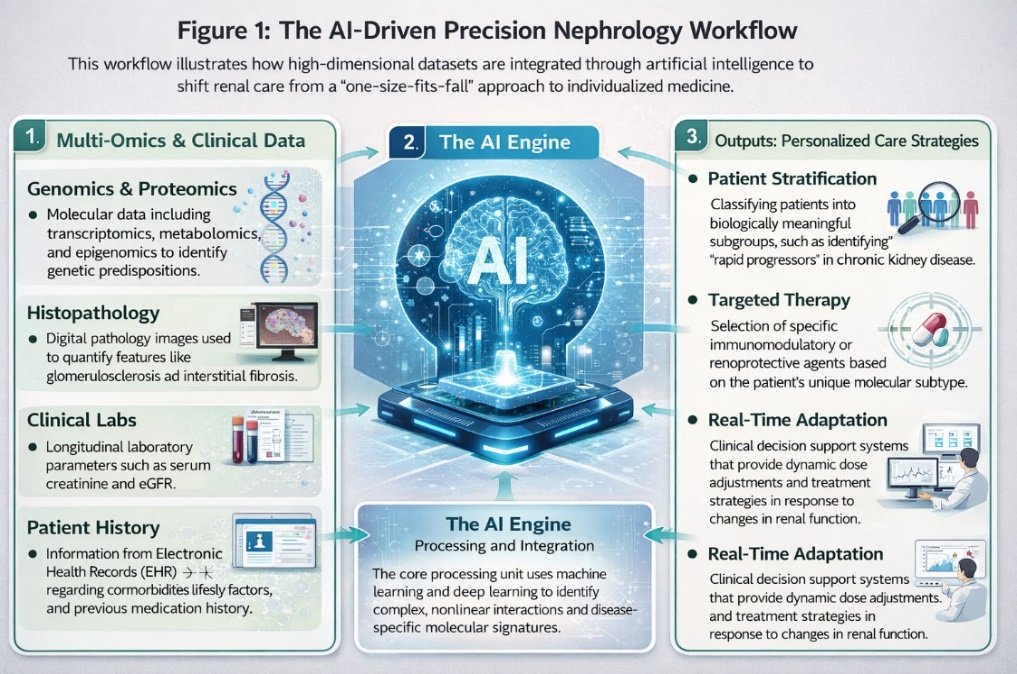
Figure 1: The AI-Driven Precision Nephrology Workflow
3.1 Early Detection and Risk Prediction of Kidney Diseases
Early detection of kidney disease remains a critical unmet clinical need, as renal damage is often irreversible once advanced stages are reached. Traditional diagnostic approaches rely on biomarkers such as serum creatinine and estimated glomerular filtration rate (eGFR), which typically reflect renal dysfunction only after significant nephron loss has occurred. Artificial intelligence-based predictive models have demonstrated superior performance compared to conventional statistical methods by capturing complex, nonlinear relationships among multiple risk factors. [14]AI models integrate diverse data sources, including demographic characteristics, longitudinal laboratory values, comorbid conditions such as diabetes and hypertension, medication history, and lifestyle factors. [15] Machine learning algorithms such as random forests, gradient boosting machines, and neural networks can identify subtle patterns indicative of early renal dysfunction, thereby enabling identification of high-risk individuals before overt clinical manifestations. This early risk stratification facilitates timely interventions such as lifestyle modification, optimization of antihypertensive or antidiabetic therapy, and avoidance of nephrotoxic drugs. [16]In the context of acute kidney injury (AKI), AI-based systems have shown remarkable ability to predict renal injury several hours to days before conventional diagnostic thresholds are reached. By continuously analyzing time-series data such as urine output, vital signs, laboratory trends, and medication exposure, machine learning models can generate early warning alerts for impending AKI. Early prediction is particularly valuable in critically ill and hospitalized patients, where prompt intervention can prevent progression to severe renal damage, reduce length of hospital stay, and improve survival outcomes.
3.2 AI in Renal Imaging and Diagnostics
Medical imaging plays a central role in the diagnosis and monitoring of renal diseases; however, interpretation is often time-consuming and subject to interobserver variability. Artificial intelligence, particularly deep learning, has significantly enhanced the accuracy, reproducibility, and efficiency of renal imaging analysis. [17]Deep learning algorithms, especially convolutional neural networks (CNNs), have been extensively applied to renal ultrasound, computed tomography (CT), and magnetic resonance imaging (MRI). In ultrasound imaging, AI systems improve detection of hydronephrosis, cystic kidney diseases, and parenchymal abnormalities, even in low-quality images. In CT and MRI, AI-assisted tools support automated kidney segmentation, detection and classification of renal tumors, assessment of tumor staging, and evaluation of renal volume and perfusion. [18]In renal biopsy analysis, digital pathology combined with AI has emerged as a powerful diagnostic aid. Deep learning models can automatically identify and quantify key histopathological features such as glomerulosclerosis, interstitial fibrosis, tubular atrophy, and inflammatory infiltrates.[19] Automated quantification reduces interobserver variability, enhances diagnostic consistency, and supports standardized reporting. These advances are particularly valuable in monitoring disease progression and evaluating therapeutic response. [20]Overall, AI-assisted imaging and diagnostics improve diagnostic accuracy, reduce workload for clinicians and pathologists, and enable earlier and more precise therapeutic decision-making.
3.3 AI in Dialysis Management
Dialysis therapy requires continuous optimization to balance solute clearance, fluid removal, and cardiovascular stability. However, conventional dialysis prescriptions are often standardized and may not adequately account for individual patient variability. Artificial intelligence offers powerful tools for personalized dialysis management through continuous analysis of patient-specific physiological and biochemical parameters. [21]AI-based models analyze data such as blood pressure trends, ultrafiltration rates, electrolyte levels, interdialytic weight gain, and cardiovascular responses to generate individualized dialysis prescriptions. [22] Predictive algorithms assist in determining optimal dialysis duration, frequency, and ultrafiltration targets, thereby minimizing complications and improving treatment tolerance.AI-driven monitoring systems have demonstrated effectiveness in predicting intradialytic hypotension, muscle cramps, arrhythmias, and fluid overload. Early prediction allows timely intervention, such as modification of ultrafiltration rates or adjustment of dialysate composition, thereby improving patient safety and quality of life. [23]
3.4 Renal Transplantation and Graft Survival Prediction
Renal transplantation remains the preferred treatment for end-stage renal disease; however, long-term graft survival and prevention of rejection remain major challenges. Artificial intelligence has increasingly been applied to enhance pre- and post-transplant decision-making.AI models integrate donor and recipient characteristics, immunological markers, histocompatibility data, and clinical variables to assess donor-recipient compatibility and predict delayed graft function. Machine learning algorithms can estimate the risk of acute and chronic rejection, enabling individualized immunosuppressive therapy planning. [24]Post-transplant, AI-based monitoring systems analyze longitudinal clinical data to detect early signs of graft dysfunction or rejection. Early identification of high-risk patients enables prompt therapeutic intervention, improving graft longevity and patient outcomes. [25]These applications support a more precise and personalized approach to renal transplantation, reducing complications and enhancing long-term success rates.
3.5 Artificial Intelligence in Drug Development and Pharmaceutical Sciences
AI-based platforms facilitate identification of novel therapeutic targets by analyzing molecular pathways, gene expression profiles, and disease-specific biomarkers associated with renal disorders.[26] Predictive models assess the nephrotoxic potential of drug candidates early in the development pipeline, reducing late-stage failures and improving drug safety.AI-driven pharmacokinetic and pharmacodynamic modeling enables optimization of dosing regimens in patients with varying degrees of renal impairment. Clinical decision support tools powered by AI provide real-time dose adjustment recommendations based on renal function, thereby supporting precision dosing and minimizing adverse effects. [27]In addition, AI models aid in drug repurposing by identifying existing drugs with potential efficacy in renal diseases, accelerating therapeutic development. AI also improves clinical trial design by enabling selection of appropriate patient populations, predicting treatment response, and optimizing trial endpoints, ultimately enhancing trial efficiency and success. [28]
Table 1: Key Clinical Applications of AI across the Spectrum of Renal Care
|
Clinical Domain |
AI Functionality |
Benefit/Outcome |
|
Early Detection & Risk Prediction |
Integration of demographic, lab, and lifestyle data to identify subtle patterns of dysfunction. |
|
|
Renal Imaging & Diagnostics |
Automated kidney segmentation and feature extraction using CNNs |
|
|
Dialysis Management |
Analysis of physiological trends (BP, fluid status) to personalize prescriptions. |
|
|
Renal Transplantation |
Assessment of donor-recipient compatibility and immunological markers. |
|
|
Pharmacology & Drug Development |
Modeling molecular pathways and predicting nephrotoxicity. |
|
4. Integration of Artificial Intelligence with Precision Medicine in Nephrology
Precision medicine represents a paradigm shift in healthcare, moving away from standardized treatment approaches toward individualized therapeutic strategies based on patient-specific biological, clinical, and environmental characteristics. In nephrology, precision medicine is particularly relevant due to the heterogeneous nature of kidney diseases, which exhibit wide variability in etiology, progression rate, and response to therapy. Artificial intelligence serves as a key enabling technology in precision nephrology by facilitating integration and interpretation of complex, high-dimensional datasets that are beyond the analytical capacity of traditional methods.AI-driven platforms enable simultaneous analysis of multi-omics data-including genomics, proteomics, transcriptomics, metabolomics, and epigenomics-alongside conventional clinical information such as laboratory parameters, imaging findings, histopathology, and electronic health records. By identifying complex interactions among these data layers, AI models can uncover disease-specific molecular signatures and stratify patients into biologically meaningful subgroups. This stratification allows clinicians to predict disease trajectory more accurately and tailor therapeutic interventions accordingly. [29]In chronic kidney disease, AI-based precision models help identify individuals with rapidly progressive disease who may benefit from aggressive therapeutic intervention, while sparing low-risk patients from unnecessary treatment. In diabetic nephropathy, AI systems integrate glycemic control data, genetic susceptibility markers, inflammatory biomarkers, and renal histological features to predict disease progression and therapeutic response. Such models enable personalized selection of antidiabetic and renoprotective agents, optimizing efficacy while minimizing adverse effects.Similarly, in immune-mediated renal disorders such as glomerulonephritis, AI-driven precision medicine approaches facilitate identification of immunological and molecular subtypes that respond differently to immunosuppressive therapy. By analyzing gene expression profiles, autoantibody patterns, and histopathological features, AI models support selection of targeted immunomodulatory treatments, reducing unnecessary exposure to broad-spectrum immunosuppression and associated toxicity.
Furthermore, integration of AI with precision medicine supports development of personalized clinical decision support systems that provide real-time therapeutic recommendations based on dynamic patient data. Such systems continuously adapt treatment strategies in response to changes in renal function, biomarker levels, and treatment response, promoting truly individualized renal care. [30]Despite its promise, implementation of AI-driven precision medicine in nephrology faces challenges, including limited availability of large, well-annotated multi-omics datasets, lack of standardization across data platforms, and ethical concerns related to data privacy and equity. Addressing these challenges through interdisciplinary collaboration and robust validation frameworks will be essential to fully realize the potential of precision nephrology.
5. Challenges and Limitations
Despite the substantial promise of artificial intelligence in advancing renal healthcare, its widespread adoption and routine clinical implementation remain constrained by several technical, clinical, ethical, and regulatory challenges. Addressing these limitations is essential to ensure that AI-driven tools are safe, reliable, and capable of delivering meaningful clinical and pharmaceutical benefits.
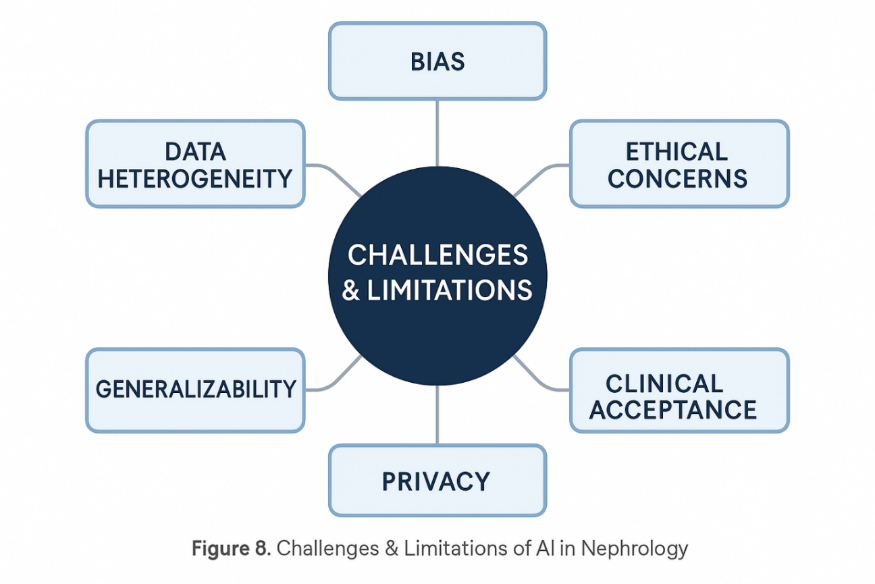
Figure 2: Challenges and Limitations of AI in Nephrology
6. Regulatory and Ethical Considerations
The rapid integration of artificial intelligence into renal healthcare has raised important regulatory and ethical considerations that must be addressed to ensure patient safety, clinical effectiveness, and public trust. As AI-driven tools increasingly influence diagnostic, prognostic, and therapeutic decisions in nephrology, regulatory agencies and professional bodies emphasize the need for transparency, robustness, and rigorous clinical validation prior to widespread clinical deployment.
In renal healthcare, where disease progression and therapeutic decisions can have irreversible consequences, robust external validation and post-market surveillance are particularly critical. Furthermore, the adaptive nature of certain AI models, which may evolve as new data are incorporated, presents challenges for traditional regulatory frameworks that are designed for static technologies.Transparency and interpretability of AI systems are central regulatory concerns. Clinicians must be able to understand the rationale behind AI-generated recommendations in order to integrate them responsibly into clinical decision-making. Lack of interpretability not only limits clinician confidence but also complicates regulatory approval, as authorities increasingly require explainable AI models that allow auditability and accountability.Ethical considerations play an equally important role in the responsible deployment of AI in renal healthcare. Informed consent is a fundamental ethical requirement, particularly when patient data are used for training or validating AI models. Patients should be adequately informed about how their data are collected, stored, analyzed, and used in AI-driven systems, including potential risks and benefits. Transparent communication fosters trust and supports ethical data utilization.
Patient data protection and privacy are major ethical concerns, especially given the sensitive nature of clinical and genomic data used in renal healthcare. AI systems often rely on large-scale datasets derived from electronic health records, imaging repositories, and biobanks, increasing the risk of data breaches and misuse. Compliance with data protection regulations and implementation of robust cybersecurity measures are essential to safeguard patient confidentiality.[33]
Accountability and responsibility for AI-driven decisions represent another ethical challenge. When AI systems contribute to clinical decision-making, it must be clearly defined whether responsibility lies with the clinician, healthcare institution, or AI developer in the event of adverse outcomes. Establishing clear accountability frameworks is crucial to prevent ambiguity and ensure ethical clinical practice.
7. Future Prospects
The future of artificial intelligence in renal healthcare is highly promising and is expected to fundamentally reshape the prevention, diagnosis, and management of kidney diseases. Rapid advancements in computational power, data availability, and algorithmic sophistication are likely to accelerate the integration of AI-driven tools into routine nephrology practice. As healthcare systems increasingly adopt digital technologies, AI is poised to transition from a supportive role to a central component of renal care delivery.One of the most significant future developments is the emergence of real-time clinical decision support systems powered by artificial intelligence. These systems will continuously analyze patient data from electronic health records, laboratory results, imaging studies, and physiological monitoring to provide dynamic, evidence-based recommendations at the point of care. In renal healthcare, real-time AI support could enable early identification of acute kidney injury, optimize drug dosing in patients with fluctuating renal function, and assist clinicians in selecting personalized therapeutic strategies. Such systems have the potential to reduce clinical variability, enhance treatment accuracy, and improve patient outcomes. [34]
The integration of AI with wearable technologies and remote monitoring devices represents another important future direction. Wearable sensors capable of tracking physiological parameters such as blood pressure, heart rate, fluid status, and biochemical markers can generate continuous data streams for AI-based analysis. In renal patients, particularly those with chronic kidney disease or undergoing dialysis, AI-assisted remote monitoring may enable early detection of disease progression, fluid imbalance, and treatment-related complications. These technologies support proactive, home-based care models, reduce hospital visits, and improve patient engagement and quality of life.
Integration of artificial intelligence with digital therapeutics is also expected to play a crucial role in the future of renal healthcare. Digital therapeutics, which deliver evidence-based interventions through software platforms, can be enhanced by AI-driven personalization. AI algorithms can adapt therapeutic content, medication reminders, lifestyle interventions, and behavioral support based on individual patient response and disease trajectory. Such integration complements pharmacological therapy and supports comprehensive, patient-centered renal care. [35]
Furthermore, the future of AI in nephrology will likely involve deeper integration with precision medicine and multi-omics analysis, enabling identification of molecular subtypes of renal disease and individualized therapeutic approaches. AI-driven models will increasingly guide clinical trial design, patient stratification, and outcome prediction, improving the success rate of renal drug development programs.Despite these promising prospects, successful translation of AI innovations into routine nephrology practice will require close collaboration among clinicians, data scientists, engineers, and pharmaceutical researchers. Interdisciplinary partnerships are essential for ensuring clinical relevance, technical robustness, ethical integrity, and regulatory compliance of AI-based tools. Investment in clinician education, data infrastructure, and standardized evaluation frameworks will further support sustainable adoption.
CONCLUSION
Artificial intelligence has emerged as a transformative force in renal healthcare, offering innovative solutions to longstanding challenges in the prevention, diagnosis, and management of kidney diseases. By enabling advanced analysis of large and complex datasets, AI-driven approaches have demonstrated significant potential in improving early disease prediction, enhancing diagnostic accuracy, optimizing therapeutic strategies, and supporting individualized patient care. Applications of AI across nephrology, including risk prediction of chronic kidney disease and acute kidney injury, automated interpretation of renal imaging and histopathology, personalized dialysis management, and graft survival prediction in renal transplantation, highlight its broad clinical utility.Despite these promising developments, several challenges must be addressed to fully realize the potential of artificial intelligence in renal healthcare. Limitations related to data quality, availability, and standardization can restrict model generalizability and reliability. Ethical concerns surrounding patient privacy, data security, algorithmic bias, and accountability remain critical issues that require robust governance frameworks. Additionally, evolving regulatory requirements and the need for rigorous clinical validation present barriers to widespread implementation of AI-driven tools in routine practice.Looking ahead, continued technological advancements, improved data integration, and development of explainable and transparent AI models are expected to enhance clinical trust and regulatory acceptance. Interdisciplinary collaboration among nephrologists, data scientists, engineers, pharmaceutical researchers, and policymakers will be essential for translating AI innovations into safe, effective, and equitable clinical applications. With sustained research efforts and responsible implementation, artificial intelligence is poised to become an integral component of future renal healthcare, advancing precision medicine, improving patient outcomes, and driving pharmaceutical innovation in nephrology.
REFERENCES
Ankur Awasthi, Dr. Akash Yadav*, Dr. Dinesh Kumar Jain, Artificial Intelligence in Renal Healthcare: Current Trends and Future Prospects, Int. J. of Pharm. Sci., 2026, Vol 4, Issue 1, 3484-3496. https://doi.org/10.5281/zenodo.18427970
 10.5281/zenodo.18427970