

We use cookies to ensure our website works properly and to personalise your experience. Cookies policy
Priyadarshini J. L. College of Pharmacy, Electronic zone building, MIDC, Hingna Road, Nagpur 440016, India.
Hyperlipidemia is a major metabolic disorder characterized by elevated levels of cholesterol and triglycerides, which increase the risk of cardiovascular diseases such as atherosclerosis, coronary artery disease, and stroke. In the present in-silico study, the phytoconstituents of Lagenaria siceraria were evaluated for their antihyperlipidemic potential through molecular docking against the PPAR-? receptor, using (2~{S})-2-(4-naphthalen-1-ylphenoxy)-3-phenyl-propanoic acid (std) as well as Fenofibrate as the marketed reference drug. Among the selected phytoconstituents, compounds such as Delta7-Avenasterol, Quercetin, Bryonolol, and Kaempferol demonstrated promising binding affinities, with Delta7-Avenasterol showing the highest docking score (-9.8 kcal/mol) in comparison to Fenofibrate. ADME analysis performed using SwissADME indicated favourable drug-likeness and pharmacokinetic properties for compounds such as Kaempferol, Quercetin, and Periplogenin, including good gastrointestinal absorption and acceptable physicochemical characteristics. Toxicity prediction also suggested that the lead compounds possess a relatively safe profile, with no major toxicological concerns identified during computational assessment. Although certain phytoconstituents showed limitations related to oral bioavailability and permeability, their strong receptor-binding interactions and acceptable pharmacokinetic properties highlight their potential as lead molecules for further development. Overall, the phytoconstituents of L. siceraria appear to be promising candidates for the development of safer and effective antihyperlipidemic agents, although further in vitro, in vivo, and clinical studies are required to confirm their therapeutic potential.
Hyperlipidemia refers to an abnormal increase in the levels of lipids in the bloodstream. Lipids are essential for several normal body functions, including energy storage and hormone production. However, when lipid levels become excessively high, they may lead to the formation of plaques in the arteries, resulting in narrowing of blood vessels and an increased risk of cardiovascular events.1,2
The causes of hyperlipidemia are varied and may be classified into infectious/environmental, genetic/autoimmune, and lifestyle-related factors. Infectious and environmental causes include chronic inflammation associated with infections, which can alter lipid metabolism and contribute to elevated lipid levels.3,4 Genetic and autoimmune causes also play an important role. Genetic factors may strongly influence lipid levels; for example, familial hypercholesterolemia is an inherited disorder characterized by extremely high cholesterol levels due to mutations that impair the removal of low-density lipoprotein (LDL) cholesterol from the bloodstream.6 Autoimmune diseases such as lupus may also disturb lipid metabolism and contribute to hyperlipidemia.5 Lifestyle and dietary factors are among the most common contributors and include physical inactivity, obesity, smoking, alcohol consumption, and excessive intake of saturated fats.
Several risk factors are associated with hyperlipidemia. The risk generally increases with age, particularly in men above 45 years and women above 55 years.1,18 Men are usually at greater risk than premenopausal women, although the risk in women rises after menopause.7 Certain populations may show a higher prevalence due to genetic predisposition or dietary patterns.6 In addition, medical conditions such as diabetes, hypothyroidism, and kidney disease can contribute to elevated lipid levels.3 The use of certain medications, including corticosteroids, thiazide diuretics, beta-blockers, oral contraceptives, and antiretroviral drugs, may also increase the risk of hyperlipidemia.9
Hyperlipidemia is often asymptomatic, but in some cases, it may present with symptoms such as chest pain, shortness of breath, fatigue, weakness, and pain in the legs due to poor circulation.10 In advanced cases, it may lead to serious complications such as heart attack or stroke.6 Certain physical signs may also be observed, including xanthomas, which are yellowish fatty deposits under the skin, especially over the elbows, knees, or tendons; xanthelasma, which appears as yellowish patches around the eyes; and corneal arcus, which is commonly seen in older adults or individuals with high cholesterol levels.11
The diagnosis of hyperlipidemia is based on a combination of patient history, physical examination, and laboratory investigations.1,10,11 History taking includes evaluation of family and personal cardiovascular risk factors, dietary and lifestyle habits, associated medical conditions, and the use of medications that may influence lipid levels. Physical examination may reveal findings such as xanthomas, corneal arcus, obesity, and other signs suggestive of cardiovascular disease.10,12 The diagnosis is confirmed by laboratory tests, particularly a fasting lipid profile that measures total cholesterol, LDL, HDL, and triglycerides. In selected cases, additional investigations such as apolipoprotein estimation or genetic testing may be required.12,13
The main goal of treatment is to reduce lipid levels and prevent complications. Management usually begins with lifestyle modifications, including reduction of saturated fat intake, smoking cessation, limitation of alcohol consumption, increased physical activity, and improvement of dietary fiber and omega-3 fatty acid intake.7,16 Pharmacological therapy may also be required, including statins for lowering LDL cholesterol,10, 17 fibrates for reducing triglycerides,13 niacin for increasing HDL cholesterol,18 bile acid sequestrants or ezetimibe for reducing cholesterol absorption,1,14 and PCSK inhibitors in resistant or severe cases.15 Regular monitoring of lipid levels is essential to assess treatment response and to reduce the risk of cardiovascular diseases.10
Kingdom: Plantae
Clade: Angiosperms
Order: Cucurbitales
Family: Cucurbitaceae
Genus: Lagenaria
Species: L. siceraria
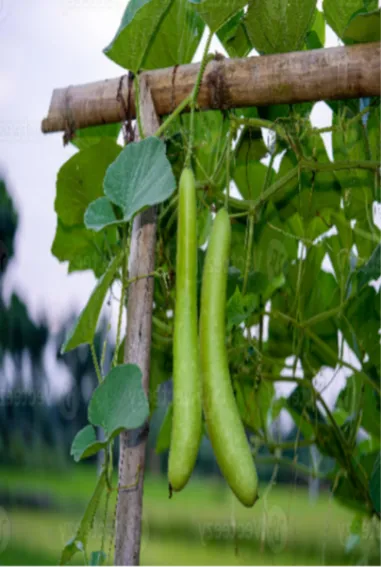
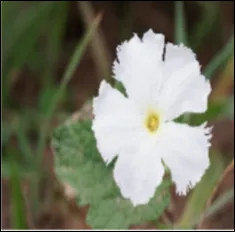
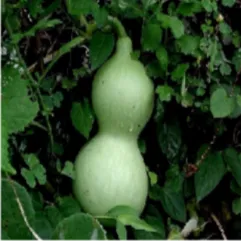
Fig.1 Lagenaria siceraria plant a) flower part of plant b) Fruit part of plant
Herbal plants are widely studied for the treatment of hyperlipidemia because their phytoconstituents help regulate lipid metabolism and are often associated with fewer side effects than synthetic drugs. Lagenaria siceraria (Bottle gourd), a medicinal plant belonging to the Cucurbitaceae family, has gained attention for its antihyperlipidemic, hypolipidemic, antioxidant, and cardioprotective activities. The fruit contains various bioactive compounds, including flavonoids, saponins, sterols, triterpenoids, polyphenols, and cucurbitacin, which are believed to contribute to its lipid-lowering action.19 Experimental studies have reported that extracts of Lagenaria siceraria significantly lower total cholesterol, triglycerides, and low-density lipoprotein (LDL) levels, while increasing high-density lipoprotein (HDL) levels in hyperlipidemic animal models.20
In addition, the methanolic fruit extract has been shown to reduce body weight gain and promote bile acid excretion in high-fat-diet-induced hyperlipidemia, indicating its possible role in cholesterol breakdown and elimination.21
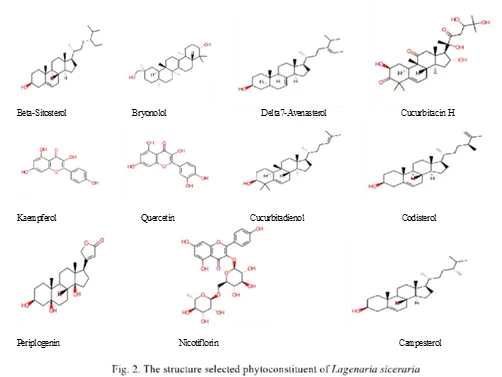
The present study was carried out to investigate the potential of Lagenaria siceraria phytoconstituents as novel therapeutic agents for the treatment of hyperlipidemia. In this computational study, 11 phytoconstituents of Lagenaria siceraria were selected for analysis, namely Beta-sitosterol, Bryonolol, Delta-7-Avenasterol, Cucurbitacin H, Kaempferol, Quercetin, Cucurbitadienol, Codisterol, Periplogenin, Nicotiflorin, and Campesterol.
2. MATERIAL AND METHOD
2.1 Platform for molecular docking
The computational docking study of 11 phytoconstituents of Lagenaria siceraria selected as ligand was docked on the Peroxisome proliferator-activated receptor alpha (PPAR-α) receptor (PDB ID: 8RCE) using PyRx software integrated with Autodock Vina algorithm.
In this study, Lagenaria siceraria contains various phytochemicals responsible for its therapeutic effects. To evaluate the biological activity of these ligands, their chemical structures are first retrieved from databases like PubChem in SDF or MOL format and imported into PyRx. Using Open Babel, it is converted into PDBQT format required for docking. The ligand is then optimized by energy minimization using force fields like UFF or MMFF94 to obtain a stable conformation. Polar hydrogens are added and Gasteiger charges are assigned to improve interaction accuracy. Finally, the prepared ligand is saved in PDBQT format for docking analysis.22,23,24 All the chemical structure are shown in Fig. 2.
2.3 Preparation of protein
In-silico analysis of selected phytoconstituents was performed on the 3.00 Å crystal structure of PPAR alfa Ligand Binding Domain in complex with the ligand LBB78 (PDB ID: 8RCE), having resolution < 3.5 Å, R-Value Free < 0.35, R- Value Work < 0.25), which was retrieved from the protein data bank.25(https://www.rcsb.org).
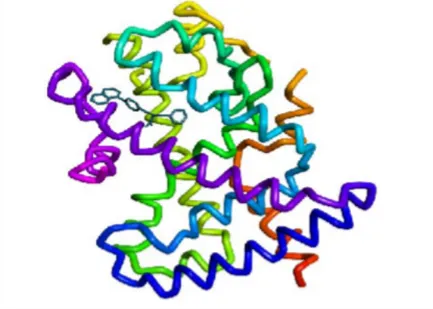
Fig. 3. Crystal structure of PPAR alfa Ligand Binding Domain in complex with the ligand LBB78 (PDB ID: 8RCE).
The selected PDB structure contains LBB78 ((2~{S})-2-(4-naphthalen-1-ylphenoxy)-3-phenyl-propanoic acid), a selective PPAR alfa receptor inhibitor. Download the structure of 8RCE in pdb format from the online database and was rectified using autodock software which is already present in the PyRx software. The pdb format is opened in the discovery studio and then press Ctrl + H and then remove the pre-associated Ligand present in the protease and the active sites were identified and then saved in the working folder as pdb file.25
2.4. Molecular docking
Molecular docking was carried out using AutoDock Vina implemented in the PyRx virtual screening platform to predict binding affinities and interactions between the protein and selected small molecules. The Vina wizard was used to load protein and ligand structures and define the docking search space. A grid box of size 30×30×30Å with coordinates 29.704, 11.164, 17.828 and a grid spacing of 0.375Å was applied based on the active site region. The docking method employs an iterative global search strategy combined with a gradient-based local optimization method. The best-scoring poses were selected based on Vina’s scoring function and further interaction analysis.
2.5 Protein-ligand interaction, visualization, and physicochemical properties of phytoconstituents
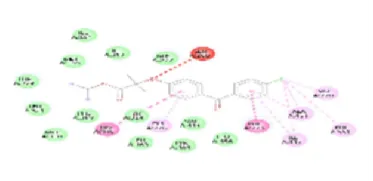
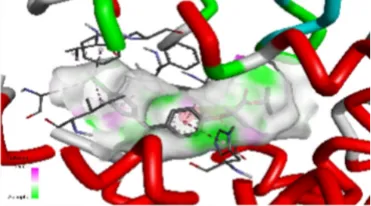
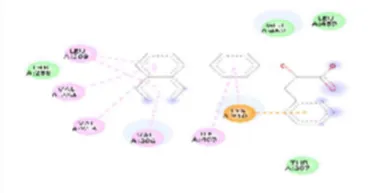
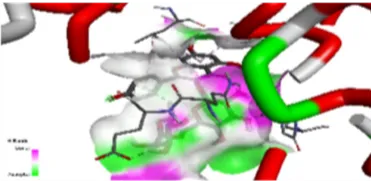
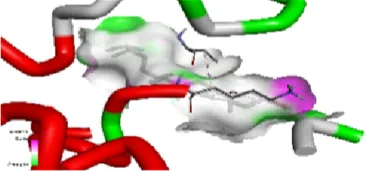
The 2D and 3D interaction of docked molecules is visualized using Discovery Studio software. The Molinspiration web server was used to calculate the physicochemical properties of phytoconstituents of Lagenaria siceraria. The properties of ADME, as determined by the Swiss ADME (http://www.swissadme.ch) web server, exhibit high GI absorption and follow Lipinski’s rule, but have a lower BBB permeability score.26 The ProTox 3.0 web server examined the toxicity of the phytoconstituents.27
3. RESULT AND DISCUSSION
1. Physicochemical properties
According to Lipinski's Rule of Five, most of the evaluated compounds, including Fenofibrate and (2S)-2-(4-naphthalen-1-ylphenoxy)-3-phenylpropanoic acid, exhibited favourable drug-like properties. These compounds met the recommended limits for molecular weight (≤500 Da), Log P (<5), polar surface area (<150 Ų), hydrogen bond donors (<5), hydrogen bond acceptors (<10), and rotatable bonds (<10). In contrast, Nicotiflorin and Cucurbitacin H did not comply with the criteria because of their higher molecular weight (>500 Da) and larger polar surface area (>150 Ų).
Table 1. Physicochemical Properties of Ligands
|
Ligands |
Molecular weight (g/mol) |
Numbers of Heavy atoms |
Numbers of aromatic heavy atoms |
Fraction of Csp3 |
Numbers of rotatable bonds |
Numbers of H- bond accept or |
Numbers of H- bond donor |
Molar refractivity |
TPSA (Ų) |
|
Fenofibrate (marketed std) |
360.83 |
25 |
12 |
0.30 |
7 |
4 |
0 |
97.98 |
52.60 |
|
2~{S})-2-(4- naphthalen-1-ylphenoxy)-3-phenyl-propanoic acid (Standard) |
368.42 |
28 |
22 |
0.08 |
6 |
3 |
1 |
111.75 |
46.53 |
|
Beta-Sitosterol |
414.71 |
30 |
0 |
0.93 |
6 |
1 |
1 |
133.23 |
20.23 |
|
Bryonolol |
442.72 |
32 |
0 |
0.93 |
1 |
2 |
2 |
136.04 |
40.46 |
|
Delta7-Avenasterol |
412.69 |
30 |
0 |
0.86 |
5 |
1 |
1 |
132.75 |
20.23 |
|
Cucurbitacin H |
534.68 |
38 |
0 |
0.83 |
5 |
8 |
5 |
142.84 |
152.36 |
|
Kaempferol |
288.24 |
21 |
16 |
0.00 |
1 |
6 |
4 |
76.01 |
111.13 |
|
Quercetin |
302.24 |
22 |
16 |
0.00 |
1 |
7 |
5 |
78.03 |
131.36 |
|
Cucurbitadienol |
426.72 |
31 |
0 |
0.87 |
4 |
1 |
1 |
137.04 |
20.23 |
|
Codisterol |
398.66 |
29 |
0 |
0.86 |
5 |
1 |
1 |
127.95 |
20.23 |
|
Periplogenin |
390.51 |
28 |
0 |
0.87 |
1 |
5 |
3 |
105.96 |
86.99 |
|
Nicotiflorin |
594.52 |
42 |
16 |
0.44 |
6 |
15 |
9 |
139.36 |
249.20 |
|
Campesterol |
400.68 |
29 |
0 |
0.93 |
5 |
1 |
1 |
128.42 |
20.23 |
2. ADME
Fenofibrate, flavonoids (Kaempferol, Quercetin), and Periplogenin show good oral absorption, but they also inhibit multiple CYP enzymes, raising drug–interaction risks. In contrast, sterol (Beta-Sitosterol, Bryonolol, Delta7-Avenasterol, Cucurbitadienol, Codisterol, and Campesterol) have poor absorption and high lipophilicity, making them less promising as oral drugs.
Table 2. Result of ADME Studies of Ligands
|
Ligands |
GI absorption |
BBB permeant |
CYP1A2 inhibitor |
CYP2C19 inhibitor |
CYP2D6 inhibitor |
CYP3A4 inhibitor |
Log P o/w |
|
Fenofibrate |
High |
Yes |
Yes |
Yes |
Yes |
No |
4.40 |
|
2~{S})-2-(4- naphthalen-1-ylphenoxy)-3-phenyl-propanoic acid |
High |
Yes |
No |
No |
Yes |
No |
5.02 |
|
Beta-Sitosterol |
Low |
No |
No |
No |
No |
No |
7.24 |
|
Bryonolol |
Low |
No |
No |
No |
No |
No |
6.34 |
|
Delta7-Avenasterol |
Low |
No |
No |
No |
No |
No |
7.03 |
|
Cucurbitacin H |
Low |
No |
No |
No |
No |
Yes |
1.95 |
|
Kaempferol |
High |
No |
Yes |
No |
Yes |
Yes |
1.58 |
|
Quercetin |
High |
No |
Yes |
No |
Yes |
Yes |
1.23 |
|
Cucurbitadienol |
Low |
No |
No |
No |
No |
No |
7.38 |
|
Codisterol |
Low |
No |
No |
No |
No |
No |
6.85 |
|
Periplogenin |
High |
No |
No |
No |
No |
No |
2.46 |
|
Nicotiflorin |
Low |
No |
No |
No |
No |
No |
-1.13 |
|
Campesterol |
Low |
No |
No |
No |
No |
No |
6.92 |
3. DRUGLIKENESS
Kaempferol, Quercetin, and Periplogenin meet most drug-likeness rules with no major violations, making them strong candidates. In contrast, sterols and cucurbitacin H show multiple rule violations, and Nicotiflorin performs worst with very low bioavailability, suggesting poor drug-likeness.
Table 3. Drug likeness of Ligands
|
Ligands |
Lipinski |
Ghose |
Veber |
Egan |
Muegge |
Bioavailability Score |
|
Fenofibrate |
Yes;0 Violation |
Yes |
Yes |
Yes |
No; 1 Violation |
0.55 |
|
2~{S})-2-(4- naphthalen-1-ylphenoxy)-3-phenyl-propanoic acid |
Yes; 1 Violation |
Yes |
Yes |
Yes |
No; 1 Violation |
0.85 |
|
Beta-Sitosterol |
Yes; 1 Violation |
No; 3 Violations |
Yes |
No; 1 Violation |
No; 2 Violations |
0.55 |
|
Bryonolol |
Yes; 1 Violation |
No; 3 Violations |
Yes |
No; 1 Violation |
No; 1 Violation |
0.55 |
|
Delta7-Avenasterol |
Yes; 1 Violation |
No; 3 Violations |
Yes |
No; 1 Violation |
No; 2 Violations |
0.55 |
|
Cucurbitacin H |
Yes; 1 Violation |
No; 3 Violations |
No; 1 Violation |
No; 1 Violation |
No; 1 Violation |
0.55 |
|
Kaempferol |
Yes;0 Violation |
Yes |
Yes |
Yes |
Yes |
0.55 |
|
Quercetin |
Yes;0 Violation |
Yes |
Yes |
Yes |
Yes |
0.55 |
|
Cucurbitadienol |
Yes; 1 Violation |
No; 3 Violations |
Yes |
No; 1 Violation |
No; 2 Violations |
0.56 |
|
Codisterol |
Yes; 1 Violation |
No; 2 Violations |
Yes |
No; 1 Violation |
No; 2 Violations |
0.55 |
|
Periplogenin |
Yes;0 Violation |
Yes |
Yes |
Yes |
Yes |
0.56 |
|
Nicotiflorin |
No; 3 Violations |
No; 4 Violations |
No; 1 Violation |
No; 1 Violation |
No; 3 Violations |
0.17 |
|
Campesterol |
Yes; 1 Violation |
No; 2 Violations |
Yes |
No; 1 Violation |
No; 2 Violations |
0.55 |
4. TOXICITY STUDY
Compared to Fenofibrate (toxicity class 4, LD50 1600 mg/kg, carcinogenic, and the synthetic propanoic acid derivative (class 4, LD50 3200 mg/kg, nephrotoxic active), most sterols and cucurbitacin H show similar toxicity class (4–5) but lower LD50 values, indicating higher toxicity. Flavonoids like Kaempferol and Quercetin are less toxic overall, though Quercetin is more hazardous (class 3, LD50 159 mg/kg, carcinogenic and nephrotoxic active). Periplogenin is the most toxic (class 2, LD50 26 mg/kg, nephrotoxic and immunotoxin active), while Nicotiflorin shows moderate toxicity (class 5, LD50 5000 mg/kg) but multiple organ toxicities.
Table 4. Result of Toxicity Studies of Ligands
|
Ligands |
Predicted Toxicity Class |
Predicted LD50 (mg/kg) |
Carcino-genicity |
Hepato-toxicity |
Immun-otoxicity |
Nephro-toxicity |
|
Fenofibrate |
4 |
1600 |
Active |
Inactive |
Inactive |
Inactive |
|
2~{S})-2-(4- naphthalen-1-ylphenoxy)-3-phenyl-propanoic acid |
4 |
3200 |
Inactive |
Inactive |
Inactive |
Active |
|
Beta-Sitosterol |
4 |
890 |
Inactive |
Inactive |
Active |
Inactive |
|
Bryonolol |
5 |
5000 |
Inactive |
Inactive |
Inactive |
Inactive |
|
Delta7-Avenasterol |
4 |
2000 |
Inactive |
Inactive |
Active |
Inactive |
|
Cucurbitacin H |
5 |
2500 |
Active |
Inactive |
Inactive |
Inactive |
|
Kaempferol |
5 |
3919 |
Inactive |
Inactive |
Inactive |
Active |
|
Quercetin |
3 |
159 |
Active |
Inactive |
Inactive |
Active |
|
Cucurbitadienol |
4 |
890 |
Inactive |
Inactive |
Active |
Inactive |
|
Codisterol |
4 |
890 |
Inactive |
Inactive |
Active |
Inactive |
|
Periplogenin |
2 |
26 |
Inactive |
Inactive |
Active |
Active |
|
Nicotiflorin |
5 |
5000 |
Inactive |
Inactive |
Active |
Active |
|
Campesterol |
4 |
890 |
Inactive |
Inactive |
Active |
Inactive |
5. MOLECULAR DOCKING
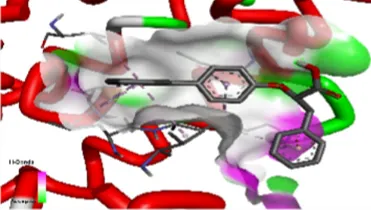
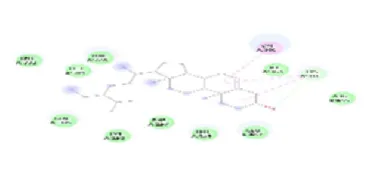
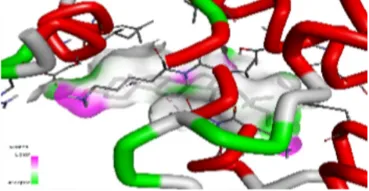
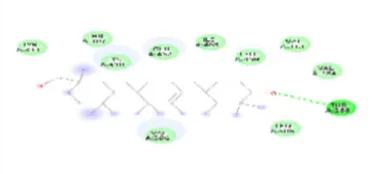
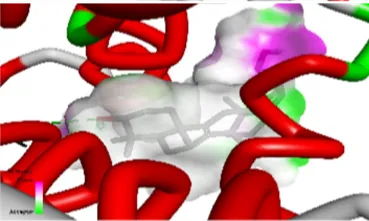
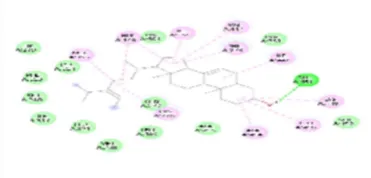
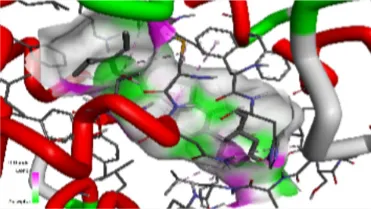
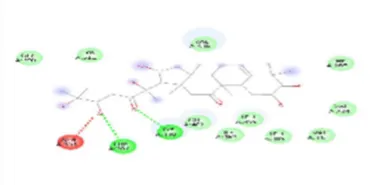
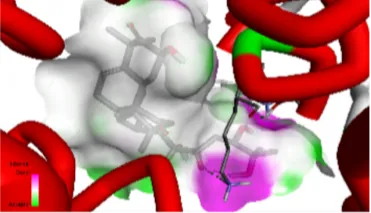
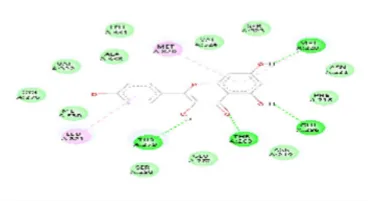
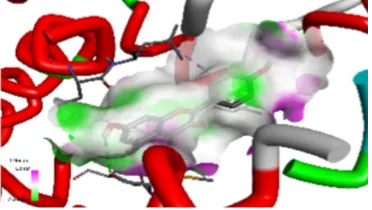
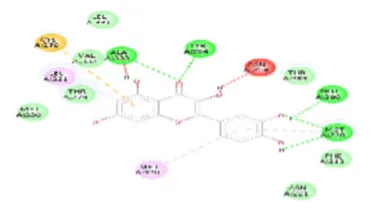
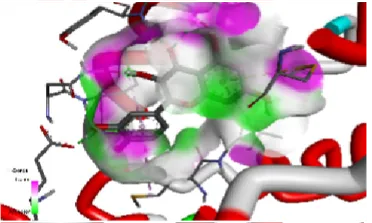
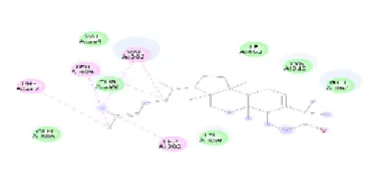
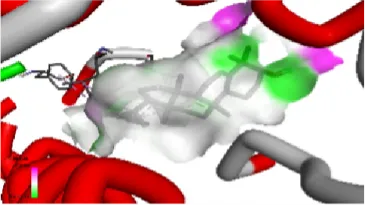
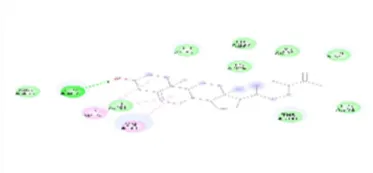
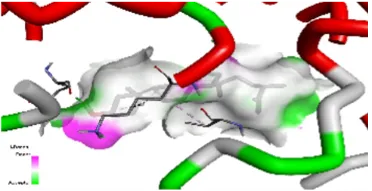
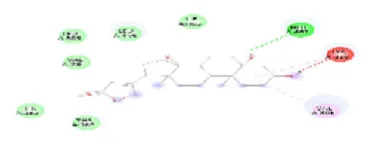
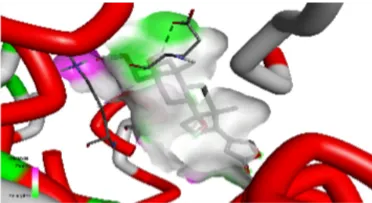
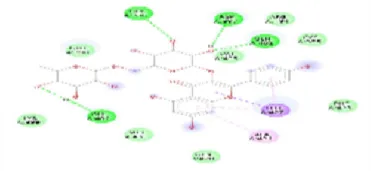
Fenofibrate shows strong binding affinity (-9.2), while the synthetic propanoic acid derivative is weaker (-7.4). Among natural phytochemicals, Delta7-Avenasterol (-9.8) and Quercetin (-8.7) bind even better than Fenofibrate, while Bryonolol (-8.3) and Kaempferol (-8.1) are close. Most sterols and cucurbitacin H fall in the moderate range (-7.0 to -7.7), and Periplogenin (-6.9) and Nicotiflorin (-6.4) are the weakest.
Table 6. Binding affinity, 2D and 3D structure of ligand
|
Ligands |
Binding Affinity |
2D Structure |
3D Structure |
|
Fenofibrate |
-9.2 |
|
|
|
2~{S})-2-(4-naphthal en-1-ylphenox y)-3-phenyl-propanoi c acid |
-7.4 |
|
|
|
Beta-Sitosterol |
-7.0 |
|
|
|
Bryonolol |
-8.3 |
|
|
|
Delta7-Avenasterol |
-9.8 |
|
|
|
Cucurbitacin H |
-7.2 |
|
|
|
Kaempferol |
-8.1 |
|
|
|
Quercetin |
-8.7 |
|
|
|
Cucurbitadienol |
-7.7 |
|
|
|
Codisterol |
-7.2 |
|
|
|
Periplogenin |
-6.9 |
|
|
|
Nicotiflorin |
-6.4 |
|
|
|
Campesterol |
-7.3 |
|
|
Table 7. Binding interactions of the selected Phyto-constituents with PDB ID
|
Sr. No. |
Ligands |
Hydrophilic Interaction |
Hydrophobic Interaction |
Pocket Interaction Amino Acid |
|
1 |
Fenofibrate (marketed Std) |
CYS A:276, HIS A:440, SER A:280 |
ALA A:454, LEU A:321, MET A:355, PHE A:273, PHE A:351, VAL A:270 |
GLN A:277, THR A:279, ILE A:317, ILE A:354, LEU A:460, LEU A:447, MET A:330, PHE A:318, TYR A:314, TYR A:464, VAL A:444, LEU A:456 |
|
2 |
2-(4-naphthalen-1-ylphenoxy)-3-phenyl-propanoic acid (Std) |
LYS A:310 |
ILE A:463, LEU A:309, VAL A:284, VAL A:313, VAL A:306 |
GLU A:462, THR A:288, THR A:307, LEU A:459 |
|
3 |
Bryonolol |
THR A:288 |
– |
GLU A:462, LYS A:310, THR A:307, TYR A:311, ILE A:463, LEU A:309, LEU A:459, VAL A:284, VAL A:313, VAL A:306 |
|
4 |
Delta7-Avenasterol |
GLU A:451, GLN A:277, SER A:452, HIS A:440, LYS A:448 |
ALA A:454, ILE A:447, ILE A:354, LEU A:456, MET A:355, PHE A:273, MET A:330, PHE A:318, PHE A:351, VAL A:444 |
THR A:279, TYR A:314, SER A:280, TYR A:464, CYS A:276, ALA A:455, ILE A:317, LEU A:321 |
|
5 |
Kaempferol |
GLU A:282, TYR A:279, GLU A:286, SER A:280, SER A:323, TYR A:283 |
LEU A:321, MET A:320, MET A:220, ALA A:333, LEU A:331, MET A:330, PHE A:218, VAL A:324, VAL A:332 |
ASN A:219, ASN A:221, CYS A:276 |
|
6 |
Quercetin |
ASN A:219, GLU A:286, TYR A:334 |
ALA A:333, LEU A:321, MET A:320, MET A:220, MET A:330, LEU A:331, PHE A:218, VAL A:332 |
ASN A:221, THR A:279, THR A:283, CYS A:276 |
|
7 |
Cucurbitadienol |
– |
LEU A:302, LEU A:309, PHE A:297, VAL A:284, VAL A:306 |
GLU A:462, GLN A:305, LYS A:310, THR A:288, ILE A:463, LEU A:459 |
|
8 |
Nicotiflorin |
ASP A:387, GLU A:402, GLU A:398, GLN A:401 |
ALA A:431, GLY A:386, LEU A:427 |
ARG A:434, CYS A:385, GLN A:428, LYS A:399, MET A:430, PHE A:423, VAL A:405 |
From the above table, the most important interacting amino acids (based on repeated occurrence across multiple ligands including standards and phytoconstituents) are:
CYS A:276, SER A:280, THR A:279, GLN A:277, TYR A:314, TYR A:464, GLU A:462, LYS A:310, ILE A:317, LEU A:321, MET A:330, PHE A:318, and VAL A:284/313.
These residues are common in both Fenofibrate (standard) and active phytoconstituents (Delta7-Avenasterol, Quercetin, Kaempferol), indicating they are key binding site residues responsible for antihyperlipidemic activity.
4. CONCLUSION
Molecular docking confirmed strong interaction of phytoconstituents with the PPAR-α receptor. Bryonolol, Delta7-Avenasterol, Quercetin, and Kaempferol demonstrated promising antihyperlipidemic potential against the PPAR-α receptor. Delta7-Avenasterol showed the strongest binding affinity (-9.8 kcal/mol) and its poor absorption and high lipophilicity may limit its oral bioavailability as well as in the Bryonolol but this limitation is solved in pharmaceutical development. Kaempferol appears to have the best potential for future drug development because it shows a balanced profile of good drug-likeness, high GI absorption, acceptable docking affinity (-8.1 kcal/mol), and lower predicted toxicity (Class 5; LD50 3919 mg/kg). Bryonolol, Delta7-Avenasterol and Kaempferol emerging as the most suitable candidates for further in vitro, in vivo, and preclinical studies for the development of new antihyperlipidemic agents targeting PPAR-α receptor.
ACKNOWLEDGEMENTS
The authors would like to thank Dr. D. R. Chaple, Principal, management of Priyadarshini J. L. College of Pharmacy, Nagpur, for extending facilities and necessary support. Authors extend their special gratitude to Dr. Mrs. Alpana J. Asnani, Professor, Department of Pharmaceutical Chemistry and Dr. R. Choubey, Assistant Professor, Department of Pharmaceutical Chemistry, for their invaluable guidance and unwavering support throughout this research work. The authors also thank to their follow friends for their direct and indirect contributions in research work..
REFERENCES


Dinesh Kawade, Alpana Asnani, Dipak Rinait, Shashwati Motghare, Gun Chourasia, Virtual Screening of Bioactive Constituents of Lagenaria siceraria as Potential Antihyperlipidemic Agents, Int. J. of Pharm. Sci., 2026, Vol 4, Issue 8, 2675-2687. https://doi.org/10.5281/zenodo.21979615
 10.5281/zenodo.21979615