

We use cookies to ensure our website works properly and to personalise your experience. Cookies policy
Department of Pharmaceutics, D.S.T.S. Madal’s College of Pharmacy, Solapur, Maharashtra, India 413004.
Herbal shampoos are gaining great attention as natural substitutes for synthetic shampoos because of their low risk of adverse effects, safety and compatibility. Medicinal plants such as Tulsi (Ocimum sanctum), Reetha (Sapindus mukorossi), Fenugreek (Trigonella foenum-graecum) and Nagarmotha (Cyperus scariosus) can be used to produce hair care products having cleaning, antioxidant, hair strengthening and hair growth promoting properties. The present work was aimed to formulate polyherbal shampoo with some herbal extracts and to evaluate its effectiveness and physicochemical properties. The chosen plant sources were extracted with water for herbal extracts. The shampoo formulation contained extracts of Reetha, Fenugreek and Nagarmotha along with suitable excipients like orange peel as anti-oiling agent, cinnamon as preservative, jasmine oil as fragrance and HPMC as a gelling agent. The formulation was evaluated for organoleptic properties, pH, percentage of solid content, foam volume, foam stability, surface tension and dirt dispersion by standard evaluation methods. The shampoo has a nice smell and is brown and transparent. It had 25% solids, a pH of 7.0, a surface tension of 33.50 dynes/cm and dense foam with a 40 ml foam volume. The formulation is characterised by high foam stability, good physico-chemical properties, effective dispersion of dirt and satisfactory washing capacity. The physicochemical and performance characteristics of polyherbal shampoo were satisfactory and it can be used as safe and effective herbal hair cleanser. Further study of its stability, antibacterial activity and long-term safety are suggested to support its potential commercialisation.
Shampoo is one of the most used cosmetics for hair care. The main purpose of the shampoo is to cleanse the hair and scalp by removing dirt, excess sebum, sweat, environmental pollutants and residues of styling products. Its thick formula generally contains surfactants, conditioning agents, preservatives, fragrances and other beneficial additives that improve the effectiveness of cleaning and the longevity of the product. Shampoo is applied to wet hair and massaged into the scalp to produce a lather, which is then thoroughly rinsed with water1.2. The primary function of shampoo is to keep the scalp and hair clean without removing the natural lipid layer that is necessary for healthy hair. A perfect shampoo would remove the pollutants without stripping the scalp of its natural oils and without causing irritation. Synthetic shampoos (medicated and non-medicated) rule the commercial market but herbal shampoos are gaining popularity as consumers are becoming increasingly aware of the possible adverse side effects of synthetic chemicals. Herbal shampoos are prepared by using plant based compounds which have antibacterial, antioxidant, cleaning and hair strengthening properties. The use of herbal shampoos has gained popularity as a substitute for conventional synthetic shampoos owing to their natural origin, reduced risk of side effects and their eco-friendly nature3-5.
Shampoo is a hair care product formulated to cleanse the hair and scalp by removing accumulated dirt, excess sebum, sweat, environmental pollutants, and residues of hair care products while maintaining the natural moisture balance of the hair. An ideal shampoo should effectively cleanse the scalp without excessively removing the natural oils essential for healthy hair6. Most commercially available shampoos contain synthetic surfactants that provide excellent cleansing and foaming properties. However, prolonged and frequent use of certain synthetic surfactants may cause adverse effects such as scalp irritation, eye irritation, dryness, hair damage, and hair loss in susceptible individuals2.Consequently, there has been increasing interest in herbal shampoos as safer alternatives.Herbal shampoos are prepared using plant-derived ingredients that possess natural cleansing, conditioning, antimicrobial, antioxidant, and nourishing properties. These products are generally considered milder and are preferred by consumers seeking formulations with fewer synthetic chemicals. Nevertheless, developing an effective herbal shampoo remains challenging because natural ingredients often exhibit variability in composition, stability, preservation requirements, and foaming efficiency. Therefore, careful selection and optimization of herbal ingredients are essential to produce a stable, safe, and effective shampoo formulation4. A wide variety of medicinal plants have been traditionally used for hair cleansing and hair care in different parts of the world. These plants possess natural cleansing, conditioning, antimicrobial, antioxidant, and hair-nourishing properties, making them suitable ingredients for herbal shampoo formulations. Depending on the formulation, herbal materials may be incorporated as extracts, dried powders, crude drugs, or isolated phytoconstituents6. Developing a shampoo composed entirely of natural ingredients is challenging because the formulation must provide acceptable cleansing ability, foaming capacity, viscosity, stability, and conditioning effects while maintaining product safety and quality. Unlike synthetic shampoos, which rely on synthetic surfactants to achieve these characteristics, herbal shampoos require careful selection and optimization of plant materials to obtain comparable performance7. The growing consumer preference for herbal cosmetics has encouraged the development of shampoos prepared from traditionally used medicinal plants. Such formulations aim to cleanse the hair and scalp effectively while minimizing exposure to harsh synthetic chemicals. Hair plays an important role in personal appearance and protection of the scalp; therefore, maintaining healthy hair through appropriate cleansing and nourishment is essential. Herbal shampoos are widely accepted because they are perceived as gentle, eco-friendly, and associated with fewer adverse effects than conventional synthetic products7.
HERBAL INGREDIENTS
The efficacy of a herbal shampoo largely depends on the selection of medicinal plants possessing complementary pharmacological activities that contribute to scalp health and hair care. In the present study, Tulsi (Ocimum sanctum L.), Reetha (Sapindus mukorossi), Nagarmotha (Cyperus scariosus), and Fenugreek (Trigonella foenum-graecum) were selected based on their well-documented traditional use and scientifically validated biological activities. These medicinal plants are rich in diverse phytoconstituents, including flavonoids, phenolic compounds, saponins, alkaloids, terpenoids, and essential oils, which exhibit antimicrobial, antioxidant, anti-inflammatory, cleansing, conditioning, and hair growth-promoting properties. The combination of these herbal ingredients was expected to provide effective cleansing of the scalp, reduce microbial contamination, improve hair texture, strengthen hair follicles, and maintain overall scalp health. Therefore, these herbs were incorporated into the formulation to develop a safe, effective, and naturally derived polyherbal shampoo.
Tulsi (Ocimum sanctum L.), commonly known as Holy Basil, is an important medicinal plant belonging to the family Lamiaceae and has been widely utilized in traditional medicine because of its diverse therapeutic properties. The leaves contain several biologically active constituents, including eugenol, ursolic acid, rosmarinic acid, apigenin, luteolin, carvacrol, linalool, and various flavonoids, which contribute to its pharmacological activities. These phytoconstituents exhibit broad-spectrum antimicrobial, antifungal, antioxidant, and anti-inflammatory effects that are beneficial in maintaining scalp health.
The antimicrobial activity of Tulsi helps inhibit the growth of microorganisms associated with scalp infections and dandruff, thereby promoting a healthier scalp environment. Its antioxidant constituents neutralize reactive oxygen species and protect hair follicles from oxidative stress induced by environmental pollutants and ultraviolet radiation. In addition, the anti-inflammatory activity of Tulsi helps reduce scalp irritation, itching, and inflammation, thereby improving scalp comfort. The presence of essential oils further contributes to cleansing and refreshing the scalp while enhancing the overall sensory characteristics of the formulation. Considering its multiple pharmacological activities, Tulsi was incorporated into the present polyherbal shampoo formulation to provide antimicrobial protection, maintain scalp hygiene, minimize dandruff-associated microbial growth, protect hair follicles from oxidative damage, and improve the overall health and appearance of hair.
2. Reetha (Sapindus mukorossi Gaertn.)
Sapindus mukorossi Gaertn., commonly known as Reetha or soapnut, is a large deciduous tree belonging to the family Sapindaceae. It is widely distributed in the Himalayan foothills and other regions of India, Nepal, China, and Southeast Asia. The tree generally grows to a height of 15–20 m and possesses a straight cylindrical trunk with smooth grey bark. Its leaves are alternate, pinnately compound, and consist of several lance-shaped leaflets. The plant bears small, greenish-white flowers arranged in terminal panicles during the summer season. The fruits are fleshy, globose drupes that appear during the monsoon and ripen between November and December. Upon drying, the fruit pericarp becomes hard, yellowish-brown, and rich in triterpenoid saponins, which are responsible for its characteristic foaming and cleansing properties. The seeds are black, glossy, and enclosed within the fruit, while the dried pericarp is the primary commercial part used in herbal formulations13. Reetha is well known for its high content of naturally occurring saponins, along with flavonoids, tannins, phenolic compounds, sugars, fatty acids, and sterols. These phytochemicals contribute to its diverse biological activities, including antioxidant, antimicrobial, antifungal, anti-inflammatory, insecticidal, molluscicidal, and wound-healing properties. The natural surfactant activity of saponins enables Reetha to produce abundant foam, making it an excellent biodegradable alternative to synthetic detergents and surfactants14.
Traditionally, Reetha has been extensively used in Ayurvedic medicine and herbal cosmetic preparations. The dried fruit pericarp is widely utilized as a natural shampoo and hair cleanser because it effectively removes dirt and excess oil without damaging the scalp or hair. It is commonly recommended for the management of dandruff, hair fall, scalp infections, and premature greying of hair. In addition to its cosmetic applications, Reetha has been traditionally employed in the treatment of skin disorders, eczema, psoriasis, excessive salivation, migraine, epilepsy, and chlorosis. Scientific studies have further demonstrated that extracts of S. mukorossi possess significant antibacterial and antifungal activities against several pathogenic microorganisms, supporting its traditional medicinal uses15.
Owing to its excellent cleansing, antimicrobial, and eco-friendly properties, Reetha is widely incorporated into herbal shampoos, soaps, facial cleansers, body washes, liquid detergents, textile-cleaning products, and pharmaceutical formulations. In recent years, the plant has also attracted considerable research interest as a natural biosurfactant for green chemistry applications, antimicrobial formulations, and nanoparticle synthesis. Its biodegradability, low toxicity, and renewable nature make it a valuable ingredient in modern cosmetic and pharmaceutical industries16.
3. Nagarmotha (Cyperus scariosus R.Br.)
Nagarmotha (Cyperus scariosus R.Br.) is a perennial aromatic herb belonging to the family Cyperaceae, widely distributed throughout tropical and subtropical regions of Asia, particularly India. The rhizomes are the principal part used in cosmetic and pharmaceutical preparations due to their high content of essential oils and bioactive constituents. The rhizomes contain α-cyperone, β-selinene, cyperene, cyperol, patchoulenone, cyperotundone, kobusone, isokobusone, and other sesquiterpenes and monoterpenes, which are responsible for its characteristic woody aroma and diverse biological activities These phytochemicals exhibit antimicrobial, antifungal, antioxidant, and anti-inflammatory properties, making Nagarmotha an important ingredient in herbal hair care formulations. In herbal shampoos, Nagarmotha extract helps maintain scalp hygiene by inhibiting the growth of dandruff-causing microorganisms, reducing scalp irritation and itching, and regulating excessive sebum production. Its antioxidant activity protects the scalp and hair follicles from oxidative damage caused by environmental stress, while its anti-inflammatory properties help soothe irritated scalp conditions. Furthermore, the aromatic Cypriol essential oil obtained from the rhizomes serves as a natural fragrance and fixative, enhancing the sensory appeal and stability of herbal shampoo formulations while reducing the need for synthetic fragrances17. Owing to these properties, Nagarmotha is widely incorporated into herbal shampoos, hair oils, scalp cleansers, and other cosmetic products to promote a healthy scalp, improve hair cleanliness, support stronger and healthier hair, and enhance the overall quality and appearance of the hair18.
Nagarmotha is increasingly used in herbal shampoo formulations because of its beneficial effects on hair and scalp health. The essential oil (Cypriol oil) obtained from its rhizomes acts as a natural fragrance and fixative, imparting a pleasant woody aroma to herbal shampoos. Its antimicrobial and antifungal properties help control dandruff-causing microorganisms and maintain scalp hygiene, while its anti-inflammatory activity helps relieve scalp irritation, itching, and redness. The antioxidant constituents protect the scalp and hair follicles from oxidative damage caused by environmental stress. In addition, Nagarmotha helps regulate excess sebum secretion, making it particularly suitable for formulations intended for oily scalp conditions. These properties make it an important herbal ingredient for developing effective, safe, and naturally fragranced shampoos that promote healthy scalp conditions and improve the overall appearance and manageability of hair19.
4. Fenugreek (Trigonella foenum-graecum L.)
Fenugreek (Trigonella foenum-graecum L.), a member of the family Fabaceae, is an annual herbaceous plant widely cultivated in India, the Mediterranean region, North Africa, and parts of Western Asia. The plant typically grows to a height of 40–80 cm and possesses an erect, branched stem with a well-developed taproot system. Its leaves are alternate, trifoliate, and light green in colour, while the flowers are small, white to pale yellow, and borne singly or in pairs. The fruits are slender, curved pods measuring approximately 10–15 cm in length and contain numerous yellowish-brown, hard, rhomboid seeds with a characteristic deep groove. Fenugreek seeds are rich in biologically active constituents, including trigonelline, choline, diosgenin, flavonoids, alkaloids, saponins, mucilage, proteins, vitamins, and minerals, which contribute to the plant's nutritional and therapeutic properties20.
Fenugreek is widely incorporated into herbal hair care formulations because of its excellent conditioning, nourishing, and scalp-protective properties. The seeds contain mucilage and proteins, which help moisturize the hair shaft, improve softness, and enhance hair manageability. In addition, the presence of flavonoids, saponins, and antioxidant compounds helps protect hair follicles from oxidative stress, while its anti-inflammatory and antimicrobial activities assist in reducing dandruff, scalp irritation, and microbial infections. Fenugreek is also traditionally recognized for strengthening hair roots, minimizing hair fall, promoting healthy hair growth, and improving hair texture and shine. Owing to these properties, fenugreek is widely used in herbal shampoos, conditioners, hair masks, and hair oils as a natural ingredient for maintaining healthy scalp conditions and improving overall hair quality21,22.
Other ingredients used:
Table 1: List of ingredient used in formulation
|
Sr. No |
Ingredient |
Source |
Function in herbal shampoo |
Short description |
|
1. |
Orange Peel |
Fruit peel |
Natural antidandruff, cleansing agent |
Orange peel is rich in vitamin C, flavonoids, and essential oils such as limonene. It exhibits antimicrobial and antioxidant properties that help reduce dandruff, remove excess scalp oil, and improve scalp health while enhancing hair shine. |
|
2. |
Jasmine oil |
Flower |
Fragrance, scalp conditioning |
Jasmine oil is a fragrant essential oil used to improve the sensory quality of herbal shampoos. It possesses mild antimicrobial and antioxidant properties and helps condition the hair, leaving it soft and pleasantly scented. |
|
3. |
HPMC |
Semi-synthetic cellulose polymer |
Thickening and gelling agent |
HPMC is a non-ionic cellulose derivative widely used to increase viscosity and improve the stability of shampoo formulations. It provides a smooth consistency, enhances spreadability, and contributes to product stability. |
|
4. |
Cinnamon powder |
Bark |
Natural Preservative, antimicrobial agent |
Cinnamon powder is obtained from the dried bark of Cinnamomum verum. It contains bioactive compounds such as cinnamaldehyde and eugenol, which possess antimicrobial,antifungal, antioxidant, and anti-inflammatory properties. In herbal shampoo formulations, cinnamon powder acts as a natural preservative by inhibiting microbial growth, enhances scalp hygiene, and contributes to the stability and shelf life of the product. |
The scalp naturally secretes sebum, an oily substance that lubricates and protects the hair and scalp. Although sebum helps maintain hair softness and shine, excessive accumulation of oil, sweat, dust, and environmental pollutants can make the hair appear greasy, dull, and unhygienic. Therefore, regular cleansing with shampoo is essential to maintain scalp hygiene and healthy hair.
Herbal shampoos have gained considerable attention as a natural alternative to conventional shampoos because they are formulated with plant-derived ingredients that effectively cleanse the hair while minimizing the use of harsh synthetic chemicals. Herbal formulations help remove excess oil, dirt, and product buildup without stripping the scalp of its natural moisture. Many medicinal plants used in herbal shampoos possess antimicrobial, antifungal, antioxidant, anti-inflammatory, and conditioning properties that support overall scalp health.
In addition to cleansing, herbal shampoos may help reduce dandruff, relieve scalp irritation, strengthen hair roots, improve hair texture, and minimize hair fall. They are generally considered milder, biodegradable, and less likely to cause allergic reactions or long-term damage associated with frequent use of synthetic surfactants. With the increasing consumer preference for natural, eco-friendly, and safer personal care products, herbal shampoos have become an important area of research and product development in cosmetic science.
Ideal Properties of Herbal Shampoo27,28:
An ideal herbal shampoo should possess effective cleansing properties while maintaining the natural health and appearance of the hair and scalp. The desired characteristics are as follows:
Extraction:
Extraction is a process in which one or more components are separated selectively from a liquid or solid mixture by means of liquid immiscible solvent. Solvent used for extraction is called as Menstruum Solvent. The inert fibrous and other insoluble material remaining after extraction is called as Marc.
Extraction of Plant
Plant extraction is the process of separating biologically active constituents from plant materials using appropriate solvents. In pharmaceutical and herbal product development, this process is carried out to isolate the desired therapeutic compounds while removing unwanted or inactive substances. The resulting extracts may be obtained in liquid, semisolid, or dry powder form, depending on the extraction method and subsequent processing.
The efficiency of extraction largely depends on selecting a suitable solvent based on the principle of "like dissolves like." Polar solvents, such as water and ethanol, are commonly used to extract polar phytochemicals, whereas non-polar solvents, such as hexane, are preferred for extracting non-polar constituents. The choice of solvent significantly influences the yield, purity, and composition of the extract.
Several factors affect the extraction process, including the nature of the plant material, solvent polarity, extraction time, temperature, particle size, solvent-to-plant ratio, and the boiling point of the solvent. Careful optimization of these parameters ensures maximum recovery of bioactive compounds while preserving their chemical stability and therapeutic efficacy29,30.
PREPARATION OF EXTRACT
Approximately 50 g of the dried and powdered plant materials, namely Reetha (Sapindus mukorossi), Nagarmotha (Cyperus rotundus), and Tulsi (Ocimum tenuiflorum), were extracted separately by boiling each sample in a suitable volume of distilled water for 4 hours. After extraction, the mixtures were allowed to cool to room temperature and filtered through a clean muslin cloth to remove insoluble plant residues. The resulting aqueous extracts were collected and used for further formulation and evaluation studies.
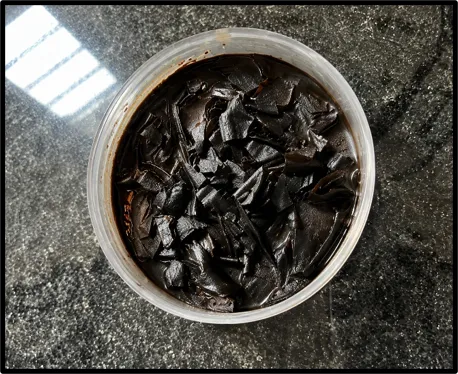
Figure 1:Image Extraction of Reetha
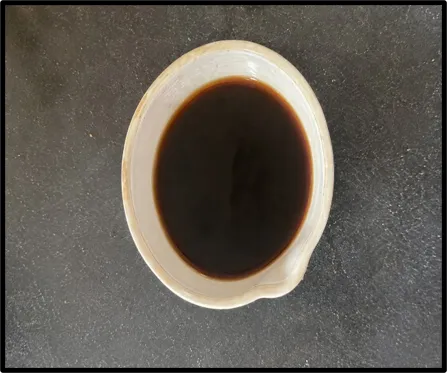
Figure 2: Image of Extraction of Tulsi
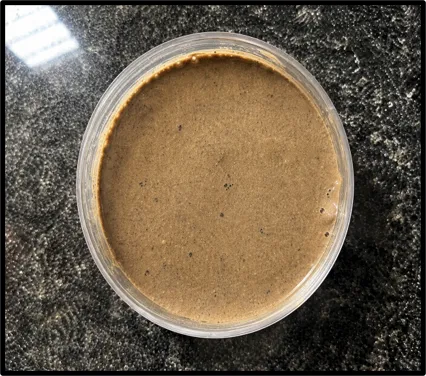
Figure 3: Image of Extraction of Nagarmotha
Procedure of Drying Extract
The concentrated plant extract was dried using a vacuum oven, which is commonly employed in pharmaceutical, biochemical, medical, agricultural, and environmental research laboratories. This equipment is particularly useful for drying heat-sensitive materials, preventing oxidation, and preserving the stability of compounds that may degrade at high temperatures. It is also suitable for drying powders and sterilizing laboratory glassware.A vacuum oven operates by creating a low-pressure environment with the help of a vacuum pump. The reduced pressure lowers the boiling point of water, allowing moisture to evaporate at a lower temperature. This accelerates the drying process while minimizing thermal damage to the extract.
The vacuum oven is especially advantageous for drying substances that are sensitive to heat, prone to oxidation, or contain complex phytochemical constituents. In some cases, an inert gas can be introduced into the chamber to further protect the sample from oxidation and ensure efficient drying while maintaining the quality of the extract.
Procedure:
Prepared Extract was dried using Vacuum Dryer, the extracts were poured into Petri dishes and the Temperature was set at 450C also Pressure was set at 25 psi. The Petri dishes were kept overnight for drying and the dry extracts were obtained.
FORMULATION OF HERBAL SHAMPOO:
The herbal shampoo was prepared by the simple mixing method using the ingredients listed in Table Initially, the required quantity of HPMC (1.5 mL) was dispersed in a small volume of purified water with continuous stirring and allowed to hydrate completely to form a uniform gel base. The measured quantities of Reetha extract (2.5 g), Methi extract (2.5 g), and Nagarmotha extract (2.5 g) were added gradually to the hydrated HPMC gel with constant stirring until a homogeneous mixture was obtained.Next, orange peel powder (1 g) was incorporated slowly into the formulation while stirring continuously to ensure uniform distribution. Cinnamon powder or (0.1 g) was then added as a natural preservative and mixed thoroughly. Finally, a sufficient quantity (q.s.) of jasmine oil was incorporated as a fragrance and conditioning agent. The volume of the formulation was adjusted to 100 mL with purified water and stirred continuously until a smooth, homogeneous shampoo was obtained. The prepared herbal shampoo was transferred into clean, airtight containers and stored at room temperature for further evaluation.
Table 2: Formulation table
|
Material required |
Quantity |
Use |
|
Reetha extract |
2.5 g |
Foaming agent |
|
Methi extract |
2.5 g |
Hair growth |
|
Nagarmotha |
2.5 g |
Hair growth and prevent hair loss |
|
HPMC |
1.5 ml |
Gelling agent |
|
Cinnamon |
0.1 g |
Preservative |
|
Jasmine oil |
q.s |
Fragrance |
|
Orange peel |
1 g |
Anti-oiling |
EVALUATION OF HERBAL SHAMPOO :
1. Physical Appearance :
The physical appearance of the prepared herbal shampoo formulations was evaluated by observing their organoleptic characteristics, including colour, clarity, odour, homogeneity. The colour and clarity of each formulation were examined visually under suitable lighting conditions. The odour was assessed by smelling the formulation to determine its acceptability and fragrance characteristics. Homogeneity was evaluated by observing the formulation for uniformity, absence of lumps, and visible foreign particles.
2. pH determination-
The pH of the prepared herbal shampoo was determined by diluting the formulation with distilled water to obtain a 10% v/v solution. The pH was measured using a calibrated digital pH meter at room temperature. The pH of a shampoo formulation is an important parameter that influences its compatibility with the scalp and hair. A shampoo with a suitable pH helps to minimize hair damage and reduce the possibility of scalp and eye irritation. It also contributes to maintaining the natural acidic environment and ecological balance of the scalp, thereby improving the overall quality and manageability of the hair.
3. Determination of solid content percentage
The solid content of the prepared herbal shampoo was determined by accurately weighing approximately 4 g of the shampoo sample into a clean, dry, and previously weighed evaporating dish. The sample was heated on a hot plate to evaporate the liquid portion completely. After complete evaporation and drying, the remaining solid residue was weighed, and the percentage of solid content was calculated. The test was repeated to confirm the reproducibility of the results. An appropriate solid content is important for the ease of application and rinsing of shampoo. Generally, shampoos containing approximately 20–30% solid matter are considered suitable. A formulation with very low solid content may be excessively watery and rinse off rapidly, whereas a very high solid content may make the shampoo difficult to spread through the hair and rinse away.
4. Surface Tension Measurement
The surface tension of the prepared herbal shampoo was determined using a stalagmometer at room temperature. For the analysis, the shampoo formulation was diluted with distilled water to prepare a 10% w/v solution. Surface tension is an important parameter that reflects the presence and effectiveness of surfactants in a shampoo formulation. Surfactants lower the surface tension of water, thereby facilitating better spreading of the formulation over the hair and scalp and enhancing its cleansing action. A good-quality shampoo generally reduces the surface tension of water from approximately 72.28 dyne/cm to around 40 dyne/cm. Therefore, a reduction in surface tension indicates effective surfactant activity and satisfactory detergent properties of the formulated shampoo.
Bottom of Form
Foam stability of the formulated herbal shampoo was evaluated by the cylinder shake method. A 1% w/v aqueous solution of the shampoo was prepared, and 50 mL of the solution was transferred into a 250 mL graduated measuring cylinder. The cylinder was then shaken vigorously 10 times under uniform conditions. The volume of foam produced was recorded after 1 minute and again after 4 minutes to determine the stability of the generated foam. The foam volume measured after 1 minute was considered as the initial foam volume. The persistence of foam over the specified period was used to assess the foam stability of the formulated herbal shampoo. Foaming ability is an important characteristic of shampoo formulations, as adequate and persistent foam is generally associated with consumer acceptability and perceived cleansing performance.
6. Dirt Dispersion Test:
The dirt dispersion test was performed to evaluate the ability of the formulated herbal shampoo to suspend and disperse oily or particulate dirt during washing. A 1% w/v shampoo solution was prepared by dissolving 1 g of the shampoo formulation in 100 mL of distilled water. The prepared solution was transferred into a clean test tube, and one drop of India ink was added as a representative particulate material. The test tube was tightly stoppered and shaken vigorously 10 times under uniform conditions. The distribution of India ink between the shampoo solution and the foam layer was then visually examined. The amount of ink retained in the foam was graded as none, light, moderate, or heavy.
The test was interpreted based on the principle that less India ink present in the foam indicates better dirt dispersion and cleansing performance, as the dirt particles remain dispersed in the liquid phase rather than becoming trapped in the foam. A formulation showing none or slight ink incorporation into the foam is considered desirable, indicating effective dirt dispersion and satisfactory cleansing properties.
7. Viscosity Determination
The viscosity of the formulated herbal shampoo was determined using a Brookfield viscometer. The test was performed at room temperature (25 ± 2°C). Approximately 100 mL of the shampoo formulation was transferred into a clean, dry beaker, ensuring that no air bubbles were present in the sample. The appropriate spindle was immersed into the shampoo sample up to the marked level, and the viscosity was measured at a selected rotational speed of 20 rpm. The reading was recorded after the value became stable and was expressed in centipoise (cP). The measurement was performed in triplicate, and the results were expressed as mean ± standard deviation (SD)
8. Wetting Time Test
The wetting ability of the formulated herbal shampoo was evaluated by determining the wetting time using a standard canvas disc method. A circular piece of canvas measuring approximately 1 inch in diameter was used for the study. A 1% w/v aqueous solution of the formulated herbal shampoo was prepared by dissolving 1 g of the shampoo formulation in 100 mL of distilled water. The shampoo solution was transferred into a clean beaker, and the canvas disc was carefully placed on the surface of the solution. The time required for the canvas disc to become completely wetted and sink into the solution was recorded using a stopwatch. The experiment was performed in triplicate, and the results were expressed as mean ± standard deviation (SD).
9. Cleaning Efficiency Test
The cleaning efficiency of the formulated herbal shampoo was evaluated by determining its detergency ability using an artificial soil removal method. A standardized hair tress was used as the test substrate. The hair tress was first washed with distilled water, dried, and weighed accurately. A known quantity of coconut oil was uniformly applied to the hair tress to simulate oily and greasy impurities, followed by the application of a measured quantity of fine dust to represent particulate dirt. The contaminated hair tress was weighed again and then washed with a 10% w/v aqueous solution of the formulated herbal shampoo under standardized conditions. The hair tress was gently massaged for a fixed period and subsequently rinsed thoroughly with distilled water to remove the shampoo and loosened impurities. It was then allowed to dry completely at room temperature and weighed again. The cleaning efficiency was determined based on the reduction in the weight of the oily and particulate contaminants after shampoo treatment. The test was performed in triplicate.
10. Stability test
The samples stored at 4 ± 2°C and 25 ± 2°C were kept for 3 months, while the accelerated stability study was conducted at 40 ± 2°C / 75 ± 5% RH for 3 months. The samples were examined initially (Day 0) and at regular intervals of 1, 2, and 3 months. Before evaluation, the samples stored under refrigerated conditions were allowed to equilibrate to room temperature.
At each sampling interval, the formulations were visually examined for any change in colour, odour, clarity, homogeneity, precipitation, sedimentation, or phase separation. The pH was determined using a calibrated digital pH meter, while viscosity was measured using a Brookfield viscometer under the same experimental conditions used for the initial evaluation. Foam volume and foam stability were also determined using the standard foam test method. Any visible signs of instability, such as precipitation, lump formation, separation, or change in consistency, were recorded.
RESULT AND DISCUSSION :
The formulations exhibited a uniform appearance with characteristic colours and pleasant odours. No visible foreign particles or phase separation were observed.
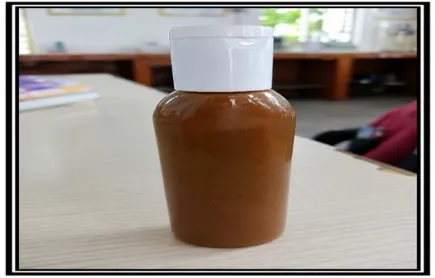
Figure 4: Shampoo
Table 3: Physical Appearance
|
Evaluation test |
Formulated shampoo |
|
Colour |
Brown |
|
Transparency |
Clear |
|
Odour |
Good |
|
Homogeneity |
Good (Uniform and smooth) |
The formulations showed acceptable pH values without excessive alkalinity, indicating their potential suitability for use as herbal shampoo formulations.
Table 4: pH
|
Test |
Observation |
|
pH |
7 |
This value falls within the acceptable range of solid content generally reported for shampoo formulations (20–30%). The obtained result indicates that the formulated herbal shampoo has a suitable consistency, allowing it to be easily applied to the hair and rinsed off effectively without being excessively watery or difficult to wash out.
Table 5: solid content percentage
|
Test |
Observation |
|
Solid content percentage |
25% |
The prepared herbal shampoo formulation exhibited a surface tension of approximately 30–42 dyne/cm.
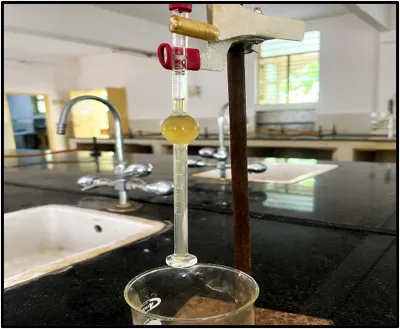
Figure 5: Surface tension test
Table 6: Surface Tension Measurement
|
Test |
Observation |
|
Surface Tension Measurement |
33.50 |
The formulated herbal shampoo produced a good amount of foam.The relatively small reduction in foam volume indicates good foam stability of the formulation. The persistent foam may contribute to better consumer acceptability and provide a satisfactory cleansing experience.
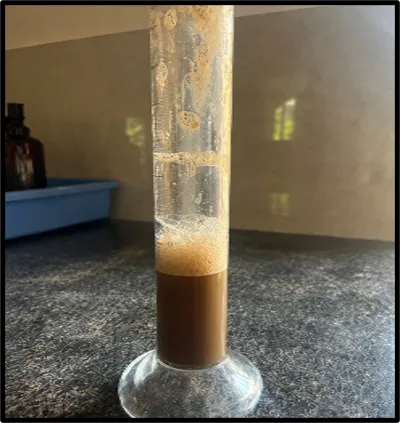
Figure 6:Foam stability test
Table 7: Foam Stability Test
|
Time |
Foam volume (ml) |
|
After 1 minute |
180 |
|
After 4 minute |
165 |
The formulated herbal shampoo showed a light dispersion of India ink in the foam, indicating good dirt dispersion characteristics. The low amount of ink retained in the foam suggests that the formulation has satisfactory cleansing ability and can effectively disperse dirt during the washing process.
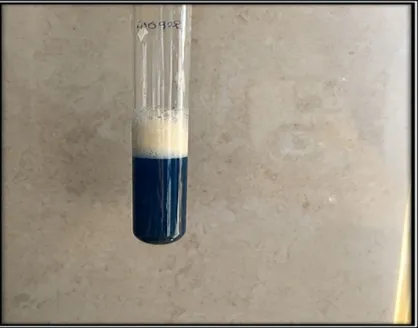
Figure 7: dirt dispersion test
Table 8: Dirt dispersion
|
Test |
Observation |
|
Dirt Dispersion Test: |
Good |
The formulation exhibited suitable viscosity and consistency, which facilitated easy pouring, spreading, and application onto the hair and scalp. The observed viscosity indicated that the formulated herbal shampoo possessed satisfactory flow characteristics and was neither excessively thick nor excessively fluid.
Table 9: Viscosity
|
Test |
Observation |
|
Viscosity |
|
The relatively short wetting time indicated good wetting ability of the formulation, which may contribute to effective spreading and distribution of the shampoo over the hair and scalp during application.
Table 10: Wetting time test
|
Test |
Observation |
|
Wetting time test |
|
The formulated herbal shampoo demonstrated a cleaning efficiency of 86.4 ± 1.2%. The observed cleaning efficiency indicated that the formulation was effective in removing oily substances and particulate impurities from the hair surface. The cleansing activity may be attributed to the presence of naturally derived saponins and other surface-active constituents present in the herbal ingredients, which assist in the removal of dirt and excess sebum from the hair and scalp.
Table 11: Cleaning Efficiency Test
|
Test |
Observation |
|
Cleaning efficiency test |
|
The stability study demonstrated that the formulated herbal shampoo maintained satisfactory physical characteristics and functional properties during the three-month storage period. The absence of significant changes in appearance, odour, pH, viscosity, foam characteristics, and phase separation indicated good physical stability of the formulation. The results suggest that the developed herbal shampoo was stable under the tested storage conditions and retained its desirable quality characteristics throughout the study period.
CONCLUSION
The present study successfully formulated and evaluated a polyherbal shampoo containing Reetha, Fenugreek, and Nagarmotha extracts. The formulation exhibited satisfactory physicochemical properties, including suitable pH, viscosity, foam stability, cleaning efficiency, and good physical stability. These findings suggest that the developed polyherbal shampoo is a safe, effective, and eco-friendly alternative to conventional synthetic shampoos. Further studies on long-term stability, microbial quality, and clinical efficacy are recommended to support its commercial application.
ACKNOWLEDGEMENT:
Authors are thankful to D.S.T.S. Mandal’s College of Pharmacy, Solapur, Maharashtra for providing necessary facilities.
CONFLICT OF INTEREST:
No conflict of interest
REFERENCES

Priyanka Bandichhode, Krishnamurthy Kamalapurkar, Shruti Narayankar, Predeep Chabukswar, Formulation and Evaluation of Polyherbal Shampoo, Int. J. of Pharm. Sci., 2026, Vol 4, Issue 8, 2711-2725. https://doi.org/10.5281/zenodo.21980471
 10.5281/zenodo.21980471