

We use cookies to ensure our website works properly and to personalise your experience. Cookies policy
Karnataka Ayurveda Medical College and Hospital, Ashok Nagar, Mangalore.
Abstract: Chandamarutha Sindoora is a classical Siddha and Ayurvedic Pakshaghata/stroke/Hemiplegia, Vata Vyadhi, Kushta etc. diseases. However scientific validation and evidences are lacking and yet to be elucidated. Aim of the study: To prepare three different samples of Chandamarutha Sindoora, analytically assess them and to establish the scientific evidences and to explore the most efficacious sample for neuro-regenerative mechanism among three different Chandamarutha Sindoora samples, evaluated experimentally through rat model. Materials and methods: Preparation of CMS- Three samples of Chandamarutha Sindoora according to the reference Rasayoga Sagara, Agastya Vaidya Chandrika and Ayurveda Vijnana Kosham with the same ingredient i.e; Rasa Karpoora, Rasa Pushpa, Rasa Sindoora, Shuddha Hingula and Shuddha Gandhaka, in different ratios, have been referred, to prepare and to study their Neuroregenerative activity on neurodegeneration induced rat model. The pharmaceutical preparation of Chandamarutha Sindoora was done according to Arappu Chendooram method of Siddha system, after subjecting the ingredients for proper Shodhana and by giving Bhavana with egg white. Chemical identification of Chandamarutha Sindoora (CMS) was performed using analytical parameters like pH, moisture content, ash value etc and instrumental analysis like XRD, heavy metal content (ICPMS). Neuroregenerative activity was evaluated in AlCl3 induced neurodegenerative rat model. During the study behavioural assessment, cook’s pole climbing test were performed and at the end of experiment, the brain samples were collected and sent for histopathological study. Results: Chemical standardisation were showing supportive results and also, heavy metal limits were found to be less or not detectable and XRD analysis evidences the proper preparation of Chandamarutha Sindoora by matching the peaks of standard Chandamarutha Sindoora. Among three samples, CMS - 3 sample shows best Neuroregenerative activity than CMS - 2 than CMS - 1. Although all three CMS samples exhibited Neuroregenerative activity, CMS 3 showed better performance in the open field test, behavioural assessment, and Cook's pole climbing test than CMS - 2 and CMS - 1. Histopathological analysis also showed minimal or no neuronal degeneration in the hippocampus and cerebrum also evidence the Neuroregenerative effect exhibited by the sample CMS - 3. Conclusion: Disease control group showed decreased activity in motor function, behavioural activity and open field behaviour and histopathological result shows degenerated and pyknotic neurons in cerebrum, CA - 1 and CA - 3 regions of hippocampus. Treatment with all CMS samples showed effectiveness in Neuro-regeneration and comparatively CMS - 3 sample given better results than CMS - 2 and CMS - 1.
Ayurveda has a long tradition of utilizing Herbo-mineral formulations for the management of chronic and difficult-to-treat disorders. These formulations (Rasaushadhis) occupy a significant place in Ayurvedic therapeutics due to their rapid action, smaller dose, enhanced bioavailability, and long shelf life. The components of these formulations undergo specific Shodhana (purification), Marana (Incineration) etc pharmaceutical processing, which are believed to enhance their therapeutic efficacy while minimizing their toxicities.
Among these formulations, Chandamarutha Sindoora is a well-known herbo-mineral preparation mentioned in both Ayurvedic and Siddha system, containing purified mercurial compounds and Sulphur as major ingredients. However, variations in ingredient proportions and manufacturing methods may influence its physicochemical characteristics, safety, and therapeutic efficacy.
The Chandamarutha Sindoora (CMS) is described in several classical texts including Rasayoga Sagara, Agastya Vaidya Chandrika and Ayurveda Vijnana Kosham where it is primarily indicated for Neurological conditions such as Pakshaghata. In the present study three different samples of Chandamarutha Sindoora were prepared based on the formulations described in these texts. The Chandamarutha Sindoora containing ingredients such as Rasa Sindoora, Rasa Karpoora, Rasa Pushpa, Hingula and Gandhaka, combined in varying proportions, according to the respective textual references and compared to identify the most efficacious formulation with superior Neuro-regenerative and neuroprotective activity.
Among Siddha formulations, Chandamarutha Chendooram has been traditionally indicated for conditions such as paralysis, facial palsy, hemiplegia, neuromuscular disorders, and other degenerative diseases.
Pakshaghata, described under Vata Vyadhi in Ayurveda, is characterized by loss of motor function, weakness, pain, and impaired movements affecting one half of the body. Clinically, it closely resembles Hemiplegia, which commonly occurs following cerebrovascular accidents (stroke).1 Stroke is one of the leading causes of long-term disability worldwide, resulting in significant physical, psychological, social, and economic burden.2 Although the available stroke management by different medical systems mainly focuses on thrombolysis, rehabilitation, and symptomatic care.3 Complete neurological recovery remains challenging, necessitating the exploration of effective complementary therapeutic approaches.
Neurodegeneration involves oxidative stress, neuroinflammation, excitotoxicity, and progressive neuronal loss. Hence, there is growing interest in scientifically validating traditional formulations that may possess neuroprotective properties.4
Recent experimental studies have demonstrated that Chandamarutha Chendooram exhibits significant neuroprotective activity by reducing oxidative stress, neuroinflammation, and neuronal damage in experimental models. These findings support the need for further pharmaceutical processing and experimental validation of the formulation.5
Ayurvedic classics advocate the use of Vatahara, Balya, Rasayana, and Medhya drugs in the management of Pakshaghata. Balya, and neuroprotective properties may help to improve nerve conduction, reduce neuronal damage, promote tissue regeneration, and enhance functional recovery.
Therefore, the present study is undertaken to prepare Chandamarutha Sindoora according to classical methods, evaluate its pharmaceutical and analytical characteristics, and experimentally assess its neuroprotective efficacy, in Aluminium Chloride induced Neuro-degeneration model in Wistar Albino rats. The study aimed to generate scientific evidence supporting safety, quality and therapeutic potential of this classical formulation.
MATERIALS AND METHODS
Pharmaceutical study:
1. Identification, collection and purification of raw drugs:
The ingredients required for the preparation of Chandamarutha Sindoora are collected from local market and are analysed for genuinity. The Chandamarutha Sindhoora contains intermediate products like Rasa Karpoora (pooram), Rasa Pushpa (veeram), Hingula and Gandhaka, which are subjected to purification process. The Rasa Sindoora purchased from the market was added during the procedure without purification. Rasa Karpoora and Rasa Pushpa Shodhana was done according to Siddha source of literature. Hingula and Gandhaka Shodhana was done according to Rasa Tarangini and Ayurveda Prakasha text books.
2. Preparation of Chandamarutha Sindoora:
All the ingredients were taken, weighed according to the different ratios as mentioned in the texts such as Rasayoga Sagara, Agastya Vaidya Chandrika and Ayurveda Vijnana Kosham and were triturated with egg white until it became red coloured Sindoora form. This methodology was explained under the category of Chendooram preparation in Siddha medicine.
1. Veeram Shodhana or Rasa Pushpa shodhana:
It was performed according to Siddha Formulary of India.
|
Ingredients |
Quantity |
|
Sauveeram / Rasa Pushpa |
100gms |
|
Karpoora / Camphor |
20gms |
|
Tender coconut water |
800 ml |
2. Pooram Shodhana (Rasa Karpoora) Shodhana:
It was performed according to Siddha Formulary of India.
3. Gandhaka Shodhana6
It was performed according to A.Ρ. 2/21-24
4. Hingula Shodhana7
It was performed according to Rasa Tarangini 9/12
5. CHANDAMARUTHA SINDOORA (CMS) - 1
Reference: AYURVEDA VIJNANA KOSHAM 8
|
SH. RASA KARPOORA / POORAM |
4 Parts |
26.67 gm |
|
SH. RASA PUSHPA / VEERAM |
1 Part |
6.67 gm |
|
SH. GANDHAKA |
1 Part |
6.67 gm |
|
SH. HINGULA |
8 Parts |
53.33 gm |
|
RASA SINDOORA |
1 Part |
6.67 gm |
|
EGG WHITE |
— |
24 ml |
Procedure
6. CHANDAMARUTHA SINDOORA (CMS) - 2
Reference: RASAYOGA SAGARA9
Ingredients and Quantity:
|
SH. RASA KARPOORA / POORAM |
8 Parts |
25 gm |
|
SH. RASA PUSHPA / VEERAM |
2 Parts |
6.25 gm |
|
SH. GANDHAKA |
2 Parts |
6.25 gm |
|
SH. HINGULA |
4 Parts |
12.50 gm |
|
RASA SINDOORA |
16 Parts |
50 gm |
|
EGG WHITE |
— |
25 ml |
Procedure
7. CHANDAMARUTHA SINDOORA (CMS) - 3
Reference: AGASTYA VAIDYA CHANDRIKA10
Ingredient and Quantity:
|
SH. RASA KARPOORA / POORAM |
14 Parts |
9.72 gm |
|
SH. RASA PUSHPA / VEERAM |
14 Parts |
9.72 gm |
|
SH. GANDHAKA |
1 Part |
694.4 mg |
|
SH. HINGULA |
114 Parts |
79.17 gm |
|
RASA SINDOORA |
1 Part |
694.4 mg |
|
EGG WHITE |
— |
24 ml |
Procedure:
Experimental study:
Wistar albino rats were taken randomly from the well- established animal house attached to S.D.M. Centre for Research in Ayurveda and Allied Sciences.
An experimental model for the study of Neuroregenerative activity is selected in such way that it would satisfy the following condition:
Table no. 2.2 showing grouping of rats
|
GROUPS |
DRUG USED |
NO. OF ANIMALS |
|
1 |
Normal control |
6 |
|
2 |
Disease control |
6 |
|
3 |
Trial drug CMS 1 |
6 |
|
4 |
Trial drug CMS 2 |
6 |
|
5 |
Trial drug CMS 3 |
6 |
Group 1: The rats were given normal tap water & Standard laboratory diet.
Group 2: The rats were injected with Aluminium Chloride for 45 days.
Group 3: The rats were injected with Aluminium Chloride (AlCl₃) followed by trial drug Chandamarutha Sindoora -1, administered orally through feeding tube after 1 hour of injection for 45 days.
Group 4: The rats were injected with Aluminium Chloride (AlCl₃) followed by trial drug Chandamarutha Sindoora - 2 administered orally through feeding tube after 1 hour of injection for 45 days.
Group 5: The rats were injected with Aluminium Chloride (AlCl₃) followed by trial drug Chandamarutha Sindoora - 3 administered orally through feeding tube after 1 hour of injection for 45 days.
Body weight, open field behaviour test and behavioural despair test was conducted on 7th day from the day of administration of dosing. On 45th day the same tests were conducted and the parameters such as number of outer squares, middle squares, inner squares crossed, rearing, grooming, faecal pellets and freezing time was assessed in every rat of each group and values were noted.
From 15th day onwards training for Cook’s Pole Climbing apparatus test was started for 7 days and on 7th day assessment of retention of Conditioned Avoidance Response was conducted in each rat in each group and the values were noted.
On 45th day all rats from each group were Anaesthetised and blood collected from the Orbital Plexus for Blood Acetyl-cholinesterase test and hours later 2 rats from each group were sacrificed through deep ether Anaesthesia and Brain was removed by dissection and weighed and sent for Histopathology studies by storing in 10% Formalin.
RESULTS:
Results of pharmaceutical study
Table no.3.1 showing results of Shodhana of ingredients.
|
Sr. No |
Ingredients |
Weight before Shodhana |
Weight after Shodhana |
|
1 |
Hingula |
160gm |
165gms |
|
2 |
Gandhaka |
250gm |
200gms |
|
3 |
Pooram |
100gm |
92gms |
|
4 |
Veeram |
100gm |
94gms |
Table no 3.2 showing final result of Chandamarutha Sindoora
|
Sr. No |
Ingredients |
CMS -1 |
CMS-2 |
CMS-3 |
|
1 |
Rasa Pushpa |
6.67gm |
6.25gm |
9.72gm |
|
2 |
Rasa Karpoora |
26.67gm |
25gm |
9.72gm |
|
3 |
Rasa Sindoora |
6.67gm |
50gm |
694.4mg |
|
4 |
Sh. Gandhaka |
6.67gm |
6.25gm |
694.4mg |
|
5 |
Sh. Hingula |
53.33gm |
12.50gm |
79.17gm |
|
Total quantity obtained after Bhavana with egg white |
102gm |
103gm |
102gm |
|
|
Colour of final the product |
Bright red |
Bright red |
Dark red |
|
Results of analytical study
Organoleptic characters were analysed. Sample 1 and 2 were bright red in colour and sample 3 was dark red in colour with faint characteristic odour. All the samples were tasteless and lustreless.
Table no. 3.4 showing analytical parameters of Chandamarutha Sindoora 1,2& 3
|
Parameters |
Results n=3 %w/w |
||
|
(Avg±SD) |
|||
|
Samples |
CMS 1 |
CMS 2 |
CMS 3 |
|
Ph |
5.75 |
5.62 |
5.82 |
|
Loss on drying (Moisture content) |
5.01±0.00 |
3.94±0.06 |
1.97±0.02 |
|
Total ash |
24.12±4.14 |
19.65±0.26 |
8.26±0.00 |
|
Acid insoluble ash |
4.20±0.00 |
2.67±0.03 |
1.06±0.01 |
|
Water soluble ash |
6.41±0.02 |
2.97±0.02 |
2.22±0.02 |
|
Alcohol soluble extractive value |
5.56±0.03 |
4.92±0.02 |
9.9±0.01 |
|
Water soluble extractive value |
10.28±0.00 |
7.82±0.01 |
4.91±0.02 |
|
Particle size (µm) |
100 |
100 |
100 |
Experimental study results:
EFFECT OF CHANDAMARUTHA SINDOORA FOR NEURODEGENRATIVE ACTIVITY
Experimental evaluation in the AlCl₃ - induced Neurodegenerative model of Rats demonstrated improvement in Open field test Behavioural parameters, Cholinesterase activity, Brain weight and Histopathological changes in Brain tissue. Among the three formulations of Chendamarutha Sindoora samples, CMS - 3 exhibited comparatively better neuroprotective and Neuroregenerative activity followed by CMS 2 and CMS 1.
Table 3.6 showing effect of test drug on open field behaviour test:
|
GROUPS |
NO. OF SQUARES CROSSED |
||
|
OUTER SQUARE |
MIDDLE SQUARE |
INNER SQUARE |
|
|
NORMAL CONTROL |
98.67±20.54 |
4.50±1.23 |
1.33±0.33 |
|
DISEASE CONTROL |
5.80±3.49** |
3.00±2.00 |
1.00±0.63 |
|
CMS 1 |
8.33±3.14 |
2.00±0.93 |
1.33±0.80 |
|
CMS 2 |
13.83±7.22 |
2.88±2.83 |
1.50±1.50 |
|
CMS 3 |
3.83±2.10 |
1.33±0.84 |
0.33±0.33 |
Table no 3.7 showing effect of test drug on open field behaviour test
|
GROUPS |
REARING |
GROOMING |
FECAL PELLETS |
FREEZING TIME |
|
NORMAL CONTROL |
26.17±6.88 |
15.17±4.85 |
1.33±0.42 |
11.00±9.81 |
|
DISEASE CONTROL |
0.80±0.37** |
1.60±1.16 |
1.80±0.58 |
168.0±34.99* |
|
CMS 1 |
4.667±2.07 |
11.67±6.66 |
2.33±0.33 |
140.0±45.61 |
|
CMS 2 |
2.16±2.16 |
20.83±15.09 |
4.00±1.18 |
163.3±34.03 |
|
CMS 3 |
5.16±2.16 |
5.66±3.66 |
2.66±0.61 |
78.67±35.34 |
Table no 3.8 showing effect of test drug on behaviour despair test
|
GROUPS |
IMMOBILITY FREQUENCY |
IMMOBILITY TIME |
|
NORMAL CONTROL |
16.83±1.27 |
46.50±12.16 |
|
DISEASE CONTROL |
4.80±2.03** |
9.40±5.04** |
|
CMS 1 |
2.00±1.36 |
7.66±6.54 |
|
CMS 2 |
2.16±0.87 |
4.83±2.38 |
|
CMS 3 |
0.83±0.83 |
2.00±2.00 |
Table no 3.9 showing effect of test drug on cook’s pole climbing test
|
GROUPS |
LATENCY TO JUMP |
TIME SPENT ON POLE |
|
NORMAL CONTROL |
30.83±8.79 |
22.50±6.67 |
|
DISEASE CONTROL |
23.60±8.25 |
13.80±5.08 |
|
CMS 1 |
24.50±6.06 |
10.67±0.66 |
|
CMS 2 |
31.00±9.13 |
7.10±1.83 |
|
CMS 3 |
13.67±6.00 |
33.83±8.05 |
Table no 3.10 showing Blood Cholinesterase results
|
GROUPS |
CHOLINESTERASE |
|
NORMAL CONTROL |
766.0±45.92 |
|
DISEASE CONTROL |
578.2±57.30* |
|
CMS 1 |
498.0±22.09 |
|
CMS 2 |
580.2±27.80 |
|
CMS 3 |
559.2±54.64 |
Table no 3.11 showing Brain weight of rats
|
GROUPS |
BRAIN WEIGHT |
|
NORMAL CONTROL |
0.88±0.024 |
|
DISEASE CONTROL |
1.54±0.03** |
|
CMS 1 |
1.45±0.04 |
|
CMS 2 |
1.38±0.12 |
|
CMS 3 |
1.65±0.03 |
Discussion:
Discussion on Pharmaceutical study
As the drug CMS is an important formulation in both Siddha and Ayurveda systems of medicine, the Shodhana of Gandhaka and Hingula was done according to the reference from Ayurvedic literature while Shodhana of Pooram (Rasa Karpoora) and Veeram (Rasa Pushpa) was done according to the reference from Formulary of Siddha Medicine.
Rasa Karpoora and Rasa Pushpa: As there was difference in properties of Pooram (HgCl2) and Veeram (Hg2Cl2) in modern literature, so as in the procedures of Shodhana. In Pooram Shodhana the Pottali was immersed completely in the boiling liquid of Dola Yantra where as in the Veeram Shodhana the Pottali was tied above the boiling liquid.
From the above changes in both procedures, we can infer that immersion of Rasa Pushpa Pottali in Shodhana Dravya may dissolve the content and can reduce the quantity or there may be chances of vaporization of chemical constituents due to heat. Hence steaming by hanging above the liquid was done. Whereas Rasa Karpoora was hung, by immersing in the tender coconut water, during Dhola Yantra Swedana might helped to reduce the toxicity of Rasa Karpoora. It was also noted that as per the modern chemistry the rise in temperature will increases the solidity and reduces the solubility of Rasa Karpoora, which may be the actual reason to immerse the Pottali in Tender coconut water, as mentioned in the Siddha classic.
Even though the HgCl2 (Rasa Karpoora) is said to be soluble in water unlike the Hg2Cl2 (Rasa Pushpa) there was loss of only 8gm Shodhita Rasa Karpoora after Swedana procedure which may be due to the erosion of superficial surface of Rasa Karpoora by the liquid media.
Gandhaka Shodhana: Milk and Ghee used during the procedure might helped to remove the toxicity and fat-soluble impurities. During purification of Gandhaka profuse fumes of Sulphur dioxide was evolved and the Ugra Gandha of Gandhaka was much reduced after Shodhana.
Hingula Shodhana: The quantity of Bhavana Dravya decreased from 1st to 7th Bhavana, may be because of the remnant moisture content of earlier Bhavana present with the Hingula. No shining particles were seen after the 7 days of trituration with Ardraka Swarasa which indicates proper trituration.
Market Sample of Rasa Sindoora was taken and utilized as one of the ingredients in the Chandamarutha Sindoora preparations according to the ratios mentioned the Classics and the colour and appearance of Rasa Sindoora was bright red and powdery without any shining.
In the present study the preparation of CMS was done as per the method of Arappu Chendooram (trituration) of Siddha medicine instead of Kupipakva method or Damaru Yantra method. In Kupipakwa Rasayana preparations the colour of the final product may vary depending on the ingredient (Svarna vanga- golden yellow colour, Rasa karpoora – white colour etc) but most of them were named as Sindoora because of the red colour (Rasa Sindoora, Shila Sindoora etc). whereas in Siddha all the Sindoora / Chendooram preparations resemble various shades of red colour, hence the name Chendooram was attributed and they are prepared with different techniques.
Discussion on analytical study
Determination of pH around 5.75-5.82, helps in identification of acidic nature of the samples. LOD was 5.01 in the CMS1 sample which is significantly high compared to 1.97 in the CMS 3 sample. Which indicates the moisture content of the sample in percentage. Value of total ash determines the presence of inorganic material in the sample which was 24.12% in CMS 1 and very les in CMS 3 i.e; 8.26 percentage. Similarly, water soluble ash and acid insoluble ash determines the percentage amount of ash that is soluble in water and insoluble in acid respectively which was more in sample 1 compared to 2 and 3. Alcohol soluble extractive value was found to be highest in Sample 3 and water-soluble extractives was found to be more in sample 1, and hence proper conclusion cannot be drawn with these values. Finally, determination of particle size of the Chandamarutha Sindoora through microscopy was done which shown same particle size i.e; 100µm in all the 3 samples.
XRD analysis revealed the samples are standard, as the peaks matches the standard Chandamarutha Sindoora and it showed the presence of Mercuric Chloride, Mercurous Chloride, Mercuric Sulphide, Sulphur and traces of hydrated Calcium Sulphate. The presence of Calcium may be because of egg white added during preparation of the final compound. Most of the peaks in all the samples were resembling to each other and CMS 2 and CMS 3 almost nearer to each other. The highest peaks were produced because of the compound HgS and then Hg2Cl2 and HgCl2. The Market sample of Rasa Sindoora added in the preparation had the analytical report demonstrated that all tested parameters were within the standard limit. (Hg-85.78%w/w, Sulphur- 13.05% w/w, XRD profile-confirmed characteristic peaks of HgS)
To analyse heavy metal content in the drug, ICPMS (Inductively Coupled Plasma Mass Spectrometry) was used and it revealed the presence of mercurial compounds as major constituent may be because the drug was primarily constituting Mercury based compounds and other heavy metals were not detected or may be detected in negligible amount.
Hence the analytical study given best supportive results nearest to the standard, confirming all the three samples were pure and safe to administer.
DISCUSSION ON EXPERIMENTAL STUDY:
Despite numerous research efforts made in treating Pakshaghata / Hemiplegia, there are still no satisfactory therapies for neuronal damage after stroke. Most of the current treatments are directed towards alleviating the symptoms of the disease and not on the treatment of the root cause of neurodegeneration.
In stroke conditions, current strategy only removes the clot and restores the cerebral blood flow, but fails to address the existing events such as excitotoxicity, inflammation and oxidative stress. These events may cause rigorous degeneration of neurons in the vital regions of the brain which determines the intensity of physical disability in stroke patients.
As AlCl3 causes neurodegeneration or neuronal damage in rat model, hence this model was selected to study the Neuroregenerative activity or repair of neurons by administering the Chandamarutha Sindoora through oral route and the outcomes were compared to identify the most efficacious sample.
Aluminium (Al) has been associated with the modification of many biomolecules that are associated with neurotoxicity and the occurrence of various neurodegenerative condition inducing oxidative stress, inflammation, and neuronal damage.
Mechanisms such as oxidative stress and inflammation play a significant role in mediating neurodegenerative processes. Aluminium chloride (AlCl3) is a well-documented neurotoxicant, which induces oxidative stress and inflammation, which makes it relevant to neurodegenerative activity study in animal models.
DISCUSSION ON RESULTS OF EXPERIMENTAL STUDY
The comparative study of the three samples was assessed using behavioural parameters such as the Open Field Test, Behavioural Despair Test, and Cook's Pole Climbing Test, along with neurochemical and histopathological evaluations. The findings revealed varying degrees of neuroprotective activity among the three formulations.
CMS-3 demonstrated better restoration of behavioural and neurochemical parameters, including locomotor activity, cognitive performance, suggesting its effectiveness in improving functional deficits associated with neurodegeneration. CMS-2 exhibited moderate neuroprotective activity and showed improvement in open field test, behavioural despair test, blood acetylcholinesterase and histopathological parameters. CMS 1 showed comparatively low parameters among CMS 2 and CMS 3. Chandamarutha Sindoora sample 3 produced the most pronounced histopathological protection, with a marked reduction in pyknotic and degenerated neurons in the cerebrum and hippocampal regions, indicating its ability to preserve neuronal architecture.
Overall, all three formulations exhibited neuroprotective potential against AlCl3-induced neuronal damage. CMS-3 showed superior efficacy in behavioural and neurochemical assessments and demonstrated greater protection at the tissue level. Therefore, the efficacy of the formulations was assessed by correlating behavioural, neurochemical, and histopathological findings to identify the most effective formulation.
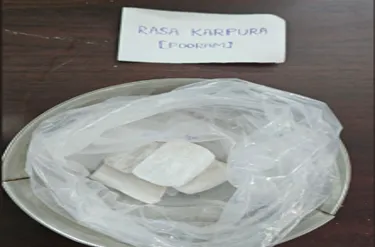
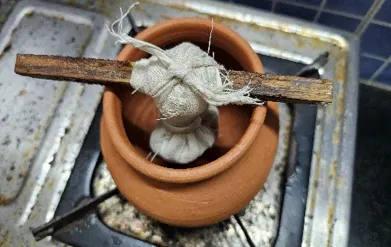
Fig 1 Raw Rasa karpoora Fig 2 Rasa karpoora shodhana
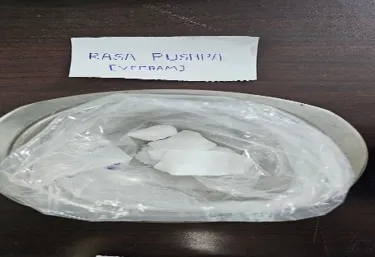
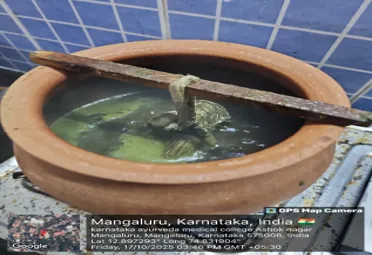
Fig 3 Raw Rasa Pushpa Fig 4 Rasa Pushpa Shodhana
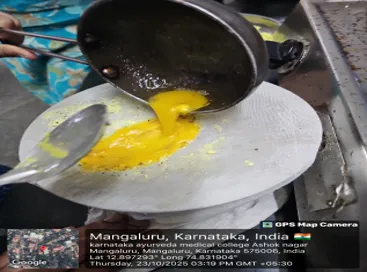
Fig 5 Melted Gandhaka Fig 6 Melted Gandhaka in Ksheera
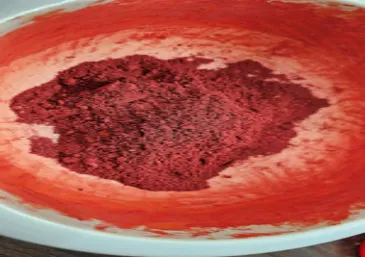
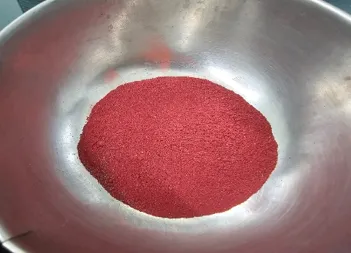
Fig 7 Shodhita hingula Fig 8 Rasa Sindoora
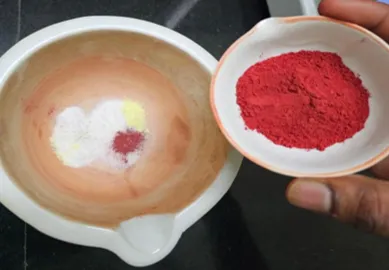
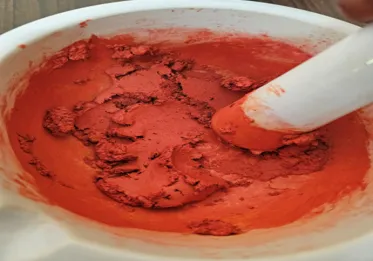
Fig 9 Preparing CMS Fig 10 Chandamarutha sindoora
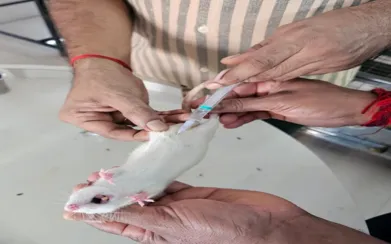
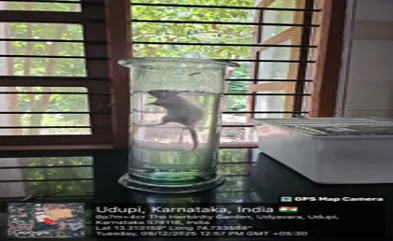
Fig 11 Injecting AlCl3 Fig 12 Behavioural despair test
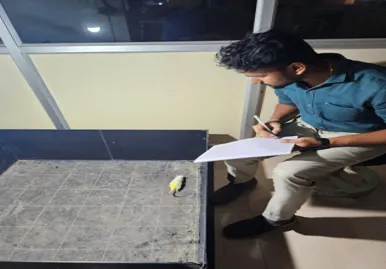
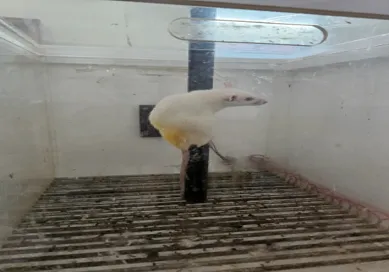
Fig 13 Open field test Fig 14 Cook’s pole climbing test
CONCLUSION:
REFERENCES



Dr. Samarth Ballyaya D, Dr. Savitha K Bhat, Dr. Rachana C, Comparative Study of Different Samples of Chandamarutha sindoora for Neuro-Regenerative Activity – An Experimental Study, Int. J. of Pharm. Sci., 2026, Vol 4, Issue 9, 3696-3709. https://doi.org/10.5281/zenodo.23022210
 10.5281/zenodo.23022210