We use cookies to ensure our website works properly and to personalise your experience. Cookies policy
Srinath College of Pharmacy, Chhatrapati Sambhajinagar, Chhatrapati Sambhajinagar - 431136, Maharashtra (MH), India.
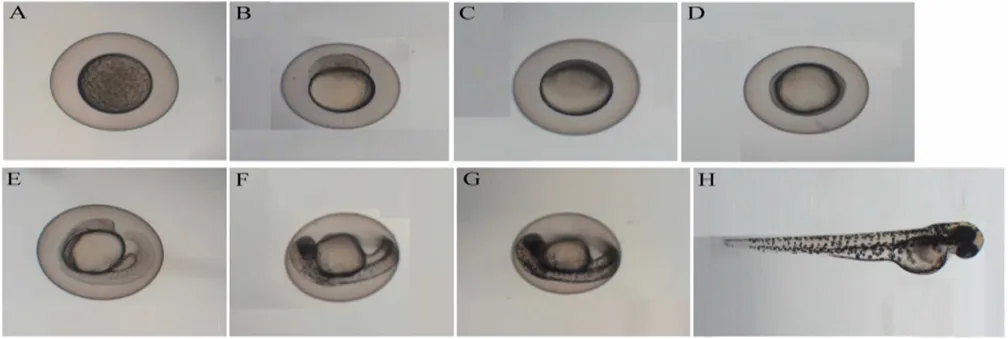
This study used zebrafish embryos and cell lines to assess the total phenolic and flavonoid content, antioxidant activity, and toxicity of different herbal plants. Antioxidant capacity and phenolic and flavonoid levels were found to be strongly correlated, with Cinnamomum zeylanicum and Eugenia polyantha exhibiting high antioxidant potential. From fertilization to hatching in 72 hours, zebrafish development goes through eight distinct phases before attaining sexual maturity in three to four months. Because of their transparency, quick growth, and genetic resemblance to humans, zebrafish are useful model organisms for researching genetics, development, and illness. They are frequently employed to effectively and morally evaluate flavonoid compounds such as quercetin, naringenin, kaempferol, and hesperidin for antioxidant, neuroprotective, and developmental toxicity investigations. Zebrafish are useful models for genetic and biological research because they share approximately 70% of human protein-coding genes and 84% of genes linked to disease. Through a variety of exposure and experimental techniques, their translucent embryos and smaller, more effectively arranged genome provide insights on gene function, development, and illness. Because zebrafish mature quickly, studies on acute, chronic and combination exposure are possible
The total phenolic and flavonoid content, antioxidant activity, and toxicity of several herbal plants were evaluated in this study. The results showed a substantial association between phenolic and flavonoid levels and antioxidant capacity, with Eugenia polyantha and Cinnamon zeylanicum exhibiting high antioxidant potential. Because of their translucent embryos, which enable clear observation of developmental effects, zebrafish are a useful model for this kind of toxicological screening. One in contemporary scientific research, the zebrafish is a useful and widely used vertebrate model organism. It is essential for research on gene function, cancer biology, teratology, developmental biology, and drug discovery, especially in pre-clinical testing. 1-2Until the organism reaches hatching or birth, which is typically considered the end of this period, embryonic development entails a sequence of quick morphological changes. Hatching usually takes place three to four days after fertilization (dpf) in laboratory-bred zebrafish. Phenolic acids, flavonoids, tocopherols, and carotenoids are examples of naturally occurring antioxidant chemicals that are essential for preventing oxidative degradation in food systems. Because of their effective hydrogen donation capacity, these bioactive compounds mostly serve as reducing agents, metal ion chelators, and free radical scavengers. The most well-known natural antioxidant among them is α-tocopherol.3-4Antioxidants as Possible Multiple Sclerosis Treatment Agents Whether they come from natural or artificial sources, antioxidants are essential for reducing oxidative stress, which is linked to neurological diseases like multiple sclerosis (MS), Parkinson's disease, and Alzheimer's disease.4 Assays such as DPPH (2,2Diphenyl-1-picrylhdrazyl), ABTS (2,2 azion-bis-(3-ethylbenzothiazoline-6-sulfonic acid), and FRAP (Fluorescence Recovery After Photobleaching) are used to compare the total phenolic and flavonoid content of herbal plants, correlate these to antioxidant activity, and assess cell toxicity in cell lines and embryotoxicity in zebrafish embryos.
LIFE CYCLE OF ZEBRAFISH EMBRYO DEVELOPMENT
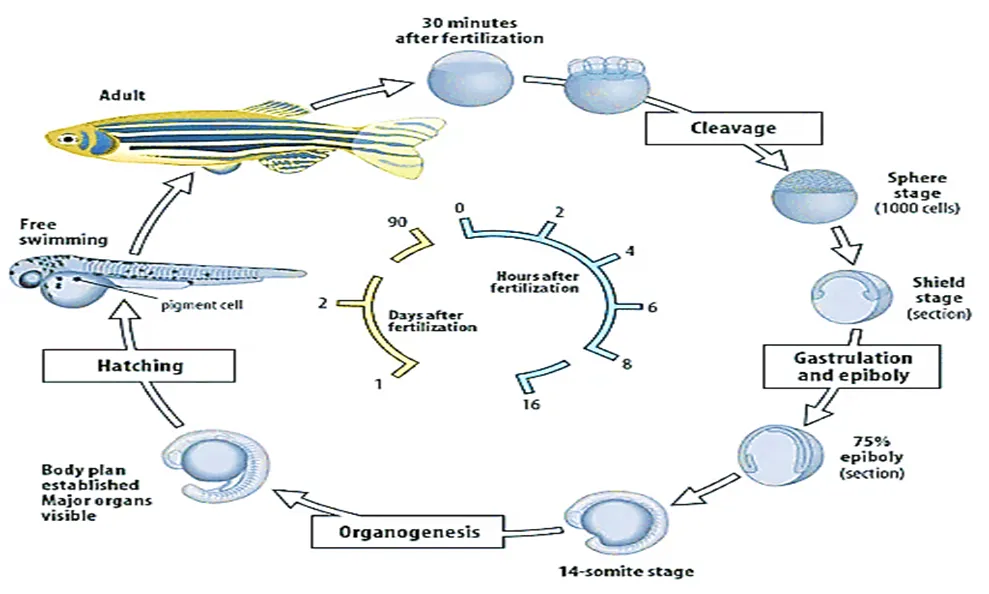
Figure 01 - Life Cycle of Zebra Fish Embryo Development
1. Fertilization (0 hours post-fertilization, hr)
2. Cleavage Stage (0.75 – 2.25hr)
3. Blastula Stage (2.25 – 5.25 hr)
4. Gastrula Stage (5.25 – 10 hr)
5. Segmentation Stage (10 – 24 hr)
6. Pharyngula Stage (24 – 48 hr)
7. Hatching Stage (48 – 72 hr)
8. Larval to Adult Stage (3 days – several months post-fertilization)
Model Organisms: The Zebrafish
The zebrafish (Danio rerio) has grown in significance in scientific studies since the 1960s. It is a useful model for researching human genetics and illness because of its various features.
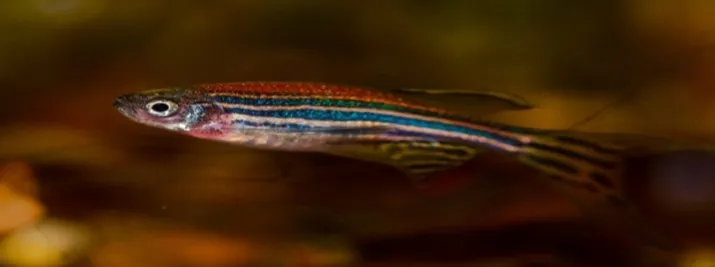
Figure 02 - Model Organisms of Zebrafish
Limitation of using the zebrafish
Derivatives For Zebrafish Models
Quercetin derivatives have protective qualities in the zebrafish model of cisplatin-induced toxicity. To better understand the pharmacological and toxicological consequences of quercetin derivatives, more research has been done utilizing zebrafish models. When compared to quercetin itself, these compounds show better solubility, stability, and bioavailability, which boosts their biological activity. Quercetin and its modified forms have demonstrated promise in lowering oxidative stress, preventing drug-induced organ damage, and modifying developmental pathways in zebrafish. This deformity is probably associated with mitochondrial malfunction, which could lead to anomalies.
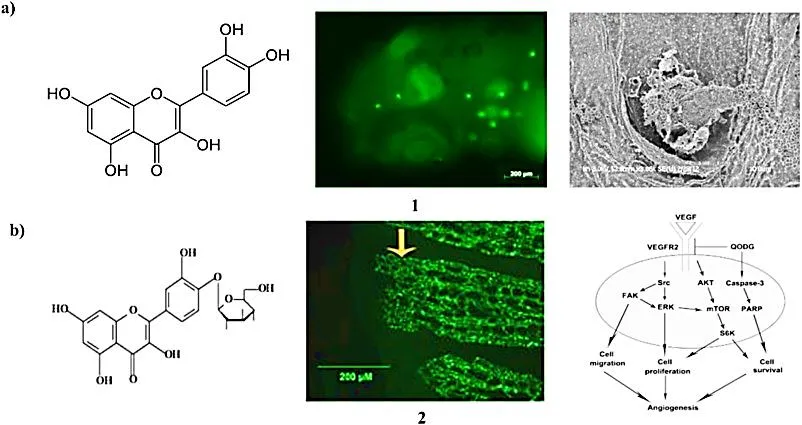
Figure 03 - Quercetin Derivatives for Zebra Fish Models
Figure (a) illustrates the neuroprotective and antioxidant effects of quercetin and its derivatives in zebra fish.
Figure (b) illustrates how to preserve ATP levels and safeguard mitochondria, two essential components of brain health.
One kind of polyphenolic chemical that falls under the category of flavonoids is naringenin. In zebrafish embryos and larvae, these derivatives show antioxidant, anti-inflammatory, and cytoprotective effects. They also allow researchers to evaluate dose-dependent toxicological responses and developmental safety. These compounds share a distinctive chemical structure consisting of two aromatic rings connected by a three-carbon bridge (C6–C3–C6) that forms an oxygen-containing heterocyclic ring.10
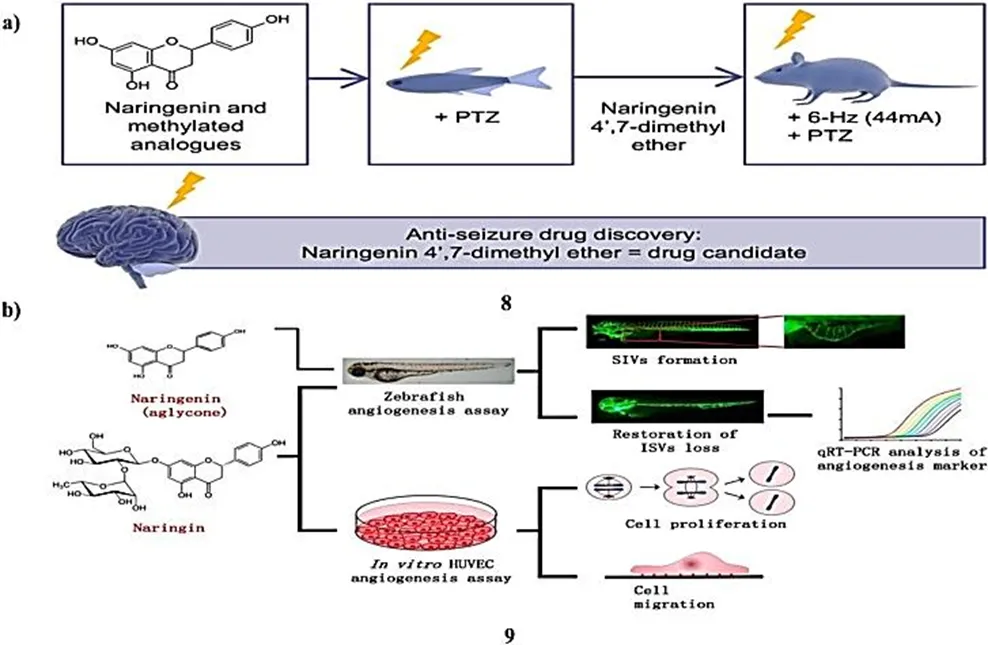
Figure 04 - Naringenin Derivatives of Zebra Fish Model
Using a zebrafish (Danio rerio) model,
figure (a) illustrates the anti-seizure action of naringenin and its methylated counterparts. It shows how drugs are discovered and how to screen for possible neuroprotective or anti-epileptic properties.
Figure (b) Zebrafish-Based Screening and Naringenin Structure
Chemical Structure:
Naringenin's and its glycoside form's molecular structures.
Using Zebrafish as a Model,
Drug effects are tested on zebrafish eggs and larvae.
Spontaneous tail-induced vibration, or STIV production, is a sign of seizure-like behavior.
Cell growth: to track possible neurotoxicity or neuroprotection.
Molecular alterations can be seen using optical examination of differential marker expression.
KAEMPFEROL derivatives for zebrafish modals
The naturally occurring flavonoid kaempferol (Kaem) [3, 5, 7-trihydroxy-2-(4-hydroxyphenyl)-4H-1-benzopyran-4-one] is found in a wide range of therapeutic plants and herbs. This bioactive substance is important in therapeutic research and the development of natural medicine since it demonstrates a wide range of pharmacological actions, such as strong anti-inflammatory, antioxidant, anticancer, and antiulcer properties.7 Kaempferol derivatives are useful for researching developmental, neurotoxic, and cardiotoxic reactions in zebrafish models because they are potent regulators of oxidative stress, cell death, angiogenesis, and metabolic processes.11
Applications of Kaempferol Derivatives in Zebrafish Models
Osteogenesis (Bone Formation):
It has been demonstrated that kaempferol (Kaem) and its Kaem-Zn complex increase caudal fin growth and encourage bone mineralization in adult zebrafish vertebrae.
Neuroprotection
Kaempferol improves motor function in zebrafish by lowering oxidative stress and neuroinflammation and mitigating striatal damage brought on by 3-nitropropionic acid (NPA). 7
Hesperidin derivatives for zebrafish modal
Hesperidin from citrus fruits has a broad variety of pharmacological effects and is known to interact with several cellular pathways. Zebrafish larvae exposed to 1% alcohol exhibit a variety of morphological defects as well as behavioral alterations. The behavioral abnormalities and morphological flaws were both lessened by pretreatment with the flavonoid hesperidin. This illustration demonstrates how hesperidin, a naturally occurring substance found in citrus fruits, aids in preventing alcohol-induced liver damage. It accomplishes this by lowering endoplasmic reticulum stress, lipid imbalance, and metabolic malfunction and DNA damage.
-
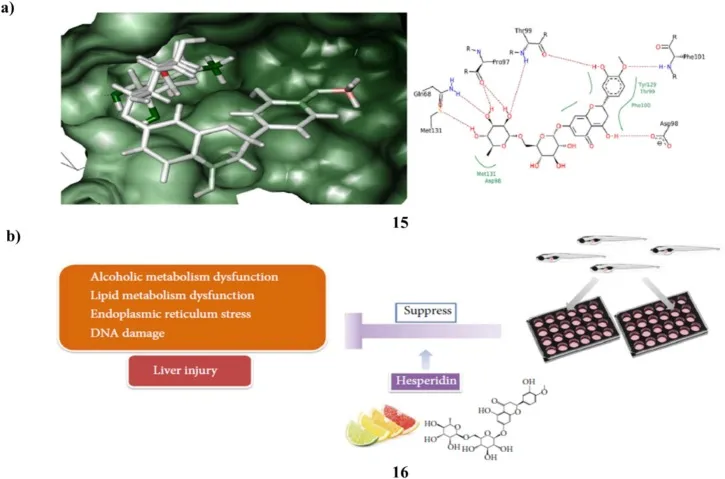
Figure 05- Hesperidin Derivatives for Zebra Fish Model
General toxicological investigation linking human and zebrafish model
Three distinct testing protocols are outlined in the FDA guidelines:
In order to address the use of zebrafish and other in vitro models for researching developmental toxicity, the Developmental and Reproductive Toxicology Technical Committee of the Health and Environmental Sciences Institute (HESI) held a workshop in 2008.The study of embryonic and fetal development, with a primary focus on abnormalities or embryo-fetal lethality (MEFL), is known as developmental toxicity.8
2. Reproductive toxicity
Mice have historically been the most popular mammalian model for testing the reproductive toxicity of different medications and chemicals. Studying the hazardous potential of organisms was based on histopathological examination of the testes and ovaries, as well as assessment of sperm quality, measurement of egg production, and other associated data.8
Benefits of reproductive toxicity
Zebrafish Genome Compared to Human
The zebrafish (Danio rerio) has become a popular model in recent years for researching genetic diseases in vertebrates. Zebrafish are a creative and practical choice for study since, in comparison to other laboratory animals, they have a number of advantages. They are an effective and dependable instrument for scientific research because of their quick development, transparent embryos, and striking genetic resemblance to humans.9
Table 01: Zebrafish genome compared to human
|
Genome |
Human |
Zebrafish |
|
Size of genome(Gb) |
3.2 |
1.41 |
|
Size of RR genome(Mb) |
74 |
31 |
|
Percentage of whole genome |
2.3 |
2.2 |
|
GC content of whole genome% |
40.9 |
36.5 |
|
Number of fragment (RR genome ) |
647626 |
264598 |
|
Percentage of total genomic Cpg sites |
4068947 |
1430390 |
The type of exposure by using the zebrafish model
|
|
A zebrafish embryo goes through a number of crucial stages during development, including zygote, cleavage, blastula, gastrula, segmentation, pharyngeal, and hatching.
Following fertilization, the critical phases of zebrafish development advance quickly.
Zebrafish have an average lifespan of two to three years and grow quickly, usually reaching sexual maturity in three to four months. Zebrafish can therefore be used in long-term exposure studies to evaluate chronic toxicity.According to the study, hepatic tissue damage resulted from a 45-day exposure to Microcystis aeruginosa and total ammonia nitrogen, which altered lipid synthesis, breakdown, and transport. Long-term exposure also had an impact on muscle metabolism, altering levels of fatty acids, glycolipids, and glycerophospholipids, which resulted in lipid accumulation, nutrition loss, and damage to muscle structure.
Restricting long-term exposure
But the absence of the placenta makes it impossible to research the impacts of the placenta.
3. Combined exposure
Assessing the impact of cumulative exposure in zebrafish becomes crucial in several situations. Assessing the toxicity of co-occurring substances is one crucial scenario. For example, Lee and associates investigated the combined toxicity of homosalate and avobenzone, two popular UV-filtering components in sunscreens, on male zebrafish. According to the study, homosalate inhibited androgen activity through a steroid hormone pathway and produced estrogen-like effects. These anti-androgenic effects were amplified when avobenzone was also present. Ten
Second, evaluating combined exposure is crucial for researching combination toxicity. Chinese herbal remedies, which are usually taken as multi-component mixes rather than single compounds in practical application, are a pertinent example.10
Table 02: Difference between zebrafish Embryo and Human Embryo
|
Feature |
Zebrafish embryo |
Human embryo |
|
Size |
Tiny (~0.7–1 mm) |
Larger (~0.1–0.2 mm at fertilization, grows rapidly) |
|
Development time |
Very fast; major organs form in 24–48 hours |
Slower; organogenesis takes weeks (3–8 weeks critical) |
|
Transparency |
Embryos are transparent, allowing direct observation |
Embryos are opaque; imaging requires special techniques |
|
Fertilization |
External (outside the mother) |
Internal (inside the uterus) |
|
Cleavage pattern |
Meroblastic (partial division due to yolk) |
Homoplastic (complete cell division) |
|
No of chromosomes |
25 pairs |
23 pairs |
|
No. of genes |
26,000-30,000 |
20,000-22,000 |
|
Non coding DNA |
Lower proportion of non-coding regions compared with humans |
Large amount of non-coding DNA (regulatory, introns, repetitive sequences) |
|
Protein coding genes |
Large amount of non-coding DNA (regulatory, introns, repetitive sequences) |
Human-specific proteins; more complexity in gene regulation |
Zebrafish model for human disease
Because of their genetic resemblance to humans, transparent embryos, outward development, and affordability, zebrafish are an ideal model for human disorders. Because they allow researchers to monitor disease progression and test possible therapeutic therapies in an entire animal system, they are used to examine a wide range of ailments, including malignancies, neurodegenerative diseases, metabolic diseases, and skeletal abnormalities.11
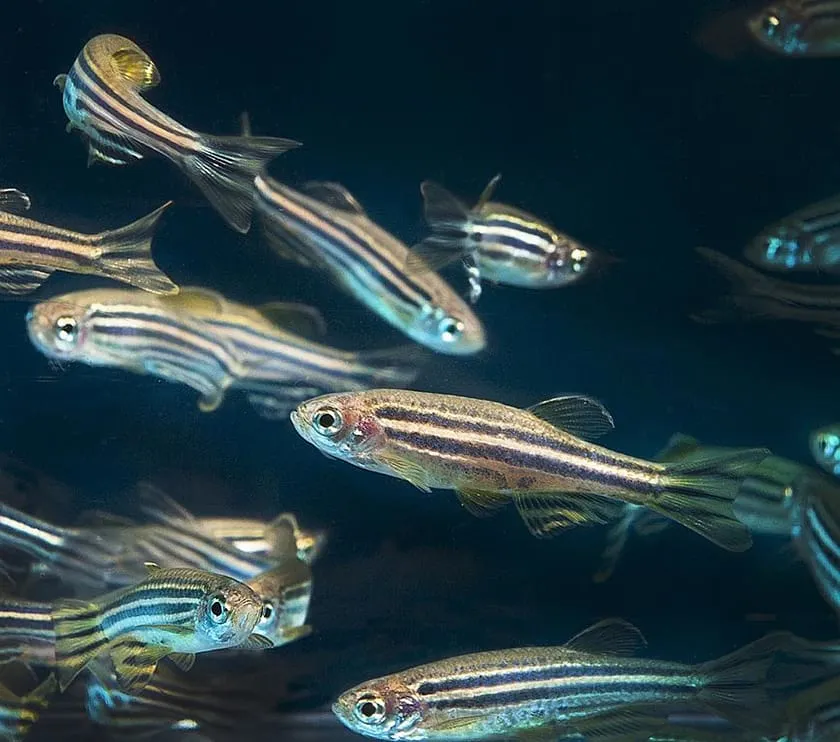
The zebrafish has emerged as one of the most useful and versatile models for studying human diseases. Because of their similar genetic makeup to humans and the ease with which their genes can be altered, zebrafish models are particularly useful.11
Zebrafish models are now a valuable resource for researching several cancers, including pancreatic cancer, leukaemia, and melanoma. Researchers have created models that closely resemble real tumours by introducing human cancer-causing genes into the zebrafish genome or modifying genes linked to tumour growth.
Some of the diseases studied using these models include:
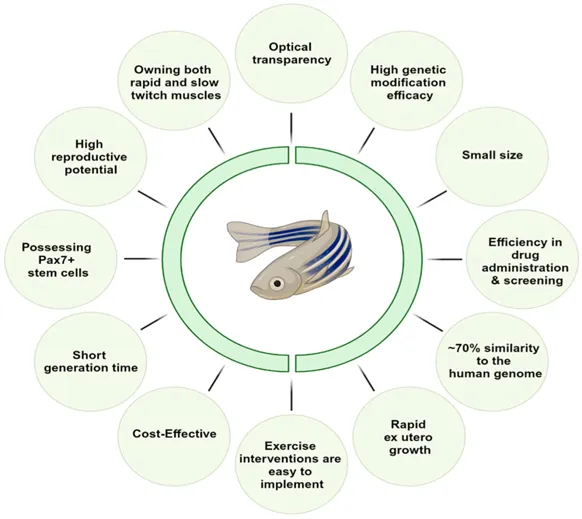
Figure No. 08 - Characteristics of Zebra Fish
Lifespan of zebra fish
Automated Microinjection of Zebrafish Embryos
A fine-tipped needle is used in the process of microinjection [1,2] to introduce foreign materials into cells, including proteins, RNA, DNA, sperm, and medicinal compounds. Numerous facets of live cells, including as signal transduction, cellular genetic structure, and gene expression, have been extensively studied with it.14
Microinjection is less harmful and helps maintain the biological activity of cells as compared to other conventional physical delivery techniques like electroporation, viral vectors, gene guns, ultrasound-mediated delivery, sperm-mediated delivery, hydrodynamic delivery, and electrophoresis (DEP). Microinjection produces less toxicity and better maintains the biological activity of cells than other conventional physical delivery methods like electroporation, viral vectors, gene guns, ultrasound-mediated delivery, sperm-mediated delivery, hydrodynamic delivery, and electrophoresis (DEP)..14
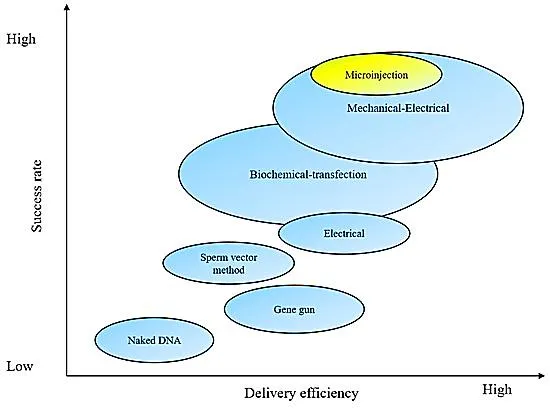
Figure 02 - Automated Microinjection of Zebrafish Embryo
REFERENCES

Dipti Kanke, Sameena Shaikh, Komal Gutte, Apeskha Jaybhaye, Akash Jadhav, Gayatri Kale, Comparative Study of Herbal Plants on the Phenolic and Flavonoid Content, Antioxidant Activities and Toxicity on Cells and Zebrafish Embryo, Int. J. of Pharm. Sci., 2026, Vol 4, Issue 6, 2270-2280, https://doi.org/10.5281/zenodo.20609467
 10.5281/zenodo.20609467