

We use cookies to ensure our website works properly and to personalise your experience. Cookies policy
Amity Institute of Pharmacy, Lucknow, Amity University Uttar Pradesh Lucknow Campus, Lucknow- 226028, India.
Neurological dysfunctions pose significant challenges in diagnosis and treatment, complicated by the brain's complexity, limited understanding of disease mechanisms, and the blood-brain barrier. Factors such as genetic predispositions, environmental influences, lifestyle factors, and comorbidities contribute to the onset of these disorders. Drug development is hindered by the need for compounds to cross the blood-brain barrier, slow disease progression, and high clinical trial failure rates, requiring tailored therapeutic approaches. Diagnostic challenges include the lack of reliable biomarkers, symptom overlap across disorders, and advanced imaging needs, making early and accurate diagnosis difficult. Emerging therapeutic approaches like gene therapy, neuroprotective agents, and regenerative medicine show promise in addressing disease mechanisms and promoting neurological recovery. Innovative diagnostic tools, such as advanced neuroimaging, biomarker discovery, and wearable technology, enhance the accuracy and timeliness of diagnoses. Progress in treating and diagnosing these disorders depends on interdisciplinary research collaborations and patient education. Integrating research, data sharing, and personalized medicine approaches are crucial, alongside patient education to empower individuals with knowledge on prevention and treatment options. Public health initiatives focusing on preventive measures also promise to reduce the burden of neurological dysfunctions. Addressing these challenges requires ongoing innovation, collaboration, and a comprehensive understanding of the factors and mechanisms involved. The pharmaceutical industry's concerted efforts in these areas aim to improve outcomes and quality of life for individuals affected by neurological disorders.
Neurological dysfunctions encompass a vast array of conditions affecting the brain, spinal cord, and peripheral nervous system, presenting one of the most formidable challenges in modern healthcare. These disorders, including neurodegenerative conditions such as Parkinson's disease, Alzheimer's disease (AD), multiple sclerosis, and various neuropathies, are characterized by progressive deterioration of nervous system function. The increasing global prevalence of these conditions, particularly in aging populations, creates substantial pressure on healthcare systems worldwide while significantly impacting patients' quality of life [1]. The clinical manifestations of these neurological conditions are complex and multifaceted, involving sensory abnormalities, motor dysfunction, and cognitive decline, which significantly limit patients' independence and daily activities. Beyond the physical symptoms, patients often experience psychological complications such as depression, anxiety, and social isolation, creating a comprehensive burden affecting both individuals and their caregivers [2].
The field of neurological dysfunction treatment faces numerous challenges, primarily due to the heterogeneous nature of patient characteristics, including genetic variations, comorbidities, and individual response patterns to treatment (Figure 1). This diversity complicates the development of universally effective treatments, necessitating a shift toward more personalized therapeutic approaches. Current research actively explores the factors influencing individual responses, though our understanding remains incomplete [3]. Healthcare systems simultaneously grapple with challenges related to system interoperability, quality assurance, and the implementation of standardized clinical practice guidelines, while diagnostic guidelines face resistance regarding their applicability to specific patient populations and integration into existing clinical workflows [4].
The pharmaceutical landscape is further complicated by the emphasis on analytical accuracy over practical clinical utility in diagnostic approaches, creating a disconnect between testing procedures and meaningful patient outcomes. The development of central nervous system (CNS) drugs faces particularly high failure rates, and the substantial investment required has led to reduced industry focus in this area. Given these multifaceted challenges, improving the diagnosis and treatment of neurological dysfunctions requires a coordinated, multidisciplinary approach that addresses both technical and systemic barriers to progress [5].
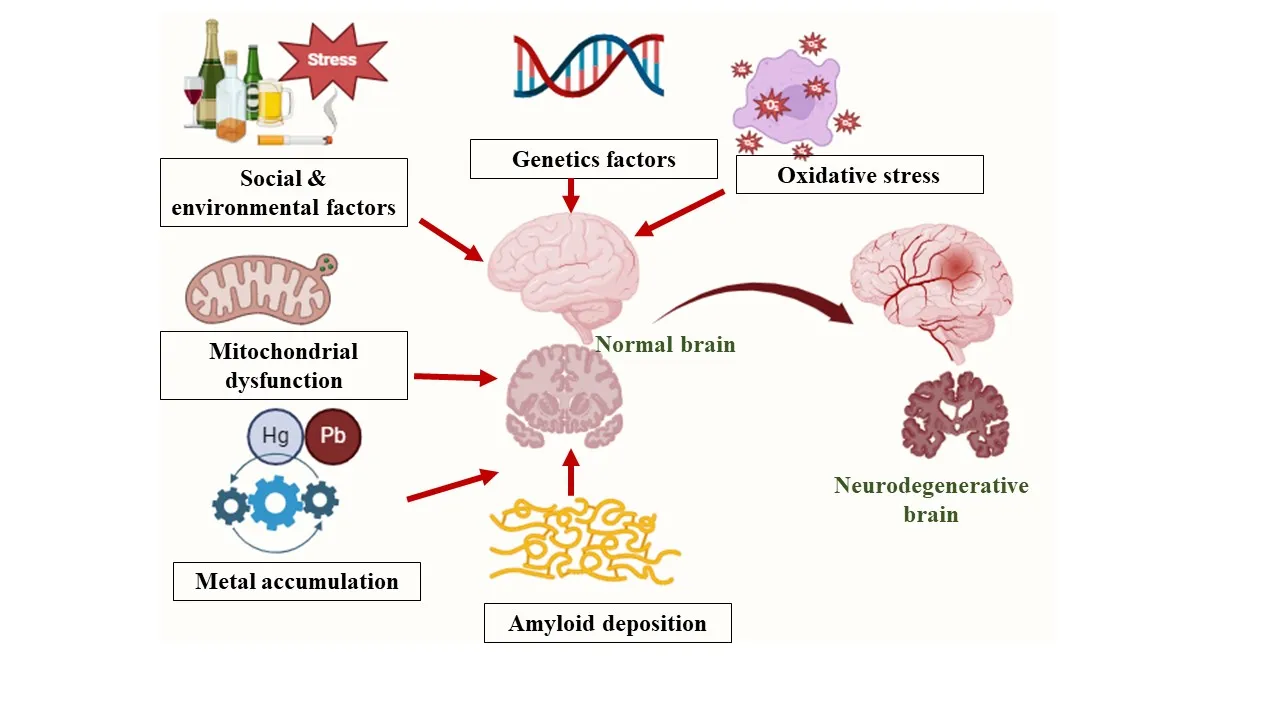
Figure 1: Factors Responsible for the Precipitation of Neurological Disorders [5]
2. CHALLANGES IN DRUG DEVELOPMENT
The process of developing new drugs is complicated and multidimensional, especially when it comes to treating disorders of the CNS [6]. The effectiveness and safety of novel therapies are strongly impacted by several major issues. The issues pertaining to blood-brain barrier (BBB) permeability, target selectivity, neurotoxicity, pharmacokinetic considerations, target identification, pre-clinical models & drug delivery devices (Figure 2) [6].
BBB is an important protective barrier that limits the entry of most medications into the brain. It is a substantial obstacle for medication development to address CNS illnesses. Approximately 98% of small-molecule medicines & nearly 100% of large-molecule therapies cannot cross the BBB effectively. There are various factors that influence the BBB permeability like molecular weight and lipophilicity, transport mechanism & efflux pumps [7,8].
Target specificity describes a drug capacity to only interact with the biological target that it is designed to, such as a particular protein or receptor implicated in a neurological disorder. High target specificity is essential because it minimizes unintentional interactions that may result in side effects while maximizing the therapeutic effect. For example, tiny compounds frequently show promiscuity, binding on several sites, which can have both positive and negative impacts on therapy. Research shows that in addition to their core pharmacological target, small molecule medicines usually interact with 6–11 other targets. Target specificity and off-target effects are important issues to consider when developing medications for the diagnosis and treatment of neurological dysfunctions, as they can have a big impact on the safety and effectiveness of therapeutic treatments [7,9]. When a medication interacts with unintentional targets, it might have off-target effects and cause negative reactions. These interactions can cause toxicity or decreased efficacy, which makes the process of developing new drugs more difficult [10]. Off-target effects, for instance, have been connected to notable clinical trial failures because of unforeseen toxicity. Predicting these interactions is particularly difficult due to the complexity of neurological systems because numerous neural pathways are interconnected and can be altered by a variety of circumstances.
Neurotoxicity presents significant obstacles in the diagnosis and treatment of neurological dysfunctions. The complexity of pharmacokinetics & pharmacodynamics, which are important concepts in drug development, exacerbates these problems [11]. Comprehending these interplays is essential for developing efficacious treatments that reduce side effects while optimizing therapeutic advantages. Number of substances and medications have the ability to cause neurotoxicity, which can cause neurons to die or undergo apoptosis [12]. It can also set off inflammatory processes that worsen neurological symptoms. In order to create safer and more efficient treatments for neurological illnesses, it is essential that these mechanisms be understood. Additionally, drugs may cause neuroinflammation like phenytoin, carbamazepine which exacerbates neurological symptoms [13]. Microglia, the brain native immune cells, may become activated by drugs. Pro-inflammatory cytokines, chemokines, & reactive oxygen species are released by activated microglia, which exacerbates inflammation and damages neurons. Drugs have the potential to disrupt the glutamate and GABA neurotransmitter networks, which can result in excitotoxicity and increased inflammation [14].
Pharmacokinetics & Pharmacodynamic are also a major challenge in developing a new drug for the neurological illness [15]. It is a major challenges result from the nervous system complexity, the variety of neurological disorders, and the shortcomings of the approaches used in present research. The pathophysiology of many neurological illnesses is uncertain or poorly understood, the identification and validation of targets are complicated by this ignorance, which makes the development of efficient treatments challenging. For example, it is difficult to identify the best sites of intervention or mechanisms of action for novel medications without a thorough grasp of the underlying biology [16].
Human brain problems are not fully replicated in the animal models, so clinical failures occur when promising preclinical medications behave poorly in clinical trials due to factors like illness progression or inability to replicate complicated symptoms. For instance, the usefulness of transgenic models in drug testing is limited since many of them lack important pathological characteristics of conditions like Parkinson (PD) or Alzheimer (AD) [17].
Understanding the pharmacokinetics and pharmacokinetics key consideration therapeutic targets for CNS medicines need to be reached by crossing the blood-brain barrier. Drug characteristics like lipophilicity and molecular size have a big impact on BBB permeability. Inadequate evaluation of these attributes may result in therapies that are not successful. When deciding on a dosage schedule, it is essential to understand how medications are metabolized and eliminated from the body [18]. A major challenge in CNS drug development is ensuring that a drug effectively engages its intended target. Variations in metabolic pathways among individuals can lead to differences in drug efficacy and safety profiles, necessitating personalized medicine approaches [19]. It is challenging to link drug concentration to therapeutic results in the absence of convincing evidence of target engagement [18].
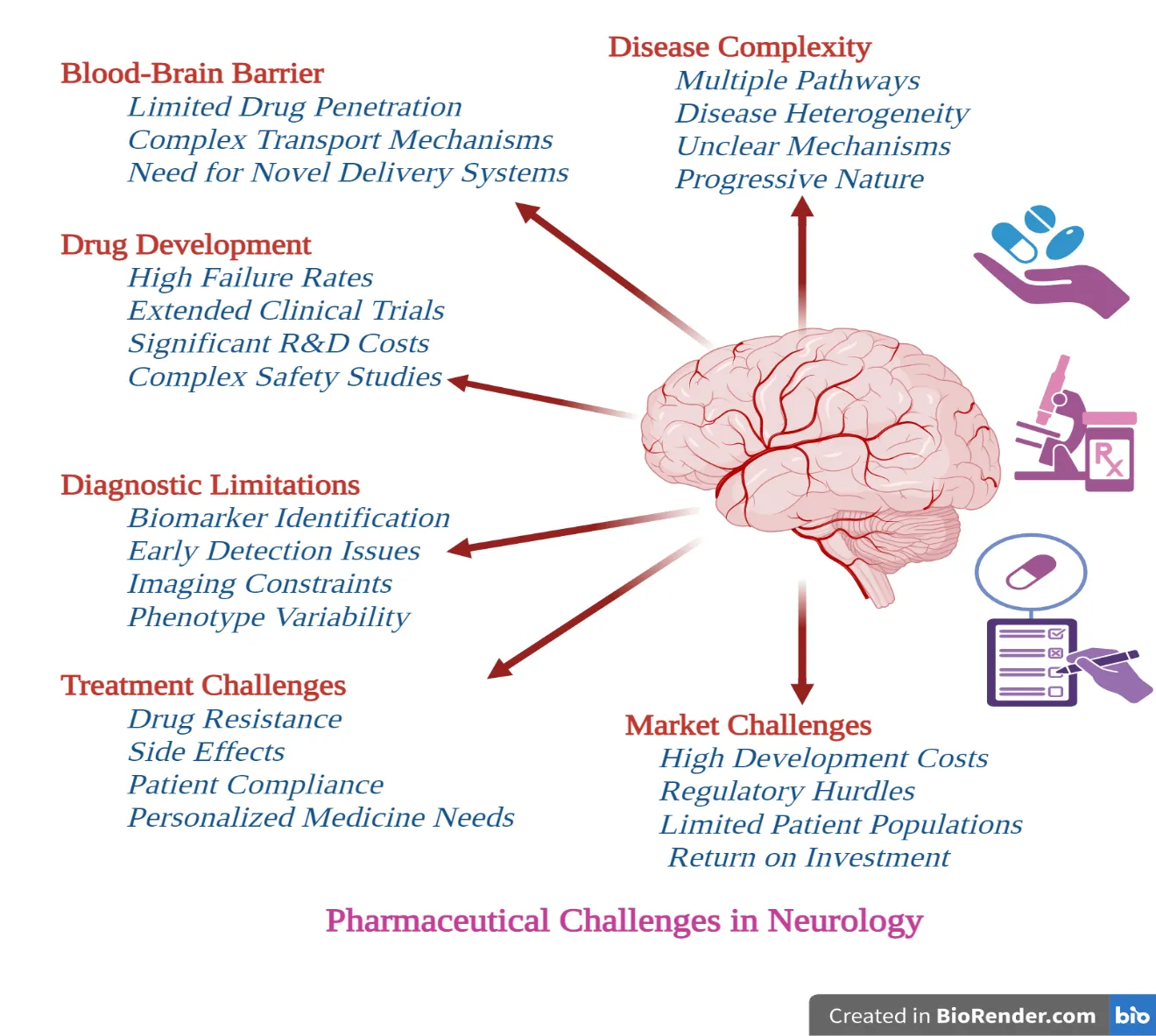
Figure 2: Pharmaceutical Challenges in the Field of Neurology
3. CHALLENGES IN DIAGNOSIS
Diagnosing neurological dysfunctions involve numerous problems that can impede successful therapy and patient outcomes. These challenges include a lack of specific biomarkers, imaging technique limitations, difficulties in early detection and disease progression, difficulties distinguishing neurological disorders from psychiatric conditions, and diagnostic issues specific to pediatric and geriatric populations [20]. One of the most significant issues is the lack of distinct and sensitive biomarkers for numerous neurological illnesses. Biomarkers are critical for accurate diagnosis, prognosis and monitoring of treatment success. Current research is looking into prospective cerebrospinal fluid and blood plasma biomarkers that could act as early indicators of neurodegeneration or disease progression (Table 1). However, the incorporation of these biomarkers into ordinary clinical practice is still limited due to variability in individual responses and the need for further confirmation [21].
Imaging techniques like MRI and CT scans are useful for diagnosing neurological diseases, but they have inherent limitations. While they can uncover structural abnormalities, they frequently miss functional changes or subtle early symptoms of disease. Furthermore, imaging results may be unclear, resulting in misinterpretation or delayed diagnosis. Advanced imaging modalities are being developed, but their accessibility and cost-effectiveness are still impediments to widespread usage [22]. Early diagnosis of neurological illnesses is crucial for better patient outcomes, but it presents substantial hurdles. Conditions such as multiple sclerosis (MS) may appear with overlapping symptoms, complicating early diagnosis. Furthermore, the lack of clear rules for follow-up intervals and assessment criteria makes it difficult to adequately monitor illness development. Experts advocate regular monitoring, but reaching agreement on the most effective clinical variable remains elusive [21,22].
Neurological illnesses can mirror psychiatric symptoms, which complicate diagnosis. Symptoms such as cognitive deterioration, mood swings, and behavioral difficulties might overlap greatly between these domains, leading to misdiagnosis. This is especially challenging in situations like dementia or Parkinson's disease, where psychological symptoms can precede or follow neurological signs Clinicians must use detailed examinations to accurately distinguish between these illnesses [23].
The diagnosis process in pediatric and geriatric groups has particular problems. Symptoms in children may be nonspecific or related to developmental concerns rather than neurological diseases. Furthermore, relying on parental reports may cause bias or delay in diagnosis. In contrast, older people frequently present with many comorbidities that confuse the clinical picture, making it difficult to distinguish neurological dysfunctions from others health issue [21,23].
4. EMERGING THERAPEUTIC APPROACHES
In light of these persistent challenges, the field of neurology is experiencing a notable pivot towards novel therapeutic strategies. Researchers and clinicians are increasingly exploring alternatives such as cell-based therapies, treatments that modulate the immune system, anti-inflammatory approaches, and the repurposing of existing drugs for neurological applications [24]. These emerging methods show promise in addressing the unique challenges presented by disorders of the nervous system, potentially overcoming many of the limitations faced by traditional pharmaceuticals [25]. As the understanding of the brain's intricate functions and dysfunctions continues to evolve, these innovative therapeutic approaches offer renewed optimism. They pave the way for the development of treatments that are not only more targeted and efficient but also potentially transformative in their impact on neurological care. This shift in focus represents a crucial step forward in the ongoing effort to combat the complex array of neurological disorders that affect millions worldwide.
i) Cell therapy: cell therapy particularly the use of stem cells, is now recognized as a viable treatment option for neurological illnesses such PD, multiple sclerosis, amyotrophic lateral sclerosis (ALS), and stroke. Stem cells have the ability to differentiate into multiple cell types, including neurons, which are useful in the healing of damaged tissues in the central nervous system (CNS). Their regeneration capacity is critical for illnesses involving neuronal loss, such as neurodegenerative diseases [26]. Various types of stem cells, including mesenchymal stem cells (MSCs) and neural stem cells (NSCs), have been demonstrated to have neuroprotective properties, supporting recovery by processes such as immunomodulation and growth factor secretion [27]. MSCs have the potential to improve stroke patient outcomes by enhancing neurogenesis at damage sites [27,28]. Over 200 clinical studies are presently looking into stem cell therapy for neurological illnesses, demonstrating a strong scientific interest. Research is mostly focused on illnesses such as multiple sclerosis and stroke patients.
Recent research provides encouraging evidence for the potential of cell therapy. A preclinical study using a rat model of stroke found that injecting human umbilical cord blood-derived mesenchymal stem cells significantly reduced the affected brain area and improved functional outcomes. This 2018 study showed that these stem cells promoted the growth of new neurons and blood vessels in the area surrounding the stroke-affected region. In clinical research, a Phase II trial completed in 2021 examined the use of patients' own mesenchymal stem cells in treating progressive multiple sclerosis. The study, involving 50 participants, showed promising safety results and potential benefits, with some patients experiencing improvements in disability measures and quality of life [21,29]. Another clinical trial, concluded in 2019, investigated neural stem cell transplantation in ALS patients. This Phase I study focused on safety but also provided early indications of potential effectiveness, with some participants showing a slowdown in disease progression. These studies highlight the ongoing work to bring stem cell therapies from laboratory research to clinical application in neurology. While the results are encouraging, more extensive trials are necessary to conclusively establish these treatments for long-term safety and effectiveness [30].
Despite its promise, there are substantial difficulties and opportunities that shape the landscape of this sector. Although the preliminary findings are encouraging, concerns about the long-term safety and efficacy of stem cell therapy persist. Clinical applications are complicated by issues such tumorigenicity (the possibility of forming a tumour), immunological rejection, and patient response variability [31,32,33]. There is a lack of agreement on ideal techniques for stem cell collecting, processing, and administration. Factors such as the type of stem cell employed, dose, method of administration and time of treatment require additional investigation to establish uniform standards [28,31]. The regulatory environment for stem cell therapy is complex and differs by area. Navigating these rules can cause delays in the translation of research findings into clinical practice. Regulatory approval of these medicines requires comprehensive data to substantiate their safety and effectiveness [34].
ii) Immunotherapy and anti-inflammatory therapies: Immunotherapy and anti-inflammatory approaches are gaining traction as promising strategies for treating neurodegenerative diseases. Recent advances in engineered cellular immunotherapies, particularly chimeric antigen receptor (CAR) T cells, have opened new therapeutic avenues. These innovative treatments can be tailored to target specific autoreactive B cells or to deliver neuroprotective agents directly to the central nervous system [35]. The potential of combining immunotherapies with existing treatments is being explored to enhance overall efficacy. For instance, researchers are investigating the combination of immune checkpoint inhibition with CAR T-cell therapy, which has shown encouraging results in improving outcomes for patients with central nervous system involvement. A key area of focus is the identification of biomarkers associated with immune-related adverse events. This research aims to improve patient stratification and management during immunotherapy, potentially leading to more personalized treatment approaches [36].
Recent preclinical and clinical studies have provided valuable insights into the potential of these therapies. In a preclinical study published in Nature Neuroscience (2018), researchers used a mouse model of Alzheimer's disease to investigate the effects of blocking PD-1, an immune checkpoint molecule. They found that this approach led to a reduction in brain amyloid plaques and improved cognitive performance in mice. This study highlighted the potential of immune checkpoint inhibition in neurodegenerative diseases [37]. A phase 1 clinical trial (NCT03484702) completed in 2021 evaluated the safety and tolerability of autologous CAR T cells targeting B cell maturation antigen (BCMA) in patients with multiple sclerosis. While primarily focused on safety, the trial also provided preliminary data on efficacy. Early results suggested a reduction in inflammatory activity in some participants, as measured by MRI scans. Another noteworthy clinical study (NCT04121468) is investigating the use of mesenchymal stem cells engineered to produce IL-10, an anti-inflammatory cytokine, in patients with secondary progressive multiple sclerosis. This ongoing phase 2 trial aims to assess both safety and efficacy, with preliminary data indicating potential benefits in reducing disease progression. These studies underscore the growing interest in immunotherapy and anti-inflammatory approaches for neurological disorders [37].
Immunotherapy and anti-inflammatory approaches present both promising opportunities and significant challenges in the diagnosis and treatment of neurological disorders. While these therapies are gaining recognition as potential treatments for various neurological conditions, particularly neurodegenerative diseases like Alzheimer's and Parkinson's, they come with a set of complexities that researchers and clinicians must navigate [38]. One of the primary concerns is the risk of adverse effects. Immunotherapies can trigger autoimmune reactions that impact both the central and peripheral nervous systems, leading to neurotoxic complications. For instance, patients treated with immune checkpoint inhibitors may experience neurological side effects in approximately 1% to 6% of cases, necessitating vigilant monitoring and management.
A significant hurdle in this field is the effective delivery of therapeutic agents across the BBB to reach the central nervous system. This barrier protective nature limits the bioavailability of many antibody-based treatments, potentially reducing their efficacy in treating neurological conditions. The complex and often poorly understood pathophysiological mechanisms underlying neurodegenerative disorders present another challenge [39]. This intricacy complicates the development of targeted immunotherapies, as researchers strive to pinpoint specific pathways for intervention without disrupting essential neurological functions. Despite these challenges, the field continues to evolve, with ongoing research aimed at overcoming these obstacles [40]. As research progresses, the potential for immunotherapy and anti-inflammatory approaches in neurology remains significant. The emerging therapies may offer new hope for patients with previously intractable neurological conditions, provided that the associated challenges can be effectively addressed through continued scientific inquiry and clinical innovation [41].
iii) Drug repurposing: Drug repurposing has gained popularity as a cost-effective and time-saving alternative to standard medication development. Established medications have previously undergone comprehensive safety and efficacy testing, which can dramatically reduce the time required to bring novel treatments to the market. Notable triumphs in this field include the utilization of existing drugs to treat illnesses such as Alzheimer and Parkinson disease, when traditional drug research has frequently yielded limited results [42]. Several existing drugs are being investigated for their potential in treating neurological disorders. Anti-coagulants like cilostazol are being studied for their ability to enhance cerebral blood flow and slow cognitive decline. Montelukast, known for targeting neuroinflammation, is under investigation for its effects on cognitive function. Adenosine A2A Receptor Antagonists, such as istradefylline, show promise in reducing motor symptoms in PD [43]. Tyrosine kinase inhibitors like nilotinib and bosutinib are being explored for their potential to reduce neuroinflammation and enhance amyloid clearance in AD, with possible applications in PD as well.
Advancements in computational biology and bioinformatics have significantly enhanced the drug repurposing process. These technologies enable large-scale data analysis and molecular docking simulations, improving the efficiency of identifying suitable repurposed therapies [42,44]. The collaboration of academics, pharmaceutical corporations, and patient organizations can speed up the identification and evaluation of promising repurposed medications. Collaborative frameworks can improve resource sharing and knowledge dissemination. Many existing medications have effects on many targets, which might be useful for treating complicated neurological illnesses with various pathophysiologic causes. The concept of polypharmacology - where drugs affect multiple targets - is particularly relevant in treating complex neurological disorders with diverse pathophysiological mechanisms. This approach may lead to more effective treatments by addressing multiple aspects of a disease simultaneously [45].
However, drug repurposing faces several challenges. The regulatory pathway for repurposed drugs can be as complex as that for new drugs. While some aspects may be expedited, changes in formulation or administration route often necessitate additional clinical trials, incurring substantial costs. Many drug repurposing initiatives lack robust scientific foundations for dose justification and exposure-response relationships, leading to inconclusive trial results [46]. This underscores the need for a more systematic approach to evidence generation. The complexity of neurological disorders, often involving multiple pathologies, complicates the development of effective repurposing strategies. The overlap in biological pathways among different conditions can make it challenging to address specific disorders effectively. Despite these challenges, drug repurposing continues to offer a promising avenue for developing new treatments for neurological disorders. As research progresses and our understanding of disease mechanisms deepens, this approach may yield more targeted and effective therapies for patients suffering from these complex conditions [42-49].
Table 1: Key Challenges and Solutions in the Treatment and Diagnosis of Neurological Disorders[50-58]
| Challenge Category | Specific Issues | Current Impact | Potential Solutions |
|---|---|---|---|
| Drug Delivery Challenges | Blood-brain barrier (BBB) penetration limitations | • Only 2% of small molecules cross the BBB | • Nanocarrier development • BBB-penetrating peptides • Receptor-mediated transport • Novel delivery systems |
| Poor bioavailability in the central nervous system (CNS) | • High drug attrition rate • Reduced therapeutic efficacy | • Lipid-based formulations • Inhalation delivery techniques | |
| Inefficient targeted drug delivery | • Increased side effects and off-target effects | • Targeted nanocarriers • Antibody-drug conjugates (ADC) | |
| Limited drug retention in the CNS | • Short-lived therapeutic effects | • Slow-release formulations • Long-acting injectable therapies | |
| Diagnostic Limitations | Late-stage disease detection | • Delayed therapeutic intervention | • Liquid biopsy for biomarkers • Advanced imaging modalities |
| Lack of specific biomarkers for early diagnosis | • Missed therapeutic window • Poor monitoring of disease progression | • Biomarker discovery • AI-assisted diagnostic tools | |
| Limited sensitivity and specificity of imaging techniques | • Inaccurate diagnosis • Limited early detection | • Functional neuroimaging • Multi-modal imaging approaches | |
| Poor differential diagnosis between similar neurological disorders | • Misdiagnosis • Ineffective treatment plans | • Advanced MRI techniques • Machine learning for diagnostic algorithms | |
| Treatment Efficacy | Disease heterogeneity | • Suboptimal clinical outcomes • High treatment failure rates | • Precision medicine • Genetic profiling • Targeted therapies |
| Drug resistance | • Limited drug effectiveness • Need for continuous treatment adjustments | • Combination therapies • Personalized drug regimens • Drug repurposing |
|
| Limited engagement with disease-relevant targets | • Failure to modify disease progression | • Identification of new molecular targets • Receptor-specific therapies | |
| Variability in patient response to treatment | • Increased treatment costs • Ineffective interventions | • Patient stratification • Disease-modifying therapies | |
| Safety Concerns | Off-target effects (e.g., damage to non-target brain regions) | • Treatment discontinuation due to adverse effects | • Targeted drug design • Optimized delivery methods |
| Systemic toxicity, especially for long-term treatments | • Increased morbidity • Limited patient compliance | • Lower toxicity formulations • Use of safety biomarkers | |
| Long-term adverse effects, such as cognitive decline or neurodegeneration | • Reduced quality of life • Difficulty in maintaining treatment protocols | • Safety-focused drug design • Real-time safety monitoring | |
| Drug-drug interactions in polypharmacy | • Increased risk of complications • Adverse drug interactions | • Pharmacogenomics • Real-time drug interaction monitoring systems | |
| Clinical Translation | Inaccurate preclinical models of human neurological diseases | • Failure of promising drugs in clinical trials | • Improved disease models • More human-relevant in vivo systems |
| Difficulty in designing clinical trials for neurological disorders | • Long development timelines • Poor predictive power of clinical trials | • Adaptive trial designs • Use of biomarkers for clinical endpoints | |
| High costs of drug development and clinical testing | • Increased healthcare costs • Limited access to new therapies | • Adaptive regulatory pathways • Collaborative research networks | |
| Limited success in translating findings from animal models to humans | • Delayed market access • Limited treatment options | • Use of organ-on-a-chip models • Patient-derived organoids for testing | |
| Patient-Related Issues | Poor treatment adherence (due to complex regimens or side effects) | • Suboptimal therapeutic outcomes • Increased healthcare burden | • Simplified drug regimens • Long-acting formulations |
| Financial barriers to accessing treatments | • Reduced treatment adherence • Inequitable access to therapies | • Cost-effective drug formulations • Health insurance policies for neurology | |
| Complex drug regimens leading to confusion or non-compliance | • High rate of treatment discontinuation • Increased healthcare costs | • Fixed-dose combinations • Patient education and support systems | |
| Side effect burden, including cognitive side effects | • Treatment discontinuation • Increased hospital visits | • Symptom management therapies • Improved side effect profiles | |
| Disease Complexity | Multiple, often interconnected disease pathways | • Difficulties in identifying optimal therapeutic targets | • Pathway-specific drugs • Multi-target drug combinations • Drug repurposing |
| Influence of genetic, environmental, and lifestyle factors on disease | • Variable clinical outcomes • Challenges in prevention strategies | • Gene-environment interaction studies • Lifestyle modification programs | |
| Chronic, progressive nature of many neurological disorders | • Progressive disability and worsening prognosis | • Disease-modifying therapies • Early intervention strategies | |
| Limited options for neuroprotective treatments | • Inadequate management of progressive diseases | • Neuroprotective drugs • Stem cell therapies | |
| Regulatory Challenges | Stringent safety and efficacy requirements | • Lengthy drug approval process • High costs for clinical trials | • Expedited regulatory pathways • Early regulatory consultation |
| High development costs associated with new neurological drugs | • Increased drug prices • Barriers to entry for smaller companies | • Public-private partnerships • Government subsidies for innovation | |
| Limited regulatory flexibility for novel therapeutic approaches | • Slow market access for innovative drugs | • Adaptive trial designs • Risk-based assessment models | |
| Complex and time-consuming clinical trial approval process | • Extended time-to-market for new therapies | • Real-world evidence usage • Streamlined trial approval processes |
5. INNOVATIVE DIAGNOSTIC TOOLS
Innovative diagnostic tools in neurological dysfunction have seen remarkable advances, particularly with the integration of neuroimaging, artificial intelligence (AI), and neuromodulation techniques (Table 2). One of the most significant breakthroughs is the use of advanced neuroimaging techniques, such as functional MRI and PET scans, which allow for high-resolution mapping of brain networks involved in disorders like Parkinson's disease, Alzheimer's disease, and stroke [50,51]. These techniques enable early detection and a deeper understanding of the pathophysiology behind various neurological conditions [52]. Additionally, AI-powered diagnostic tools are transforming the field by improving accuracy and predictive capabilities. Machine learning algorithms can analyze complex datasets from neuroimaging [53], EEGs, and clinical data [54], leading to more precise diagnostics and personalized treatment plans.
5.1. Advanced neuroimaging techniques
Neuroimaging plays a crucial role in diagnosing and understanding neurological dysfunction. Techniques like magnetic resonance imaging (MRI), functional MRI (fMRI), and positron emission tomography (PET) have advanced significantly. These methods provide detailed insights into brain structure, function, and metabolism. Newer and more sensitive imaging techniques are now being used to get a clearer understanding of how injuries develop and progress, as well as the processes that cause ongoing brain damage, recovery, or changes in brain function. Like functional magnetic resonance imaging (fMRI) helps visualize brain activity by detecting changes in blood flow [55], which is crucial for diagnosing conditions like Alzheimer's, Parkinson’s, and epilepsy. Researchers, such as Wang et al. (2007), used fMRI to detect early-stage AD through altered network dynamics in the default mode network (DMN) [56]. Other example like diffusion tensor imaging (DTI), an extension of MRI, is particularly useful for mapping white matter tracts, aiding in the diagnosis of multiple sclerosis and traumatic brain injury [57]. Furthermore, advancements like 7T MRI offer even higher resolution, allowing early detection of neurodegenerative changes that could aid in interventions at a pre-symptomatic stage [58].
Similarly, Madaan et al. (2021) studied neurocognitive outcomes and diffusion tensor imaging (DTI) findings in 74 children (mean age 9.5 years) with mild traumatic brain injury (mTBI). At 3 months post-injury, children with mTBI showed lower IQ, perceptual reasoning and processing speed in comparison to the control group. Behavioral issues were noted in 17% of mTBI cases versus 4% of controls, and 12.3% of mTBI children had poor sleep (vs. 2% of controls). Common symptoms included headache, attention deficits, and fatigue. A positive association was observed between fractional anisotropy of the right uncinate fasciculus and verbal comprehension [59].
Mathews et al. investigated the utility of the Parkinson's Disease Related Pattern (PDRP) as a biomarker for early-stage Parkinson's disease (PD). Two machine learning techniques—Scaled Subprofile Model (SSM) and NPAIRS with Canonical Variates Analysis—were applied to FDG-PET scans of 17 healthy controls and 23 patients with Parkinson's disease. Their analyses demonstrated the ability of both classifiers to discriminate between healthy controls and PD patients, correlating with motor symptom severity. The authors further validated key metabolic patterns associated with PD, suggesting that FDG-PET and multivariate classification have the potential to function as objective biomarkers for assessing disease stages and treatment outcomes [60].
Recent advances in radiotracer development have enabled the use of PET for imaging amyloid plaques and tau tangles, the hallmarks of Alzheimer's disease. Murray et al. investigated the use of PET imaging with 18F-FDG and the amyloid-β (Aβ) tracer 11C-PiB to evaluate individual risk in cognitively normal adults with a family history of late-onset Alzheimer's disease (AD). They studied 119 cognitively normal individuals, including 80 with a family history of Alzheimer's disease (FH+) and 39 without (FH−). FDG and PiB scans were compared across age groups, revealing that NL individuals over 60 with FH+ showed significantly higher rates of FDG+ scans, indicating AD-typical metabolic abnormalities. The study suggested that FDG-PET could detect early neuronal dysfunction in at-risk individuals before major Aβ pathology appears, especially in younger cohorts. Extended follow-up is essential to assess whether these abnormalities can predict the future onset of Alzheimer's disease (AD) [61].
In epilepsy research, MEG has emerged as a powerful tool for detecting epileptogenic zones, especially when MRI fails to identify structural lesions. Hao et al. Analyzed 39 patients with posterior cortex epilepsy (PCE) to evaluate the correlation between magnetoencephalography (MEG) dipole classifications and surgical outcomes. MEG dipoles were grouped into single clusters, multiple clusters, and scattered dipoles. The study found that patients with single dipole clusters had a higher likelihood of becoming seizure-free, especially with complete MEG dipole resection (83.3% vs. 16.7%). Concordant MRI and MEG findings also correlated with better surgical outcomes. The authors concluded that MEG provides valuable information for surgical planning and epileptogenic zone localization in PCE patients [62].
5.2. Omics technologies
Omics technologies such as genomics, proteomics, and metabolomics are revolutionizing the field of diagnostics for neurological dysfunctions by offering comprehensive insights into the molecular underpinnings of diseases. These technologies allow for the detection of subtle changes at the DNA, protein, and metabolite levels, providing opportunities for early diagnosis, precise treatment, and personalized therapeutic strategies. Genomics involves the study of an organism's entire DNA sequence, encompassing all of its genes. Genomics is crucial in the field of neurological disorders for detecting genetic mutations and variations that contribute to the onset of these diseases. Notable studies have highlighted the role of specific genes in the pathogenesis of various conditions.
Xiao et al. conducted a study involving 1,154 Alzheimer’s disease (AD) patients and 2,403 controls, focusing on the sequencing of amyloid precursor protein (APP), presenilin 1 (PSEN1), presenilin 2 (PSEN2), and Apolipoprotein E (APOE) using a targeted panel. Variants were categorized as common or rare based on a minor allele frequency (MAF) cutoff of 0.01. Their analysis identified a suggestive association between the common variant PSEN2 rs11405 and AD risk (p = 1.08 × 10<sup>−2</sup>). Additionally, a significant association was found with the APP gene (p = 1.43 × 10<sup>−2</sup>). In studies on AD endophenotypes, APP rs459543 showed a nominal correlation with CSF Aβ42 levels (p = 7.91 × 10<sup>−3</sup>). The results indicate that non-pathogenic variants in PSEN2 and APP may contribute to Alzheimer's disease pathogenesis in the Chinese population [63].
Proteomics involves the large-scale study of proteins, their structures, and functions, providing insights into disease mechanisms. Dammer et al. investigated the proteomic profile of cerebrospinal fluid (CSF) in connection with amyloid-β (Aβ) and tau pathology in Alzheimer's disease (AD), utilizing tandem mass tag mass spectrometry and Soma-Scan to analyze samples from 300 individuals. This analysis produced a detailed protein co-expression network with 34 modules, based on 5,242 protein measurements, uncovering modules associated with autophagy, ubiquitination, endocytosis, and glycolysis. Notably, three modules linked to the apolipoprotein E ε4 (APOE ε4) risk genotype were associated with oxidant detoxification and mitochondrial biology, and these alterations in blood were observed more than 20 years before the onset of dementia. In a phase 2 clinical trial of atomoxetine (ATX) for Alzheimer's disease, abnormal increases in the glycolysis CSF module were linked to cognitive function and were reduced with ATX treatment. The study highlighted the heterogeneity of pathological changes in AD that are not fully captured by Aβ and tau measurements [64].
Proteomic studies also examine post-translational modifications (PTMs) that can impact protein function and contribute to disease pathology. Guan et al. examined the influence of post-translational modifications (PTMs) on the development and progression of Alzheimer's disease (AD). They identified various post-translational modifications (PTMs), including phosphorylation, glycation, acetylation, sumoylation, ubiquitination, methylation, nitration, and truncation, which influence the pathological functions of proteins associated with Alzheimer's disease, such as β-amyloid (Aβ), β-site APP-cleavage enzyme 1 (BACE1), and tau protein. Their work emphasizes how abnormal post-translational modifications (PTMs) affect the trafficking, cleavage, and degradation of these proteins, which contributes to cognitive decline in Alzheimer's disease (AD). By summarizing this research, the authors aim to bridge the gap between PTMs and AD, paving the way for potential biomarkers and novel clinical interventions [65].
Metabolomics examines the small molecules (metabolites) present in biological systems. Berezhnoy et al. applied a quantitative metabolomics approach to examine metabolic changes in cerebrospinal fluid (CSF) and serum in Alzheimer’s disease (AD) and mild cognitive impairment (MCI) patients. Using nuclear magnetic resonance (NMR) analysis, they quantified 45 metabolites were identified in cerebrospinal fluid (CSF) and 27 in serum. The study found significant reductions in CSF and serum levels of acetoacetate and decreased levels of valine and its degradation products in AD patients. They also noted decreased 2-hydroxybutyrate in MCI patients and elevated vitamin C in their CSF. Altered CSF protein content and shifts in metabolites like 1,5-anhydrosorbitol and fructose further distinguished AD from MCI. The findings suggest that metabolomic profiling may offer novel biomarkers and insights into dementia progression [66]. Shan et al. investigated the metabolic changes in Parkinson's disease (PD) patients by analyzing serum metabolites utilizing ultra-high performance liquid chromatography coupled with tandem mass spectrometry (UHPLC-MS/MS). They compared 55 patients with Parkinson's disease (PD) who had undergone two weeks of inpatient treatment with 55 healthy control subjects (HCs) matched by age, sex, and body mass index (BMI). The study identified 43 metabolites that differed significantly between PD patients and HCs, primarily associated with amino acid metabolism. After two weeks of drug treatment, 14 metabolites showed significant changes, mainly linked to tryptophan metabolism. The study suggests that these differential metabolites, especially those involved in phenylalanine and tryptophan metabolism, could serve as potential diagnostic biomarkers and offer insights into the pathogenesis and progression of PD [67].
5.3. Wearable device and digital biomarkers
The integration of wearable devices and digital biomarkers is revolutionizing the diagnosis and monitoring of neurological disorders. By capturing real-time physiological and behavioral data, these tools provide continuous insights into patient health outside the clinical setting. These technologies help bridge the gap between clinical visits, providing data that can be used for early diagnosis, monitoring disease progression, and personalizing treatment. Caballol et al. evaluated wearable inertial sensors (WIS) in tracking motor symptoms in patients with Parkinson's disease. Thirty-nine patients wore WIS before and after treatment changes, with significant improvements detected in Off-Time (p = 0.007), On-Time (p = 0.002), steps (p = 0.008), and gait fluidity (p = 0.004). The sensor detected motor fluctuations in 95% of patients, dyskinesia in 41%, and freezing of gait in 23%. Though the WIS showed potential as a complementary tool for PD monitoring, its agreement with clinical assessments was moderate, requiring further validation [68].
Seth et al. reviewed studies on seizure detection and prediction using cardiac parameters from wearable devices. They analyzed 24 studies—20 focused on detection, 4 on prediction—mostly using wrist- or chest-worn devices. Cardiac metrics, particularly heart rate (HR) and heart rate variability (HRV), were key in the algorithms. Detection studies showed sensitivity ranging from 56% to 100%, with false alarm rates between 0.02 to 8 per hour. Prediction algorithms were less common and often involved multimodal data. While these approaches show promise, most are in early stages, and real-time applications need further validation through large-scale studies [69]. Guu et al. investigated the feasibility of using wrist-worn actigraphy to assess behavioral and psychological symptoms in agitated late-stage dementia patients. In a 4-week study with 29 care home residents, the watch-acceptance rate was high (96.6%), and compliance was strong (88.0%). Non-compliance was not linked to age or dementia symptoms but was higher in patients with better cognitive function, during night shifts, and marginally among female participants. The study concludes that actigraphy is feasible for this group, and compliance could improve with consideration of patient and carer needs [70].
Digital biomarkers refer to objective, quantifiable physiological and behavioral data obtained from digital devices, including smartphones, wearables, and various sensors. They have been increasingly used in the diagnosis and management of neurological disorders. Dubbelman et al. conducted a pilot study on the assessment of smartphone everyday tasks (ASSET) application to measure everyday functioning in preclinical Alzheimer's disease. Forty-six participants, including both unimpaired and mildly cognitively impaired individuals, completed ASSET tasks, which simulated a Patient Portal and a Calendar. The study found strong correlations between the two tasks (r = 0.75) and links between Patient Portal performance and cognition (r = 0.64), as well as everyday functioning (r = 0.57). Test–retest reliability was high (intraclass correlation = 0.87), and most participants had a neutral or positive user experience. ASSET shows promise for early diagnosis and treatment assessment in Alzheimer's disease [71].
Illner et al. developed a smartphone-based system to do a screening in real-world settings for prodromal parkinsonian speech abnormalities in people with isolated (REM) sleep behavior disorder (iRBD). The cross-sectional study examined data from routine phone calls and active speech tasks from 72 participants, including iRBD patients, early-stage patients with Parkinson's disease (PD) and healthy controls. A total of 5990 minutes of speech was processed from 3525 calls over three months. The system, with an AUC of 0.85, demonstrated high sensitivity in distinguishing iRBD patients from controls, detecting features like imprecise vowel articulation and monopitch. This tool shows potential for future neuroprotective trials, speech therapy, and population screening. REM sleep behavior disorder (iRBD) in real-world settings. The cross-sectional study examined routine voice call data and active speech tasks from 72 participants, including iRBD patients, early Parkinson's disease (PD) patients, and healthy controls. A total of 5990 minutes of speech was processed from 3525 calls over three months. The system, with an AUC of 0.85, demonstrated high sensitivity in distinguishing iRBD patients from controls, detecting features like imprecise vowel articulation and monopitch. This tool shows potential for future neuroprotective trials, speech therapy, and population screening [72].
5.4. Artificial intelligence and machine learning
Neurology is changing as a result of artificial intelligence (AI) and machine learning (ML), which improve neurological dysfunction diagnosis, monitoring, and treatment. These technologies enable the analysis of complex and high-dimensional data, improving diagnostic accuracy and predicting disease progression. The intricacy of neurological disorders poses considerable difficulties for diagnosis, especially in the first phases. AI and ML offer powerful tools for analysing large-scale clinical and physiological data, identifying patterns that may not be evident to human clinicians. By leveraging advanced algorithms, these technologies provide real-time, data-driven insights that can revolutionize the management of conditions such as Alzheimer’s disease, Parkinson’s disease, multiple sclerosis, epilepsy, and stroke.
Early Alzheimer's disease diagnosis is among the most important uses of AI in neurology. Marwa et al. created a deep learning-based pipeline utilizing a shallow Convolutional Neural Network (CNN) architecture and 2D T1-weighted Magnetic Resonance (MR) brain images for the early identification and stratification of Alzheimer's disease (AD) stages. The pipeline helps with local classification, further subdividing MCI into Very Mild Dementia (VMD), Mild Dementia (MD), and Moderate Dementia (MoD), as well as global classification (normal vs. Mild Cognitive Impairment [MCI] vs. AD). The method was compared with advanced deep learning models like DenseNet121, ResNet50, VGG 16, EfficientNetB7, and InceptionV3, achieving a remarkable overall testing accuracy of 99.68%, showcasing its effectiveness for non-invasive AD diagnosis [73].
Bal et al. developed a two-pathway 3D convolutional neural network (CNN) that can accurately identify and quantify ischemic stroke lesions, both acute and subacute. This model integrates information from individual brain slices and adjacent slices to enhance connectivity detection between brain regions. The research showed enhanced performance on the ISLES2015 dataset by using various MRI modalities rather than depending only on DWI or FLAIR, and by adding intensity normalization and data augmentation to address imbalanced stroke labeling. Particularly in the vicinity of the margins of stroke lesions, the suggested model received good marks in metrics like the Dice similarity coefficient (DSC), sensitivity, and positive predictive value (PPV) [74]. Yogarajan et al. proposed an enhanced technique for automatically detecting seizures using electroencephalogram (EEG) signals, leveraging a Deep Neural Network (DNN) and a Binary Dragonfly Algorithm (BDFA). The study highlights that EEG signals are typically symmetrical, but seizures can cause higher electrical activity in one side of the brain, leading to asymmetry. The DNN model uses the Stationary Wavelet Transform to examine nine statistical and Hjorth parameters that are obtained from decomposed EEG signals. The BDFA is then employed to reduce the feature set, enhancing training efficiency and performance. The system demonstrated exceptional results, surpassing previous techniques by obtaining 100% accuracy, sensitivity, specificity, and F1 score when separating ictal, interictal, and normal signals using a 13% feature subset [75]. Alshammri et al. investigated the detection of Parkinson's Disease (PD), which presented similar symptoms to other conditions, complicating diagnosis. The study employed various Machine Learning (ML) and Deep Learning (DL) models, including Support Vector Machine (SVM) and using voice signal properties, the Multi-Layer Perceptron (MLP) can distinguish between healthy people and Parkinson's disease (PD) patients. The UCI Machine Learning Repository provided a dataset of 195 voice recordings from 31 patients, which was used to improve the models through the application of methods such as Synthetic Minority Over-sampling Technique (SMOTE) and hyperparameter tweaking. MLP achieved the highest accuracy of 98.31%, with a recall of 98%, precision of 100%, and F1 score of 99%. SVM also performed well, achieving 95% accuracy and an F1 score of 97%. The results indicated that these methods could effectively predict PD and might be incorporated into healthcare for diagnostic use [76]. Alves et al. explored a method for the automatic diagnosis of autism using functional brain imaging data from 500 subjects, including 242 with autism spectrum disorder (ASD). Unlike previous studies, which focused on individual pairwise metrics, this research considered the brain network's organization. Their method demonstrated high diagnostic accuracy, achieving an AUC near 1.0, outperforming existing approaches. The study revealed that ASD patients showed reduced connectivity in the left ventral posterior cingulate cortex, consistent with prior findings. Additionally, ASD patients exhibited more segregated brain networks, with less information distribution and connectivity. The workflow offers medical interpretability and can be applied to other neuroimaging data [77].
Table 2: Nanotechnology Based Innovations Addressing Challenges in Neurological Dysfunctions
| Innovations | Drug | Targeted Challenge | Key Impact | References |
|---|---|---|---|---|
| Nanocrystals | Donepezil | Innate blood–brain barrier (BBB) and the blood-cerebrospinal fluid barrier | In vivo studies showed that a single dose of nanocrystals via i.m. injection enhanced spatial memory and learning. | [78,79] |
| Nanoparticles | Rivastigmine | Overcoming BBB limitations | Pharmacodynamic studies showed quicker memory recovery compared to the free drug solution. | [80,81] |
| Dendrimers | Hydroxyl-terminated polyamidoamine | Nonspecific cellular localization of antioxidants. | Enhances mitochondrial delivery of therapeutics and reduces oxidative stress in glial cells more effectively than unmodified dendrimers. | [80] |
| Quantum dots | Selenium | Overcome blood–brain barrier (BBB) | The results demonstrate that these quantum dots possess strong free-radical scavenging abilities, protect cells from oxidative stress caused by various stimuli, and exhibit broad-spectrum antioxidant properties. | [81,82] |
| Micelles | Resveratrol | Difficulty in achieving specific delivery of antioxidants to the mitochondria of impaired central neurons | The targeted delivery of **resveratrol** restores mitochondrial function, reduces oxidative stress, and improves cognitive performance in Alzheimer's disease, delaying disease progression. | [83,84] |
6. COLLABORATIVE EFFORTS AND FUTURE DIRECTIONS
The treatment and diagnosis of neurological dysfunctions, such as Alzheimer’s disease, Parkinson’s, multiple sclerosis, and epilepsy, require a multidisciplinary approach due to the complex and multifactorial nature of these conditions. Collaborative efforts across various scientific, clinical, and regulatory domains are essential to overcome existing challenges and accelerate advancements in this field.
6.1. Interdisciplinary research collaborations
Collaborative efforts across neuroscience, pharmacology, genetics, and bioengineering have become pivotal in addressing neurological disorders. Integrating expertise from these diverse fields fosters innovative approaches to diagnosis and therapy, such as the use of advanced biomarkers and neuroimaging techniques that allow for early and accurate diagnosis of conditions like Alzheimer’s disease [83,84]. Interdisciplinary research is key to develop and improve techniques to measure and assess fluid biomarkers, and to establish their use in clinical work through comparing them with MRI, PET, genetics and clinical phenotypes. Work on the development of clinical chemistry tests on fully automated instruments could produce results in Alzheimer's disease biomarkers in less than 20 min that are both of high precision and amenable to high throughput [85,86].
In several European countries, CSF biomarkers are already part of clinical laboratory practices under specific national regulations. A similar trend is emerging with new blood biomarkers [87]. For instance, plasma neurofilament light chain (NfL) testing is now offered in clinical labs in Sweden, The Netherlands, and France, while the plasma Aβ42/Aβ40 ratio is available through a lab in St. Louis, Missouri [88]. If these efforts prove effective, interdisciplinary research will be essential to define broader clinical applications for biomarkers, integrate their measurements with other data, and develop appropriate usage criteria and interpretation guidelines.
6.2. Patient Education
Patient education plays a crucial role by empowering patients to actively participate in their care. Educated patients are more likely to understand their conditions, treatment options, and the importance of adherence, which enhances the effectiveness of collaborative care [89,90]. Furthermore, patient education fosters better communication between patients and healthcare providers, supporting shared decision-making and ensuring that treatment plans align with patients’ values and preferences [91,92]. As healthcare systems increasingly prioritize patient-centered care, future directions will likely emphasize enhanced educational resources, tools for self-management, and supportive programs that bridge the gap between providers and patients, ultimately improving health outcomes across the board [93-96]. One of the studies in which, Adamczyk et al. studied 60 neurological patients to assess the impact of health education on knowledge and skills. After covering areas like lifestyle, blood pressure measurement, BMI, lipid levels, and symptom management, results showed a substantial improvement: the proportion of patients with adequate health knowledge increased from 26.5% to 64.2% [97-100].
CONCLUSION
Addressing the complex challenges in the treatment and diagnosis of neurological dysfunctions requires a multi-faceted approach that integrates innovative research, technological advancements, and collaborative efforts. The barriers to effective drug development, such as blood-brain barrier permeability, off-target effects, and inadequate preclinical models, emphasize the need for more targeted and efficient drug delivery systems and enhanced validation processes. Similarly, current limitations in diagnostic capabilities, including the scarcity of specific biomarkers and the constraints of imaging methods, highlight the importance of adopting advanced tools like neuroimaging, omics technologies, and AI-driven solutions. Emerging therapeutic strategies, such as cell therapy and personalized medicine, present promising avenues but are met with regulatory and commercialization challenges that necessitate streamlined approval pathways and robust intellectual property frameworks. Moreover, interdisciplinary research and patient-centric approaches are essential for translating scientific discoveries into tangible clinical benefits. Investment in patient education and continuous innovation will be key in bridging the gaps between current limitations and future opportunities, ultimately improving outcomes for individuals affected by neurological disorders.
REFERENCES

Supriya Roy, Nimisha, Current Pharmaceutical Challenges in the Treatment and Diagnosis of Neurological Dysfunctions, Int. J. of Pharm. Sci., 2026, Vol 4, Issue 10, 4225-4246. https://doi.org/10.5281/zenodo.23686026
 10.5281/zenodo.23686026