View Article

Abstract

Novel Hexaazamacrocyclic complexes have been synthesized from the condensation of isatin and 3,4-dimainotoluene via template method. The metals used were MnII, CoII and NiII. Several spectroscopic methods, including UV, FTIR, NMR, mass spectroscopy, and others, were used to characterise these compounds. For Mn and Ni complexes, the ultraviolet spectroscopy indicates an octahedral geometry. The absence of band in FTIR at 1700 cm- proved the disappearance of carbonyl group. Bands in the region -1594-162- cm= which is for azomethine group indicates the completion of reaction and formation bond between carbonyl and amine group. All complex's mass spectra correlate well with the proposed molecular formula. 1H-NMR data reveals the presence of aromatic and other protons. The antibacterial study shows that complexes of nickel and cobalt are more potent against the bacterial strains than chloramphenicol, the standard.

Keywords

Macrocyclic complexes, Schiff base, Isatin, template synthesis etc.

Introduction

× Popup Image

Research on macrocyclic transition metal complexes has proven to be particularly fascinating for a variety of fields, including biology, catalysis, medicine, etc.. [1-10]. These are incredibly alluring and are well known for their functions in numerous biological systems. In an effort to mimic the physical and chemical characteristics of biological processes, a great deal of research has lately been done on the coordination chemistry of transition metal complexes with Schiff base ligands. Recently, the chemistry of macrocyclic compounds has received a lot of attention because of the possible applications that may be made with them and their significance in the field of coordination chemistry [11-16]. As a result, the investigation of macrocyclic compounds is becoming a more prominent field of study. Using metal ions as templates to lead the condensation reaction towards ring closure is the most efficient way to prepare macro cycles [17-19].

Research has been done a lot on transition-metal complexes containing nitrogen donor ligands  because they can be used in many ways and have interesting stereo chemistry [20-23.

For a very long time, a number of nitrogen donor macrocyclic compounds have been utilised in a wide range of catalytic, analytical, industrial, and  applications in medical field[24-25]. There is a significant propensity, when nitrogen is present in macro cycles, for the formation of solid complexes involving transition metals. There have been reports that certain macro cyclic complexes have significant antibacterial, anti-fungal, and anti-HIV properties [26-28]. In the process of DNA binding and cleavage, macro-cyclic copper complexes are utilized, whereas macro-cyclic nickel complexes are utilized in the process of DNA recognition and oxidation [29].  Strong anticoagulation, antiviral, antibacterial, and anti-fungal drugs can be produced by the condensation of aromatic amines with aromatic diketone. Schiff bases are created in this process [30-31]. Copper (II) complexes that include isatin Schiff base ligand have the potential to act as anticancer drugs. In a prior study, it was reported that macro-cyclic compounds generated from isatin and ethylenediamine existed [32-35].

In the present study we have synthesized novel complexes of some 3d- transition metals (Mn, Co, and Ni) derived from isatin and 3,4-diaminotoluene (3,4-DAT). Spectroscopic methods, including UV, FTIR, NMR, mass spectroscopy, and others, were used to characterize the synthesized metal complexes. These complexes were used for antibacterial studies.

  1. Experimental
    1.  Materials

All the materials used for synthesis were of analytical grade and used without further purification. The ultraviolet spectroscopy has been done in 10-5 molar methanolic solution. The antibacterial studies have been performed using agar well diffusion method. Chloramphenicol was used as standard drug.

    1.  Synthesis of complexes

Template method reported earlier was used for synthesis of all the complexes [36]. In the method, Isatin, 3.4-diaminotoluene (3,4-DAT) and metal salt were taken in the ratio 2:2:1, respectively. The 0.294 gm (2mmol) of isatin is dissolved in 20 ml methanol and stirred for 15 min. Then, this solution is added into another solution of 0.244 gm (2mmol) of 3,4-DAT in 20 ml methanol. Then the mixture of these solutions was added into the methanolic solution of metal salts containing corresponding weight for 1 mmol of metal salts MX2, where M(II)= Mn, Co, Ni and X= Cl and reflux for 7-8 hr. The reaction completion is monitored by TLC. The reaction mixture, after refluxing, is cooled at room temperature, washed with methanol, and dried in oven at 600C until complete drying. Then, the product was collected in powder form in sample tube. The yield, which is about 75%-80%, was very good for all complexes. The proposed scheme of synthesis is depicted-
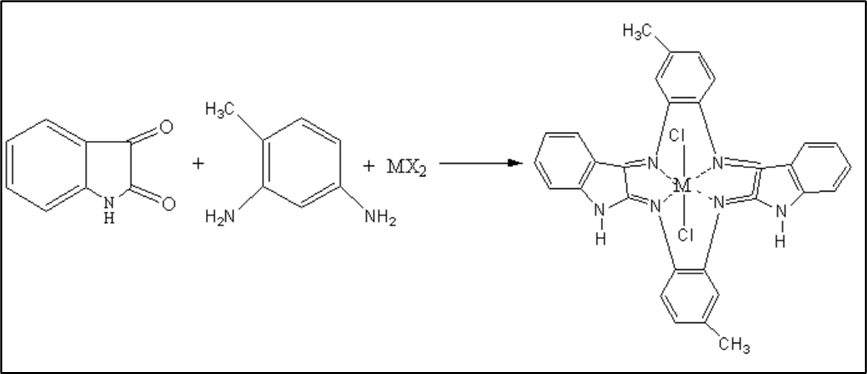
Scheme 1. Scheme of synthesis of complexes

    1.  Physical measurement

IR and UV techniques were done at the Sophisticated Analytical Instrument Facility (SAIF), IIT Roorkee. The IR spectral data were recorded at a NICOLET 6700 FT-IR (Thermo Scientific) infrared spectrometer using KBr as supporting materials. For UV-Vis spectra, Shimadzu UV-2450 UV-Vis spectrophotometer was used with wavelength range between 200-800 nm. Sample preparation was done using 10-4 molar solution of complexes in methanol. The mass spectroscopy and 1H NMR spectra were recorded at IIT Ropar, Punjab. DMSO was used ass solvent in    1H-NMR analysis. The antibacterial studies were performed at department of Botany and Microbiology, Gurukula Kangri Deemed to be university Haridwar. Synthesized complexes have been described according to their physical properties in table 3.1.

  1. Results and discussion
    1.  Elemental analysis

Table 3.1

Complexes

Colour

M.P.

(0C)

Molecular weight

% Metal

% Carbon

(found)

% Hydrogen

(found)

% Nitrogen

(found)

Molar conductance (Scm2 mol-1)

[Mn(C30H22N6Cl2)]

Reddish brown

290

592.44

9.27

60.81

(60.57)

3.71

(3.49)

14.19

(13.97)

11.03

[Co(C30H22N6Cl2)]

Dark Red

275

596.44

9.88

60.41

(60.21)

3.69

(3.45)

14.09

(13.84)

11

[Ni(C30H22N6Cl2)]

Brown

240

596.20

9.85

60.43

(60.19)

3.69

(3.42)

14.10

(13.85)

12.06

The results of elemental analysis are given in table 3.1.The elemental analysis showed good agreement with the theoretically calculated percentage analysis for each complex. The molar conductance values have been checked and the values describe that the complexes have non -electrolyte nature. The synthesized complexes thus can be formulated as [ML1X2] where Metals = Manganese, Cobalt, and Nickle and X=Cl

    1. Mass spectroscopy

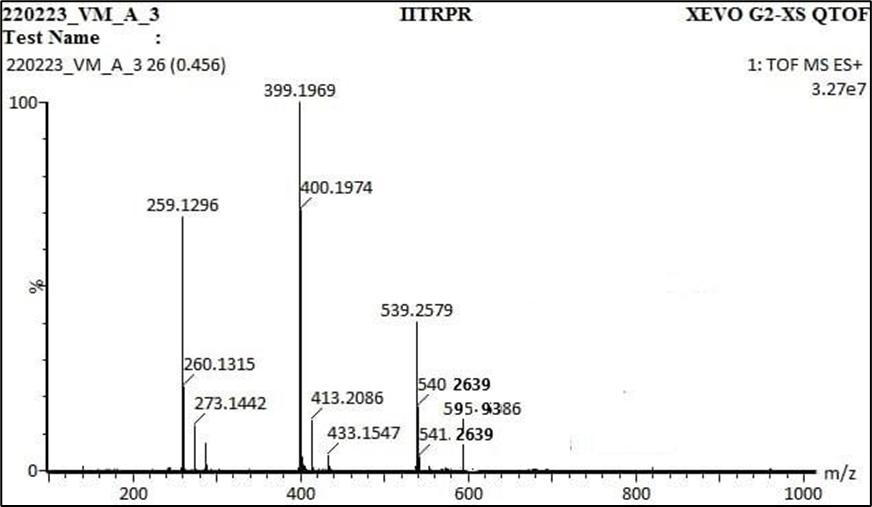
Mass spectra of synthesized metal complexes correlate with the molecular formula of the complexes. The m/z peaks at 591.93, 595.96 and 595.93 for manganese, cobalt, and nickel complexes.
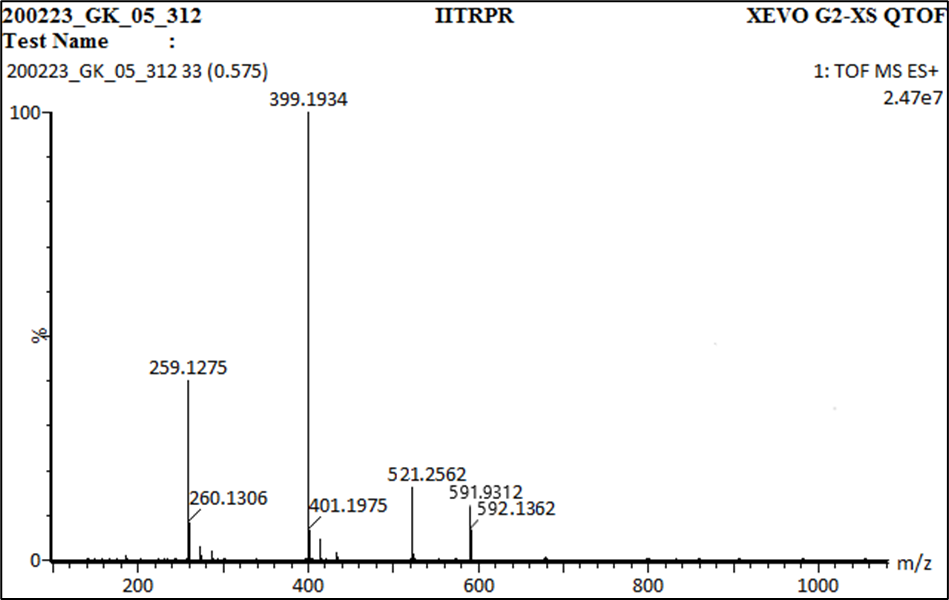
Mass spectra of manganese complex
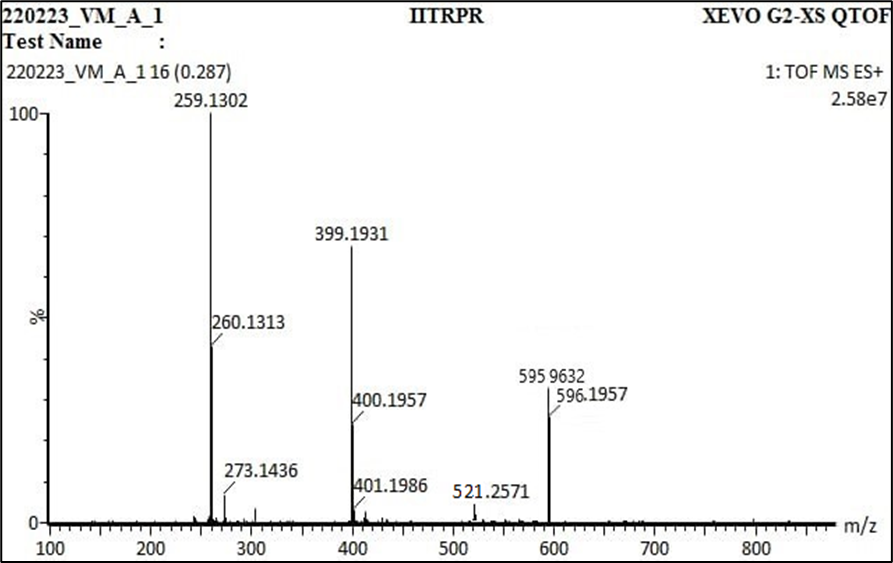
Mass spectra of cobalt complex
Mass spectra of nickle complex

    1. FTIR spectra

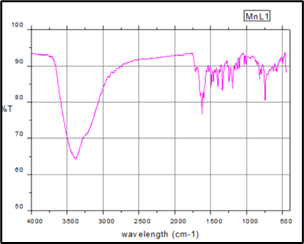
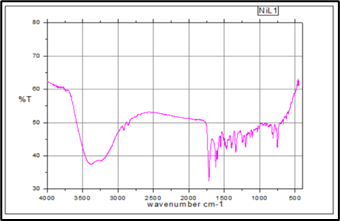
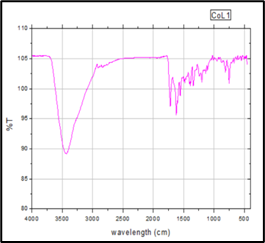
The IR data for all the three macrocyclic complexes have been shown in fig.-


Some of the prominent bands have been listed in table 3.2

Metal complexes


Stretching


stretching


stretching


stretching

[Mn(C30H22N6Cl2)]

1621

1122,1085, 737

2933

431

[Co(C30H22N6Cl2)]

1612

1188, 1166, 817

2900

432

[Ni(C30H22N6Cl2)]

1611

1197,1035, 738

2917

458

Vestigial absorption occurring near 1700 cm-1 n all the complexes suggests the absence of carbonyl group (>CO) due to formation complexes. The appearance of a robust band situated between 1594-1621 cm-1 (for imine) shows the condensation of amino and carbonyl groups [37,38]. Other distinguishing bands for all complexes in the range of 1180–1396 cm-1 , 737–817 cm-1 and 2933–3000 appeared due to v(C=C), v(C–H) stretching and v(N-H stretching), respectively [39]. As supplemental information, the other absorption characteristics that were noted in the 431–542 cm-1 range could be attributed to v(M–N) vibrations, which are explained by the ligand's nitrogen bonding with the metal. [40].

    1. Electronic spectra

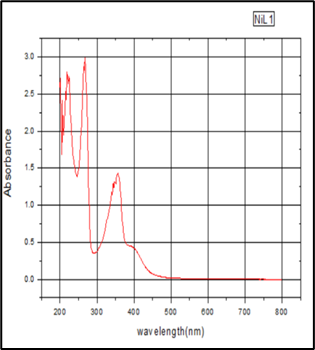
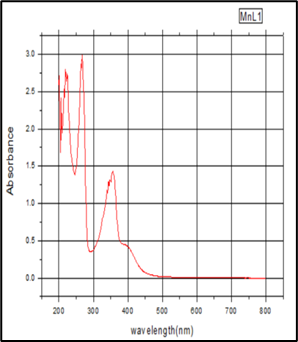
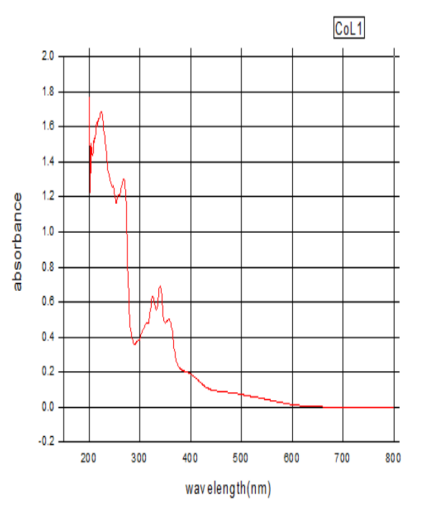
The synthesised compounds' electronic spectra show bands in the region of 230 nm, 267 nm, and 342 nm. The lower wavelength band arises due to the π-π* transition between nitrogen of isatin ring with its aromatic system. Electronic spectra description has been given in table-

Complexes

Electronic spectra

Geometry

Absorption

(cm-1)

Molar absorptivity

(L mol-1 cm-1)

Transition


[Mn(C30H22N6Cl2)]

37370

28018

3.02 × 10⁴

1.42 × 10⁴

6A1g (S)à 4T1g(P)

6A1g(S) à 4Eg (D)

Octahedral

[Co(C30H22N6Cl2)]

36968

30769

29239

1.29 × 10⁴

0.61× 10⁴

0.67 × 10⁴

charge transfer

4T1g(F) à 4A2g(F)

4T1g(F) à 4T1(P)

Distorted octahedral

[Ni(C30H22N6Cl2)]

37453

28169

2.98 × 10⁴

1.43 × 10⁴

Charge transfer

3A2g à 3T1g(F)

Distorted octahedral

The bands at 342 may be attributed to n- π* transition of lone pair of nitrogen of C=N delocalized with π bonds of the aromatic ring. All the complexes show intense band in the region of 36968 to 37453 cm-1 this could be linked to the π- π* transitions for carbon and nitrogen double bond conjugated system.

It is possible to associate the band in the cobalt complex at 37968 with charge transfer spectra [41-43]. Electronic spectra of all the complexes have been shown in following figures-


NMR spectra

1H-NMR values for all complexes show signal in the range of 8.85 to 10.5 ppm. These numbers pertain to the isatin moiety's NH protons. . The signals between the range of 6.07 to 7.67 are for protons of aromatic ring of 3,4-DAT. [44-45]
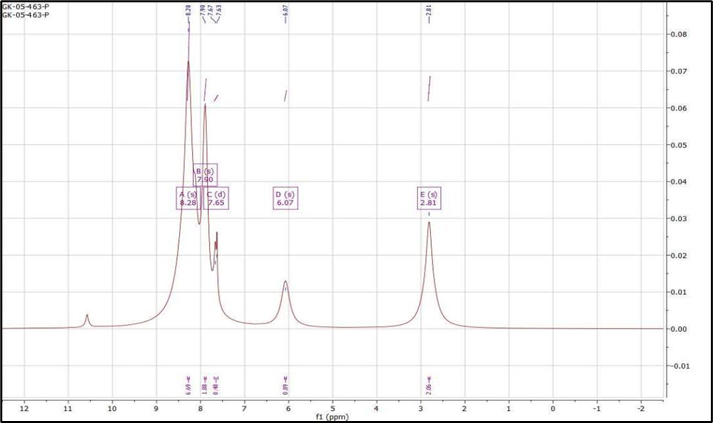
NMR spectra of manganese complex
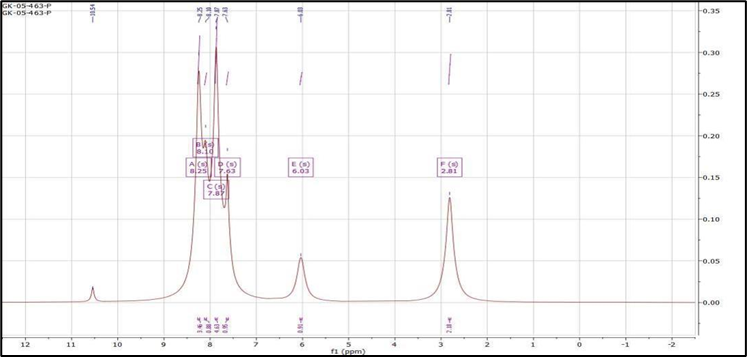
1H-NMR spectra of cobalt complex
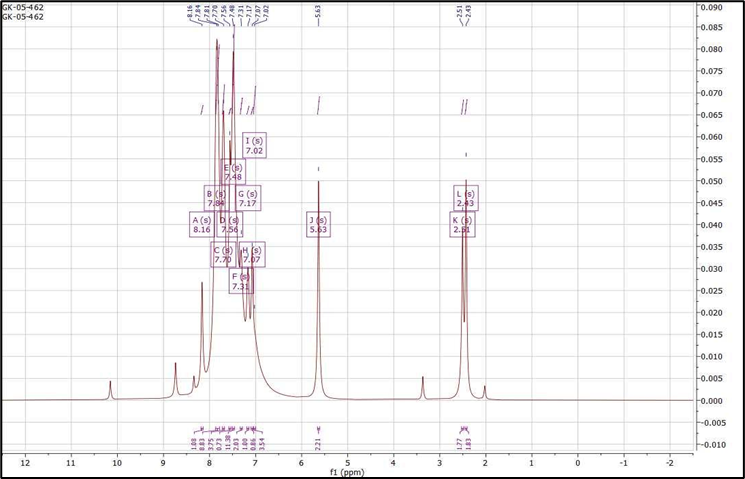
1H- NMR spectra of nickel complex

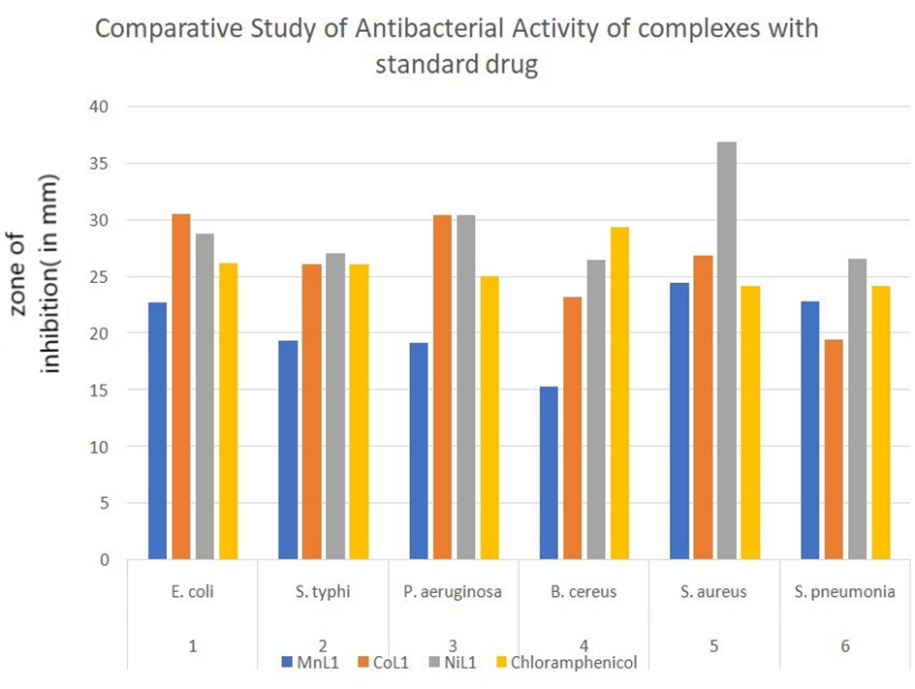
Antibacterial StudyGram-positive bacteria including S. aureus, S. pneumoniae, and B. cereus, as well as gram-negative bacteria like S. typhi and P. aeruginosa, were used to test the created metal complexes' antibacterial properties. DMSO was used as a solvent to create complicated solutions with a concentration of 100 mg/ml. Each of the four wells in the plates held a volume of 100 µL of the solution. Of the four wells, two have one compound and the other two have second compound. The standard was the antibacterial medication chloramphenicol, while the negative control was DMSO. When it comes to these microorganisms, the metal complexes have demonstrated excellent action. Comparing the cobalt and nickel complexes to the ordinary chloramphenicol, the former have demonstrated the maximum efficacy against all strains, while the latter has demonstrated an excellent antibacterial activity against S. aureus. The graphical representation of zone of inhibition shown by the complexes is demonstrated in the picture below


CONCLUSION

The synthesized complexes were synthesized and the different characterization techniques confirm the formation of the complexes. The complexes were also tested for their antibacterial activities. It is clear from the antibacterial study data that almost all the complexes are active against all the pathogens used. The complexes of cobalt were proved to be more effective against all strains than the standard drug chloramphenicol. The complexes of nickel showed more activity against S aureus in the comparison with chloramphenicol.

CONFLICT OF INTEREST

There is no conflict of interest.

REFERENCES

  1. Kumar, A. Vashistha, V. K. Tevatia, P. Singh, R. Electrochemical studies of DNA interaction and antimicrobial activities of Mn(II), Fe(III), Co(II), and Ni(II) Schiff base tetraazamacrocyclic complexes. Spectrochimica Acta Part A: Molecular and Biomolecular Spectroscopy 2017, 176(Complete), 123–133. DOI: 10.1016/j.saa.2016.12.011.
  2. Utsuk, P. K. Tevatia, P. Kumar, S. Advancement in polyaza macrocyclic complexes as catalysts in CO? and O? reduction for renewable energy sources: A review. Analytical & Bioanalytical Electrochemistry 2022, 14(9), 871–890.
  3. Vashistha, V. K. Kumar, A. Tevatia, P. Das, D. K. Synthesis, characterization, electrochemical, and antimicrobial studies of iron(II) and nickel(II) macrocyclic complexes. Russian Journal of Electrochemistry 2021, 57, 348–356.
  4. Kaushik, P. Malik, N. Tevatia, P. Kumar, V. Sahu, P. K. Morphology-based catalytic oxidation of phenylpropyne using Cu(II) complex. Applied Chemical Engineering 2023, 6(3), 1–10. DOI: 10.36937/ace.2023.2009.
  5. Yadav, M. Yadav, D. Singh, D. P. Kapoor, J. K. Pharmaceutical properties of macrocyclic Schiff base transition metal complexes. Inorganica Chimica Acta 2023, 546, 121300.
  6. Gull, P. Hashmi, A. Adil, A. Biological activity studies on metal complexes of macrocyclic Schiff base ligand. Journal of the Brazilian Chemical Society 2015, 26(7), 1331–1337.
  7. Zafar, H. Kareem, A. Sherwani, A. Mohammad, O. Ansari, M. A. Khan, H. M. Khan, T. A. Synthesis and characterization of Schiff base octaazamacrocyclic complexes. Journal of Photochemistry and Photobiology B: Biology 2015, 142, 8–19.
  8. More, M. S. Joshi, P. G. Mishra, Y. K. Khanna, P. K. Metal complexes derived from Schiff bases and semicarbazones for biomedical and allied applications: A review. Materials Today Chemistry 2019, 14, 100195. DOI: 10.1016/j.mtchem.2019.100195.
  9. Venkatesh G, Vennila P, Kaya S, Ahmed SB, Sumathi P, Siva V, Rajendran P, Kamal C. Synthesis and spectroscopic characterization of Schiff base metal complexes, biological activity, and molecular docking studies. ACS omega. 2024 Feb 99(7):8123-38. DOI: 10.1021/acsomega.3c08526.
  10. Fayyadh, B. M. Jaafar, W. A. Sarhan, B. M. Synthesis, structural study, and biological activity of VO(II), Mn(II), Co(II), Ni(II), Cu(II), Zn(II), Cd(II), and Hg(II) complexes. International Journal of Drug Delivery Technology 2021, 11, 64–69.
  11. Ghangas, P. Choudhary, A. Kumar, D. Punia, K. Coordination metal complexes with Schiff bases: Useful pharmacophores. Inorganic Chemistry Communications 2021, 130, 108710.
  12. Soroceanu, A. Bargan, A. Biomedical applications of Schiff-base ligands and metal complexes. Crystals 2022, 12, 1436.
  13. Malik, M. A. Dar, O. A. Gull, P. Wani, M. Y. Hashmi, A. A. Heterocyclic Schiff base transition metal complexes in antimicrobial and anticancer chemotherapy. MedChemComm 2018, 9, 409–436.
  14. Mathur, N. Jain, N. Sharma, A. K. Novel copper complexes of phenyl thiourea derivatives. The Open Chemistry Journal 2018, 5(1).
  15. Jackson, D. T. Nelson, P. N. Ion selective membranes: A review. Journal of Molecular Structure 2019, 1182, 241–259.
  16. Shahraki, S. Schiff base compounds as artificial metalloenzymes. Colloids and Surfaces B: Biointerfaces 2022, 112727.
  17. Marti-Centelles, V. Pandey, M. D. Burguete, M. I. Luis, S. V. Macrocyclization reactions and template-induced preorganization. Chemical Reviews 2015, 115, 8736–8734.
  18. Yu, J. Qi, D. Lim, J. Responsive macrocycles: design and applications. Communications Chemistry 2020, 3, 189.
  19. Mkhailov, O. G. Template synthesis of macrocycles: theory and practice. Molecules 2022, 27(15), 4829.
  20. Kothari, R. Soni, A. Green synthesis of chromium oxide nanoparticles. Journal of Chemical Reviews 2022, 15(2).
  21. Bera, P. Aher, A. Brandao, P. et al. Thiazole–pyridine NNN donor and Co(II) complex: DNA binding and antitumor study. Journal of Molecular Structure 2021, 1224, 129015.
  22. Kumar, S. Utsuk, P. K. Kumar, R. Tevatia, P. Catalytic and antimicrobial applications of benzimidazole Schiff base. Applied Chemical Engineering 2024, 7(2).
  23. Carrette, L. Friedrich, K. A. Stimming, U. Fuel cells: types, fuels, and applications. ChemPhysChem 2000, 1(4), 162–193.
  24. Barnett, B.M., Teagan, W.P. Role of fuel cells in our energy future. Journal of Power Sources. 1992, 37(1-2), 15–31
  25. Morozan, A., Jousselme, B., Palacin, S. Low-platinum catalysts for oxygen reduction. Energy & Environmental Science. 2011, 4(4), 1238–1254.
  26. Koifman, O.I., et al. Macroheterocyclic compounds in functional materials. Macroheterocycles. 2020, 13(4), 311–467.
  27. Zhang, M.Q., Wilkinson, B. Drug discovery beyond the ‘rule-of-five’. Current Opinion in Biotechnology. 2007, 18, 478–488.
  28. Mahapatra, D.K., Bharti, S.K., Asati, V., Singh, S.K. Chalcone based coordination compounds for biomedical applications. European Journal of Medicinal Chemistry. 2019, 174, 142–158.
  29. Gopalakrishnan, S., Joseph, J. Antifungal activities of Cu(II) macrocyclic Schiff base ligands. Mycobiology. 2009, 37(2), 141–146.
  30. Parsaee, Z., Mohammadi, K. Binuclear nickel complexes and antibacterial evaluation. Journal of Molecular Structure. 2017, 1137, 512–523.
  31. Pasricha, S., Mittal, K., Gahlot, P., Kaur, H., Avasthi, N. Synthesis of linked or fused coumarin heterocycles. Journal of the Iranian Chemical Society. 2022, 1–58.
  32. Kumar, A., Vashistha, V.K., Tevatia, P., Singh, R. Schiff base macrocyclic complexes. Spectrochim. Acta A Mol. Biomol. Spectrosc. 2017, 176, 123.
  33. Katiyar, M.K., Dhakad, G.K., Arora, S., et al. Chromene derivatives: synthesis and activities. Journal of Molecular Structure. 2022, 133012.
  34. Jarrahpour, A., Khalili, D., De Clercq, E., et al. Antimicrobial activity of bis-Schiff bases of isatin. Molecules. 2007, 12(8), 1720–1730.
  35. Yadav, M., Yadav, D., Singh, D.P., Kapoor, J.K. Macrocyclic Schiff base transition metal complexes. Inorganica Chimica Acta. 2022, 121300.
  36. Kumar, A., Dhameliya, T.M., Sharma, K., et al. Sustainable synthesis of quinoxalines. Journal of Molecular Structure. 2022, 132732.
  37. Olyaei, A., Sadeghpour, M. Lawsone-based benzo[a]phenazin-5-ol: synthetic review. RSC Advances. 2022, 12(22), 13837–13895.
  38. Kumar, A., Tevatia, P., Sweety, Singh, R. Synthesis and antibacterial studies of Mn(II) and Co(II) macrocycles. International Journal of Pharmaceutical Chemistry. 2015, 5(4), 149–157.
  39. Tevatia, P., Sweety, Kumar, A., Singh, R. Catalytic oxidation using Co(II) and Mn(II) macrocycles. Journal of Applied Chemistry (IOSR-JAC). 2014, 7(9-I), 51–53.
  40. Hubin, T.J., McCormick, J.M., et al. New Fe(II) and Mn(II) macrocycles for catalysis. Journal of the American Chemical Society. 2000, 122, 2512–2522.
  41. Kumar, A., Vashistha, V.K., Tevatia, P., Singh, R. Voltammetric modeling of Mn(II) and Co(II) pentaazamacrocycles. Analytical and Bioanalytical Electrochemistry. 2016, 8(7), 848–861.
  42. Singh, D.P., Kumar, R. Macrocyclic complexes from thiocarbohydrazide and benzil. Transition Metal Chemistry. 2006, 31, 970–973.
  43. Rathi, P., Singh, D.P., Surain, P. Antimicrobial activity of trivalent macrocycles. Comptes Rendus Chimie. 2015, 18(4), 430–437.
  44. Chandra, S., Gupta, L.K. Spectroscopic studies of new macrocyclic ligands. Spectrochimica Acta Part A. 2005, 62, 1125–1130.
  45. Salavati-Niasari, M., Amiri, A. Bis(macrocyclic) Ni(II) complexes with aromatic N–N linkers. Transition Metal Chemistry. 2006, 31, 157–162.

Reference

  1. Kumar, A. Vashistha, V. K. Tevatia, P. Singh, R. Electrochemical studies of DNA interaction and antimicrobial activities of Mn(II), Fe(III), Co(II), and Ni(II) Schiff base tetraazamacrocyclic complexes. Spectrochimica Acta Part A: Molecular and Biomolecular Spectroscopy 2017, 176(Complete), 123–133. DOI: 10.1016/j.saa.2016.12.011.
  2. Utsuk, P. K. Tevatia, P. Kumar, S. Advancement in polyaza macrocyclic complexes as catalysts in CO? and O? reduction for renewable energy sources: A review. Analytical & Bioanalytical Electrochemistry 2022, 14(9), 871–890.
  3. Vashistha, V. K. Kumar, A. Tevatia, P. Das, D. K. Synthesis, characterization, electrochemical, and antimicrobial studies of iron(II) and nickel(II) macrocyclic complexes. Russian Journal of Electrochemistry 2021, 57, 348–356.
  4. Kaushik, P. Malik, N. Tevatia, P. Kumar, V. Sahu, P. K. Morphology-based catalytic oxidation of phenylpropyne using Cu(II) complex. Applied Chemical Engineering 2023, 6(3), 1–10. DOI: 10.36937/ace.2023.2009.
  5. Yadav, M. Yadav, D. Singh, D. P. Kapoor, J. K. Pharmaceutical properties of macrocyclic Schiff base transition metal complexes. Inorganica Chimica Acta 2023, 546, 121300.
  6. Gull, P. Hashmi, A. Adil, A. Biological activity studies on metal complexes of macrocyclic Schiff base ligand. Journal of the Brazilian Chemical Society 2015, 26(7), 1331–1337.
  7. Zafar, H. Kareem, A. Sherwani, A. Mohammad, O. Ansari, M. A. Khan, H. M. Khan, T. A. Synthesis and characterization of Schiff base octaazamacrocyclic complexes. Journal of Photochemistry and Photobiology B: Biology 2015, 142, 8–19.
  8. More, M. S. Joshi, P. G. Mishra, Y. K. Khanna, P. K. Metal complexes derived from Schiff bases and semicarbazones for biomedical and allied applications: A review. Materials Today Chemistry 2019, 14, 100195. DOI: 10.1016/j.mtchem.2019.100195.
  9. Venkatesh G, Vennila P, Kaya S, Ahmed SB, Sumathi P, Siva V, Rajendran P, Kamal C. Synthesis and spectroscopic characterization of Schiff base metal complexes, biological activity, and molecular docking studies. ACS omega. 2024 Feb 99(7):8123-38. DOI: 10.1021/acsomega.3c08526.
  10. Fayyadh, B. M. Jaafar, W. A. Sarhan, B. M. Synthesis, structural study, and biological activity of VO(II), Mn(II), Co(II), Ni(II), Cu(II), Zn(II), Cd(II), and Hg(II) complexes. International Journal of Drug Delivery Technology 2021, 11, 64–69.
  11. Ghangas, P. Choudhary, A. Kumar, D. Punia, K. Coordination metal complexes with Schiff bases: Useful pharmacophores. Inorganic Chemistry Communications 2021, 130, 108710.
  12. Soroceanu, A. Bargan, A. Biomedical applications of Schiff-base ligands and metal complexes. Crystals 2022, 12, 1436.
  13. Malik, M. A. Dar, O. A. Gull, P. Wani, M. Y. Hashmi, A. A. Heterocyclic Schiff base transition metal complexes in antimicrobial and anticancer chemotherapy. MedChemComm 2018, 9, 409–436.
  14. Mathur, N. Jain, N. Sharma, A. K. Novel copper complexes of phenyl thiourea derivatives. The Open Chemistry Journal 2018, 5(1).
  15. Jackson, D. T. Nelson, P. N. Ion selective membranes: A review. Journal of Molecular Structure 2019, 1182, 241–259.
  16. Shahraki, S. Schiff base compounds as artificial metalloenzymes. Colloids and Surfaces B: Biointerfaces 2022, 112727.
  17. Marti-Centelles, V. Pandey, M. D. Burguete, M. I. Luis, S. V. Macrocyclization reactions and template-induced preorganization. Chemical Reviews 2015, 115, 8736–8734.
  18. Yu, J. Qi, D. Lim, J. Responsive macrocycles: design and applications. Communications Chemistry 2020, 3, 189.
  19. Mkhailov, O. G. Template synthesis of macrocycles: theory and practice. Molecules 2022, 27(15), 4829.
  20. Kothari, R. Soni, A. Green synthesis of chromium oxide nanoparticles. Journal of Chemical Reviews 2022, 15(2).
  21. Bera, P. Aher, A. Brandao, P. et al. Thiazole–pyridine NNN donor and Co(II) complex: DNA binding and antitumor study. Journal of Molecular Structure 2021, 1224, 129015.
  22. Kumar, S. Utsuk, P. K. Kumar, R. Tevatia, P. Catalytic and antimicrobial applications of benzimidazole Schiff base. Applied Chemical Engineering 2024, 7(2).
  23. Carrette, L. Friedrich, K. A. Stimming, U. Fuel cells: types, fuels, and applications. ChemPhysChem 2000, 1(4), 162–193.
  24. Barnett, B.M., Teagan, W.P. Role of fuel cells in our energy future. Journal of Power Sources. 1992, 37(1-2), 15–31
  25. Morozan, A., Jousselme, B., Palacin, S. Low-platinum catalysts for oxygen reduction. Energy & Environmental Science. 2011, 4(4), 1238–1254.
  26. Koifman, O.I., et al. Macroheterocyclic compounds in functional materials. Macroheterocycles. 2020, 13(4), 311–467.
  27. Zhang, M.Q., Wilkinson, B. Drug discovery beyond the ‘rule-of-five’. Current Opinion in Biotechnology. 2007, 18, 478–488.
  28. Mahapatra, D.K., Bharti, S.K., Asati, V., Singh, S.K. Chalcone based coordination compounds for biomedical applications. European Journal of Medicinal Chemistry. 2019, 174, 142–158.
  29. Gopalakrishnan, S., Joseph, J. Antifungal activities of Cu(II) macrocyclic Schiff base ligands. Mycobiology. 2009, 37(2), 141–146.
  30. Parsaee, Z., Mohammadi, K. Binuclear nickel complexes and antibacterial evaluation. Journal of Molecular Structure. 2017, 1137, 512–523.
  31. Pasricha, S., Mittal, K., Gahlot, P., Kaur, H., Avasthi, N. Synthesis of linked or fused coumarin heterocycles. Journal of the Iranian Chemical Society. 2022, 1–58.
  32. Kumar, A., Vashistha, V.K., Tevatia, P., Singh, R. Schiff base macrocyclic complexes. Spectrochim. Acta A Mol. Biomol. Spectrosc. 2017, 176, 123.
  33. Katiyar, M.K., Dhakad, G.K., Arora, S., et al. Chromene derivatives: synthesis and activities. Journal of Molecular Structure. 2022, 133012.
  34. Jarrahpour, A., Khalili, D., De Clercq, E., et al. Antimicrobial activity of bis-Schiff bases of isatin. Molecules. 2007, 12(8), 1720–1730.
  35. Yadav, M., Yadav, D., Singh, D.P., Kapoor, J.K. Macrocyclic Schiff base transition metal complexes. Inorganica Chimica Acta. 2022, 121300.
  36. Kumar, A., Dhameliya, T.M., Sharma, K., et al. Sustainable synthesis of quinoxalines. Journal of Molecular Structure. 2022, 132732.
  37. Olyaei, A., Sadeghpour, M. Lawsone-based benzo[a]phenazin-5-ol: synthetic review. RSC Advances. 2022, 12(22), 13837–13895.
  38. Kumar, A., Tevatia, P., Sweety, Singh, R. Synthesis and antibacterial studies of Mn(II) and Co(II) macrocycles. International Journal of Pharmaceutical Chemistry. 2015, 5(4), 149–157.
  39. Tevatia, P., Sweety, Kumar, A., Singh, R. Catalytic oxidation using Co(II) and Mn(II) macrocycles. Journal of Applied Chemistry (IOSR-JAC). 2014, 7(9-I), 51–53.
  40. Hubin, T.J., McCormick, J.M., et al. New Fe(II) and Mn(II) macrocycles for catalysis. Journal of the American Chemical Society. 2000, 122, 2512–2522.
  41. Kumar, A., Vashistha, V.K., Tevatia, P., Singh, R. Voltammetric modeling of Mn(II) and Co(II) pentaazamacrocycles. Analytical and Bioanalytical Electrochemistry. 2016, 8(7), 848–861.
  42. Singh, D.P., Kumar, R. Macrocyclic complexes from thiocarbohydrazide and benzil. Transition Metal Chemistry. 2006, 31, 970–973.
  43. Rathi, P., Singh, D.P., Surain, P. Antimicrobial activity of trivalent macrocycles. Comptes Rendus Chimie. 2015, 18(4), 430–437.
  44. Chandra, S., Gupta, L.K. Spectroscopic studies of new macrocyclic ligands. Spectrochimica Acta Part A. 2005, 62, 1125–1130.
  45. Salavati-Niasari, M., Amiri, A. Bis(macrocyclic) Ni(II) complexes with aromatic N–N linkers. Transition Metal Chemistry. 2006, 31, 157–162.

Photo
Priyansh Kumar Utsuk
Corresponding author

Department of Chemistry, Gurukula Kangri University Haridwar, India 249404

Photo
Prashant Tevatia
Co-author

Department of Chemistry, Gurukula Kangri University Haridwar, India 249404

Photo
Sumit Kumar
Co-author

Department of Chemistry, Gurukula Kangri University Haridwar, India 249404

Prashant Tevatia, Priyansh Kumar Utsuk, Sumit Kumar, Design and Biological Profiling of Newly Synthesized Macrocyclic Complexes of Transition Metals, Int. J. of Pharm. Sci., 2026, Vol 4, Issue 2, 2151-2160. https://doi.org/10.5281/zenodo.18631816

More related articles
Nitrosamine Impurities: Analytical Detection and R...
Gopal Gawhale, Dr. Shirish Jain, Dr. Ashish Gawai, Ganesh Gore...
Enhancement of Solubility and Dissolution Rate of ...
Ranjit Sakhare, Dr. Vishal Babar, Dr Sudarshan Nagrale...
Emerging Hydrogel-Based Topical Delivery Systems: ...
Ganesh Shinde, Kanchan Upadhye, Anup Thakre, Prachi Karadbhajane...
Formulation And Evaluation O Herbal Neem Face Wash Powder...
Bansode Disha, Hemant H.Gangurde, Hemant Gangurde, Somnath Davkhar, Bandgar Sakshi...
Herbal Extract- Based Peel-Off Face Mask Gels for Skin Rejuvenation and Anti-Age...
Dhanyashree K, Rakshith K J, Chaithra M P, Hemavathi N...
Nano Herbal Transferosomal Serum –A Dual Functional Approach For Anti-Aging An...
Rubicashree S, Anju K.P., Murali R, Srinidhi C, Chaya P...
Related Articles
Trimethoprim- Sulfamethoxazole (Bactrim Ds) Induced Stevens Johnson Syndrome: A ...
Renjitha M.S., Shaiju Dharan, Azeem Mohamed Basheer, Chintha Chandran, Vibisha Victor...
Post-Approval Regulatory Submissions and Variations Management of Pharmaceutical...
Aniket Jadhav, Dr. Anil Babar, Amit Pondkule, Dr. Sudarshan Nagrale...
Nitrosamine Impurities: Analytical Detection and Risk Assessment...
Gopal Gawhale, Dr. Shirish Jain, Dr. Ashish Gawai, Ganesh Gore...
More related articles
Nitrosamine Impurities: Analytical Detection and Risk Assessment...
Gopal Gawhale, Dr. Shirish Jain, Dr. Ashish Gawai, Ganesh Gore...
Enhancement of Solubility and Dissolution Rate of Poorly Water-Soluble Antifung...
Ranjit Sakhare, Dr. Vishal Babar, Dr Sudarshan Nagrale...
Emerging Hydrogel-Based Topical Delivery Systems: A Review of Salicylic Acid and...
Ganesh Shinde, Kanchan Upadhye, Anup Thakre, Prachi Karadbhajane...
Nitrosamine Impurities: Analytical Detection and Risk Assessment...
Gopal Gawhale, Dr. Shirish Jain, Dr. Ashish Gawai, Ganesh Gore...
Enhancement of Solubility and Dissolution Rate of Poorly Water-Soluble Antifung...
Ranjit Sakhare, Dr. Vishal Babar, Dr Sudarshan Nagrale...
Emerging Hydrogel-Based Topical Delivery Systems: A Review of Salicylic Acid and...
Ganesh Shinde, Kanchan Upadhye, Anup Thakre, Prachi Karadbhajane...