

We use cookies to ensure our website works properly and to personalise your experience. Cookies policy
Kasturi Shikshan Sanstha College of Pharmacy, Shikrapur, Pune, 412208
The present study focuses on the development and validation of a simple, precise, and reliable analytical method for the estimation of brivaracetam in bulk and tablet dosage form using reverse phase high performance liquid chromatography (RP-HPLC). The primary objective of this work was to establish an efficient chromatographic method suitable for routine quality control analysis. Chromatographic separation was achieved using a c18 column with a mobile phase consisting of methanol, acetonitrile, and sulphate buffer in the ratio of 15:35:50. The analysis was carried out at a detection wavelength of 208 nm. The optimized conditions provided a well-defined chromatogram with good peak shape and resolution for brivaracetam. The developed method was validated according to ICH guidelines, demonstrating acceptable levels of accuracy, precision, linearity, and specificity. The method showed consistent and reproducible results for the quantification of brivaracetam in both bulk and tablet formulations.
Ticks are blood-sucking ectoparasites that infest animals, such as dogs, cattle, and other domestic pets. They are responsible for skin irritation, allergic reactions, anemia, and transmission of serious diseases such as tick fever, Lyme disease, and babesiosis. Tick infestation not only affects animal health but also reduces their productivity and overall well-being. Therefore, effective tick control is essential for veterinary care and hygiene management. [1]
Conventionally, tick control is achieved using synthetic chemical agents, such as shampoos, sprays, powders, and spot-on treatments containing insecticides. Although these products are effective, their prolonged use may lead to several disadvantages, including skin irritation, toxicity, development of resistance in ticks, and environmental pollution. In addition, some chemical agents may leave harmful residues on animal skin and fur, posing risks to both animals and humans.[2]
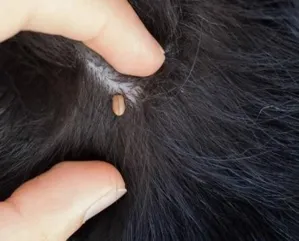
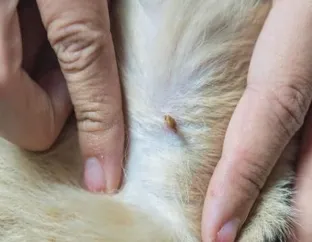
Fig 1.1 :- Ticks presents on animals are given above.
In recent years, there has been a growing interest in the use of herbal and natural products due to their safety, biodegradability, and minimal side effects. Herbal ingredients such as neem oil, eucalyptus oil, and citronella oil are widely recognized for their insecticidal, antimicrobial, and repellent properties. Neem oil contains active constituents like azadirachtin, which interfere with the growth and reproduction of ticks. Eucalyptus oil acts as a natural repellent and provides a cooling effect, while citronella oil is well known for its ability to repel insects effectively.
A bath bomb is a solid, compact formulation that typically consists of sodium bicarbonate and citric acid. When added to water, it undergoes an effervescent reaction, releasing carbon dioxide gas and producing a fizzing effect. This effervescence helps in the uniform dispersion of active ingredients in water, enhancing their contact with the animal’s skin and fur. Bath bombs are widely used in cosmetic and personal care products due to their ease of use, aesthetic appeal, and therapeutic benefits.
The concept of incorporating herbal anti-tick agents into a bath bomb formulation offers a novel and convenient approach for tick control. The effervescent action ensures better distribution of herbal oils, thereby improving their efficacy. Additionally, the use of natural ingredients makes the formulation safer for regular use without causing harm to the animal or the environment.[3]
The formulation of a herbal anti-tick bath bomb involves careful selection of ingredients to ensure stability, effectiveness, and user acceptability. Along with active herbal components, excipients such as binders, fillers, and stabilizers are used to maintain the structural integrity and performance of the bath bomb. Evaluation of the prepared formulation is essential to assess parameters such as physical appearance, hardness, pH, effervescence time, moisture content, stability, and anti-tick activity.
Thus, the development of a herbal anti-tick bath bomb represents an innovative, eco-friendly, and user-friendly alternative to conventional tick control methods. It combines the benefits of herbal medicine with modern formulation techniques to provide a safe and effective solution for managing tick infestations in animals.[4]
1.1 Introduction to Herbal Veterinary Care
The use of herbal medicines for the treatment and prevention of diseases has been practiced since ancient times. Medicinal plants have played an important role in maintaining the health of both humans and animals. In recent years, there has been increasing interest in herbal veterinary formulations because of their safety, eco-friendliness, cost effectiveness, and reduced side effects compared to synthetic chemical products. Herbal products are widely used in the management of parasitic infestations, skin infections, wounds, and insect bites in domestic animals and pets.
Herbal formulations containing plant extracts with insecticidal and antimicrobial properties are considered promising substitutes for synthetic anti-tick agents. Among these, extracts obtained from Azadirachta indica (Neem) and Allium sativum (Garlic) have gained significant attention because of their potent antiparasitic, antimicrobial, antifungal, and insect-repellent activities.
The present project focuses on the formulation and evaluation of a herbal anti-tick bath bomb using neem and garlic extracts. Bath bombs are solid effervescent formulations that dissolve in water and release active ingredients uniformly. Such formulations can provide convenient, effective, and pleasant application during animal bathing while ensuring better distribution of herbal extracts over the skin and fur.
Ticks are blood-sucking ectoparasites belonging to the class Arachnida and order Acari. They infest a wide range of animals including dogs, cattle, buffaloes, sheep, goats, horses, and poultry. Ticks attach themselves to the skin of animals and feed on blood for prolonged periods. During feeding, they can transmit pathogens responsible for various diseases.
Tick infestation is one of the major veterinary problems worldwide. Warm and humid environmental conditions favor the rapid growth and reproduction of ticks. In tropical countries like India, tick infestation is highly prevalent and causes major economic losses in livestock production.
Harmful Effects of Tick Infestation
Ticks are vectors for many serious diseases such as:
Because of these harmful effects, effective tick control measures are essential for maintaining animal health and productivity.
Several synthetic chemical acaricides are available in the market for tick control. These include:
Although these products are effective initially, prolonged use has resulted in many disadvantages.
Limitations of Synthetic Anti-Tick Products
Development of Resistance
Ticks develop resistance after repeated exposure to chemical acaricides, reducing treatment effectiveness.
Toxicity
Synthetic chemicals may cause toxicity in animals, especially when used improperly or in high concentrations.
Skin Irritation
Many chemical products produce dryness, itching, redness, and irritation on animal skin.
Environmental Pollution
Chemical residues contaminate soil and water bodies and may affect non-target organisms.
Residual Effects
Chemical residues may remain in milk, meat, and animal products, creating public health concerns.
These disadvantages have encouraged researchers to explore herbal alternatives for safer tick management.
Herbal medicines are preparations obtained from medicinal plants containing biologically active compounds. Plant-based products are considered safer because they are biodegradable and generally produce fewer adverse effects.
Herbal formulations are increasingly preferred because:
Medicinal plants contain secondary metabolites such as:
These phytochemicals exhibit insecticidal, antimicrobial, antiparasitic, and antioxidant activities.
Among the various medicinal plants, neem and garlic are widely recognized for their anti-tick and insect-repellent properties.
Azadirachta indica is commonly known as Neem and belongs to the family Meliaceae. Neem is considered one of the most important medicinal plants in India and has been used in Ayurveda, Siddha, and Unani systems of medicine for centuries.
Almost every part of the neem tree including leaves, bark, seeds, flowers, and oil possesses medicinal value.
Chemical Constituents of Neem
Neem contains several active compounds such as:
Among these, azadirachtin is mainly responsible for insecticidal and repellent activity.
Pharmacological Activities of Neem
Neem possesses:
Anti-Tick Properties of Neem
Neem acts against ticks by:
Neem-based formulations are safer for animals and the environment compared to synthetic acaricides.
Allium sativum belongs to the family Amaryllidaceae and is widely used as both food and medicine. Garlic has been used traditionally for treating infections, cardiovascular disorders, and parasitic infestations.
Garlic contains sulfur-containing compounds responsible for its characteristic odor and medicinal properties.
Chemical Constituents of Garlic
Major active constituents include:
Pharmacological Activities of Garlic
Anti-Tick Activity of Garlic
Garlic extract acts by:
Garlic also helps reduce microbial infections associated with tick bites.
Combining neem and garlic extracts may produce enhanced anti-tick activity because both plants contain bioactive compounds with complementary mechanisms of action.
Advantages of Combination Therapy
The combination may therefore provide effective and natural tick control in animals.
Bath bombs are solid effervescent formulations composed mainly of acids and bicarbonates that react in water to release carbon dioxide gas. This effervescence helps disperse active ingredients uniformly in bathing water.
Composition of Bath Bombs
Common ingredients include:
Mechanism of Effervescence
When the bath bomb comes in contact with water, citric acid reacts with sodium bicarbonate to produce carbon dioxide bubbles.
The reaction can be represented as:
3NaHCO3 + C6H8O7 → Na3C6H5O7 + 3CO2 + 3H2O3NaHCO_3 + C_6H_8O_7 Na_3C_6H_5O_7 + 3CO_2 + 3H_2O3NaHCO3 + C6H8O7 → Na3C6H5O7 + 3CO2 + 3H2O
This effervescence:
The herbal anti-tick bath bomb offers several benefits:
Easy Application
The formulation can be easily dissolved in water during animal bathing.
Uniform Distribution
Effervescence helps distribute active ingredients evenly.
Eco-Friendly
Herbal ingredients are biodegradable and environmentally safe.
Reduced Toxicity
The formulation is safer than synthetic chemicals.
Pleasant Bathing Experience
Essential oils and herbal ingredients improve odor and cleanliness.
Improved Animal Hygiene
The formulation may also reduce microbial load and skin infections.
Tick infestation remains a major problem in veterinary practice despite the availability of several synthetic acaricides. Resistance development, toxicity, environmental hazards, and high costs associated with chemical products highlight the need for alternative herbal formulations.
Neem and garlic are well-known medicinal plants with proven antiparasitic activities. However, limited research has been conducted on combining these extracts in an effervescent bath bomb dosage form for veterinary use.
The present study aims to formulate and evaluate a herbal anti-tick bath bomb containing neem and garlic extracts to provide:
This formulation may help improve animal health and hygiene while minimizing the harmful effects associated with synthetic anti-tick products.
The study includes:
The project may contribute to the development of herbal veterinary formulations and encourage the use of natural products in parasite control.
1. Biswas K., Chattopadhyay I., Banerjee R. K., and Bandyopadhyay U. et.al., (2002) extensively reviewed the biological activities of neem (Azadirachta indica). Their study reported that neem contains active constituents such as azadirachtin, nimbin, and nimbidin, which possess insecticidal, antimicrobial, antifungal, and anti-inflammatory properties. The researchers concluded that neem interferes with insect growth and reproduction and acts as an effective natural acaricide against ticks and parasites.
2. Ankri S. and Mirelman D. et.al., (1999) studied the antimicrobial properties of garlic (Allium sativum). Their research showed that garlic contains sulfur compounds such as allicin, ajoene, and diallyl sulphides, which exhibit antibacterial, antifungal, antiparasitic, and insect-repellent activities. They concluded that garlic extract can serve as a natural protective agent against microorganisms and parasites.
3. Isman M. B. et.al., (2006) reviewed botanical insecticides and repellents in modern agriculture and veterinary applications. The study highlighted that plant-derived products such as neem oil, citronella oil, and garlic extract are effective alternatives to synthetic pesticides. According to the researcher, herbal products are biodegradable, eco-friendly, and safer for animals and humans.
4. Nerio L. S., Olivero-Verbel J., and Stashenko E. et.al., (2010) investigated the repellent activity of essential oils. Their review reported that essential oils obtained from plants exhibit strong insect-repellent properties because of their volatile aromatic compounds. The study emphasized that herbal oils can effectively repel ticks and insects without causing severe toxicity.
5. Pavela R. et.al., (2015) studied the role of essential oils in eco-friendly pest management. The research demonstrated that plant-derived oils possess insecticidal, larvicidal, antimicrobial, and antioxidant activities. The author concluded that herbal formulations can reduce dependence on synthetic chemicals and help protect the environment.
6. George J. E., Pound J. M., and Davey R. B. et.al., (2004) discussed chemical control of ticks and resistance development. Their study reported that repeated use of synthetic acaricides has resulted in resistant tick populations, reducing effectiveness of conventional products. The researchers recommended development of alternative tick-control methods using herbal agents.
7. Ghosh S., Tiwari S. S., Sharma A. K., and coworkers et.al., (2015) reviewed tick distribution and control strategies in India. Their work emphasized the increasing importance of herbal formulations and integrated pest management techniques because of growing resistance and toxicity associated with chemical acaricides.
8. Bakkali F., Averbeck S., Averbeck D., and Idaomar M. et.al., (2008) studied the biological activities of essential oils. They reported that essential oils possess antimicrobial, antioxidant, antifungal, and insecticidal properties. Their study also suggested that essential oils can penetrate insect membranes and affect nervous system activity, resulting in repellency and mortality.
9. Aulton M. E. and Taylor K. et.al., (2017) explained the pharmaceutical importance of effervescent dosage forms. According to their research, sodium bicarbonate and citric acid react in water to release carbon dioxide, improving dispersion and delivery of active ingredients. Effervescent systems also enhance user compliance and provide rapid action.
10. Rowe R. C., Sheskey P. J., and Quinn M. E. et.al., (2009) described the role of pharmaceutical excipients in formulation development. Their work highlighted that sodium bicarbonate, citric acid, starch, and magnesium sulphate are important excipients in effervescent preparations because they improve stability, hardness, dispersion, and functionality.
Ticks are common ectoparasites that affect animals like dogs, cattle, and pets, causing itching, skin irritation, inflammation, and diseases such as Lyme disease and babesiosis. Chemical anti-tick products like sprays and shampoos are effective but may cause toxicity, skin allergies, environmental pollution, and resistance in ticks after prolonged use.[5]
Herbal ingredients such as neem oil, eucalyptus oil, and citronella oil are safer and eco-friendly alternatives because of their insecticidal and repellent properties. However, herbal oils and sprays may have drawbacks like difficult application and uneven distribution.[6]
To overcome these problems, a herbal anti-tick bath bomb was developed as an innovative formulation. Bath bombs dissolve in water and release herbal ingredients uniformly through effervescence, improving contact with the animal’s skin and fur. They are easy to use, safe, economical, and environmentally friendly.
This study aims to formulate and evaluate a herbal anti-tick bath bomb as a convenient and effective alternative to conventional chemical-based anti-tick products.[7]
Aim:
The primary aim of the present work is to formulate and evaluate a herbal anti-tick bath bomb using natural ingredients that is safe, effective, eco-friendly, and convenient for controlling tick infestation in animals.
Objectives
To achieve the above aim, the following specific objectives are undertaken:
5. PLAN OF WORK
The present research work on the formulation and evaluation of a herbal anti-tick bath bomb is systematically planned to ensure scientific accuracy, reproducibility, and effectiveness of the final product. The work is divided into several well-defined stages, starting from literature review to final evaluation and documentation.
1. Literature Survey
A comprehensive literature review is carried out to understand:
Scientific journals, textbooks, and research articles are referred to study the efficacy of herbal ingredients such as neem oil, eucalyptus oil, and citronella oil. Additionally, previous studies on effervescent formulations like bath bombs are reviewed to understand formulation techniques.
2. Selection and Procurement of Materials
Based on the literature review, suitable materials are selected:
Active Ingredients: -
Excipients: -
All materials are procured from reliable sources and checked for quality and purity.
3. Preformulation Studies
Preformulation studies are performed to ensure compatibility and stability of ingredients:
These studies help in designing a stable and effective formulation.
4. Formulation Development and Optimization
Different trial formulations are prepared by varying proportions of ingredients to achieve:
Optimization is done to obtain the best formulation with desired properties such as stability, appearance, and performance.
5. Method of Preparation
The bath bomb is prepared using the following steps:
6. Evaluation of Formulation
The prepared bath bombs are evaluated using various parameters:
The prepared bath bombs are evaluated using various parameters:
7. Anti-Tick Efficacy Study
The effectiveness of the formulation is evaluated by:
Stability testing is carried out under different environmental conditions:
6. DRUG AND EXCIPIENT PROFILE
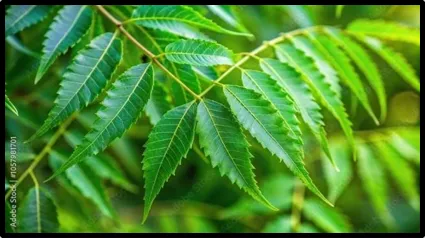
Fig 6.1. Neem (Azadirachta Indica)
Biological Source: -
Obtained from seeds of Azadirachta indica.
Family: -
Meliaceae
Chemical Constituents: -
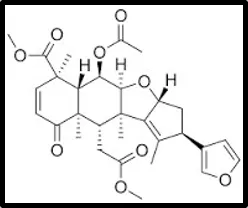
Fig 6.2 Structure of Nimbin
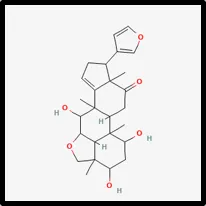
Fig 6.3 Structure of Nimbidin
Properties
Mechanism of Action
Azadirachtin interferes with the growth and reproduction of ticks, inhibiting feeding and progression of lifecycle.
Uses
Advantages
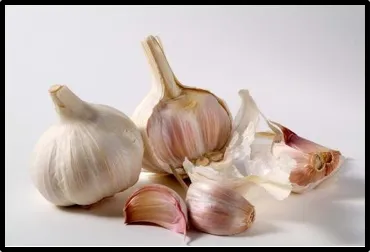
Fig 6.4 Garlic (Allium Sativum)
Biological Source
Allium sativum consists of the fresh or dried bulbs of garlic obtained from the plant Allium sativum Linn.
Family
It belongs to the family Amaryllidaceae (previously classified under Liliaceae).
Chemical Constituents
Major chemical constituents of garlic are:
Properties
Mechanism of Action
When garlic cloves are crushed, the enzyme alliinase converts alliin into allicin.
Uses
Advantages
II. EXCIPIENT PROFILE
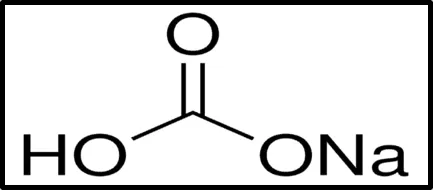
Fig 6.5 Structure of Sodium Bicarbonate
Category
Effervescent agent (base)
Properties
Function
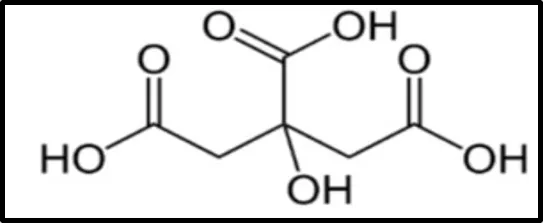
Fig 6.6 Structure of Citric Acid
Category
Acidulant
Properties
Function
Reacts with sodium bicarbonate in presence of water.
Role
1. Produces effervescence.
2. Maintains PH.
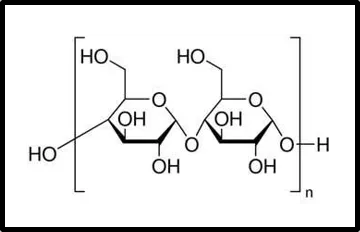
Fig 6.7. Structure Of Corn Starch
Category
Binder / Filler
Properties
Function
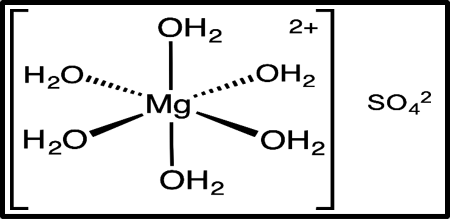
Fig 6.8 Structure of Magnesium Sulphate
Category
Bulking agent / Soothing agent.
Properties
1.Crystalline solid.
2.Water-soluble.
Function
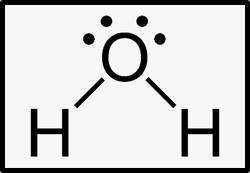
Fig 6.9 Structure of Water
Category
Binding agent.
Function
Category
Perfuming agent
Function
Improves product acceptability.

Fig 6.10 Structure of Kaolin
Category
Clay / Adsorbent.
Properties:
Function:
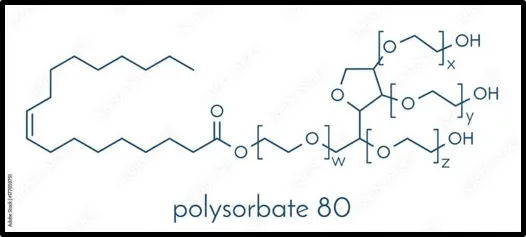
Fig 6.11 Structure of Polysorbate 80
Category
Non-ionic surfactant / Emulsifier.
Properties:
Function:
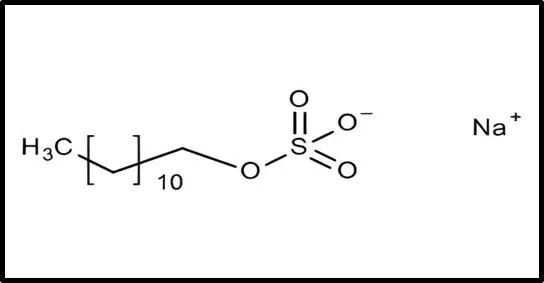
Fig. 6.12 Structure of Sodium lauryl sulphate
Category
Anionic surfactant / Detergent
Properties:
Function:
7. METHODS
7.1.1 Collection, Preparation and extraction of Neem Leaves: -
Procedure
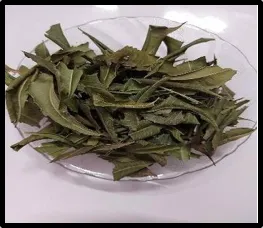
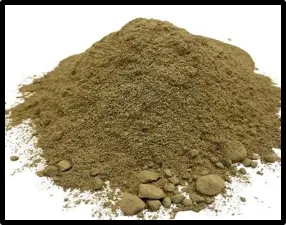
Fig 7.1.1 Dried Neem Leaves and Powder Form
Accurately weigh about 25–50 g of neem powder.
Connect:
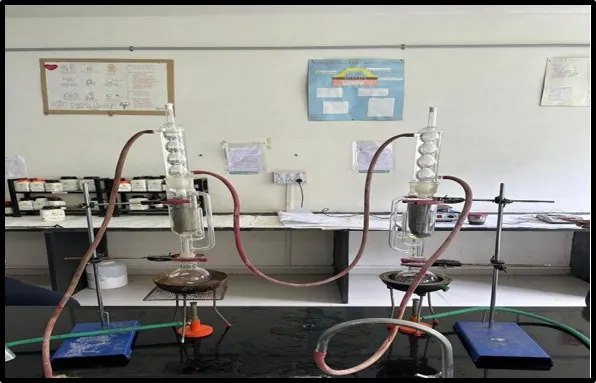
Fig 7.1.2 Extraction of Neem extract
Continue extraction for 6–8 hours or until solvent in siphon tube becomes colourless.
Identification Tests for Azadirachta Indica
Table No.7.1 Test of Alkaloids
|
Test |
Procedure |
Observation |
Inference |
|
Dragendorff’s Test |
1. Prepare neem extract in dilute hydrochloric acid.2. Add Dragendorff’s reagent. |
Orange or reddish-brown precipitate appears. |
Presence of alkaloids. |
|
Mayer’s Test |
1. Take a small quantity of neem or garlic extract in a test tube.2. Add a few drops of dilute hydrochloric acid and filter if necessary.3. Add 2–3 drops of Mayer’s reagent to the filtrate. |
Cream-colored or white precipitate appears. |
Presence of alkaloids is confirmed. |
|
Wagner’s Test |
1. Take the plant extract in a test tube.2. Acidify with dilute hydrochloric acid.3. Add a few drops of Wagner’s reagent. |
Reddish-brown or brown precipitate forms. |
Indicates the presence of alkaloids. |
Table No.7.2 Test of Flavonoids
|
Test |
Procedure |
Observation |
Inference |
|
Shinoda Test |
Add magnesium turnings and concentrated hydrochloric acid to neem extract. |
Pink or red coloration develops. |
Presence of flavonoids. |
Table No.7.3 Test Of Glycosides
|
Test |
Procedure |
Observation |
Inference |
|
Keller–Killiani Test |
1. Add glacial acetic acid containing ferric chloride to the extract. 2. Carefully add concentrated sulphuric acid along the sides of the test tube. |
Brown ring appears at the junction. |
Presence of glycosides. |
Table No. 7.4 Test of Tannins
|
Test |
Procedure |
Observation |
Inference |
|
Ferric Chloride Test |
Add a few drops of ferric chloride solution to neem extract. |
Blue-black or green coloration appears. |
Presence of tannins. |
Table No.7.5 Test of Saponins
|
Test |
Procedure |
Observation |
Inference |
|
Foam Test |
Shake neem extract vigorously with water. |
Persistent foam formation observed. |
Presence of saponins. |
Table no.7.6 Test of TLC
|
Test |
Procedure |
Observation |
Inference |
|
Thin Layer Chromatography (TLC) |
1. Prepare neem extract. 2. Spot the sample on a silica gel TLC plate. 3. Use a suitable solvent system such as toluene: ethyl acetate. |
Distinct spots observed under UV light. |
Confirms the presence of active constituents such as azadirachtin. |
7.2.1 Extraction and Identification of Allivum Satium Extract
The outer papery layers were removed, and the cloves were separated, thoroughly cleaned with distilled water to remove dirt and surface impurities, and then allowed to air-dry at room temperature. Once dried, the garlic cloves were crushed or coarsely ground using a mortar and pestle or mechanical grinder.
Fifty grams of crushed garlic were placed in a clean, dry conical flask, and ethanol was added in a 1:5 w/v ratio. The flask was sealed to prevent evaporation and kept in a cool, dark place for 3 to 7 days for maceration, with occasional stirring. Afterward, the mixture was filtered using Whatman filter paper, and the resulting extract was stored in amber-coloured bottles in cool, dry place or refrigerator to protect it from light and degradation.
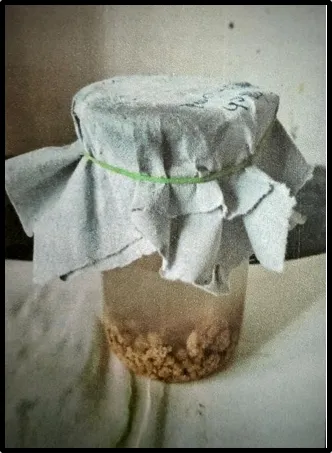
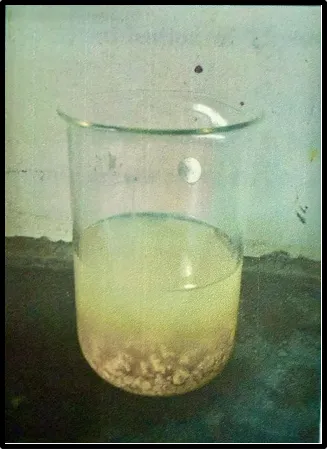
Fig 7.2.1 Cold Maceration of Allium Sativum Extract
Identification Test for Allium Sativum
Table No.7.7 Test of sodium Nitroprusside
|
Test |
Principle |
Procedure |
Observation |
Inference |
|
Sodium Nitroprusside Test |
Sulfur-containing compounds like allicin react with sodium nitroprusside in alkaline medium to produce color. |
1. Take garlic extract in a test tube. 2. Add a few drops of sodium nitroprusside solution. 3. Add dilute ammonia solution. |
Purple or violet coloration appears. |
Presence of sulfur-containing compounds such as allicin is confirmed. |
Table No.7.8 Test of Lead Acetate
|
Test |
Principle |
Procedure |
Observation |
Inference |
|
Lead Acetate Test |
Sulfur compounds react with lead acetate to form dark-coloured lead sulphide precipitate. |
1. Take garlic extract in a test tube.2. Add a few drops of lead acetate solution. |
Black or dark brown precipitate appears. |
Indicates the presence of sulfur compounds including allicin. |
Table No. 7.9 Test of TLC
|
Test |
Procedure |
Observation |
Inference |
|
Thin Layer Chromatography (TLC) |
1. Prepare garlic extract using ethanol. 2. Spot the sample on a silica gel TLC plate. 3. Use a suitable solvent system such as hexane: ethyl acetate. 4. Visualize under UV light or in an iodine chamber. |
Distinct spot corresponding to allicin observed. |
Confirms the presence of allicin in garlic extract. |
Table No.7.10 Test of HPLC
|
Test |
Principle |
Procedure |
Observation |
Inference |
|
High Performance Liquid Chromatography (HPLC) |
Allicin is separated and identified based on retention time using HPLC. |
Prepare garlic extract and inject into HPLC system; run using suitable mobile phase. |
Characteristic peak obtained at specific retention time. |
Confirms the presence and quantity of allicin. |
UV-Visible Spectrophotometric Identification of Azadirachta indica and Allium sativum:-
UV–Visible spectrophotometry is a simple and reliable analytical technique used for identification of phytoconstituents present in herbal extracts. In Azadirachta indica (neem), the active constituent azadirachtin shows characteristic absorption peaks in the UV region, mainly around 210–220 nm and 260–270 nm. For analysis, neem extract is prepared using ethanol or methanol and scanned in the range of 200–400 nm using a UV–Visible spectrophotometer. The appearance of specific absorption peaks confirms the presence of azadirachtin and related bioactive compounds responsible for insecticidal and anti-tick activity (Biswas et al., 2002).
Similarly, allicin present in garlic (Allium sativum) can also be identified using UV–Visible spectrophotometry. Garlic extract prepared in ethanol exhibits a characteristic absorption peak around 240 nm due to sulfur-containing compounds present in allicin. The obtained peak confirms the presence of allicin, which is responsible for antimicrobial, antiparasitic, and insect-repellent properties (Ankri & Mirelman, 1999). Thus, UV–Visible spectrophotometry serves as a rapid, economical, and effective method for identification and standardization of neem and garlic extracts used in herbal anti-tick formulations.
Method of Preparation of Herbal Anti-Tick Bath Bomb: -
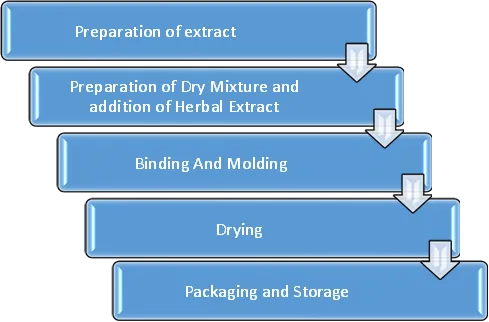
Formulation of Herbal Anti-Tick Bath Bomb using Azadiracta Indica and Allium Sativum
Batches Prepared: - Batch 1: - Failed
Table 7.11 F1
|
Sr. No |
Ingredients |
Quantity |
Uses |
|
1 |
Sodium Bicarbonate |
5 gm |
Weak Base |
|
2 |
Citric Acid |
4 gm |
Strong Acid |
|
3 |
Corn Starch |
2.5 gm |
Binder |
|
4 |
Magnesium Sulphate |
2.5 gm |
Muscle Relaxant |
|
5 |
Polysorbate 80 |
2 ml |
Emulsifier |
|
6 |
Kaolin |
1.5 gm |
Hardening Agent |
|
7 |
SLS |
0.1 ml |
Surfactant |
|
8 |
Neem Extract |
1 ml |
Antibacterial |
|
9 |
Garlic Extract |
1 ml |
Antimicrobial |
|
10 |
Essential Oil |
q.s |
Fragrance |
Batch 2: - Failed
Table 7.12 F2
|
Sr. No |
Ingredients |
Quantity |
Uses |
|
1 |
Sodium Bicarbonate |
5 gm |
Weak Base |
|
2 |
Citric Acid |
2.5 gm |
Strong Acid |
|
3 |
Corn Starch |
1 gm |
Binder |
|
4 |
Magnesium Sulphate |
2.5 gm |
Muscle Relaxant |
|
5 |
Polysorbate 80 |
2 ml |
Emulsifier |
|
6 |
Kaolin |
1.5 gm |
Hardening Agent |
|
7 |
SLS |
0.1 ml |
Surfactant |
|
8 |
Neem Extract |
1 ml |
Antibacterial |
|
9 |
Garlic Extract |
1 ml |
Antimicrobial |
|
10 |
Essential Oil |
q.s |
Fragrance |
Batch 3: - Failed
Table 7.13 F3
|
Sr. No |
Ingredients |
Quantity |
Uses |
|
1 |
Sodium Bicarbonate |
5 gm |
Weak Base |
|
2 |
Citric Acid |
2.5 gm |
Strong Acid |
|
3 |
Corn Starch |
2.5 gm |
Binder |
|
4 |
Magnesium Sulphate |
2.5 gm |
Muscle Relaxant |
|
5 |
Polysorbate 80 |
2 ml |
Emulsifier |
|
6 |
Kaolin |
- |
Hardening Agent |
|
7 |
SLS |
0.1 ml |
Surfactant |
|
8 |
Neem Extract |
1 ml |
Antibacterial |
|
9 |
Garlic Extract |
1 ml |
Antimicrobial |
|
10 |
Essential Oil |
q.s |
Fragrance |
Batch 4: - Passed
Table 7.14 F4
|
Sr. No |
Ingredients |
Quantity |
Uses |
|
1 |
Sodium Bicarbonate |
6.7 gm |
Weak Base |
|
2 |
Citric Acid |
3.3 gm |
Strong Acid |
|
3 |
Corn Starch |
3.3 gm |
Binder |
|
4 |
Magnesium Sulphate |
3.3 gm |
Muscle Relaxant |
|
5 |
Polysorbate 80 |
2.7 ml |
Emulsifier |
|
6 |
Kaolin |
2 g |
Hardening Agent |
|
7 |
SLS |
0.13 ml |
Surfactant |
|
8 |
Neem Extract |
1.3 ml |
Antibacterial |
|
9 |
Garlic Extract |
1.3 ml |
Antimicrobial |
|
10 |
Essential Oil |
q.s |
Fragrance |
8. EVALUATION
8.1.1 Identification test for Azadirachta Indica


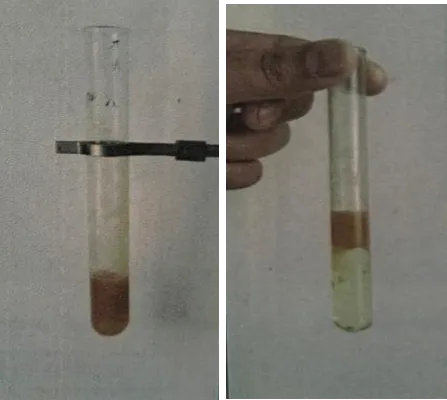
Ferric Chloride Test Alkaloid Test Foam Test Salkowski Test
Fig.8.1.1 Identification Test for Azadirachta Indica
Table No. 8.1.1 Result of the Identification Test of Azadirachta Indica
|
Test Name |
Reagent Used |
Observation |
Result |
|
Ferric Chloride Test |
Ferric chloride solution (FeCl₃, 1%) |
Dark green / blue-black coloration |
Presence of phenolic compounds / tannins |
|
Alkaloid Test |
Dragendorff’s reagent |
Orange-red precipitate |
Presence of alkaloids |
|
Foam Test |
Distilled water |
Stable foam formation |
Presence of saponins |
|
Salkowski Test |
Chloroform + Concentrated H₂SO₄ |
Reddish-brown interface |
Presence of terpenoids / steroids |
|
Shinoda Test |
Magnesium ribbon + Concentrated HCl |
Pink / red coloration |
Presence of flavonoids |
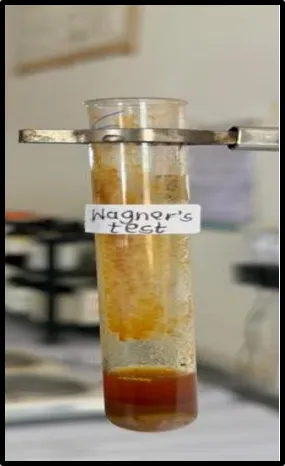
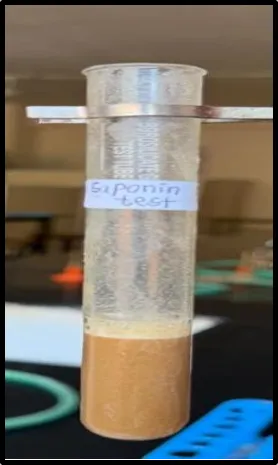

Wagner’s Test Foam Test Ferric Chloride Test
Fig.8.1.2 Identification test for Allium Sativum
Table No.8.1.2 Result of Identification Test of Allium Sativum
|
Test Name |
Phytochemical Detected |
Procedure |
Positive Observation |
|
Wagner’s Test |
Alkaloids |
Add a few drops of Wagner’s reagent (iodine in potassium iodide) to the plant extract. |
Reddish-brown or brown precipitate forms. |
|
Foam Test |
Saponins |
Shake the extract vigorously with water in a test tube for 1–2 minutes. |
Stable persistent froth/foam appears for several minutes. |
|
Ferric Chloride Test |
Tannins |
Add a few drops of 5% ferric chloride solution to the extract. |
Blue-black or greenish-black coloration appears. |
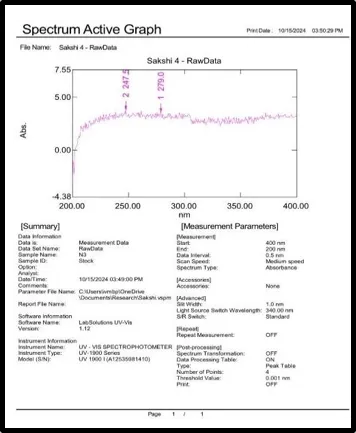
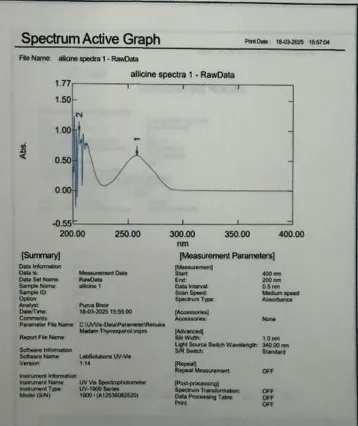
Fig.8.1.3 UV-Visible Spectrophotometric Stud
Table 8.1.3 UV-Visible Spectrophotometric Study
|
Parameter |
Allium Sativum |
Azadirachta Indica |
|
Spectrum appearance |
Smooth with clear peaks |
Broad, noisy, almost flat |
|
Main peaks observed |
~205–215 nm and ~255–260 nm |
Weak peaks near 247 nm and 279 nm |
|
Maximum absorbance |
~1.2 AU |
~3–4 AU |
|
Baseline behaviour |
Stable and near zero after 300 nm |
Elevated baseline throughout |
|
Peak clarity |
Well-defined peaks |
Poorly defined peaks |
|
Noise level |
Low |
High |
|
Data quality |
Good and reliable |
Poor/unreliable |
|
Detector condition |
Within working range |
Likely detector saturation |
|
Likely issue |
None/minor |
Concentration too high, turbidity, or baseline error |
|
Recommended action |
Can be used for analysis |
Dilute sample and rescan |
|
Overall conclusion |
Valid UV–Vis spectrum |
Invalid or poor-quality spectrum |
1. Weight variation test
Procedure
Formula
Percentage Weight Variation =
Individual Weight- Average Weight × 100
Average Weight
|
Bath Bomb No. |
Individual Weight (g) |
|
1 |
10.00 |
|
2 |
9.900 |
|
3 |
9.910 |
|
4 |
10.00 |
|
5 |
9.840 |
|
6 |
8.740 |
|
7 |
9.830 |
|
8 |
10.00 |
|
Average |
9.778 |
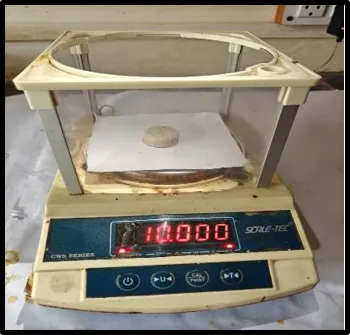
Fig.8.2.1 Weight Variation Test
2. Friability Test
Procedure
Formula
Where:
W₁ = Initial weight of bath bombs
W₂ = Final weight after friability test
W1= 10.0 W2= 9.9
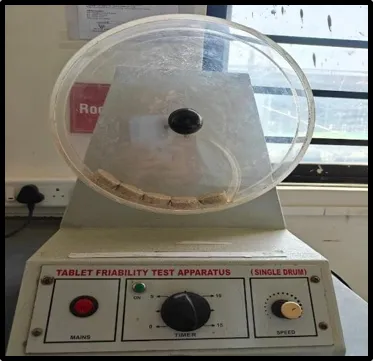

Fig 8.2.2 Friability Test
3. Foamability test
Procedure
8.2.1Observation Table of foamability
|
Parameter |
Observation |
|
Initial foam height |
5 cm |
|
Foam height after 5 min |
3 cm |
|
Nature of foam |
Stable |
|
Foam appearance |
Fine |
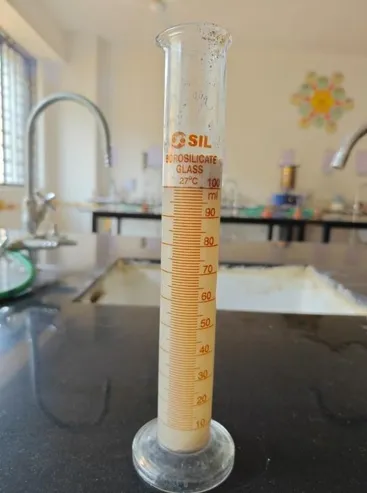
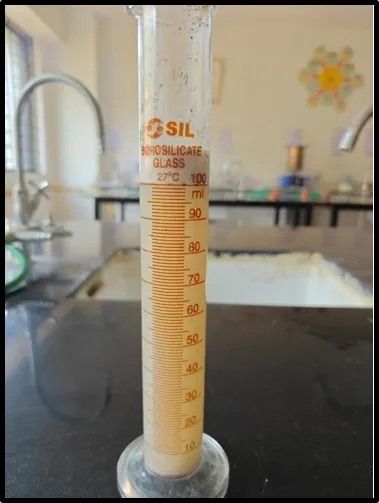
Fig 8.2.3 Foamability Test
5. Dissolution test
Procedure
8.2.2Observation Table of dissolution test
|
Parameter |
Observation |
|
Water temperature |
32 °C |
|
Complete dissolution time |
3 min |
|
Nature of dissolution |
Uniform |
|
Residue present |
No |
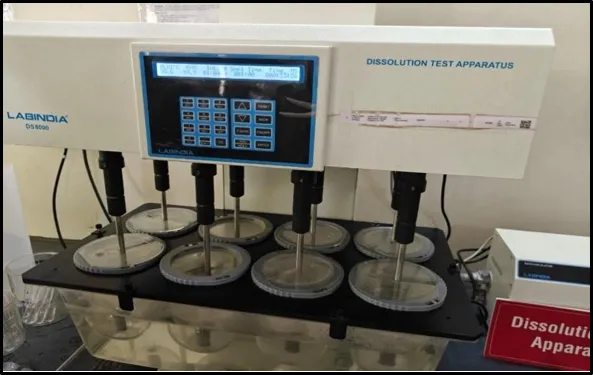
Fig 8.2.4 Dissolution Test
6. Moisture content determination
Procedure
Formula
Where:
W₁ = Weight of empty dish
W₂ = Weight of dish + sample before drying
W₃ = Weight of dish + sample after drying
W₁ = 24.55
W₂ = 26.88
W₃ = 28.20
Moisture content is less than 5 percent.
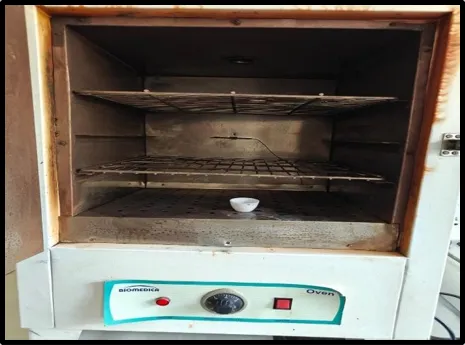
Fig. 8.2.5 Moisture Content Test
7. Disintegration test
Procedure
8.2.3Observation Table of disintegration test
|
Parameter |
Observation |
|
Water temperature |
32 °C |
|
Complete disintegration time |
3 min/sec |
|
Residue present |
No |
|
Nature of disintegration |
Uniform |
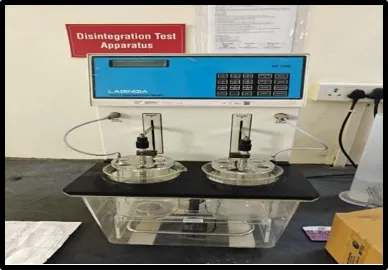
Fig. 8.2.6. Disintegration Test
7. PH determination
Procedure
8.2.4Observation Table of pH test
|
Parameter |
Observation |
|
Quantity of sample |
2 g |
|
Volume of water |
100 mL |
|
Observed pH |
7 |

Fig 8.2.7 PH Test
8. Effervescent test
Procedure
8.2.5Observation Table of Effervescence test
|
Parameter |
Observation |
|
Water temperature |
32 °C |
|
Complete effervescence time |
2 min/sec |
|
Nature of fizzing |
Strong |
|
Dissolution |
Complete |
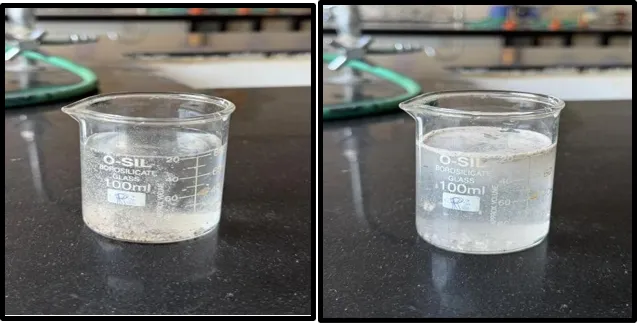
Fig. 8.2.8 Effervescent Test
8.3 Final Formulated Bath Bomb:
Herbal Anti-tick bathbomb using Azadirachta Indica and Allium Sativum extract formulated successfully.
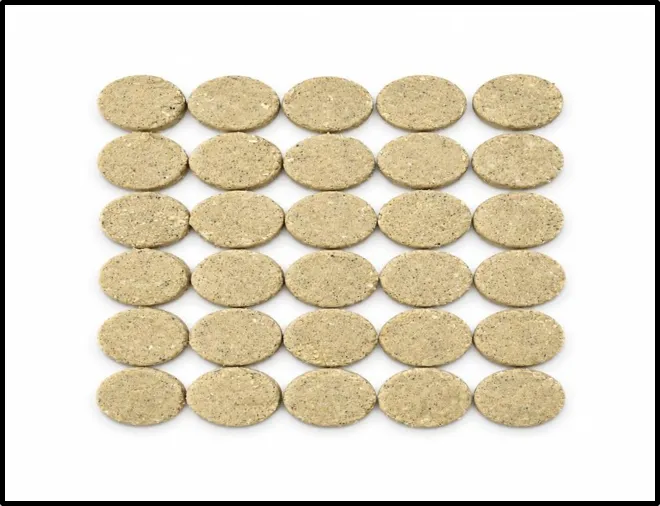
Fig 8.3.1 Final Formulated Bath Bomb
9. RESULT
|
Sr. No. |
Parameter |
Result |
|
1 |
Weight Variation Test |
Average weight found to be 9.778 g; weight variation within acceptable range except slight deviation in sample 6 |
|
2 |
Friability Test |
Initial weight = 10.0 g; Final weight = 9.9 g; friability found within acceptable limit |
|
3 |
Foamability Test |
Initial foam height = 5 cm; foam height after 5 min = 3 cm; foam was stable and fine |
|
4 |
Dissolution Test |
Complete dissolution observed within 3 min at 32°C; dissolution was uniform with no residue |
|
5 |
Moisture Content Determination |
Moisture content found to be less than 5% |
|
6 |
Disintegration Test |
Complete disintegration observed within 3 min/sec at 32°C; no residue remained |
|
7 |
pH Determination |
pH of bath bomb solution was found to be 7, indicating neutral nature |
|
8 |
Effervescent Test |
Strong and uniform effervescence observed; complete effervescence within 2 min/sec |
CONCLUSION
The herbal anti-tick bath bomb formulated using neem (Azadirachta indica) and garlic (Allium sativum) was successfully developed and evaluated. The formulation showed good physical properties, stability, and acceptable pH suitable for skin compatibility. Evaluation studies confirmed uniform weight, good mechanical strength, controlled moisture content, and effective effervescence with proper dissolution and disintegration behaviour. The product also exhibited good foam ability and demonstrated effective anti-tick activity along with being safe and non-irritant. Overall, the study concludes that the developed bath bomb is an eco-friendly, effective, and promising alternative to synthetic anti-tick products for veterinary use.
REFERENCES

Snehal Kadbhane, Kalyani Takale, Yash Nigade, Dr. Vijaykumar Kale, Dr. Mahesh Thakare, Design and Evaluation of Herbal Anti-Tick Effervescent Bath Bomb containing Azadirachta indica and Allium sativum Extract, Int. J. of Pharm. Sci., 2026, Vol 4, Issue 6, 6891-6924. https://doi.org/10.5281/zenodo.20952211
 10.5281/zenodo.20952211