

We use cookies to ensure our website works properly and to personalise your experience. Cookies policy
Department of Industrial Pharmacy, Bharat Technology, A School of Pharmacy, Uluberia, Howrah-711316.
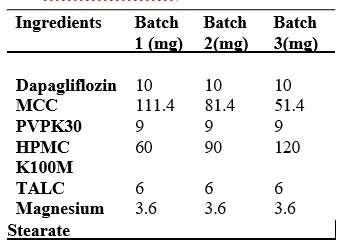
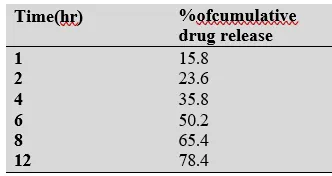
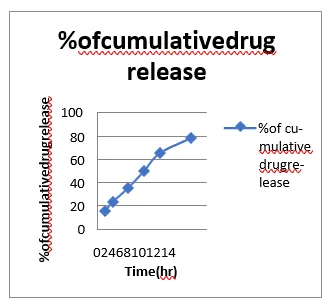
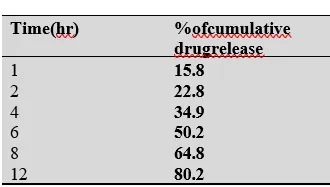
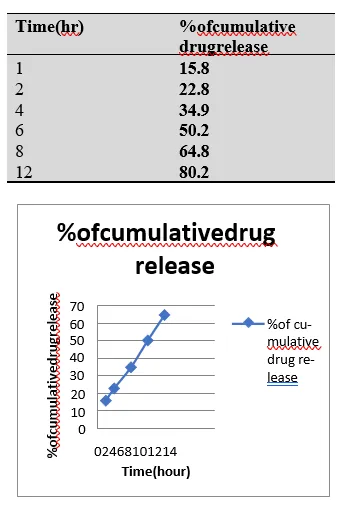
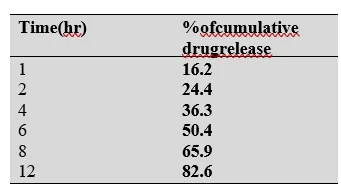
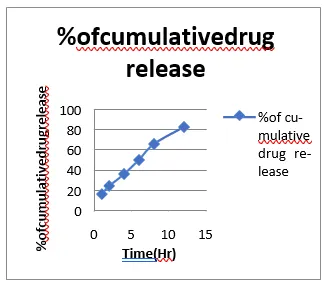
Dapagliflozin is a selective SGLT 2 inhibitor that is recommended in the treatment of type 2 diabetes mellitus. The current study was aimed at developing and testing sustained release (SR) matrix tablet dapagliflozin (10 mg) with a total weight of 200 mg of the tablet in order to attain sustained drug release up to 24 hours. Dry granulation was used to prepare SR tablets with hydroxypropyl methylcellulose (HPMC K100M) as the rate-controlling polymer at a concentration of 60mg (F1), 90mg (F2) and 120mg (F3) in all cases. Microcrystalline cellulose (111.4, 81.4 and 51.4 mg respectively) was employed as a diluent to keep the weight of the tablet constant. Polyvinylpyrrolidone K-30 (9mg) was used as binder and talc (6mg) and magnesium Stearate (3.6mg) were used as glidant and lubricant. The pre-compres-sion parameters were good flow ability, and the post-compression analysis was acceptable hardness (4 ± 0.4 kg/cm2), friability (0.85%-0.95%), weight variation (± 7.5%), thickness (3.6± 0.2mm) and drug content (98.2% ± 0.7%). In vitro dissolution studies (USP I, 900 mL 0.1N HCl buffer pH 1.2, 50 rpm, 37 ± 0.5°C) revealed polymer concentration-dependent re-lease:F1released~78.4drugwithin12h,F2~80.2%within12h,whereasF3showed24.4% release at 2 h, 65.9% at 8 h, and 82.6 % at12 h.Kinetic modeling indicate that F3 followed Higuchi kinetics (R2 = 0.995) and Korsmeyer-Peppas model (n=0.47), confirming diffusion controlled drug release. FTIR studies confirmed absence of drug-excipients interaction. The optimized-formulation (F3) was shown to exhibit sustaineddrugreleaseover24hthatsuggestedthattheformulationiseffectiveinadministra-tion once-a-day and enhanced therapeutic control in the management of diabetes.
Type 2 diabetes mellitus (T2DM) is a chronic metabolic disorder that is ascribed by a high level of blood glucose level as a consequence of an aggregate malfunction in insulin secretion and tissue resistance. This is in accordance with the Non-Communicable Disease Risk FactorCollaboration (NCD-RisC) reported in 2022 that 828 million people in the world have diabetes with more than 95% being type 2 diabetes[1]. International diabetes federation (IDF) published in 2021 that there are 537 million individuals with diabetes in the world and approximately6.5millionindividualsagedbetween20-79 years will succumb to the diseases as a result of diabetes. Obesity is strongly relatedtotype2diabetesmellitus,whichis a heterogeneous disease with different levels of insulin resistance and impaired β cell functioning [2][3].Uncontrolled diabetes can cause both microvascular and macrovascular complication. It also directly causes toxicity to pancreatic β-cells of the islets of Langerhans. The condition is complicated by prolongedhigh blood glucose levels (chronic hyperglycaemia) by inhibiting insulin secretion and insulin sensitivity phenomenon called glucotoxicity, which leads to the development of type 2 diabetes[4][5]. Existing interventions of type 2 diabetes mellitus (T2DM) involve either the insulin signalling pathway, or stimulating insulin production, but both do so at the cost of weight gain, nausea and diarrhea[6][7].
Sodium-glucose co transporter 2 inhibitors (SGLT2) is also known as gliflozin, are a relatively recent class of medication used in the treatment of type 2 diabetes mellitus (T2DM).These drug target the SGLT2 protein located in the proximal tubule of kidney, which is responsible for reabsorbing glucose from the renal tubule back into the bloodstream[8].By inhibiting SGLT2,these medication reduce glucose reabsorption, leading to increased glucose excretion in the urine and lower blood sugar level[8].SGLT2 inhibitor are highly selectivefortheSGT2proteinfoundinthe kidney approximately 200-2500 times greater than SGLT1,which present both kidney and gastrointestinal tract [9]. Clinical trial has shown that SGLT2 can effectively reduce HbA1c level by 0.5 to 0.9% (equivalent to 5-9 mmol/mol) after 12 months of use. Beyond their glucose lowering effect, SGLT2 is offer additional metabolic benefits. They promote modest reduction in systolic blood pressure (approximately 2.5-5.0 mm Hg) and typically lead to an average weight loss ofaround 2 kilograms [10]. This weight reduction due to caloric loss through increased glucose excretion and metabolic shift towards greater reliance on ketone and fatty acid metabolism encouraging fat breakdown [10] [11] [12].For optimal effectiveness, SGLT2 is generally prescribed when the patient’s estimated glomerular filtration rate (eGFR) is above 60 mL/min/1.73 m2.If eGFR falls below 45mL/min/1.73 m2, the drug glucose-lowering efficacy relies heavily on adequate kidney function [13].SGLT2 inhibitors are now recommended as a comprehensive treatment plan for T2DM due to their additional benefits beyond glycemic control. Numerous studies have demonstrated that these drugs also help reduce the risk of progression of chronic kidney disease (CKD) and lower the incidence of cardiovascular disease (CVD) complication [14][15][16].
Dapagliflozin, commercially known as Farxiga in the U.S and Forxiga in Europe-act as a highly selective, reversible inhibitor of SGLT2, the carrier responsible for about 90% renal absorption [17][18]. It is administered once a day orally or maybe used as monotheraphy in individual who cannot tolerate metformin or added to existing treatment such as metformin, sulfonylurea or insulin when glycemic target remain unmet. By inhibiting renal glucose reabsobtion, Dapagliflozin increases urinary glucose excretion and lower plasma glucose concentration, reducing the possibility severe hypoglycaemia[19][20]. Dapagliflozin has demonstrated multiple benefits including lower blood pressure and promoting weight loss. It significantly reduces the risk of cardiovascular death or hospitalization due to heart failure and has shown effectiveness in slowing the progression of kidney disease. The drug is generally well tolerated, with a low risk of hypoglycaemia and diabetes ketoacidosis. It has proven beneficial across a broad range of patient including those without a prior history ofcardiovascular diseases [21]. As a leading SGLT2 inhibitor, Dapagliflozin contributes to improved glycemic control with minimal hypoglycaemic risk, support weight reduction and may also reduce blood pressure [22] [23].Formulating da-pagliflozin as a sustained-release tablet offers several potential advantages, includ-ing improved patient adherence, reduced side effects related to peak drug levels, en-hanced glycemic stability, and extended pharmacological activity. Additionally, SR formulations can optimize drug absorption, prolong the duration of action, and poten-tially improve clinical outcomes in dia-betic patients, especially those requiring long-term therapy.
2. Mechanism of action:
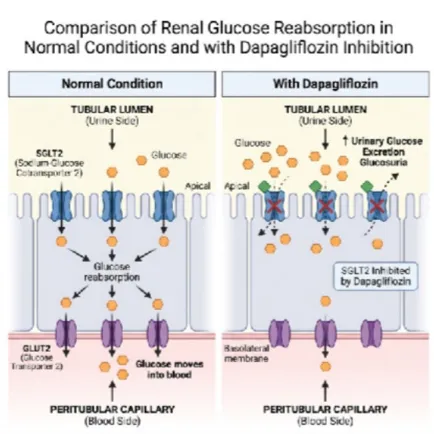
Sodium-glucose co-transporter, primarily found in the proximal tubules of the nephron, play a critical role in reabsorbing glucose from the filtrate back into the bloodstream. Dapagliflozin specifically targets and inhibits SGLT2 receptors, which are highly expressed in kidneys [24][25][26].These transporter facilitate the concurrent movement of sodium and glucose across the apical membrane of tubular cell. Inside the cells, sodium is transported back into the bloodstream via the Na+ /k+ ATPase pump. While glucose is reabsorbed through GLUT-2 transporter located on the basolateral membrane [27]. By selectively inhibiting SGLT2, Dapagliflozin block glucose reabsorption, leading to its increased excretion in urine. The glucose-lowering effect occurs independently of insulin and pancreatic β cell function. Unlike other antidiabetic agents whose efficacy diminished over time due to progressive β-cell dysfunction [28]. Dapagliflozin maintains its action regardless of insulin availability. Additionally, Dapagliflozin help mitigate side effects commonly associated with insulin therapy. Such as weight gain and cardiovascular complication[29]. It is well suited for combination therapy with other oral antidiabetic agents like metformin, glimepiride and pioglitazone to achievebetter glycemic control [30]. On average approximately 180 grams of glucose are filtered daily by kidney, primarily reabsorbed via SGLT2 and to a lesser extentbySGLT1.Inhealthyindividualthis process ensures minimal glucose loss in urine. However, with SGLT2 inhibition, glucose is excreted, resulting in reduced blood glucose levels and lower HbA1C levels. Beyond glycaemia control, Dapagliflozin exert several beneficial physiological effect, including reducing preload and after load on the heart, suppressing sympathetic nervous system activity and lowering intra-glomerular pressure. These affects contribute to its ability to slow the decline in glomerular filtration rate (GFR), reduce cardiovascularmortality and hospitalization due to heart failure in adults[31][32]. Another significant benefit of Dapagliflozin is its potential to induce weight loss, attributed to the caloric loss form urinary glucose excretion. Clinical data indicate that a daily dose of 10 mg can result in a weight reduction of approximately 1.8kg compared to placebo [33][34]. This is particularly advantageous in patients with T2DM, who are often prone to obesity and may experience weight gain from medication such as insulin, sulfonylureas or thiazolidinediones.
3. Therapeutic efficacy of Dapagliflozin:
Glycemic and other outcome:
According to the previous reports in Drugs, various randomized, double-blind, and multicentre phase 3 clinical trials have been used to determine the efficacy of Dapagliflozin as a mono-therapy and in combination regimen. Such studies showed similar results of marked glycemic control and also weight and blood pressure reduction in a broad spectrum of patients with Type 2 Diabetes Mellitus as well as patients with high baseline levels ofHbA1c (≥ 9%), and elderly patients (≥ 65 years). Later clinical studies have drawn these results to special population, including those patients with stage 3A chronic kidney disease, hypertension, and cardiovascular disease. The addition of dapagliflozin in patients who were poorly controlled during metformin treatment (n= 182) in a randomized, double-blind, multination study resulted in a significant decrease in body weight as compared to placebo (randomized, double-blind, multination study). This weight reduction was mainly because of the reduction in fat mass which made around two-thirds of the entire decrease. Following 24 weeks of therapy, patients who were treated with dapagliflozin 10 mg/kg/day were found to have a significant drop in the total body weight (−2.1 kg vs. placebo), waist circumference (−1.5 cm) and fat mass (−1.5 kg) in the form of total body weight[35], waist circumference, fat mass, respectively, indicated by dual X-ray absorptiometry. An acute reduction in body weight was found in the course of the first weeks of therapy and a slower and continuous one that was not at a plateau after week 24. This finding was in correlation with the patterns of urinary glucose excretion that had an initial early rise with stabilization after that presenting the conclusion that caloric excretion through glucosuria was one of the keydeterminants of weight loss. Nonetheless, fluid loss could also be one of the reasons behind the initial stage of weight loss. Moreover, much higher percentage of patients who received dapagliflozin attained a clinically meaningful weight reduction of 5% and above than those who received placebo (31 vs 4%; p<0.0001)[35]. Magnetic resonance imaging studies in a cohort of patients of the dapagliflozin group showed visceral and subcutaneous adipose tissue volume decreases in the dapagliflozin group compare to placebo recipients (difference from placebo ~ 258 and ~ 185cm3 respectively; both nominal p<0.05). Most notably, the positive body weight, fat mass, and waist circumference effects were maintained in the long-term course of treatment (102 weeks)[36].
Patients with hypertension:
A single 10 mg dose of dapagliflozin showed significant systolic blood pressure (SBP) and glycemic control improvements in two Phase III clinical trials of patients with inadequately controlled type 2 diabetes mellitus (T2D) and hypertension. Such patients were already taking antihypertensive therapy, either as monotheraphy, where the angiotensin-converting enzyme inhibitor (ACEi) or the angiotensin receptor blocker (ARB) was used[37], or as a combination with another antihypertensive agent. Both studies had significantly more mean SBP changes in the dapagliflozin arm than in the placebo arm at 12 weeks, which met the primary and secondary co primary endpoints. In addition, a post hoc analysis of a single trial revealed that the decrease in SBP was greater in the patients who were provided with either a β-blocker or calcium channel blocker when they were provided with an add-on therapy than in those who received a thiazide diuretic[37].
Patients with cardiovascular disease:
When used in combination with standard background therapy, dapagliflozin 10 mg once daily resulted in significant glycemic control and body weight reduction and systolic blood pressure (SBP) in patients whose diabetes mellitus (T2DM) was not properly controlled (HbA1c 710.5) and in the presence of pre-existing cardiovascular disease (CVD) and hypertension as shown in two Phase III clinical trials[38][39]. Application of dapagliflozin as add-on therapy in the form of 24-week therapy at 24 weeks showed a massive improvement in HbA1c in comparison to placebo. In addition, the composite 3-item response was more prevalent among the patients receiving dapagliflozin and this was in accordance with the co primary endpoints. These curative efficiencies were maintained to 52 weeks in the extension studies. In addition, the proportion of patients that had reached the target level of HbA1c of less than 7% by week 24 was significantly higher in the dapagliflozin group than in the placebo group, and these results remained similar by week 52. A second extension phase was also found to support the long-term efficacy because improvements were sustained throughout a total treatment period of 104 weeks, as shown by a pooled post hoc analysis. In addition, the combination of results of five Phase II-III clinical trials of up to 52weeks of follow-up demonstrated that patients with T2D and a history of heart failure realized clinically significant decreases in HbA1c at baseline[40].
Patients with renal impairments:
A phase 2/3 clinical trial assessing the therapy of patients with chronic kidney disease (CKD) stage 3A (eGFR 45 to < 60 mL/min/1.73 m2) showed the therapeutic benefits of dapagliflozin[14].The resultswere also in agreement with the results of the randomized, double-blind, multinational phase 3 DERIVE study [23]. The patients of this study were enrolled if they had inadequately controlled type 2 diabetes mellitus (HbA1c 711%), body mass index (BMI) of 1845 kg/m 2, and the stage 3A of CKD. The study participants who were going to receive background antihyperglycemic therapy were randomly assigned to either dapagliflozin 10 mg daily (n=159) or placebo(n=161)over24 weeks [41]. Dapagliflozin showed statistically significant improvements over placebo at week 24 with decreases in HbA1c (primary endpoint; placebo-adjusted mean change = -0.34% with a baseline of 8.2%), fasting plasma glucose ( -0.9 mmol/L with a baseline of 10mmol/L) and body weight ( -1.3kg with a baseline of 90kg) and systolic blood pressure ( -3.1 mmHg with a baseline of 135 mmHg). Also, the Composite-R randomized, double-blind, multinational phase 3 trial compared metformin (with or without sulfonylurea) to control glycemic irregularities in patients with poor glycemic control (HbA1c of 7 9.5) and mild renal impairment (eGFR 60 -90 mL/min/1.73 m 2). In this trial, it was observed that the administration of sitagliptin 100 mg/day (n = 307) was not found to be inferior and statistically better than dapagliflozin 10 mg/day (n = 306) in the reduction of HbA1c. The minimum squared mean difference between sitagliptin and dapagliflozin baseline to baselinewasfoundtobe-0.51percentand
-0.36 percent respectively (p= 0.006; baseline = 7.8;)[42].
Cardiovascular and renal outcome:
DECLARE-TIMI 58 is a randomized, double-blind, phase 3 study that employed cardiovascular (CV) and renal outcomes to assess dapagliflozin in patients with type2diabetes mellitus (T2D) aged ≥ 40 years andhavingHbA1cofbetween≥6.5%and
< 12%. The participants were either already with at herosclerotic cardiovascular disease (ASCVD) or multiple risk factors to ASCVD. The patients who had several risk factors were also selected, including men aged 55 years and older and women aged 60 years and older with one of the conventional risk factors, including hypertension, dyslipidaemia, or tobacco use.[43] To begin with, the primary safety endpoint of major adverse cardiovascular events (MACE) was to be measured in the course of the trial. But after the results of the EMPA-REG OUTCOME trial, dual primary efficacy endpoints were added to the study protocol: MACE and a composite of CV death or hospitalization of heart failure (HHF)[43][44]. Secondary endpoints were a renal composite end point, and all-cause mortality. The numberofrandomizedpatientswas17, 160 and the mean age of the patients was 64 years. Fourth of them had made ASCVD, coronary artery disease (33%), and heart failure (10%). The average time of diabetes was about 11 years and the baseline HbA1c was 8.3% and PAL 1 average eGFR was 85 mL/min/1.73 m 2. Patients were treated with dapagliflozin 10 mg a single dose daily or placebo to supplement standard antihyperglycemic treatment. The median period of follow up was 4.2 years. Dapagliflozin was much lower than placebo in reducing the risk of the composite endpoint of CV death or HHF but not in reducing the occurrence of MACE. The achieved advantage was mainly caused by decreased heart failure hospitalization and there was no significant difference in the rates of CV death rates between the two groups [45]. These findings were supported by sensitivity analyses. On the topic of renal outcomes, dapagliflozin was associatedwith a protective measure of reducing the risk of renal disease. This was proven by a decrease in the rates of composite renal endpoints compared with placebo. Particularly, dapagliflozin reduced by a significant margin the risk of a progressive loss of eGFR(≥40%loss),end-stage renal disease (ESRD), and the joint outcome of ESRD or renal death. Dapagliflozin initially reduced eGFR after 6 months but stabilized after 6 months with the renal function improving to match that with placebo after two years and declin in gmore slowly compared to placebo at 3- 4 years. All-cause mortality, myocardial infarction, or ischemic stroke also did not show any significant differences. Nonetheless, dapagliflozin had a number of cardiovascular risk factors reductions in the levels of HbA1c, body weight, systolic blood pressure (SBP), and diastolic blood pressure (DBP), as opposed to placebo during the study period [44].
4. Tolerability of dapagliflozin:
Dapagliflozin 10mg once daily alone or combined with other antihyperglycemic agents, has been associated with good tolerability in Type 2 Diabetes Mellitus patients. This has been concluded using combined information on numerous 2b/3 clinical trials (24 to ≤208 weeks) with placebo- and active-controlled studies. Treatment-emerging adverse events (AEs) were reported in 60% and 56% of patients using dapagliflozin and placebo, respectively in a pooled analysis of 13 placebo-controlled trials with 12 to 24 weeks, respectively [46]. There was 4% discontinuation because of AEs in both groups, which is similar to the tolerability profile of both groups. The most common reported AEs (3% and above) with dapagliflozin were nasopharyngitis, diarrhoea, headache, urinary tract infections, upper respiratory tractinfections, and urinary tract infections, and the incidence rate was widely comparable to that of placebo. There were serious adverse events (SAEs) in 5 per cent of both groups of patients which resulted in treatmentdiscontinuationin0.7percentof patients who received dapagliflozin and 1 per cent of patients receiving placebo. Deaths were not prevalent and there were no significant differences in terms of deaths between groups (0.3 vs. 0.2).A small percentage of patients discontinued
5. Various drug interaction of Dapagliflozin:
Dapagliflozin is a highly selective SGLT2 inhibitor; also demonstrate both safety and efficacy in improving glycemic control in patient with type 2 diabetes mellitus (T2DM) by blocking glucose reabsorption in the kidneys, thereby increasing urinary glucose excretion. It is particularly useful for patient who struggle with insulin based therapy.As a monotheraphy, Dapagliflozin significantly lower HbA1c, fasting plasma glucose(FPG),and body weight in patients with uncontrolled T2DM[44].A meta analysis of randomized controlled trials revealed that average reduction of approximately ~0.60% in HbA1c,~1.30 mmol/L in FPG and ~1.50 kg in body weight compared to placebo. The insulin-independent mechanism of Dapagliflozin offer a key advantage; it remains effective regardless of β-cell function or insulin resistance, allowing it to be used either alone or in combination with insulin or other therapy[45].
Anti-Diabetic Drug
I. Biguanides:
Metformin is a biguanide, widely used to treatment type 2 diabetes mellitus. When Dapagliflozin is added to metformin in patients whose glycemic control is suboptimal, as a short-term result it show significant improvement in blood glucose levels [49]. In a long term clinical study (102-week randomized trial)Dapagliflozin added to metformin produced sustained reductioninHbA1c,fastingplasmaglucose
their treatment because of adverse events was higher in the dapagliflozin group than in the placebo group in the study titled DECLARE-TIMI58(8%vs.7;p=0.01).Nevertheless, there was a large difference in the general occurrence of major adverse events with dapagliflozin (34% vs. 36; p < 0.001). Unstable angina and acute myocardial infarction had the highest reported rates of serious adverse events (incidence >2%) and were equally distributed in the two groups.[46]
(FPG) and body weight without raising hypoglycaemic risk [50][51].
II. DPP-4-INHIBITOR:
Saxagliptin is a well known DPP-4-inhibitor.It is available in a fixed dose combination with Dapagliflozin which brand name is Qtern. This formulation shown to be bioequilbalance to taking each drug separately in term of pharmacokinetic parameter such as Cmax and AUC[47].
III. Sulfonylureas, Thiazolidinediones and Insulin:
Dapagliflozin combine with other anti-diabetic drug including pioglitazone (Thiazolidinediones), sulfonylureas or insulin has demonstrated enzyme glycemic control, with additional benefits such as weight loss or blunting weight gain. Notably, when it used with insulin, Dapagliflozin may allow for a reduction in the patient’s daily requirement [48].
Cardiovascular drug:
Dapagliflozin can administered with several cardiovascular agent including digoxin, Valsartan, warfarin and sim vastatin, which is important given in various vascular disease such as stroke, coronary heart diseases which are leading cause of mortality in type 2 diabetes mellitus. Co-administration with Valsartan result in the modest 6% decrease in its peak plasma concentration, while AUC for simvastatin, simvastatin acid and Valsartan increase approximately 19%,30%,6% respectively. These changes are not clinically significant and simvastatin or Valsart and onot alter the Cmax ofDapagliflozin. Similarly Dapagliflozin has no meaningful effect on the pharmacokinetics of warfarin or Digoxin, nor on the pharmacodynamic of Digoxin [52]
Loop Diuretics:
Loop diuretics such as bumetanide should generally be avoided with combination of Dapagliflozin as both agents promotesodium excretion can increase risk of volume depletion, particularly with long term use. If concurrent therapy is unavoidable, specically in elderly patients or those with an estimated glomerular filtration rate (eGFR) below 60 ml/min/1.73 m2 should careful monitoring oh hydration status and kidney function[53][54][55].
6. Safety and adverse effect:
Genital infections (vulvovaginitis and balanitis): Genital infection is most frequent adverse effect of Dapagliflozin. In a polled data from 12 clinical trials, the incidence was 5.7% with Dapagliflozin 5 mg(n=1145)and4.8%withDapagliflozin
10 mg (n=1393)and 0.9 % with placebo[81].These infection is generally mild to moderate, occurred predominantly within the first 6 month of therapy. Standard oral antifungal or antibiotic therapy was effective and treatment discontinuation due to this uncommon side effect.
7. Sustained release dosage form of dapagliflozin tablet:
Dapagliflozin is a member of the sodium-glucose co-transporter-2 (SGLT2) in-hibitor class, a type of widely used anti-diabeticagent,whichlowersbloodglucose level by increasing urinary excretion of glucose. Most widely, it is available as an immediate-release tablet; however, the de-velopment of a sustained release (SR) for-mulation is expected to further improve its therapeutic potential in the management of type 2 diabetes mellitus. A sustained re-lease dapagliflozin tablet is intended to calibrate the drug's dissolution in a con-trolled manner for an extended period, thereby maintaining consistent levels of plasma drug concentrations. This also makes blood glucose levels less spiky, re-ducing side effects during the peaks. This controlled delivery is especially advanta-
Urinary tract infection: UTIs have also been reported with Dapagliflozin. Incidence rates were 5.7% for 5 mg and 4.3% for 10 mg and 3.7% with placebo [56]. This infection typically mild to moderate and responded well to conventional oral antibiotics. Dehydration and volume depletion: Events related to volume depletion (dehydration, hypovolemia) are uncommon. Incidence was 0.8% with Dapagliflozin 10 mg/day vs. 0.4% with placebo, [57] a difference that was not statistically significant.eous in chronic conditions such as dia-betes, where tight glycemic control mustbe a constant factor. Sustained-release(SR) formulations are most commonly for-mulated using matrix systems of hy-drophilic polymers, such as hydroxy propyl methylcellulose (HPMC), which became hydrated in gastrointestinal fluid to pro-duce a gel layer that regulate drug release. Another approach to retard release further is by using hydrophobic polymers such as ethyl cellulose. The method of drug release involves diffusion and polymer eroding mechanisms. Tablets are evaluated for hardness, friability, drug content and in vitro dissolution studies to check and eshtablish controlled release profile. Different models are used to analyze release kinetics; zero-order and Higuchi equations. While dapagliflozin has already along half life; SR formulations could improvead her-enceand give more stable glycemic con-trol. Thus sustained release tablet represent promising approach in advance anti-dia-
8. Disadvantages of conventional dosage forms:
Dapagliflozin immediate-release dosage forms have a number of disadvantages, particularly when used long term to man-age type 2 diabetes.Plasma drugs concentrations fluctuate: Immediate-release is rapidly absorbed but also rapidly eliminated from the system; this causes peak and trough fluctuations in plasma drug concentrations, and as a re-sult, may produce inconsistent glycemic control.betic drug delivery systems.Short duration of action: Dapagliflozin is generally taken once a day; however, using a conventional formulation would not keep a patient at a constant therapeutic plasma concentration throughout 24 hours, especially insomepatients,thusproducing sub-therapeutic enefit.ncreasedriskofsideeffectsatpeaklev-els: Peaking of the plasma drug concentra-tion will also increase the risk of experi-encing adverse drug reactions such as: uri-nary tract infections, genital infections, dehydration (due to osmotic diuresis), etc.Reduced patient compliance (in some cases): If a modified drug administration regimen is required to achieve a therapeu-tic benefit, patients would not be as likely to adhere compared with a controlled or sustained-release form of administration.
8. Advantages of sustained release dosage form:
1. Prolongedandconsistentdrugre-lease
SR tablets release dapagliflozin gradually over a longer time, which keeps plasma drug levels steady and avoids fluctuations. This leads to better and more stable blood sugar control.
2. Improvedtreatmenteffectiveness
By maintaining a constant inhibition of glucose reabsorption in the kidneys, SR formulations promote continuous glucose excretion. This results in better bloodsugar regulation.
3. Reduceddosingfrequency
Sustained release allows for once-daily dosing. This enhances convenience and simplifies treatment plans, especially for Chronic conditions like diabetes and also improve patient’s compliance.
5. Fewerside effects
Controlled drug release lowers high peak plasma levels, which reduces the risk of adverse effects like:
- Polyuria
- Dehydration
- Genitalandurinary infections
6. Better control of fasting and post-meal blood sugar: SR formulations pro-vide ongoing pharmacological action, which helps control both fasting and post-meal blood sugar levels more effectively.
7. Enhancedpharmacokineticprofile
SRsystemsofferbettercontrolover:
- Drugreleaserate
- Absorption pattern
- Maintenanceofsteady-state level
9. Disadvantagesofsustainedrelease dosage form:
I. Riskofdose dumping
If the SR formulation fails, such as due to improper formulation or alcohol interac-tions, a large amount of the drug may be releasedsuddenly.Thiscanleadtotoxicity or intense pharmacological effects.
II. Reducedflexibilityindoseadjust-ment
SRtabletshavefixedreleasepatterns.This makes it hard to adjust doses based on in-dividual patient needs, especially for those with kidney problems or changing glucose levels.
III. Notsuitableforall patients
Patients with severe kidney issues or gas-trointestinal disorders, which affect transit time, may have unpredictable drug absorp-tion. This can reduce the drug's effective-ness.
IV. Delayedonsetof action
Comparedtoimmediate-releaseforms,SR formulations may take longer to work.This delay is not ideal when quick blood sugar control is necessary.
V. Highercostofformulation
SR tablets require complex technologies and excipients. This increases manufactur-ing costs, resulting in higher prices for pa-tients.
VII.Difficultyinformulationdevelop-ment
Creating a stable and effective SR system for dapagliflozin requires careful selection of polymers and control of release rates. This process is more challenging than de-veloping conventional tablet.
10. AIM&OBJECTIVES:
Aim: Designandevaluationofsustained release formulation of Dapagliflozin as an antidiabetic care.
Objectives:
• To conduct a comprehensive litera-ture review of the current sus-tained-release drug delivery sys-tems, and specifically antidiabetic drugs, specifically dapagliflozin.
• To assess the physicochemical properties of dapagliflozin, includ-ing solubility, stability, and perme-ability, to determine its suitability in sustained-release formulation. The objectives of the experiment were as follows:
• To determine and pick appropriate polymers and excipients to formu-late a sustained-release dosageform of Dapagliflozin on the basis of compatibility and desired drug release characteristics.
• To develop different prototype for-mulations of sustained-release da-pagliflozin using methods like wet granulation, dry granulation, and direct compression.
• To maximize the formulation vari-ables by use of statistical methods like Design of Experiments (DoE) or Response Surface Methodology (RSM) to achieve the desired drug release profile
• To investigate the in vitro drug re-lease properties through the use of suitable dissolution methods and use the kinetic models like Higuchi and Korsmeyer-Peppas to learn about the release mechanisms.
• To perform in vivo pharmacoki-netic studies in suitable models to compare the performance of the sustained-release formulation with conventional dosage forms to eval-uate and compare the bioavailabil-ity and therapeutic efficacy of the sustained-release system to imme-diate-release formulations and also investigate the possibility of en-hanced patient adherence and ther-apeutic advantages, such as lower dosing schedule, decreased side ef-fects and better control in glycemic activity.
11. Plan of work: Preformulationstudies:
• Organoleptic properties (Color, odor, taste)
• Solubilitystudy(water,bufferpH 1.2, 6.8, 7.4)
• Meltingpoint determination
• Identificationofdrug(UV&IR)
• Drug-excipients compatibility (FTIR)
• Stability studies (temperature &humidity)
FormulationDesign:
• Selection of excipients (diluents, binders, disintegrating agent, Glidant, lubricant)
• Preparation of matrix tablet using dry granulation method
• Formulation of multiple batches with varying HPMC concentration (30%, 45%, 60%).
Pre-compressionevaluation:
• Bulk density
• Tapped density
• Carr’sindex
• Hausner’sratio
• Angleof repose
Tablet compression:
• Compressionofpowderblendsinto tablets using rotatory tablet press.
Evaluation of tablet:
• Weightvariation
• Hardness
• Friability
• Thickness
• Drugcontent uniformity
In-vitro Drugr elease studies:
• Dissolution testing in suitable media (e.g. 0.1N pH 1.2 HCl buffer)
12. MATERIAL & METHOD:
Material:
Dapagliflozin – Active pharmaceutical ingredient
HydroxypropylMethylcellulose(HPMC K100M) – Rate controlling polymer Microcrystalline Cellulose (MCC) – Dilu-ent
PolyvinylpyrrolidoneK30(PVPK30)– Binder
MagnesiumStearate–Lubricant Talc – Glidant
Method:
Preparation Method of Dapagliflozin Sustained Release Tablets by Dry Granulation.
Weighing of Materials: Cross-weighingof all ingredients, such as dapagliflozin, hydroxypropyl methylcellulose (HPMC K100M), microcrystalline cellulose and other excipients was carried out as per the formulation design.
Sieving: The materials (excluding lubricants) were weighed and then subjected to a sieve of size # 40 to get the uniform size of the particles and to eliminate any lumps.
Blending: Sieved powders were then placed in an appropriate blender and blended between 10-15 minutes to form a homogenous powder blend.
Slugging: The slugging method was used to subject the blended powder to dry granulation. The powder mixture was pressed into big slugs (compacts) through theuseofatabletcompressionmachineat therightamountofpressure.
Alternatively, roller compaction was used to produce ribbons.
Milling and Sizing:Slugs or ribbons were prepared and the material milled and sievedthrougha#16or#20sievetoattain the uniform sized granules.
Lubrication: Magnesium Stearate and talc were added to the granules and blended with them 3-5 minutes to achieve adequate lubrication and flow characteristics.
Compression of Tablets: A rotary tablet compression machine was used with appropriate punches to compress the lubricated granules into tablets. A compression force was set to achieve desired tablet hardness and integrity.
Storage: The formulated tablets were put in airtight containers to be further evaluated and stability analyzed.
13. Formulation table:
prity and appropriateness to be incorporated into a sustained release matrix tablet. The process of Organoleptic characterization plays an important role in the Preformula-tion studies since it gives preliminary data on the sensory properties of the drug, which can have a bearing on patient com-pliance and the choice of formulation.
Method
• Colour and appearance were tested withtheeyeduringthedaytimeon a white background.
• The odour was determined by blowing air over the sample to the nose to identify any typical odour.
• Taste was evaluated through a careful method whereby a small amount of the drug was put on the tongue,whichissafeandasperlab rules.
• Texturewasestablishedbyrubbing a small amount of the powder be-tween fingers to assess its physical character (e.g. crystalline or amor-phous).
14. RESULTAND DISCUSSION:
Preformulation studies:
Organolepticcharacteristics: Purpose
The objective of the current study was to determine the organoleptic properties of Dapagliflozintoascertainitsidentity,pu-
Solubility study: Purpose:
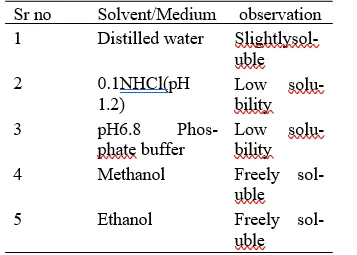
To determine the solubility of the drug in different solvents, this is critical in choos-ing the appropriate strategies of formula-tions and dissolution medium.
Method:
The shake-flask method was used to deter-mine its solubility. A specific amount of the drug was placed in various solvents (water, 0.1 N HCl, phosphate buffer pH 6.8, methanol, and ethanol) and mixedwiththemat24hoursatroomtemperature. Solutions were filtered (Whatmann filter paper,0.45µm,appropriatelydilutedand
measuredusingaUV-visiblespectropho-tometer.
OBSERVATIONTABLEOFSOLU-BILITY STUDY
Melting Point determination: Purpose:Toidentifythemeltingpoint and purity.
Method: The fine powdered sample was put into melting point equipment in a cap-illary tube. Gradual increase of tempera-ture (1-2◦C/min) was carried out and melt-ing range was noted.
Observation: Dapagliflozin (white pow-der) melting at 65-70oC with sharp melt-ing, a good purity and identifying its iden-tity.
Identification of drug by UV Vis-ible spectrophotometer
Purpose
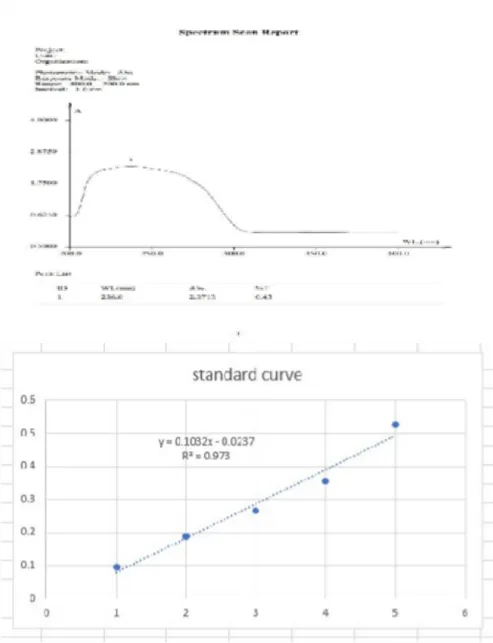
To identify Dapagliflozin using UV spec-trophotometeranddetermineitsλmax,and to prepare a standard calibration curve for quantitative analysis.
Method
A stock solution of Dapagliflozin was pre-pared by dissolving 1 mg drug in 100 ml ethanol. It was scanned in the range of 200–400 nm to determine λmax. For the standard curve, serial dilutions (e.g. 1 ppm,2 ppm,3ppm,4ppm,5ppm) were pre-pared, and absorbance was measured at λmax using a UV spectrophotometer.
Observation
Dapagliflozinshowedλmaxat236nm. Thecalibrationcurveofconcentrationvs.
Identification of drug by IR spec-trophotometer
Purpose
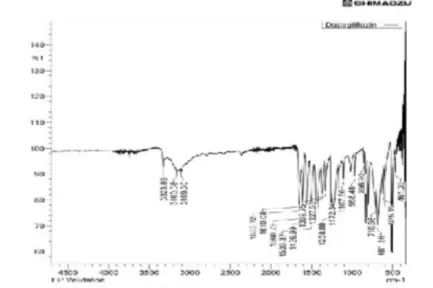
ToidentifyDapagliflozinbydetectingits characteristic functional groups using IR spectroscopy.
Method
The sample was mixed with dry KBr and compressed into a pellet (or analyzed by ATR method). The spectrum was recorded usinganIRspectrophotometerintherange of 4000–400 cm⁻¹.
Observation
Characteristicpeakswereobservedat:
• ~3350cm⁻¹(O–Hstretching)
• ~2920cm⁻¹(C–Hstretching)
• ~1600cm⁻¹(aromaticC=C)
• ~1100 cm⁻¹ (C–O stretching)Thesepeaksmatchedreporteddata,con-firmingtheidentityandpurityofDa-pagliflozin.
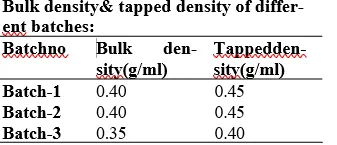
bulk volume (V0 ) and calculate bulk den-sity. This was followed by tapping of the cylinder (100-500 taps) until a constant volume was reached (Vf) to determine the tapped density.
Bulk Density = Weight / V TappedDensity=weight/Vf
Bulk density& tapped density of differ-ent batches:
Drug-Excipients compatibility
study:
Purpose:
To assess potential interactions with Da-pagliflozin and excipients and assure com-patibility during formulation.
Method:
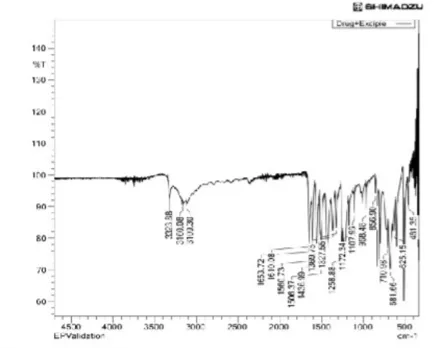
KBr pellet/ATR method was used torecord FTIR spectra of pure drug, excip-ients and physical mixture in the period of 4000-400 cm -1. Any changes in the spec-tra were compared.
Observation:
Characteristic peaks of Dapagliflozin were retained without significant shift or disap-pearance in the mixture. No new peaks were observed, indicating no chemical in-teraction and good compatibility with ex-cipients.
Pre-compression evaluation:
Bulk density & tapped density:
Purpose:
Toidentifytheflowcharacteristicsand packing capacity of granules, which affect the compression and uniformity of tablets. Method
A weight of granules that was known was addedtoagraduatedcylindertodetermine
Carr’s index &Hausner’s ratio:
Purpose:
To evaluate the flow properties and com-pressibility of granules or powder blend before tablet compression.
Method
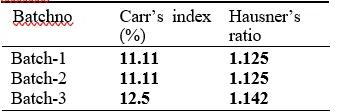
Bulkdensityandtappeddensitywerede-termined. Using these values:
• Carr’s Index (%) = [(Tapped Den-sity–BulkDensity)/TappedDen-sity] × 100
• Hausner’sRatio=Tapped Density
/ Bulk Density
Carr’sindexandHausnerratioofdif-
ferent batches:
Angleof repose:
Purpose
To measure the flow property of the gran-ules or powder, this is crucial in the ho-mogenous filling of die during compress-ing tablets.
Method
The granules were allowed to flow throughafunnelfixedatacertainheight ontoaflatsurfacetoformacone.Mea-surements of the height (h) and radius (r)of the pile were taken and the angle of re-pose ( ) was calculated using: tan θ = h / r Angle of repose of different batches:

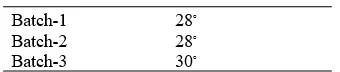
Angle of repose
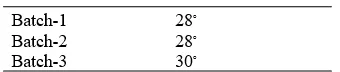
Evaluation of tablet:
Weightvariation:
Purpose
To ensure uniformity of tablet weight, which reflects consistent drug content and dose accuracy.
Method
20tabletswereselectedrandomlyand weighedindividuallyusingadigitalbal-ance.Theaverageweightwascalculated, and the percentage deviation of each tablet fromtheaverageweightwasdetermined. Results were compared with IP limits. Observation:
All tablets complied with IP weight vari-ation limits ( 200 mg ± 7.5mg), indicating uniformity in tablet weight and proper for-mulation.
HardnessTest:
Purpose: To assess the mechanical strength of tablet by finding out the neces-sary force to break them. The correct hard-ness is a fact that the tablet can endure the handling treatment, packaging, and even transportation without being damaged, yet, at the same time, they are able to release the appropriate drugs.
Method:
• A hardness tester of tablets (as Monsanto,Pfizeroradigitaltester) is employed.
• The anvils of the instrument hold the tablet. Force is gradually ap-plied until the tablet breaks. The force of breaking is measured in kg/cm 2 or Newtons. A minimumof 6 tablets is tested and the mean value is determined.
AcceptableRange:Inthecaseofsus-tained-releasetablets,ahardnessvalueof 3-7kg/cm2isusuallyappropriate.In-creasedhardnessmaybeusedinmanaging thereleaseofthedrugsbutmustnotim-pact negatively on the dissolution profile. Hardness of different batches:
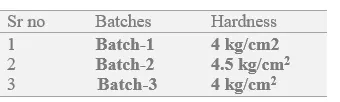
14.3.2 Friability test:
Purpose:
To test how resistant tablets can be against abrasion and chipping and mechanical stress during handling and transportation. The smaller friability value means robust and more resilient tablets.
Method:
• Take10-20tabletandnotedown their total initial weight (W0 ).
• Put the tablets in a Roche friabilator.
• Rotatetheinstrumentat25rpmfor
100 rotations (approximately 4minutes).
• Once the test is finished, take out the tablets, wipe them off, and make a note of the final weight (Wf).
Calculate the percentage friability us-ing:
%Friability=[(W₀–Wf)/W₀]×100 Acceptable Limit:
The weight loss should be less than 1% according to pharmacopeial standards. Tablets must not be cracked or broken or heavily damaged on the surface.
FRIABILITY TEST OF DIFFERENT BATCHES
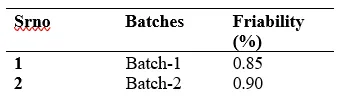

14.3.4 DISSOLUTION TEST (INVITRO DRUG RELEASE STUDY)
Purpose:
Thedissolutionexperimentisconductedto establish the rate and degree of drug release of sustained release dapagliflozin tablets under simulated gastrointestinal environment.
Methodology:
ItisdonewiththehelpofUSPDissolution Apparatus I (basket method). The dissolution medium is 900 mL of 0.1NHCl buffer (pH 1.2) which is a representative of the gastric fluid. The temperature of the experiment is kept at 37◦± 0.5◦c
The rate of rotation of the basket is establishedatarangeof50-75rpm,and50
Higuchi model (diffusion-controlled release)
Korsmeyer-Peppas model (drug release mechanism)
ATargetReleaseProfile (Example):
The sustained release tablets will release the drug (depending on the formulation design) at a rate of about 70-90% in 12 hours and provide a long-lasting treatment effect.
DISSOLUTIONDATABATCH1
formulations.
A single tablet is put in each dissolution vessel. To ensure sink conditions, 2 mL samples are withdrawn at preset time intervals (1, 2, 4, 6, 8 and 12 hours) and an equivalent volume of fresh dissolution medium is added back in.
The sampled are filtered and examined either by UV spectrophotometer or HPLC techniques to determine the content of drugs.
Data Analysis:
The cumulative drug release percentage is determined and graphed against time to give the percentage of drug release profile.
In order to get a clue on the release mechanism, the dissolution data are fitted to various kinetic models including:
Zero-order kinetics (unvarying drug release with time)
First-orderkinetics(concentration-dependent release)
DISSOLUTIONDATABATCH-2
DISSOLUTIONDATABATCH-3
CONCLUSION
The present study successfully developed sustained release (SR) matrix tablets of Dapagliflozin (10 mg) with a total tablet weight of 200 mg using HPMC K100M as a rate-controlling polymer via the wet granulation method. Among the formulations(F1–F3),thebatchcontaining 120 mg HPMC (F3) demonstrated optimal performance, providing controlled and extended drug release up to 24 hours.
All formulations complied with pharmacopeial specifications for hardness (4-4.5 kg/cm²), friability (<1%), weight variation(±2%),anddrugcontent(97–99%), confirming good mechanical strength and uniformity. In vitro dissolution studies revealed a clear polymer concentration-dependent release pattern, where increasing HPMC content significantly retarded drug release. The optimized formulation (F3) achieved 82.6% cumulative drug release over 12 hours, ensuring sustained therapeutic levels.Drug release kinetics of the optimized batch followed the Higuchi model (R² ≈ 0.99)andKorsmeyer–Peppasequation(n≈ 0.45), indicating a diffusion-controlled (Fickian)releasemechanism.FTIRstudies confirmed the absence of drug–excipient interaction, ensuring formulation stability.
Overall, the developed SR matrix tablet of dapagliflozin (F3) demonstrated reproducible release behaviour, effective control of drug release, and potential for once-daily dosing, thereby improving therapeutic consistency and patient compliance in long-term diabetes management.
FUTURE PERSPECTIVE
Though the current research revealed successful development and testing of Dapagliflozin pills, additional research should be conducted to improve and test the formulation to beused in industries. To enhance the understanding of the impact of the formulation variables on drug release and tablet properties, optimization of the formulation could be utilized by using statistical methods like Design of Experiments (DoE). Stability studies The stability of the formulation should be determined in long-term and accelerated stability studies according to the ICH guidelines to determine the stability of the formulation in various conditions of the environment such as temperature and humidity. These studies will help in determining the shelf life and storage conditions of the product. Moreover, in vivo experiments, such as bioavailability and pharmacokinetic analyses, are necessary to determine a relationship between in vitro drug release and in vivo performance (IVIVC). This will guarantee therapeutic efficacy and safety of the formulation. Additional improvements can be a change in modified release preparations like sustained-release or controlled-release systems to enhance patient compliance and to sustain constant plasma drug concentrations. Dapagliflozin solubility and bioavailability can also be increased with the help of new excipients or drug delivery technologies. On the whole, the study is a good basis to further researchanddevelopmentinfutureandcanbescaled-upandcommercializedin the pharmaceutical industry.
REFERENCES
2077–2093
R.A.DeFronzo,E.Ferrannini,L.Groop,
R.R.Henry,W.H.Herman,J.J.Holst,F.
B.Hu,C.R.Kahn,I.Raz,G.I.Shulman,
Zhou, L.; Zhang, S.; Han, X.; Ji, L. The Association Between the Dosage of SGLT2 Inhibitor and Weight Reduction in Type 2 Diabetes Patients: A Meta-Analy-sis. Obesity 2018, 26, 70–80.
Clinical Practice Guideline for Diabetes Management in Chronic Kidney Disease. Kidney Int. 2022, 102,S1–S127.
644–657.
G.V. Kumar, Sodium-glucose cotransporter-2 inhibitors in combination with other glucose-lowering agents for the treatment of type 2 diabetes mellitus, IndianJ.Endocrinol.Metabol.22(2018)
827.
sodium glucose co-transporter 2 inhibitors and loop diuretics: a self-controlled case series study, Pharmacoepidemiol, Drug Saf. 31 (2022) 1102–1109.
2077–2093
R.A.DeFronzo,E.Ferrannini,L.Groop,
R.R.Henry,W.H.Herman,J.J.Holst,F.
B.Hu,C.R.Kahn,I.Raz,G.I.Shulman,
Zhou, L.; Zhang, S.; Han, X.; Ji, L. The Association Between the Dosage of SGLT2 Inhibitor and Weight Reduction in Type 2 Diabetes Patients: A Meta-Analy-sis. Obesity 2018, 26, 70–80.
Clinical Practice Guideline for Diabetes Management in Chronic Kidney Disease. Kidney Int. 2022, 102,S1–S127.
644–657.
G.V. Kumar, Sodium-glucose cotransporter-2 inhibitors in combination with other glucose-lowering agents for the treatment of type 2 diabetes mellitus, IndianJ.Endocrinol.Metabol.22(2018)
827.
sodium glucose co-transporter 2 inhibitors and loop diuretics: a self-controlled case series study, Pharmacoepidemiol, Drug Saf. 31 (2022) 1102–1109.


Animesh Samanta, Aveek Datta, Reechik Bandyopadhyay, Biplab Debnath, Design And Formulation Sustained Release Tablet of Dapagliflozin as An Anti-Diabetic Care, Int. J. of Pharm. Sci., 2026, Vol 4, Issue 8, 5049-5070, https://doi.org/10.5281/zenodo.22201536
 10.5281/zenodo.22201536