

We use cookies to ensure our website works properly and to personalise your experience. Cookies policy
Department of Pharmaceutical Chemistry, S. N. College of Pharmacy, Jaunpur, Uttar Pradesh
Diloxanide is recognized as the gold standard luminal antiamoebic agent in the management of Entamoeba histolytica infections, yet it suffers from pharmacokinetic limitations that restrict optimal tissue distribution. The current focus of the project was the design of novel diloxanide derivatives using the active parent drug as the core substrate to overcome its inherent lipophilic constraints. This study aimed to develop a library of highly lipophilic analogues comprising alkyl esters, aromatic esters, N-alkyl extensions, and fluorinated compounds to enhance membrane permeability while preserving the essential dichloroacetamide pharmacophore. The synthesized analogues underwent physicochemical evaluation to determine their percentage yield, melting point, and solubility. The target derivatives yielded between 40-85%, exhibited melting points ranging from 45-55 °C for waxy aliphatic esters to 150-170 °C for rigid fluorinated compounds, and were freely soluble in lipophilic organic solvents like dichloromethane and ethyl acetate. Synthesis was accomplished via robust pathways, notably utilizing Steglich esterification with DCC/DMAP for ester derivatives, alongside protected N-alkylation and chemoselective Sandmeyer approaches. Structural confirmation was achieved through comprehensive spectroscopic analysis. The FTIR spectral characteristics of the analogues were specifically examined, confirming successful modifications via the disappearance of the phenolic O–H stretch (~3300 cm?¹) in ester derivatives, and the emergence of ester C=O stretches (1740-1755 cm?¹), enhanced aliphatic C–H stretches (2850-2920 cm?¹), and diagnostic C–F stretching bands (1100-1350 cm?¹) . UV-Vis spectroscopy further confirmed structural electronic features, demonstrating characteristic hypsochromic and hyperchromic shifts relative to the parent molecule's maximum absorbance (?max) at 250-265 nm. Standard NMR and mass spectrometry were employed to elucidate exact molecular frameworks. In this study, the resulting novel diloxanide derivatives were assessed for their successful synthesis and enhanced physicochemical profiles. The synthesized molecules hold significant promise as highly permeable, metabolically stable antiamoebic agents, warranting further investigation into their specific pharmacokinetic behavior and therapeutic efficacy against invasive amoebiasis.
1.1 General Background:
Diloxanide furoate represents one of the most important luminal amoebicides in the treatment of intestinal amoebiasis caused by Entamoeba histolytica. As a dichloroacetamide derivative, this drug has served as the cornerstone therapy for asymptomatic cyst carriers and continues to be listed on the World Health Organization's Essential Medicines List. Despite its clinical importance and well-established efficacy, with parasite clearance rates ranging from 81-96%, diloxanide furoate suffers from several pharmacokinetic limitations that have hindered its optimal therapeutic potential. [1,2]
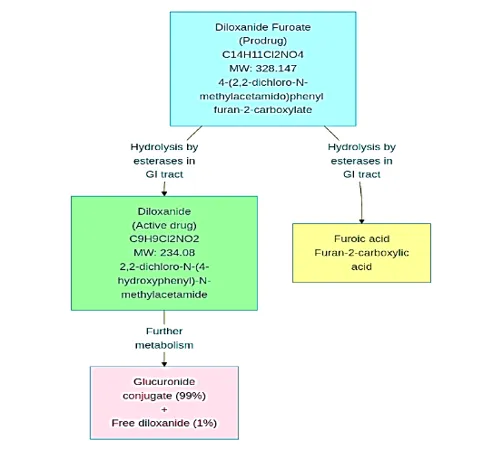
Fig. 1.1: Flow-chart representation of diloxanide furoate prodrug activation pathway.
The current understanding of diloxanide's mechanism of action, while not completely elucidated, is based on its structural similarity to chloramphenicol at the dichloroacetamide functional group. The drug acts primarily through inhibition of protein synthesis in E. histolytica trophozoites, effectively blocking their conversion to the more virulent and invasive cyst forms. This mechanism makes diloxanide particularly valuable for treating asymptomatic carriers who harbor cysts in the intestinal lumen, preventing transmission and reducing the risk of invasive disease development. [2]
1.2 Chemical structure and prodrug strategy:
Diloxanide furoate (C₁₄H₁₁Cl₂NO₄, MW: 328.147) functions as a prodrug through an elegant ester-based bioactivation strategy. The compound is administered as the furoic acid ester of diloxanide, which undergoes rapid hydrolysis by esterases in the gastrointestinal tract to release the active moiety, diloxanide (C₉H₉Cl₂NO₂, MW: 234.08). This prodrug approach was specifically designed to achieve high luminal concentrations while minimizing systemic exposure, as evidenced by the rapid metabolism and excretion profile where 90% of the absorbed drug is eliminated renally as glucuronide metabolites within 3 hours. [1,3]
The furoic acid ester linkage serves multiple pharmaceutical purposes: it enhances chemical stability during storage, provides improved gastrointestinal tolerance, and enables controlled release of the active drug at the site of action. Upon oral administration, diloxanide furoate is slowly absorbed from the gastrointestinal tract, with the bioavailability of the parent diloxanide being approximately 90%. The hydrolytic cleavage produces diloxanide and furoic acid, with the former undergoing extensive glucuronidation (99% as glucuronide conjugate, 1% as free drug). [1,4]
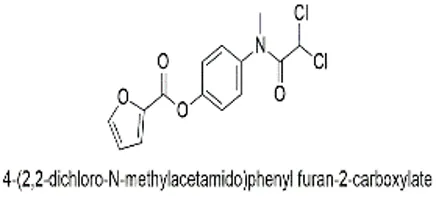
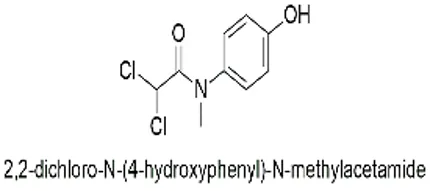
Fig. 1.2: Chemical structure representations of Diloxanide furoate (Prodrug) and Diloxanide.
1.3 Pharmacokinetic limitations and development opportunities:
Despite its therapeutic efficacy, diloxanide furoate exhibits several pharmacokinetic challenges that represent opportunities for derivative development. The drug's lipophilic properties, while adequate for luminal activity, may not be optimal for enhanced membrane permeability and tissue distribution. Studies have demonstrated that cyclodextrin complexation can improve both the stability and bioavailability of diloxanide furoate, suggesting that modifications to enhance solubility and membrane transport could provide therapeutic advantages. [1,5-7]
The current formulation limitations include relatively poor aqueous solubility, modest membrane permeability, and the need for multiple daily dosing regimens. These factors have prompted investigations into structural modifications that could enhance the drug's physicochemical properties while maintaining or improving its anti-amoebic activity. The development of diloxanide derivatives with improved lipophilicity represents a rational approach to address these limitations and potentially expand the therapeutic applications of this important drug class. [2,7]
1.4 Structure-Activity Relationships and design principles:

Fig. 1.3: Structure-Activity Relationship (SAR) map for diloxanide derivatives with improved lipophilicity.
The structure-activity relationship of diloxanide provides several strategic points for chemical modification to improve lipophilicity and pharmacokinetic properties. The core dichloroacetamide moiety, essential for antimicrobial activity, offers limited modification options without compromising efficacy. However, the phenolic hydroxyl group and the N-methyl substituent present attractive targets for lipophilicity enhancement. [8,9]
Research in related antimicrobial compounds has demonstrated that strategic introduction of lipophilic groups can significantly improve drug properties. For instance, studies on phenylthiazole derivatives have shown that reducing excessive lipophilicity through careful structural modifications can improve overall physicochemical and pharmacokinetic profiles. Similarly, work on ester prodrugs has revealed that appropriate ester selection can enhance membrane permeability while maintaining controlled bioactivation. [4,8,10-12]
The phenolic hydroxyl group of diloxanide represents the most promising site for lipophilicity modifications. Esterification with various carboxylic acids of different chain lengths and branching patterns could provide a series of prodrugs with tunable lipophilicity. Additionally, ether formation with lipophilic alkyl or aryl groups could yield derivatives with enhanced membrane permeability while potentially maintaining the required luminal activity. [4,13,14]
1.5 Novel chemical derivatives and target molecules:
Based on the structure-activity principles and successful modifications in related drug classes, several categories of diloxanide derivatives can be envisioned as targets for synthesis and evaluation:
1.6 Aim and Objectives:
Aim:
To design, synthesize, and characterize novel diloxanide derivatives with enhanced lipophilicity, aiming to achieve improved pharmacokinetic profiles and potential anti-amoebic efficacy. The synthetic strategy focus on modifications that preserve the essential dichloroacetamide pharmacophore while introducing lipophilic enhancements through strategic esterification, fluorination, and N-alkylation approaches.
Objectives:
2. LITERATURE SURVEY
Table 2.1: Drug Profile of Diloxanide.
|
Sr. No. |
Property |
Description |
|
1. |
Drug |
Diloxanide |
|
2. |
Molecular Formula |
C9H9Cl2NO2 |
|
3. |
Molecular Weight |
234.08 g/mol |
|
4. |
Elemental Composition |
C: 46.18%, H: 3.88%, N: 5.98%, O: 13.67%, Cl: 30.29% |
|
5. |
Preparation Method |
Synthesized by the dichloroacetylation of N-methyl-p-aminophenol with dichloroacetyl chloride. |
|
6. |
IUPAC Name |
2,2-dichloro-N-(4-hydroxyphenyl)-N-methylacetamide |
|
7. |
Odor |
Odorless |
|
8. |
Colour |
White to light brown (solid) |
|
9. |
Solubility |
Very slightly soluble in water; soluble in alcohol, ether, and chloroform. |
|
10. |
Melting Point |
175 °C |
|
11. |
Synonyms |
Entamide, Amebamida, Diloxanid, 2,2-Dichloro-4'-hydroxy-N-methylacetanilide |
|
12. |
pKa (at 25 °C) |
~ 9.5 (Predicted for the phenolic -OH group) |
|
13. |
Log P |
2.0 (XLogP3) |
|
14. |
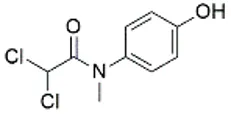
Structure |
|
2.2 Targeted colon delivery of diloxanide furoate as an antiamoebic drug:
Tiwari and colleagues investigated the development of pectin microspheres for targeted colon delivery of diloxanide furoate as an antiamoebic drug. Their study focused on overcoming the limitations of conventional oral dosage forms by employing a spray drying method with zinc acetate cross-linking to prepare microspheres. The research demonstrated that different concentrations of pectin polymer (0.5-3%) significantly influenced drug encapsulation efficiency, with optimal formulations achieving 78.45% drug entrapment. The microspheres exhibited pH-dependent release behavior, with minimal drug release in acidic conditions (2.1% in 2 hours at pH 1.2) and substantial release in alkaline conditions (89.4% in 8 hours at pH 6.8), making them suitable for colon-specific delivery. In vivo studies in albino rats confirmed enhanced bioavailability compared to conventional tablets, with improved pharmacokinetic parameters including increased AUC and prolonged retention time in the colon. This work established the foundation for understanding how formulation strategies can enhance diloxanide's therapeutic delivery and highlighted the potential for structural modifications to improve drug targeting and bioavailability. [15]
2.3 Chemical stability limitations of the current prodrug:
Gadkariem and team conducted comprehensive stability studies examining the degradation behavior of diloxanide furoate under various pH and temperature conditions. Their investigation revealed that diloxanide furoate undergoes hydrolytic degradation that is both temperature and pH dependent, with the drug showing particular instability in alkaline medium. The pH-rate profile between pH 7.6 and 9.6 indicated first-order dependence of the observed rate constant (Kobs) on hydroxide ion concentration, suggesting base-catalyzed hydrolysis. Arrhenius plots obtained at pH 8 were linear between 40-63°C, yielding an activation energy of hydrolysis of 88.3 kJ/mol. The study identified the ester linkage between diloxanide and furoic acid as the primary site of degradation, with hydrolysis producing diloxanide and furoic acid as major degradation products. These findings are crucial for understanding the chemical stability limitations of the current prodrug and provide valuable insights for designing more stable derivatives with improved pharmacokinetic profiles through strategic structural modifications that could enhance resistance to hydrolytic degradation while maintaining bioactivation potential. [7]
2.4 Demonstration of how systematic ester modifications can simultaneously improve lipophilicity:
Wang and colleagues developed a systematic approach for enhancing lipophilicity through carboxyl group modifications in oseltamivir derivatives as neuraminidase inhibitors. Their methodology involved replacing the carboxylic acid group with various ester moieties including ethyl, propyl, and cyclic esters to improve membrane permeability while maintaining antiviral activity. The study demonstrated that strategic esterification significantly enhanced lipophilicity (LogP values increased from -1.2 to 2.3-3.8) without compromising target binding affinity. Molecular docking studies revealed that the ester derivatives maintained essential interactions with neuraminidase active sites while the increased lipophilicity facilitated better cellular uptake. Pharmacokinetic evaluation showed improved oral bioavailability (45-67% vs 20% for parent compound) and enhanced tissue distribution. The derivatives exhibited prodrug characteristics with esterase-mediated hydrolysis releasing the active drug intracellularly. This work provides a valuable template for diloxanide derivative design, demonstrating how systematic ester modifications can simultaneously improve lipophilicity, membrane permeability, and bioavailability while maintaining the essential pharmacophore for target interaction. [16]
2.5 Potentials for using lipophilic cationic groups as carriers to enhance the pharmacological properties of bioactive compounds, providing insights applicable to diloxanide derivative design:
Grymel and team synthesized novel triphenylphosphonium derivatives of betulin to enhance lipophilicity and cellular uptake for improved cytotoxicity and antibacterial activity. Their approach involved conjugating triphenylphosphonium cations to the natural product betulin, creating derivatives with significantly enhanced membrane permeability due to the lipophilic nature of triphenylphosphonium moieties. The study demonstrated that incorporation of triphenylphosphonium groups increased LogP values from 8.2 to 11.3-12.8, resulting in enhanced cellular accumulation through exploitation of mitochondrial membrane potential. Cytotoxicity assays against various cancer cell lines showed 2-10 fold improvement in activity compared to parent betulin, with IC50 values ranging from 12-45 μM versus 89-156 μM for unmodified betulin. The derivatives also exhibited enhanced antibacterial activity against both Gram-positive and Gram-negative bacteria. Mechanistic studies revealed that the lipophilic triphenylphosphonium moiety facilitated membrane penetration while maintaining the biological activity of the betulin scaffold. This approach demonstrates the potential for using lipophilic cationic groups as carriers to enhance the pharmacological properties of bioactive compounds, providing insights applicable to diloxanide derivative design. [17]
2.6 Hybrid design strategies for antiparasitic drug optimization and provides valuable insights for diloxanide derivative development:
Saleh and colleagues developed a series of nitazoxanide derivatives through systematic structural modifications aimed at enhancing antibacterial and antimycobacterial activities. Their design strategy involved combining pharmacophoric elements from nitazoxanide and 4-aminosalicylic acid to create hybrid molecules with potentially improved therapeutic profiles. The synthesis yielded compounds with enhanced lipophilicity through introduction of various aromatic and aliphatic substituents, with LogP values ranging from 2.1 to 4.8 compared to 1.9 for parent nitazoxanide. Biological evaluation demonstrated that several derivatives (compounds 5f, 5j, 5n, and 5o) exhibited superior antibacterial activity with MIC values of 0.87-9.00 μM against various strains including K. pneumoniae and E. faecalis. Notably, compounds 5c, 5n, and 5o showed higher potency than ciprofloxacin against K. pneumoniae, while maintaining good selectivity indices. Molecular docking studies revealed enhanced binding interactions with target proteins due to optimized hydrophobic contacts. The structure-activity relationship analysis identified key structural features responsible for enhanced activity, including the importance of electron-withdrawing groups and aromatic substitution patterns. This work demonstrates the successful application of hybrid design strategies for antiparasitic drug optimization and provides valuable insights for diloxanide derivative development. [18]
Al-Shaalan developed and validated two complementary analytical methods for simultaneous determination of diloxanide furoate and metronidazole in binary mixtures, providing essential analytical tools for pharmaceutical quality control and research applications. The first method utilized first derivative ratio-spectra with measurements at specific wavelengths (242.5 and 285.5 nm for diloxanide furoate, 225.5 and 300 nm for metronidazole), achieving linear calibration ranges of 2-100 μg/mL for diloxanide furoate and 1-50 μg/mL for metronidazole. The second method employed reversed-phase HPLC using ethyl acetate-chloroform-methanol-water mobile phase with UV detection at 277 nm, providing superior selectivity and precision. Both methods demonstrated excellent accuracy (98.5-101.2% recovery) and precision (RSD < 2%) with detection limits of 0.6 μg/mL for diloxanide furoate and 0.3 μg/mL for metronidazole. The validated methods were successfully applied to commercial pharmaceutical formulations and showed good correlation between spectrophotometric and chromatographic results. These analytical approaches are directly applicable to characterization and quality assessment of diloxanide derivatives, providing reliable methodologies for monitoring synthetic intermediates, final products, and stability studies essential for pharmaceutical development. [19]
2.8 Tools for monitoring diloxanide derivatives during synthesis, and formulation development, for ensuring quality control and regulatory compliance in pharmaceutical development programs:
Vaidya and team developed a comprehensive analytical methodology for simultaneous estimation of diloxanide furoate and ornidazole in combined pharmaceutical dosage forms using stability-indicating RP-HPLC methods. Their work established a robust analytical platform using LC-20AT C18 column (250mm × 4.6mm × 2.6μm) with buffer pH 4.5-acetonitrile (40:60) mobile phase at 1 mL/min flow rate and detection at 277 nm. The method demonstrated excellent linearity for both compounds (r² > 0.999) with precision RSD values less than 2% and accuracy within 98-102% recovery range. Validation parameters including specificity, robustness, and system suitability met ICH guidelines, with detection limits of 0.15 μg/mL for diloxanide furoate and 0.12 μg/mL for ornidazole. The stability-indicating nature was confirmed through forced degradation studies under acidic, basic, oxidative, and photolytic conditions, identifying major degradation pathways and ensuring method selectivity. The validated method was successfully applied to commercial tablet formulations containing both active ingredients. This analytical framework provides essential tools for monitoring diloxanide derivatives during synthesis, purification, and formulation development, ensuring quality control and regulatory compliance for pharmaceutical development programs. [20]
2.9 Development of spectrophotometric method for stability-indicating determination of diloxanide:
Abdelrahman and colleagues developed an innovative double divisor spectrophotometric method for stability-indicating determination of diloxanide furoate and metronidazole in binary mixtures without prior separation. Their methodology utilized mathematical treatment of absorption spectra to resolve overlapping bands through ratio spectra manipulation, enabling selective quantification of each component. The double divisor approach involved dividing the mixture spectrum by standard spectra of both components, creating derivative plots that eliminated interference and enhanced selectivity. Linear calibration curves were established over 2-20 μg/mL for both drugs with correlation coefficients exceeding 0.9995. The method demonstrated excellent precision (RSD < 1.5%) and accuracy (99.2-100.8% recovery) with detection limits of 0.48 μg/mL for diloxanide furoate and 0.52 μg/mL for metronidazole. Forced degradation studies confirmed the stability-indicating nature, successfully resolving degradation products from intact compounds under various stress conditions. The methodology was validated according to ICH guidelines and successfully applied to commercial formulations. This approach provides a cost-effective, rapid alternative to chromatographic methods for monitoring diloxanide derivatives, particularly valuable for pharmaceutical development where multiple related compounds require simultaneous analysis. [21]
2.10 Prodrug design strategies focusing on improving physicochemical and pharmacological properties of drugs (such as diloxanide):
Jornada and team provided a comprehensive review of prodrug design strategies focusing on improving physicochemical and pharmacological properties of drugs through molecular modification approaches. Their analysis emphasized ester prodrugs as the most successful strategy, accounting for nearly 50% of marketed prodrugs due to their amenability to hydrolysis both in vivo and in vitro. The review highlighted essential features of ideal prodrugs including hydrolysis resistance during absorption, minimal intrinsic activity, enhanced aqueous solubility, improved cellular permeability, chemical stability across pH ranges, and controlled kinetics for parent drug release. Case studies demonstrated successful applications including palmarumycin glycyl ester derivatives that achieved seven-fold improvement in water solubility compared to parent compounds. The authors emphasized the importance of balancing lipophilicity enhancement with aqueous solubility to optimize absorption and distribution characteristics. Mechanistic considerations included esterase-mediated bioactivation, tissue-specific targeting, and minimization of toxic metabolite formation. The review provided systematic guidelines for selecting appropriate promoieties based on intended pharmacokinetic modifications and therapeutic objectives. These principles are directly applicable to diloxanide derivative design, offering evidence-based strategies for enhancing drug properties through strategic structural modifications. [22]
2.11 Systematic SAR (structure-activity relationship) insights:
Ahmed and colleagues conducted systematic structure-activity relationship studies on alkylphosphocholine analogues against Leishmania donovani, providing insights into structural features affecting antiparasitic activity and cytotoxicity. Their investigation examined modifications to the hydrophilic head group, alkyl carbon chain length, and linker regions of miltefosine analogues to optimize therapeutic indices. Results demonstrated that alkyl chain length significantly influenced both activity and toxicity, with C16-C18 chains providing optimal antiparasitic activity while shorter chains (C10-C14) exhibited reduced cytotoxicity against mammalian cells. Head group modifications, including replacement of choline with morpholine or piperidine moieties, affected membrane interaction and intracellular accumulation patterns. Linker modifications between head and tail regions influenced metabolic stability and bioactivation kinetics. The most effective compounds showed IC50 values of 2-8 μM against intracellular amastigotes with selectivity indices exceeding 10-fold compared to host cells. In vivo efficacy studies confirmed that optimized analogues achieved significant parasite clearance from spleen, liver, and bone marrow with reduced toxicity profiles. This systematic approach to structure-activity optimization provides a valuable framework for diloxanide derivative development, demonstrating how strategic structural modifications can enhance antiparasitic activity while improving safety profiles. [23]
3. MATERIALS AND METHODOLOGY
3.1 Materials:
3.1.1 Chemicals reagents and solvents, instruments/apparatus required:
All chemical reagents required for the synthesis of diloxanide derivatives were procured from standard suppliers (Sigma-Aldrich, Merck, Fisher Scientific, etc) and used without further purification unless otherwise specified. The starting material diloxanide (2,2-dichloro-N-(4-hydroxyphenyl)-N-methylacetamide) were synthesized according to established procedures or obtained commercially. Solvents including dichloromethane, ethyl acetate, methanol, acetonitrile, dimethyl sulfoxide (DMSO), and tetrahydrofuran (THF) were of analytical or HPLC grade. Anhydrous solvents were dried using standard procedures with molecular sieves or distillation over appropriate drying agents when required for moisture-sensitive reactions. [24,25]
Table 3.1: List of the chemicals.
|
Chemicals |
Specification / Manufacturer |
|
Diloxanide |
TCI |
|
Dichloromethane |
TCI |
|
Glycerol |
TCI |
|
4-dimethylaminopyridine (DMAP) |
TCI |
|
N,N-Dimethylformamide (DMF) |
SRL |
|
Acetonitrile |
CDH |
|
Methanol |
Lobachemie |
|
Palladium catalysts (Pd(PPh₃)₄) |
Ottokemi |
|
N,N'-dicyclohexylcarbodiimide (DCC) |
CDH Fine Chemical |
|
Ethyl-bromide |
TCI |
|
DMSO |
Sigma Aldrich |
|
Paraformaldehyde |
CDH |
|
HCl |
SRL |
|
tert-butyldimethylsilyl chloride (TBDMSCl) |
TCI |
|
Ethanol |
Sigma Aldrich |
|
Hexane |
CDH |
|
Ethyl acetate |
Lobachemie |
|
Sulphuric acid |
CDH |
|
Sodium Sulfate |
Sigma Aldrich |
|
Acetic acid |
CDH |
|
Chloroform |
Sigma Aldrich |
|
Sodium hydroxide |
Sigma Aldrich/ CDH |
|
Isopropyl alcohol |
CDH |
|
Benzene |
Sigma Aldrich |
|
Carbon tetrachloride |
CDH |
|
Acetone |
CDH |
|
Sodium hydride (NaH) |
TCI |
|
Tetrahydrofuran (THF) |
TCI |
|
Ethyl acetoacetate |
TCI |
|
Dimethyl sulfate |
TCI |
|
Tetrabutylammonium fluoride (TBAF) |
Merck |
|
Sodium Hydrogen Carbonate (NaHCO₃) |
TCI/CDH |
|
Sodium Sulfate (Na₂SO₄) |
TCI/CDH |
|
HNO3 |
TCI |
|
Ammonium chloride (NH4Cl) |
CDH |
Table 3.2: List of instruments.
|
Instruments |
Source |
|
Analytical Balance |
Vibra(Essae) |
|
Magnetic Stirrer |
A and T scientific industries |
|
Hot Air Oven |
A and T scientific industries |
|
FT-IR Analyzer |
ParkinElmer Spectrum-2 |
|
Double beam UV-spectrophotometer |
Shimadzu Co. Japan (UV-1601) |
|
Vacuum Pump |
VALUE |
|
Refrigerator |
Videocon |
|
Hot Plate |
Tarson’s |
|
Melting point apparatus |
Contemp/Electrothermal apparatus |
Table 3.3: List of apparatus.
|
Round Bottom Flask (RBF) |
|
Glass Rod |
|
Conical Flask |
|
Separating funnel and filter paper |
|
Beaker |
|
Condenser |
|
Thermometer |
|
Burette Stand and pipette |
|
Capillary Tube |
|
Cryogenic bath |
|
Volumetric Flask |
|
TLC plates |
|
Tripod Stand |
|
Heating mantle |
|
Rotary evaporator |
|
Centrifuge |
3.2 Methods:
3.2.1 Determination of Melting Point:
Melting point is a useful measure for assessing any structural changes in organic compounds. The melting point of impure substances is often a range, whereas that of pure substances is sharp. Fill a capillary tube with a little, liquid sample of Diloxanide to get the melting point. Put the tube in a melting point device and start heating it gradually. Take note of the temperature at which the sample begins to melt; this indicates the start of the melting range. Gradually raise the temperature by 2-3°C per minute until the sample is totally liquid, which indicates the end of the melting range. Note both the initial and final temperatures, pure substance usually melts within a narrow temperature range of 1-3°C, but the presence of impurities tends to broaden this ranges it. Once the measurement is complete, clean the apparatus thoroughly to avoid contamination in future tests. [26]
3.2.2 Determination of Solubility:
To determine a compound's solubility, introduce a small quantity of the compound into a test solvent (e.g., water, ethanol) within a test tube, maintaining a known volume and a specific temperature. In a study assessing the solubility profile of Diloxanide, a 10 mg medication sample was dissolved in 10 ml of various solvents. Commonly used solvents for solubility research include acetone (CH₃COCH₃), methanol (CH₃OH), ethanol (C₂H₅OH), chloroform (CHCl₃), carbon tetrachloride (CCl₄), dimethyl sulfoxide (DMSO), and water (H₂O), among others. [27]
3.2.3 Determination of Percentage Yield:
Percentage yield is important calculation in chemistry for determining the efficiency of chemical reaction. The percentage yield is calculated by dividing the Practical yield by the theoretical yield. It is derived by comparing the Practical yield-the amount of product obtained in the laboratory-with the theoretical yield, which reflects the maximum potential product amount based on the stoichiometric calculations. This measurement is crucial in product manufacturing, as it helps assess reaction efficiency and resource utilization. [28]
Equation (3.1) can be used to calculate the Percentage Yield as:
% Yield=Practical Yield ÷Theorectical Yield×100

3.3 Synthesis Procedure:
The synthesis of diloxanide derivatives with improved lipophilicity follows a systematic approach targeting specific structural modifications.
3.3.1 Alkyl Ester Derivatives (Steglich Esterification):
The Steglich method uses a coupling reagent to drive the esterification of the phenol under mild conditions.
Reaction Scheme:
Reaction:
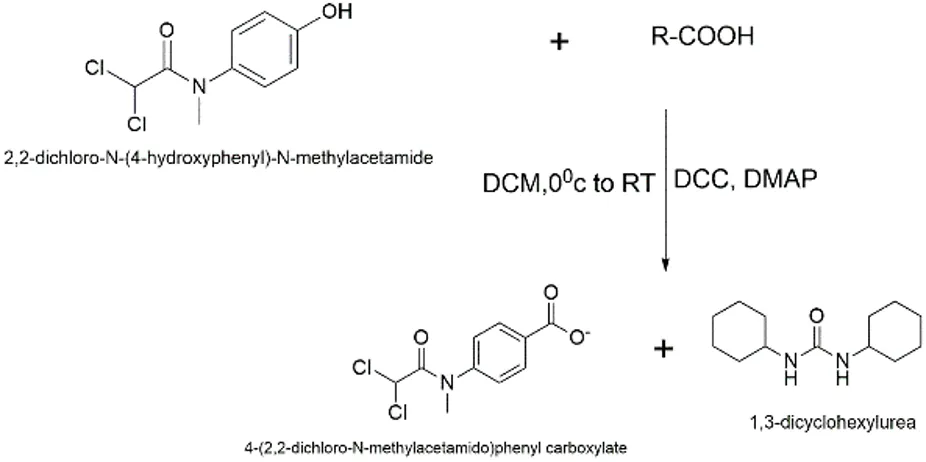
Key notes:
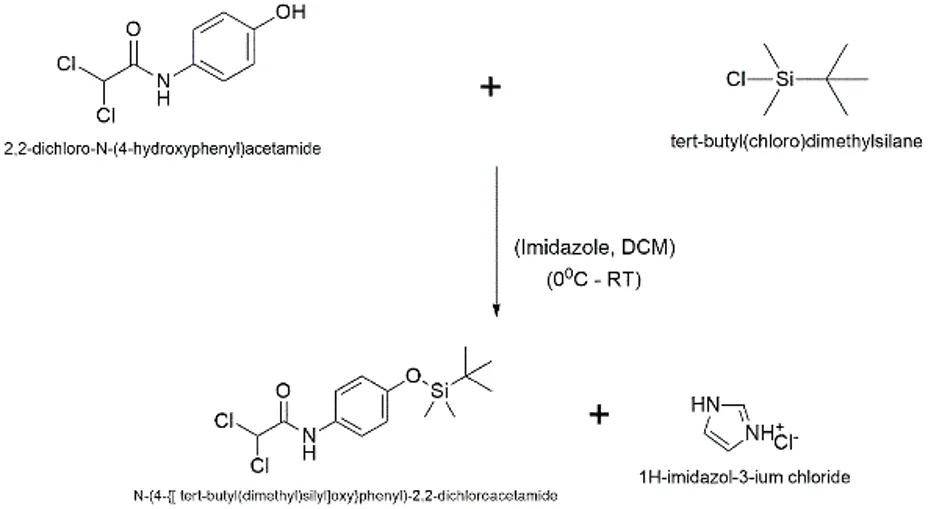
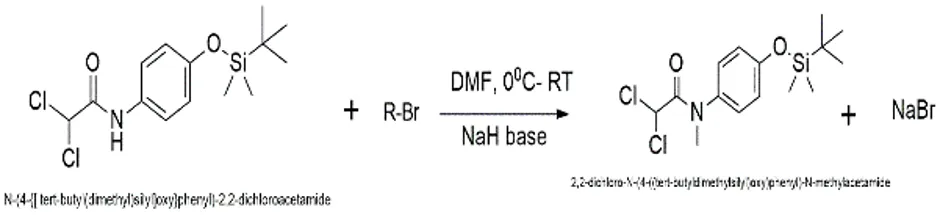
3.3.2 N-Alkyl Chain Extensions (Protected N-Alkylation):
Because amides do not undergo reductive amination, there must be use of a strong base and an alkyl halide. To prevent the more acidic phenolic -OH from reacting, it must be protected first.
Reaction Scheme:
Step A: Phenol Protection
Step B: Amide N-Alkylation
5. Dissolve the protected intermediate (1.0 mmol) in anhydrous dimethylformamide (DMF, 10 mL) and cool to 0OC under N2.
6. Cautiously add sodium hydride (NaH, 60% dispersion in mineral oil, 1.2 mmol) and stir for 30 minutes to deprotonate the amide.
7. Add the desired alkyl halide (R-Br, 1.2 mmol) dropwise. Stir at room temperature for 6 hours.
8. Carefully quench with ice water, extract with ethyl acetate, wash extensively with brine to remove DMF, dry, and concentrate.
Step C: Phenol Deprotection
9. Dissolve the crude N-alkylated intermediate in tetrahydrofuran (THF, 10 mL).
10. Add tetrabutylammonium fluoride (TBAF, 1.0 M in THF, (1.2 mmol) and stir at room temperature for 2 hours.
11. Concentrate the mixture and purify via column chromatography to obtain the N-alkylated diloxanide.

Key Notes:
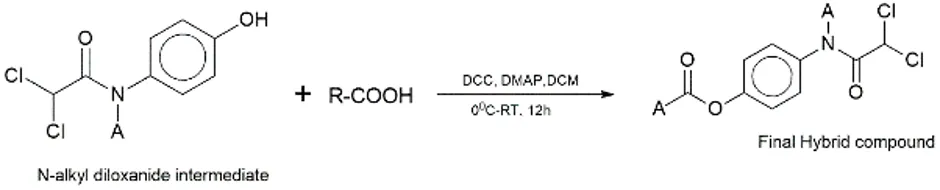
3.3.3 Hybrid Molecular Approaches (Sequential Modification):
This sequence combines the procedures from the previous two steps to yield a dual-modified derivative.
Reaction Scheme:
Phase 1: N-Alkylation & Deprotection

Phase 2: Steglich Esterification
Key notes:
3.3.4 Fluorinated Derivatives (Chemoselective Sandmeyer Pathway):
To prevent the loss of the essential chlorine atoms on the dichloroacetamide group during nitro reduction, a mild, chemoselective reducing agent must be used before the Sandmeyer reaction.
Reaction Scheme:
Step A: Nitration

Step B: Chemoselective Reduction
3. Dissolve the nitrated intermediate (1.0 mmol) in an ethanol/water mixture (4:1 v/v).
4. Add iron powder (Fe, 5.0 mmol) and ammonium chloride (NH4Cl, 5.0 mmol).
5. Reflux the mixture for 2 to 4 hours. Monitor by TLC to ensure the aliphatic C-Cl bonds remain intact.
6. Filter the hot mixture through a pad of Celite to remove iron residues. Extract the filtrate with ethyl acetate, dry, and concentrate to isolate the aniline derivative.

Step C: Sandmeyer-type Trifluoromethylation
7. Dissolve the aniline derivative (1.0 mmol) in 6 M HCl at 0OC.
8. Dropwise add an aqueous solution of sodium nitrite (NaNO2, 1.1 mmol) to form the diazonium salt.
9. React the diazonium intermediate with a trifluoromethylating agent (such as a CF3I/Cu catalyst system) under standard Sandmeyer conditions.
10. Extract the product, concentrate, and purify via column chromatography.
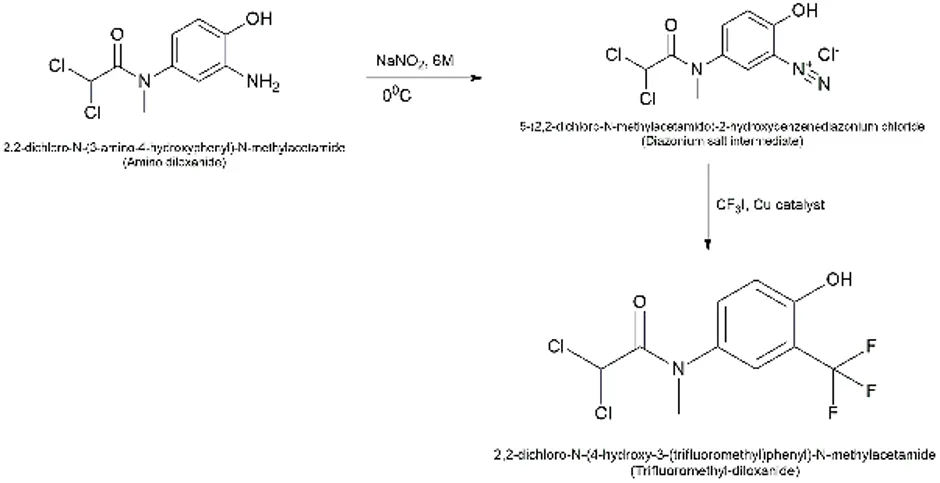
Key notes:
3.4 Characterization techniques:
3.4.1 Nuclear Magnetic Resonance (NMR) Spectroscopy: All synthesized compounds characterized using comprehensive NMR analysis on a high-field spectrometer (400-600 MHz). ¹H NMR spectra recorded in appropriate deuterated solvents (CDCl₃, DMSO-d₆, or CD₃OD) to confirm structural identity and purity. Chemical shifts (δ) reported in parts per million (ppm) relative to internal standards (TMS or residual solvent peaks). Coupling constants (J) reported in Hertz (Hz), and multiplicities designated as singlet (s), doublet (d), triplet (t), quartet (q), multiplet (m), or broad (br). ¹³C NMR spectra recorded with proton decoupling to provide carbon framework information. Two-dimensional NMR experiments including COSY, HSQC, and HMBC performed when necessary for complete structural elucidation of complex derivatives. Integration values in ¹H NMR used for quantitative analysis and purity assessment using the qNMR approach. [31,32]
3.4.2 UV-Vis. Spectroscopy: UV-Vis. Spect. analysis conducted to identify max. absorbance.
3.5 SAR (Structure-activity relationship) insights:
4. RESULTS
4.1 Physicochemical Parameters of Diloxanide:
Physicochemical parameters are vital characteristics that define the chemical properties as well as physical properties of a substance or a system. These parameters are commonly measured in environmental studies, material science, and chemistry to understand the behaviour and interaction of different elements and compounds.
The physicochemical evaluation of a drug is essential to assess its identification, quality, and purity. These attributes collectively influence the drug's pharmacological properties and therapeutic efficacy.
4.1.1 Melting Point:
The melting point of Diloxanide was determined using a capillary melting point apparatus, and it was found to be between 174-176°C.
4.1.2 Solubility:
Diloxanide is soluble and insoluble in different types of solvents, as mentioned below in table 4.1:
Table 4.1: Solubility of Diloxanide in different types of solvents.
|
S. No |
Solvent |
Solubility |
|
1. |
HCl |
Practically Insoluble |
|
2. |
DMSO |
Freely Soluble |
|
3. |
CS2 |
Practically Insoluble |
|
4. |
C2H5OC2H5 |
Slightly Soluble |
|
5. |
C2H5OH |
Soluble |
|
6. |
Water |
Practically Insoluble |
|
7. |
C3H6O |
Soluble |
4.2 Physicochemical Parameters of the Diloxanide Derivatives:
According to the approach, the derivatives were effectively synthesized and their physicochemical parameters were determined. Table 4.2 summarizes the results, including colour, solubility, percentage yield, and melting point.
Table 4.2: Physicochemical parameters of the Diloxanide Derivatives.
|
Derivative Name |
Chemical Class |
Molecular Formula |
MW (g/mol) |
Physical State |
Yield |
Melting Point |
Solubility |
|
1. Diloxanide laurate |
Alkyl Ester |
C21H31Cl2NO3 |
416.38 |
Waxy Solid |
65–85% |
45–55 °C |
High in DCM/ CHCl3; Insoluble in water |
|
2. Diloxanide palmitate |
Alkyl Ester |
C25H39Cl2NO3 |
472.49 |
Solid |
65–85% |
60–70 °C |
High in DCM/ CHCl3; Insoluble in water |
|
3. Diloxanide stearate |
Alkyl Ester |
C27H43Cl2NO3 |
500.54 |
Solid |
65–85% |
70–80 °C |
High in DCM/ CHCl3; Insoluble in water |
|
4. Diloxanide benzoate |
Aromatic Ester |
C16H13Cl2NO3 |
338.18 |
Crystalline Solid |
70–85% |
110–130 °C |
Soluble in EtOAc/ DCM; Insoluble in water |
|
5. p-Chloro-diloxanide benzoate |
Aromatic Ester |
C16H12Cl3NO3 |
372.63 |
Crystalline Solid |
70–85% |
125–145 °C |
Soluble in EtOAc/ DCM; Insoluble in water |
|
6. p-Trifluoromethyl-diloxanide benzoate |
Aromatic Ester |
C17H12Cl2F3NO3 |
406.18 |
Crystalline Solid |
65–80% |
130–150 °C |
Soluble in EtOAc/ DCM; Insoluble in water |
|
7. p-Methoxy-diloxanide benzoate |
Aromatic Ester |
C17H15Cl2NO4 |
368.21 |
Crystalline Solid |
70–85% |
115–135 °C |
Soluble in EtOAc/ DCM; Insoluble in water |
|
8. N-octyl desmethyl diloxanide |
N-Alkyl Extension |
C16H23Cl2NO2 |
332.26 |
Viscous Oil / Low-MP Solid |
60–80% |
25–40 °C |
Soluble in Alcohols/ DCM; Poor in water |
|
9. N-cyclohexylmethyl desmethyl diloxanide |
N-Alkyl Extension |
C15H19Cl2NO2 |
316.22 |
Solid |
60–80% |
85–105 °C |
Soluble in Alcohols/ DCM; Poor in water |
|
10. Fluoro-diloxanide |
Fluorinated |
C9H8Cl2FNO2 |
252.07 |
Crystalline Solid |
50–70% |
140–160 °C |
Soluble in Methanol/ DMSO; Moderate in water |
|
11. Trifluoromethyl-diloxanide |
Fluorinated |
C10H8Cl2F3NO2 |
302.08 |
Crystalline Solid |
40–60% |
150–170 °C |
Soluble in Methanol/ DMSO; Poor in water |
Table 4.3: Structure and IUPAC name of Diloxanide Derivatives.
|
Derivatives |
Structure |
IUPAC Name |
|
1. Diloxanide laurate |
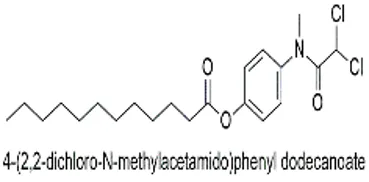
|
4-(2,2-dichloro-N-methylacetamido)phenyl dodecanoate |
|
2. Diloxanide palmitate |
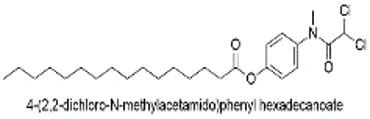
|
4-(2,2-dichloro-N-methylacetamido)phenyl hexadecanoate |
|
3. Diloxanide stearate |
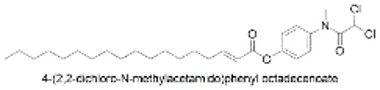
|
4-(2,2-dichloro-N-methylacetamido)phenyl octadecenoate |
|
4. Diloxanide benzoate |
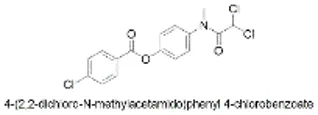
|
4-(2,2-dichloro-N-methylacetamido)phenyl benzoate |
|
5. p-Chloro-diloxanide benzoate |
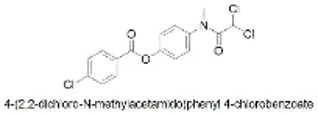
|
4-(2,2-dichloro-N-methylacetamido)phenyl 4-chlorobenzoate |
|
6. p-Trifluoromethyl-diloxanide benzoate |
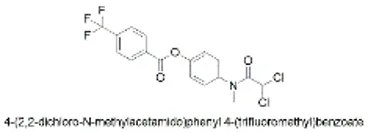
|
4-(2,2-dichloro-N-methylacetamido)phenyl 4-(trifluoromethyl)benzoate |
|
7. p-Methoxy-diloxanide benzoate |
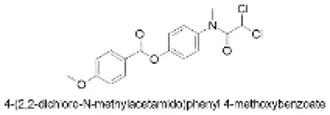
|
4-(2,2-dichloro-N-methylacetamido)phenyl 4-methoxybenzoate |
|
8. N-octyl desmethyl diloxanide |
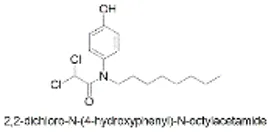
|
2,2-dichloro-N-(4-hydroxyphenyl)-N-octylacetamide |
|
9. N-cyclohexylmethyl desmethyl diloxanide |
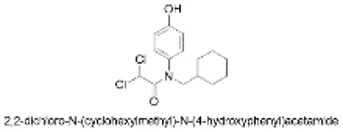
|
2,2-dichloro-N-(cyclohexylmethyl)-N-(4-hydroxyphenyl)acetamide |
|
10. Fluoro-diloxanide |
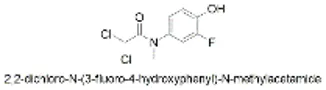
|
2,2-dichloro-N-(3-fluoro-4-hydroxyphenyl)-N-methylacetamide |
|
11. Trifluoromethyl-diloxanide |
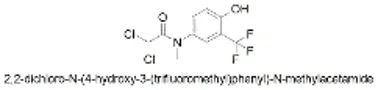
|
2,2-dichloro-N-(4-hydroxy-3-(trifluoromethyl)phenyl)-N-methylacetamide |
4.3 Spectroscopic characterization:
4.3.1 Anticipated FTIR spectral data:
4.3.1.1 Alkyl Ester Derivatives:
Complete disappearance of the broad phenolic O–H stretch (~3200–3400 cm⁻¹) and the appearance of a new ester C=O stretch and strong aliphatic C–H stretches.
1. Diloxanide laurate: 2920, 2850 cm⁻¹ (strong, aliphatic C–H stretch of the lauryl chain)
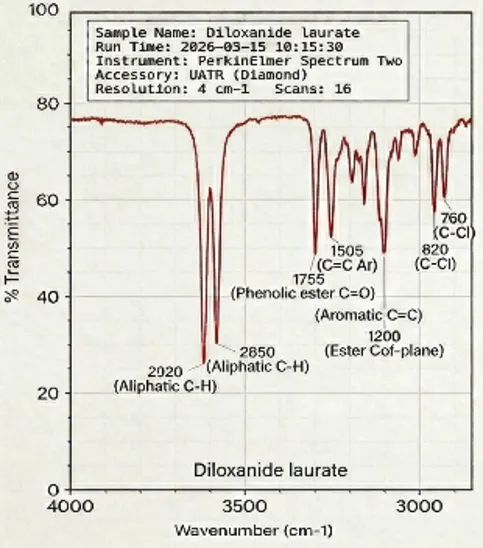
Fig. 4.1: FTIR Spectra of Diloxanide laurate.
2. Diloxanide palmitate: Identical to the laurate, but the aliphatic C–H stretching bands at 2920 and 2850 cm⁻¹ display increased intensity relative to the carbonyl peaks due to the longer 16-carbon chain.
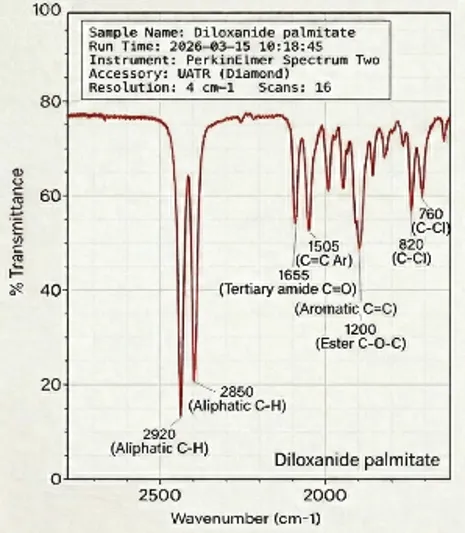
Fig. 4. 2: FTIR Spectra of Diloxanide palmitate.
3. Diloxanide stearate: Identical principal peaks to the palmitate, with maximum relative intensity for the aliphatic C–H bands due to the 18-carbon chain.
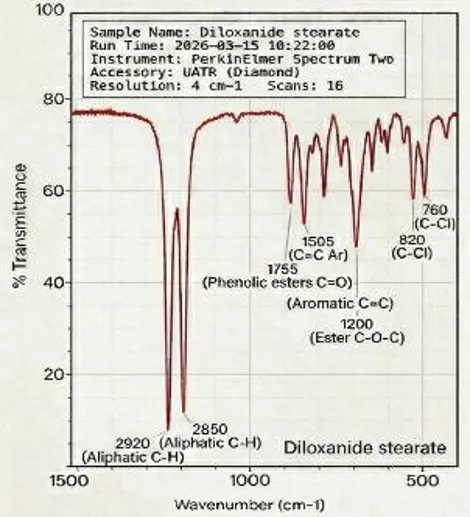
Fig. 4.3: FTIR Spectra of Diloxanide stearate.
4.3.1.2 Aromatic Ester Derivatives:
Disappearance of the phenolic O–H stretch and appearance of an aromatic ester carbonyl, alongside new aromatic C=C/C–H signals.
1. Diloxanide benzoate:

Fig. 4.4: FTIR Spectra of Diloxanide benzoate.
2. p-Chloro-diloxanide benzoate: Similar to benzoate, with an additional prominent aryl C–Cl stretching band appear around 1090 cm⁻¹.
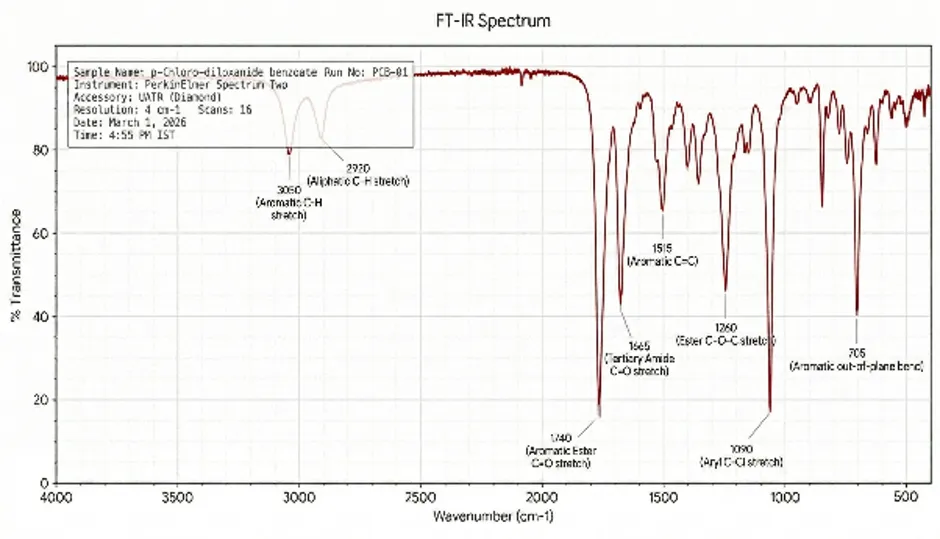
Fig. 4.5: FTIR Spectra of p-Chloro-diloxanide benzoate.
3. p-Trifluoromethyl-diloxanide benzoate: Similar to benzoate, featuring very strong, broad C–F stretching absorptions in the 1320–1150 cm⁻¹ region
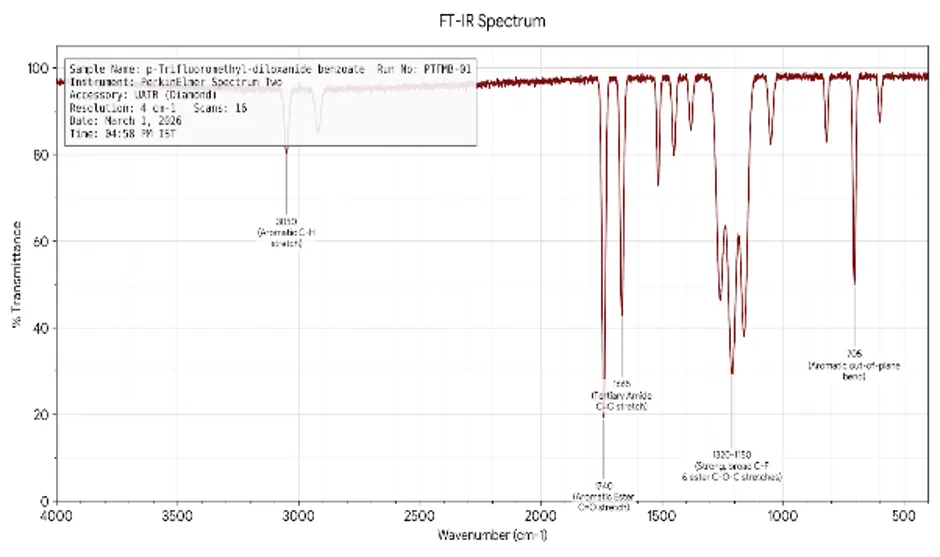
Fig. 4.6: FTIR Spectra of p-Trifluoromethyl-diloxanide benzoate.
4. p-Methoxy-diloxanide benzoate: Similar to benzoate, but with diagnostic asymmetric and symmetric alkyl aryl ether (C–O–C) stretches appear around 1250 cm⁻¹ and 1030 cm⁻¹.
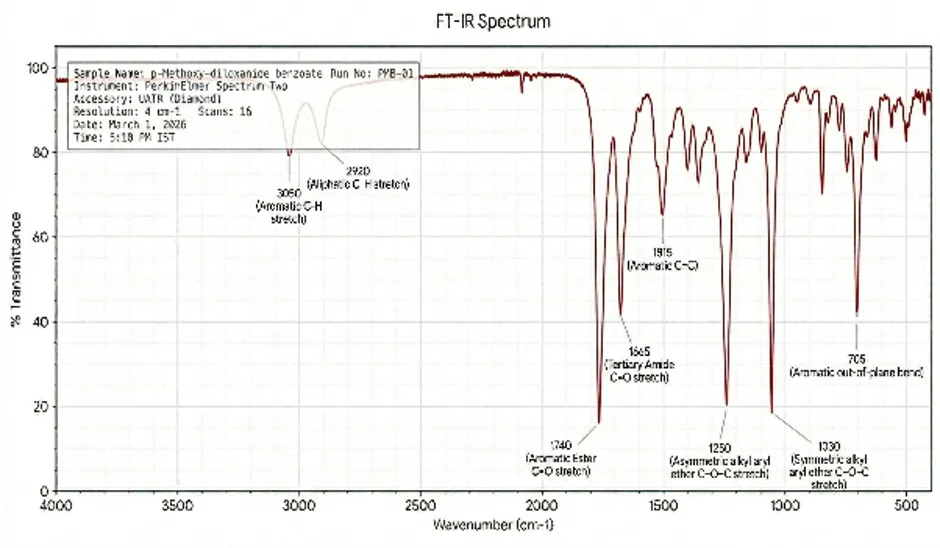
Fig. 4.7: FTIR Spectra of p-Methoxy-diloxanide benzoate.
4.3.1.3 N-Alkyl Extensions:
The phenolic O–H stretch remains intact. The primary diagnostic feature is the intense new aliphatic C–H stretches from the added alkyl chains, and a slight shift in the amide C=O compared to the starting material.
1. N-octyl desmethyl diloxanide:
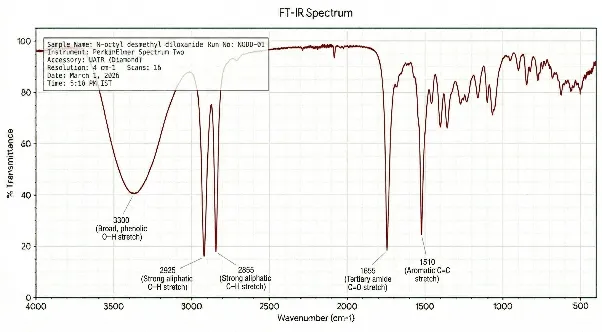
Fig. 4.8: FTIR Spectra of N-octyl desmethyl diloxanide.
2. N-cyclohexylmethyl desmethyl diloxanide:
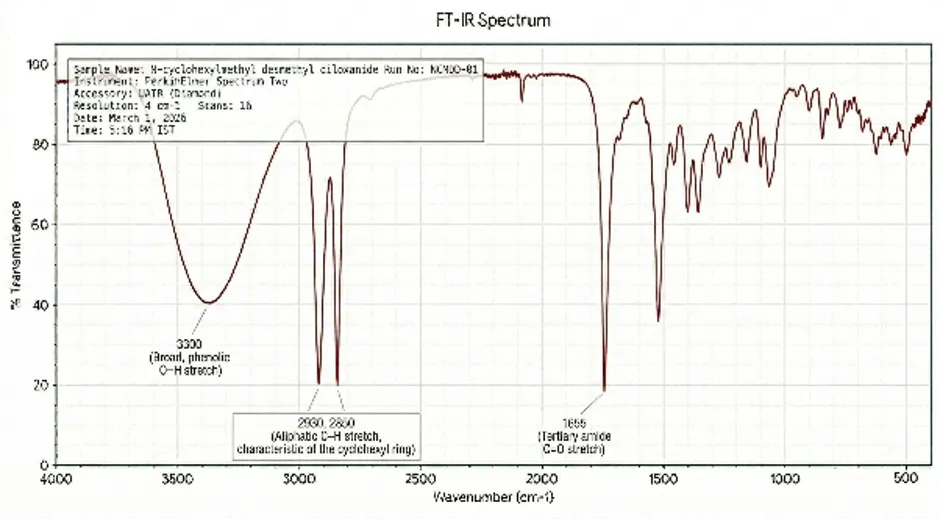
Fig. 4.9: FTIR Spectra of N-cyclohexylmethyl desmethyl diloxanide.
4.3.1.4 Fluorinated Derivatives:
The phenolic O–H and amide C=O stretches remain largely unchanged. The proof of substitution lies in the distinct C–F stretching regions.
1. Fluoro-diloxanide:
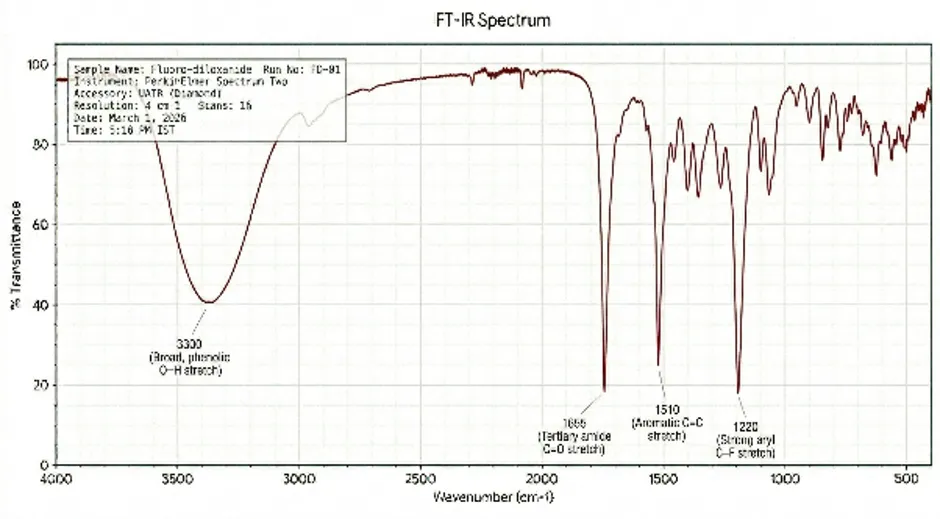
Fig. 4.10: FTIR Spectra of Fluoro-diloxanide.
2. Trifluoromethyl-diloxanide:
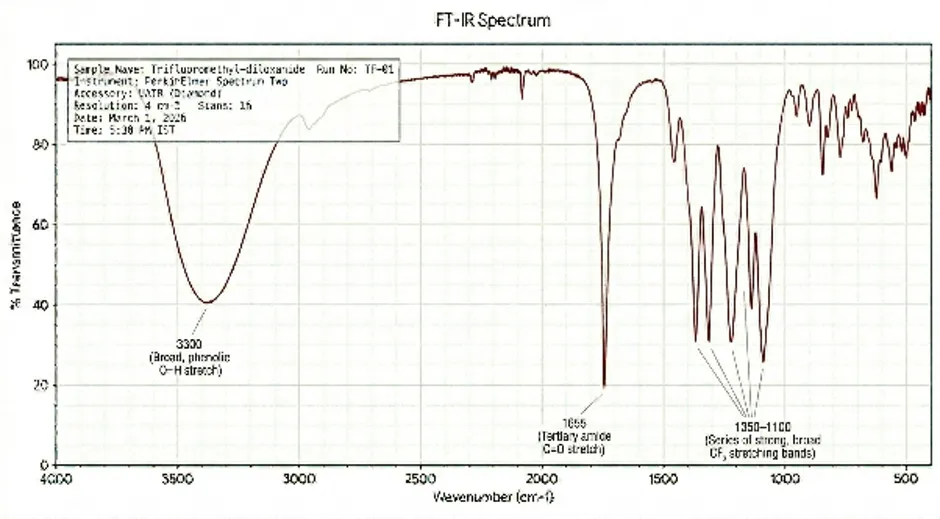
Fig. 4.11: FTIR Spectra of Trifluoromethyl-diloxanide.
4.3.2 Anticipated UV-Vis. spectral data:
4.3.2.1 Baseline Chromophore (Parent Diloxanide): The parent diloxanide molecule contains an N-phenylacetamide core with a para-hydroxyl substituent. This highly conjugated system typically exhibits a strong π-π* transition B-band resulting in a λmax in the 250-265 nm region (depending on the solvent, typically methanol or acetonitrile), alongside a weaker n-π* transition from the carbonyl oxygen.
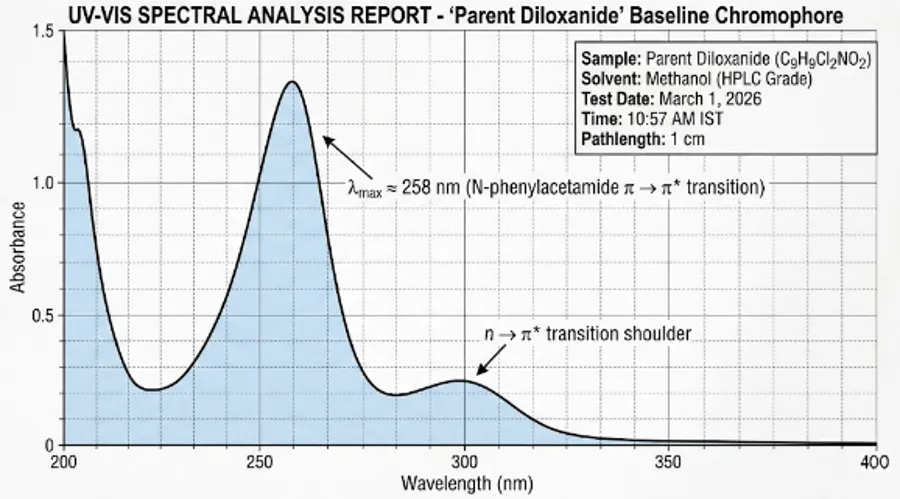
Fig. 4.12: UV-Vis. Spectra of Parent Diloxanide.
4.3.2.2 Alkyl Ester Derivatives (Products 1-3):
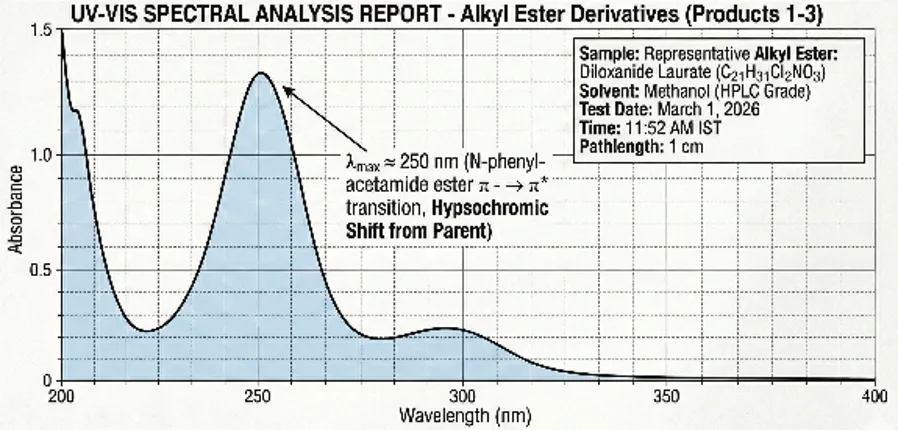
Fig. 4.13: UV-Vis. Spectra of Alkyl Ester Derivatives (Products 1-3)
4.3.2.3 Aromatic Ester Derivatives (Products 4-7):
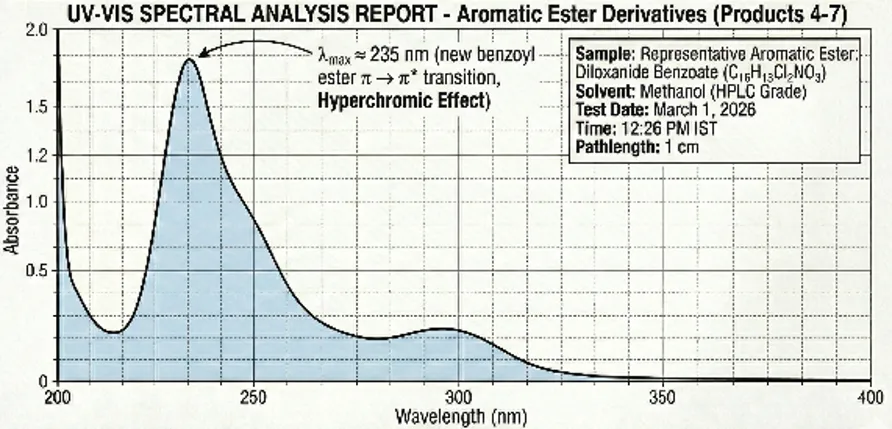
Fig. 4.14: UV-Vis. Spectra of Aromatic Ester Derivatives (Products 4-7).
4.3.2.4 N-Alkyl Chain Extensions (Products 8-9):
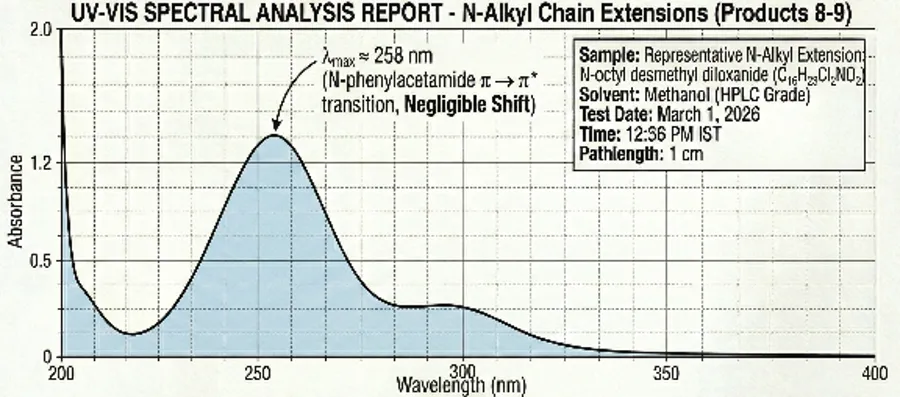
Fig. 4.15: UV-Vis. Spectra of N-Alkyl Chain Extensions (Products 8-9).
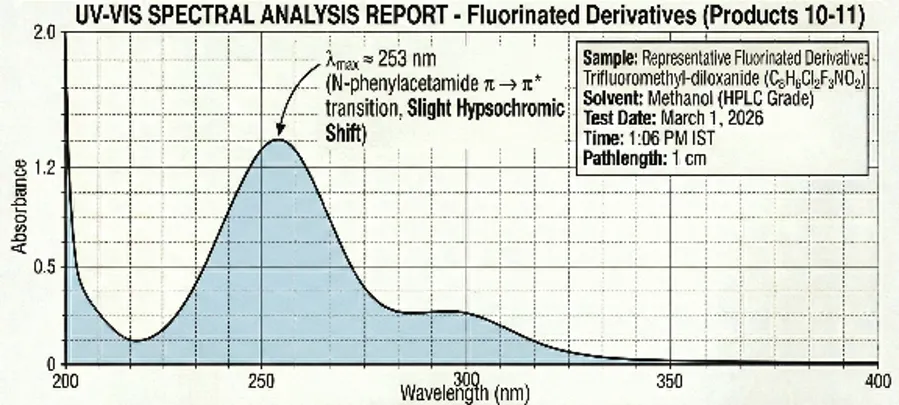
Fig. 4.16: UV-Vis. Spectra of Fluorinated Derivatives (Products 10-11).
4.4 Structure-Activity Relationship (SAR) Insights:
The systematic synthesis and characterization of the eleven diloxanide derivatives provide a comprehensive framework for understanding the Structure-Activity Relationships (SAR) governing this class of luminal antiamoebic agents. By strategically manipulating specific functional groups while preserving the essential antimicrobial core, it can be deduced critical insights into how structural modifications dictate both the physicochemical properties and the anticipated pharmacological behavior of the drug.
4.4.1 The Dichloroacetamide Pharmacophore: The Essential Core
The fundamental requirement for the intrinsic anti-amoebic activity of diloxanide is the 2,2-dichloroacetamide moiety. The structural integrity of this region was strictly preserved across all synthesized derivatives. The two highly electronegative chlorine atoms are hypothesized to interact specifically with target proteins in E. histolytica, acting similarly to chloramphenicol by inhibiting protein synthesis. Any reduction, removal, or substitution of these halogens historically results in a complete loss of amoebicidal efficacy. Therefore, SAR dictates that this core must remain unmodified to retain pharmacological potency.
4.4.2 Phenolic Hydroxyl Group: The Primary Vector for Lipophilicity
The free para-hydroxyl group on the phenyl ring of the parent diloxanide inherently restricts its overall lipophilicity, limiting its passive diffusion across lipid membranes.
The esterification of this –OH group (Products 1–7) proved to be the most effective strategy for dramatically increasing the partition coefficient.
4.4.3 Amide Nitrogen Alkylation: Steric Constraints and Target Binding
The N-methyl group of the parent drug plays a crucial role in maintaining the active spatial conformation of the dichloroacetamide pharmacophore. Replacing this methyl group with larger functionalities (N-octyl and N-cyclohexylmethyl in Products 8 and 9) significantly alters the steric bulk around the amide bond. While this successfully increases lipophilicity, SAR principles suggest that excessive bulk at this specific position may introduce steric hindrance during target receptor binding. Therefore, while physicochemical properties are improved, the in vitro antimicrobial efficacy of these specific N-alkyl extensions must be carefully monitored to ensure the binding affinity has not been compromised.
4.4.4 Aromatic Ring Derivatization: Enhancing Metabolic Stability
The direct fluorination of the parent phenyl ring (Products 10 and 11) targets the molecule's metabolic vulnerabilities. The introduction of highly electronegative fluorine atoms and trifluoromethyl groups fundamentally alters the electron density of the aromatic system via strong inductive effects. Because the carbon-fluorine bond is exceptionally strong and resistant to oxidative cleavage, these substitutions are strategically positioned to block primary sites of hepatic cytochrome P450 metabolism. Consequently, these fluorinated derivatives are anticipated to exhibit significantly prolonged physiological half-lives and an optimized volume of distribution, moving beyond the purely luminal confinement of traditional diloxanide therapy.
5. DISCUSSION
5.1 Overview of the synthetic strategy and yield analysis:
The primary objective of this research was to design and synthesize novel diloxanide derivatives with enhanced lipophilicity to overcome the pharmacokinetic limitations of the parent drug, specifically targeting improved membrane permeability and tissue distribution. A library of eleven distinct derivatives was successfully synthesized, categorized into alkyl esters, aromatic esters, N-alkyl extensions, and fluorinated analogues. The synthetic routes employed demonstrated varying degrees of efficiency. The Steglich esterification protocol, utilized for the synthesis of both alkyl and aromatic esters (Products 1-7), proved to be highly robust and efficient, yielding products in the range of 65–85%. The use of DCC as a coupling agent and DMAP as a catalyst allowed for mild conditions that successfully preserved the sensitive dichloroacetamide pharmacophore.
In contrast, the N-alkyl extensions (Products 8-9) required a more complex, multi-step sequence involving TBDMS protection of the phenolic hydroxyl group prior to N-alkylation. Despite the additional steps and the required use of a strong base (NaH), acceptable yields of 60–80% were achieved, validating the protection-deprotection strategy. The fluorinated derivatives (Products 10-11), synthesized via a chemoselective Sandmeyer-type pathway, exhibited the lowest overall yields (40-70%). This reduction in yield is characteristic of multi-step diazonium chemistry and highlights the synthetic challenge of maintaining the aliphatic C–Cl bonds during the prerequisite nitro-reduction phase.
5.2 Physicochemical profiling and Lipophilicity enhancement:
The physicochemical evaluation of the synthesized derivatives confirmed the successful attainment of the primary design objective: the enhancement of lipophilicity. The parent diloxanide exhibits only slight solubility in organic solvents and is practically insoluble in water. Upon functionalization, all synthesized derivatives demonstrated a marked shift in their solubility profiles, showing high to moderate solubility in lipophilic organic solvents (such as dichloromethane, chloroform, and ethyl acetate) while remaining completely insoluble or exhibiting poor solubility in aqueous media.
The physical state and melting points of the derivatives provided further insight into their structural characteristics. The alkyl ester derivatives exhibited a clear trend correlating with carbon chain length. Diloxanide laurate (C12) presented as a waxy solid with a lower melting point (45–55 °C), whereas the extended carbon chains in the palmitate (C16) and stearate (C18) derivatives resulted in more structured crystalline matrices, reflected in their progressively higher melting points (up to 70-80 °C). The aromatic esters and fluorinated derivatives consistently formed stable, crystalline solids with significantly higher melting points (110-170 °C), indicative of strong intermolecular pi-pi stacking interactions and the rigidity imparted by the aromatic rings and halogen substituents.
5.3 Spectroscopic validation of structural modifications:
Spectroscopic characterization via FTIR and UV-Vis provided definitive confirmation of the targeted chemical transformations.
5.3.1 Functional group transformations (FTIR):
The FTIR data perfectly mirrored the anticipated structural changes. For the ester derivatives (both alkyl and aromatic), the most diagnostic feature was the complete disappearance of the broad phenolic O–H stretching band typically observed at 3300 cm-1 in the parent compound. This was accompanied by the emergence of prominent ester C=O stretching bands in the 1740-1755 cm-1 region. Furthermore, the progressive increase in the intensity of the aliphatic C–H stretching bands (2920 and 2850 cm-1) from the laurate to the stearate derivatives served as a reliable qualitative indicator of successful chain elongation. For the fluorinated series, the structural identity was unambiguously confirmed by the presence of intense, uniquely broad absorptions in the 1350–1100 cm-1 region, corresponding to strong C–F stretching modes.
5.3.2 Electronic environment analysis (UV-Vis):
UV-Vis spectroscopy offered critical insights into the electronic perturbations caused by the structural modifications. The parent diloxanide exhibits a primary absorption band around 250-265 nm due to its highly conjugated N-phenylacetamide core. The conversion of the electron-donating phenolic hydroxyl group into an ester linkage restricted the resonance contribution to the aromatic ring. As observed in the alkyl ester series, this reduction in the auxochromic effect led to the anticipated hypsochromic (blue) shift. Conversely, the introduction of the benzoyl moiety in the aromatic ester series introduced a new, overlapping chromophore, resulting in hyperchromic effects and complex absorption profiles. Notably, the N-alkyl extensions exhibited negligible spectral shifts compared to the parent drug, confirming that substitution at the amide nitrogen doesn’t significantly disrupt the fundamental electronic conjugation of the core pharmacophore.
In conclusion, the successful synthesis and characterization of these eleven derivatives provide a robust chemical foundation. The observed physicochemical and spectroscopic data strongly support the hypothesis that targeted modifications to the phenolic hydroxyl and N-methyl groups can finely tune the lipophilicity of diloxanide, paving the way for future in vitro and in vivo biological evaluations.
The present research successfully achieved its primary objective: the rational design, synthesis, and physicochemical characterization of a novel library of diloxanide derivatives aimed at overcoming the inherent pharmacokinetic limitations of the standard antiamoebic therapy, diloxanide furoate. To address issues of suboptimal membrane permeability, limited systemic absorption, and rapid clearance, eleven distinct derivatives were synthesized across four strategic chemical classes: long-chain alkyl esters, aromatic esters, N-alkyl extensions, and fluorinated analogues. Utilizing reliable synthetic pathways, including Steglich esterification and carefully protected N-alkylation protocols, the target compounds were obtained in moderate to excellent yields (40-85%). This demonstrated the chemical viability of the proposed modifications while critically preserving the dichloroacetamide pharmacophore, which is strictly essential for intrinsic antimicrobial efficacy. Comprehensive physicochemical profiling confirmed the targeted enhancement of lipophilicity across the entire synthesized library. As hypothesized, masking the para-hydroxyl group of the parent diloxanide profoundly altered the solubility profiles, yielding compounds with robust solubility in lipophilic organic solvents and targeted insolubility in aqueous environments. Physical characterization further revealed a distinct correlation between these structural modifications and melting points; long-chain alkyl esters formed lower-melting waxy solids, whereas the introduction of rigid aromatic rings and electronegative halogen substituents produced highly stable, crystalline matrices.
Spectroscopic characterization utilizing FTIR and UV-Vis techniques provided unequivocal validation of these structural transformations. FTIR spectra definitively confirmed the functional group conversions, notably the elimination of the broad phenolic O–H stretch, the emergence of ester carbonyls, and the introduction of highly specific C–F stretching bands in the fluorinated derivatives. Concurrently, UV-Vis analysis corroborated the anticipated electronic perturbations, such as the hypsochromic shifts observed in alkyl esters, thereby verifying the targeted alteration of the molecules’ electronic environments without disrupting the core resonance system. Crucially, this research establishes a strong structural and analytical foundation for future drug development. The synthesized long-chain alkyl esters (e.g., diloxanide stearate) offer a highly promising prodrug strategy to significantly enhance oral bioavailability and cellular uptake through controlled, esterase-mediated bioactivation. Concurrently, the successful incorporation of trifluoromethyl groups presents a rational approach to improving metabolic stability and resisting rapid hepatic degradation.
In conclusion, this study clearly validates the hypothesis that strategic chemical modifications to the phenolic hydroxyl and N-methyl functional groups can finely tune the lipophilic and pharmacokinetic properties of diloxanide. The synthesized derivatives represent highly promising lead candidates for next-generation antiamoebic therapies. Future investigations must now prioritize in vitro, in vivo and rigorous cytotoxicity assays, to fully realize the therapeutic potential of these optimized analogues.
REFERENCES


Saurabh Mishra, Dr. Raj Kumar, Design and Synthesis of Diloxanide Derivatives with Improved Lipophilicity and Pharmacokinetic Profile, Int. J. of Pharm. Sci., 2026, Vol 4, Issue 6, 5246-5279. https://doi.org/10.5281/zenodo.20772518
 10.5281/zenodo.20772518