

We use cookies to ensure our website works properly and to personalise your experience. Cookies policy
Arvind Gavali College of Pharmacy, Jaitapur, Satara, Maharashtra, India 415004
pH-sensitive polymers are intelligent materials capable of undergoing changes in physicochemical properties, particularly swelling and hydration, in response to environmental pH. The present study aimed to develop, optimize, and characterize a smart semi-synthetic polymer based on Fenugreek Seed Gum (FSG) grafted with acrylic acid (AA) for pHsensitive drug delivery. FSG was selected as a natural polysaccharide backbone, while AA was incorporated to introduce ionizable carboxylic acid groups and enhance pH responsiveness. The FSG-g-AA polymer was synthesized by free-radical graft copolymerization using ammonium persulfate as the initiator and N,N?- methylenebisacrylamide as the crosslinking agent. A 3² full factorial design was employed to evaluate the effects of FSG and AA concentrations on swelling at pH 1.2, 6.8, and 7.4. Among nine formulations, F7 exhibited the highest swelling ratios of 2.1, 6.2, and 9.8 at pH 1.2, 6.8, and 7.4, respectively, and was selected as the optimized formulation. F7 showed acceptable micromeritic properties, with a bulk density of 0.55 g/mL, tapped density of 0.63 g/mL, angle of repose of 34.59°, Carr’s index of 12.70%, and Hausner’s ratio of 1.15. FTIR confirmed grafting of AA onto FSG, while DSC and TGA-DTA demonstrated the thermal characteristics of the polymer. SEM revealed a rough, heterogeneous, and porous morphology. Diclofenac sodium was used as a model drug to evaluate the in vitro pHresponsive drug-release behaviour of the optimized polymer. After 8 hr, cumulative drug release was 23.60%, 50.62%, and 86.15% at pH 1.2, 6.8, and 7.4, respectively. The developed FSG-g-AA demonstrated pronounced pH-dependent swelling and drug release, indicating its potential for pH-sensitive drug delivery applications.
Drug delivery systems have progressively evolved from conventional dosage forms toward advanced systems capable of responding to specific physiological conditions. Among these advanced approaches, stimuli-responsive polymers have gained considerable attention because their physicochemical properties can change in response to environmental stimuli such as pH, temperature, ionic strength, and biological signals [1]. Among these stimuli, pH is particularly attractive for drug-delivery applications because significant pH variations exist across different physiological and pathological environments [2,3].
Natural polysaccharides have attracted considerable interest in pharmaceutical and biomedical applications owing to their hydrophilicity, biodegradability, biocompatibility, and structural versatility [4]. However, native natural polymers may exhibit limitations such as inadequate mechanical strength, poor stability, and limited responsiveness to environmental conditions. Chemical modification through graft copolymerization provides an effective approach to improve the functional properties of natural polymers while retaining their inherent advantages. Previous studies have demonstrated that polysaccharide-based polymers grafted with acrylic acid can exhibit pronounced pH-dependent swelling and drug-release behaviour [5,6]. For example, Khatoon M., et al.,[7] developed a glucoxylan-grafted acrylic acid hydrogel and demonstrated that its swelling and drug-release characteristics were influenced by both pH and polymer composition.
Acrylic acid is particularly suitable for the development of pH-responsive polymeric systems because of the presence of ionizable carboxylic acid groups [8,9]. Under acidic conditions, these groups remain predominantly protonated, resulting in relatively limited ionization and swelling. At higher pH, ionization of the carboxylic groups to carboxylate ions promotes electrostatic repulsion between polymer chains and increased hydration of the polymer network, leading to enhanced swelling [8,10]. Similar pH-dependent behaviour has been reported in various acrylic-acid-containing graft polymer systems, where lower swelling occurs under acidic conditions and greater swelling is observed at higher pH values [10,11].
Fenugreek Seed Gum (FSG) is a natural polysaccharide with desirable hydrophilic, swelling, and water-retention properties, making it a potential candidate for pharmaceutical applications [12]. However, its native form may possess limited control over environmental responsiveness. Therefore, chemical modification of FSG through graft copolymerization with acrylic acid was explored to develop a semi-synthetic pH-responsive polymer [13]. The incorporation of acrylic acid was intended to introduce ionizable carboxylic groups into the polymeric structure, thereby enhancing its pH-dependent swelling behaviour and potential for controlled drug release.
The present study therefore focused on the development of Fenugreek Seed Gum-grafted acrylic acid (FSG-g-AA) using free-radical graft copolymerization [14]. The synthesized polymer was systematically optimized using a 3² full factorial design to investigate the influence of formulation variables on pH-responsive swelling behaviour [15]. Diclofenac sodium was selected as a model drug because of its pH-dependent solubility and ionization characteristics [16,17,18]. The optimized polymer was characterized using Fourier Transform Infrared Spectroscopy (FTIR), Differential Scanning Calorimetry (DSC), Thermogravimetric Analysis–Differential Thermal Analysis (TGA-DTA), and Scanning Electron Microscopy (SEM) [19,20,21,22]. Furthermore, its pH-responsive behaviour was evaluated through swelling studies at different pH conditions and in vitro drug-release studies to assess its potential application in pH-sensitive drug-delivery systems.
2. MATERIALS
Fenugreek seeds were purchased from Wagdole Ayurvedics, Satara, India. Acrylic acid (AA), diclofenac sodium, N,N′-methylenebisacrylamide (MBA), ammonium persulfate (APS), and ethanol were purchased from Loba Chemie Pvt. Ltd., Mumbai, India. All chemicals and reagents used in the study were of analytical grade and were used as received without further purification. Distilled water was used throughout the experimental work.
3. METHODS:
3.1. Extraction of Fenugreek Seed Gum (FSG)
3.1.1. Defatting of Fenugreek Seeds
Cleaned and dried fenugreek seeds were coarsely powdered and subjected to defatting using petroleum ether at a powder-to-solvent ratio of 1:5 (w/v). The mixture was continuously stirred at room temperature for 24 h using a magnetic stirrer. Subsequently, the defatted mixture was filtered through muslin cloth followed by Whatman filter paper. The obtained residue was air-dried and further dried at 40 °C to ensure the removal of residual petroleum ether. The dried and defatted fenugreek seed powder was stored in an airtight container until further extraction of Fenugreek Seed Gum (FSG) [23].
3.1.2. Extraction of Fenugreek Seed Gum (FSG)
Fenugreek Seed Gum (FSG) was extracted by hot-water extraction followed by ethanol precipitation. The defatted seed powder was dispersed in distilled water at a 1:10 (w/v) ratio and heated at 60°C for 3 hr with continuous stirring. The resulting mucilaginous extract was filtered through multilayer muslin cloth to remove insoluble materials. The filtrate was cooled to room temperature, and excess absolute ethanol was added slowly with continuous stirring to precipitate the gum. The precipitated FSG was collected, dried, and stored for further characterization and graft copolymerization studies [24,25].
3.2. Synthesis of Fenugreek Seed Gum Grafted Acrylic Acid (FSG-g-AA) Polymer
Fenugreek Seed Gum (FSG) was grafted with acrylic acid (AA) by free-radical graft copolymerization using ammonium persulfate (APS) as the initiator and N,N′-methylenebisacrylamide (MBA) as the crosslinking agent [5]. The required quantity of FSG was dispersed in distilled water under continuous magnetic stirring and heated to 60 ± 2 °C. APS was added to initiate free-radical formation on the FSG backbone, followed by the addition of the specified quantity of AA and MBA under continuous stirring. The reaction mixture was maintained at 60 ± 2 °C for 4 h to facilitate graft copolymerization and crosslinking. After completion of the reaction, the product was cooled to room temperature, separated, and repeatedly washed with ethanol to remove unreacted monomer, initiator, and soluble impurities. The purified polymer was dried and stored in an airtight container until further characterization and evaluation [26].
Table 1. Composition of Fenugreek Seed Gum-graft-Acrylic Acid Polymer Formulations
|
Formulations |
Fenugreek Seed Gum (mg) |
Acrylic Acid (ml) |
|
F1 |
250 |
2 |
|
F2 |
250 |
2.5 |
|
F3 |
250 |
3 |
|
F4 |
500 |
2 |
|
F5 |
500 |
2.5 |
|
F6 |
500 |
3 |
|
F7 |
750 |
2 |
|
F8 |
750 |
2.5 |
|
F9 |
750 |
3 |
3.3. Swelling Studies
The filtration method was used to evaluate the pH-responsive swelling behaviour of the synthesized FSG-g-AA polymer [10,27]. The swelling behaviour was evaluated in buffer media of pH 1.2, 6.8, and 7.4. Accurately weighed polymer (50 mg; W₀) was immersed in 100 mL of the respective buffer medium and allowed to swell for 2 h at room temperature. After 2 h, the swollen polymer was separated from the medium by filtration. Excess surface liquid was carefully removed, and the swollen polymer was immediately weighed to determine its swollen weight (W). The experiment was performed in triplicate.
The swelling ratio (SR) was calculated using the following equation:
Swelling Ratio (SR)=W-W0W0
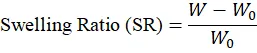
Where, W is the weight of the swollen polymer and W₀ is the initial dry weight of the polymer. The swelling study was performed in triplicate, and the results were expressed as mean ± standard deviation.
3.4. Experimental Design (Design-Expert software)
A 3² full factorial design was employed using Design-Expert® software to systematically investigate the effects of formulation variables on the swelling behavior of the synthesized FSG-g-AA polymer [28]. Fenugreek seed gum (FSG) and acrylic acid (AA) were selected as the independent variables, each investigated at three levels. The concentrations of N,N′-methylenebisacrylamide (MBA) and ammonium persulfate (APS) were kept constant throughout all experimental runs. The swelling ratios at pH 1.2, 6.8, and 7.4 were selected as the response variables. The factorial design comprised nine experimental runs, which were prepared and evaluated to determine the effects of FSG and AA concentrations on the pH-responsive swelling behavior of the synthesized polymer.
3.5. Characterization
3.5.1. Fourier Transform Infra-Red Spectroscopy (FTIR)
The Fourier transform infrared (FTIR) spectra of Fenugreek Seed Gum (FSG) and the synthesized FSG-g-AA polymer were recorded using a Bruker ALPHA II (Germany) FT-IR spectrometer equipped with an attenuated total reflectance (ATR) accessory. The spectra were recorded over the wavenumber range of 4000–400 cm⁻¹. The obtained spectra were processed and analyzed using OPUS software (Bruker Optics). The characteristic absorption bands of FSG and FSG-g-AA were compared to identify changes in the functional groups associated with the grafting of acrylic acid onto the FSG backbone. The appearance, disappearance, intensity changes, and shifts of characteristic bands were considered as evidence of structural modification following grafting [19,29].
3.5.2. Thermogravimetric Analysis – Differential Thermal Analysis (TGA-DTA)
The thermal behavior of the optimized FSG-g-AA polymer was investigated using a simultaneous thermal analyzer (SDT650 TA Instruments, USA). An accurately weighed sample of the polymer was placed in an alumina sample pan and subjected to controlled heating under a nitrogen atmosphere. The sample was heated over the temperature range of approximately 30–600 °C. The thermogravimetric (TGA) and differential thermal analysis (DTA) curves were recorded simultaneously and analyzed using TA Instruments TRIOS software (Version 5.11.0.31). The obtained thermograms were used to evaluate the thermal degradation behavior and thermal stability of the synthesized FSG-g-AA polymer [21,30].
3.5.3. Differential Scanning Calorimetry (DSC)
The thermal transitions of the optimized FSG-g-AA polymer were investigated using a differential scanning calorimeter (DSC25 TA Instruments, USA) under a nitrogen atmosphere. An accurately weighed sample of the polymer was placed in an aluminium sample pan, with an empty aluminium pan used as the reference. The sample was subjected to controlled heating over the selected temperature range, and the DSC thermogram was recorded. The obtained thermogram was processed using TA Instruments TRIOS software (Version 5.11.0.31) and evaluated to determine the characteristic thermal transitions and thermal behavior of the synthesized FSG-g-AA polymer [20,30].
3.5.4. Scanning Electron Microscope (SEM)
The surface morphology of the synthesized FSG-g-AA polymer was examined using scanning electron microscopy (SEM). The dried polymer sample was mounted onto an aluminium stub using conductive adhesive and sputter-coated with a thin layer of gold prior to analysis. The coated sample was examined using a Carl Zeiss SUPRA 55 (Germany) scanning electron microscope (SEM), equipped with a secondary electron detector (SED). The analysis was performed at an accelerating voltage of 20 kV and a working distance (WD) of 12.3 mm. SEM micrographs were acquired at different magnifications to evaluate the surface morphology, surface characteristics, and structural features of the synthesized FSG-g-AA polymer at the microscopic level [22].
3.7.5. In Vitro Drug Release
In vitro drug release studies were performed using Diclofenac Sodium as a model drug, incorporated into tablets prepared with the optimized FSG-g-AA polymer. The study was carried out using a USP dissolution apparatus II (Paddle) at 50 rpm, 900 mL dissolution medium and maintained at 37 ± 0.5 °C to evaluate the pH-responsive drug-release behaviour of the optimized polymer system [31].
Table 2. Composition of Diclofenac loaded FSG-g-AA Polymer Tablet
|
Ingredients |
Function |
Quantity |
|
Diclofenac Sodium |
Active Pharmaceutical Ingredient |
100 mg |
|
FSG-g-AA Polymer |
pH-responsive matrix polymer |
250 mg |
The in vitro drug release study was conducted for 8 hr to evaluate the pH-responsive drug release behavior of the optimized polymer system. The tablets were initially placed in simulated gastric fluid (SGF, pH 1.2), followed by simulated intestinal fluid (SIF, pH 6.8 and 7.4). Samples (2 mL) were withdrawn at predetermined time intervals of 1, 2, 3, 4, 5, 6, 7, and 8 hr and immediately replaced with an equal volume (2 mL) of fresh dissolution medium to maintain sink conditions throughout the study [32]. The experiment was performed in triplicate.
The percentage cumulative drug release was calculated using the following formula:
%Cumulative Drug Release=Amount of drug releasedTotal drug content×100

4. RESULTS AND DISCUSSION
4.1. Extraction of Fenugreek Seed Gum (FSG)
Fenugreek Seed Gum (FSG) was successfully extracted using the hot-water extraction method, yielding a mucilaginous polysaccharide fraction. The obtained gum was separated from insoluble seed materials, dried, and recovered as a stable powder. The successful extraction confirmed the suitability of the method for obtaining FSG as a natural polymeric backbone for subsequent graft copolymerization and development of the pH-responsive FSG-g-AA polymer.
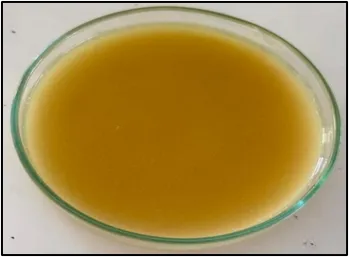
Figure 1. Wet Fenugreek Seed Gum (FSG)
4.2. Synthesis of FSG-g-AA Polymer
The FSG-g-AA polymer was successfully synthesized by free-radical graft copolymerization of acrylic acid (AA) onto the Fenugreek Seed Gum (FSG) backbone using ammonium persulfate (APS) as the initiator and N,N′-methylenebisacrylamide (MBA) as the crosslinking agent. The synthesis yielded a stable polymeric product, which was purified, dried, and subsequently used for further characterization and evaluation of its pH-responsive properties.
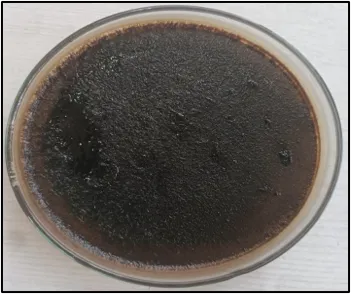
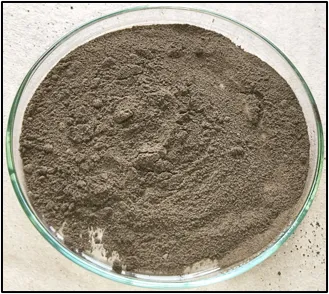
(A) (B)
Figure 2. FSG-g-AA Graft Copolymer: (A) Before Drying and (B) After Drying
4.3. Swelling Studies (Mean ± SD)
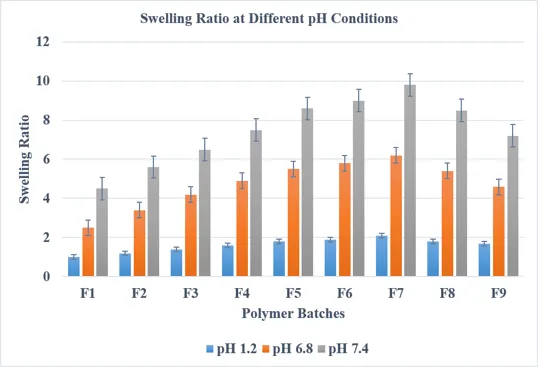
Figure 3. Comparative Swelling Ratios of FSG-g-AA Polymer Batches (F1-F9)
Table 3. Swelling Ratios of FSG-g-AA Polymer Batches (F1-F9)
|
Batches |
Swelling at pH 1.2 |
Swelling at pH 6.8 |
Swelling at pH 7.4 |
|
F1 |
1 ± 0.04 |
2.5 ± 0.09 |
4.5 ± 0.15 |
|
F2 |
1.2 ± 0.06 |
3.4 ± 0.12 |
5.6 ± 0.18 |
|
F3 |
1.4 ± 0.05 |
4.2 ± 0.10 |
6.5 ± 0.16 |
|
F4 |
1.6 ± 0.07 |
4.9 ± 0.14 |
7.5 ± 0.21 |
|
F5 |
1.8 ± 0.06 |
5.5 ± 0.17 |
8.6 ± 0.24 |
|
F6 |
1.9 ± 0.06 |
5.8 ± 0.17 |
9 ± 0.24 |
|
F7 |
2.1 ± 0.08 |
6.2 ± 0.15 |
9.8 ± 0.22 |
|
F8 |
1.8 ± 0.07 |
5.4 ± 0.19 |
8.5 ± 0.27 |
|
F9 |
1.7 ± 0.05 |
4.6 ± 0.13 |
7.2 ± 0.20 |
The swelling behavior of formulations F1–F9 was evaluated at pH 1.2, 6.8, and 7.4, showing a clear pH-dependent pattern with minimum swelling at pH 1.2 and maximum at pH 7.4, confirming the system’s pH sensitivity. A progressive increase in swelling was observed from F1 to F7 at all pH levels, indicating enhanced hydration and polymer network expansion with increasing formulation components. F7 exhibited the highest swelling ratio (2.1 at pH 1.2, 6.2 at pH 6.8, and 9.8 at pH 7.4), suggesting optimal polymer concentration and effective crosslinked structure. Beyond F7, formulations F8 and F9 showed a slight decrease in swelling, likely due to increased matrix rigidity and reduced water penetration at higher polymer content. Overall, F7 was identified as the optimized formulation based on its superior swelling performance.
4.4. Experimental Design (Design-Expert Software)
A 3² full factorial design was employed using Design-Expert Software for optimization of polymer composition.
Factorial design enabled systematic evaluation of the effect of formulation variables on swelling behavior. Statistical optimization minimized experimental trials and assisted in identifying the optimized polymer composition.
Table 4. Experimental Runs Generated by 3² Full Factorial Design
|
|
|
Factor 1 |
Factor 2 |
Response 1 |
Response 2 |
Response 3 |
|
Std |
Run |
A: FSG (mg) |
B: AA (mL) |
Swelling Ratio at pH 1.2 |
Swelling Ratio at pH 6.8 |
Swelling Ratio at pH 7.4 |
|
1 |
1 |
250 |
2.0 |
1.0 |
2.5 |
4.5 |
|
2 |
2 |
250 |
2.5 |
1.2 |
3.4 |
5.6 |
|
3 |
3 |
250 |
3.0 |
1.4 |
4.2 |
6.5 |
|
4 |
4 |
500 |
2.0 |
1.6 |
4.9 |
7.5 |
|
5 |
5 |
500 |
2.5 |
1.8 |
5.5 |
8.6 |
|
6 |
6 |
500 |
3.0 |
1.9 |
5.8 |
9.0 |
|
7 |
7 |
750 |
2.0 |
2.1 |
6.2 |
9.8 |
|
8 |
8 |
750 |
2.5 |
1.8 |
5.4 |
8.5 |
|
9 |
9 |
750 |
3.0 |
1.7 |
4.6 |
7.2 |
Response 1: Swelling Ratio at pH 1.2
Table 5. ANOVA for Swelling Ratio at pH 1.2
|
Source |
Sum of Squares |
df |
Mean Square |
F-value |
p-value |
|
|
Model |
0.8417 |
3 |
0.2806 |
9.53 |
0.0165 |
significant |
|
A-FSG |
0.6667 |
1 |
0.6667 |
22.64 |
0.0051 |
|
|
B-AA |
0.0150 |
1 |
0.0150 |
0.5094 |
0.5073 |
|
|
AB |
0.1600 |
1 |
0.1600 |
5.43 |
0.0671 |
|
|
Residual |
0.1472 |
5 |
0.0294 |
|
|
|
|
Cor Total |
0.9889 |
8 |
|
|
|
|
Factor coding is Coded.
Sum of squares is Type III – Partial
The Model F-value of 9.53 implies the model is significant. There is only a 1.65% chance that an F-value this large could occur due to noise.
P-values less than 0.0500 indicate model terms are significant. In this case A is a significant model term. Values greater than 0.1000 indicate the model terms are not significant. If there are many insignificant model terms (not counting those required to support hierarchy), model reduction may improve your model.
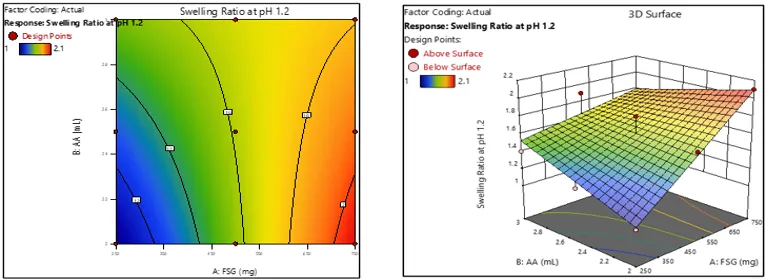
Figure 4. Contour Plot and 3D Response Surface Plot for Swelling Ratio at pH 1.2
Response 2: Swelling Ratio at pH 6.8
Table 6. ANOVA for Swelling Ratio at pH 6.8
|
Source |
Sum of Squares |
df |
Mean Square |
F-value |
p-value |
|
|
Model |
11.17 |
5 |
2.23 |
26.95 |
0.0107 |
significant |
|
A-FSG |
6.20 |
1 |
6.20 |
74.84 |
0.0032 |
|
|
B-AA |
0.1667 |
1 |
0.1667 |
2.01 |
0.2512 |
|
|
AB |
2.72 |
1 |
2.72 |
32.85 |
0.0105 |
|
|
A2 |
2.07 |
1 |
2.07 |
24.95 |
0.0154 |
|
|
B2 |
0.0089 |
1 |
0.0089 |
0.1073 |
0.7648 |
|
|
Residual |
0.2486 |
3 |
0.0829 |
|
|
|
|
Cor Total |
11.42 |
8 |
|
|
|
|
Factor coding is Coded.
Sum of squares is Type III - Partial
The Model F-value of 26.95 implies the model is significant. There is only a 1.07% chance that an F-value this large could occur due to noise.
P-values less than 0.0500 indicate model terms are significant. In this case A, AB, A² are significant model terms. Values greater than 0.1000 indicate the model terms are not significant. If there are many insignificant model terms (not counting those required to support hierarchy), model reduction may improve your model.
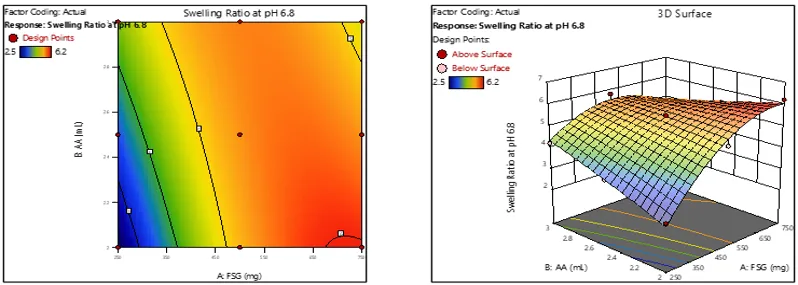
Figure 5. Contour Plot and 3D Response Surface Plot for Swelling Ratio at pH 6.8
Response 3: Swelling Ratio at pH 7.4
Table 7. ANOVA for Swelling Ratio at pH 7.8
|
Source |
Sum of Squares |
df |
Mean Square |
F-value |
p-value |
|
|
Model |
22.32 |
5 |
4.46 |
11.92 |
0.0341 |
significant |
|
A-FSG |
13.20 |
1 |
13.20 |
35.26 |
0.0095 |
|
|
B-AA |
0.1350 |
1 |
0.1350 |
0.3605 |
0.5905 |
|
|
AB |
5.29 |
1 |
5.29 |
14.13 |
0.0329 |
|
|
A2 |
3.65 |
1 |
3.65 |
9.73 |
0.0525 |
|
|
B2 |
0.0450 |
1 |
0.0450 |
0.1202 |
0.7517 |
|
|
Residual |
1.12 |
3 |
0.3744 |
|
|
|
|
Cor Total |
23.44 |
8 |
|
|
|
|
Factor coding is Coded.
Sum of squares is Type III - Partial
The Model F-value of 11.92 implies the model is significant. There is only a 3.41% chance that an F-value this large could occur due to noise.
P-values less than 0.0500 indicate model terms are significant. In this case A, AB are significant model terms. Values greater than 0.1000 indicate the model terms are not significant. If there are many insignificant model terms (not counting those required to support hierarchy), model reduction may improve your model.
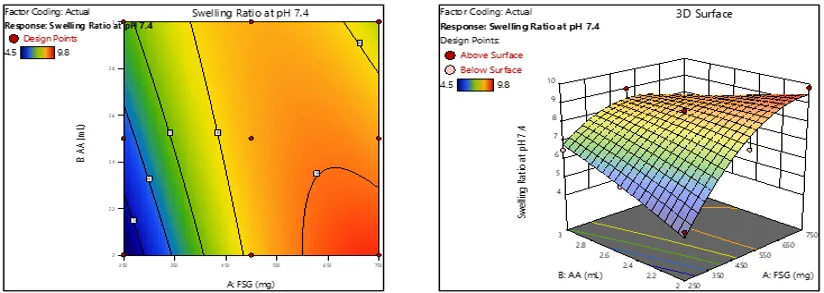
Figure 6. Contour Plot and 3D Response Surface Plot for Swelling Ratio at pH 7.4
4.5. Preformulation Properties of FSG-g-AA Polymer
The optimized FSG-g-AA polymer was pale brown to brown in colour and appeared as a rough, irregular polymeric powder.
Table 8. Micromeritics properties of FSG-g-AA Polymer
|
Sr. No |
Properties |
Observation |
|
|
Bulk Density |
0.55 gm/ml |
|
|
Tapped Density |
0.63 gm/ml |
|
|
Angle of Repose |
34.59° |
|
|
Carr’s Index |
12.70 % |
|
|
Hausner’s Ratio |
1.15 |
These results indicate good powder-flow and handling characteristics and support the suitability of the optimized polymer for further formulation development.
4.6. FTIR Characterization
The FTIR spectra of FSG and FSG-g-AA confirmed the characteristic polysaccharide structure of FSG and the successful grafting of acrylic acid onto the FSG backbone. FSG exhibited characteristic absorption bands at 3426.58 cm⁻¹ (O–H stretching), 2917.92 cm⁻¹ (C–H stretching), 1712.17 cm⁻¹ (C=O stretching), and 1069.94 cm⁻¹ (C–O–C/C–O stretching), along with bands at 954.14 and 854.56 cm⁻¹ corresponding to glycosidic linkages. In the FSG-g-AA spectrum, the O–H band shifted to 3218.88 cm⁻¹, indicating altered hydrogen-bonding interactions following grafting. The prominent C=O band at 1718.75 cm⁻¹, together with additional bands at 1657.45, 1627.61, and 1537.88 cm⁻¹, indicated the incorporation of acrylic acid-derived functional groups. The retention of characteristic C–O–C/C–O bands at 1171.77 and 1026.01 cm⁻¹ confirmed preservation of the polysaccharide backbone. Collectively, the observed spectral shifts and the appearance of characteristic carbonyl- and carboxylate-related bands provided evidence for the successful grafting of acrylic acid onto the FSG backbone, confirming the formation of the FSG-g-AA semi-synthetic polymer.
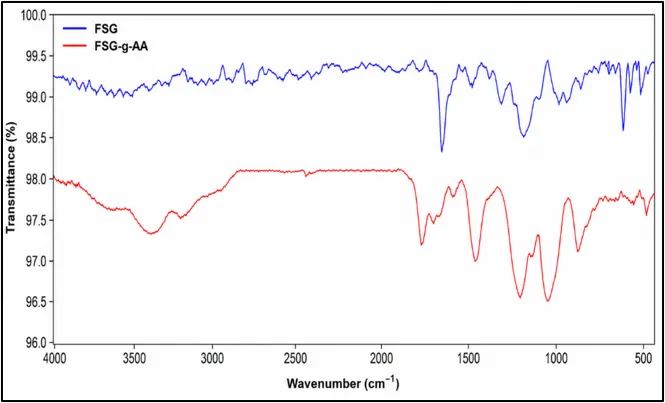
Figure 7. FTIR Spectrum of FSG, and FSG-g-AA
4.7. TGA-DTA Analysis
The thermal behaviour of FSG-g-AA was evaluated by simultaneous TGA-DTA under a nitrogen atmosphere. The TGA thermogram exhibited an initial weight loss of 6.357%, which is attributed to the removal of physically adsorbed moisture and residual volatile constituents. A subsequent major weight loss of 59.957% was observed at higher temperatures, corresponding to the thermal degradation of the grafted polymeric backbone and associated structural components.
A residual mass of 25.712% remained after thermal decomposition, indicating the formation of a thermally stable carbonaceous residue. The DTA curve displayed a distinct thermal transition peak associated with the degradation process, confirming the thermal decomposition behaviour of the grafted polymer. The observed thermal profile demonstrates the enhanced thermal stability of FSG-g-AA and supports the successful grafting of acrylic acid onto the fenugreek seed gum backbone.
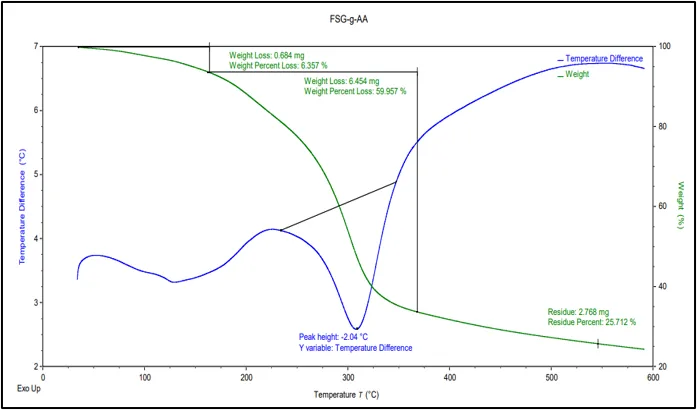
Figure 8. TGA-DTA thermogram of FSG-g-AA
4.8. DSC Analysis
The Differential Scanning Calorimetry (DSC) thermogram of FSG-g-AA was recorded under a nitrogen atmosphere at a heating rate of 10°C/min. The DSC curve exhibited a prominent endothermic peak at 328.78°C, indicating the thermal transition of the grafted polymeric material. The onset temperature of the thermal event was observed at 297.40°C with an enthalpy value of 554.28 J/g.
The presence of a broad thermal transition at a higher temperature indicates improved thermal stability of the synthesized FSG-g-AA polymer. The absence of multiple sharp peaks suggests successful grafting and formation of a comparatively stable polymeric network. The obtained DSC thermogram confirms the thermal behavior and stability of the developed pH-sensitive smart polymer.
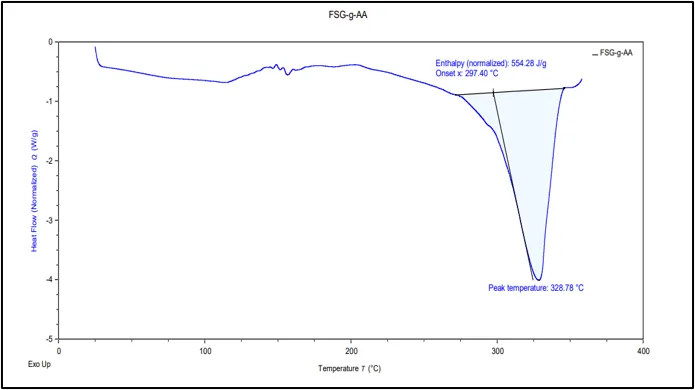
Figure 9. DSC thermogram of FSG-g-AA
4.9. SEM Analysis
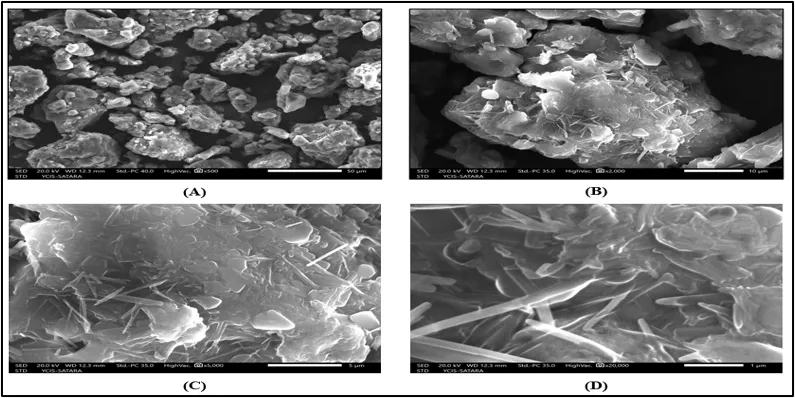
Figure 10. (A, B, C, D) SEM microphotographs of FSG-g-AA
The SEM images of FSG-g-AA at 500×, 2000×, 5000×, and 20000× magnifications revealed irregularly shaped particles with a rough, heterogeneous, and porous surface morphology. Aggregated particles with visible cracks, folds, and surface irregularities were observed throughout the polymer matrix. The porous and coarse surface characteristics became more prominent at higher magnifications. The observed porous morphology may facilitate penetration of the aqueous medium into the polymer matrix, potentially contributing to its swelling behaviour and pH-responsive drug-release characteristics.
4.10. In Vitro Drug Release Study
Table 9. In Vitro Drug Release of Diclofenac Sodium at Different pH Conditions (Mean ± SD)
|
Time (hr) |
% CDR (pH 1.2) |
% CDR (pH 6.8) |
% CDR (pH 7.4) |
|
0 |
0 ± 0.00 |
0 ± 0.00 |
0 ± 0.00 |
|
1 |
4.29 ± 0.30 |
5.45 ± 0.41 |
11.42 ± 0.54 |
|
2 |
6.20 ± 0.48 |
8.91 ± 0.57 |
18.07 ± 0.86 |
|
3 |
7.16 ± 0.50 |
15.86 ± 1.08 |
26.38 ± 1.38 |
|
4 |
8.92 ± 0.57 |
24.55 ± 1.00 |
37.98 ± 2.32 |
|
5 |
10.84 ± 0.62 |
31.50 ± 1.42 |
51.28 ± 2.95 |
|
6 |
14.51 ± 0.67 |
38.45 ± 3.03 |
62.90 ± 3.60 |
|
7 |
18.97 ± 0.88 |
45.40 ± 3.33 |
74.52 ± 3.85 |
|
8 |
23.60 ± 1.00 |
50.62 ± 2.45 |
86.15 ± 4.50 |
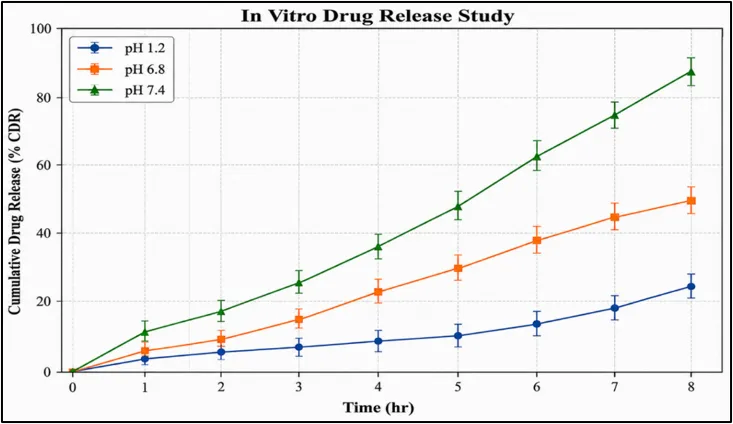
Figure 11. In Vitro Drug Release of Diclofenac Sodium from FSG-g-AA
After 8 hr, drug release was only 23.60% at pH 1.2, whereas 50.62% and 86.15% release occurred at pH 6.8 and 7.4, respectively. The substantially greater release at higher pH corresponds with the increased swelling of the FSG-g-AA matrix.
At acidic pH, protonation of carboxylic groups limits polymer expansion and consequently restricts drug diffusion. At higher pH, ionization of carboxylic groups increases electrostatic repulsion, hydration and swelling, facilitating drug diffusion from the polymer matrix. This mechanism is consistent with the pH-responsive behaviour reported for related acrylic-acid-based graft polymers.
The progressive increase in drug release from pH 1.2 to pH 7.4 therefore demonstrates that the synthesized FSG-g-AA polymer can provide a distinctly pH-dependent release environment.
CONCLUSION
A smart semi-synthetic pH-sensitive polymer was successfully developed by grafting acrylic acid onto Fenugreek Seed Gum through free-radical graft copolymerization and characterized using FTIR, DSC, TGA-DTA, and SEM techniques. A 3² full factorial design was successfully employed to evaluate the effects of FSG and acrylic acid concentrations on the swelling behaviour of the polymer. Among the nine formulations, F7 containing 750 mg FSG and 2 mL acrylic acid exhibited the highest swelling ratios of 2.1, 6.2, and 9.8 at pH 1.2, 6.8, and 7.4, respectively, and was selected as the optimized formulation. The optimized FSG-g-AA exhibited acceptable micromeritic properties, characteristic FTIR bands, thermal stability, and a rough, porous morphology. Furthermore, diclofenac sodium release was distinctly pH-dependent, with cumulative drug release of 23.60%, 50.62%, and 86.15% at pH 1.2, 6.8, and 7.4, respectively, after 8 h. Overall, the developed FSG-g-AA demonstrated promising potential as a natural polysaccharide-based smart polymer for pH-sensitive drug delivery, particularly for enhancing drug release under higher-pH conditions. Further investigations involving release kinetics, stability, safety, reproducibility, and in vivo evaluation are warranted to establish its pharmaceutical applicability.
REFERENCES

Harshwardhan Lohar, Kailas Karande, Vasant Lokhande, Development and Characterization of Fenugreek Seed Gum-graft-Acrylic Acid Polymer for pH-Sensitive Drug Delivery, Int. J. of Pharm. Sci., 2026, Vol 4, Issue 9, 701-716. https://doi.org/10.5281/zenodo.22333827
 10.5281/zenodo.22333827