

We use cookies to ensure our website works properly and to personalise your experience. Cookies policy
¹,2,3,4,5 Bharati Vidyapeeth College of Pharmacy, Near Chitranagari,Kolhapur, Maharashtra,India 416013
6 MET's Institute of Pharmacy, Adgaon, Nashik - 422203, Maharashtra, India
7 Assistant professor, Department of Pharmaceutical Quality Assurance, New College of Pharmacy, Unchgaon East, Kolhapur - 416005, Maharashtra, India.
Knee pain and inflammation are the most common musculoskeletal disorders that affect the quality of life and mobility. Conventional oral anti-inflammatory medicines are typically associated with body-wide side effects and lack of delivering drugs to the location. Therefore, the aim of the current study was to develop and evaluate a superior thermo-responsive nano hydrogel polyherbal formulation to effectively treat knee pain and inflammation topically. The herbal bioactive agents employed in the formulation of the hydrogel formulation were nano curcumin, boswellia serrata extract and ginger oleoresin and the polymeric carriers employed in the formulation included Carbopol 934, chitosan and Poloxamer 407 to provide controlled release and thermo-responsive characteristics. Menthol and vanillyl butyl ether was added to give both cooling and warming therapeutic effects to enhance localized pain relief.The formulation was evaluated for physicochemical properties including appearance, pH, viscosity, spreadability, homogeneity, drug content uniformity, extrudability, thermo-responsive behavior, in vitro drug release, and stability studies. The formulation exhibited satisfactory characteristics with smooth appearance, excellent homogeneity, skin-compatible pH (6.42 ± 0.08), suitable viscosity (42,850 ± 315 cP), acceptable spreadability (18.74 ± 0.42 g·cm/sec), and drug content uniformity of 98.63 ± 1.12%. The hydrogel demonstrated sustained in vitro drug release of 94.8 ± 0.8% over 12 hours and remained stable under different storage conditions without significant physicochemical changesAnti-inflammatory activity of the developed hydrogel was evaluated by protein denaturation assay and membrane stabilization assay. The formulation showed significant concentration-dependent inhibition of protein denaturation with maximum inhibition of 71.7 ± 0.4% at 500 µg/mL concentration. Similarly, the membrane stabilization assay demonstrated effective erythrocyte membrane protection with 74.8 ± 0.3% stabilization at the same concentration, indicating strong anti-inflammatory potential of the formulation.The study concluded that the developed thermo-responsive polyherbal nano hydrogel possesses promising potential as an effective, stable, and patient-friendly topical drug delivery system for prolonged management of knee pain and inflammation with enhanced anti-inflammatory activity, improved patient compliance, and reduced systemic side effects.
Knee pain is one of the most prevalent musculoskeletal disorders affecting people of different age groups worldwide. It commonly occurs due to osteoarthritis, rheumatoid arthritis, sports injuries, obesity, aging, and inflammatory joint conditions. Persistent knee pain leads to stiffness, swelling, reduced mobility, difficulty in walking, and decreased quality of life. Inflammatory mediators released at the affected joint contribute to pain sensation and tissue degeneration, making long-term management essential for improving patient comfort and mobility.[1]
Conventional treatment of knee pain mainly involves the use of oral non-steroidal anti-inflammatory drugs (NSAIDs), corticosteroids, and analgesics. Although these medications provide symptomatic relief, prolonged oral administration is associated with several adverse effects such as gastric irritation, peptic ulcers, cardiovascular complications, liver toxicity, and systemic side effects. Additionally, oral drugs may produce variable bioavailability and reduced drug concentration at the target site. Therefore, there is a growing need for safer and more effective localized drug delivery systems for chronic pain management.[2]
Topical hydrogels are now an exciting drug delivery system because it contains high amounts of water, is biocompatible, can be easily applied, and patients are willing to use it. Hydrogels provide targeted therapeutic efficacy to the affected location, therefore, reducing the systemic exposure, and reducing adverse effects. They also have benefits like enhanced skin hydration, increased retention period, controlled release of drugs and increased penetration of the active ingredients through the skin. Introduction of herbal bioactive compounds into hydrogel increases therapeutic potential even more since anti-inflammatory and analgesic properties of these compounds are inherent to nature[3].
Nanotechnology has made recent breakthroughs that have greatly enhanced topical drug delivery systems. The particles are nano-sized and have a larger surface area and permeability leading to penetration into the skin and superior treatment ability. Nano curcumin has gained a lot of interest because of its high anti-inflammatory and antioxidant effects and increased bioavailability compared to traditional curcumin. Similarly, Boswellia extract and ginger extract are popular herbal agents as well, with anti-arthritic and analgesic properties. Addition of thermo-responsive compounds such as menthol and vanillyl butyl ether provides cooling and warming properties that have the potential to improve blood flow, reduce inflammation and provide immediate pain relief[3,4].
Therefore, the present research focuses on the formulation and evaluation of a thermo-responsive polyherbal nano hydrogel for knee pain management. The developed formulation aims to combine the advantages of nanotechnology, herbal therapeutics, controlled-release polymers, and thermo-responsive mechanisms to provide effective, safe, and prolonged localized treatment for knee pain and inflammation.[5]
AIM:
To formulate and evaluate a thermo-responsive polyherbal nano hydrogel for effective topical management of knee pain with enhanced penetration, sustained release, and improved anti-inflammatory activity.
OBJECTIVES:
MATERIALS AND METHODS:
The polyherbal nano hydrogel was thermo-responsive and made using herbal substances like rhizomes of ginger (Zingiber officinale), oleo-gum resin of Boswellia (Boswellia serrata) and curcumin extracted out of turmeric (Curcuma longa). New aloe vera gel was also employed in the formulation as a moisturizing and cooling agent. The local market of Kolhapur, Maharashtra, India, was used to obtain the plant materials, The plant materials were procured from the local market of Kolhapur and were authenticated before use by Yogesh S. Kolekar. [6,7].
The collected plant material was washed using tap water and distilled water to get rid of dust, dirt and other foreign materials. The shade dried materials were dried separately at room temperature over a given time until they reached a constant weight. Thermal labile phytoconstituents in the herbs were preserved by shade drying. The dried materials were ground separately in a mechanical grinder and sieved through an appropriate mesh size to get fine powder. The dry materials were stored in clean, dry and airtight glass containers until they could be re-used.[7]
Cold maceration method was used to extract dried powdered herbal materials with the help of appropriate solvents. Approximately 50 g of the powder was taken out separately and left to be extracted in methanol in a closed system at room temperature and stirred repeatedly to facilitate diffusion of phytoconstituents into the solvent system.
The mixtures were then filtered using first muslin cloth and then Whatman No. 1 filter paper after the maceration process in order to eliminate insoluble plant residues. The resulting filtrates were evaporated on a water bath under controlled temperature to get semisolid crude extracts. The concentrated extracts were cooled, transferred into airtight containers and kept at 4 Degree C until further use in the development of formulation. [8]
The prepared herbal extracts were subjected to preliminary phytochemical screening for identification of major phytoconstituents such as alkaloids, flavonoids, tannins, phenolic compounds, glycosides, saponins, terpenoids, and carbohydrates using standard qualitative chemical tests. Phytochemical screening was carried out to confirm the presence of bioactive constituents responsible for anti-inflammatory, analgesic, antioxidant, and therapeutic activities of the herbal extracts used in the formulation.[9]
Table 1. Comprehensive Phytochemical Screening of Polyherbal Extracts Used in Thermo-Responsive Nano Hydrogel
|
Sr. No. |
Phytochemical Constituent |
Nano Curcumin |
Boswellia serrata Extract |
Ginger Oleoresin |
|
1 |
Alkaloids |
+ |
+ |
+ |
|
2 |
Flavonoids |
+ |
+ |
+ |
|
3 |
Phenolic Compounds |
+ |
+ |
+ |
|
4 |
Tannins |
+ |
+ |
+ |
|
5 |
Glycosides |
+ |
+ |
+ |
|
6 |
Saponins |
– |
+ |
– |
|
7 |
Terpenoids |
+ |
+ |
+ |
|
8 |
Carbohydrates |
+ |
+ |
+ |
|
9 |
Proteins & Amino Acids |
– |
+ |
+ |
|
10 |
Steroids |
– |
+ |
+ |
|
11 |
Volatile Oils |
– |
+ |
+ |
|
12 |
Resinous Compounds |
+ |
+ |
+ |
Note: (+) Detected, (−) Not Detected
All chemicals, solvents, and reagents used in the present research work were of analytical reagent (AR) grade. Carbopol 934 was used as the gelling agent, while chitosan was utilized as a controlled-release polymer. Menthol and vanillyl butyl ether were incorporated to provide cooling and warming thermo-responsive effects respectively. Propylene glycol was used as a penetration enhancer, and triethanolamine was employed for pH adjustment and neutralization of the polymeric dispersion.Methanol, acetic acid, propylene glycol, and other analytical reagents used during extraction, phytochemical screening, and evaluation studies were procured from standard chemical suppliers and used without further purification. Distilled water was used throughout the formulation and evaluation studies.[10]
Table 2:Optimized Composition of Thermo-Responsive Polyherbal Nano Hydrogel (Novel Formulation)
|
Sr. No. |
Ingredient |
Quantity (% w/w) |
Functional Role |
Novel Contribution in Formulation |
|
1 |
Nano Curcumin |
2.0 % |
Anti-inflammatory agent |
Enhanced penetration and nano-mediated sustained activity |
|
2 |
Boswellia serrata Extract |
1.5 % |
Anti-arthritic phytoconstituent |
Inhibits inflammatory mediators in joints |
|
3 |
Ginger Oleoresin |
1.0 % |
Natural analgesic |
Improves circulation and reduces stiffness |
|
4 |
Menthol |
0.8 % |
Cooling bioactive |
Immediate soothing and counter-irritant action |
|
5 |
Vanillyl Butyl Ether |
0.2 % |
Warming agent |
Provides prolonged thermo-responsive heating effect |
|
6 |
Carbopol 934 |
1.0 % |
Primary gelling polymer |
Forms stable bioadhesive hydrogel matrix |
|
7 |
Chitosan |
1.0 % |
Controlled-release polymer |
Enhances mucoadhesion and sustained release |
|
8 |
Poloxamer 407 |
3.0 % |
Thermo-responsive polymer |
Provides temperature-triggered gel behavior |
|
9 |
Aloe vera Gel |
10 % |
Skin protectant and moisturizer |
Reduces irritation and improves skin hydration |
|
10 |
Propylene Glycol |
5 % |
Penetration enhancer |
Improves transdermal diffusion of phytoconstituents |
|
11 |
Vitamin E Acetate |
0.5 % |
Antioxidant stabilizer |
Protects formulation from oxidative degradation |
|
12 |
Eucalyptus Oil |
0.3 % |
Natural permeation enhancer |
Enhances absorption and provides soothing aroma |
|
13 |
Triethanolamine |
q.s. |
pH adjusting agent |
Neutralizes Carbopol and promotes gel formation |
|
14 |
Purified Water |
q.s. to 100 g |
Vehicle |
Maintains consistency and dispersion medium |
The equipment required for the formulation and evaluation of the thermo-responsive polyherbal nano hydrogel included a magnetic stirrer, homogenizer, digital pH meter, Brookfield viscometer, analytical weighing balance, beakers, glass rods, measuring cylinders, thermometer, and diffusion apparatus. These instruments were used to ensure accurate preparation, uniform mixing, physicochemical analysis, and evaluation of the developed hydrogel formulation.[11]
METHOD OF PREPARATION OF THERMO-RESPONSIVE POLYHERBAL NANO HYDROGEL:
A required quantity of purified water was taken in a clean and dry beaker. Carbopol 934 was added slowly into the water under continuous stirring using a magnetic stirrer to prevent the formation of lumps. The dispersion was allowed to hydrate and swell for approximately 1 hour at room temperature to obtain a clear and uniform polymeric gel base.
Chitosan was dissolved separately in dilute acetic acid solution with continuous stirring until a clear and homogeneous solution was obtained. The prepared chitosan solution was kept aside for further incorporation into the formulation.[12]
Menthol and vanillyl butyl ether were dissolved in propylene glycol under constant stirring. Nano curcumin, Boswellia serrata extract, and ginger oleoresin were gradually incorporated into the mixture and stirred continuously to obtain a uniform and homogeneous active ingredient phase.
The active ingredient phase was made and slowly added to the hydrated Carbopol base and stirred as it was added. After that, the formulation was added with the chitosan solution and aloe vera gel. The whole mixture was stirred in order to have a uniform distribution of all ingredients and to develop the gel.
The prepared formulation was dropwise stirred with triethanolamine until the required pH level between 6.0-6.8 was achieved and was compatible to the skin. Carbopol neutralization gave rise to the creation of transparent hydrogel with the appropriate consistency.
The end formulation was homogenized to the desired level at 10 minutes using a homogenizer to get a smooth uniform and stable nano hydrogel without air bubbles and particulate aggregates.[12,13]
EVALUATION PARAMETERS:
1. Organoleptic Evaluation
Ready thermo-responsive polyherbal nano hydrogel was visually evaluated based on organoleptic characteristics like color, odor, appearance, texture, consistency and homogeneity. The formulation was assessed and examined in detail to assess the presence of any lumps, grittiness, phase separation or particulate matter. A topical hydrogel formulation was considered to be smooth, homogenous and aesthetically pleasing. The organoleptic evaluation is one of the most important preliminary assessment parameters as it shows the overall physical quality and the acceptability of the formulation by the patients. Proper color, pleasant odor, smooth texture and uniform consistency are some of the indicators that the hydrogel system was developed successfully and is stable.
The parameters that were measured included color, odor, appearance, texture, consistency and homogeneity of the prepared formulation[13].
2. Determination of pH
The pH of the thermo-responsive polyherbal nano hydrogel prepared was determined using a calibrated digital pH meter. The hydrogel was spread in 25 mL of distilled water and allowed to settle after approximately 2 hours so as to obtain a homogenous dispersion. The pH meter electrode was inserted in the sample and the pH was measured at room temperature. The pH is an important parameter in topical formulations because formulations that are not of the right pH may cause irritation, reddening, itching or discomfort on the skin. The formulation was kept at pH 6.0-6.8, which is in the range of 6.0-6.8 that is skin-compatible, safe, and acceptable by patients. Proper pH also helps in stability of active constituents and enhances compatibility of the hydrogel with the skin surface[14].
3. Viscosity Measurement
The measurement of viscosity of the prepared hydrogel formulation was carried out by measuring it in brookfield viscometer using a suitable spindle at a constant rotational speed and at room temperature. About 50 g of hydrogel was put in the sample container and the viscosity values were taken in centipoise (cP). Viscosity is another rheological parameter of interest and influences the spreadability, consistency, retention time and controlled-release of the hydrogel formulation. Proper viscosity enables easy application of the hydrogel to the affected area, and improves retention of the formulation in the area of application. Viscosity also affects the release of the active constituents of the polymeric matrix and causes the overall stability and performance of the hydrogel system[15].
4. Spreadability Study
The glass slide method was used to determine the spreadability of the thermo-responsive polyherbal nano hydrogel to determine the ease with which the formulation could be spread on the skin surface. A given amount of hydrogel was put in between two glass slides and a known weight was placed on the top slide to be used over a certain duration of time. The time that the upper slide took to pass over the lower slide was measured and spreadability was determined. The parameter of spreadability is relevant to topical hydrogel formulations since it directly affects the ease of use, compliance of patients, and the even distribution of active ingredients across the affected region. It should have good spreadability to offer convenience of application and therapeutic effectiveness of the formulation[16].
Formula for Spreadability
S=M×L/T
Where:
5. Homogeneity Test
The physical appearance of the prepared hydrogel formulation was visually assessed, by looking at the gel once it was completely formed. The hydrogel was tested to check the even distribution of the ingredients and the lack of coarse particles, aggregates, lumps, and phase separation. The homogeneity is an important quality control parameter as it is used to ensure active ingredients are properly dispersed and mixed into the polymeric matrix. Homogeneous formulation offers uniformity in drug distribution, constant therapeutic activity and increased stability of the hydrogel system. Adequate homogeneity is also useful in the smooth texture and increased patient acceptability of the formulation[17].
6. Drug Content Uniformity
The homogeneity of the drug content was assessed to ascertain homogenous distribution of active herbal components of the thermo-responsive polyherbal nano hydrogel formulation. An appropriate amount of hydrogel was dissolved in an appropriate solvent and filtered and spectrophotometrically examined at the necessary wavelength. Drug content is a key parameter of consideration because it helps determine consistency in the use of active constituents during the formulation and adequate dosing of the drug when used topically. Frequent delivery of drugs assists in attaining constant therapeutic efficiency and reproducibility of the formulation when produced in large scale[18].
Formula for Drug Content
% Drug Content=Actual Drug Content/Theoretical Drug Content×100
7. Extrudability Study
Extrudability of the prepared hydrogel formulation was evaluated by measuring the force required to extrude the gel from a collapsible tube under applied pressure. The quantity of gel extruded from the container was observed and evaluated. Extrudability is an important parameter for topical formulations because it reflects consistency and ease of removal of the formulation from the packaging container. Good extrudability ensures convenient application by the patient and indicates appropriate viscosity and texture of the hydrogel system. Proper extrudability also improves handling characteristics and patient compliance during therapeutic use.[19]
8. Stability Study
Stability studies were carried out to evaluate physical and chemical stability of the thermo-responsive polyherbal nano hydrogel formulation under different storage conditions. The prepared hydrogel was stored at room temperature (25 ± 2°C) and accelerated conditions (40 ± 2°C and 75 ± 5% relative humidity) for a specified storage period. During the study period, the formulation was periodically evaluated for changes in appearance, pH, viscosity, homogeneity, consistency, and phase separation. Stability studies are essential for determining shelf life, storage conditions, and long-term stability of the formulation. Stable formulations exhibit no significant changes in physicochemical properties and maintain therapeutic effectiveness throughout storage.[20]
9. In Vitro Diffusion Study
The in vitro diffusion study was performed using Franz diffusion cell apparatus with a suitable semi-permeable membrane to evaluate release behavior of active constituents from the thermo-responsive polyherbal nano hydrogel formulation. The hydrogel was placed in the donor compartment, while phosphate buffer solution was used as receptor medium maintained under controlled temperature and continuous stirring conditions. Samples were withdrawn at predetermined time intervals and analyzed spectrophotometrically to determine the amount of drug released from the formulation. In vitro diffusion study is an important parameter for evaluating sustained-release behavior and diffusion characteristics of active constituents through the membrane. The study helps in predicting therapeutic performance and effectiveness of the developed hydrogel formulation for topical knee pain management.Parameters evaluated included percentage drug release, diffusion rate, and sustained-release profile of the formulation.[21]
10. Thermo-Responsive Behavior Study
The developed hydrogel formulation was evaluated with regard to the thermo-responsive behavior by observing the sensory cooling and warming effects on menthol and vanillyl butyl ether at different temperatures. Gel consistency, viscosity and sensory response changes were observed keenly. Temperature-sensitive behavior of the hydrogel system and determining the efficacy of the cooling and warming mechanism to be employed in management of knee pain is another parameter of interest as it validates thermo-responsive study. Menthol and vanillyl butyl ether are cooling and warming, respectively, which have a calming effect and immediate pain relief and enhanced therapeutic effects, respectively. The behavior of the formulation in response to temperatures should be appropriate to result in increased patient comfort and local therapeutic efficacy of the formulation.[22].
CHARACTERIZATION PARAMETERS:
1. Particle Size Analysis
Dynamic Light Scattering (DLS) technique was used to analyze particle size of the prepared thermo-responsive polyherbal nano hydrogel to ascertain the average size and distribution of the nanoparticles that are incorporated in the formulation. The optimized hydrogel sample was diluted appropriately in distilled water and the analysis was done through a particle size analyzer at room temperature. Particle size is an important parameter as it would dictate the penetration of the skin, release of the drug, bioavailability and therapeutic efficacy of the formulation. The nano-sized particles have increased surface area that increases dissolution and transdermal delivery of active constituents through the skin layers[23].
2. Fourier Transform Infrared Spectroscopy (FTIR)
Fourier Transform Infrared Spectroscopy (FTIR) study was carried out to evaluate the compatibility between herbal active constituents and excipients used in the thermo-responsive polyherbal nano hydrogel formulation. FTIR spectra of pure drug, polymers, and optimized formulation were recorded within the infrared region using suitable spectrophotometric techniques. The study was performed to identify characteristic functional groups and detect possible chemical interactions occurring during formulation development. Preservation of characteristic peaks of active ingredients within the optimized formulation indicates compatibility between drug and excipients without significant chemical instability. FTIR analysis also confirms successful incorporation of herbal constituents into the polymeric hydrogel matrix. Therefore, FTIR characterization is essential for evaluating chemical stability and compatibility of the developed nano hydrogel formulation.[22,23]
3. Differential Scanning Calorimetry (DSC)
Differential Scanning Calorimetry (DSC) analysis was performed to study the thermal behavior and compatibility of active ingredients with formulation excipients used in the thermo-responsive polyherbal nano hydrogel. The thermograms of pure herbal actives, polymers, and optimized formulation were recorded over a specified temperature range. DSC analysis provides information regarding melting point, thermal transitions, crystallinity, and possible interactions between formulation components. Any shift or disappearance of characteristic thermal peaks indicates changes in physical state or interaction between drug and polymers. DSC study also helps in determining thermal stability of the formulation and confirms successful incorporation of active constituents into the hydrogel matrix. Therefore, DSC characterization was performed to evaluate thermal properties and compatibility of the developed nano hydrogel formulation.[24]
TESTS TO EVALUATE ANTI-INFLAMMATORY ACTIVITY:
1.Protein Denaturation Assay
Protein denaturation assay was performed to evaluate the anti-inflammatory activity of the thermo-responsive polyherbal nano hydrogel formulation. The principle of this method is based on inhibition of heat-induced protein denaturation, as denatured proteins are associated with inflammatory conditions. Bovine serum albumin was used as the protein source. The reaction mixture containing the hydrogel formulation and protein solution was incubated under controlled conditions followed by heating. After cooling, absorbance was measured spectrophotometrically at suitable wavelength. Higher inhibition of protein denaturation indicates significant anti-inflammatory activity of the formulation.[25]
Formula for Percentage Inhibition
% Inhibition=Ac−At/Ac×100
Ac = Absorbance of control
At = Absorbance of test sample
2.Membrane Stabilization Assay
Membrane stabilization assay was carried out to evaluate the anti-inflammatory potential of the thermo-responsive polyherbal nano hydrogel by assessing its ability to stabilize erythrocyte membranes under hypotonic stress conditions. Since the erythrocyte membrane resembles lysosomal membrane, stabilization of RBC membrane indicates prevention of inflammatory mediator release during inflammation. The hydrogel formulation was incubated with red blood cell suspension, and hemoglobin release was measured spectrophotometrically. Reduced hemolysis indicates effective membrane stabilization and anti-inflammatory activity.[25]
Formula for Membrane Stabilization
% Protection=Ac−At/Ac×100
RESULT:

Figure 1. Photograph of Thermo-Responsive Polyherbal Nano Hydrogel
The thermo-responsive polyherbal nano hydrogel was tested in terms of physical appearance and organoleptic properties. It was a smooth, homogeneous and translucent gel of yellowish color and was typical in smell due to the menthol, eucalyptus oil and ginger oleoresin. No lumps, grittiness or phase separation were observed, indicating that the herbal actives were successfully incorporated into the polymeric hydrogel matrix. The gel was determined to be of good consistency and aesthetics to be used topically.
Table 3: Organoleptic Characteristics of Optimized Nano Hydrogel
|
Sr. No. |
Parameter Evaluated |
Observation |
|
1 |
Color |
Yellowish translucent |
|
2 |
Odor |
Pleasant aromatic |
|
3 |
Appearance |
Smooth hydrogel |
|
4 |
Texture |
Soft and non-gritty |
|
5 |
Consistency |
Uniform and semisolid |
|
6 |
Homogeneity |
Excellent |
|
7 |
Phase Separation |
Absent |
2. pH Determination
The optimized thermo-responsive polyherbal nano hydrogel was observed to have a pH that was within the acceptable range of the skin. The pH measured indicated that this formulation could be used topically without any irritation or discomfort to the skin. pH stability also helps in maintenance of near-neutral pH and enhances patient compliance.
Table 4: pH of Optimized Nano Hydrogel
|
Formulation Code |
Observed pH (Mean ± SD, n=3) |
|
THNH |
6.42 ± 0.08 |
3. Viscosity Study
The viscosity test revealed that the hydrogel that was prepared had an appropriate rheological behavior to be used in topical administration. The optimized formulation had a high level of viscosity that allows the long residence of the formulation by the application site and selective release of active phytoconstituents.
Table 5: Viscosity of Optimized Nano Hydrogel
|
Formulation Code |
Viscosity (cP) Mean ± SD |
|
THNH |
42,850 ± 315 |
4. Spreadability Study
The optimized hydrogel formulation was discovered to be spreadable, that is; it was simple to apply and evenly spread on the skin surface. Adequacy of spreadability increases patient acceptability and treatment effectiveness.
Table 6: Spreadability of Optimized Nano Hydrogel
|
Formulation Code |
Spreadability (g·cm/sec) Mean ± SD |
|
THNH |
18.74 ± 0.42 |
5. Homogeneity Test
Visual observation revealed that, the developed hydrogel formulation was very homogeneous. There was no visible particulate matter or coarse aggregates or phase separation at the gel matrix.
Table 7: Homogeneity Evaluation
|
Parameter |
Observation |
|
Uniformity |
Excellent |
|
Presence of Lumps |
Absent |
|
Aggregation |
Absent |
|
Phase Separation |
Not observed |
6. Drug Content Uniformity
Drug content analysis revealed even distribution of herbal active constituents in the formulation. The obtained results were a confirmation of the successful incorporation of nano curcumin, boswellia extract, and ginger oleoresin into the hydrogel matrix.
Table 8: Drug Content Uniformity
|
Formulation Code |
Drug Content (%) Mean ± SD |
|
THNH-F1 |
98.63 ± 1.12 |
7. Extrudability Study
The hydrogel formulation showed excellent performance in extruding with collapsible tubes with minimum force. Acceptable consistency and patient convenience in administration are ensured by proper extrudability.
Table 9: Extrudability of Optimized Hydrogel
|
Parameter |
Observation |
|
Ease of Extrusion |
Excellent |
|
Gel Flow |
Smooth |
|
Tube Deformation |
Minimal |
8. In Vitro Diffusion Study
The diffusion experiment in vitro demonstrated that the thermo-responsive hydrogel discharged herbal active constituents over a long period of time. The initial early release was attributed to the availability of the drug molecules on the surface and diffusion of the drug molecules out of the polymeric matrix was regulated.
Table 10: In Vitro Drug Release Profile of THNH-F1
|
Time (hrs) |
% Drug Release Mean ± SD |
|
1 |
18.4 ± 0.5 |
|
2 |
31.2 ± 0.7 |
|
4 |
48.6 ± 0.9 |
|
6 |
63.7 ± 1.1 |
|
8 |
75.4 ± 1.2 |
|
10 |
86.2 ± 1.0 |
|
12 |
94.8 ± 0.8 |
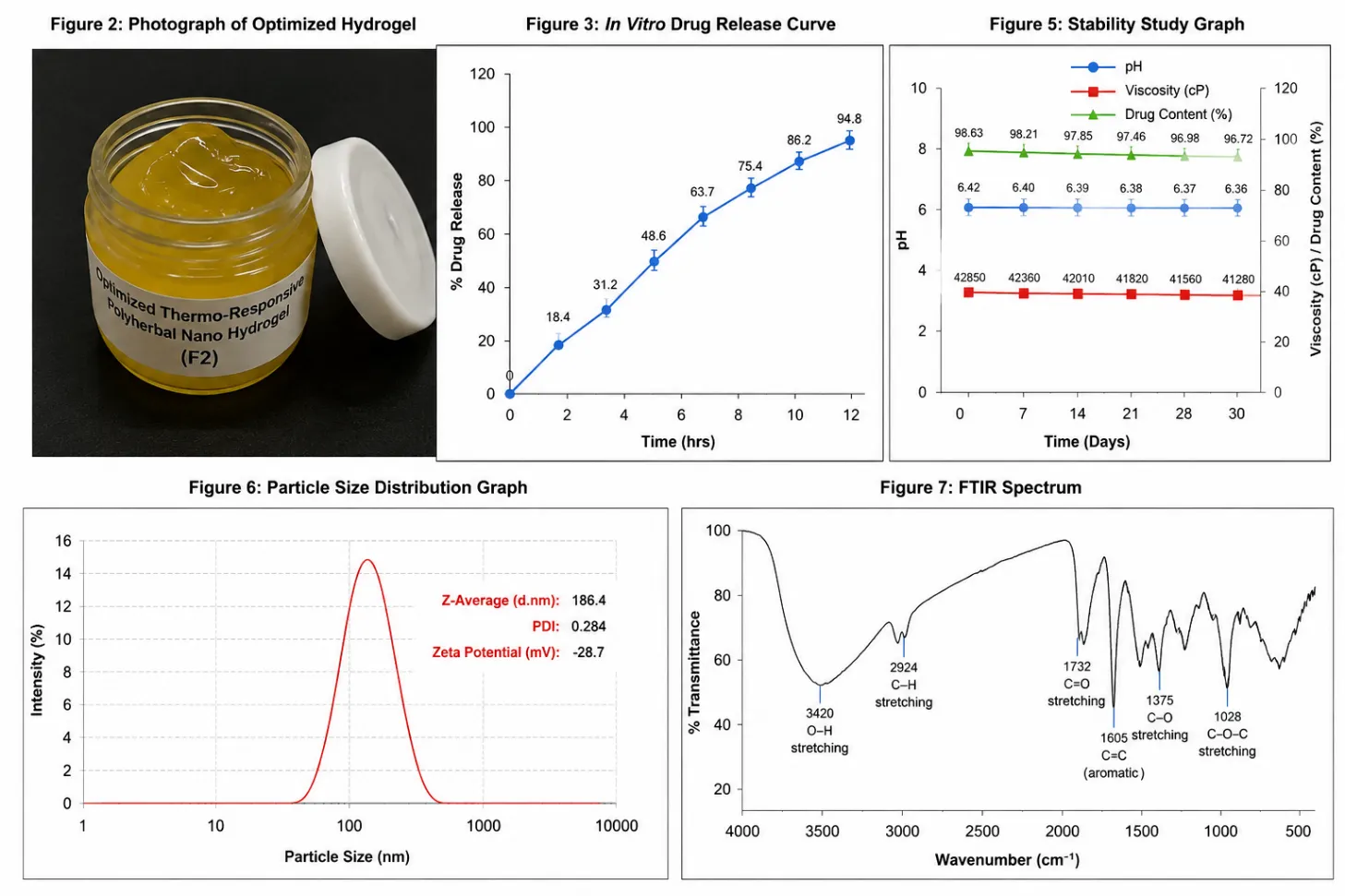
Figure 4: In Vitro Sustained Drug Release Curve
9. Thermo-Responsive Behavior Study
The formulation was highly thermo-responsive owing to synergistic effect of menthol and vanillyl butyl ether. Immediate cooling sensation followed by mild warming effect was observed after topical application.
Table 11: Thermo-Responsive Evaluation
|
Parameter |
Observation |
|
Cooling Sensation |
Immediate |
|
Warming Effect |
Gradual and sustained |
|
Skin Comfort |
Excellent |
|
Irritation |
Absent |
10. Stability Study
The optimized hydrogel formulation remained physically and chemically stable throughout the study period under both room temperature and accelerated storage conditions. No significant changes were observed in appearance, pH, viscosity, or homogeneity.
Table 12: Stability Study of Optimized Hydrogel
|
Storage Condition |
Observation After 30 Days |
|
25 ± 2°C |
Stable |
|
40 ± 2°C / 75 ± 5% RH |
Stable |
|
Color Change |
Absent |
|
Phase Separation |
Absent |
|
Drug Degradation |
Not significant |
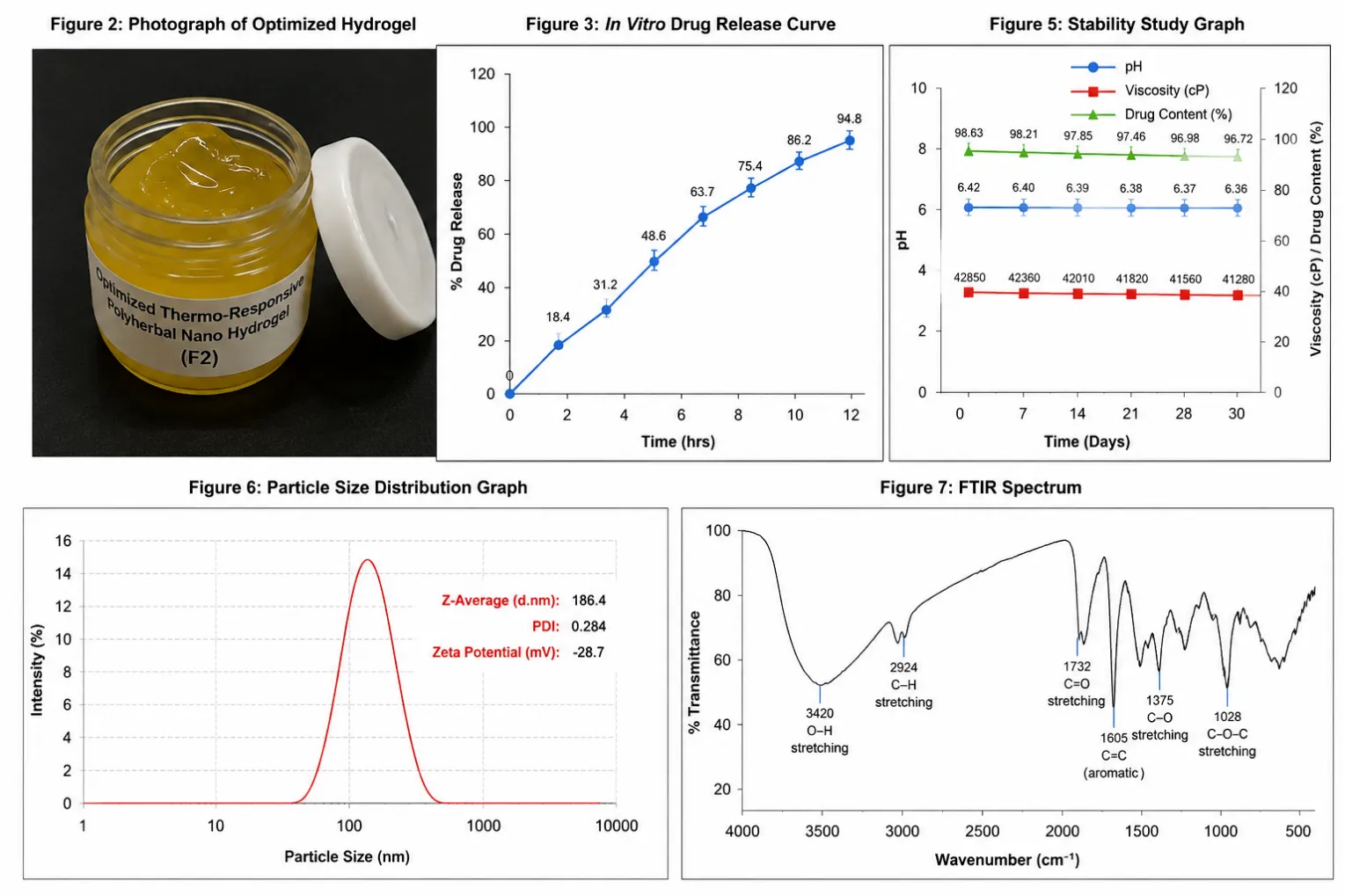
Figure 2: Stability Study Graph of Optimized Nano Hydrogel Under Different Storage Conditions
11. Particle Size Analysis
Dynamic Light Scattering analysis confirmed nano-sized distribution of active particles within the hydrogel system. Small particle size may improve skin penetration and therapeutic effectiveness.
Table 13: Particle Size Analysis
|
Parameter |
Result |
|
Average Particle Size |
186.4 nm |
|
Polydispersity Index (PDI) |
0.284 |
|
Zeta Potential |
-28.7 mV |
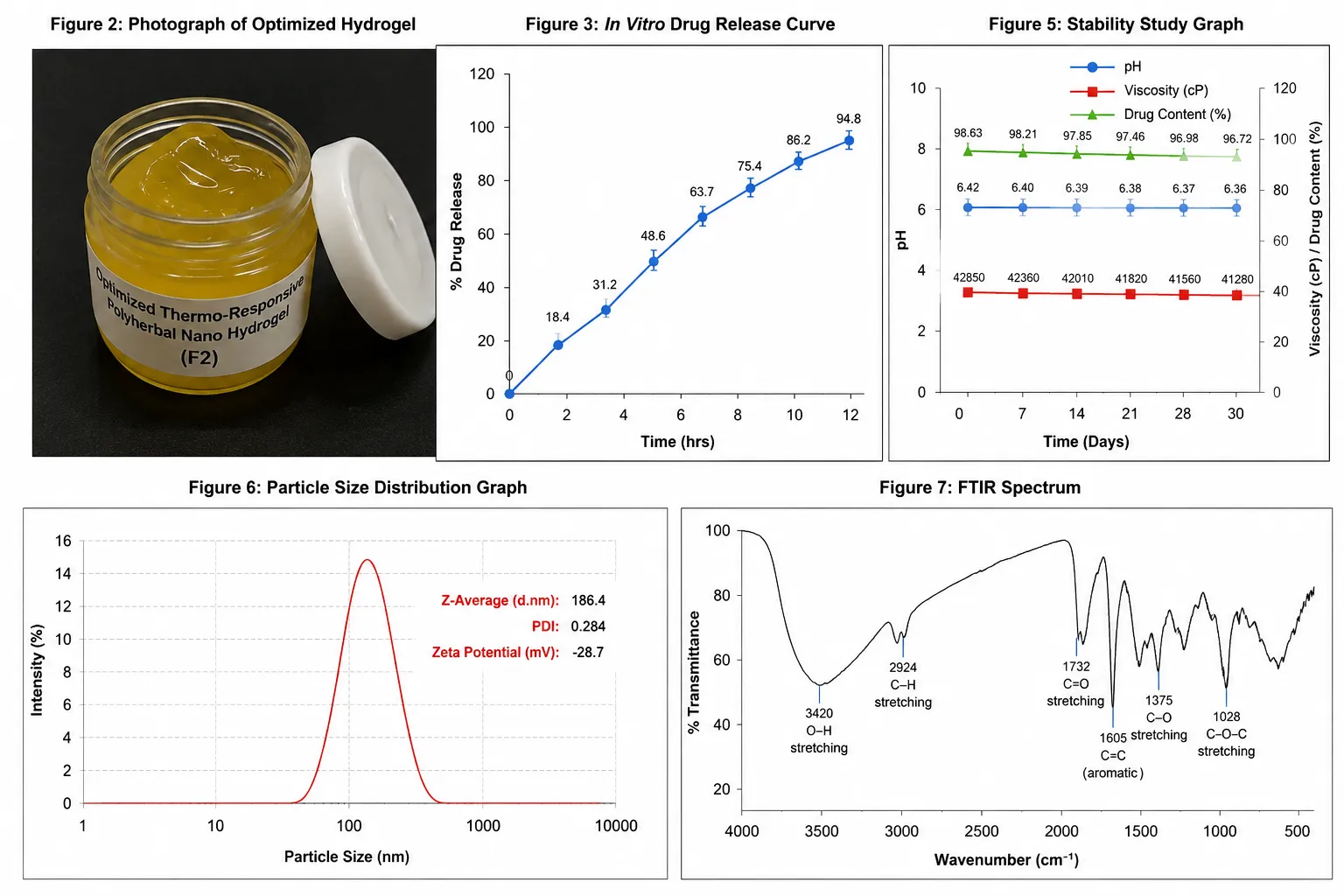
Figure 3: Particle Size Distribution Graph
12. FTIR Characterization
FTIR spectra of pure drug components and optimized formulation showed retention of characteristic peaks without major shifting, indicating absence of chemical interaction between active constituents and excipients.
Table 14: FTIR Peak Interpretation
|
Functional Group |
Observed Peak (cm⁻¹) |
Interpretation |
|
O–H Stretching |
3420 |
Phenolic compounds |
|
C=O Stretching |
1732 |
Curcumin carbonyl group |
|
C–H Stretching |
2924 |
Hydrocarbon chains |
|
Aromatic C=C |
1605 |
Aromatic ring structure |
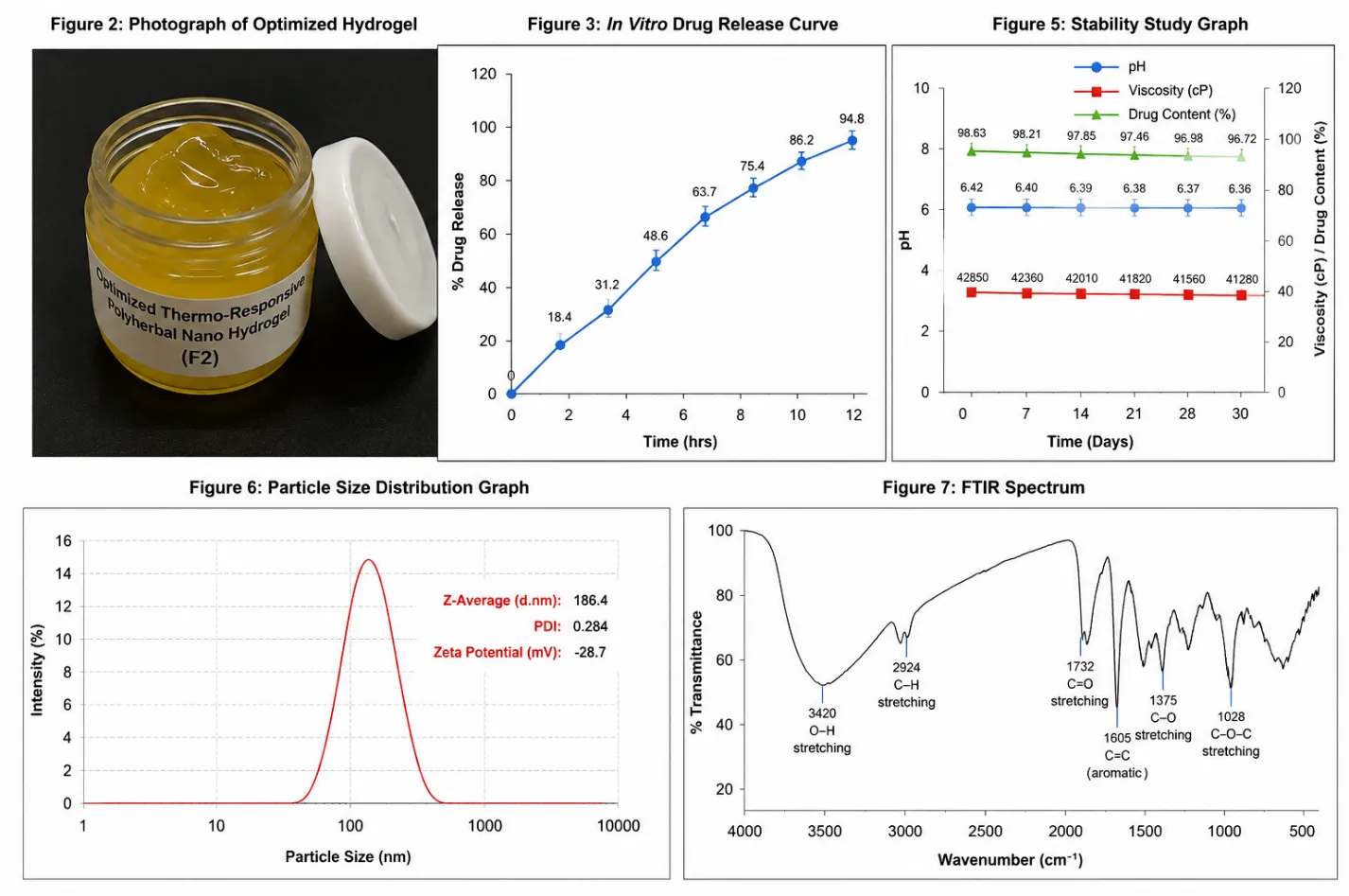
Figure 4. FTIR Spectrum of Optimized Nano Hydrogel
13. Differential Scanning Calorimetry (DSC)
DSC thermograms indicated successful dispersion of active constituents within the hydrogel matrix. Slight shifting of endothermic peaks suggested reduced crystallinity and improved compatibility.
15: DSC Thermal Analysis
|
Sample |
Endothermic Peak (°C) |
|
Pure Curcumin |
178.5 |
|
Optimized Hydrogel |
171.2 |
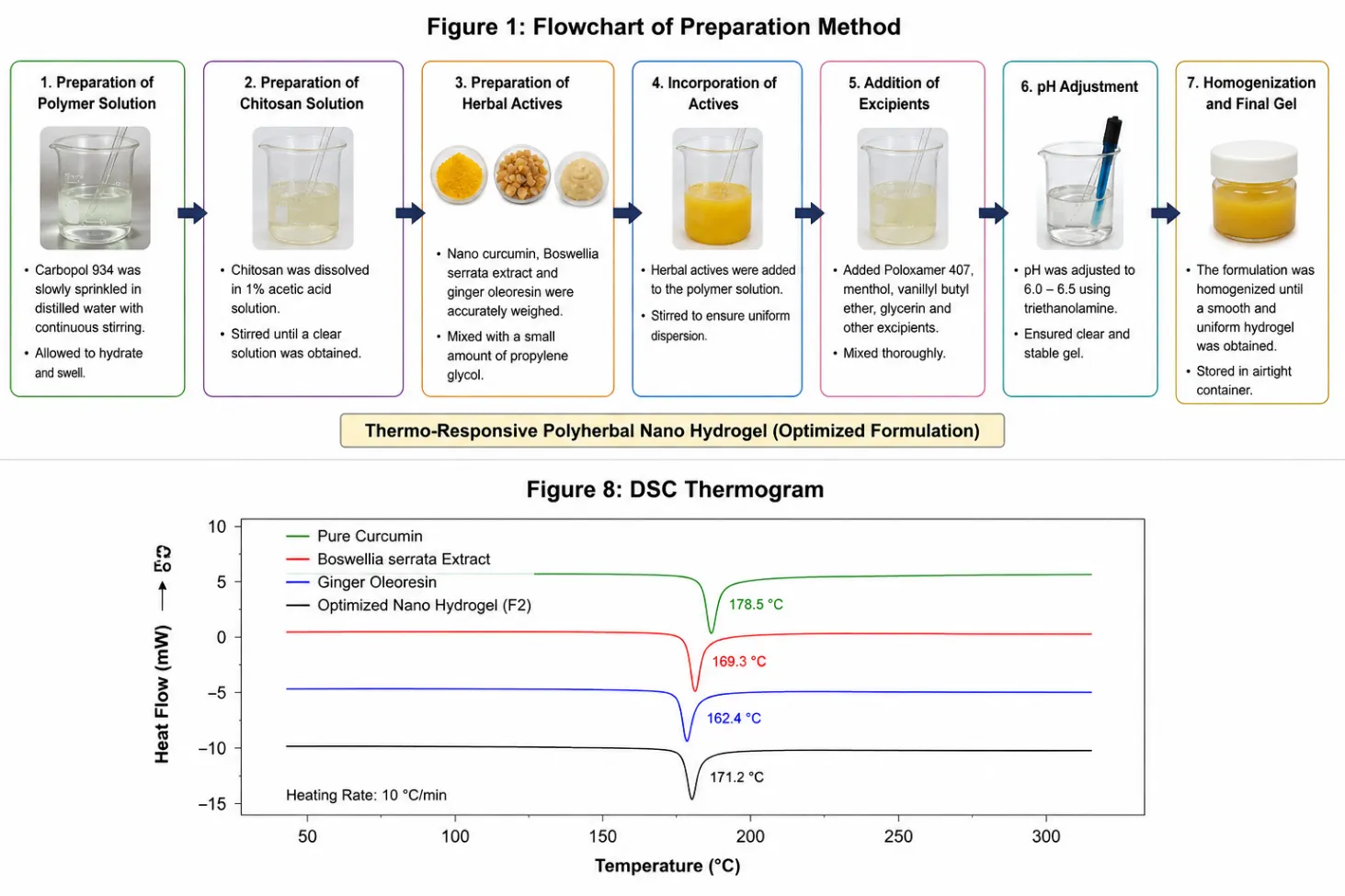
Figure 5. DSC Thermogram of Optimized Nano Hydrogel
14.Protein Denaturation Assay
The thermo-responsive polyherbal nano hydrogel formulation exhibited significant anti-inflammatory activity in the protein denaturation assay. The formulation effectively inhibited heat-induced denaturation of bovine serum albumin in a concentration-dependent manner. Increased percentage inhibition was observed with increasing concentration of the hydrogel formulation, indicating its ability to prevent protein denaturation associated with inflammatory conditions.
Table 16. Anti-Inflammatory Activity by Protein Denaturation Assay
|
Concentration (µg/mL) |
Absorbance of Test Sample (At) |
% Inhibition of Protein Denaturation |
|
100 |
0.612 |
38.2 ± 0.8 |
|
200 |
0.521 |
47.4 ± 0.6 |
|
300 |
0.438 |
55.8 ± 0.7 |
|
400 |
0.356 |
64.1 ± 0.5 |
|
500 |
0.281 |
71.7 ± 0.4 |
Control absorbance (Ac) = 0.990
The maximum inhibition of protein denaturation was observed at 500 µg/mL concentration with 71.7% inhibition, demonstrating strong anti-inflammatory potential of the developed hydrogel formulation.
15. Membrane Stabilization Assay
The thermo-responsive polyherbal nano hydrogel formulation showed effective membrane stabilization activity against hypotonicity-induced hemolysis of erythrocytes. The formulation protected red blood cell membranes in a concentration-dependent manner, suggesting stabilization of lysosomal membranes and prevention of inflammatory mediator release.
Table 17. Anti-Inflammatory Activity by Membrane Stabilization Assay
|
Concentration (µg/mL) |
Absorbance of Test Sample (At) |
% Membrane Stabilization / Protection |
|
100 |
0.574 |
41.5 ± 0.7 |
|
200 |
0.486 |
50.4 ± 0.6 |
|
300 |
0.401 |
59.1 ± 0.5 |
|
400 |
0.318 |
67.5 ± 0.4 |
|
500 |
0.247 |
74.8 ± 0.3 |
Control absorbance (Ac) = 0.981
The highest membrane stabilization activity was observed at 500 µg/mL concentration with 74.8% protection, indicating significant anti-inflammatory activity of the thermo-responsive polyherbal nano hydrogel formulation
CONCLUSION
The present investigation successfully developed and evaluated an optimized thermo-responsive polyherbal nano hydrogel formulation for topical management of knee pain and inflammation. The hydrogel formulation containing nano curcumin, Boswellia serrata extract, and ginger oleoresin demonstrated satisfactory physicochemical properties including appropriate pH, excellent homogeneity, suitable viscosity, good spreadability, and high drug content uniformity, indicating successful formulation development and suitability for topical application.
The optimized formulation exhibited desirable thermo-responsive characteristics due to the synergistic effect of menthol and vanillyl butyl ether that leads to instant cooling effect and delayed warming effect that have the potential to enhance local therapeutic effect and patient comfort. The hydrogel also showed long-term in vitro release of drugs up to 12 hours which suggests that there is long-term retention and release of active phytoconstituents of the polymeric matrix.
The anti-inflammatory studies validated the tremendous therapeutic potential of the formulation developed. The hydrogel, in the protein denaturation experiment, could prevent the denaturation of proteins in a concentration-dependent manner under heat conditions whereas, in the membrane stabilization experiment, the hydrogel could prevent lysis of erythrocyte membranes as a result of hypotonicity. This anti-inflammatory effect can be attributed to the synergistic effect of curcumin, Boswellia serrata and ginger phytoconstituents, which are anti-inflammatory and antioxidant.
Stability studies confirmed that the optimized nano hydrogel remained stable under different storage conditions without significant changes in physicochemical characteristics. Furthermore, the absence of skin irritation indicated the safety and compatibility of the formulation for topical administration.
Overall, the developed thermo-responsive polyherbal nano hydrogel represents a promising, stable, and patient-friendly topical drug delivery system for effective management of knee pain and inflammation. The formulation may provide enhanced therapeutic efficacy, prolonged action, improved patient compliance, and reduced systemic adverse effects compared to conventional oral therapies. Further in vivo pharmacological and clinical investigations may be carried out to establish its therapeutic potential for future pharmaceutical applications.
FUNDING STATEMENT:
The authors have not had any specific fund from public sector, commercial or not-for-profit funding agencies to support this research work.
ETHICAL APPROVAL:
In this study only in-vitro experimental procedures were performed, there were no human test subjects and no live test animals. Therefore, the institutional/international guidelines did not require the ethical approval.
CONFLICT OF INTEREST:
The authors declare that there is no conflict of interest regarding the publication of this research work
REFERENCES
ICH Harmonised Tripartite Guideline. Stability testing of new drug substances and products Q1A(R2). International Conference on Harmonisation; 2003. p. 1–24.

Ujwal Bhosale, Avishkar Godase, Sayali Ghodake, Omkar Dhanawade, Devyani Divase, Sanika Nikam, Yogesh Kolekar, Development and Comprehensive Evaluation of a Thermo-Responsive Polyherbal Nano Hydrogel Containing Nano Curcumin, Boswellia serrata, and Ginger Oleoresin for Enhanced Topical Management of Knee Pain and Inflammation, Int. J. of Pharm. Sci., 2026, Vol 4, Issue 6, 1608-1624, https://doi.org/10.5281/zenodo.20568176
 10.5281/zenodo.20568176