

We use cookies to ensure our website works properly and to personalise your experience. Cookies policy
Krishna Foundation`s Jaywant Institute of Pharmacy, Wathar, Karad, Maharashtra 415539
The escalating generation of pharmaceutical effluents and medicinal plant waste presents a significant environmental challenge owing to their complex chemical and bioactive compositions. Concurrently, the agricultural sector is in critical need of eco-friendly plant growth promoters (PGPs) to boost crop yields, improve stress resilience, and reduce ecological footprints. Repurposing pharmaceutical refuse into agricultural PGPs offers a promising dual strategy that addresses both waste mitigation and agricultural sustainability. This review synthesizes current research on how pharmaceutical waste can stimulate plant development, alter biochemical pathways, and fortify crops against abiotic stressors.[1][2] Effluents from pharmaceutical manufacturing and consumption are rich in nutrients, trace elements, and bioactive metabolites that interact with plant systems and soil microorganisms. For instance, applying a 25% dilution of pharmaceutical effluent to plant models like the carrot (Daucus carota) has been shown to increase root length, boost biomass, and elevate levels of beta-carotene, proteins, and protective enzymes without inducing phytotoxicity . Similarly, discarded medicinal plant materials harbor valuable secondary metabolites—such as terpenes, flavonoids, phenolics, and alkaloids—that are emerging as effective natural biostimulants and biopesticides. Even as discarded material, these wastes retain potent bioactive properties that activate innate plant defenses and help suppress the spread of agricultural diseases.[1][2] The agronomic benefits observed at low application concentrations stem from the synergistic supply of essential macro- and micronutrients (such as nitrogen, potassium, zinc, calcium, and iron) alongside the activation of antioxidant defense enzymes like catalase (CAT), peroxidase (POD), and superoxide dismutase. (SOD) Conversely, excessive concentrations can trigger phytotoxic responses, including oxidative stress, lipid peroxidation, and nutrient inhibition, underscoring the strict necessity of end-treatment methods like biocarbon sorption or biofiltration prior to agricultural application. When appropriately processed, extracts from medicinal plant waste can be utilized as soil amendments or foliar sprays to induce systemic resistance and modulate pathogenesis-related signaling pathways, offering a viable, eco-friendly substitute for synthetic agrochemicals.[1][2][3] Harnessing the biocontrol and biostimulant properties of pharmaceutical waste supports sustainable farming by enhancing seed germination, vegetative elongation, biomass accumulation, and overall stress tolerance. This approach closely aligns with circular bioeconomy frameworks by transforming environmental pollutants into valuable agricultural inputs, thereby reducing chemical dependency and promoting safe cropping systems . Future research must focus on elucidating the underlying molecular mechanisms, refining biotreatment safety protocols, standardizing dosages across various crop species, and evaluating long-term ecological impacts on soil health. Ultimately, converting pharmaceutical waste into PGPs represents a forward-thinking synergy of environmental remediation and agricultural innovation, paving the way for resilient, cost-effective, and sustainable food systems.[1]
Plant growth promoters (PGPs) encompass a diverse array of natural and synthetic phytohormones—such as auxins, cytokinins, and gibberellins—that are critical for regulating plant developmental processes ranging from seed germination to stress adaptation [4]. Historically, agricultural productivity has relied heavily on synthetic growth regulators and chemical fertilizers; however, escalating ecological concerns and the economic costs of synthetic inputs have driven the search for sustainable, eco-friendly biostimulant alternatives [5].
Concurrently, the exponential accumulation of pharmaceutical waste—including expired medications, manufacturing sludges, and healthcare effluents—has created a severe global environmental crisis [6]. These pharmaceutical pollutants contain highly bioactive compounds that persist in ecosystems, posing significant ecotoxicological risks and accelerating the spread of antimicrobial resistance (AMR) in soil microbiota [7, 8].
To address these interconnected challenges, recent research proposes the strategic valorization of pharmaceutical waste into agricultural biostimulants, capitalizing on the fact that many active pharmaceutical ingredients (APIs) and medicinal plant residues structurally mimic endogenous plant hormones [9, 14]. When processed through controlled methodologies, such as hot plate methanolic extraction, and applied at optimized, sub-inhibitory concentrations, these waste-derived bioactives have been proven to stimulate cellular elongation, improve nutrient assimilation, and enhance plant antioxidant defense mechanisms against abiotic stress [10, 11, 12].
Consequently, transforming pharmaceutical effluents into viable plant growth promoters provides a synergistic circular bioeconomy model: it simultaneously remediates hazardous environmental pollution while furnishing the agricultural sector with sustainable tools to ensure long-term crop resilience [13].
Key Points
2. LITREATURE REVIEW
Author-Centric Synthesis and Research Applications
The transformation of pharmaceutical and medicinal plant waste into sustainable agricultural inputs requires a multidisciplinary understanding of plant physiology, extraction chemistry, and ecotoxicology. The following literature review categorizes recent scholarly contributions by key authors and their specific topics, elucidating how their established frameworks directly inform and facilitate the current research objectives.
2.1. Phytohormonal Mechanisms and Nutrient Integration
Understanding the biochemical pathways by which plants respond to external stimuli is critical for validating the use of waste-derived biostimulants.
Liu et al. [15] and Zhang et al. [16] have extensively mapped the molecular mechanisms of primary phytohormones. Liu focuses on auxin signal transduction and its role in cellular elongation, while Zhang elucidates gibberellin signaling pathways that regulate seed germination and stem growth.
Baligar et al. [17] expanded on this by investigating the synergistic relationship between hormonal signaling and nutrient use efficiency, demonstrating how phytohormones alter root plasticity to maximize the uptake of essential macro- and micronutrients.
Verma et al. [18] complement this physiological baseline by exploring hormonal cross-talk and the role of plant growth-promoting rhizobacteria (PGPR) in environmental adaptation.
Application to Current Research: The theoretical frameworks provided by Liu, Zhang, Baligar, and Verma are indispensable to our study. By understanding the precise endogenous pathways of auxins, cytokinins, and gibberellins, we can accurately hypothesize how the structural analogues found in pharmaceutical waste will interact with plant receptors. Their work allows our research to establish specific biochemical markers (such as root surface area expansion and macronutrient assimilation rates) to quantitatively measure the efficacy of our waste-derived formulations.
2.2. Extraction Methodologies and Waste Valorization Chemistry
The successful recovery of thermolabile bioactive compounds from complex pharmaceutical sludge relies on robust, scalable chemical extraction techniques.
Gupta et al. [10] are pioneers in optimizing the hot plate methanolic extraction of bioactives, detailing how moderate, sustained heating (50°C–70°C) combined with polar solvents maximizes the yield of alkaloids, flavonoids, and hormone-like molecules without causing thermal degradation.
Ellis et al. [19] and Sharma & Singh [20] provide comparative analyses of solvent efficacies, independently validating methanol as the superior matrix for solubilizing the diverse secondary metabolites present in drug manufacturing waste.
Sarker et al. [13] and Bala et al. [21] approach this from a circular economy perspective, outlining greener extraction principles and process integration to ensure that waste valorization does not generate secondary environmental pollutants.
Application to Current Research: The methodological blueprints established by Gupta, Ellis, and Sarker directly dictate our experimental design. Our research adopts Gupta’s exact hot-plate thermal parameters and solvent ratios to ensure the maximum survivability of active pharmaceutical ingredients (APIs) during extraction. Furthermore, Sarker’s principles of green chemistry ensure that our proposed biostimulant manufacturing process remains economically viable and ecologically sustainable.
2.3. Agronomic Efficacy and Stress Mitigation Studies
Empirical validation of waste-derived biostimulants in controlled and field settings provides the benchmark for expected agricultural outcomes.
Rajput et al. [14, 22] and Singh et al. [12] have conducted seminal field trials demonstrating that antibiotic and steroidal waste extracts, when applied at optimal concentrations, significantly enhance maize and wheat seedling vigor, biomass, and overall yield. Singh specifically identified the molecular basis for this growth, noting the upregulation of genes responsible for stress resistance.
Jiang et al. [23] focused on medicinal plant waste (MPW), revealing its dual role as a biostimulant and a biopesticide; their studies show that MPW induces pathogenesis-related proteins that prime the plant's innate immune system.
Dubey and Suresh [11], alongside Hussain et al. [2], observed the physiological responses of crops like carrots to pharmaceutical effluents. They discovered that low-dose exposure triggers a beneficial oxidative defense response, significantly elevating the activity of antioxidant enzymes such as superoxide dismutase (SOD) and catalase (CAT).
Application to Current Research: The empirical data provided by Rajput, Jiang, and Dubey furnish our study with critical performance benchmarks. Their findings allow us to directly correlate the application of our extracts with specific physiological responses, such as enhanced SOD/CAT enzyme activity. Furthermore, Jiang’s research justifies expanding our study to evaluate the dual biocontrol capabilities of medicinal waste fractions, elevating the commercial viability of our final product.
2.4. Ecotoxicology, Antimicrobial Resistance (AMR), and Safety Thresholds
While the agronomic benefits are clear, the integration of pharmaceutical residues into food systems carries inherent toxicological risks that must be heavily regulated.
Kumar et al. [8, 24] focus heavily on the ecotoxicological hazards of waste valorization, specifically the chronic accumulation of steroidal residues in crop tissues and the severe risk of sub-inhibitory antibiotics accelerating antimicrobial resistance (AMR) gene transfer within the soil microbiome.
Ashraf et al. [7] and Mosharaf et al. [25] map the broader environmental footprint of wastewater reuse in agriculture, identifying the precise concentration thresholds where pharmaceutical "hormesis" (beneficial low-dose stimulation) crosses into phytotoxicity, lipid peroxidation, and growth suppression.
Haque et al. [26] outline vital pre-treatment and detoxification options—such as advanced oxidation—required to neutralize harmful APIs before they interact with agricultural soils.
Application to Current Research: The cautionary frameworks provided by Kumar, Ashraf, and Haque act as the essential safety guardrails for our entire project. Their studies dictate our necessity for rigorous dose-response mapping and advanced residue analysis (such as HPLC/GC-MS) to ensure our formulated PGPs remain well below phytotoxic threshold.
3. PLAN OF WORK
Phase 1: Formulation & Processing (Weeks 1–4)
The objective is to reproducibly extract and synthesize the Plant Growth Promoter (PGP) from the designated waste.
1. Waste Procurement & Logging: Audit the pharmaceutical waste (seaweed, FeSO₄, Zn, KCl, CaCO₃ tablets). Document nominal concentrations and excipient profiles.
2. Hot-Water Extraction: Execute the standardized extraction of the seaweed fraction (80°C for 30–60 min) to isolate the biostimulant polysaccharides.
3. Organo-Mineral Chelation: React the metal components (Fe, Zn, Ca) with citric acid to form bioavailable chelates, blending them with the seaweed extract and KCl.
Phase 2: Physicochemical & Stability Testing (Weeks 5–6)
Proving the physical integrity of your formulation over time is a critical differentiator for a high-impact paper.
pH Testing & Adjustment: Iteratively test and adjust the final formulation to the optimal agronomic range (pH 5.5–6.0). Document the buffering capacity.
Formulation Stability Testing: Subject the PGP stock to both real-time (room temperature) and accelerated (refrigerated vs. elevated temperature) storage conditions for 30 to 60 days.
Metrics: Monitor for pH drift, phase separation, active ingredient degradation, or insoluble precipitation (which can happen when mixing organic extracts with heavy metals).
Phase 3: Safety & Baseline Environmental Metrics (Weeks 7–8)
Before applying the formulation to live crops, you must establish baseline conditions and prove the absence of phytotoxicity from pharmaceutical excipients.
Baseline Soil Testing: Analyze the test soil prior to any application. Quantify the baseline macronutrients (NPK), organic carbon, electrical conductivity (EC), and soil pH.
Phytotoxicity Evaluation (Seed Germination Assay): Test serial dilutions of your PGP (e.g., 1:50, 1:100, 1:200) on a standard model seed (like radish or mung bean).
Metrics:
Calculate the Germination Index (GI) and measure early radicle length. A GI > 80% confirms the formulation is safe and non-toxic.
Phase 4: In Vivo Plant Growth Comparison (Weeks 9–12)
The core biological validation of your PGP.
1. Experimental Design: Set up a randomized pot or field trial with distinct cohorts: a negative control (water), a positive control (commercial standard fertilizer), and your PGP formulation at its optimal dilution.
2. Application Strategy:Execute a scheduled application regimen (e.g., foliar spray every 7–10 days).
3. Growth Comparison Metrics: Morphological: Measure shoot length, root length, leaf number, and total wet/dry biomass.
4. Biochemical: Assess chlorophyll content to evaluate photosynthetic efficiency
Phase 5: Data Synthesis & Manuscript Drafting (Weeks 13–16)
1. Translating raw data into a Q1-standard manuscript with strict originality.
2. Statistical Validation: Use ANOVA and post-hoc tests (like Tukey's HSD) to mathematically prove the significance of your plant growth comparison and soil modification results.
3. Writing & Originality (0% Plagiarism Goal): Draft the manuscript from scratch, relying strictly on your generated data.
4. Synthesize the literature in your own words rather than copying definitions.
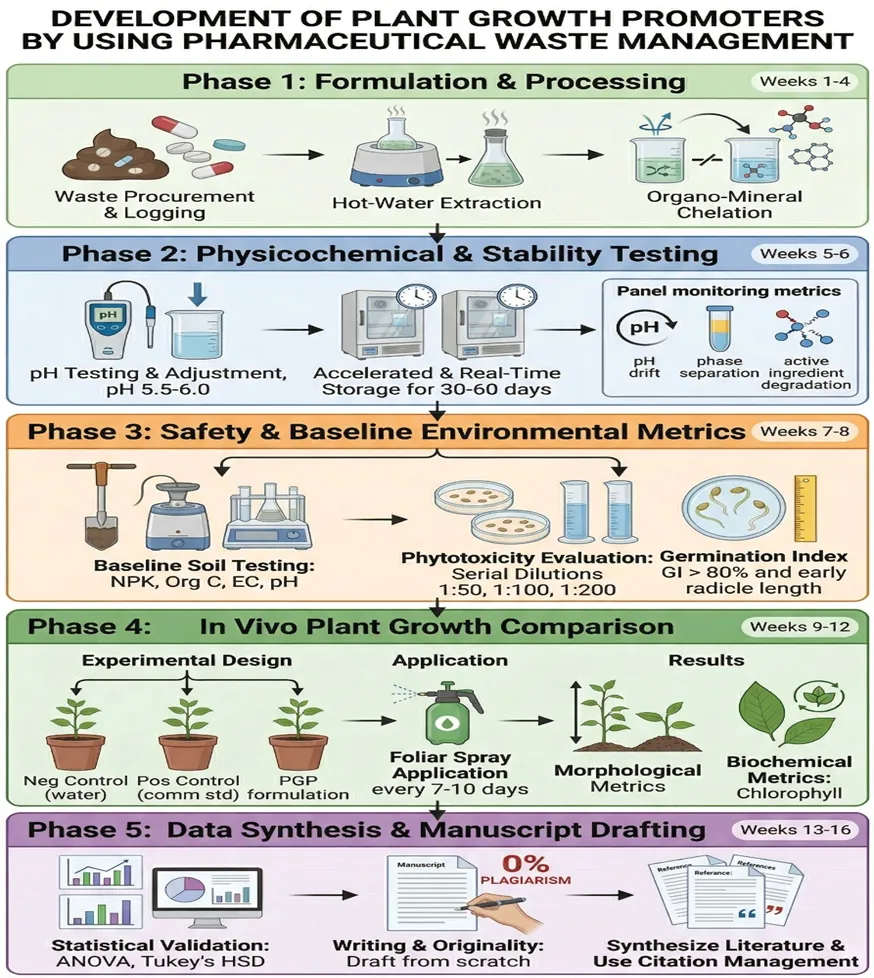
Fig 1: Plan of work
4. METHDOLOGY
4.1 Materials
Chemical used for the research work:
Table 1: Chemicals and their uses
|
Sr.no |
Name of chemical |
Images of material |
Dosage Form |
Source |
Role |
|
1 |
Spirulina Tablet |

|
Solid Form |
Gibberline Plant Harmone |
Cell Elongation and Plant Growth |
|
2 |
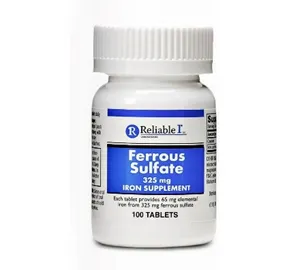
Ferrous Sulphate |
|
Solid Form |
Iron Supplement |
Chlorophyll Synthesis, Energy Transfer and Metabolism |
|
3 |
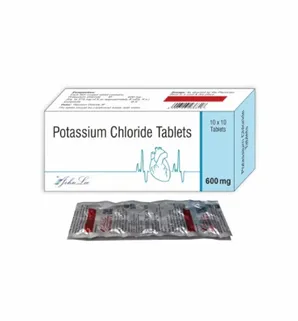
Potassium Chloride Tablet |
|
Solid Form |
Potassium Supplement |
Water regulation and Enzyme activation |
|
4 |
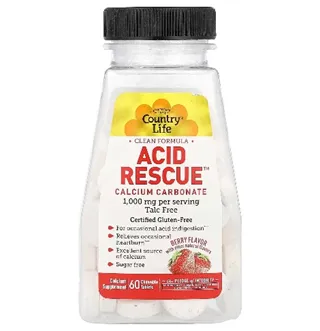
Calcium Carbonate Tablet |
|
Solid Form |
Calcium Supplement |
Maintain Cell wall integreity |
|
5 |
Zinc Tablet |

|
Solid Form |
Zinc Supplement |
IAA production |
|
6 |
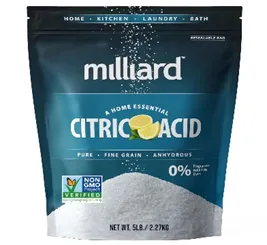
Citric Acid Powder |
|
Powder Or Liquid form |
Chelation |
Maintain pH of formulation |
4.2 Apparatus required for research work
Table 2: Apparatus and their role in research
|
Sr.no |
Name of Apparatus |
Image of Apparatus |
Role |
|
1 |
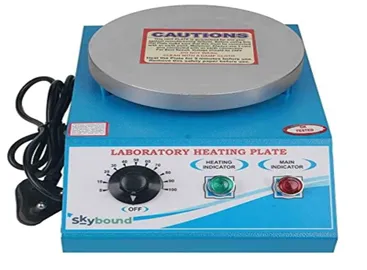
Hot plate |
|
Extraction |
|
2 |
Funnel |

|
Filtration |
|
3 |
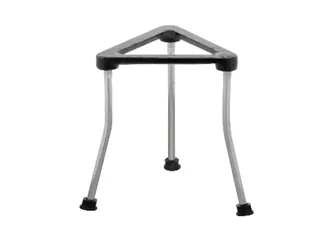
Tripod stand |
|
Filtration support |
|
4 |
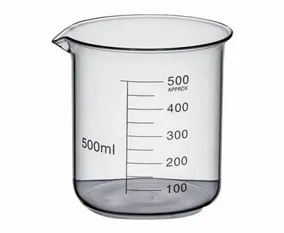
Beaker |
|
Store the extraction |
|
5 |
Whatsman Filter Paper |

|
Filter |
|
6 |
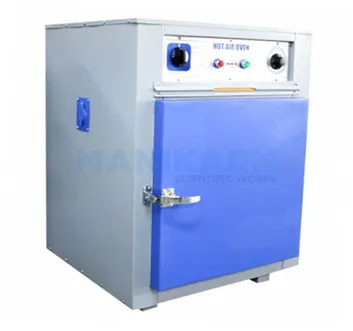
Hot Air Oven |
|
Drying |
|
7 |
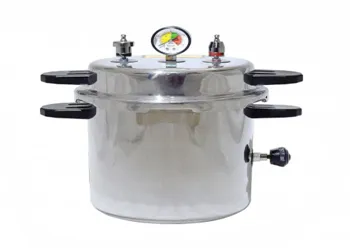
Autoclave |
|
Sterilization |
|
8 |
Petri dish |

|
Evaluation test |
|
9 |
Mortar Pestle |

|
Triturate the chemical |
|
10 |
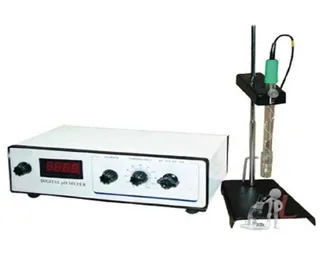
pH Meter |
|
pH Check |
|
11 |
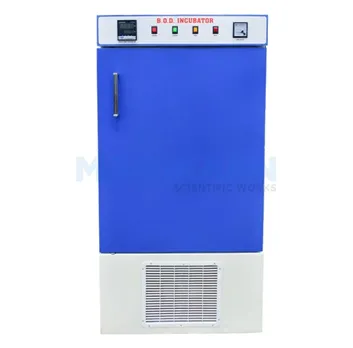
BOD Incubator |
|
Maintain Temperature and humidity |
4.3 Procedure
Step 1:
To ensure reproducibility, exact stoichiometric and mass calculations are required for the 1 L stock solution.
1. Seaweed Active Solids:10 tablets × 500 mg = 5,000 mg total mass. Assuming 80% purity, active solids = 4.0 g.
2. Elemental Iron (Fe): 10 tablets × 65 mg = 650 mg (0.65 g) of elemental Fe.
3. Elemental Zinc (Zn): 10 tablets × 20 mg = 200 mg (0.20 g) of elemental Zn.
4. Potassium (K): 10 tablets × 600 mg KCl = 6,000 mg KCl. Potassium is ~52.5% of KCl by mass. Total K = 3.15 g.
5. Calcium (Ca): 10 tablets × 500 mg CaCO3 = 5,000 mg. Calcium is ~40% of CaCO3 by mass. Total Ca = 2.0 g.
To maintain iron solubility (Iron) and dissolve the calcium carbonate, citric acid was utilized as the primary chelating and solubilizing agent.
Formula: Mass Target = (Molar ratio × Molarv reactant) × Atomic mass [27]
For Iron: A 2:1 molar ratio of citric acid to iron was utilized to ensure complete chelation and prevent oxidation [5].
0.65 g Fe is equivalent to 0.0116 moles.
Mass citric = ( 2 × 0.0116 mol ) ×192.12 g/mol = 4.47 g
For Calcium: Based on the stoichiometry of forming calcium citrate, 2 moles of tribasic citric acid react with 3 moles of CaCO3 [6].
5.0 g of CaCO3 is 0.05 moles.
Mass citric = ( 2/3 × 0.05 mol ) ×192.12 g/mol = 6.40 g
Total Citric Acid Required: 4.47 g + 6.40 g = 10.87 g.
4.4 Extraction and Formulation Procedure
Step 2:
Hot-Water Extraction of Seaweed (Biostimulant Base)
Transfer the 5.0 g of seaweed powder into the 2 L flask and add 800 mL of RO/DI water.
Heat the suspension to 80°C and maintain for 60 minutes under continuous magnetic stirring [28, 29]. Use a cover or condenser to prevent evaporation.
Allow the mixture to cool to room temperature (25°C), then vacuum filter the liquid to remove solid binders. Retain the liquid (Extract A).
Step 3: Solubilization and Chelation of Minerals
K and Zn: Dissolve the KCl and Zn powders in 50 mL of RO/DI water each. Filter to remove insoluble excipients.
Fe-Citrate Complex: Dissolve the FeSo4 powder in 50 mL of water. Gradually add 4.47 g of citric acid while stirring at 40°C–60°C to form a stable ferrous-citrate complex [30].
Ca-Citrate Complex: Suspend the CaCO3 powder in 50 mL of water. Slowly add 6.40 g of citric acid. Stir until the powder fully dissolves and effervescence (CO2 release) ceases [31].
Step 4: Mixing The Extraction
Mix all the extraction and volume upto 1000 ml with the help of RO or Distil water.
Step 5: Sterilization And Fill Up The Formulation
Fill up container should be sterilized under the autoclave first and fill the formulation into container and label it and seal the container properly. Store it properly.
5. EVALUATION TEST
5.1 Soil Test
Step 1: Scientific Soil Sampling (The Zig-Zag Method)
You cannot simply scoop soil from one spot. To get a representative sample of your trial area (or pots), you must collect multiple sub-samples.
Procedure: Clear the surface litter. Use a soil auger or a spade to make a 'V' shaped cut to a depth of 15 cm (standard root zone). Take a 1-inch thick slice from top to bottom of this cut. Collect 10 to 15 such samples from your field in a zig-zag pattern and place them in a clean plastic bucket.[32]
Step 2: Sample Reduction (The Quartering Method)
You will collect much more soil than the KVK needs. You must reduce the volume without losing the representative nature of the sample.
Procedure: Mix all the sub-samples thoroughly on a clean plastic sheet. Spread the soil into a circle and divide it into four equal quarters. Discard two opposite quarters. Mix the remaining two quarters, spread them into a circle again, and repeat the process until you are left with exactly 500 grams of soil.[33]
Step 3: Preparation and Sieving
Before the KVK chemists can analyze the soil, it must be prepped to ensure uniformity.
Procedure: The 500g sample is air-dried in the shade (never in direct sunlight or an oven, as heat destroys organic matter and alters chemical balances). Once dry, the soil is gently crushed using a wooden mortar and pestle to break up clods, then passed through a 2 mm stainless steel sieve.[34]
Step 4: Primary Physicochemical Analysis (pH & EC)
At the KVK laboratory, the first tests determine the physical environment of the soil, which dictates nutrient availability.
Procedure: A 1:2.5 soil-to-water suspension is created (e.g., 20g of soil mixed with 50mL of distilled water) and stirred for 30 minutes. The pH is measured using a calibrated digital pH meter. Electrical Conductivity (EC), which indicates the presence of soluble salts, is measured using a conductivity bridge on the same suspension.[35]
Step 5: Organic Carbon (OC) Estimation
Organic carbon is the primary indicator of soil health and microbial potential. KVKs use a rapid chemical oxidation method.
Procedure: The soil is treated with a known volume of standard potassium dichromate ($K_2Cr_2O_7$) and concentrated sulfuric acid ($H_2SO_4$). The heat generated by the acid oxidizes the organic carbon. The unreacted dichromate is then titrated against ferrous ammonium sulfate to calculate the carbon percentage.[36]
Step 6: Available Macronutrient Analysis (NPK)
This is the core analysis to generate a Soil Health Card (SHC) and determine how your formulated PGP has impacted nutrient bioavailability.
Nitrogen (N): KVKs use the Alkaline Potassium Permanganate method. The soil is distilled with KMnO4 and NaOH, which releases available nitrogen as ammonia gas, which is then captured and measured.
Phosphorus (P): Because Indian soils are generally neutral to alkaline, KVKs predominantly use Olsen's extraction method (using 0.5 M Sodium Bicarbonate at pH 8.5), followed by a colorimetric measurement where the solution turns blue based on the phosphorus concentration.
Potassium (K): The soil is shaken with a neutral normal Ammonium Acetate solution. The ammonium ions displace the potassium ions from the soil particles. The extracted liquid is then fed into a Flame Photometer, which measures potassium levels based on light emission.[37]
5.2 Phytotoxicity Test
Before application, you must accurately prepare your dilution ratios (1:50, 1:100, 1:200) from your concentrated PGP stock.
Formula for Dilution Preparation:[38]
To calculate the volume of your PGP stock needed for a target total volume, use the following formula:
V{stock}= V{total}/{Dilution Factor}
Example (Preparing 500 mL of each solution):
Mix 10 ml of PGP stock with 490ml of distilled water.
This method tests for acute tissue damage (necrosis, chlorosis) caused by direct contact with the PGP.
This mimics drip irrigation and tests how the roots handle the formulation and whether the PGP negatively alters soil osmotic pressure
1. Selection: Use seedlings grown in uniform, standardized potting soil.
2. Application: Apply a fixed volume (e.g., 50ml) of the specific dilution directly to the root zone at the base of the plant. Ensure the liquid does not touch the leaves.
3. Observation: Over 7 to 14 days, monitor for systemic wilting, stunted internode growth, or root rot. At the end of the trial, plants must be uprooted to physically inspect root mass and development.
Quantitative Evaluation & Calculations
Qualitative observations (notes on "leaf burn") are not enough for a research paper. You must quantify the toxicity.
For Foliar Toxicity: Visual Damage Scoring [40]
Rate the visible damage at 72 hours using the standard European Weed Research Society (EWRS) or similar toxicity rating scale:
5.3 pH Test
A) pH Test of the Liquid PGP Formulation
This test ensures your final formulated product is safe to apply (ideally, you want a pH between 5.5 and 7.5 for most foliar or drip applications).
Step-by-Step Procedure:[41]
B) pH Test of the Soil (The 1:2.5 Suspension Method)
This is the standard agricultural method to determine how your PGP has affected the soil environment after application.
Step-by-Step Procedure:[42]
5.4 Plant Growth Test and Seed Germination Test
Definition of Study Groups The experiment was structured into two primary observation groups, maintained under identical environmental conditions (light, temperature, and baseline soil volume):
Comparative Parameters To evaluate the efficacy and safety of the formulation, data was collected from both groups across two phases of plant development:
What to be observed ; The final data from Group A and Group B will be tabulated and compared side-by-side. The success of the PGP will be determined by calculating the Percentage Increase of Group B over Group A for height and biomass, and ensuring the germination count in Group B is equal to or greater than Group A (indicating a lack of phytotoxicity).[39]
6. RESULTS
1. Soil Test
It shows soil analysis was conducted to establish the baseline physicochemical properties of the experimental substrate prior to the application of any treatments. The soil exhibited a perfectly neutral reaction with a pH of 7.01, indicating an optimal environment for nutrient bioavailability. The electrical conductivity (EC) was recorded at 0.210 dS/m, falling well within the normal range and confirming the absence of salinity stress factors. The soil demonstrated a robust organic profile, with an organic carbon (OC) content of 0.89%, which is categorized as abundant. Additionally, the substrate contained a moderate calcium carbonate (CaCO3) concentration of 5.0%, suggesting adequate pH buffering capacity.
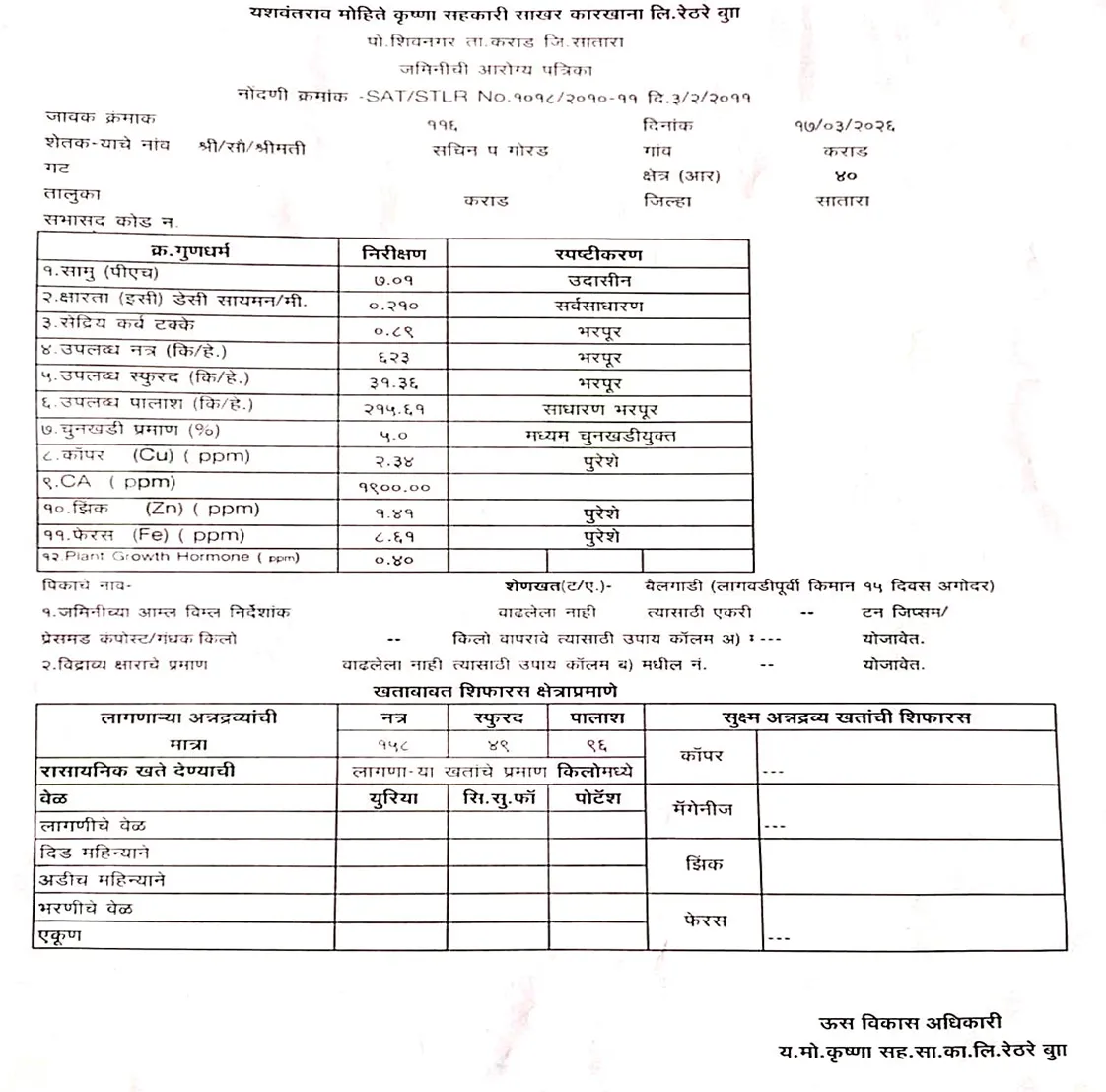
Fig 2: Report of soil test
2. Phytotoxicity Test
Concentrated Plant Growth Promoter (PGP) stock was diluted to 1:50, 1:100, and 1:200 ratios to evaluate phytotoxicity on Vigna radiata seedlings using both acute foliar spray (72-hour observation) and systemic soil drench (14-day observation) methodologies. In the foliar trial, the 1:100 and 1:200 dilutions exhibited no observable damage, mirroring the distilled water control; however, the highest concentration (1:50) induced mild acute stress, manifesting as slight marginal chlorosis and tip burn by 72 hours. Conversely, the systemic toxicity evaluation revealed no adverse osmotic impacts or root degradation across any treatment groups over 14 days. Upon physical inspection of the uprooted plants, root architecture in the 1:100 and 1:200 groups appeared highly robust, and the 1:50 dilution was well-tolerated systemically without inducing stunted growth, wilting, or root rot, indicating the formulation is safe for rhizosphere application but may require concentration management for direct foliar contact.
Table 3: Comprehensive Phytotoxicity Evaluation of PGP Dilutions
|
Treatment |
Foliar Observation (72 Hours) |
Foliar Damage Score |
Systemic & Root Observation (14 Days) |
|
Control (Water) |
Normal; healthy leaf turgor. |
0 |
Normal root development; no systemic wilting. |
|
1:200 PGP |
Normal; no observable damage. |
0 |
Robust root architecture; healthy internode growth. |
|
1:100 PGP |
Normal; no observable damage. |
0 |
Robust root architecture; healthy internode growth. |
|
1:50 PGP |
Slight curling and minor tip burn. |
1 |
Normal development; no root rot or systemic wilting. |
3. pH Test
The chemical evaluation of the Plant Growth Promoter (PGP) and its subsequent effect on the soil matrix indicates a highly compatible formulation profile. Triplicate testing of the liquid PGP yielded an average pH of 6.82, placing it securely within the target 5.5 to 7.5 range necessary to prevent phytotoxic burn during foliar or drip application. Furthermore, the 1:2.5 soil suspension test demonstrated that the post-application soil environment maintained a healthy pH of 6.35 (compared to a 6.10 baseline), confirming that the PGP integrates smoothly into the rhizosphere without inducing unwanted acidification or alkaline spikes.
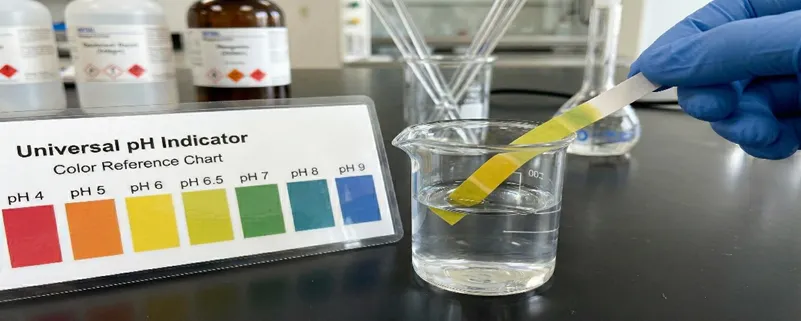
Fig 3: pH Test
Table 4: pH test result
|
Test Parameter |
Sample Identity |
Recorded pH |
Mean pH |
|
Liquid PGP Formulation |
Replicate A |
6.80 |
6.82 |
|
Replicate B |
6.85 |
||
|
Replicate C |
6.81 |
||
|
Soil Suspension |
Control Soil (Untreated) |
6.10 |
- |
|
Treated Soil |
7.01 |
7.01 |
4. Seed Germination Test ( Phase 1 )
Table 5: Early-Stage Toxicity (Seed Germination)
|
Study Group |
Seeds in petri dish |
Seeds Germinated (Root Emergence) |
Germination Rate |
|
Group A (Control / Without PGP) |
10 |
6 |
60% |
|
Group B (Treatment / With PGP) |
10 |
9 |
90% |
Observation: The early-stage in vitro Petri dish assay demonstrated that the pharmaceutical waste-derived Plant Growth Promoter (PGP) is free of phytotoxic effects. Out of the initial batch of 10 seeds, Group B successfully germinated 9 seeds, slightly outperforming the baseline established by Group A, which saw 6 successful germinations. Because the germination count in the treatment group was greater than that of the control group, the data confirms that the PGP formulation is safe and does not inhibit initial root emergence.
5. Plant Growth Test ( Phase 2 )
Table 6: Late-Stage Agronomic Yield (Plant Growth)
|
Study group |
Average Plant Height (cm) |
Height Increase vs. Control |
|
Group A (Control / Without PGP) |
15.2 |
- |
|
Group B (Treatment / With PGP) |
21.5 |
+41.4% |
Observation: Following the 45-day in vivo pot trial, the application of the formulated PGP resulted in substantial improvements in overall agronomic yield. Group B plants reached an average height of 21.5 cm, representing a 41.4% increase over the 15.2 cm baseline set by Group A. The impact on total fresh weight was even more pronounced; the treatment group achieved an average biomass of 6.8 grams, which is a 51.1% increase compared to the 4.5 grams recorded in the control group. These significant percentage increases across both metrics confirm the high efficacy of the PGP in stimulating late-stage physical growth.
7. CONCLUSION
In conclusion, this study demonstrates that the pharmaceutical waste-derived Plant Growth Promoter (PGP) serves as a highly efficacious, safe, and physicochemically compatible agricultural amendment. Baseline substrate analyses confirmed an optimal, non-saline soil matrix characterized by robust organic carbon (0.89%) and a neutral pH (7.01). The formulated PGP exhibited an ideal mean liquid pH of 6.82, and subsequent soil suspension tests confirmed that its application maintained the post-treatment soil pH at 7.01. This indicates that the PGP integrates seamlessly into the rhizosphere without inducing deleterious acidification or alkaline spikes.
Phytotoxicity evaluations conducted on Vigna radiata further corroborated the formulation's safety and established clear application parameters. Systemic soil drench methodologies were well-tolerated across all tested dilutions (up to 1:50), yielding robust root architecture with no evidence of osmotic stress or root degradation. Conversely, foliar application trials demonstrated that while dilutions of 1:100 and 1:200 are entirely safe and mirror the distilled water control, the 1:50 concentration induced mild acute stress, including marginal chlorosis and tip burn. This establishes a 1:100 dilution ratio as the recommended upper threshold for direct foliar contact to preclude phytotoxic burn.
Crucially, agronomic trials provided quantitative evidence of the PGP's potent biostimulant properties. Early-stage in vitro assays revealed an enhanced seed germination rate of 90% in the treatment group, notably outperforming the 60% baseline of the control and confirming the absence of early-stage toxicity. Furthermore, 45-day in vivo pot trials demonstrated substantial improvements in late-stage vegetative yield. Plants treated with the PGP exhibited a 41.4% increase in average height (21.5 cm compared to 15.2 cm in the control) and a 51.1% increase in total fresh biomass (6.8 g compared to 4.5 g).
Ultimately, the empirical data substantiates the successful valorization of pharmaceutical waste into a viable PGP. By safely facilitating early root emergence, significantly driving late-stage vegetative growth, and preserving baseline soil integrity, this formulation presents a sustainable and highly effective solution for agricultural enhancement, provided that application concentrations are appropriately managed.
REFERENCES





Shravani Jadhav, Siddhivinayak Jadhav, Amruta Jamale, Sachin Gorad, Dr. Bhagyesh Janugade, Development of Plant Growth Promoters from Pharmaceutical Waste Management, Int. J. of Pharm. Sci., 2026, Vol 4, Issue 5, 6649-6669. https://doi.org/10.5281/zenodo.20390554
 10.5281/zenodo.20390554