

We use cookies to ensure our website works properly and to personalise your experience. Cookies policy
1 M. Pharmacy, Department of Pharmaceutics, Gokaraju Rangaraju College of Pharmacy, Bachupally, Hyderabad, Telangana, 500090.
1* Assistant professor, Department of Pharmaceutics, Gokaraju Rangaraju College of Pharmacy, Bachupally, Hyderabad, Telangana, 500090
DTs are well-established in the fields of aerospace and manufacturing engineering; however, their application in drug discovery and healthcare is rather poorly explored and lacks consensus on the definition. The present review synthesizes information from various sources throughout the stages of drug discovery and highlights the difference between the dynamic evolving digital patient twin (DPT) and the traditional predictive static model. The present review utilizes the classic digital twin architecture (physical, virtual parts, and data interface), which is applied to the DPT framework. Moreover, the DPT framework is extended by the examples of molecular, cellular, and organ on chip models, virtual patient cohorts, and simulated clinical trials. The scope of generative AI technologies, including generative adversarial network (GAN), variational autoencoder, transformer, restricted Boltzmann machine, and graph neural network, is included. Generative AI distinguishes genuine DT from conventional approaches owing to the fact that it provides for continuous and personalized simulation of a patient’s health path. Case studies regarding immune system conditions, rare diseases, oncology, and additive manufacturing are discussed alongside regulatory documents of the FDA and EMA. Regulators have already approved certain pieces of evidence related to DT, and such initiatives as DITTO and I-SPY 2 demonstrate improved treatment matching and more effective trials. Nonetheless, overall there has been some progress, albeit uneven. The vast majority of DT implementation cases are at an initial stage due to limited data, low interpretability, and validation issues.
Innovation and productivity in companies requires digital technology for improved innovation, productivity, and increased profitability.[1,2] In the case of manufacturing, it means computer systems, internet communication, automation, and now digitization.[3,4] This development has facilitated the shop floor control, supply chain management, and tracking of products.[5,6] There has been a keen interest from government agencies, regulatory bodies, academia, and industries in artificial intelligence, IoT, and DTs.[7] The Industry 4.0 framework is one that has improved productivity, automation, and efficiency.[8] This framework makes use of big data analysis, cloud computing, cyber-physical systems, and IoT in order to facilitate real-time monitoring and control.[9,10,11] The standards of this framework have also encouraged organizations to integrate physical assets with digital world, which is helpful for DTs.[12,13]
The idea of "twins" dates back to NASA's Apollo mission in the late 1960s.[14] The term "digital twin" was coined in 2002 by Michael Grieves as a knowledge model tied to the physical object.[15,16] Glaesgen and Stargel state that it is "a dynamic representation of the life cycle history of its corresponding physical twin based on the most accurate data, models, and physics available".[5,17] A fully functioning DT contains three components: a virtual part, a physical part, and automatic bidirectional exchange of data between them.[18,19] Partial systems such as digital shadows and digital models are more frequent.[20,21] The digital twin has later found its way into the life sciences field [22], where it might describe from a single cell to a complete patient or a clinical study population.[23,24] The digital patient twin (DPT) is assembled from wearable, imaging, laboratory, and multi-omics data, and it is used for prediction of treatment response, disease evolution, and adverse events.[22,24]
The pharmaceutical industry is not behind when it comes to adopting digitization, with a large part of this due to the requirement of the FDA for an adaptable manufacturing industry.[27,28] It still, however, largely depends on the processes of quality control and batch records with little ability to adapt.[29,30,31] DT and DPT are thus required in the industry to bridge the physical and digital worlds.
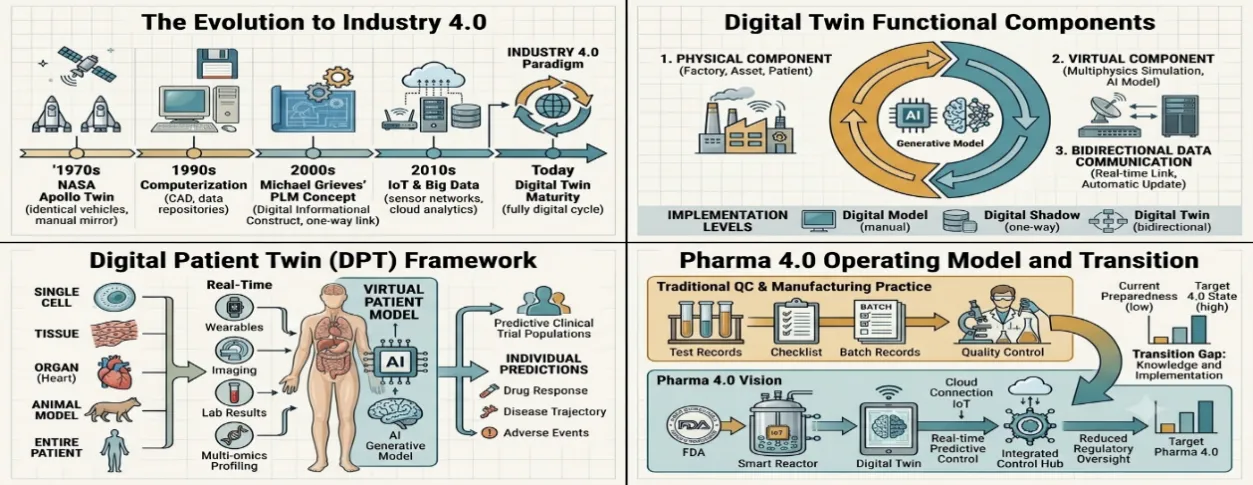
Figure 1: Digital Twins: From Industry 4.0 to Pharma 4.0
FRAMEWORK OF DIGITAL TWINS
The Digital Twin consists of three components, including the physical part, the virtual part, and the automated two-way exchange of data between them, which is provided by means of a data management platform.[34] These three components are illustrated in Figure 2 below. The physical part consists of all the data collection points of the manufacturing process, i.e., sensors, and network components like workstations and routers.[35] The virtual part operates through models that use experience from previous processes, historical data, and data streams from the physical part to ensure predictive accuracy. Thus, the virtual part has to be an exact digital representation of the physical part in all important aspects.[12,36] The data management system is a link between these two environments. In addition to storing databases, data transfer protocols, and operating and modeling data, the system ensures data visualization, process prediction, dynamic data analysis, and optimization.[37] Below is the description of each component.
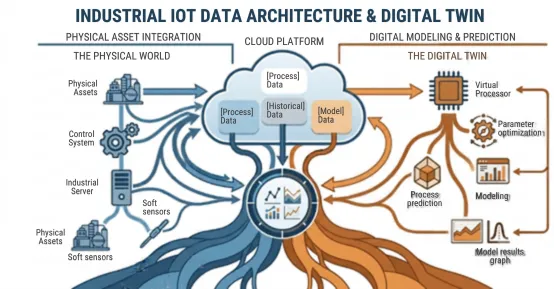
Figure 2: Industrial IoT Ecosystem: Cloud Platform & Predictive Digital Modelling
Physical Component
An important part of developing a DT involves gathering data on the process and the machinery. The critical process parameters (CPPs) may be gathered automatically via machine-machine interface (MMI) or manually using human-machine interface (HMI).[5] Open Platform Communications (OPC), OPC Unified Architecture (OPC UA), Modbus, and Message Queue Telemetry Transport (MQTT) protocols help transfer this data from the machinery, the control system, and the network. OPC UA is the most advanced of them.[5,38]
Soft sensors use both hardware sensors and software modeling to determine hard-to-measure or expensive to measure properties, and they are frequently used to determine critical quality attributes (CQAs).[5] Examples include temperature measurement using pyrometers, quality of the product during crude distillation, and cake resistance during freeze drying.[5,39] Data historian stores all of this data as it comes in continuously. For instance, Zidek used a DT with OPC-UA to measure the quality of the product in SMEs,[5,40] while a cloud-based analytics platform was developed for a waste-to-energy plant.[5,41]
Virtual Component
The second section of the DT is the virtual entity. This consists of models that help to study the present and the future state of the system and simulate the physical process. By using good models, it is possible for it to perform real-time simulation and analysis, which include sensitivity analysis to identify key parameters, design space analysis to identify workable conditions, and optimization.[43] These findings, along with expert systems that have been programmed beforehand, can be used to generate control commands for the physical entity.[44]
There are three kinds of models that can be employed: mechanistic, data-driven, and hybrid. The mechanistic model is based on underlying principles and hence is expensive and computationally intensive, but generalizes well and does not require much process data.[45] Data-driven models only require process data, are inexpensive and easy to develop and operate, but require huge amounts of training data, are difficult to interpret, and do not generalize well.[46] Hybrid models, as their name suggests, are an amalgamation of both. The full DT may also require more computing resources than a regular PC can provide.[5] Hence, high-performance computing (HPC) is used to conduct many simulations simultaneously and achieve near real-time performance.[48] Popular software products include MATLAB and Simulink, COMSOL Multiphysics, gPROMS, aspenONE, and STAR-CCM+. Some of these have been expanded to cloud-based DTs, including Siemens MindSphere and the gPROMS Digital Applications Platform, while some integrate with existing data management and IoT platforms discussed later.[35]
Data Management
Data management is the third aspect of DT and links the physical and virtual elements together. Commercial Internet-of-Things (IoT) PaaS offerings, like Predix, MindSphere, SEEQ, TrendMiner, and TIBCO Cloud, allow users to create, visualize, analyze, and manage cloud-based data and enable model management and simulations.[5,49] The larger cloud providers like AWS, Microsoft Azure, Google Cloud, and IBM Watson provide more robust platforms that use distributed computing, analytical capabilities, protocol interfaces, device management, and cheap storage options. Cyber security is a major issue in IoT applications.[50]
However, a major issue exists. Since different vendors use different software and data formats, integration becomes a challenge and most of the systems become isolated, hence the need for standardized formats. The World Wide Web Consortium created RDF, XML, and OWL for data modeling, but these become complicated when used in larger scales. Thus, the ANSI proposed SQL for relational databases. SQL is not horizontally scalable, leading to the creation of NoSQL databases that are scalable both horizontally and vertically. Cloud servers may also be used to host dashboards that integrate physical data and simulation results.[51]
DIGITAL PATIENT TWINS FOR HEALTH MONITORING AND PERSONALIZED THERAPEUTICS
The three-component framework outlined above can also be applied to patients and forms the foundation for digital patient twins. Digital Patient Twins (DPT) provide an intermediary between health monitoring and pharmaceutical manufacturing processes. A DPT integrates both direct and indirect data streams, where direct data streams originate from smart wearables, and indirect data streams come from laboratory testing and genomics. In this manner, monitoring, AI analysis, and simulation become one unified asset. For monitoring, smart wearables have become widely used by the population for tracking sleep, oxygen level, cardiovascular status, and mobility. In clinical setting, smart wearables are used to diagnose atrial fibrillation and to treat diabetes. The same DPT framework can be used to personalize pharmaceutical manufacturing process, e.g., genetic engineering of cell therapy.[53]
Fischer et al. provide specific examples of such applications. One example is DPT-based nutrition advice that may lead to decreased postprandial glucose fluctuations in type 2 diabetes. Another example is machine learning algorithms used to predict mucosal healing in Crohn's disease patients. The last example is pharmacogenetic panels that may decrease adverse drug events through drug personalization based on a patient's genetics.[52] In addition, Fischer et al. note that personalized production of medicines in "lot size one" format is constrained by the lack of automation, scalability, and regulation.
GENERATIVE ARTIFICIAL INTELLIGENCE AS AN ENABLING TECHNOLOGY
Generative algorithms play an essential role in DPTs and DTs as a whole. The most common trend in the literature is that generative machine learning (ML) rather than discriminative ML is a feature of AI that transforms a computational model into a digital twin. Discriminative algorithm learns the mapping between input and output, e.g., prediction of the toxicity level based on tumour size trajectories. However, it doesn't take into consideration the distribution of data. Generative algorithm learns the distribution of data that enables the generation of new data statistically possible.[25,26] This difference is evident if we consider patient trajectories. Discriminative algorithm will classify the patients into toxic and non-toxic patients at a particular point in time. Generative algorithm will predict the future trajectory of the patient.
There are several architectures employed to design DT parts within the process of drug discovery, namely, GANs, VAEs, language models based on transformer architecture, RBMs and conditional RBMs, and GNNs, as can be seen in Table 1. In addition, diffusion models and Neural ODEs have been developed for image generation and trajectory modeling, respectively, in continuous time. However, neither of these methods has been utilized for generating clinical DTs.[55]
Table 1: Generative AI model classes used to build digital twin components[54-56]
|
Model class |
Core mechanism |
Representative DT/drug-development application |
|
Generative adversarial network (GAN) |
Generator vs. discriminator trained adversarially |
De novo molecule design; synthetic cell/tissue images; rat toxicogenomic twins; synthetic clinical-trial participants |
|
Variational autoencoder (VAE) |
Encodes data to a latent space, decodes to reconstruct/generate |
Chemical latent-space exploration; single-cell transcriptional response to unseen drugs; stroke patient trajectory prediction |
|
Transformer / language model |
Self-attention over sequential (molecular or text) data |
De novo drug design; drug–target interaction prediction; scGPT single-cell foundation model |
|
(Conditional) restricted Boltzmann machine |
Energy-based visible/hidden layer network |
Drug repositioning; earliest generative clinical-trial DTs (Alzheimer's, multiple sclerosis) |
|
Graph neural network (GNN) |
Message passing over molecular graph structures |
Sequential molecular graph generation; drug–drug interaction prediction |
|
Diffusion model / neural ODE |
Iterative denoising; continuous-time dynamics |
Emerging use in image generation and continuous patient-trajectory modelling for clinical DTs |
Apart from the above model types, there are three principal applications of DTs in clinical trials, and all of them boil down to the same fundamental problem: modeling the patient’s clinical course. First, predicting the patient’s future or counterfactual state based on past and baseline characteristics, for example, whether the phase I trial should be stopped or adapted. Second, predicting intermediate states that were not observed between two observed visits, for example, detecting an unobserved adverse event. Third, constructing population DTs for trial design, for example, identifying biomarkers for patient selection or exclusion.[56] These trial applications are part of a broader set of DT applications in drug discovery and development, which are discussed in the following section.
DIGITAL TWINS ACROSS THE DRUG DISCOVERY AND DEVELOPMENT
Based on these generative models, the next part of this essay looks at the usage of DTs in drug discovery and development workflow. Applications of DT technology can be placed on the spectrum. In one side of this spectrum are HT applications, which have low clinical relevance and include individual cells and cell culture systems. On the other side are LT applications, which have high clinical relevance and include virtual patients and in silico trial arms (see Fig. 1 below). There are commercial platforms offered by vendors like Deeplife and Turbine that generate DT of human cells using multi-omics data for pathway exploration and drug-response prediction. The open-source platform uses VAE algorithms to predict transcriptional response to unknown drugs, combinations of drugs, and drug doses.[57] When it comes to cell culture and bioprocessing, hybrid mechanistic/DT systems help to predict behavior of cultures and metabolites concentrations.[57,58]
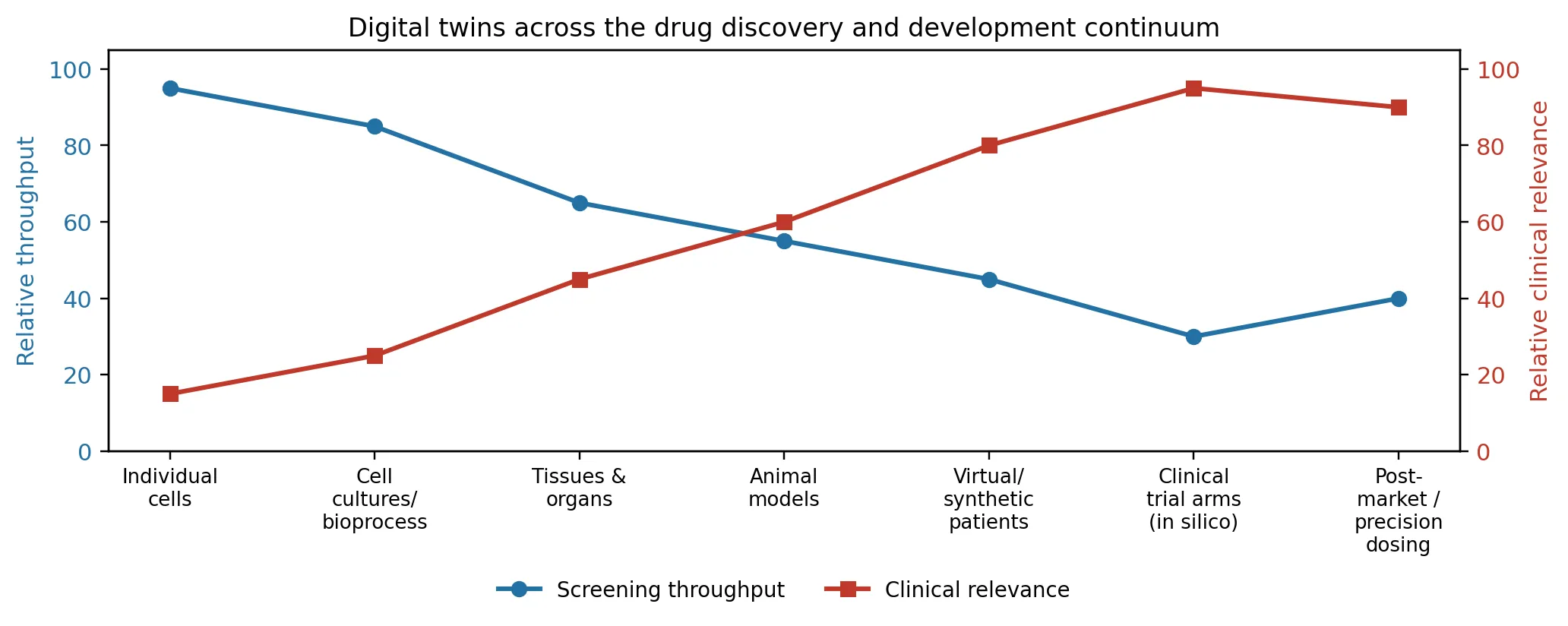
Figure 3: Schematic relationship between screening throughput and clinical relevance across the digital twin continuum, from individual cells through in silico clinical trial arms to precision dosing after approval.
DTs remain mechanistic models on the organ and tissue level, such as heart, brain, and liver DTs, due to an abundance of physiological data for these organs. DTs using deep learning (DL) are increasingly applied as a means to decrease the complexity of such models. One of the recent developments is the combination of DTs with microfluidic platforms for organ-on-chip and human-on-chip applications. These platforms mimic biological processes on the organ level and provide real data necessary for validation and training of DTs. On the other hand, DTs assist in determining which chip experiments to conduct, forming thus a feedback loop between "chip-to-DT" and "DT-to-chip". Two examples were provided by Akbarialiabad et al. The DigiLoCS framework utilizes liver-on-chip in conjunction with mathematical models of drug metabolism, permeability, and partitioning to improve liver clearance predictions compared to conventional approaches. The DIGIPREDICT project utilizes organ-on-chip for biomarker discovery and nanosensor patches to predict the course of COVID-19.[57]
At the animal-model level, generative DTs (e.g., GAN-based rat DTs) have been applied for the prediction of clinical pathology parameters and toxicogenomic phenotypes. This is an additional type of tests that partially satisfies the principles of the 3Rs approach (Replacement, Reduction, and Refinement of animal experiments). At last, at the patient/population level, DTs and "virtual patients" are applied to simulate placebo/control groups and to develop adaptive or biomarker-based study designs (as mentioned in the specific diseases sections below).
APPLICATIONS MAPPED TO DEVELOPMENT STAGE[59]
Table 2: Digital twin applications mapped across the drug development stage
|
Development stage |
Representative DT application |
Illustrative example |
|
Target identification |
Causal disease interactome / network modelling to reveal master regulators |
Comparison of disease vs. healthy interactomes in rheumatoid arthritis and psoriasis |
|
Lead generation & optimization |
Generative design and ADMET/toxicity prediction |
VAE/GAN-based de novo molecule design; QSAR-guided monoclonal antibody optimization |
|
Preclinical (cell/organ/animal) |
Cell, organ, and animal DTs; organ-on-chip coupling |
DigiLoCS liver clearance model; GAN-based rat hepatotoxicity twins |
|
First-in-human dosing |
Scaling from preclinical species using QSP/allometric methods |
CRISPR-Cas therapy dose–response scaling for transthyretin amyloidosis |
|
Clinical trial design |
Virtual control/comparator arms; virtual patient cohorts |
QSP-based DTs replicating Mini-COMET trial patients in Pompe disease |
|
Post-approval / precision dosing |
Model-informed precision dosing (MIPD) using real-world data |
PopPK-guided dosing for hypoplasminogenemia via the WAPPS-Hemo platform |
DIGITAL TWINS IN IMMUNE-MEDIATED DISORDERS
The stage-based approach described in Table 2 can be illustrated through application in concrete disease areas starting with immune-mediated diseases. The term "immune disease" encompasses autoimmune diseases, allergies, cancer, immunodeficiencies, infections, and autoinflammations. These diseases affect hundreds of millions of people around the world and represent an incredibly heterogeneous set, since the immune system has a different behavior in each person.[60] In their article, Niarakis et al.,[61] classify the use of DT in the treatment of immune diseases in four categories. First, DT can capture the heterogeneity of IDs by stratifying patients into subtypes through the information at the molecular level, such as genomics, transcriptomics, proteomics, and deep immunophenotyping. Second, DT can aid the search for targets through the interactome analysis of dysregulated genes or proteins in comparison with normal ones, thereby revealing master regulators. Third, DT can contribute to drug development through improved structure prediction of compounds through AI tools like AlphaFold 3.0 and developability screening. Fourth, DT can predict patient-specific responses by creating virtual patients through QSP modeling.
Several instances can be cited in support of these applications. These include DT-based stratification of patients with rheumatoid arthritis, systemic lupus erythematosus, primary Sjögren’s syndrome, inflammatory bowel disease, and psoriasis, depending on their molecular signatures. With cutaneous lupus, QSP-based virtual patient populations of up to 20,000 patients were employed to identify molecular signatures differentiating responders and non-responders to anti-interferon-α antibody. Niarakis et al., emphasize that DTs built for IDS should be multi-scale. This means that DTs must include intracellular signaling and gene regulation at the cellular level, cell and pathogen interaction at the tissue level, and immune circulation and interorgan communication at the systemic level. DTs must also incorporate patient-related covariates, such as age and biological sex, particularly where DTs are employed in regimen optimization.[60,61]
The DTs of Niarakis and Moingeon argue that most of the ID "DTs" published should really be referred to as pre-DTs, because although these methods calibrate their parameters individually for each patient and integrate data from multiple sources, they do not involve the continuous calibration characteristic of a true DT.[61] We see something similar in rare diseases, the second field of consideration.
DIGITAL TWINS IN RARE DISEASE THERAPEUTICS AND PRECISION DOSING
RDs are rare conditions that affect less than 200,000 people in the US and less than 5 per 10,000 people in the European Union. They total around 7,000 individual diseases and are believed to affect 6% of the global population. Despite that, they continue being underserved by conventional drug development processes. The reasons include few patients, scattered patients geographically, lack of natural history data, late diagnoses, and limited funding for conducting trials.[62] Dette et al., conducted a systematic review of PubMed and identified 16 original articles that utilized DT-related modeling approaches in RD research. The modeling approaches included physiologically based pharmacokinetics (PBPK), population pharmacokinetics (PopPK), QSP, and physiome modeling or combinations thereof. They classified the studies into themes, including disease progression modeling; scaling from preclinical to first-in-human dose; scaling from adults to pediatrics; modeling under data scarcity; drug-drug interaction modeling; and clinical availability for clinicians and patients.[62]
They also provide various examples of application. Among them are a QSP and DT approach to infantile-onset Pompe disease, where a replica of the Mini-COMET study patients was used to compare the efficacy of alglucosidase alfa against avalglucosidase alfa. There are also a QSP model of animal-to-human extrapolation of CRISPR-Cas therapy in transthyretin amyloidosis and a PopPK model with causal inference allowing for imputation of missing covariates in haemophilia A patients and privacy-preserving federated models. A PopPK model for hypoplasminogenemia was developed as well using the publicly available WAPPS-Hemo service.[62,63]
However, when looking closer at those studies, one can notice how immature the field currently is. Only three of them met the criteria of individualized calibration and data fusion of heterogenous datasets. These are QSP-based DT for non-Hodgkin's lymphoma, QSP/DT models for infantile-onset Pompe disease and an in silico model for pulmonary atresia. None of the reviewed papers made use of real-time iterative updating. This suggests that the DT development in RDs is somewhat behind the same process in other diseases like diabetes.[63]
To illustrate, Zhan et al. discuss epidermolysis bullosa (EB), a group of rare genetic diseases that make the skin very fragile. It includes recessive dystrophic EB (RDEB). Their approach combines two types of models: physiologically based pharmacokinetic (PBPK) models and population pharmacokinetic (PopPK) models. The PBPK models, which simulate how a drug moves through the body, are first tested in healthy adults and children. They are then adjusted to the special conditions of EB, such as long-term inflammation and changes in how the gut absorbs drugs. The PopPK models, which describe how drug levels vary between patients, include factors related to the disease. The data for this will come from central studies of the natural course of the disease, digitized older records, and disease severity scores. Table 3 summarizes the modelling techniques behind rare disease DTs, including those described above.
Table 3: Modelling techniques underpinning rare disease digital twins
|
Modelling technique |
Core question addressed |
RD example |
|
Physiologically based pharmacokinetic (PBPK) |
How is a drug absorbed, distributed, metabolized, and excreted given organ-level physiology? |
Hydrocortisone dosing across pediatric development in congenital adrenal hyperplasia |
|
Population pharmacokinetic (PopPK) |
What covariates explain inter-individual variability in drug exposure? |
Nexviazyme (avalglucosidase alfa) pediatric dose extrapolation in late-onset Pompe disease |
|
Quantitative systems pharmacology (QSP) |
How do drug–target interactions propagate through a disease-relevant biological network? |
Recombinant ADAMTS13 vs. plasma-based therapy in congenital thrombotic thrombocytopenic purpura |
|
Physiome / multi-organ modelling |
How do whole-body, multi-organ processes integrate over time? |
Whole-body frameworks proposed as the basis for more complete future RD DTs |
|
Causal inference + PopPK |
Can missing covariates be reliably imputed from limited data? |
Factor VIII pharmacokinetics in hemophilia A with privacy-preserving, federated calibration |
DIGITAL TWINS IN CANCER TREATMENT DEVELOPMENT
Rare diseases and immunological disorders are not the only fields that see application of DTs. Another field is oncology. DTs are viewed as a natural extension of the use of AI in drug development to cancer where the heterogeneity of cells makes it difficult to base decision-making on population averages. Applications include preclinical anti-cancer drug discovery and clinical trials and beyond. DTs and their generative models are employed to create functional models of cancer cells by means of mathematical modeling of intracellular and intercellular processes. DTs are also used in the virtual screening of drug-target interactions, including overcoming multidrug resistance via ATP-binding cassette transporter. Bioprocess DTs are applied in the optimal production of therapeutic proteins.[24]
Some specific applications of these techniques are shown below. The Oncosimulator is a lattice-based, discrete event model of tumour cell kinetics. It was applied to predict drug response in the treatment of nephroblastoma (Wilms tumor) and radiotherapy response in non-small-cell lung cancer (NSCLC). Personalized mechanical models of glioblastoma growth (the GLIOMATH project) correlated MRI-derived tumour volume with 99 percent accuracy after eight months. But the accuracy decreased after ten months due to the infiltration of the tumour into tissue modified by surgery. Thus, long-term DT prediction is still problematic. The Cancer Patient Digital Twins (CPDT) based on the breast cancer data (TCGA and METABRIC) identified five immune profiles of patients that could be used for personalized treatment. The virtual clinical trials of pembrolizumab and durvalumab in NSCLC, as well as the virtual clinical trials of FLAURA2 and MARIPOSA trials on the Jinko platform, gave accurate hazard ratios and survival rates.[24,64]
DTs have also been used as virtual controls or comparator arms. An illustrative case would be the I-SPY 2 adaptive breast cancer trial. In this case, DTs were created based on biomarker-based subtyping, and response rates increased from 19% to 60% for 24 drugs within 12 years. Another case would be DITTO – a visualization system for DTs in head and neck cancer. This system was clinically validated for risk-guided therapy decision-making for 19 modeled outcomes, making it one of the more advanced cases of DT utilization.[64] All in all, these examples demonstrate the possibilities and limitations of DTs in oncology, which are described below in a SWOT (Strengths, Weaknesses, Opportunities, and Threats) analysis.
Table 4: Condensed SWOT synthesis of digital twins in cancer treatment development
|
Dimension |
Key points |
|
Strengths |
Faster, more precise in silico drug design; reduced-cost virtual clinical trials; patient-specific personalized therapy; multi-omics-enhanced target identification; reduced reliance on animal/toxicity testing |
|
Weaknesses |
Risk of depleting real-world patient data through overuse of synthetic comparator arms; persistent skepticism among clinicians owing to limited interpretability; unresolved data-privacy and confidentiality risk |
|
Opportunities |
Targeting rare and molecularly complex tumours; accelerating early- and late-phase trials; extending the approach to radiotherapy and surgical planning; optimizing combination regimens |
|
Threats |
Unreliable predictions and model “hallucination” in agentic AI systems; potential loss of serendipitous discovery; regulatory uncertainty; absence of harmonized ethical guidelines |
DIGITAL TWINS IN ADDITIVE MANUFACTURING
Apart from being applied biologically and clinically, DTs are also widely used in manufacturing. One of these applications is additive manufacturing (AM). DT provides great flexibility during the designing process in AM. DT is able to model and re-model the component before its production. This allows many variations in terms of material and geometry to be tested without wasting time and resources on physical experiments.[68,69] Additive manufacturing as a whole has many steps that include digital design up to post-processing. As seen in the diagram below, the process consists of three stages. First stage is the digital stage and it covers 3D model design and data preparation. Second stage is the manufacturing stage and it includes machine set up and printing. Third stage is the post-processing stage.
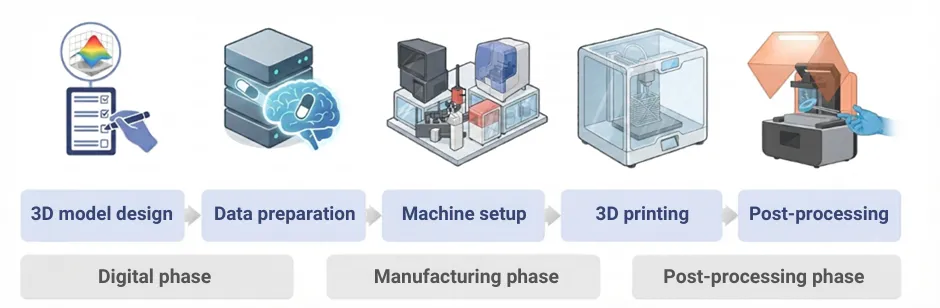
Figure 4: Digital, manufacturing, and post-processing phases of the additive manufacturing workflow
This ability to iterate quickly and cheaply is especially useful in healthcare, where individualized devices such as patient-specific implants must be designed for each patient's unique anatomy. A DT can show how the device will perform before it is made, so engineers can settle on the best design.
A well-known example is the use of DTs by Siemens Healthineers to fix data problems in making 3D-printed titanium hip implants (Mihai et al., 2022). The company's old design software from the 1990s (AutoCAD) did not work well with modern selective laser melting printers. This mismatch caused major production delays and wasted material. The problem was solved with a three-part system. First, an in-house gateway converted the old files into formats that connected devices (IoT) can use. Second, a Python script made the files meet the ISO/ASTM 52915 standard. Third, a blockchain-protected audit layer collected all the production data in one cloud-based system, so the company could meet the EU MDR 2017/745 medical device regulation. The results are shown in Table 5 below. [12]
Table 5: Reported impact of digital-twin-enabled integration on Siemens Healthineers' titanium hip implant production
|
Metric |
Before |
After |
Change |
|
Production delays |
32% of runs affected |
Substantially reduced |
Major reduction |
|
Annual scrap cost |
$1.2 million |
Reduced |
Cost avoidance |
|
Data latency (gateway) |
650 ms |
8 ms |
~99% faster |
|
Powder-bed thermal control |
Not tightly controlled |
15 ± 2 °C |
Tightened tolerance |
|
File-format integrity (ISO/ASTM 52915) |
Inconsistent |
99.97% |
Near-complete compliance |
|
Audit preparation time |
14 days |
2 days |
86% faster |
|
First-pass yield |
68% |
93% |
+25 points |
|
Geometric deviation (lattice structures) |
Baseline |
25% lower |
Improved bone-ingrowth fit |
|
Lead time |
17 days |
9 days |
47% shorter |
In addition to facilitating design, digital twins provide for continuous monitoring of the AM process in real time. Sensors that are incorporated into the AM printer machine provide real-time information on process parameters, including temperature, pressure, and flow of material. This information is relayed back to the twin, allowing for identification and correction of problem areas before defects form.[71]
In order to facilitate this type of monitoring, a digital twin for AM is developed by means of four main elements. They include the AM 3D printer, information from the literature and sensors, machine learning, and various types of mechanical, control, and statistical models. They are illustrated in the following figure.[72]
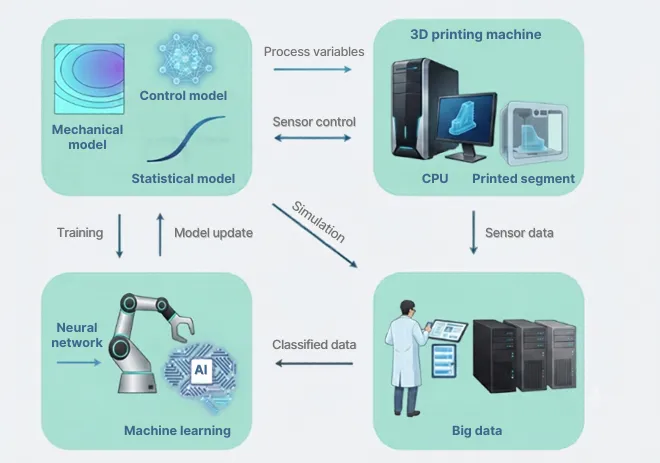
Figure 5: Core elements of a digital twin for additive manufacturing: models, the 3D printing machine, sensor/big data, and machine learning.
DTs also facilitate preventive maintenance. By analyzing historical and current equipment data, DTs can predict failure, which results in avoiding unplanned equipment downtimes and prolonging its life. Such an approach is claimed to reduce maintenance costs by up to 30% and increase equipment efficiency in a 3D printing factory.[73] It becomes even more efficient when DTs are integrated with IoT data streams and AI-driven analysis of process parameters.[74]
Such a framework has already been applied to regulated medical devices. DTs were successfully used to manufacture implants by additive manufacturing in accordance with ISO 13485:2016 and ISO 14971:2012 standards to ensure reliable and repeatable processes. Modeling of critical parameters that influence the quality of the output product allowed designing structurally correct parts, while scalable cyber-physical systems with augmented intelligence were recommended to predict the performance of components on a large scale. Health management of products through the process control ensuring the required performance is another use of DTs.[75,76] As these use cases relate to regulated products, it is essential to comprehend how regulators perceive DTs, which will be discussed in the following section.
REGULATORY STATUS OF DIGITAL TWINS
However, regulators have already begun to consider DTs. All of the reviewed papers note the proactive role of regulatory bodies in dealing with DTs. The FDA implemented its Critical Path Initiative in 2004 and later provided numerous guidances on such topics as PBPK and PopPK modeling, model-informed drug development (MIDD), and the application of artificial intelligence/machine learning (AI/ML) in drug development and regulation. According to the agency's Center for Drug Evaluation and Research (CDER), "DTs represent an emerging approach that may have potential application in clinical research." The European Medicines Agency (EMA) has also revealed its intentions concerning DTs. For instance, it has presented its plans for a "multi-year technical deep dive" on DTs in its multi-annual workplan on AI.[62]
However, regulators have already begun to consider DTs. All of the reviewed papers note the proactive role of regulatory bodies in dealing with DTs. The FDA implemented its Critical Path Initiative in 2004 and later provided numerous guidances on such topics as PBPK and PopPK modeling, model-informed drug development (MIDD), and the application of artificial intelligence/machine learning (AI/ML) in drug development and regulation. According to the agency's Center for Drug Evaluation and Research (CDER), "DTs represent an emerging approach that may have potential application in clinical research." The European Medicines Agency (EMA) has also revealed its intentions concerning DTs. For instance, it has presented its plans for a "multi-year technical deep dive" on DTs in its multi-annual workplan on AI.[62]
CHALLENGES, LIMITATIONS, AND ETHICAL CONSIDERATIONS
However, despite the wide range of potential applications, all of the articles analyzed agreed on certain issues facing DTs, as presented in the table below. The first one is the problem of data. DTs depend on the quality of the data used for calibration, while rare and immune diseases present small populations, lack standardized measures and motivation for data sharing. The second problem is interpretability. Deep generative models are black boxes, making it difficult to know what led to the deviation between the predicted result and the actual one.[60,61] The third issue is measurability. There are some diseases for which there is an easily measurable continuous biomarker, for example, HbA1c in diabetes, allowing for recalibration. For most rare and immune-mediated diseases, there is no such biomarker, making DT developers use infrequent and invasive measurements.
Fourth issue is validation. Pre-clinical DTs (cellular, organ and animal-based) can be validated through experiments but patient-based DTs cannot because of the risk involved. Thus, clinical DTs are usually validated through statistical evidence that simulated and actual patient cohorts cannot be distinguished from each other. Other issues include ethical and governance issues like de-identification, dynamic consent, data ownership and risk of reinforcing racial or demographic biases in DTs created using non-representative cohorts. Lastly, several authors have warned against misuse of synthetic data. Excessive reliance on DT-generated control arms may result in depletion of real patient data required for validation of such models. Excessive reliance on AI-generated candidates may also undermine the importance of serendipity in drug discovery.[64,65]
Table 6: Cross-cutting challenges in digital twin development[60,61,64,65]
|
Challenge category |
Description |
Disease areas most affected |
|
Data scarcity and bias |
Small, dispersed cohorts; non-standardized outcomes; risk of demographic bias if training data is unrepresentative |
Rare diseases; immune disorders; oncology sub-types classified as rare |
|
Interpretability (“black box”) |
Deep generative models offer limited mechanistic insight, complicating clinician trust |
All domains |
|
Validation standards |
Pre-clinical DTs can be experimentally validated; patient-level DTs generally cannot without risk |
Clinical-trial DTs; oncology virtual trials |
|
Real-time updating |
Few published DTs implement true continuous re-calibration; most rely on one-time calibration or cohort simulation |
Rare diseases immune disorders |
|
Regulatory uncertainty |
No agency has issued a DT-specific credibility/validation framework |
All domains, especially RD and oncology |
|
Data privacy and governance |
Sensitive multi-omics and clinical data require de-identification, consent management, and secure infrastructure |
Rare diseases (small identifiable cohorts) ; general healthcare DTs |
|
Overreliance on synthetic data |
Extensive synthetic comparator arms risk depleting real-world data and clinical judgement |
Oncology clinical trials |
FUTURE PERSPECTIVES
Under these conditions, several directions for the future of the next-generation DTs in biomedical purposes were discussed in the reviewed literature. To begin with, several of the mentioned papers predicted the tendency to go from DTs tailored for specific tasks towards more complex model architectures, namely multimodal or foundation models, which can be applied on all biological levels, from cells to organisms, depending on the task. Secondly, XAI as a field is expected to evolve concurrently with the implementation of DTs. This is explained by the need to solve the issue of interpretability of these models, which is currently one of the major concerns preventing their clinical and regulatory approval. Thirdly, the development of the so-called generative digital twins, i.e. generating synthetic yet biologically valid data with the help of ontologically enhanced GANs, knowledge-guided VAEs and diffusion models, was also mentioned.
Fourth, the use of wearable devices, implantable sensors, and lab monitoring in real time will help close the existing gap. Today’s models are static and calibrated only once, while the strict definition of a DT calls for constant updating of the twin. Fifth, some scholars recommend cooperation and an international approach. There are several organizations, such as the Building Immune Digital Twins Consortium, the Critical Path Institute, and federated learning networks. They will help cooperate and improve models without sharing patients’ data, providing a way to address the issue of the lack of data for DTs.[55,61,62,67]
CONCLUSION
In this review, digital twins (DTs) have been traced from their origin in the industry in areas such as aerospace engineering and Industry 4.0 manufacturing, through to drug discovery and healthcare, where they have become ubiquitous and can be found at all scales of biology and medicine, from single cells to organ-on-a-chip systems, to whole patients and clinical trial subjects. Their distinguishing feature is not the technology itself, but the constant two-way interplay between the physical system and its digital twin that continues to improve thanks to learning biological distributions with generative AI models. The progress made is clear but patchy. Mechanistic and hybrid models reign for organs and tissues, whereas generative and data-driven modeling models progress rapidly for molecules, cells, and populations. Regulators have demonstrated an openness to DT evidence in data-rich environments, and platforms such as DITTO and the I-SPY 2 clinical trial exist. Nevertheless, many “digital twins” that have been created until now, in particular, those for rare and immune-mediated conditions, fall short of the definition due to their one-time calibration rather than continuous updating, and other challenges need to be addressed, including structural issues, ethical problems, and strong reliance on synthetic controls. Moving forward, it seems that the development of multimodal foundation models, explainable AI, more advanced generative models, continuous data via wearable devices, and coordinated efforts like federated learning communities can take DTs closer to the continuously updated ideal. Achieving the latter will entail advances both in regulations and ethics and in algorithm development, which means that digital twins are as much of an institutional question as they are a technological one.
ABBREVIATION
|
Abbreviation |
Full form |
|
AI |
Artificial intelligence |
|
AM |
Additive manufacturing |
|
CPPs |
Critical process parameters |
|
CQAs |
Critical quality attributes |
|
DL |
Deep learning |
|
DPT / DPTs |
Digital patient twin(s) |
|
DT / DTs |
Digital twin(s) |
|
EMA |
European Medicines Agency |
|
FDA |
United States Food and Drug Administration |
|
GAN / GANs |
Generative adversarial network(s) |
|
GNN / GNNs |
Graph neural network(s) |
|
HPC |
High-performance computing |
|
ID / IDs |
Immune disease(s) |
|
IoT |
Internet of Things |
|
MIDD |
Model-informed drug development |
|
MIPD |
Model-informed precision dosing |
|
ML |
Machine learning |
|
OPC UA |
Open Platform Communications Unified Architecture |
|
PBPK |
Physiologically based pharmacokinetic |
|
PopPK |
Population pharmacokinetic |
|
QSP |
Quantitative systems pharmacology |
|
RBM / RBMs |
Restricted Boltzmann machine(s) |
|
RD / RDs |
Rare disease(s) |
|
VAE / VAEs |
Variational autoencoder(s) |
|
XAI |
Explainable artificial intelligence |
ACKNOWLEDGEMENT
The authors are thankful to the management of the Gokaraju Rangaraju College of Pharmacy for providing all the necessary facilities for the work.
CONFLICT OF INTEREST
Authors doesn’t have conflict of interest with the publication of manuscript.
REFERENCES


Vepachedu Chetan Kasyap, Mamatha kola1*, Digital Twins In Drug Discovery, Development, And Personalized Therapeutics, Int. J. of Pharm. Sci., 2026, Vol 4, Issue 10, 2618-2639. https://doi.org/10.5281/zenodo.23415490
 10.5281/zenodo.23415490