

We use cookies to ensure our website works properly and to personalise your experience. Cookies policy
Collage Name. Samarth Collage Of Pharmacy Deulgaon Raja
Ocimum sanctum L., commonly known as Tulsi or Holy Basil, is a sacred medicinal plant in Ayurveda and other traditional systems of medicine. Its wide-ranging pharmacological properties, particularly its anticancer potential, have become a subject of modern biomedical interest. This review offers a detailed examination of Tulsi’s bioactive phytochemicals, mechanistic actions in inhibiting cancer progression, synergistic effects with chemotherapy, and current limitations and opportunities in therapeutic development. By compiling extensive preclinical data and existing clinical observations, we aim to present a clear understanding of Tulsi’s role in integrative oncology.
Cancer continues to be a major global health burden, causing millions of deaths annually. While modern treatments like chemotherapy, radiation, and immunotherapy have improved survival, side effects and resistance remain significant concerns. Natural products, especially medicinal plants, are gaining momentum as complementary approaches in oncology. Among these, Ocimum sanctum (Tulsi), revered for centuries in Indian households and Ayurvedic texts, shows considerable promise. Traditionally used to treat respiratory, cardiac, metabolic, and infectious conditions, Tulsi has demonstrated emerging efficacy in preclinical cancer models [1–3].
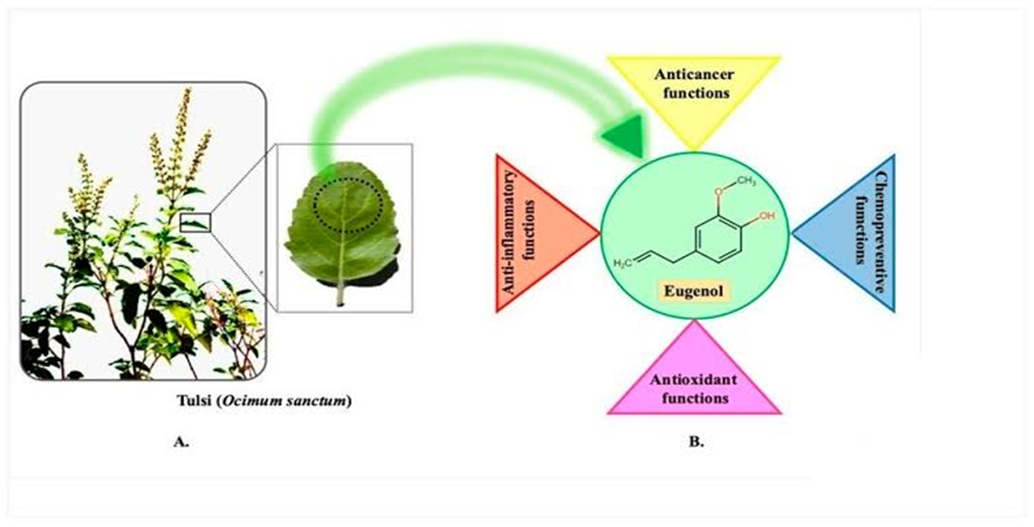
Cancer continues to be one of the leading causes of death globally, prompting the search for safer and more effective therapeutic strategies. In recent years, medicinal plants have garnered attention for their potential role in cancer prevention and treatment. Ocimum sanctum L., commonly known as Tulsi or Holy Basil, is a revered herb in traditional Indian medicine, particularly Ayurveda. Renowned for its adaptogenic, antioxidant, and anti-inflammatory properties, Tulsi has recently shown promising anticancer activity in both in vitro and in vivo studies. Its rich phytochemical profile, including compounds like eugenol, ursolic acid, and rosmarinic acid, contributes to its ability to modulate multiple cancer-related pathways, offering a natural and multi-targeted approach to cancer therapy.
2. Phytochemical Composition of Ocimum sanctum
Tulsi's anticancer effects stem from a diverse array of phytochemicals, each with specific molecular targets:
These compounds work synergistically to enhance Tulsi’s overall therapeutic index.
3. Mechanisms of Anticancer Action
Tulsi targets several hallmarks of cancer, making it a multi-faceted anticancer agent:
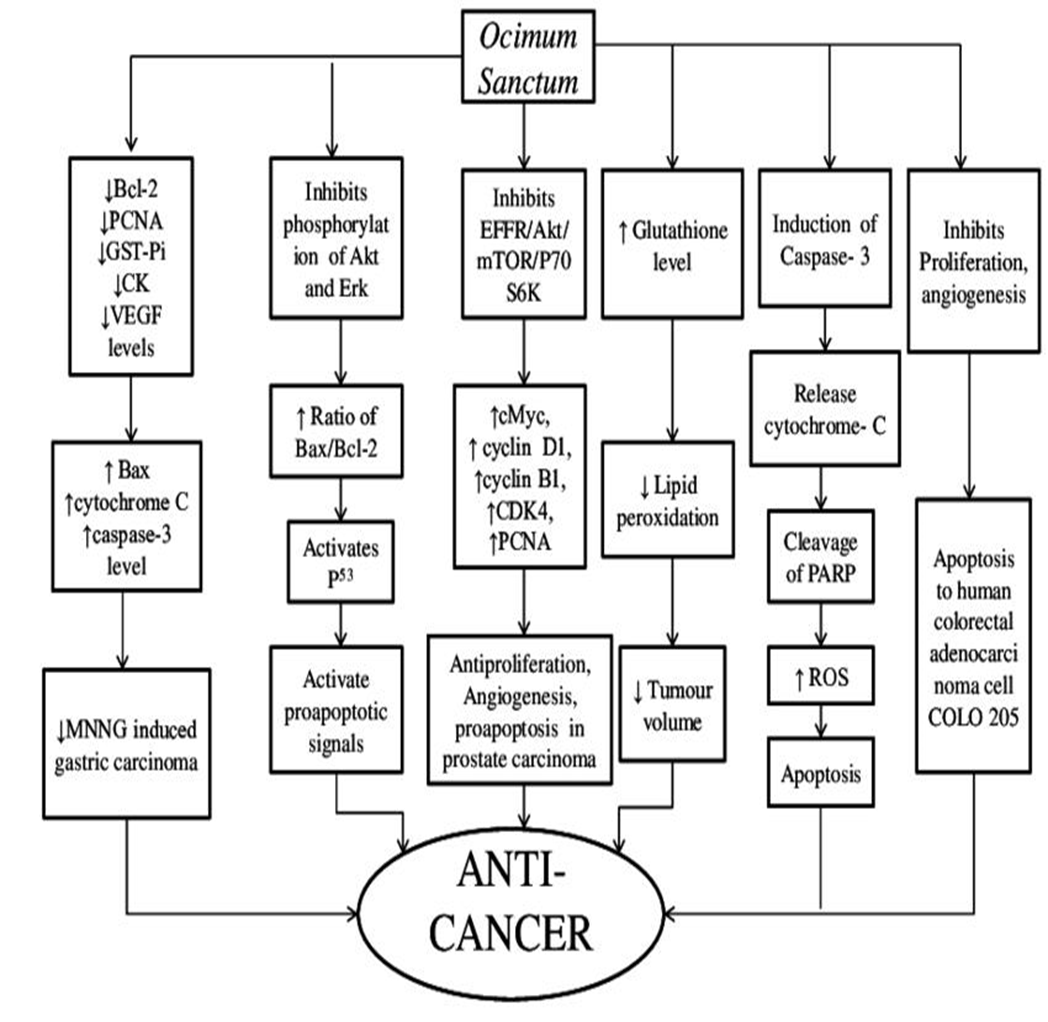
4. Evidence from Preclinical Studies
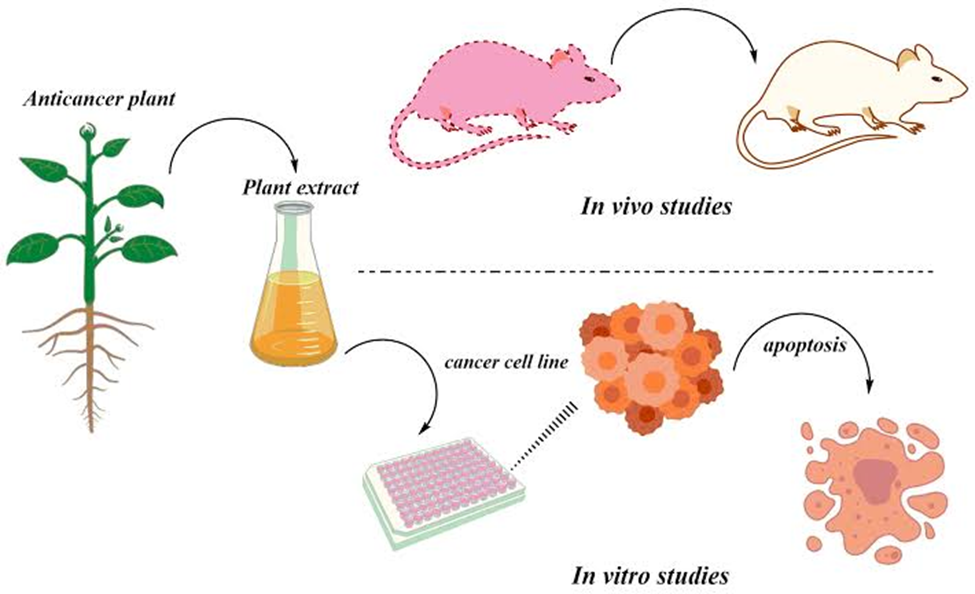
4.1 In vitro Studies:
4.2 In vivo Studies:
Histological analyses from these studies consistently showed reduced neovascularization and mitotic index in Tulsi-treated groups.
5. Synergistic Effects with Chemotherapy
Combining Tulsi with standard chemotherapeutics (e.g., doxorubicin, cisplatin) has shown promising results:
6. Clinical Prospects
Clinical investigations on Tulsi in oncology are limited but encouraging:
However, larger randomized clinical trials with standardized extracts and well-defined endpoints are needed.
7. Challenges and Future Directions
Future research should prioritize pharmacokinetic profiling, formulation innovations, and controlled clinical trials.
8. CONCLUSION
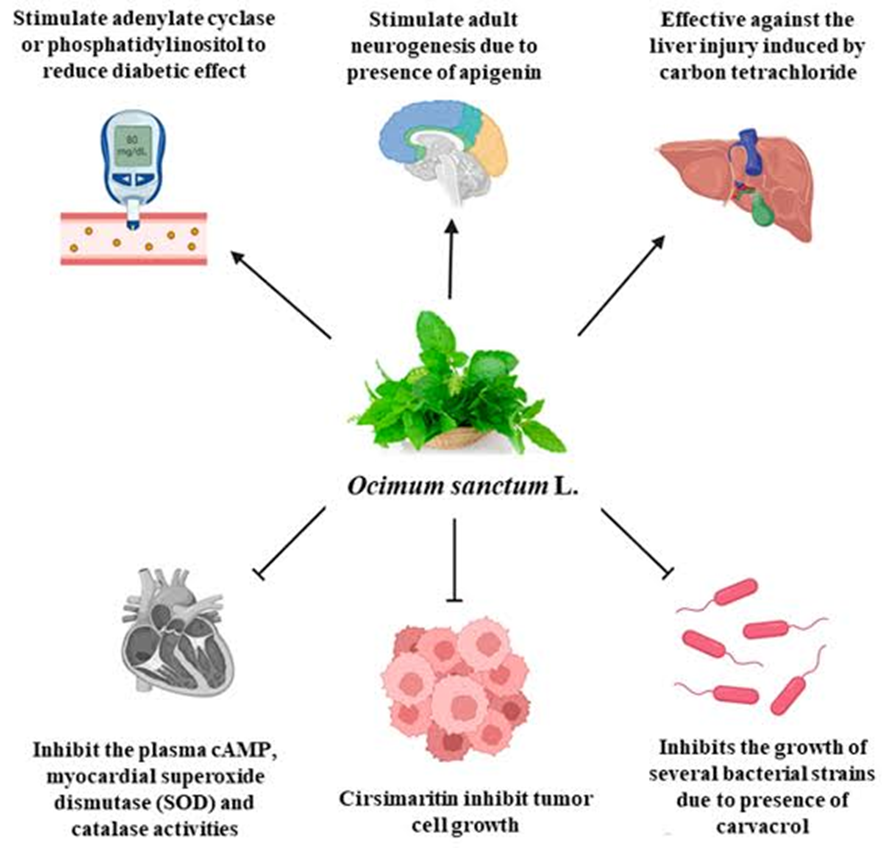
Tulsi (Ocimum sanctum) represents a compelling candidate for cancer chemoprevention and adjunct therapy. Its pleiotropic effects—ranging from apoptosis induction and angiogenesis inhibition to immunomodulation—support its integration into holistic cancer management strategies. With improved formulation, standardization, and clinical validation, Tulsi could become a cornerstone of plant-based oncologic therapeutics.
REFERENCES




Ashvini Dhurandar*, Pranjal Salunke, Dr Gopalkrishna Sithaphle, Dr. Prafulla Tathe, Effect Of Sanctum on Cancer Progression and It’s Effective Therapeutic Activity, Int. J. of Pharm. Sci., 2025, Vol 3, Issue 6, 1693-1698. https://doi.org/10.5281/zenodo.15619519
 10.5281/zenodo.15619519