

We use cookies to ensure our website works properly and to personalise your experience. Cookies policy
Shri Ganpati Institute of Pharmaceutical Sciences and Research, Tembhurni
One of the most prevalent cancers in the world is skin cancer. It encompasses melanoma as well as non-melanoma skin malignancies including squamous cell carcinoma (SCC) and basal cell carcinoma (BCC). The development of skin tumours is associated with ultraviolet (UV) radiation, genetic factors, immunosuppression and environment factors. In melanoma, considered the most combative type among these, given its high metastatic potential and poor prognosis at advanced stages. Conventional therapies for skin cancer are limited by frequent adverse effects, drug resistance and recurrence, which have increased interest in plant-derived therapeutic agents. The present study focuses on the assessment of the anticancer possibilities of the combined ethanolic Extracts of Bougainvillea glabra and Annona reticulata. Both Bioactive compounds are abundant in medicinal plants. phytochemicals include flavonoids , tannins, alkaloids , glycosides, terpenoids, Phenolic substances, saponins, they are renowned for their anti-inflammatory, antioxidant, antimicrobial, and cytotoxic properties. The extract's phytochemical screening confirmed the presence of several important secondary metabolites. The anticancer properties of the extract were evaluated Utilizing the MTT test against B16F10 mouse skin melanoma cell lines The outcomes demonstrated important dose-dependent cytotoxic activity .The sample extract showed reduced cell viability with an IC50 value of 32.95 µg/ml, indicating promising anticancer potential against melanoma cells. The findings suggest that the phytochemical constituents present in Bougainvillea glabra and Annona reticulata may contribute to stopping the development of cancer cells and induction of cytotoxic effects. Thus, the study supports the potential use of herbal formulations as safer and effective alternatives for skin cancer management. Further studies involving separation of active ingredients, mechanistic evaluation, and in vivo investigations are necessary to confirm their therapeutic efficacy and safety.
Cancer of the skin is the most diagnosed cancer anywhere in the world. This is when abnormal skin cells grow out of control. Much of this is caused by cumulative exposure to ultraviolet (UV) radiation from sunlight and artificial sources such as tanning devices. 1,2,3,4,6 Melanoma and nonmelanoma skin cancer (NMSC) are the two primary forms of skin cancer. Basal cell carcinoma (BCC) and squamous cell carcinoma (SCC) are the two most prevalent forms of non-melanoma skin cancer. Together they account for approximately 95% of all skin cancers. The most common type is basal cell carcinoma, which is locally invasive and grows slowly. Squamous cell cancer that is not treated is more aggressive and more likely to metastasize. 2,3 Skin cancer is among the most typical diseases in the U.S. population. Epidemiologic studies demonstrate that one in three Americans and one in five White Americans will develop skin cancer during their lifetime. It is diagnosed in over 2 million cases every year. Skin cancer is one of the most preventable cancers, with most cases linked to too much UV. Most, however, are non-melanomatous and have relatively low mortality. 4,6 Melanoma is the deadliest skin cancer because of its high metastatic ability. It very much depends on the stage at which it is diagnosed. Melanomas less than 1 mm thick have a five-year survival rate of > 95%. Long term survival of metastatic melanoma is poor. The early detection, thermoscopical examination and biopsy of suspicious pigmented lesions are of importance for the reduction of mortality from melanoma 1,2,4 Environmental and genetic factors cause skin cancer. The main risk factor is chronic exposure to UV radiation leading to DNA damage and mutational changes of skin cells. Other risk factors are fair skin, family history, immunosuppression, many atypical moles and inherited genetic syndromes. There are recent studies that show that autoimmune and genetic factors could be involved in susceptibility to skin cancer. The increasing incidence of melanoma and the drawback of conventional therapies have attracted much attention to natural products and plant-derived compounds as anticancer agents. These compounds possess antioxidant, anti-inflammatory, and antiproliferative properties and may inhibit melanoma cell growth, induce apoptosis, and modulate signaling pathways involved in tumor progression. Therefore, the evaluation of herbal and phytochemical agents against melanoma represents a promising strategy for the development of safer and more effective anticancer therapies. 1,2,3,4,6
Genetic and Environmental Risk Factors
Both genetic and environmental factors play a role in the development of skin cancer. People with light skin and a low Fitzpatrick phototype are more at risk, as they have less natural protection against ultraviolet (UV) radiation. People with red hair and freckles often carry variations of the MC1R gene that increase their risk of developing skin cancer. 1,2,3,8
There are several inherited disorders that are associated with skin cancer. Xeroderma pigmentosum is a rare autosomal recessive disorder characterized by defective DNA repair, extreme sensitivity to UV radiation and a high predisposition to childhood skin malignancies. Basal cell nevus syndrome is an autosomal dominant disorder due to mutations in the PTCH1 tumor suppressor gene and is associated with the development of multiple basal cell carcinomas. Melanomas are mostly sporadic, but inherited mutations in the CDKN2A gene are the most common cause of familial melanoma. MDM2 gene mutations have also been linked to an earlier onset of melanoma in women. 1,5
The most important risk factor for skin cancer is exposure to UV radiation from sunlight and tanning beds in the environment. Other risk factors are >50 melanocytic nevi, multiple atypical or dysplastic nevi, chronic arsenic exposure, immunosuppression (especially in organ transplant recipients) and infection with human papillomavirus (HPV) 1,2,5,8.
Skin biopsy is essential for the diagnosis and confirmation of skin cancer. The three most used biopsy techniques are punch biopsy, shave biopsy, and excisional biopsy.1,9.
Punch Biopsy
Punch biopsy uses a circular blade to remove a cylindrical sample of skin extending into the subcutaneous tissue. It is suitable for small lesions and provides adequate tissue for histopathological examinations.
The site should be prepared with isopropyl alcohol, povidone-iodine, or chlorhexidine The site should be anesthetized with 1% to 2% lidocaine1,9.
Single-layer simple interrupted sutures are adequate Patients should be instructed to keep the area clean and to apply ointment such as bacitracin twice daily1,9.
Shave Biopsy
Shave biopsy is commonly used for raised lesions confined to the epidermis. It is a simple procedure that usually does not require sutures; however, it is generally not recommended for pigmented lesions suspicious of melanoma.1,9.
Excisional Biopsy
Excisional biopsy involves complete removal of the lesion with a scalpel and is the preferred method for lesions suspected to be malignant, especially melanoma. This technique provides the most accurate assessment of tumour depth and margins.
Skin cancer is mainly classified as basal cell carcinoma (BCC), squamous cell carcinoma (SCC), and malignant melanoma.1,2,6.
Basal Cell Carcinoma (BCC) is the most common type of skin cancer. It grows slowly, rarely metastasizes, but can cause significant local tissue destruction if untreated.1,2,6.
Basal Cell Carcinoma (BCC) is the most common type of skin cancer. It grows slowly, rarely metastasizes, but can cause significant local tissue destruction if untreated.1,2,6.
Squamous Cell Carcinoma (SCC) is less common than BCC but has greater potential to metastasize. It commonly occurs in sun-exposed areas such as the face, arms, and hands. the legs of women1,2,6 Malignant Melanoma (MM) is the least common but the most aggressive form of skin cancer. It originates from melanocytes and is responsible for most skin cancer-related deaths due to its high metastatic potential. Early diagnosis is critical because prognosis depends strongly on the stage at diagnosis.
Melanocytes live in the basal layer of the epidermis.
Melanoma is the most aggressive type of skin cancer, and it develops from the melanocytes, the cells in the lowest layer of the epidermis that produce melanin. It has been steadily increasing since the 1950s, primarily due to over-exposure to ultra-violet (UV) light and improved screening. Melanoma usually appears as a new or changing pigmented lesion on sun-exposed skin, especially in people with light skin. Suspicious lesions are often identified by the ABCDE rule:
The four major subtypes of melanoma are:
The prognosis of melanoma depends primarily on Breslow thickness, tumor location, and the presence of metastatic disease. Approximately 80% of melanomas are diagnosed at a localized stage, with a five-year survival rate of about 99%. In contrast, metastatic melanoma is associated with poor survival. Early detection and prompt treatment are therefore essential.
Risk Factors for Melanoma
Well-established risk factors include:
Non-melanoma skin cancers include basal cell carcinoma (BCC) and squamous cell carcinoma (SCC).1,2,7.
Basal Cell Carcinoma (BCC)
BCC is the most common skin cancer and arises from basal cells of the epidermis or hair follicle. It is primarily associated with activation of the sonic hedgehog pathway. BCC grows slowly and rarely meets but may cause extensive local tissue destruction if untreated.
Squamous Cell Carcinoma (SCC)
SCC arises from keratinocytes of the epidermis and is the second most common skin cancer. It has greater potential to metastasize than BCC. Major risk factors include chronic UV exposure, immunosuppression, chronic wounds, and arsenic exposure.
Management of Melanoma
An excisional biopsy is the preferred method for diagnosis because it allows accurate measurement of Breslow thickness. Standard treatment consists of wide local excision with margins based on tumor depth. Sentinel lymph node biopsy is recommended for selected patients with intermediate-thickness melanoma.
Advanced melanoma is treated with immunotherapy and targeted therapy. Immune checkpoint inhibitors such as ipilimumab, pembrolizumab, and nivolumab improve antitumor immunity. Targeted agents such as vemurafenib and dabrafenib are effective in patients with BRAF-mutant melanoma. 2,3 Monitoring and Follow-Up
Patients with melanoma require regular follow-up to detect local recurrence, metastatic disease, and second primary melanomas. Individuals with a strong family history of melanoma or multiple atypical nevi should perform regular skin self-examination and undergo annual dermatologic evaluation.
Skin cancer prevention focuses on minimizing UV exposure. Recommended protective measures include:
Basal Cell Carcinoma (BCC)
Basal cell carcinoma (BCC) is the most common form of skin cancer and accounts for approximately 65–75% of all cutaneous malignancies. It usually develops on chronically sun-exposed areas such as the face, ears, scalp, shoulders, and back. BCC is strongly associated with long-term exposure to ultraviolet (UVA and UVB) radiation, which induces DNA damage and mutations in key regulatory genes.
BCC originates from pluripotent cells of the follicular epithelium. Mutations in the p53 tumor suppressor gene and abnormal activation of the sonic hedgehog signaling pathway, often due to mutations in the PTCH1 gene, play an important role in its pathogenesis. Although BCC grows slowly and rarely meets, it can become locally aggressive and cause extensive tissue destruction if not treated appropriately.1,2,7.
Epidemiology
BCC is more common among fair-skinned individuals and occurs most frequently after the age of 40 years. Men are affected more often than women. The lifetime risk of developing BCC is approximately 30%, and about 40% of patients develop another lesion within five years of the initial diagnosis.1,5,7
Risk Factors
Clinical Subtypes
Basal cell carcinoma is classified into several clinical and histological subtypes.1,2
Nodular BCC
The most common subtype, presenting as a pearly, translucent papule or nodule with telangiectasia and occasional ulceration.
Superficial BCC
Typically appears as a well-defined erythematous scaly plaque, most often on the trunk.
Morphea form (Infiltrative) BCC A more aggressive subtype that appears as a scar-like indurated plaque with poorly defined borders and deeper tissue infiltration.
Management
The primary treatment for BCC is surgical excision with histologically clear margins. Mohs micrographic surgery is preferred for high-risk tumours or lesions located in cosmetically sensitive areas such as the head and neck.
Additional treatment options include:
Mohs surgery offers cure rates greater than 99% while preserving the maximum amount of healthy tissue.9
Prognosis
BCC rarely meets and generally has an excellent prognosis when diagnosed and treated early.
However, untreated or recurrent tumours may lead to significant local tissue destruction and cosmetic deformity.9
Squamous Cell Carcinoma (SCC)
Squamous cell carcinoma (SCC) is the second most common form of skin cancer and is derived from the malignant proliferation of epidermal keratinocytes. Similarly to basal cell carcinoma, SCC is highly associated with chronic exposure to ultraviolet (UV) radiation. Unlike BCC, SCC is more likely to metastasize, especially if the tumours are large, poorly differentiated, or deeply invasive.[1,2,7] Epidemiology SCC accountants about 20% of non-melanoma skin cancers. It most commonly develops on sun exposed such as the face, ears, scalp, hands and lower legs.
Premalignant and In Situ Lesions
Bowen disease is squamous cell carcinoma in situ, in which abnormal cells are re committed to the epidermis, presenting as a well-defined erythematous, scaly plaque and may be associated with human papillomavirus (HPV). 2 Erythropsia of Quadrat is a specialized form of SCC in involving the glans penis or vulva. It appears as a red velvety or crusted plaque and is also associated with HPV infection.
Risk Factors for SCC include:
High-risk features
Any lesion suspicious of SCC should be biopsied forhi1stopathological confirmation. Treatment of choice is surgical excision with clear margins. Low risk tumours are usually excised with a 4mm margin whereas high risk tumours may require wider excision or Mohs micrographic surgery.
Other treatment options include:
Patients with High-risk SCCs should be followed closely for at least 2 years because of the risk of recurrence and metastasis.[1,9] early. However, advanced lesions may invade deeper tissues and metastasis to regional lymph nodes or data.
Causes of Skin Cancer
Ultraviolet (UV) radiation is the most important environmental cause of skin cancer. It causes DNA damage, induces oxidative stress and suppresses local immune responses, resulting in malignant transformation of skin cells.
Types of Ultras. violet Radiation
Prolonged and repeated exposure to UVA and UVB radiation significantly increases the risk of basal cell carcinoma, squamous cell carcinoma, and melanoma.1,6.
Primary and Secondary Prevention of Skin Cancer Primary Prevention
Primary prevention aims to reduce the risk of skin cancer by minimizing exposure to ultraviolet (UV) radiation. Individuals are advised to avoid prolonged sun exposure, especially during peak sunlight hours, wear protective clothing such as long sleeves and wide-brimmed hats, and use broad-spectrum sunscreen with regular reapplication. The use of shaded areas in schools, workplaces, and public spaces further decreases UV exposure.
Public health education is an essential component of primary prevention. Awareness programs involving schools, healthcare professionals, and community organizations can encourage lifelong sun-safe behaviors and improve knowledge about skin cancer prevention.4,6.
Secondary Prevention
Secondary prevention focuses on early detection and prompt treatment to reduce morbidity and mortality. Regular skin self-examination, dermoscopic evaluation, and biopsy of suspicious lesions are recommended, particularly for individuals at high risk.
The prognosis of melanoma is strongly related to tumor thickness as measured by the Breslow scale. Thin lesions with a depth of less than 0.75 mm are associated with excellent outcomes, with five-year survival rates of 90–100%. In contrast, lesions greater than 3.5 mm in thickness have significantly poorer survival, with less than 50% of patients surviving five years. These findings highlight the importance of early diagnosis and timely intervention.4,6
Prevention and Protection
Effective prevention of skin cancer requires both individual and community-based strategies. Public awareness programs involving parents, teachers, healthcare professionals, and community organizations can promote sun-safe behaviors and improve knowledge about the harmful effects of ultraviolet (UV) radiation.
Preventive measures include:
Policy-level interventions can further reduce risk. Examples include ensuring sunscreen availability for outdoor workers, planting trees in public areas to increase shade, and conducting media campaigns to promote sun protection.
Educational programs in schools are particularly important because they help set up lifelong habits that reduce the risk of melanoma and non-melanoma skin cancers. A coordinated and collaborative health education curriculum can significantly improve community awareness and support early prevention strategies.
Bougainvillea glabra
Bougainvillea glabra Choisy is a perennial ornamental climber belonging to the family Nyctaginaceae. Native to Brazil, it is widely cultivated in tropical and subtropical regions, including India, Mexico, Thailand, Africa, and other warm-climate countries. In addition to its ornamental value, the plant has gained considerable attention because of its diverse medicinal properties.32,43,44.
Taxonomy
Origin and Distribution
The genus was named in honor of the French explorer Louis Antoine de Bougainville. Bougainvillea glabra originated in Brazil and is now widely distributed throughout tropical and subtropical regions. The plant grows best in full sunlight and well-drained, slightly acidic soils (pH 5.5–6.0) and is highly tolerant to drought conditions.
Botanical Description
Bougainvillea glabra is a thorny woody climber that may reach 1–7 meters or more in height. It has thin branches with curved spines, glossy dark green leaves, and small white to cream-colored flowers surrounded by large papery bracts of various colors, including purple, pink, red, and white. The fruit is a small, dry, single-seeded achene.
Phytochemical Constituents
The plant has numerous bioactive compounds, including:
Flavonoids, Phenolic compounds, Alkaloids, Tannins, Glycosides, Saponins, Terpenoids, Betalains
These phytoconstituents handle the plant’s antioxidants, anti-inflammatory, antimicrobial, and cytotoxic activities.32,39,43.
Traditional Uses
In traditional medicine, different parts of the plant are used to treat:
Cough, asthma, bronchitis, and flu, Diarrhea and dysentery, Wounds and inflammation, Diabetes, Sore throat and hepatitis, Nausea and gastrointestinal disorders.
In India and several other countries, herbal preparations of Bougainvillea are used as supportive remedies for respiratory and digestive complaints.44
Pharmacological Activities
Reported pharmacological activities of Bougainvillea glabra include:
Antioxidant activity, Antibacterial and antifungal activity, Antiviral activity, Anti-inflammatory activity, Antidiabetic and antihyperlipidemic activity, Antiulcer activity, Hepatoprotective activity, Anticancer activity 32,44
Antidiabetic Activity
Experimental studies in diabetic rats have shown that leaf extracts of Bougainvillea glabra significantly reduce blood glucose, total cholesterol, triglycerides, and low-density lipoprotein (LDL), while increasing high-density lipoprotein (HDL). These findings support its traditional use in the management of diabetes mellitus.44
Anticancer Potential
Recent studies suggest that flowers and leaves of Bougainvillea glabra possess cytotoxic activity against cancer cell lines. This activity is attributed to flavonoids, phenolic compounds, and betalains, which may induce apoptosis, inhibit cell proliferation, and reduce oxidative stress. These findings show that the plant may serve as a promising natural source of anticancer agents.34,39,40.
Importance in the Present Study
The wide range of pharmacological activities and the presence of potent antioxidants and cytotoxic compounds provide a strong scientific basis for evaluating Bougainvillea glabra extract for anticancer activity against skin cancer.
Review of Literature:
|
Sr. No. |
Author/Year |
Title of Study |
Finding Outcome |
Relevance to the Present Study |
Reference |
|
1 |
Saleem et al. [2021] |
Bougainvillea glabra Comprehensive Review |
Reported anti-inflammatory and cytotoxic activities. |
Supports cancer prevention potential of Bougainvillea glabra. |
J Ethnopharmacology. 2021; 266:113356. |
|
2 |
Kalaiyarasan et al. (2022) |
Pharmacological Activities of Bougainvillea glabra |
Highlighted antioxidant and anticancer properties. |
Supports use of Bougainvillea glabra in herbal formulations. |
World J Pharm Res. 2022; 11(13):1023-1029. |
|
3 |
Jamkhande and Wattamwar (2015) |
Annona reticulata Linn.: Profile de la plant |
Described phytochemical and pharmacological properties. |
Supports medicinal importance of Annona reticulata. |
J Tradit Complement Med. 2015; 5:144-152. |
|
4 |
Suresh et al. (2012) |
Phytochemical Potential of Annona reticulata Roots |
Showed antiproliferation. |
Provides evidence of anticancer potential. |
Adv Life Sci. 2012; Volume 2, Numéro 2, pages 1-5. |
|
5 |
Kumar et al. (2013) |
Antioxidant Activity of Annona reticulata |
Reported strong free radical scavenging activity. |
Supports chemoprotective potential. |
Pharmacognosy Journal. 2013; 5(4):162-167. |
|
6 |
Reddy et al. (2014) |
Cytotoxic Activity of Annona reticulata |
Extracts inhibited cancer cell growth in vitro. |
Strengthens anticancer evidence. |
Int J Pharm Sci Res. 2014; 5:2200-2205. |
|
7 |
Ahmed (2014) |
Traditional Uses of Bougainvillea glabra |
Documented anti-inflammatory and antimicrobial effects. |
Supports ethnomedicinal relevance. |
Ethnobotany Research. 2014; 12:45-52. |
|
8 |
Edwin et al. (2007) |
Medicinal Uses of Bougainvillea glabra |
Reported antidiarrheal, antiulcer, and antimicrobial activities. |
Demonstrates broad pharmacological actions. |
Indian J Pharmacal. 2007; 39:123-127. |
|
9 |
Gupta et al. (2009) |
Traditional Applications of Bougainvillea glabra |
Used in Indian medicine for cough, acidity, and hepatitis. |
Supports historical medicinal use. |
J Ethnopharmacology. 2009; 121:1-8. |
|
10 |
Shalini et al. (2018) |
Phytochemical Screening of Bougainvillea glabra Bracts |
Found high phenolic and flavonoid content. |
Provides antioxidant and anticancer rationale. |
Int J Green Pharm. 2018; 12:50-56. |
MATERIALS AND METHODS
The flowers of Annona reticulata and Bougainvillea glabra were gathered from Tembhurni, India's Maharashtra. The collected Plant materials were verified. and verified by the Indian Botanical Survey.
Bougainvillea glabra is an ornamental climbing plant that is a member of the Nyctaginaceae. The plant is extensively cultivated in areas that are tropical or subtropical for its colorful bracts and medicinal importance, 23.
The plant holds important phytochemicals like tannins, flavonoids, alkaloids, glycosides, and saponins. Traditionally, various parts of the plant are used for the treatment of cough diarrhea, inflammation, and gastrointestinal disorders. Earlier studies have also reported antibacterial, anti-inflammatory, antioxidant, and Bougainvillea glabra samples. 23,24

Kingdom: Plantae
Magnoliophyta is the division
Magnoliopsida is the class.
Caryophyllales I the order.
Nyctaginaceae family
Bougainvillea is the genus,
Species: Bougainvillea glabra,
Synonyms: Paper flower 23.
The genus was honoring Louis Antoine de Bougainville, a French adventurer Bougainvillea glabra originated in Brazil and is now extensively dispersed throughout areas that are tropical or subtropical. The plant grows best in full sunlight and Soils with good drainage and a mild acidity (pH 5.5–6.0) and is highly tolerant to drought conditions.23
Bougainvillea glabra is a thorny woody climber that may reach 1–7 meters or more in height. It has thin branches with curved spines, glossy dark green leaves, and small white to cream-colored flowers surrounded by large papery bracts of assorted colors, including purple, pink, red, and white. The fruit is a small, dry, single-seeded achene.23
The plant holds numerous bioactive substances, such as:
flavonoids, Phenolic substances, Alkaloids, Tannins, Glycosides, Saponins, Terpenoids, Betalains.
These phytoconstituents oversee the plant's antioxidant, anti-inflammatory, antimicrobial, cytotoxic activities.23
In traditional medicine, various parts of the plant are used to treat:
Cough, asthma, bronchitis, and flu, Diarrhea and dysentery, Wounds and inflammation, Diabetes, Sore throat and hepatitis, Nausea and gastrointestinal disorders.
In India and several other countries, herbal preparations of Bougainvillea are used as supportive remedies for respiratory and digestive complaints. 23,24,25
Reported pharmacological activities of Bougainvillea glabra include:
Antioxidant activity, Antifungal and antibacterial properties, Antiviral properties.
The ability to reduce inflammation Antidiabetic and antihyperlipidemic activity, Antiulcer, Hepatoprotective, Anticancer activity 23,35,36
Experimental studies in rats with diabetes have proved leaf excerpts of Bougainvillea glabra significantly reduce blood glucose, Low-density lipoprotein (LDL), triglycerides, and total cholesterol while raising high-density lipoprotein (HDL).
These findings encourage its traditional use in management with diabetes mellitus. 23,40,45
The variety of pharmacological actions and the presence of potent oxidative and cytotoxic compounds provide a strong scientific basis for evaluating Bougainvillea glabra extract for anticancer activity against skin cancer. 23,25
Annona Reticulata Plant Profile
Annona reticulata is often referred to as Custand Apple are Ramphal, belongs of the household Annonaceae. It is widely distributed in tropical regions and is valued for both nutritional and medicinal purposes,39, 40 Phytochemical investigations have shown Alkaloids, flavonoids, terpenoids, glycosides, and acetogenins in the plant. These compounds manage several pharmacological actions including anti-inflammatory and antimicrobial, antidiabetic, effects. 26, 27 Earlier studies have said that ethanolic excerpts of the plant have a substantial amount of activity against earthworms.25
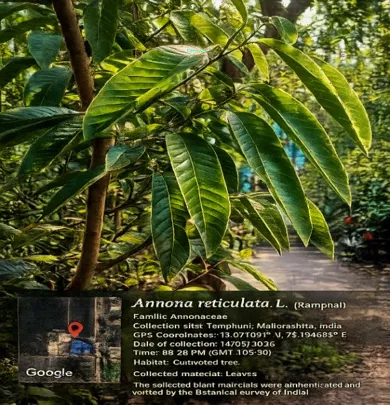
Scientific Categorization
Kingdom: Plantae; Domain: Eukaryote, Division: Magnoliophyta, Class: Magnoliopsida, Magnoliales is the order. Genus: Annona; Family: Annonaceae Reticulata is a species; Annona is the botanical name. Reticulata Linn 39
Synonyms
Typical Name
The Annonaceae family's Annona reticulata Linn., also referred as custard apple or Bullock's heart, is a medicinal plant that is widely dispersed in India other tropics regions. Different components of the plant, such as the bark, leaves, seeds, roots Moreover, fruits are used in traditional medicine.26
Phytochemical investigations have found alkaloids, flavonoids, terpenoids, glycosides, and acetogenins, which contribute to a variety of pharmacological activities. Reported biological objects include antidiabetic, Reduced inflammation, analgesic, antidiabetic, antimicrobial, and anticancer activities.27 Methanolic leaf extracts have proved significant cytotoxic effects against human colorectal and hepatocellular carcinoma cell lines, suggesting that the plant holds bioactive compounds with potential anticancer properties. These findings support the broader concept that medicinal plants are valuable sources of novel therapeutic agents.26,27.
Description of Botany
Annona reticulata is small deciduous tree that reaches a height of 5–6 m in height about thin greyish bark. The foliage is simple, alternate, oblong-lanceolate, and glabrous on top, while the lower surface is slightly pubescent in young leaves. Flowers are greenish, bisexual, drooping, and usually solitary or arranged in small clusters. The fruits are round or globose, about 5–10 cm in diameter, greenish yellow on ripening with sweet white pulp. There are many silky seeds. shiny, and deep brown to black is color. Flowering is the result of March–July, while Fruiting takes place starting in August to January.40
Pharmacognosy Macroscopy
Fresh leaves are simple, oblong-lanceolate, acute, and entire with reticulate venation clearly visible on both surfaces. Leaves are green in color with a slightly unpleasant odor and mucilaginous bitter taste. Dried leaves appear wrinkled, brittle, and light green in color with slimy taste.
Midrib
The upper and lower epidermis are visible in a transverse section of the midrib. with thick coating. Collenchymatous cells are present below the epidermis. The vascular bundle is surrounded by sclerenchymatous tissue and has xylem vessels with spiral and scalariform thickening. Calcium oxalate crystals are also present.
Seed Characters
Sneed’s are oval, smooth, hard, glossy, and blackish brown in color. The seed coat is lignified and has stone cells Cotyledons hold a lot of starch. Like substances as well as oily globules
Ethnomedicinal Uses
Various parts of the plant are traditionally used in folk medicine. Roots are used as purgative and in dysentery. Leaves own, insecticidal, stimulant, and antispasmodic properties. Leaf paste is applied on ulcers and wounds. Fruits are used as tonic, cooling agent, and nutritive supplements. Seeds are considered insecticidal and abortifacient, while bark acts as an astringent and tonic.
The plant is also traditionally reported for antifungal, analgesic, anticonvulsant, antifertility, vermicide, and anti-inflammatory properties.
Scientifically Explored Medicinal Values
Several studies have reported important medicinal properties of Annona reticulata. The plant has alkaloids, flavonoids, terpenoids, glycosides, and acetogenins. Extracts of leaves, bark, and seeds have shown antidiabetic, anticancer, antimicrobial, cardiotonic, antifertility, and insecticidal activities.
Pharmacological Properties
Antipyretic Activity
Aqueous leaf extract showed significant antipyretic activity in experimental animals using Brewer’s yeast-induced fever model. The activity was comparable to paracetamol.40
Antinociceptive Activity
ethanolic extract of leaves showed dose-dependent decrease in blood amounts of glucose in glucose-loaded Mice, showing strong antihyperglycemic activity.40
Anti- Inflammatory Activity
Sesquiterpene fraction isolated from Bark had strong analgesic and anti-inflammatory properties. effects comparable to aspirin in experimental models.40
Chemicals and Drug
The analytical-grade Chemicals and organic solvents were all got based on Shri Ganpati Institute of Pharmaceutical Science % Research Tembhurni, Maharashtra, India.
Preparation for crude extract
After being carefully cleaned with tap and distilled water, the flowers of Annona reticulata and Bougainvillea glabra were left to dry in a shaded spot. After drying, a mortar and pestle were used to grind the material coarsely ,an electric blender was used to finely powder it , and it was then kept in an airtight glass container Bougainvillea glabra (220 gm) and Annona Reticulata (20 gm) were in an 11:2 ratio to create the extract of both medications . After that , 240 grams of the powdered material were extracted using 1700 milliliters of ethanolic for 72 hours .36.
Phytochemical screening
Standard methods were used to analyses the extract’s phytochemical composition . The main chemical components of the Annona Reticulata and Bougainvillea glabra were specifically examined.
OBSERVATION
Phytochemical Examination
|
Sr. No. |
Test |
Test Procedure |
Observation of Test |
Inference |
|
Identification of Alkaloids |
||||
|
1. |
Wagner's evaluation |
A few milliliters of filtrate plus one or two drops of Wagner's reagent (along the test tube's walls) |
A brownish-red precipitate |
+ |
|
2. |
Picric Acid test |
A few milliliters of filtrate plus three to four drops of 2% picric acid solution |
No orange color |
- |
|
Identification of Carbohydrates |
||||
|
1. |
The Molish test |
Two milliliters of filtrate plus two drops of alcoholic α-naphthol plus one milliliter of concentrated H₂SO₄ (around the test tube's walls) |
A ring of violet |
+ |
|
2. |
Test for resorcinol |
Two milliliters of aqueous extract solution plus a few resorcinol crystals plus equal volume of conc. HCl, heated |
A rose hue (ketones) |
+ |
|
Identification of Reducing Sugar |
||||
|
1. |
Benedict's test |
0.5 mL filtrate + 0.5 mL Benedict's reagent, followed by two minutes of boiling |
Green color |
+ |
|
2. |
Fehling's test |
1 mL of Fehling's solutions A and B, 1 mL of filtrate, and boiling in a water bath |
Red color |
+ |
|
Identification of Flavonoids |
||||
|
1. |
Lead Acetate test |
One milliliter of plant extract plus a few drops of 10% lead acetate solution |
Yellow PPT |
+ |
|
2. |
Ferric Chloride test |
Add a few drops of 10% FeCl₃ solution to the aqueous extract solution |
Green PPT |
+ |
|
Identification of Fixed Oil |
||||
|
1. |
Spot test/Stain test |
Finding fixed oils and fat: A small amount of plant extract is inserted between the filters |
The paper has an oil stain on it |
+ |
|
2. |
Saponification Test |
Paper extract plus a drop of phenolphthalein and a few drops of 0.5 N alcoholic KOH, heated for two hours |
Soap formation |
+ |
Material Required :
|
Ninety-six well plate
|
|
|
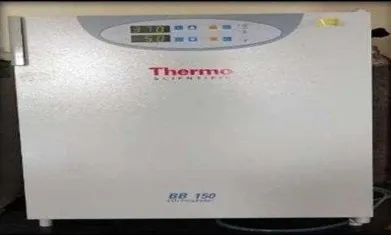
CO2 incubator (Thermo fisher Scientific) |
|
|
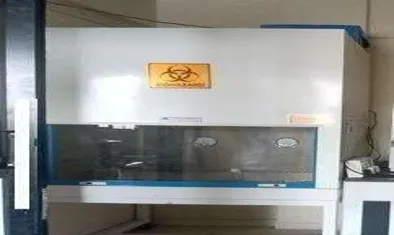
iosafety cabinet (SAS filtration technologies Pv.t. Ltd. Pune.) |
|
|
Elisa plate reader (BenespheraE21) |

|
Principle:
This Colorimetric assay is based on the capacity of Mitochondria succinate dehydrogenase enzymes in living cell store Duce the yellow water-soluble substrate 3-(4,5-dimethylthiazol-2-yl)-2,5- diphenyl tetrazolium bromide (MTT) into an insoluble, purple colored formazan product which is measured spectrophotometrically. Since reduction of MTT can only occur in metabolically active cells, the level of activity is a measure of the viability of the cells.
Procedure :
RESULT:
Table No.1 Effects Of 5-Flurouracilagainst B16F10 (Mouse Skin Melanoma Cell line) MTT Assay
|
Sr. No. |
Concentration (µg/mL) |
Absorbance (O.D.) 1 |
Absorbance (O.D.) 2 |
Absorbance (O.D.) 3 |
Average |
Cell Viability |
IC₅₀ |
|
1. |
Control |
2.156 |
2.155 |
2.114 |
2.141 ± 0.02396 |
||
|
2. |
STD 5FU – 100 |
1.236 |
1.235 |
1.239 |
1.236 ± 0.00208 |
57.74319 |
<100 |
|
200 |
0.995 |
0.991 |
0.993 |
0.993 ± 0.002 |
46.36576 |
||
|
400 |
0.854 |
0.851 |
0.856 |
0.853 ± 0.00251 |
39.85992 |
||
|
600 |
0.452 |
0.458 |
0.456 |
0.455 ± 0.00305 |
21.2607 |
||
|
800 |
0.405 |
0.401 |
0.403 |
0.403 ± 0.002 |
18.81712 |
||
|
1000 |
0.312 |
0.315 |
0.316 |
0.314 ± 0.00208 |
14.67704 |

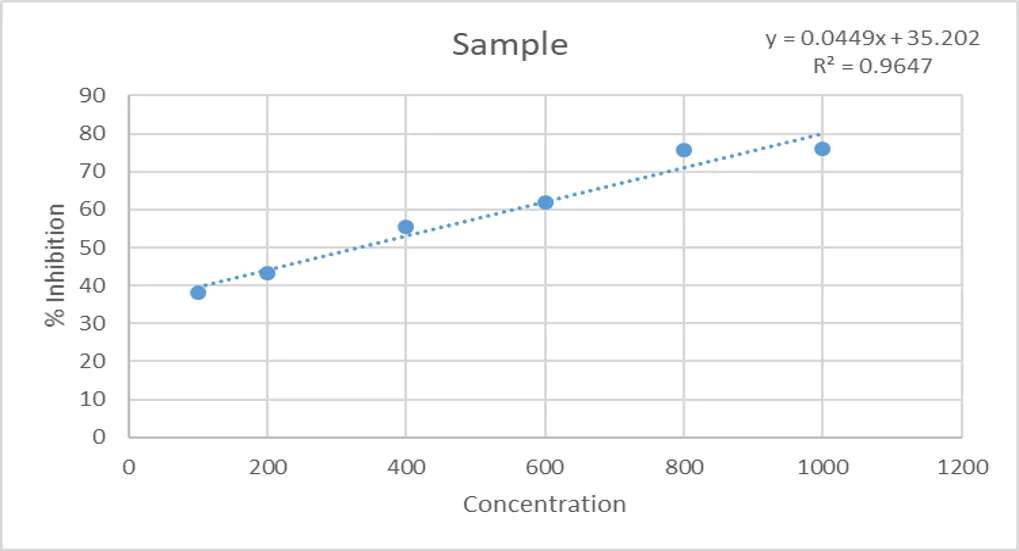
Table No. 2: Effects of Sample against B16F10 (Mouse Skin Melanoma Cell Line) by MTT Assay
|
Sr. No. |
Concentration (µg/mL) |
Absorbance (O.D.) 1 |
Absorbance (O.D.) 2 |
Absorbance (O.D.) 3 |
Average |
Cell Viability (%) |
IC₅₀ (µg/mL) |
|
1. |
Control |
2.156 |
2.155 |
2.114 |
2.141 ± 0.02396 |
||
|
2. |
Sample 100 |
1.325 |
1.326 |
1.329 |
1.326 ± 0.00208 |
61.94553 |
32.95 µg/mL |
|
200 |
1.211 |
1.215 |
1.216 |
1.214 ± 0.00264 |
56.68482 |
||
|
400 |
0.954 |
0.956 |
0.952 |
0.954 ± 0.002 |
44.54475 |
||
|
600 |
0.781 |
0.784 |
0.879 |
0.814 ± 0.05573 |
38.03891 |
||
|
800 |
0.523 |
0.521 |
0.523 |
0.522 ± 0.00115 |
24.38911 |
||
|
1000 |
0.511 |
0.510 |
0.514 |
0.511 ± 0.00208 |
23.89105 |
CONCLUSION
The present study concluded that combined ethanolic extracts of Bougainvillaea glabra and Annona reticulata have significant phytochemical and anticancer potential. Phytochemical screening revealed the presence of important bioactive compounds like alkaloids, flavonoids, tannins, glycosides, phenolic compounds and saponins which are known for their medicinal and cytotoxic properties.
The MTT assay performed on B16F10 mouse skin melanoma cell lines showed a dose-dependent reduction in cell viability, indicating effective anticancer activity of the extract. The observed IC50 value of 32.95 µg/ml suggests that the extract has considerable cytotoxic potential against melanoma cells. The antioxidant and antiproliferative properties of the phytoconstituents may be responsible for the inhibition of cancer cell growth.
The study highlights the importance of medicinal plants as valuable sources of natural anticancer agents and supports the traditional medicinal use of Bougainvillea glabra and Annona reticulata. Therefore, these plants may serve as promising candidates for the development of safer and cost-effective herbal therapies for skin cancer treatment.
Further pharmacological, toxicological, and clinical studies are required to isolate the active constituents, understand their mechanism of action, and establish their safety and therapeutic efficacy for future anticancer drug development.
REFERENCES




Shubham Bansode, Swapnil Bhoge, Rohit Naykude, Dr R. D. Bendgude, Dr. R. R. Bendgude, Evaluation of Multi-Herbal Extract Anticancer Activity, Int. J. of Pharm. Sci., 2026, Vol 4, Issue 6, 5553-5571. https://doi.org/10.5281/zenodo.20790985
 10.5281/zenodo.20790985