

We use cookies to ensure our website works properly and to personalise your experience. Cookies policy
1 Lecturer, Department of Pharmaceutical Chemistry, A. C. Patil College of Pharmacy, Kharghar, Navi Mumbai, India.
2 Student, Department of Pharmaceutics, Bhupal Nobles College of Pharmacy, Udaipur, Rajasthan, India.
3 Prof, Gokhale Education Society's Sir Dr. M. S. Gosavi Polytechnic Institute, Nashik, India.
4 Student, Department of Pharmaceutical Chemistry, Matoshri College of Pharmacy, Mhasrul, Nashik, India.
5 Lecturer, Department of Pharmacognosy, R. V. P. M. Institute of Pharmacy, Dwarka, Nashik, India.
The field of molecular topology has transformed the way chemists design and understand molecular structures. Instead of focusing only on the chemical composition of molecules, modern molecular design also considers the three-dimensional arrangement and connectivity of atoms, leading to the development of complex topological architectures. Among these, Möbius molecules have attracted considerable attention because of their unique twisted geometry and unusual electronic behaviour. More recently, half-Möbius molecules have emerged as a promising class of molecular systems that combine structural simplicity with remarkable topological characteristics. These molecules possess a partial twist rather than a complete Möbius topology, offering enhanced synthetic accessibility while retaining many of the fascinating properties associated with topological molecular structures. Half-Möbius molecules exhibit distinctive electronic, optical, magnetic, and chiroptical properties that make them attractive candidates for advanced materials and molecular devices. Their controlled twisting influences electron delocalization, molecular stability, and intermolecular interactions, thereby opening new possibilities in organic electronics, supramolecular chemistry, catalysis, sensing, and energy-related applications. Continuous advances in synthetic methodologies, computational chemistry, and molecular characterization techniques have further accelerated research in this area.
Nature often demonstrates that shape and structure play an essential role in determining the function of molecules. Inspired by this principle, chemists have gradually shifted their focus from simple molecular structures to more complex topological architectures. Among these, half-Möbius molecules represent an innovative class of compounds that possess a partially twisted geometry, giving rise to unique electronic, optical, and mechanical properties.
The study of these molecules has gained considerable attention because their unusual topology provides opportunities to design materials with properties that cannot be achieved using conventional molecular systems. As research in molecular engineering continues to expand, half-Möbius molecules are expected to become valuable building blocks for future technologies in electronics, sensing, energy storage, and smart materials.[1,3]
1.1 Evolution of Molecular Topology
Classical Molecular Architectures
For many decades, chemistry mainly focused on molecules with simple linear, branched, or cyclic structures. These traditional molecular architectures have served as the foundation of organic, inorganic, and polymer chemistry. Although these molecules have enabled significant scientific progress, their relatively simple geometries often limit the range of achievable physical and chemical properties.[1,3]
Development of Topological Chemistry
The concept of molecular topology introduced a completely new way of thinking about molecular design. Instead of considering only the types of atoms and chemical bonds, topological chemistry emphasizes the three-dimensional arrangement of molecules. This field includes fascinating molecular structures such as knots, catenanes, rotaxanes, molecular rings, and Möbius systems. Advances in synthetic chemistry have made it possible to construct increasingly complex molecular architectures that were once considered impossible.[1,3]
Möbius Aromaticity
The idea of Möbius aromaticity originated from the famous Möbius strip, a geometric surface with only one side and one continuous edge. In molecular chemistry, introducing a twist into a cyclic conjugated system changes the distribution of electrons and alters aromatic behavior. Unlike classical aromatic compounds that follow Huckles rule [1,3]
1.2 Why Half-Möbius Molecules?
Need for Twisted Molecular Systems
Modern technologies demand materials that are lighter, stronger, smarter, and more efficient than ever before. Conventional molecular systems often fail to provide the combination of flexibility, conductivity, optical activity, and stability required for advanced applications. Twisted molecular structures, particularly half-Möbius molecules, offer an attractive solution because their unique geometry modifies molecular interactions and electron movement. This makes them highly promising for applications in molecular electronics, optoelectronics, sensors, and responsive materials.[1,12]
Advantages over Conventional Macrocycles
Compared with traditional macrocyclic compounds, half-Möbius molecules provide several significant advantages:
1.3 Scope of Review
This review aims to provide a comprehensive overview of half-Möbius molecules by discussing their structural concepts, synthesis strategies, properties, and emerging applications.
Molecular Design
The review examines the principles involved in designing half-Möbius molecular frameworks, including structural considerations, computational modeling, and strategies for introducing controlled molecular twisting while maintaining stability. [2,3]
Synthesis
Recent synthetic methodologies used to prepare half-Möbius molecules are discussed, including macrocyclization, template-assisted synthesis, transition-metal-catalyzed reactions, and supramolecular assembly techniques. The challenges associated with controlling molecular topology are also highlighted. [2,3]
Properties
Special attention is given to the unique physical and chemical properties of half-Möbius molecules, including their aromatic behavior, electronic structure, optical activity, fluorescence, chiral characteristics, thermal stability, and mechanical flexibility. [2,3]
Applications
The review summarizes current and potential applications of half-Möbius molecules in molecular electronics, organic semiconductors, smart materials, chemical sensors, energy conversion systems, photonic devices, nanotechnology, and biomedical research. [2,3]
Future Opportunities
Although research on half-Möbius molecules is still in its early stages, rapid progress in synthetic chemistry and computational molecular design is expected to accelerate their development. Future investigations may focus on scalable synthesis, improved structural stability, environmentally sustainable production methods, and integration . [2,3]
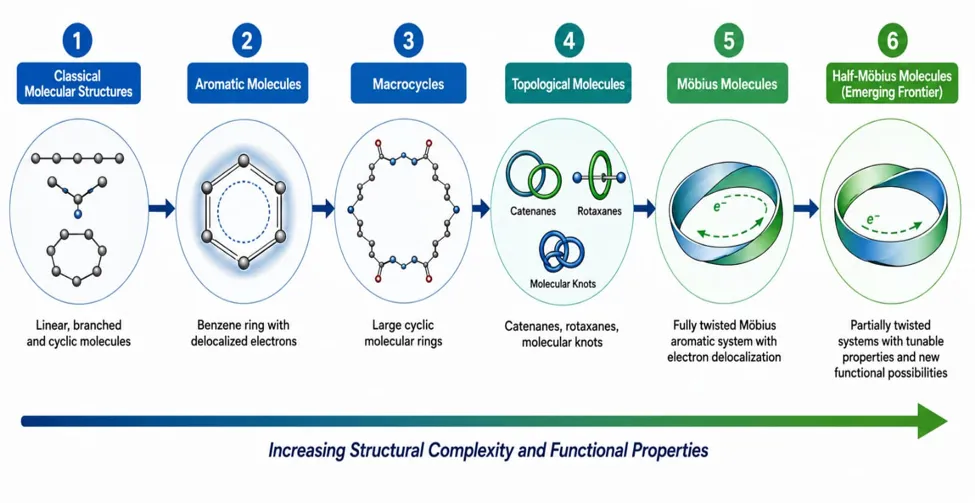
Figure 1: Evolution of Molecular Topology
2. Concept and Structural Features of Half-Möbius Molecules
2.1 Mathematical Origin
The concept of half-Möbius molecules originates from the famous Möbius strip, a fascinating mathematical object first described independently by the German mathematicians August Ferdinand Möbius and Johann Benedict Listing in 1858. A Möbius strip is created by giving a rectangular strip a half twist (180°) before joining its two ends together. Unlike an ordinary ring, this structure has only one continuous surface and one continuous edge, making it one of the simplest examples of a non-orientable topological object.
The unusual geometry of the Möbius strip has inspired chemists to design molecular structures that mimic its twisted topology. Instead of constructing a flat cyclic molecule, researchers introduce a controlled twist into a conjugated molecular framework. This twist alters the spatial arrangement of atoms and influences the movement of electrons throughout the molecule, giving rise to unique structural and electronic properties.[1,3]
2.2 Molecular Interpretation
From a molecular perspective, half-Möbius molecules are best understood as cyclic conjugated systems that contain a deliberate partial twist in their backbone. This twist changes the orientation of the π-orbitals, modifies electron delocalization, and creates a three-dimensional molecular architecture that differs significantly from conventional planar macrocycles.
The degree of twisting depends on factors such as ring size, molecular flexibility, steric interactions, and the nature of the connecting units. By carefully selecting these structural components, chemists can precisely control the molecular geometry and tune the resulting electronic, optical, and chiroptical properties, [1,3,5]
2.3 Structural Characteristics
Twisted Conjugation
One of the defining characteristics of half-Möbius molecules is their twisted conjugated framework. The partial twist changes the overlap of adjacent π-orbitals, influencing electron delocalization throughout the molecule. As a result, the electronic distribution becomes highly dependent on the degree of twisting, allowing researchers to fine-tune conductivity, optical absorption, fluorescence, and aromatic behaviour. This unique conjugation distinguishes half-Möbius molecules from conventional planar aromatic systems.[3]
Ring Strain
The incorporation of a twist into a cyclic molecular framework inevitably introduces ring strain. The extent of this strain depends on factors such as ring size, bond angles, torsional distortion, and molecular rigidity. Although excessive strain may reduce molecular stability, a carefully balanced amount of strain can enhance chemical reactivity and create new functional properties. [4]
Chirality
The twisted architecture of half-Möbius molecules frequently gives rise to chirality, even in the absence of conventional stereogenic centres. The left-handed and right-handed twisted conformations behave as non-superimposable mirror images, producing distinct optical activity. This inherent chirality makes half-Möbius molecules particularly attractive for applications involving chiral recognition, asymmetric catalysis.[10]
Topological Symmetry
Unlike traditional cyclic molecules that generally possess high geometric symmetry, half-Möbius molecules exhibit symmetry that arises primarily from their overall topology rather than from simple molecular geometry. Their partial twist creates unique spatial arrangements that influence intermolecular interactions, molecular packing, and electronic communication. This topological symmetry contributes significantly to their distinctive physical and chemical behaviour, providing opportunities to design responsive molecular systems with tailored functions for sensing, nanotechnology, and molecular electronics.[3,12]
2.4 Comparison of Different Molecular Topologies
The architecture of a molecule plays a crucial role in determining its physical, chemical, and functional properties. As molecular topology has evolved, researchers have progressed from simple cyclic structures to increasingly sophisticated twisted molecular systems. Each topology possesses unique structural characteristics that influence electron delocalization, molecular stability, chirality, and potential applications. Helical molecules introduce a three-dimensional spiral arrangement into the molecular framework. Unlike planar rings, their helical shape creates inherent chirality, resulting in distinct right-handed and left-handed conformations. This structural feature gives rise to unique optical and chiroptical properties, making helical molecules valuable in asymmetric catalysis, molecular recognition, and photonic materials.[1,3,12]
Half-Möbius molecules occupy an intermediate position between conventional macrocycles and fully twisted Möbius structures. Instead of a complete Möbius topology, they possess a controlled partial twist within the molecular backbone. This design retains many of the attractive characteristics of Möbius systems while reducing synthetic complexity. Their balanced combination of structural flexibility, tunable electronic properties, intrinsic chirality, and improved synthetic accessibility has made them an emerging focus in molecular design and advanced materials chemistry.
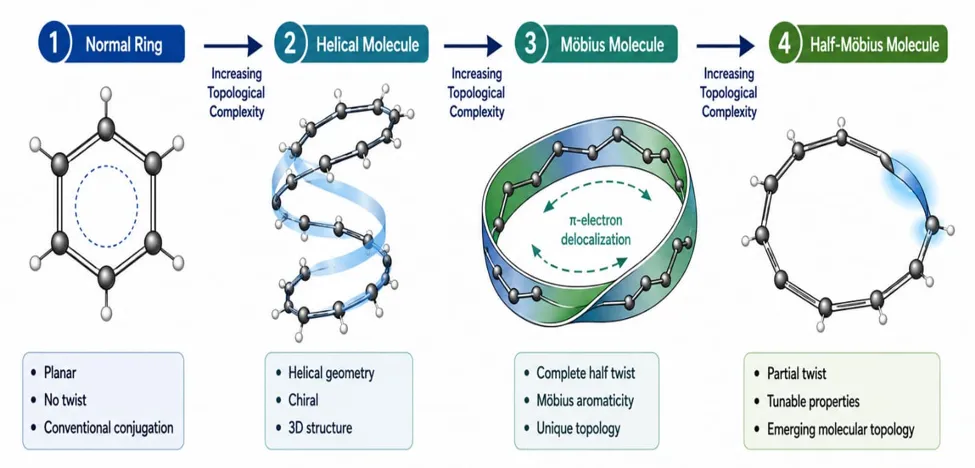
Figure 2 : Structural Comparison of Molecular Topologies
Table 1: Comparision of molecular topologies
|
Features |
Normal ring |
Helical Molecule |
Mobius molecule |
Half – Mobius molecule |
|
Molecular geometry |
Planer or nearly planer |
Helical |
Fully twisted cyclic structure |
Partially twisted cyclic structure |
|
Degree of twist |
None |
Continuous helix |
Half twist |
Localized partial twist |
|
Conjugation |
Conventional |
Twisted conjugation |
Mobius conjugation |
Partially twisted conjugation |
|
Aromatic behaviour |
Classical aromacity |
Modified conjugation |
Mobius aromaticity |
Intermediate / topological dependent aromaticity |
|
Chirality |
Absent |
Intrinsic chirality |
Topologically chirality |
Conformational chirality |
|
Ring strain |
Low |
Moderate |
High |
Moderate |
|
Synthetic complexity |
Low |
Moderate |
High |
Moderate |
|
Electronic properties |
Conventional |
Tunable |
Unique electronic behaviour |
Tunable electronic behaviour |
|
Major application |
Organic chemistry |
Chiral materials |
Molecular electronics |
Organic electronics, Functional materials |
3. Molecular Design Strategies
The successful development of half-Möbius molecules depends on careful molecular design, where structural components are strategically selected and assembled to achieve the desired topology and functional properties. Unlike conventional molecules, half-Möbius systems require precise control over molecular geometry, flexibility, and electronic interactions to introduce a stable partial twist without compromising structural integrity.
3.1 Building Blocks
The design of half-Möbius molecules begins with the selection of suitable molecular building blocks. These fundamental units determine the overall shape, flexibility, and electronic behaviour of the final structure. Rigid aromatic fragments, flexible linkers, and conjugated molecular segments are commonly combined to generate stable twisted frameworks. [5,7]
Aromatic Units
Aromatic units serve as the primary π-conjugated components in half-Möbius molecules. Benzene, naphthalene, anthracene, phenylene, thiophene, pyridine, and other aromatic systems provide structural rigidity while facilitating efficient electron delocalization throughout the molecular framework. [8]
Macrocycles
Macrocycles form the cyclic backbone of half-Möbius molecular systems. Their large ring size provides sufficient flexibility to accommodate controlled twisting while maintaining structural stability. The size, shape, and composition of the macrocyclic framework directly affect ring strain, conformational behaviour, and the formation of the desired topology. Proper macrocycle design enables the successful construction of partially twisted molecular architectures with improved synthetic accessibility.[22]
Helical Scaffolds
Helical scaffolds introduce three-dimensional curvature into molecular structures and play an important role in generating twisted topologies. These scaffolds naturally promote chirality and help stabilize partially twisted conformations. Their incorporation into half-Möbius molecules enhances conformational control, improves optical activity, and strengthens intermolecular interactions.[9,10]
3.2 Molecular Engineering
Molecular engineering involves the rational modification of molecular structures to obtain desired physical and chemical properties. In half-Möbius molecules, researchers carefully adjust linker length, bond angles, substituent positions, molecular rigidity, and steric interactions to achieve controlled partial twisting. This systematic engineering approach allows optimization of molecular stability, electronic communication, optical behaviour, and overall functional performance while minimizing unwanted structural distortion.[5]
3.3 Topological Optimization
Topological optimization focuses on achieving the most favourable molecular geometry while preserving the characteristic half-Möbius topology. Researchers evaluate factors such as ring strain, conformational stability, orbital overlap, and intermolecular interactions to identify the optimum molecular arrangement. Fine-tuning these structural parameters improves synthetic success, enhances physicochemical properties, and increases the practical applicability of half-Möbius molecular systems.[4]
3.4 Computational Molecular Design
Computational chemistry has become an indispensable tool in the design of half-Möbius molecules. Modern computational methods, including Density Functional Theory (DFT), molecular mechanics, and molecular dynamics simulations, allow researchers to predict molecular geometry, electronic structure, aromaticity, energy profiles, and conformational stability before experimental synthesis. These computational approaches reduce trial-and-error experimentation, accelerate molecular discovery, and provide valuable insights into structure–property relationships.[17,18,19]
3.5 AI-Assisted Molecular Design
Artificial intelligence is rapidly transforming molecular design by enabling faster and more efficient discovery of novel molecular architectures. Machine learning algorithms can analyse large chemical databases, identify favourable structural patterns, predict molecular properties, and suggest new half-Möbius candidates with improved performance. AI-assisted design significantly shortens the development cycle by integrating computational prediction with synthetic planning. [24,25]
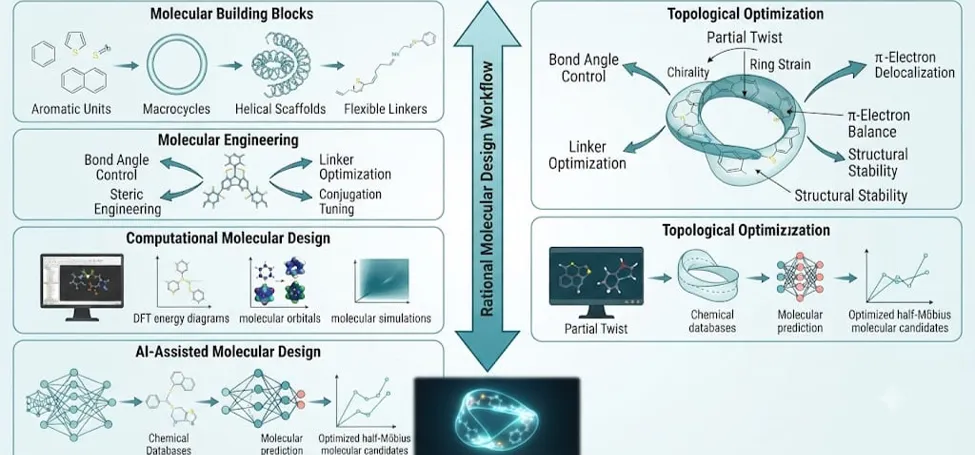
Figure 3: Molecular Design Strategy of Half-Möbius Molecules
4. Synthetic Approaches
The synthesis of half-Möbius molecules is one of the most challenging aspects of topological chemistry because it requires precise control over molecular geometry, ring closure, and conformational stability. Unlike conventional cyclic compounds, these molecules must be carefully engineered to introduce a controlled partial twist while maintaining structural integrity and efficient π-conjugation.
4.1 Template Synthesis
Template synthesis is one of the most effective approaches for constructing complex topological molecules. In this method, a template such as a metal ion, organic framework, or supramolecular host directs the assembly of molecular building blocks into a predetermined arrangement before the final covalent bonds are formed. The template minimizes unwanted conformations and promotes selective formation of the desired twisted architecture.
For half-Möbius molecules, template synthesis helps control molecular orientation during ring formation, improves reaction selectivity, and increases product yield.[16]
4.2 Macrocyclization
Macrocyclization is the fundamental step in the synthesis of most half-Möbius molecules. It involves joining the ends of a linear precursor to form a large cyclic molecular framework capable of accommodating a controlled twist. Achieving efficient macrocyclization requires careful optimization of reaction conditions because intermolecular reactions and polymer formation frequently compete with ring closure.[[22]
4.3 Dynamic Covalent Chemistry
Dynamic covalent chemistry provides a powerful strategy for constructing complex molecular architectures through reversible covalent bond formation. Unlike irreversible reactions, dynamic covalent bonds can continuously break and reform until the thermodynamically most stable molecular structure is obtained.
This self-correction mechanism significantly improves synthetic efficiency by reducing structural defects and increasing the probability of forming the desired partially twisted molecular topology. Dynamic covalent chemistry is particularly useful for generating well-defined macrocycles and supramolecular assemblies with enhanced structural precision[16]
4.4 Metal-Directed Synthesis
Metal-directed synthesis utilizes coordination between metal ions and specially designed organic ligands to guide molecular self-organization. Transition metals such as palladium, platinum, copper, silver, ruthenium, and zinc are commonly employed because they exhibit predictable coordination geometries.
The coordinated metal centre acts as a temporary structural guide that organizes molecular fragments into the desired twisted arrangement before permanent covalent bonds are formed. This approach offers excellent stereochemical control and enables the synthesis of highly sophisticated topological molecules that would be difficult to obtain through conventional synthetic routes.[14]
4.5 Click Chemistry
Click chemistry has become an increasingly popular synthetic tool because of its simplicity, high efficiency, and excellent functional group tolerance. Reactions such as copper-catalysed azide–alkyne cycloaddition (CuAAC) enable rapid and selective formation of stable covalent linkages under mild reaction conditions.
In the synthesis of half-Möbius molecules, click chemistry facilitates the efficient connection of molecular building blocks while preserving sensitive functional groups. Its high reaction yield and reliability make it an attractive strategy for constructing complex molecular architectures with minimal by-product formation.[22]
4.6 Self-Assembly
Self-assembly is a spontaneous process in which individual molecular components organize into highly ordered structures through non-covalent interactions such as hydrogen bonding, π–π stacking, electrostatic interactions, van der Waals forces, and host–guest recognition.
For half-Möbius molecules, self-assembly offers an elegant route to forming twisted molecular systems without extensive synthetic manipulation [20,21]
4.7 Challenges in Synthesis
Despite remarkable progress, the synthesis of half-Möbius molecules remains technically demanding. One of the primary challenges is maintaining the desired partial twist while preventing structural relaxation into more stable conventional conformations. The presence of ring strain, steric hindrance, competing reaction pathways, and low synthetic yields further complicates molecular construction.
Purification and structural characterization also present significant difficulties because topological isomers often possess very similar physical properties. Advanced analytical techniques such as NMR spectroscopy, X-ray crystallography, high-resolution mass spectrometry, and computational modelling are therefore essential for confirming the successful formation of half-Möbius architectures.
Future developments in automated synthesis, computational reaction prediction, artificial intelligence, and precision molecular engineering are expected to overcome many of these limitations and facilitate the routine preparation of increasingly complex topological molecular systems.[4,22]
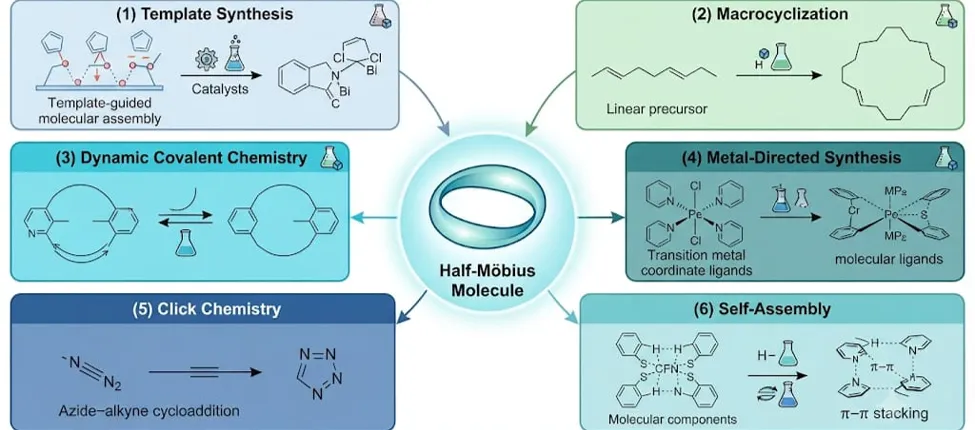
Scheme 1: Synthetic Routes for Half-Möbius Molecules
Table 2. Comparison of Synthetic Methods for Half-Möbius Molecules
|
Synthetic method |
Basic principle |
Advantages |
Limitations |
Applications |
|
Template synthesis |
Template directs molecular assembly |
High selectively , better topology control |
Template removal may required |
Topological molecule , macrocyclic |
|
Macrocyclization |
Ring closure of linear precursors |
Simple and widely applicable |
Low yield |
Macrocyclic frame work |
|
Dynamic covalent chemistry |
Reversible covalent bond formation |
Self – correction |
Required equilibrium control |
Adaptive molecular system |
|
Metal – directed synthesis |
Coordination driven molecular assembly |
Excellent stereochemical control |
Metal removal |
Coordination complexes |
|
Click chemistry |
Highly selective covalent coupling |
Fast, effective |
Limited reaction types |
Functional molecular architectures |
|
Self chemistry |
Organization through non – covalent interaction |
Simple , reversible |
Lower structure Stability |
Nanotechnology |
5. Structural Characterization
The successful synthesis of half-Möbius molecules must be followed by comprehensive structural characterization to confirm that the desired topological architecture has been achieved. Because these molecules possess a unique partially twisted geometry, no single analytical technique is sufficient to fully establish their structure. Instead, researchers combine several complementary spectroscopic, crystallographic, and computational methods to verify molecular connectivity, conformation, topology, electronic properties, and structural stability.
5.1 Nuclear Magnetic Resonance (NMR) Spectroscopy
Nuclear Magnetic Resonance (NMR) spectroscopy is one of the most important techniques for characterizing half-Möbius molecules. It provides detailed information about the chemical environment of atoms, molecular connectivity, and conformational behaviour. Both ¹H NMR and ¹³C NMR spectra help confirm the successful formation of the molecular framework by identifying characteristic chemical shifts and coupling patterns.
Advanced two-dimensional NMR techniques, including COSY, HSQC, HMBC, and NOESY, are particularly useful for establishing long-range atomic correlations and determining the three-dimensional arrangement of atoms. These experiments help distinguish twisted molecular conformations from conventional cyclic structures and provide strong evidence for the presence of a half-Möbius topology.[19]
5.2 X-ray Diffraction (XRD)
Single-crystal X-ray diffraction is regarded as the most reliable technique for determining the precise three-dimensional structure of half-Möbius molecules. It provides direct visualization of atomic positions, bond lengths, bond angles, torsional angles, and overall molecular geometry.
XRD allows researchers to observe the characteristic partial twist within the molecular framework, measure ring distortion, and evaluate intermolecular packing interactions in the crystal lattice. The structural information obtained from XRD is often considered definitive proof of the successful synthesis of topological molecular architectures.[3,5]
5.3 High-Resolution Mass Spectrometry (HRMS)
High-resolution mass spectrometry is used to accurately determine the molecular weight and elemental composition of synthesized compounds. HRMS confirms that the desired molecular formula has been obtained by measuring the exact mass of the molecular ion with high precision.
In addition to molecular weight confirmation, fragmentation patterns obtained during mass spectrometric analysis provide valuable information about molecular stability and structural integrity. HRMS therefore serves as an essential technique for verifying the successful synthesis of half-Möbius molecules.[19]
5.4 Fourier Transform Infrared (FTIR) Spectroscopy
FTIR spectroscopy identifies the functional groups present within a molecule by measuring characteristic vibrational frequencies. It confirms the formation of key chemical bonds and monitors the disappearance or appearance of functional groups during different stages of synthesis.
Characteristic absorption bands corresponding to aromatic rings, carbon–carbon double bonds, carbonyl groups, amines, ethers, and other functional groups provide valuable evidence supporting the proposed molecular structure. FTIR also helps evaluate intermolecular interactions such as hydrogen bonding that may influence molecular conformation.[19]
5.5 Raman Spectroscopy
Raman spectroscopy complements FTIR by providing additional information about molecular vibrations, conjugation, and structural symmetry. It is particularly sensitive to π-conjugated systems and carbon–carbon skeletal vibrations, making it highly useful for studying twisted aromatic frameworks.
Changes in Raman spectra can reveal variations in electron delocalization, molecular strain, and conjugation caused by the partial twist present in half-Möbius molecules. Consequently, Raman spectroscopy contributes significantly to understanding their electronic structure.[3]
5.6 Ultraviolet–Visible (UV–Vis) Spectroscopy
UV–Visible spectroscopy is widely used to investigate the electronic transitions of half-Möbius molecules. The twisted conjugated framework influences π→π* and n→π* electronic transitions, resulting in characteristic absorption spectra.
Analysis of absorption maxima, spectral shifts, and optical band gaps provides valuable insights into electron delocalization, molecular conjugation, and electronic communication within the twisted molecular system. UV–Vis spectroscopy is therefore an important tool for evaluating the optical behaviour of these molecules.[8]
5.7 Circular Dichroism (CD) Spectroscopy
Circular dichroism spectroscopy is especially valuable for studying the chiral properties of half-Möbius molecules. Since their partially twisted geometry often generates intrinsic chirality, CD spectroscopy measures the differential absorption of left- and right-circularly polarized light to determine molecular handedness.
The resulting CD spectra provide information about stereochemistry, conformational stability, and chiroptical behaviour. This technique is particularly useful for evaluating enantiomeric purity and investigating the relationship between molecular topology and optical activity.[10]
5.8 Computational Validation
Computational methods play an increasingly important role in validating the structures of half-Möbius molecules. Techniques such as Density Functional Theory (DFT), molecular dynamics simulations, and molecular mechanics calculations are used to predict optimized geometries, electronic structures, aromaticity, energy profiles, and conformational stability.
Theoretical calculations are often compared with experimental data obtained from NMR, XRD, UV–Vis, Raman, and CD spectroscopy to confirm the proposed molecular structure.[17,18,19]
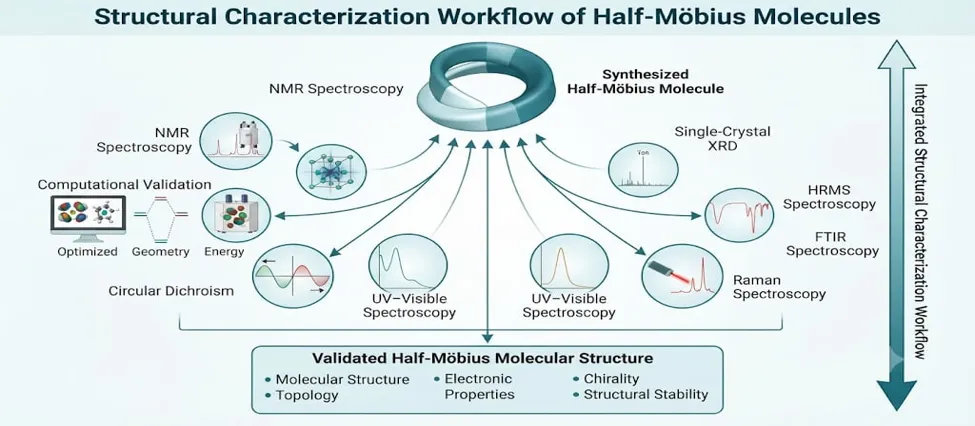
Figure 4: Structural Characterization Workflow
Table 3. Analytical Techniques Used for Structural Characterization
|
Technique |
Information obtained |
Advantage |
Limitions |
|
¹H/¹³C NMR |
Molecular connectivity and conformation |
Detailed structural information |
Requires relatively pure samples |
|
Single – crystal XRD |
Three-dimensional molecular geometry |
Direct structural confirmation |
High-quality crystals required |
|
HRMS |
Molecular weight and elemental composition |
Highly accurate mass determination |
Limited conformational information |
|
FTIR |
Functional group identification |
Rapid and non-destructive |
Overlapping absorption bands |
|
Raman spectroscopy |
Molecular vibrations and conjugation |
Excellent for π-conjugated systems |
Fluorescence interference possible |
|
UV- Visible spectroscopy |
Electronic transitions and optical properties |
Simple and sensitive |
Limited structural specificity |
|
Circular Spectroscopy |
Chirality and stereochemistry |
Ideal for chiral molecules |
Applicable mainly to optically active compounds |
|
Computational Validation (DFT/MD) |
Geometry optimization and electronic structure |
Supports experimental findings |
Accuracy depends on computational models |
6. Electronic Structure and Molecular Properties
The exceptional performance of half-Möbius molecules is largely governed by their unique electronic structure. Unlike conventional planar molecules, the presence of a controlled partial twist modifies orbital overlap, electron delocalization, and molecular symmetry, leading to distinctive electronic and physicochemical properties. These characteristics influence conductivity, aromaticity, optical behaviour, thermal stability, and mechanical performance.
6.1 HOMO–LUMO Electronic Structure
The Highest Occupied Molecular Orbital (HOMO) and Lowest Unoccupied Molecular Orbital (LUMO) are key indicators of a molecule's electronic properties. The energy difference between these orbitals, known as the HOMO–LUMO energy gap, determines chemical stability, electronic conductivity, optical absorption, and molecular reactivity.
In half-Möbius molecules, the partial twist modifies the overlap of π-orbitals, producing a unique distribution of electron density across the molecular framework. This often results in a tunable HOMO–LUMO gap that can be adjusted through molecular design. [17,18]
6.2 Aromaticity
Aromaticity plays a central role in determining the stability and electronic behaviour of conjugated molecular systems. Unlike conventional aromatic compounds that follow Hückel's rule, the twisted topology of half-Möbius molecules alters electron delocalization and produces topology-dependent aromatic characteristics.
The degree of aromaticity depends on the extent of molecular twisting, ring size, and conjugation pathway. Computational methods such as Nucleus-Independent Chemical Shift (NICS), Anisotropy of the Induced Current Density (ACID), and Electron Localization Function (ELF) analyses are commonly used to evaluate aromatic behaviour. [1,2,3]
6.3 Charge Transport
Efficient charge transport is essential for applications in organic electronics and molecular devices. The partially twisted conjugated backbone of half-Möbius molecules facilitates controlled movement of electrons and holes through the molecular framework.
The efficiency of charge transport depends on molecular packing, orbital overlap, conjugation length, and intermolecular interactions. Properly designed half-Möbius molecules exhibit improved charge mobility while maintaining structural stability, making them promising candidates for organic semiconductors, field-effect transistors, molecular wires, and photovoltaic materials.[6,8]
6.4 Optical Behaviour
The unique topology of half-Möbius molecules significantly influences their optical properties. The twisted π-conjugated system modifies electronic transitions, resulting in characteristic absorption and emission behaviour.
These molecules often display tunable UV–Visible absorption, fluorescence, phosphorescence, and chiroptical activity. Their inherent chirality also produces strong circular dichroism and circularly polarized luminescence, which are highly desirable for optical sensors, photonic devices, bioimaging, and display technologies. The ability to tailor optical responses through molecular design further enhances their potential for advanced optoelectronic applications.[10]
6.5 Thermal Stability
Thermal stability is an important consideration for the practical application of half-Möbius molecules. Despite the presence of a partially twisted molecular framework, many of these systems exhibit excellent thermal resistance because of their rigid conjugated backbone and strong covalent bonding.
The thermal behaviour depends on ring strain, molecular rigidity, and intermolecular interactions. [4]
6.6 Mechanical Behaviour
The three-dimensional architecture of half-Möbius molecules also influences their mechanical properties. The controlled molecular twist introduces a balance between rigidity and flexibility, allowing these molecules to resist structural deformation while maintaining conformational stability.
When incorporated into supramolecular assemblies or polymeric materials, half-Möbius molecules can improve mechanical strength, elasticity, and durability. Their unique topology also contributes to enhanced molecular resilience, making them suitable for advanced nanomaterials and smart functional systems.[5]
6.7 Density Functional Theory (DFT) Studies
Density Functional Theory (DFT) has become one of the most powerful computational tools for investigating the electronic structure of half-Möbius molecules. DFT calculations provide detailed information about optimized molecular geometry, HOMO–LUMO energy levels, orbital distributions, aromaticity, charge density, dipole moments, and electronic transitions.
Theoretical predictions are routinely compared with experimental observations obtained from spectroscopic and crystallographic techniques, allowing accurate validation of molecular structures and electronic properties. [17,18,19]
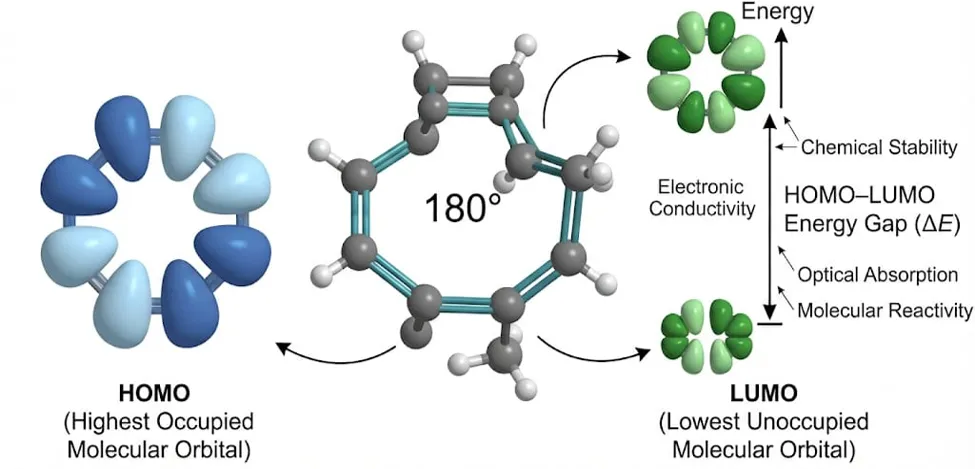
Figure 5: HOMO–LUMO Energy Diagram
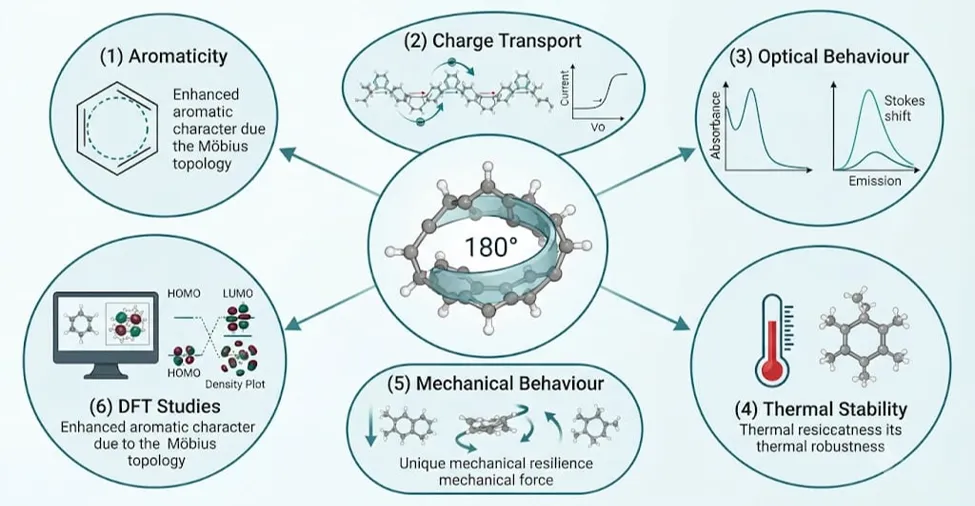
Figure 6: Electronic Properties of Half-Möbius Molecules
7. Applications in Advanced Materials
The unique structural topology and tunable physicochemical properties of half-Möbius molecules have attracted significant attention in the field of advanced materials. Their partially twisted conjugated framework provides an excellent balance between structural stability, electronic communication, chirality, and molecular flexibility. These characteristics enable their use across a wide range of emerging technologies, including organic electronics, energy storage.
7.1 Organic Electronics
Organic electronics is one of the most promising application areas for half-Möbius molecules. Their extended π-conjugated framework promotes efficient charge transport while allowing precise control over electronic energy levels. The tunable HOMO–LUMO energy gap and improved molecular stability make these molecules suitable for organic semiconductors, conductive materials, and molecular electronic devices.[6,8]
7.2 Flexible Electronics
Flexible electronic devices require materials that combine excellent electrical performance with mechanical flexibility. The partially twisted architecture of half-Möbius molecules allows them to withstand bending and mechanical deformation without significant loss of electronic properties. As a result, they are being explored for use in flexible displays, wearable sensors, electronic skin, and foldable electronic devices where durability and flexibility are essential.[6]
7.3 Organic Light-Emitting Diodes (OLEDs)
Half-Möbius molecules possess unique optical and electronic characteristics that make them attractive candidates for OLED technology. Their tunable electronic structure enables efficient charge injection and balanced electron–hole recombination, leading to improved light emission efficiency. In addition, their chiral nature can produce circularly polarized luminescence, offering new opportunities for high-performance display technologies, advanced lighting systems, and optical communication devices.[7]
7.4 Organic Field-Effect Transistors (OFETs)
The charge transport capability of half-Möbius molecules makes them suitable for use as active semiconductor materials in organic field-effect transistors. Their controlled molecular packing and optimized conjugation facilitate efficient carrier mobility while maintaining thermal and structural stability. These characteristics contribute to improved transistor performance, making them promising materials for flexible circuits, low-power electronics, and integrated molecular devices.[8]
7.5 Molecular Sensors
The distinctive electronic and optical responses of half-Möbius molecules make them highly sensitive molecular sensors. Small changes in their surrounding environment can alter their electronic structure, fluorescence, or conductivity, enabling rapid detection of chemical species, metal ions, biological molecules, gases, and environmental pollutants. Their high sensitivity and selectivity support applications in environmental monitoring, medical diagnostics, food safety, and industrial quality control.[5]
7.6 Energy Storage
Half-Möbius molecules are increasingly being investigated for energy storage applications because of their stable conjugated framework and efficient electron transport properties. They can serve as active materials in rechargeable batteries, supercapacitors, and electrochemical energy storage systems. Their structural stability during repeated charge–discharge cycles contributes to improved energy efficiency, long operational life, and enhanced device reliability.[23]
7.7 Catalysis
The unique topology of half-Möbius molecules creates specialized electronic environments that can facilitate catalytic reactions. Their tunable electronic structure allows precise interaction with substrates and catalytic centres, improving reaction efficiency and product selectivity. These molecules have potential applications in homogeneous catalysis, photocatalysis, electrocatalysis, and asymmetric catalysis, where controlled molecular architecture plays a critical role.[13]
7.8 Drug Delivery
In biomedical research, half-Möbius molecules offer exciting possibilities as drug delivery platforms. Their well-defined molecular architecture can be engineered to encapsulate therapeutic agents, improve drug stability, and enable controlled drug release. Their ability to undergo structural modification also allows targeted delivery to specific tissues or cells, potentially reducing side effects while improving treatment effectiveness. Continued research may expand their applications in precision medicine and nanomedicine.[16]
7.9 Smart Materials
Half-Möbius molecules are promising building blocks for smart materials that respond to external stimuli such as temperature, light, pH, electric fields, or mechanical stress. Their unique topology enables reversible structural changes that alter electronic and optical properties. Such responsive behaviour makes them suitable for self-healing materials, adaptive coatings, intelligent sensors, and soft robotics.[21]
7.10 Nanotechnology
The nanoscale dimensions and controlled topology of half-Möbius molecules make them valuable components in nanotechnology. They can be incorporated into molecular machines, nanosensors, nanowires, and supramolecular assemblies with precisely engineered structures. Their predictable molecular organization supports the development of advanced nanomaterials with improved functionality and performance.[5,23]
7.11 Quantum Materials
The unusual electronic structure of half-Möbius molecules has generated growing interest in the emerging field of quantum materials. Their topology-dependent electronic behaviour may support quantum coherence, spin-dependent transport, and other quantum phenomena. Although research is still in its early stages, these molecules are considered promising candidates for future quantum electronic devices, molecular spintronics, and quantum information technologies.[23]
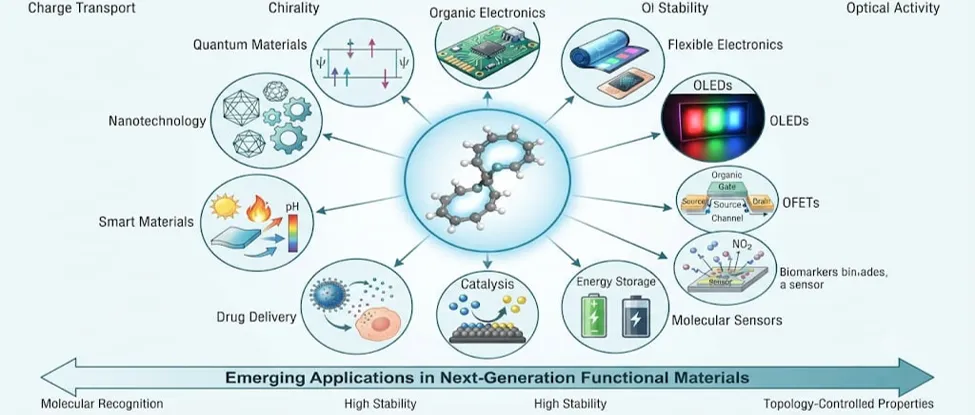
Figure 7: Applications of Half-Möbius Molecules
Table 4. Applications and Advantages of Half-Möbius Molecules
|
Application area |
Role of half – mobius molecule |
Advantages |
|
Organic Electronics |
Organic semiconductors and molecular conductors |
Tunable electronic properties and efficient charge transport |
|
Flexible Electronics |
Flexible circuits and wearable devices |
Mechanical flexibility and structural stability |
|
OLED |
Light-emitting material |
High emission efficiency and chiroptical properties |
|
OFET |
Active semiconductor layer |
High carrier mobility and thermal stability |
|
Molecular sensors |
Detection of chemicals and biomolecules |
High sensitivity and selectivity |
|
Energy Storage |
Battery and supercapacitor materials |
Stable electron transfer and long cycle life |
|
Catalysis |
Homogeneous and heterogeneous catalysts |
Improved catalytic activity and selectivity |
|
Drug delivery |
Targeted drug carriers |
Controlled drug release and molecular customization |
|
Smart materials |
Stimuli-responsive systems |
Adaptive and reversible behaviour |
|
Nanotechnology |
Molecular nanostructures and nanodevice |
Precise nanoscale organization |
|
Quantum materials |
Quantum electronics and spintronics |
Unique topology-dependent electronic behaviour |
8. Challenges and Future Perspectives
Although half-Möbius molecules have emerged as a promising class of topological molecular systems, their practical development is still associated with several scientific and technological challenges. The synthesis of these molecules requires precise molecular control, advanced characterization techniques, and significant experimental effort. Despite these limitations, continuous progress in synthetic chemistry, computational modelling, and artificial intelligence is creating new opportunities for their large-scale development.[4]
8.1 Current Challenges
Synthetic Complexity
One of the major challenges in developing half-Möbius molecules is their complex synthesis. Constructing a partially twisted molecular framework requires precise control over molecular geometry, ring closure, and conformational stability. [4]
Scalability
Most half-Möbius molecules have been synthesized only on a laboratory scale. Scaling these synthetic methods for industrial production remains difficult because reaction yields often decrease with increasing batch size. Factors such as low product yield, purification challenges, and the need for highly controlled reaction conditions limit commercial-scale manufacturing.[22]
Cost
The preparation of half-Möbius molecules often requires expensive starting materials, sophisticated catalysts, advanced analytical instruments, and highly skilled personnel. These factors significantly increase production costs and restrict their widespread application. Reducing manufacturing expenses through simplified synthetic routes, recyclable catalysts, and efficient reaction processes will be an important goal for future research.[24,25]
Stability
Maintaining the unique partially twisted molecular structure under different environmental conditions remains another important challenge. Temperature, light, moisture, oxidation, and mechanical stress may influence molecular conformation and long-term stability. [24]
8.2 Future Opportunities
AI-Guided Molecular Design
Artificial intelligence is expected to revolutionize the discovery of half-Möbius molecules. Machine learning algorithms can rapidly analyse large chemical databases, predict molecular properties, optimize synthetic pathways, and identify promising molecular candidates before laboratory synthesis. AI-assisted molecular design will significantly reduce experimental time and accelerate the development of new topological molecular systems with improved performance.[16]
Sustainable Chemistry
Future research is increasingly focused on developing environmentally friendly synthetic methods. The use of green solvents, renewable feedstocks, recyclable catalysts, and energy-efficient reaction conditions will make the synthesis of half-Möbius molecules more sustainable. Integrating the principles of green chemistry with advanced molecular design will help reduce environmental impact while improving synthetic efficiency.[16]
Biomedical Materials
The unique topology and tunable physicochemical properties of half-Möbius molecules offer exciting opportunities in biomedical science. Future studies may lead to the development of advanced drug delivery systems, molecular imaging probes, biosensors, tissue engineering scaffolds, and precision therapeutic materials. [13,14]
Molecular Robotics
Half-Möbius molecules may serve as important structural components for molecular robots and nanoscale machines. Their controlled topology, conformational flexibility, and responsive behaviour could enable molecular systems capable of performing programmed mechanical movements or responding intelligently to external stimuli. [13]
Quantum Computing Materials
The distinctive electronic topology of half-Möbius molecules has generated increasing interest in quantum materials research. Their unusual electronic states and topology-dependent properties may support quantum coherence, spin transport, and molecular-scale information processing. Although this field is still in its early stages, half-Möbius molecules have the potential to contribute to future quantum computing, spintronics, and advanced information technologies.[13,23]
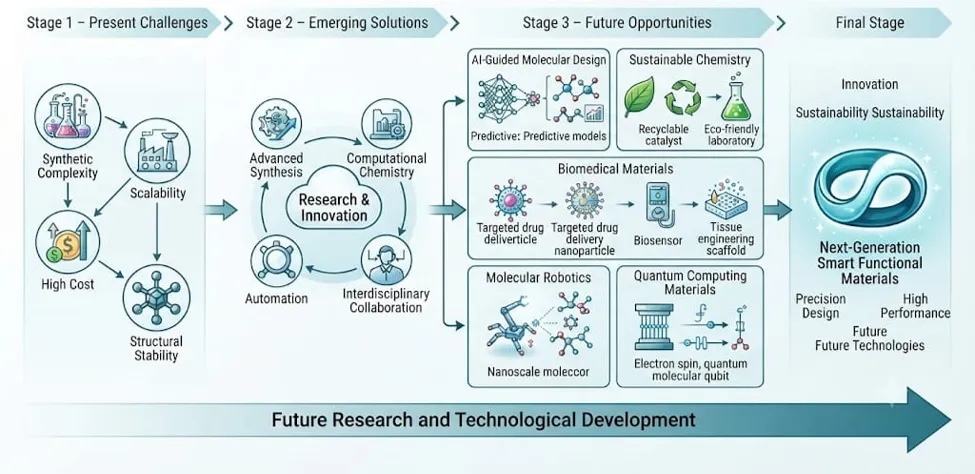
Figure 8: Future Roadmap of Half-Möbius Molecules
CONCLUSION
Half-Möbius molecules represent an exciting and rapidly emerging class of topological molecular systems that bridge the gap between conventional cyclic molecules and fully twisted Möbius architectures. Their distinctive partially twisted geometry provides a unique combination of structural stability, tunable electronic properties, intrinsic chirality, and controlled molecular topology. These characteristics have significantly expanded the scope of molecular design and opened new possibilities in materials chemistry, supramolecular science, and molecular electronics.Over the past decade, remarkable progress has been achieved in the synthesis and characterization of half-Möbius molecules. Advances in template-directed synthesis, macrocyclization, dynamic covalent chemistry, metal-directed assembly, click chemistry, and self-assembly have enabled the construction of increasingly sophisticated molecular architectures. At the same time, modern analytical techniques such as NMR spectroscopy, single-crystal X-ray diffraction, high-resolution mass spectrometry, circular dichroism spectroscopy, and Density Functional Theory (DFT) calculations have provided detailed insights into their molecular structures and electronic behaviour. These developments have greatly improved our understanding of the relationship between molecular topology and functional properties.The unique electronic structure of half-Möbius molecules has also demonstrated tremendous potential for advanced technological applications. Their tunable HOMO–LUMO energy gap, efficient charge transport, exceptional optical behaviour, thermal stability, and topology-dependent properties make them attractive candidates for organic electronics, flexible devices, OLEDs, organic field-effect transistors, molecular sensing, catalysis, energy storage, smart materials, nanotechnology, and emerging quantum materials. Their versatility highlights the growing importance of topological molecular engineering in the development of next-generation functional materials[3,5]
REFERENCES

Bhavna Mahajan, Komal Kumawat, Sonal More, Sayali More, Utkarsh Mandage, Half-Mobius Molecules: A New Frontier in Molecular Design and Materials Chemistry, Int. J. of Pharm. Sci., 2026, Vol 4, Issue 8, 59-79. https://doi.org/10.5281/zenodo.21735961
 10.5281/zenodo.21735961