

We use cookies to ensure our website works properly and to personalise your experience. Cookies policy
Research Scholar M. Pharm Pharmacology, Geetanjali institute of Pharmacy, Udaipur, Geetanjali University Udaipur, Udaipur, India.
Acute oral toxicity, phytochemical content, antioxidant activity, and antiulcer effectiveness of Aptenia cordifolia methanolic leaf extract were investigated in this work. Soxhlet extraction yielded 43.59 g of extract (10.89%) from 400 g of powdered leaves. Sugars, tannins, alkaloids, phenolics, and flavonoids were found in phytochemical tests. The extract contained 39.5 mg/g GAE total phenolics and 17.93 mg/g RE flavonoids. In OECD 423 acute toxicity testing, the extract was shown to be safe at dosages as high as 2000 mg/kg. Indomethasone decreased ulcer index at 500 mg/kg, which was more protective than 250 mg/kg, stomach volume, and free acidity while increasing gastric pH in an indomethacin-induced gastric ulcer model. Histological analysis revealed improved epithelial integrity and less mucosal injury. Taken together, the data demonstrate that Aptenia cordifolia methanolic leaf extract possesses significant gastroprotective and antiulcer properties. This could be due to the fact that the plant's flavonoid and phenolic components have antioxidant and mucosal-protective effects
Peptic ulcer disease affects a large section of the world, making it one of the tummy problems that people often experience. When the stomach mucosa's protective mechanisms are overwhelmed by harmful stimuli, open sores or lesions can develop in the gastric or duodenal mucosal lining, a symptom that indicates the presence of the disorder (Xie et al., 2022). Factors that work as defences include things like mucus secretion, prostaglandins, bicarbonate production, antioxidant defence systems, cellular regeneration, and adequate blood flow across the mucosa. Factors that work as attackers include things like hydrochloric acid, pepsin, bile salts, alcohol, smoking, stress, Helicobacter pylori and long-term NSAID usage. When protective mechanisms are weak or aggressive substances proliferate to an unhealthy degree, gastric mucosal injury and ulcer formation can occur. The source is (Yandrapu and Sarosiek 2015).
Antiacids, Standard treatment for ulcers often includes proton pump inhibitors, H₂ receptor antagonists, cytoprotective medications, and antibiotics for Helicobacter pylori infection (Kuna et al. 2019). Regardless of how well these medications manage ulcers, they are not without the risk of adverse effects. Some instances of such adverse effects include diarrhoea, headaches, hormonal imbalance, vitamin malabsorption, hypersensitivity responses, and ulcer recurrence after drug withdrawal. With medication resistance on the rise and treatment costs skyrocketing, scientists are exploring safer, more affordable alternatives made from natural sources. Many people are interested in plants because of their potential health benefits, ease of availability, safety, and efficacy (Obeid et al., 2017).
Aizoaceae member Aptenia cordifolia is known as baby sun rose and heartleaf ice plant. Tropical and subtropical succulent annual. This herb has been utilised by the elderly to heal inflammation, skin disorders, sore throats, gastrointestinal issues, and infections (Bakr, 2021). Phytochemical studies have shown that plants contain a number of secondary metabolites, including alkaloids, tannins, phenolic chemicals, saponins, and flavonoids. These chemicals' famed anti-inflammatory and antioxidant characteristics may explain their gastroprotective and antiulcer benefits. (Velu et al., 2018).
Stomach ulcers include oxidative stress. ROS overproduction damages membranes, inflames, peroxidises lipids, and kills gastric mucosal cells (Ermis et al., 2023). Antioxidants fight free radicals and protect tissues. Antioxidant-rich vegetables may prevent stomach mucosal damage and expedite ulcer repair. Assays like the DPPH radical scavenging test can reveal medicinal plant extracts' antioxidant activity and free radical neutralisation. (Gulcin and Alwasel, 2023).
Identification of biologically active components responsible for pharmacological action requires phytochemical screening as well as quantitative assessment of flavonoid and phenolic levels. The strong polarity and wide spectrum of phytoconstituents that methanol may extract, including alkaloids, tannins, phenolics, and flavonoids, make it a popular extraction solvent (Bhardwaj et al., 2022). If you want concentrated extracts full of bioactive chemicals, soxhlet extraction is a good bet. To further connect the phytochemical composition with antioxidant and therapeutic capabilities, total flavonoid and phenolic content assessments are useful (Nwozo et al., 2023).
This study analysed the phytochemical composition of a methanolic Aptenia cordifolia leaf extract to determine its efficacy against ulcers in rats. It was motivated by the demand for safer antiulcer medicines and the therapeutic value of herbal plants.
Ethics Approval Statement
This research study obtained ethical clearance from the Institutional Animal Ethics Committee (IAEC) under Protocol No. PBRI/IAEC/21-04-2026/016. All procedures conducted adhered fully to the animal care guidelines stipulated by the Animal Ethics Committee of PBRI India. This ensures our compliance with necessary ethical standards and regulations while conducting animal research.
2.1 Enumeration of all substances and their constituent parts
Merck Life Science Pvt. Ltd. supplied the ethanol. Methanol, NaOH, Ferric chloride, formalin, haematoxylin and eosin, and carboxymethyl cellulose were all supplied by HiMedia. Sigma-Aldrich supplied Folin-Ciocalteu Reagent, Aluminium Chloride, Gallic Acid, and Quercetin, whereas Cipla supplied Omeprazole.
2.2 Procurement of plant material
In Bhopal, Madhya Pradesh, at the Pinnacle Biomedical Research Institute, a professional botanist verified 400 g of newly harvested Aptenia cordifolia leaves. No pollutants remained after a thorough cleaning, For two weeks, the leaves were allowed to dry at room temperature in the shade. This prevented light and heat from damaging phytoconstituents. The leaves were finely powdered using an electric grinder after they had drained. We put the powdered material in sealed containers for future use in analysis and extraction. (Erickson, 2020).
2.3 Extraction of Aptenia cordifolia leaves
Aptenia cordifolia leaves, dried and powdered, weighed 400 g, and for Soxhlet extraction, they were packed into a thimble. In the beginning, petroleum ether was heated to 60–80°C for extraction purposes. This would remove non-polar components including pigments, chlorophyll, waxes, and lipids until the solvent lost its colour. After the leftover marc was air-dried to eliminate any solvent residue, it was extracted with methanol using the same procedure. Following their individual filtration using Whatman filter paper, the petroleum ether and methanolic extracts were concentrated at decreasing pressure in a rotating vacuum evaporator. The solid byproducts of the concentrated extracts were desiccated after collection. The next step was to measure their weight in order to get the yield percentage. Finally, the samples were kept in airtight containers under refrigeration for future phytochemical and antiulcer research. (Waweru et al., 2017).
2.4 Analysis of Phytoconstituents using Quantitative Methods
2.4.1 Analysing the Total Phenolic Content (TPC) of Aptenia cordifolia Leaf Extracts
The Folin-Ciocalteu method was used to ascertain the total phenolics in the methanolic extract of Aptenia cordifolia leaves. Mixing 0.2 mL of the extract solution with 5 mL of Folin-Ciocalteu was the final step. The process was extended for an extra four minutes to include four millilitres of 7.5% sodium carbonate. After adding 1/4 millilitre of deionised distilled water, the mixture was allowed to remain at room temperature for 30 minutes so that colour might emerge. Utilising a UV-Visible spectrophotometer, the absorbance of the phenolic compound-containing blue solution was assessed at 760 nm. We created a total phenolic content calibration curve by using standard gallic acid solutions with concentrations ranging from 20 to 100 µg/mL. Using the standard curve, we were able to calculate the total phenolic content in milligrams of gallic acid equivalents (GAE) for every gram of dry extract. Phenolic chemicals in plant extracts have antioxidant and gastroprotective actions, and this approach can determine their level. (Hashemloian et al., 2019).
2.4.2 Aptenia cordifolia leaf extract total flavonoid content estimation
Aptenia cordifolia leaf extract was measured for total flavonoid concentration using aluminium chloride colorimetry in a methanolic solvent. Shake together 0.5 millilitres of 45% ethanolett with 0.15 millilitres of sodium nitrite and 10% aluminium chloride. In order to guarantee that the flavonoid compounds interacted with the reagents, The reaction mixture was stirred thoroughly before being diluted to 25 mL with deionised distilled water. The final hue was achieved after 30 minutes of the mixture being left at room temperature. The absorbance of the final coloured solution at 510 nm was measured using a UV-Visible spectrophotometer. We used Rutin standard solutions at concentrations of 20, 40, 60, 80, and 100µg/mL to construct a curve that quantifies absorbance versus concentration. Using the rutin calibration curve, we can calculate the flavonoid content of the dry extract, which is given as milligrams of rutin equivalents (RE) per gram. We monitor the amounts of flavonoids, which are anti-inflammatory, antioxidant, and anti-ulcer chemicals present in the plant extract. One way to find out how much flavonoids were in the Aptenia cordifolia leaf extract was to use an aluminium chloride colorimetric method. Add the dissolved extract to the 45% ethanol mixture. Next, combine 0.15 mL of sodium nitrite with 0.5 mL of 10% aluminium chloride. To guarantee that the flavonoid compounds would interact with the reagent, the reaction liquid was vigorously stirred after being diluted to 25 mL with deionised distilled water. Before adding the food colouring, we let the mixture to sit at room temperature for half an hour. The absorbance of the coloured solution was measured at 510 nm using a UV-Visible spectrophotometer. The correlation between concentration and absorbance at different concentrations (20, 40, 60, 80, and 100 µg/mL) was examined by creating a calibration curve after the production of Rutin standard solutions. Milligrams of RE per gram of dry extract is the unit of measurement for the total flavonoid content in the extract, which was determined using Rutin calibration curves. Our method consistently detects flavonoids, and the resulting plant extract has anti-inflammatory, antiulcer, and antioxidant properties. (Borah et al., 2022).
2.4.3 Evaluating the Scavenging of Free Radicals
The antioxidant capabilities of a methanolic leaf extract of Aptenia cordifolia were evaluated by means of DPPH free radical scavenging technology. Blended with 10-50 µg/mL of extract was a DPPH solution based on methanol at a concentration of 0.1 mM. For half an hour, the ingredients were left to cool in the dark. UV-Visible spectrophotometers measured 517 nm absorbance after incubation. A DPPH-methanol solution was the control. Traditional antioxidant ascorbic acid. Formula calculated free radical suppression percent. A graph comparing concentration and inhibition percentage was used to derive the IC₅₀ value. This test quickly and reliably determines if the extract can scavenge free radicals and reduce ulcer risk. (Marinova, 2011).
2.5 Rapid Oral Exposure Assessment
The acute oral toxicity of Aptenia cordifolia leaf extract was assessed using the stepwise acute toxic class approach. Each part of the experiment included three healthy male Wistar rats. Methods required oral extract dosages of 5, 50, 300, and 2000 mg/kg body weight. Every indicator of toxicity, abnormal conduct, and animal death was scrupulously noted after injection. If no adverse effects were seen in stages two thru four, we raised the dosage for the following group. If harmful signs were seen, we repeated the dose in additional animals or modified it. Our technique employed traditional acute toxicity parameters to assess if Aptenia cordifolia leaf extract was harmful while using a limited number of animals. (Akhila et al., 2007).
2.6 Pharmacological Study
Following ethical principles and gaining Institutional Animal Ethics Committee approval (Approval from Pinnacle Biomedical Research Institute CCSEA Approval number PBRI/IAEC/21042026/016) ensured our animal study met all criteria. The study used Wistar rats weighing an average of 240 ± 60 g. To minimise hormonal bias, research used only male rats. The mice had ample plenty of water, a 12-hour light-dark cycle, climate control, and a regular mouse diet. (Poole et al., 2020).
All six cages were kept at a constant temperature of 22 ± 2°C while the animals were under examination. Constant supplies of water and Golden Feed were sent to the Wistar male rats from New Delhi. At 240.60 grams, it was somewhat heavy. Through its authorisation of all experimental methods, the Institutional Animal Ethics Committee (IAEC) guarantyd that the animals were treated with care and compassion. (Baumans, 2013).
2.6.1 Indomethacin-induced Ulcer in Rats
For 24 hours, five equal groups of male Wistar rats weighing 240 ± 60 g were given unrestricted water while fasting. One group got 80 mg of Indomethacin per kilogram of body weight orally, whereas the other received 5 mL of saline to create ulcers. Both Groups received 80 mg/kg Indomethacin, whereas Group III received 250 mg/kg Aptenia cordifolia leaf extract. Same extract was given to Group IV at 500 mg/kg. The standard reference group, Group V, got 50 mg/kg ranitidine orally. One hour following treatment, After killing the animals, their stomachs were carefully removed and the bigger curvature opened to assess ulceration. (Morsy et al., 2013).
|
Group No. |
Treatment |
Dose |
Purpose |
|
Group 1 |
Normal control |
5 ml saline |
Baseline control |
|
Group 2 |
Indomethacin (ulcer inducer) |
80mg/kg orally |
Induction of gastric ulcer |
|
Group 3 |
Ranitidine + Indomethacin |
50 mg/kg orally |
Standard reference drug |
|
Group 4 |
leave extract + Indomethacin |
250mg/kg orally |
Test extract low dose |
|
Group 5 |
Aptenia cordifolia leave extract + Indomethacin |
500mg/kg orally |
Test extract high dose |
2.6.2 Ulcer index
Following is a list of arbitrary scoring methods that were used to rate the lesion prevalence and severity. Following dissection along the main curvature, the stomachs were inspected under a 10x magnification lens to look for signs of ulcer formation. Rinsing the stomachs with normal saline removed gastric contents. The Kulkarni method was used to count and evaluate the ulcers. A score of 0 indicated the absence of ulcers, 0.5 indicated a reddish tint, 1 indicated a spot ulcer, 2 indicated hemorrhagic streaks, 3 indicated three ulcers greater than 3 but less than 5, and 5 indicated five ulcers greater than 5.
(Yoo et al., 2022).
With these calculations, you may determine the ulcer inhibition percentage and ulcer index:
Index for ulcers
(UI) = UN + US + UP × 10−1
2.6.3 Volume of gastric juice
After 10 minutes of centrifugation at 1000 rpm, each animal's stomach juice was measured. Centrifuged sample volume was measured in millilitres per kilogram of body weight. (Sharma et al., 2014).
2.6.4 pH of gastric juice Use a pH meter to measure the acidity level of a mixture consisting of 1 millilitre of gastric juice and 1 millilitre of distilled water.
2.6.5 The process of calculating free acidity
To make titration easier and less acidic, one millilitre of centrifuged sample was mixed with one millilitre of distilled water. Acidity without gastric juice was made possible. We used a 50 mL conical flask as an indicator and diluted the solution by adding two drops of phenolphthalein. To show where the titration ends, phenolphthalein is colourless in acidic solutions and faintly pink in slightly alkaline ones. Before titrating, slowly add 0.01 N NaOH to the mixture while spinning the flask to mix well. Additional titration revealed that the neutralisation of free hydrogen ions was indicated by the persistence of a pale pink hue. We measured the amount of NaOH that was used, and then we utilised that volume, along with the normality of the NaOH solution and the animal's weight, to determine the free acidity of the gastric juice. An important metric for assessing the gastroprotective impact of Aptenia cordifolia leaves extract test samples is stomach acid secretion, and this approach gives a reliable and repeatable measurement of this process. (Syrovaya et al., 2017).
Acidity= VolumeofNaOH×NormalityofNaOH×1000.1

2.7 Histopathological Examination
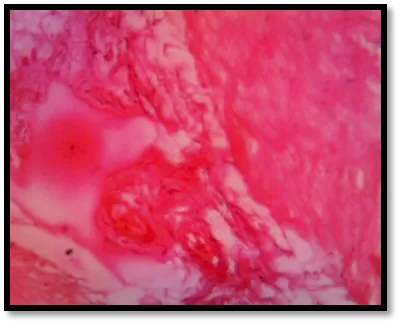
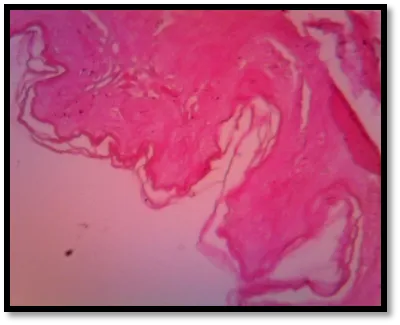
The rats' stomachs were meticulously washed with normal saline after sacrifice in order to eliminate gastric contents. Small pieces of the stomach, including ulcerated regions, specimens were removed and promptly embedded in 10% formalin to maintain their anatomical integrity. The preserved tissues were produced using standard histological protocols. They were then washed using xylene, dried in a series of graded alcohols, and finally set in paraffin wax. Glass slides were used to attach the thin slices that were microtome-cut (4-5µm). After being stained with H&E, these slices showed changes in cellular architecture and morphology. The two groups that received the standard treatment—ethanol—were compared, and the extract in terms of the degree of histological alterations. Aptenia cordifolia leaves extract was assessed for its potential to protect stomach mucosal tissue from ethanol-induced damage using both qualitative and semi-quantitative methods. (Jones et al., 2007).
3.1 Percentage Yield
Table 1: Aptenia cordifolia crude extract yield percentage
|
Plant name |
Solvent |
Theoretical weight |
Yield(gm) |
% yield |
|
Aptenia cordifolia |
Methanol |
400 |
43.59 |
10.89 % |
3.2 Initial phytochemical research
Table 2: Aptenia cordifolia methanol extract phytochemical tests
|
Phytoconstituent |
Test |
Petroleum Ether Extract |
Methanolic Extract |
Observation |
|
Carbohydrates |
Molisch’s Test |
− |
+ |
Violet ring formed |
|
Carbohydrates |
Fehling’s Test |
− |
+ |
Reddish-brown precipitate |
|
Carbohydrates |
Benedict’s Test |
− |
+ |
Brick-red precipitate |
|
Saponins |
Froth Test |
− |
+ |
Persistent froth observed |
|
Tannins & Phenolics |
Ferric Chloride Test |
− |
+ |
Blue-black/green color |
|
Tannins & Phenolics |
Lead Acetate Test |
− |
+ |
White precipitate formed |
|
Steroids |
Salkowski Test |
+ |
+ |
Red coloration observed |
|
Triterpenoids |
Liebermann–Burchard Test |
+ |
+ |
Bluish-green color |
|
Glycosides |
Keller–Killiani Test |
− |
+ |
Blue-green coloration |
|
Proteins |
Biuret Test |
− |
+ |
Violet hue |
|
Amino Acids |
Ninhydrin Test |
− |
+ |
Purple colour, orange-red precipitate, brown precipitate. |
|
Alkaloids |
Dragendorff’s Test |
− |
+ |
Precipitated cream |
|
Alkaloids |
Wagner’s Test |
− |
+ |
Yellow precipitate |
|
Alkaloids |
Mayer’s Test |
− |
+ |
Yellow faded with acid. |
|
Flavonoids |
Lead Acetate Test |
− |
+ |
Violet hue |
|
Flavonoids |
Alkaline Reagent Test |
− |
+ |
Purple colour, orange-red precipitate, brown precipitate. |
|
Phenolic Compounds |
Gelatin Test |
− |
+ |
White precipitate formed |
|
Anthraquinone Glycosides |
Borntrager’s Test |
− |
+ |
Pink/red coloration observed |
3.3 Quantitative Analysis
According to preliminary phytochemical screens, crude Aptenia cordifolia extract Phytochemical tests show that crude Aptenia cordifolia extract includes bioactive flavonoids and phenolic substances, which is promising. Quantitative studies are done to understand chemical concentrations.
3.3.1 Estimating total phenolic content
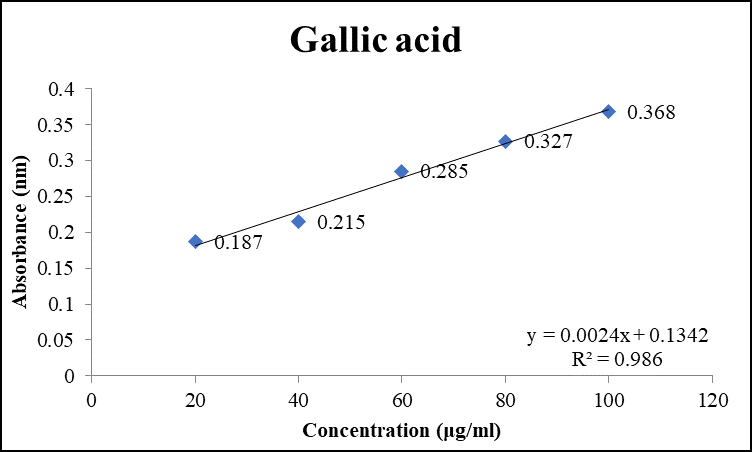
Graph 1: Show the Gallic acid standard curve
3.3.1.1 Overall Aptenia cordifolia phenolics
Table 3: All-Phenolic Content
|
Absorbance |
TPC in mg/gm equivalent of Gallic Acid |
|
0.218 |
39.5 mg/gm |
|
0.228 |
|
|
0.241 |
3.3.2 Estimating total flavonoids
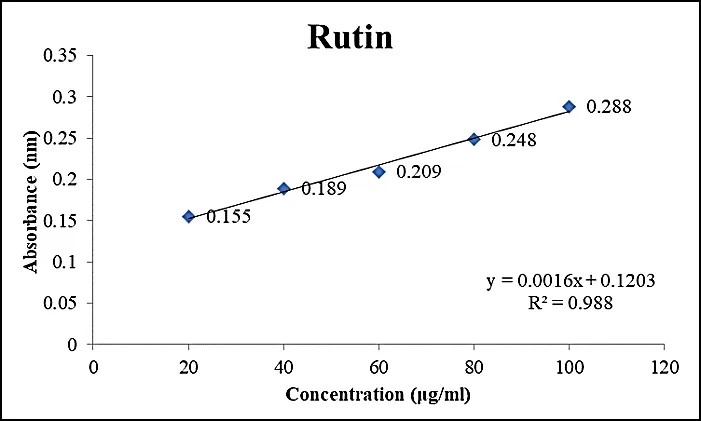
Graph 2: Represent standard curve of Rutin
3.3.2.1 Aptenia cordifolia extract total flavonoids
Table 4: The Whole Flavonoid Profile
|
Absorbance |
TFC in mg/gm equivalent of Rutin |
|
0.138 |
17.93mg/gm |
|
0.149 |
|
|
0.161 |
3.4 Free Radical Scavenging Evaluation
3.4.1 2-Hydroxydiphenyl-1-picryl Assay
Table 5: Protective effects of ascorbic acid
|
Concentration (µg/ml) |
Absorbance |
% inhibition |
|
10 |
0.557 |
43.901 |
|
20 |
0.464 |
53.272 |
|
30 |
0.388 |
60.926 |
|
40 |
0.325 |
67.270 |
|
50 |
0.237 |
76.132 |
|
Control 0.993 |
||
|
IC50 16.87 |
||
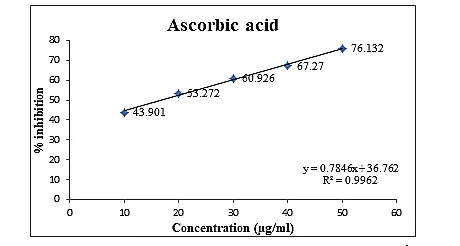
Graph 3: Shows Ascorbic acid concentration vs. inhibition percentage.
Table 6: DPPH radical scavenging activities of Aptenia cordifolia Methanol extract
|
Concentration (µg/ml) |
Absorbance |
% Inhibition |
|
20 |
0.507 |
48.993 |
|
40 |
0.456 |
54.124 |
|
60 |
0.424 |
57.344 |
|
80 |
0.383 |
61.468 |
|
100 |
0.309 |
68.913 |
|
Control 0.994 |
||
|
IC50 25.37 |
||
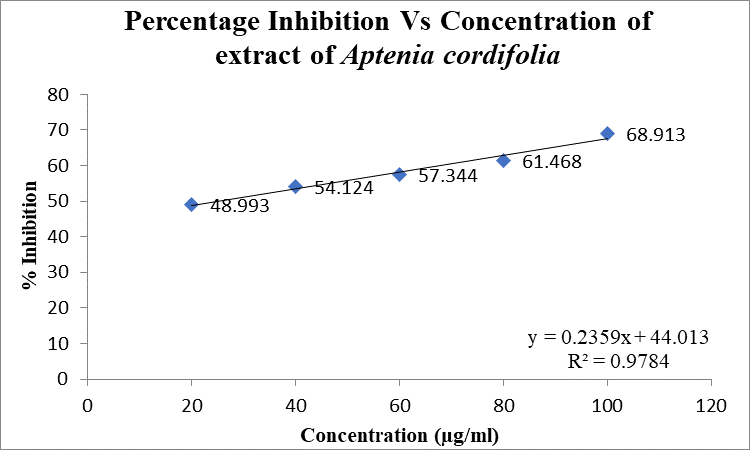
Graph 4: Represents Aptenia cordifolia extract concentration vs. inhibition percentage.
3.5 Acute oral toxicity in vivo (OECD 423)
Table 7: Acute oral toxicity in vivo (OECD 423)
|
Observation Parameters |
5 mg/kg |
50 mg/kg |
300 mg/kg |
2000 mg/kg |
|
Skin & Fur |
Normal |
Normal |
Mild hair fall |
Hair fall observed |
|
Eyes |
Normal |
Normal |
Slight dryness |
Flaky eyes observed |
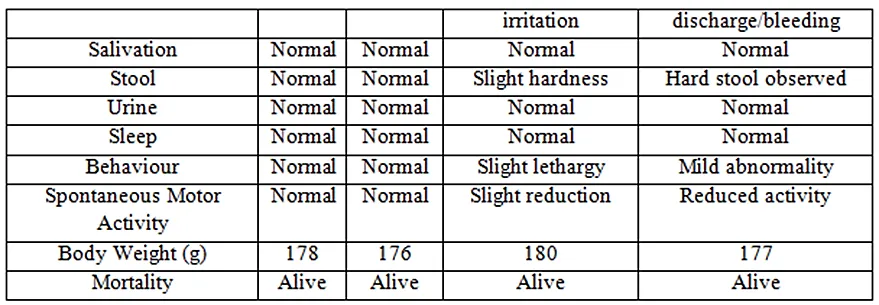
3.6 Evaluation of ulcer risk
Table 8: The Ulcer Index Under Examination
|
Groups |
Ulcer Index |
|
Group I- Normal Control |
0 |
|
Group II Inducer Indomethacin(80 mg/kg bw) |
14.288±0.785 |
|
Group III Standard (Ranitidine 50 mg/kg bw) |
4.655±0.154 |
|
Group IV Aptenia cordifolia Extract treated (250mg/kg) group |
6.943±0. 468 |
|
Group V Aptenia cordifolia Extract treated (500mg/kg) group |
5.021±0.256 |
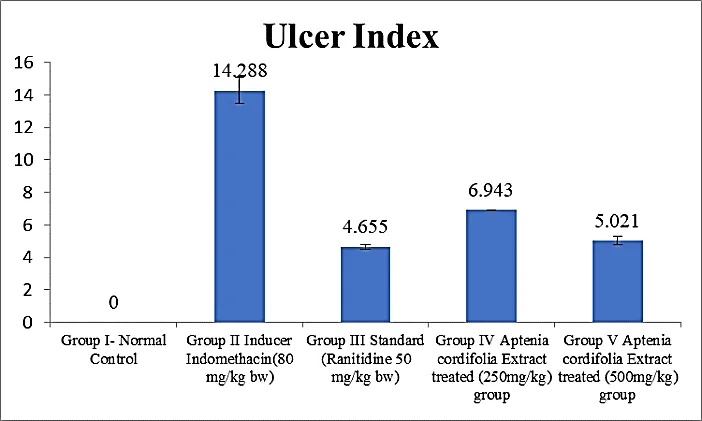
Graph 5: Indomethacin-induced ulcer index in rats is shown via bar chart.
3.7 Gastric juice volume determination
Table 9: Gastric juice volume observation
|
Groups |
Volume of gastric juice |
|
Group I- Normal Control |
1.854±0.448 |
|
Group II Inducer Indomethacin(80 mg/kg bw) |
3.890±0.263 |
|
Group III Standard (Ranitidine 50 mg/kg bw) |
2.592±0.341 |
|
Group IV Aptenia cordifolia Extract treated (250mg/kg) group |
4.110±0.245 |
|
Group V Aptenia cordifolia Extract treated (500mg/kg) group |
3.221±0.306 |
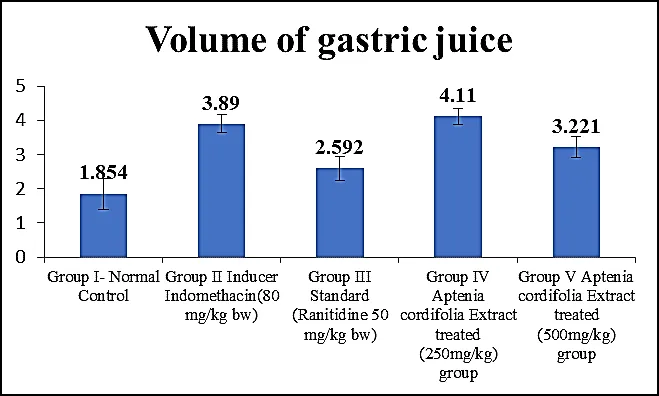
Graph 6: Gastric volume in Indomethacin-induced ulcer rats is shown via bar chart.
3.8 Gastric juice pH measurement
Table 10: Monitoring gastric juice pH
|
Groups |
pH of gastric juice |
|
Group I- Normal Control |
4.117±0.73 |
|
Group II Inducer Indomethacin(80 mg/kg bw) |
2.550±0.580 |
|
Group III Standard (Ranitidine 50 mg/kg bw) |
3.576±0.850 |
|
Group IV Aptenia cordifolia Extract treated (250mg/kg) group |
2.131±0.560 |
|
Group V Aptenia cordifolia Extract treated (500mg/kg) group |
3.235±0.650 |
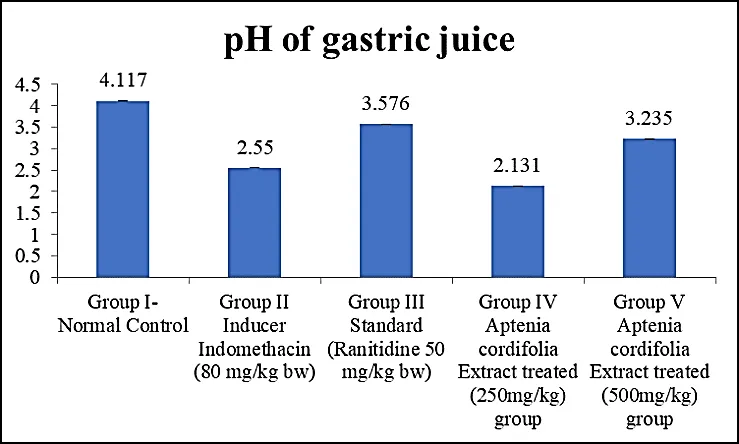
Graph 7: The pH of rats' ulcers caused by Indomethacin is shown in the bar chart..
3.9 Assay for free acidity:
Table 11: Rat ulcers produced by Indomethacin show free acidity:
|
Groups |
Free acidity determination (mE/L) |
|
Group I- Normal Control |
22.28±3.43 |
|
Group II Inducer Indomethacin(80 mg/kg bw) |
55.12±2.56 |
|
Group III Standard (Ranitidine 50 mg/kg bw) |
28.16±2.35 |
|
Group IV Aptenia cordifolia Extract treated (250mg/kg) group |
42.11±2.42 |
|
Group VAptenia cordifolia Extract treated (500mg/kg) group |
35.18±2.47 |
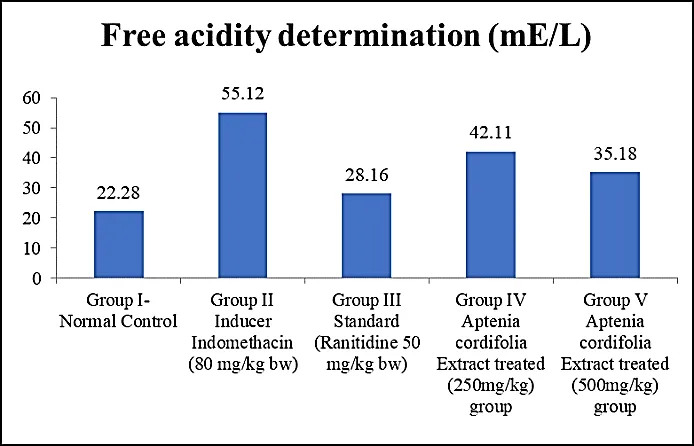
Graph 8: In rats with Indomethacin-induced ulcer, bar chart demonstrates free acidity.
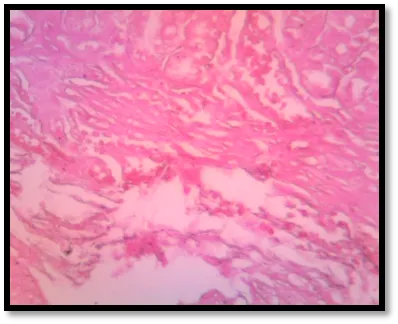
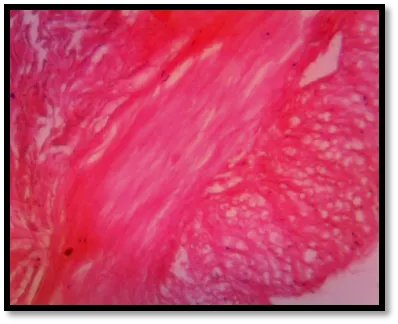
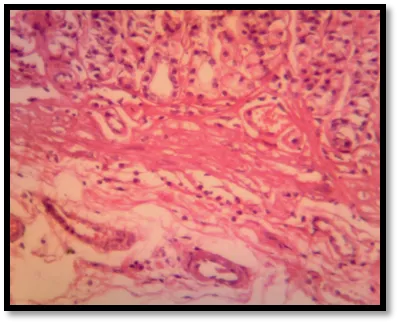
3.10 Histopathological examination of anti-ulcer
|
G-1 [Normal]
|
G-2 [inducer]
|
G-3 [standard]
|
|
G-4 [low dose]
|
G-5 [high dose]
|
Figure 1: Histopathological examination
DISCUSSION
Methanol extracts of Aptenia cordifolia leaves were tested for phytochemicals and antiulcer activity in animal models. The polar bioactive components could be recovered from the methanolic extract with an efficiency of 10.89% using the Soxhlet extraction procedure. The initial phytochemical screening uncovered carbohydrates, saponins, phenolic compounds, tannins, alkaloids, flavonoids, and gastroprotective and anti-inflammatory properties. The extract's antioxidant capability was confirmed by the quantitative measurement of its total flavonoid and phenolic content. The DPPH free radical scavenging experiment provided further support for the results by showing that the antioxidant activity changed with concentration. While the extract's antioxidant efficacy was not as high as that of traditional ascorbic acid, it did exhibit some activity that indicated it might potentially neutralise free radicals, which could aid in protecting the stomach mucosa from oxidative stress damages.
There were no fatalities or major adverse effects recorded in the acute toxicity testing at the levels tested, demonstrating that the extract was safe and well-tolerated. The short-lived and easily-reversible physiological and behavioural effects demonstrated the extract's safety. At the higher dosage (500 mg/kg), the protective activity was greater, and the results were more in line with those of ranitidine, the medicine considered to be the gold standard. Histopathological analysis revealed that the extract had a protective impact, as the treated groups exhibited improved mucosal architecture of the stomach, less epithelial damage, and less inflammatory infiltration.
The antioxidant and antiulcer benefits shown in the methanolic leaves extract of Aptenia cordifolia are likely due to flavonoids, phenolic compounds, tannins, and saponins. The study's findings provide support for the plant's historic medical use and raise the possibility that it might treat stomach ulcers naturally.
CONCLUSION
This study's findings confirm the medicinal plant Aptenia cordifolia's efficacy by showing that its methanolic leaf extract effectively prevents indomethacin-induced stomach ulcers in rats.
This study found that flavonoids, phenolic chemicals, tannins, alkaloids, and saponins primarily have antiulcer effects according to the researchers. These compounds provide protection by lowering gastric acid production, strengthening the gastrointestinal mucosa, blocking inflammatory mediators, and enhancing antioxidant defences. The methanolic extract's protective effect was dose-dependent; a dosage of 500 mg/kg was superior to 250 mg/kg for gastroprotection. Good therapeutic effectiveness with low toxicity was demonstrated by the extract, even tho it had somewhat less activity than the usual antiulcer medicine ranitidine. The extract showed promise for future pharmaceutical development, as confirmed by the acute toxicity studies, which demonstrated its relative safety. Substantial regeneration and repair of stomach mucosal tissues was suggested by histopathological findings, which corroborated the results of the biochemical and ulcer parameter analyses.
Taken together, the results give strong scientific proof that Aptenia cordifolia might be a great starting point for developing safer, plant-based ulcer medications.
REFERENCES


Niraj Rangi, Ghanshyam Sevak, Evaluation Of the Antiulcer Activity and Phytochemical Profile of Herbal Plant Aptenia Cordifolia Leaves Extract in Experimental Rats, Int. J. of Pharm. Sci., 2026, Vol 4, Issue 9, 621-636, https://doi.org/10.5281/zenodo.22332318
 10.5281/zenodo.22332318