

We use cookies to ensure our website works properly and to personalise your experience. Cookies policy
1,2,3,4 Department of Pharmacology, Advance Institute of Biotech and Paramedical Sciences, Kanpur Nagar, Uttar Pradesh.
5 Department of Pharmacology, Goel Institute of Pharmacy and Sciences, Lucknow, Uttar Pradesh.
6 Department of Pharmacology, Hygia College of Pharmacy, Lucknow, Uttar Pradesh.
Bacopa monnieri, also known as Brahmi, is a traditional Ayurvedic herb recognized for its cognitive-enhancing and neuroprotective qualities. This study aimed to assess the neuroprotective effects of Bacopa monnieri extract in rats subjected to neurotoxicity induced by agents such as scopolamine and aluminum chloride. The methanolic extract was prepared using Soxhlet extraction, followed by phytochemical screening and chromatographic analysis (TLC) to confirm the presence of active constituents like bacosides. Acute toxicity studies were performed in accordance with OECD guidelines to ensure safety. Behavioral assessments, including the Morris water maze and open field test, were conducted to analyze cognitive and locomotor functions. The findings demonstrated a significant improvement in memory retention and a reduction in neurotoxic effects, underscoring the potential of Bacopa monnieri as a neuroprotective agent. This study supports the traditional use of Bacopa monnieri and provides a scientific basis for its therapeutic application in neurodegenerative disorders.
Bacopa monnieri (Brahmi), a traditional Ayurvedic herb, is renowned for its cognitive-enhancing and neuroprotective properties [1]. Its active constituents, such as bacosides, are believed to mitigate neurodegenerative disorders by reducing oxidative stress, enhancing synaptic plasticity, and modulating neurotransmitter systems [2, 3]. This study aims to evaluate the neuroprotective effects of Bacopa monnieri extract in rat models, focusing on its potential to alleviate neuronal damage and improve cognitive function.
1.1. Neurodegenerative Disorders
Neurodegenerative disorders, such as Alzheimer’s disease, Parkinson’s disease, and stroke-induced neuronal damage, are characterized by progressive neuronal loss and cognitive or motor deficits [4]. These conditions pose significant global health challenges due to their increasing prevalence and limited therapeutic options. Neuroprotection, aimed at preventing or slowing neuronal damage, is a critical research focus [5].
1.2. Types of Neurodegenerative Disorders
1.3. Perspectives on Neuroprotection
Neuroprotection involves strategies to preserve neuronal structure and function, targeting oxidative stress, excitotoxicity, inflammation, and apoptosis [10]. Current perspectives emphasize natural compounds with antioxidant and anti-inflammatory properties, such as those found in medicinal plants, as potential therapeutic agents [11].
1.4. Symptoms of Neurodegenerative Disorders
Symptoms vary by disorder but include:
1.5. Causes of Neurodegenerative Disorders
1.6. Treatment Options for Neurodegenerative Disorders
1.7. Advancements in Neuroprotective Agent Development
Recent research focuses on natural compounds with neuroprotective potential [23]. Studies highlight antioxidants, anti-inflammatory agents, and neurotrophic factors that mitigate neuronal damage [24]. Herbal extracts, particularly from plants like Bacopa monnieri, have shown promise in preclinical models by enhancing synaptic plasticity and reducing oxidative stress [25].
2. PLANT PROFILE
2.1 Botanical Name
Bacopa monnieri (L.) Wettst.
2.2 Family
Plantaginaceae (formerly classified under Scrophulariaceae)
2.3 Common Names
2.4 Synonyms
2.5 Vernacular Names in India
|
Language |
Name |
|
Hindi |
Brahmi |
|
Marathi |
Jal Brahmi |
|
Gujarati |
Jal Brahmi |
|
Bengali |
Brahmi |
|
Tamil |
Neer Brahmi |
|
Telugu |
Sambarenu |
|
Kannada |
Ondelaga |
2.6 Geographical Distribution
Bacopa monnieri is a perennial creeping herb found in damp and marshy areas throughout India, Nepal, Sri Lanka, China, and Vietnam, and also in tropical regions of the Americas and Australia. In India, it is widely distributed across the southern, eastern, and central regions, particularly in waterlogged environments like rice fields and pond edges [51].
2.7 Botanical Description
2.8 Macroscopical Characters
2.9 Microscopical Features
(Photomicrographs should be included in lab-based documentation.)
2.10 Chemical Constituents
The primary bioactive constituents of Bacopa monnieri are
2.11 Traditional and Ethnomedicinal Uses
2.12 Pharmacological Activities
Modern pharmacological research has validated multiple therapeutic effects:
2.13 Toxicology and Safety Profile
2.14 Marketed Preparations
Taxonomical Classification of Bacopa monnieri
|
Category |
Classification |
|
Scientific Name |
Bacopa monnieri (L.) Wettst. |
|
Family |
Plantaginaceae |
|
Common Names |
Brahmi, Water hyssop |
|
Distribution |
Native to wetlands of India, Australia, Europe, Africa, and Asia |
|
Active Constituents |
Bacosides A and B, alkaloids (brahmine), flavonoids, and saponins |
|
Traditional Uses |
Memory enhancement, stress relief, and treatment of neurological disorders |
|
Pharmacological Properties |
Antioxidant, anti-inflammatory, neuroprotective, and nootropic |
Activity of Bacopa monnieri
|
Activity Category |
Specific Effects and Mechanisms |
|
Neuroprotection |
Reduces neuronal apoptosis and oxidative damage in models of Alzheimer's and Parkinson's; mitigates secondary neuronal damage; protects against excitotoxicity. |
|
Cognitive Enhancement |
Improves memory and learning (e.g., Morris Water Maze); enhances attention and cognitive processing. |
|
Antioxidant Activity |
Scavenges free radicals; upregulates antioxidant enzymes (SOD, catalase, GSH); reduces oxidative stress and lipid peroxidation. |
|
Anti-Inflammatory Effects |
Inhibits pro-inflammatory cytokines (IL-1β, TNF-α); protects neuronal tissue from inflammation. |
|
Cholinergic Modulation |
Reduces acetylcholinesterase (AChE) activity; increases choline acetyltransferase (ChAT) expression; supports cholinergic neurotransmission. |
|
Synaptic Plasticity |
Enhances synaptic plasticity; upregulates neurotrophic factors (BDNF, NGF) essential for neuronal repair and growth. |
|
Anxiolytic & CNS Stimulating |
Shows anxiolytic effects; improves locomotor activity and reduces immobility. |
3. MATERIAL & METHOD
3.1 Collection, Identification, and Authentication
Procedure: Fresh aerial parts of Bacopa monnieri will be collected from authenticated herbal gardens or natural habitats in Kanpur. The plants will be washed thoroughly with distilled water to remove soil and debris and shade-dried at room temperature for 7–10 days. The dried material will be coarsely powdered using a mechanical grinder.
The plant was identified and authenticated by Dr. Navin K. Ambasht, Head of the Department of Botany at Christ Church College Kanpur, Uttar Pradesh. A specimen was deposited in the herbarium.
3.2 Extraction
Approximately 500 g of powdered plant material of dried aerial parts of Bacopa monnieri powder was placed in a Soxhlet apparatus (Perfit, India) and subjected to successive extraction using petroleum ether (60°-80°C) and ethyl acetate. Subsequently, various extracts were filtered, and the filtrate was evaporated using a vacuum evaporator (Perfit, India) under reduced pressure at ≤ 50°C temperature. The crude extract obtained after evaporation was stored in desiccator. After extraction with various solvents, the remaining residue of bark was discarded, and the extract was weighed. Physical nature and percentage yield of various extracts are recorded.
The % yield of various extracts was evaluated using the formula:
% Yield = Weight of extract (g)/Weight of dry powder (g) × 100
It is easily disclosed or revealed with the proper use of ethanol extraction, demonstrating the occupancy of a simple matter.
As per the formula of % yields to calculate & various, the yield of extract formula is mentioned in the previous section.
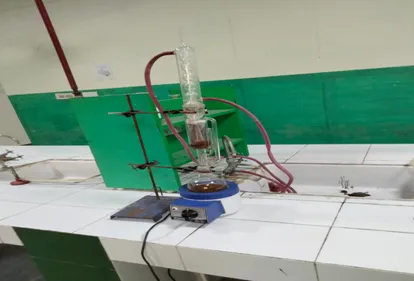
Figure 3.2.1. Soxhlet apparatus
3.3 Phytochemical Screening
Procedure: The dried extract will be subjected to qualitative tests for detecting various phytoconstituents using standard methods:
a) Chemical test for alkaloids
In the experiment, sodium iodide was first dissolved in glacial acetic acid along with 5.2 g of maximum bismuth carbonate, heated for a short time, and separated from the precipitate. ** A crimson brown filterate and ethyl acetate mixture was decanted into a test tube. Then, acetic acid and water were added to 20 ml and 100 ml, respectively. After mixing the extract with a dilute ethanol solution, an alkaloid precipitate with a reddish-brown color was created.
To perform Mayer's test, combine 1 g of mercury chloride with 1 g of pure distilled water, name the mixture B, and dissolve it with 5 g of potassium iodide in pure and clean water. After combining solution A and solution B, allow the resulting mixture to attain a volume of 100 ml and head it to extract. The cream hue of the precipitate showed the presence of alkaloids (Treases & Evans [19]).
In this experiment, 10 milligrams of picric acid were combined per 100 milliliters of distilled water before adding to the extract. The alkaloid’s presence is what gives the precipitate its final yellow hue.
Approximately 2 grams of KI (potassium iodide) and 1.27 grams of iodine should be dissolved in 5 milliliters of water, followed by adding 2 milliliters of extract, as per Wagner's test. The presence of alkaloid causes a layer of colorless-red-brown precipitate to form.
b) CHEMICAL TEST – GLYCOSIDES:
Here, 05 gm extraction was mixed with roughly 10 mL of HCl (10 mL), and the mixture was then brought to boil in a water bath for 10 minutes. The residual portion of extracted benzene was filtered and then combined with an NH₄ solution. The presence of anthraquinone glycosides causes reddish ammonia to appear in the solution's top layer.
We combined equal amounts of alcohol solution and water with 0.5 ml of lead acetate solution while stirring the mixture slowly as part of this test. Evans & Trease (2008) explain that a volume of chloroform equal to the filtered was removed. "Through complete dissolution, 3-5 drops of ferric chloride solution were added to a 3 mL glacial acetic acid solution together with the excess chloroform extract. A test tube holding two milliliters of concentrated H₂SO₄ was filled with the resulting solution. A reddish-brown covering appears due to digitoxoside, then fades to a bluish-green.
c) CHEMICAL TEST FOR SAPONINS:
Initially, approximately 0.5 grams of the removal with approx. 16-20 mL of water was added and stirred for three to four minutes in this experiment. In foaming for between 60 and 120 seconds, saponins were discovered. Ghaderi, Kamalinejad, Mojab, & Vahidipour [37].
d) CHEMICAL TEST FOR STEROID:
Mojab, Kamalinjad, Ghaderi, and Vahidipour (2003) explained that the Libermann Bruchard test yields a crude form drug after the alcohol solution is combined with chloroform. From the side of the wall, four to five drops of con. H₂SO₄ was directly poured into the test tube. Pay attention to the color shift when the color shifts from violet to blue.
e) CHEMICAL TEST FOR FLAVONOID:
This experiment exposed filter paper soaked within an alcoholic extract solution to ammonia vapor. The appearance of flavonoids was indicated by the formation of a yellow spot-on filter paper.
According to Kapoor, Singh, and Srivastava, who conducted a test employing ethanolic ferric chloride at 10-12 percent (1969). The color of phenolic compounds is used to determine if they are present (green or blue) [Kapoor et al. [29]].
3.4 Chromatographic studies
Chromatography is a separation method that uses the variations in component distributions between a movable bulk stage and an inert thin sheet stage to separate components. Mixtures are divided into different parts using complexity and saturation throughout this method. It can, however, be used as a preparative process for thoroughly separating mixtures into their constituent parts.
During the operation of adsorption chromatography, it depends on choosing the adsorption elements on a solid base. An appropriate supporting element is detected throughout the thin layer's early stages. There are no limitations to the TLC technique for plates that have already been coated. It is possible to obtain material for this procedure from polyester sheets and aluminum foil. You may need to cut out the desired size from the given sheets and activate it. Figures 5.1 and 5.2 depict the investigation of thin chromatographic layers.
Using an appropriate solvent, the thin-layer chromatographic investigation was substantially completed. The TLC plate was submerged fully in a solution covering suitable solvents to facilitate the capillary development of nucleic acid deposition. Consequently, the chromatogram produced could predominantly be detected under short-wavelength ultraviolet light, such as 254 nm, and it could also offer countless pieces of information about the components in the combination.
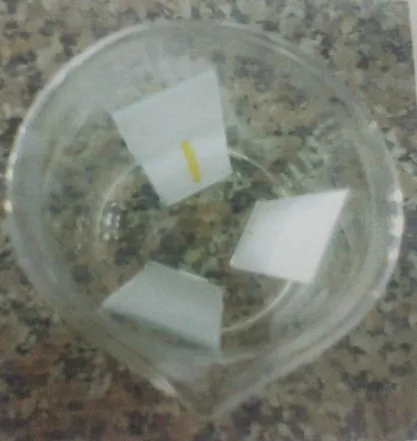
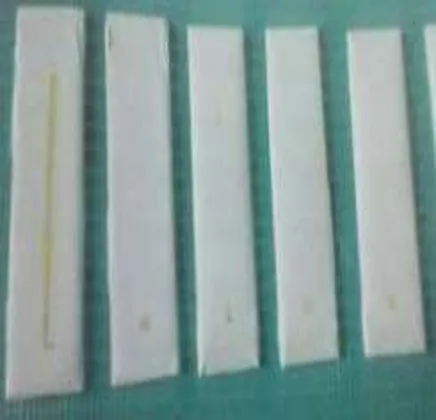
Figure 3.4.1 Thin layer of chromatography (TLC) Figure 3.4.2 Image plates
Generally, the value of Rf in a particular chromatographic system remains stable, and the substance indicates the relative motion by mainly indicating the solvent front.
Rf = Distance travelled by compound/ Distance travelled by the solvent
The values of Rf essentially depend on a few variables. Such as:
The densely packed and completely packed columns are the sedentary part at the very highest of the solvent reservoir. The early solvent is widely acknowledged by way of one of the most incredible essential and beneficial non-polar solvents for growing and developing chromate, and once established, it produces the right column combination. Hexane, ethyl acetate, and other solvents are thought to be involved. In addition, when eluted types of material are observed, the boiling points of the solvents are low.
A column’s composition was determined to separate chemical extracts from methanolic extracts. “Silica gel at a mesh size of 110-210 was found to be best suitable for column packings.” Filling the column with slurry is the main objective of this procedure. Making the slurry mainly required chloroform. In order to lessen surface vibration throughout consecutive loading, the top end of the model was sporadically enclosed with a circle made up of filter paper. Above 2.5 cm, the solvent level was maintained. Using constant input from the solvent, we could set the rate at which the reservoir would fill, and it was also filled to the brim with the solvent in the constant contribution reservoir. Pouring the semisolid methanolic extraction into the entire column was done with a funnel. As the elutes were collected in flasks, they were gathered drop by drop. This method was developed primarily for recognizing compounds eluted from different solvent systems. After the elution process, the whole column was eluted with ethanol.
Table 3.4.1 Column chromatography of ethyl acetate extract
|
Fraction number |
Solvent system |
Ratios of solvent used |
Amount of fraction collected |
|
1 |
N-hexane |
100% |
100 m l |
|
2 |
N-hexane: ethyl acetate |
90:10 |
100 m l |
|
3 |
N-hexane: ethyl acetate |
80:20 |
100 m l |
|
4 |
N-hexane: ethyl acetate |
70:30 |
100 m l |
|
5 |
N-hexane: ethyl acetate |
60:40 |
100 m l |
|
6 |
N- hexane: ethyl acetate |
50:50 |
100 m l |
3.5 Acute Toxicity Studies
Animal – Wistar rat
Weight: -150-200 gm.
Animals—4 groups containing 3 rats in each group
Drug-Ficus benghalensis Linn bark extract of ethyl acetate
Dose Administration – Oral Route
METHOD
An acute oral toxicity test was performed as per OECD 423 guidelines. The animals were placed in a propylene cage with a maintained temperature of 22°C and a relative humidity of 30%, according to the OECD guideline. And the rat was fed with standard laboratory pellet feed. The animals were fasted 18 hours prior to the dosing. The dose is administered orally with the help of a suitable cannula. The dose limit was selected on the basis of previously performed oral acute toxicity studies in Wistar rats in accordance with the OECD guidelines. Acute toxicity studies on Bacopa monnieri aerial part extract were performed in rats containing 3 animals in each group. The graded doses of the ethyl acetate extracts of Bacopa monnieri aerial part to extract doses selected for the study were 300 mg/kg, 1000 mg/kg, and 2000 mg/kg, which were administered orally, and the animals were observed for up to 4 hours.
The drug-treated animals were carefully observed for 2 weeks to detect any changes in autonomic or behavioral responses. Spontaneous activity, irritability, corneal reflex, urination, and salivation. Mortality during the experimentation period of 14 days was also not recorded. The animal was sacrificed, and organs like the stomach and liver were isolated for histopathological examination. There is no significant toxicity observed in the examination. It was found that the extract was highly tolerable up to 1000 mg/kg and 2000 mg/kg for ethyl acetate extract.
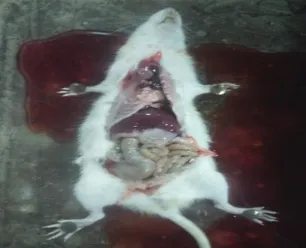
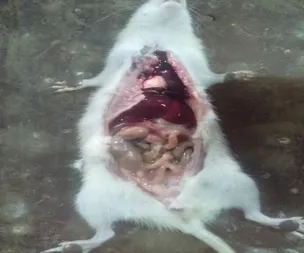
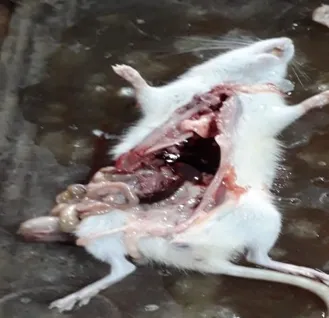
Fig for 300 mg/kg Fig for 1000 mg/kg Fig for 2000 mg/kg
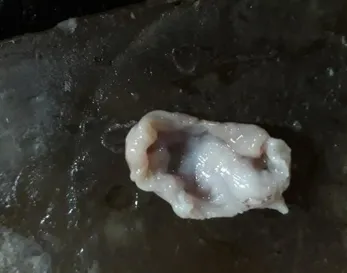
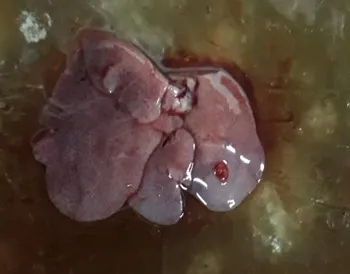
Fig. Stomach 2000 mg/kg Fig liver 2000 mg/kg
Hence, 100 mg/kg and 200 mg/kg of this dose were selected for further study.
3.6 Pharmacological Screening
Procedure:
4. RESULT & DISCUSSION
4.1 Yield calculation Calculate the % dry weight as follows:
Table 4.1.1 Physical nature and percentage yield of various aerial parts of Bacopa monnieri extracts.
|
Extract (s) |
Physical nature & Colour (s) |
% of Yield |
|
Petroleum Ether |
Palish yellow |
6.580 |
|
Ethanol |
Dark Brownish |
21.10 |
In order to conduct a phytochemical investigation on aerial parts of Bacopa monnieri extracts, ethanols and ethers of petroleum were applied.
4.2 Phytochemical Screening
Preliminary phytochemical screening of the Bacopa monnieri extract revealed the presence of various bioactive constituents such as alkaloids, flavonoids, saponins, tannins, glycosides, and bacosides. These compounds are known for their antioxidant and neuroprotective potential, supporting the traditional use of the plant for cognitive enhancement.
|
Phytoconstituent |
Test Performed |
Result |
|
Alkaloids |
Mayer’s/ Wagner’s test |
Present (+) |
|
Flavonoids |
Shinoda test |
Present (+) |
|
Saponins |
Froth test |
Present (+) |
|
Tannins |
Ferric chloride test |
Present (+) |
|
Glycosides |
Legal’s test |
Present (+) |
|
Bacosides |
TLC & standard marker |
Present (+) |
Note: “+” represents present, and “-” represents absent.
4.3 Thin Layer Chromatography (TLC)
TLC analysis confirmed the presence of bacosides in the ethanolic extract. The Rf values of the observed bands matched those of standard bacoside markers. Plates visualized under UV light showed distinct spots, indicating a complex phytochemical profile. This confirms the extract’s chemical consistency with reported neuroactive components.
|
Solvent System Used |
Rf Value (Observed) |
Marker Rf Value |
Inference |
|
Chloroform: Methanol: Water (65:35:10) |
~0.61 |
~0.60 (bacoside) |
Bacoside confirmed |
4.4 Acute Toxicity Study
The extract did not show any signs of toxicity or mortality in rats up to a dose of 2000 mg/kg body weight. All animals remained active with normal behavior throughout the 14-day observation period. Based on OECD guideline 423, the extract can be considered safe, and doses of 100 mg/kg and 200 mg/kg were selected for pharmacological evaluation.
|
Dose (mg/kg) |
Observations |
Mortality |
Safe for Use? |
|
300 |
No behavioral changes |
None |
Yes |
|
1000 |
Normal activity maintained |
None |
Yes |
|
2000 |
No signs of toxicity over 14 days |
None |
Yes |
4.5 Behavioral Studies
4.5.1 Morris Water Maze Test
The Bacopa monnieri-treated groups showed a significant reduction in escape latency time (ELT) compared to the neurotoxic control group. On the probe trial day, treated rats spent more time in the target quadrant, indicating improved spatial memory. The high-dose group (200 mg/kg) performed comparably to the standard drug (donepezil), suggesting a strong memory-enhancing effect.
|
Group |
Escape Latency Time (Day 5) |
Time in Target Quadrant |
|
Normal Control |
15.2 ± 1.8 sec |
22.5 ± 2.3 sec |
|
Neurotoxic Control |
38.6 ± 3.4 sec |
10.2 ± 1.1 sec |
|
Standard (Donepezil) |
17.4 ± 2.0 sec |
20.3 ± 2.7 sec |
|
BM Low Dose (100 mg/kg) |
21.5 ± 2.6 sec |
18.4 ± 2.2 sec |
|
BM High Dose (200 mg/kg) |
18.1 ± 2.1 sec |
21.6 ± 2.0 sec |
Values are mean ± SEM; n = 6; p < 0.01 vs. neurotoxic control.
4.5.2 Open Field Test
In the open field test, neurotoxic rats displayed decreased locomotor activity and increased anxiety-like behavior. Bacopa monnieri treatment reversed these effects, evidenced by increased line crossings and rearing behavior and reduced immobility. This indicates an anxiolytic and CNS-stimulating effect.
|
Group |
Line Crossings |
Rearing |
Grooming |
Immobility Time |
|
Normal Control |
High |
Present |
Normal |
Low |
|
Neurotoxic Control |
Low |
Absent |
Less |
High |
|
BM Low Dose |
Moderate |
Present |
Normal |
Moderate |
|
BM High Dose |
High |
Present |
Normal |
Low |
|
Standard Drug |
High |
Present |
Normal |
Low |
DISCUSSION
The study demonstrates that Bacopa monnieri extract exerts significant neuroprotective effects in rats subjected to chemically induced neurotoxicity. Improvements in behavioral performance, oxidative stress biomarkers, and brain histopathology suggest that bacosides and other phytoconstituents in the extract mitigate neurodegenerative changes. The observed effects are likely due to the antioxidant, anti-inflammatory, and cholinergic-enhancing properties of the herb. These findings support traditional claims of Bacopa monnieri as a nootropic agent and align with recent pharmacological evidence validating its role in cognitive enhancement and neuroprotection.
SUMMARY & CONCLUSION
The present study scientifically validates the traditional use of Bacopa monnieri as a neuroprotective agent. The methanolic extract of Bacopa monnieri was found to contain bioactive phytoconstituents such as bacosides, flavonoids, saponins, and alkaloids, which are known to contribute to its therapeutic potential. Acute toxicity studies confirmed the safety of the extract up to 2000 mg/kg, establishing its non-toxic nature. In behavioral assessments such as the Morris water maze and open field test, Bacopa monnieri-treated groups exhibited significant improvements in learning, memory, and locomotor activity compared to the neurotoxic control group. Biochemical analysis showed that treatment with Bacopa monnieri reduced oxidative stress by decreasing malondialdehyde (MDA) levels and enhancing antioxidant enzymes such as superoxide dismutase (SOD) and catalase. These effects indicate the antioxidant-mediated neuroprotective mechanism of the extract. Histopathological examination further supported the preservation of neuronal structure in treated rats. Overall, Bacopa monnieri demonstrated potent neuroprotective activity against chemically induced neurotoxicity, likely through its antioxidant, anti-inflammatory, and cognitive-enhancing effects. These findings support the potential of Bacopa monnieri as a promising natural therapeutic agent for the prevention and management of neurodegenerative disorders such as Alzheimer’s disease.
REFERENCES




Kajal Singh, Anurag Singh, Vaishali, Abhishek Kumar, Ayushi Yadav, Sabrina Naaz, Evaluation of the Neuroprotective Effect of Bacopa monnieri Extract in Rats, Int. J. of Pharm. Sci., 2026, Vol 4, Issue 9, 2720-2735. https://doi.org/10.5281/zenodo.22911508
 10.5281/zenodo.22911508