

We use cookies to ensure our website works properly and to personalise your experience. Cookies policy
1 Krishna Institute of Pharmacy, Noorpur Road, Bijnor-246701, India
2,3 RV Institute of Pharmacy, 9th KM Milestone Bijnor Moradabad Road, State Highway No. 76 Uttar Pradesh (NCR) 246728, India
Acne vulgaris is a chronic inflammatory disorder of the pilosebaceous unit requiring safer and more effective therapeutic alternatives. This study aimed to develop and evaluate a polyherbal anti-acne gel containing Aloe vera, Ocimum sanctum, Curcuma longa, Cinnamomum verum, and Citrus sinensis extracts using Carbopol 940 as a gelling agent. Formulations containing 1%, 3%, and 5% w/w Carbopol were prepared and assessed for physicochemical properties, antimicrobial activity, and stability. All gels were smooth, homogeneous, and free from phase separation, with pH in the skin-compatible range (6.1 ± 0.3 to 6.3 ± 0.1). Viscosity increased with polymer concentration (3200 ± 0.1 to 7200 ± 0.5 cps), while spreadability ((7.8 ± 0.4 to 4.9 ± 0.2 g·cm/s) and extrudability (1.10 ± 0.06 to 0.60 ± 0.04 g) decreased. The 3% Carbopol formulation (F2) exhibited optimal characteristics, including suitable viscosity (4800 ± 0.2 cps), good spreadability (6.5 ± 0.3 g·cm/s), and satisfactory extrudability (0.85 ± 0.05 g). All formulations showed antimicrobial activity against Cutibacterium acnes, Staphylococcus aureus, and Staphylococcus epidermidis, with F2 demonstrating superior inhibition ((18.4 ± 0.6 mm, 17.2 ± 0.5 mm, and 16.5 ± 0.4 mm, respectively). Stability studies confirmed no significant changes over three months under ambient and accelerated conditions. The optimized polyherbal gel (F2) demonstrates promising potential as a safe, effective, and stable topical treatment for acne vulgaris.
The skin is the largest organ of the human body, constituting nearly one-fifth of total body weight and serving as the primary interface between the body and the external environment. It performs several essential physiological functions, including protection against environmental insults, regulation of body temperature, and sensory perception. Additionally, the skin plays a critical role in responding to mechanical, nociceptive, and chemical stimuli [1]. Structurally, it is composed of two principal layers: the epidermis, a continuously renewing outer layer, and the dermis, an inner connective tissue layer rich in collagen that provides mechanical strength and elasticity. These layers are interconnected by the epidermal–dermal junction, which maintains structural cohesion. Beneath the dermis lies the subcutaneous tissue, primarily composed of adipose tissue, which anchors the skin and provides thermal insulation [2,3]. Most regions of the skin contain hair follicles and sebaceous glands that together form the pilosebaceous unit, a key structure involved in various dermatological conditions, including acne.
Acne vulgaris is a chronic inflammatory disorder of the pilosebaceous unit [4] and represents one of the most prevalent dermatological conditions worldwide. According to global epidemiological data, it affects approximately 9.38% of the population, making it one of the most common skin diseases across all age groups [5]. Clinically, acne predominantly occurs in areas with a high density of sebaceous glands, such as the face, neck, chest, and back. It manifests in multiple forms, including non-inflammatory lesions (blackheads and whiteheads) and inflammatory lesions (papules, pustules, nodules, and cysts).
The pathogenesis of acne is multifactorial and involves a sequence of interrelated processes. It begins with androgen-mediated stimulation of sebaceous glands, resulting in increased sebum production. This excess sebum, combined with abnormal desquamation of keratinocytes, leads to follicular obstruction, a condition referred to as retention hyperkeratosis. The blocked follicle forms a comedone, which provides a favorable anaerobic environment for the proliferation of Cutibacterium acnes (formerly Propionibacterium acnes). The bacterial activity triggers an inflammatory response, leading to the development of characteristic acne lesions [7]. Clinically, acne progression is graded from mild comedonal acne (Grade I) to severe nodulocystic acne (Grade IV), with severity determined by lesion type, extent, scarring, and psychological impact [8].
Acne commonly develops during adolescence due to hormonal fluctuations but is also increasingly observed in adults, particularly in women with hormonal imbalances. If left untreated, it may result in permanent scarring and post-inflammatory hyperpigmentation. Several clinical variants of acne have been identified, including acne conglobata, acne fulminans, acne excoriée, and infantile acne, each with distinct clinical features. Accurate diagnosis and effective management require a comprehensive evaluation of patient history, including age, hormonal status, genetic predisposition, and previous treatment responses [9]. Clinically, acne presents with a spectrum of symptoms depending on its severity. Early manifestations include comedones, while progressive stages involve inflammatory lesions such as papules and pustules. Severe forms are characterized by nodules and cysts, which are often painful and associated with a higher risk of scarring. Additional features include seborrhea, erythema, tenderness, post-inflammatory hyperpigmentation, and permanent scarring in advanced cases [10–12].
The management of acne vulgaris typically involves the use of topical and systemic therapies aimed at targeting key pathogenic factors, including excess sebum production, follicular hyperkeratinization, microbial colonization, and inflammation. Common topical agents include retinoids (such as tretinoin, adapalene, and tazarotene) [13] and antimicrobials (such as clindamycin, erythromycin, tetracycline, and benzoyl peroxide) [14], while systemic treatments include oral antibiotics and hormonal therapies [15]. Although effective, these conventional therapies often adopt a single-target approach and may disrupt the skin’s natural barrier, leading to adverse effects such as irritation, dryness, and microbial resistance with prolonged use [16].
These limitations have driven increasing interest in alternative and complementary approaches, particularly poly-herbal formulations [17,18]. Such formulations combine multiple plant-derived ingredients, enabling a synergistic therapeutic effect where the combined action enhances efficacy and minimizes adverse effects [19]. Herbal ingredients are generally associated with improved biocompatibility, reduced irritation, and a broader spectrum of activity, including antibacterial, anti-inflammatory, antioxidant, and sebum-regulating effects [20]. Moreover, their complex phytochemical composition reduces the likelihood of microbial resistance compared to single-agent therapies [21].
In addition to the selection of active ingredients, the choice of dosage form significantly influences therapeutic outcomes. Gel-based formulations are particularly advantageous for acne management due to their non-greasy nature, ease of application, and high patient acceptability. They provide a cooling effect, enhance drug penetration, and do not occlude pores, making them especially suitable for oily and acne-prone skin. Furthermore, gels enable localized and controlled drug delivery, thereby minimizing systemic exposure and associated side effects [22]. Based on these considerations, the present study focuses on the development of a poly-herbal gel formulation incorporating selected natural ingredients with complementary pharmacological activities. Aloe vera gel serves as a soothing and hydrating base [23], while tulsi extract provides antibacterial action [24]. Turmeric contributes potent anti-inflammatory effects [25], and rose water helps maintain skin pH and acts as a natural toner [26]. Orange peel, rich in vitamin C, facilitates exfoliation and pore cleansing [27], whereas cinnamon enhances circulation and supports lesion healing [28]. Collectively, these ingredients, when formulated into a gel system, offer a synergistic, stable, and patient-friendly approach for effective and holistic acne management.
Novelty of the Study
The present study introduces a novel polyherbal anti-acne gel formulation comprising Aloe vera, Ocimum sanctum (Tulsi), Curcuma longa (Turmeric), Cinnamomum verum (Cinnamon), and Citrus sinensis (Orange peel) extracts incorporated into a Carbopol 940 gel base. Although the anti-acne potential of these individual herbal ingredients has been reported previously, their synergistic incorporation into a single topical gel system and optimization using varying concentrations of Carbopol 940 have not been extensively investigated. The developed formulation aims to provide a natural, patient-friendly, and multifunctional approach for acne management by combining antibacterial, anti-inflammatory, antioxidant, and skin-soothing activities.
2. MATERIAL AND METHODS
2.1 Materials
Fresh leaves of Aloe vera and Ocimum sanctum (Tulsi) were collected from the herbal garden of R.V. Institute of Pharmacy, Bijnor (Uttar Pradesh, India). Turmeric, cinnamon, and dried orange peel powders were procured from a local market in Bijnor (U.P.), India. All other chemicals and reagents used in the study were of analytical grade and were obtained from the Chemical Store of R.V. Institute of Pharmacy, Bijnor (U.P.), India.
2.2 Methods
2.2.1 Collection of Aloe vera gel
Fresh Aloe vera leaves were thoroughly washed under running water to remove any adhering dirt and contaminants. The outer rind was carefully peeled off using a sterile knife to expose the inner mucilaginous parenchymatous tissue. The transparent gel was then gently scraped out, cut into small pieces, and stored under appropriate conditions for further experimental use [29].
2.2.2 Extraction of Tulsi leaves
Fresh leaves of Ocimum sanctum (20–25 g) were collected and thoroughly washed to remove adhering dirt and impurities. The cleaned leaves were blotted dry to eliminate surface moisture and subsequently crushed to obtain a coarse paste. The paste was transferred into a closed round bottom flask (RBF), followed by the addition of 100 mL of a hydroalcoholic solvent system (ethanol, 80:20 v/v). The mixture was subjected to maceration for 48–72 hours at room temperature with intermittent shaking to facilitate efficient extraction of phytoconstituents. After completion of the extraction process, the mixture was filtered using Whatman filter paper No. 1 to separate the marc from the filtrate. The obtained filtrate was concentrated on a water bath maintained at a temperature below 50°C until a semi-solid extract was obtained, as illustrated in Figure 1(A) [30].
2.2.3 Extraction of Turmeric and Cinnamon powder
Dried powders of turmeric and cinnamon (10 g each) were accurately weighed and transferred into separate round bottom flasks. To each flask, 100 mL of a hydroalcoholic solvent system (ethanol, 70:30 v/v) was added. The mixtures were subjected to maceration for 48–72 hours at room temperature with intermittent shaking to ensure efficient extraction of bioactive constituents. Upon completion of the extraction process, the mixtures were filtered using Whatman filter paper No. 1 to separate the solid residues. The collected filtrates were concentrated on a water bath maintained at a temperature below 50°C until semi-solid extracts were obtained. The prepared extracts are depicted in Figure 1 (B and C) [31, 32].
2.2.4 Extraction of Orange peel
Fresh orange peels were thoroughly washed to remove adhering impurities and subsequently dried in a hot air oven at 60 °C for 72 hours. The dried peels were then finely powdered using a mortar and pestle to obtain a particle size in the range of approximately 0.1–0.5 mm. The powdered material was macerated with 100 mL of a hydroalcoholic solvent system (ethanol, 70:30 v/v) and allowed to stand for 72 hours at room temperature with occasional stirring to facilitate extraction. Following maceration, the mixture was filtered through Whatman filter paper No. 1, and the filtrate was collected in clean glass Petri plates. The solvent was subsequently evaporated using a water bath maintained below 50 °C to yield a semi-solid extract. The prepared extract is shown in Figure 1 (D) [33].
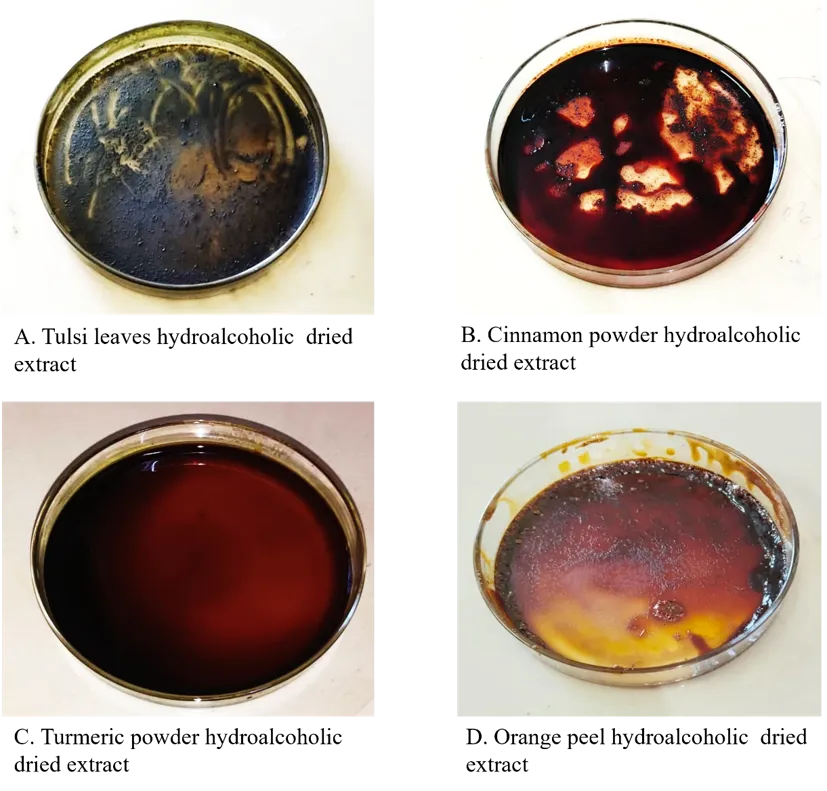
Figure 1. Dried of polyherbal extracts in petri plates by solvent evaporation method.
2.3 Formulation Development
2.3.1 Formulation of gel base
Carbopol 940 (1%, 3%, and 5% w/w) was accurately weighed and dispersed in an appropriate quantity of distilled water under continuous stirring to avoid the formation of lumps. Propylene glycol was subsequently added as a humectant and penetration enhancer. Thereafter, methyl paraben and propyl paraben were incorporated as preservatives, and the mixture was stirred thoroughly to ensure uniform distribution of all components. The pH of the formulation was adjusted to a near-neutral range (pH 6.0–6.5) by the dropwise addition of triethanolamine. The final weight of the gel was made up to 10 g using distilled water. The prepared formulation was stirred at 500 rpm for 2 hours to remove entrapped air bubbles and then allowed to stand undisturbed at room temperature for 24 hours to obtain a clear and stable gel base. [34,35].
2.3.2 Formulation of polyherbal gel
The polyherbal gel was prepared by incorporating hydroalcoholic extracts of Ocimum sanctum (Tulsi) leaves, Curcuma longa (turmeric), Cinnamomum verum (cinnamon), and Citrus sinensis (orange peel), along with 1 g of Aloe vera gel, into the previously prepared Carbopol gel base, as per the composition specified in Table 1. The mixture was subjected to continuous stirring at 500 rpm for 2 hours to ensure uniform dispersion of all the herbal extracts within the gel matrix. The resulting formulation was then allowed to stand undisturbed at room temperature for 24 hours to attain optimum consistency and stability. The final polyherbal gel formulation is depicted in Figure 13 [36].
Table 1. Formulation Composition of Polyherbal Anti-Acne Gel.
|
Ingredient |
F1 (1%) |
F2 (3%) |
F3 (5%) |
|
Tulsi leaves extract |
0.2 g |
0.2 g |
0.2 g |
|
Turmeric extract |
0.2 g |
0.2 g |
0.2 g |
|
Cinnamon extract |
0.1 g |
0.1 g |
0.1 g |
|
Orange peel extract |
0.2 g |
0.2 g |
0.2 g |
|
Aloe vera gel |
1.0 g |
1.0 g |
1.0 g |
|
Carbopol 940 |
0.1 g |
0.3 g |
0.5 g |
|
Propylene glycol |
1.0 g |
1.0 g |
1.0 g |
|
Methyl paraben |
0.02 g |
0.02 g |
0.02 g |
|
Propyl paraben |
0.01 g |
0.01 g |
0.01 g |
|
Triethanolamine |
q.s. |
q.s. |
q.s. |
|
Water |
q.s. to 10 g |
q.s. to 10 g |
q.s. to 10 g |
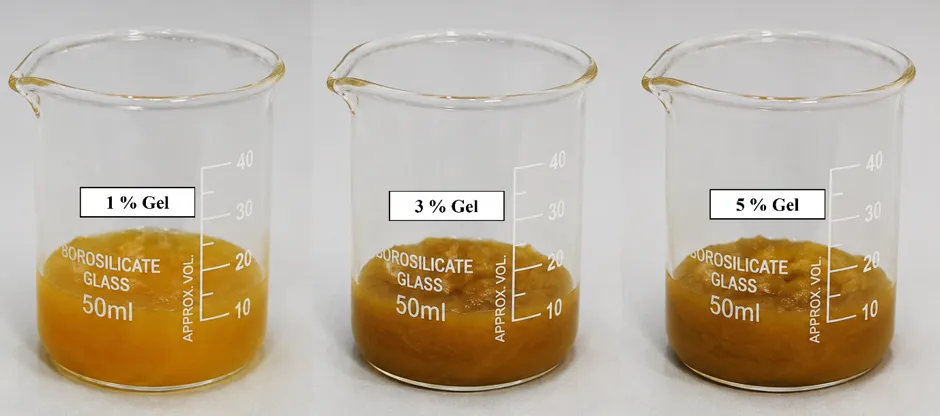
Figure 13. Prepared polyherbal gel.
2.4 Characterization of Polyherbal Gel
The prepared polyherbal gel was evaluated for various physicochemical parameters to ensure its quality, stability, and suitability for topical application.
2.4.1 Physical Appearance
The prepared gel was evaluated visually for its physical characteristics, including colour, homogeneity, consistency, and the presence of any phase separation.
2.4.2 pH Determination
Approximately 1 g of the gel was dispersed in 100 mL of distilled water. The pH of the formulation was measured using a calibrated digital pH meter at a constant temperature. The measurement was performed in triplicate, and the average value was recorded [37].
2.4.3 Viscosity determinations
The viscosity of the formulated gel was determined using a Brookfield viscometer (cup-and-bob type) equipped with spindle No. 62. The measurement was carried out under specified rotational speed, and the readings were recorded.
2.4.4 Spreadability
Two glass slides of standard dimensions were taken. About 1 g of the polyherbal gel was placed between the slides and uniformly spread over a length of 6 cm (60 mm). The slides were then fixed on a stable platform in such a way that the upper slide could move freely when a weight was applied. A weight of 5 g was attached to the upper slide, and the time taken for the slide to move a specified distance was recorded. The experiment was performed in triplicate to ensure accuracy. The spreadability of the gel was calculated using the Eq. (1) [38].
S= W ×LT Eq. (1)
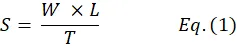
Where:
S = Spreadability (g·cm/s)
W = Weight applied (g)
L = Length moved by the slide (cm)
T = Time taken (s)
2.4.5 Extrudability
The prepared gel was filled into a clean, dry, and collapsible aluminium tube and crimped properly. The tube was pressed by applying a constant weight, and the amount of gel extruded from the nozzle was collected and weighed. The test was performed three times, and the average value was calculated. Extrudability was calculated using Eq. (2) [39].
Extrudability = weight applied to extrude the gel (g) / Area of the orifice (cm2) Eq. (2)
2.4.6 In Vitro Antimicrobial Activity
The antimicrobial activity of the developed polyherbal gel formulations was evaluated against acne-associated microorganisms, namely Cutibacterium acnes, Staphylococcus aureus, and Staphylococcus epidermidis using the agar well diffusion method.
Sterile Mueller–Hinton agar plates were prepared and inoculated with standardized microbial suspensions adjusted to 0.5 McFarland standard. Wells of 6 mm diameter were aseptically punched into the agar medium and filled with an equal quantity of each gel formulation (F1, F2, and F3). A marketed anti-acne preparation was used as the standard reference, while the gel base without herbal extracts served as the control. The plates were incubated under appropriate conditions for 24-48 h, and the diameter of the zone of inhibition was measured in millimeters. All experiments were performed in triplicate and the results were expressed as mean ± SD.
2.4.7 Stability Study
The optimized polyherbal gel formulation was subjected to stability studies according to ICH guidelines. Samples were packed in airtight containers and stored under the following conditions:
Room temperature: 25 ± 2°C
Accelerated condition: 40 ± 2°C / 75 ± 5% RH
The formulations were evaluated at predetermined intervals of 0, 1, and 3 months for various physicochemical parameters including appearance, color, pH, viscosity, spreadability, extrudability, and phase separation. Any significant changes in these parameters were recorded to assess the stability of the formulation.
2.4.6 Statistical Analysis
All experimental measurements were performed in triplicate (n = 3), and the results were expressed as mean ± standard deviation (SD). Statistical comparison among different formulations was carried out using one-way analysis of variance (ANOVA). A p-value less than 0.05 was considered statistically significant. Statistical evaluation was performed to assess the effect of Carbopol 940 concentration on the physicochemical characteristics of the developed polyherbal gel formulations.
3. RESULTS
The polyherbal anti-acne gels were successfully formulated using Carbopol 940 at different concentrations (1%, 3%, and 5% w/w). The formulations were evaluated for key physicochemical parameters, and the comparative results are presented below in subsection 3.1-3.5 and Table 2.
3.1. Physical Appearance
All three formulations (1%, 3%, and 5% Carbopol 940) were found to be smooth, homogeneous, and free from lumps and grittiness. The gels exhibited a characteristic light brownish-green colour due to the presence of multiple herbal extracts. However, variation in consistency was observed with increasing polymer concentration. The 1% gel showed a relatively soft and less viscous consistency, whereas the 3% gel exhibited optimum firmness and smooth texture. The 5% gel appeared comparatively thicker and more rigid. No phase separation was observed in any formulation, indicating good compatibility among ingredients.
3.2 pH Determination
The pH values of all formulations were found to be within the acceptable skin-compatible range (5.5–6.5). The pH of the 1%, 3%, and 5% gels was recorded as 6.1 ± 0.3, 6.2 ± 0.1, and 6.3 ± 0.1, respectively. A slight increase in pH with higher Carbopol concentration was observed, which may be attributed to increased neutralization by triethanolamine. Nevertheless, all formulations were considered non-irritating and suitable for topical application.
3.3 Viscosity Determination
The viscosity of the gels increased proportionally with the concentration of Carbopol 940. The 1% gel showed a viscosity of 3200 ± 0.1 cps, the 3% gel exhibited 4800 ± 0.2 cps, and the 5% gel showed a significantly higher viscosity of 7200 ± 0.5 cps. The 3% formulation demonstrated optimal viscosity, providing a balance between structural integrity and ease of application. The 5% gel, although highly viscous, may present difficulty in spreading.
3.4 Spreadability
Spreadability was found to decrease with increasing polymer concentration. The 1% gel showed the highest spreadability (7.8 ± 0.4 g·cm/sec), followed by the 3% gel (6.5 ± 0.3 g·cm/sec), while the 5% gel exhibited the lowest spreadability (4.9 ± 0.2 g·cm/sec).
This inverse relationship is attributed to increased viscosity at higher Carbopol concentrations. The 3% formulation demonstrated adequate spreadability, ensuring uniform application on the skin.
3.5 Extrudability
Extrudability studies revealed that the ease of extrusion decreased with increasing gel viscosity. The 1% gel showed maximum extrudability (1.10 ± 0.06 g), followed by the 3% gel (0.85 ± 0.05 g), whereas the 5% gel exhibited comparatively lower extrudability (0.60 ± 0.04 g) under the same applied weight. The 3% formulation provided satisfactory extrudability, indicating ease of dispensing without excessive force.
Table 2. Comparative Evaluation of Polyherbal Gel Formulations (F1–F3).
|
Parameter |
F1 (1% Carbopol 940) ±SD, n=3 |
F2 (3% Carbopol 940) ±SD, n=3 |
F3 (5% Carbopol 940) ±SD, n=3 |
Observation |
|
Physical Appearance |
Smooth, homogeneous, soft consistency |
Smooth, homogeneous, optimum consistency |
Smooth, homogeneous, thick and rigid |
Consistency increases with polymer concentration |
|
pH |
6.1 ± 0.3 |
6.2 ± 0.1 |
6.3 ± 0.1 |
Slight increase with concentration |
|
Viscosity (cps) |
3200 ± 0.1 |
4800 ± 0.2 |
7200 ± 0.5 |
Directly proportional to Carbopol concentration |
|
Spreadability (g·cm/s) |
7.8 ± 0.4 |
6.5 ± 0.3 |
4.9 ± 0.2 |
Decreases with increase in viscosity |
|
Extrudability (g) |
1.10 ± 0.06 |
0.85 ± 0.05 |
0.60 ± 0.04 |
Decreases with increasing viscosity |
3.6 In Vitro Antimicrobial Activity
The antimicrobial efficacy of the developed polyherbal gel formulations was evaluated against common acne-associated microorganisms, including Cutibacterium acnes, Staphylococcus aureus, and Staphylococcus epidermidis. The antibacterial activity of the formulations may be attributed to the synergistic effects of the herbal constituents, particularly Tulsi, Turmeric, Cinnamon, and Orange Peel extracts, which are known to possess antimicrobial, anti-inflammatory, and antioxidant properties. The zone of inhibition produced by each formulation was measured and compared with that of a standard anti-acne preparation. The results demonstrated that all formulations exhibited antibacterial activity against the tested microorganisms, with the optimized formulation (F2) showing comparatively greater inhibitory effects. The observed activity suggests that the developed polyherbal gel possesses promising potential for the topical management of acne vulgaris. The detailed antimicrobial activity data are presented in Table 3.
Table 3. Antimicrobial Activity of Polyherbal Gel Formulations
|
Test Organism |
F1 (1% Carbopol) (mm) |
F2 (3% Carbopol) (mm) |
F3 (5% Carbopol) (mm) |
Standard (Clindamycin Gel) (mm) |
|
Cutibacterium acnes |
14.2 ± 0.5 |
18.4 ± 0.6 |
16.8 ± 0.4 |
22.5 ± 0.3 |
|
Staphylococcus aureus |
13.6 ± 0.4 |
17.2 ± 0.5 |
15.9 ± 0.3 |
21.8 ± 0.4 |
|
Staphylococcus epidermidis |
12.8 ± 0.3 |
16.5 ± 0.4 |
15.1 ± 0.5 |
20.7 ± 0.5 |
3.7 Stability Study
Stability studies were carried out to assess the physical and chemical stability of the optimized polyherbal gel formulation during storage. The formulation was stored under both room temperature conditions (25 ± 2°C) and accelerated conditions (40 ± 2°C/75 ± 5% RH) for a period of three months. At predetermined intervals, the gel was evaluated for appearance, pH, viscosity, spreadability, extrudability, and phase separation. The results indicated that the formulation remained physically stable throughout the study period with no significant changes in its characteristics. Minor variations observed in certain parameters were within acceptable limits and did not affect the overall quality of the formulation. These findings suggest that the developed polyherbal gel possesses satisfactory stability and is suitable for topical application. The detailed stability data are presented in Tables 4 and 5.
Table 4. Stability Study of Optimized Formulation (F2) at 25 ± 2°C
|
Parameter |
Initial |
1 Month |
3 Months |
|
Appearance |
Smooth, homogeneous |
No change |
No change |
|
Color |
Light brownish-green |
No change |
No change |
|
pH |
6.2 ± 0.1 |
6.2 ± 0.1 |
6.1 ± 0.2 |
|
Viscosity (cps) |
4800 ± 0.2 |
4750 ± 0.3 |
4700 ± 0.4 |
|
Spreadability (g·cm/s) |
6.5 ± 0.3 |
6.4 ± 0.2 |
6.3 ± 0.3 |
|
Extrudability (g) |
0.85 ± 0.05 |
0.84 ± 0.04 |
0.82 ± 0.05 |
|
Phase Separation |
Absent |
Absent |
Absent |
Table 5. Accelerated Stability Study of Optimized Formulation (F2) at 40 ± 2°C/ 75 ± 5% RH
|
Parameter |
Initial |
1 Month |
3 Months |
|
Appearance |
Smooth, homogeneous |
No change |
Slight thickening |
|
Color |
Light brownish-green |
No change |
Slight darkening |
|
pH |
6.2 ± 0.1 |
6.1 ± 0.1 |
6.0 ± 0.2 |
|
Viscosity (cps) |
4800 ± 0.2 |
4680 ± 0.4 |
4550 ± 0.5 |
|
Spreadability (g·cm/s) |
6.5 ± 0.3 |
6.3 ± 0.3 |
6.1 ± 0.4 |
|
Extrudability (g) |
0.85 ± 0.05 |
0.83 ± 0.05 |
0.80 ± 0.06 |
|
Phase Separation |
Absent |
Absent |
Absent |
5. DISCUSSION
The present study successfully developed polyherbal anti-acne gel formulations using different concentrations of Carbopol 940 as a gelling agent. The prepared formulations exhibited acceptable physicochemical characteristics suitable for topical application. Carbopol concentration was found to significantly influence the rheological and application properties of the gels.
The pH values of all formulations ranged between 6.1 and 6.3, which is within the physiological pH range of human skin. Maintenance of skin-compatible pH is essential to minimize irritation and preserve the natural skin barrier. The slight increase in pH observed with increasing Carbopol concentration may be attributed to the neutralization process involving triethanolamine.
Viscosity studies demonstrated a direct relationship between Carbopol concentration and gel viscosity. Increasing the concentration of Carbopol resulted in greater polymer chain entanglement and swelling, thereby increasing resistance to flow. Similar findings have been reported in previous studies involving Carbopol-based topical formulations.
Spreadability is an important parameter influencing patient compliance and ease of application. The results indicated that spreadability decreased as Carbopol concentration increased. This observation is consistent with the increase in viscosity, as highly viscous gels require greater force for spreading. Among the formulations, F2 (3% Carbopol) showed an optimum balance between viscosity and spreadability, making it more suitable for topical use.
Extrudability studies revealed an inverse relationship between Carbopol concentration and ease of extrusion. The highly viscous nature of the 5% Carbopol formulation reduced its ability to be easily dispensed from the collapsible tube, whereas the 1% formulation exhibited maximum extrudability. The 3% formulation demonstrated satisfactory extrusion characteristics while maintaining adequate consistency.
The therapeutic potential of the developed formulation may be attributed to the synergistic action of its herbal constituents. Aloe vera provides moisturizing, wound-healing, and anti-inflammatory effects. Tulsi possesses antimicrobial activity against acne-associated microorganisms. Turmeric contributes anti-inflammatory and antioxidant properties through curcuminoids. Cinnamon exhibits antibacterial activity and may assist in reducing acne lesions, while orange peel extract contributes antioxidant activity and supports skin rejuvenation due to its flavonoid and vitamin C content.
Based on the overall evaluation, formulation F2 containing 3% Carbopol 940 demonstrated the most desirable physicochemical characteristics. The formulation exhibited optimum viscosity, satisfactory spreadability, and acceptable extrudability, indicating its suitability as a topical anti-acne gel. However, further biological evaluation is necessary to establish its clinical efficacy and therapeutic performance.
5. FUTURE SCOPE
The developed polyherbal gel demonstrated promising physicochemical characteristics suitable for topical delivery. Future investigations should focus on evaluating the antimicrobial activity of the formulation against acne-causing microorganisms such as Cutibacterium acnes and Staphylococcus aureus. Additional studies involving in vitro drug release, skin irritation assessment, accelerated stability testing, and clinical evaluation in acne patients are required to establish the safety, efficacy, and commercial potential of the formulation.
LIMITATIONS OF THE STUDY
The present investigation was primarily focused on formulation development and physicochemical characterization of the polyherbal anti-acne gel. The study did not include antimicrobial evaluation, stability assessment, skin irritation studies, or clinical investigations. Therefore, the therapeutic efficacy of the formulation against acne vulgaris requires further experimental validation through in vitro and in vivo studies.
6. CONCLUSION
The present work successfully demonstrated the formulation and evaluation of a polyherbal anti-acne gel using herbal extracts of Tulsi, turmeric, cinnamon, orange peel, and Aloe vera. The use of Carbopol 940 as a gelling agent at different concentrations (1%, 3%, and 5% w/w) significantly influenced the physicochemical properties of the formulations. All prepared gels exhibited acceptable physical characteristics, appropriate pH for skin compatibility, and good stability without phase separation. However, variations in viscosity, spreadability, and extrudability were observed with changes in polymer concentration. Among the formulations, the gel containing 3% Carbopol 940 was identified as the optimized formulation, as it provided an ideal balance between viscosity and ease of application, along with satisfactory spreadability and extrudability. Overall, the developed polyherbal gel shows significant potential as a safe, effective, and natural topical formulation for the management of acne. Further investigations involving antimicrobial studies, dermatological safety assessment, and stability testing are essential to validate the formulation’s therapeutic performance and market potential.
CONFLICT OF INTEREST
The authors confirm that this article content has no conflict of interest.
ACKNOWLEDGEMENT
The authors would like to acknowledge the Department of Pharmacy, RV Institute, Bijnor for continuous support and supervision during all the phases of this research work.
FUNDING
No funding.
REFERENCES

Nargis Ara, Hitesh Kumar, Shivam, Formulation Development and In Vitro Characterization of Topical Polyherbal Gel for the Treatment of Acne Vulgaris, Int. J. of Pharm. Sci., 2026, Vol 4, Issue 10, 1273-1286. https://doi.org/10.5281/zenodo.23241306
 10.5281/zenodo.23241306