

We use cookies to ensure our website works properly and to personalise your experience. Cookies policy
Department of Pharmacology, Vivekanandha Pharmacy College, Sankari, Salem.
Neuropharmacological screening is a crucial step in the discovery, characterization and assessment of candidate therapeutic agents prior to their clinical evaluation. This review focuses on some of the recent developments in the field of neuropharmacological screening technologies and how these are affecting CNS drug discovery. Animal models and 2D cell culture are not always good models of human brain physiology and this is why so many CNS drug candidates fail to make the cut. With the advent of emerging technologies, including artificial intelligence (AI), machine learning, patient-derived induced pluripotent stem cells (iPSCs), brain organoids and high-content screening (HCS) platforms, the predictive power and efficiency of preclinical research has been enhanced. AI techniques, such as blood–brain barrier permeability prediction models, virtual screening, molecular docking, and meta-learning, enable drug candidates to be rapidly identified and optimized. Physiologically relevant human disease models for neurological and psychiatric disorders are provided by patient-derived cells and three-dimensional brain organoids, which can facilitate better disease modelling, discovery of new biomarkers and personalized medicine strategies. Further, innovative technologies like wireless neural probes, automated behavioural monitoring, and AI-driven data analysis, and zebrafish models have improved the analysis of drug efficacy, safety, and neurobehavioral effects. In general, the integration of computational, cellular and in vivo technologies is revolutionizing the approach to neuropharmacological screening, augmenting target validation, lowering development costs, and expediting the discovery of safer and more effective drugs and therapeutics for neurological and neuropsychiatric diseases.
Neurological and neuropsychiatric disorders, such as Alzheimer's disease, Parkinson's disease, epilepsy, depression, anxiety and schizophrenia, are a significant burden of disease in the world and are among the major causes of disability. While there have been great strides in neuroscience research, developing effective therapeutics for central nervous system (CNS) disorders continues to be difficult because of the complexity of neuronal networks, poor understanding of disease mechanisms and the existence of the blood-brain barrier [1]. Neuropharmacological screening is an essential part of the drug discovery process to identify, characterize, and evaluate compounds that interact with targets of the nervous. system like neurotransmitter receptors, ion channels, enzymes, and intracellular signalling pathways. It is an important preclinical model to test the efficacy, safety, toxicity, and mechanism of action of promising therapeutic agents in humans before entering clinical testing [1]. Hence, today’s neuropharmacological screening has become an inextricable part of the drug discovery journey connecting basic neuroscience research and clinical therapies. This review focuses on the importance of patient-derived cells, brain organoids and high-content screening in the progress of neuropharmacological screening and the speeding up of novel development for neurological disorders [2].
2. EVOLUTION OF NEUROPHARMACOLOGICAL SCREENING
Traditional methods of neuropharmacological screening mainly use animal models and two-dimensional cell culture systems. These models, however, have limited ability to accurately simulate brain physiology and disease pathology, partly to account for the large number of CNS drug candidates which fail during clinical development. To overcome these limitations, advanced in vitro technologies like patient-derived induced pluripotent stem cells (iPSCs), 3D brain organoids, and high-content screening (HCS) platforms have come to the fore for neuropharmacological research and drug discovery [2]. Patient derived cells and brain organoids are physiologically relevant human disease models and have structural and functional characteristics similar to the human brain. These systems enable modelling, target validation, biomarker discovery and drug screening for various neurodegenerative diseases. At the same time, HCS integrates automated microscopy, image analysis and computation, to allow for fast and quantitative evaluation of complex cellular phenotypes, accelerating lead identification and optimization [3]. Moreover, the development of artificial intelligence (AI), machine learning, and automated imaging methods has improved the efficiency and predictions of neuropharmacological screening platforms. These advances have changed the face of CNS drug discovery by enhancing the relevance of the target and shortening and lowering the expense of drug discovery [3].
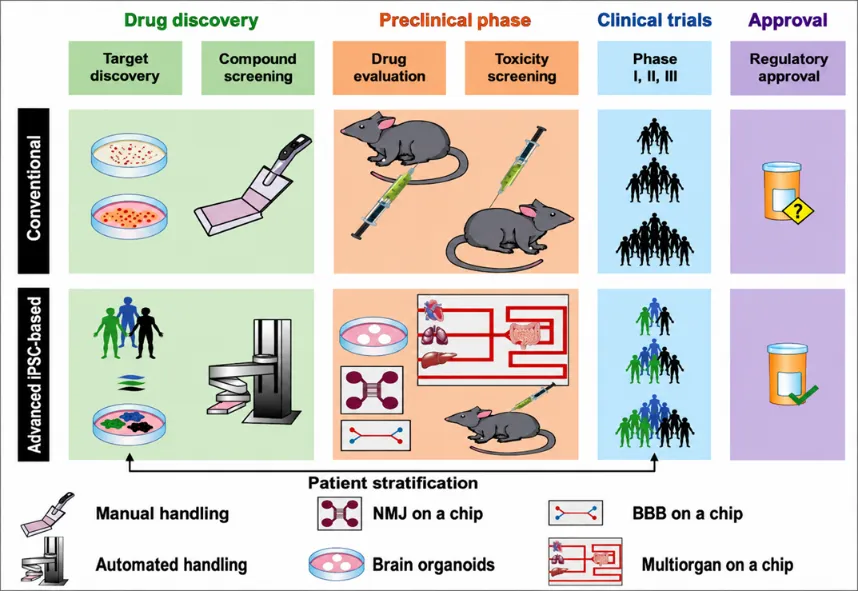
Figure 1. The Conventional and Advanced drug discovery pipeline.
3. IN SILICO & AI DRIVEN SCREENING
3.1 Meta-learning And Brain Activity
The current studies explore the prediction of brain activity during cognitive tasks based on advanced neuroimaging and machine-learning methods that allows analysis of the structural and functional brain connectivity. There are evidence that proves the connectivity of the brain at rest can predict the activation of brain regions during a task. It is applied in clinical populations where task performance may be challenging such as disorders of consciousness, brain tumours, Alzheimer's disease, and schizophrenia. It also looks at how brain activity can be used to enhance cognition and behaviour studies, based on predictions [4].
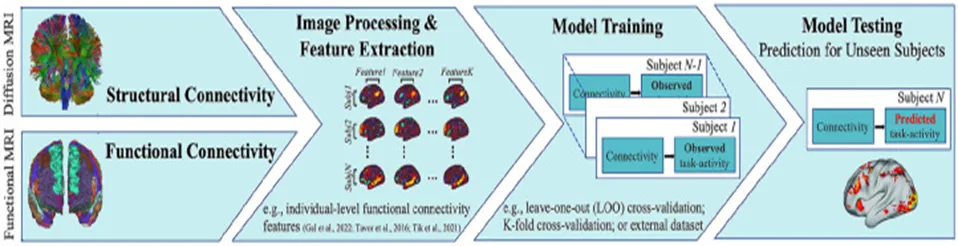
Figure 2. Schematics of a general machine-learning approach for predicting brain activity
A new neuropharmacological framework for accelerating drug discovery, which consists of high throughput brain activity mapping (BAM) in the zebrafish model and few-shot meta-learning has been proposed. Developing a new drug for the central nervous system has a very high failure rate, because of the complex functioning of the brain and the limited experimental data available [5]. To address these challenges, a “learning to learn” (Meta-CNN) model that performs better on small datasets and uses physiological patterns in lieu of chemical structures is created. Studies show that this combination boosts the accuracy in predicting potential anti-Parkinson’s drugs and were able to use their model to find drugs with known side effects that could treat neurological diseases [6].
3.2 BBB Permeability models
Graph-based deep learning model to predict the blood–brain barrier (BBB) permeability, which is a critical parameter in central nervous system (CNS) drug discovery, is introduced. A Message Passing Neural Network (MPNN) and an attention block based on Transformers to directly analyse molecular graphs from chemical structures is also been created [7]. The model shows high predictive performance (AUC-ROC 0.9627; accuracy 92.54%) which is better than traditional QSAR and machine-learning methods using a curated dataset of 2,013 compounds. Overall, the graph neural networks can accurately model complex molecular features, which can facilitate rapid and accurate screening of CNS drug candidates in early stages, thus minimizing the need for expensive experimental testing [8]. The contribution of machine learning (ML) and deep learning (DL) to drug development in the context of neurological disorders, covers different models such as Random Forest, XGBoost, Neural Networks, Graph Neural Networks, CNNs, RNNs and transformer-based models to test the blood–brain barrier (BBB) permeability of drug candidates. The AI driven approaches may speed up the discovery of CNS drugs, enhance prediction accuracy, lower the costs of experimentation, and aid in the development of safer and more effective drugs for the CNS [9].
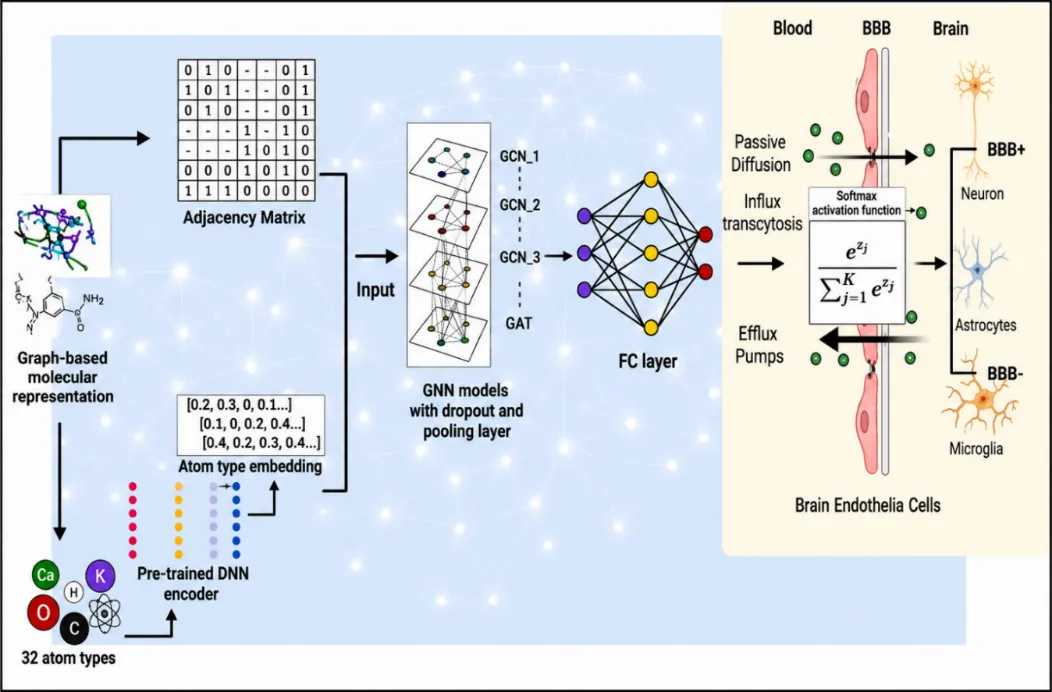
Figure 3. Graph – based deep learning of Blood Brain Barrier (BBB)
3.3 Virtual screening and Molecular docking
Studies highlight the advantages of virtual screening (VS) as an affordable and efficient method which is an alternative to the conventional drug discovery process for the treatment of diseases affecting the nervous system. Different computational strategies such as structure-based approach including molecular docking, ligand-based approach, pharmacophore modelling and QSAR are used [10]. Researchers are dedicated in neuronal reprogramming, where they creatively explore the use of these technologies to turn non-neuronal cells into functional neurons in order to repair brain injury. The source illustrates the use of VS in the identification of potential treatments for diseases like Multiple Sclerosis, Parkinson's disease [11].
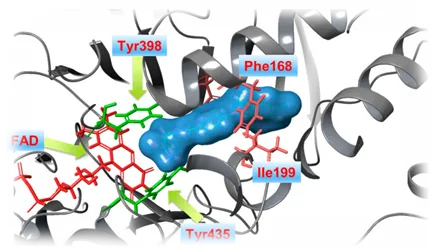
Figure 4. X-ray structure of hMAO-B in complex with safinamide
Novel structure-based design of Monoamine Oxidase-B (MAO-B) inhibitors for the treatment of neurodegenerative disorders like Parkinson’s disease and Alzheimer’s disease has been developed. It emphasizes the importance of computer-aided drug design (CADD) and molecular docking for finding selective MAO-B inhibitors. The docking software elucidates the structure of MAO-B, and recently developed chemical classes such as chalcones, coumarins, chromones, xanthine and pyrazoles. This highlights important ligand–enzyme interactions that contribute to potency and selectivity, which will be useful in the future development of potent and safe MAO-B inhibitors [12].
4. IN VITRO & CELL BASED ASSAYS
4.1 Patient Derived Cells and Organoids
The human brain organoids (3D brain-like structures derived from induced pluripotent stem cells) are transforming the study of psychiatric disorders rapidly. Traditional animal models often fail to fully replicate human brain development and psychiatric conditions [13]. Brain organoids can mimic key aspects of human neurodevelopment, neural circuitry, and electrical activity, enabling investigation of disorders such as autism, schizophrenia, depression, bipolar disorder and substance-induced neural damage. This will move from a static genetic profiling to live cellular modelling, with the goal of developing more effective and personalized treatments for people with psychiatric disorders [14].
Functional cellular endophenotypes in patient-derived cells are used as targets of novel approach to neuropsychiatric drug discovery. The complexity of genetic factors and inadequate knowledge of the real effect of drugs at the cellular level, stalls the research in pharmaceuticals. To address this, the researchers suggest the use of high content single-cell screening with living tissues such as iPSC-derived neurons and peripheral blood mononuclear cells (PBMCs) to examine responses of these cells to different stimulations. These responses are dynamic and enable the identification of signalling defects that are specific to a disease, that can be used as specific targets in drug testing of new compounds [15].
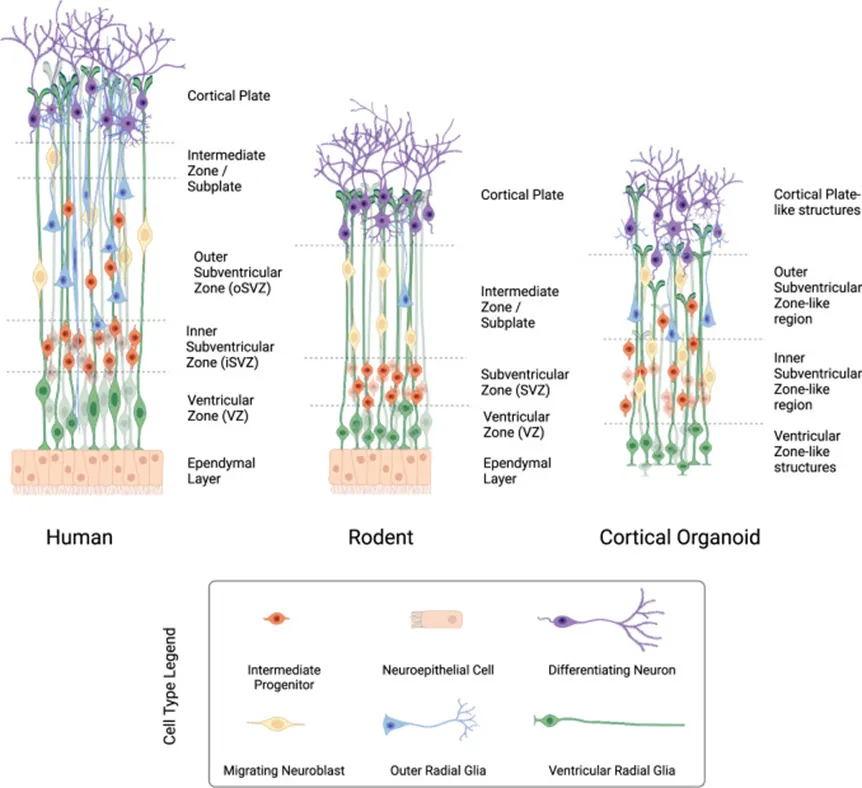
Figure 5. Comparison of neural layers found in development of the mammalian cerebral cortex.
These structures have a strong physiological relevance over traditional cell cultures, but pose great technical and analytical challenges with regard to automation and data extraction. The key principles in designing assays, including marker selection and confocal imaging methods are complex with computational normalization for reliable results [16]. The organoid technology is helpful in drug screening and disease modelling and has limitations, including variability, lack of vascularization, and incomplete maturation.
4.2 High-content Screening
Patient’s induced pluripotent stem cells (iPSCs) can be used to study diseases like spinal muscular atrophy, Parkinson’s disease, Alzheimer’s disease, Huntington’s disease, ALS and schizophrenia by differentiating them to disease-relevant neural cells [17]. It stresses successful disease modelling, identification of the phenotypes and genetic rescue experiments as well as the problems of late onset disease, genetic variability, epigenetic memory and differentiation efficiency. The iPSC provides a valuable tool for studying disease processes, tailoring treatments to individual patients and creating therapeutic agents [18]. High throughput screening (HTS) is used to improve in vitro neurogenesis and identification of critical genes, small molecules, and micro environmental parameters that facilitate neural differentiation and the production of functional neurons. The recent developments focuses in 3D culture systems, organoids, microfluidics and biomaterial screening to enhance neural modelling, disease modelling, drug discovery, tissue engineering and regenerative medicine. Future HTS platforms combines organoids and microfluidics to get a potential tool in neuroscience research and therapeutic developments [19].
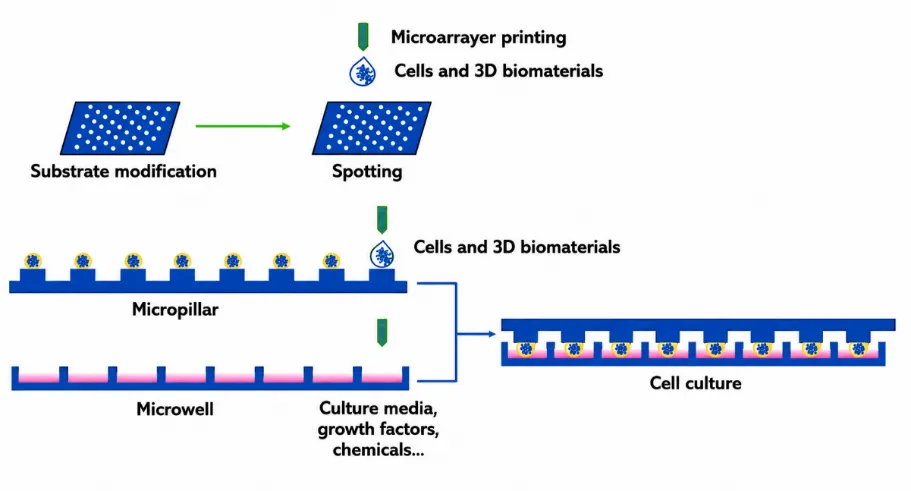
Figure 6. Procedures for 3D microenvironment screening
The use of 3D cell culture models (spheroids, organoids and patient-derived tissues) are superior to 2D cell culture models in terms of simulating human physiology and disease conditions, which leads to more accurate drug evaluation [20]. It focuses on the improvements in imaging, high content analysis and phenotypic profiling that allow for detailed evaluation of drug responses. It also tackles problems such as culture standardization, automations, imaging complexity, data analysis and reproducibility. The inclusion of biologically relevant 3D models and the use of sophisticated imaging tools can enhance the ability to predict drug efficacy and safety thereby increasing the chance of successful drug development [21].
5. IN VIVO & BEHAVIOURAL MODELS
5.1 Zebrafish model
The zebrafish is a model organism with growing trend and great value for the in vivo study of various neurological diseases. Zebrafish have genetic and physiological similarities to humans, making them useful for the study of more complex neurological diseases. They are small enough and prolific enough to enable scientists to conduct high throughput drug screening are more efficient and cheaper rate compared to traditional rodent models [22]. The quantitative behaviours and pathological properties of larval zebrafish mimic the human brain and dysfunctions in cognition. Specific pharmacological targets (histamine and AMPA receptors) are available to be tested in these fish that expedite the drug discovery process [23].
The traditional safety rules are too focused on mortality and physical malformations and not sufficiently on subtle sublethal effects that can jeopardize long-term survival of aquatic populations. The use of controlled laboratory experiments in behavioural domains, including movement, aggression, and anxiety, enables researchers to gain more insight into how contaminants affect essential behaviours such as predator avoidance and social interactions. It is an ethoexperimental approach to enhance the ecological relevance and predictive power of environmental risk evaluation [24].
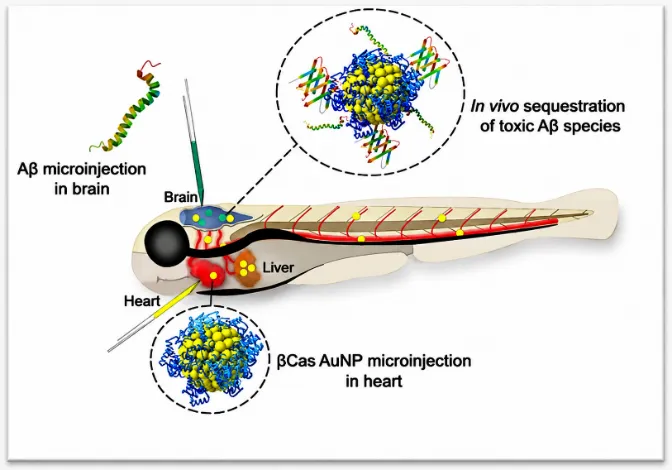
Figure 7. Experimental scheme against the toxicity of Aβ in a zebrafish model
Zebrafish is used as a principal animal model used for the evaluation of neurobehavioral toxicity at different life stages. They develop fast enough and are transparent to allow for monitoring morphogenesis of tissues and maturation of behaviour at any time. The tests for measuring sensorimotor, cognitive and social functions to determine the long-term effects of drugs such as alcohol, tobacco and environmental toxicants. Researches show that early-life exposures lead to lifelong behavioural changes, thus supporting zebrafish as an early-life sensitive and inexpensive tool to understand the neuroteratogenic effects [25].
5.2 Automated and Wireless Neural Probes
Wireless neural probe is a novel miniaturized system for advanced, neuropharmacological studies in a freely moving mice. The combination of a dose-controllable electrolytic pump with high fidelity electrophysiology allows researchers to deliver specific drugs and record the brain’s activity in real-time without the need for cumbersome equipment [26].Studies show the effectiveness of the device by altering compulsive circling of the animals with chemical injection and reducing feeding behaviour in caloric-restricted animals. Most importantly, the system allows for the study of social behaviours, including competitive feeding between any number of animals, and for the understanding of the effects of individual pharmacological treatments on neural responses and social interactions in the mPFC [27].
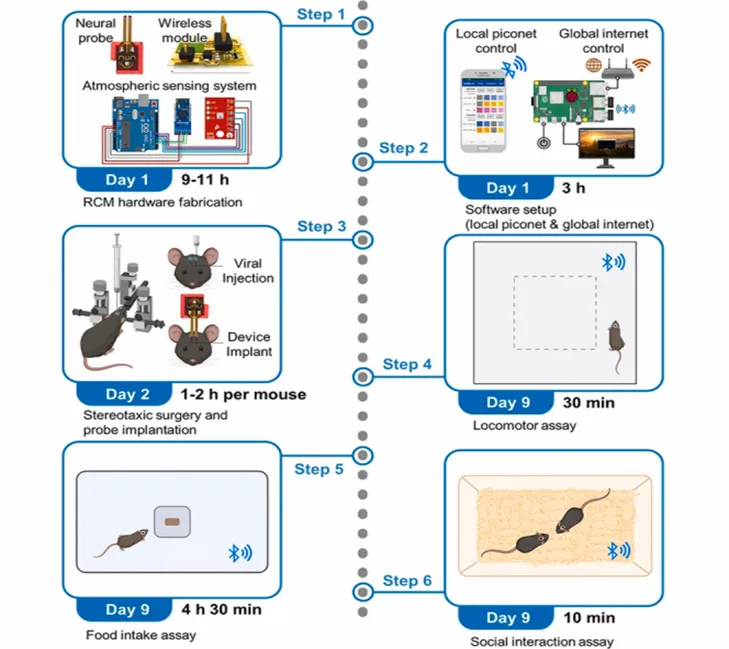
Figure 8. Steps involved in the setup of neural probe in mice
The design and implementation of a scalable, automated, high-throughput in vivo mice study platform, the “Wireless Network for Behavioural Neuroscience” (WNBN)for mice, are provided by protocols. This offers a step-by-step guide to making remote control modules, to designing custom wireless optogenetic probes and to making atmospheric sensors [28 The system can operate locally through piconet by the use of smartphones or globally through the internet with a centralized Raspberry Pi system. In sum, this modular low latency system allows for greater automation in a variety of experimental contexts such as locomotor, eating, and social interaction assays with reduced observer bias due to the presence of humans [29].
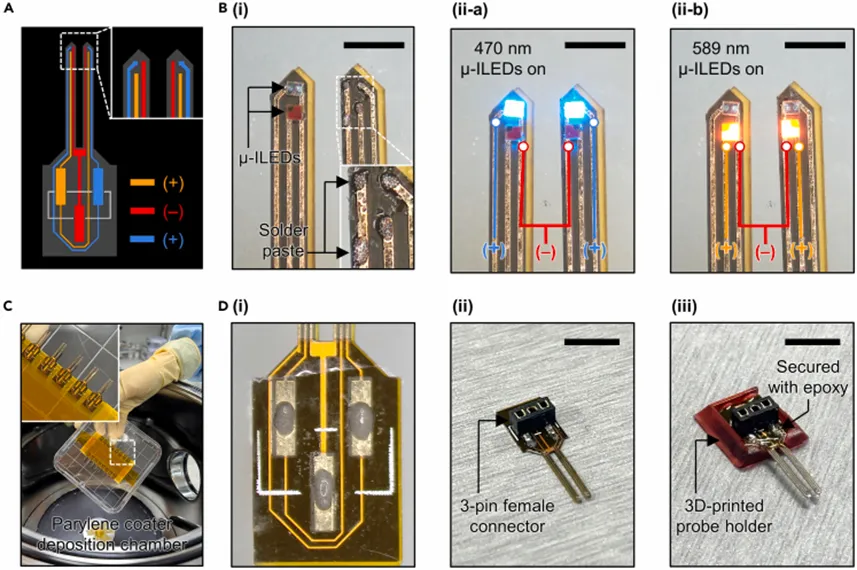
Figure 9. Construction process of the wireless optogenetic probe
A team of researchers has created a highly versatile wireless telemetry system that combines artificial intelligence and dual-channel optogenetic implants to automatically study animal behaviour. This system uses an AI algorithm specifically developed for DeepLabCut to detect multiple body parts and track the freezing behaviours of several subjects at once, without the need for cumbersome and confining physical tethers [30]. The electronic components are small, radio frequency devices that will require no electricity and will allow multiple wavelengths to independently control various neural circuits. The effectiveness of the system was experimentally validated by a demonstration of the successful inhibition of fear responses in rats by wireless light stimulation of the basolateral amygdala. This technology provides a high throughput approach for both behavioural manipulation and real-time analysis of neural dynamics, and a scalable approach for complex neuroscience research on emotional disorders [31].
DISCUSSION
Over the last few years, the field of CNS drug discovery has seen tremendous progress in the incorporation of artificial intelligence, in silico modelling, patient derived cells, brain organoids, high content screening and advanced animal models. AI algorithms like machine learning, blood–brain barrier permeability prediction, virtual screening, and molecular docking speed up the process of identifying potential drug candidates while reducing the time and cost. The newly evolved screening methods like patient-derived induced pluripotent stem cells (iPSCs) and Neural probes offer physiologically relevant human models that have increased disease odelling, target validation and therapeutic development for individual patients.
CONCLUSION
This shift in the approach of neuropharmacological screening from the traditional animal and cell culture methods to advanced computational, cellular, and in vivo platforms has revolutionized CNS drug discovery. Organoids, high-content screening, zebrafish technology and automated neural monitoring systems enhance the predictability of drug efficacy and safety, as well as provide increased insights into neurological disorders. Finally, the ongoing advancement of AI and disease models will drive improvements in the creation of safer, more effective and personalized interventions for neurological and neuropsychiatric diseases.
REFERENCES





Srividhya V, Divyapriya M, Eniya M, Jeevitha K, Shanmugapriya M, Evolution Of Neuropharmacological Screening And The Emerging Technologies in CNS Drug Discovery, Int. J. of Pharm. Sci., 2026, Vol 4, Issue 6, 6783-6794, https://doi.org/10.5281/zenodo.20928391
 10.5281/zenodo.20928391