View Article

Abstract

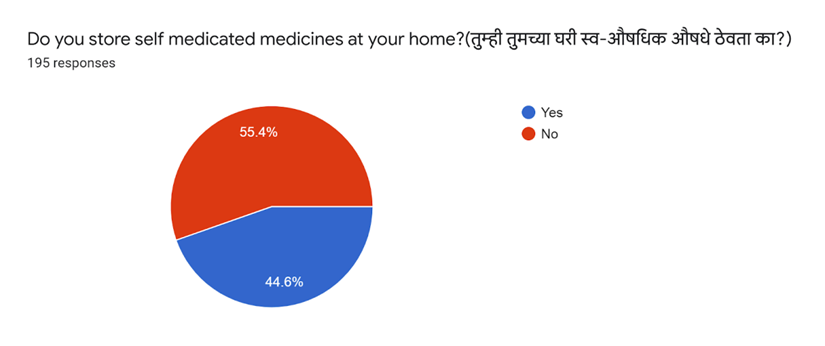
Self- Medication is utilization of medication by individual for treating a genuine medical issue without speaking with doctor .The motive of our survey was to evaluate the comprehension, of knowledge and awareness about self medication among the age group 15-25 and 25-50. This cross sectional study based on questionnaire was carried out among 195 volunteers. This survey was conducted by online mode through Google forms questionnaire contained 8 questions on awareness of self medication. The data were extracted an analyses responses of participants were collected from the study it is clear that 92.8% of participants are aware about take medicine with the help of consulting doctor. 87.7 % participants aware about the adverse drug side effect and 13.8% participants use the same prescription of their family members. 66.7% among the participants use branded type of medicine and 33.3% of use generic type of medicine . 87.71% participants had knowledge about adverse drug reaction of medicines.44.6%participants were store self medicated medicine at their home.17.6% were feel the side effect from self medication . Prevalence of self medication among participants was good ,most of participants opinion was always take medicine with the help of consulting doctor. This review focused on awareness of self medication including positive and negative aspects.

Keywords

Self medication, survey, awareness, drug abuse, risk of misdiagnoses

Introduction

× Popup Image

Self-medication is the utilization of medicines by individuals to treat self-diagnosed conditions or symptoms, or the continued or intermittent use of previously prescribed drugs for chronic or recurring illnesses without professional supervision [1]. It can also be defined as the acquisition and consumption of medicines without consulting a qualified healthcare professional [2]. According to the World Health Organization (WHO), self-medication plays a significant role in healthcare systems worldwide, particularly in developing countries where access to healthcare may be limited and educational awareness is gradually increasing [3]. Self-medication includes practices such as purchasing drugs without prescription, reusing old prescriptions, and consuming leftover medications stored at home [4].

Several factors contribute to the increasing practice of self-medication among individuals. Lack of time to visit healthcare facilities is one of the major reasons [5]. Financial constraints, including inability to afford doctor consultation fees, also promote this practice [6]. Recommendations from relatives or friends based on their personal experiences often influence individuals to use medications without proper guidance [7]. Easy access to health-related information through the internet further encourages self-medication [8]. Other contributing factors include laziness, inadequate knowledge, fear of unnecessary diagnostic tests, perception that the illness is minor, dissatisfaction with previous prescriptions, personal convenience, and influence of advertisements in newspapers and magazines [9–11].

Self-medication has both positive and negative impacts on the healthcare system. On the positive side, it can provide quick relief for minor ailments such as headache, fever, flu, cough, cold, pain, allergies, sleep disturbances, diarrhea, and constipation [12]. When practiced responsibly, self-medication can be life-saving in emergency situations and allows the use of commonly available drugs such as analgesics, antipyretics, antihistamines, vitamins, and antidiarrheal agents [13]. It also helps in increasing awareness and knowledge about diseases among individuals [14]. Additionally, self-medication is convenient, portable, and useful for managing mild illnesses, while also reducing the burden on healthcare systems, especially in areas with limited healthcare professionals [15].

However, self-medication is associated with several risks and adverse effects. As stated by Paracelsus (1493–1541), all substances can be harmful if misused, emphasizing the potential dangers of improper drug use [16]. Overuse of medications can lead to dependency and addiction, particularly with drugs such as painkillers, antibiotics, and antacids [17]. Excessive use of antacids may result in vitamin B12 deficiency, gastrointestinal disturbances, kidney stones, and osteoporosis [18]. Similarly, prolonged use of analgesics can cause kidney and liver damage, along with symptoms such as disorientation, hallucinations, and severe headaches [19]. Certain drugs like sulfonamides and penicillin may cause severe allergic reactions that can be life-threatening [20]. Other adverse effects include skin reactions, dizziness, gastrointestinal discomfort, blood pressure fluctuations, and irregular heart rhythms [21]. Moreover, self-medication may mask underlying diseases, leading to delayed diagnosis and treatment, which can worsen health outcomes [22].

Prevention of risks associated with self-medication requires active involvement of healthcare professionals. They play a crucial role in minimizing these risks through proper information, therapeutic guidance, and patient education [23]. Healthcare providers should clearly explain the purpose, dosage, and administration of prescribed medications in a manner understandable to patients [24]. Proper counseling improves adherence to treatment and reduces inappropriate drug use [25]. Lack of compliance is often due to poor understanding of treatment goals; therefore, clear instructions regarding dosage, duration, and method of administration are essential [26]. Educating patients about the risks and limitations of medications can significantly reduce irrational self-medication practices [27]. Furthermore, public health education initiatives can influence not only individuals but also their families and communities, especially in cases where parents administer medications to children without proper guidance [28].

MATERIALS AND METHODOLOGY :

The cross sectional study about survey and awareness about self medication  conducted in an online programmed with a sample of 195 participants . studying the survey configuration has advantage such as easy data collection and economic .A questionnaire contain detail of the participants and 8 question based on a self medication perception and awareness . This questionnaire was circulate to 195 participants through online platform via Google form called as survey planet using convenience sampling methodology .The figure details and response of participants were collected. The data was abstracted as percentage and represented by the Pia chart figures showing percentage response of each participants , the result were finally explained in details.

RESULT OF SURVEY  :

The participants were belonging to age group (12-25) and (25-45). This is shown in pia chart no majority of participants belongs to the 19 age group (39.5%). Male participants constitute (32.8%)and female participants constitute (67.2%)of study sample .76.9%among the participants were living in village are and 23.1%were living in city area .Then 92.85of the total participants were aware about taking medicine with the advice of consulting doctor . 13.8% participants were use the same prescription of their family member . 66.7% among the participants use branded type of medicine and 33.3% of use  generic type of medicine .We were adding this question  because there is chance of confusion between branded and generic medicine between participants . There both are safe and effective , containing same active ingredient and strength  but their is difference in their appearance and cost. 87.71% participants had knowledge about adverse drug reaction of medicines.44.6%participants were store self medicated medicine at their home.17.6% were feel the side effect from self medication .Prevalence of self medication among participants was good ,most of participants opinion was always take medicine with the help of consulting doctor.

Fig . 1

Fig . 2
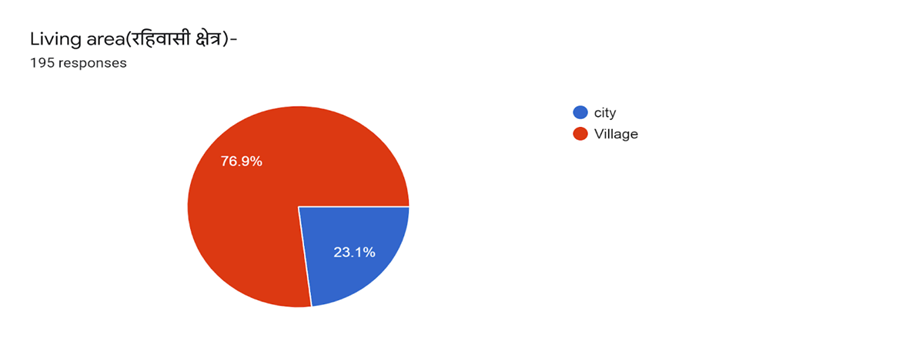
Fig . 3

Fig .4
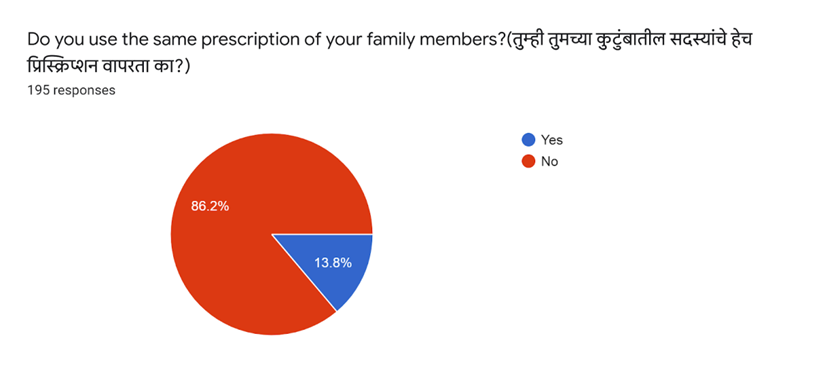
Fig .5
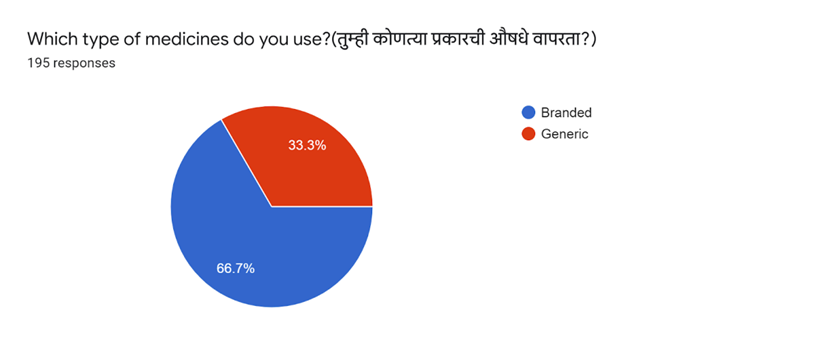
Fig .6
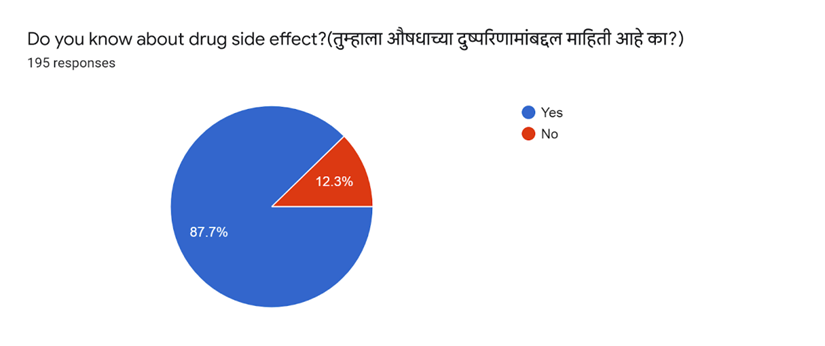
Fig.7

Most commenly used drugs :

Table No. 1 Most commenly used drugs :

Category

Drugs

Antipyretics

Calpol , crocin , paracetamol

Antacids

omeprazol

Antibiotics

Azithromycin

Analgesics

Dolo ,Ibuprofen ,conbiflam

Cough and cold

Sinarest , chesten cold

others

Iron and vitamin supplement , becox

Fig.8

CONCLUSION:

The previous survey study provide basic information about self medication among the participants , during the survey it was observed the awareness, about self medication especially in youth is very good, education helps student to decide on the appropriateness of self medication for treating common illness but awareness or perception of self medication .Among the participants belong from rural area and meddle age is not so good. It is necessary to train them about the side effect and drawbacks of irresponsible self medication as well as well being and training of general society and guideline of drug store might help in restricting the self practices. To avoid self medication make people aware through advertising.

REFERENCES

  1. Hughes, C. M., McElnay, J. C., & Fleming, G. F. (2001). Benefits and risks of self-medication. Drug Safety, 24(14), 1027–1037. https://doi.org/10.2165/00002018-200124140-00002
  2. Montastruc, J. L., Bagheri, H., Geraud, T., & Lapeyre-Mestre, M. (1997). Pharmacovigilance of self-medication. Fundamental & Clinical Pharmacology, 11(2), 206–211.
  3. World Health Organization (WHO). (2000). Guidelines for the regulatory assessment of medicinal products for use in self-medication. WHO Press.
  4. Bennadi, D. (2014). Self-medication: A current challenge. Journal of Basic and Clinical Pharmacy, 5(1), 19–23. https://doi.org/10.4103/0976-0105.128253
  5. Klemenc-Ketis, Z., Hladnik, Z., & Kersnik, J. (2011). Self-medication among healthcare and non-healthcare students. Slovenian Journal of Public Health, 50(3), 152–158.
  6. James, H., Handu, S. S., Al Khaja, K. A., Otoom, S., & Sequeira, R. P. (2006). Evaluation of the knowledge, attitude, and practice of self-medication among first-year medical students. Medical Principles and Practice, 15(4), 270–275. https://doi.org/10.1159/000092989
  7. Loyola Filho, A. I., Uchoa, E., Guerra, H. L., Firmo, J. O. A., & Lima-Costa, M. F. (2002). Prevalence and factors associated with self-medication: The Bambuí health survey. Revista de Saúde Pública, 36(1), 55–62.
  8. Fox, S., & Duggan, M. (2013). Health online 2013. Pew Research Center.
  9. Afolabi, A. O. (2008). Factors influencing the pattern of self-medication in an adult Nigerian population. Annals of African Medicine, 7(3), 120–127.
  10. Shankar, P. R., Partha, P., & Shenoy, N. (2002). Self-medication and non-doctor prescription practices in Pokhara valley, Western Nepal. BMC Family Practice, 3(1), 17.
  11. Geissler, P. W., et al. (2000). Medicines in the marketplace: The impact of advertising on self-medication. Social Science & Medicine, 50(6), 903–912.
  12. World Health Organization (WHO). (2002). The role of self-care in health systems. WHO Press.
  13. Ruiz, M. E. (2010). Risks of self-medication practices. Current Drug Safety, 5(4), 315–323.
  14. Bradley, C. P., & Blenkinsopp, A. (1996). Over the counter drugs: The future for self-medication. BMJ, 312(7034), 835–837. https://doi.org/10.1136/bmj.312.7034.835
  15. World Bank. (2017). Health systems and service delivery.
  16. Paracelsus. (1541). The dose makes the poison (toxicology principle).
  17. Llor, C., & Bjerrum, L. (2014). Antimicrobial resistance: Risk associated with antibiotic overuse and misuse. Therapeutic Advances in Drug Safety, 5(6), 229–241. https://doi.org/10.1177/2042098614554919
  18. Ito, T., & Jensen, R. T. (2010). Association of long-term proton pump inhibitor therapy with bone fractures and effects on absorption of calcium, vitamin B12, iron, and magnesium. Current Gastroenterology Reports, 12(6), 448–457. https://doi.org/10.1007/s11894-010-0141-0
  19. Whelton, A. (1999). Nephrotoxicity of nonsteroidal anti-inflammatory drugs. American Journal of Medicine, 106(5), 13–24.
  20. Johansson, S. G. O., et al. (2004). Revised nomenclature for allergy. Journal of Allergy and Clinical Immunology, 113(5), 832–836.
  21. Food and Drug Administration (FDA). (2018). Drug safety communication.
  22. Schmiedl, S., et al. (2014). Adverse drug reactions in Germany. Deutsches Ärzteblatt International, 111(29–30), 476–483.
  23. World Health Organization (WHO). (2011). Patient safety curriculum guide.
  24. Food and Drug Administration (FDA). (2016). Medication counseling guidelines.
  25. Osterberg, L., & Blaschke, T. (2005). Adherence to medication. New England Journal of Medicine, 353(5), 487–497. https://doi.org/10.1056/NEJMra050100
  26. Sabaté, E. (2003). Adherence to long-term therapies: Evidence for action. World Health Organization.
  27. International Pharmaceutical Federation (FIP). (2018). Responsible self-care and self-medication: A worldwide review.
  28. Centers for Disease Control and Prevention (CDC). (2019). Health education and promotion strategies.

Reference

  1. Hughes, C. M., McElnay, J. C., & Fleming, G. F. (2001). Benefits and risks of self-medication. Drug Safety, 24(14), 1027–1037. https://doi.org/10.2165/00002018-200124140-00002
  2. Montastruc, J. L., Bagheri, H., Geraud, T., & Lapeyre-Mestre, M. (1997). Pharmacovigilance of self-medication. Fundamental & Clinical Pharmacology, 11(2), 206–211.
  3. World Health Organization (WHO). (2000). Guidelines for the regulatory assessment of medicinal products for use in self-medication. WHO Press.
  4. Bennadi, D. (2014). Self-medication: A current challenge. Journal of Basic and Clinical Pharmacy, 5(1), 19–23. https://doi.org/10.4103/0976-0105.128253
  5. Klemenc-Ketis, Z., Hladnik, Z., & Kersnik, J. (2011). Self-medication among healthcare and non-healthcare students. Slovenian Journal of Public Health, 50(3), 152–158.
  6. James, H., Handu, S. S., Al Khaja, K. A., Otoom, S., & Sequeira, R. P. (2006). Evaluation of the knowledge, attitude, and practice of self-medication among first-year medical students. Medical Principles and Practice, 15(4), 270–275. https://doi.org/10.1159/000092989
  7. Loyola Filho, A. I., Uchoa, E., Guerra, H. L., Firmo, J. O. A., & Lima-Costa, M. F. (2002). Prevalence and factors associated with self-medication: The Bambuí health survey. Revista de Saúde Pública, 36(1), 55–62.
  8. Fox, S., & Duggan, M. (2013). Health online 2013. Pew Research Center.
  9. Afolabi, A. O. (2008). Factors influencing the pattern of self-medication in an adult Nigerian population. Annals of African Medicine, 7(3), 120–127.
  10. Shankar, P. R., Partha, P., & Shenoy, N. (2002). Self-medication and non-doctor prescription practices in Pokhara valley, Western Nepal. BMC Family Practice, 3(1), 17.
  11. Geissler, P. W., et al. (2000). Medicines in the marketplace: The impact of advertising on self-medication. Social Science & Medicine, 50(6), 903–912.
  12. World Health Organization (WHO). (2002). The role of self-care in health systems. WHO Press.
  13. Ruiz, M. E. (2010). Risks of self-medication practices. Current Drug Safety, 5(4), 315–323.
  14. Bradley, C. P., & Blenkinsopp, A. (1996). Over the counter drugs: The future for self-medication. BMJ, 312(7034), 835–837. https://doi.org/10.1136/bmj.312.7034.835
  15. World Bank. (2017). Health systems and service delivery.
  16. Paracelsus. (1541). The dose makes the poison (toxicology principle).
  17. Llor, C., & Bjerrum, L. (2014). Antimicrobial resistance: Risk associated with antibiotic overuse and misuse. Therapeutic Advances in Drug Safety, 5(6), 229–241. https://doi.org/10.1177/2042098614554919
  18. Ito, T., & Jensen, R. T. (2010). Association of long-term proton pump inhibitor therapy with bone fractures and effects on absorption of calcium, vitamin B12, iron, and magnesium. Current Gastroenterology Reports, 12(6), 448–457. https://doi.org/10.1007/s11894-010-0141-0
  19. Whelton, A. (1999). Nephrotoxicity of nonsteroidal anti-inflammatory drugs. American Journal of Medicine, 106(5), 13–24.
  20. Johansson, S. G. O., et al. (2004). Revised nomenclature for allergy. Journal of Allergy and Clinical Immunology, 113(5), 832–836.
  21. Food and Drug Administration (FDA). (2018). Drug safety communication.
  22. Schmiedl, S., et al. (2014). Adverse drug reactions in Germany. Deutsches Ärzteblatt International, 111(29–30), 476–483.
  23. World Health Organization (WHO). (2011). Patient safety curriculum guide.
  24. Food and Drug Administration (FDA). (2016). Medication counseling guidelines.
  25. Osterberg, L., & Blaschke, T. (2005). Adherence to medication. New England Journal of Medicine, 353(5), 487–497. https://doi.org/10.1056/NEJMra050100
  26. Sabaté, E. (2003). Adherence to long-term therapies: Evidence for action. World Health Organization.
  27. International Pharmaceutical Federation (FIP). (2018). Responsible self-care and self-medication: A worldwide review.
  28. Centers for Disease Control and Prevention (CDC). (2019). Health education and promotion strategies.

Photo
Vaishnavi Khadang
Corresponding author

Rajarambapu College of Pharmacy, Kasegaon, Walwa, Sangli, Maharashtra, India 415404

Photo
Shantanu Bele
Co-author

Rajarambapu College of Pharmacy, Kasegaon, Walwa, Sangli, Maharashtra, India 415404

Photo
Mayur Pawar
Co-author

Rajarambapu College of Pharmacy, Kasegaon, Walwa, Sangli, Maharashtra, India 415404

Photo
Neha Gaikwad
Co-author

Rajarambapu College of Pharmacy, Kasegaon, Walwa, Sangli, Maharashtra, India 415404

Photo
Sandhya Dharme
Co-author

Rajarambapu College of Pharmacy, Kasegaon, Walwa, Sangli, Maharashtra, India 415404

Photo
Dr. Indrayani Bandgar
Co-author

Rajarambapu College of Pharmacy, Kasegaon, Walwa, Sangli, Maharashtra, India 415404

Vaishnavi Khadang, Shantanu Bele, Mayur Pawar, Neha Gaikwad, Sandhya Dharme, Dr. Indrayani Bandgar, Exploring Determinants and Awareness of Self-Medication in the General Population: A Community-Based Study, Int. J. of Pharm. Sci., 2026, Vol 4, Issue 4, 2373-2379. https://doi.org/10.5281/zenodo.19593781

More related articles
Formulation and Evaluation of Anti-Aging Serum usi...
Swapnil Pradhan, Snehalta Mali, Gauri Bhamare, Raj Patil, Neha Pa...
Niosomal Drug Delivery Systems: Emerging Trends in...
Imran Rashid, Quazia Ifaq Wani, Arashjit Singh, Neha Srivastava...
Groundnut Shell-Derived Activated Carbon for Lead (Ii) Removal from Aqueous Solu...
Stuti Ganbote, Yogesh Kolekar , Omkar Dhanawade, Pranavi Yadav, Siya Desai , Shravani Kumbhar, Prano...
The Comparision Between Rosuvastatin And Atorvastatin On Lipid Profile, Predispo...
Rudhra Sandhya, P. S. V. Sandeep, Deepika Pallati, Dr. Swathi Boddupally, Dr. Haritha. P, Mohd Shahn...
Related Articles
Antibody-Drug Conjugates in Modern Prodrug Design: Linker Chemistry and Payload ...
G. E. Ebimo-Moko, T. Ganatra, V. Ebimo-Moko, W. E. Madu, J. E. Sampson, J. D. Joel, F. O. Oladele...
Natural Hand Hygiene Solutions: A Review of Areca Catechu Leaf Sheath-Based Herb...
Aishwarya M, Dr. Shiju L, Bhoomika C K, Thejaswi Gowda K M, Sachin. M S, Harsha C J...
Formulation and Evaluation of Anti-Aging Serum using Ferulic Acid from Matsyaksh...
Swapnil Pradhan, Snehalta Mali, Gauri Bhamare, Raj Patil, Neha Patil, Kalyani Patil...
More related articles
Formulation and Evaluation of Anti-Aging Serum using Ferulic Acid from Matsyaksh...
Swapnil Pradhan, Snehalta Mali, Gauri Bhamare, Raj Patil, Neha Patil, Kalyani Patil...
Niosomal Drug Delivery Systems: Emerging Trends in Dermatological Applications...
Imran Rashid, Quazia Ifaq Wani, Arashjit Singh, Neha Srivastava...
Formulation and Evaluation of Anti-Aging Serum using Ferulic Acid from Matsyaksh...
Swapnil Pradhan, Snehalta Mali, Gauri Bhamare, Raj Patil, Neha Patil, Kalyani Patil...
Niosomal Drug Delivery Systems: Emerging Trends in Dermatological Applications...
Imran Rashid, Quazia Ifaq Wani, Arashjit Singh, Neha Srivastava...