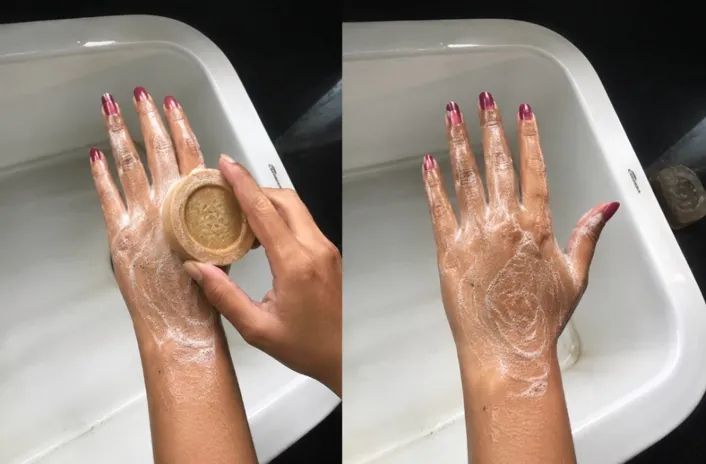
View Article

Abstract

The present study was aimed to formulate and evaluate a polyherbal soap using natural herbal ingredients possessing antimicrobial and skin-protective properties. The formulation was prepared using Neem (Azadirachta indica), Tulsi (Ocimum sanctum), Aloe vera (Aloe barbadensis), Ritha (Sapindus mukorossi), and Shikakai (Acacia concinna) along with coconut oil, almond oil, sodium hydroxide, and distilled water. Herbal extracts were obtained by the decoction method, while the soap base was prepared by the cold process method. The formulated soap was evaluated for various physicochemical parameters including colour, odour, pH, foam height, foam retention, skin irritation, moisture content, total fatty matter, and antimicrobial activity. The prepared soap showed a cream colour, pleasant odour, pH of 8.54, foam height of 6 cm, and good foam retention with no skin irritation. The total fatty matter content was found to be 71.4%, indicating good quality and moisturizing properties. Antimicrobial activity against Staphylococcus aureus demonstrated a zone of inhibition of 18 mm, confirming significant antibacterial potential. The results suggest that the formulated polyherbal soap is safe, effective, skin-friendly, and may serve as a natural alternative to synthetic soaps with added therapeutic benefits.

Keywords

Polyherbal soap, Neem, Tulsi, Aloe vera, Antimicrobial activity, Herbal formulation, Zone of inhibition.

Introduction

× Popup Image

The increasing demand for natural and sustainable personal care products has stimulated considerable interest in the development of herbal cosmetic formulations. Conventional soaps and synthetic cleansing products often contain synthetic surfactants, preservatives, fragrances, and other chemical additives that may disrupt the skin barrier, alter the normal skin microbiota, and cause irritation, dryness, or allergic reactions following prolonged use. Consequently, there is growing consumer preference for plant-based alternatives that provide effective cleansing while offering additional therapeutic benefits such as antimicrobial, antioxidant, anti-inflammatory, and moisturizing properties (1,2).

Medicinal plants have been widely utilized in traditional systems of medicine for centuries owing to their rich phytochemical composition and broad spectrum of biological activities. Among these, Azadirachta indica (Neem), Ocimum sanctum (Ocimum tenuiflorum, Tulsi), Aloe barbadensis (Aloe vera), Sapindus mukorossi (Ritha), and Acacia concinna (Shikakai) are well recognized for their dermatological applications. Neem possesses potent antibacterial, antifungal, and anti-inflammatory activities primarily attributed to bioactive constituents such as nimbidin, azadirachtin, and quercetin (1,3,4). Tulsi is a rich source of eugenol, ursolic acid, and rosmarinic acid, which exhibit antimicrobial, antioxidant, and wound-healing effects. Aloe vera gel contains polysaccharides, vitamins, amino acids, and phenolic compounds that promote skin hydration, tissue repair, and anti-inflammatory responses (4,5). Similarly, Ritha and Shikakai contain naturally occurring saponins that function as mild cleansing agents while minimizing irritation and preserving the skin's natural moisture (3,4).

Polyherbal formulations are increasingly preferred over single-herb preparations because the combination of multiple medicinal plants may produce synergistic pharmacological effects, resulting in enhanced efficacy and improved safety profiles. In topical formulations, combining herbs with complementary mechanisms of action can simultaneously provide cleansing, antimicrobial protection, moisturization, antioxidant defense, and skin conditioning. Such multifunctional formulations are particularly attractive for the development of herbal cosmetic products intended for routine skin care (6,7).

Despite the widespread availability of herbal soaps in the commercial market, many formulations lack comprehensive scientific evaluation regarding their physicochemical characteristics, quality attributes, safety, and antimicrobial performance. Furthermore, there remains a need to standardize formulations prepared from traditional medicinal plants using reproducible manufacturing methods and to evaluate their quality according to established pharmaceutical and cosmetic parameters(8,9).

Therefore, the present study was undertaken to formulate and characterize a polyherbal soap containing extracts of Azadirachta indica, Ocimum sanctum, Aloe barbadensis, Sapindus mukorossi, and Acacia concinna using the cold-process method. The developed formulation was evaluated for its physicochemical properties, including pH, foam characteristics, moisture content, total fatty matter, thermal stability, skin irritation potential, and antibacterial activity against Staphylococcus aureus. The findings of this study are expected to contribute to the development of a safe, effective, and environmentally friendly herbal cleansing product with potential applications in cosmetic and personal healthcare(10).
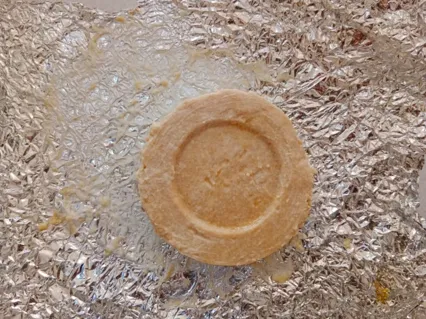
Figure 1: Polyherbal Soap

2. MATERIAL AND METHODS

    1. Material

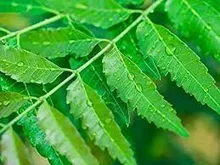
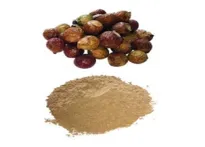
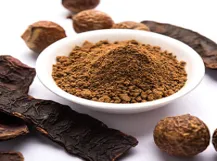
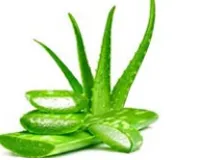
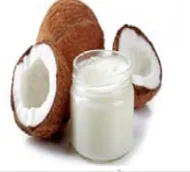
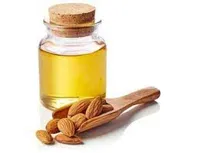
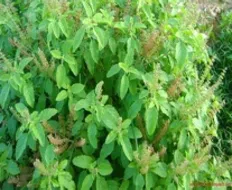
The polyherbal soap was made using certain medicinal plants like Neem (Azadirachta indica), Tulsi (Ocimum sanctum), Aloe vera (Aloe barbadensis), Ritha (Sapindus mukorossi), and Shikakai (Acacia concinna), along with coconut oil, almond oil, sodium hydroxide, and distilled water. The herbal parts were prepared by boiling them, called the decoction method. The soap base was made using a cold process called saponification. The herbal extracts and oils were mixed into the soap base, then poured into molds and left to cure. The soap was checked for physical and chemical properties such as color, smell, pH level, foam height, how long the foam lasts, moisture content, total fatty matter, how it handles heat, and if it irritates the skin. To check its ability to kill microorganisms, it was tested against Staphylococcus aureus using a method called the cup-plate or agar diffusion method, where they measured the area around the bacteria that was stopped from growing. All tests were done in a standard lab setup, and the results were compared with the standard quality standards for herbal soaps. (shows in table no. 1)

Table:1 Basic information of Herbs

Sr. No.

Name

Pharmacological activities or Uses

Images

References

1.

Neem

Azadirachta indica (Plant),

Meliaceae (family)

  • Anthelmintic, Anti-Fungal
  • Anti-Diabetic
  • Anti-Bacterial
  • Anti-Viral
  • Contraceptive And Sedative

(11–14)

2.

Ritha

Soap nut, Aritha (Plant),

Sapindaceae (family)

  • Antiprotozoal Activity
  • Anti-inflammatory Activity
  • Spermicidal Activity
  • Insecticidal Activity

(15–17)

3.

Shikakai

Soap -pod, Acacia concinna (Plant),

Leguminosae (family)

  • Anti –bacterial
  • Anti- helminthic
  • Anti-fungal
  • antimicrobial


(18–20)

4.

Aloe Vera

Aloe barbadensis (Plant),

Asphodelaceae (family)

  • Moisturizer
  • Treats Acne
  • Antiseptic
  • Wound Healing
  • Antibacterial

(21–24)

5.

Coconut Oil

Cocus nucifera (Plant),

Arecaceae (family)

  • Eczema
  • Psoriasis, Reduces
  • Stretch Mark
  • Relief From Sunburn

(25–28)

6.

Almond Oil

Cocus nucifera (Plant),

Rosaceae (family)

  • Antioxidant
  • Anti-Inflammatory
  • Anti-Microbial Activity

(29–32)

7.

Tulsi

Ocimum sanctum (Plant),

Lamiaceae (family)

  • Antimicrobial activity
  • Anti-inflammatory activity
  • Antidiabetic activity
  • Anticancer activity
  • Antiulcer activity

(33–36)

2.2 Working formula of decoction

Sr. No.

Ingredients

Quantity (gm)

1

Neem Leaves

10

2

Aloe Vera Gel

10

3

Ritha

10

4

Shikakai

10

5

Tulsi

5

2.3 Working formula of soap base by cold process method

Sr. No.

Ingredients

Quantity (gm)

Use

1

Sodium Hydroxide

6.56

Lye

2

Coconut Oil

30

Anti-Ageing, Moisturizer

3

Distilled Water

15-20

Aqueous Vehicle

2.4 Working formula of polyherbal soap

Sr. No.

Ingredients

Quantity

(ml)

Uses

1

Soap Base

35

Remove Dirt From Skin

2

Neem Leaves

1

Antibacterial

3

Aloe Vera Gel

1

Antioxidant

4

Ritha

1

Ditergent, Surfactant

5

Shikakai

1

Cleanser

6

Tulsi

1

Antiviral

7

Almomd Oil

1

Nourishing

2.5 Method of preparation of polyherbal soap

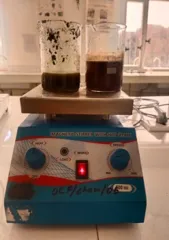
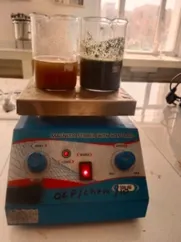
2.5.1 Decoction method
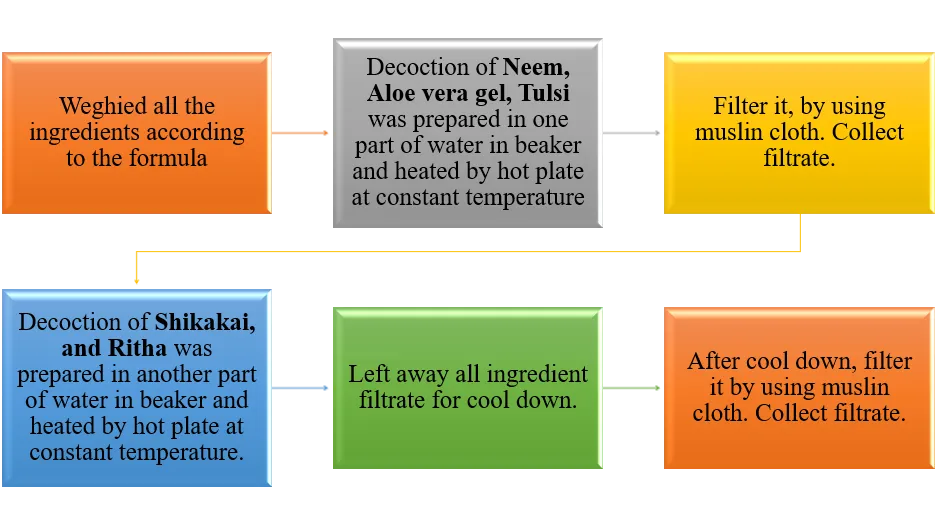
                 

Figure: 2 Heated on hotplate Ritha, Shikakai, Neem, tulsi
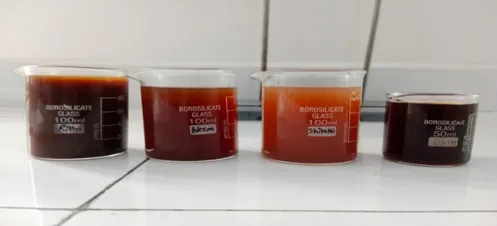
Figure: 3 Extract of Tulsi, Neem, Shikaki, Ritha

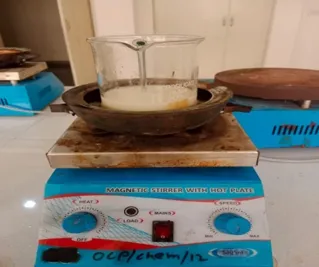
2.5.2 Cold process method
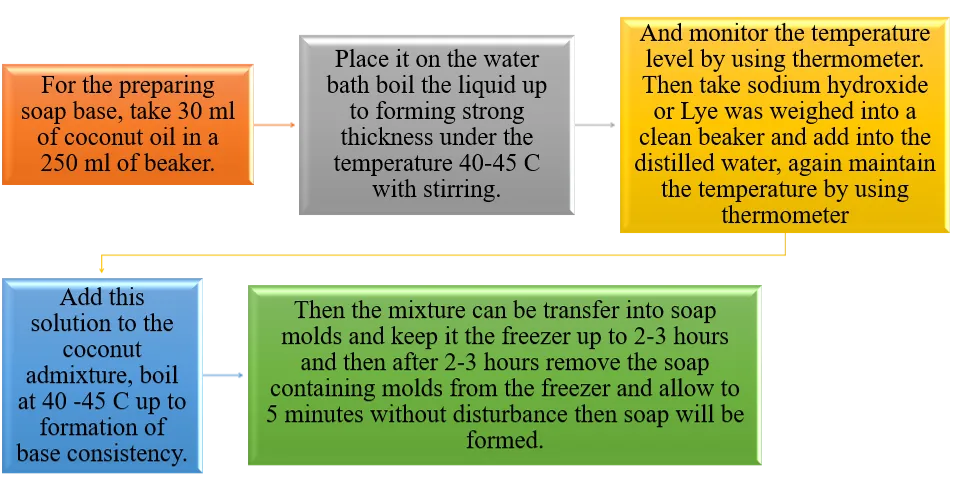
Figure: 4 Soap base formation

2.5.3. Poly herbal soap formulation procedure
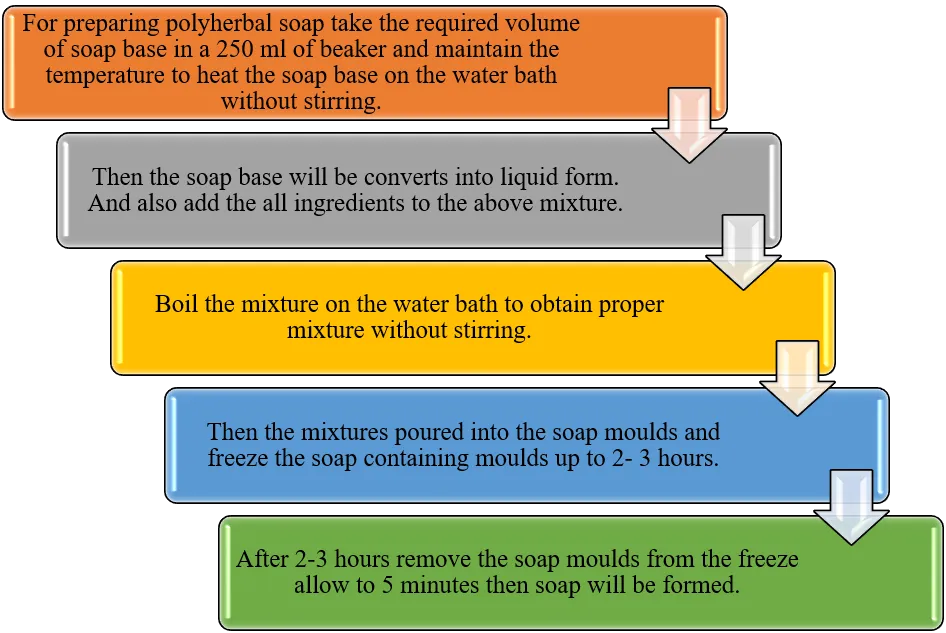
2.6 Evaluation Parameter
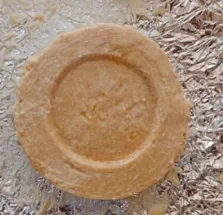
  • Color & shape: Color and shape was checked by naked eye

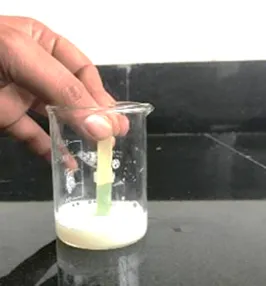
Figure: 4 Polyherbal Soap

  • Oduor: The smell of formulation was checked by applying preparation on hand and feels the fragrance of perfume.
  • pH: The pH of the prepared soap was assessed by touching a pH strip to the freshly formulated soap and jointly by dissolving 1 gram in 10 ml water with the help of digital pH meter.

Figure:5 pH of Polyherbal Soap Sample
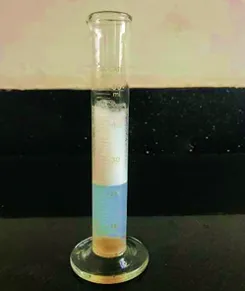
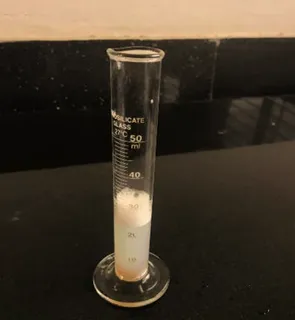
  • Foam Height: 0.5 grams of sample of soap was taken dispersed in 25 ml distilled water. Then, transferred it in to 100ml measuring cylinder; volume was made up to 50 ml with water. 25 strokes were given and stand till aqueous volume measured up to 50 ml and measured the foam height, above the aqueous volume were measured.

Figure: 6 Foam Height

  • Foam Retention: 25 ml of the 1% soap solution was taken in to a 100 ml graduated measuring cylinder. The cylinder was covered with hand and shaken 10 times. The volume of foam at 1-minute intervals for 4 minutes was recorded.

Figure: 7 Foam Retention

  • Irritation Test: It is carried out by applying soap on the skin for 1 hours. If no irritation then it is considered as non-irritant product.

Figure: 8 Irritation Test

  • High temperature stability: The allow stand at temperature above 50oC.
  • Total Fatty Matter Content Test: 5gm of soap sample is dissolved in 100ml hot Water. About 40ml of 0.5N HNO3 is added to make it acidic. The mixture is heated Until fatty acids are floating as a layer above the solution. It is cooled in ice water to Solidify the fatty acids. The fatty acids were separated and the aqueous solution was Treated with 50ml chloroform to remove the remaining fatty acids. The separated Fatty matter was mixed together, solvent was evaporated and the yield is noted. The Total fatty matter can be calculated using the following method.
  1. Calculation:

China dish weight (x) = 28.5

China dish weight + Soap after drying (y) = 32.5 


Soap sample weight= 5.5 g

Determination of Moistur Content: About out 10g of the sample under study was kept in a hot air oven at 1000 105°C for an hour. Then, the sample was weighed along with the China dish to Deduct the actual Weight of tarred China dish. The weight of the content was noted to calculate the Percentage of the moisture content by using the formula given below.


Moisture content = (Difference in weight of soap /initial weight of soap) x 100

  • Antimicrobial Activity Test: The microbiological assay of antibiotics is done by comparing the zone of inhibition formed by the microorganisms to a specific concentration of antibiotics having a known activity. There are different types of methods for microbiological assay of antibiotics like cup plate method and disc diffusion method. In the cup plate method, antibiotic containing cylinder is diffused into the agar layer containing the microorganisms. The zone is formed around the cylinder. The other method is disc diffusion method where zone of inhibition is measured around the antibiotic disc. The basic objective is to study various methods of microbiological assay.

Cup-plate:

Prepare nutrient agar plate inoculated with test organism, with a depth of 4-5mm and then allow it to solidify. Divide the NA plate into four equal portions. Then with the help of a sterile borer make four cavities one in each portion. Then fill three cavities with antibiotic solution and in one fill the standard solution. Slowly incubate the plates 370 at for 24 hours. After incubation measure the zone of Inhibition.
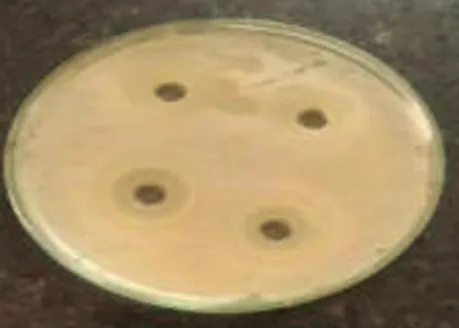
Figure: 9 Antimicrobial test

Table: 2 Result of Organoleptic Parameter

Sr. No.

Parameter

Result

  1.  

Colour

Cream

  1.  

Odour

Aromatic

  1.  

Shape

Circle

  1.  

pH

8.54

  1.  

Appearance

good

  1.  

Foam retention

2min.

  1.  

Foam height

6cm

  1.  

Skin Irritation

No irritation

  1.  

High Temperature Stability

Soap melts above 50OC

  1.  

TMF Test

71.4%

  1.  

Moisture Content Test

80%

  1.  

Zone of inhibition (Streptococcus aureus)

  1. m

3. RESULT

The formulated polyherbal soap was successfully prepared using herbal extracts of Neem, Tulsi, Aloe vera, Ritha, and Shikakai by the cold process method and evaluated for various physicochemical and antimicrobial parameters. The prepared soap showed a cream colour, smooth texture, and pleasant aromatic odour, indicating good aesthetic acceptability. The pH of the formulation was found to be 8.54, which is suitable for topical application and compatible with normal skin conditions. The soap exhibited good foaming ability with a foam height of 6 cm and satisfactory foam retention for about 2 minutes, demonstrating effective cleansing properties. The skin irritation study revealed no redness, itching, or irritation after application, confirming the non-irritant and skin-friendly nature of the formulation. The soap also showed good thermal stability and remained stable at temperatures above 50°C. The total fatty matter content was found to be 71.4%, indicating good quality and moisturizing properties. Antimicrobial activity of the prepared soap was evaluated against Staphylococcus aureus using the cup-plate method, and the formulation showed a significant zone of inhibition of 18 mm, indicating effective antibacterial activity due to the synergistic action of the herbal ingredients. Overall, the formulated polyherbal soap demonstrated satisfactory physicochemical properties, stability, safety, and promising antimicrobial potential, suggesting its suitability as a natural alternative to synthetic soaps for skincare applications.

4. CONCLUSION

The present study successfully formulated and evaluated a polyherbal soap using natural ingredients such as Neem, Tulsi, Aloe vera, Ritha, and Shikakai by the cold process method. The prepared formulation demonstrated satisfactory physicochemical characteristics including acceptable pH, good foaming ability, pleasant odour, smooth texture, and stability at elevated temperatures. The soap was found to be non-irritant during skin irritation studies, indicating its safety and compatibility for topical application. The presence of natural herbal ingredients contributed to effective cleansing, moisturizing, antioxidant, and antibacterial properties.  The antimicrobial activity study revealed a significant zone of inhibition against Staphylococcus aureus,confirming the antibacterial potential of the formulation. The synergistic action of herbal constituents such as Neem and Tulsi enhanced the therapeutic value of the soap, while Aloe vera and almond oil provided soothing and moisturizing effects to the skin. Compared to synthetic soaps, the formulated polyherbal soap offers a safer, eco-friendly, and cost-effective alternative with minimal side effects. Overall, the study suggests that the prepared herbal soap possesses promising cosmetic and medicinal benefits and may be useful for maintaining healthy skin. Further stability studies and clinical evaluations are recommended to establish its long-term effectiveness and commercial applicability.

FUNDING: NA

CONFLICT OF INTEREST

There is no conflict of interest

ACKNOWLEDGEMENT

The authors sincerely acknowledge their institution for providing the necessary laboratory facilities and infrastructure to carry out this research. They are grateful to the faculty members and laboratory staff for their valuable guidance and technical support throughout the study. The authors also thank everyone who directly or indirectly contributed to the successful completion of this work. No specific funding was received for this research.

REFERENCES

  1. Abdo JM, Sopko NA, Milner SM. The applied anatomy of human skin: A model for regeneration. Wound Medicine. 2020 Mar;28:100179. doi:10.1016/j.wndm.2020.100179
  2. McGrath JA, Uitto J. Structure and Function of the Skin. In: Rook’s Textbook of Dermatology. Wiley; 2024. p. 1–50. doi:10.1002/9781119709268.rook002
  3. Lotfollahi Z. The anatomy, physiology and function of all skin layers and the impact of ageing on the skin. Wound Practice and Research. 2024 Mar;32(1). doi:10.33235/wpr.32.1.6-10
  4. McKnight G, Shah J, Hargest R. Physiology of the skin. Surgery (Oxford). 2022 Jan;40(1):8–12. doi:10.1016/j.mpsur.2021.11.005
  5. Brito S, Baek M, Bin BH. Skin Structure, Physiology, and Pathology in Topical and Transdermal Drug Delivery. Pharmaceutics. 2024 Oct 31;16(11):1403. doi:10.3390/pharmaceutics16111403
  6. Widyasanti A, Lenyta Ginting AM, Asyifani E, Nurjanah S. The production of paper soaps from coconut oil and Virgin Coconut Oil (VCO) with the addition of glycerine as plasticizer. IOP Conf Ser Earth Environ Sci. 2018 Mar;141:012037. doi:10.1088/1755-1315/141/1/012037
  7. Nova JF, Smrity SZ, Hasan M, Tariquzzaman Md, Hossain MAA, Islam MdT, et al. Comprehensive evaluation of physico-chemical, antioxidant, and antimicrobial properties in commercial soaps: A study on bar soaps and liquid hand wash. Heliyon. 2025 Feb;11(4):e41614. doi:10.1016/j.heliyon.2024.e41614
  8. Das S, Agarwal S, Samanta S, Kumari M, Das R. Formulation and evaluation of herbal soap. J Pharmacogn Phytochem. 2024 Jan 1;13(4):14–9. doi:10.22271/phyto.2024.v13.i4a.14990
  9. Shaibu M, O. Orivri F. Formulation and Assessment of the Antimicrobial Properties of Herbal Soap Made with Bioactive Neem Plant Azadirachta Indica. International Journal of Pharmaceutical Research and Applications. 2025 Apr;10(4):913–8. doi:10.35629/4494-1004913918
  10. Sahu P, Bhimte P, Sharma H, Kumar  Sahu G. Formulation of Polyherbal Soap and Evaluation of its Physico-Chemical Parameters. Acta Scientific Pharmaceutical Sciences. 2023 May 1;7(5):13–9. doi:10.31080/ASPS.2023.07.0947
  11. Baby AR, Freire TB, Marques G de A, Rijo P, Lima FV, Carvalho JCM de, et al. Azadirachta indica (Neem) as a Potential Natural Active for Dermocosmetic and Topical Products: A Narrative Review. Cosmetics. 2022 Jun 2;9(3):58. doi:10.3390/cosmetics9030058
  12. Islas JF, Acosta E, G-Buentello Z, Delgado-Gallegos JL, Moreno-Treviño MG, Escalante B, et al. An overview of Neem (Azadirachta indica) and its potential impact on health. J Funct Foods. 2020 Nov;74:104171. doi:10.1016/j.jff.2020.104171
  13. Gautam P, Mittal P. A Review on Traditional Plant Azadirachta indica: Natural Source for Disease Curability and Health Promotion. J Pharm Res Int. 2021 Dec 13;1–7. doi:10.9734/jpri/2021/v33i56A33880
  14. Alzohairy MA. Therapeutics Role of Azadirachta indica (Neem) and Their Active Constituents in Diseases Prevention and Treatment. Evidence-Based Complementary and Alternative Medicine. 2016 Jan;2016(1). doi:10.1155/2016/7382506
  15. Shital M.Sonawane HS. A Review of Recent and Current Research Studies on the Biological and Pharmalogical Activities of Sapindus Mukorossi. International Journal of Interdisciplinary Research and Innovations. 2015;3(4):85–95.
  16. Gandhi A.1* AA 2, LHP 3, Pradeep 4. Comprehensive review on Arishtaka (Sapindus trifoliatus L. and S. mukorossi Gaertn). JournalofAyurvedaandIntergratedMedicalDevices. 2022;7(1):158–64.
  17. Uzma Parveen1 UAKSTMNMM. Sapindus trifoliatus: A review on ethno-medicinal uses, phytochemicals and pharmacological potentials . Int J Bot Stud. 2020;5(4):252–6.
  18. Komal Khanpara* RDrVJSHCR. A DETAILED INVESTIGATION ON SHIKAKAI (ACACIA CONCINNA LINN.) –FRUIT. Journal of Current Pharmaceutical Research. 2012;9(1):6–10.
  19. D. Kulkarni S, Sable P, Akotkar R, Biradar P, S. Kulkarni S. Design, Development and Evaluation of Methi-Shikakai Herbal Shampoo. International Journal of Innovative Science and Research Technology (IJISRT). 2024 Apr 25;825–32. doi:10.38124/ijisrt/IJISRT24APR1426
  20. Jadhav SS, Jadhav KS, Dalvi Y V. Formulation and Evaluation of Herbal Liquid Shampoo. Research Journal of Topical and Cosmetic Sciences. 2018;9(2):44. doi:10.5958/2321-5844.2018.00009.2
  21. Catalano A, Ceramella J, Iacopetta D, Marra M, Conforti F, Lupi FR, et al. Aloe vera―An Extensive Review Focused on Recent Studies. Foods. 2024 Jul 8;13(13):2155. doi:10.3390/foods13132155
  22. Dipika Prajapati, Aarti S. Shivarkar, Vaishnavi A. Rathod, Mansi V Babar, Jatin Wankhede. A Review on Pharmacological Properties of Aloe vera. Int J Sci Res Sci Technol. 2025 Oct 25;12(5):617–24. doi:10.32628/IJSRST25125124
  23. Sharma P, Kaur R. A Comprehensive Review of Aloe vera: Composition, Properties, Processing, and Applications. Nat Prod J. 2026 Mar;16(3). doi:10.2174/0122103155339416241018063421
  24. Abid A, Javed M, Zafar S, Hamdani SAZ, Shah SHBU, Abid J, et al. The green healer: an updated review on the phytochemical profile and therapeutic potential of Aloe vera. Front Nutr. 2025 Sep 30;12. doi:10.3389/fnut.2025.1689700
  25. Thimmana G, Kumar M, Geethanjali S, Vani V, Suresh J. A comprehensive review of virgin coconut oil: Extraction methods and diverse applications. Plant Science Today. 2024 Dec 27;11(sp4). doi:10.14719/pst.5524
  26. Ivanišová E, Osei ED, Amotoe-Bondzie A, Encina-Zelada CR, Šípkovský A, Kačániová M, et al. Comprehensive Profiling of Coconut Oil Varieties: Fatty Acids Composition, Oxidative Stability, Bioactive Properties, and Sensory Attributes. Applied Sciences. 2025 Oct 15;15(20):11070. doi:10.3390/app152011070
  27. Gaeini Z, Bahadoran Z, Malmir H, Mirmiran P. Dose-dependent effect of coconut oil supplementation on obesity indices: a systematic review and dose-response meta-analysis of clinical trials. BMC Nutr. 2025 Jun 6;11(1):113. doi:10.1186/s40795-025-01090-6
  28. Hettiarachchi HASS, Ranathunga RAN, Kekulandara DN, Gunathilake KDPP. Coconut oil: unlocking its hidden potential – from health powerhouse to ground-breaking innovations. Journal of Science of the University of Kelaniya. 2025 May 16;18(1):45–60. doi:10.4038/josuk.v18i1.8124
  29. Babashpour-Asl M, Yousefpour-Dokhanieh A, Farajzadeh-Memari-Tabrizi E. Evaluation of nutritional and antioxidant properties of almond cultivars: a comprehensive analysis for health and industry applications. BMC Plant Biol. 2025 Dec 2;25(1):1675. doi:10.1186/s12870-025-07626-z
  30. Singh D, J. Gohil K, T. Rajput R, Sharma V. Almond (Prunus amygdalus Batsch.): A Latest Review on Pharmacology and Medicinal uses. Res J Pharm Technol. 2022 Jul 29;3301–8. doi:10.52711/0974-360X.2022.00553
  31. Kozłowska M, Mańko-Jurkowska D, Zieniuk B, Rudzińska M. Influence of Extraction Techniques on Almond Oil Quality: A Comparative Study of Solvent-Extracted and Commercial Products. Molecules. 2025 Aug 28;30(17):3519. doi:10.3390/molecules30173519
  32. Silva V, Oliveira I, Pereira JA, Gonçalves B. Almond By-Products: A Comprehensive Review of Composition, Bioactivities, and Influencing Factors. Foods. 2025 Mar 19;14(6):1042. doi:10.3390/foods14061042
  33. Dongare TS, Padwal PN, Londhe RC, Gadge SP, Gaikwad SR. Brewed to perfection: An honest review of Tulsi tea bags. World Journal of Biology Pharmacy and Health Sciences. 2025 Dec 31;24(3):094–9. doi:10.30574/wjbphs.2025.24.3.0935
  34. Rapid Literature Review : Tulsi (ocimum sanctum) on Chronic Stress and Mood Regulation. International Journal of Innovative Research in Technology. 2025 Sep 25;12(4). doi:10.64643/IJIRTV12I4-184946-459
  35. Tapas Kumar Sar. Immunostimulant and Stress-Relieving Effects of Ocimum sanctum Linn. (Tulsi) Leaf Extract: A Prophylactic Nutraceutical to Influenza Viral Infections and Seasonal Health Disorders. International Journal of Current Pharmaceutical Review and Research. 2025 Sep 1;17(9):414–24.
  36. Karanth J, Rakshith CJ, Chandana GL, Sharath Chandra SP. The Molecular Pharmacology of <i>Tulsi</i> (<i>Ocimum sanctum</i>): A Review of its Historical Use and Current Understanding. Journal of Natural Remedies. 2025 Oct 31;2273–85. doi:10.18311/jnr/2025/50284

Reference

  1. Abdo JM, Sopko NA, Milner SM. The applied anatomy of human skin: A model for regeneration. Wound Medicine. 2020 Mar;28:100179. doi:10.1016/j.wndm.2020.100179
  2. McGrath JA, Uitto J. Structure and Function of the Skin. In: Rook’s Textbook of Dermatology. Wiley; 2024. p. 1–50. doi:10.1002/9781119709268.rook002
  3. Lotfollahi Z. The anatomy, physiology and function of all skin layers and the impact of ageing on the skin. Wound Practice and Research. 2024 Mar;32(1). doi:10.33235/wpr.32.1.6-10
  4. McKnight G, Shah J, Hargest R. Physiology of the skin. Surgery (Oxford). 2022 Jan;40(1):8–12. doi:10.1016/j.mpsur.2021.11.005
  5. Brito S, Baek M, Bin BH. Skin Structure, Physiology, and Pathology in Topical and Transdermal Drug Delivery. Pharmaceutics. 2024 Oct 31;16(11):1403. doi:10.3390/pharmaceutics16111403
  6. Widyasanti A, Lenyta Ginting AM, Asyifani E, Nurjanah S. The production of paper soaps from coconut oil and Virgin Coconut Oil (VCO) with the addition of glycerine as plasticizer. IOP Conf Ser Earth Environ Sci. 2018 Mar;141:012037. doi:10.1088/1755-1315/141/1/012037
  7. Nova JF, Smrity SZ, Hasan M, Tariquzzaman Md, Hossain MAA, Islam MdT, et al. Comprehensive evaluation of physico-chemical, antioxidant, and antimicrobial properties in commercial soaps: A study on bar soaps and liquid hand wash. Heliyon. 2025 Feb;11(4):e41614. doi:10.1016/j.heliyon.2024.e41614
  8. Das S, Agarwal S, Samanta S, Kumari M, Das R. Formulation and evaluation of herbal soap. J Pharmacogn Phytochem. 2024 Jan 1;13(4):14–9. doi:10.22271/phyto.2024.v13.i4a.14990
  9. Shaibu M, O. Orivri F. Formulation and Assessment of the Antimicrobial Properties of Herbal Soap Made with Bioactive Neem Plant Azadirachta Indica. International Journal of Pharmaceutical Research and Applications. 2025 Apr;10(4):913–8. doi:10.35629/4494-1004913918
  10. Sahu P, Bhimte P, Sharma H, Kumar  Sahu G. Formulation of Polyherbal Soap and Evaluation of its Physico-Chemical Parameters. Acta Scientific Pharmaceutical Sciences. 2023 May 1;7(5):13–9. doi:10.31080/ASPS.2023.07.0947
  11. Baby AR, Freire TB, Marques G de A, Rijo P, Lima FV, Carvalho JCM de, et al. Azadirachta indica (Neem) as a Potential Natural Active for Dermocosmetic and Topical Products: A Narrative Review. Cosmetics. 2022 Jun 2;9(3):58. doi:10.3390/cosmetics9030058
  12. Islas JF, Acosta E, G-Buentello Z, Delgado-Gallegos JL, Moreno-Treviño MG, Escalante B, et al. An overview of Neem (Azadirachta indica) and its potential impact on health. J Funct Foods. 2020 Nov;74:104171. doi:10.1016/j.jff.2020.104171
  13. Gautam P, Mittal P. A Review on Traditional Plant Azadirachta indica: Natural Source for Disease Curability and Health Promotion. J Pharm Res Int. 2021 Dec 13;1–7. doi:10.9734/jpri/2021/v33i56A33880
  14. Alzohairy MA. Therapeutics Role of Azadirachta indica (Neem) and Their Active Constituents in Diseases Prevention and Treatment. Evidence-Based Complementary and Alternative Medicine. 2016 Jan;2016(1). doi:10.1155/2016/7382506
  15. Shital M.Sonawane HS. A Review of Recent and Current Research Studies on the Biological and Pharmalogical Activities of Sapindus Mukorossi. International Journal of Interdisciplinary Research and Innovations. 2015;3(4):85–95.
  16. Gandhi A.1* AA 2, LHP 3, Pradeep 4. Comprehensive review on Arishtaka (Sapindus trifoliatus L. and S. mukorossi Gaertn). JournalofAyurvedaandIntergratedMedicalDevices. 2022;7(1):158–64.
  17. Uzma Parveen1 UAKSTMNMM. Sapindus trifoliatus: A review on ethno-medicinal uses, phytochemicals and pharmacological potentials . Int J Bot Stud. 2020;5(4):252–6.
  18. Komal Khanpara* RDrVJSHCR. A DETAILED INVESTIGATION ON SHIKAKAI (ACACIA CONCINNA LINN.) –FRUIT. Journal of Current Pharmaceutical Research. 2012;9(1):6–10.
  19. D. Kulkarni S, Sable P, Akotkar R, Biradar P, S. Kulkarni S. Design, Development and Evaluation of Methi-Shikakai Herbal Shampoo. International Journal of Innovative Science and Research Technology (IJISRT). 2024 Apr 25;825–32. doi:10.38124/ijisrt/IJISRT24APR1426
  20. Jadhav SS, Jadhav KS, Dalvi Y V. Formulation and Evaluation of Herbal Liquid Shampoo. Research Journal of Topical and Cosmetic Sciences. 2018;9(2):44. doi:10.5958/2321-5844.2018.00009.2
  21. Catalano A, Ceramella J, Iacopetta D, Marra M, Conforti F, Lupi FR, et al. Aloe vera?An Extensive Review Focused on Recent Studies. Foods. 2024 Jul 8;13(13):2155. doi:10.3390/foods13132155
  22. Dipika Prajapati, Aarti S. Shivarkar, Vaishnavi A. Rathod, Mansi V Babar, Jatin Wankhede. A Review on Pharmacological Properties of Aloe vera. Int J Sci Res Sci Technol. 2025 Oct 25;12(5):617–24. doi:10.32628/IJSRST25125124
  23. Sharma P, Kaur R. A Comprehensive Review of Aloe vera: Composition, Properties, Processing, and Applications. Nat Prod J. 2026 Mar;16(3). doi:10.2174/0122103155339416241018063421
  24. Abid A, Javed M, Zafar S, Hamdani SAZ, Shah SHBU, Abid J, et al. The green healer: an updated review on the phytochemical profile and therapeutic potential of Aloe vera. Front Nutr. 2025 Sep 30;12. doi:10.3389/fnut.2025.1689700
  25. Thimmana G, Kumar M, Geethanjali S, Vani V, Suresh J. A comprehensive review of virgin coconut oil: Extraction methods and diverse applications. Plant Science Today. 2024 Dec 27;11(sp4). doi:10.14719/pst.5524
  26. Ivanišová E, Osei ED, Amotoe-Bondzie A, Encina-Zelada CR, Šípkovský A, Ka?ániová M, et al. Comprehensive Profiling of Coconut Oil Varieties: Fatty Acids Composition, Oxidative Stability, Bioactive Properties, and Sensory Attributes. Applied Sciences. 2025 Oct 15;15(20):11070. doi:10.3390/app152011070
  27. Gaeini Z, Bahadoran Z, Malmir H, Mirmiran P. Dose-dependent effect of coconut oil supplementation on obesity indices: a systematic review and dose-response meta-analysis of clinical trials. BMC Nutr. 2025 Jun 6;11(1):113. doi:10.1186/s40795-025-01090-6
  28. Hettiarachchi HASS, Ranathunga RAN, Kekulandara DN, Gunathilake KDPP. Coconut oil: unlocking its hidden potential – from health powerhouse to ground-breaking innovations. Journal of Science of the University of Kelaniya. 2025 May 16;18(1):45–60. doi:10.4038/josuk.v18i1.8124
  29. Babashpour-Asl M, Yousefpour-Dokhanieh A, Farajzadeh-Memari-Tabrizi E. Evaluation of nutritional and antioxidant properties of almond cultivars: a comprehensive analysis for health and industry applications. BMC Plant Biol. 2025 Dec 2;25(1):1675. doi:10.1186/s12870-025-07626-z
  30. Singh D, J. Gohil K, T. Rajput R, Sharma V. Almond (Prunus amygdalus Batsch.): A Latest Review on Pharmacology and Medicinal uses. Res J Pharm Technol. 2022 Jul 29;3301–8. doi:10.52711/0974-360X.2022.00553
  31. Koz?owska M, Ma?ko-Jurkowska D, Zieniuk B, Rudzi?ska M. Influence of Extraction Techniques on Almond Oil Quality: A Comparative Study of Solvent-Extracted and Commercial Products. Molecules. 2025 Aug 28;30(17):3519. doi:10.3390/molecules30173519
  32. Silva V, Oliveira I, Pereira JA, Gonçalves B. Almond By-Products: A Comprehensive Review of Composition, Bioactivities, and Influencing Factors. Foods. 2025 Mar 19;14(6):1042. doi:10.3390/foods14061042
  33. Dongare TS, Padwal PN, Londhe RC, Gadge SP, Gaikwad SR. Brewed to perfection: An honest review of Tulsi tea bags. World Journal of Biology Pharmacy and Health Sciences. 2025 Dec 31;24(3):094–9. doi:10.30574/wjbphs.2025.24.3.0935
  34. Rapid Literature Review?: Tulsi (ocimum sanctum) on Chronic Stress and Mood Regulation. International Journal of Innovative Research in Technology. 2025 Sep 25;12(4). doi:10.64643/IJIRTV12I4-184946-459
  35. Tapas Kumar Sar. Immunostimulant and Stress-Relieving Effects of Ocimum sanctum Linn. (Tulsi) Leaf Extract: A Prophylactic Nutraceutical to Influenza Viral Infections and Seasonal Health Disorders. International Journal of Current Pharmaceutical Review and Research. 2025 Sep 1;17(9):414–24.
  36. Karanth J, Rakshith CJ, Chandana GL, Sharath Chandra SP. The Molecular Pharmacology of <i>Tulsi</i> (<i>Ocimum sanctum</i>): A Review of its Historical Use and Current Understanding. Journal of Natural Remedies. 2025 Oct 31;2273–85. doi:10.18311/jnr/2025/50284

Photo
Govind Gupta
Corresponding author

Metro College of Health Sciences & Research, Greater Noida, Uttar Pradesh, 201310

Photo
Aarti Yadav
Co-author

Metro College of Health Sciences & Research, Greater Noida, Uttar Pradesh, 201310

Photo
Km. Deeksha
Co-author

Metro College of Health Sciences & Research, Greater Noida, Uttar Pradesh, 201310

Photo
Ishika Kumari
Co-author

Metro College of Health Sciences & Research, Greater Noida, Uttar Pradesh, 201310

Photo
Preeti Yadav
Co-author

Metro College of Health Sciences & Research, Greater Noida, Uttar Pradesh, 201310

Photo
Tannu Yadav
Co-author

GN Group of Institutes, Greater Noida, Uttar Pradesh, 201310

Aarti Yadav, Km. Deeksha, Ishika Kumari, Preeti Yadav, Tannu Yadav, Govind Gupta, Formulation and Characterization of Polyherbal Soap Using Traditional Medicinal Plants, Int. J. of Pharm. Sci., 2026, Vol 4, Issue 7, 1619-1630. https://doi.org/10.5281/zenodo.21261648

More related articles
Compressive Review Paper on Alzheimer...
Lovely, Gaurav Hastir, Amar Pal Singh, Ajeet Pal Singh, Rajesh Ku...
Effectiveness Of Erythropoietin and Darbepoetin in...
Dr. R. Dinesh Kumar, Dr. D. Christopher Vimalson , Dr. M. Alagarr...
Formulation Strategies for Olanzapine Fast Dissolving Tablets...
Nirmala Devi L, Bhaskara Raju V, B.Manjulatha Y, B.Manish, P.Sai teja , MD.Ruvaida , M. Hema likitha...
Related Articles
Green Tea Niosomal Gel: An Approach For Protection Against Blue Light-Induced S...
Shubham Singh Panwar, Anju K. P., Saranya M., Sanmitha S., Deepika M. , Darakshan Bhat ...
Review Article on Impact of Alcohol Consumption on Male Fertility...
Harsh, Pardeep Kaur, Amar Pal Singh, Ajeet Pal Singh, Rajesh Kumar...
Role Of Semaglutide in The Treatment of Obesity...
Harshit kumar, Gaurav Hastir, Pardeep Kaur, Amar Pal Singh, Ajeet Pal Singh, Rajesh Kumar...
Compressive Review Paper on Alzheimer...
Lovely, Gaurav Hastir, Amar Pal Singh, Ajeet Pal Singh, Rajesh Kumar...
More related articles
Compressive Review Paper on Alzheimer...
Lovely, Gaurav Hastir, Amar Pal Singh, Ajeet Pal Singh, Rajesh Kumar...
Effectiveness Of Erythropoietin and Darbepoetin in The Treatment of Chronic Kidn...
Dr. R. Dinesh Kumar, Dr. D. Christopher Vimalson , Dr. M. Alagarraja, A. Lawrance...
Compressive Review Paper on Alzheimer...
Lovely, Gaurav Hastir, Amar Pal Singh, Ajeet Pal Singh, Rajesh Kumar...
Effectiveness Of Erythropoietin and Darbepoetin in The Treatment of Chronic Kidn...
Dr. R. Dinesh Kumar, Dr. D. Christopher Vimalson , Dr. M. Alagarraja, A. Lawrance...