

We use cookies to ensure our website works properly and to personalise your experience. Cookies policy
Department of Pharmaceutics, Hindustan College of Pharmacy, Chenappady, Kanjirappally
A face wash is a topical cleansing formulation designed to remove dirt, excess oil, dust, and other impurities from the skin while maintaining its natural moisture balance. Acne vulgaris is a common skin disorder mainly affecting adolescents and young adults, caused by increased sebum secretion, bacterial infection, inflammation and oxidative stress. The present study aimed to formulate and evaluate an anti-acne herbal face wash using natural ingredients such as broccoli sprouts, turmeric and flaxseed, the ingredients are selected for their antioxidant, anti-inflammatory and antibacterial properties. The face wash claims to cleanse the skin, reduce excess oil, prevent acne formation and promote healthy, glowing skin. The formulated face wash was evaluated by using various parameters like physical appearance, pH, washability, spread-ability, foamability, viscosity, stability and antimicrobial activity. The overall study indicates the formulated herbal face wash is safe, stable and effective, providing a promising natural alternative for acne management.
The purpose of herbal cosmetics is to improve people's attractiveness. The demand for herbal formulations is very significant worldwide. With synthetic issues, it is more acceptable to think that natural solutions are safer than those with less negative effects. Nearly everyone has had acne vulgaris at some point in their lives, making it an extremely common skin ailment. Although it affects many adults between the ages of 15 and 30, it is most prevalent during adolescence [1]. Mild to moderate acne can be treated using an anti-acne face cleanser that has a blend of natural active ingredients. In addition to honey, xanthan gum, rose water, and citric acid, the face wash's three herbal ingredients are broccoli sprouts, flaxseed, and turmeric. The Brassicaceae family includes the broccoli, or Brassica oleracea var. italica. Antioxidants found in broccoli sprouts can help shield the skin from wrinkles and dryness. Additionally, it pulls impurities out of the skin and is used for anti-aging, acne prevention, and anti-inflammatory purposes [2] [3]. Sulforaphane, a potent phytochemical found in Brassica vegetables, offers numerous benefits for the skin, including reducing inflammation, soothing irritated skin, and alleviating redness. By preventing bacterial growth and lowering inflammation, it cures acne [4]. The Linaceae family includes flaxseed (Linum usitatissimum). Alpha-linolenic acid (omega-3 fatty acid), lignans, and phenolic chemicals are abundant in it. Flaxseed is a possible natural acne treatment because of its significant anti-inflammatory, antioxidant, and antibacterial components. While the antibacterial action can help limit germs that cause acne, the anti-inflammatory effect helps minimize skin redness and swelling. [5].The Zingiberaceae family includes turmeric (Curcuma longa). It has antibacterial, anti-inflammatory, antioxidant, and skin-brightening properties [6]. The current study's objective is to create and assess a herbal face wash that contains extracts of turmeric, flaxseed, and broccoli sprouts to prevent acne. Following the extraction of active ingredients from turmeric, flaxseed, and broccoli sprouts, an anti-acne herbal face wash was created utilizing these extracts, and the product's efficacy and quality standards were assessed.
Face wash:
Skin washes are another name for facial cleansers. It is a cleanser designed especially to clean the face without making the skin overly dry. It is said to be a good choice for all skin types. Face washes moisturize dry skin while efficiently removing oil and debris. Toxins, extra oil, and pollutants are removed from the skin of the face using both face washes and cleansers. It aids in pore clearance and prevents skin conditions like acne. [7]
Advantages of Face wash:
Disadvantages of Face wash:
Properties of an ideal face wash:
Forms of face wash:
MATERIALS AND METHODOLOGY
Ingredients: Broccoli sprouts extract, turmeric extract, flaxseed gel, honey, citric acid, glycerin, xanthan gum, methyl paraben, sodium lauryl sulphate, rose water, distilled water.
Collection of plant material:
After being gathered at a nearby market and thoroughly cleaned, broccoli seeds were steeped in water for 6-8 hours. Once the extra water was drained, the seeds were put in a sprouting jar or tray and stored in a warm, dark environment (18–22 °C), where they were rinsed twice a day. 3-8 days after germination, broccoli sprouts were gathered. Before being used, turmeric was purchased at the neighborhood market and examined for cleanliness and purity. After being gathered from the neighborhood market, flaxseed was kept dry in a container.
Preparation of extractions:
Broccoli is extracted by using solvent extraction method. To get rid of dirt, dust, and microbiological impurities, fresh broccoli sprouts were gathered and thoroughly cleaned with distilled water. The clean sprouts were either dried in an oven at 40 to 45 degrees Celsius or spread out on a tray in a dust-free, shaded location. To stop microbiological growth and maintain the active ingredients, the samples were dried until they were completely dry. A clean grinder or high-speed blender was used to grind the dried sprouts into a fine powder. Prior to extraction, the powdered broccoli sprouts were kept in a dry, airtight container. Solvent extraction was carried out. A popular solvent is ethanol (50% v/v) in water. 1 gram of powdered broccoli sprouts was combined with 15 ml of solvent (1:15 (w/v)) to do the extraction. After gently shaking and stirring the mixture, it was incubated for 72 hours at 40°C. To extract the clear liquid and eliminate any solid residues, the mixture was filtered using muslin cloth or filter paper. [9] [10]
Soxhlet apparatus was used for turmeric extraction. A thimble-shaped filter paper is filled with turmeric and stored in a glass cylinder. The cylinder had intake tubes and a siphon. At the top of the cylinder was a water condenser. The entire arrangement was placed inside the neck of a solvent-filled round-bottom flask. A water or sand bath was used to heat the flask. Via the inlet tube, the solvent vapors entered the cylinder and traveled upward into the condenser. When the crude organic material comes into touch with the condensed solvent, it dissolves. as soon as the solution reaches the siphon tube's upper end. As a result, the cylinder was kept filled with solvent vapors at all times, and the organic substance that had dissolved returned to the flask. The solution in the flask was distilled to recover the solvent after the heating was finally turned off, leaving the organic substance behind. [1] [11]
A pot was filled with water and flaxseeds. Bring to a boil, then adjust the heat to a simmer. To prevent the mixture from sticking, stir it continuously. It required two to eight minutes for the fluid to become gel-like after stirring. Take off the heat and let it cool a little. Pour the gel into a jar after straining it through cheesecloth or a cloth. Before being used, the mixture was allowed to cool for up to two hours. [12]
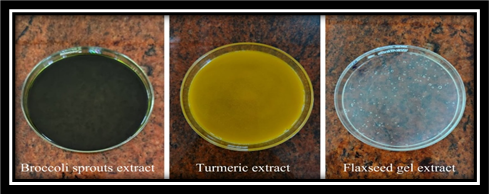
Figure 1: Preparation of herbal extracts
Formulation of the face wash:
Table 1: Composition of herbal face wash
|
INGREDIENTS |
F1 |
PROPERTIES |
|
Broccoli sprouts extract |
3 ml |
Antioxidant, Anti-acne, Anti wrinkles |
|
Turmeric extract |
2.5 ml |
Antimicrobial agent, Anti-inflammatory, Antioxidant, skin brightening |
|
Flaxseed gel extract |
5 gm |
Skin brightening, Skin exfoliation, Anti-acne |
|
Honey |
3 ml |
Antioxidant and Nourishing agent |
|
Citric acid |
6 drops |
pH adjuster and cleanser |
|
Glycerine |
4 ml |
Moisturizer |
|
Xanthan gum |
2 gm |
Thickening agent and stabilizer |
|
Rose water |
q.s |
Cooling and flavoring agent |
|
Methyl paraben |
0.02 gm |
Preservative |
|
Sodium lauryl sulphate |
2 gm |
Foaming agent |
Procedure:
Overnight, rose water in a beaker was mixed with the necessary amount of xanthan gum. Glycerine, honey, flaxseed gel, and a few drops of citric acid were added to the second beaker and combined. The rose water mixture (xanthan gum + rose water) was filled with the second beaker mixture (flaxseed gel + glycerin + honey + a few drops of citric acid). After that, the two mixes were mixed together. After properly mixing in the extracts of broccoli and turmeric, methyl paraben and sodium lauryl sulfate were added. After that, the mixture was thoroughly combined to produce a thick herbal face cleanser. [1]
EVALUATION PARAMETERS
The anti-acne herbal face cleanser was assessed using the following criteria: [1] [8] [13]
Spreadability (S)=
weight tide upper slide(W)× Length of glass slide(L)
Time in sec (T)
Procedure:
The agar well diffusion (cup-plate) method was used to assess the sample's antibacterial activity. To create a consistent agar layer, sterile antibiotic test agar was infected with a Staphylococcus aureus suspension and then transferred into Petri dishes. Following solidification, a sterile Cork borer was used to aseptically punch wells with a diameter of 6–8 mm. A base served as a negative control, and the test sample was added to the wells in amounts of 100 µL and 200 µL.
After allowing the sample to diffuse into the agar medium for 15 to 20 minutes at 2 to 8°C, the plates were incubated for 24 to 48 hours at 30 to 35°C. Following incubation, the zones of inhibition that developed around the wells were measured, and the diameter of these zones was used to determine the sample's antibacterial activity.
Anti-acne activity: The anti-acne activity of the formulation was evaluated using agar well diffusion method against Propionibacterium acne. Agar containing antibiotics was poured evenly into petri plates after being inoculated with test organism. When the substance was solidified, wells measuring 6 to 8 mm across were carefully created without any contamination using a sterile Cork borer. The test materials were introduced into the wells at volumes of 100µL and 200µL for this purpose. While the base act our negative control sample. The plates were modified at 2 to 8°C for 15 to 20 minutes so that diffusion could occur and then incubated at 30 to 35°C for 24 to 48 hours. After a period of incubation, the clear areas surrounding the wells were measured to determine the anti-acne activity which was assessed based on the diameter of the incubation zone.
RESULTS AND DISCUSSION
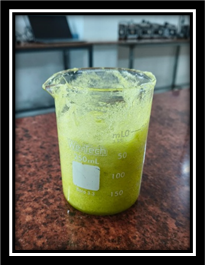
Figure 2: color of formulation
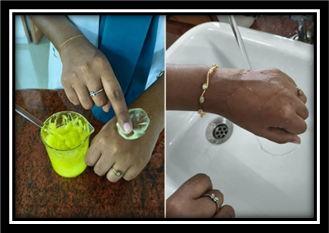
Figure 3: Washability test of formulated face wash
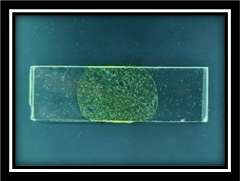
Figure 4: spread-ability test of formulated face wash
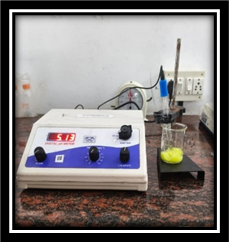
Figure 5: pH meter showing pH value of formulation
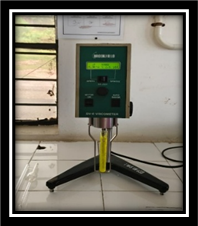
Figure 6: Viscosity determination by Brookfield viscometer
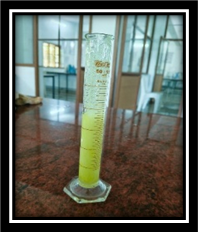
Figure 7: Foamability test of formulation
|
SR. NO. |
PARAMETERS |
RESULT |
LIMIT |
|
1. |
Total plate count |
260 |
1000 |
|
2. |
Yeast and mold |
10 |
100 |
|
3. |
Escherichia Coli |
ABSENT |
ABSENT |
|
4. |
Staphylococcus aureus |
ABSENT |
ABSENT |
|
5. |
Pseudomonas aeruginosa |
ABSENT |
ABSENT |
Anti-acne activity: in this study shows that sample face wash has better anti-acne activity. It has good inhibition of microorganism growth against Propionibacterium acne.
|
SR.NO |
PARAMETERS |
RESULTS |
|
1. |
Antibacterial Activity |
90% |
|
2. |
Antifungal Activity |
60% |
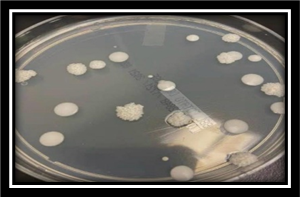
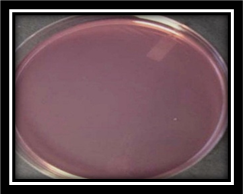
Figure 8: Yeast and Mold Figure 9: E.coli negative plate
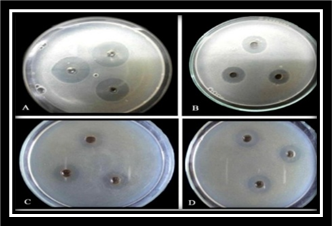
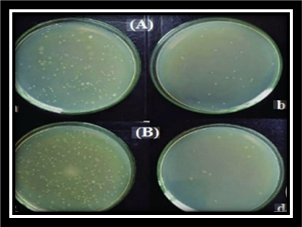
Figure 10:Antibacterial antibiotic sensitivity Figure 11: Total bacterial count
Table 2: Evaluation table of formulation
|
SR.NO |
PARAMETERS |
OBSERVATION |
|
1 |
Color |
Foamy yellow -green |
|
2 |
Odor |
Pleasant |
|
3 |
Appearance |
Translucent |
|
4 |
Consistency |
Soft gel |
|
5 |
Washability |
Easily washable with water |
|
6 |
pH |
5.13 |
|
7 |
Stability |
Stable |
|
8 |
Spread-ability |
Good |
|
9 |
Foamability |
Mild foaming |
|
10 |
Viscosity |
5400 cP |
|
11 |
Antimicrobial activity |
Positive |
|
12 |
Anti-acne activity |
Positive |
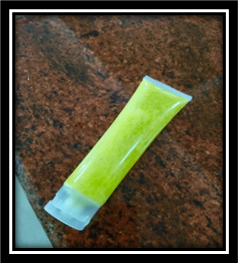
Figure 12: Face wash
CONCLUSION
The anti-acne herbal face wash is formulated and evaluated by using broccoli sprouts, turmeric extract, and flaxseed gel, which are effective for skincare formulation. It has antioxidant, antibacterial, and anti-inflammatory properties, which collectively contribute to acne management and maintain skin health. The formulated face wash has shown good physical characteristics, acceptable pH, viscosity, spread-ability, foamability, washability, and stability ensuring its safety and efficacy. In antimicrobial and anti-acne activity it shows that Staphylococcus aureus and Propionibacterium acne have an inhibitory effect and effective in acne causing microorganisms. In stability studies the formulation was stable under varied storage conditions without any changes in physical and chemical parameters. Therefore, the formulated herbal face wash is stable, safe, and effectively used for skin care. The herbal formulation that promotes skin health and sustainability.
ACKNOWLEDGEMENT
The authors sincerely thank the Department of Pharmaceutics, Hindustan College of Pharmacy, Chenappady, Kanjirappally, for providing the necessary facilities to conduct this research. The guidance and support of the faculty members and laboratory staff during the study are gratefully acknowledged.
REFERENCES





Subimol S, Anagha Subhash, Asna Fathima, Binimol Roy, Swathy Krishna, Formulation and Evaluation of Anti-acne Herbal Face Wash Using Broccoli Sprouts, Int. J. of Pharm. Sci., 2026, Vol 4, Issue 2, 3054-3062. https://doi.org/10.5281/zenodo.18700112
 10.5281/zenodo.18700112