

We use cookies to ensure our website works properly and to personalise your experience. Cookies policy
Department of Pharmaceutics, Dr. Naikwadi College of Pharmacy Jamgaon, Sinnar, Nashik, Maharashtra-422113 India.
Elevated blood glucose levels are a hallmark of diabetes mellitus (DM), a chronic metabolic disease caused by abnormalities in insulin secretion or activity. Long-term untreated diabetes can cause major problems that affect the body's organs. Herbal remedies are used extensively because they are more patient-friendly and have fewer adverse effects than synthetic medications. Withania Coagulans Dunal fruit and Butea Monosperma leaves have been shown to have antidiabetic properties. Therefore, the goal of the current investigation was to formulate and assess an antidiabetic syrup employing these extracts. Along with appropriate excipients such as licorice, peppermint, glycerine, propylene glycol, methyl paraben, and purified water, herbal extracts were produced and added to the syrup formulation. The prepared formulation was assessed for several factors, including pH, organoleptic characteristics, solubility, specific gravity, density, viscosity, and phytochemical screening. Three distinct formulations (F1, F2, and F3) were prepared. The prepared syrup had excellent physicochemical characteristics, including a pleasant taste, distinctive aroma, good appearance, and sufficient stability. Phytochemical analyses verified the presence of active ingredients such as reducing sugars, tannins, glycosides, and alkaloids. According to the study's findings, the antidiabetic syrup exhibited encouraging qualities and may be considered a possible herbal formulation for managing diabetes with better patient compliance.
Diabetes mellitus, one of the most common endocrine metabolic disorders, causes significant morbidity and mortality due to microvascular (retinopathy and nephropathy) and macrovascular (heart attack, stroke, and peripheral vascular disease) complications. According to the World Health Organization, the diabetic population is likely to increase by up to 300 million or more by 2025. After pharmaceutical screening of some plants based on their traditional use, the herbal plant leaves or fruit liquid extract are prepared into a syrup against diabetes mellitus. Herbal medicine is treated as a traditional medicine since they were extensively used in the traditional system of medicine, like Ayurveda, Siddha, and Unani.[1]
Herbal remedies are a valuable natural gift, and their market is expanding worldwide. The World Health Organization (WHO) has determined that more than 80% of the world’s population uses plant-based health care products in their daily routines because of their constructive effects and comparatively fewer negative effects than those of synthetic drugs. For over 3,000 years, India has used Withania Coagulans Dunal, a member of the Solanaceae family, as an important ayurvedic medicinal plant. Other names for it include vegetable rennet, paneer ke phool, paneer dodi, Indian cheesemaker, and Indian rennet.[2]
The plant has several regional names, including ‘Akri’ or ‘puni-ke-bij’ in Hindi, ‘Tukhme kaknaje-hindi’ in Persian, ‘spiubajja in Afghan, ‘Khamjira’ in Panjabi, and ‘panirband’ or ‘punir-jafota’ in Sindhi. Paneer dodi is used to treat type 2 diabetes. The term “dodi” refers to the milk coagulant produced by the paneer dodi plant. Elevated blood sugar levels are a hallmark of diabetes mellitus, a group of metabolic diseases caused by either inadequate insulin production or inadequate cellular response. Hot aqueous extracts of Withania Coagulans Dunal fruits possess hepatoprotective, anti-inflammatory, and anti-hyperglycemic properties. Research shows that active chemical compounds in the fruit berries, called withanolides, significantly reduce blood glucose levels.[3]
The flame of the forest is the common name for Butea Monosperma (Palash), a member of the Fabaceae family. Different parts of the plant and extracts have been utilized in Unani, homeopathy, and traditional systems of medicine for a long time. The leaves of Butea Monosperma contain kino-oil, which contains oleic, linoleic, and lignoceric acids. The palash shows a different pharmacological profile, such as antidiabetic, antidiarrheal, anticancer, antioxidant, anti-inflammatory, antifungal, and antiulcer activities. The cultivation of this plant is generally found in the areas of India, Sri Lanka, and Myanmar.[4]
2.1. Types of diabetes[9]
2.1.1.Type 1
It is insulin-dependent diabetes mellitus (IDDM), in which the body does not produce insulin. It most often occurs in children and young adults. Type 1 diabetes accounts for 5-10% of diabetes[9]
2.1.2. Type 2
It is noninsulin-dependent diabetes mellitus (NIDDM), in which the body does not produce enough insulin or improper use of secreted insulin is the most common form of the disease, accounting for 90-95% of diabetes. Type 2 diabetes is nearing epidemic proportions due to the increased number of elderly people and the greater prevalence of obesity and sedentary lifestyles.[10]
2.2. Ideal Properties of Herbal Antidiabetic Syrup
2.1.1 Pleasant Appearance: Syrup should have a clear and attractive appearance without any visible particles.
2.1.2 Color and Odor: The syrup should have a uniform color and pleasant odor.
2.1.3 Taste: The syrup should have an acceptable taste so that it can be easily consumed.
2.1.4 PH: The pH of the syrup should be maintained within a proper range for better stability.
2.1.5 Proper Viscosity: The syrup should not be too thick or too thin and should flow easily.
2.1.6 Uniformity: All the ingredients were mixed properly.
2.1.7 Stable Formulation: The syrup should remain stable during storage without changes in colour, odour, and viscosity
Advantage
Disadvantage
3. AIM AND OBJECTIVE
AIM
Formulation and evaluation of antidiabetic herbal syrup from Withania Coagulans Dunal and Butea monosperma.
OBJECTIVE
4. REVIEW OF LITERATURE
R. Maurya et al. (2010) investigated the phytochemical profile of Withania Coagulans and reported the presence of several biologically active Withanolides. This study highlighted the significant antidiabetic, anti-inflammatory, and antioxidant activities of the plant, supporting its traditional use in Ayurveda.
Tiwari et al. (2016) presented a comprehensive review on traditional uses, phytochemistry, and pharmacological activities of Withania coagulans. The authors concluded that the plant has significant potential as a natural antidiabetic and nutraceutical agent.
Khan et al. (2012) evaluated the hypoglycemic and hypolipidemic effects of Withania Coagulans fruit extract in experimental diabetic models. The results showed a significant reduction in blood glucose and lipid levels, confirming the traditional use of this plant in diabetes management.
Raju K. Rose et al. (2020). In this study, an antidiabetic syrup formulation was created and assessed. It aims to manage and control blood sugar levels in individuals with diabetes mellitus.
Panda P (2023). The study shows that herbal treatment is more beneficial than allopathic treatment, which uses standard drugs for treatment, as herbal drugs have fewer or no side effects. The pre-formulation studies of all three formulations were within the specifications. Three formulations were prepared, and evaluation tests such as color, odor, taste, and pH were performed. The present study will help us understand the effectiveness of herbal cough syrups compared to chemical-based syrups. Here, cough and herbal treatments associated with cough are briefly discussed.
Harish et al. (2011) evaluated the hypoglycemic potential of Butea Monosperma leaves and bark using in vitro methods. The study showed that leaf extract exhibited significant antidiabetic activity through glucose adsorption, inhibition of carbohydrate-hydrolyzing enzymes such as α-amylase and α-glucosidase, and enhancement of glucose uptake. The study concluded that Butea Monosperma leaves possess promising antidiabetic properties.
5. DRUGS AND EXCIPIENTS PROFILE
5.1 Withania Coagulans Dunal[11]
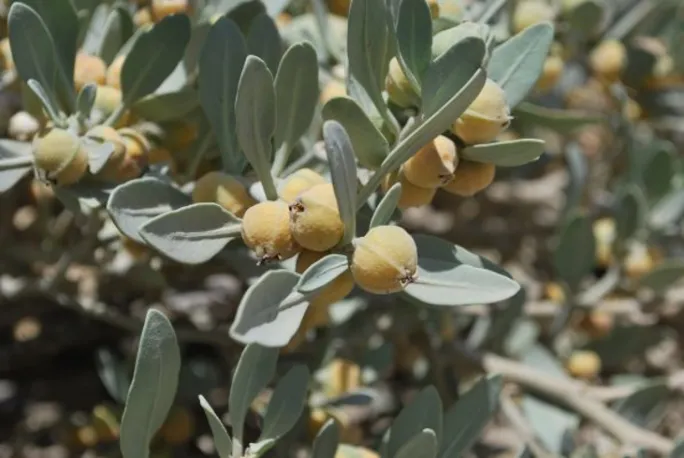
Figure 1. Withania Coagulans Dunal Extract
Synonyms: Indian Rennet, Paneer Dodi[12]
Family: Solanaceae
Biological source:
Withania Coagulans consists of dried fruits obtained from Withania Coagulans Dunal.
Geographical source: It is distributed in India, Pakistan, and Afghanistan
Chemical constituents: Withanolides, alkaloids, steroidal lactones, phenolic compounds, flavonoids, and tannins.
Uses:
a. It is used in the treatment of diabetes.
b. Possesses antihyperglycemic activity
5.2 Butea Monosperma Leaves [4]
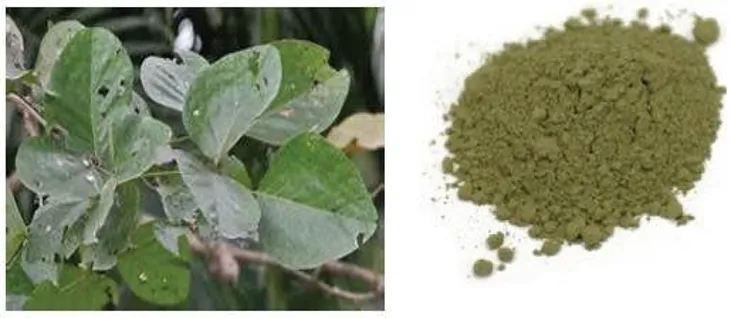
Fig 2. Butea Monosperma Extract
Synonyms: Flame of Forest, Palash[13]
Family: Fabaceae
Biological source: Butea Monosperma consists of dried leaves obtained from Butea Monosperma (Lam.) Taub., a medium-sized deciduous tree.
Geographical source: Butea Monosperma is widely distributed throughout India, Bangladesh, Nepal, Sri Lanka, and Southeast Asian countries. It primarily grows in tropical and subtropical regions.
Chemical Constituents: Flavonoids, butrin, butein, alkaloids, tannins, glycosides, proteins, saponins
Use:
a. Used in traditional antidiabetic activity
b. Used to reduce swelling
5.3 Menthol
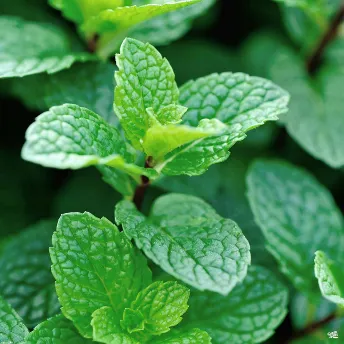
Fig 3. Menthol
Synonyms: Mint, Pudina, Mentha[14]
Family: Lamiaceae
Biological source: Peppermint consists of dried leaves and flowering tops of Mentha piperita Linn.
Geographical source: Peppermint is cultivated in India, Europe, North America, and many tropical and subtropical regions.
Chemical constituents: Menthol, menthone, flavonoids, tannins, terpenes, and volatile oils.
Uses:
a. It is used as a flavoring agent in pharmaceutical preparations.
b. It helps improve the taste and aroma of the syrup.
5.4 Liquorice[7]
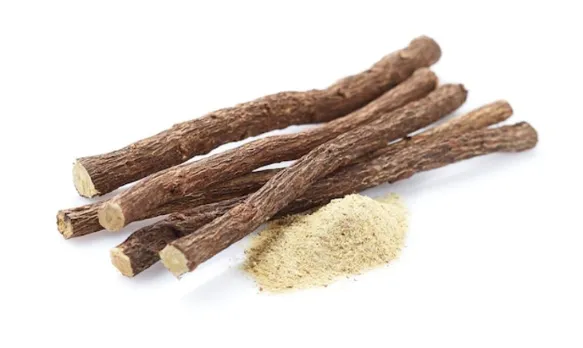
Fig 4. Liquorice
Synonyms: Mulethi, Yashtimadhu, Glycyrrhiza[8]
Family: Fabaceae
Biological source: Licorice consists of the dried roots of Glycyrrhiza glabra Linn.
Geographical source: Licorice is found in India, the Mediterranean regions, Europe, and Asia.
Chemical constituents: Glycyrrhizin, flavonoids, sugars, starch, saponins, and tannins.
Uses:
a. It is used as a sweetening agent in syrup preparation.
b. It improves the taste and palatability.
6. EXCIPIENT PROFILE
Following excipient are used in the preparation of an antidiabetic syrup
Table.1 Excipient and uses
|
Sr. No. |
Excipient |
Uses |
|
1 |
Propylene Glycol |
Food Additive, Drug Stabilizer |
|
2 |
Methyl Paraben |
Preservative |
|
3 |
Peppermint |
Flavoring Agent |
|
4 |
Liquorice |
Sweetening Agent |
|
5 |
Glycerine |
Thickener |
|
6 |
Purified Water |
Vehicle |
7. MATERIAL AND METHOD
7.1 Material
Following ingredient are used in preparation of antidiabetic syrup
Table 2. List of Ingredient and their Role
|
Sr. No. |
Ingredient |
Role |
|
1
|
Withania Coagulans Dunal Fruit |
Antidiabetic activity, Antioxidant |
|
2 |
Butea Monosperma Leaves |
Antidiabetic activity |
|
3 |
Liquorice
|
Control Blood Sugar Level |
|
4 |
Peppermint |
Flavouring Agent |
|
5 |
Glycerine |
Thickening Agent |
|
6 |
Propylene Glycol |
Food Additive and Stabiliser |
|
7 |
Methyl Paraben |
Preservative |
|
8 |
Purified water |
Vehicle |
7.2 Methods
7.2.1 Method of Collection
Collection of Plant: Withania Coagulans fruit and Butea Monosperma leaves were collected from the local area, and licorice, peppermint, and glycerine were purchased from the market.
Chemical: Methyl Paraben, Propylene glycol
Cleaning and Washing: The dried fruits and leaves were washed 2-3 times with distilled water to remove all dust particles.
Drying of leaves and dried fruits: The leaves were completely dried in 24-38 hours.
Grinding of dried fruit and leaves: Dried fruit and leaves were ground into a fine powder, and the maceration process was used to extract the liquid.
7.2.2 Equipment
Table 3. Equipment and Instrument
|
Equipment |
|
Beaker |
|
Measuring cylinder |
|
Conical flask |
|
Funnel |
|
Test tube |
|
Whatman filter paper |
|
Burette |
|
Instrument |
|
Ostwald Viscometer |
|
PH Paper |
|
Density Bottle |
7.3.3 Extraction Method of Ingredient
8. EXPERIMENTAL STUDY
8.1 Preformulation study: A Preformulation study of Raw material
Table 4. Preformulation study of Withania Coagulans dunal
|
Sr.No. |
Test |
Purpose |
|
1
|
Organoleptic property
|
To identify Characteristics like colour, odour, taste |
|
2
|
PH Determination
|
To determine the acidity or alkalinity
|
|
3
|
Solubility |
To identify a suitable solvent |
|
4
|
Viscosity
|
To identify thickness or flow time |
|
5
|
Density
|
Shelf life and medicinal efficacy |
|
6
|
Compatibility study
|
To ensure the physical and chemical stability of the formulation by detecting any deleterious interactions between the active ingredients the vehicle |
8.2 Phytochemical Screening
1. Alkaloids
a. Mayer’s Test – A solution of Mayer's reagent is added to the extract a white creamy precipitate indicates the presence of alkaloids
b. Dragondroff reagent – A solution of dragondroff's reagent is added to extract a reddish-brown precipitate, which indicates the presence of alkolides
c. Molisch test - A few drops of Molisch reagent and alpha naphthol are added. A purple reddish violet colour is indicated.
2. Tannins-
1ml of extract was added 0.1% of ferric chloride solution, and a brownish and blue black coloration indication Lead acetate solution
A few drops of lead acetate solution are added to the extract, and a yellowish-white precipitate indicates the presence of tannins
3. Saponin
a. Foam test - A small amount of extract is mixed with water, and the vigorous formation of stable foam indicates the presence of saponin
4. Reducing Sugar
Fehling’s test - A few drops of Fehling’s solution are added to the extract. A brick red precipitate indicates reducing sugar
8.3 Preparation of Antidiabetic Syrup
1. Accurately weighed quantities of Butea Monosperma leaf extract and Withania Coagulans fruit extract were taken separately.
2. The required quantities of glycerine and propylene glycol were mixed in a beaker with continuous stirring.
3. Methyl paraben was dissolved in a small quantity of warm purified water and added to the mixture.
4. Liquorice was added and mixed thoroughly to obtain a uniform solution.
5. The measured quantities of Butea Monosperma extract and Withania Coagulans extract were added slowly with continuous stirring.
6. Peppermint oil was added for flavour.
7. Purified water was added gradually, and the final volume was adjusted to 50 ml.
8. The prepared syrup was stirred until a homogeneous mixture was obtained.
9.The syrup was filtered and filled into clean amber-coloured bottles for storage.
8.4 Preparation of formulation
Formulation Table No.5
|
Sr. No. |
Ingredient |
Quantity |
||
|
F1 |
F2 |
F3 |
||
|
1 |
Withania Coagulans Dunal extract |
5ml |
5ml |
5ml |
|
2 |
Butea Monosperma leaves |
5ml |
5ml |
5ml |
|
3 |
Liquorice |
3.3gm |
4gm |
5gm |
|
4 |
Peppermint |
1ml |
1ml |
1ml |
|
5 |
Methyl paraben |
0.05gm |
0.05gm |
0.05gm |
|
6 |
Propylene glycol |
2.5ml |
2.5ml |
2.5ml |
|
7 |
Glycerine |
2.5ml |
5ml |
7.5ml |
|
8 |
Purified water |
q.s 50ml |
q.s 50ml |
q.s 50ml |
8.5 Evaluation Parameter
1. Colour: Colour examination is done by observing the syrup directly with our naked eye
2. Odour: 5 ml of the final syrup was smelled individually, and the odour could be detected
3. Taste: A pinch of final syrup was taken on the taste bud of the tongue to detect the taste.
4. Determination of pH: Take 10 ml of the final syrup in the volumetric flask and make up the volume to 50 ml with distilled water. The pH was measured by using a digital pH meter.
5. Determination of viscosity:-
To measure the viscosity of syrup, an Ostwald viscometer is employed. Begin by thoroughly cleaning the viscometer with warm chromic acid or acetone. Secure the viscometer vertically on an appropriate stand. Fill the dry viscometer with water up to the "G" mark. Record the time it takes for the water to travel from mark A to mark B. Repeat this process at least three times to ensure precise measurements. Afterward, rinse the viscometer and fill it with the test liquid (syrup) up to mark A, then measure the time it takes for the liquid to reach mark B. The density is determined using a specific gravity bottle. The viscosity formula involves the density of the test liquid, the time taken for the test liquid to flow, the viscosity of water, the viscosity, the density of water, and the time taken for water to flow.
Formula for viscosity
Viscosity =
Density of syrup × Time required to flow syrup × viscosity of water
Density of water × Time required to flow water
6. Determination of density:-
The density of syrup can be assessed by measuring the specific gravity of the bottle. Begin by thoroughly cleaning the specific gravity bottle with either chromic acid or nitric acid. Rinse the bottle two to three times using distilled water. Record the weight of the dry, empty bottle with its capillary tube stopper as w1. Next, fill the bottle with the unknown liquid, insert the stopper, and wipe away any excess liquid from the outside. Weigh the bottle containing the unknown liquid on an analytical balance to obtain w2. Finally, determine the weight of the unknown liquid in grams.
Formula for density
Density of syrup =
(w3 - w1) × Density of water / (w2 - w1)
w1 - Mass of the empty specific gravity bottle
w2 - Mass of the empty specific gravity bottle plus 10 ml of water.
w3 - Mass of the empty specific gravity bottle plus 10 ml of syrup.
7. Determination of specific gravity:
Formula for specific gravity
Specific gravity = w3 / w2
8.6 Optimization parameter
The optimization parameter is necessary to determine the combination of ingredients and processing conditions that result in the highest effectiveness of the antidiabetic syrup, as well as its organoleptic properties, safety, and compatibility.
Table 6. Optimization parameter Batch
|
Sr. No |
Evaluation parameter |
F1 |
F2 |
F3 |
|
1 |
Color |
Brown |
Brown |
Brown |
|
2 |
Odour |
Aromatic |
Aromatic |
Aromatic |
|
3 |
Taste |
Bitter |
Bitter |
Bitter |
|
4 |
PH |
6 |
6.1 |
6.2 |
|
5 |
Viscosity |
1.2 |
1.22 |
1.23 |
|
6 |
Density |
1.17 |
1.15 |
1.10 |
|
7 |
Specific gravity |
1.02 |
1.03 |
1.05 |
9. RESULT AND DISCUSSION
9.1 Preformulation parameter of Extract:
The Sample of drug received was studied for its organoleptic characters such as colour, odour, Texture and pH, solubility test etc. The result are presented in the following Table No.7
Table 7. Preformulation Parameter of liquid Extract
|
Sr. No |
Name Test |
Withania Coagulans extract |
|
1 |
Organoleptic property a. Colour b. Odour c. Texture |
Brown Aromatic Liquid |
|
2 |
Solubility |
Soluble in water and Ethanol |
|
3 |
PH |
6 |
|
4 |
Viscosity |
1.05 |
Table 8. Phytochemical Screening of Liquid Extract
|
Sr. No. |
Name of test |
Observation |
|
1 |
Alkaloids |
Positive |
|
2 |
Glycosides |
Positive |
|
3 |
Tannins |
Positive |
|
4 |
Saponin |
Negative |
|
5 |
Lead acetate |
Positive |
|
6 |
Reducing Sugar |
Positive |
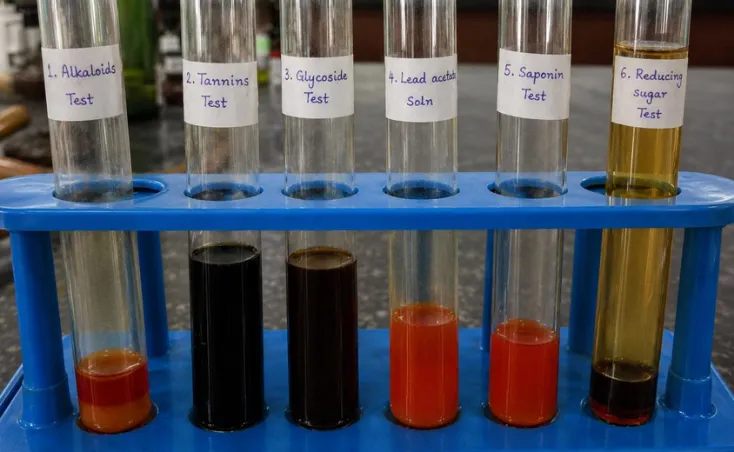
Figure 3. Phytochemical Screening of Liquid Extract
9.2 Evaluation Parameter of Formulation
Evaluation parameter of formulation : The F1 batch was selected and studied its organoleptic characters such as colour, odour, and taste, alongside physicochemical parameters including pH and viscosity, density, specific gravity in the following table
Table 7: Evaluation parameter and observation of the F1 batch
|
Sr. No |
Parameter |
Observation |
|
1
|
Organoleptic property a. colour b. Odour c. Taste |
Brown Aromatic Bitter |
|
2 |
pH |
6.1 |
|
3 |
Viscosity |
1.22 cp |
|
4 |
Density |
1.15 |
|
5 |
Specific Gravity |
1.03 |
|
6 |
Solubility test |
Soluble in Ethanol and Water |
10. CONCLUSION
Due to their greater acceptability and human compatibility, half of the world’s population uses herbal medicines. Compared to synthetic ones, it has fewer adverse effects. In this study, we used Butea Monosperma leaf extract and Withania Coagulans Dunal fruit extract to make an anti-diabetic syrup. According to the literature review, these two herbs have a strong anti-diabetic effect. The prepared syrup is subjected to a number of evaluation criteria, and its value falls within the accepted ranges. It has a strong antidiabetic effect. Herbal medicine is becoming more and more popular these days. Because herbal medicines have fewer adverse effects, people might prefer to use them.
REFERENCES


Chetan Jadhav, Manisha Kale, Formulation and Evaluation of Antidiabetic Herbal Syrup from Withania Coagulans Dunal and Butea monosperma, Int. J. of Pharm. Sci., 2026, Vol 4, Issue 6, 5211-5221. https://doi.org/10.5281/zenodo.20771872
 10.5281/zenodo.20771872