

We use cookies to ensure our website works properly and to personalise your experience. Cookies policy
1,2,3 Aditya Institute of pharmacy, Chalisgaon 424101
4 Dr. Uttamrao Mahajan College of B. Pharmacy, Chalisgaon 424101
As a dihydropyridine calcium channel blocker used to treat hypertension, azelnidipine is categorized as a Biopharmaceutical Classification System (BCS) Class II medication due to its poor water solubility, which restricts its oral bioavailability to less than 50%. The current work was conducted to develop and assess Azelnidipine-loaded nanosponges as a way to improve drug solubility, dissolution, and, ultimately, bioavailability because dissolution is the rate-limiting step for absorption of BCS Class II medicines.Using ethyl cellulose as the polymer and polyvinyl alcohol (PVA) as the stabilizer at different drug-to-polymer ratios, nanosponges were made using the emulsion solvent diffusion process. Prior to formulation, preformulation investigations such as drug-excipient compatibility (FTIR), UV spectroscopic analysis, and melting point determination were conducted.The percentage yield, particle size, zeta potential, surface morphology (SEM), drug content, and in-vitro drug release of the produced nanosponges were all evaluated. Using Avicel-102 and Cross-Carmellose Sodium as independent variables, the optimized nanosponge batch was then compressed into tablets using a 3² factorial experimental design. The tablets were then assessed for pre- and post-compression parameters. With a percentage yield of 67.96%, a particle size of 254.98 nm, a zeta potential between ?10 and ?20 mV, a drug content of 99.13%, and an in-vitro cumulative drug release of 99.88% at 12 hours, the improved formulation (batch F2) nearly matched the commercial formulation. The optimized batch followed zero-order kinetics, according to release kinetic modeling (R2 = 0.993).There was no discernible change in drug content or drug release over 90 days of accelerated stability testing carried out in accordance with ICH recommendations. The results verify that Azelnidipine and other poorly water-soluble BCS Class II medications may be made more soluble and bioavailable orally by using a nanosponge-based delivery method, which is a viable and scalable approach.
The development of safe, efficient, and well-tolerated antihypertensive medications is an ongoing clinical priority since hypertension is still one of the most common chronic cardiovascular diseases in the world and a major modifiable risk factor for stroke, myocardial infarction, and renal failure. One of the main drug classes used to treat hypertension is dihydropyridine calcium channel blockers. However, the clinical benefit of some of these agents, such as azelnidipine, is limited by unfavorable biopharmaceutical properties, primarily poor aqueous solubility, which limit gastrointestinal dissolution and, consequently, systemic absorption, rather than by insufficient pharmacological potency. Over the past 20 years, nanotechnology-based drug delivery systems have emerged as a versatile toolbox for precisely this class of problem, allowing for the reduction of effective particle size, modification of the drug's surrounding microenvironment, and engineering of controlled or enhanced release profiles without changing the active molecule's underlying pharmacophore. Because they combine a high solubilization capacity with simple, scalable synthesis and downstream compatibility with conventional tableting processes, polymeric nanosponges have garnered special attention among these platforms for oral delivery of poorly soluble small molecules. This is why the current work evaluates them for Azelnidipine.
A. Nanosponges as a Novel Drug Delivery Platform
Nanosponges represent a novel class of nanoparticles built from hyper-branched, nanostructured polymers containing cavities only a few nanometres wide, within which a wide variety of therapeutic substances can be encapsulated. Historically, effective targeted drug delivery has remained an elusive goal because of the complex chemistry involved in developing carrier systems capable of directing a drug to a specific site while controlling its release and preventing dose dumping. It has been estimated that only about 1 in 5,000 small-molecule candidates historically progressed from discovery to regulatory approval, with roughly 90% of failures attributable to poor efficacy or safety, underscoring the need for delivery platforms that can improve the performance of otherwise promising molecules. Nanosponges address this gap: they are tiny, sponge-like, spherical colloidal structures with a very high solubilization capacity for poorly soluble drugs through both inclusion and non-inclusion mechanisms, and their inner hydrophobic cavities together with an outer hydrophilic branched shell allow them to accommodate both hydrophilic and hydrophobic drug molecules with considerable formulation flexibility.
Structurally, a nanosponge is roughly virus-sized, with a scaffold of naturally degradable polyester strands that are cross-linked in solution by small bifunctional molecules with an affinity for specific portions of the polymer backbone. This cross-linking produces a spherical particle containing numerous internal pockets in which drug molecules can be stored, while the predictable biodegradability of the polyester scaffold allows the encapsulated drug to be released on a defined schedule as the matrix erodes in the body. Based on the mode of drug association, nanoparticulate carriers of this type are broadly classified as encapsulating systems (nanosponges and nanocapsules, which entrap the drug within an aqueous or polymeric core), complexing systems (which bind drug molecules through electrostatic interactions) and conjugating systems (in which the drug is covalently linked to the carrier).
Compared with other nanocarriers, nanosponges are insoluble in both water and organic solvents, porous, non-toxic, and stable at temperatures up to about 300 °C, which makes them attractive for downstream processing into solid dosage forms. Their particle size and drug-release profile can be tuned by varying the ratio of cross-linker to polymer, and their relatively simple polyester/cross-linker chemistry gives them an engineering advantage over more complex nanoscale delivery systems. Depending on the route required, nanosponges can be formulated as oral, parenteral, topical or inhalation dosage forms; for oral delivery, the drug-loaded nanosponge complex can be blended with excipients, diluents, lubricants and anti-caking agents and compressed directly into tablets or filled into capsules.
B. Rationale for the Selection of Azelnidipine
Azelnidipine is a third-generation dihydropyridine calcium channel blocker used clinically for the management of hypertension. Unlike nicardipine, it produces a gradual onset of action with a long-lasting hypotensive effect and only a minimal reflex increase in heart rate, and it is additionally being investigated for a possible role in post-ischemic stroke management. Despite these favourable pharmacological properties, Azelnidipine is classified as a BCS Class II drug (low solubility, high permeability); its poor aqueous solubility limits dissolution in gastrointestinal fluids, and the drug has been reported to show an oral bioavailability of less than 50%. Because dissolution, rather than permeability, is the rate-limiting step in the absorption of BCS Class II drugs, strategies that increase the effective dissolution rate at the absorption site are expected to translate directly into improved systemic exposure. Only limited attempts have previously been made to improve the bioavailability of Azelnidipine, which motivated the selection of a nanosponge-based approach in the present study: the resulting nanosponges were prepared at various drug-to-carrier ratios by an emulsion solvent diffusion (ultrasound/emulsification-assisted) synthesis method using ethyl cellulose as the polymeric carrier, characterized, and subsequently compressed into tablets using standard pharmaceutical excipients (Avicel-102, Cross-Carmellose Sodium, lactose and magnesium stearate).
C. Advantages and Composition of Nanosponges
The nanosponge platform offers several formulation advantages that make it attractive for oral solid-dosage development. Reported benefits include the ability to tune particle size by varying the cross-linker-to-polymer ratio; biodegradability and predictable, sustained drug release; non-mutagenic, non-irritating and non-toxic behaviour; improved formulation stability and processing flexibility; reduced side effects through entrapment of the active ingredient (limiting contact of the free drug with healthy tissue); the ability to mask unpleasant taste or odour and to convert liquid actives into free-flowing solids; ease of scale-up with cost-effective, reagent-lean synthesis; and protection of the drug substance from premature degradation. The principal limitations of the technology are that it is generally restricted to relatively small drug molecules and that overall performance remains dependent on the intrinsic drug-loading capacity of the polymer matrix selected.
Structurally, a nanosponge is built from three key components: (i) a polymer, whose chemistry and functional-group availability determine cavity size, drug-loading capacity and release behaviour; (ii) a cross-linking agent, selected according to the structure of the chosen polymer and the physicochemical nature of the drug to be entrapped; and (iii) the drug substance itself. A representative selection of polymer–cross-linker combinations reported in the literature is summarized in Table I. In general, candidate drugs are best suited to nanosponge encapsulation when they have a molecular weight between 100 and 600 Da, comprise fewer than six condensed rings, show aqueous solubility below 10 mg/mL, and have a melting point below 250 °C — criteria that Azelnidipine, as a small-molecule BCS Class II dihydropyridine, satisfies.
Table 1 Representative Polymers and Cross-Linking Agents Used in Nanosponge Synthesis
|
Polymer |
Cross-Linking Agent |
|
Hyper cross-linked polystyrenes |
Carbonyldiimidazole |
|
Cyclodextrins and derivatives (e.g., methyl β-cyclodextrin) |
Diphenyl carbonate |
|
Alkyloxycarbonyl cyclodextrins |
Diaryl carbonates |
|
2-Hydroxypropyl β-cyclodextrins |
Diisocyanates |
|
Poly(valerolactone-allylvalerolactone) copolymers |
Pyromellitic anhydride, epichlorohydrin, glutaraldehyde |
|
Poly(valerolactone-allylvalerolactone-oxepanedione) |
Carboxylic acid dianhydrides |
|
Ethyl cellulose |
2,2-bis(acrylamido) acetic acid |
|
Polyvinyl alcohol (PVA) |
Dichloromethane |
Once formed, the resulting inclusion complexes between drug and nanosponge can be confirmed by thermo-analytical methods (DTA/DSC, in which broadening, shifting or the appearance/disappearance of thermal peaks provides evidence of complexation), by microscopic examination of particle morphology (SEM/TEM), and by spectroscopic techniques such as FTIR, which can reveal shifts in characteristic drug absorption bands upon complexation with the polymer matrix. The extent of complexation is additionally influenced by the method of drug loading, the degree of substitution on the polymer backbone, and process temperature, since elevated temperature can reduce the strength of the van der Waals and hydrophobic interactions that stabilize the drug–nanosponge complex.
D. Biopharmaceutical Classification System (BCS)
The Biopharmaceutical Classification System, first proposed by Amidon et al. in 1995, classifies drug substances into four classes on the basis of their aqueous solubility and intestinal permeability: Class I (high solubility, high permeability), Class II (low solubility, high permeability), Class III (high solubility, low permeability) and Class IV (low solubility, low permeability). For Class II drugs such as Azelnidipine, in-vivo dissolution rate is the rate-limiting step governing absorption, which makes solubility- and dissolution-enhancement technologies — including nanosponge-based carriers, solid dispersions and complexation approaches — particularly relevant formulation strategies.
The BCS framework also underpins regulatory biowaiver policy: for BCS Class I drugs, regulatory agencies may waive the requirement for in-vivo bioequivalence studies provided that in-vitro dissolution criteria are met, whereas BCS Class II drugs such as Azelnidipine are generally not eligible for such waivers because their absorption is dissolution-rate-limited and therefore more sensitive to formulation-dependent variability. This regulatory context reinforces the practical value of formulation strategies — such as the nanosponge-based approach investigated here — that directly target the dissolution-rate limitation of BCS Class II drugs, since a formulation that reliably improves and stabilizes the in-vitro dissolution profile is more likely to produce consistent in-vivo performance across batches and, potentially, to streamline the bioequivalence-demonstration pathway for follow-on or generic products.
E. Objectives of the Study
The specific objectives of the present study were as follows:
1. To formulate Azelnidipine-loaded nanosponges for enhancement of its solubility, dissolution and bioavailability.
2. To study and optimize the method of preparation of the nanosponges.
3. To characterize and evaluate the developed nanosponge delivery system, and to compress the optimized batch into tablets.
4. To assess the accelerated stability of the optimized formulation as per ICH guidelines.
The novelty of the present work lies in the combination of a systematic, factorial-design-driven optimization of the tablet formulation with a comprehensive in-vitro characterization package (particle size, zeta potential, SEM, FTIR, DSC, XRD, dissolution and accelerated stability) for Azelnidipine nanosponges — an approach that, at the time of this study, had received only limited prior attention in the published literature relative to the extensive body of work available for cyclodextrin-based nanosponges of other actives.
II. LITERATURE REVIEW
Several formulation strategies have historically been employed to improve the solubility and dissolution of BCS Class II drugs, including particle-size reduction (micronization and nanocrystallization), solid-dispersion technology, cyclodextrin complexation, self-emulsifying drug delivery systems (SEDDS), and polymeric nanocarriers such as nanosponges. Micronization and solid dispersions can improve dissolution rate but frequently suffer from physical instability (crystal growth, phase separation) on storage, while simple cyclodextrin inclusion complexes can be limited by relatively low drug-loading capacity and cost at manufacturing scale. Nanosponges, by contrast, combine a porous, high-surface-area matrix capable of accommodating a comparatively large drug payload with the mechanical robustness and processability of a solid particulate, and are reported to offer better physical stability than simple amorphous solid dispersions because the drug is retained within a rigid, cross-linked polymeric scaffold rather than a metastable amorphous film. This combination of attributes provides the rationale for evaluating nanosponges, rather than a solid dispersion or simple complexation approach, as the solubility-enhancement strategy for Azelnidipine in the present study.
A number of prior studies support the use of polymeric nanosponges for solubility and bioavailability enhancement of poorly water-soluble drugs. Ansari et al. formulated nanosponges by an emulsion solvent evaporation method using ethyl cellulose, Eudragit RS 100, polymethyl methacrylate and Poloxamer 188 as carriers with polyvinyl alcohol as the stabilizing agent, and reported that the resulting formulations produced sustained drug release across the batches studied. Deshpande et al. similarly prepared and evaluated cyclodextrin-based nanosponges of a poorly soluble statin, while other workers have used hydroxyethyl cellulose and polyvinyl alcohol in combination to obtain nanosponges with improved release characteristics, screening successive formulation batches to identify an optimized carrier ratio. Across these studies, the emulsion solvent evaporation/diffusion technique is consistently reported as an effective, scalable and relatively simple method for nanosponge synthesis, and increasing polymer concentration is repeatedly associated with an increase in particle size and a corresponding decrease in the rate and extent of drug release, consistent with the trends observed in the present investigation.
Selvamuthukumar et al. reviewed nanosponges as a novel drug delivery class and highlighted their high drug-loading capacity, biocompatibility and suitability for oral, topical, parenteral and inhalation delivery. Cyclodextrin- and polyester-based nanosponges have additionally been explored for the delivery of anticancer agents (camptothecin, paclitaxel, 5-fluorouracil), antifungal agents (econazole nitrate) and antioxidants (gamma-oryzanol), and have been shown to improve aqueous solubility, protect labile drugs from degradation and, in several cases, provide sustained or targeted release. Torne et al. reported that paclitaxel-loaded cyclodextrin nanosponges produced significantly enhanced oral bioavailability relative to the free drug, while Ansari et al. demonstrated improved in-vitro stability, reduced cytotoxicity and favourable permeation characteristics for resveratrol-loaded nanosponges, illustrating that the benefits of the platform extend across structurally diverse actives and are not limited to a single therapeutic class.
Additional work has examined the physicochemical basis of nanosponge performance in more depth. Sapino et al. showed that encapsulation of gamma-oryzanol within beta-cyclodextrin nanosponges preserved its antioxidant activity while conferring photostability, and Darandale and Vavia reported that curcumin nanosponges markedly improved the aqueous solubility and physicochemical stability of an otherwise poorly soluble polyphenol. Shende et al. compared different preparation techniques for cross-linked beta-cyclodextrin inclusion complexes and found that formulation method had a significant influence on complexation efficiency and drug release, a finding that parallels the process-parameter sensitivity (PVA concentration, polymer ratio) observed for the Azelnidipine nanosponges in the present work. Collectively, this body of literature provides strong support for the hypothesis that a nanosponge carrier system, prepared under optimized process conditions, can meaningfully enhance the solubility and dissolution profile of a BCS Class II drug such as Azelnidipine, while also indicating that formulation and process variables must be carefully optimized — as undertaken here through a systematic factorial design — to realize the full benefit of the platform.
III. MATERIALS AND METHODS
A. Drug and Polymer Profile
Azelnidipine is a 1,4-dihydropyridine calcium channel blocker (chemical formula C33H34N4O6; molecular weight 582.65; IUPAC name 3-[1-(diphenylmethyl)azetidin-3-yl] 5-propan-2-yl 2-amino-6-methyl-4-(3-nitrophenyl)-1,4-dihydropyridine-3,5-dicarboxylate), marketed in Japan by Daiichi-Sankyo Pharmaceuticals. It occurs as a pale-yellow to yellow crystalline powder with a melting point of 120–126 °C, is freely soluble in methanol, ethanol and dichloromethane, sparingly soluble at phosphate pH 7.4, and practically insoluble in water, consistent with its BCS Class II designation. Pharmacologically, Azelnidipine inhibits trans-membrane Ca²? influx through L-type voltage-dependent calcium channels in vascular smooth muscle, producing vasodilation and a gradual, sustained reduction in blood pressure without the reflex tachycardia typically associated with dihydropyridine calcium channel blockers. It undergoes rapid, dose-dependent oral absorption, is extensively bound to plasma proteins (90–91%), is metabolized predominantly by hepatic CYP3A4, and shows a plasma elimination half-life of approximately 16–28 h at typical daily doses of 8–16 mg. Its pronounced lipophilicity and high affinity for vascular smooth-muscle membranes, combined with its poor aqueous solubility, make it a suitable candidate for a solubility-enhancing nanocarrier approach such as the nanosponge system investigated here.
Ethyl cellulose, the polymer selected for nanosponge synthesis, is a water-insoluble cellulose ether that is soluble in esters, aromatic hydrocarbons, alcohols and ketones. It is supplied as a white powder with an ethoxyl content of approximately 48% (2.25–2.58 mol ethyl per mol cellulose), a glass transition temperature (Tg) of 120–124 °C, a density of about 1.14 g/mL at 25 °C and a refractive index of 1.47. Its film-forming ability, chemical inertness, biocompatibility and well-characterized permeability behaviour make it a widely used release-controlling polymer in oral solid-dosage formulation, and these properties underpin its selection as the matrix-forming polymer for the Azelnidipine nanosponges evaluated in this study.
Commonly reported adverse effects of Azelnidipine include dizziness, mild pyrexia, sore throat, joint pain and upper respiratory tract infection; the drug is typically administered at a once-daily oral dose of 8–16 mg and should be stored in a well-closed container below 25 °C. As Azelnidipine is metabolized by CYP3A4, co-administration with potent inhibitors or inducers of this enzyme should be undertaken with appropriate clinical caution. These practical handling and dosing considerations were taken into account during formulation development to ensure that the nanosponge-based delivery system remained compatible with the established clinical use profile of the drug.
B. Materials
Azelnidipine was used as the model drug. Ethyl cellulose was employed as the polymer for nanosponge synthesis, and polyvinyl alcohol (PVA) was used as the emulsifying/stabilizing agent. Dichloromethane served as the organic solvent for the dispersed phase. Avicel-102, Cross-Carmellose Sodium, lactose and magnesium stearate were used as tableting excipients. All other chemicals and reagents used were of analytical grade.
Table 2 Major Instruments Used in the Study
|
Instrument |
Application |
|
UV-Visible double-beam spectrophotometer (Agilent Technologies, Cary 60) |
λmax determination, calibration curves, drug content, solubility and dissolution analysis |
|
FTIR spectrophotometer |
Drug identification and drug–excipient compatibility study |
|
Differential Scanning Calorimeter (DSC) |
Thermal characterization of drug, polymer and optimized formulation |
|
Scanning Electron Microscope (SEM) |
Surface morphology of nanosponges |
|
Particle size / zeta potential analyzer |
Particle size distribution and zeta potential of nanosponges |
|
Orbital shaking incubator |
Equilibrium solubility studies |
|
Tablet compression machine |
Direct compression of optimized nanosponge tablets |
|
Hardness, friability and disintegration test apparatus |
Post-compression evaluation of tablets |
|
Dissolution test apparatus (USP) |
In-vitro drug release studies |
|
Design-Expert® software (v.7.0.0 / 8.0.4) |
3² factorial design, ANOVA, response-surface and desirability analysis |
C. Preformulation Studies
The received sample of Azelnidipine was subjected to preformulation evaluation prior to formulation. Organoleptic properties (colour, odour and appearance) were recorded, and the melting point of the drug was determined by the capillary method. UV spectroscopic analysis was performed by preparing a 100 μg/mL stock solution of the drug in methanol and scanning over 200–400 nm on a UV-Visible double-beam spectrophotometer (Agilent Technologies, Cary 60) to determine λmax; a standard calibration curve was subsequently constructed using working solutions of 2, 4, 6, 8 and 10 μg/mL at 253 nm, with methanol as blank. An analogous procedure was used to determine λmax and construct a calibration curve in the first fluid specified by the Japanese Pharmacopoeia (7 mL HCl + 2 g NaCl made up to 1000 mL with water), where absorbance was measured at 269 nm. In both media the drug obeyed Beer–Lambert's law over the concentration range studied.
Solubility of Azelnidipine was determined in phosphate buffer pH 6.8, phosphate buffer pH 7.4, methanol, 0.01 N HCl and dimethyl formamide by adding an excess of drug to each solvent and shaking on an orbital shaker for 48 h at room temperature; the equilibrated supernatant was filtered and analyzed spectrophotometrically. For comparison of drug and nanosponge solubility, an excess of pure drug (30 mg) and of nanosponges (equivalent to 30 mg drug) were each added to 10 mL of pH 6.8 buffer in Teflon-capped vials and equilibrated for 48 h at 37 ± 0.5 °C on an orbital shaking incubator at 50 rpm; the filtered supernatant (0.45 μm membrane) was analyzed at 227.5 nm, and the drug-to-carrier ratio giving the best solubility enhancement was selected for further optimization. Drug–excipient compatibility was additionally assessed by FTIR spectroscopy, comparing the spectrum of the pure drug with that of the drug–polymer physical mixture (denoted AZEC, for Azelnidipine–Ethyl Cellulose) to rule out chemical incompatibility.
D. Preparation of Azelnidipine Nanosponges
A physical mixture of Azelnidipine and ethyl cellulose was first prepared by simple blending at drug:polymer ratios ranging from 1:1 to 1:4 for 10 min. Nanosponges were then synthesized by the emulsion solvent diffusion method. Briefly, the dispersed phase — ethyl cellulose and drug dissolved in 20 mL of dichloromethane — was slowly added to a defined concentration of polyvinyl alcohol in 100 mL of aqueous continuous phase. The resulting emulsion was stirred continuously at 1000 rpm for 2 h to allow solvent diffusion and particle hardening. The formed nanosponges were recovered by filtration, dried in a hot-air oven at 40 °C for 24 h, and stored in a vacuum desiccator to ensure complete removal of residual solvent. Trial batches (T1–T4) were first prepared to screen the drug:polymer ratio (100:100 to 100:400) at a fixed PVA concentration of 0.2% w/v, and a second series of batches (F1–F4) was then prepared at a fixed drug:polymer ratio of 100:200 while varying PVA concentration from 0.1–0.4% w/v, as summarized in Tables III and IV.
Table 3 Process Parameters for Trial Batches (T1–T4) of Nanosponges
|
Ingredient |
T1 |
T2 |
T3 |
T4 |
|
Drug : Polymer (mg) |
100:100 |
100:200 |
100:300 |
100:400 |
|
PVA (% w/v) |
0.2 |
0.2 |
0.2 |
0.2 |
|
Dichloromethane (mL) |
20 |
20 |
10 |
20 |
|
Distilled water (mL) |
100 |
100 |
100 |
100 |
Table 4 Process Parameters for Nanosponge Batches F1–F4 (Emulsion Solvent Diffusion Method)
|
Ingredient |
F1 |
F2 |
F3 |
F4 |
|
Drug : Polymer (mg) |
100:200 |
100:200 |
100:200 |
100:200 |
|
PVA (% w/v) |
0.1 |
0.2 |
0.3 |
0.4 |
|
Dichloromethane (mL) |
20 |
20 |
20 |
20 |
|
Distilled water (mL) |
100 |
100 |
100 |
100 |
E. Characterization of Nanosponges
The prepared nanosponge batches were characterized for percentage yield, particle size, zeta potential, surface morphology, drug content and in-vitro drug release. Percentage yield was determined by weighing the dried nanosponges relative to the theoretical total solid input. Drug content was estimated by dissolving 10 mg of powdered nanosponges in 10 mL methanol and measuring the UV absorbance at 253 nm. Particle size and zeta potential were determined to assess colloidal size distribution and physical stability of the dispersion, and surface morphology was examined by scanning electron microscopy (SEM). Swelling characteristics of the polymer were separately evaluated by hydrating 10 g of ethyl cellulose in a graduated cylinder for 24 h and calculating the swelling index from the initial and final bed heights.
In-vitro drug release from the nanosponges (F1–F4) was studied over 2 h using first fluid (simulated gastric fluid, SLS-containing) as the release medium at 37 ± 0.5 °C, with samples withdrawn at fixed intervals (5, 10, 15, 30, 45, 60, 90 and 120 min) using the USP paddle method at 50 rpm, and analyzed spectrophotometrically at 269 nm; an equal volume of fresh dissolution medium was replenished after each withdrawal to maintain sink conditions, and cumulative percentage release values reported are the mean of three replicate determinations. The dissolution testing parameters used for the powder (nanosponge) dissolution study are summarized in Table V.
Table 5 Dissolution Testing Parameters for Powder Dissolution Study of Nanosponges
|
Drug : Polymer |
Dissolution Medium (mL) |
Paddle Speed (rpm) |
Bath Temperature (°C) |
λmax (nm) |
Duration (h) |
|
1:1 to 1:4 |
First fluid (JP), 900 |
50 |
37 ± 0.5 |
269 |
2 |
F. Formulation of Nanosponge Tablets — Experimental Design
The optimized nanosponge batch was compressed into tablets using a 3² full-factorial experimental design (Design-Expert® software, version 7.0.0/8.0.4) to study the combined effect of two independent formulation variables — Avicel-102 (Factor A, low level 28 mg, high level 56 mg) and Cross-Carmellose Sodium (Factor B, low level 6 mg, high level 12 mg) — on percentage drug release as the dependent response. Nine formulation batches (F1–F9) were generated according to the design matrix, each containing 112 mg nanosponges (equivalent to 60 mg Azelnidipine), the specified levels of Avicel-102 and Cross-Carmellose Sodium, 13 mg lactose and 1 mg magnesium stearate, and were prepared by direct compression.
Avicel-102 (microcrystalline cellulose) and Cross-Carmellose Sodium were selected as the two independent formulation variables on the basis of their complementary functional roles in a direct-compression tablet: Avicel-102 acts primarily as a diluent/binder that contributes to tablet mechanical strength and powder flow, while Cross-Carmellose Sodium is a superdisintegrant that governs the rate of tablet breakup and, consequently, the rate at which the nanosponge-entrapped drug is exposed to the dissolution medium. Because these two excipients can influence drug release through partially independent (matrix integrity vs. disintegration-driven) mechanisms, and because their combined and quadratic effects on release were not assumed to be purely additive, a 3² factorial design was considered more appropriate than a simple one-factor-at-a-time screening approach for this optimization.
G. Evaluation of Tablets
Pre-compression parameters — angle of repose, bulk density, tapped density, Carr's compressibility index and Hausner's ratio — were evaluated for the powder blends to assess flow properties and compressibility. Post-compression evaluation of the compressed tablets included weight variation, hardness (kg/cm²), friability (%), thickness (mm) and drug content (%), each performed in accordance with pharmacopoeial (USP 30, 2007) limits. In-vitro dissolution of all nine tablet batches was carried out under first-fluid/SLS dissolution conditions at 37 ± 0.5 °C, and results were analyzed using the response-surface methodology of the factorial design, including ANOVA, normal-probability and 3-D surface/desirability plots, to identify the formulation offering the optimal balance of pre- and post-compression properties and drug release.
H. Release Kinetics and Stability Studies
Dissolution data for the optimized batch were fitted to four commonly used release models to identify the mechanism and order of drug release, based on the regression coefficient (R²) obtained for each model. In the zero-order model, cumulative percentage drug released is plotted against time, describing formulations that release the drug at a constant rate independent of concentration. In the first-order model, the logarithm of the cumulative percentage of drug remaining is plotted against time, describing concentration-dependent release. The Higuchi model plots cumulative percentage drug released against the square root of time and describes drug release from a matrix system governed by Fickian diffusion, while the Korsmeyer–Peppas model plots the logarithm of cumulative percentage drug released against the logarithm of time and is used to characterize the underlying release mechanism (Fickian diffusion, anomalous/non-Fickian transport, or case-II relaxation-controlled transport) from the value of the diffusional release exponent. The model giving the highest R² value was taken as best describing the release behaviour of the optimized formulation.
The optimized formulation was additionally subjected to accelerated stability studies as per ICH guidelines, with drug content and in-vitro drug release evaluated at baseline and after 30, 60 and 90 days of storage under elevated temperature and humidity conditions, in order to assess the physical and chemical robustness of the nanosponge tablet formulation under accelerated stress conditions representative of long-term storage.
I. Statistical Analysis
All characterization and evaluation experiments were performed in triplicate unless otherwise indicated, and results are reported as mean values. The response of percentage drug release from the 3² factorial design was analyzed by one-way analysis of variance (ANOVA) using Design-Expert® software; model terms with a p-value below 0.05 were considered statistically significant. Response-surface (3-D) and desirability plots were generated to visualize the combined influence of the two independent factors on drug release and to identify the formulation offering the maximum desirability score.
Table 6 List of Abbreviations
|
Abbreviation |
Full Form |
|
BCS |
Biopharmaceutical Classification System |
|
PVA |
Polyvinyl Alcohol |
|
CCS |
Cross-Carmellose Sodium |
|
FTIR |
Fourier-Transform Infrared Spectroscopy |
|
DSC |
Differential Scanning Calorimetry |
|
XRD |
X-Ray Diffraction |
|
SEM |
Scanning Electron Microscopy |
|
ANOVA |
Analysis of Variance |
|
ICH |
International Council for Harmonisation |
|
USP |
United States Pharmacopeia |
|
RH |
Relative Humidity |
|
R² |
Coefficient of Determination |
IV. RESULTS AND DISCUSSION
A. Percentage Yield of Nanosponges
The percentage yield of the nanosponge batches, determined after drying, ranged from 21.2% to 67.96% across the F1–F4 series (Table VI), with batch F2 giving the highest yield. Variation in PVA concentration was found to influence the efficiency of particle formation during emulsification, with an intermediate stabilizer concentration favouring more complete particle recovery.
Table 7 Percentage Yield of Nanosponge Batches F1–F4
|
Batch |
Yield (%) |
|
F1 |
34.22 |
|
F2 |
67.96 |
|
F3 |
47.60 |
|
F4 |
21.20 |
B. Drug Content of Nanosponges
Drug content of the nanosponge batches, determined by UV spectrophotometry at 253 nm, ranged from 60.15% to 79.43%, with the maximum drug content observed for batch F1 (Table VII). The variation in drug content across batches reflects differences in the efficiency of drug entrapment as a function of stabilizer concentration during the emulsification process.
Table 8 Drug Content of Nanosponge Batches F1–F4
|
Batch |
Drug Content (%) |
|
F1 |
77.6 |
|
F2 |
69.5 |
|
F3 |
79.4 |
|
F4 |
72.8 |
C. FTIR, DSC and XRD Characterization
FTIR spectra of the pure drug, pure polymer, physical mixture and optimized nanosponge formulation were recorded between 4000 and 650 cm?¹ to assess drug–polymer interaction. The principal characteristic absorption bands of Azelnidipine — including N–H (1681.5 cm?¹), C–H (1650.1 cm?¹), C=O (1522.6 cm?¹), CH? (1484.5 cm?¹) and C–O (1346.0 cm?¹) stretching/bending vibrations — were retained without significant shift in the nanosponge formulation (Table VIII), indicating that no chemical interaction occurred between drug and polymer and that any solubility enhancement observed arises from a physical rather than a chemical mechanism.
Table 9 Principal FTIR Absorption Frequencies of Azelnidipine Nanosponges
|
S.No. |
Frequency (cm?¹) |
Type of Vibration |
|
1 |
1681.54 |
N–H |
|
2 |
1650.06 |
C–H |
|
3 |
1522.58 |
C=O |
|
4 |
1484.45 |
CH? |
|
5 |
1345.97 |
C–O |
DSC thermograms of pure Azelnidipine showed a sharp endothermic peak at 240.10 °C, corresponding to its melting point, while pure ethyl cellulose exhibited a broad peak at 70.01 °C associated with the glass-transition relaxation of the polymer. The DSC thermogram of the optimized nanosponge formulation showed a broadened peak of reduced intensity with a small shift in melting point, attributable to the amorphous/glassy character imparted by the polymer matrix and to the formation of weak hydrogen bonding between drug and polymer — a phenomenon considered responsible, at least in part, for the observed solubility enhancement. XRD analysis provided complementary evidence of this transformation: the pure drug showed sharp, well-defined diffraction peaks at 2θ = 11.94°, 13.09°, 18.36° and 21.26° (with the most intense peak at 21.55°), consistent with a highly crystalline material, whereas the nanosponge formulation showed peaks at 2θ = 10.39°, 15.06° and 18.73° with the most intense peak at 18.73°, indicating a reduction in crystallinity. This partial amorphization is consistent with the improved apparent solubility of Azelnidipine observed in the nanosponge form relative to the pure crystalline drug.
D. Particle Size and Zeta Potential
The average particle size of the nanosponge batches ranged from approximately 46 nm to 97 nm, with formulation batch F2 exhibiting the minimum particle size and higher-polymer batches showing progressively larger particles. This trend indicates that increasing the concentration of ethyl cellulose in the dispersed phase increases the viscosity of the organic phase during emulsification, producing larger droplets and, consequently, larger nanosponge particles on solvent removal. Representative particle-size values for batches F1–F3 are summarized in Table IX. The zeta potential of the optimized Azelnidipine nanosponge formulation was found to lie in the range of −10 to −20 mV, a magnitude generally considered sufficient to provide electrostatic stabilization and prevent particle aggregation in the colloidal dispersion.
Table 10 Particle Size of Nanosponge Batches
|
Batch |
Particle Size (nm) |
|
F1 |
294.51 |
|
F2 |
254.98 |
|
F3 |
244.44 |
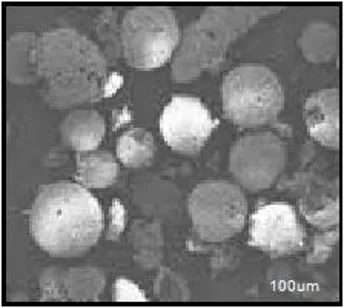
Figure 1 Scanning electron micrograph (SEM) of Azelnidipine-loaded nanosponges showing a porous, spherical surface morphology
E. Solubility Studies
Solubility of pure Azelnidipine and of the drug-loaded nanosponges was compared across three media (Table X). The drug was essentially insoluble in distilled water, while nanosponge formulation markedly enhanced apparent solubility in the first fluid and in methanol relative to the pure drug, consistent with a reduction in effective crystal size to a nanocrystalline form and favourable drug–polymer interaction within the porous nanosponge matrix.
Table 11 Solubility of Azelnidipine in Different Media
|
Medium |
Solubility (mg/mL) |
|
Distilled water |
Insoluble |
|
First fluid |
50.3 |
|
Methanol |
10.14 |
F. In-Vitro Drug Release from Nanosponges (F1–F4)
Cumulative percentage drug release from batches F1–F4 over 120 min is presented in Table XI and Fig. 2. Batch F1 showed the fastest and most complete release profile (98.6% at 120 min), followed by F3, F4 and F2. Increasing PVA/polymer concentration was associated with a progressive decrease in the rate and extent of drug release, confirming that the diffusional resistance of the nanosponge matrix increases with polymer loading. On this basis, batch F1/F2 offered the most favourable balance between yield, drug content and release rate and was carried forward for tablet formulation.
Table 12 In-Vitro Cumulative Drug Release (%) from Nanosponge Batches F1–F4
|
Time |
F1 |
F2 |
F3 |
F4 |
|
0 |
0 |
0 |
0 |
0 |
|
5 min |
3.63 |
1.13 |
0.63 |
1.88 |
|
10 min |
8.15 |
1.58 |
4.50 |
15.64 |
|
15 min |
26.92 |
5.64 |
11.82 |
26.96 |
|
30 min |
35.77 |
15.66 |
36.94 |
34.52 |
|
45 min |
49.57 |
18.21 |
47.08 |
48.32 |
|
60 min |
63.40 |
34.48 |
55.89 |
59.64 |
|
75 min |
77.23 |
48.32 |
69.68 |
68.46 |
|
90 min |
89.80 |
65.89 |
84.76 |
79.75 |
|
120 min |
98.62 |
84.74 |
96.09 |
94.82 |
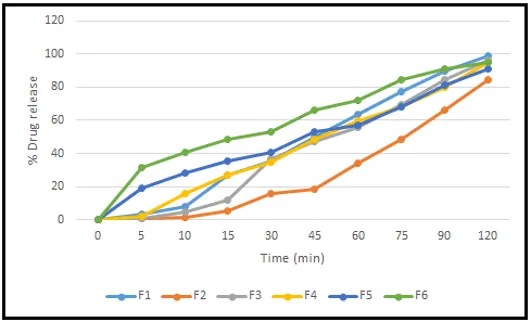
Figure 2 Comparative in-vitro drug release profile of nanosponge batches F1–F4.
G. Pre-Compression Evaluation of Tablet Powder Blend
Angle of repose, bulk and tapped density, Carr's index and Hausner's ratio were determined for the pure drug and for the drug–nanosponge (1:1) powder blend (Table XII). The nanosponge-based blend showed a substantially lower angle of repose (27.74° vs. 33.42°), lower Carr's index (13.79% vs. 28%, 'good' vs. 'poor') and lower Hausner's ratio (1.16 vs. 1.38) than the pure drug, indicating markedly improved flow and compressibility. This improvement allowed the nanosponge blends to be directly compressed into tablets with good die-fill and content uniformity.
Table 13 Pre-Compression Evaluation of Powder Blends
|
Parameter |
Azelnidipine |
Nanosponges (1:1) |
|
Angle of repose |
33.42° (Passable) |
27.74° (Good) |
|
Bulk density (g/mL) |
0.18 |
0.10 |
|
Tapped density (g/mL) |
0.25 |
0.116 |
|
Carr's index (%) |
28 (Poor) |
13.79 (Good) |
|
Hausner's ratio |
1.38 (Poor) |
1.16 (Good) |
H. Post-Compression Evaluation of Tablet Batches (F1–F9)
All nine factorial-design tablet batches complied with pharmacopoeial (USP 30, 2007) limits for weight variation, hardness, friability and thickness, with drug content ranging from 91.5% to 99.7% (Table XIII). Hardness values (3.5–4.4 kg/cm²) and friability values (0.51–0.63%) were within acceptable limits for all batches, confirming that the nanosponge-based tablet blends were mechanically robust despite the improved flow and compressibility of the granulation.
Table 14 Post-Compression Evaluation of Tablet Formulations F1–F9
|
Batch |
Wt. Variation (%) |
Hardness (kg/cm²) |
Friability (%) |
Thickness (mm) |
Drug Content (%) |
|
F1 |
0.123 |
4.0 |
0.51 |
3.10±0.014 |
98.40 |
|
F2 |
0.149 |
3.9 |
0.55 |
3.10±0.012 |
99.13 |
|
F3 |
0.157 |
3.5 |
0.60 |
3.20±0.016 |
91.54 |
|
F4 |
0.132 |
4.2 |
0.55 |
3.12±0.012 |
99.73 |
|
F5 |
0.155 |
4.4 |
0.62 |
3.15±0.020 |
95.58 |
|
F6 |
0.177 |
4.0 |
0.63 |
3.20±0.024 |
95.22 |
|
F7 |
0.144 |
3.8 |
0.57 |
3.25±0.018 |
94.74 |
|
F8 |
0.167 |
4.1 |
0.55 |
3.30±0.010 |
93.09 |
|
F9 |
0.175 |
3.5 |
0.61 |
3.10±0.012 |
93.85 |
I. Factorial Design Analysis and ANOVA
The 3² factorial design matrix (Table XIV) generated nine tablet batches by combining low, mid and high levels of Avicel-102 (28–56 mg) and Cross-Carmellose Sodium (6–12 mg). ANOVA of the percentage-drug-release response (Table XV) yielded a model F-value of 14.37 (p = 0.0263), confirming that the fitted model was statistically significant. Among the individual terms, the linear effect of Cross-Carmellose Sodium (B) and the quadratic effects of both Avicel-102 (A²) and Cross-Carmellose Sodium (B²) were significant model terms (p < 0.05), whereas the linear effect of Avicel-102 alone and the A×B interaction were not significant, indicating that drug release was governed predominantly by disintegrant level and by curvature (non-linear) effects of both factors rather than a simple additive relationship.
Table 15 Factorial Design Formulation Matrix (F1–F9)
|
Batch |
Nanosponges (mg) |
Avicel-102 (mg) |
CCS (mg) |
Lactose (mg) |
Mg. Stearate (mg) |
|
F1 |
112 |
28 |
6 |
13 |
1 |
|
F2 |
112 |
42 |
6 |
13 |
1 |
|
F3 |
112 |
56 |
6 |
13 |
1 |
|
F4 |
112 |
28 |
9 |
13 |
1 |
|
F5 |
112 |
42 |
9 |
13 |
1 |
|
F6 |
112 |
56 |
9 |
13 |
1 |
|
F7 |
112 |
28 |
12 |
13 |
1 |
|
F8 |
112 |
42 |
12 |
13 |
1 |
|
F9 |
112 |
56 |
12 |
13 |
1 |
Table 16 ANOVA for the Fitted Model (% Drug Release)
|
Source |
Sum of Squares |
df |
Mean Square |
F-value |
p-value |
|
Model |
31.52 |
5 |
6.30 |
14.37 |
0.0263 |
|
A – Avicel-102 |
0.30 |
1 |
0.30 |
0.69 |
0.4661 |
|
B – Cross-Carmellose Sodium |
5.42 |
1 |
5.42 |
12.36 |
0.0390 |
|
AB |
1.22 |
1 |
1.22 |
2.79 |
0.1937 |
|
A² |
13.76 |
1 |
13.76 |
31.37 |
0.0112 |
|
B² |
10.81 |
1 |
10.81 |
24.63 |
0.0157 |
|
Residual |
1.32 |
3 |
0.44 |
- |
- |
J. Optimized Batch and Comparison with Marketed Formulation
On the basis of desirability analysis, batch F2 (Avicel-102 ≈ 34–42 mg, Cross-Carmellose Sodium ≈ 9–10 mg) was selected as the optimized formulation, with a desirability value of 1.000. The optimized batch showed weight variation of 99.5 ± 0.4%, thickness of 3.10 ± 0.06 mm, hardness of 3.9 kg/cm², friability of 0.55% and drug content of 99.13% — all within pharmacopoeial limits. When compared with a marketed Azelnidipine tablet formulation (Table XVI, Fig. 3), the optimized batch showed a closely matching cumulative release profile, reaching 99.88% release at 12 h against 99.99% for the marketed product, indicating that the nanosponge-based formulation is in-vitro bioequivalent to the reference product.
Table 17 In-Vitro Drug Release: Optimized Batch (F2) vs. Marketed Formulation
|
Time (h) |
F2 Batch (%) |
Marketed Tablet (%) |
|
0 |
0 |
0 |
|
1 |
5.63 |
6.69 |
|
2 |
15.53 |
16.56 |
|
3 |
25.98 |
27.90 |
|
4 |
34.67 |
35.70 |
|
5 |
46.00 |
48.66 |
|
6 |
56.82 |
59.90 |
|
7 |
60.25 |
62.66 |
|
8 |
65.16 |
68.60 |
|
9 |
76.94 |
77.87 |
|
10 |
85.12 |
88.99 |
|
11 |
92.06 |
94.66 |
|
12 |
99.88 |
99.99 |
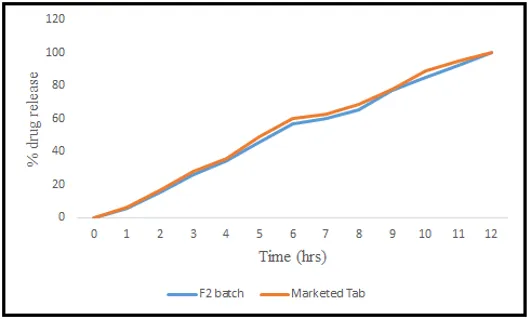
Figure 3 In-vitro cumulative drug release of the optimized nanosponge tablet (F2) compared with the marketed Azelnidipine formulation.
K. Release Kinetics
Dissolution data of the optimized batch were fitted to zero-order, first-order, Higuchi and Korsmeyer–Peppas models (Table XVII). The zero-order model gave the best fit (R² = 0.993), followed by the Higuchi model (R² = 0.9875) and the Korsmeyer–Peppas model (R² = 0.9866), while the first-order model showed the poorest fit (R² = 0.8214). The overall goodness-of-fit ranking — zero order > Higuchi > Korsmeyer–Peppas > first order — indicates that drug release from the optimized nanosponge tablet proceeds at a constant rate largely independent of the residual drug concentration, consistent with a matrix-controlled, diffusion-assisted release mechanism typical of ethyl-cellulose-based nanosponge systems.
Table 18 Regression Coefficients (R²) for Release Kinetic Models — Optimized Batch
|
Model |
Zero Order |
First Order |
Higuchi |
Korsmeyer–Peppas |
|
R² |
0.993 |
0.8214 |
0.9875 |
0.9866 |
L. Stability Studies
Accelerated stability data for the optimized formulation, monitored over 90 days as per ICH guidelines, are presented in Table XVIII. Drug content declined only marginally from 99.13% at day 0 to 88.32% at day 90, and cumulative in-vitro drug release declined from 99.88% to 87.48% over the same period. These changes are relatively small over a 90-day accelerated study and indicate that the optimized Azelnidipine nanosponge tablet formulation is reasonably stable under elevated temperature and humidity conditions, without major deterioration in drug content or release performance.
Table 19 Stability Study of the Optimized Formulation
|
Time (days) |
Drug Content (%) |
In-Vitro Drug Release (%) |
|
0 |
99.13 |
99.884 |
|
30 |
97.52 |
96.522 |
|
60 |
95.61 |
93.548 |
|
90 |
88.32 |
87.484 |
M. Overall Discussion
Taken together, the preformulation, characterization and tablet-evaluation data support the conclusion that nanosponge encapsulation is an effective strategy for improving the biopharmaceutical performance of Azelnidipine. The marked improvement in flow and compressibility of the drug–nanosponge blend relative to pure drug (Section IV-F) is consistent with previous reports that nanosponge-based intermediates improve the processability of poorly compressible actives, while the inverse relationship observed between polymer concentration and both particle size and drug-release rate (Sections IV-C and IV-E) mirrors trends reported for ethyl-cellulose- and cyclodextrin-based nanosponges of other actives, where a denser cross-linked matrix at higher polymer loading increases diffusional path length and slows drug egress. The selection of batch F2 as the optimum, on the basis of a 3² factorial design and desirability analysis, illustrates the value of a systematic Design-of-Experiments approach over a purely empirical one-factor-at-a-time strategy, since it allowed the combined and quadratic effects of Avicel-102 and Cross-Carmellose Sodium on drug release to be resolved and optimized simultaneously (Section IV-H).
The close correspondence between the dissolution profile of the optimized nanosponge tablet and that of the marketed Azelnidipine product (Section IV-I) suggests that the developed formulation could serve as a viable alternative or generic delivery platform, subject to confirmation by in-vivo bioavailability and pharmacokinetic studies. The zero-order release kinetics observed for the optimized batch (Section IV-J) is a pharmaceutically desirable attribute, as it implies a constant rate of drug input that may help maintain steady plasma concentrations and support the gradual, sustained antihypertensive action for which Azelnidipine is clinically valued. Finally, the acceptable retention of drug content and dissolution performance after 90 days of accelerated stability testing (Section IV-K) indicates that the formulation is likely to withstand routine handling, storage and transport, although long-term (real-time) stability data under ICH-recommended storage conditions would be required to support a shelf-life claim for regulatory submission.
From a translational perspective, these findings carry two practical implications. First, because the optimized nanosponge tablet was prepared entirely by direct compression using pharmacopoeially standard excipients (Avicel-102, Cross-Carmellose Sodium, lactose, magnesium stearate) and conventional tableting equipment, the process is, in principle, amenable to scale-up without requiring specialized manufacturing infrastructure beyond that needed for the initial emulsion solvent diffusion step. Second, the combination of improved powder flow/compressibility, pharmacopoeial compliance of the compressed tablets, and a dissolution profile closely matching the marketed reference product suggests that a nanosponge-based Azelnidipine formulation could, subject to confirmatory in-vivo bioequivalence data, represent a technically feasible generic or value-added product opportunity, particularly in markets where the originator formulation's bioavailability limitations remain a recognized clinical concern.
The systematic, Quality-by-Design-oriented workflow followed in this study — proceeding from preformulation and process screening (trial batches), through single-variable optimization (PVA concentration), to a formal two-factor factorial optimization of the tablet formulation — is consistent with current regulatory expectations for pharmaceutical development and provides a documented, statistically justified rationale for the selection of the final formulation, rather than relying on a single best-guess formulation. This structured approach also generates a body of process-understanding data (e.g., the quadratic sensitivity of drug release to both Avicel-102 and Cross-Carmellose Sodium levels) that would support the definition of a design space and associated control strategy during any subsequent scale-up or technology-transfer exercise.
V. LIMITATIONS OF THE STUDY
The present study is subject to certain limitations that should be considered when interpreting its findings. First, all characterization and performance data reported are derived from in-vitro experiments; no in-vivo pharmacokinetic or pharmacodynamic study was conducted, and the extent to which the observed in-vitro solubility and dissolution improvements translate into a clinically meaningful increase in oral bioavailability therefore remains to be confirmed in an appropriate animal or human model. Second, stability data are limited to a 90-day accelerated study; long-term, real-time stability data under ICH-recommended storage conditions (25 °C/60% RH or 30 °C/65% RH) would be required to support a definitive shelf-life claim. Third, the optimization was restricted to two formulation variables (Avicel-102 and Cross-Carmellose Sodium) within a 3² factorial design; additional process variables (e.g., stirring rate, polymer molecular weight, drying temperature) may further influence nanosponge performance and were not explored here. These limitations define clear directions for follow-up investigation, several of which are outlined in the Future Scope section below.
VI. CONCLUSION
Nanosponges offer a distinct advantage over conventional drug delivery systems by modulating the absorption characteristics of poorly water-soluble drugs through enhanced dissolution and improved bioavailability. In the present study, Azelnidipine-loaded nanosponges were successfully prepared by the emulsion solvent diffusion method using ethyl cellulose as the polymer, and were fully characterized for percentage yield, particle size, zeta potential, surface morphology, drug content and in-vitro drug release. All formulation batches showed satisfactory preformulation, particle-size and release behaviour, with the optimized batch (F2), identified through a 3² factorial design, achieving a percentage yield of 67.96%, particle size of 254.98 nm, zeta potential in the range of −10 to −20 mV, and drug content of 99.13%.
Compressed tablets of the optimized nanosponge batch met all pharmacopoeial requirements for weight variation, hardness, friability and thickness, and produced an in-vitro dissolution profile that closely matched a marketed Azelnidipine formulation, with drug release following zero-order kinetics. FTIR and DSC analyses confirmed the absence of any significant drug–polymer incompatibility, XRD analysis indicated a reduction in drug crystallinity within the nanosponge matrix, and accelerated stability studies over 90 days demonstrated that the optimized formulation remained stable under elevated temperature and humidity conditions. On the basis of these results, it can be concluded that the emulsion solvent diffusion technique is a suitable and reproducible method for the preparation of Azelnidipine nanosponges, and that ethyl-cellulose-based nanosponges represent a promising, scalable oral delivery strategy for improving the solubility, dissolution and bioavailability of Azelnidipine and other BCS Class II drugs.
In relation to the specific objectives set out at the beginning of this study, the results indicate that: (i) Azelnidipine-loaded nanosponges were successfully formulated and shown to enhance apparent drug solubility relative to the pure crystalline drug; (ii) the emulsion solvent diffusion method, screened across trial and optimization batches, was identified as an effective and reproducible preparation technique; (iii) the developed nanosponge system was comprehensively evaluated in vitro, including particle size, zeta potential, surface morphology, drug content and dissolution, and was successfully translated into an optimized, pharmacopoeially compliant tablet dosage form; and (iv) accelerated stability data support the short-to-medium-term physicochemical robustness of the optimized formulation. Confirmation of the corresponding in-vivo pharmacokinetic and bioavailability benefits remains an important next step, as outlined below.
Table 20 Summary of Key Quality Attributes of the Optimized Formulation (Batch F2)
|
Attribute |
Value |
|
Percentage yield |
67.96% |
|
Particle size |
254.98 nm |
|
Zeta potential |
−10 to −20 mV |
|
Drug content (nanosponge) |
69.5% |
|
Tablet weight variation |
99.5 ± 0.4% |
|
Tablet hardness |
3.9 kg/cm² |
|
Tablet friability |
0.55% |
|
Tablet drug content |
99.13% |
|
Cumulative drug release (12 h) |
99.88% |
|
Best-fit release model |
Zero order (R² = 0.993) |
|
Drug content after 90-day stability |
88.32% |
VII. FUTURE SCOPE
While the present study establishes the feasibility of an Azelnidipine nanosponge tablet with promising in-vitro performance, several avenues merit further investigation before the technology can be considered ready for clinical or commercial translation. These include confirmatory in-vivo studies, broader process and formulation optimization, and extension of the platform to other therapeutic candidates, as summarized below:
• In-vivo evaluation of the optimized formulation in a suitable animal model to confirm the in-vitro bioavailability enhancement.
• Extension of the nanosponge platform to other poorly soluble drugs and biomolecules across different administration routes.
• Systematic investigation of the effect of alternative polymers and process parameters on the drug-release pattern of nanosponges.
• Modification of the polymeric matrix to further improve drug entrapment efficiency.
• Exploration of nanosponge technology for other modified-release oral dosage forms.
VIII. FUNDING AND CONFLICT OF INTEREST
Funding: - This research did not receive any specific grant from funding agencies in the public, commercial, or not-for-profit sectors.
Conflict of Interest: - The authors declare that there are no known competing financial interests or personal relationships that could have appeared to influence the work reported in this manuscript.
IX. AUTHORS' CONTRIBUTIONS
The corresponding author was responsible for conceptualization, formulation development, experimental execution, data analysis and drafting of the manuscript. The co-author/guide contributed to study supervision, review of the experimental design, interpretation of results, and critical revision of the manuscript for important intellectual content. All authors read and approved the final version of the manuscript submitted for publication.
X. DATA AVAILABILITY STATEMENT
The datasets generated and analyzed during the current study, including formulation data, characterization results, in vitro drug release studies, and stability study data, are available from the corresponding author upon reasonable request.
XI. ACKNOWLEDGMENT
The authors express their sincere gratitude to the Principal, Head of the Department, faculty members, and laboratory staff of the Department of Pharmaceutics, Dr. Uttamrao Mahajan College of B. Pharmacy, Chalisgaon-424101, Maharashtra, India, for providing the necessary facilities, valuable guidance, and continuous support throughout this research work. The authors also acknowledge the encouragement and academic assistance provided by the institution during the completion of this study.
REFERENCES




Kunal Wankhede, Mobeen Manyar, Shahid Nafees, Yash Chaudhari, Formulation and Evaluation of Azelnidipine-Loaded Nanosponges for Enhanced Solubility and Oral Bioavailability, Int. J. of Pharm. Sci., 2026, Vol 4, Issue 7, 5202-5222. https://doi.org/10.5281/zenodo.21627088
 10.5281/zenodo.21627088