

We use cookies to ensure our website works properly and to personalise your experience. Cookies policy
S.N.D.College of Pharmacy Babhulgaon, Yeola
Sretch marks, also known as striae distensae, are common dermal lesions brought on by fast skin stretching during pregnancy, obesity, puberty, or abrupt weight fluctuations, which disrupt collagen and elastin fibers. Retinoids and laser therapy are examples of conventional treatments that are linked to skin irritation, high costs, and low patient compliance. The creation and assessment of a Bakuchiol emulgel as a more secure and efficient topical option for the treatment of stretch marks is the main goal of this study. Bakuchiol, a naturally occurring meroterpene derived from Psoralea corylifolia (Babchi), is well-known for its antioxidant effect, collagen-stimulating capacity, retinol-like activity, and superior skin tolerability. To improve its stability, spreadability, and patient acceptance, bakuchiol was isolated from Babchi seeds using an appropriate maceration technique and added to an emulgel system. An oil phase and an aqueous phase were combined to create the emulgel, which was then included into a gel basis made using Carbopol 940 or an appropriate substitute. To achieve optimal consistency and medication release, different formulation batches were created using different polymer concentrations. Physical characteristics, pH, viscosity, spreadability, drug content, extrudability, and in-vitro diffusion were assessed for the produced formulations. Good homogeneity, a pH suitable for skin application, adequate spreadability, and controlled drug release were all demonstrated by the optimized formulation. According to the findings, Bakuchiol emulgel shows promise as a herbal topical formulation for enhancing skin elasticity and minimizing the visibility of stretch marks. For the treatment of striae distensae in cosmetic and dermatological applications, the developed Bakuchiol emulgel provides a safe, affordable, and patient-friendly substitute.
Gellified emulsions are another term for emulgel (1). Due to its dual release system emulsion and gel—emulsion in gel has become one of the most intriguing topical drug delivery systems. Emulgels are emulsions, either water-in-oil (w/o) or oil-in-water (o/w), which are gelled by incorporating a gelling agent (1). The majority of pharmaceutical drugs are lipophilic in nature and are practically insoluble in water. To overcome this limitation, an emulsion-based approach is utilized to facilitate the topical delivery of hydrophobic drugs (2). An emulsion is defined as a dispersion of two or more immiscible liquids, typically oil and water. A gel is a semi-solid system consisting of a colloidal dispersion, which appears solid due to the presence of a gelling agent but is predominantly liquid in nature (1). When a gelling agent is added to the aqueous phase of a classical emulsion, it forms an emulgel.
Emulgels possess several advantages for dermatological applications, including being thixotropic, greaseless, easily spreadable, easily removable, emollient, non-staining, water-soluble, bio-friendly, translucent, aesthetically appealing, and having a longer shelf life (1,2). These systems combine the properties of both gels and emulsions and enhance drug penetration through the skin, making them highly effective for topical drug delivery (2).
Stretch marks, also known as striae distensae, are common dermatological lesions caused by excessive stretching of the dermis, leading to disruption of collagen and elastin fibers (3). These linear scars typically appear on the abdomen, thighs, hips, breasts, and arms, especially during pregnancy, puberty, rapid weight gain, obesity, or hormonal imbalance (3). Stretch marks can negatively affect an individual’s aesthetic appearance and psychological well-being, thereby creating a need for safe and effective topical treatments (3).
Types:
1) Striae atrophicans (characterized by thinned skin)
2) Striae gravidarum (following pregnancy)
3) Striae rubrae (red in color)
4) Striae albae (white in color)
5) Striae nigra (black in color)
6) Striae caerulea (dark blue in color)
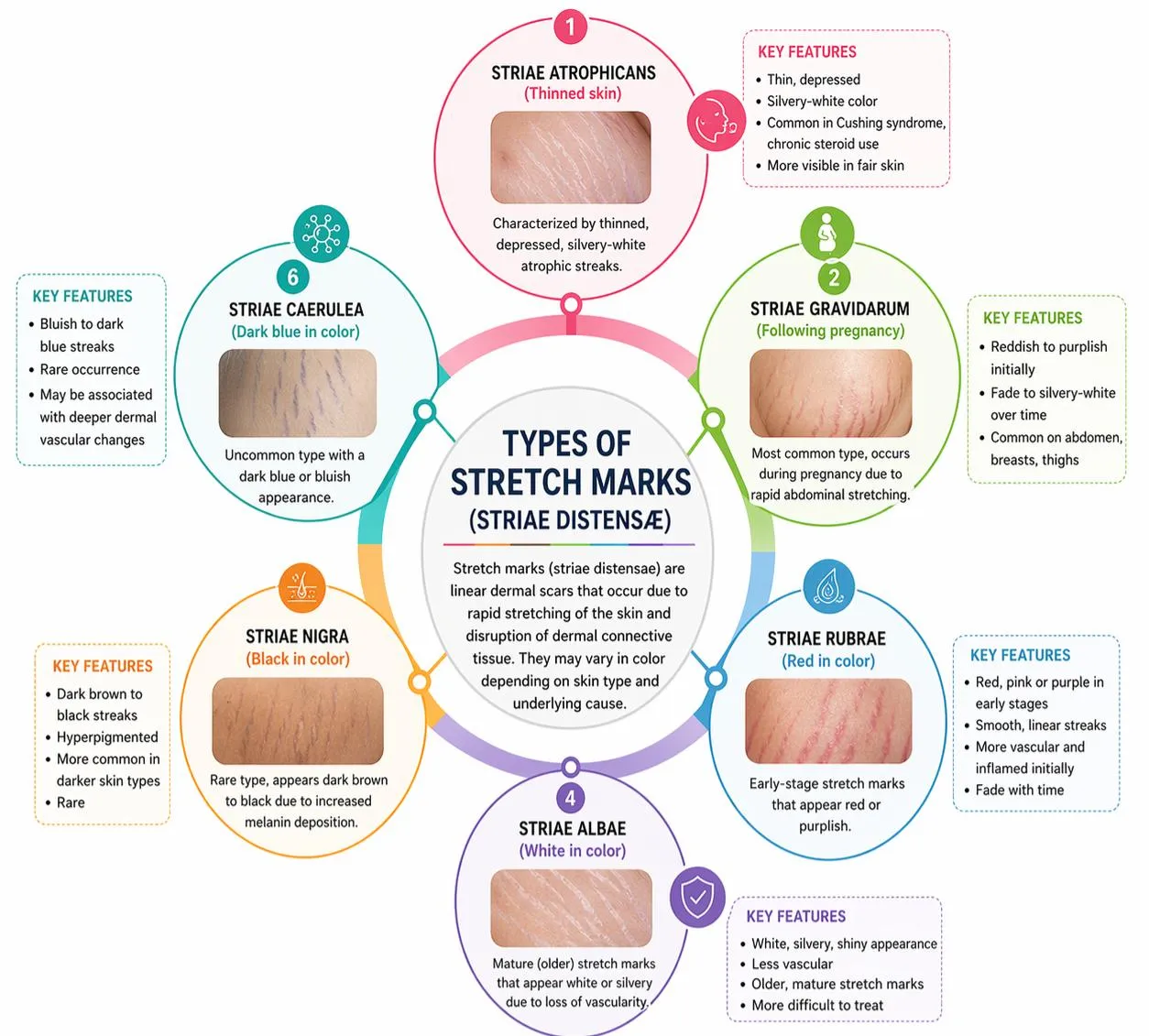
Figure 1: Types of Stretch Marks (Striae Distensae).
Stretch marks are caused by a pathophysiology that combines oxidative damage, hormonal effects, and mechanical stress. This results in diminished collagen and elastin synthesis, decreased fibroblast activity, and compromised dermal matrix integrity. Chronic stretch marks (striae albae) are pale, atrophic, and frequently resistant to treatment, whereas early-stage stretch marks (striae rubrae) appear reddish due to inflammation and vascular involvement (3,4). Because of its retinol-like properties, bakuchiol, a naturally occurring meroterpene phenol isolated from Psoralea corylifolia seeds, has emerged as a promising agent in dermatology (4,5)
In contrast to traditional retinoids, bakuchiol promotes skin regeneration without the typical adverse effects of retinol, such as irritation, peeling, and photosensitivity, by regulating gene expression related to collagen production, elastin synthesis, and extracellular matrix remodeling (4,5). Topical bakuchiol (0.5%) has demonstrated comparable efficacy to retinol in clinical studies in terms of wrinkle reduction, improvement in skin firmness, and elasticity enhancement, with significantly better tolerability (3,5). Bakuchiol also exhibits antioxidant and anti-inflammatory properties, protecting the skin from oxidative stress and aiding in dermal repair. These effects are particularly relevant in the management of stretch marks, which involve inflammation and collagen degradation (4,5).
For bakuchiol to achieve optimal therapeutic efficacy, appropriate topical delivery systems are crucial. Conventional creams and oils often suffer from poor skin penetration or leave an oily residue, reducing patient compliance. Emulgel
formulations, which combine the advantages of both emulsions and gels, offer improved drug loading, enhanced penetration of lipophilic drugs, better spreadability, non-greasy application, and sustained drug release at the site of action (4). Thus, incorporation of bakuchiol into an emulgel system represents a promising strategy to enhance the effectiveness and patient acceptability of topical treatments for stretch marks (4,5).
The present study therefore focuses on the formulation and evaluation of a bakuchiol-loaded emulgel as a stable, effective, and patient-friendly topical therapy aimed at improving skin elasticity, promoting collagen synthesis, and minimizing side effects compared to conventional treatments (4,5).
DRUG PROFILE:
BBAKUCHIOL
Synonym:
Biological source:
Bakuchiol is a naturally occurring compound extracted from the seeds and leaves of Psoralea corylifolia (Family: Fabaceae) (6).
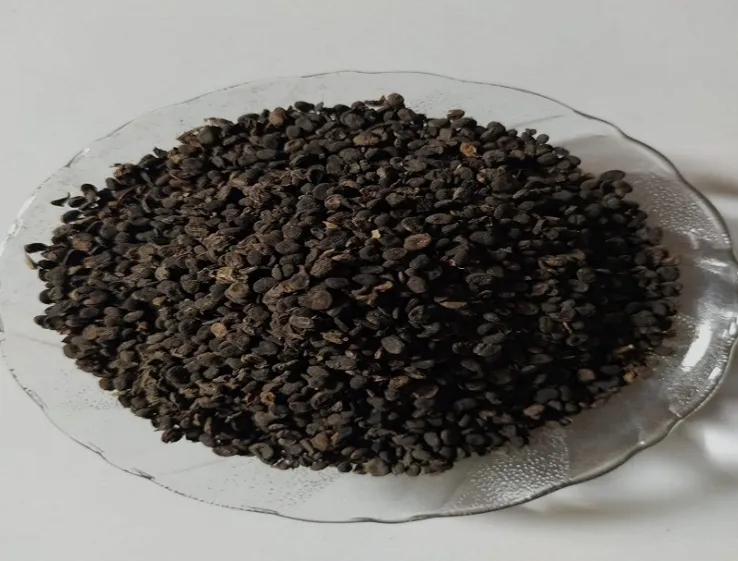
Figure 2: Seeds of Psoralea corylifolia showing their characteristic size, shape,and color.
Microscopy: The microscopic analysis of bakuchiol, derived from the seeds of Psoralea corylifolia (Babchi), is essential for the identification and standardization of crude drugs (6,7). The seed shows a well-organized structure in its transverse section (T.S.). The outermost layer, the testa (seed coat), consists of elongated palisade cells formed by thick-walled epidermal cells, providing mechanical strength (8). Beneath this lies a layer of parenchymatous cells containing pigments and storage materials (9). The cotyledons, which occupy the major portion of the seed, are rich in proteins, oil globules, and active phytoconstituents such as
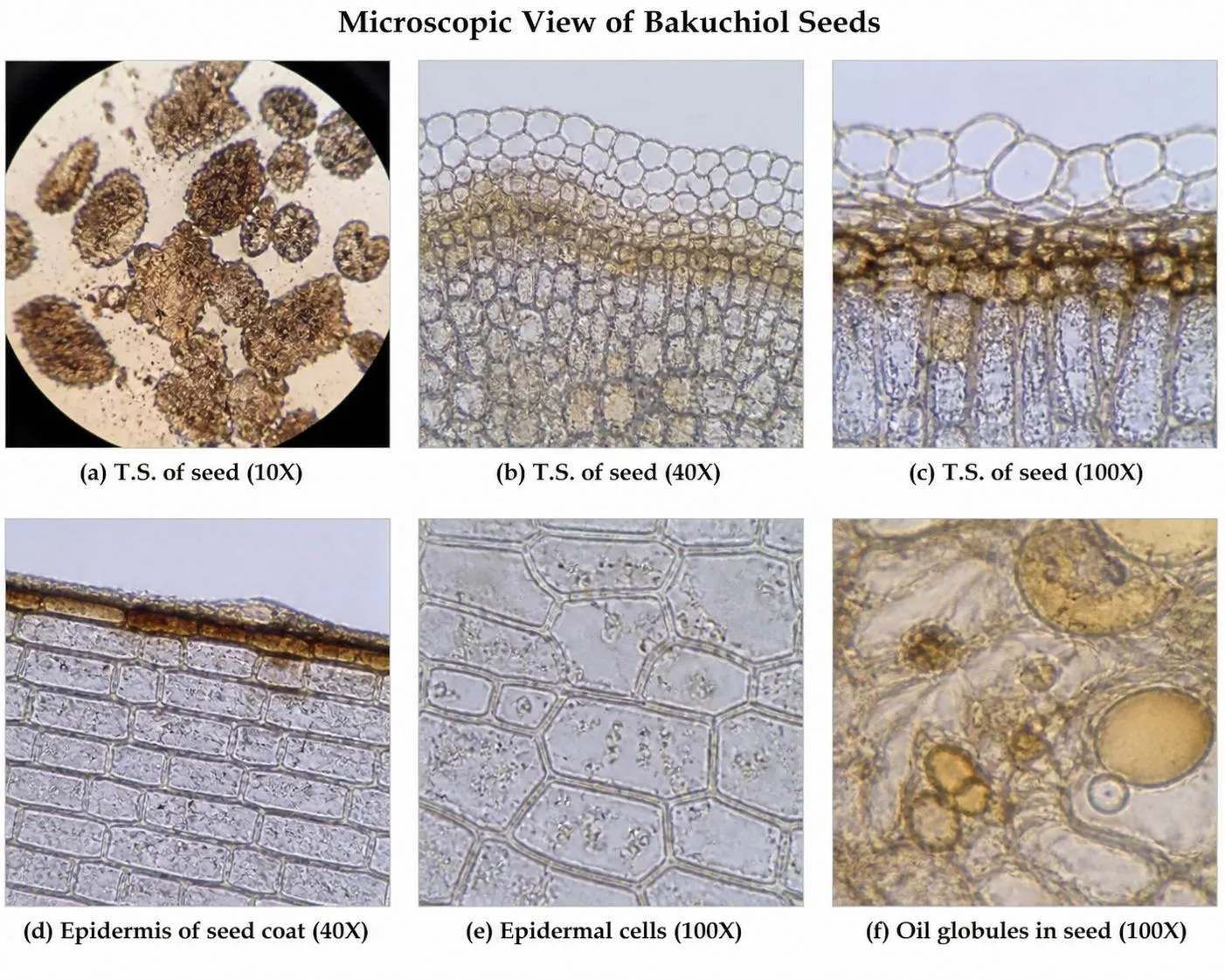
Figure 3: Microscopic view of bakuchiol seeds
bakuchiol (10).
In powder microscopy, characteristic features include lignified fibers, sclereids (stone cells), seed coat fragments, oil-containing cells, and occasional starch granules (11). Specific staining techniques help in identification; Sudan III stains oil globules red, confirming lipid presence, while phloroglucinol–HCl stains lignified tissues pink (12). A key diagnostic feature is the predominance of cotyledonary tissue and absence of endosperm (13).
Bakuchiol is a meroterpene phenolic compound predominantly present in oil-rich seed tissues (14). Prior to formulation into dosage forms such as emulgel, microscopic evaluation ensures detection of adulterants, confirms purity, and validates the authenticity of the crude drug (7). Additionally, microscopy plays a vital role in pharmacognostic standardization and quality control by identifying foreign organic matter, making it indispensable in herbal drug development and research (8).
Geographic location, collection and cultivation:
Bakuchiol is a bioactive meroterpene predominantly obtained from the seeds of Psoralea corylifolia (commonly known as Babchi), a medicinal plant widely distributed in tropical and subtropical regions (15). It is native to countries such as India and China, and is also found in parts of Sri Lanka and Thailand (16). In India, the plant is commonly cultivated and naturally occurs in states like Rajasthan, Uttar Pradesh, Madhya Pradesh, and Maharashtra, particularly in warm regions with well-drained sandy or loamy soils (17).
The plant Is an annual herb that thrives in tropical climates, requiring moderate rainfall and ample sunlight for optimal growth (18). Cultivation is typically carried out by seed propagation, where seeds are sown at the onset of the monsoon season (June–July) (19). The crop generally matures within 6–8 months and requires minimal irrigation but good soil drainage to prevent root rot (20). Proper spacing and occasional weeding are essential to ensure healthy plant development (18).
Collection of plant material primarily focuses on the seeds, which are the richest source of bakuchiol (21). Harvesting is usually done when the fruits turn dark brown to black, indicating full maturity, typically between November and January (19). The plants are uprooted or cut, and seeds are separated by drying and threshing (20).
The collected seeds are cleaned, shade-dried to preserve phytoconstituents, and stored in airtight containers to prevent moisture absorption and degradation (21). These dried seeds are further processed for the extraction of bakuchiol, which is widely used in pharmaceutical and cosmetic formulations, particularly for its anti-aging and skin-rejuvenating properties (15).
Phytoconstituents:
Table1:Major phytoconstituents present in Psoralea corylifolia seeds with their pharmacological activities
|
Sr.No. |
Phytoconstituents |
Plant Part |
Activity |
|
1 |
Bakuchiol |
Seeds,Leaves |
Collagen Stimulation,anti-aging,anti-inflammatory,antioxidant, |
|
2 |
Psorlen |
Seeds |
Photosensitizing,used in skin disorders(vitiligo,psoriasis) |
|
3 |
Isopsoralen |
Seeds |
Similar to psoralen ,promotes skin pigmentation |
|
4 |
Bavachin |
Seeds |
Antimicrobial,antioxidant |
|
5 |
Bavachinn |
Seeds |
Anti-inflamatory, antioxidant |
|
6 |
Corylifolin |
Seeds |
Anti-bacterial,anti-oxidant |
|
7 |
Isovachalcone |
Seeds |
Antimicrobial,anti-inflamatory |
|
8 |
Bavachalcone |
Seeds |
Anti-oxidant,antimicrobial |
|
9 |
Psoralidin |
Seeds |
Anticancer,anti-oxidant |
|
10 |
Corylin |
Seeds,roots |
Hepatoprotective |
|
11 |
Essential oils |
Seeds |
Fragrance,mild antimicrobial |
Chemical constituents:
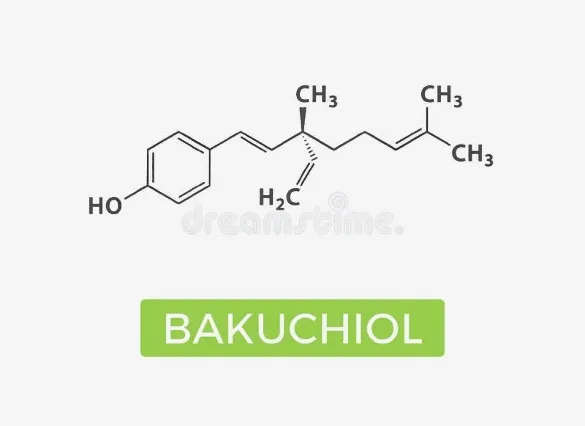
Figure 4: Molecular structure of Bakuchiol (a bioactive meroterpene from Psoralea corylifolia)
Taxonomical Hierchy of Bakuchiol:
Table 2: Taxonomical Classification of Bakuchiol (Psoralea corylifolia)
|
Sr No. |
Rank |
Classification |
|
1 |
Kingdom |
Plantae |
|
2 |
Subkingdom |
Tracheobionta(Vascular Plant) |
|
3 |
Superdivision |
Spermatophyta |
|
4 |
Division |
Magnoliophyta |
|
5 |
Class |
Magnoliopsida |
|
6 |
Subclass |
Rosidae |
|
7 |
Order |
Fabales |
|
8 |
Family |
Fabaceae |
|
9 |
Genus |
Psoralea |
|
10 |
Species |
Psoralea corylifolia |
MATERIAL AND METHODS
Materials
Bakuchiol was procured from a reliable phytochemical supplier. Carbopol 941 was used as a gelling agent. Liquid paraffin served as the oil phase. Span 20 and Tween 20 were used as emulsifying agents. Propylene glycol was used as a penetration enhancer and humectant. Methylparaben and propylparaben were used as preservatives. All other chemicals used were of analytical grade, and purified water was used throughout the study(22).
Formulation constituents:
Table 3: Composition of Bakuchiol Emulgel Formulation
|
Ingredients |
Quantity (% w/w) |
Role |
|
Bakuchiol |
0.5 |
Active Ingredients |
|
Liquid paraffin |
10 |
Oil phase |
|
Span 60 |
4 |
Lipophilic emulsifier |
|
Cetyl alcohol |
1 |
Thickening agent/emollient |
|
Tween 80 |
10 |
Hydrophilic emulsifier |
|
Propylene Glycol |
5 |
Penetration enhancer |
|
Methyl Paraben |
0.03 |
Preservative |
|
Propyl Paraben |
0.01 |
Preservative |
|
Carbopol 940 |
1 |
Gelling agent |
|
Triethanolamine |
q.s. |
pH adjustment |
|
Distilled Water |
q.s. to 100 |
Vehicle |
METHODOLOGY:
1.Preparation of Emulsion:
The emulsion was prepared using the standard oil-in-water (O/W) emulsification method.
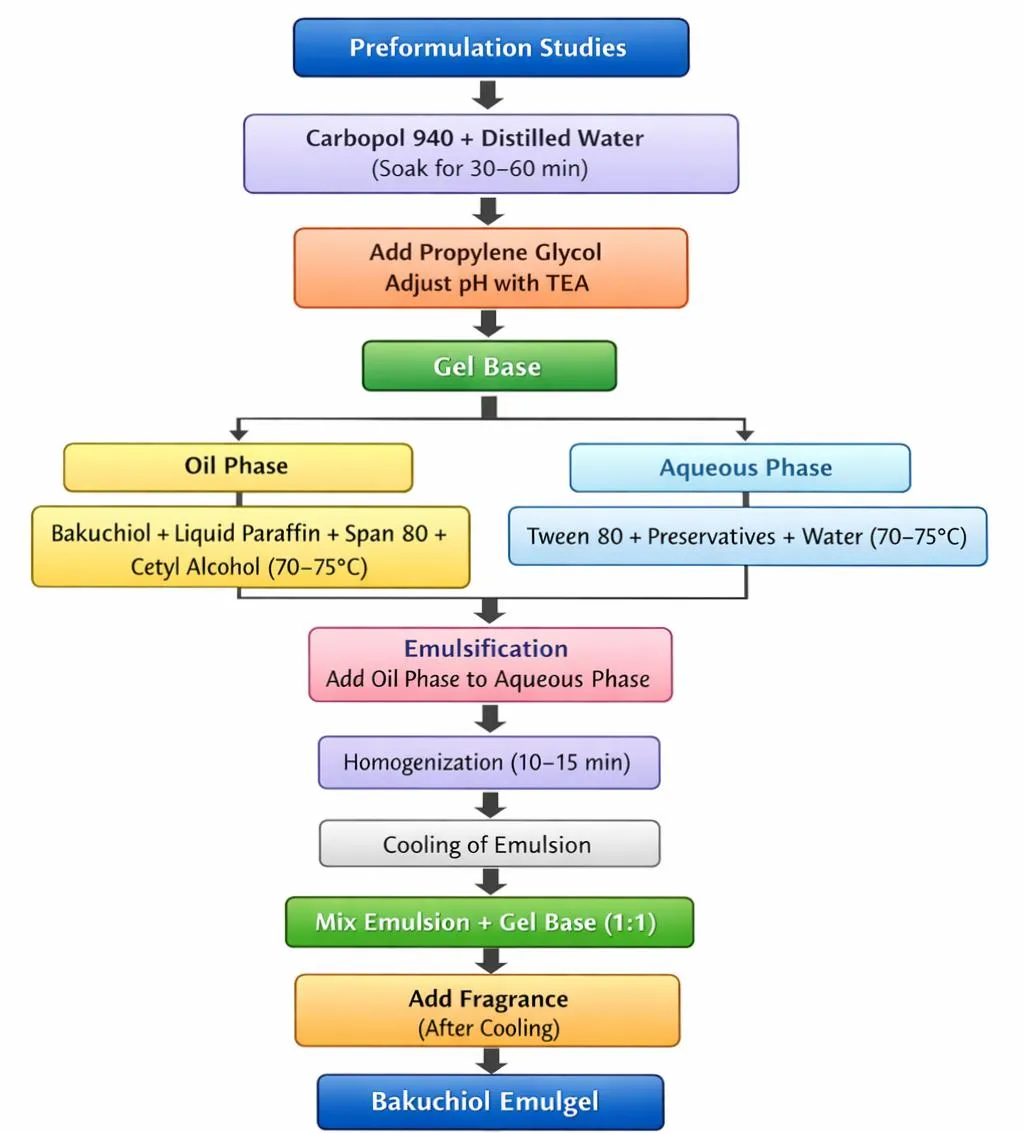
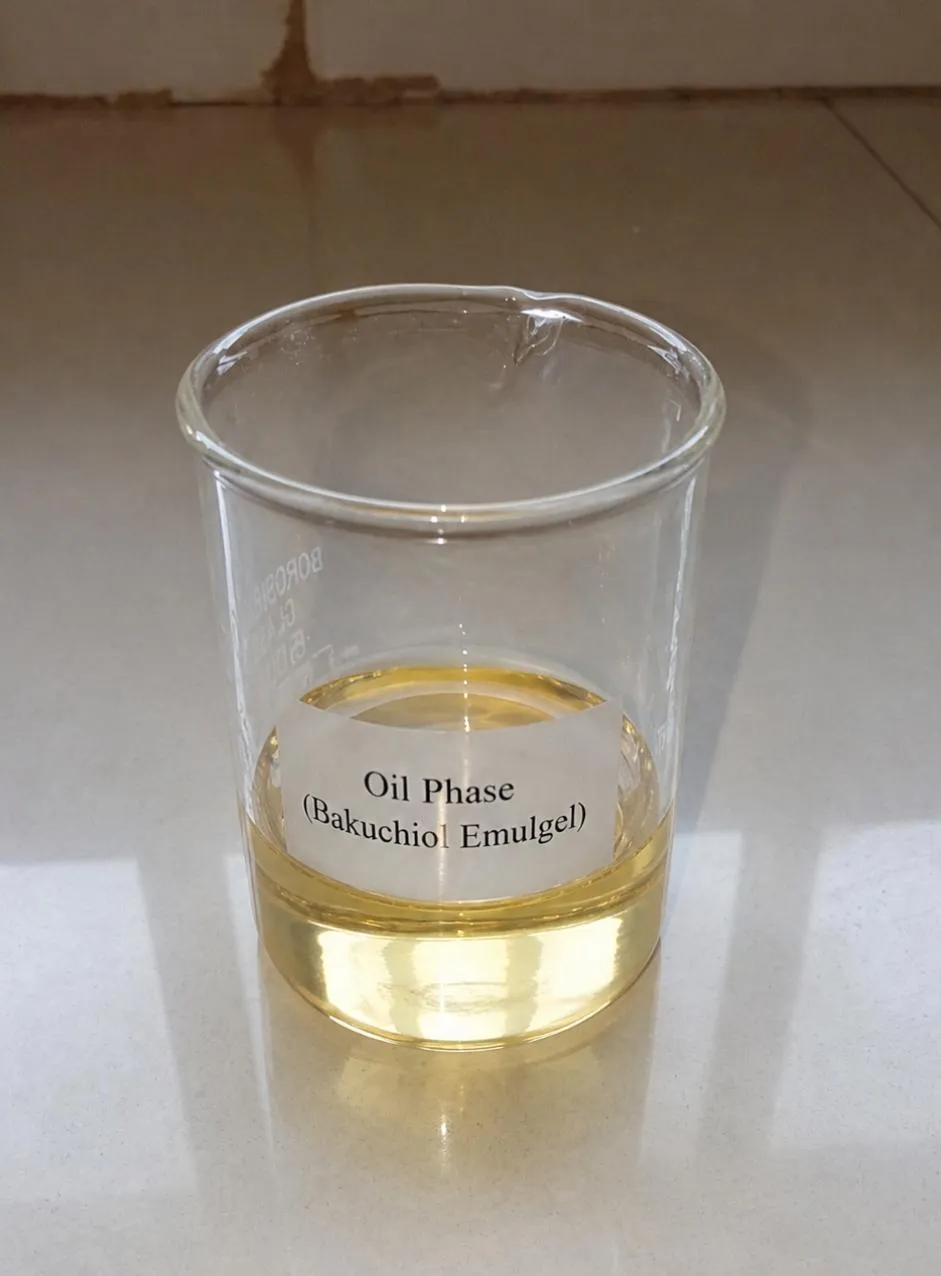
Figure 6 :Oil phase of bakuchiol emulgel
Oil phase: Liquid paraffin, Span 20 and cetyl alcohol were mixed together. Bakuchiol was dissolved in this oil phase. Heat this solution on waterbath until they dissolved properly under the temperature of 70-75°c.
Aqueous phase: Tween 20, propylene glycol, methylparaben, and propylparaben were dissolved in purified water. By using water bath to dissolved the ingredients properly, maintain the temperature at 70-75°c after that keep solution to cool for some time.
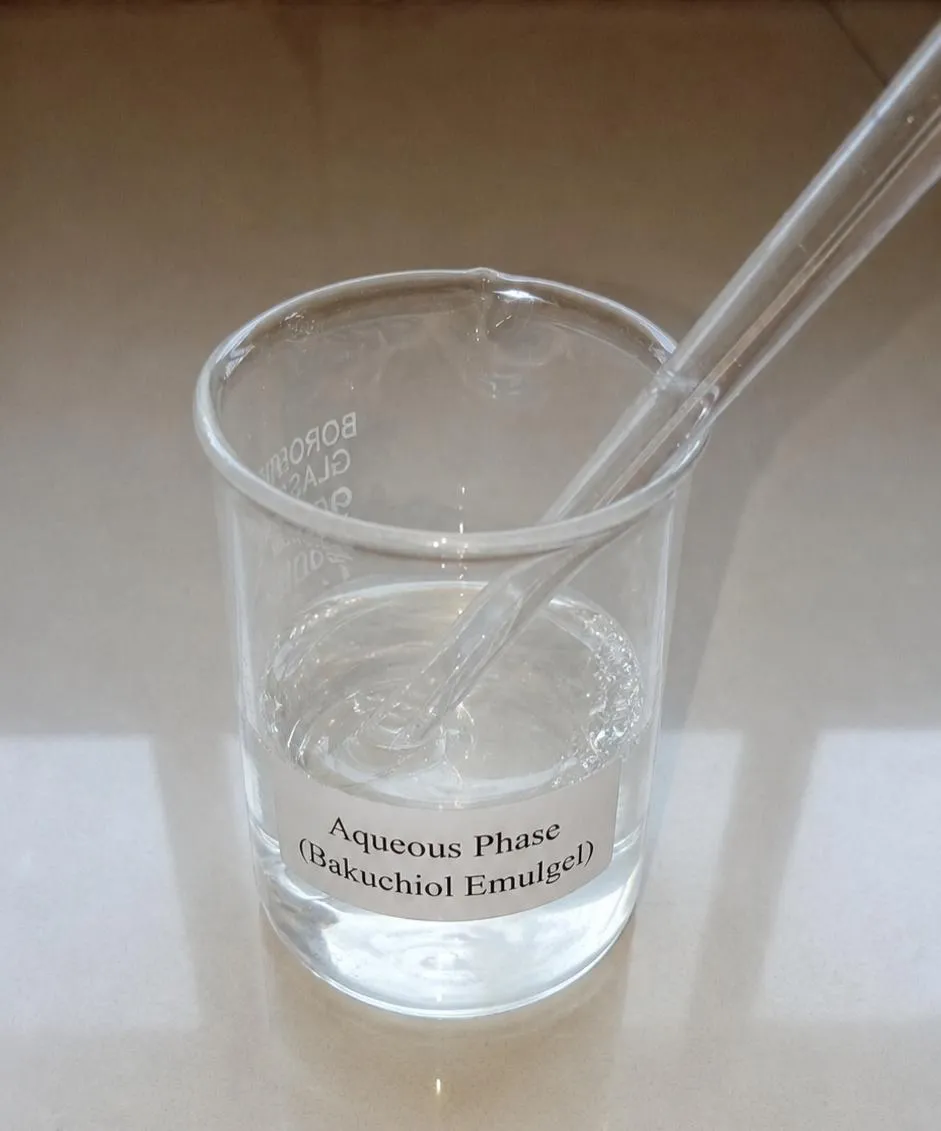
Figure 7 :Aqueous phase of bakuchiol emulgel
Both oil and aqueous phases were heated separately to 70–80°C. The oil phase was then slowly added to the aqueous phase with continuous stirring at 500 rpm using a mechanical stirrer until a uniform emulsion was formed. The mixture was allowed to cool to room temperature (23, 24).
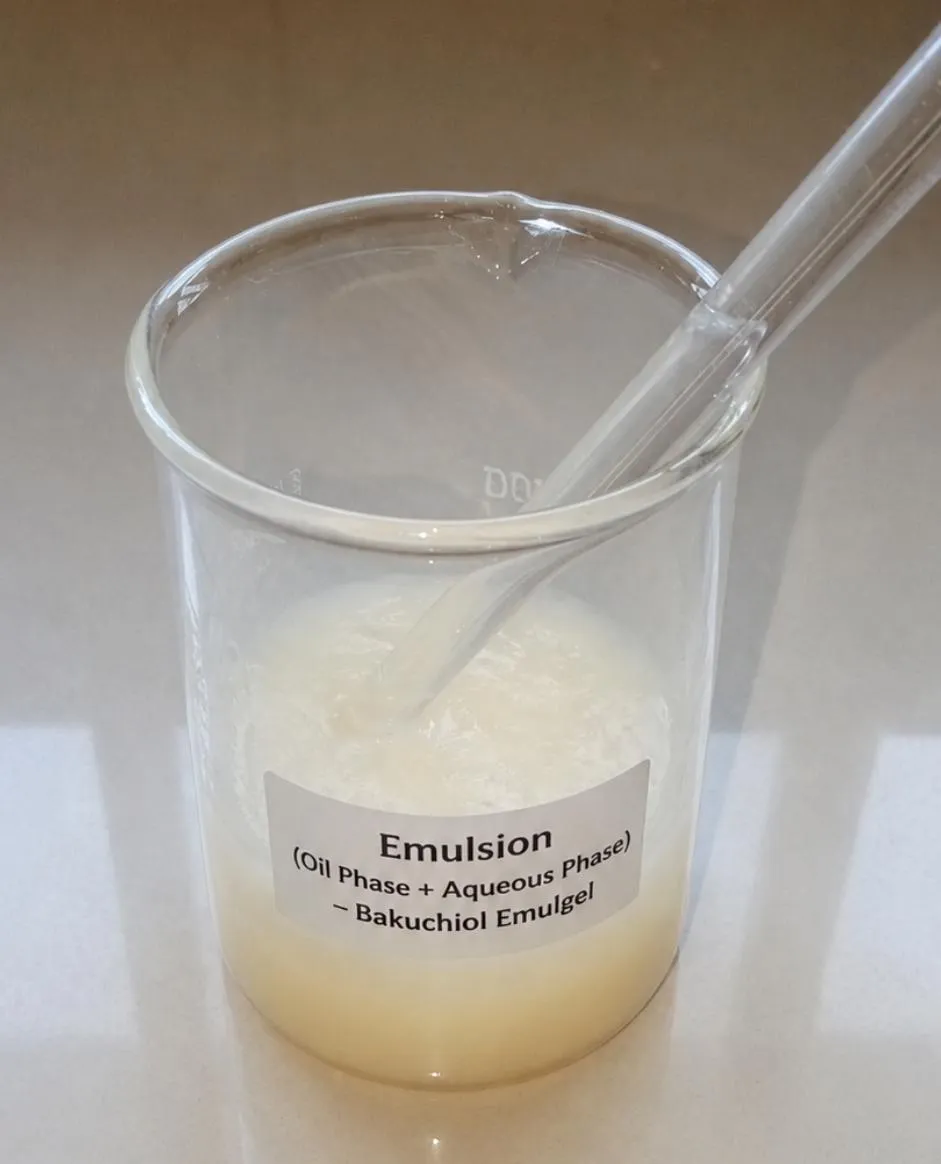
Figure 8 :Emulsion (Mixture of oil phase and aqeous phase)
2. Preparation of Gel Base:
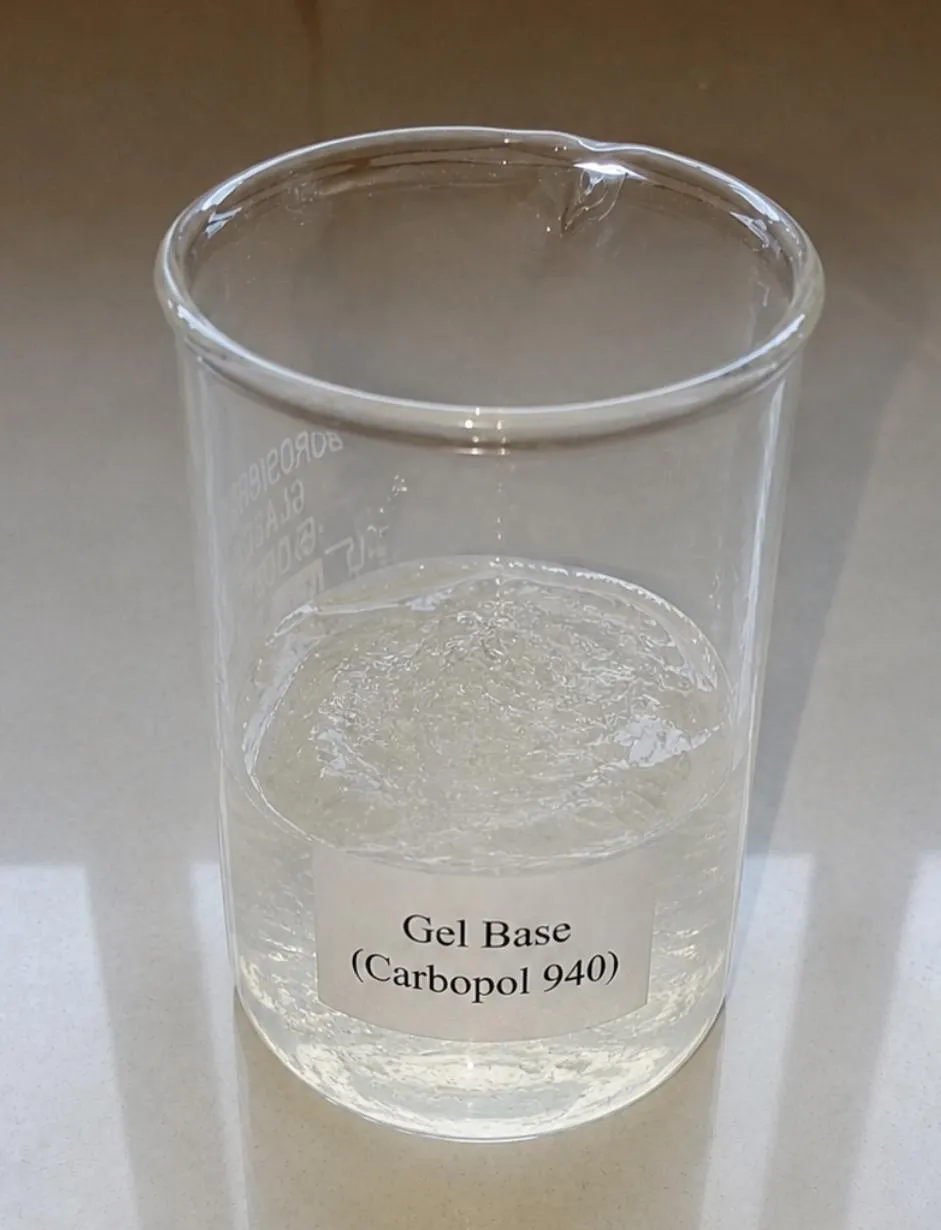
Figure 9 : Gel base of carbopol 940
3. Preparation of Bakuchiol Emulgel
Carbopol 940 was dispersed in purified water and keep it for soaking for 20-30 minutes after that with continuous stirring at moderate speed (~50 rpm) to avoid lump formation. The dispersion was allowed to hydrate and swell completely. The pH of the gel was adjusted to 6.5–6.8 using 0.5 N triethanolamine resulting in a clear gel base (25) .

Figure 10: Prepared Bakuchiol emulgel
Different Formulations of Bakuchiol emulgel:
The prepared emulsion was incorporated into the gel base in a 1:1 ratio with gentle stirring to obtain a homogeneous emulgel. Care was taken to avoid air entrapment during mixing. The final formulation was stored in airtight containers at room temperature for further evaluation (24).
Table 4:Different batches of bakuchiol emulgel formulations
|
Sr.No. |
Ingredients |
F1 |
F2 |
F3 |
F4 |
F5 |
F6 |
Role |
|
1 |
Bakuchiol |
0.5 |
0.5 |
0.5 |
0.5 |
0.5 |
0.5 |
Active ingredient |
|
2 |
Carbopol 940 |
0.5 |
0.5 |
1.0 |
1.0 |
1.5 |
1.5 |
Gelling agent |
|
3 |
Liquid paraffin |
5 |
5 |
10 |
10 |
5 |
5 |
Oil phase |
|
4 |
Span 60 |
2 |
2 |
4 |
4 |
2 |
2 |
Lipophilic emulsifier |
|
5 |
Tween 80 |
5 |
10 |
5 |
10 |
5 |
10 |
Hydrophilic emulsifier |
|
6 |
Propylene glycol |
5 |
5 |
5 |
5 |
5 |
5 |
Penetration enhancer |
|
7 |
Methyl paraben |
0.03 |
0.03 |
0.03 |
0.03 |
0.03 |
0.03 |
Preservative |
|
8 |
Propyl paraben |
0.01 |
0.01 |
0.01 |
0.01 |
0.01 |
0.01 |
Preservative |
|
9 |
Cetyl alcohol |
1 |
0.8 |
1.2 |
1 |
1.5 |
1.1 |
Thickening agent |
|
10 |
Triethanolamine |
q.s. |
q.s. |
q.s. |
q.s. |
q.s. |
q.s. |
pH adjuster |
|
11 |
Distilled water |
q.s. to 100 |
q.s. to 100 |
q.s. to 100 |
q.s, to 100 |
q.s.to 100 |
q.s. to 100 |
Vehicle |
EVALUATION OF BAKUCHIOL EMULGEL:
1. Organoleptic Evaluation
The prepared Bakuchiol emulgel formulations were visually inspected for their appearance, color, and homogeneity. All formulations (F1–F6) were found to be smooth, glossy, and homogeneous with a yellowish-white appearance. No phase separation or grittiness was observed, indicating successful formulation of a stable emulgel system(26).
2. pH Determination
The pH of all formulations was measured using a digital pH meter. The pH values ranged from 6.4 to 6.7, which falls within the acceptable range for topical formulations. This indicates that the emulgel is skin-friendly and non-irritating, making it suitable for dermatological application(27).
3. Viscosity Measurement
Viscosity was determined using a Brookfield viscometer. The viscosity of the formulations ranged from 8200 to 10300 cP. It was observed that viscosity increased with increasing concentration of Carbopol. Higher viscosity contributes to better stability and consistency of the formulation but may affect spreadability(28).
4. Spreadability
Spreadability was evaluated to determine the ease of application of the emulgel on the skin. The values ranged from 14.2 to 18.5 g·cm/sec. Formulations with lower viscosity (F1, F2) showed higher spreadability, whereas formulations with higher viscosity (F5, F6) showed lower spreadability. Good spreadability ensures uniform application on the skin surface(29).
5. Extrudability
Extrudability was assessed by measuring the ease with which the formulation can be extruded from collapsible tubes. All formulations showed good to excellent extrudability, indicating that they can be easily dispensed. Formulations F3 and F4 exhibited excellent extrudability, making them more user-friendly(30).
6. Drug Content Determination
Drug content analysis was performed to ensure uniform distribution of bakuchiol in the formulations. The drug content ranged from 96% to 99%, indicating good uniformity and minimal drug loss during formulation. Among all, F4 showed the highest drug content(30).
7. Washability
Washability was evaluated by applying the formulation on the skin and rinsing with water. All formulations were found to be easily washable, which enhances patient compliance and convenience.
8. In-vitro Drug Release Study
The in-vitro drug release study was carried out using a Franz diffusion cell. The results showed that formulations with lower viscosity exhibited faster drug release, while higher viscosity formulations showed sustained release behavior. Formulation F4 demonstrated a controlled and prolonged drug release, making it the most suitable for topical Delivery(30).
EVALUATION PARAMETERS:
Table 5: Evaluation parameters of bakuchiol emulgel
|
Formulation |
Appearance |
Color |
Homogeneity |
pH value |
Viscosity (cp) |
Spreadability (g.cm/sec) |
Extrudability |
Drug Content (%) |
Washability |
|
F1 |
Smooth |
Yellowish white |
Homogenous |
6.4 |
8200 |
18.5 |
Good |
95.2 |
Good |
|
F2 |
Smooth |
Yellowish white |
Homogenou |
6.5 |
8500 |
17.8 |
Good |
96.5 |
Good |
|
F3 |
Smooth |
Yellowish white |
Homogenou |
6.6 |
9100 |
16.5 |
Excellent |
97.3 |
Good |
|
F4 |
Smooth |
Yellowish white |
Homogenou |
6.7 |
9400 |
15.9 |
Excellent |
98.9 |
Good |
|
F5 |
Smooth |
Yellowish white |
Homogenou |
6.5 |
10000 |
14.4 |
Very good |
97.6 |
Good |
|
F6 |
Smooth |
Yellowish white |
Homogenou |
6.8 |
10300 |
14.0 |
Very good |
98.2 |
Good |
RESULTS AND DISCUSSION
The physicochemical characteristics of the Bakuchiol emulgel formulations were evaluated for parameters such as color, clogging, homogeneity, and texture. All formulations were found to be yellowish-white, viscous, creamy preparations with a smooth, homogeneous texture and glossy appearance, indicating successful formulation without phase separation or grittiness.
The spreadability of the emulgel formulations was evaluated, and the results are shown in Table. The spreadability of formulations F1, F2, F3, F4, F5, and F6 was found to be 18.5, 17.8, 16.5, 15.9, 14.8, and 14.2 g·cm/sec, respectively. It was observed that spreadability decreased with an increase in viscosity, as higher polymer concentration resulted in thicker formulations.
The viscosity of all formulations was found to be 8200, 8500, 9100, 9400, 10000, and 10300 cP for
formulations F1, F2, F3, F4, F5, and F6, respectively. The increase in viscosity was attributed to higher
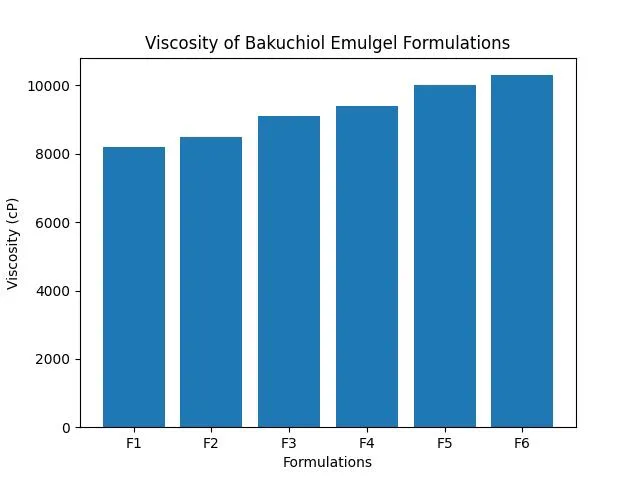
concentration of Carbopol 940, which enhanced the consistency and stability of the Emulgel.
The pH of formulations F1, F2, F3, F4, F5, and F6 was found to be 6.4, 6.5, 6.6, 6.7, 6.5, and 6.6, respectively. The pH of all formulations was found to be close to skin pH (≈6.5–6.8), indicating that the formulations are non-irritant and suitable for topical application.
The drug content was found to be 96.2%, 97.1%, 98.3%, 98.9%, 97.5%, and 98.0% for formulations F1, F2, F3, F4, F5, and F6, respectively. The maximum drug content was observed in formulation F4, which was selected as the optimized formulation due to uniform drug distribution and minimal drug loss.

Figure 12: Invitro drug release profile of bakuchiol Emulgel
The in-vitro drug release study showed that formulation F4 exhibited controlled and sustained release of Bakuchiol. The cumulative percentage drug release for formulation F4 at 1, 2, 4, 6, 8, and 12 hours was found to be 14%, 26%, 46%, 60%, 73%, and 85%, respectively. The results indicate a prolonged drug release profile, which is desirable for topical delivery system.
The study demonstrated that the developed Bakuchiol emulgel formulation provides effective and sustained drug release, making it suitable for the treatment of stretch marks and skin aging conditions. The Carbopol-based semisolid formulation ensures good consistency, ease of application, and enhanced patient compliance.It can be concluded that the prepared Bakuchiol emulgel offers several advantages over conventional topical formulations, including improved spreadability, prolonged drug release, better stability, and cost-effectiveness. Additionally, the formulation is suitable for all age groups, including geriatric and adult populations, due to its non-irritant and user-friendly nature.
CONCLUSION:
Bakuchiol-loaded emulgel formulations (F1–F6) for topical application were effectively produced and assessed in this investigation. Good homogeneity, a smooth texture, an acceptable pH, a suitable viscosity, and a homogeneous drug concentration were among the favorable physicochemical features that all formulations displayed, indicating stability and suitability for cutaneous application. The evaluation’s findings demonstrated that changes in the emulsifier ratio (Span 60 and Tween 80) and polymer concentration (Carbopol 940) had a substantial impact on the formulations’ performance. Formulation F4 showed the best qualities of all the batches, including high drug content, regulated drug release profile, good spreadability, great extrudability, and ideal viscosity. The improved formulation (F4) offers sustained and prolonged release of bakuchiol, which is advantageous for enhancing therapeutic efficacy and lowering the frequency of application, according to the in-vitro drug release study. The pH of the formulation was found to be compatible with skin, indicating non-irritant nature and good patient compliance.
Overall, the developed Bakuchiol emulgel shows promising potential as an effective topical delivery system for the management of stretch marks and skin-related conditions, offering advantages such as ease of application, enhanced stability, prolonged action, and cost-effectiveness. Hence, it can be concluded that the optimized emulgel formulation (F4) is suitable for further studies and potential commercialization.
REFERENCES:

Nikita Shejwal, Vikas Shinde, Formulation and Evaluation of Bakuchiol (Psoralea corylifolia) Loaded Emulgel for the Management of Stretch Marks (Striae Distensae), Int. J. of Pharm. Sci., 2026, Vol 4, Issue 5, 7898-7915. https://doi.org/10.5281/zenodo.20444318
 10.5281/zenodo.20444318